
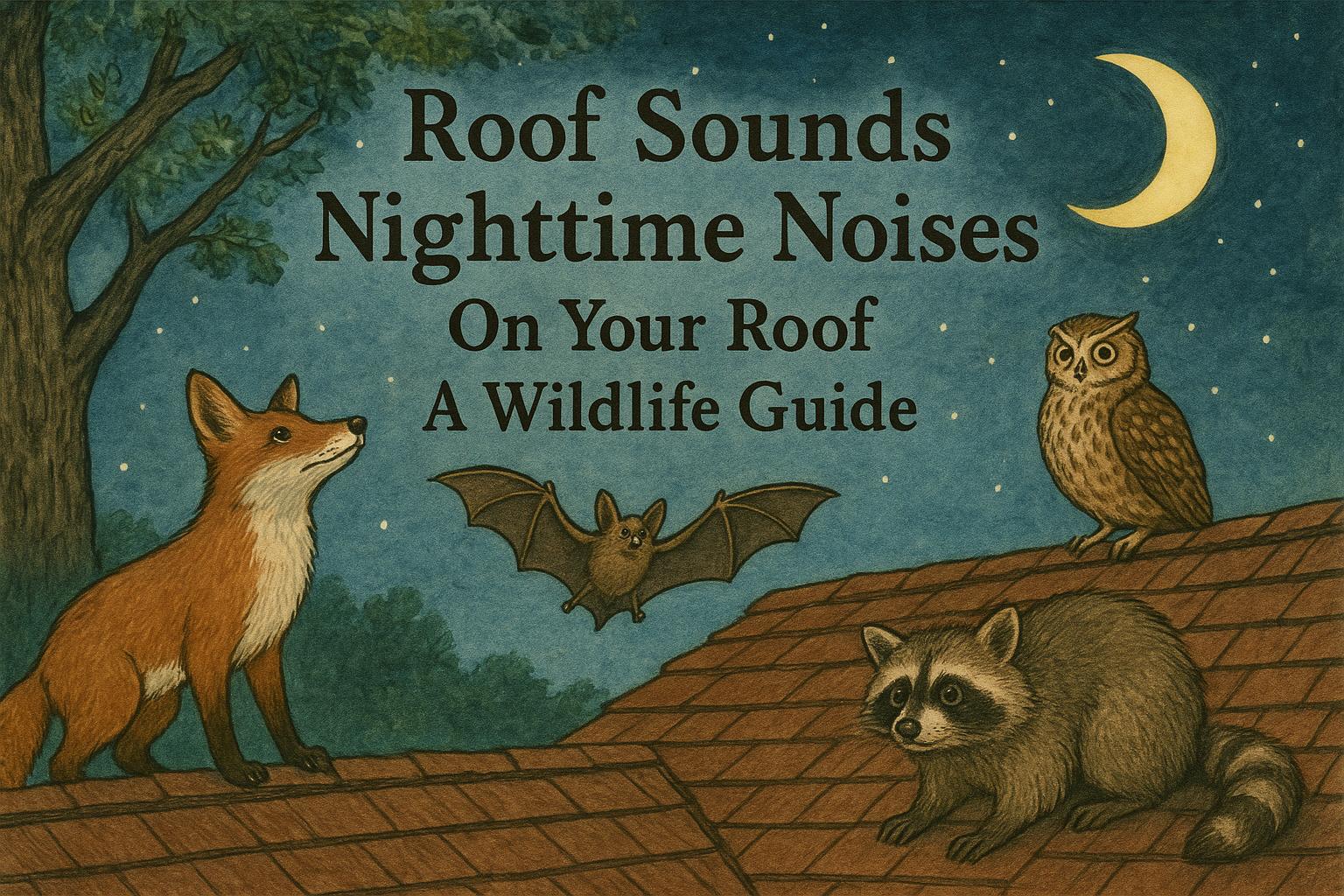
You’re lying awake, listening to mysterious thumps, scrapes and patter above your head. Nighttime noises on a roof can feel like a ghost story written by wildlife. Relax — most of these sounds have perfectly ordinary explanations. This guide will help you identify common culprits, assess risk, and apply practical, humane remedies that work.
## Roof Sounds: What You’re Hearing And Why
Nighttime roof sounds are usually critters trying to get comfortable, searching for food, or exploring. Common noises include light tapping, steady scratching, sharp thumps, and quick skittering. Sometimes it’s a territorial bird; sometimes it’s a raccoon that took up acrobatics as a hobby. Pay attention to the pattern: repeated thumps at the same spot likely mean nesting or entry; random scurries suggest foraging or rodents.
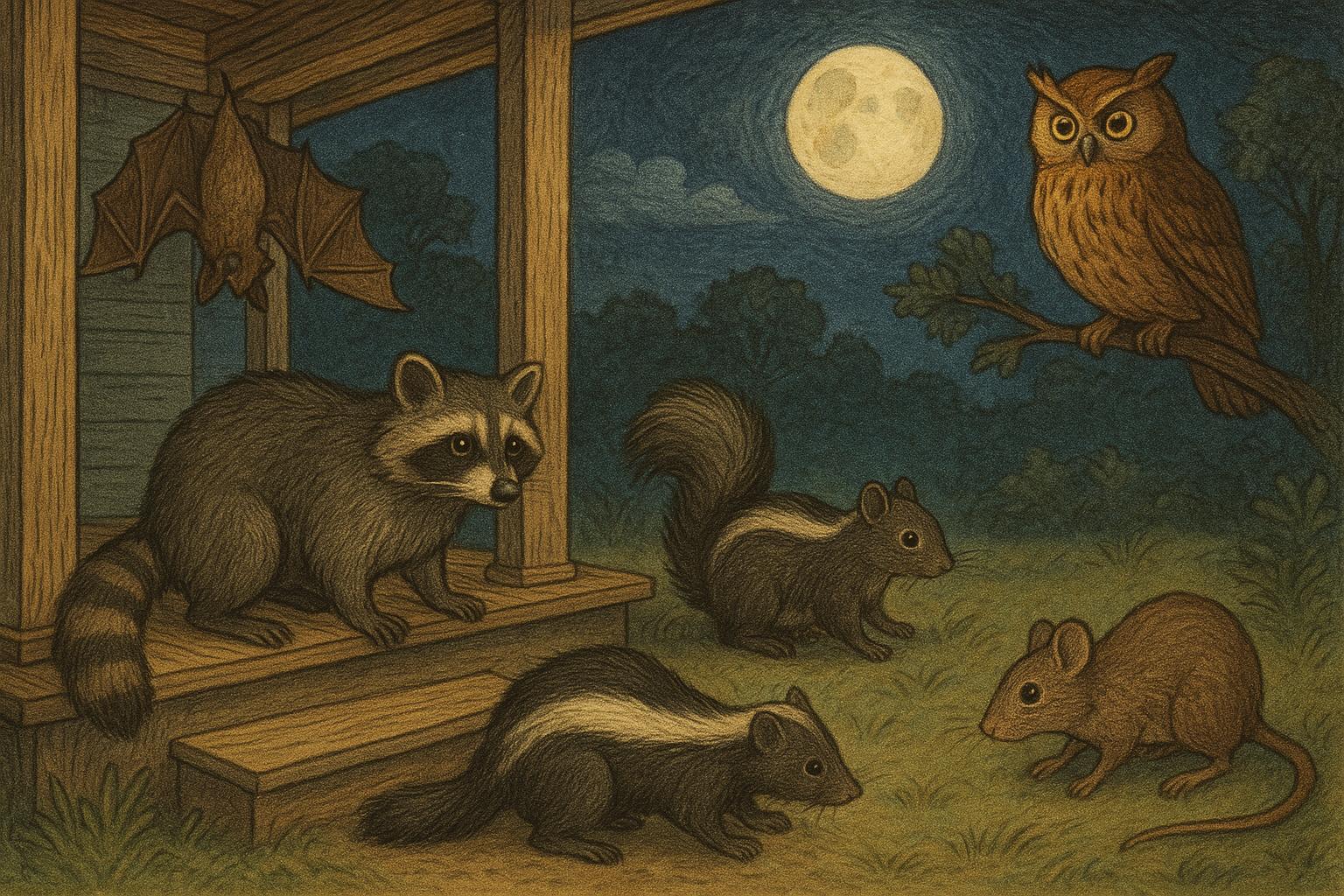
Common nighttime visitors that create roof sounds:
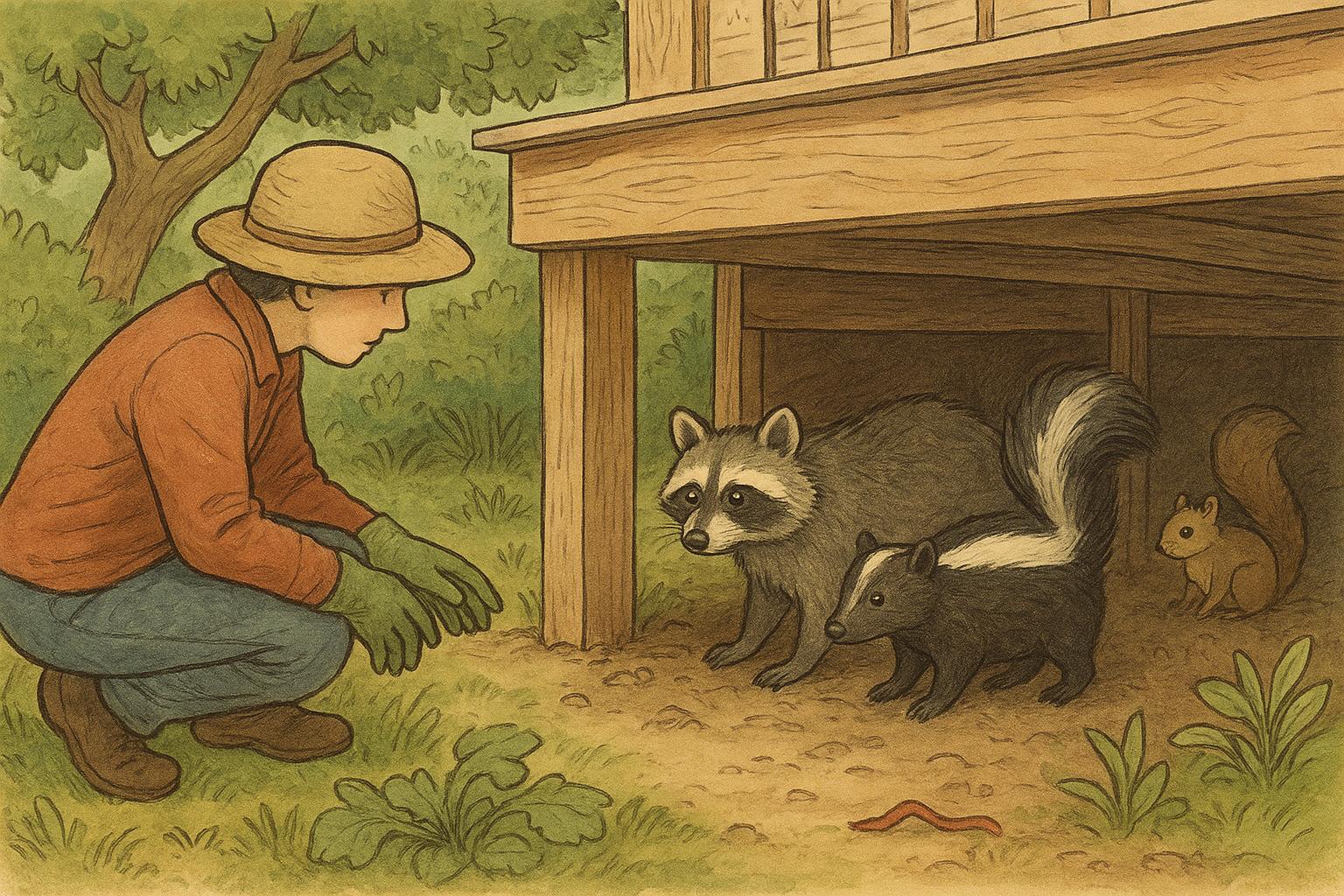
– Raccoons and opossums: heavy, deliberate thumps and dragging noises as they walk across shingles or chimney caps.
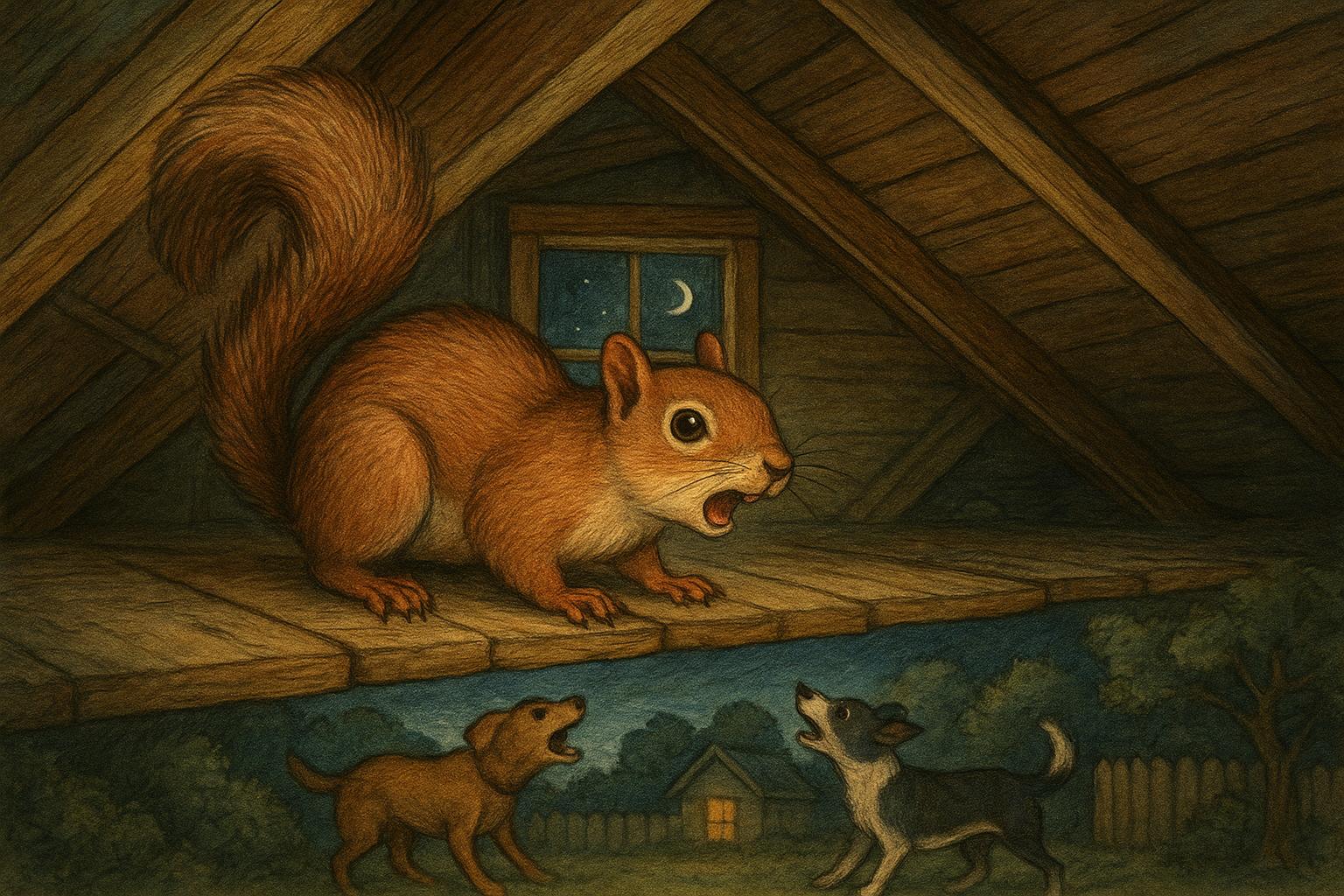
– Squirrels: quick scratching, scuttling and occasional falls (which sound worse than they are).
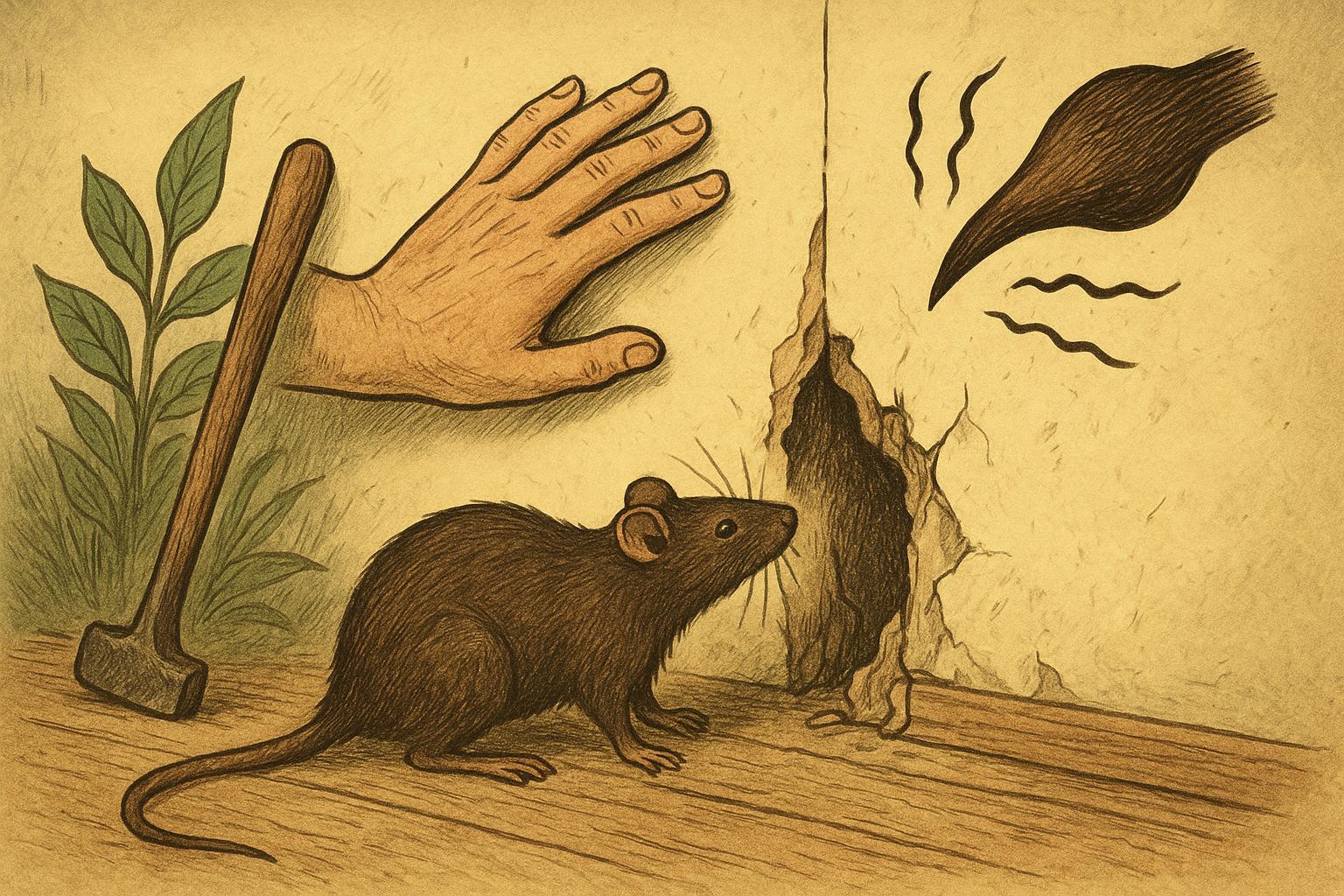
– Rats and mice: faint, rapid scratching, especially near eaves or attic access.
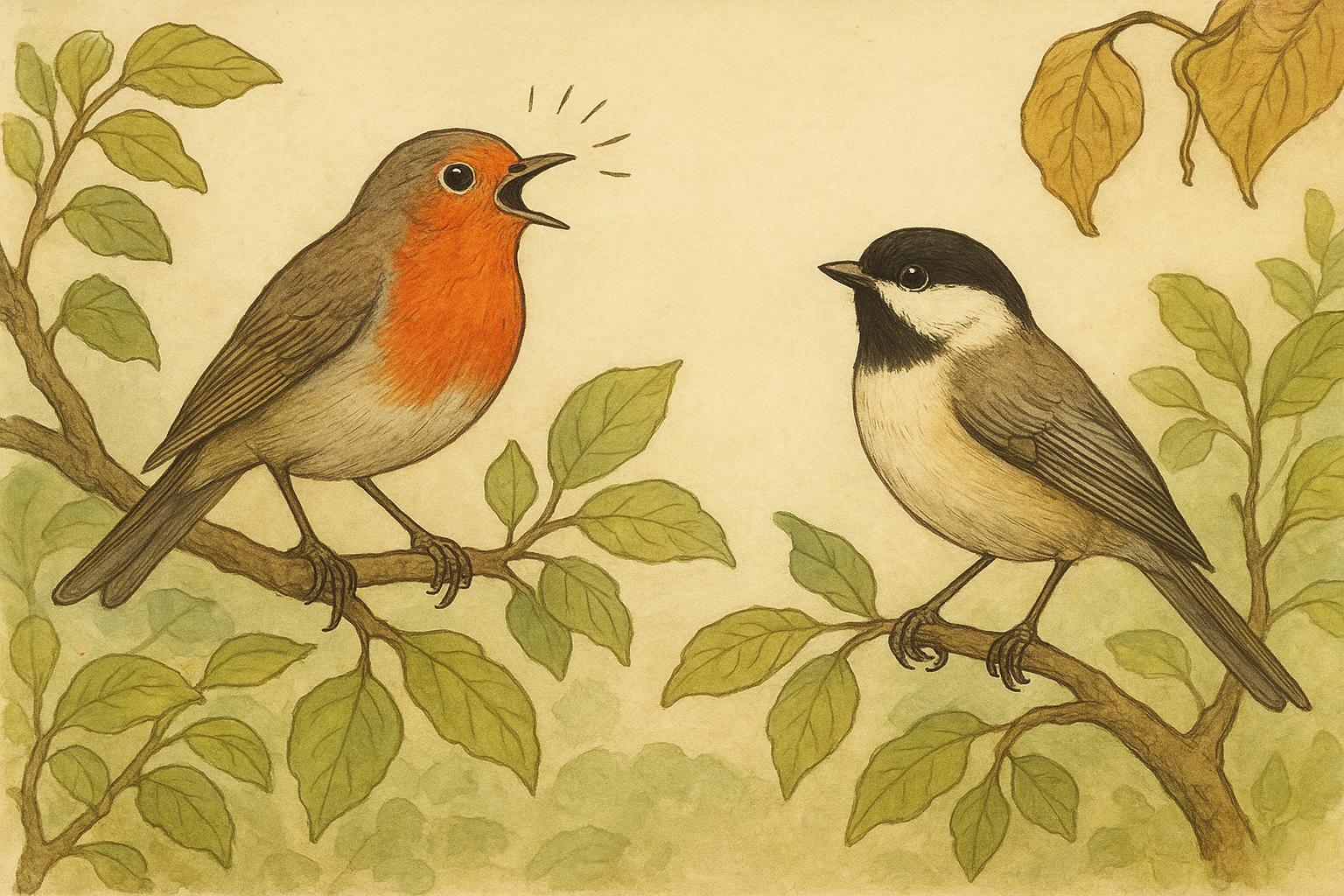
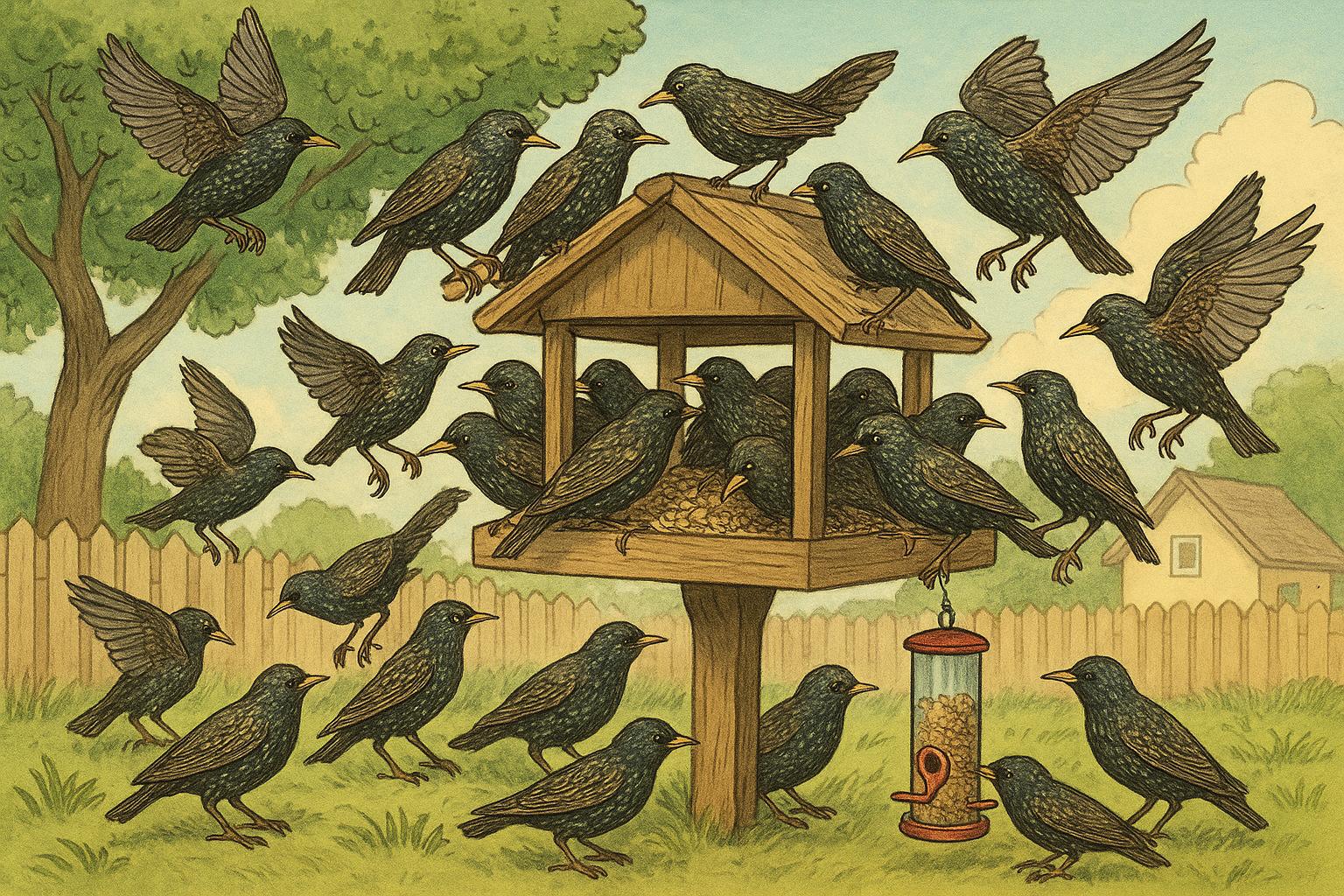
– Birds (starlings, pigeons): fluttering, pecking, and chirping when roosting or building nests.
– Bats: tiny rustles and squeaks, often clustered near soffits or eaves.
### How The Timing And Weather Help
Animals behave differently depending on temperature, food availability, and breeding season. After a windy night you may hear more debris; during spring and summer, nesting activity increases. If you hear roof sounds only during rain, it might be loose flashing or gutters vibrating — not wildlife at all.
### Signs To Identify The Culprit
Look for signs beyond the sounds. This section gives practical clues you can spot from the ground or attic.
#### Raccoons And Opossums
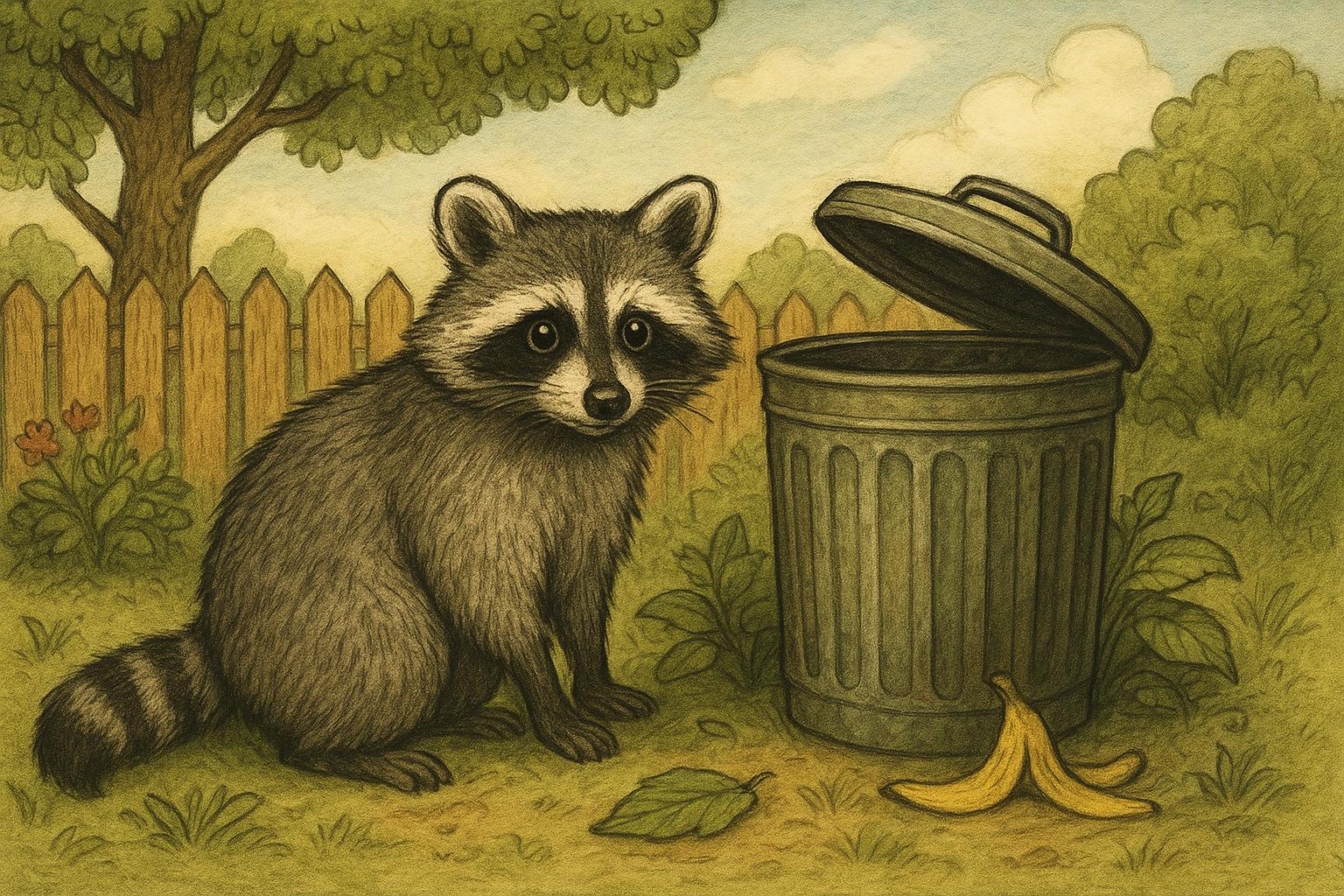
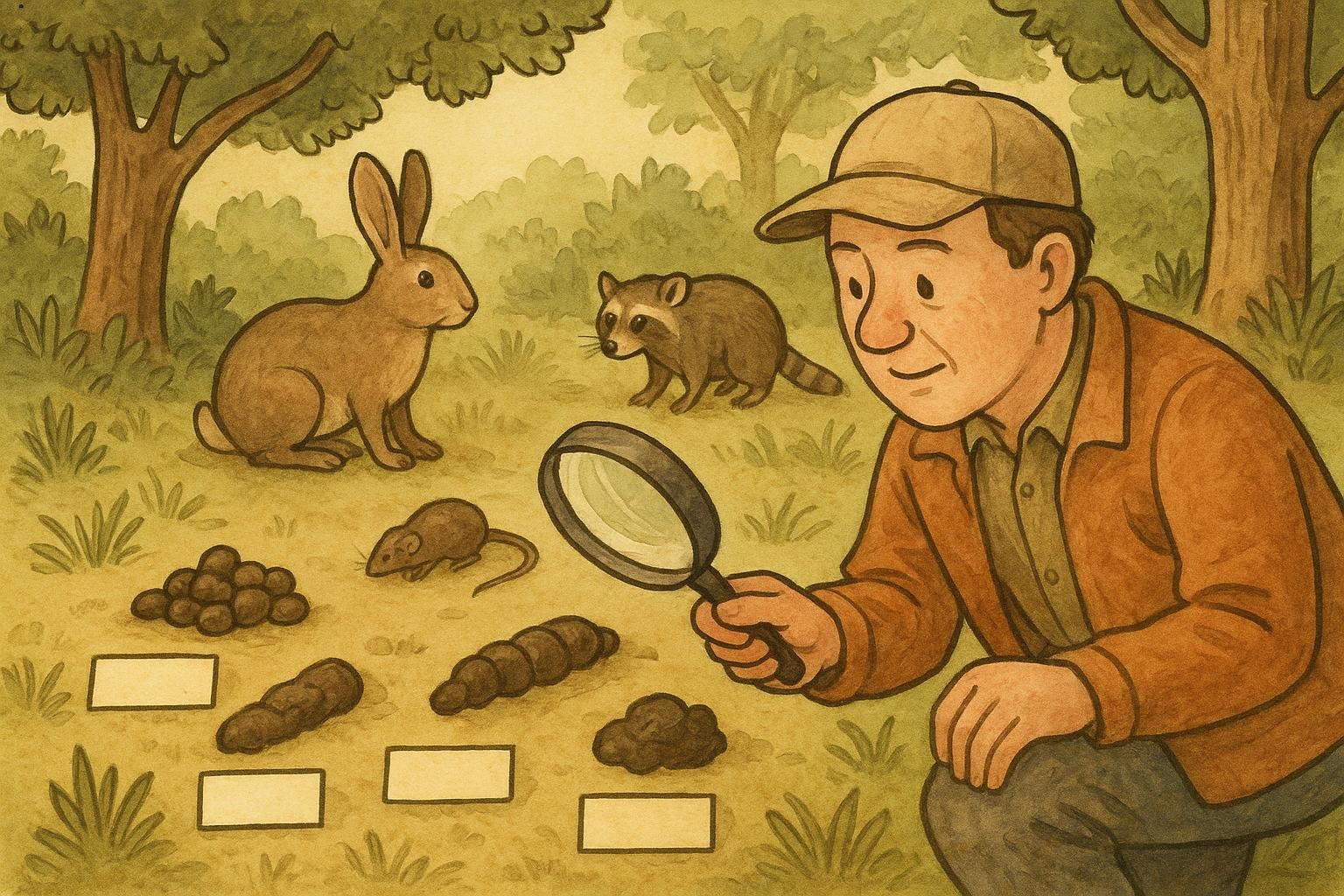
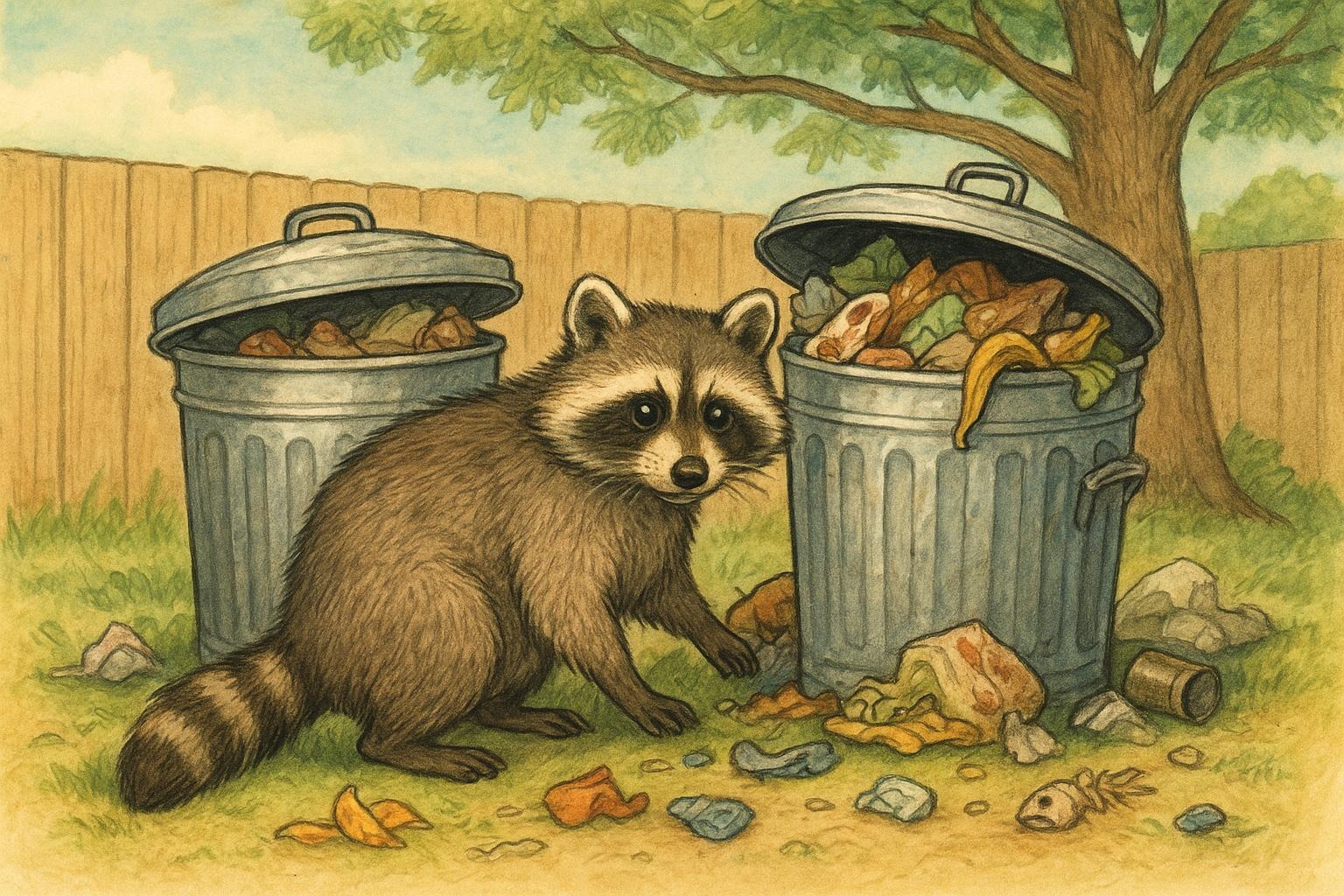
You’ll often see larger droppings, disturbed garbage cans, or flattened spots on the roof where they rest. Raccoons travel on roofs with confident, heavy steps — that “thump-thump” rhythm is a giveaway.
#### Squirrels
Small chewed holes near vents or under shingles, and shredded nesting material near attic vents. Squirrels’ incessant scratching often increases at dawn and dusk.
#### Birds
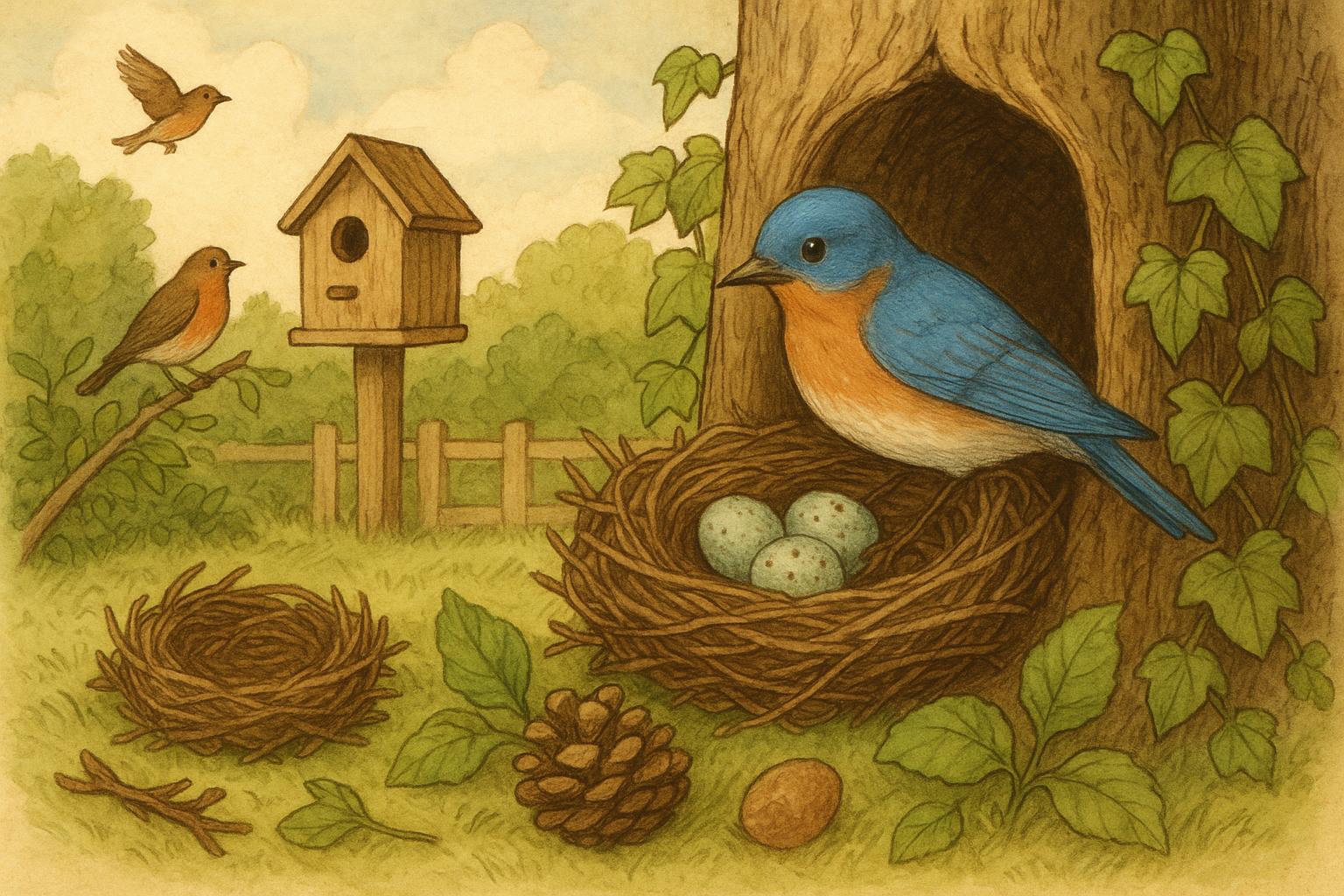
Nests visible near gutters, vents, or chimneys. Bird noises are more flutter/peck and often daytime, but some species roost at night.
#### Rodents (Rats, Mice)
Tiny gnaw marks on wood, droppings near insulation, and thin, rapid scratching in attic spaces. Rodents tend to be active all night, especially where food or warmth is present.
#### Bats
Look for small droppings (guano) near eaves and a day-time congregation at soffits. Bats produce very soft, rapid noises that can be tough to hear unless you’re close.
### When Roof Sounds Indicate Damage Or Safety Risk
Not all roof sounds are just annoying — some signal damage or a safety issue. Repeated thumps in the same spot could mean a soft spot in decking or a broken shingle being lifted. Persistent scratching at eaves may indicate a chewed entry point that can let wind and water into your attic. Water stains or sagging ceilings accompanying noises are urgent: structural repair or a professional inspection is needed.
## How To Investigate Safely
Don’t climb onto the roof at night. Use these safer alternatives:
– Inspect during daylight with a flashlight for damage, droppings, entry points and nests.
– Listen carefully from inside rooms directly below the noise to localize activity.
– Check attic spaces for tracks, droppings, or insulation disturbance. Wear gloves and a mask to avoid exposure to droppings or parasites.
– Set up a motion-activated camera or a smartphone on a high tripod to catch nocturnal visitors.
### Legal And Ethical Notes
Many species are protected by local laws (especially bats and migratory birds). Removing or harming them can be illegal and inhumane. Before attempting exclusion or eviction during breeding season, check local wildlife regulations or consult a licensed wildlife rehabilitator.
## Remedy 1: Exclusion And Repair (Seal Entry Points)
Formal, step-by-step procedure. Exclusion is the most permanent humane solution: find and seal entry points so animals can’t get in or back onto your roof.
Materials Required:
1. Heavy-gauge galvanized hardware cloth (1/2″ mesh) and/or sheet metal flashing
2. Exterior-grade caulk and expanding foam sealant
3. Exterior screws and washers
4. Roof cement or asphalt roof patch
5. Ladder with stabilizer, safety harness for working at heights
6. Work gloves, eye protection, dust mask
Step-By-Step Creation And Application:
1. Survey: Inspect the roofline, soffits, fascia, vents, and chimney for holes, gaps, or loose shingles during daylight. Identify all probable access points.
2. Temporarily prevent re-entry: If animals are currently inside, you must allow them to exit before sealing. Install one-way exclusion flaps (commercial units) on attic vents or openings to permit exit but block re-entry. Monitor for 48–72 hours.
3. Clean and prepare surfaces: Remove loose debris, nesting materials, and old caulk around identified gaps. Wear protective gear.
4. Patch small gaps: Use exterior-grade caulk and hardware cloth to fill holes under 1 inch. Fasten cloth with screws and washers, then seal edges with caulk.
5. Reinforce larger openings: For larger areas, cut hardware cloth or sheet metal flashing to overlap existing roofing or siding by at least 2 inches. Secure with exterior screws and seal seams with roof cement.
6. Repair roofing material: Replace damaged shingles or flashing using roofing nails and roof cement; ensure a watertight seal to prevent leaks.
7. Final check: Re-inspect after a few days and at night (from inside) to confirm the noises have ceased. Remove one-way flaps only after confident the animals have relocated.
Note: If bats or migratory birds are present, do not exclude during roosting/breeding seasons. Consult wildlife professionals for species-specific protocols.
## Remedy 2: Habitat Modification And Deterrents
Formal instructions for reducing attractants and applying deterrents that are humane and effective.
Materials Required:
1. Secure animal-proof trash containers with tight lids
2. Trimmed vegetation from roofline (pruning shears)
3. Motion-activated lights or sprinklers
4. Bird netting (where appropriate) and predator silhouettes for daytime deterrence
5. Professional-grade ultrasonic devices (used sparingly and as supplement)
6. Personal protective equipment for trimming work
Step-By-Step Creation And Application:
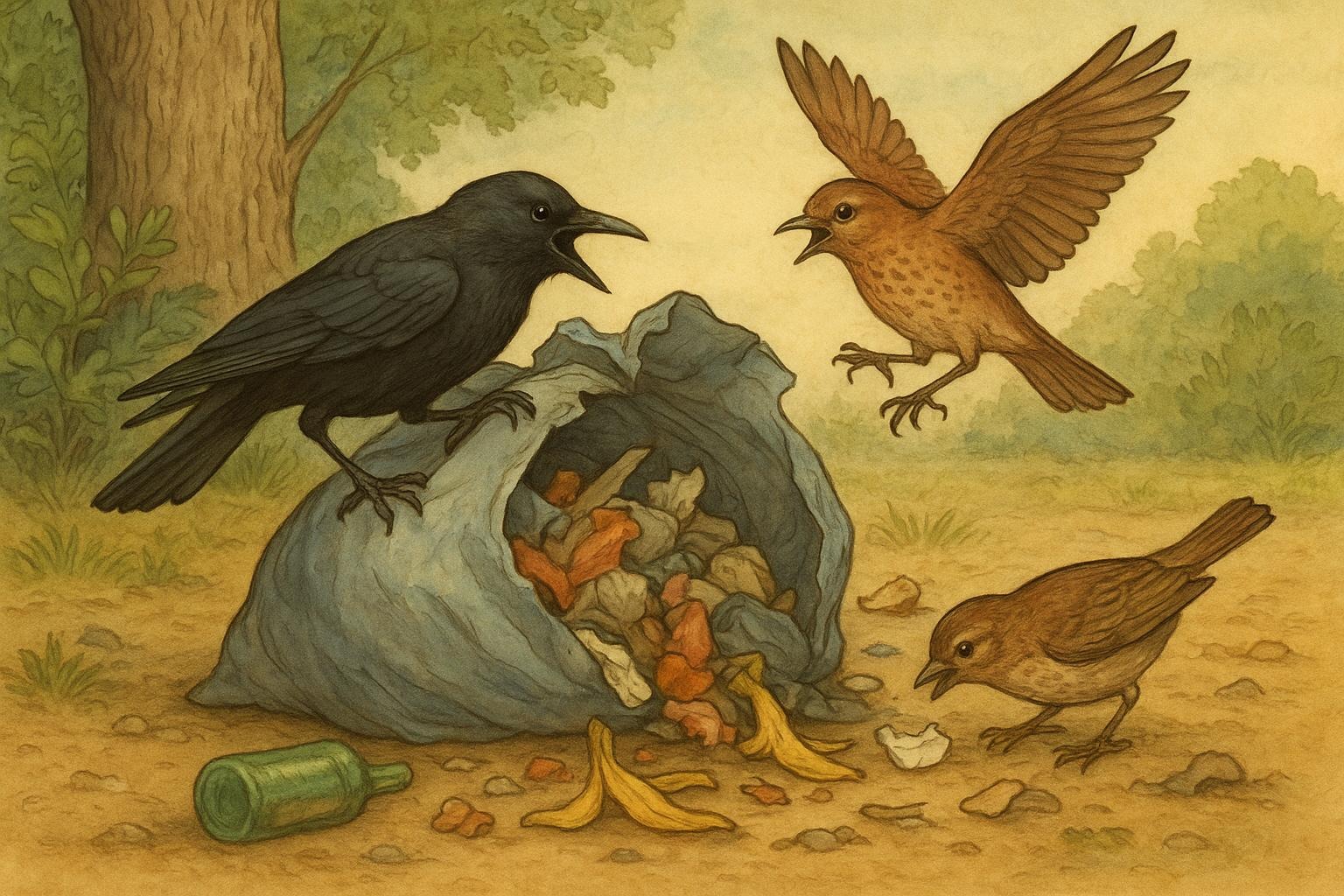
1. Remove attractants: Secure trash, pick up fallen fruit, and avoid putting pet food outside overnight. This reduces the food sources that draw animals onto roofs.
2. Trim overhanging branches: Prune tree limbs at least 6–8 feet away from the roofline to eliminate easy jumping platforms for squirrels and raccoons.
3. Eliminate shelter: Remove brush piles, wood stacks, and other potential hiding spots near the house. Elevate woodpiles or store them away from the foundation.
4. Install deterrents: Position motion-activated lights or sprinklers to startle nocturnal visitors; animals generally avoid brightly lit or suddenly wet areas. For birds, install bird netting or spikes in non-damaging areas to prevent roosting.
5. Test and adapt: Monitor for changes using cameras or night checks. Some deterrents need repositioning or combining to remain effective.
6. Maintain: Keep vegetation trimmed and trash secured year-round. Check deterrents seasonally to ensure they function properly.
### When To Call A Professional
Call a licensed wildlife control professional if:
– You’re hearing repeated noises that persist after exclusion and deterrents.
– Animals are trapped inside walls or attics.
– You detect structural damage, extensive soiling, or droppings that pose health risks.
– Bats or protected species are involved, or if you’re unsure about legal restrictions.
Professionals can perform humane exclusion, clean contaminated insulation, and repair structural damage while complying with wildlife laws.
### Preventive Maintenance Checklist
A few simple habits dramatically cut down nighttime roof sounds over time: secure trash, trim trees annually, inspect roofs before fall and after storms, and maintain chimney caps and vent screens. Prevention is cheaper and less dramatic than eviction theater.
Keep your nights quieter and your roof critter-free with patience, the right materials, and a touch of common-sense detective work. If the mystery persists, a qualified pro will save you time and headaches — and might even find a wayward raccoon that thinks your attic is a luxury condo.









Leave a Reply