

Evening on the porch can be magical: a warm drink, a soft chair, maybe some background cricket music. Then a rustle, a sniff, and that little nighttime drama starts — critters investigating your lights, smells, and comfy corners. These are the porch pests you didn’t exactly invite, and they’re usually just trying to eat, nest, or audition for a raccoon talent show.
## Porch Pests: Who’s On Your Porch At Night
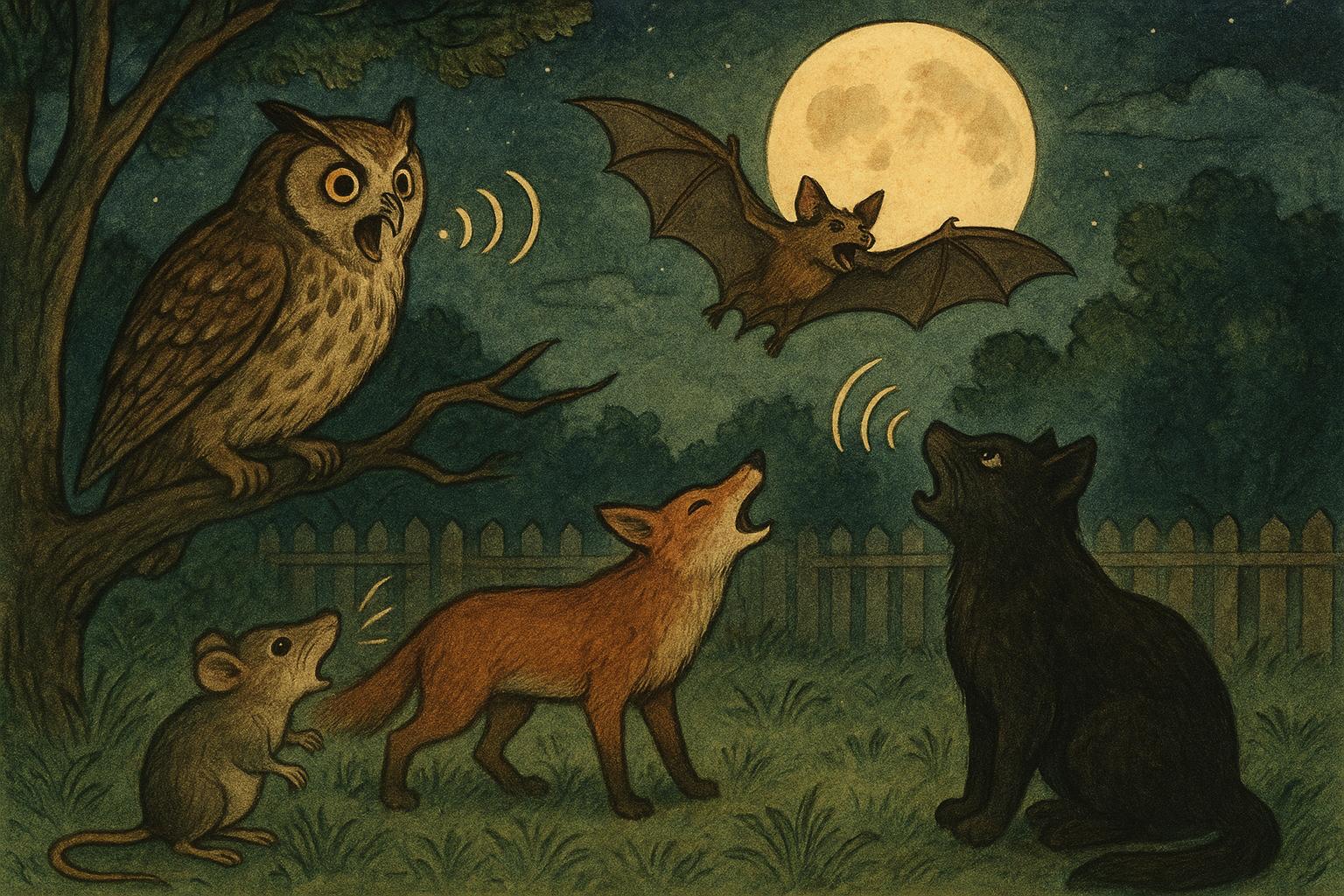
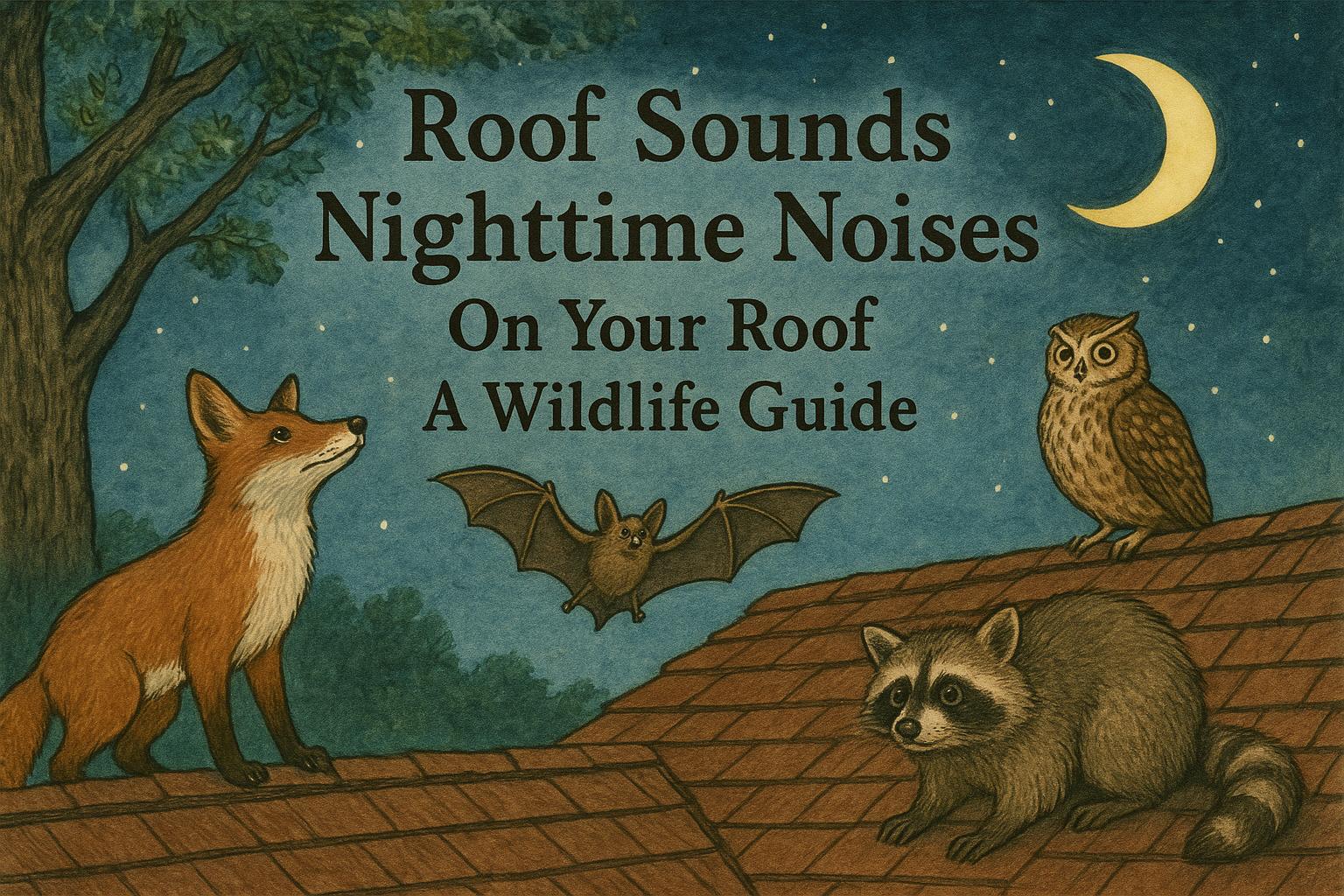
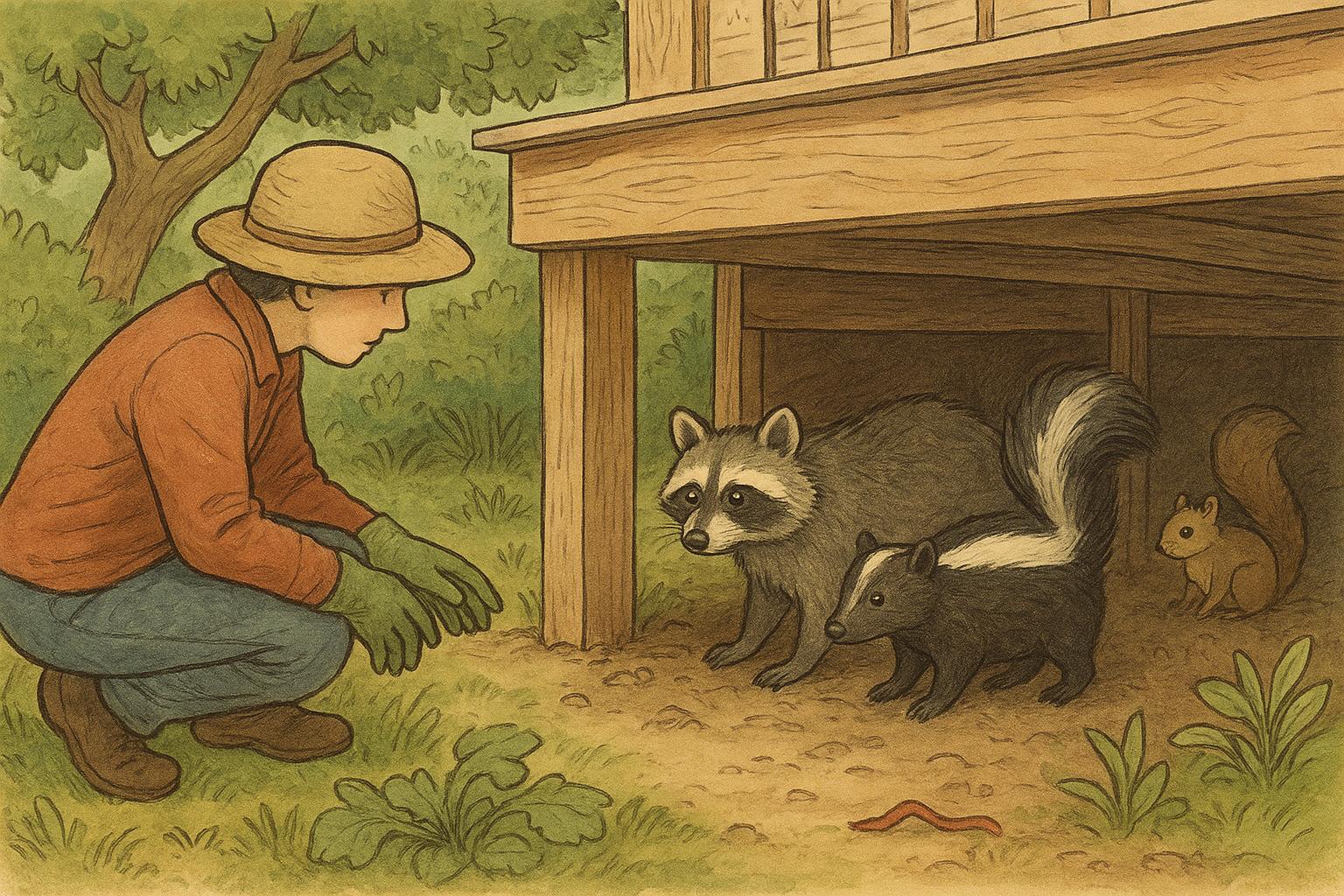
You’ll see different faces (or snouts) depending on where you live: raccoons, opossums, mice, rats, skunks, bats, and clusters of insects. Some are harmless while others can cause damage, leave droppings, or create unpleasant smells. Understanding who counts as “porch pests” is the first step toward dealing with them humanely and effectively. (porch pests – count: 1)
## Common Visitors And Why They Come
Many nocturnal backyard visitors are motivated by the same three things: food, shelter, and safety. Porches provide sheltered nooks, easy access to pet bowls or trash, and sometimes cozy clutter that makes a fine den. If your porch is an easy buffet, expect regular customers.
### Raccoons
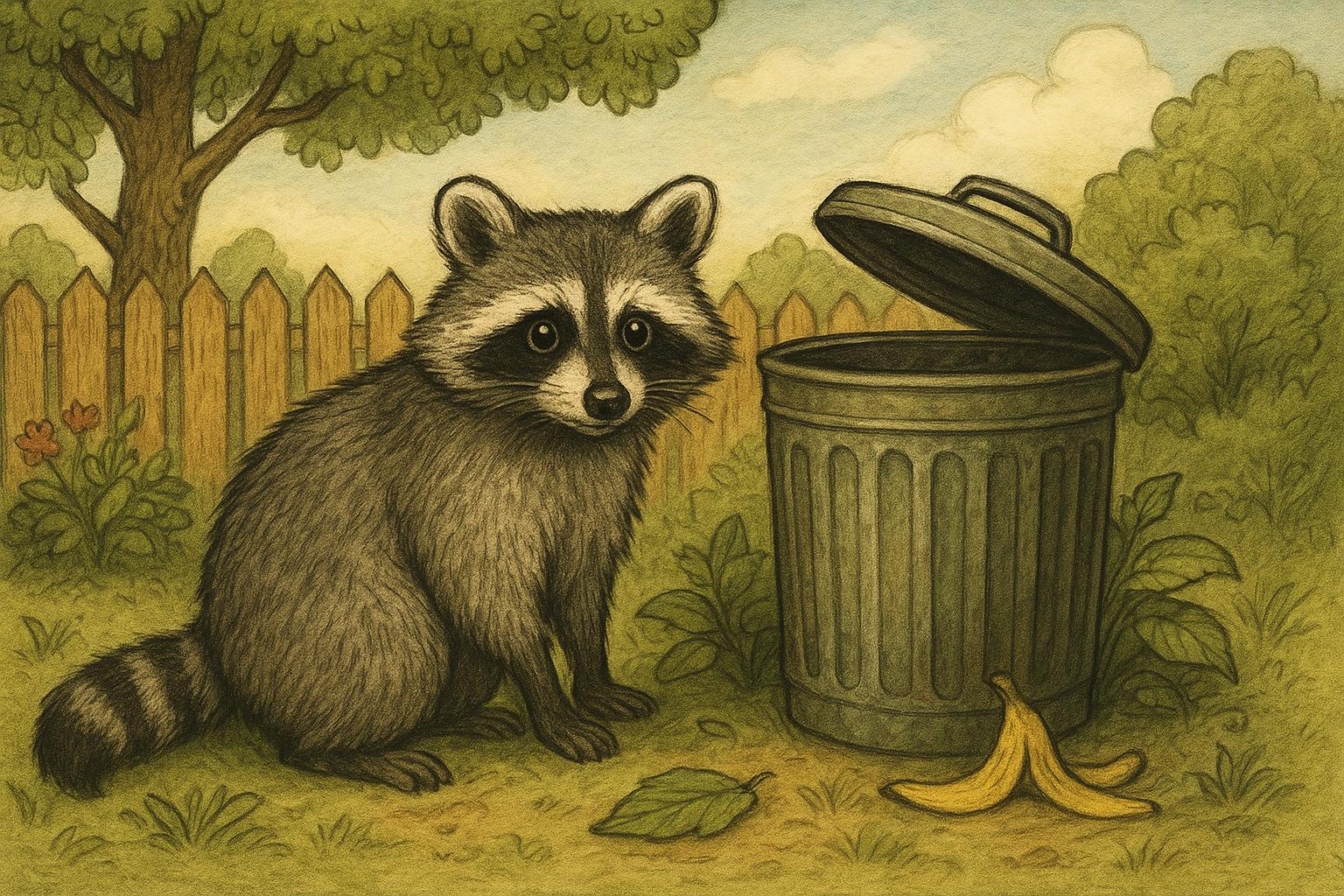
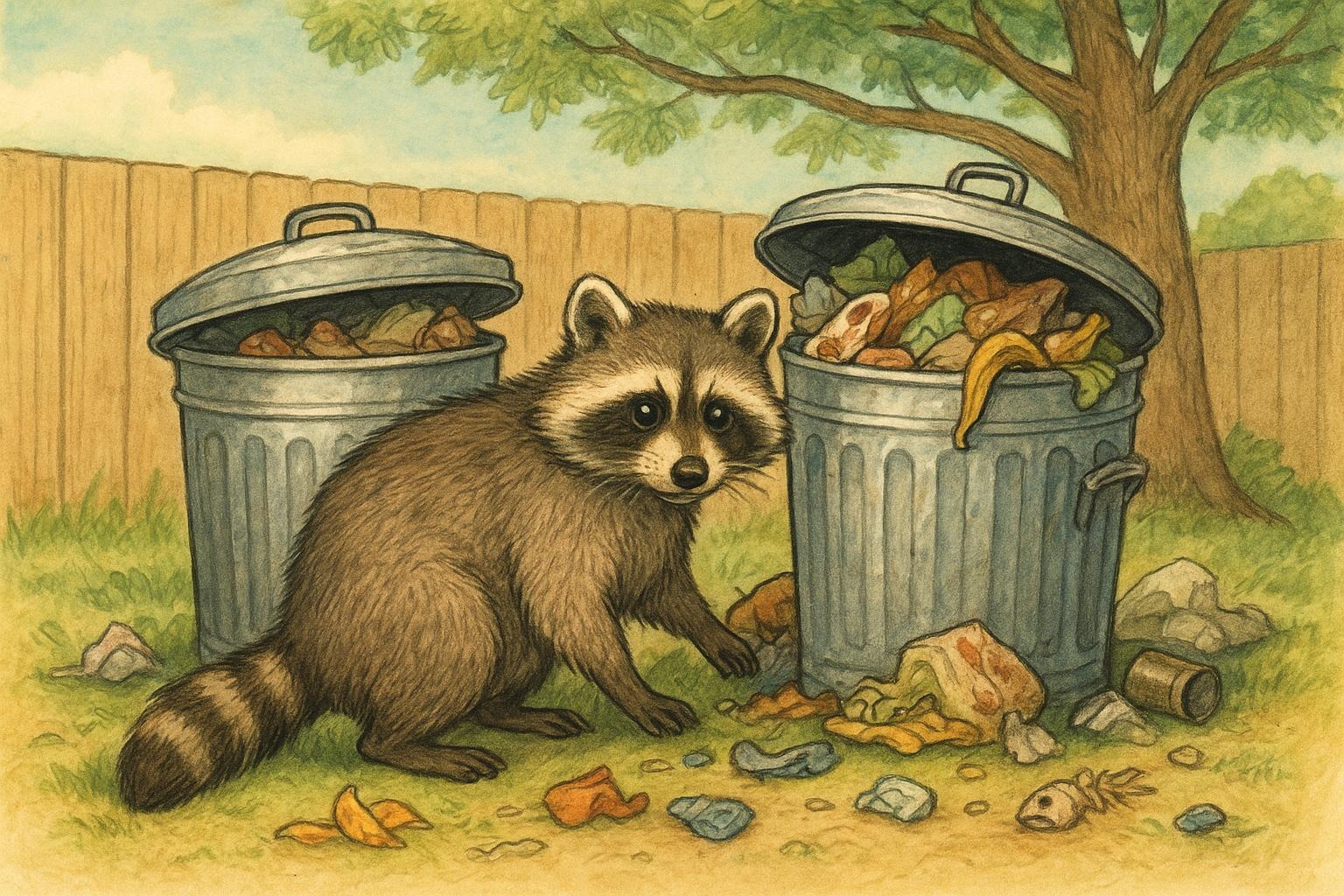
Raccoons are clever and persistent. They flip lids, unzip bags, and will pry screens if there’s something delicious inside. They often leave trash scattered and can be aggressive if cornered.
### Opossums And Skunks
Opossums are generally placid and useful (they eat ticks), but they’ll raid scraps and take shelter in quiet spots. Skunks, meanwhile, are nocturnal and notorious for spraying if surprised, so minimizing their visits is a priority for obvious reasons.
### Rodents
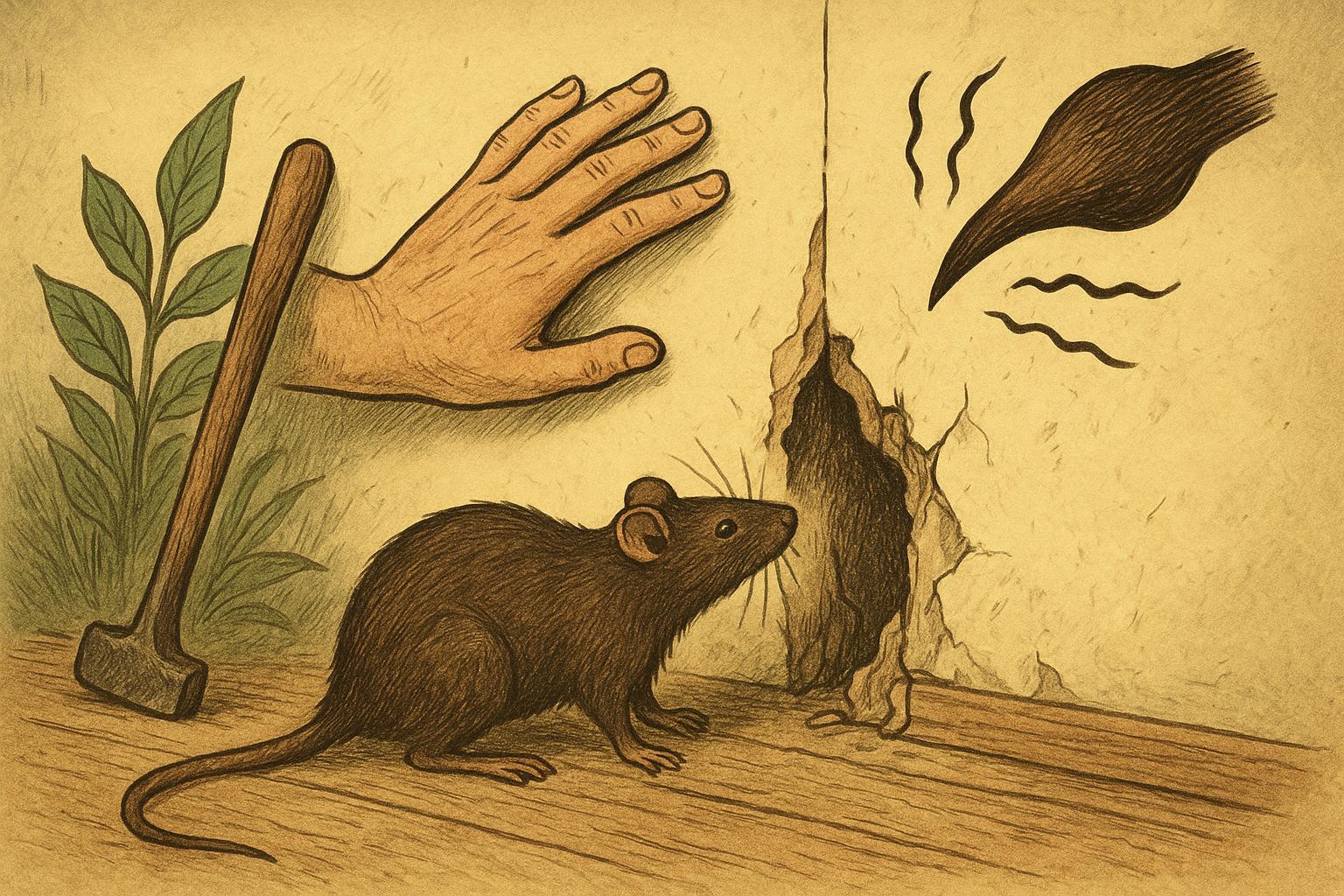
Mice and rats are classic porch pests. They chew, contaminate food, and can carry diseases. They’ll nest in boxes, under cushions, or inside unseen gaps. Mice are small but prolific; rats require a more serious response.
#### Signs Of Rodent Activity
– Droppings near walls or stored items
– Gnaw marks on wood, plastic, or wiring
– Nesting material like shredded paper or insulation
### Bats And Insects
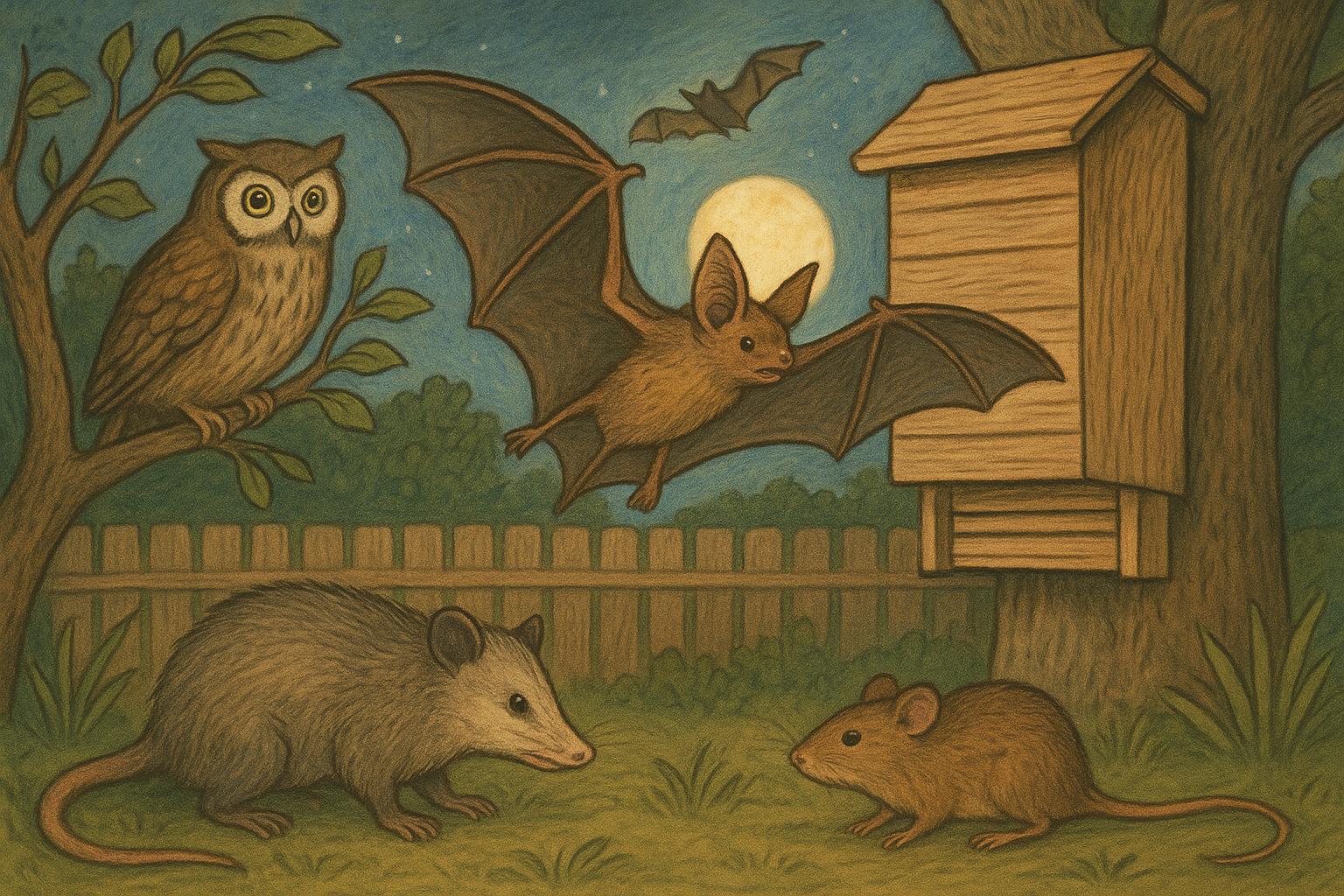
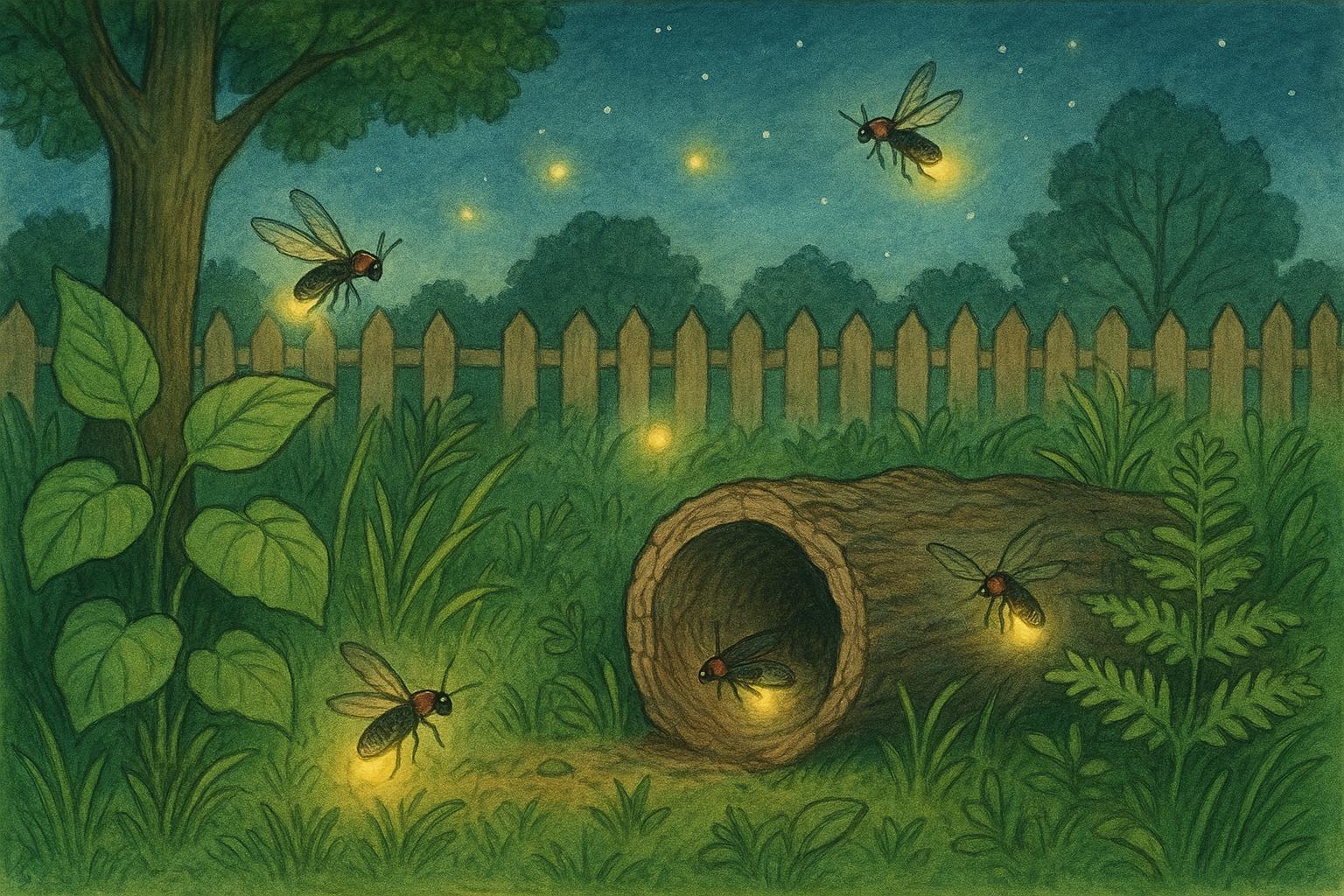
Bats may roost under eaves or in soffits and can be beneficial by eating bugs, but their droppings (guano) can build up and create health concerns. Insects — especially moths, beetles, and mosquitoes — are attracted to porch lights and can turn a pleasant night into an itchy one.
## How To Assess The Problem Without Panic
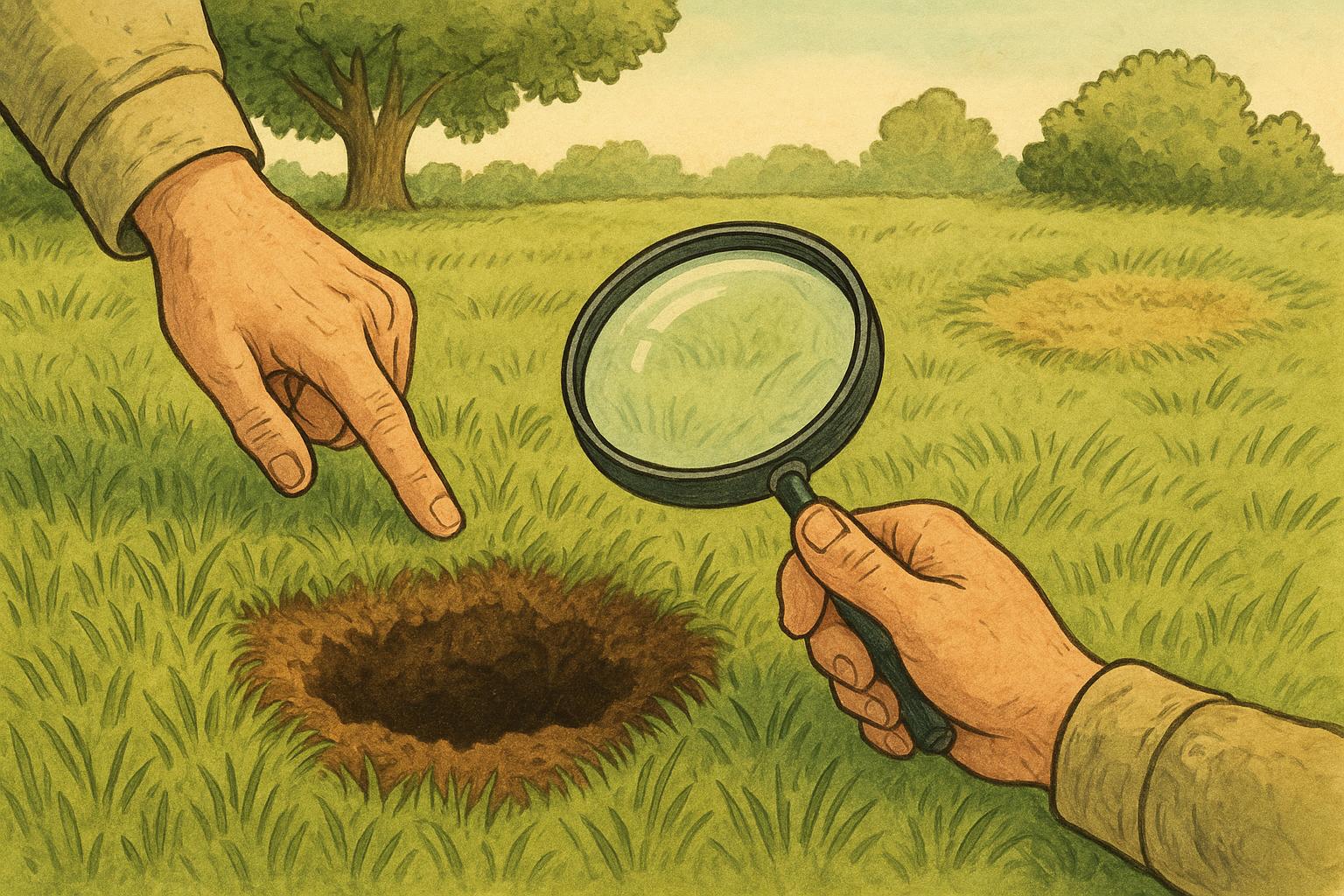
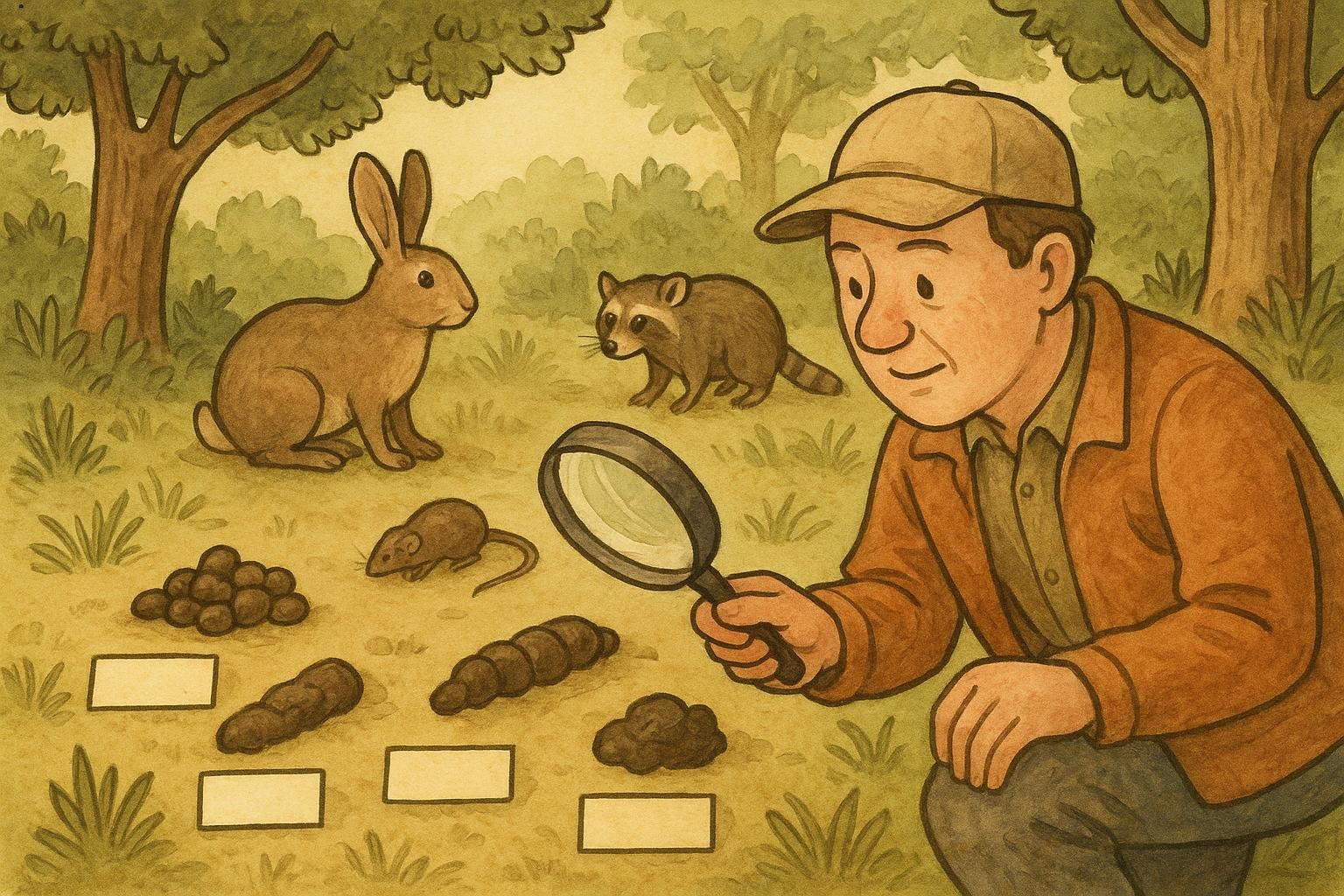
Before you go full exterminator, do a calm nighttime and early-morning walkthrough. Note tracks, droppings, disturbed trash, and where animals are entering. That information guides the remedy you choose and prevents wasted effort. Remember: many porch pests are protected or best handled humanely.
## 1. Humane Deterrent Spray For Porch Pests
This is a practical, low-cost remedy that repels many small mammals and insects without harm. Use it to make your porch less inviting.
### Materials
– 1 quart (about 1 L) water
– 1/4 cup white vinegar
– 1 tsp liquid dish soap (mild)
– 10–15 drops peppermint oil
– Spray bottle (1 L capacity)
– Gloves and eye protection
### Preparation Steps (Creation)
1. Put on gloves and eye protection to handle essential oil and vinegar safely.
2. In a measuring container, mix the water and white vinegar.
3. Add the liquid dish soap; stir gently to combine (this helps the oil mix).
4. Add 10–15 drops of peppermint oil and stir. Peppermint is a strong mammal deterrent and is unpleasant to many insects.
5. Pour the mixture into the spray bottle and label it clearly.
### Application Steps (Use)
1. Test a small, hidden area of any painted surface to ensure the solution won’t cause staining or damage.
2. In the evening, lightly spray around entry points, under cushions, near trash cans, and along the base of walls. Avoid spraying plants directly to prevent potential distress to sensitive species.
3. Reapply after rain or heavy dew, or every 5–7 days for continuous deterrence.
4. If a particular animal appears undeterred, stop using the spray in that area and try exclusion methods (see next remedy). Note: Do not use essential oils near pets that may be sensitive to them.
## 2. Seal And Modify To Keep Porch Pests Away
Long-term prevention is about exclusion and habitat modification. This method is more formal and structural, and usually more effective against persistent porch pests.
### Materials
– Weather-resistant caulk or expanding foam
– Steel wool or copper mesh
– Door sweeps and threshold seals
– Trash can with tight-fitting lid
– Motion-activated lights or sprinklers (optional)
– Heavy-duty storage bins for cushions and materials
### Steps For Creation And Application
1. Inspect the perimeter: In daylight, identify gaps, holes, and entry points into your porch area and adjacent outbuildings. Measure gap sizes to determine materials needed.
2. Seal small gaps: Use steel wool or copper mesh to fill rodent-sized gaps, then cover with caulk. Rodents cannot chew through steel wool; outer caulk provides a neat finish.
3. Seal larger openings: For gaps around vents or larger holes, use expanding foam to fill space, then trim and seal with exterior-grade caulk or mesh panels to maintain ventilation where needed.
4. Install door sweeps: Fit sweeps to all exterior doors to eliminate gaps underneath that rodents or snakes could exploit.
5. Protect wiring and pipes: Use conduit or protective tubing where wires or pipes enter the porch. Rodents like to gnaw insulation.
6. Secure food sources: Move pet food indoors or use timed feeders. Store birdseed and other animal-attracting supplies in heavy-duty bins.
7. Improve lighting and motion deterrents: Install motion-activated lights to startle nocturnal visitors (effective on mammals) and consider motion-activated sprinklers in yards where appropriate.
8. Maintain cleanliness: Regularly remove leaf piles, stacked firewood near the house, and clutter where animals might nest. Keep trash in sealed containers and clean spills promptly.
9. Schedule regular inspections: Check seals and deterrents seasonally—especially before winter when animals look for warm shelters.
#### Notes On Legal And Ethical Considerations
– Live-trapping and relocation is regulated in many areas and often stresses animals; consult local wildlife authorities before attempting.
– For protected species like certain bats, contact wildlife rehabilitators or local agencies for safe exclusion methods.
## Tips For Nighttime Comfort Without Feeding The Problem
Keep porch lights to warm LEDs with motion sensors rather than always-on bright lights that attract insects. Use sealed, decorative lanterns for atmosphere and store cushions in protected bins at night. If you enjoy wildlife viewing, set a fixed camera or observation point rather than leaving food out; that way you get the show without creating an all-you-can-eat buffet.
### When To Call A Professional
If you see evidence of infestation, aggressive behavior, structural damage, or suspect diseases (like raccoon roundworm or bat guano accumulation), contact a licensed wildlife removal or pest control professional. Professionals can assess risks, apply legal exclusions, and handle sanitation that ordinary DIY methods cannot match.
## Safe Handling And Cleanup Practices
When dealing with droppings or nesting materials, always use gloves and a mask, ventilate the area, and avoid sweeping dry material that could send particles airborne. Disinfect surfaces with a bleach solution or EPA-approved disinfectant, following product instructions precisely for concentration and dwell time.
### Quick Checklist For A Safer Porch
– Remove food and standing water at night.
– Seal entry points and store attractants in sealed containers.
– Keep vegetation trimmed away from the porch perimeter.
– Use humane deterrents and motion-activated devices for persistent visitors.
– Call professionals for large-scale or hazardous situations.
With these practical tips and a couple of remedies, you can reclaim your porch nights without making enemies of the local wildlife. Treat them with respect, block their shortcuts, and you’ll enjoy peaceful evenings and fewer surprise visitors. (porch pests – count: 2)



















Leave a Reply