
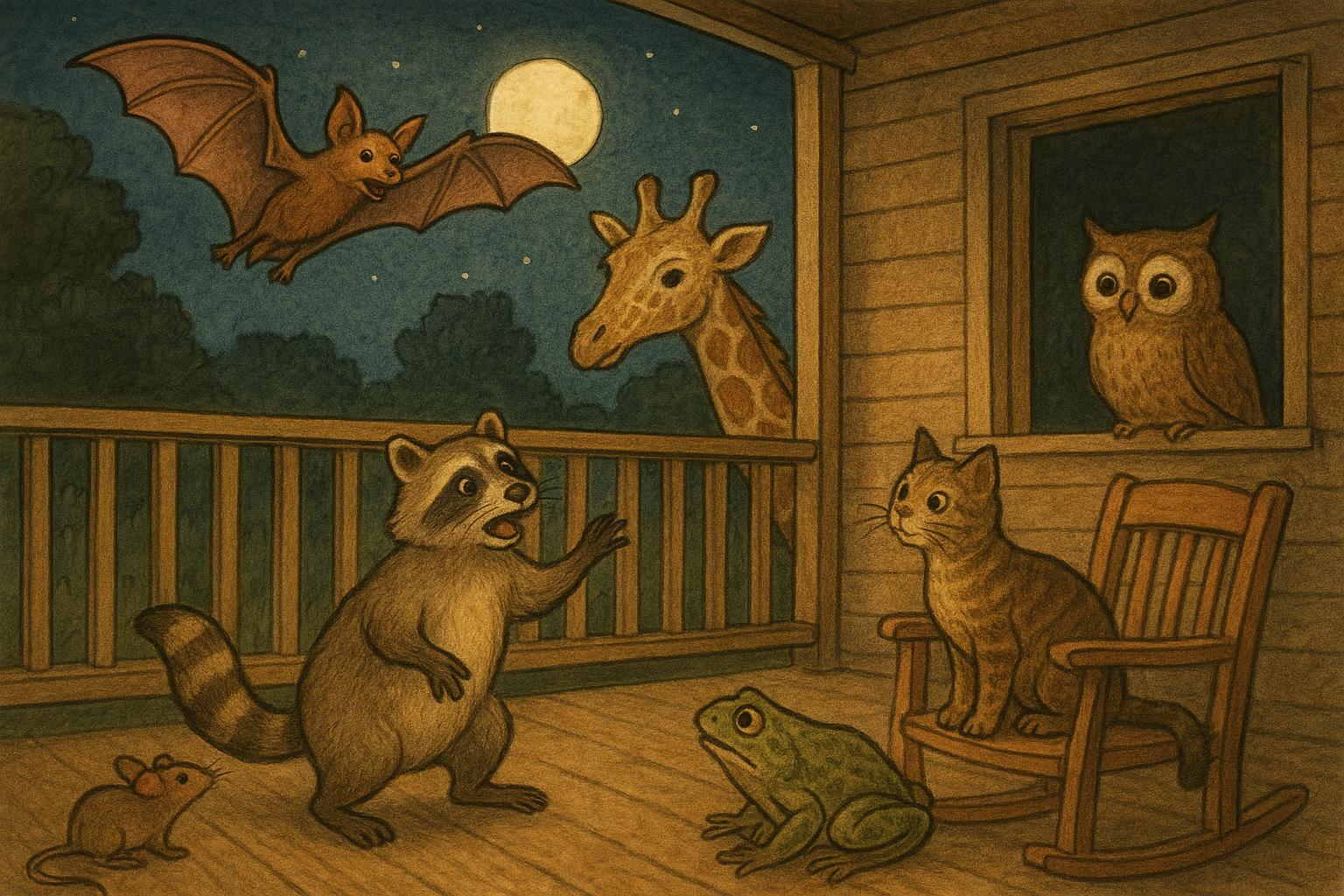
There’s something magically mysterious about the hour after dusk when your patio turns into a little theater of the nocturnal. A soft clink, a skitter, a muffled thump — and suddenly your comfy chair is front-row to a live-action wildlife documentary. If you’ve ever sat on your porch and wondered who’s improvising this soundtrack, you’re not alone. Porch noises have a way of turning ordinary evenings into a friendly investigation, complete with popcorn if you want to make it official.
## Porch Noises: What’s Making That Ruckus?
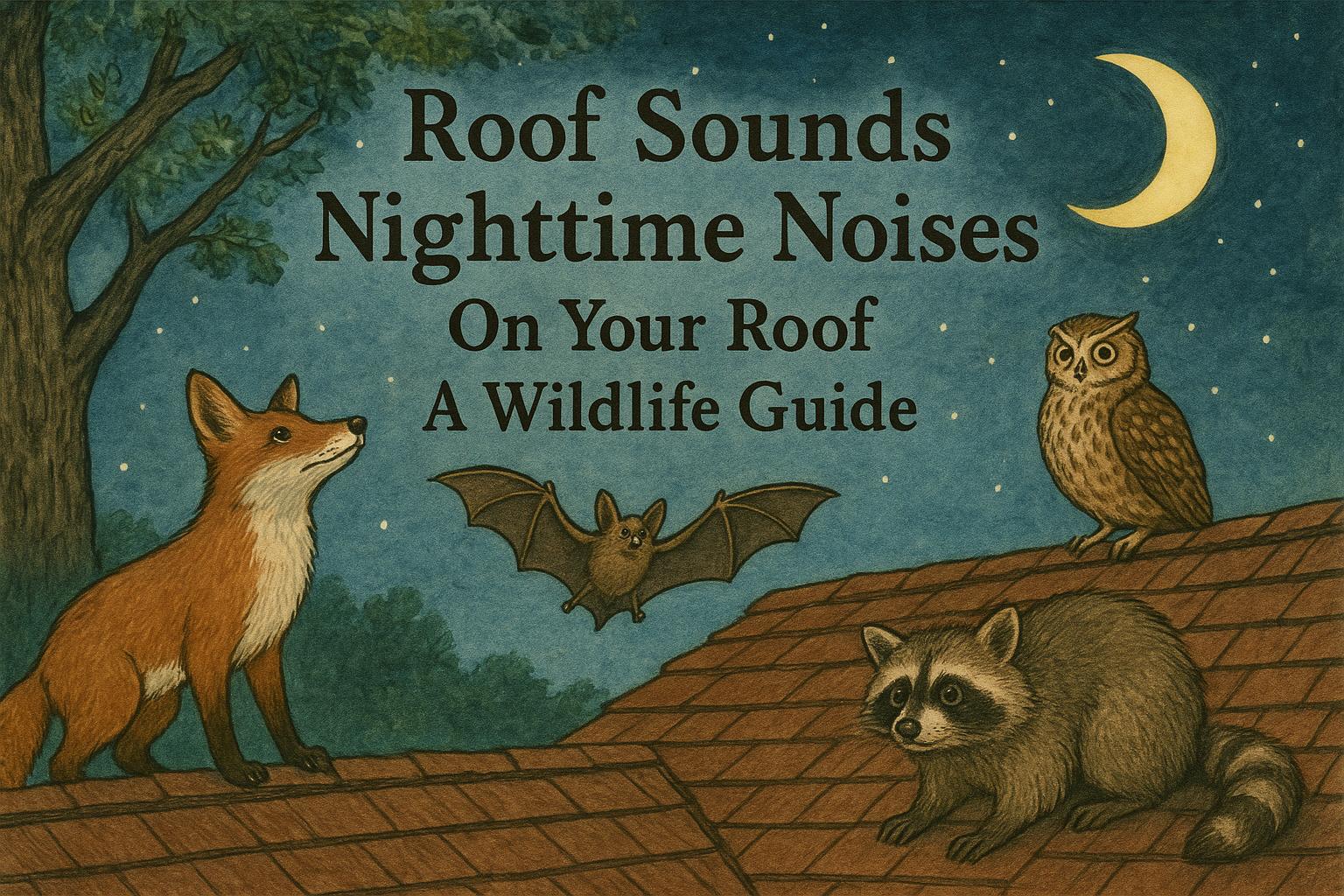
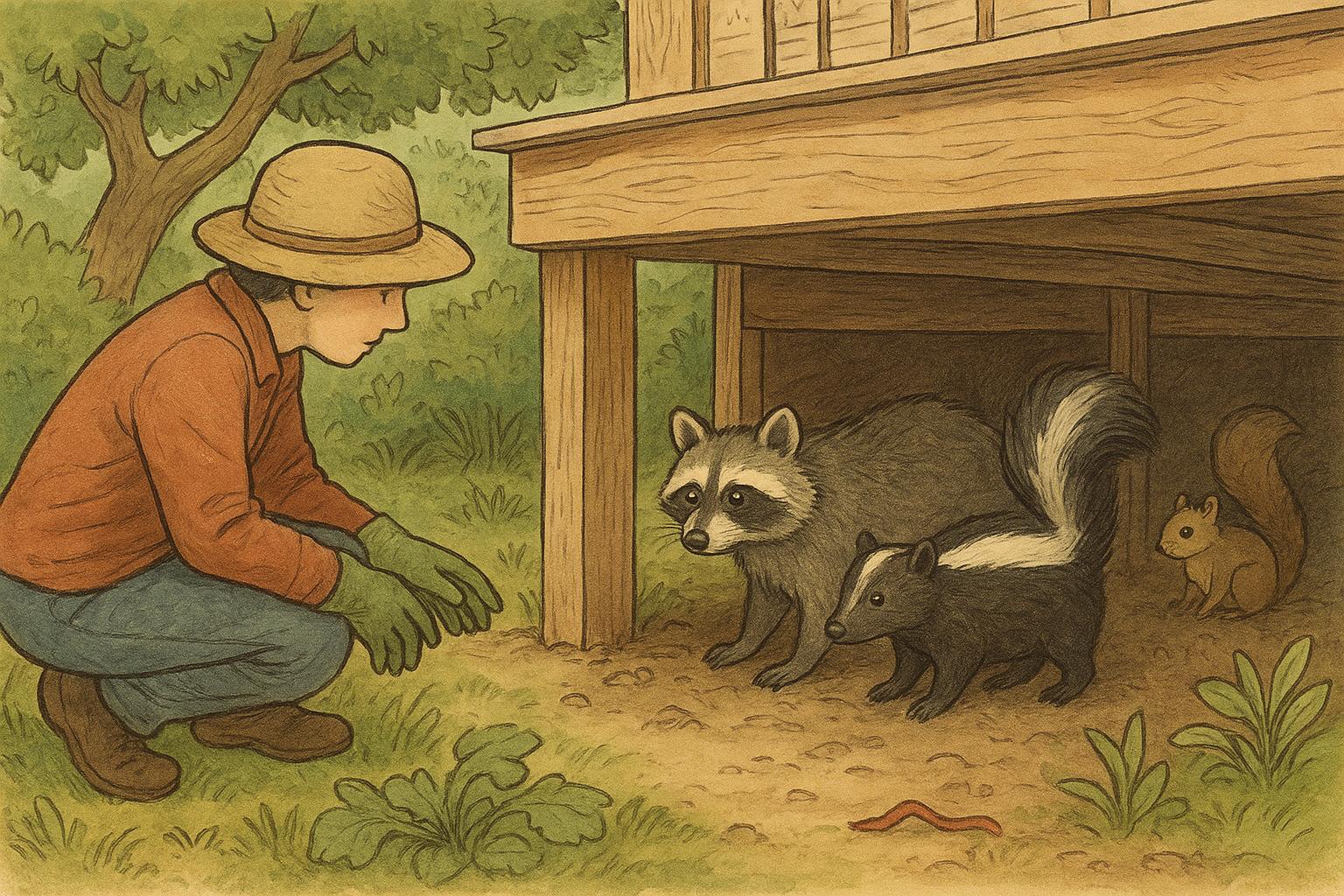
Porch noises can come from an impressive list of neighborhood characters. In most suburban and rural settings, the usual suspects include raccoons rooting for snacks, opossums foraging quietly, squirrels performing aerial acrobatics on the roofline, and rats or mice scurrying in gutters or under decking. Less dramatic but still persistent contributors are insects (crickets, cicadas), wind moving tree limbs, and occasionally the HVAC system or loose siding. Even domestic pets or late-night humans can show up on the soundscape.
A few hints for identification:
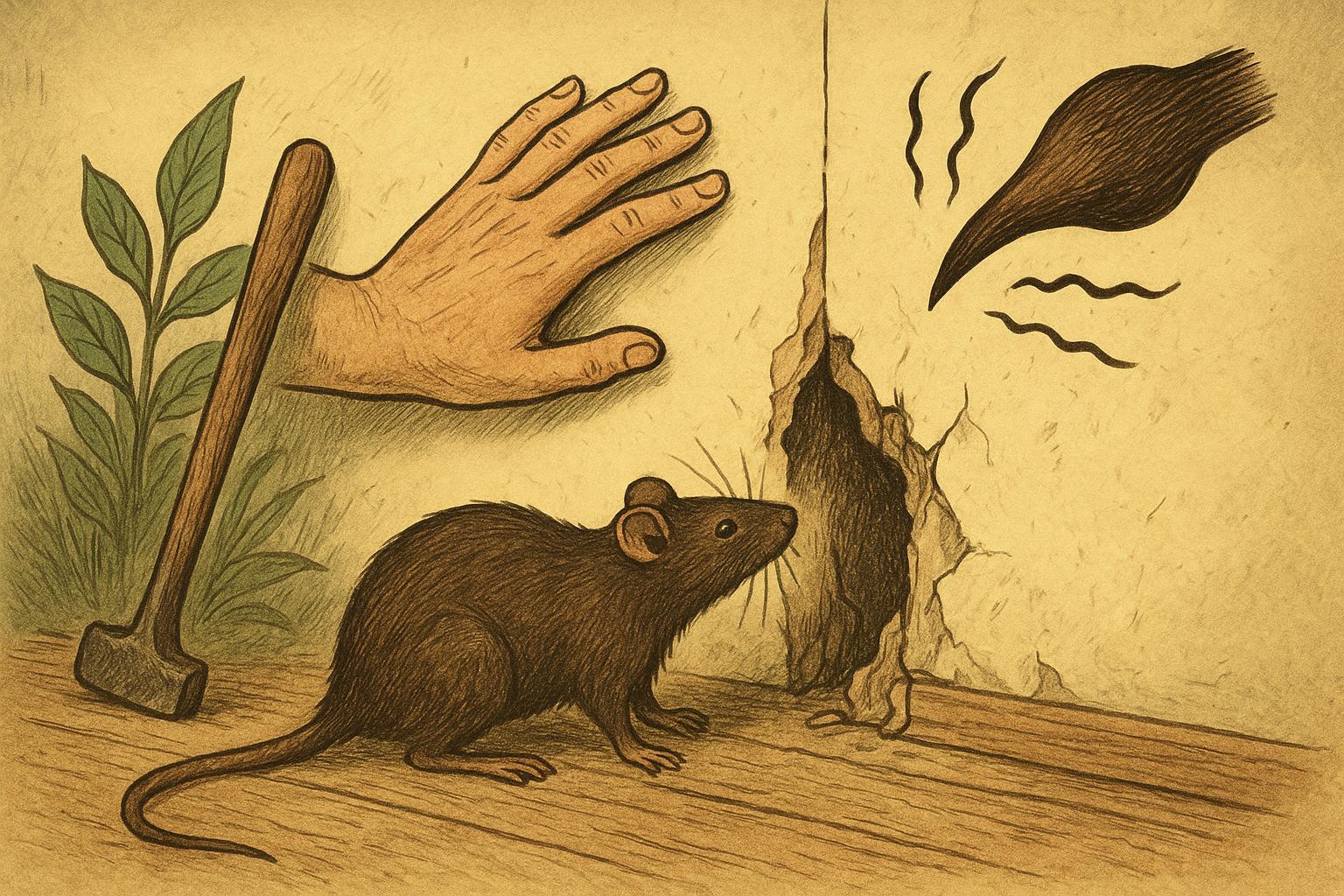
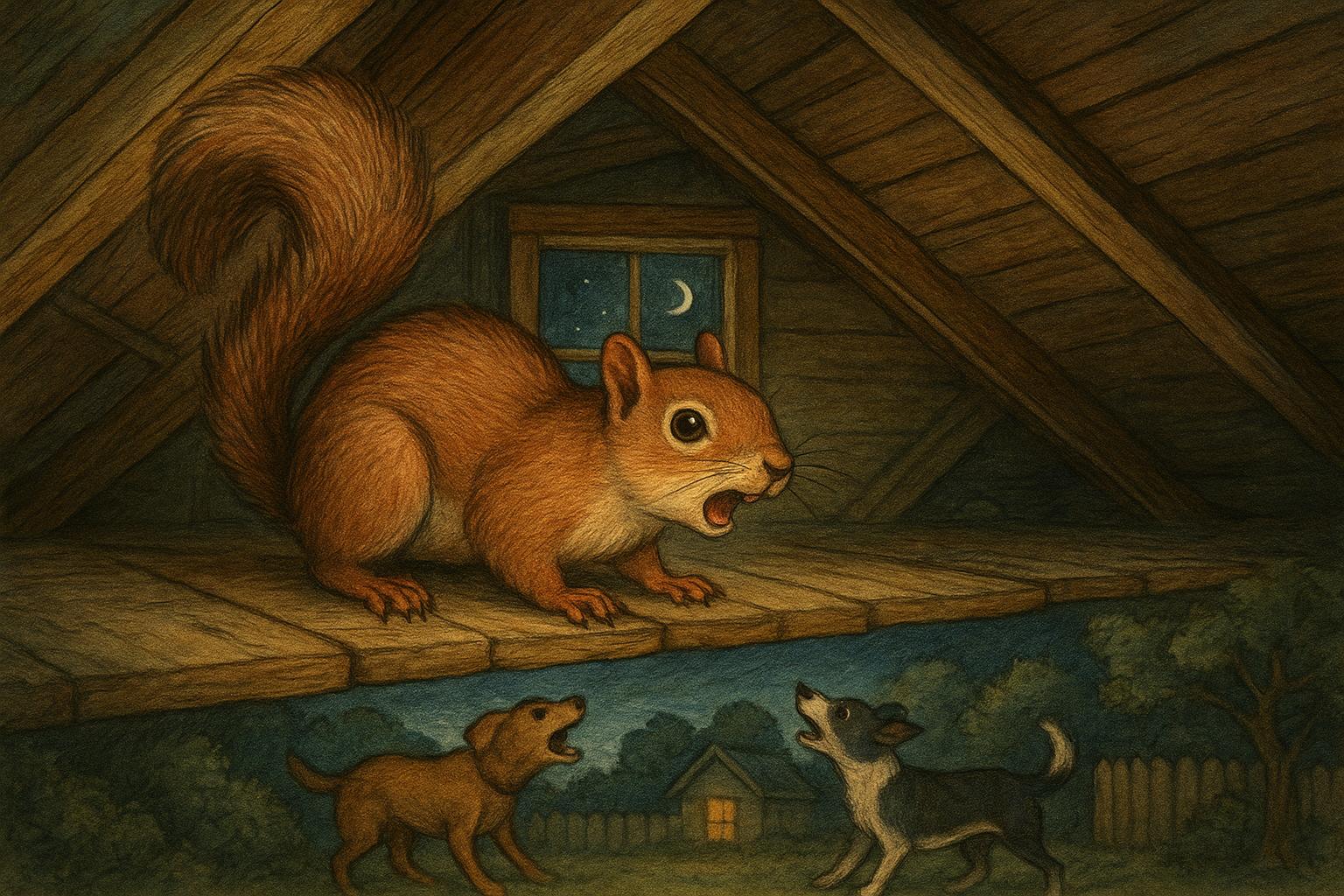
– Sharp, repetitive scratching near the eaves or soffit often points to rodents in the attic.
– Wet, dexterous handling noises and dishes knocked about? Raccoons are probable.
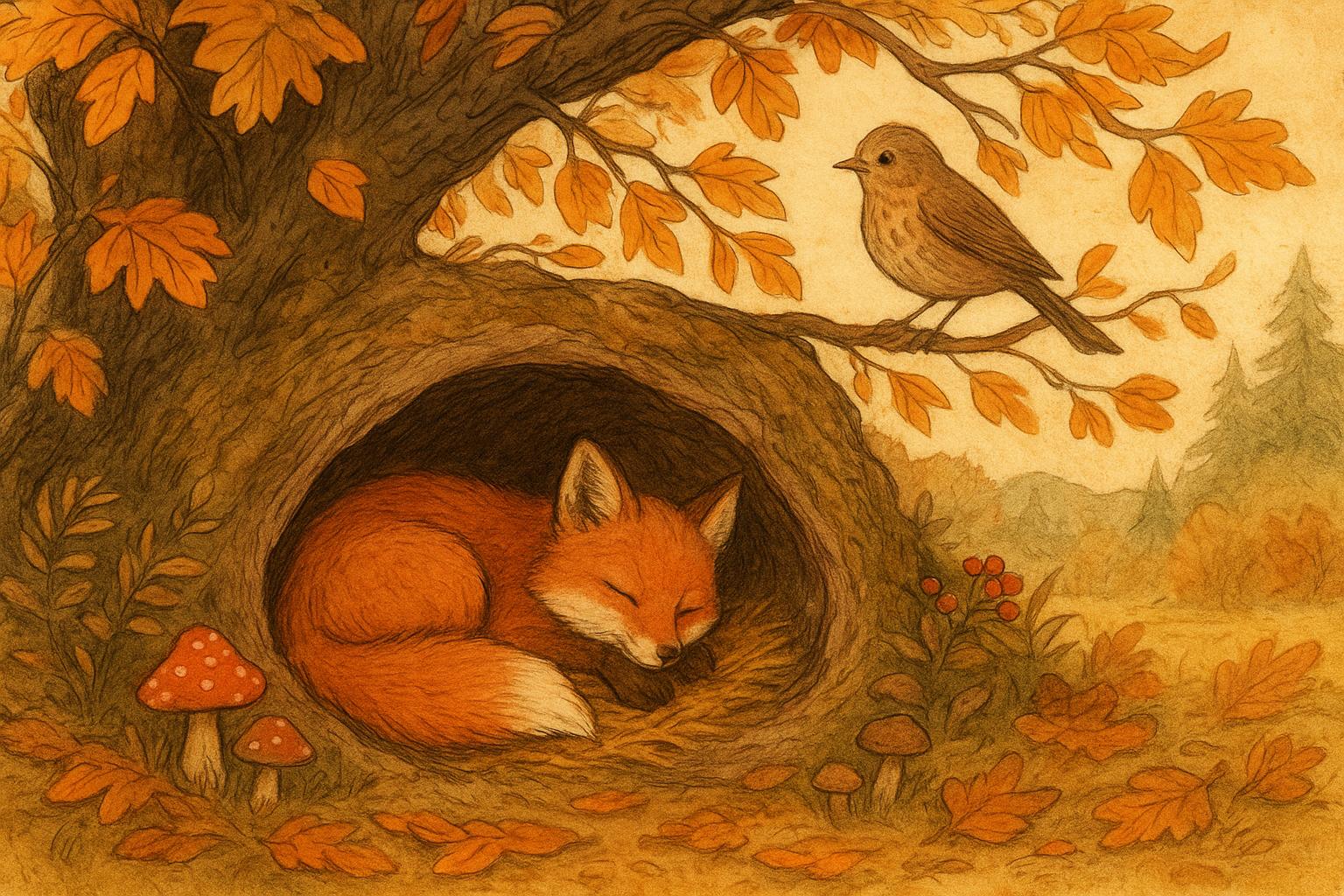
– Slow, lumbering thumps and the dragging of limbs often suggest larger mammals like opossums or, in some regions, foxes.
### Seasonal Patterns And Timing
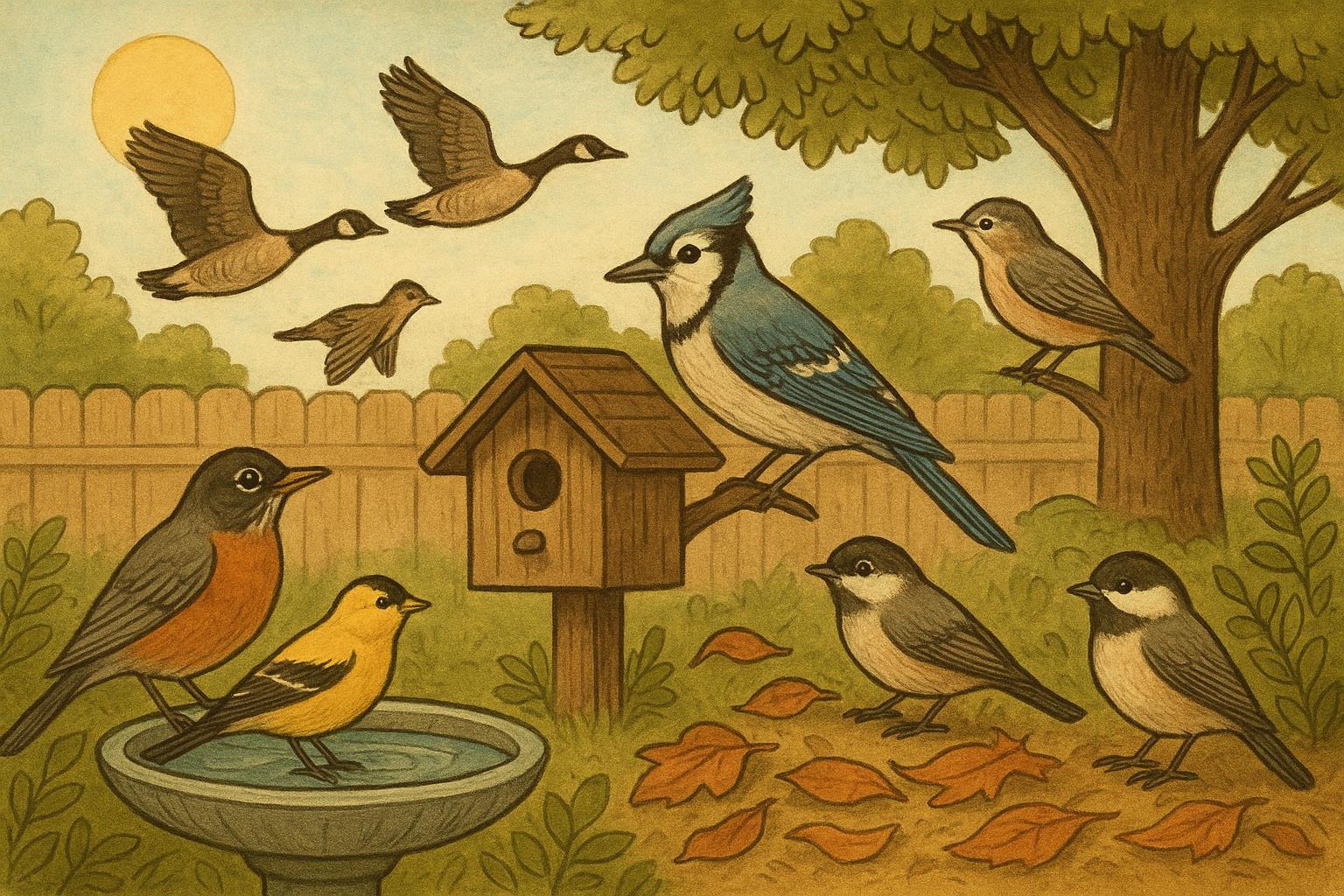
Porch noises change with the calendar. Spring and summer bring higher insect choruses and fledgling birds still learning to be quiet. Fall signals increased foraging as animals fatten up, and winter can push more wildlife toward sheltered human structures for warmth. Mating seasons also ratchet up calls and territorial sounds; you might hear more vocalizations during those windows.
### How To Listen Like A Naturalist
If you’re enjoying the nighttime safari, bring a little method to your curiosity. Sit quietly for at least 10–15 minutes; many creatures will reveal themselves once they stop sensing human activity. Use a flashlight sparingly — red or dim light preserves night vision and is less alarming to animals. A smartphone voice memo can capture sounds for later analysis. Note directionality, timing, and whether the noise is repeated in patterns; these clues will narrow down the list of potential performers.
## 1. Porch Noises: Humane Deterrent Kit
If the nightly soundtrack includes unwelcome guests — gnawing in the eaves, droppings on the deck, or damage to wiring — a humane deterrent approach is often both effective and ethically sound. Below is a practical, formal guide to assembling and applying a deterrent kit designed to reduce porch noises caused by mammals and rodents.
Materials Required
1. Motion-activated LED floodlight (dusk-to-dawn sensor) or motion-activated spotlight.
2. Ultrasonic deterrent unit rated for outdoor use (with IP rating).
3. Metal chimney cap or soffit/vent screening (galvanized mesh).
4. Heavy-duty rodent-proof trash can with locking lid.
5. Commercial wildlife repellant spray (plant- and animal-safe formulas) or natural alternatives (peppermint oil solution).
6. Exterior-grade caulk and metal flashing for sealing gaps.
7. Personal protective equipment: gloves, eye protection.
Step-by-Step Creation and Application
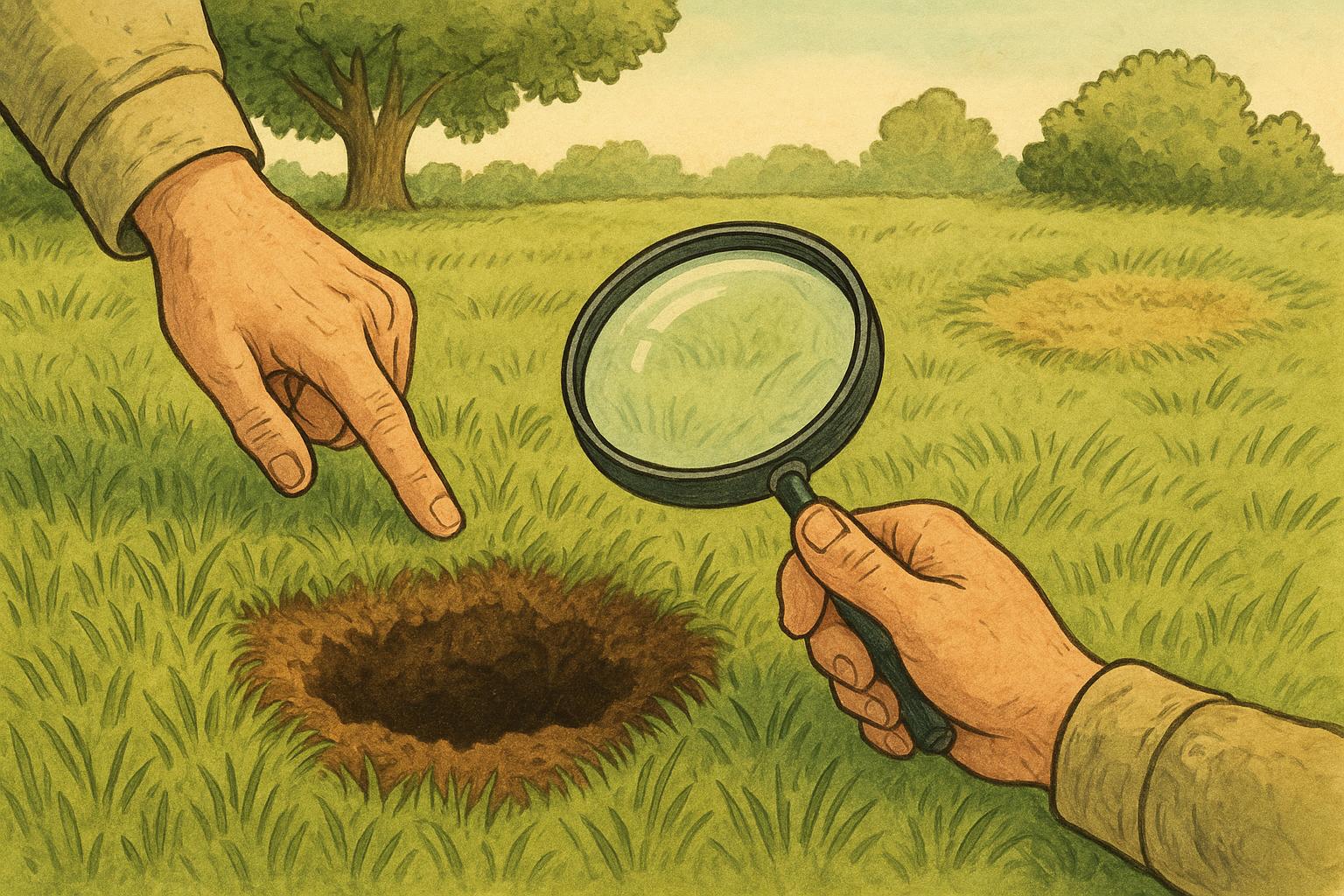
1. Conduct an Inspection: Systematically inspect the porch area, roofline, soffits, vents, and under-deck spaces during daylight. Identify entry points, chew marks, droppings, and nests. Photograph evidence.
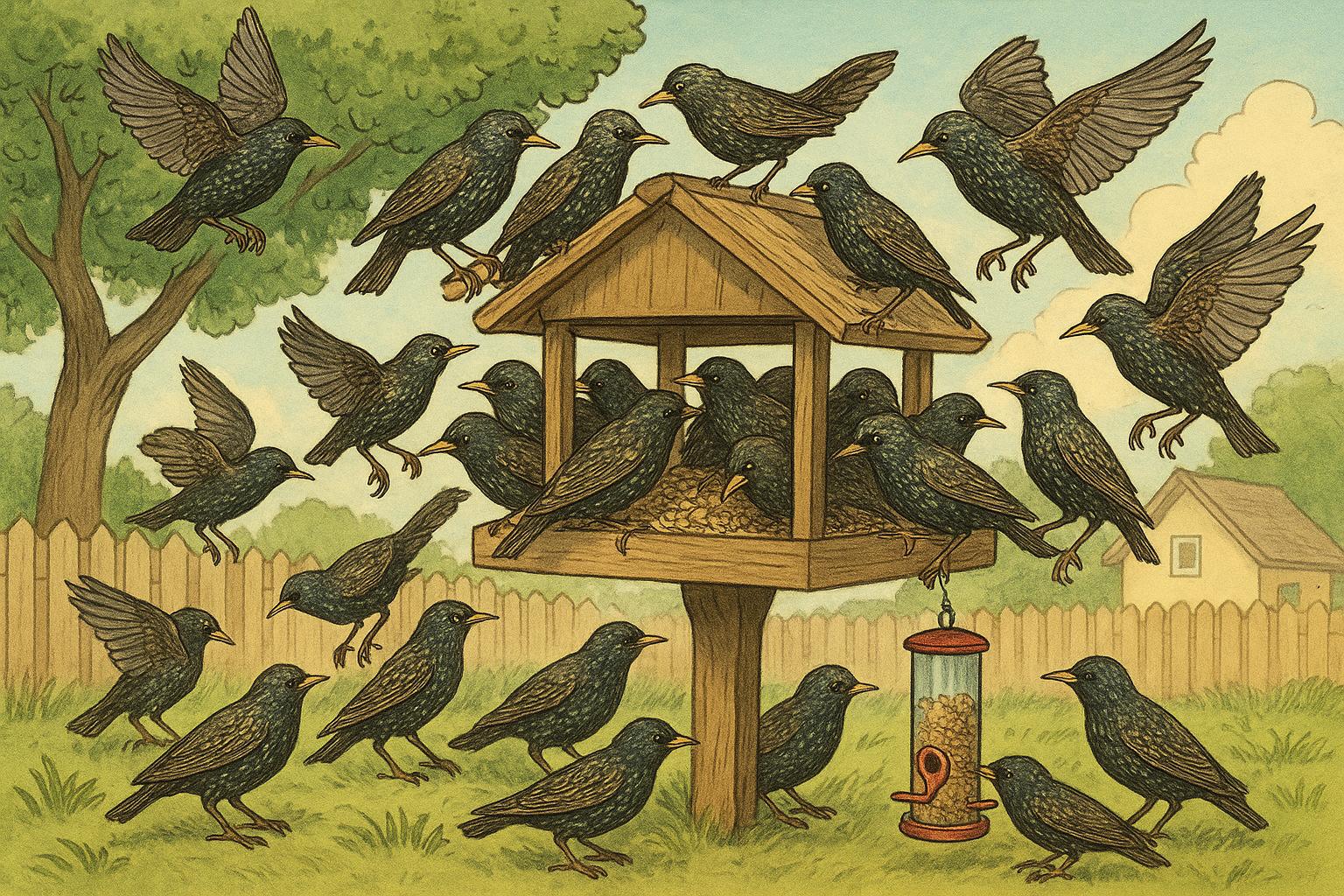
2. Remove Attractants: Secure trash cans, remove pet food at night, and clean spilled birdseed. Store compost in sealed containers. This reduces the incentive for animals to visit.
3. Seal Entry Points: Use galvanized mesh to cover vents and soffits. Apply metal flashing and exterior caulk to seal gaps larger than 1/4 inch. Replace any rotted wood. Rodents can squeeze through surprisingly small openings; be thorough.
4. Install Motion-Activated Lighting: Mount the motion-activated LED at a position that illuminates common approach routes. Sudden light startles nocturnal animals and can dramatically reduce repeated visits.
5. Deploy Ultrasonic Unit: Place outdoor-rated ultrasonic deterrents in sheltered, dry locations directed toward the most active areas. Follow manufacturer spacing recommendations. Note: Effectiveness varies by species and environmental factors.
6. Set Up Secure Waste Storage: Replace open or flimsy trash receptacles with a rodent-proof can and keep lids locked. Garbage is a powerful attractant and often the root cause of recurrent porch noises.
7. Apply Repellents Where Appropriate: Use commercial animal repellents according to label instructions on a trial area, focusing on likely entry points and under-deck areas. For a DIY approach, a peppermint oil solution (30–50 drops in a quart of water with a squirt of dish soap) can be applied to cotton balls placed in inaccessible areas, refreshed weekly.
8. Monitor Results and Adjust: Continue to observe for several weeks. If activity persists, reassess entry points and consider professional wildlife exclusion services.
Safety And Legal Notes: Always verify local regulations regarding wildlife deterrence and handling. Do not use lethal methods unless legally permitted and ethically justified. When in doubt, contact local animal control or a licensed wildlife rehabilitator.
### Materials Explanation
The motion light and ultrasonic unit provide immediate behavioral deterrence. Physical exclusion (mesh, flashing, caulk) addresses the long-term solution: removing access. Secure waste storage eliminates the food reward that brings most mammals back night after night. Repellents can supplement the strategy but work best combined with exclusion and attractant removal.
#### When To Call A Professional
If you encounter an active nest, young animals, persistent entry into living spaces, or evidence of structural damage, contact a licensed wildlife removal professional. Attempting to remove animals on your own can be dangerous for both you and the animals, and many jurisdictions have strict rules about handling certain species.
## 2. Nighttime Observation And Recording Setup
If the porch noises are more of a delight than a dilemma, you might prefer to enhance your nighttime safari with a lightweight scientific kit. This second remedy focuses on observation and documentation so you can enjoy, learn, and share the experience.
Materials Required
1. Infrared (No-Glow) trail camera or low-light security camera with night vision.
2. Tripod or stable mount for camera placement.
3. Rechargeable battery pack or weatherproof power supply.
4. Red-filtered flashlight or headlamp.
5. Notebook, voice recorder, or wildlife identification app on a smartphone.
6. Optional: small wildlife-friendly feeding station (protocols vary locally).
Step-by-Step Creation and Application
1. Determine Observation Goals: Decide whether you want to identify species, monitor behavior, or create time-lapse footage. Your goal determines camera settings and placement.
2. Select Camera Location: Choose a site that faces the area where porch noises are most frequently heard, about 8–15 feet from the activity zone. Ensure a clear line-of-sight and minimal foliage that might trigger false motion alerts.
3. Mount the Camera Securely: Use a tripod, clamp, or permanent bracket. Angle the camera slightly downward to capture movement across the scene and reduce sky backlighting.
4. Configure Camera Settings: Set the motion sensitivity to medium to minimize false triggers. Choose a 30-60 second recording window or still-photo burst mode depending on expected animal size and speed. Enable infrared night vision (no-glow if you prefer not to disturb animals).
5. Power and Data Management: Install a reliable power solution (rechargeable pack or wired outdoor-rated cable) and schedule regular data retrieval to prevent overwriting. Use a large-capacity memory card if extended recording is anticipated.
6. Optional Feeding Station Use: If you opt to use a feeder to draw animals closer, use regionally appropriate food and place it off the porch to avoid habituation to human spaces. Maintain cleanliness and check local regulations on wildlife feeding.
7. Document Observations: Maintain a log with timestamps, weather conditions, and behavioral notes. Cross-reference sounds captured on your phone with camera footage to correlate audio cues with species.
### Legal And Ethical Considerations
When observing wildlife, prioritize animal welfare. Avoid baiting animals onto your porch or creating dependency on human-provided food. Respect privacy: do not point cameras toward neighbors’ windows or private areas. Follow all local laws regarding wildlife observation and any feeding restrictions.
#### Quieting Structural Sources
Not all porch noises are animal-made. Loose gutters, rattling screens, or HVAC units can produce persistent sounds. Inspect and maintain hardware—tighten fasteners, replace worn rubber mounts, and trim overhanging branches that contact the roof. Often, resolving these mundane issues silences much of the late-night soundtrack.
You might find that porch noises are the beginning of a new hobby, a window into the local ecosystem, or a prompt to do a bit of practical home maintenance. Whichever path you take, the goal is the same: enjoy the night with a measured curiosity and a plan for peace when the noises cross the line from charming to problematic.









































Leave a Reply