
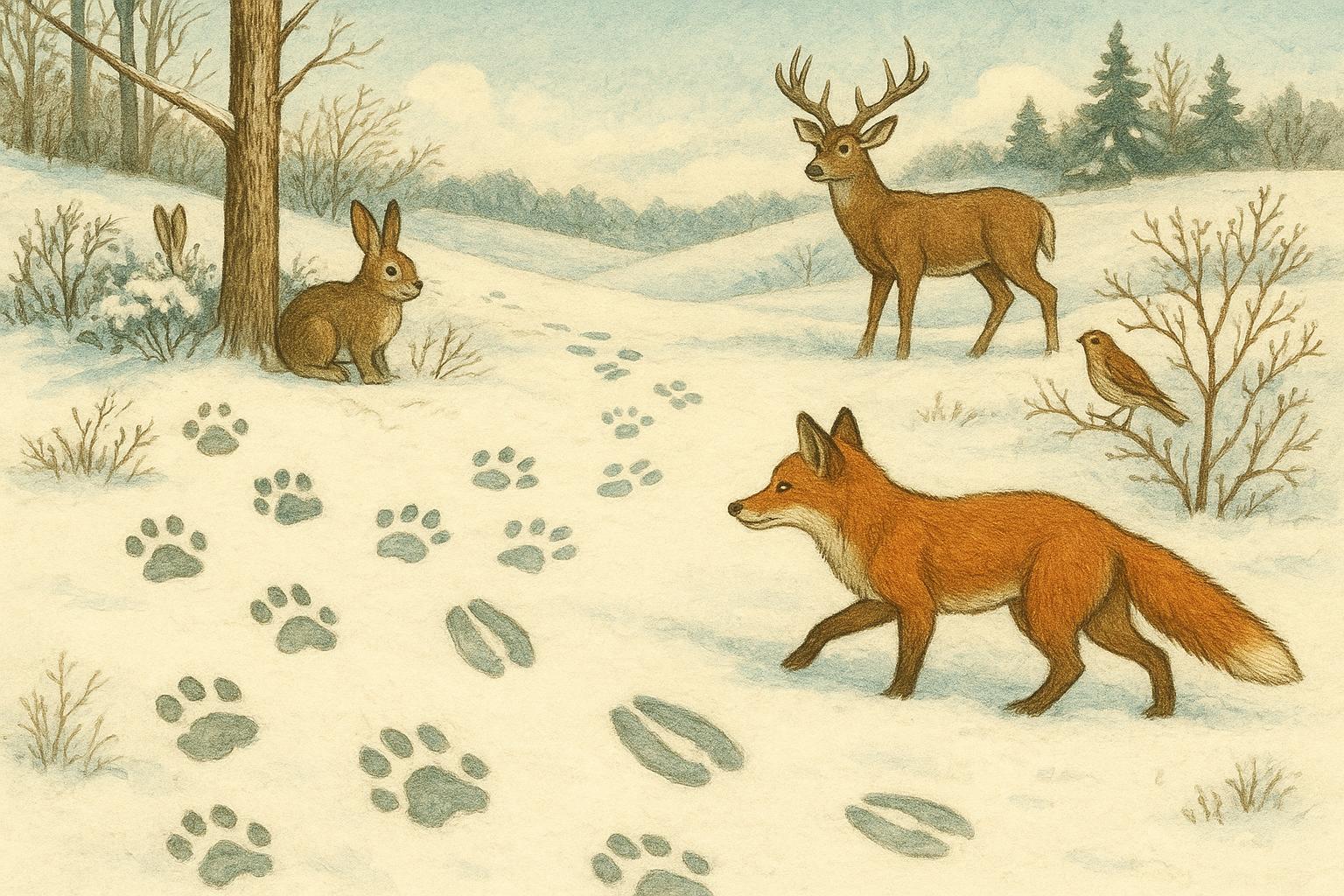
A crisp hush settles over the yard, the kind that makes even the mailbox look contemplative. If you step outside and find a mosaic of tiny impressions, you’ve stumbled into one of nature’s quiet detective stories. Follow along—no magnifying glass required.
## Winter Prints A Field Guide To Snowy Yard Tracks Of Wildlife
Winter prints are more than cute paw silhouettes; they’re clues. Each indent tells a story of what passed through your yard last night — a hungry raccoon, a bouncy rabbit, a cautious fox. With a little practice you can read these signs like a book, and maybe even anticipate who’ll show up at your feeder next.
## Reading The Snow: First Things To Notice
### Size, Shape, And Spacing Matter
Start with the basics. Measure the width and length of a print if you can, note the number of toes, look for claw marks and consider spacing between prints. These simple observations will separate small rodents from medium predators and flighty birds from heavy-hoofed visitors.
### Pattern And Gait Tell The Tale
The way tracks are set — straight line, hopping pair, staggered path — reveals gait. Rabbits and mice often show bounding patterns; deer leave a two-hoof outline with a narrow, single-track stride. Tracking the pattern across a lawn gives context that single prints can’t.
### Time And Weather Are Competing Narrators
Fresh tracks in powdery snow are clear; older prints may collapse, fill with new flakes, or be distorted by wind. If you find a series of overlapping winter prints, think about timing: a single, crisp set likely came later than a muddled, half-filled trail.
## Common Yard Tracks: Who’s Likely Knocking On Your Door
### Rabbit
Rabbit tracks typically show four toes on the forefeet and four on the larger hind feet, with the two large back feet landing ahead of the front ones in a hopping pattern. You’ll often see a bounding pair followed by a landing impression.
winter prints of rabbits are some of the easiest to spot because of their characteristic paired landings and size.
### Squirrel
Squirrel tracks look like small pairs: two small fore paws followed by larger, longer hind paws. Tail drag marks are sometimes visible. They often appear near trees and bird feeders.
### Deer
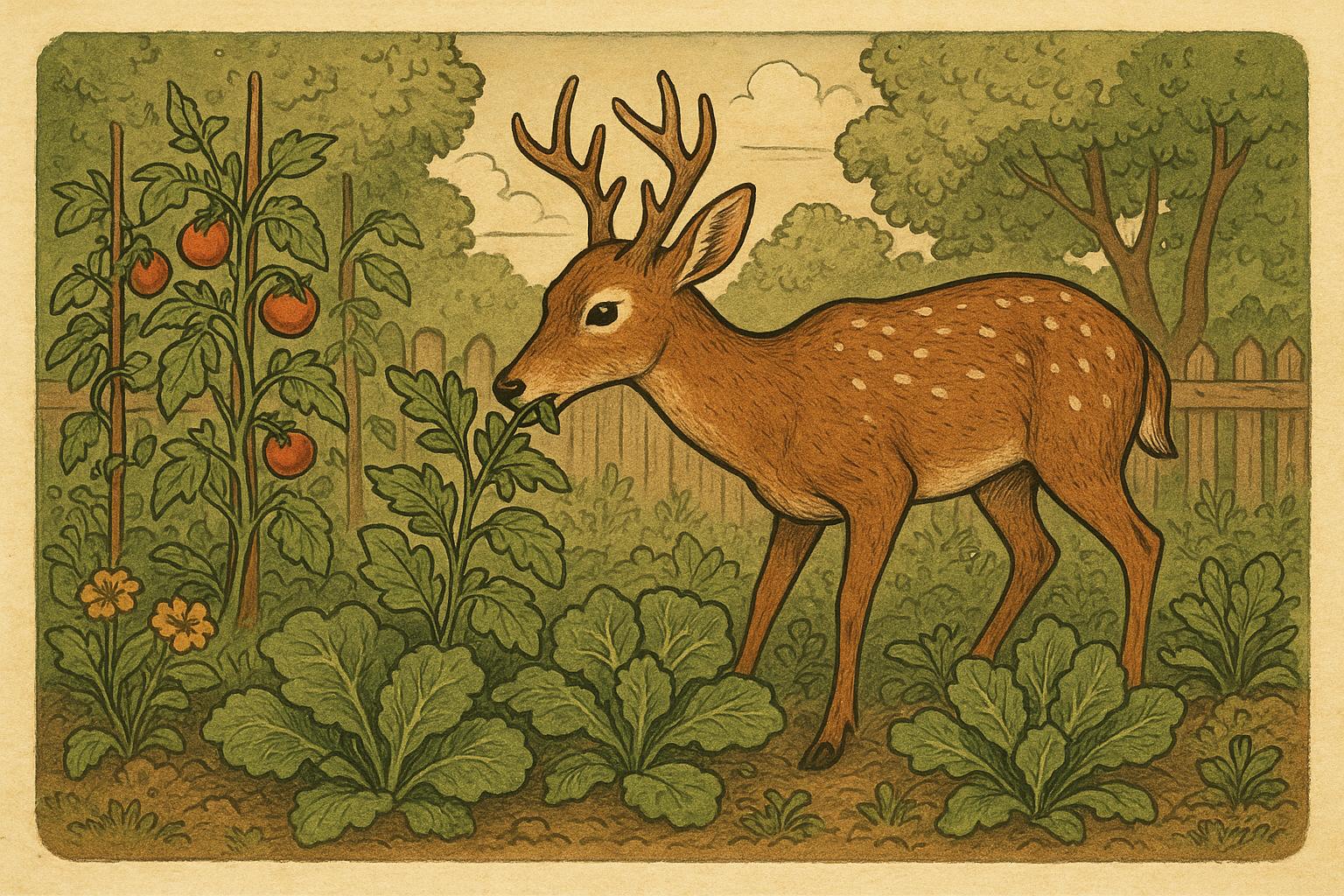
Deer leave cloven hoof prints that are teardrop-shaped and usually aligned in a straight, narrow track. Deer winter prints are distinct because of their size and the rhythmic single-file gait.
### Fox And Coyote
These canines leave oval prints with four toes and visible claw marks. Coyotes are larger, and their gait is more direct, often forming a straight path, while foxes may meander. Confidence in distinguishing them comes with noticing stride length and context — open fields favor coyotes; edges and yards often host foxes.
### Raccoon
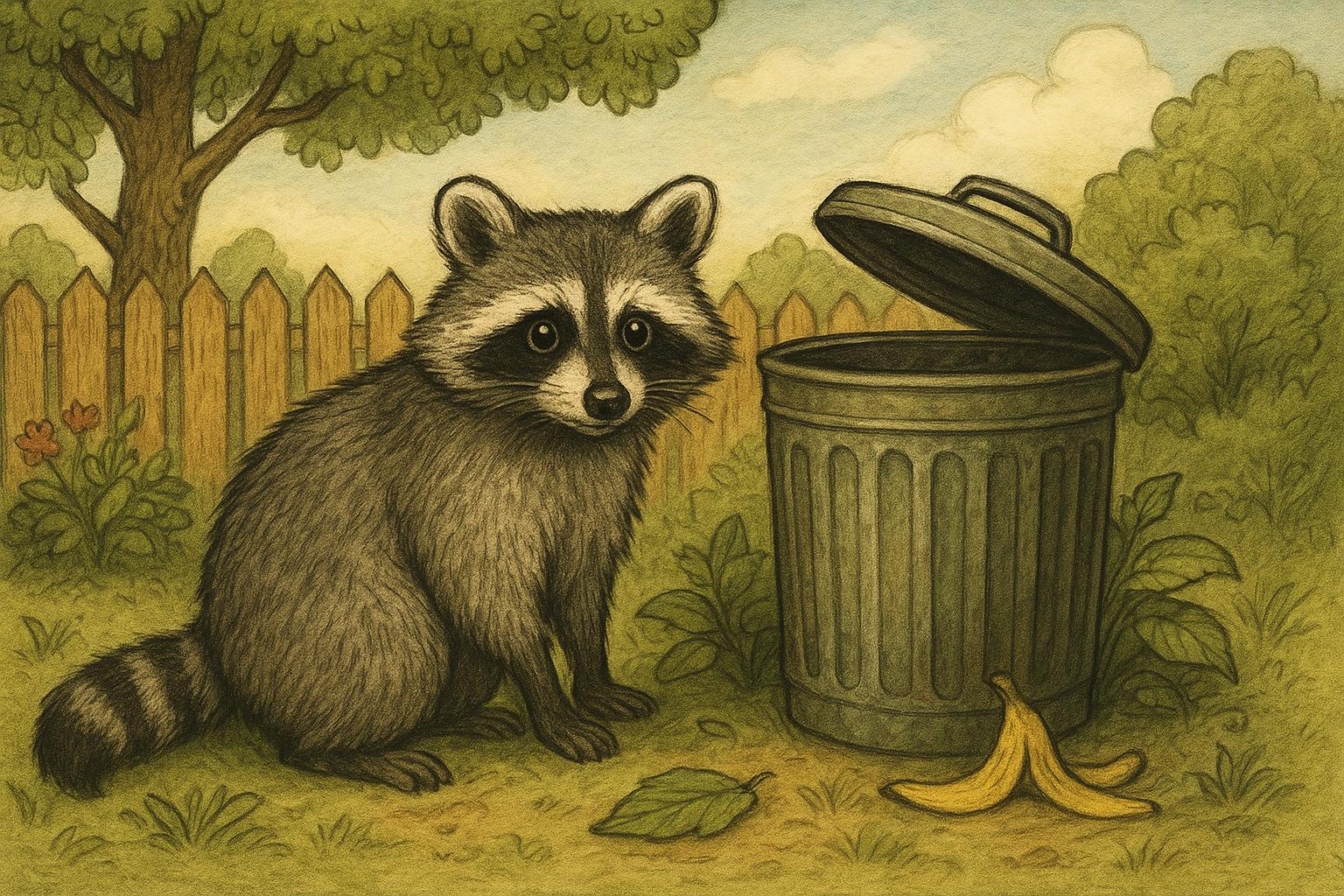
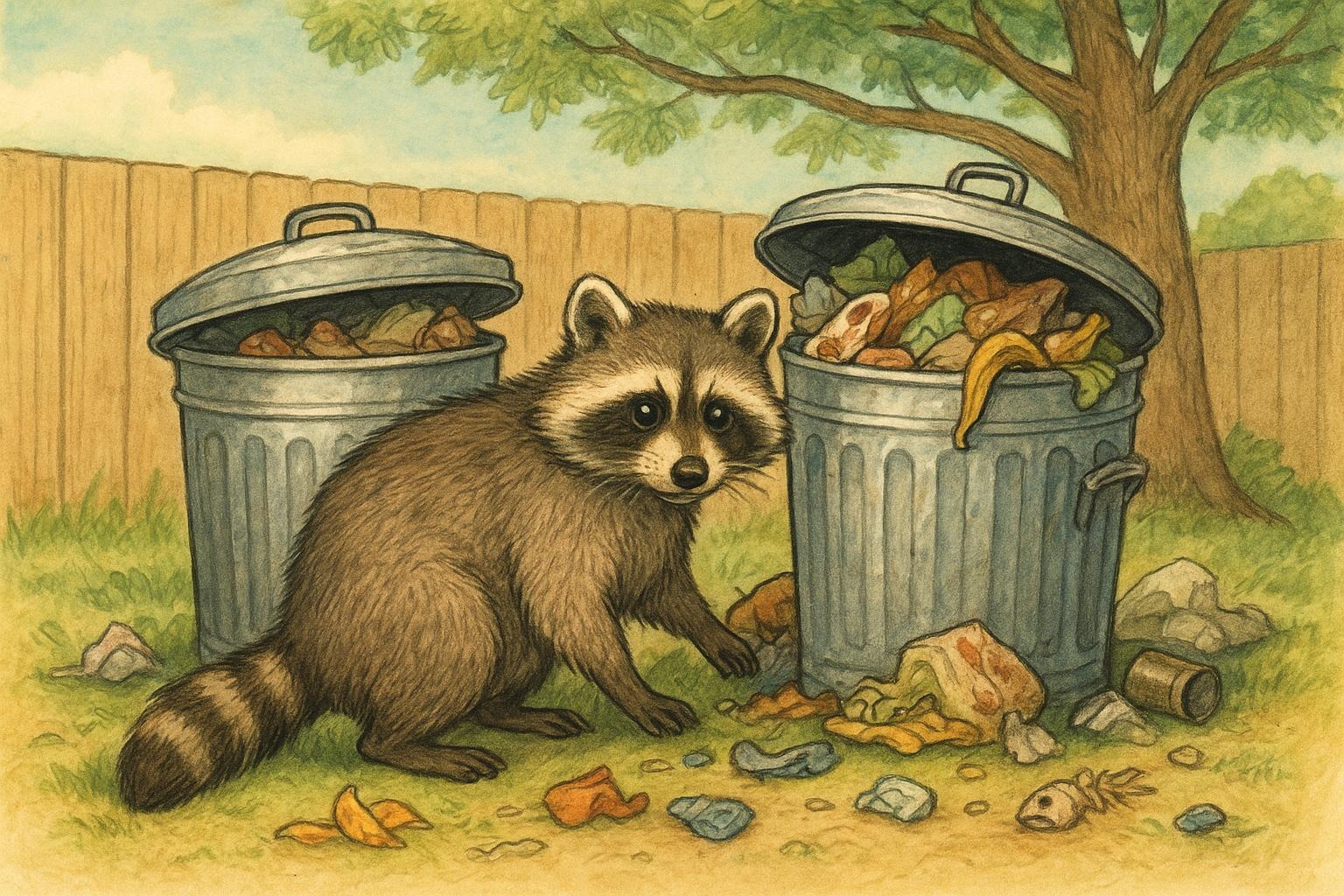
Raccoon prints resemble tiny human handprints with five distinct fingers and a small palm pad. They often show foraging behavior near trash cans or pet bowls.
### Birds
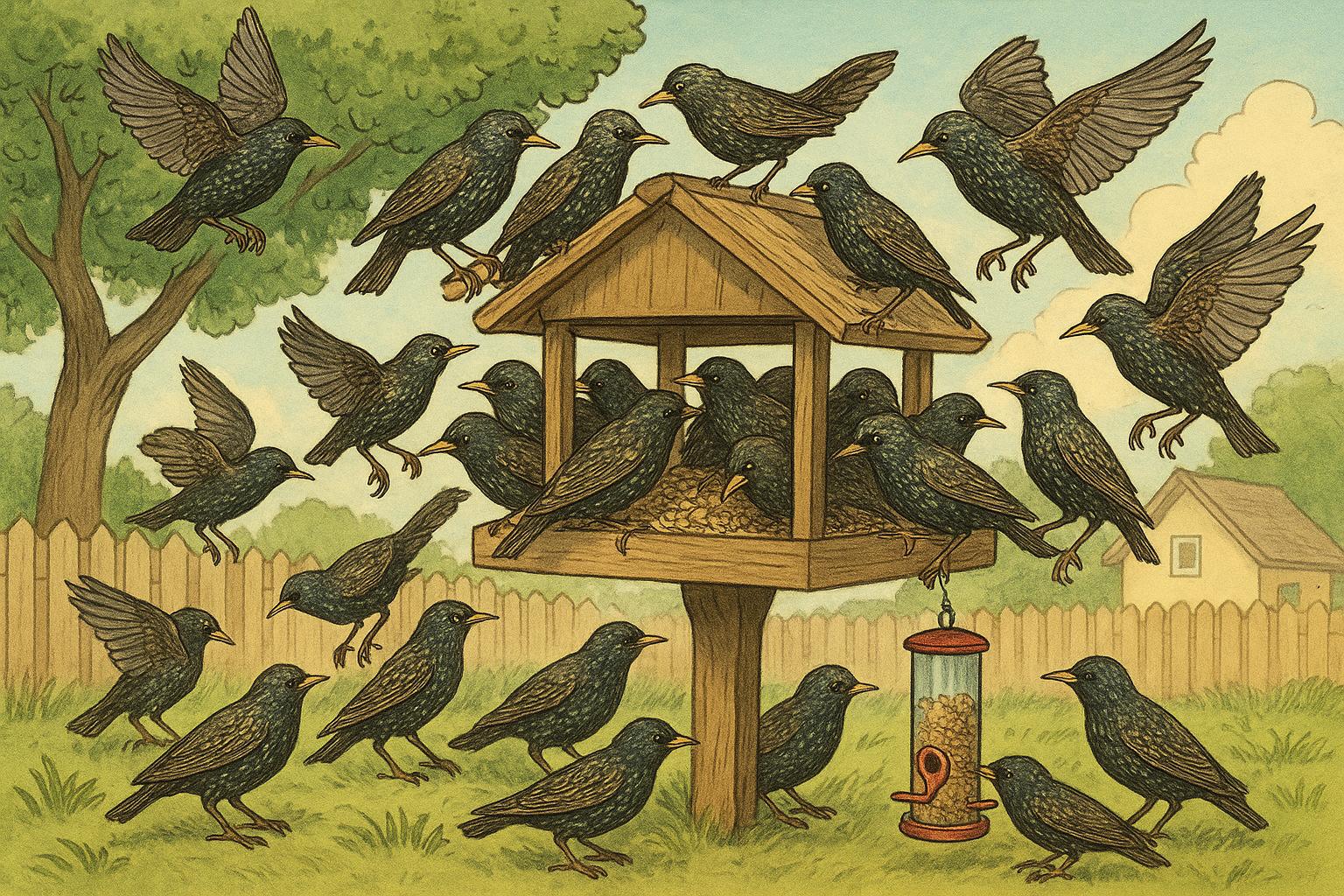
Bird tracks are variable: three forward toes and one back toe are typical for many species. Look for patterns that radiate from feeder areas or lead to sheltering shrubs.
## Tracking Technique Tips
### Capture Measurements Without Disturbing Evidence
Use a ruler or a strip of paper with measured ticks to note print size, but avoid stepping through the trail. Photograph prints from multiple angles with a reference object (like a coin) for scale.
### Interpret Gait: Walk, Trot, Jump, Or Bound?
– Walkers (squirrels, some birds) leave consistent spacing and lateral placements.
– Trotting can indicate purposeful movement (fox, coyote).
– Bounding is typical of rabbits and small mammals.
These movement types paired with print morphology will usually reveal the visitor.
## How To Cast A Track (A Practical Remedy For Preserving Winter Prints)
When you discover an exceptional set of winter prints that you’d like to preserve for study or display, casting is a reliable method. Below are the materials and steps required.
#### Materials And Ingredients
– Plaster of Paris (enough for one to two small casts)
– Clean water
– Mixing container (plastic bowl or bucket)
– Stirring stick or small trowel
– Small spatula or spoon for smoothing
– Cardboard or small frame to outline the cast area (optional)
– Lightweight paper or cardboard to form a rim (if snow is loose)
– Plastic sheet or tarp to protect surrounding snow (optional)
– Gloves
– Camera for pre-cast photos
#### Step-By-Step Creation And Application
1. Document: Photograph the tracks from above and at a low angle with a scale reference (a ruler or coin). Record the date, time, and location.
2. Prepare a Rim: If the snow is soft, build a small cardboard ring or rim around the print to contain the plaster. Pack the rim gently into the snow so the mixture doesn’t spill.
3. Mix Plaster: Wearing gloves, mix Plaster of Paris with water in a ratio recommended on the package (typically 2 parts plaster to 1 part water by volume). Stir until you achieve a smooth, pourable consistency without lumps.
4. Test Pour: Pour a small amount into a disposable container to ensure it sets properly at the ambient temperature. Cold conditions slow curing; slightly warmer water will help, but avoid hot water that could melt the snow excessively.
5. Pour Carefully: Pour the plaster slowly into the print from a low height to avoid disturbing detail. Fill to a level slightly above the surrounding snow.
6. Let Cure: Allow the plaster to set undisturbed. Curing time varies with temperature; expect 20–40 minutes in mild cold, longer if it’s frigid.
7. Remove: Gently pry the cast from the snow by easing a spatula or spoon under the edges. If the surrounding rim held snow, melt any adhering snow by gentle pressure rather than force.
8. Dry And Label: Let the cast dry fully indoors. Once dry, label the cast with date, location, species (if known), and any notes.
9. Store Or Display: Keep casts in a cool, dry place. For long-term preservation, a light spray fixative can reduce chipping.
This method is effective for creating a durable record of winter prints and is commonly used by naturalists and educators. For particularly fragile or rare prints, consult a local wildlife specialist or museum for guidance before attempting casting.
## Seasonal Considerations For Winter Prints
### How Melt And Freeze Cycles Alter Tracks
Thaw cycles can blur details; refreezing can create a hard crust over prints, making casting difficult without melting. If you plan to cast, do so when tracks are fresh and before significant temperature swings.
### Safety And Ethical Notes
Avoid disturbing den sites or areas where animals are nesting or feeding. Maintain a respectful distance and limit handling of prints that could attract predators or human scent to vulnerable animals.
## Tools And Extras For The Backyard Tracker
### Simple Gear That Makes Tracking Easier
A small field notebook, a tape measure, a compact camera, and a ruler are your essentials. Binoculars help you connect tracks to live sightings. A handheld GPS or smartphone with mapping apps can pinpoint frequent activity zones.
### Citizen Science Opportunities
Record your observations with local wildlife monitoring groups or national databases. Submitting your winter prints data helps researchers monitor species distributions and behavior, especially in changing climates.
## When To Call In The Professionals
If you find tracks indicating a potentially dangerous animal near homes or pets — large predators repeatedly coming into backyards, or signs of distress — contact local animal control or a wildlife rehabilitator. Provide photos, track measurements, and location details. Professionals can advise on coexistence strategies and safe removal if necessary.
## A Few Quick ID Cheats For Busy Mornings
– Four toes, long bounding pattern = rabbit.
– Paired small foreprints followed by long hind prints = squirrel.
– Two teardrop hooves in a straight line = deer.
– Oval prints with claw marks, straight gait = coyote (larger) or fox (smaller).
– Five “finger” prints = raccoon.
– Three-toed radiating prints near feeders = common birds like starlings or jays.
Winter prints are a wonderful excuse to get outside, even when the thermostat suggests otherwise. Keep a journal, make a few casts, and with time you’ll recognize the night’s visitors like old neighbors — by their footprints, not their strange habit of rummaging through your compost.


Leave a Reply