
## Wildlife Water Essentials For A Summer Yard
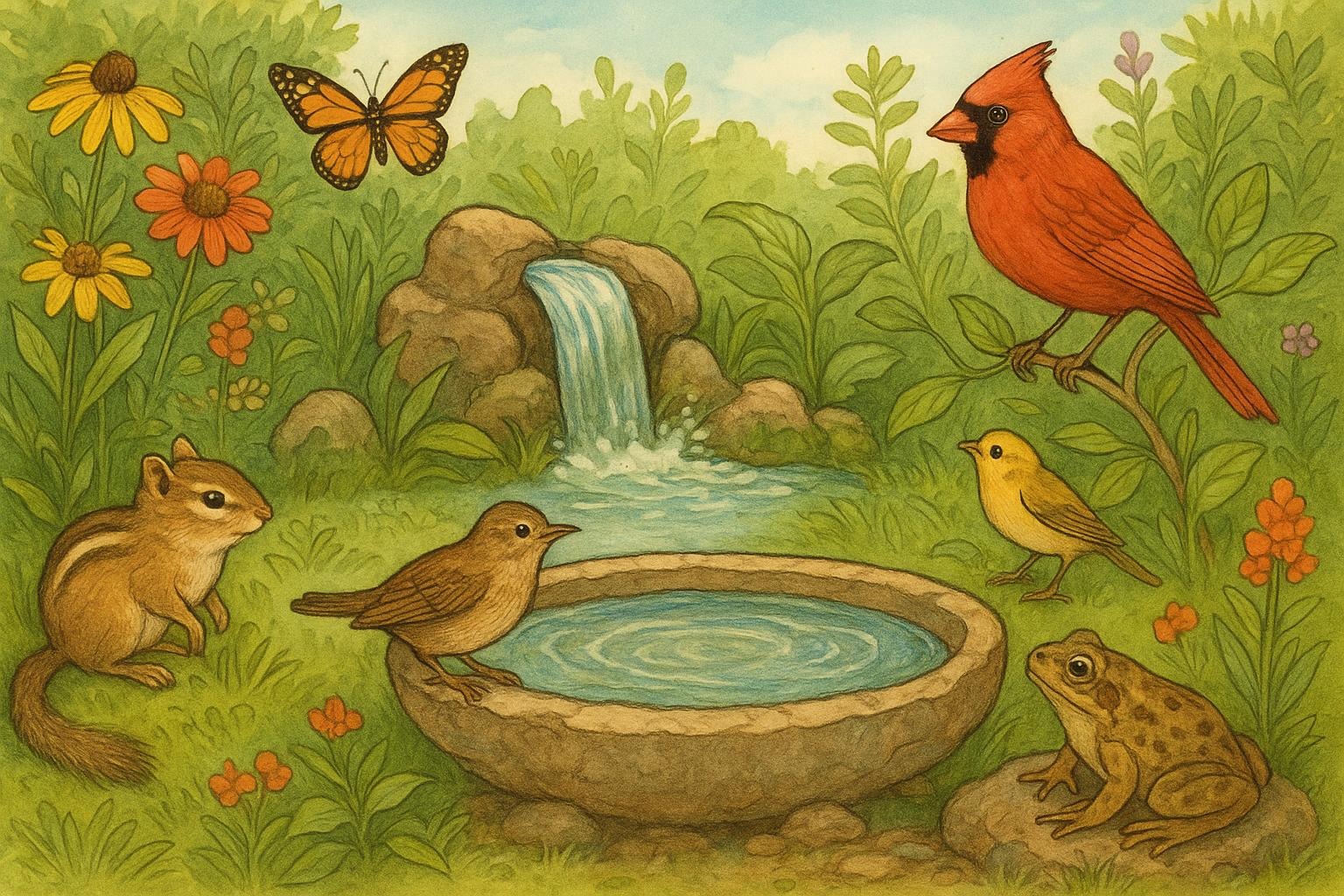
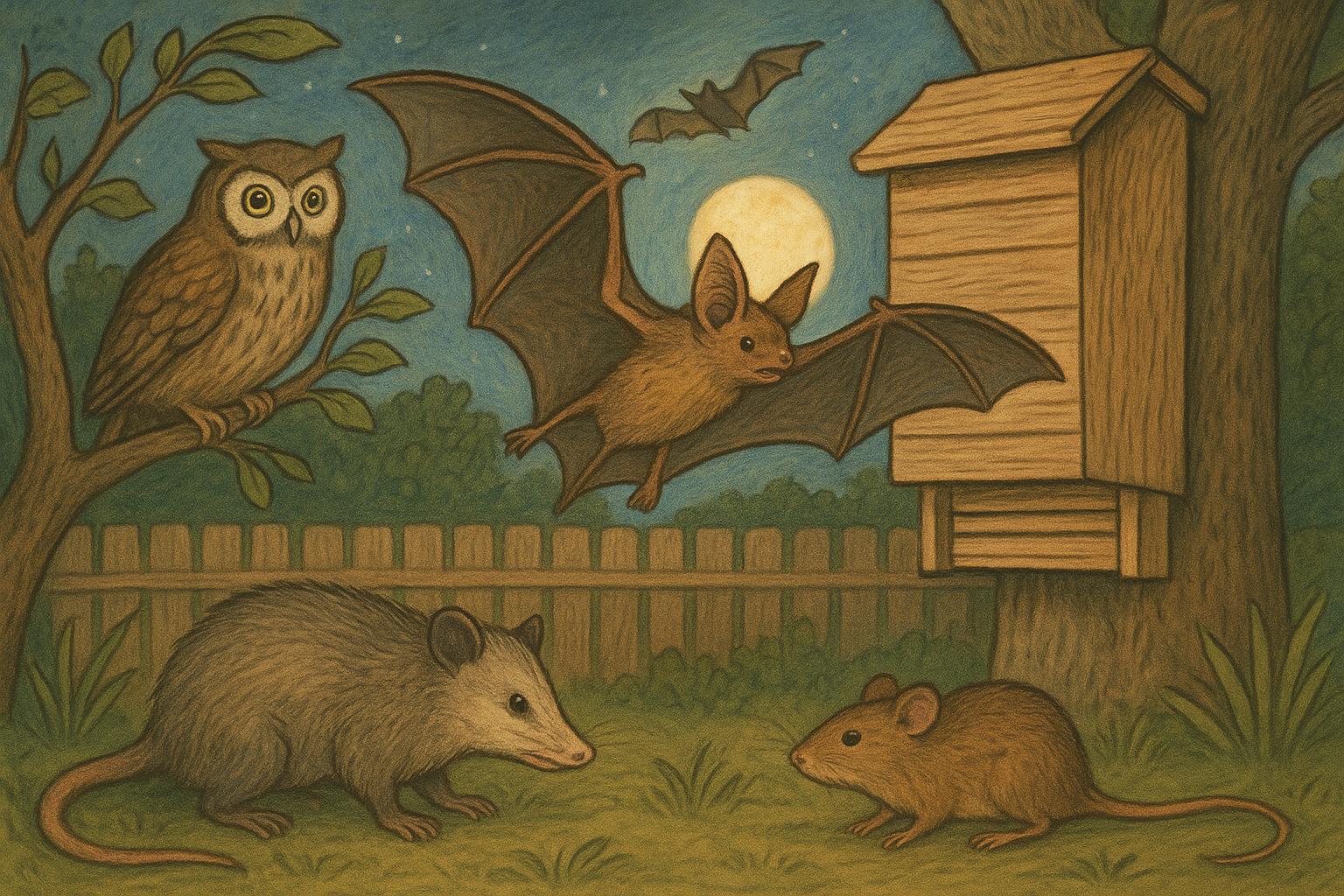
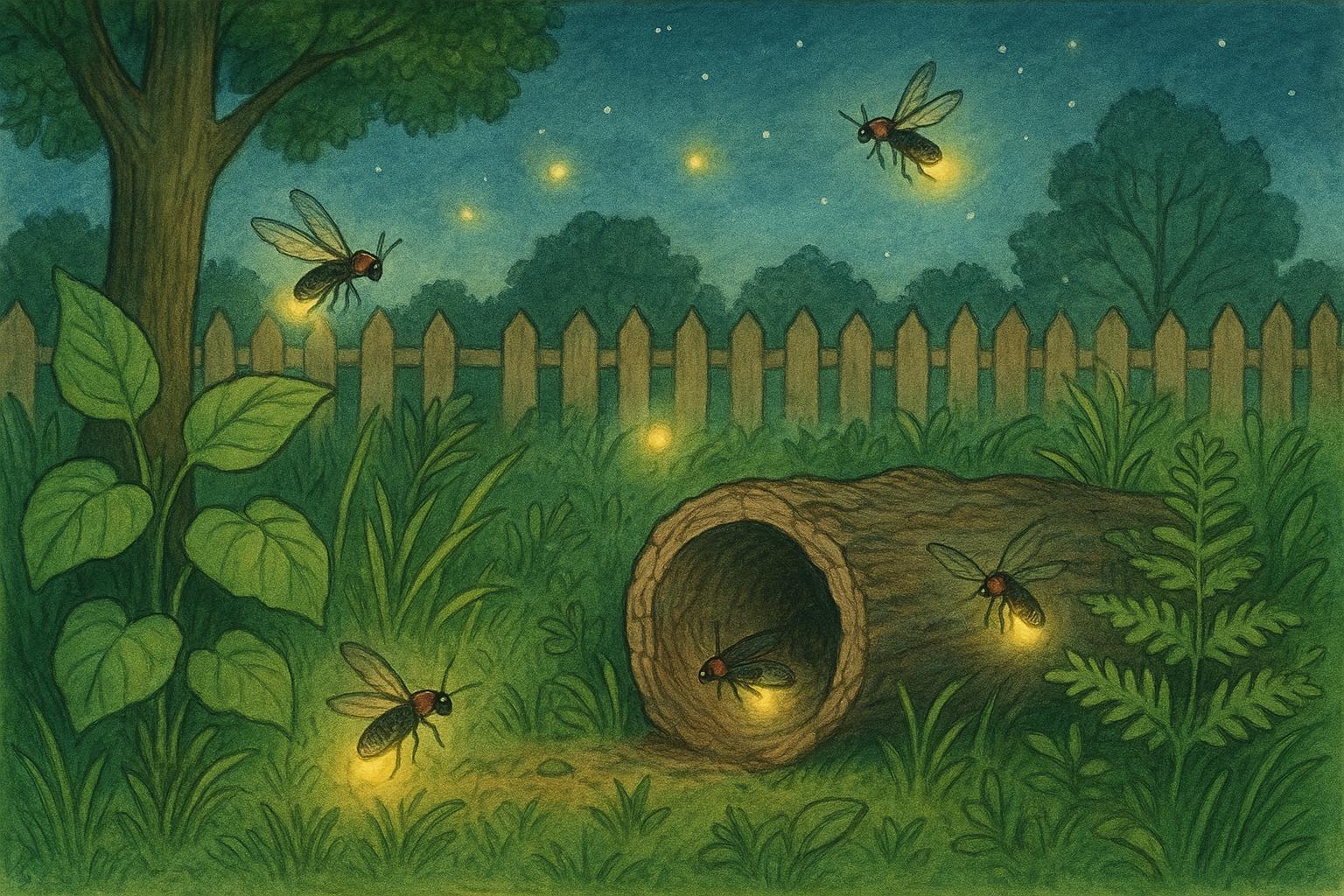
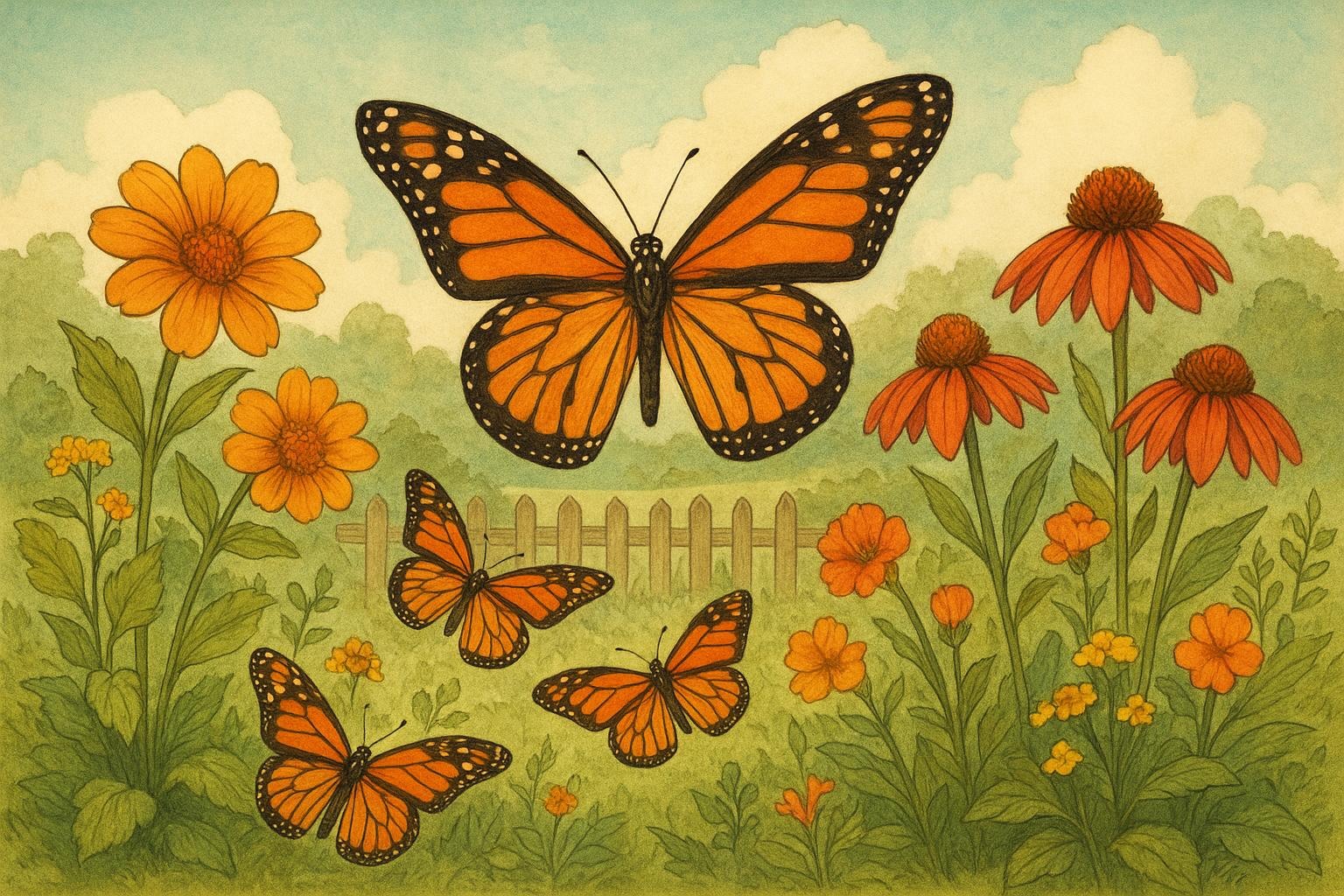
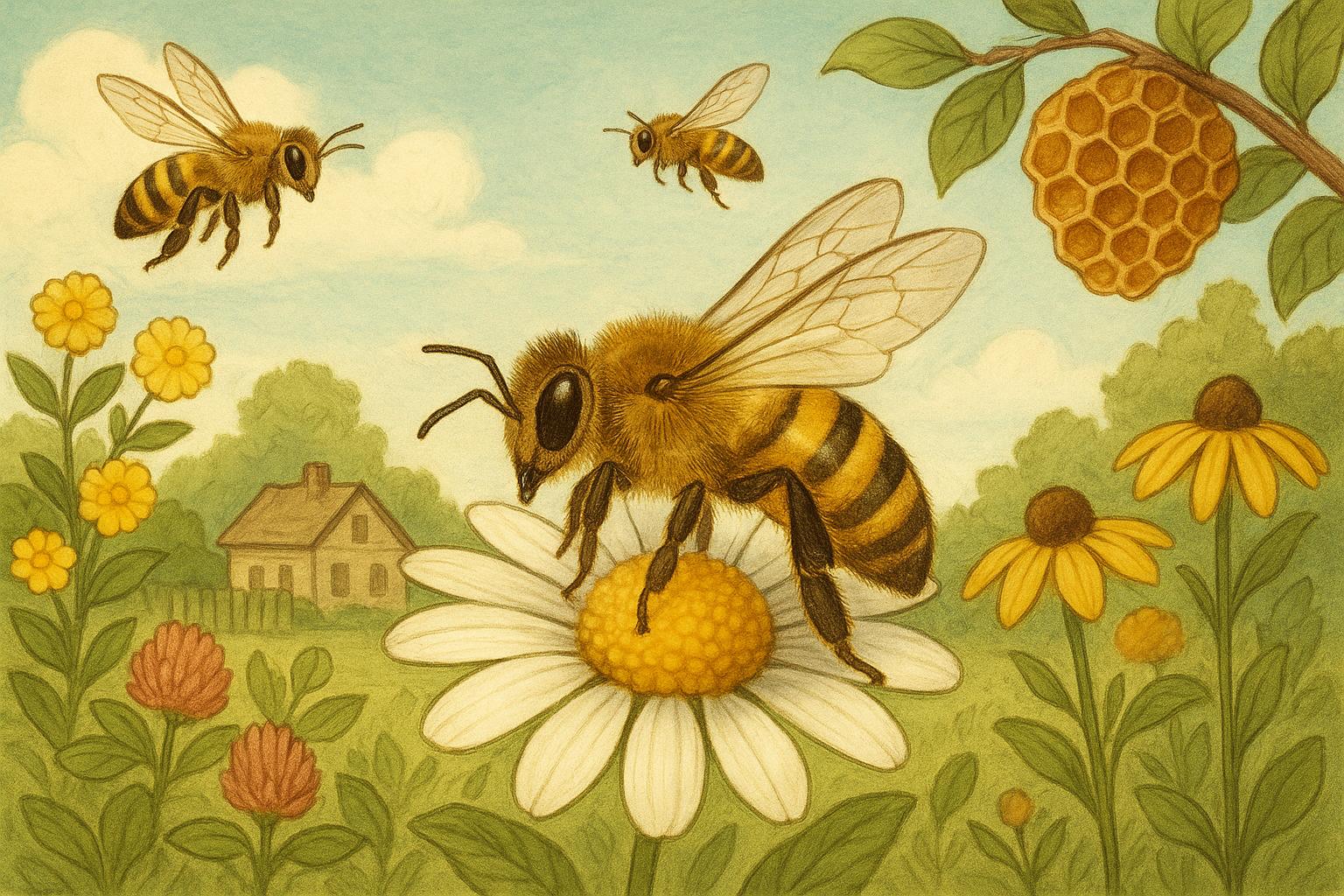
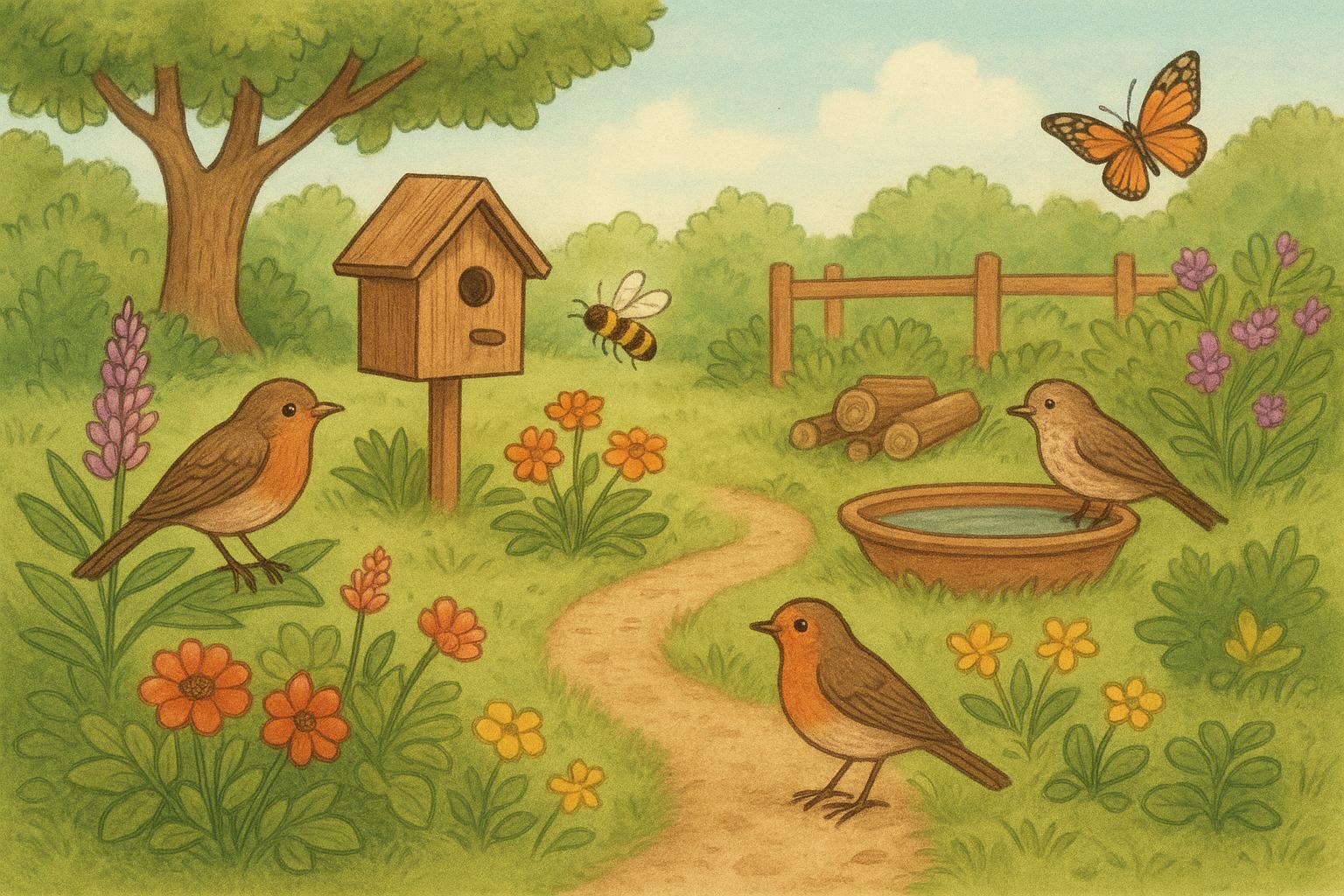
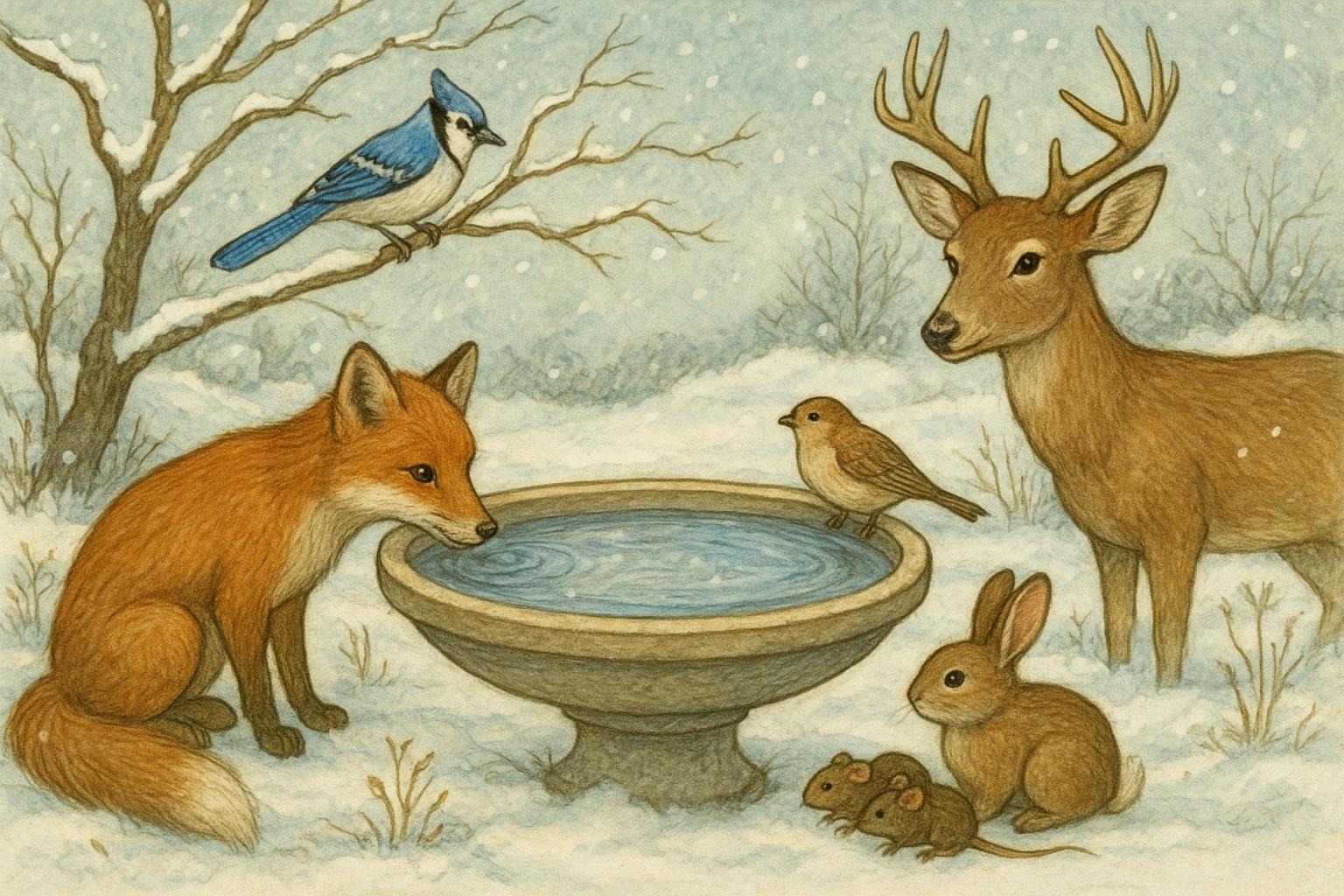
Summer in the yard is less about mowing stripes and more about the delightful bustle of feathered, furry and scaly neighbors stopping by for a sip or splash. Providing reliable wildlife water will attract birds, butterflies, bats, amphibians and beneficial insects — and it gives you front-row seats to the backyard show. Think of it as the neighborhood watering hole, minus the gossip.
### The Big Why: Why Wildlife Water Matters
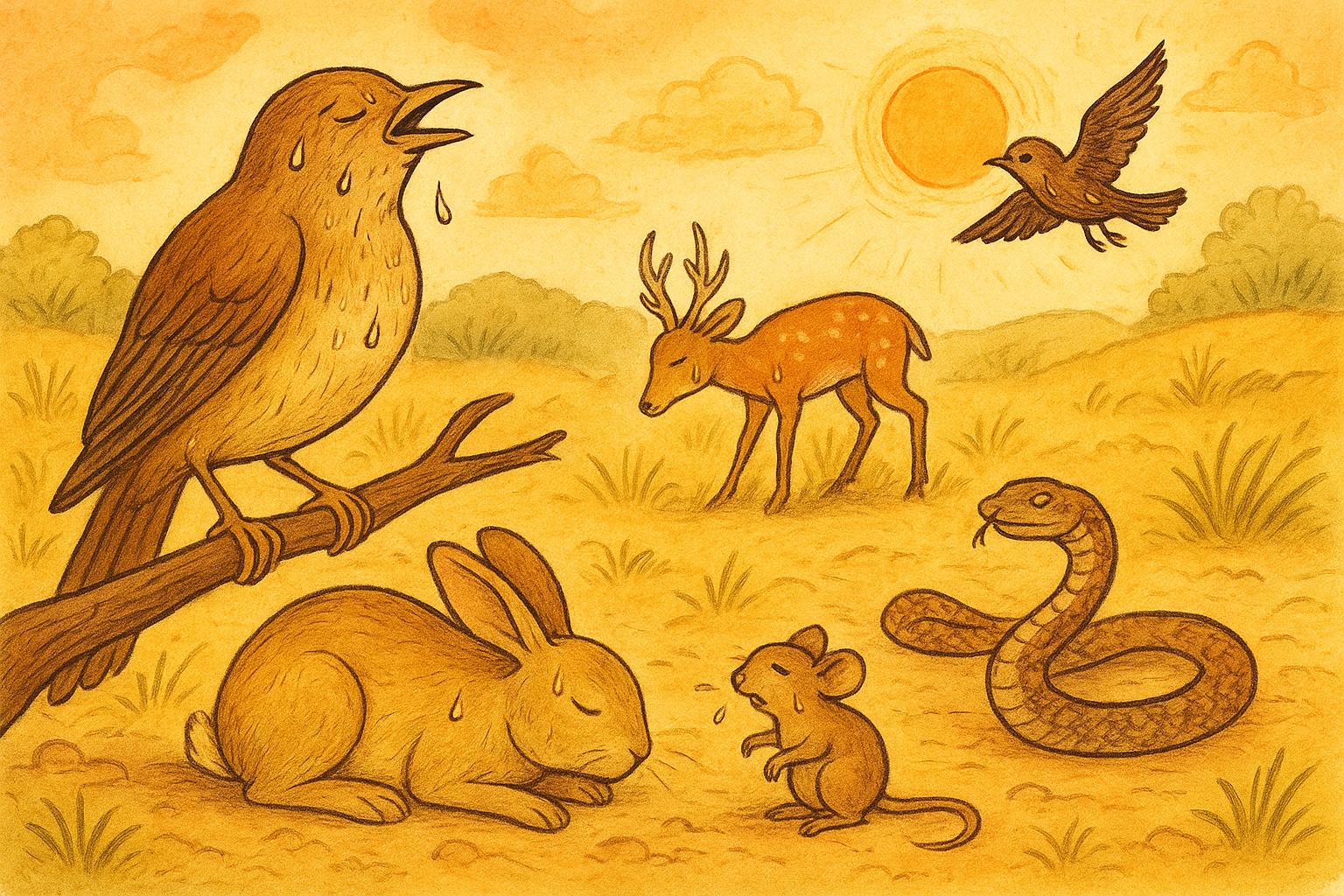
Water is life in a small, loud package. Even modest yards can become wildlife magnets if you offer safe, clean water sources. During heat waves, natural puddles and shallow streams dry up; a consistent water feature helps wildlife survive, breed and thrive. It also improves biodiversity: species that wouldn’t otherwise linger will take up residence, leading to pest control (hello, mosquito-eating bats), increased pollination, and more interesting morning visits.
#### Safety Basics For All Guests
– Keep water shallow — 1 to 2 inches of depth at the edge is ideal for small birds and insects; include deeper spots (3–6 inches) for larger birds and mammals.
– Add gentle slopes, stones or perches so amphibians and small mammals can enter and exit safely.
– Place water in a partially shaded area to reduce algae and overheating.
– Keep bath edges rough or add pebbles to prevent slipping. Smooth plastic bowls can be dangerous for insect feet.
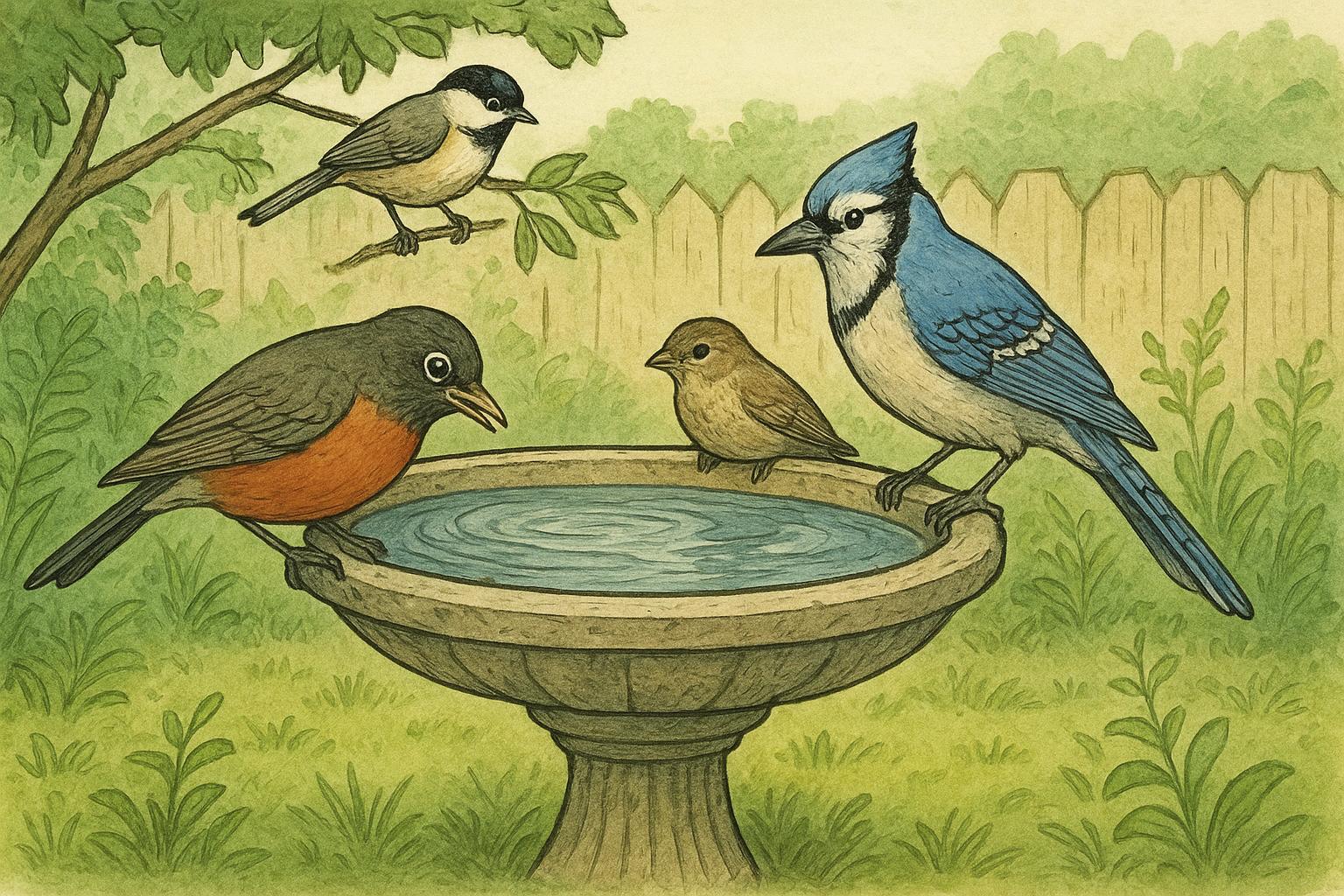
### 1. Simple Bird Bath Upgrade (Remedy)
Below is a practical, step-by-step solution to convert an ordinary container into a low-maintenance drinking and bathing station. This remedy is suited to beginners and those who want low-cost, high-impact wildlife water.
Materials
– A sturdy shallow basin or metal/ceramic bowl (12–18 inches diameter)
– A stable pedestal or platform (concrete paver, old plant stand, or stacked bricks)
– River stones or flat pebbles
– Water source (hose, watering can)
– Optional: small solar mister or dripper kit
Step-by-Step Creation and Application
1. Choose Location: Select a spot visible from a window, partly shaded, near shrubs or perches but not so close that predators can hide directly above.
2. Prepare Pedestal: Level the ground where you will set the pedestal. If using stacked bricks, ensure they are stable and won’t tip.
3. Secure Basin: Place the basin on the pedestal. If the stand is wobbly, use a small bead of silicone to stabilize it (allow to cure per manufacturer instructions).
4. Add Stones: Arrange river stones in the basin so there are shallow edges (about 1–2 inches) while the center can remain deeper if desired. Stones give perching space for insects and tiny birds.
5. Fill and Test: Fill with fresh water. Check for spills, ensure stones aren’t slippery, and verify that the shallow edge is accessible to small wildlife.
6. Maintenance Plan: Replace water every 2–3 days in hot weather, more often if heavily used or if a lot of debris accumulates. Clean basin weekly with a stiff brush and rinse — avoid harsh chemicals; a diluted vinegar rinse works for algae without harming visitors.
### 2. Small Ponds And Bog Gardens (Remedy)
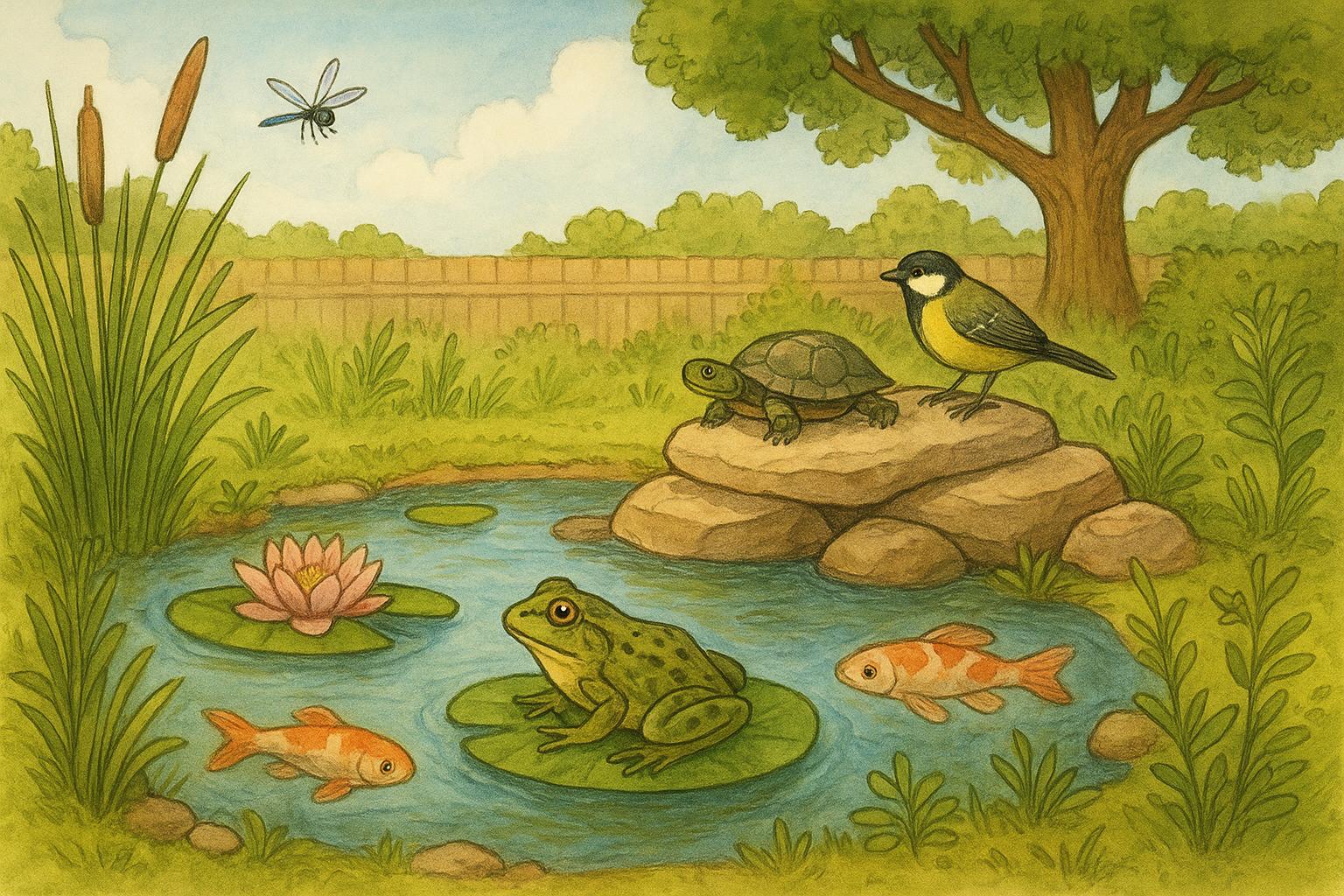
A larger, more permanent wildlife water solution is a small pond or bog garden. This remedy requires more planning but pays dividends in habitat value and seasonal interest.
Materials
– Flexible pond liner (EPDM) sized for planned pond
– Underlay padding
– Shovel and garden tools
– Rocks and gravel for edging and shelves
– Native marginal plants (e.g., rushes, sedges, marsh marigold)
– Optional pump or solar aerator (for moving water)
– Dechlorinator (if using municipal water to top up)
Step-by-Step Creation and Application
1. Site Selection: Choose a location with partial sun and near cover (shrubs or hedges), but avoid heavy root competition from trees.
2. Outline Pond Shape: Mark the outline with rope or spray paint. Create shallow shelves at different depths (2–6 inches for amphibians, deeper pockets for adult frogs and salamanders).
3. Excavate and Level: Dig the pond, creating shelves and a deepest point. Remove sharp rocks and roots. Compact the base slightly.
4. Add Underlay and Liner: Lay the underlay to protect the liner, then carefully place the EPDM liner, smoothing out wrinkles. Allow extra liner at the edges for anchoring with rocks.
5. Edge and Fill: Add gravel to shelves and place larger rocks around the edge to secure the liner and provide natural entry points. Begin filling gradually with water. If using municipal water, treat with dechlorinator according to label.
6. Plant and Naturalize: Plant native marginal and submerged species on the shelves and in pots sunk into the pond. These plants provide cover, breeding sites and food.
7. Optional Aeration: In small ponds, passive aeration is often fine; if algae become a problem, consider a small solar fountain or pump to circulate water.
8. Maintenance: Remove excess vegetation and debris seasonally. Monitor water levels and top up with dechlorinated water as needed. Avoid introducing fish unless you’re prepared for the ecological balance consequences.
### How To Keep Wildlife Water Clean Without Harmful Chemicals
A healthy water source is one where critters can drink safely without exposure to pesticides or detergents. Use mechanical cleaning (skimming, netting debris) and biological controls (native plants) rather than chlorine. If algae blooms appear, manually remove the mats and add floating plants to shade the surface. For bird baths, empty and scrub weekly; in drought conditions rinse and refill every other day. These practices protect both the wildlife and your family from pathogens.
### Low-Tech Tricks That Make A Big Difference
You don’t need expensive gear to make wildlife water attractive. A dripping saucer hung from a tree creates sound and movement that draws birds. Group several shallow dishes at different heights to serve different species. Place a clean, tilted board or flat rock near larger water features so butterflies can land and drink. These small touches are inexpensive and effective.
#### Predator Awareness And Placement
Avoid placing water too close to high, dense cover where predators can launch surprise attacks. A good rule: position water so birds have a clear flight path to escape and nearby perches for lookouts. Cats are a particular concern; keep water within sight from the house so you can monitor activity and discourage stalking.
### Choosing Plants To Complement Wildlife Water
Plant selection enhances both aesthetics and function. Native shrubs like serviceberry or elder provide berry forage, while flowering perennials support pollinators. Aquatic and marginal plants like water mint, pickerelweed and iris stabilize edges and filter runoff. Native plants reduce the need for fertilizers and pesticides that could contaminate your wildlife water.
### Seasonal Care: Summer Focus, Year-Round Considerations
Summer is the peak importance of wildlife water, but planning year-round works best. In hot months, increase monitoring frequency and top up more often. During freezing conditions consider shallow heated bird baths or changeable devices that allow species to access water safely. If your pond freezes, maintain an opening for birds and mammals with a floating de-icer to allow gas exchange and access.
#### Citizen Science And Observation
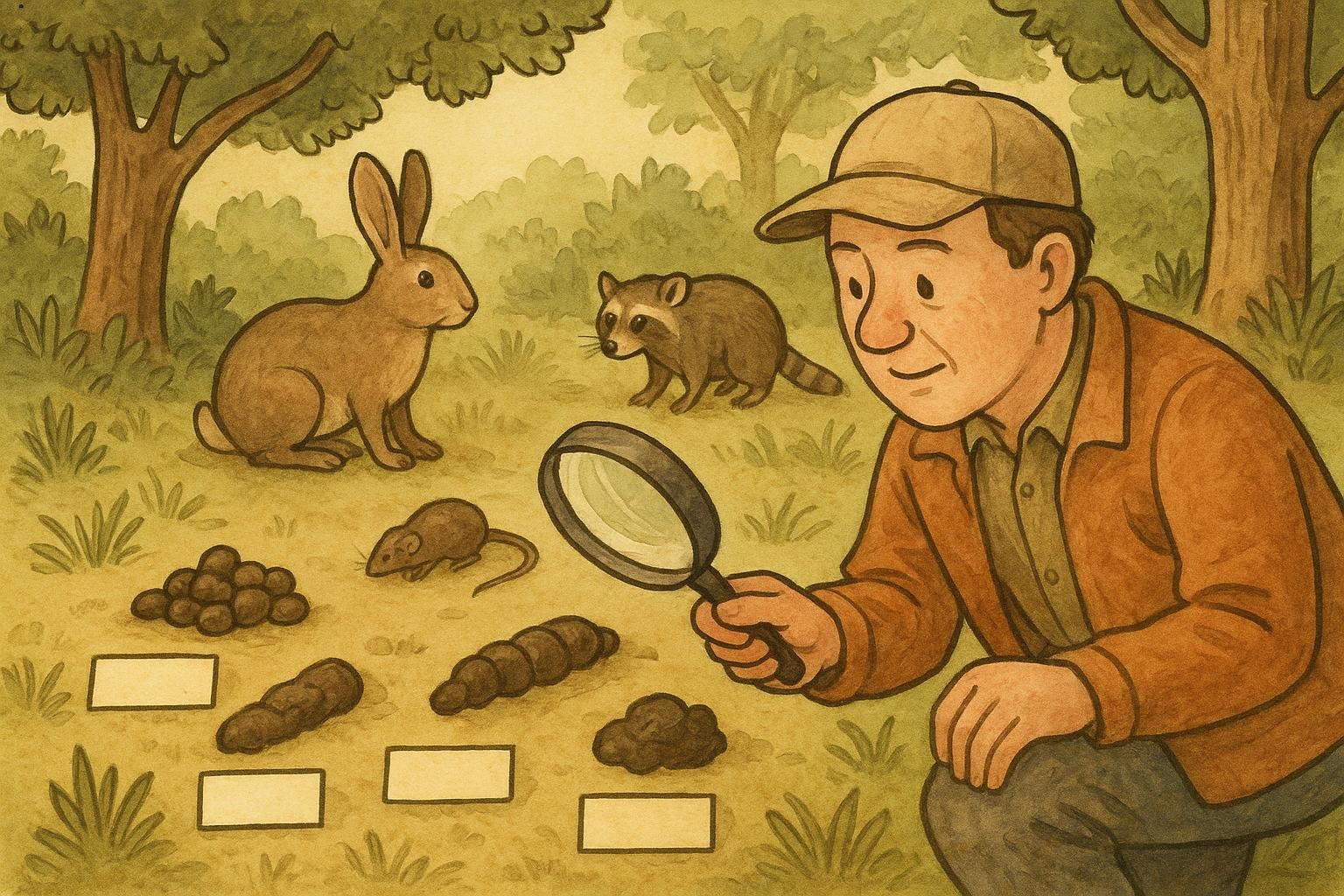
Once your wildlife water is set up, keep a simple log of visitors. Not only is this fun, it helps you learn which features attract which species. Use apps or local nature group forums to report rare sightings. Observing patterns can inform small adjustments: shallower edges for more insects, added perches for flycatchers, or additional plantings for cover.
### Quick Troubleshooting Guide
If the feature attracts unwanted pests (e.g., an overabundance of mosquitos), increase water movement with a dripper or small pump and add mosquito-eating fish only in appropriate climates and pond sizes. If algae dominates, reduce direct sun exposure with floating plants and perform partial water changes. For recurring predator problems, relocate the water source to a more open area and add nearby escape perches.
By thoughtfully adding wildlife water and designing simple, safe features, your yard becomes a summer hotspot for creatures great and small. You get more visits, more stories to tell, and the satisfaction of knowing you helped sustain local wildlife — all with a bit of planning, a splash of patience, and maybe a towel for the kids.














Leave a Reply