
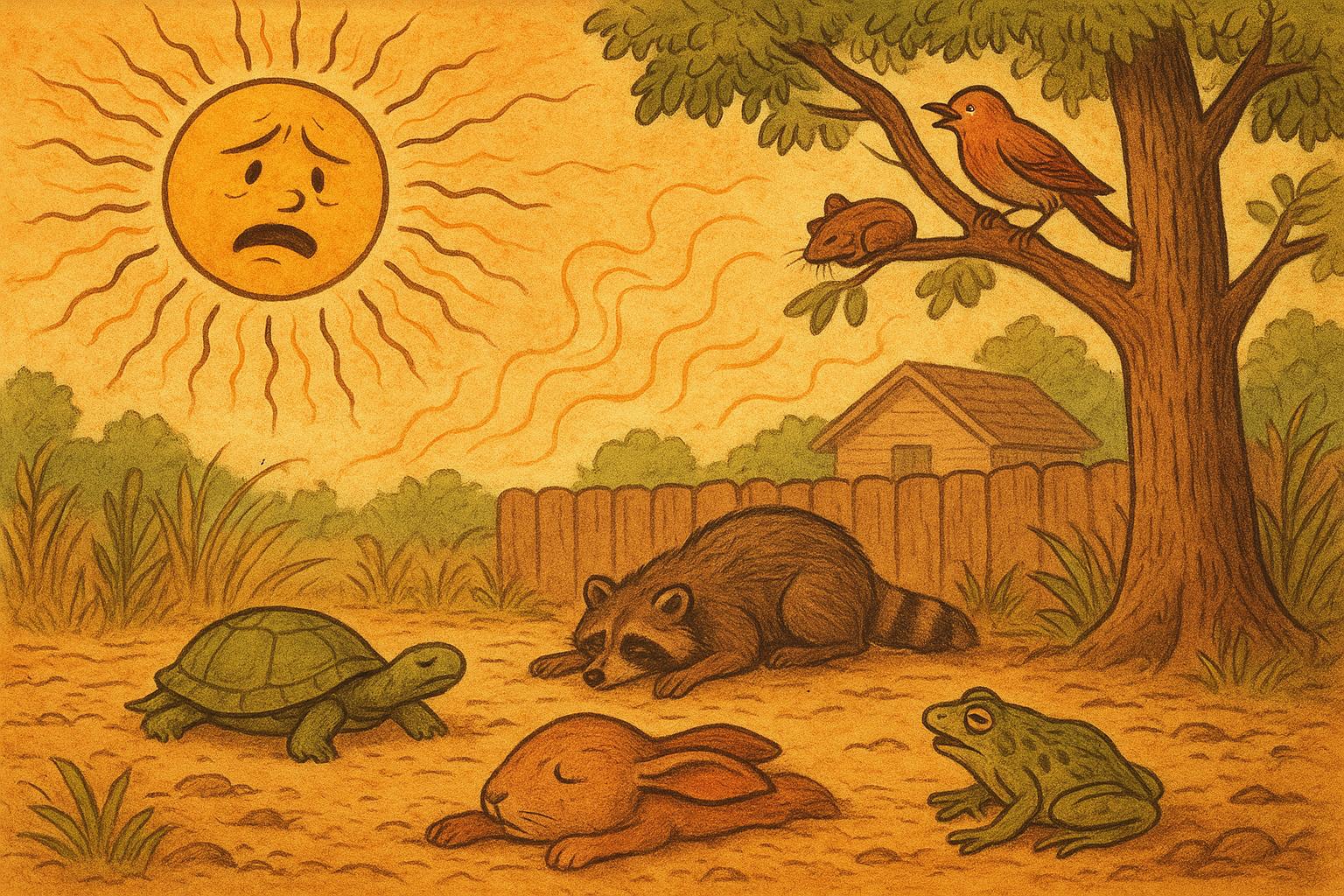
The neighborhood air feels like a warm hug that never lets go, and while you might be reaching for iced tea and a shady porch, the tiny lives living in your backyard are having a very different kind of evening. They don’t have air conditioners, stroller covers, or a sympathetic neighbor to hand them a cold pack — and that’s why a simple household habit can make or break the difference between a thriving summer yard and a silent, troubling one. Summer heat safety matters more than many of us realize.
## Summer Heat Safety Exposes Backyard Wildlife Crisis Tonight
It’s tempting to think heat affects only people, but when the mercury climbs, the backyard community — from sparrows and chipmunks to frogs and butterflies — experiences immediate stress. Heat waves compress food resources, dry up puddles, and force nocturnal animals to shift activity in ways that make them more vulnerable to predators and traffic. The phrase summer heat safety might sound like a public-service poster aimed at humans, but it also has to be the mantra for anyone who cares about the local ecosystem.
### Why Heat Is So Dangerous For Small Critters
Small animals have higher surface-area-to-volume ratios, which means they gain and lose heat more quickly than bigger animals. They can’t sweat like we do, and many depend on microhabitats — damp leaf litter, cool burrows, shady brush — that disappear when temperatures spike. Dehydration can set in fast; even a short period without accessible water or shade can lead to collapse, disorientation, and reduced reproductive success.
Predators change their behavior in heat too. Raptors that normally hunt by sight may patrol earlier or later in the day, and dogs allowed to roam in the evening can chase exhausted animals that would otherwise hide. When you weave the human element in — paved yards, scarce native plants, and sealed water features — it becomes clear that summer heat safety isn’t only a convenience issue, it’s a conservation imperative.
### Signs Your Backyard Wildlife Is In Trouble
If you want to be a helpful neighbor to the wild residents around your home, look for warning signs. Common indicators include:
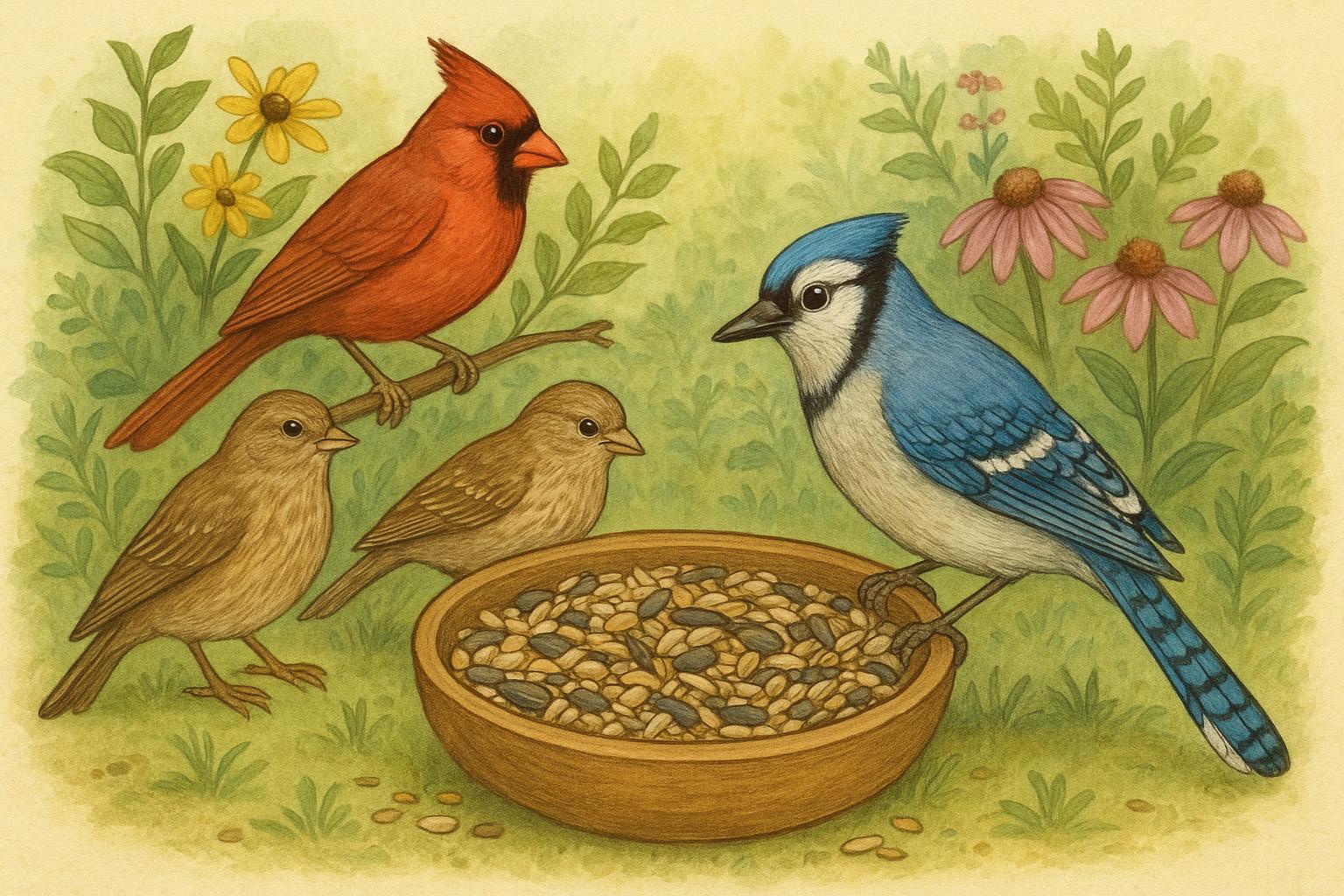
– Birds lingering on the ground panting or holding wings away from their bodies.
– Mammals appearing unusually lethargic during cool parts of the day.
– Amphibians absent from usual puddles and ponds.
– Increased roadside carcasses during and after heat waves.
Spotting these signs early gives you options to intervene in low-cost, high-impact ways. Simple measures taken tonight can prevent cascading problems tomorrow.
## Practical Steps For Immediate Relief
There are practical, homeowner-friendly actions you can take right now to promote summer heat safety for backyard wildlife. Some are immediate and temporary, like setting out shallow water, while others are longer-term habitat strategies, like adding native shrubs and creating shade structures. Below are prioritized steps to implement quickly, followed by a focused remedy for providing reliable, wildlife-safe drinking stations.
### Create A Safe Water Station For Summer Heat Safety
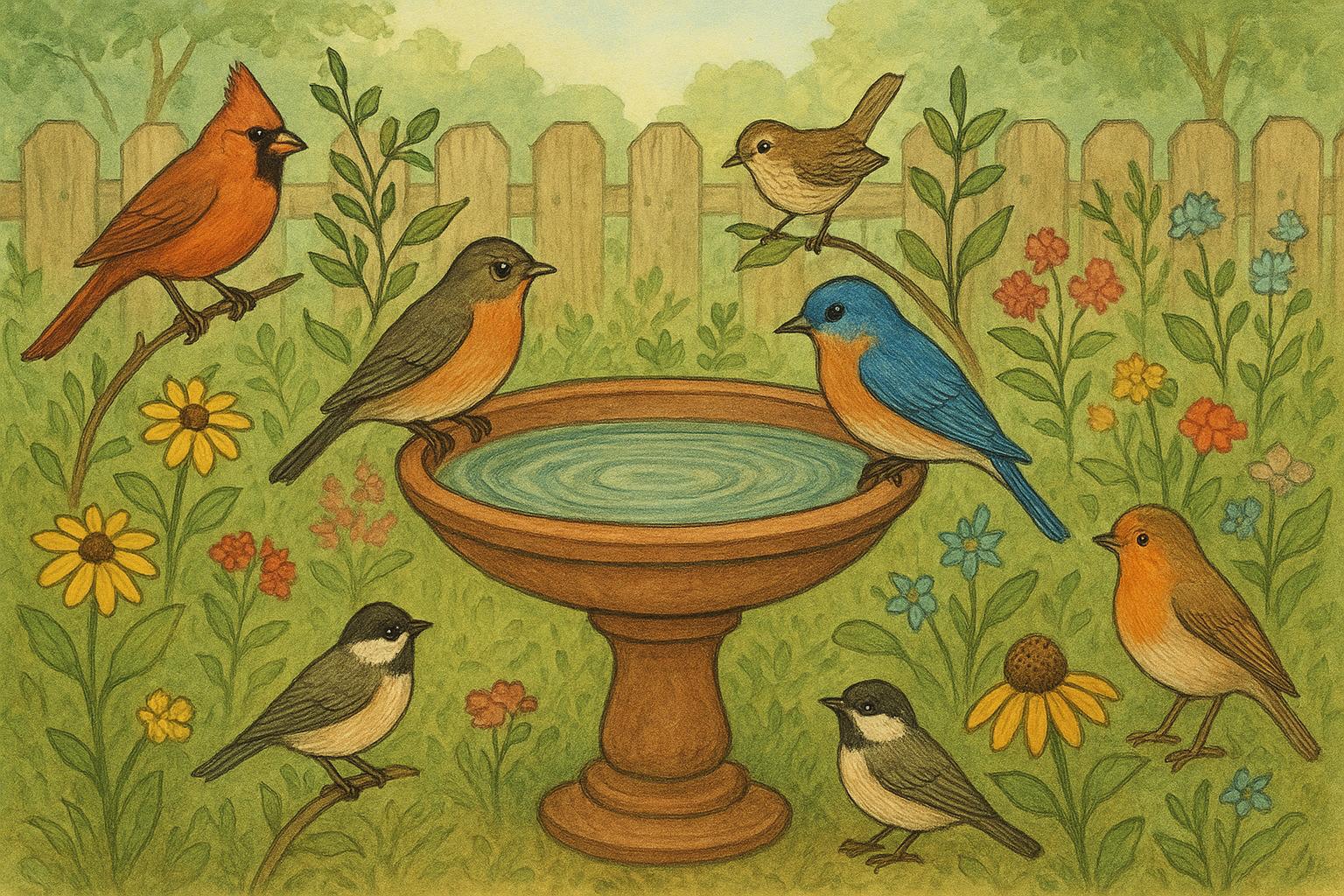
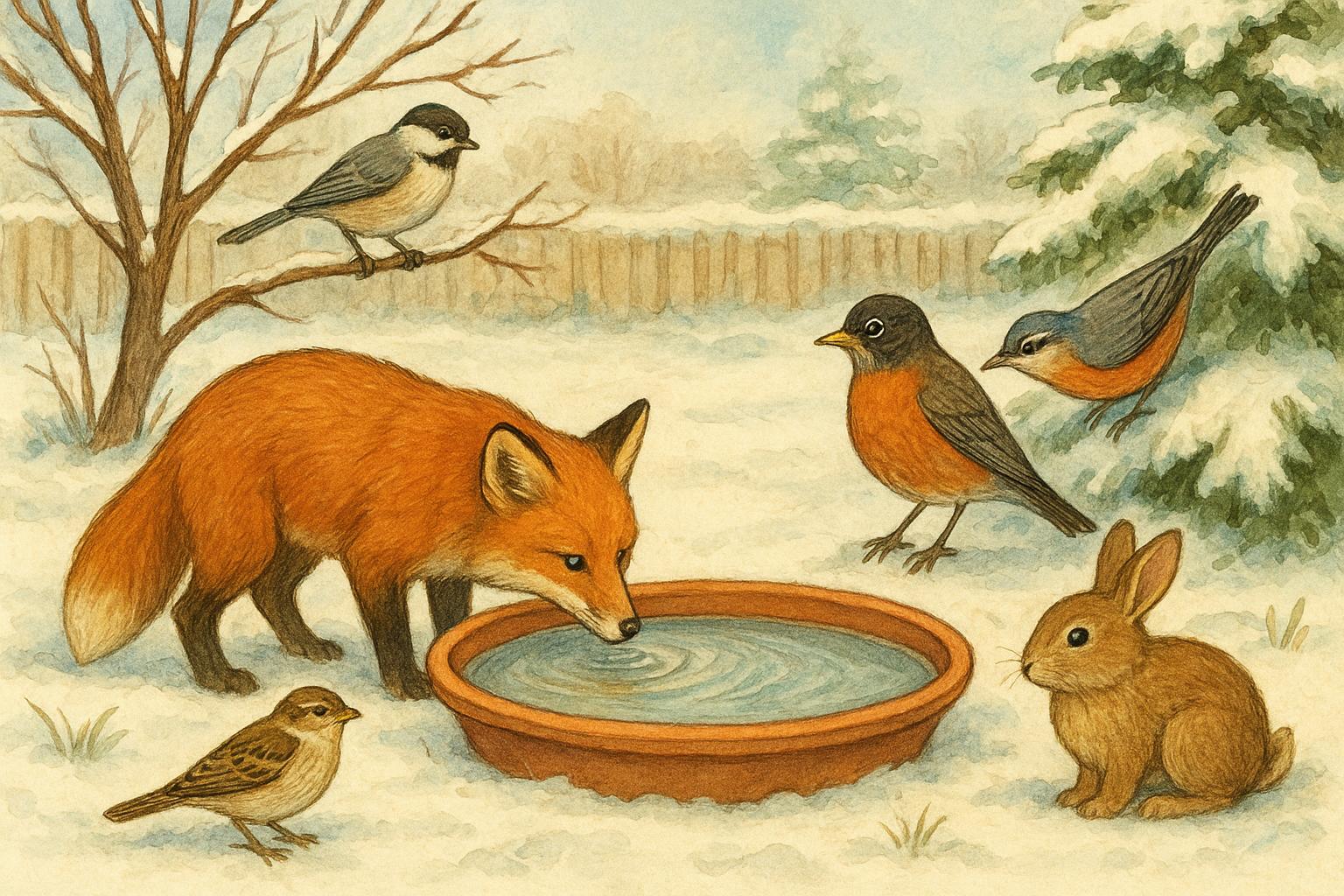
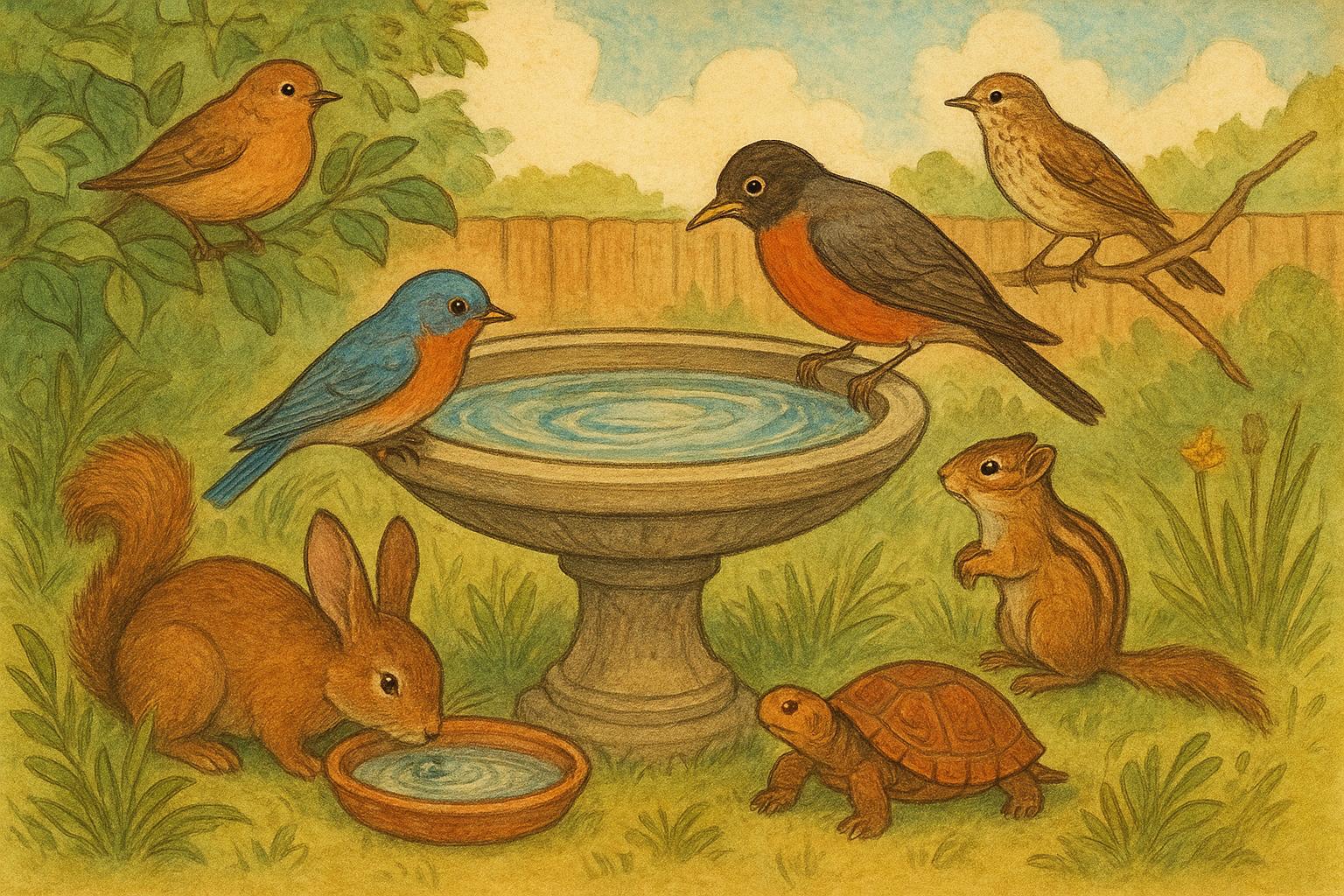
Providing water is the single most effective immediate response. It’s simple, low-cost, and enormously beneficial across species. Below is a formal, step-by-step remedy for building and maintaining a wildlife-friendly water station that adheres to best practices in conservation and hygiene.
#### Materials Needed
– A shallow, wide dish or basin (non-slip surface recommended) — 1–2 per feeding station.
– Small flat stones or marbles to create footing.
– A low pedestal or stable platform to raise the dish slightly off the ground (optional).
– Fresh water (tap is fine; avoid chemical additives).
– Natural sponge or clean brush for routine cleaning.
– Shade cloth or a small umbrella if the station will sit in direct sun.
– Tweezers or tongs for removing debris (optional).
#### Step-By-Step Creation And Application
1. Select Location: Choose a quiet spot near shrubs or tree cover but visible enough that cats and other predators can be monitored by you. Avoid open pavement or areas where pets frequently run. This location selection supports summer heat safety by prioritizing low-stress access for wildlife.
2. Prepare The Dish: Use a shallow dish no more than 1–2 inches deep for small birds and mammals; deeper basins are appropriate if you have larger species like raccoons using the site. Place a few flat stones or marbles inside to provide footing for tiny feet and to prevent accidental drowning of small creatures.
3. Elevate Slightly (Optional): Raise the dish on a low platform or bricks if ants or ground beetles are an issue. Elevation also helps deter mosquitoes from laying eggs if you commit to frequent water changes.
4. Provide Shade: Situate the dish under a shrub canopy or install a small shade cloth. Water that sits in blazing sun warms quickly and can be less attractive to wildlife; shaded water maintains a cooler, safer temperature.
5. Fill And Maintain: Fill the dish with fresh water daily during hot weather. Empty and scrub the dish with a natural sponge every 48–72 hours and refill to prevent algae build-up and mosquito breeding. During extreme heat, refresh water twice daily, especially in late afternoon and early evening.
6. Monitor For Predators And Disturbance: Check early morning and late evening. If domestic pets or predatory birds are using the area to ambush, relocate the station closer to denser vegetation where smaller wildlife can approach with cover.
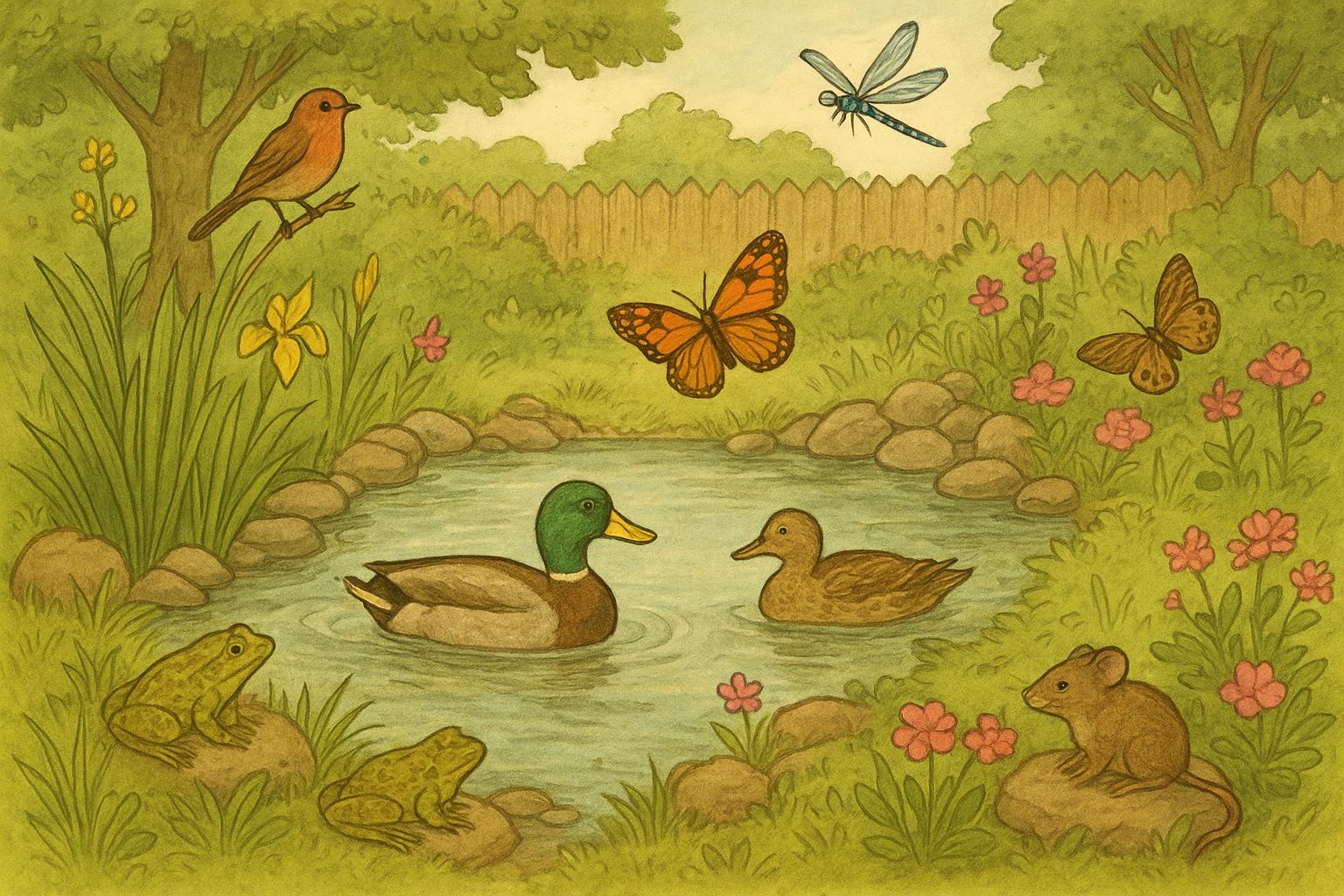
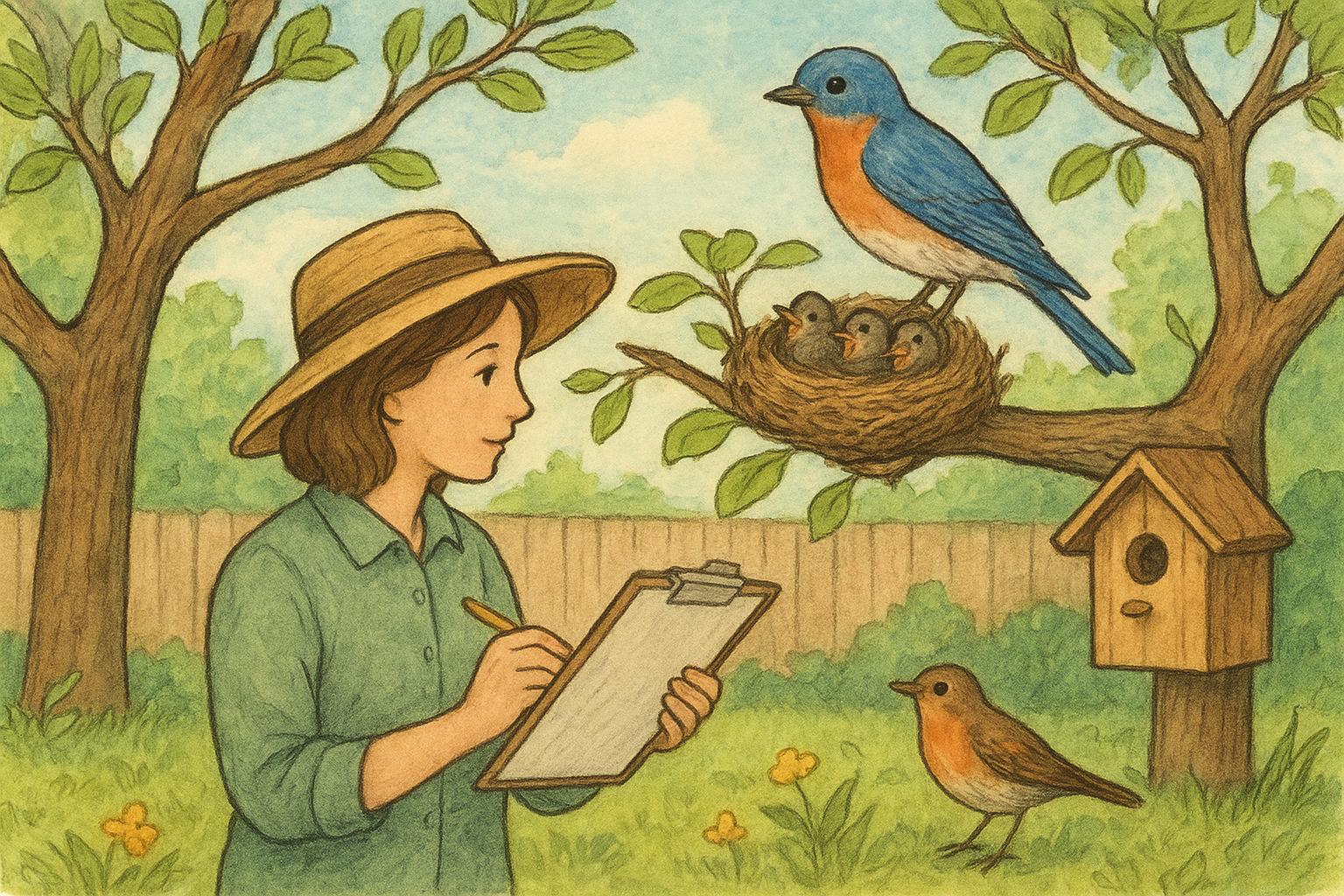
7. Record And Adapt: Note which species use the station and any problems (e.g., frequent contamination, theft by larger animals). If mosquitoes are prolific despite changes, replace shallow water sources with dripping features that move the water — moving water deters mosquito larvae and keeps oxygen levels higher, benefiting amphibians and insects that drink at the surface.
This methodical approach to creating a water station balances accessibility, hygiene, and predator safety, aligning with best practices for summer heat safety in residential settings.
### Shade, Shelter, And Cooling Microhabitats
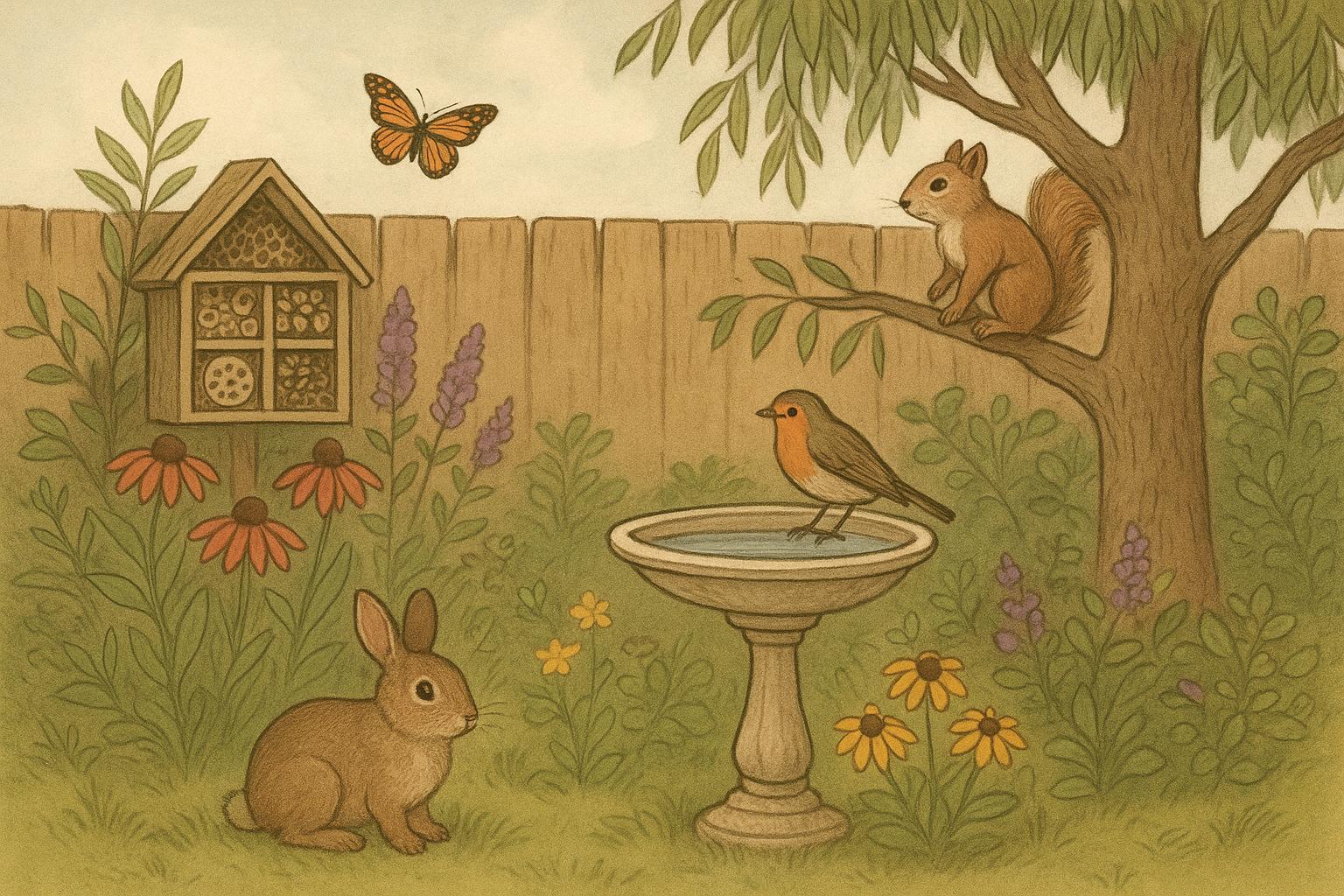
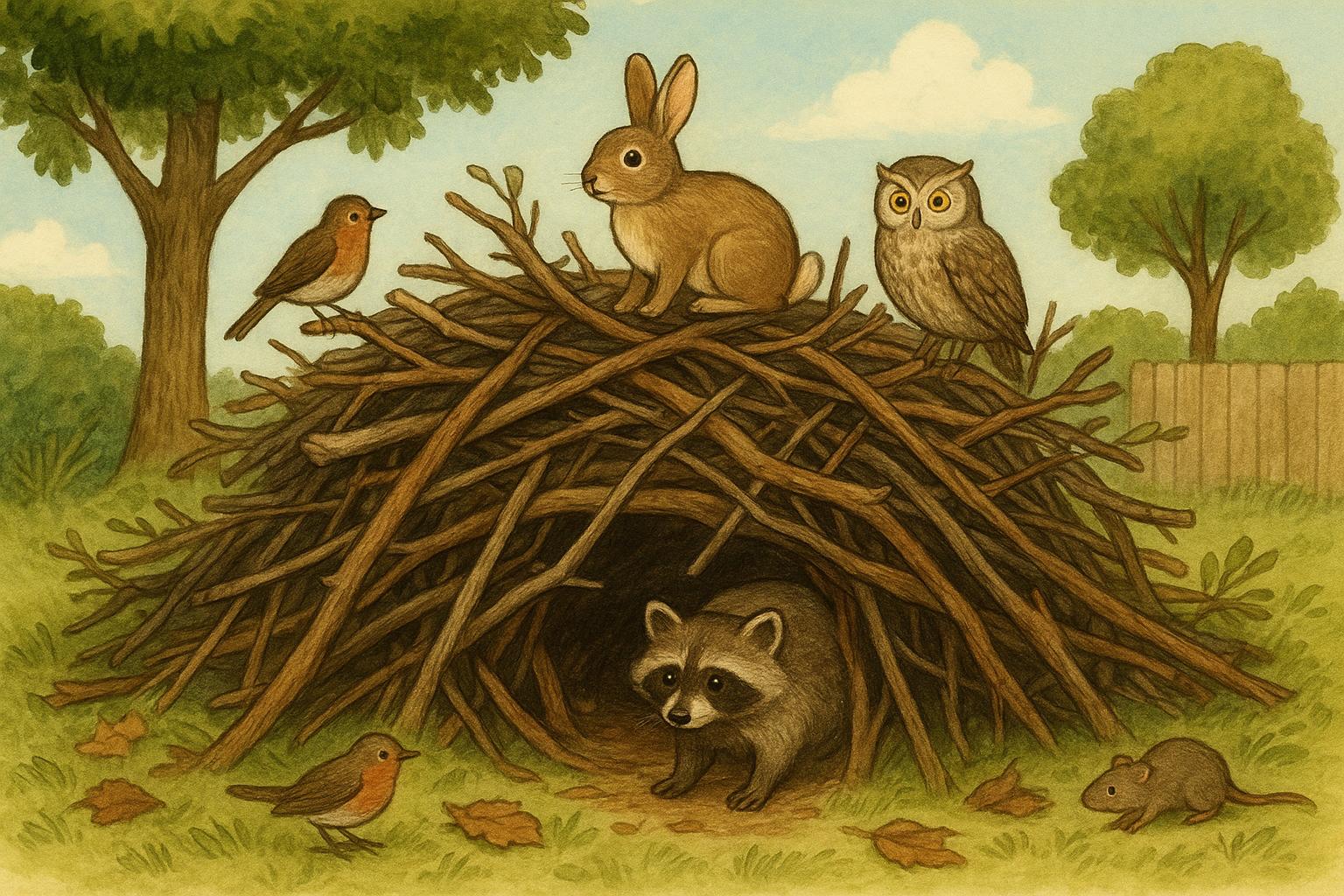
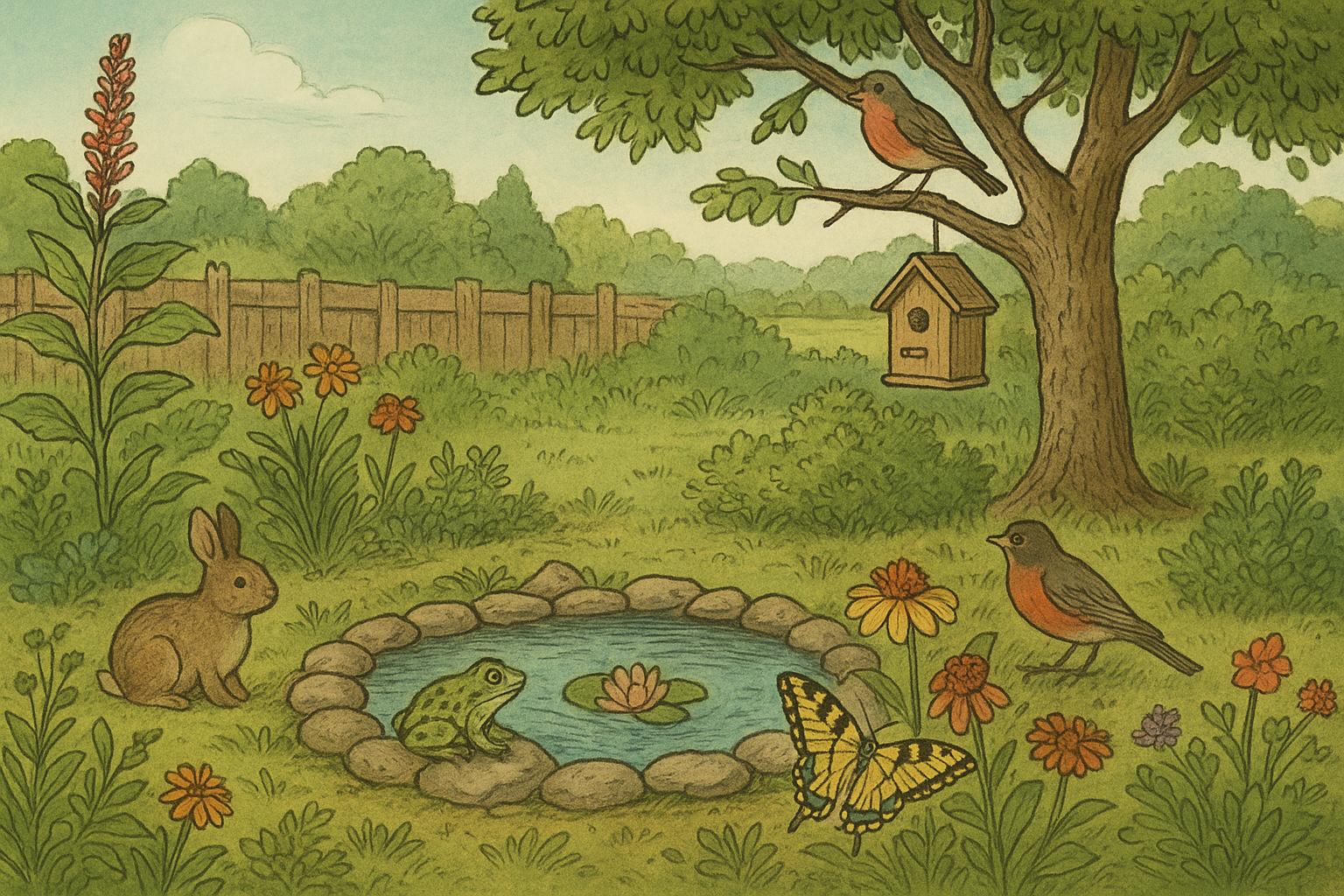
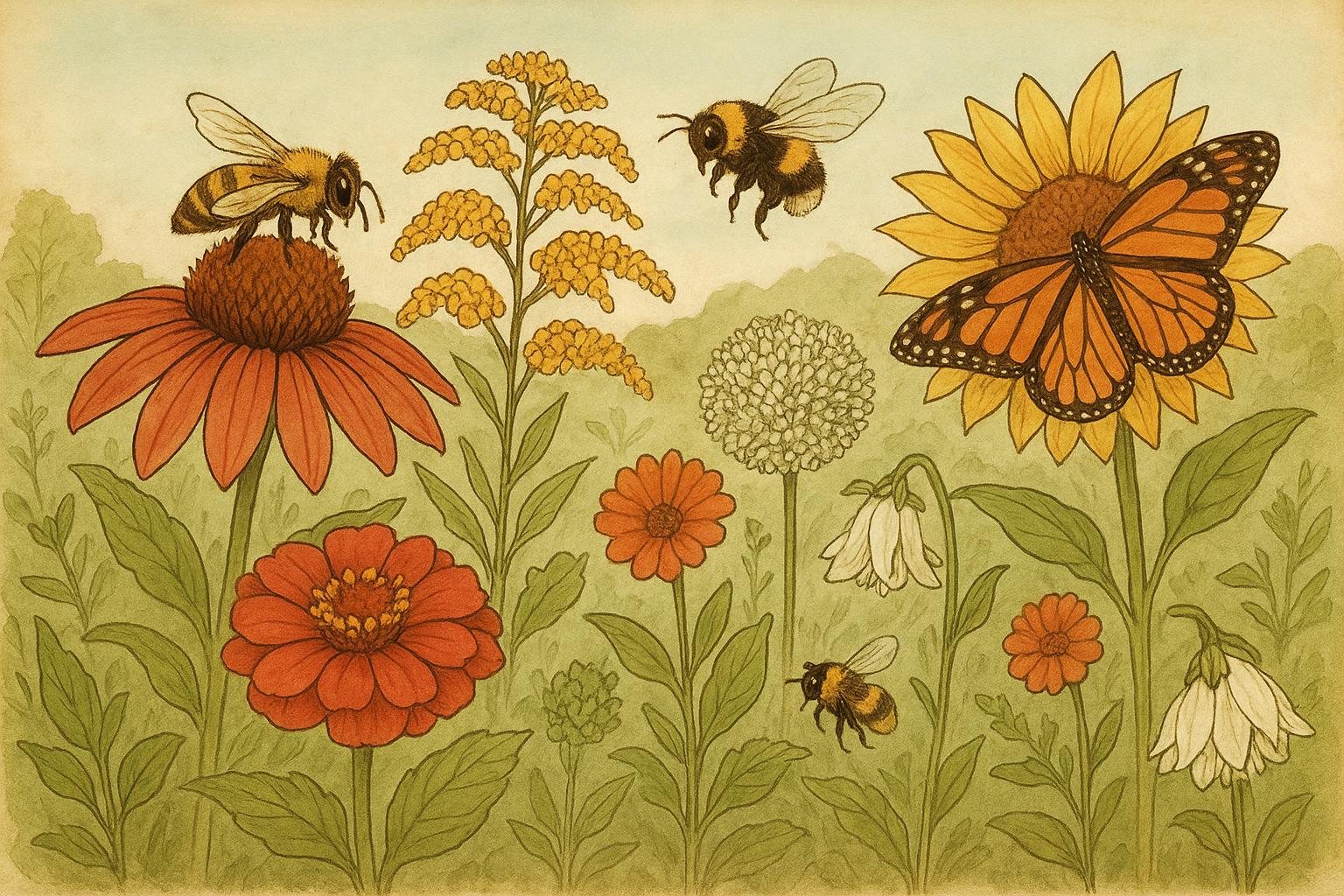
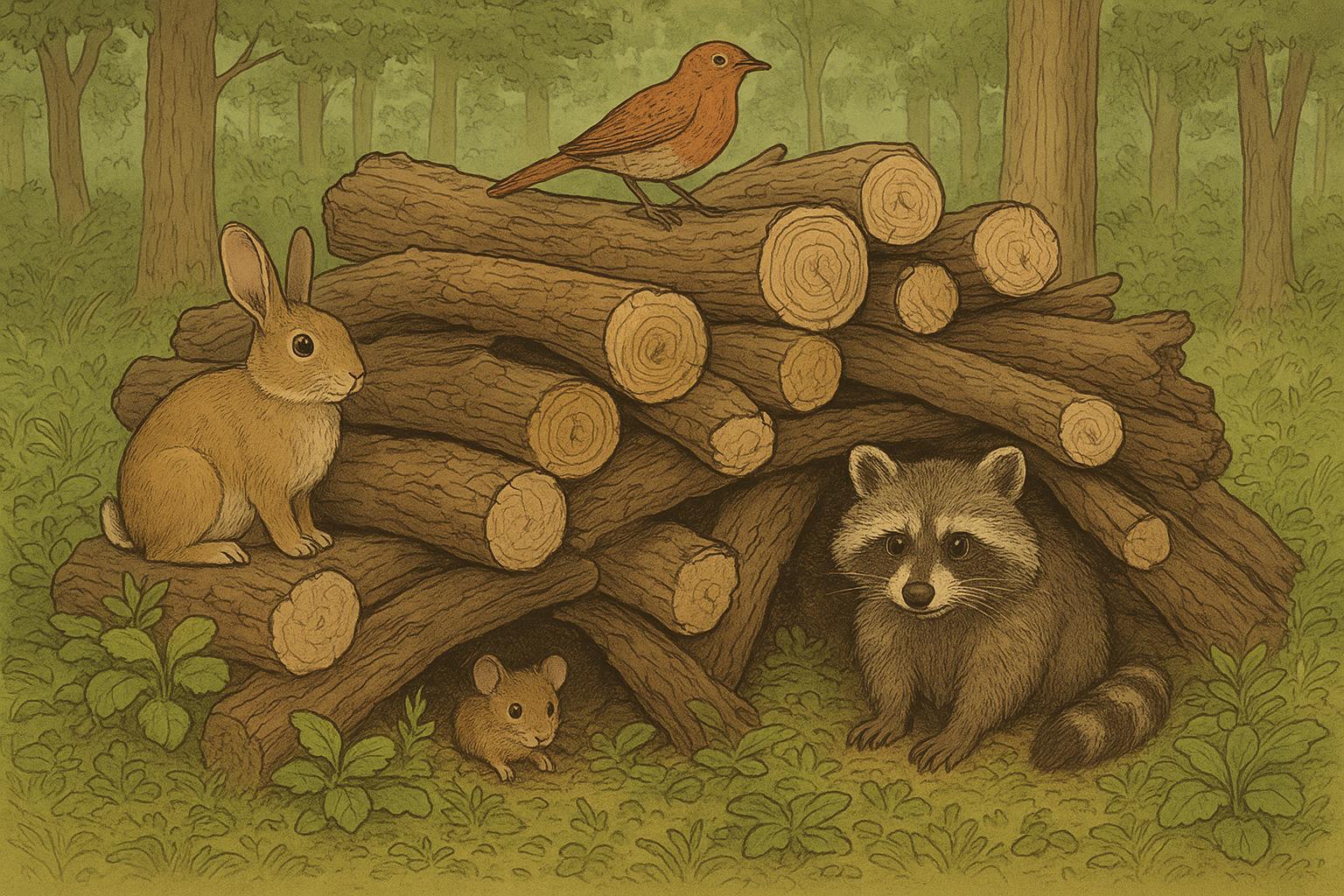
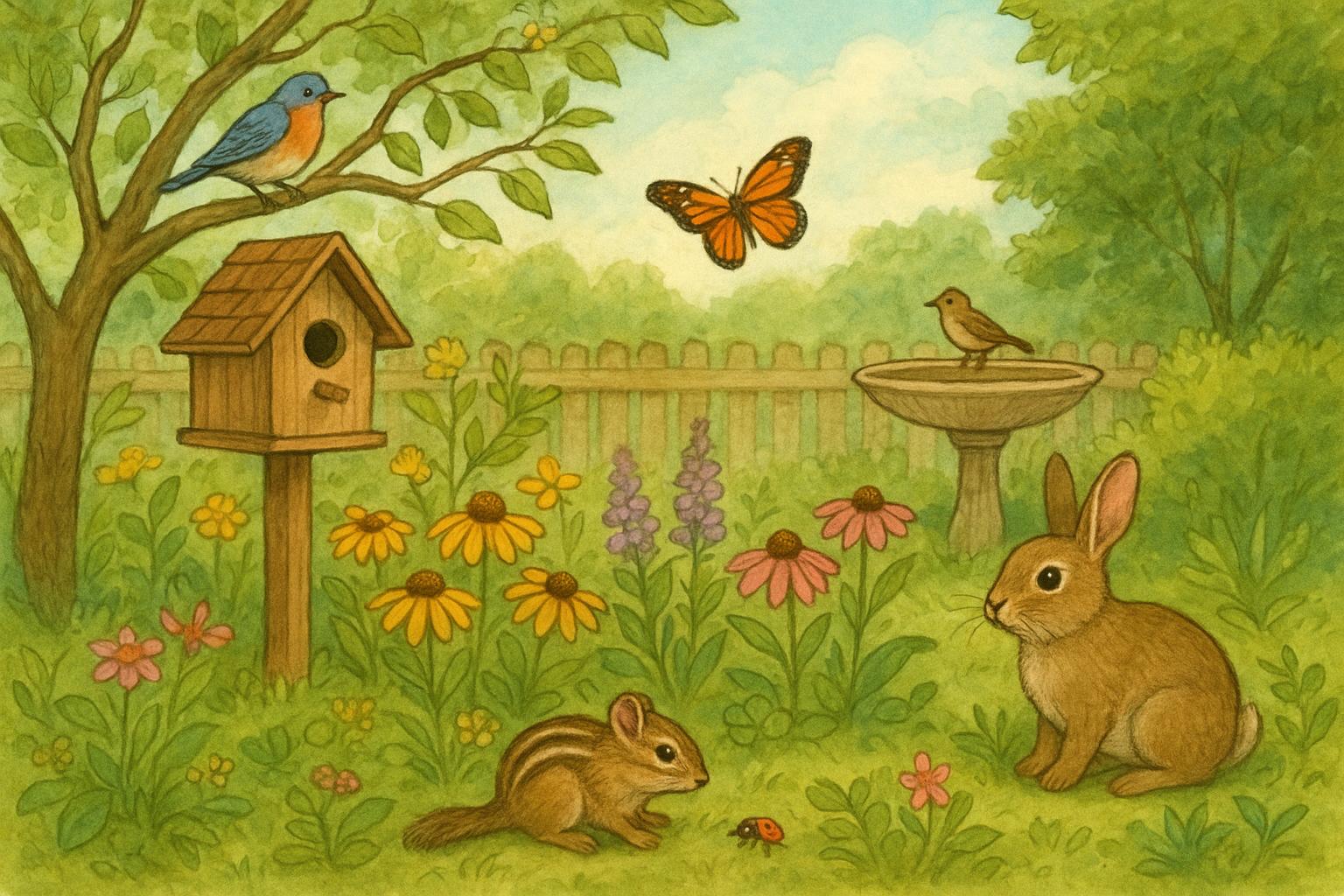
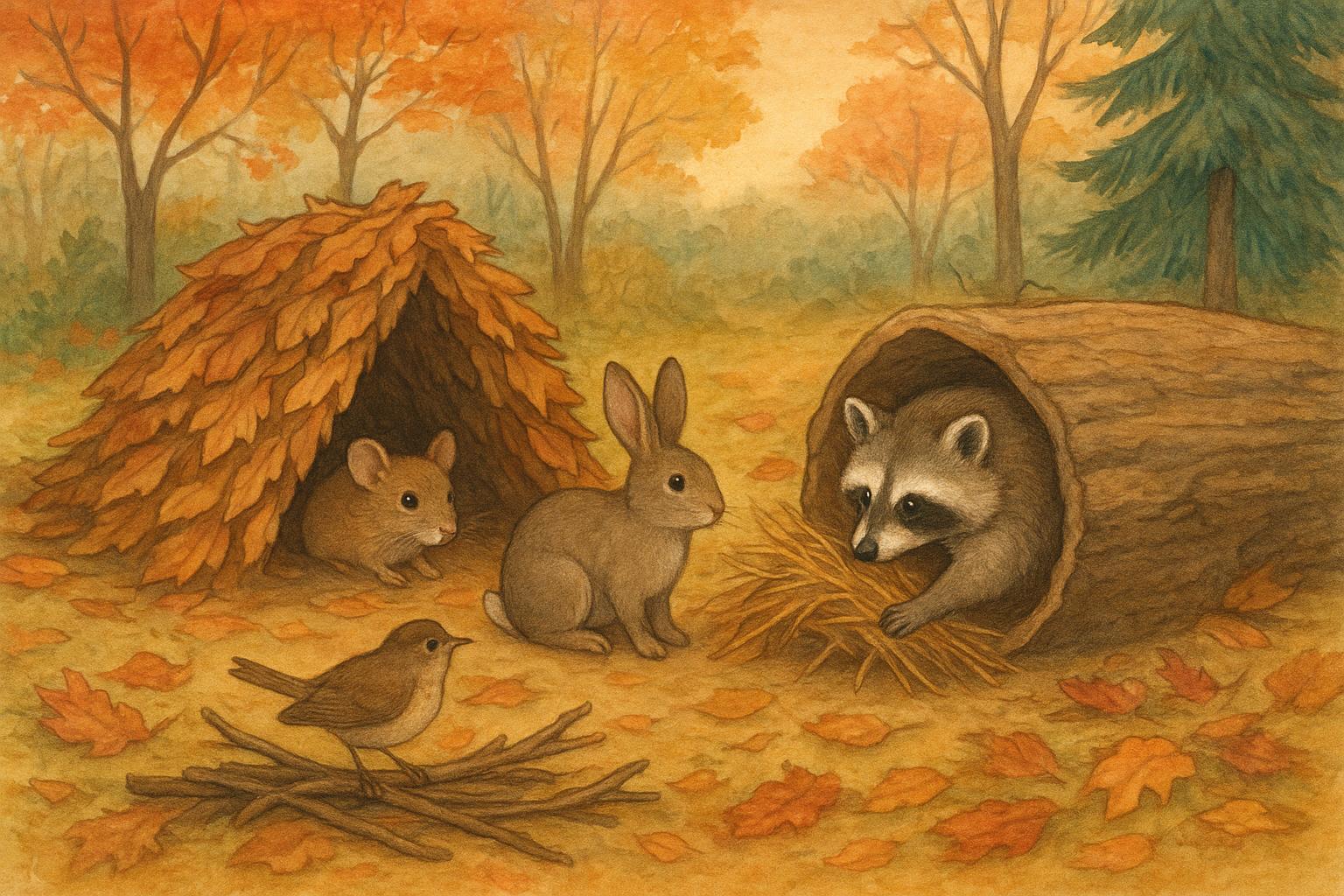
Beyond water, think about creating or preserving cool microhabitats. Mulch beds, log piles, rock crevices, and native flowering shrubs provide shaded refuges and forage. Planting native species with staggered bloom times ensures food availability through heat waves. If you have lawn space, consider converting a small patch to a wildflower or native grass pocket — it reduces heat reflection and increases humidity at ground level, which benefits ground-dwelling insects and young amphibians.
#### How To Build A Quick Shade Refuge
– Choose a shady corner or create one with trellised vines.
– Lay down a 2–3 inch layer of organic mulch to keep the ground cool.
– Add a few flat stones partly buried for basking and hiding spots.
– Plant a native shrub or place pots of native plants for fast cover.
### Do’s And Don’ts For Backyard Intervention
Do prioritize non-invasive, low-disturbance actions. Leave fallen fruit for wildlife in moderation, and avoid using pesticides that can shut down insect food chains during heat stress. Don’t leave out simple bowls of milk (it can upset bird digestion) or sugary drinks that attract wasps and ants. If you rescue an obviously heat-stressed animal, limit handling and contact a licensed wildlife rehabilitator; transporting wild animals without proper permits is both risky and often illegal.
If you offer multiple water stations, ensure they are spread out. Too many clustered in one spot creates hubs that can stress shy species; spacing supports biodiversity and reduces conflicts.
### Community Actions That Multiply Impact
Encourage neighbors to adopt one or two of these practices. A single household can be a good start, but a network of shaded corridors, staggered water stations, and native plant pockets across a block creates a resilient micro-network that helps species survive successive heat waves. Ask your local garden club or municipal parks department about heat-resilience programs — many communities have incentives for native planting and rain gardens.
Heat waves are not theatrical events with a script; they’re real-life stress tests for local ecosystems. Simple, well-executed measures grounded in the principles of summer heat safety can keep backyards humming with life through the hottest nights.









Leave a Reply