
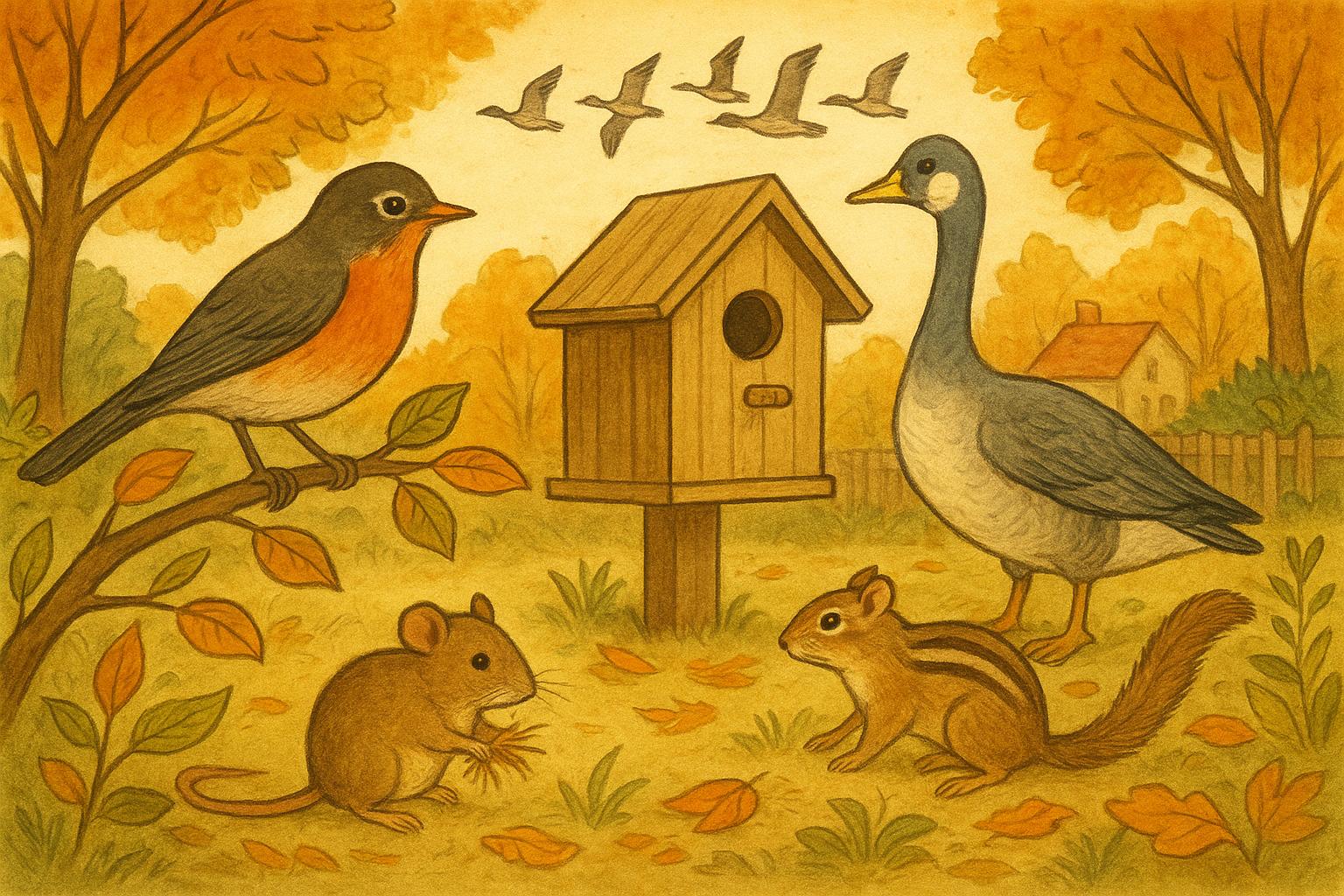
Early fall has a special energy in the backyard — a mix of lingering summer activity and the subtle hustle of animals getting ready to move. If you love watching birds, butterflies, bats, and the occasional raccoon, a little planning now will make your yard a welcome pit stop during migration season. Below are friendly, practical tips to tune your space for fall arrivals, plus a formal, step-by-step remedy to install a reliable water station that helps migrating wildlife survive the long miles ahead.
## Migration Prep For Fall Wildlife Movements In Your Backyard
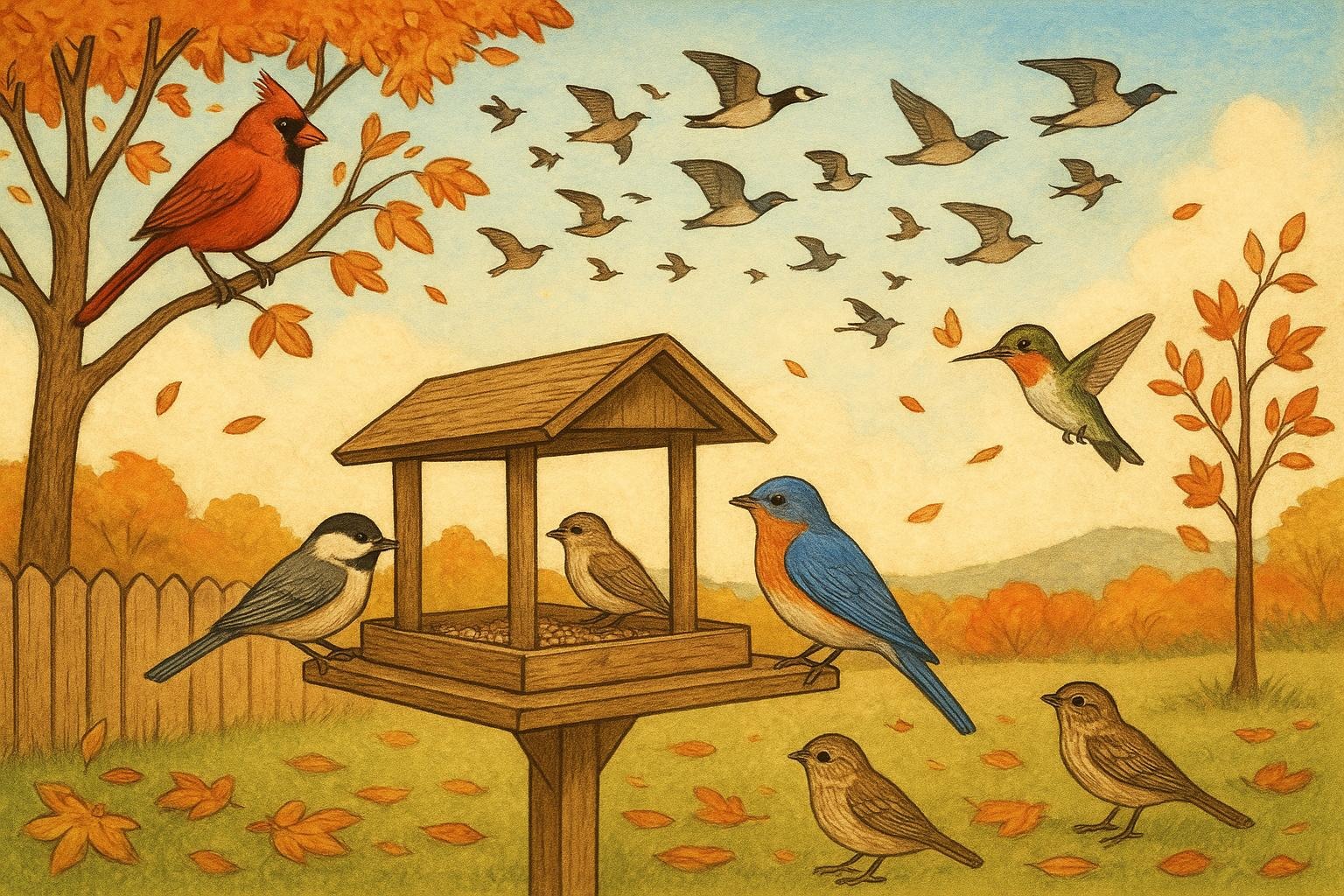
Migration prep starts with observation. Spend a few early mornings and late afternoons sitting quietly with a cup of coffee (or tea, if you’re fancy) and note who’s stopping by. Are you seeing flocks, increased feeder traffic, or insects that signal birds are filling up for the trip? Keep a journal or use a simple phone note to record dates, species, and behavior. Those notes are your baseline for targeted action.
### Timing And Weather Cues
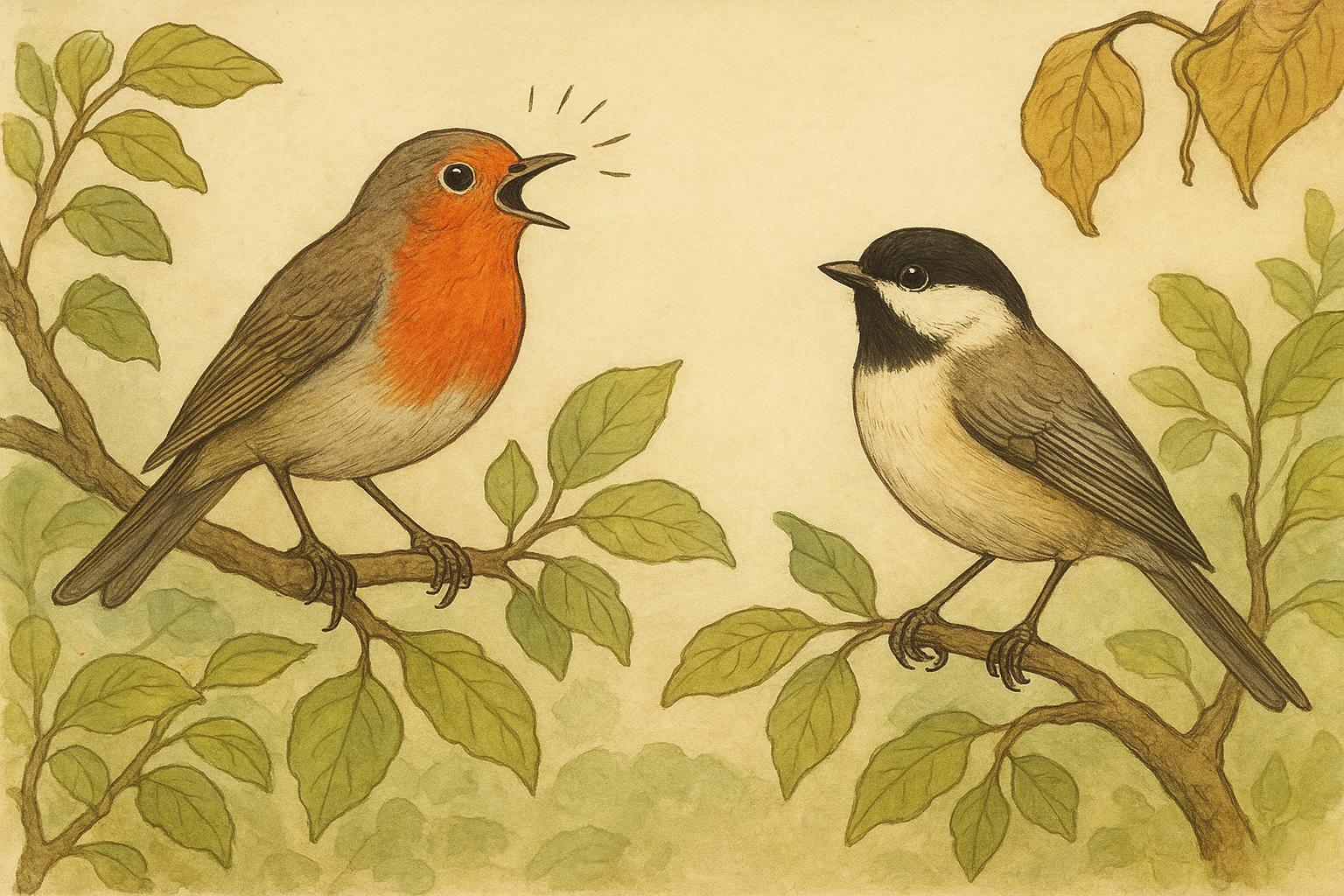
Fall movement varies by species. Many songbirds begin moving south as daylight shortens; shorebirds and waterfowl follow specific temperature and food cues. Pay attention to cold snaps, windy days, and frontal systems — these can trigger mass departures or create stopover needs. Migration prep should start several weeks before expected movements so plants, feeders, and shelters are established.
### Food: Think Variety, Think Energy
Fall migrants need calorie-dense food. That doesn’t mean you should turn your yard into a buffet, but adding high-energy options helps birds and bats fuel up fast.
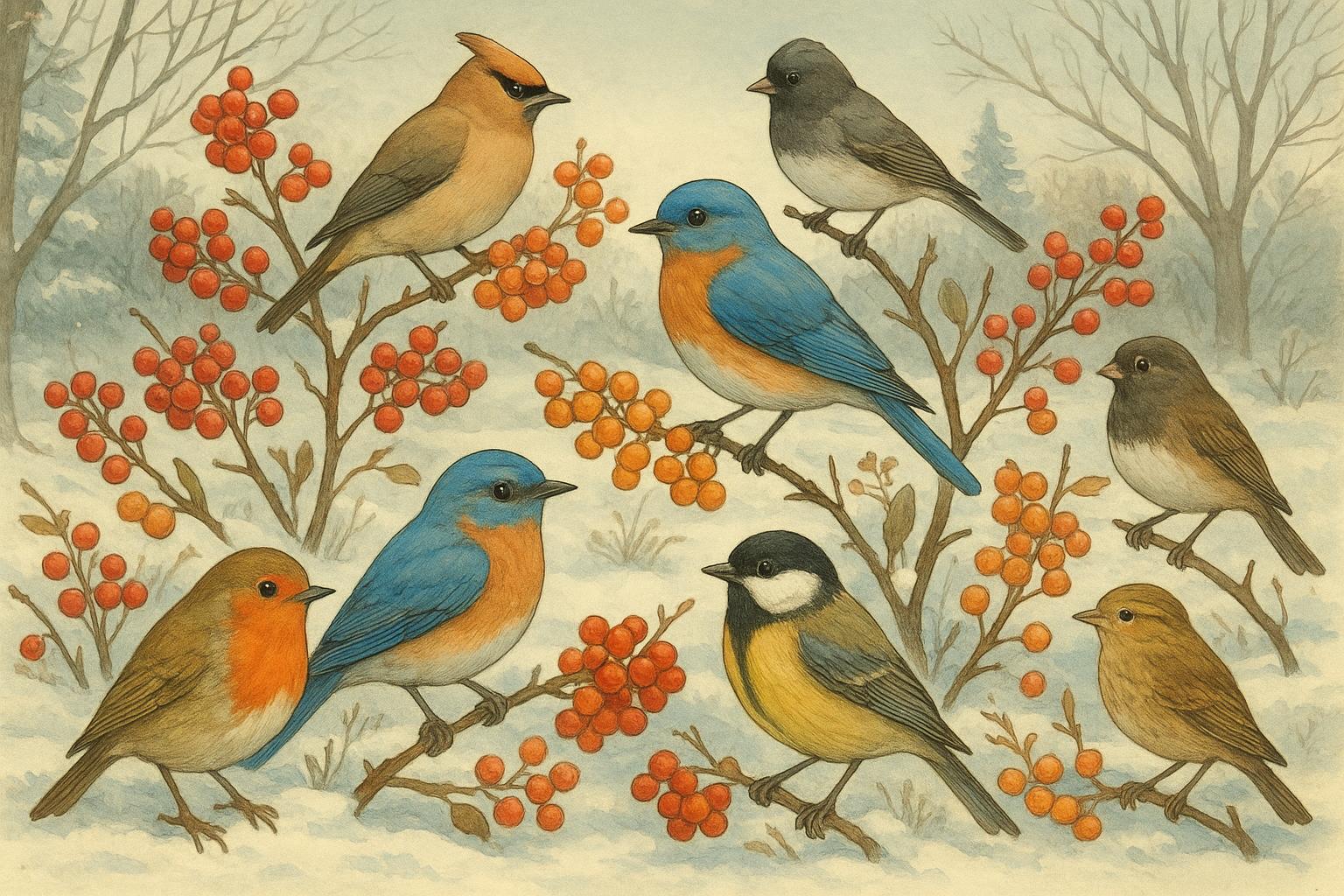
– Provide native berry-producing shrubs such as sumac, elderberry, and serviceberry.
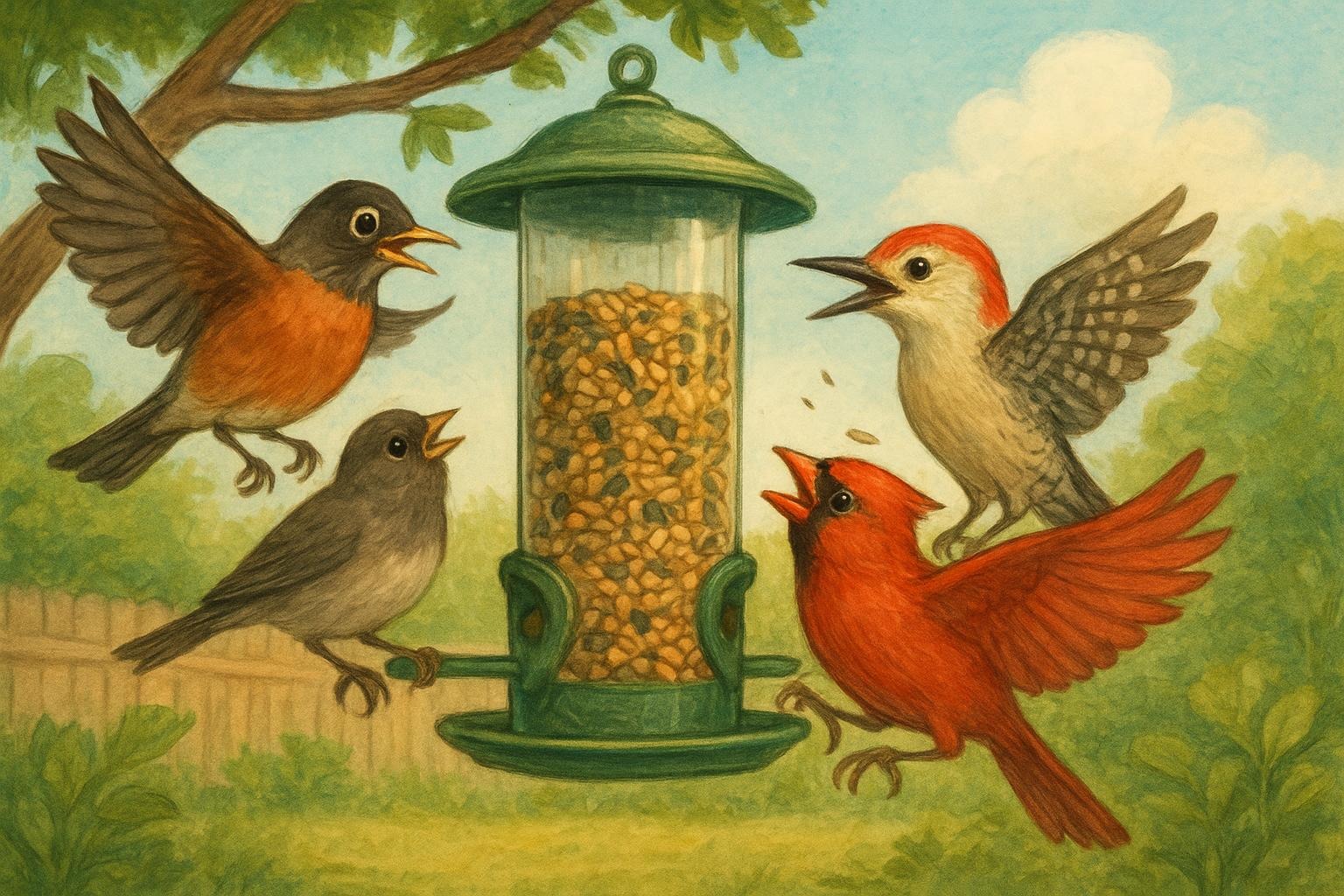
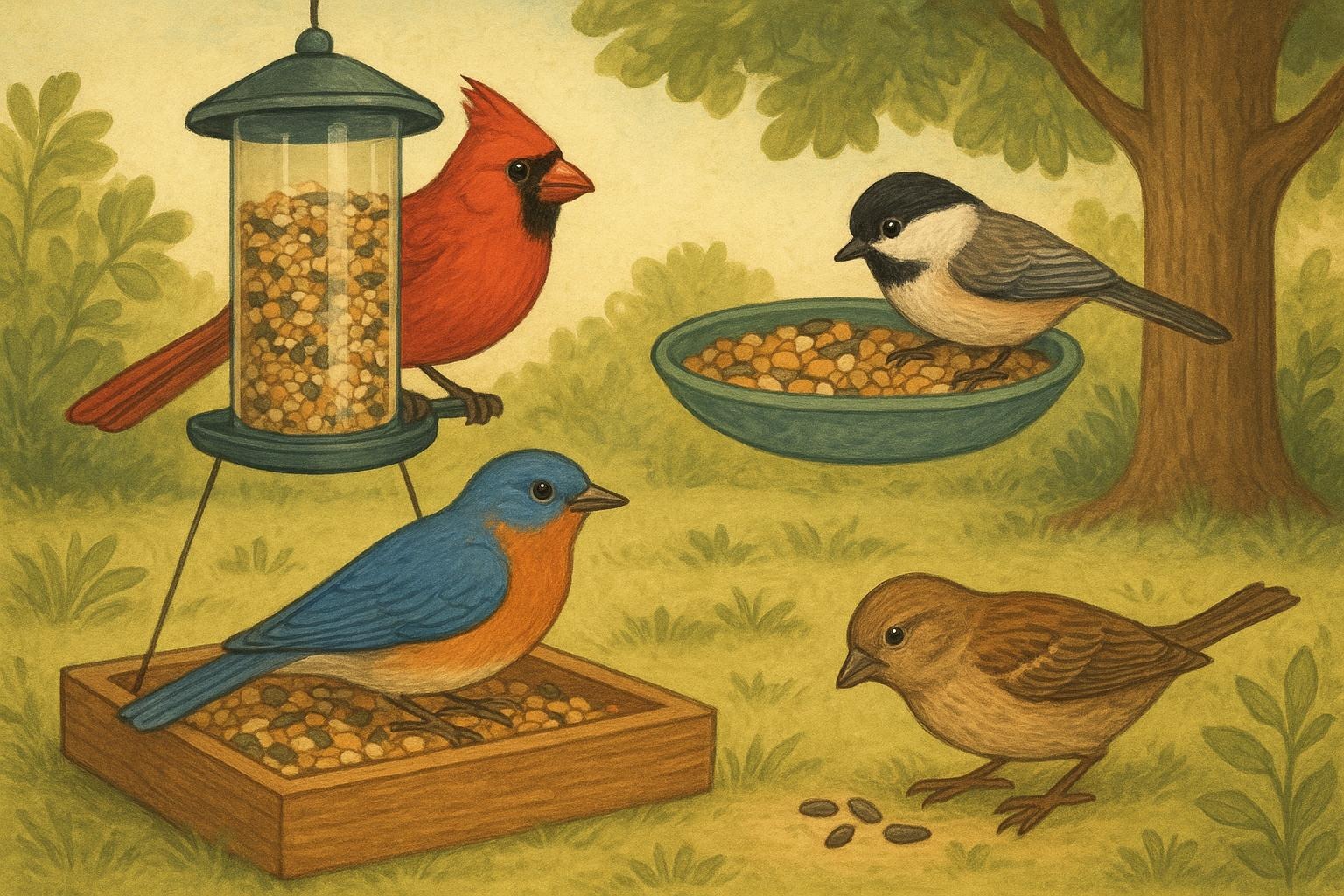
– Keep feeders stocked with black oil sunflower seed, suet, and mealworms. Suet is especially valuable on cooler days when birds need fat.
– Allow ornamental grasses and seedheads to remain standing. Goldfinches, sparrows, and others harvest seeds directly from plants.
Migration prep includes shifting what you offer: reduce millet-only mixes and increase seeds with higher fat content. Small changes go a long way for migrating species that have limited stopover time.
### Water: The Single Most Important Resource
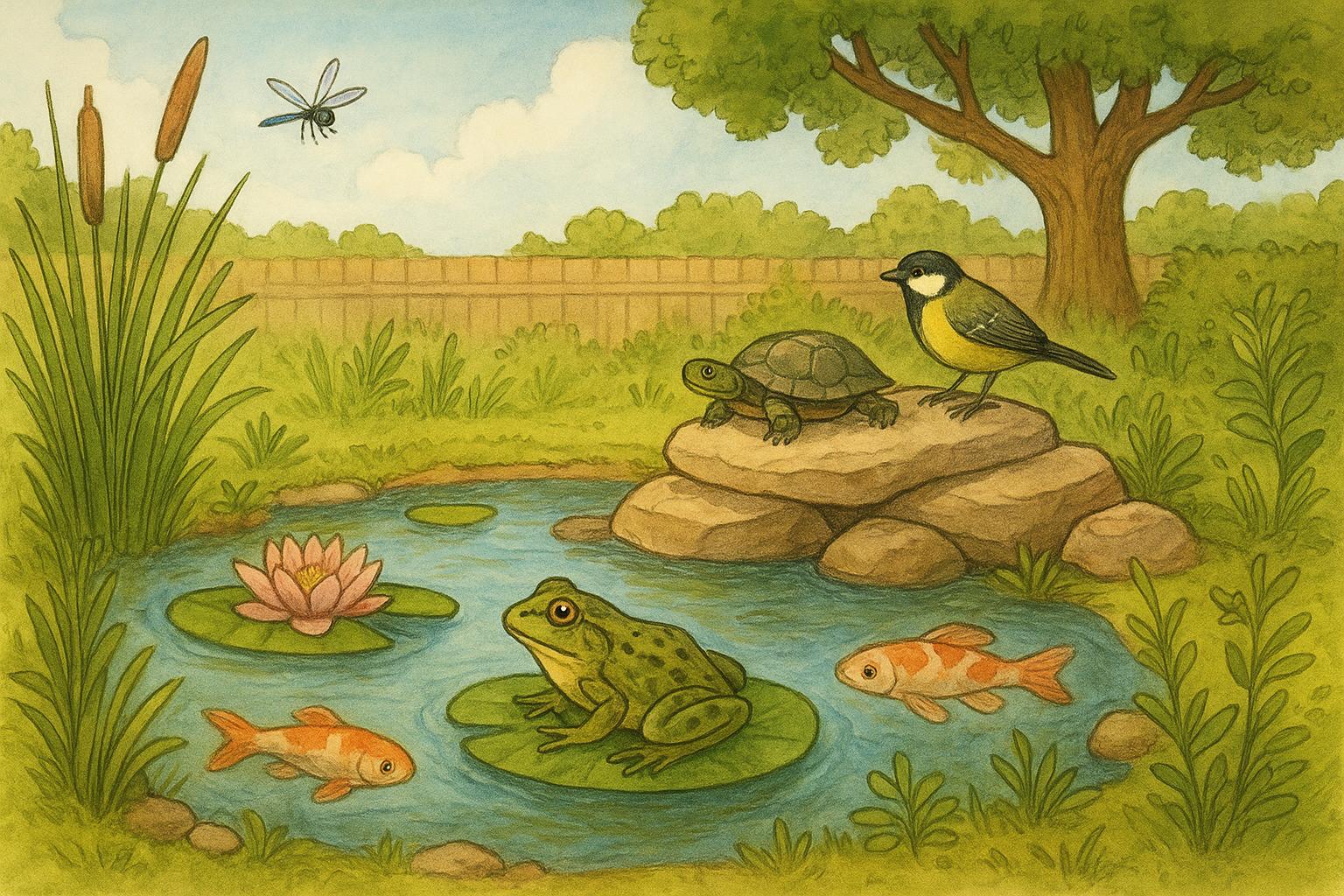
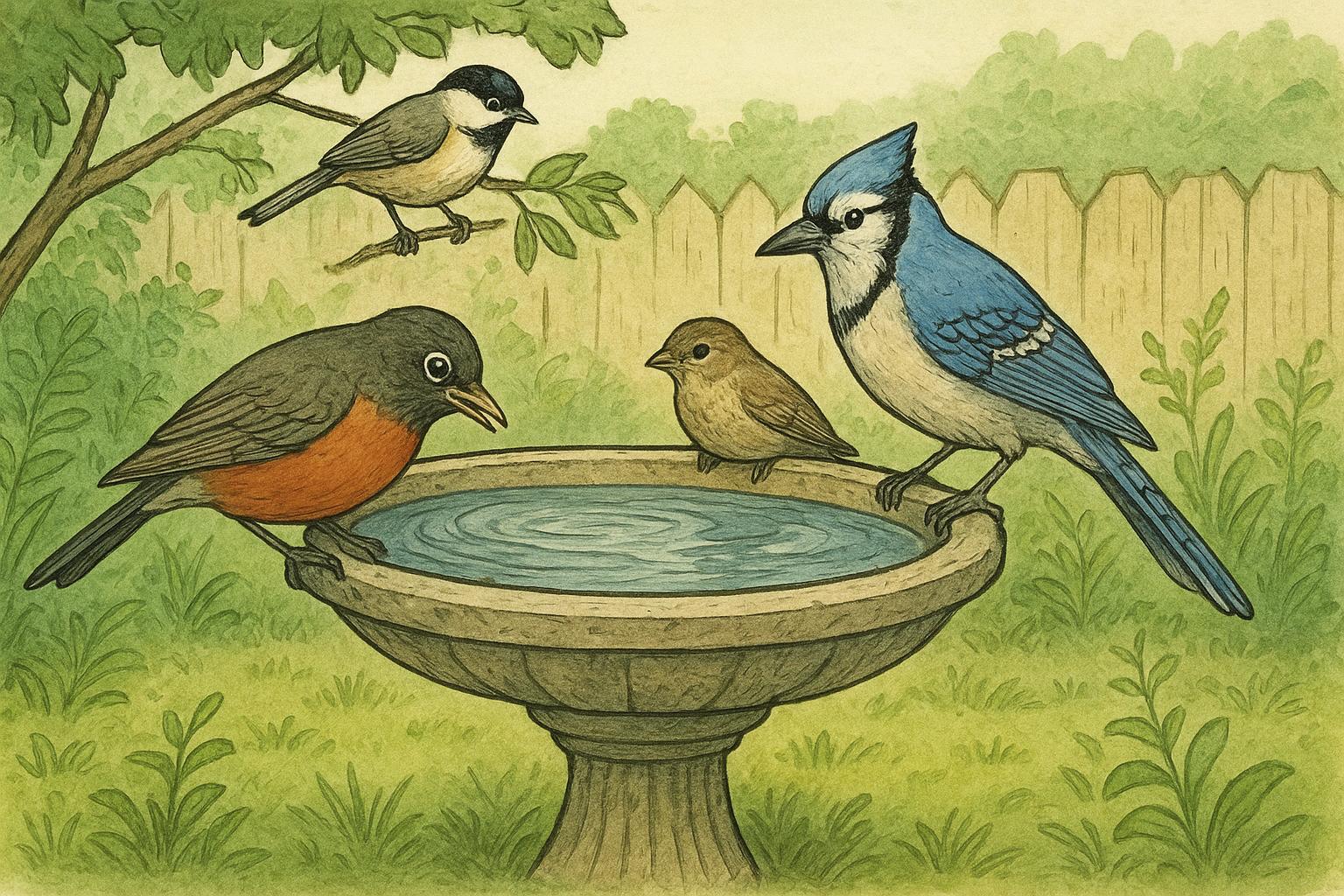
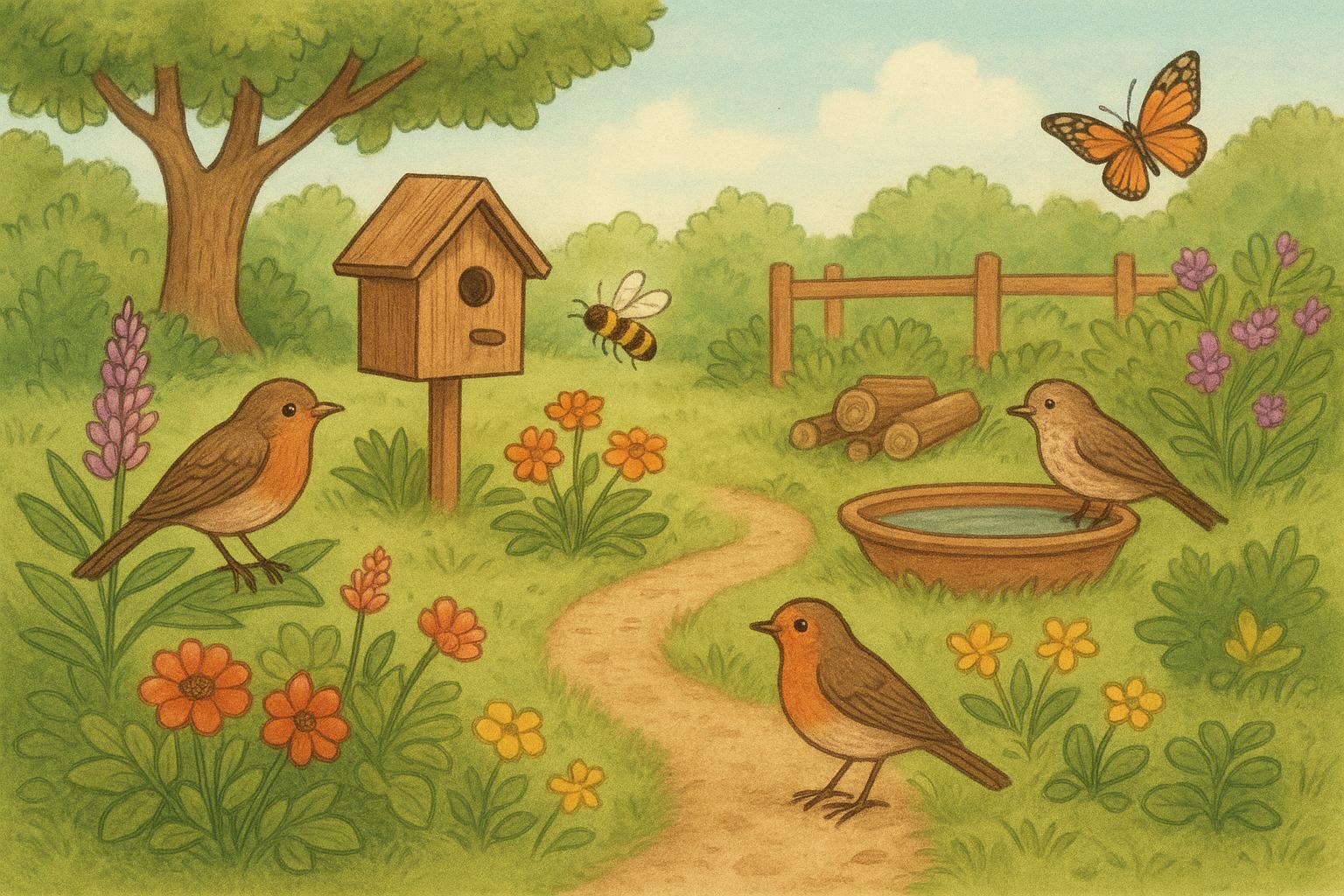
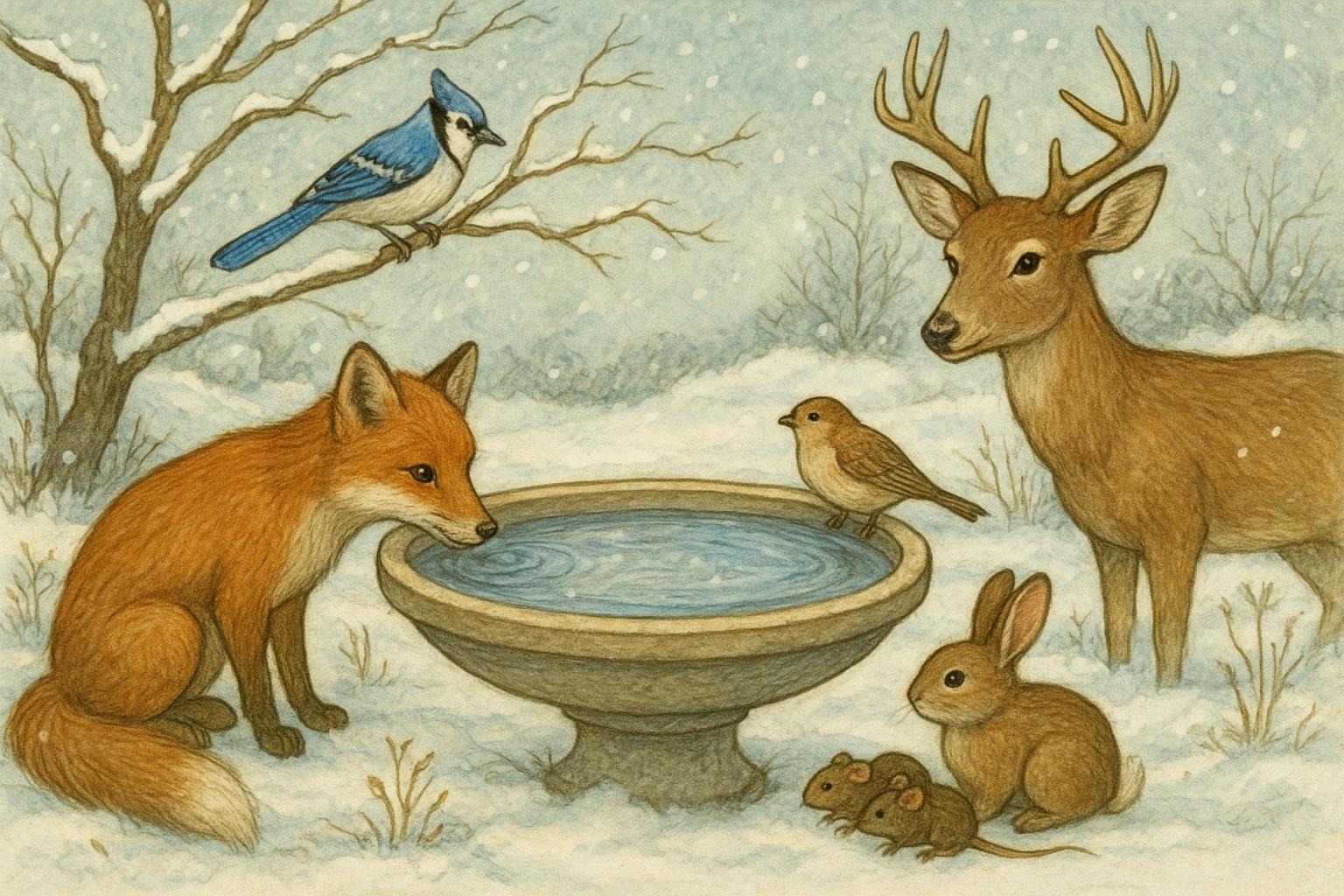
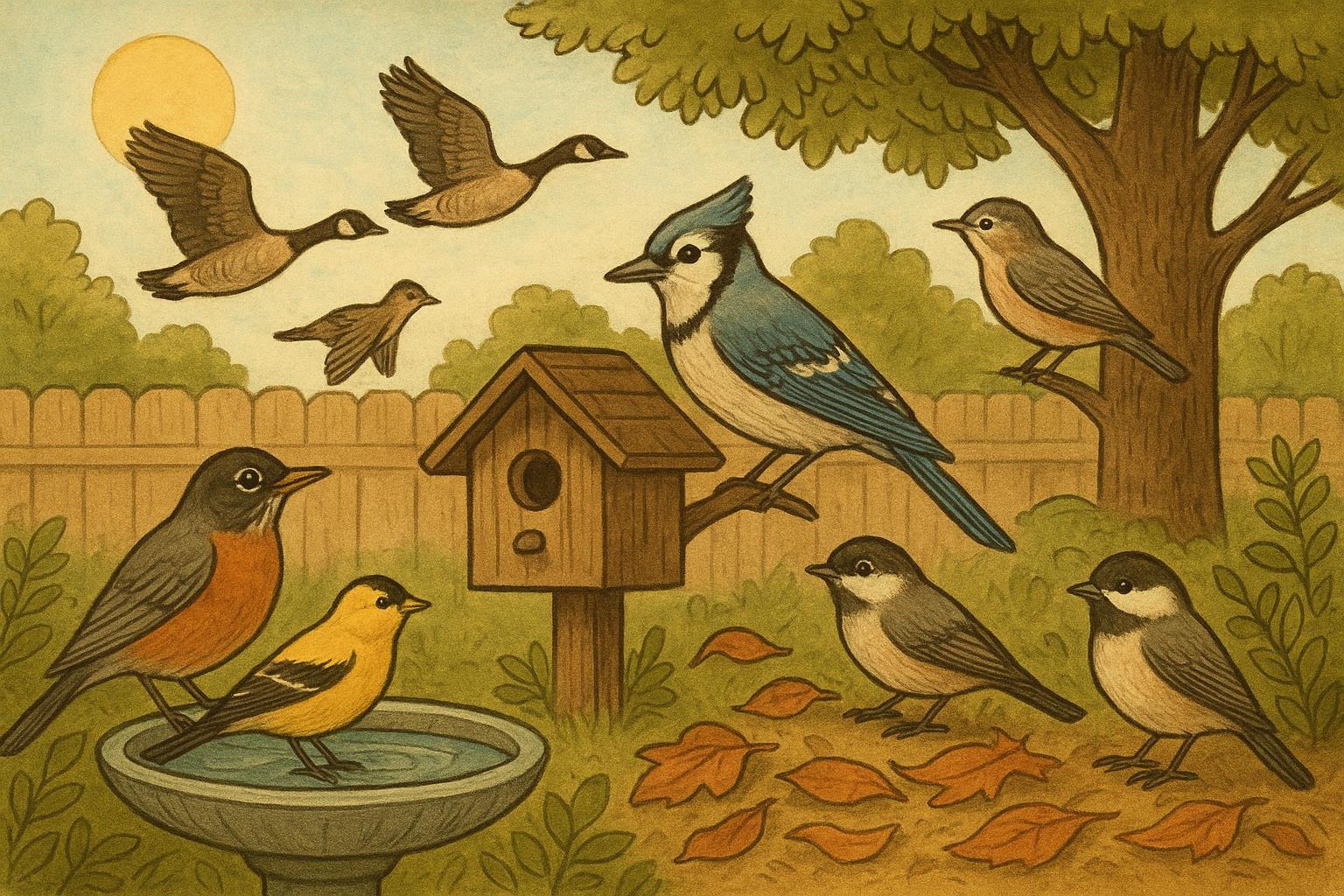
Water availability is a major deciding factor for stopping. A shallow, clean water source attracts birds, butterflies, and even small mammals. In migration prep, prioritize reliable water access: shallow basins, birdbaths with gently sloped sides, and moving water features like drippers or recirculating fountains that create sound and motion to draw attention.
#### DIY Fall Water Station (Remedy)
Materials:
1. 18–24 inch shallow basin or wide ceramic birdbath (depth no more than 1.5–2 inches in the shallow area)
2. Small submersible pump (low-flow, around 40–80 gallons per hour)
3. Tubing compatible with pump outlet
4. Lava rock or clean river stones
5. Fine mesh screen (optional, for pump intake protection)
6. Solar panel kit (optional) or outdoor-rated extension cord
7. Sturdy stand or stable base (concrete pavers, stack of bricks, or commercial pedestal)
8. A thermometer and small brush for maintenance
9. Replacement filters/cartridge if pump has one
Step-by-step Creation and Application:
1. Site Selection: Choose a level, visible location at ground to chest height where birds can see the water from perches but where cats have limited access. Aim for partial shade to reduce evaporation and algal growth.
2. Prepare Base: Place your stand or base on a stable surface. A flat paver base reduces tipping risk.
3. Install Pump: Position the pump inside the basin. Attach tubing to the pump outlet. If using a solar kit, place the solar panel where it will receive maximum sun during the day; run the panel cable to the pump per manufacturer instructions.
4. Add Rocks and Screen: Arrange lava rock or river stones around the pump to create visual texture and shallow wading areas. Use the fine mesh to create a barrier over the pump intake if needed to prevent debris clogging.
5. Adjust Flow: Power the pump and adjust flow so water bubbles or creates a gentle trickle. Too forceful a stream is less attractive; aim for subtle movement that produces sound and reflections.
6. Depth Check: Ensure the shallowest edges are 1–1.5 inches deep; deeper areas can remain for larger species but include plenty of gradual slopes.
7. Maintain Cleanliness: Empty and scrub the basin with a brush weekly in fall temperatures, replacing water. Clean pump intake monthly and check tubing for blockages. Monitor water temperature on hot days and add fresh water to maintain cool conditions.
8. Seasonal Operation: During migration prep, run the station from early morning to dusk. If temperatures drop near freezing, follow pump manufacturer guidance about winterization; many small pumps are damaged by freezing water.
9. Record Use: Note species and frequency using your water station to gauge effectiveness and adapt placement or flow.
This remedy is intended to be safe and effective; follow all electrical safety instructions when using pumps and solar kits.
### Shelter And Roosting Spots
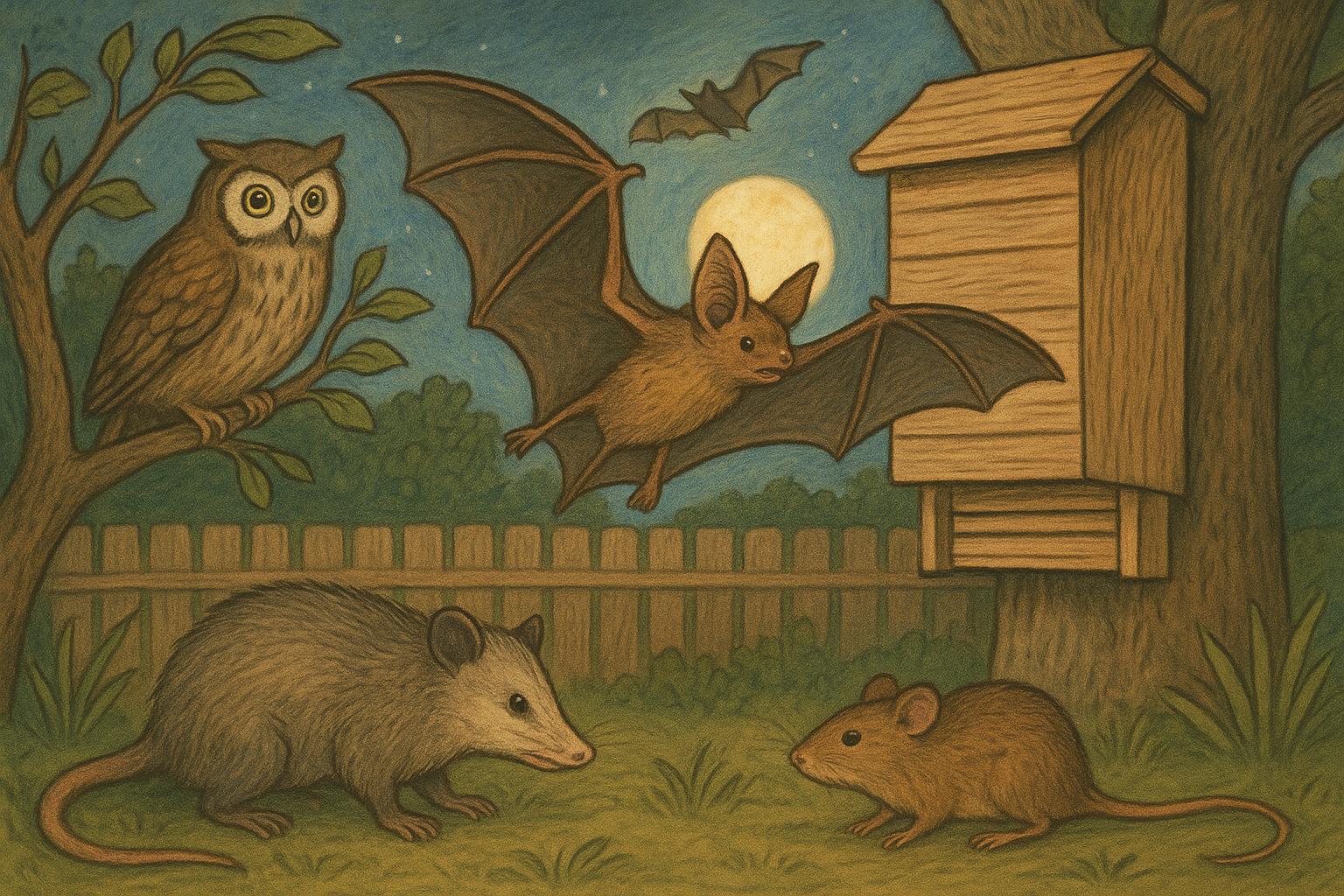
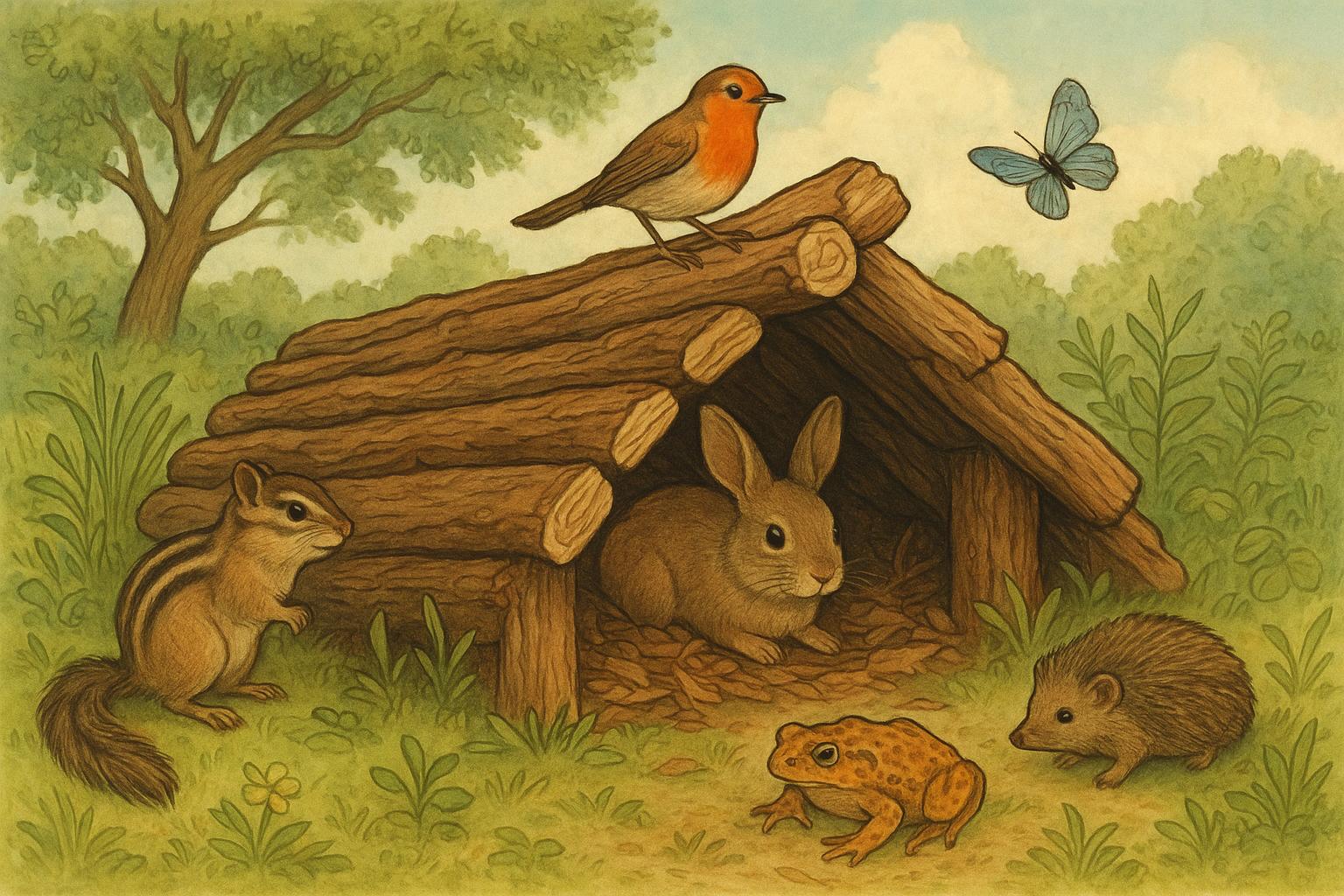
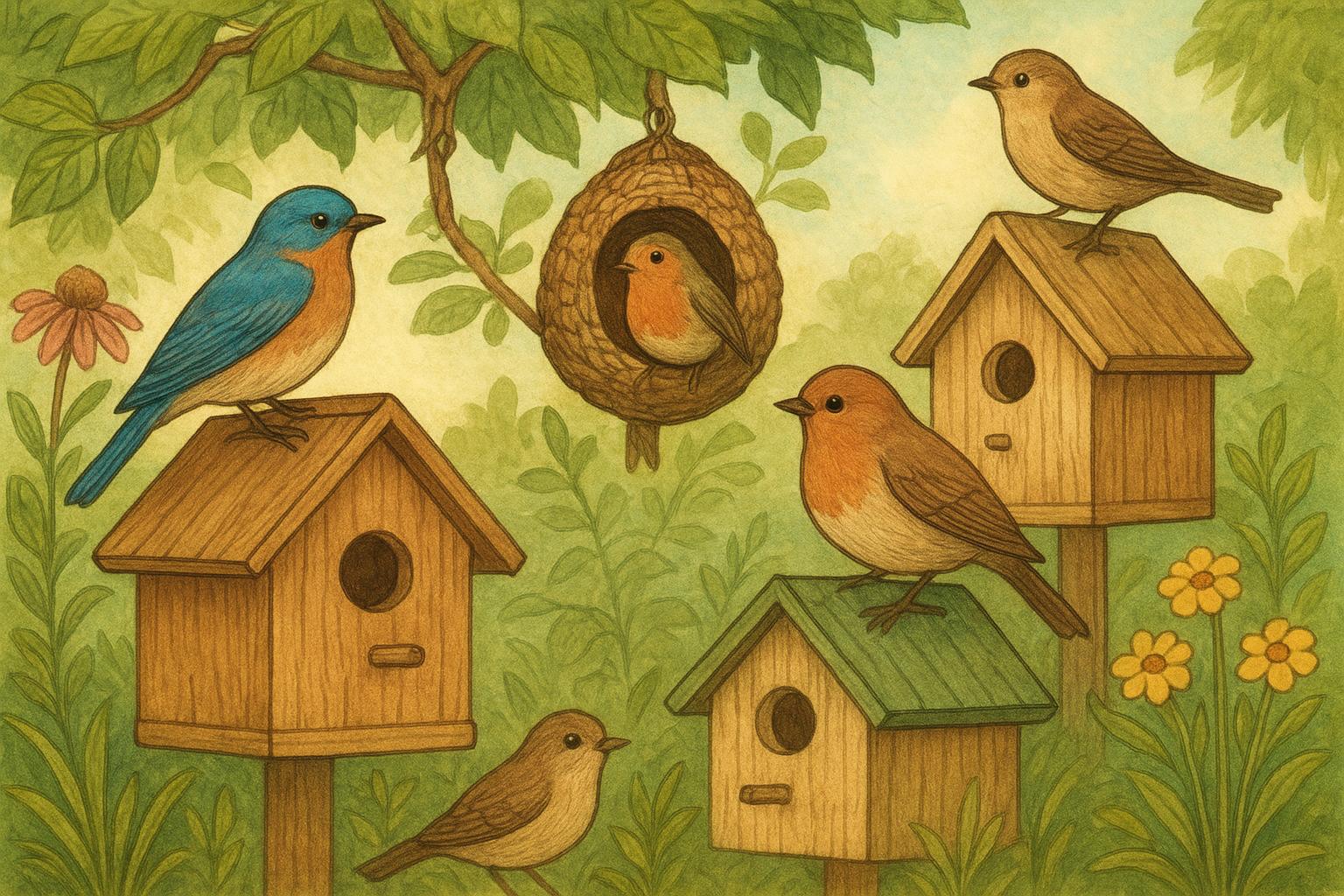
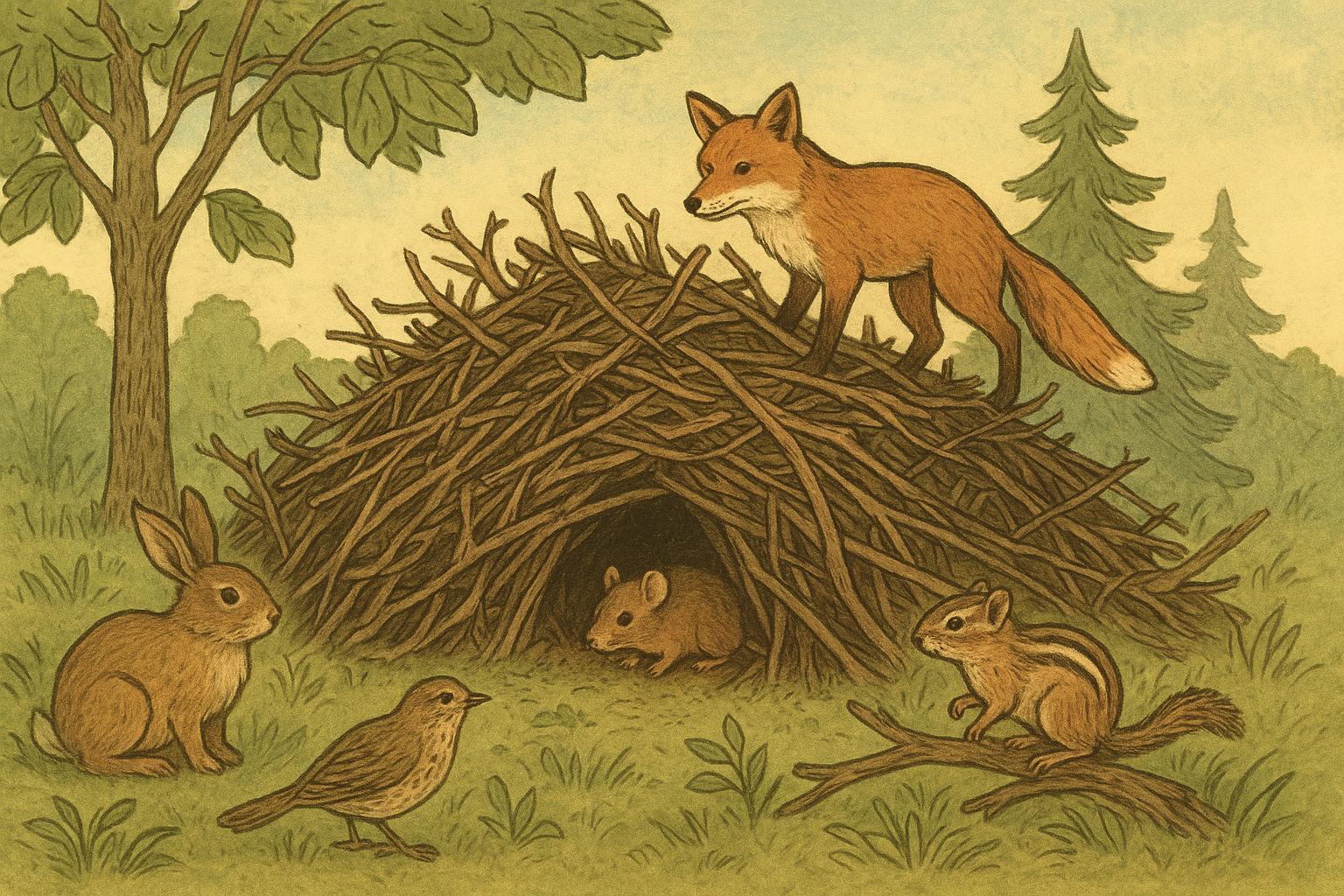
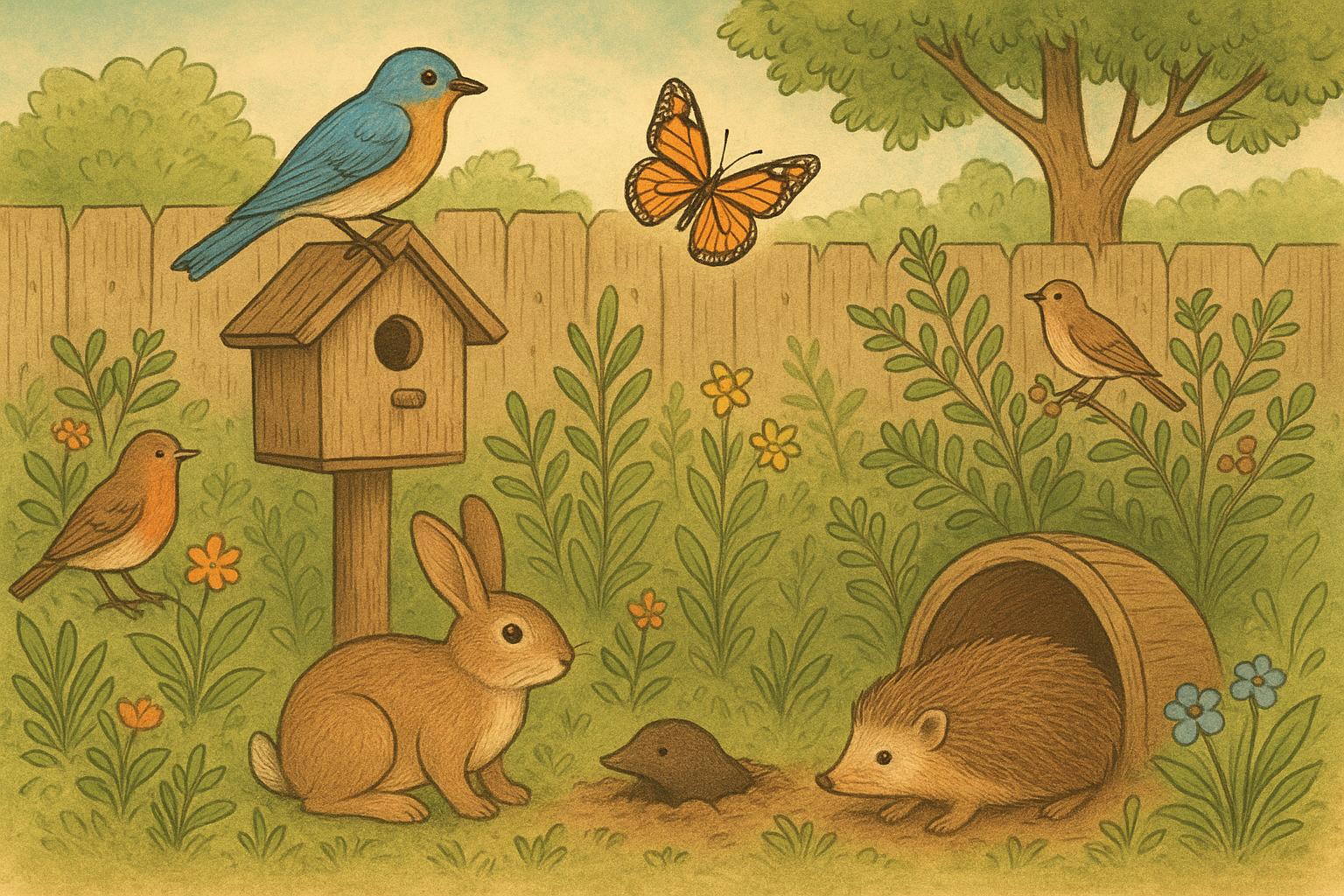
Migrants need hidden corners to rest and hide from predators. Create layered shelter: dense shrubs, evergreen hedges, and brush piles give small birds cover. For bats, maintain snags (standing dead trees) when safe and legal, or install bat boxes on buildings away from bright lights. In migration prep, prioritize patches of native vegetation that offer structure for shelter and insect habitat.
#### Predator Management And Cat Safety
Domestic cats are a major threat to migratory birds. In migration prep, minimize this risk by:
– Keeping cats indoors, especially during dawn and dusk peaks.
– Installing motion-activated lights or sprinklers near feeders and water sources to deter opportunistic predators.
– Positioning feeders and baths 10–12 feet away from dense shrubs where cats can hide.
These steps help reduce predation without harming mammalian visitors who are also passing through.
### Light Pollution And Nighttime Considerations
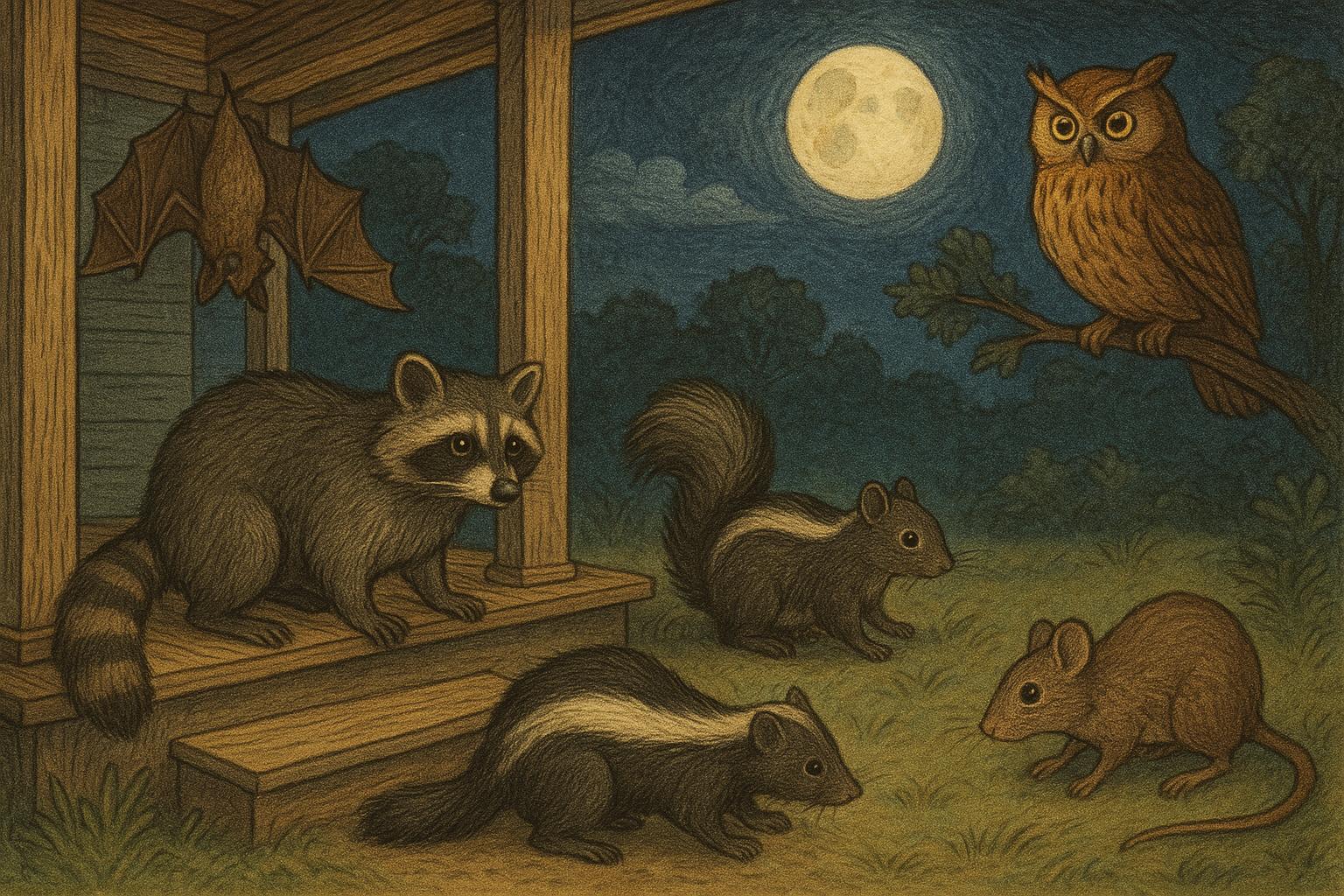
Many migrating birds travel at night and are disoriented by artificial lights. Reduce light pollution by shielding outdoor fixtures and using motion sensors. If you must have lighting, use amber LEDs and direct light downward. Migration prep includes checking exterior lights, closing blinds at night, and turning off non-essential illumination during peak migration windows.
### Native Planting And Insect Conservation
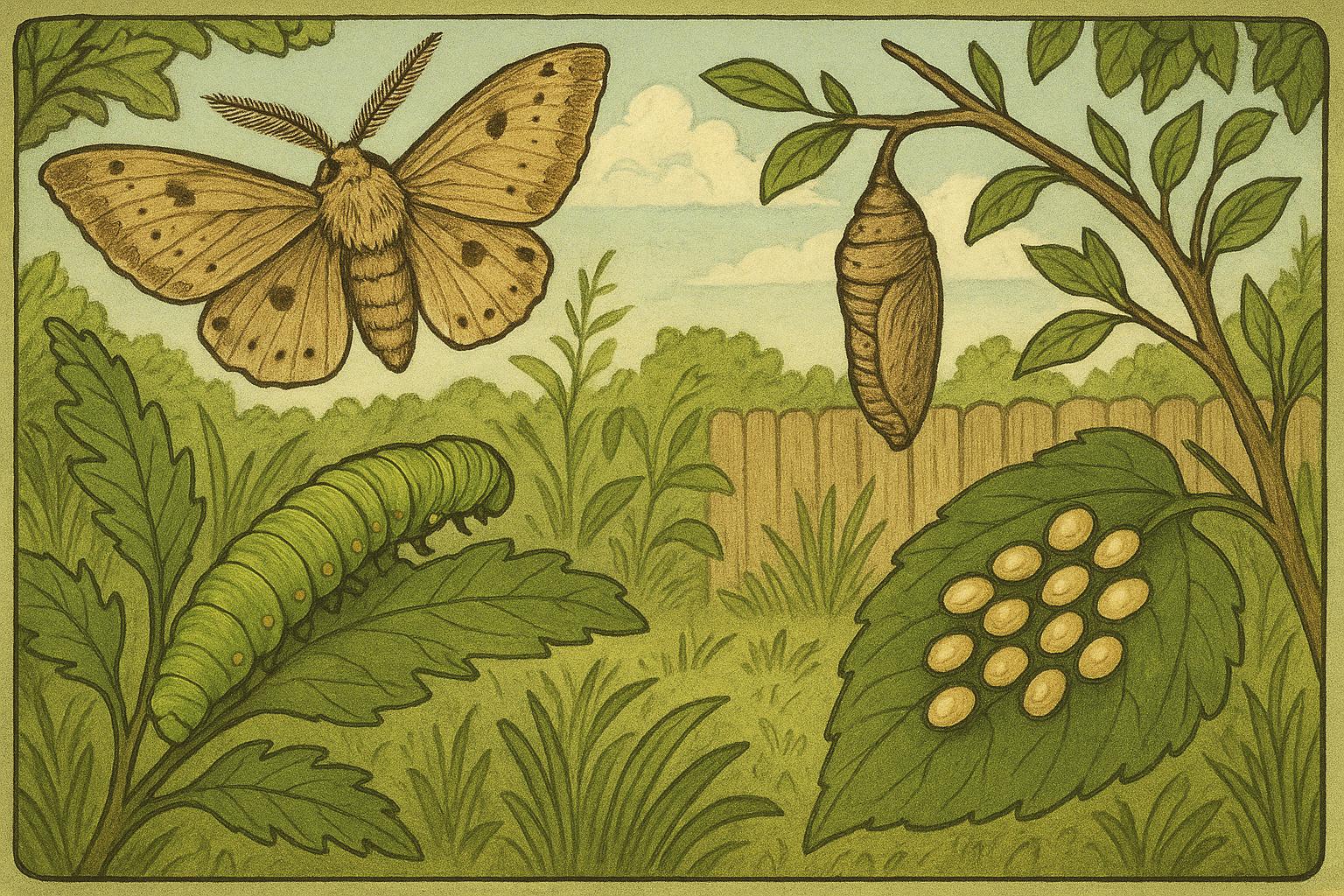
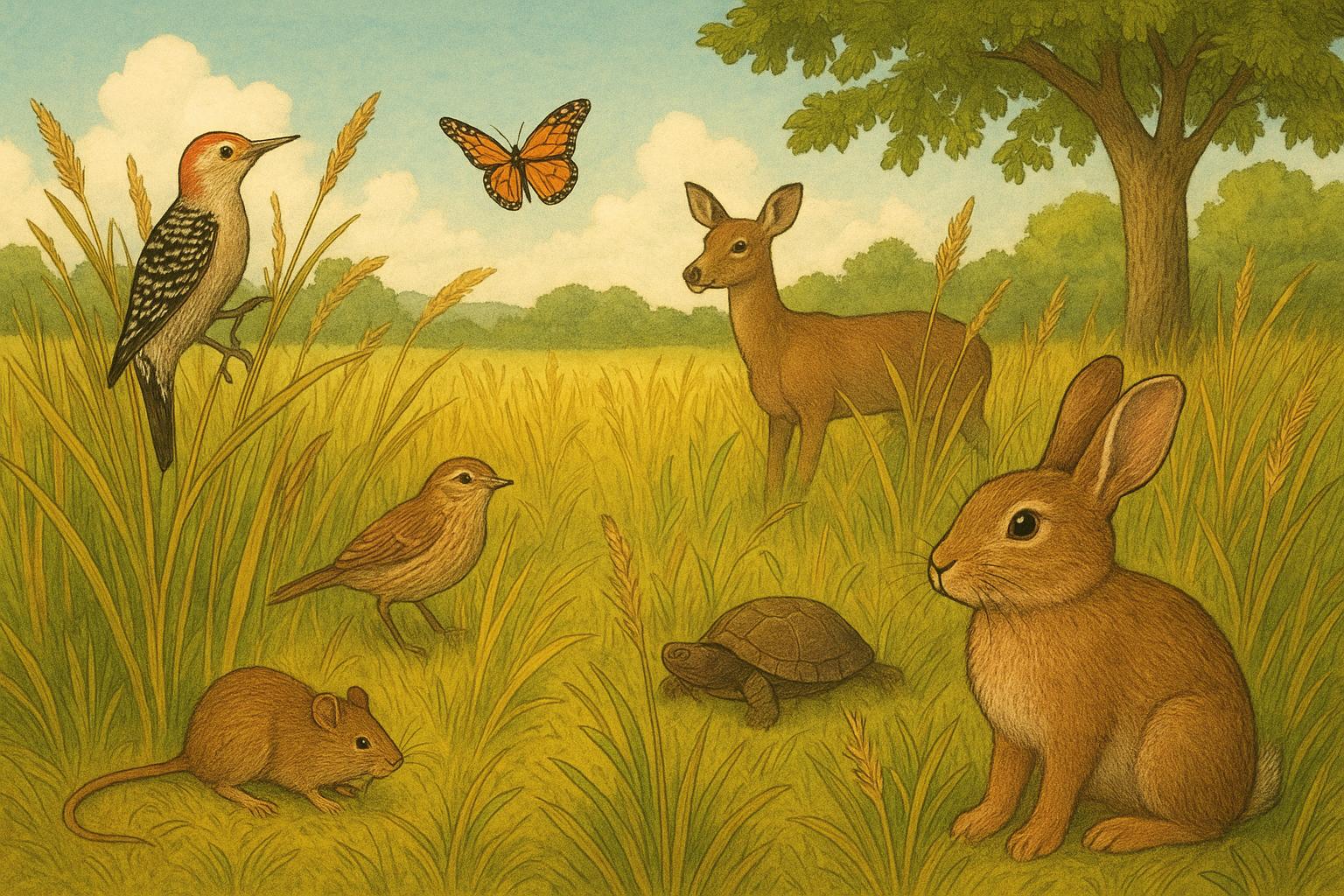
Insects are the hidden engine of migration. Caterpillars, beetles, and other arthropods provide critical protein for songbirds. In migration prep, establish or preserve native plantings that support local insect life cycles. Avoid broad-spectrum pesticides and consider integrated pest management: tolerate low levels of leaf damage to support food webs. Even a small patch of native wildflowers and host plants can dramatically increase insect biomass and attract hungry migrants.
### Monitoring And Community Action
Use citizen science tools like eBird and iNaturalist to log observations. Sharing your data helps scientists map routes and stopover hotspots. Engage neighbors: a coordinated block effort to reduce night lighting and provide food and water makes a bigger impact than an isolated yard. Migration prep benefits from community participation.
### Practical Maintenance Checklist
– Top off and clean water sources weekly.
– Refill high-energy feeders (sunflower, suet) daily during peaks.
– Inspect birdbaths and basins for mosquito larvae; clean or use larvicide-safe methods as needed.
– Trim overgrown branches that might obstruct flight paths to feeders while maintaining dense cover nearby.
– Record species diversity and numbers weekly to evaluate your migration prep success.
### When To Back Off: Knowing Limits
Sometimes less intervention is better. If a species is clearly in decline or stressed nearby (large numbers of injured birds, disease signs), reduce feeding and contact local wildlife rehabilitators or conservation organizations for guidance. Migration prep includes the wisdom to step back when necessary.
### Education And Enjoyment
Watching migrants is a wonderful way to connect with seasonal rhythms. Set up a simple viewing area with a field guide and binoculars. Teach kids the difference between a warbler and a sparrow — or at least how to be patient with a backyard squirrel that thinks it’s a fifth wheel at the feeder. Your enthusiasm can spark wider interest in protecting migratory pathways.
Keep your notes, adjust your plans from year to year, and remember: migration prep is a blend of science and hospitality. With careful food, water, shelter, and light management, your yard can be both a safe pause for travelers and a daily source of delight for you.




Leave a Reply