
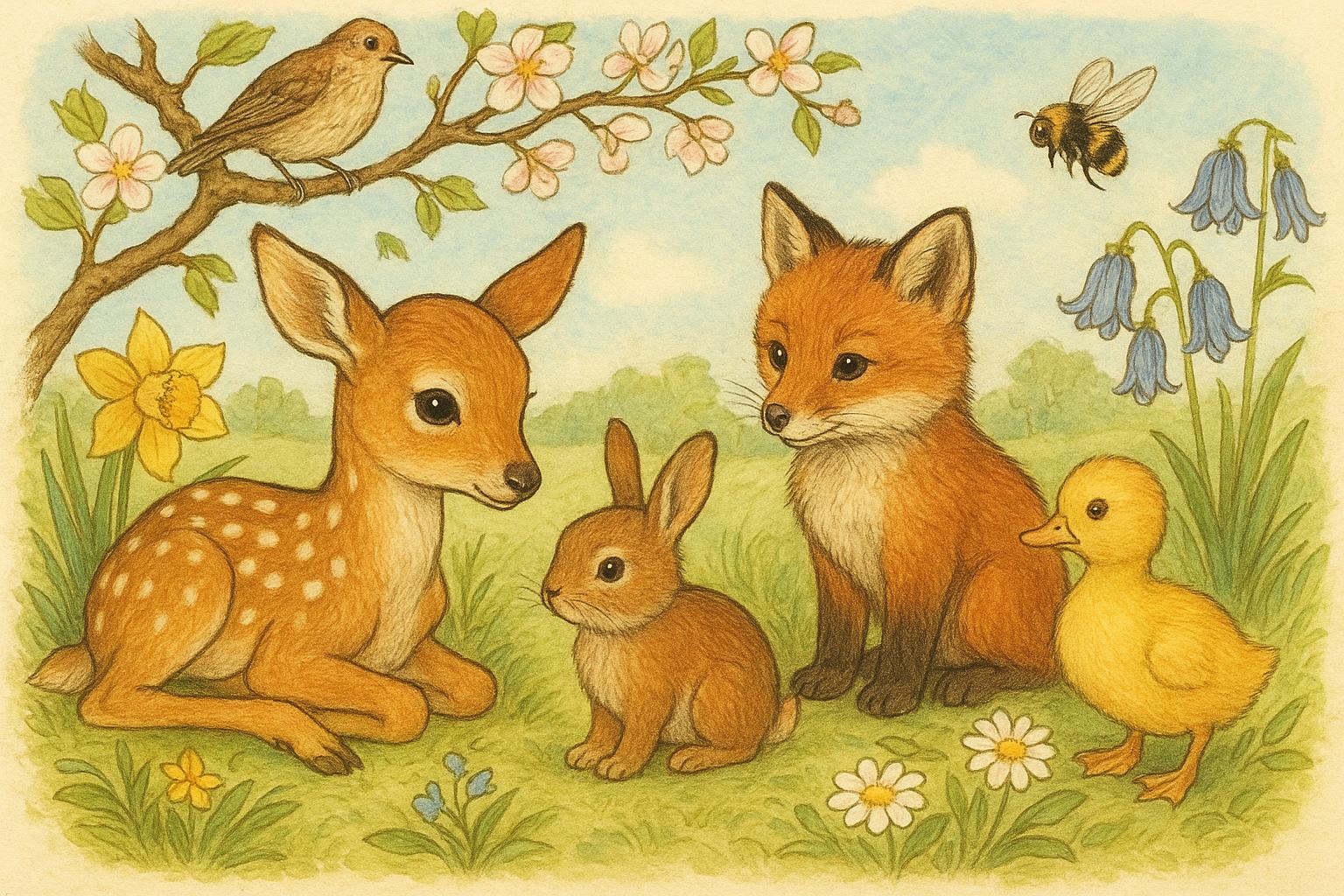
Spring is when the yard hums a little louder, not because the neighbors finally learned to use their lawnmower at reasonable hours, but because the world is full of tiny, fluffy, and occasionally awkward newcomers. From blind nestlings stretching for the first time to scampering fawns testing their legs, these baby animals are a big reason many of us fall in love with the season — and sometimes panic when a curious fledgling ends up on the ground. In this guide we’ll talk about how to recognize common situations, what to do (and not do), and provide practical remedies for helping the most vulnerable juvenile wildlife you’ll encounter in your backyard.
## Caring For Juvenile Wildlife In Spring
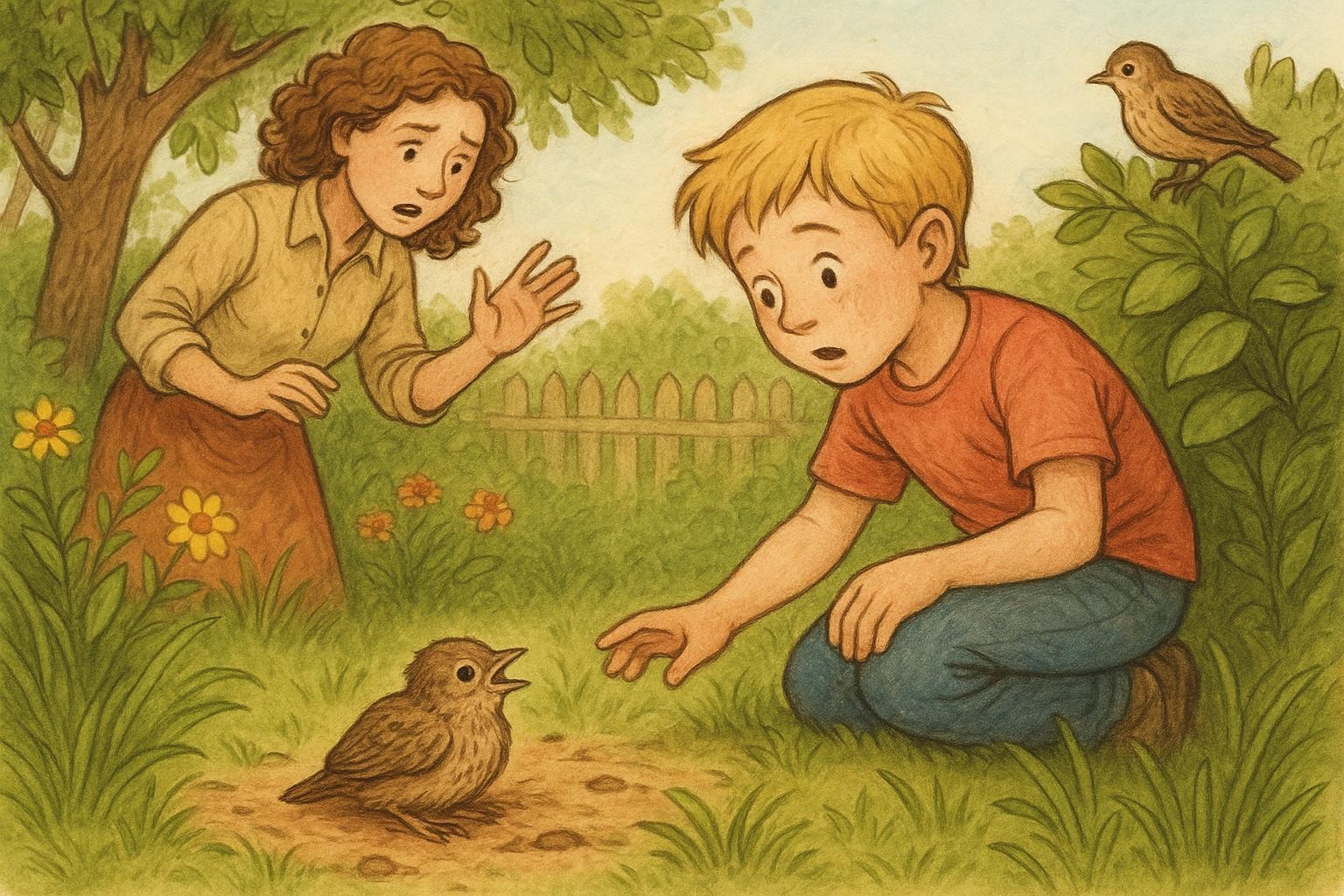
Spring brings a surge in encounters with juvenile wildlife. Not all young animals are orphans; many are simply learning the ropes under the careful watch of parents. Before intervening, observe from a distance for at least an hour. Many adult birds and mammals will stay hidden to avoid drawing attention, especially if you or your pets are nearby. If there is immediate danger — such as a cat, dog, or heavy foot traffic — consider gently relocating the animal to a safer nearby spot, but never remove it far from the area where its parents are likely to find it.
### How To Tell If A Baby Needs Help
Signs that juvenile wildlife may need assistance include visible injuries, persistent vocalizing without adult response, exposure to harsh weather, or abandonment in unsafe locations (like a busy road). Nestlings (featherless or with sparse down) require immediate professional attention; fledglings (fluffy with some flight feathers) are often learning to fly and should usually be left alone unless injured. Note: always assume wild parents are around unless you have clear evidence otherwise.
### Common Spring Encounters And Quick Guidance
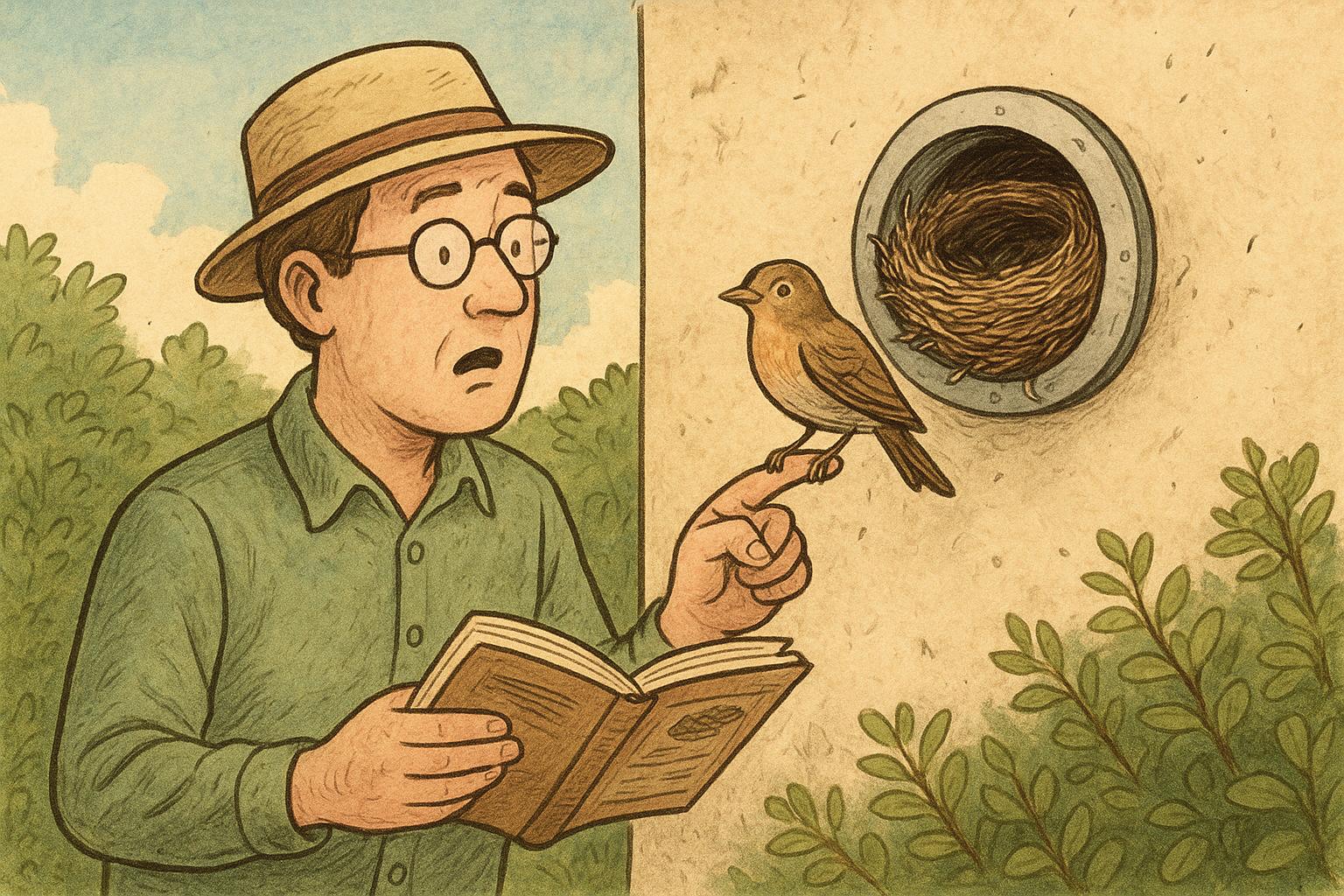
– Grounded fledglings — keep pets away, let parents do the teaching. Monitor discreetly.
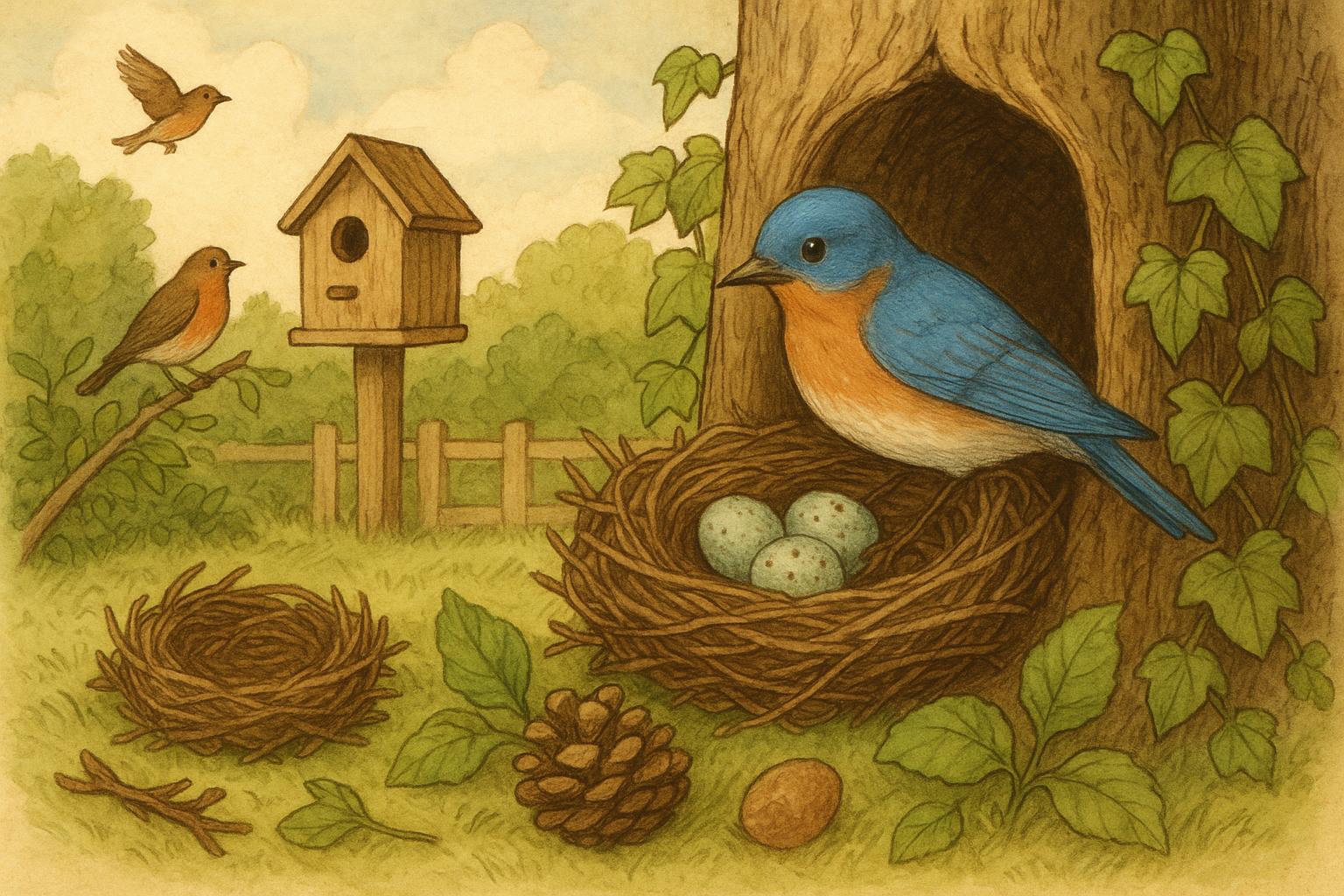
– Nestlings fallen from nests — if nest is intact and reachable, return it. If not, prepare a temporary nest and call a rehabilitator.
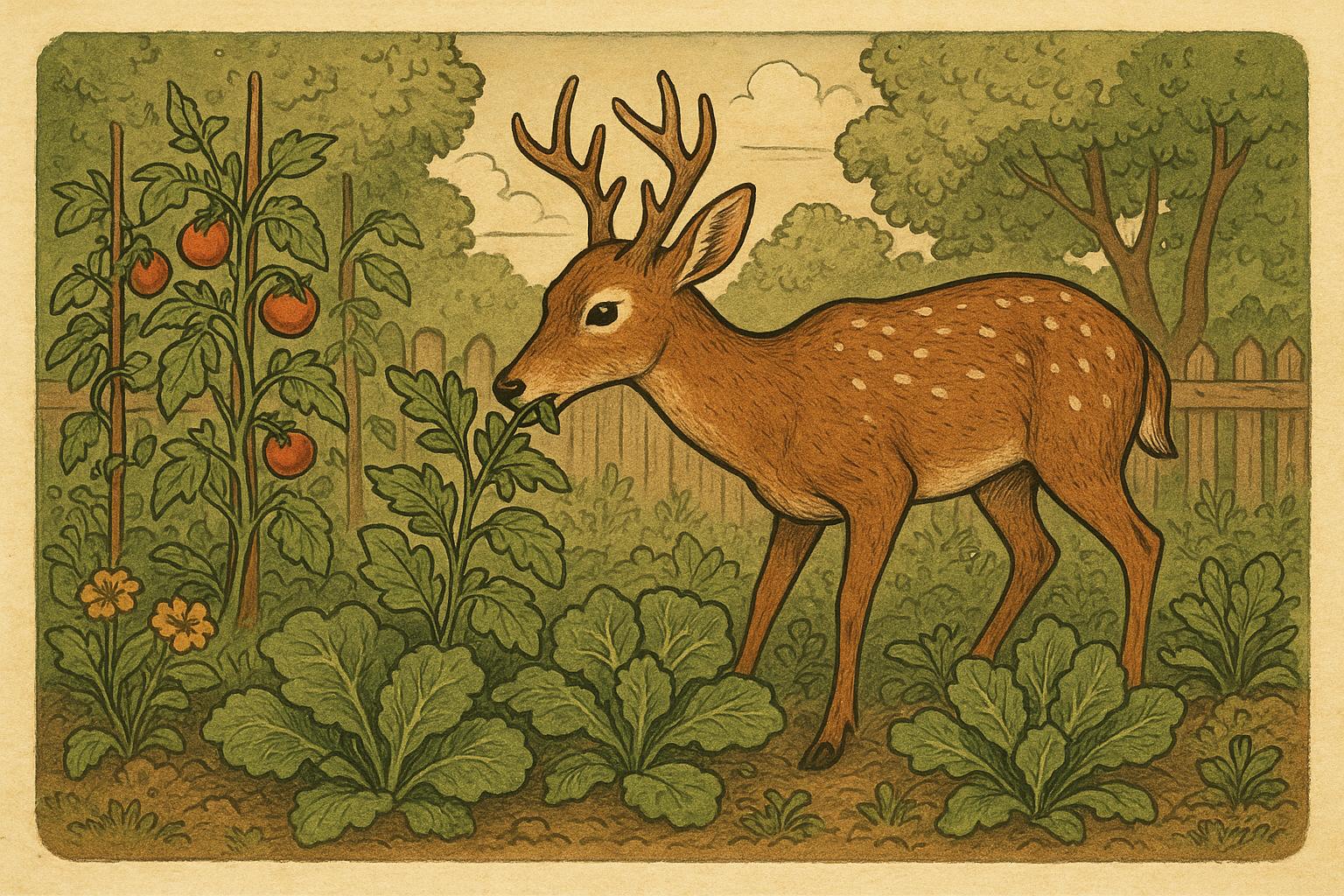
– Fawns alone in vegetation — do not touch; mothers leave fawns hidden and return to nurse.
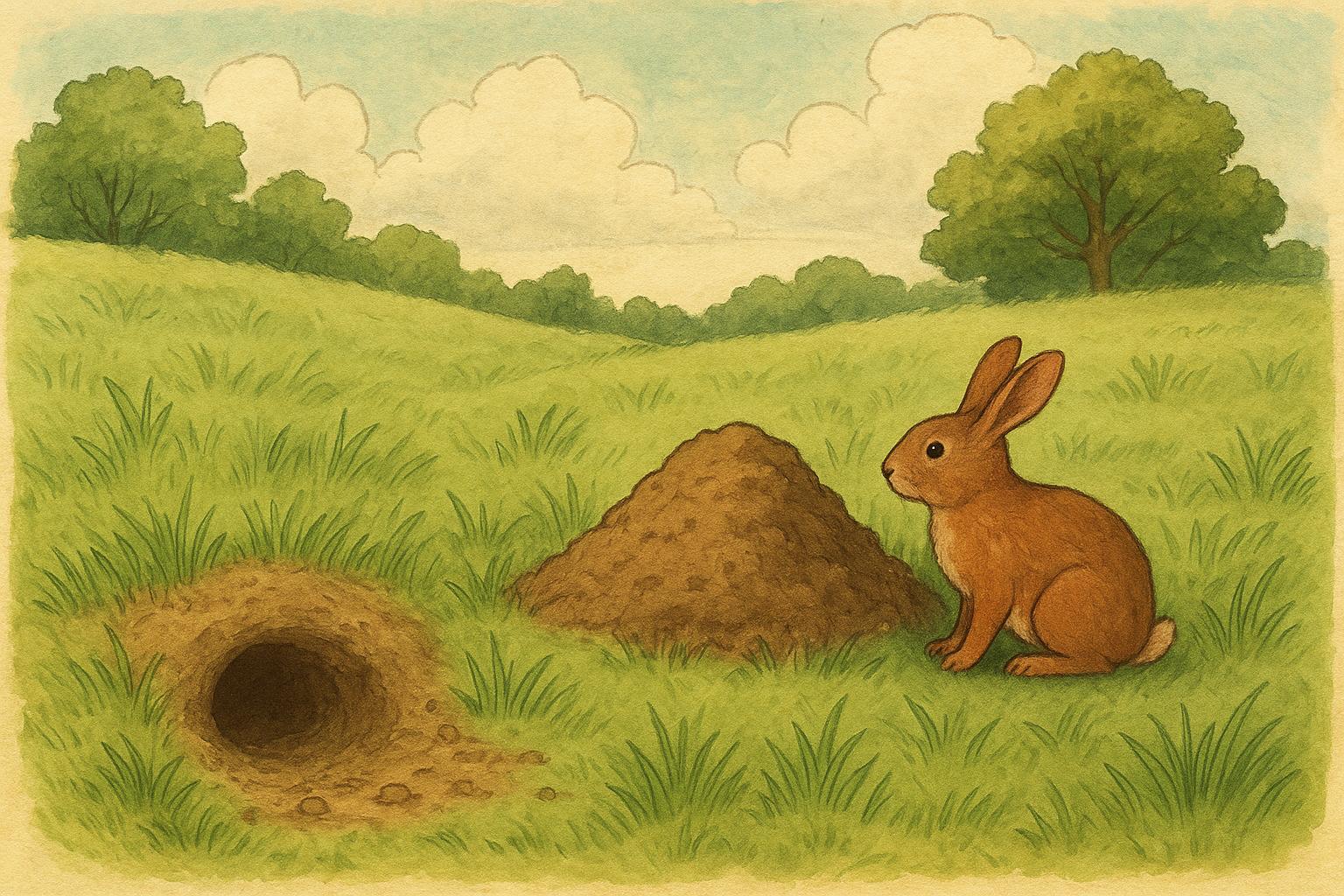
– Baby rabbits (kits) — nests are well-camouflaged; avoid handling unless clearly injured.
## Remedies (1) Temporary Nest Box For Birds
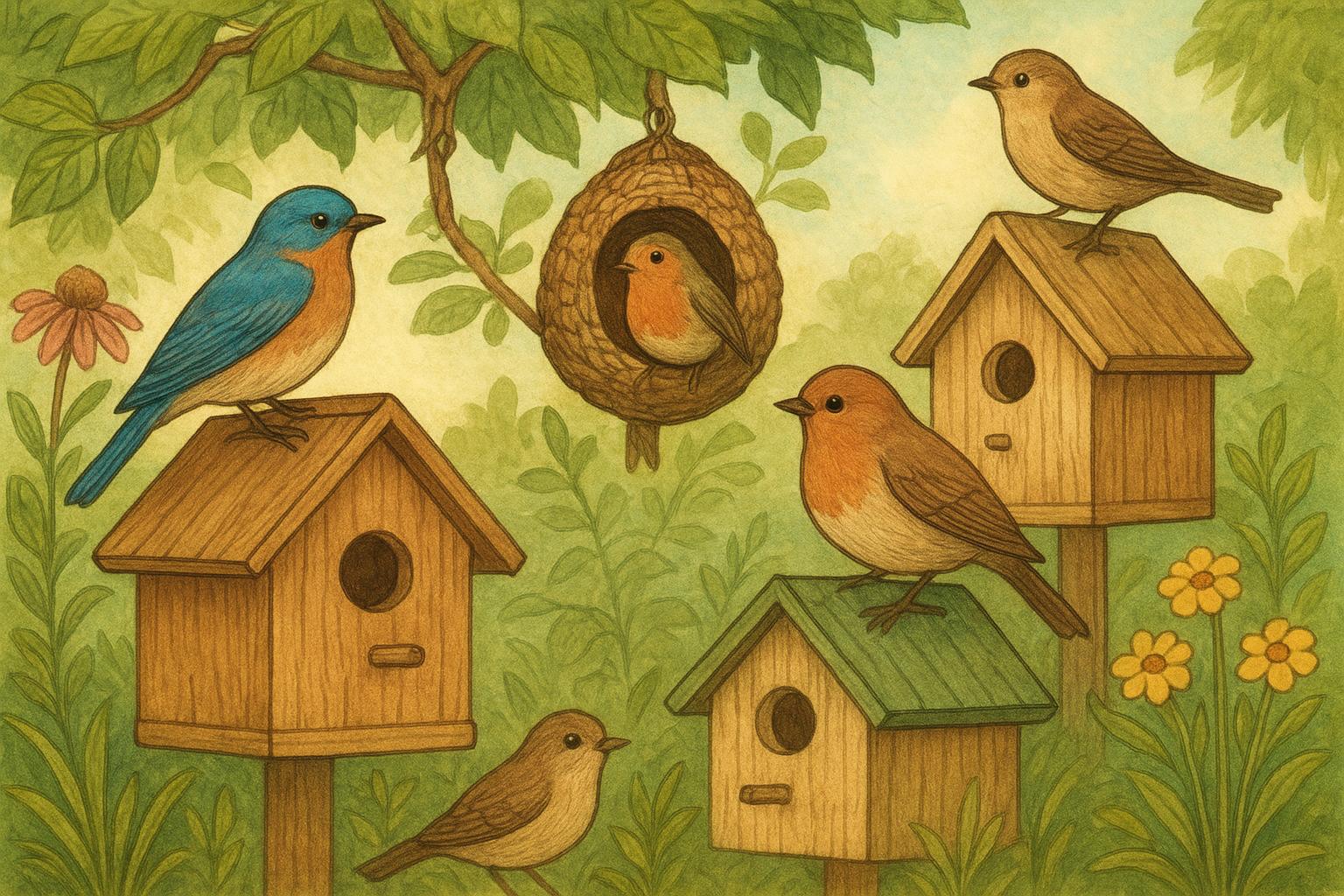
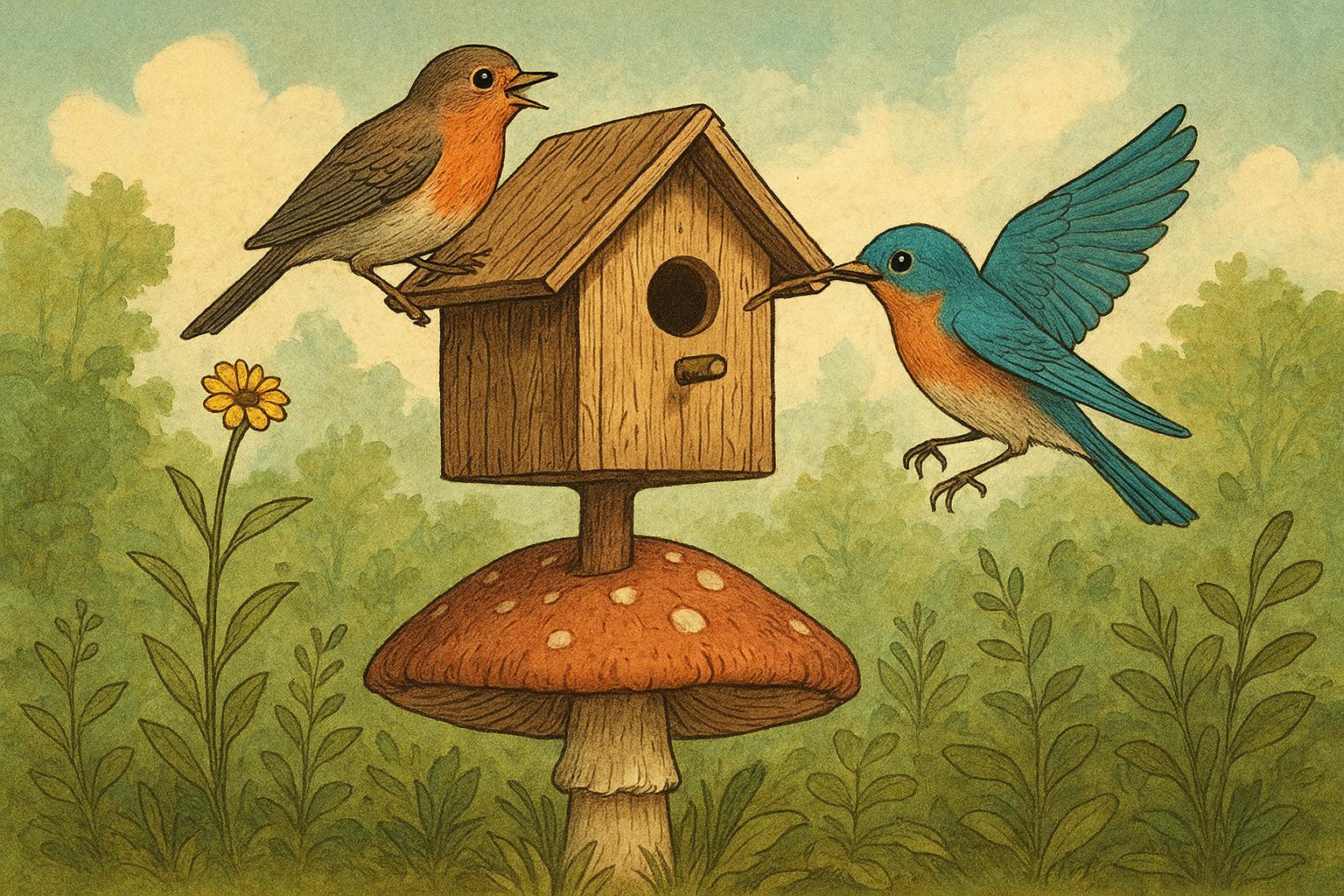
When a nestling has fallen and the original nest can’t be safely used, a temporary nest box can be a humane short-term solution until wildlife rehabilitators arrive or parents accept the returned young. The following is a formal, precise remedy for creating and deploying a temporary nest box.
#### Materials Required
– Small plastic or wooden container (6–8 inches diameter)
– Soft, breathable bedding (clean, unbleached cotton cloth or paper towels)
– Twine or zip ties
– Scissors or a utility knife
– A pole or sturdy branch for mounting (optional)
– Thin sheet of bark or leaves for camouflage (optional)
#### Step-By-Step Creation And Application
1. Prepare the Container: Clean the container thoroughly. If using plastic, create drainage by puncturing a few tiny holes near the bottom.
2. Add Bedding: Line the container with a modest amount of soft bedding. Do not use materials that can tangle (no yarn or loose string).
3. Secure To A Branch Or Pole: If the original nest was elevated, affix the container to a nearby branch or pole at a similar height using twine or zip ties. Ensure it is stable and won’t tip.
4. Camouflage: Lightly drape natural material over the container to mimic the surrounding nest environment, avoiding full coverage that prevents airflow.
5. Return The Nestling: Wearing gloves, gently place the nestling into the temporary nest. Minimize handling time to reduce stress and scent transfer concerns.
6. Observation Protocol: Step back at least 30–50 feet and observe quietly for at least one hour to see if parents return. If no adult appears within that period, contact a licensed wildlife rehabilitator.
## Remedies (2) Hand-Feeding Kit For Orphaned Mammals
Orphaned juvenile mammals sometimes require emergency nutrition before a rehabilitator can take over. This remedy is for short-term stabilization only. It is crucial to transfer care to professionals as soon as possible, since improper feeding can cause aspiration, malnutrition, or digestive upset.
#### Ingredients And Equipment
– Species-appropriate milk replacer (do not use cow’s milk)
– Warm water
– Small feeding syringe or appropriate-sized nursing bottle with nipple
– A thermometer for formula temperature
– Clean towels and a small soft blanket
– A scale for monitoring weight (if available)
#### Step-By-Step Preparation And Feeding
1. Identify Species: Confirm the species if possible; different mammals require different formulations.
2. Prepare Formula: Follow the manufacturer’s instructions exactly to mix the milk replacer. Use freshly boiled and cooled water if instructed; ensure no lumps remain.
3. Warm The Formula: Bring the formula to a comfortable temperature (roughly body temperature, 99–102°F / 37–39°C). Test a drop on your wrist.
4. Positioning: Keep the animal in a natural, prone position (do not feed on its back). For small mammals, use a gentle upright angle to reduce aspiration risk.
5. Feeding: Deliver small amounts slowly. Allow the animal to suckle at its own pace. Do not force large volumes.
6. Burping And Cleaning: After feeding, gently burp with light strokes and clean the face to prevent crusting.
7. Record Keeping: Note the time and amount fed. Seek immediate transfer to a rehabilitator for ongoing care.
## Safety And Legal Considerations
Handling juvenile wildlife is often regulated. Many regions require permits to rehabilitate wild animals. Even well-intentioned intervention can be illegal or harmful, so always check local wildlife authority guidance. When in doubt, call a licensed wildlife rehabilitator or animal control. They can provide species-specific advice and arrange safe transport. Remember: feeding protocols differ significantly between species — what works for a baby bird can be disastrously wrong for a mammal.
### Preventing Human-Wildlife Conflicts
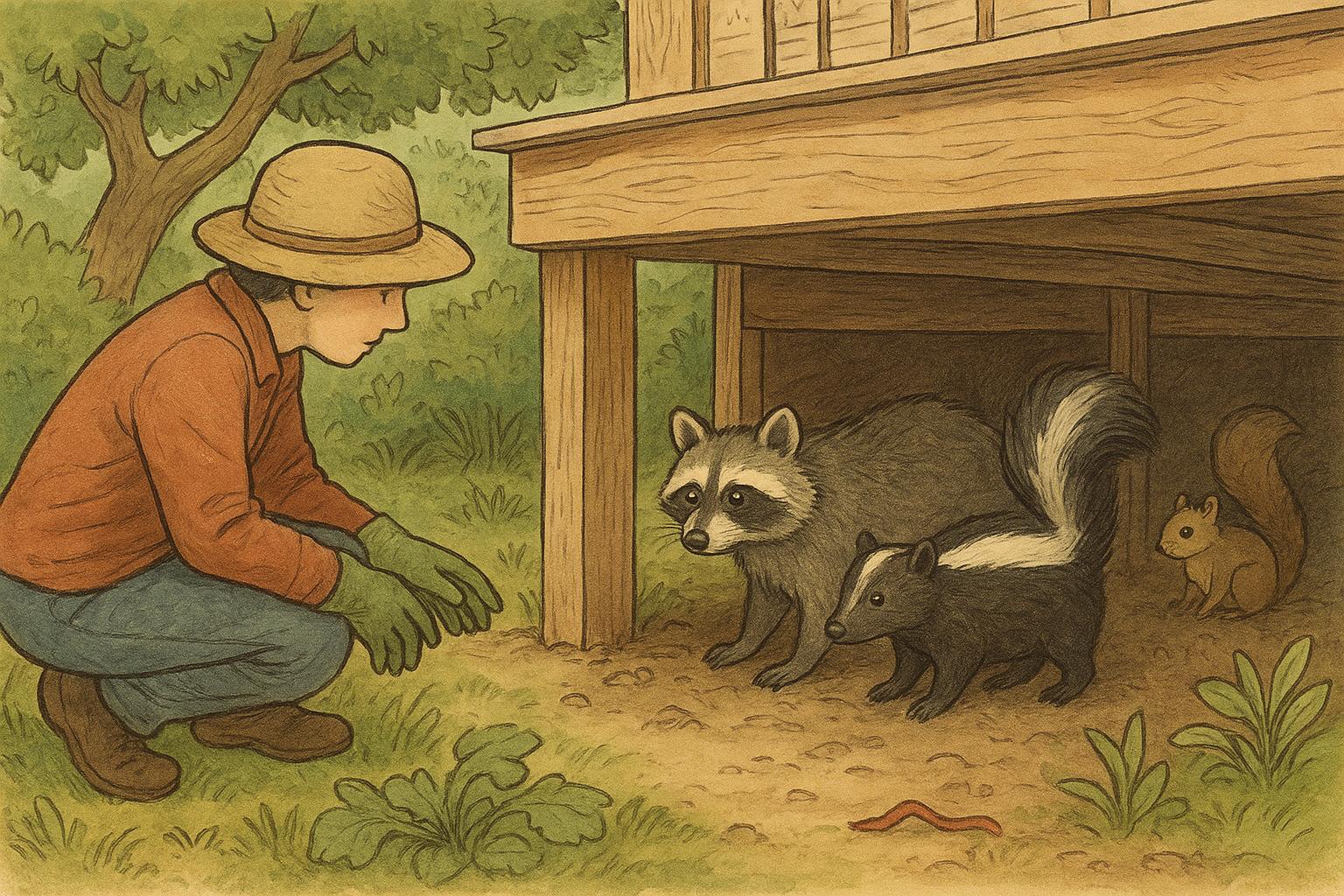
Simple habitat adjustments reduce stressful encounters. Keep pets supervised, especially during spring; cover wells and secure garages; trim low branches where nests are often built in human-disturbed hedges. Plant native shrubs that provide safe cover and food for parents so they can raise their young nearby without relying on urban hazards.
### When To Call A Professional
Contact a wildlife rehabilitator, animal control, or a local nature center if a juvenile is injured, hypothermic, emaciated, or if you suspect it has been orphaned. If you find multiple juveniles in a compromised location (e.g., a den flooded by heavy rain), emergency professionals can prioritize rescues and transport.
## Simple Yard Practices To Support Juvenile Wildlife
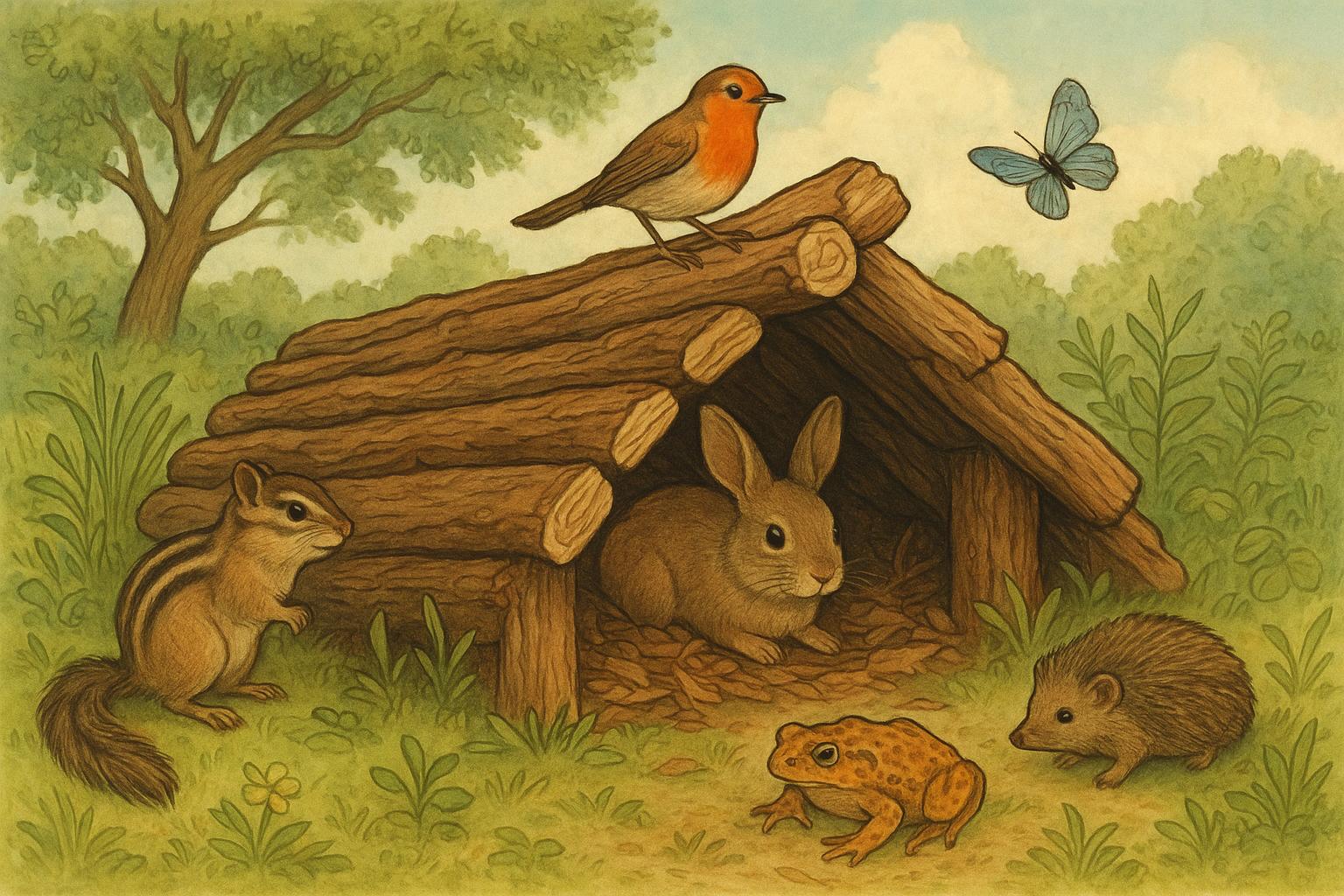
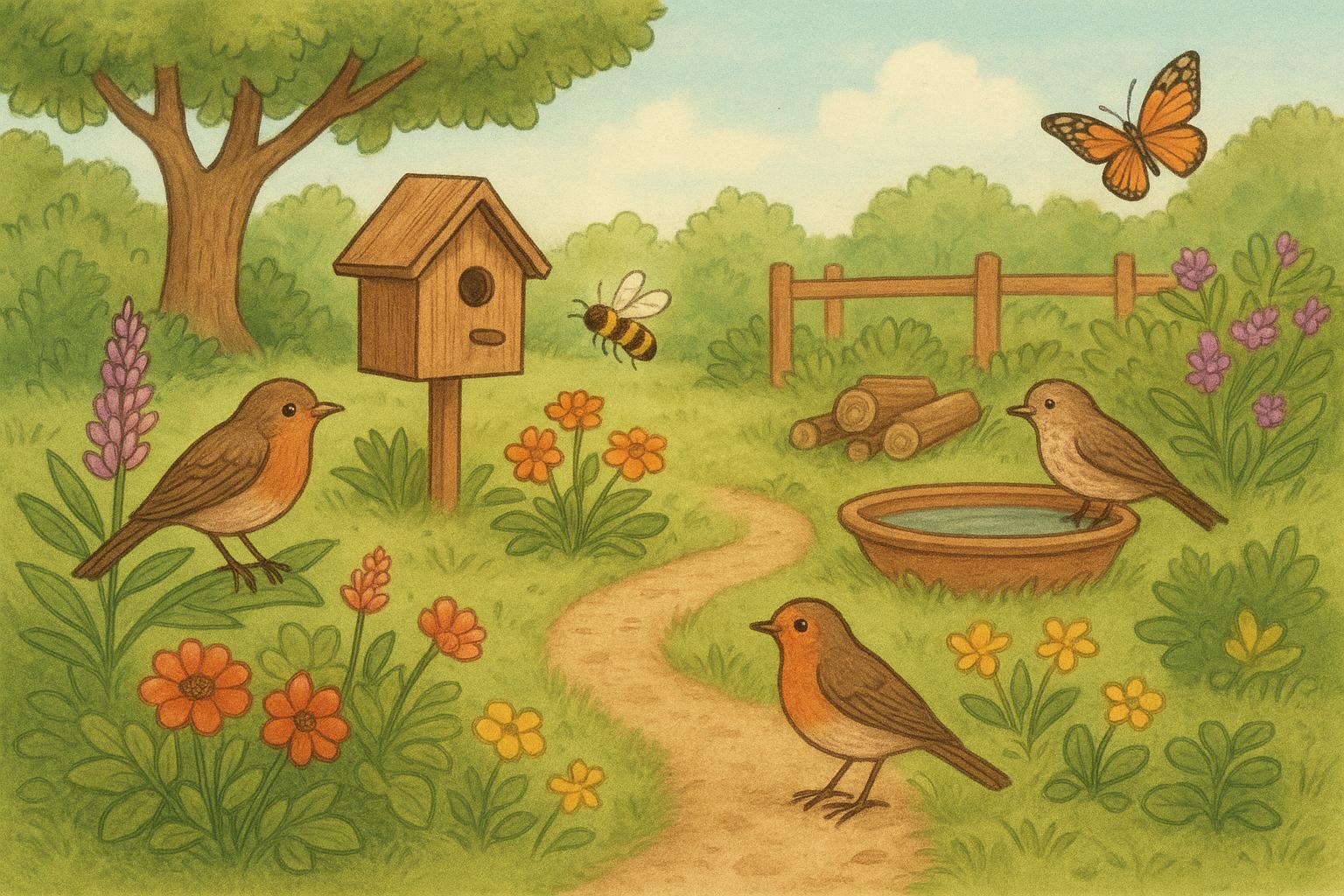
Creating a wildlife-friendly yard doesn’t require grand gestures. Leave some leaf litter for insect life, maintain a water source with shallow edges, and avoid using pesticides that kill insects critical to young birds. Consider a quiet corner of the yard where native plants can grow more densely — a little wilderness goes a long way for fledgling survival.
### Observing Without Overstepping
Watching juvenile wildlife learn is one of life’s small delights; however, it’s easy to go from spectator to meddler. Keep a respectful distance, use binoculars for closer viewing, and teach children to enjoy from afar. If you must move a young animal because of imminent danger, move it only a short distance and follow the remedies above when appropriate.
## Resources And Contacts
Compile a short list of local rehabilitators, your state wildlife agency, and a trusted veterinarian. Keep their numbers handy on your phone. Having quick access to expert advice can make all the difference between a successful intervention and an unfortunate outcome.
Watching juvenile wildlife in spring can be both heartwarming and educational. With a bit of patience, the right knowledge, and a readiness to call in professionals when needed, you can be a safe and savvy steward of the baby animals that enliven our yards each year. Remember: when in doubt, observe first, act cautiously, and contact experts — wildlife rehabbers are the real superheroes, minus the capes (but with much better training).







Leave a Reply