
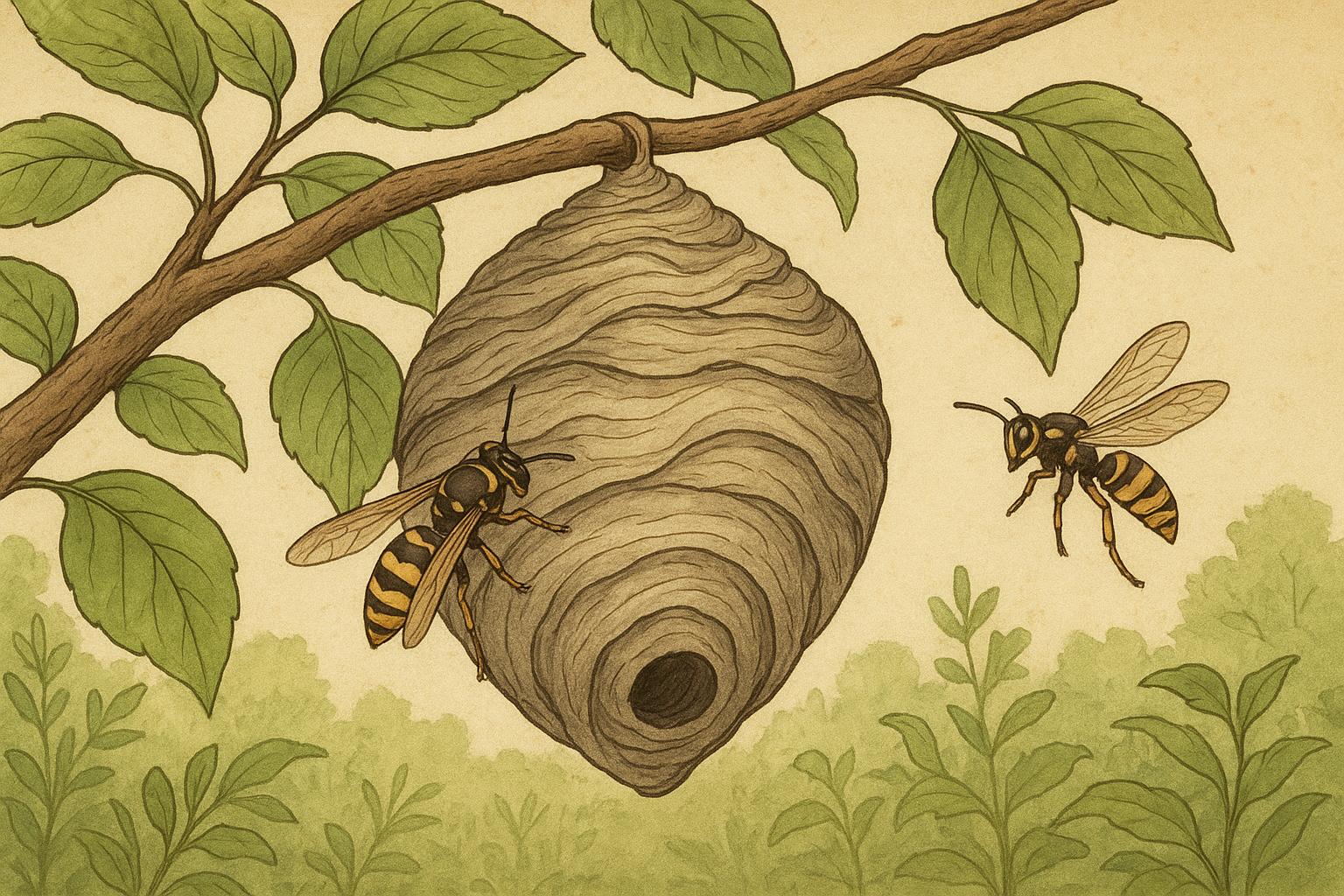
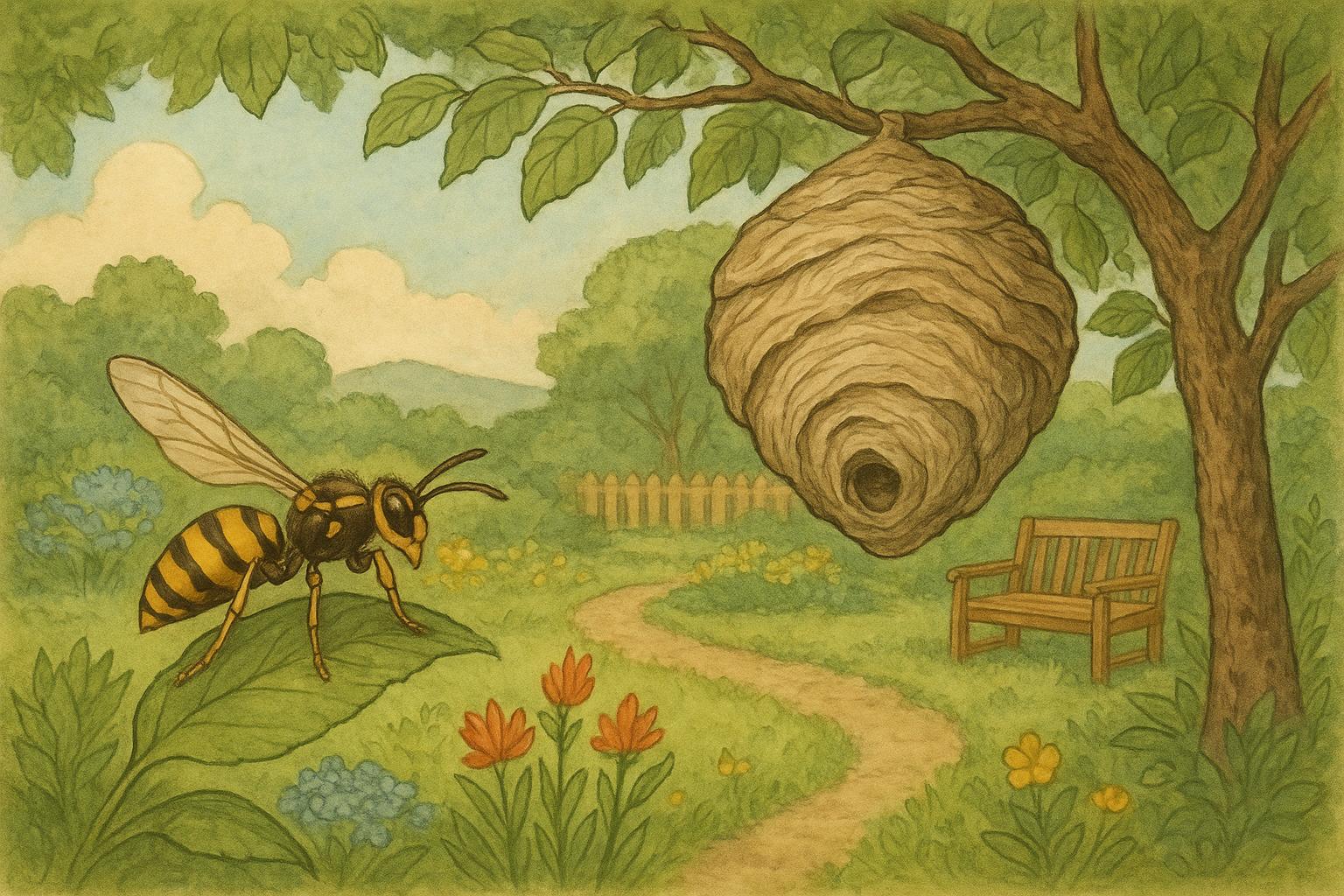
If you’ve spotted a gray, papery umbrella or pineapple-shaped structure stuck under an eave, porch light, or in a shed corner, you’re probably looking at a paper wasp nest. Before you go full superhero with a broom, let’s learn to identify these nests, understand wasp behavior, and choose the safest response for your home and family.
## Paper Wasp Nest Identification: What To Look For
Paper wasp nests are distinctive once you know the signs. They’re not the cottony, hanging tents of hornets or yellowjackets, nor are they the mud chimneys of potter wasps. Instead, think delicate, layered paper with visible hexagonal cells on the underside.
### Shape And Texture
A typical paper wasp nest looks like a small, open-faced honeycomb wrapped in papery layers. The nest is usually exposed underneath (you can see the cells), and a thin, gray-brown papery covering—made from chewed plant fibers and saliva—forms the outer shell on larger nests. Early-season nests are often single combs, about the size of a small grapefruit, then grow larger as the colony expands.
#### Size Range
Nests vary from tiny single-comb structures (a few centimeters across) to larger multi-tiered nests up to a foot wide. Most homeowner encounters are with smaller nests started in spring.
### Color And Material
The nest’s paper comes in shades of gray, brown, or sometimes slightly tan, matching the color of weathered cardboard. This camouflage helps them blend into wood eaves, fence posts, and shrubs. You might also notice the occasional small piece of plant fiber stuck in the surface.
### Typical Locations Around The Home
Paper wasps prefer sheltered spots with overhead protection. Common places include:
– Under eaves and overhangs
– Inside unfrequented sheds or garages
– Under porch ceilings and light fixtures
– In attics or under deck stairs
– On the undersides of tree branches and window awnings
Because they often build where people aren’t constantly disturbing them, a nest can grow unnoticed until it’s large enough to see.
## How To Tell If The Inhabitants Are Active
Seeing wasps flying in and out or clustering on the nest is the clearest sign of activity. Paper wasps tend to be most active during warm daylight hours. If you observe wasps returning with chewed plant material or food, the colony is definitely active. At night and during cooler weather they are much less active and will be clustered on the nest.
### Distinguishing Paper Wasps From Other Stinging Insects
Paper wasps are generally slender with long legs that hang down during flight, and many species have reddish-brown or black bodies with yellow or orange markings. Hornets and many yellowjackets are bulkier and build enclosed nests with outer layers; their nests frequently have no visible comb. If you can see the comb, it’s a strong clue you’re dealing with a paper wasp nest.
## When To Leave A Nest Alone
Not every paper wasp nest needs removal. These wasps are beneficial predators of caterpillars and other garden pests and can reduce the need for pesticides. If the nest is small, high up, or far from human activity, consider leaving it until the end of the season—most colonies die out with the first hard frost, and only inseminated queens overwinter elsewhere.
That said, nests close to doorways, play areas, or where family members have severe allergies should be addressed promptly.
## 2 Removal Methods For Homeowners
When removal is necessary, choose the safest option for your situation. Below are two methods—one DIY non-chemical approach for small, early nests, and one professional chemical treatment option. Follow materials and step-by-step instructions carefully. If at any point you feel unsure or a nest is large and high-traffic, contact a licensed pest control professional.
### 1. DIY Nighttime Soap Spray (For Small, Accessible Nests)
This method is best for small nests in easy-to-reach spots and when you can safely work at night.
Materials Required:
– Garden sprayer or large spray bottle
– Liquid dish soap (a few tablespoons)
– Warm water (enough to fill sprayer)
– Long-range flashlight or headlamp
– Protective clothing: long sleeves, pants, closed shoes, gloves, safety glasses
– Face protection (at minimum, a beekeeper veil or heavy scarf)
Step-by-Step Application:
1. Prepare the Solution: Mix 2 tablespoons of liquid dish soap per quart of warm water. Fill the sprayer and agitate gently.
2. Dress Safely: Put on protective clothing and gloves. Make sure nothing is exposed.
3. Wait For Night: Paper wasps are less active and more likely to be on the comb after dark; plan to act well after sunset when temperatures have cooled.
4. Approach Calmly: With flashlight off or dimmed, approach the nest slowly. Keep an escape route clear.
5. Apply the Spray: From several feet back, aim the nozzle at the nest and apply a heavy, continuous spray to soak the comb and the wasps. The soap clogs their spiracles (breathing pores) and works quickly.
6. Retreat Immediately: Back away and wait at least 24 hours. Avoid disturbing the nest during this time.
7. Check The Nest: The next night, inspect from a safe distance. If there’s still activity, repeat the spray once more. If inactive, knock down the nest with a long pole (wear protection), bag it, and dispose of it in a sealed trash bag.
Notes: This method is not 100% effective on large or well-established colonies. Never climb ladders or attempt removal if you’re allergic to stings.
### 2. Professional Chemical Treatment (For Large Or High-Risk Nests)
For large nests, nests in high-traffic areas, or if household members are allergic, hire a licensed pest control professional who will use EPA-registered insecticides and follow safety protocols.
Materials/Resources The Technician Will Use:
– EPA-registered residual insecticide or wasp-specific aerosol labeled for nest treatment
– Insecticidal dust for interior cavities (when needed)
– Professional PPE (respirator, full-body suit, gloves, face shield)
– Extension tools for reach, vacuums designed for insect removal (optional)
– Follow-up inspection schedule
Step-By-Step Professional Procedure (What To Expect):
1. Assessment: The technician inspects the nest location, determines species, colony size, and risk level.
2. Safety Plan: They establish a work zone, advise occupants to evacuate or stay clear, and wear PPE.
3. Treatment Application: Using labeled products and correct application rates, they apply treatment to the nest entrance and comb, often at night when wasps are less active.
4. Follow-Up: The technician will monitor the nest for activity and may perform a second treatment if necessary.
5. Removal Or Blocking: Once the colony is inert, the nest can be removed or the cavity sealed to prevent re-nesting. Technicians can apply exclusion measures to stop future nests.
6. Documentation: Professionals should provide treatment records and safety information about re-entry times and re-entry precautions.
Legal and Safety Note: Only licensed applicators should apply certain restricted pesticides. Improper use can be hazardous to people, pets, and the environment.
## Preventive Steps To Avoid Future Nests
Reduce appeal and access to nesting sites with a few practical measures. Seal gaps under eaves, repair damaged screens, and trim shrubs away from house walls. Turn off or shield porch lights at night—wasps are attracted to nighttime insects that gather around lights. Hanging decoy nests or reflective mylar objects sometimes discourages new paper wasp nest construction, though results vary.
### Landscaping And Cleanliness Tips
Keep tree branches and vines trimmed away from rooflines. Store firewood and building materials off the ground and away from siding. Remove old nests promptly—paper wasps sometimes avoid building atop old nests, and clearing them removes cues locations are habitable.
## What To Do If Someone Gets Stung
If a sting occurs, move the person to a safe area to avoid further attacks. For mild reactions: wash the sting site, apply cold compresses, and use oral antihistamines for itching. For any signs of an allergic reaction—difficulty breathing, swelling of face or throat, dizziness, rapid pulse—seek emergency medical care immediately and use an epinephrine auto-injector if available.
## When To Call A Professional
Call a licensed pest control company if the nest is larger than a grapefruit, located in a hard-to-reach place, near areas of frequent human activity, or if any household member has a known insect allergy. Pros bring experience, safer chemical options, and equipment to manage both the immediate nest and the longer-term risk of re-colonization.
If you’re careful, informed, and a bit respectful of these industrious little builders, you can keep your family safe while allowing beneficial predators to do their garden work—just not right over the kids’ sandbox.














Leave a Reply