
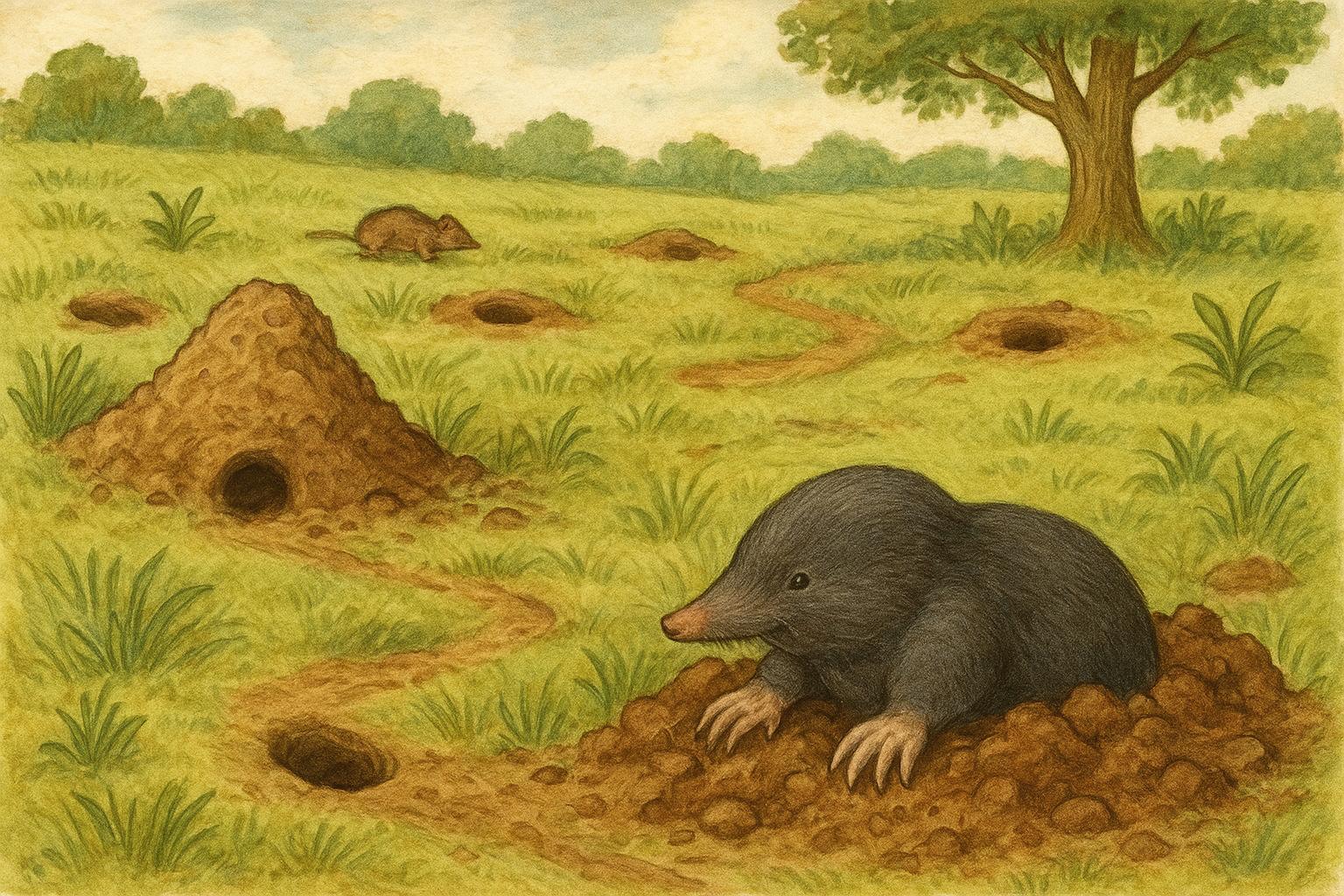
Welcome to the yard detective club. If you’ve been tripping over unexpected mounds, watching wilting plants, or noticed a network of raised ridges after a rain, you’re not alone — and no, your lawn isn’t possessed. Below you’ll find an accessible field guide to reading the signs critters leave behind and clear, practical remedies for dealing with them.
## Mole Holes Identification Guide For Digging Animals
### Why Mole Holes And Other Digging Signs Matter
Not all holes are created equal. Recognizing mole holes—and distinguishing them from gopher, vole, or rabbit damage—lets you choose the least disruptive and most effective response. Mole holes can look dramatic, but sometimes they’re the least harmful option compared with burrowing animals that chew roots or build nests.
### How To Identify Mole Holes Versus Other Holes
Mole holes are distinctive if you know what to look for. A classic mole hole is usually:
– A raised, compacted crescent or round mound with no obvious entrance.
– Soft, fine soil thrown up in a volcano-like plug.
– Tunnel systems that create ridges just beneath the grass surface.
Compare that with other diggers:
– Gophers produce fan-shaped mounds with an obvious tunnel opening on the side.
– Voles leave shallow surface runways and small entry holes near plant crowns or under mulch.
– Ground squirrels and rabbits generally create larger openings and signs of chewing or nests nearby.
### Field Measurements And Visual Clues To Note
When you inspect, carry a tape measure and a small gardening trowel. Record:
– Diameter of the mound or hole (mole holes are typically 2–3 inches across).
– Soil texture (mole castings are fine and crumbly).
– Presence or absence of entrances at the side of the mound (gophers often have side openings).
These quick facts help you identify the culprit without turning your yard into a crime scene.
### Species Breakdown: How Each Digger Leaves A Signature
#### Moles
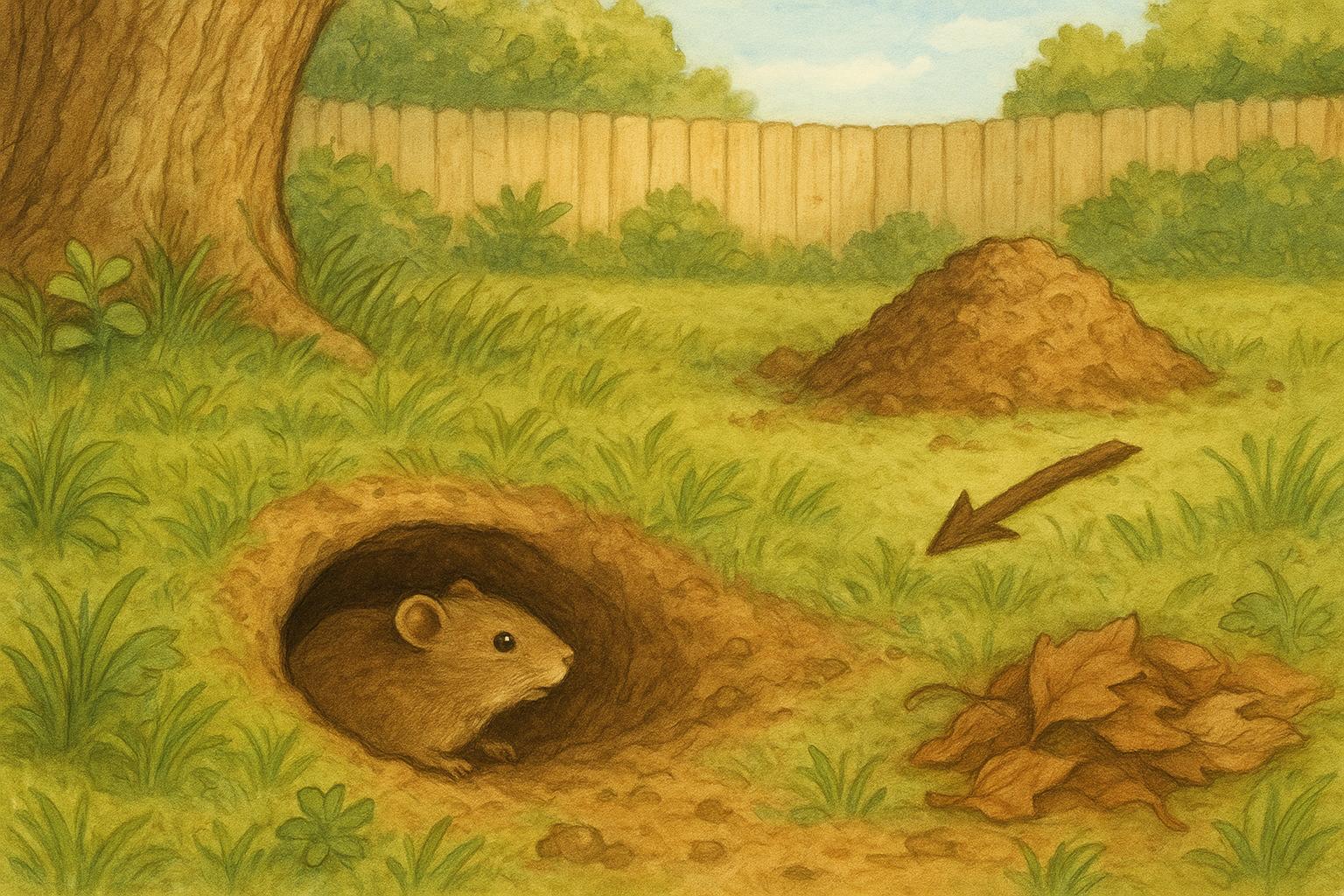
Moles are insectivores. Their tunnels are near the surface, created for hunting earthworms and grubs. Mounds are usually low and rounded with no visible entrance; push the soil gently and you’ll often find a plug.
#### Pocket Gophers
Pocket gophers are plant-eaters. Their mounds are larger, fan-shaped, and contain a clear side opening. They pull roots into their burrows and can cause noticeable plant loss.
#### Voles
Vole damage shows as a network of shallow runs and small holes near plants. Look for clipped stems and gnaw marks; voles breed quickly and can decimate seedlings if unchecked.
#### Ground Squirrels And Rabbits
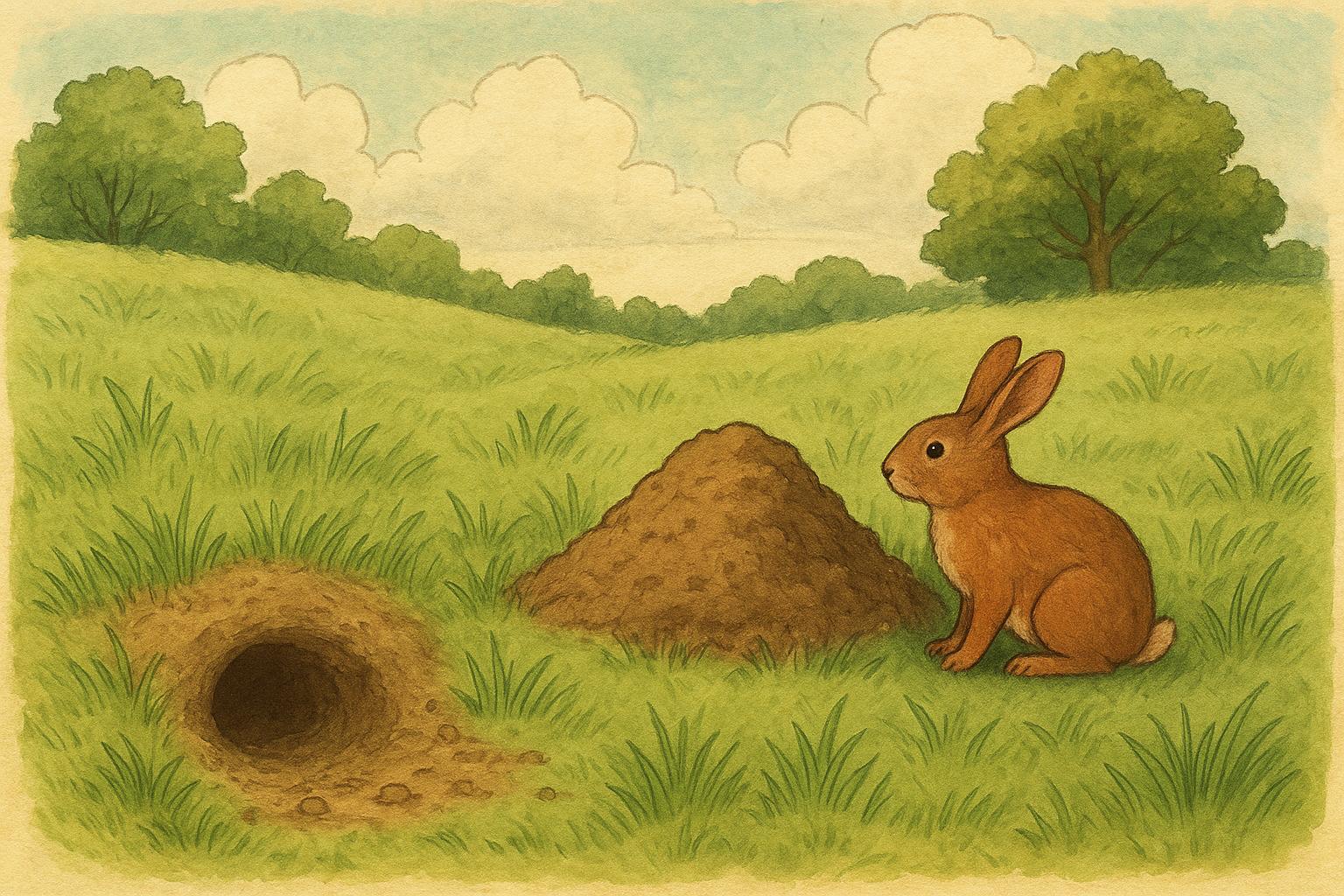
These animals make larger, more conspicuous burrows or nesting depressions and often leave signs of gnawing, droppings, or nearby food caches.
#### Skunks And Raccoons (Secondary Diggers)
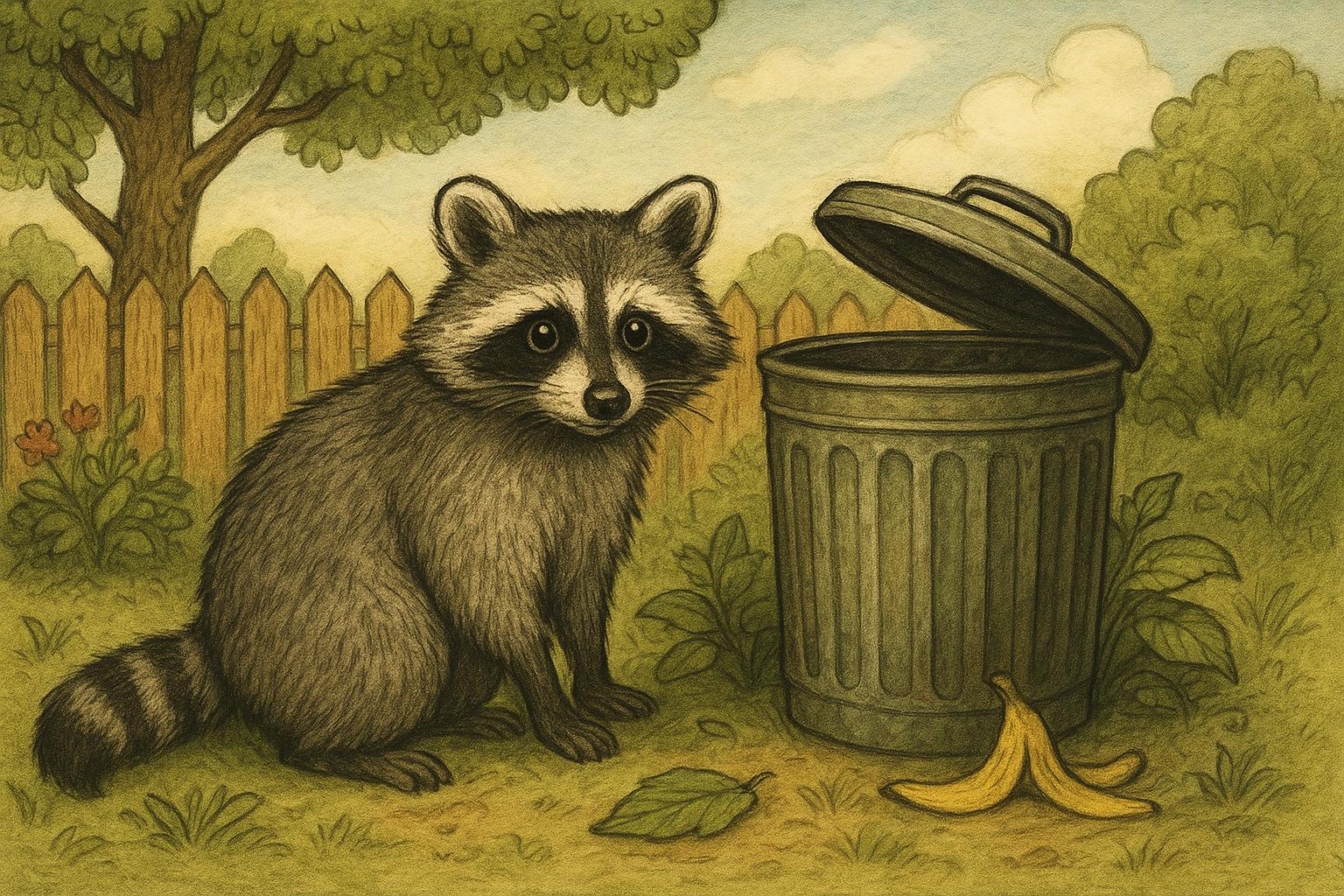
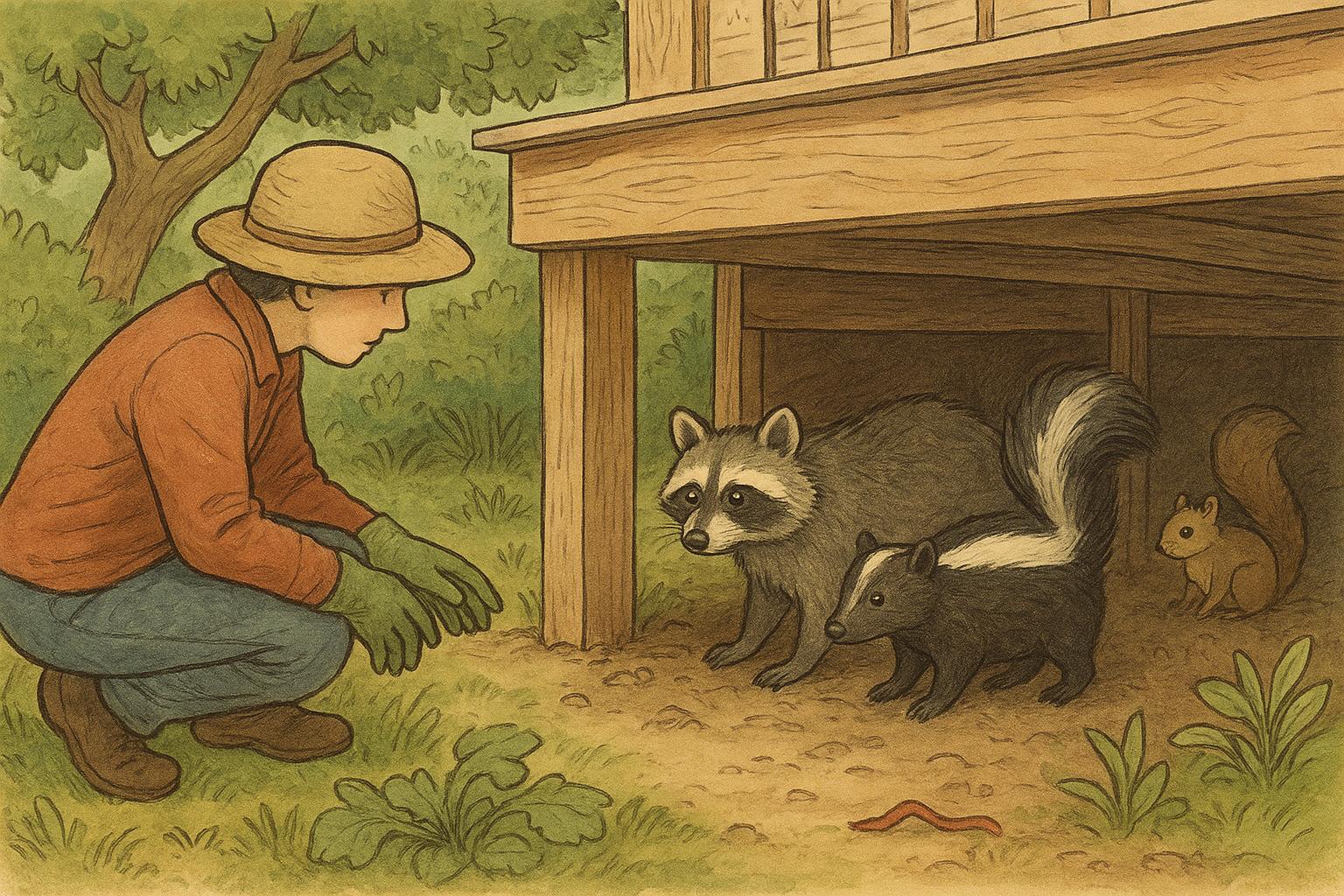
Skunks and raccoons aren’t primary burrowers in lawns but will dig small holes while foraging for grubs. These pits are shallow, typically 2–4 inches deep, and irregular.
### How To Inspect Your Yard Safely And Effectively
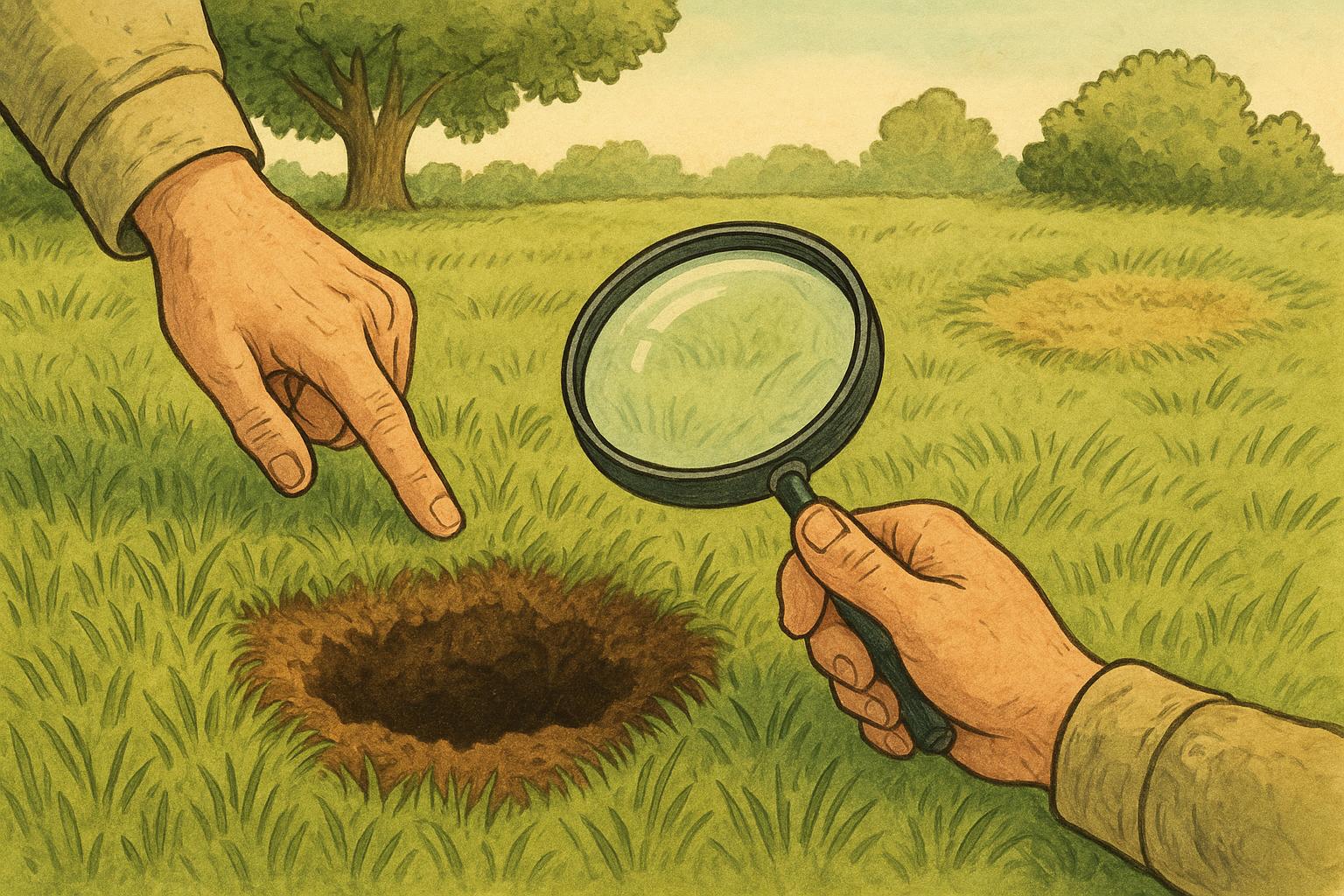
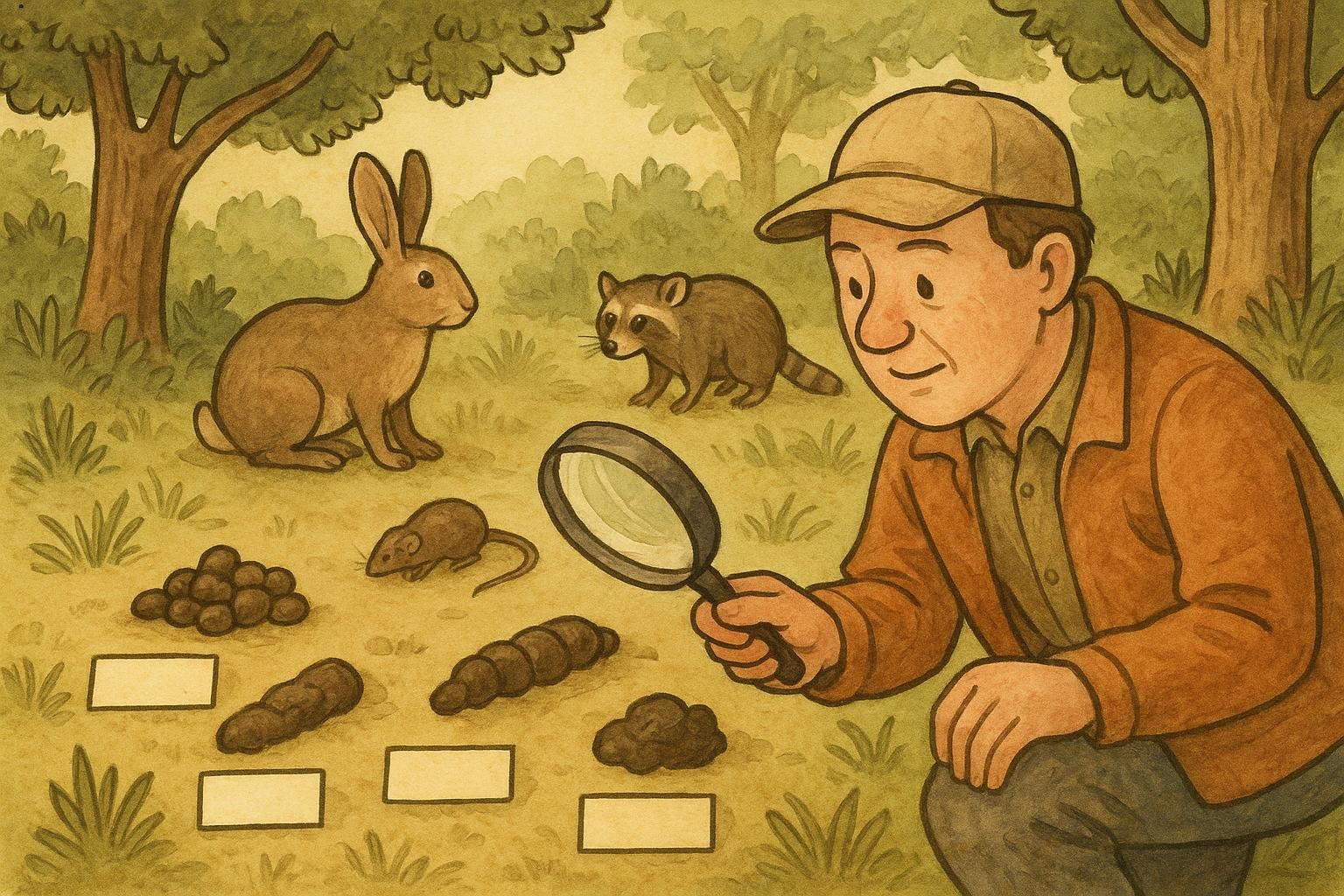
Walk the yard in the morning, when soft soil and dew make signs easier to see. Probe suspect mounds with a finger or trowel to determine if the tunnel is active (fresh, moist soil) or old (dry, packed). Take photos and mark active sites with flags for monitoring. Wear gloves and avoid collapsing tunnels unnecessarily; some creatures use existing burrows for multiple purposes.
## Remedy 1: Humane Exclusion And Habitat Modification
Materials:
– Garden rake and hand trowel
– Heavy-duty mulch (e.g., wood chips) and landscape fabric
– Native-plant buffer shrubs
– Pet-safe deterrent sprays (optional)
Step-by-Step Creation And Application:
1. Remove attractants. Reduce lawn irrigation where feasible to discourage worms and grubs that draw moles in. Repair leaky faucets and avoid overwatering.
2. Modify habitat. Replace some high-maintenance turf with native plantings or raised beds that are less attractive to burrowing insects and resist tunneling. Install 1/4-inch hardware cloth under new raised beds to block burrowing.
3. Apply physical barriers. Where practical, bury landscape fabric or 1/4-inch mesh at a 30–45 degree angle to a depth of 12–18 inches around vulnerable plantings. This prevents easy tunneling while preserving drainage.
4. Maintain a tidy yard. Remove heavy mulch layers immediately against foundations and reduce dense groundcover where voles might hide.
This remedy aims to make your yard less appealing to the food sources and shelter that support mole populations, thereby reducing mole holes over time.
## Remedy 2: Trapping (When Legal And Appropriate)
Materials:
– Approved mole traps (harpoon, scissor-type, or choker traps depending on local regulations)
– Gloves
– Long screwdriver or probe
– Soil tamping tool
Step-by-Step Creation And Application:
1. Confirm legality. Check local wildlife regulations; trapping rules vary by jurisdiction. Acquire traps that are legal and intended for moles.
2. Locate active tunnels. Flatten sections of raised ridges and check the next morning for fresh re-elevation. Probing with a trowel or long screwdriver can identify open tunnels.
3. Set the trap per manufacturer instructions directly into the active main tunnel. Use gloves to avoid transferring human scent and handle traps cautiously.
4. Cover the set area with a bucket or soil to prevent light and disturbance from deterring moles.
5. Monitor daily and reset or remove traps as required. Dispose or release animal as per local laws and humane guidelines.
6. Tamping and filling closed tunnels after removal reduces chance of reinvasion.
Trapping is a precise, sometimes necessary measure for high-value areas (nurseries, vegetable beds). It requires skill and adherence to safety and legal standards.
## Remedy 3: Repellents And Natural Deterrents
Materials:
– Castor oil-based repellent or castor oil mixed with mild soap and water
– Granular grubs control product (if grub levels are confirmed)
– Motion-activated lights or sprinklers (optional)
Step-by-Step Creation And Application:
1. Test for grubs. Use a shovel to remove a 1-square-foot section of turf to examine for grubs. If grub counts exceed local thresholds, treat accordingly with a targeted product.
2. Prepare castor oil spray: mix 3 tablespoons of castor oil with 1 teaspoon of mild liquid soap per gallon of water. Shake well.
3. Apply repellent evenly over affected areas with a pump sprayer. Reapply after heavy rain or per product frequency if using commercial options.
4. Use motion-activated devices around small, focused areas to generate disturbance that discourages surface foraging.
5. Monitor and repeat. Repellents reduce mole activity by making the soil unpleasant to them; success varies and is best used with habitat modification.
When opting for any chemical control, follow label instructions and local environmental guidance.
### When To Call A Professional
If mole holes persist despite habitat changes, or if damage is extensive in high-value landscapes, consult a licensed wildlife control professional. Pros know local regulations, can perform humane live-capture or removal where legal, and provide long-term integrated pest management plans. Ask for references and confirm their methods align with humane standards.
Keep in mind that many digging animals play useful roles—soil aeration, insect control, seed dispersal—and wholesale eradication isn’t always desirable. The goal is a balanced yard: reduced mole holes in places where they cause real harm, and tolerance where their activity is benign or beneficial.
Now grab your trowel, take a deep breath, and remember: most of these critters are just trying to live their best underground life. You can usually negotiate a peaceful truce with a little knowledge and the right tools.













Leave a Reply