
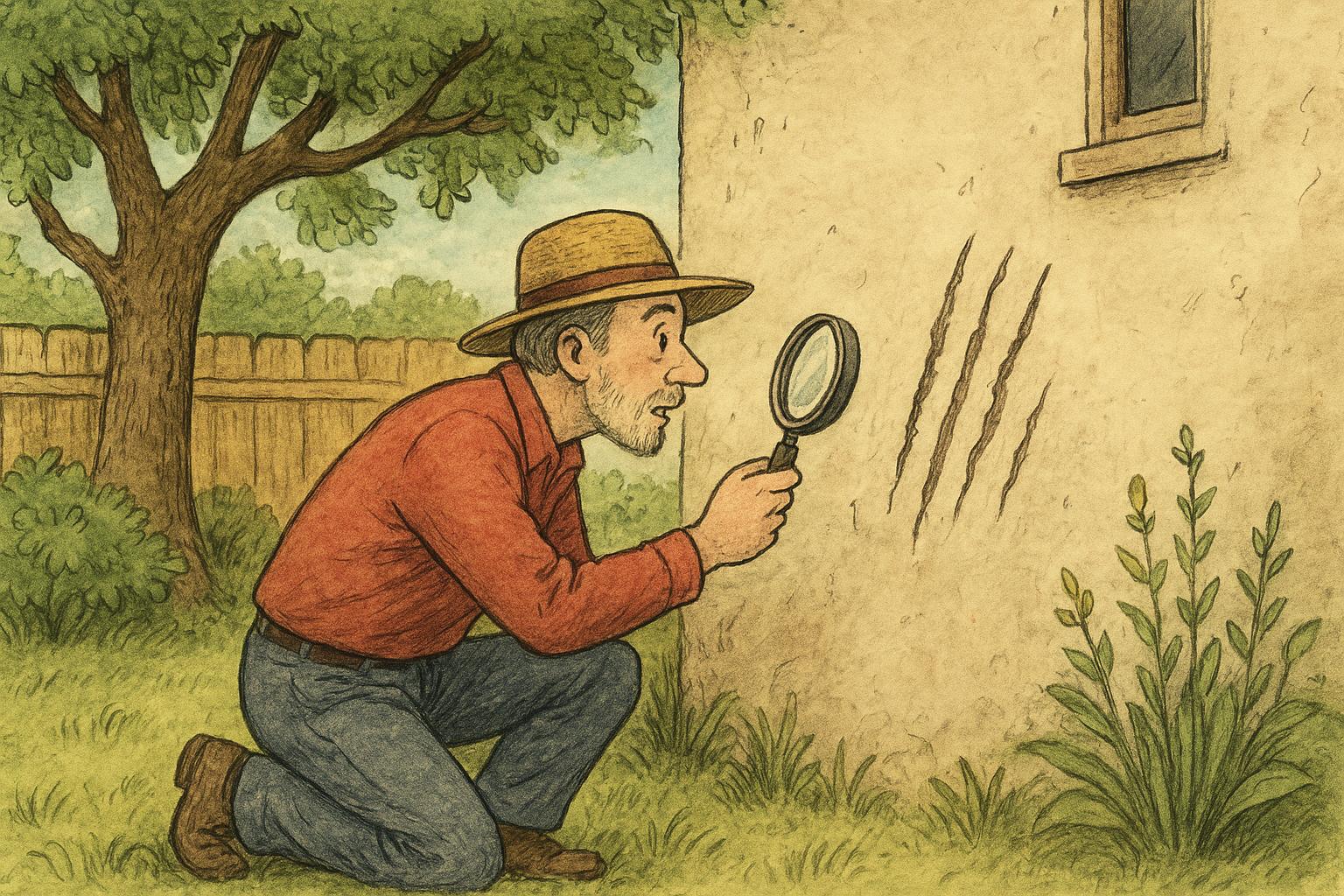
A late-night scratch that sounds like a secret handshake between raccoons can make even the calmest backyard dweller raise an eyebrow. Let’s demystify those noises and figure out who might be using your walls as a corridor, gym, or drum kit.
## Identifying Scratching In Walls From Your Backyard
If you hear scratching in walls, the first step is to treat it like detective work rather than a horror movie soundtrack. The phrase “scratching in walls” can conjure images of gremlins, but most of the time you’re dealing with local wildlife: rodents, bats, birds, or raccoons. Knowing when, where, and what the sound sounds like will get you a long way toward solving the mystery.
### When The Noise Happens
Timing is a big clue:
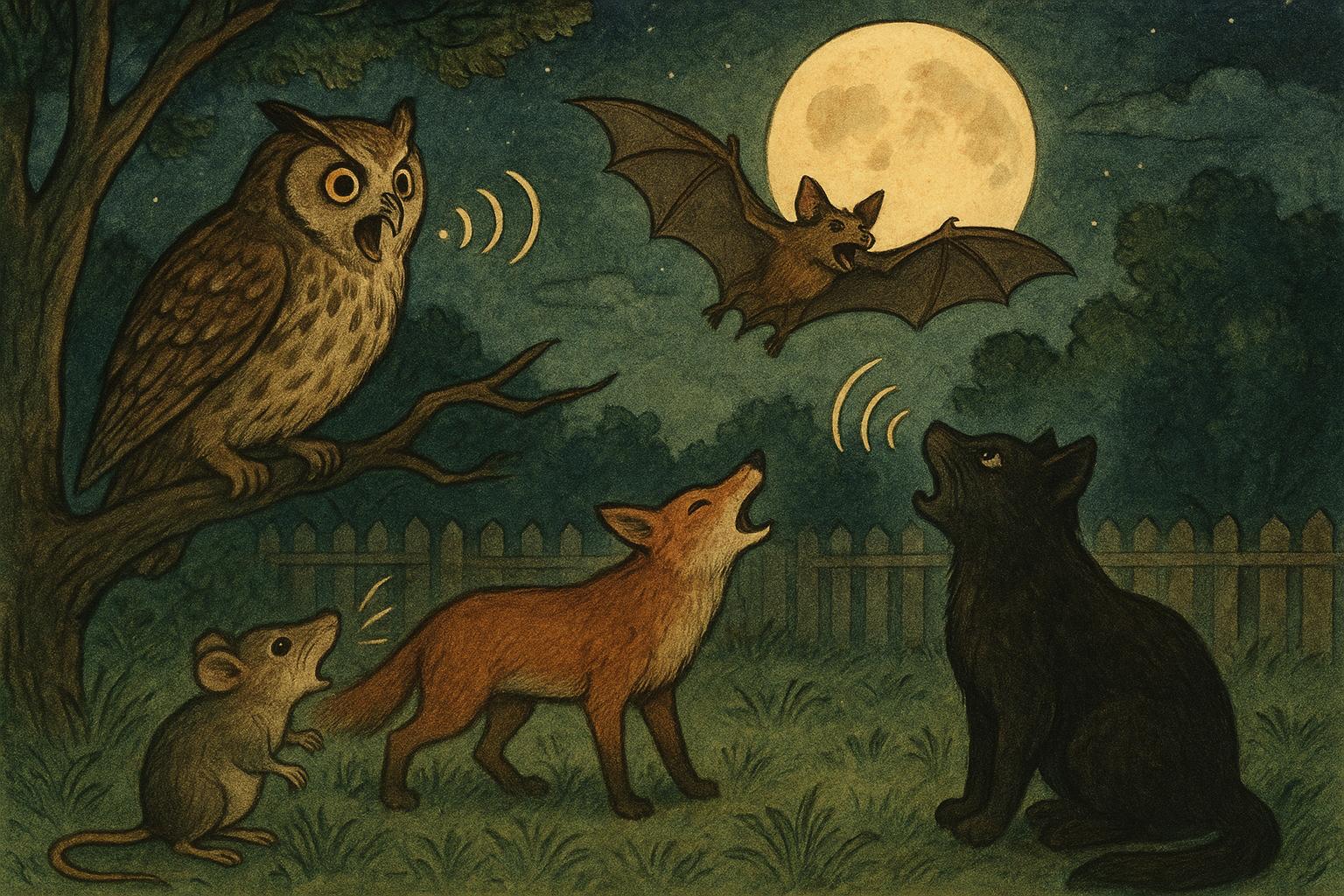
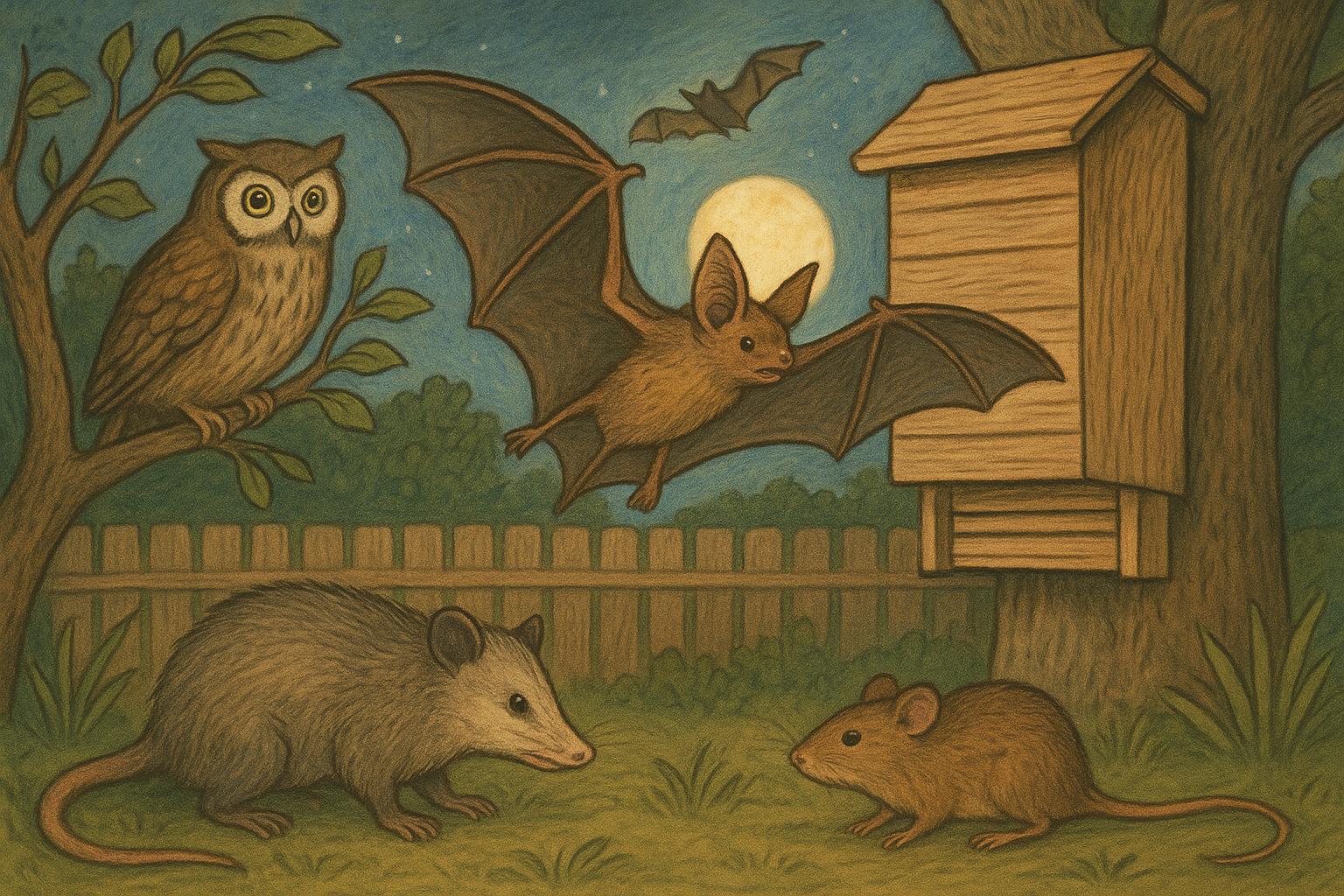
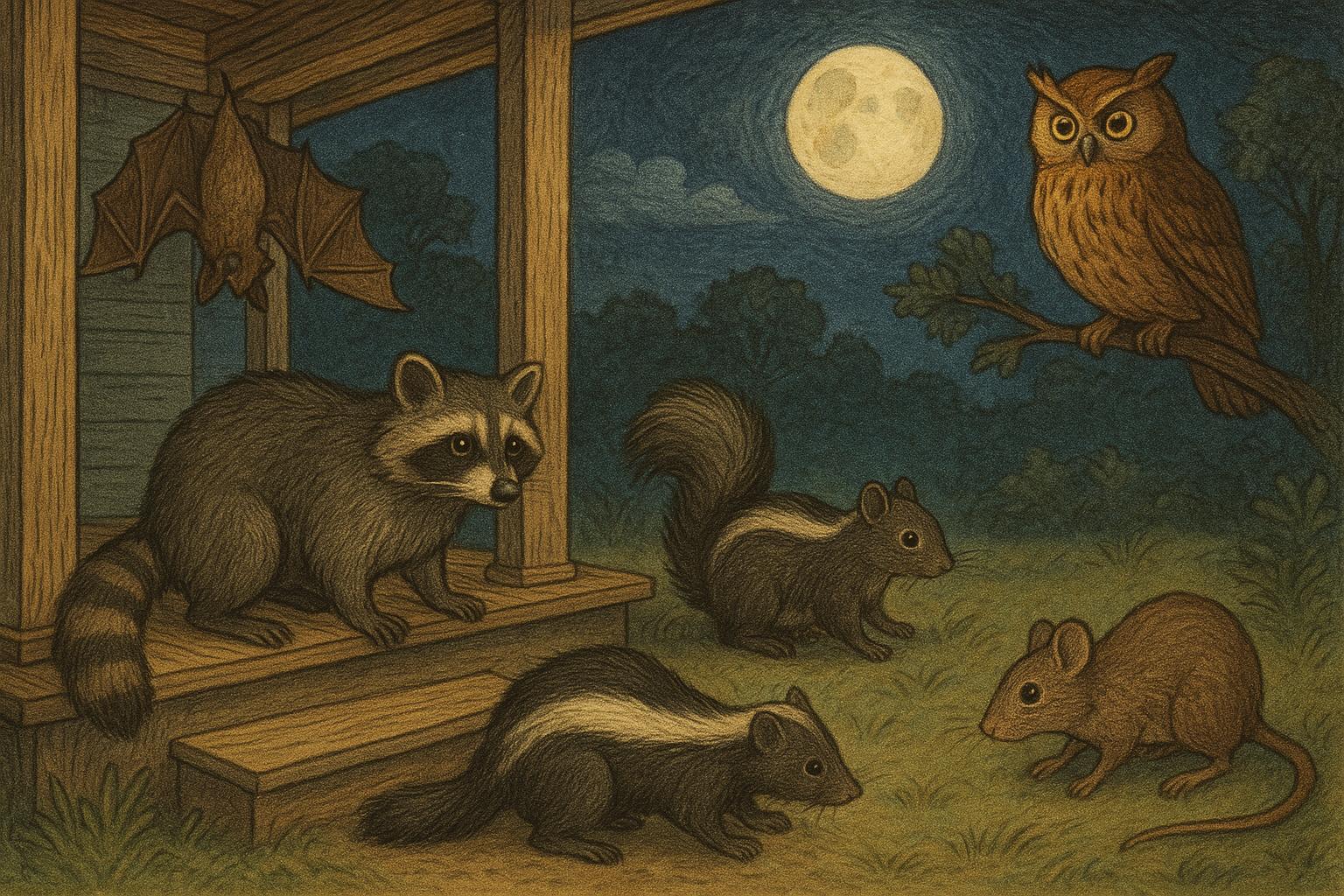
– Noises at night often indicate rodents (rats, mice) or bats.
– Dawn and dusk activity could be raccoons or opossums.
– Daytime scratching suggests birds or squirrels.
Listening for patterns—constant gnawing versus intermittent thumps—also helps narrow the culprit.
### What The Sound Tells You
Different animals make different signatures. Muffled gnawing with a rhythm is usually rodents; heavier, dragging sounds could be raccoons or larger animals; fluttering and scratching near eaves often point to birds or bats. Use “scratching in walls” as a mental tag when you compare the sound to these patterns.
### Where The Sound Is Coming From
Pinpointing location reduces guesswork. Stand in several rooms, walk the perimeter outside, and tap walls to see where the hollow echoes change. Pay attention to attic spaces, crawl spaces, soffits, and gaps around vents—animals love these highways.
## Common Backyard Culprits
### Squirrels And Chipmunks
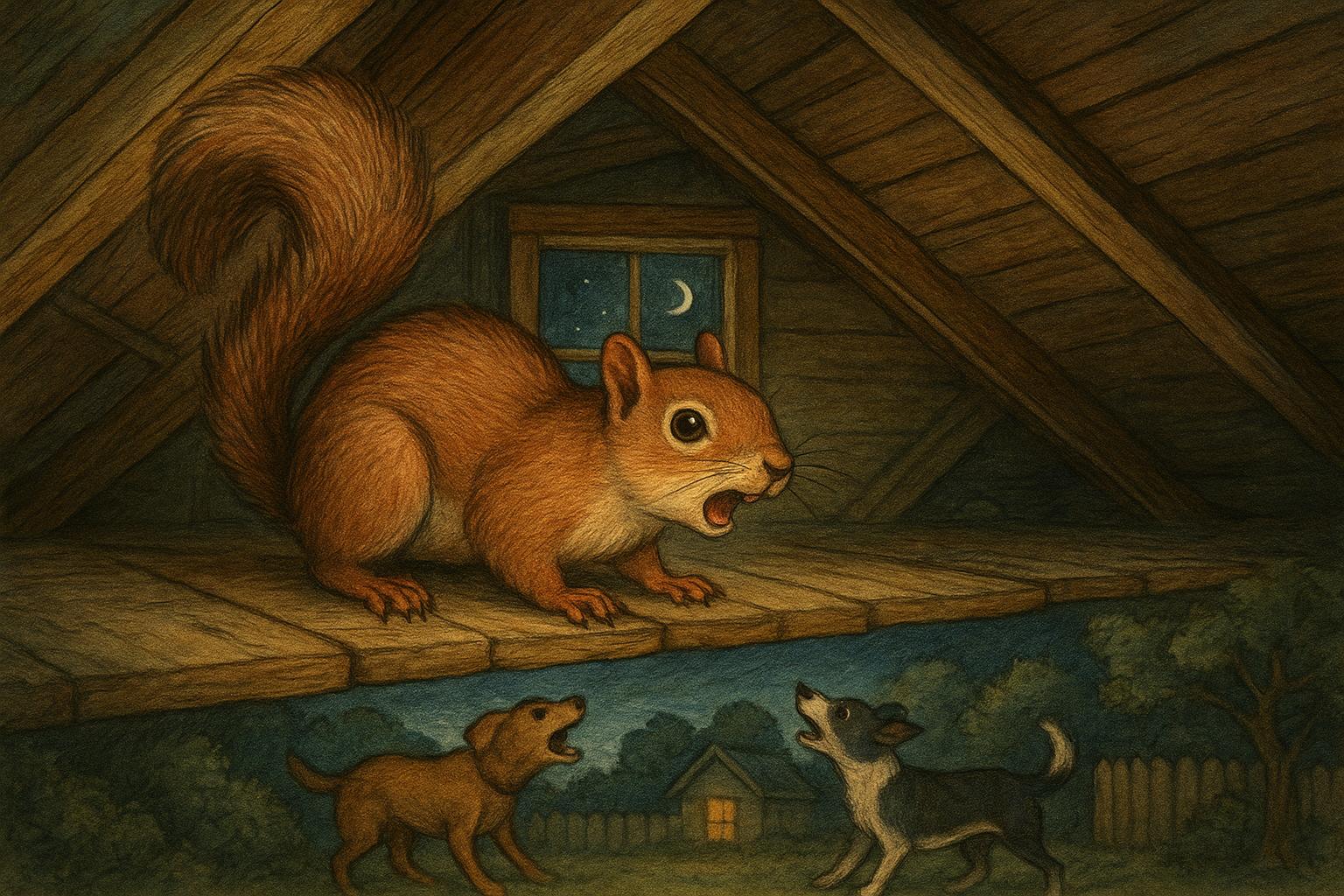
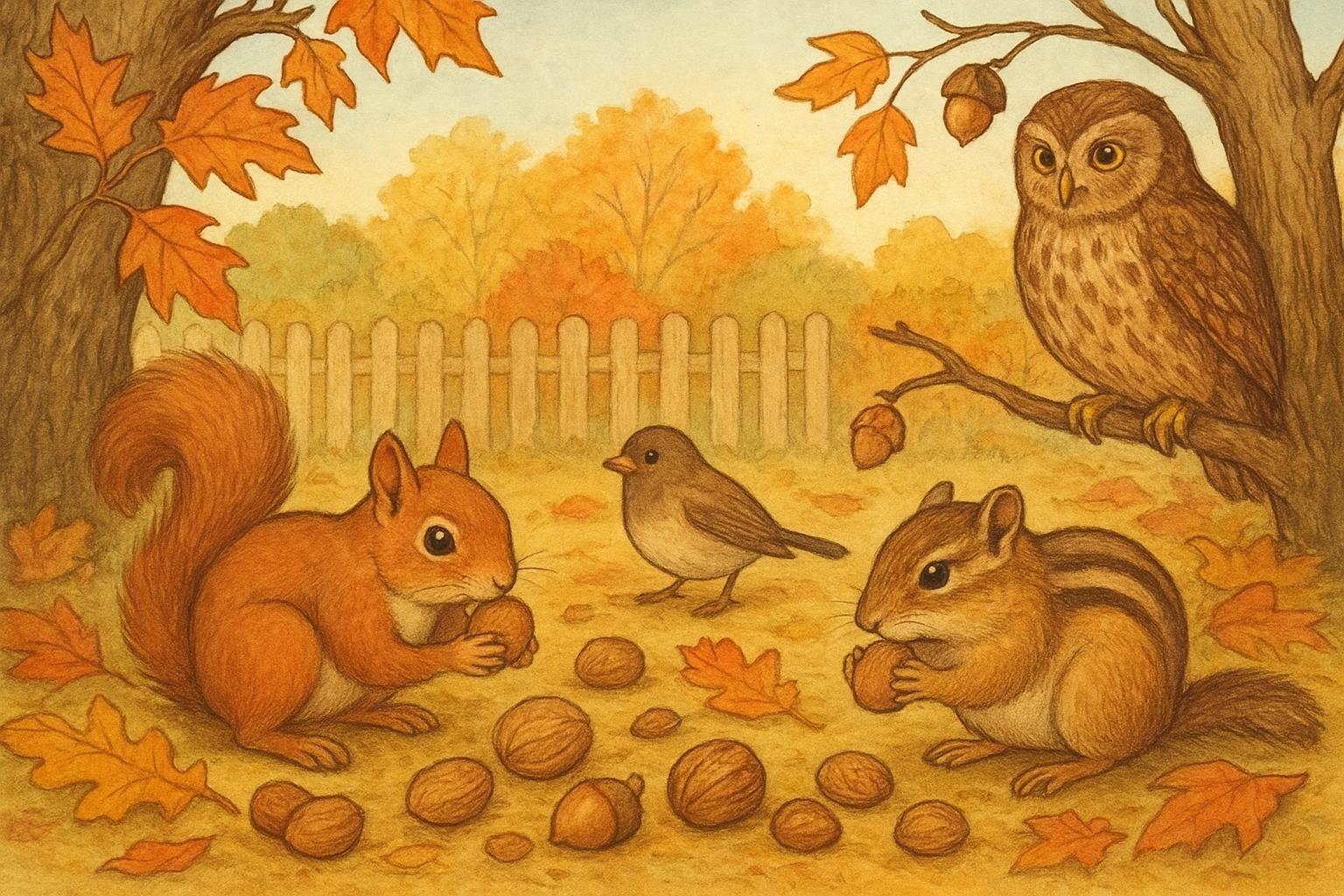
Squirrels and chipmunks are excellent climbers. They access attics and wall cavities via eaves, chimneys, or loose siding. Their scratching is often quick and pitter-pattery, especially during the day.
### Rats And Mice
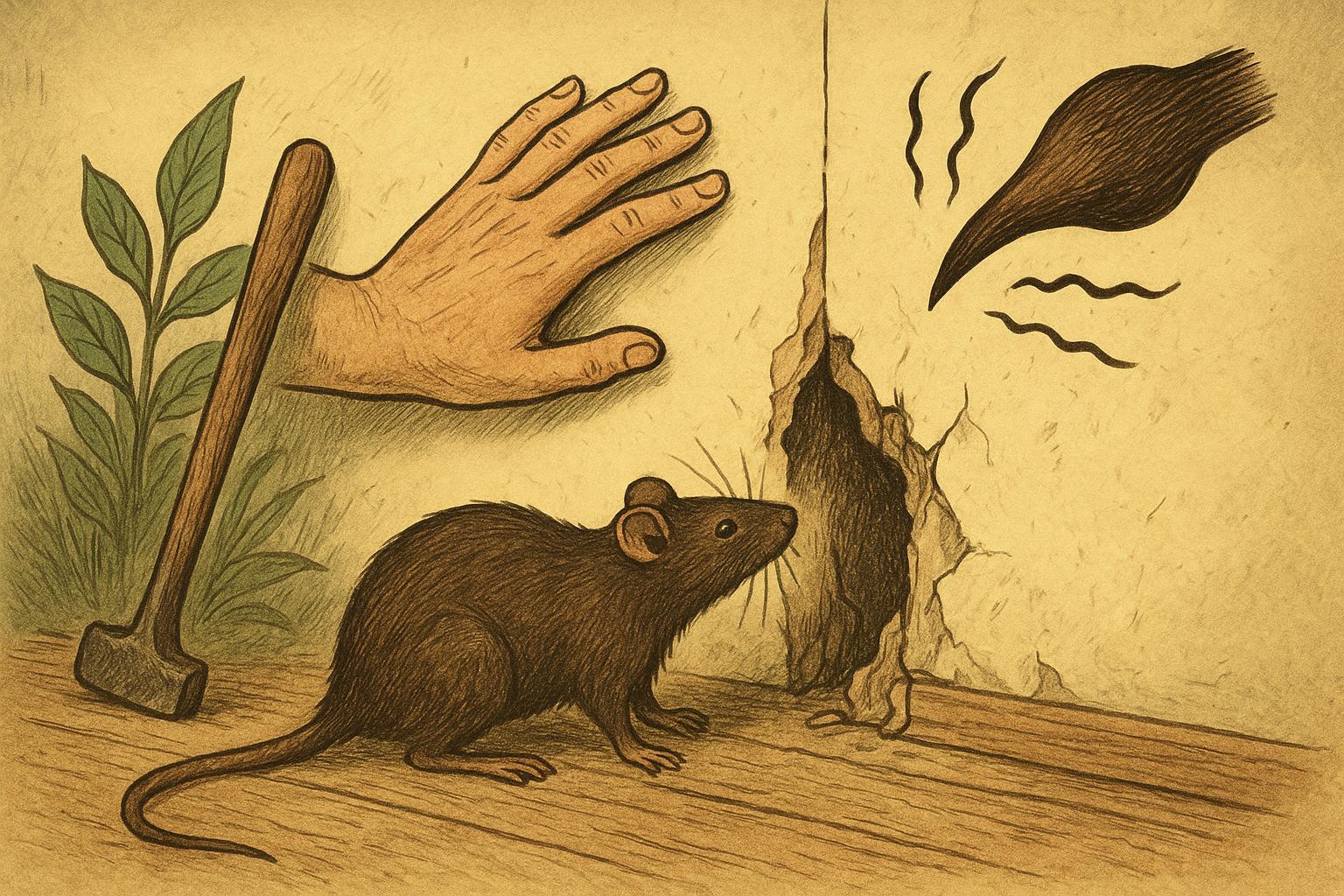
Nocturnal and persistent, rats and mice chew constantly to wear down their teeth. Those steady, scratch-gnawing sounds—especially near baseboards, kitchens, or wall voids—are classic signs. If you suspect rats, assume it’s more than one: they’re social.
### Raccoons And Opossums
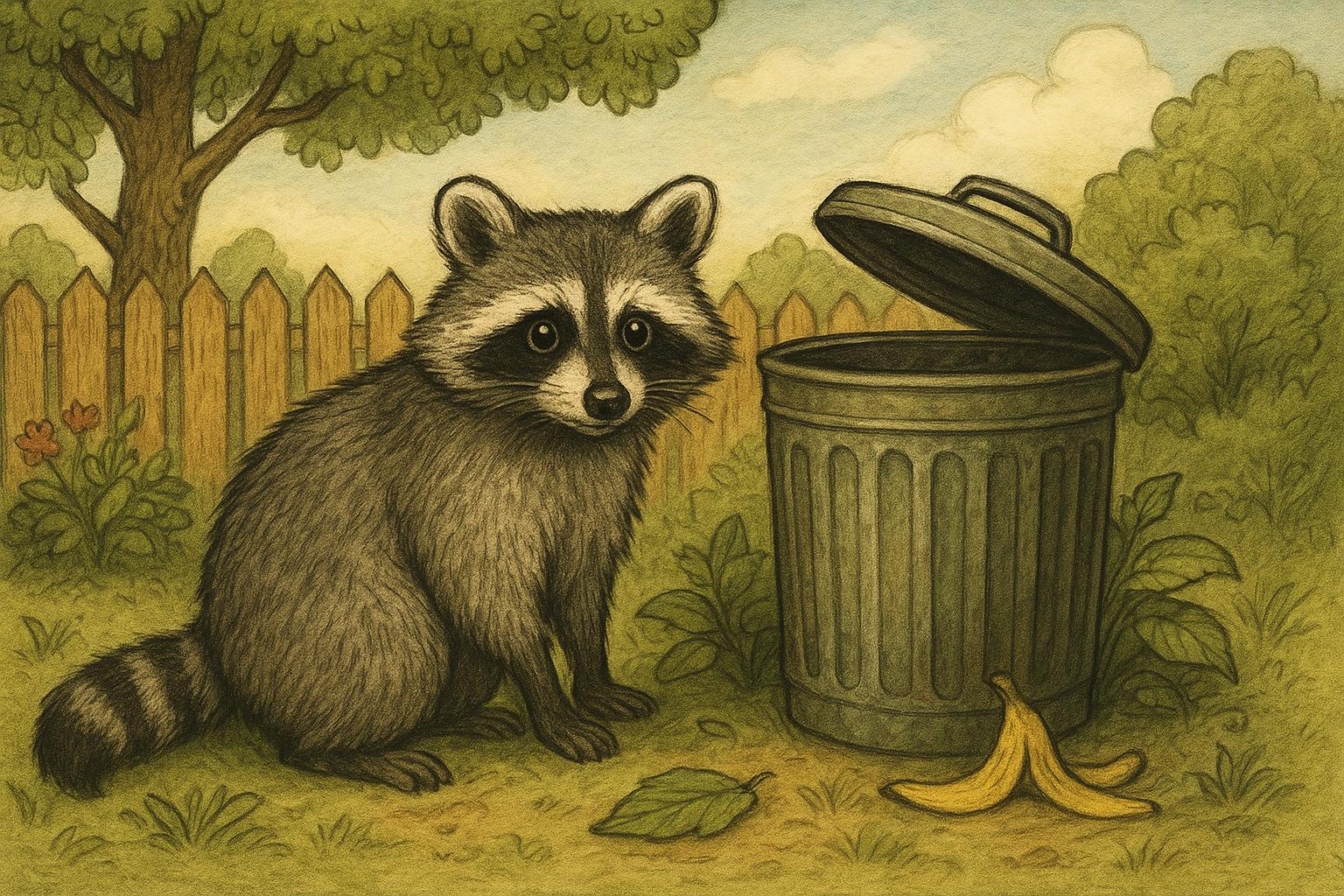
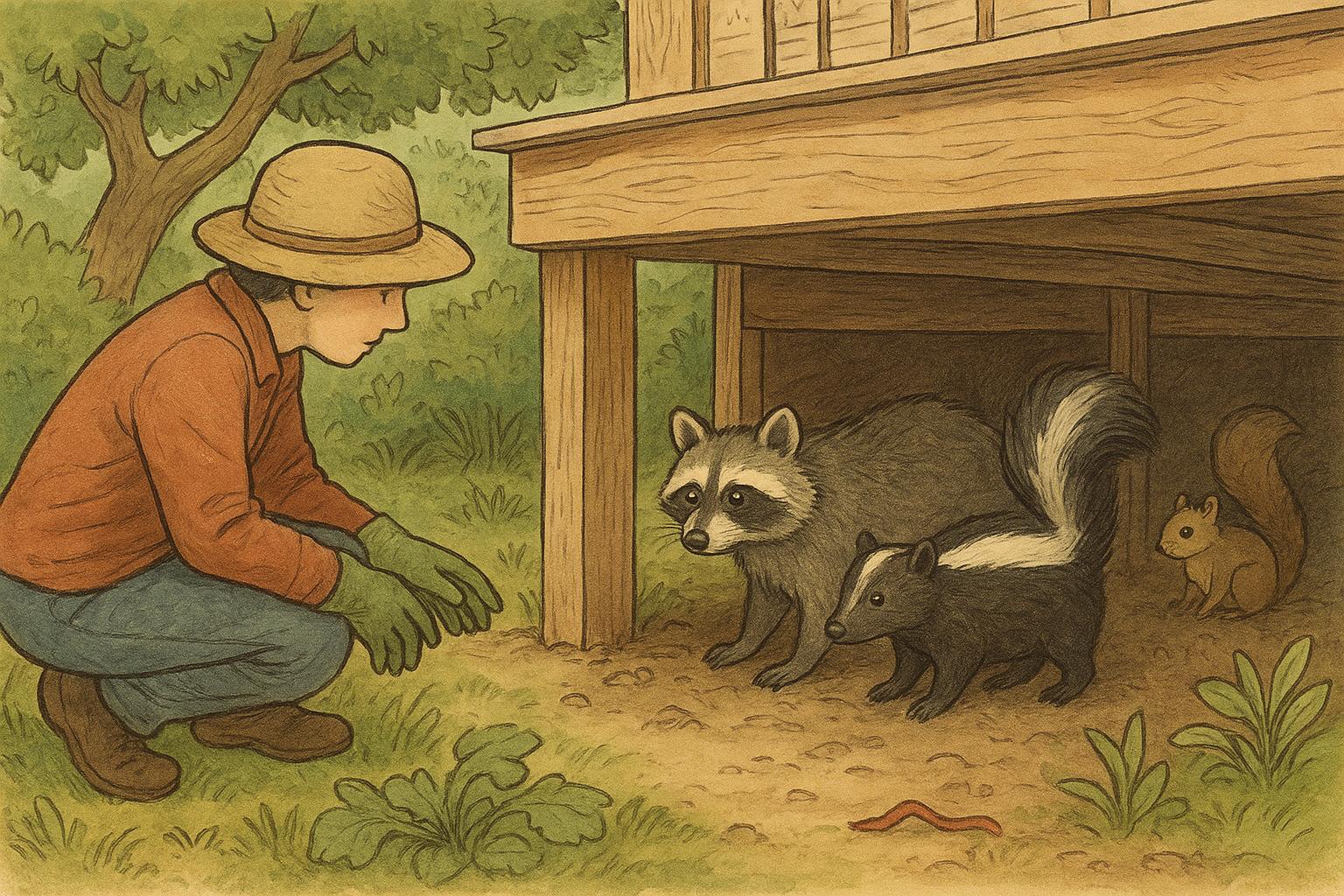
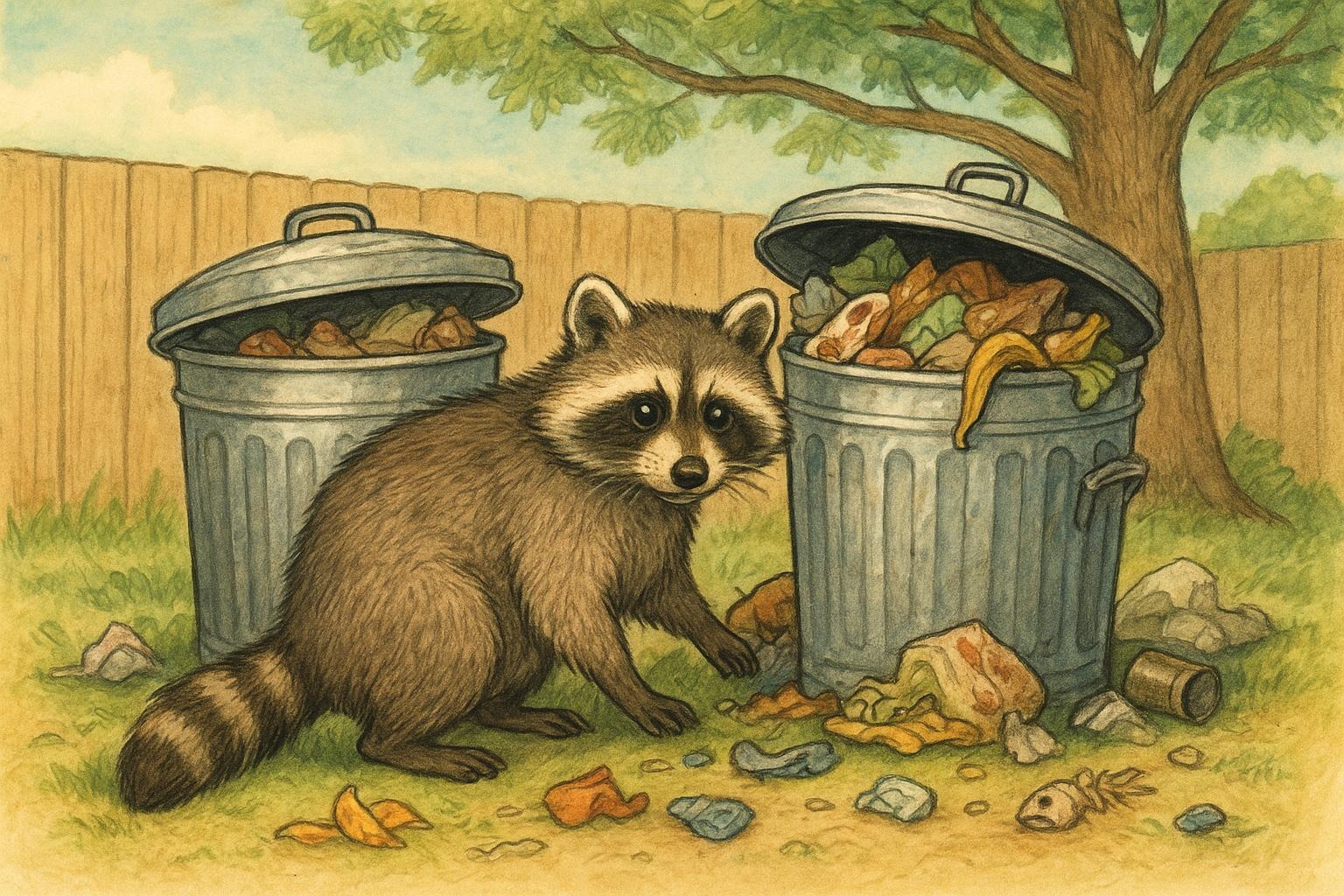
Larger and louder, raccoons create thumps, drags, and occasional yowls. They can enlarge openings to get into attics or wall cavities. If you hear heavy movement, the animal is likely big enough to cause structural issues.
### Birds And Bats
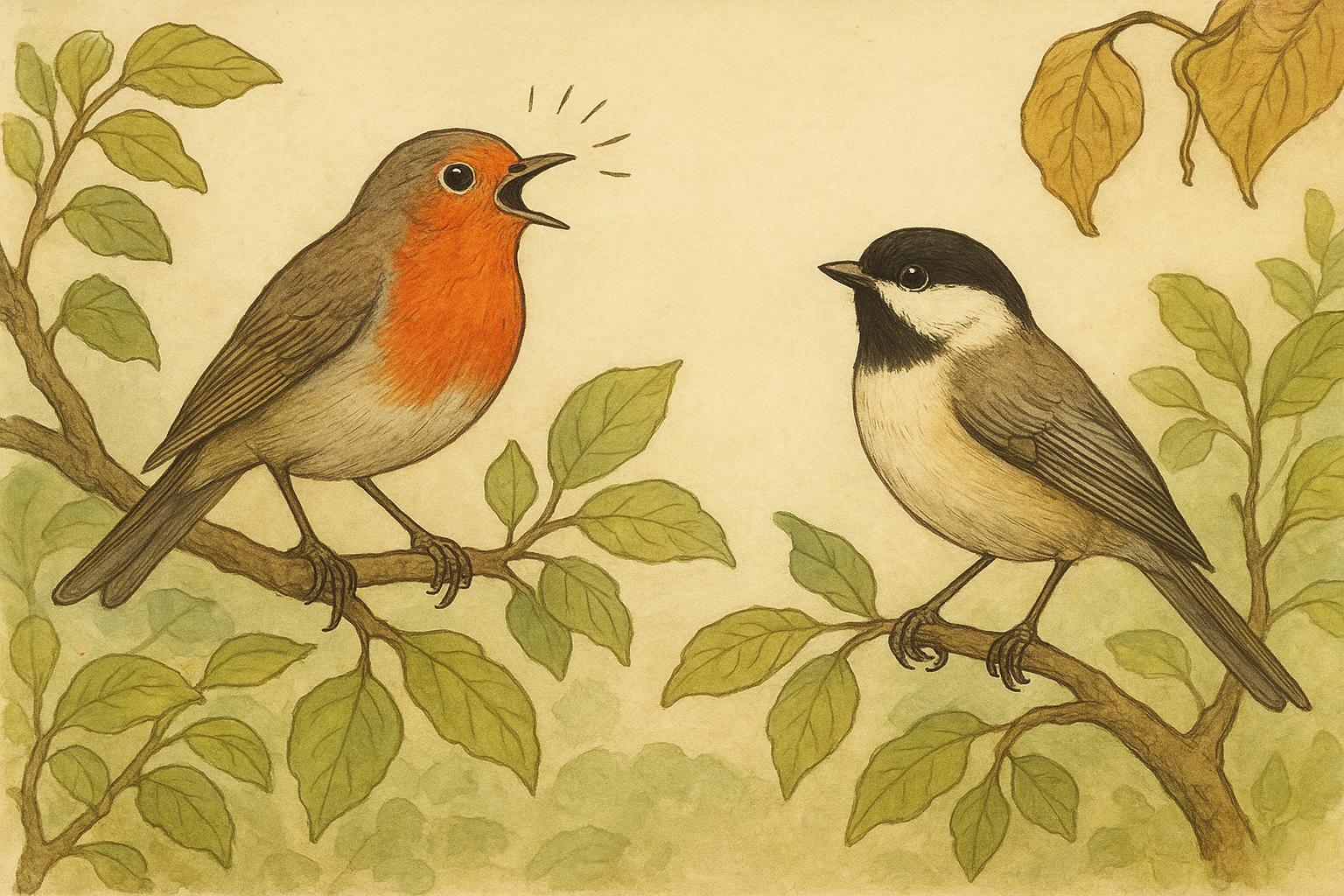
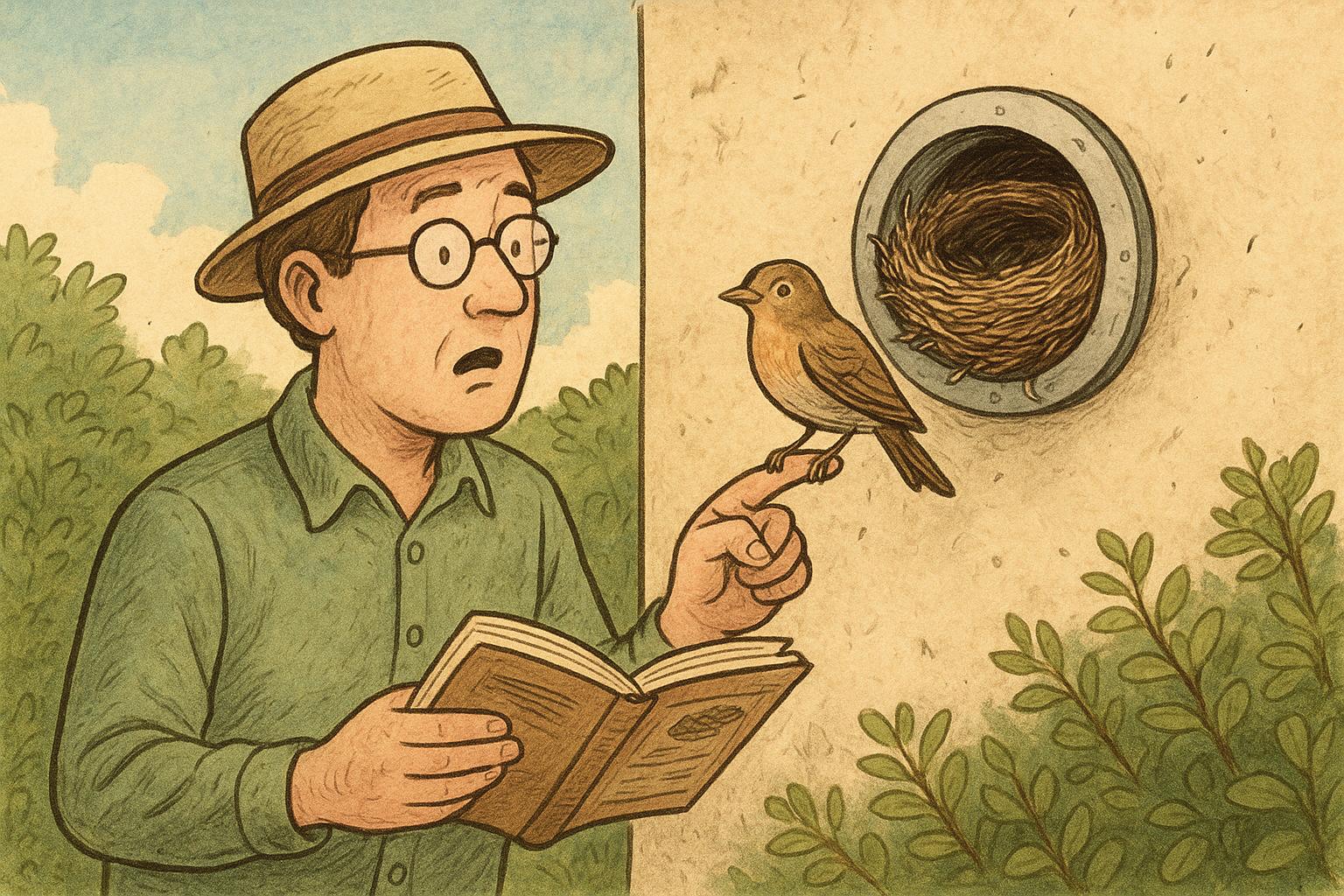
Birds nesting in soffits or bats in eaves can make fluttering, scratching noises. Bats typically sound like rapid, light scratches or rustling, most active at dusk and dawn.
## Physical Signs To Inspect
Look beyond sound. Visual and physical clues confirm wildlife presence.
### Exterior Indicators
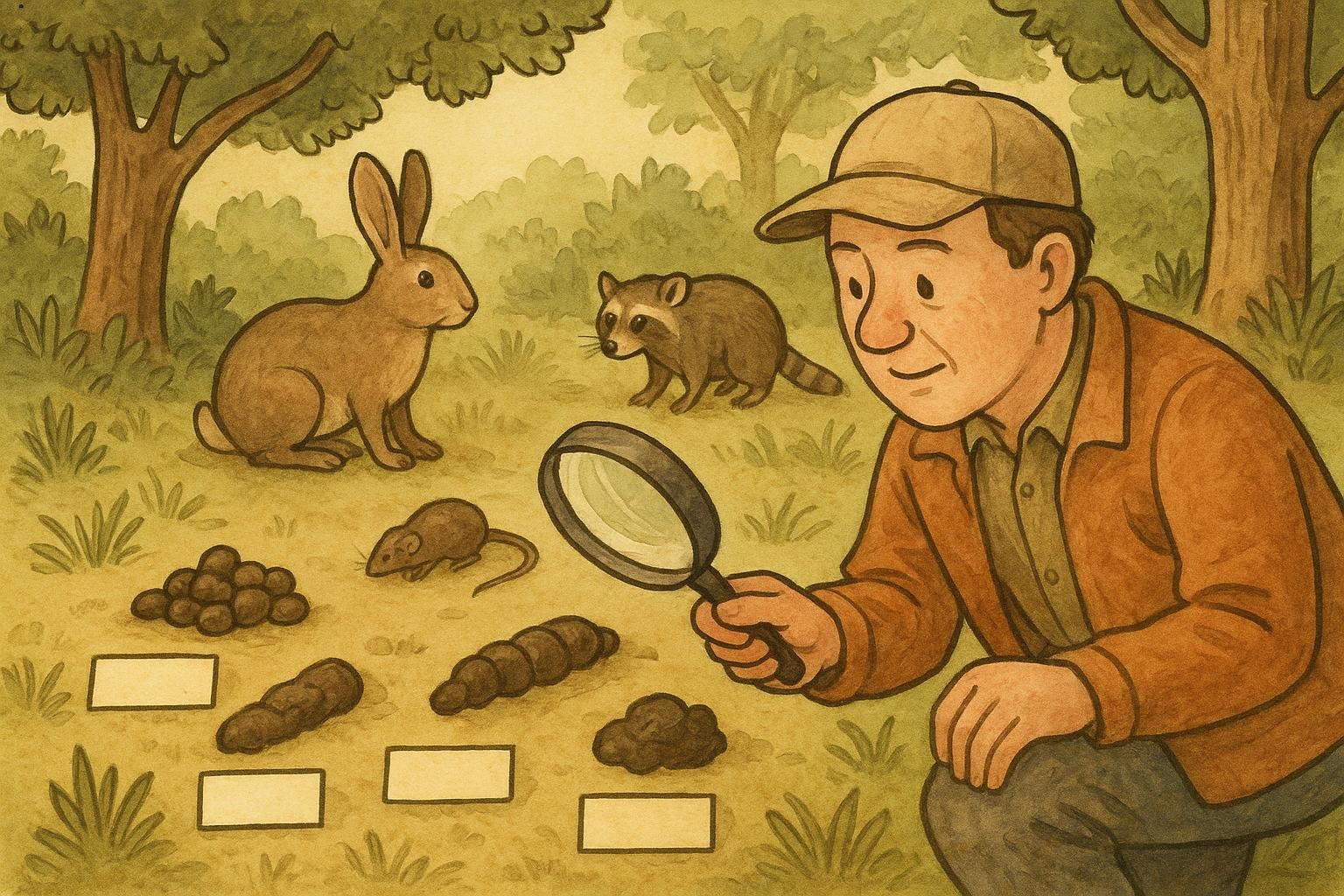
Loose or chewed siding, gnaw marks around vents, droppings near entry points, or grease marks where animals repeatedly pass are clear signs. Ripped screens and gaps around roofline flashing are invitations into wall cavities.
### Interior Indicators
Small holes in baseboards, insulation disturbance in attics, droppings in attics or crawl spaces, and strange odors indicate occupancy. If you find nesting material—leaves, shredded paper, insulation—there’s a good chance an animal moved in.
## Health And Safety Considerations
Hearing scratching in walls isn’t just an annoyance. Rodent droppings and dead animals can carry diseases. Bats might bring rabies risk or concentrated guano that harbors fungal spores. Always protect yourself: glove up, avoid stirring droppings, and wear a respirator when inspecting enclosed spaces.
## Remedy 1: Humane Exclusion And Sealing
When the problem is small and you want to keep it humane, exclusion (evicting and preventing re-entry) is the gold standard. Be formal and methodical here; sloppy exclusion lets animals return or, worse, traps them inside.
Materials Required
– Heavy-duty latex or nitrile gloves
– Eye protection and N95 respirator
– Wire mesh (hardware cloth) 1/4 to 1/2 inch
– Exterior-grade caulk and sealant
– Steel wool
– Exterior-grade screws and a drill
– Flashlight and inspection mirror
– Ladders for roof/soffit access
– Weatherproof foam sealant (expanding foam) for non-moving gaps
– One-way exclusion doors (for attic or soffit openings) if needed
Step-by-Step Exclusion Procedure
1. Confirm Active Use: Observe for activity at dawn/dusk for several days to confirm current occupancy. Use a flashlight to spot movement in attics at night.
2. Locate Entry Points: Inspect eaves, soffits, vents, chimneys, and gaps in siding. Mark all possible access points.
3. Prepare the Workspace: Wear gloves, eye protection, and an N95 respirator. Keep pets and people away from the work area.
4. Install One-Way Doors (If Needed): For animals like raccoons or squirrels occupying an attic, install a one-way exclusion door that allows exit but prevents re-entry. Place it over primary entry after identifying the main route.
5. Seal Smaller Gaps: Stuff steel wool into small holes and seal with exterior-grade caulk or hardware cloth secured with screws. Steel wool deters rodents; mesh prevents larger animals.
6. Reinforce Larger Openings: For vents or ripped soffits, cut hardware cloth to size, attach with screws, and seal edges with caulk. Use durable materials—animals will test weak spots.
7. Apply Foam Strategically: Use expanding foam for non-rodent-sized voids. Avoid sealing active holes until you’re sure all animals are gone.
8. Monitor: After sealing primary entries, observe activity for several days to ensure no trapped animals remain. If noise continues, re-inspect for missed openings.
9. Repair Cosmetic Damage: Replace damaged vents or siding panels to restore weatherproofing and reduce future access points.
Reminders: Exclusion must comply with local wildlife laws—certain species (like some birds or bats) are protected during nesting seasons. Do not seal in animals during breeding season; consult authorities if timing aligns.
## Remedy 2: Trapping, Removal, And Professional Intervention
When humane exclusion isn’t safe, or you’re dealing with an aggressive or dangerous species, formal trapping or professional removal is often necessary.
Materials Required
– Live-capture traps suitable for the species (e.g., Havahart for medium-sized animals)
– Lure or bait recommended for the species (peanut butter for rodents, canned cat food for raccoons)
– Heavy gloves and protective gear
– Animal handling tools (catch poles) if performing captures
– Contact info for licensed wildlife rehabilitator or pest control professional
– Permits if required by local wildlife regulations
Step-by-Step Trapping And Removal Procedure
1. Identify Species: Confirm species from droppings, fur, or sound. Different animals require different traps and baits.
2. Select Proper Traps: Use species-appropriate live traps. Avoid spring traps unless handled by professionals and legally permitted.
3. Set Bait Strategically: Place traps along runways or near entry points. Use fresh bait and check traps frequently—animals shouldn’t suffer needlessly.
4. Monitor Traps Regularly: Check at least twice daily. Capture stresses animals; minimize confinement time.
5. Handle Captured Animals Safely: Use heavy gloves and, if untrained, contact a professional to handle removal and relocation. Never attempt to handle raccoons or bats alone due to bite and disease risks.
6. Post-Removal Exclusion: Once animals are removed, perform the sealing and exclusion steps from Remedy 1 promptly to prevent re-entry.
7. Follow Legal Requirements: Some jurisdictions require specific handling for certain species (bats, migratory birds). Ensure compliance and secure permits if needed.
8. Sanitize Affected Areas: Clean droppings and contaminated insulation with appropriate PPE and disinfectant. For substantial guano or feces, hire professionals due to health risks.
### When To Call A Pro
If you’re uncomfortable with heights, large animals, potential rabies exposure, or if noises persist after your efforts, contact a licensed pest control or wildlife removal service. Professionals can perform safe, legal exclusion, and provide structural repairs. They also handle hazardous clean-up and can advise on long-term prevention.
## Preventive Yard Habits To Reduce Future Troubles
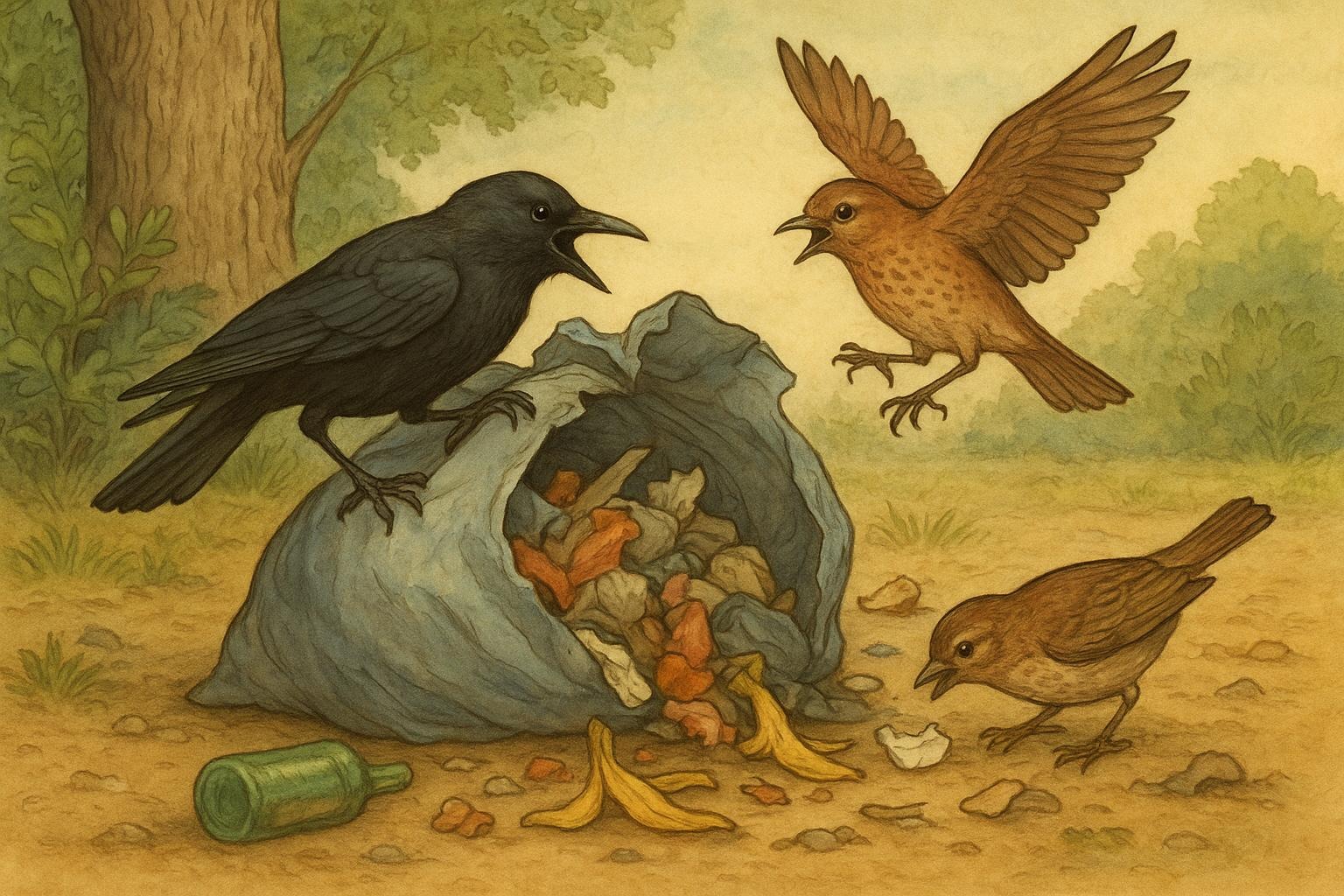
Keep the backyard less attractive as a wildlife buffet: secure trash cans, remove pet food left outside, trim tree limbs away from the house, and maintain vents and screens. These simple steps reduce the chance you’ll hear that ominous yet oddly rhythmic phrase: scratching in walls.
Stay observant, stay safe, and remember—most backyard squabblers would rather be somewhere else than inside your walls.





Leave a Reply