
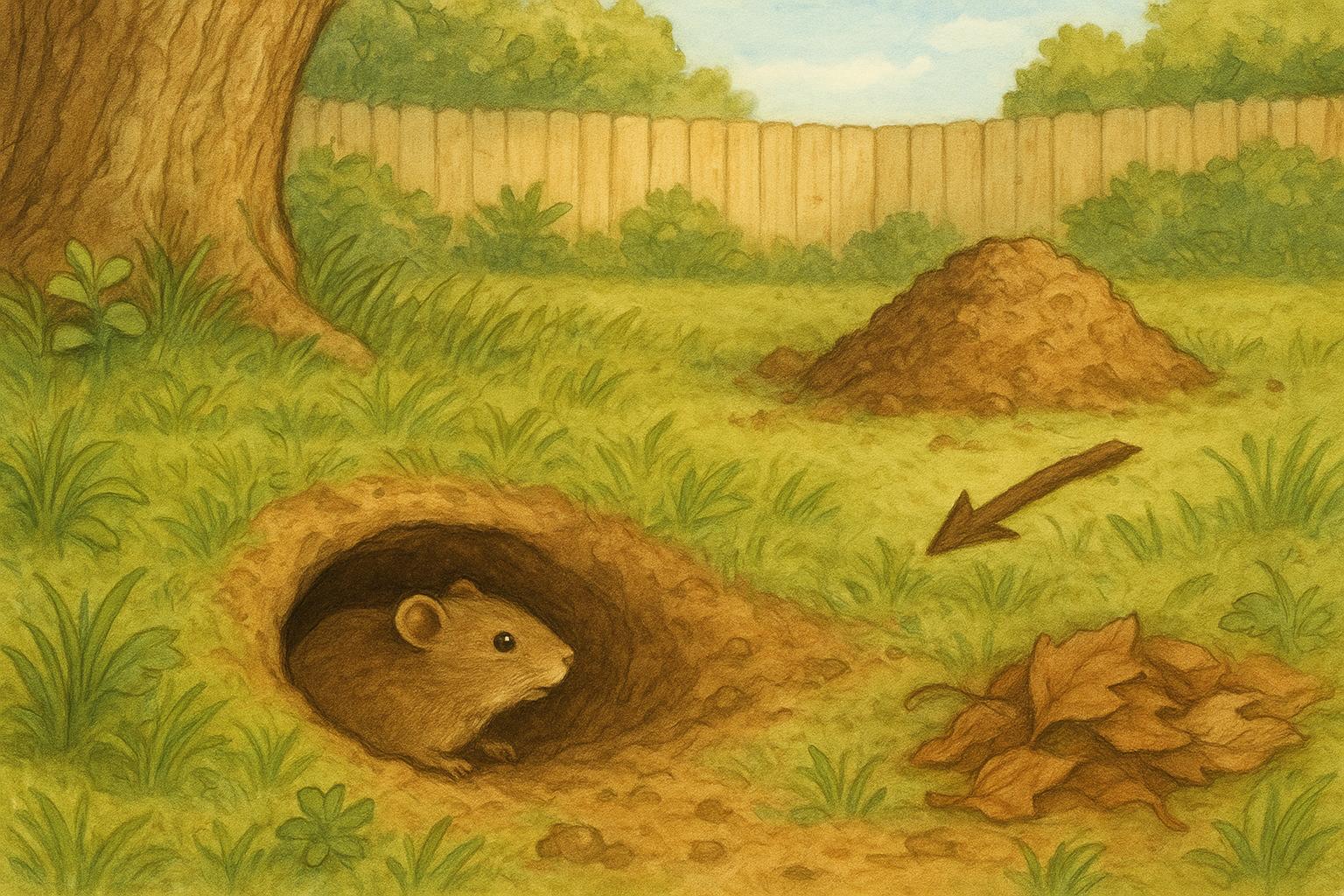
If you love the little mysteries of your yard — a fresh pile of soil overnight, a neat round hole tucked under the shrubbery — you’re in the right place. This guide is about reading those clues, identifying likely backyard mammal dens, and taking appropriate, humane action when needed. Think of it as detective work with gardening gloves.
## Burrow Clues For Backyard Mammal Dens A Formative Guide
### Reading The Entrance Like A Tiny Front Door
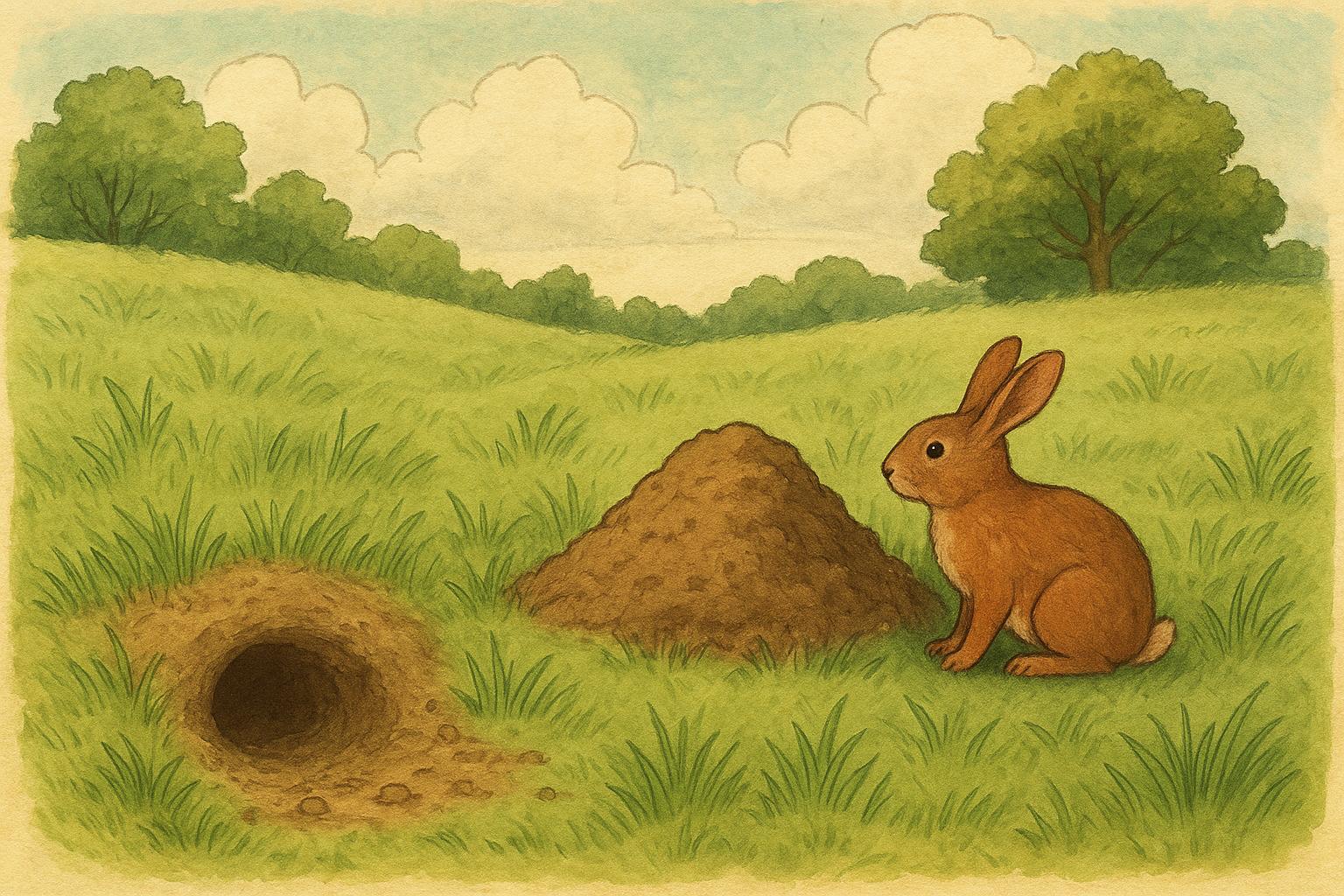
The entrance is your first and often best clue. Size, shape, and surrounding soil tell you a lot. A round hole about 2–4 inches wide with a smooth rim often means foxes or raccoons; a smaller 1–2 inch opening, sometimes with a neat crescent of excavated dirt, points to rabbits, voles, or ground squirrels. A flattened, well-worn driveway in front of the hole suggests frequent traffic; a fresh, loose mound says excavation is recent.
#### Soil And Excavation Patterns
Examine the soil closely. Fine, powdery spoil indicates small rodents that scratch and sift; chunkier clods often come from larger diggers. Radiating scratch marks around the entrance could be a badger or skunk habit, while a clean lawn-diamond pattern suggests prolonged slipping in and out by the same animal.
#### Multiple Openings And Tunnel Systems
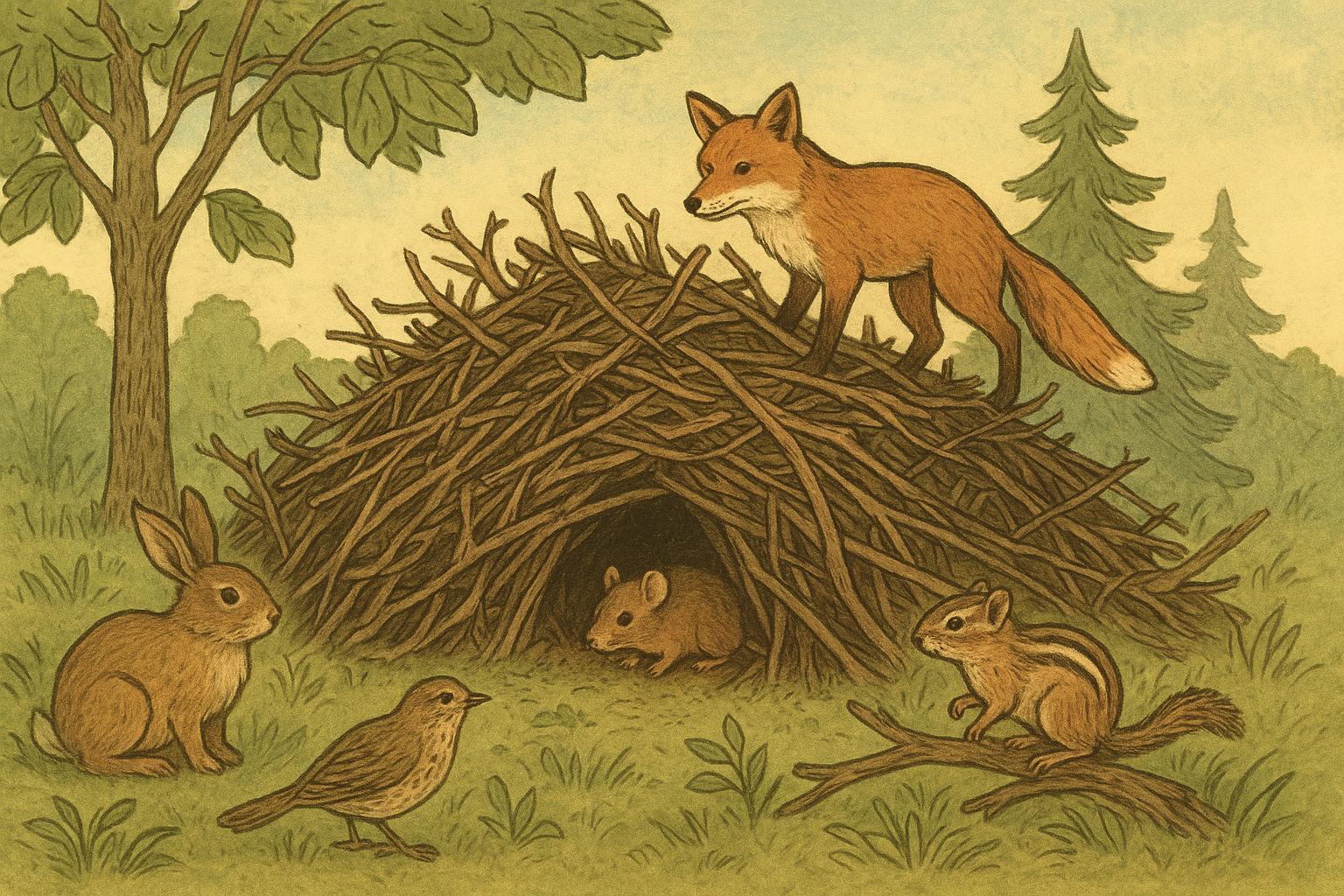
Some mammals, like foxes, coyotes, and groundhogs, create a network of openings. If you find more than one entrance within a few feet, you might be looking at a multi-room den. Multiple exits help animals escape predators but also make it trickier for homeowners dealing with burrow-related problems.
### Scat, Hair, And Tracks: The Field Markers
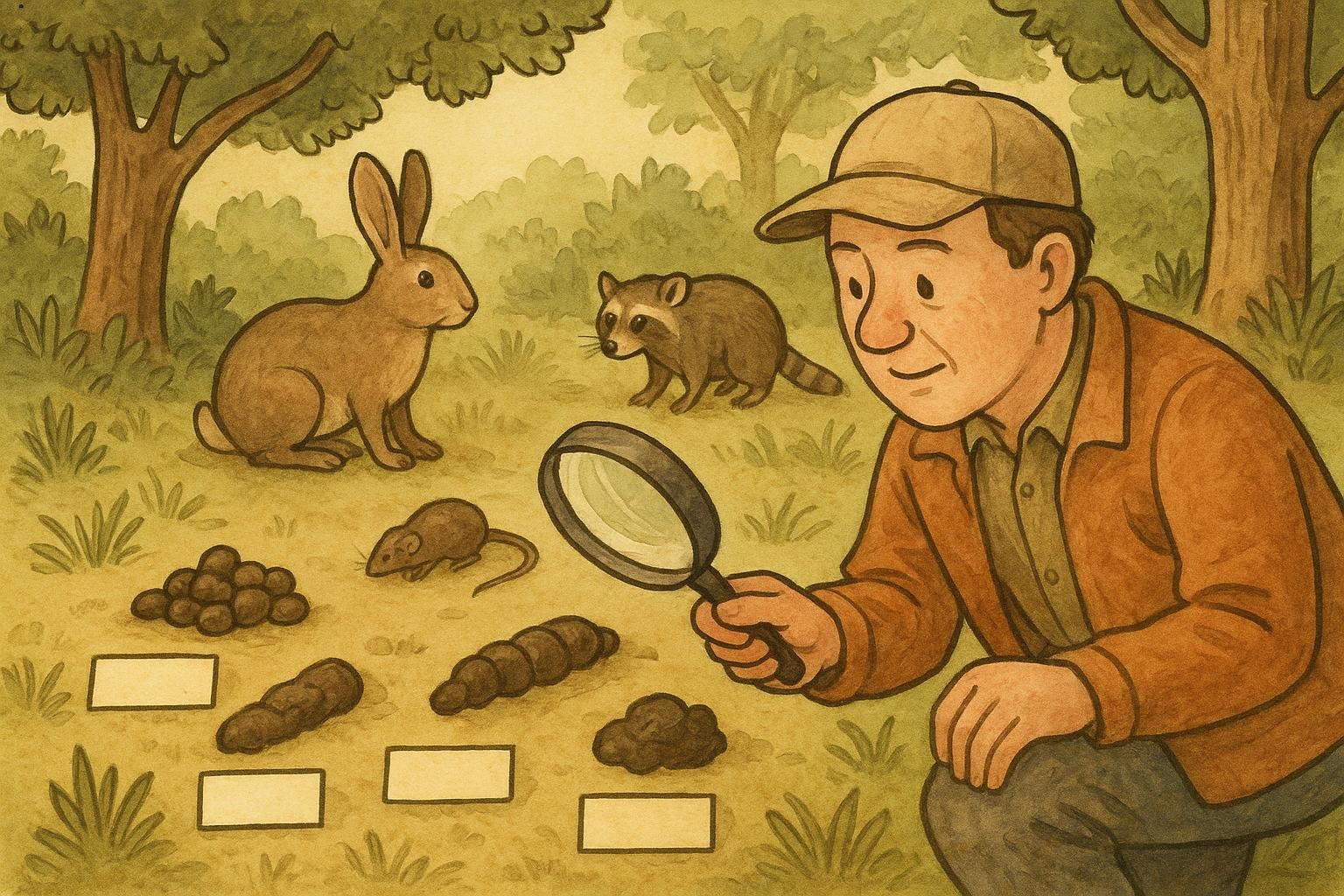
Droppings and fur are quiet, reliable witnesses. Raccoon scat is tapered and segmented; rabbit droppings are round pellets; fox droppings are elongated and occasionally contain fur or bones. Fur caught on nearby fencing or brush can identify species by color and texture. Footprints in soft soil or mud also help: small paw prints with retractable claws often point to cats, while visible claw marks and a triangular pad suggest canids.
#### Smell And Timing
A strong musky odor near an entrance often indicates skunks or larger mammals. Activity times can narrow suspects: fresh burrow traffic at dawn or dusk implies crepuscular animals like foxes and rabbits. Nocturnal rustling usually means raccoons or opossums.
### Signs Of Denning Versus Transit
Not all burrows are home. To determine if a burrow is actively used as a den (for raising young, sleeping, or shelter), look for nesting material — grasses, leaves, shredded insulation — piled inside or near the entrance. Tracks leading consistently to and from the entrance, compacted tunnels, and signs of regular grooming around the site all indicate a den. If the hole is neat but rarely visited, it may simply be a temporary refuge or abandoned.
### When Burrows Become Problematic
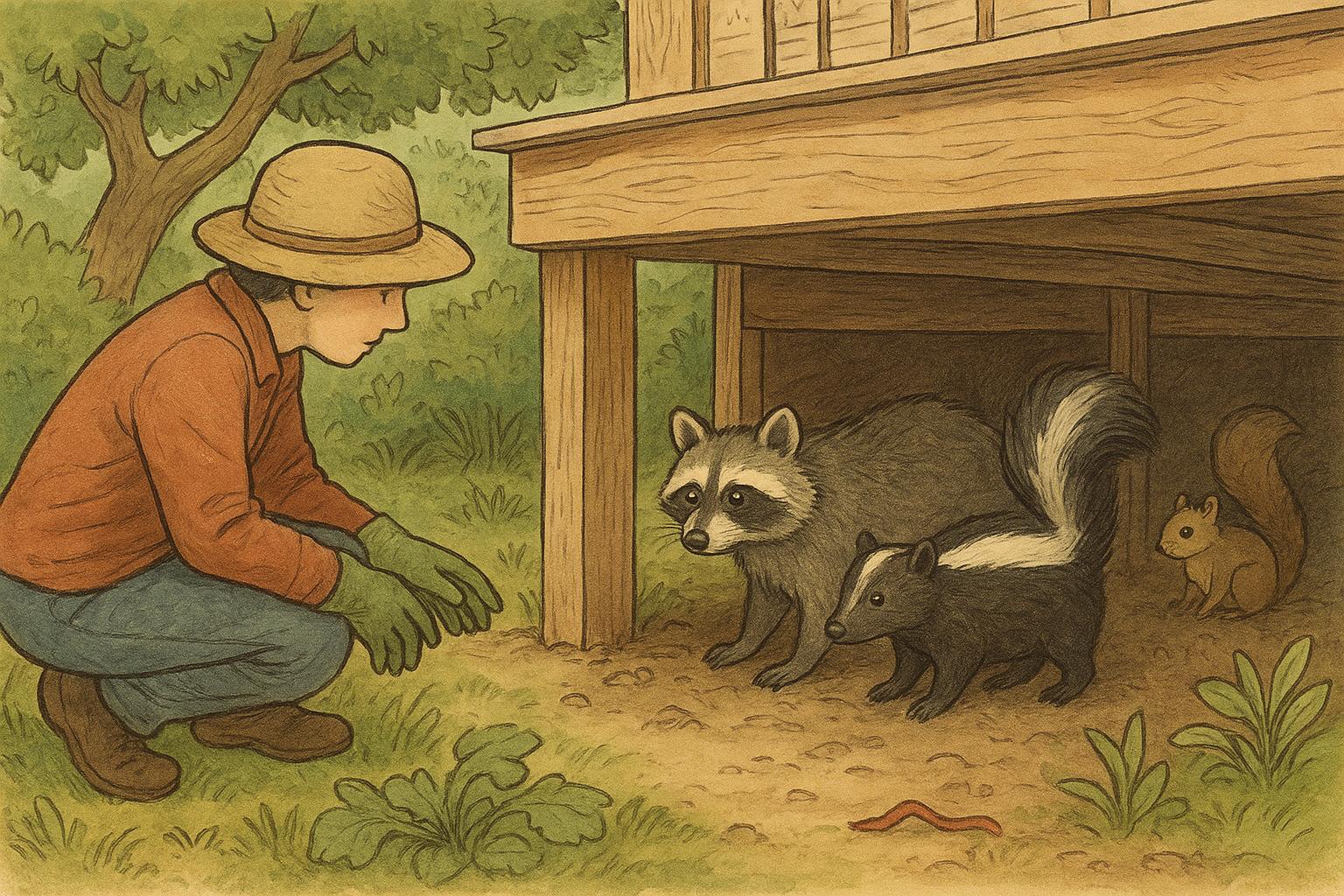
A burrow becomes a practical concern when it endangers property or safety: undermining foundations, stubbornly attracting predators that threaten pets, or presenting tripping hazards. Burrows in garden beds can destroy plant roots; those under sheds or decks can compromise structural integrity. If you suspect a burrow poses risk, choose a safe, legal, and humane response.
## Remedy 1: Humane Exclusion And Repair
Materials Required:
– Sturdy work gloves
– Garden shovel and pitchfork
– Wire mesh (hardware cloth) with 1/4–1/2 inch openings
– Galvanized stakes or masonry anchors
– Heavy-duty zip ties or galvanized wire
– Soil and native grass seed or erosion-control mat
– A hand tamper or compacting tool
– Optional: Motion-activated lights or sprinklers
Step-By-Step Creation And Application:
1. Assess Use: Observe the burrow entrance for at least 48 hours from a distance to confirm active occupancy. Do not approach at dusk or dawn when adults return.
2. Check Local Laws: Confirm local wildlife regulations; some species are protected and removal may be restricted.
3. Humanely Encourage Exit: For non-protected, singly occupied burrows, place a temporary one-way exclusion device (commercial wildlife one-way door or fashioned from wire mesh) at the entrance. This allows animals to leave but not re-enter. Ensure the device is secured to the soil with stakes or anchors.
4. Monitor: Leave the device in place for 3–7 days, monitoring remotely. Ensure no animals remain trapped. If juveniles are present, delay action until they can leave independently or consult a wildlife rehabilitator.
5. Inspect Interior: Once the device confirms vacancy, carefully inspect the tunnel for structural collapse or trapped animals.
6. Backfill And Repair: Fill the tunnel with clean soil in layers, tamping firmly to prevent future settling. Regrade the area to match surrounding terrain.
7. Install Barrier: Lay hardware cloth or wire mesh over the filled area, extending at least 12–18 inches beyond the repaired zone on all sides and pinning securely with stakes. For sheds or decks, affix mesh to the structure’s underside using screws and washers.
8. Restore Vegetation: Seed or apply erosion matting to stabilize the soil. Keep the repaired area free from compost piles or debris that attract re-excavation.
9. Prevent Reentry: Install motion-activated lights or sprinklers as a deterrent. Maintain clear, open spaces around foundations to reduce cover for future denning.
Note: Exercise caution when excluding animals; if mother and young are involved, professional removal is often required to avoid orphaning dependent young.
## Remedy 2: Habitat Modification And Nonlethal Deterrents
Materials Required:
– Gloves and eye protection
– Chicken wire or garden fencing (2–3 feet tall)
– Natural repellents (ammonia-soaked rags, predator urine commercially available)
– Thick mulch or rock ground cover
– Native, dense shrubbery or thorny plants (for planting)
– Sealed compost bin or secure trash cans
– Motion-activated deterrents (ultrasonic devices, lights)
Step-By-Step Creation And Application:
1. Identify Attractants: Remove food sources that encourage burrowing mammals: secure pet food, birdseed, and compost in sealed containers. Eliminate easy water sources.
2. Modify Vegetation: Replace soft, low-lying ground cover with less inviting substrates like coarse mulch or decorative rock in problematic zones. Planting dense or thorny native shrubs where appropriate makes nesting sites less appealing.
3. Install Physical Barriers: For garden beds, create a perimeter using chicken wire buried at least 6–8 inches deep and extending 12 inches above grade. Bend the buried portion outward to discourage diggers.
4. Use Nonlethal Repellents: Apply commercial predator urine around perimeter areas according to product directions or place ammonia-soaked rags in a secured container near burrow edges. Rotate repellents to prevent habituation. Follow label instructions for safety and environmental considerations.
5. Reduce Cover: Trim brush piles, rock walls, and overgrown hedges to eliminate hiding spots. Keep grass mowed to a height that’s less attractive to small mammals.
6. Deploy Deterrents: Install motion-activated lights, sprinklers, or ultrasonic devices to disturb nighttime visitors. Place these devices on a trial basis and reposition periodically to maintain effectiveness.
7. Monitor and Adjust: Check deterrents and barriers monthly, especially after storms or seasonal changes. Repair any access points promptly.
### When To Involve Professionals
If you detect protected species, a large family group, signs of illness in animals, or burrows compromising structural foundations, contact local wildlife control or a licensed wildlife rehabilitator. Professionals can perform safe trapping (where legal), provide exclusions, or rehouse animals following regulations. For structural concerns, pair wildlife services with a licensed contractor to evaluate and repair foundational damage.
### Notes On Safety And Ethics
Handling wildlife directly carries risks: bites, disease transmission, and legal implications. Use protective gear and avoid direct contact. Excluding animals at the wrong time of year can separate mothers from young; observe seasonal breeding periods and seek expert advice if juvenile presence is suspected. Wherever possible, choose nonlethal, habitat-focused solutions that reduce future conflicts.
### Small Clues That Make A Big Difference
Keep a simple log: photograph burrow entrances, note dates and times of activity, and record any associated signs like scat or tracks. Over a couple of weeks you’ll build a strong case for whether the burrow is a transient shelter or an established den. Knowing the resident—and their habits—lets you pick the most effective, humane response.
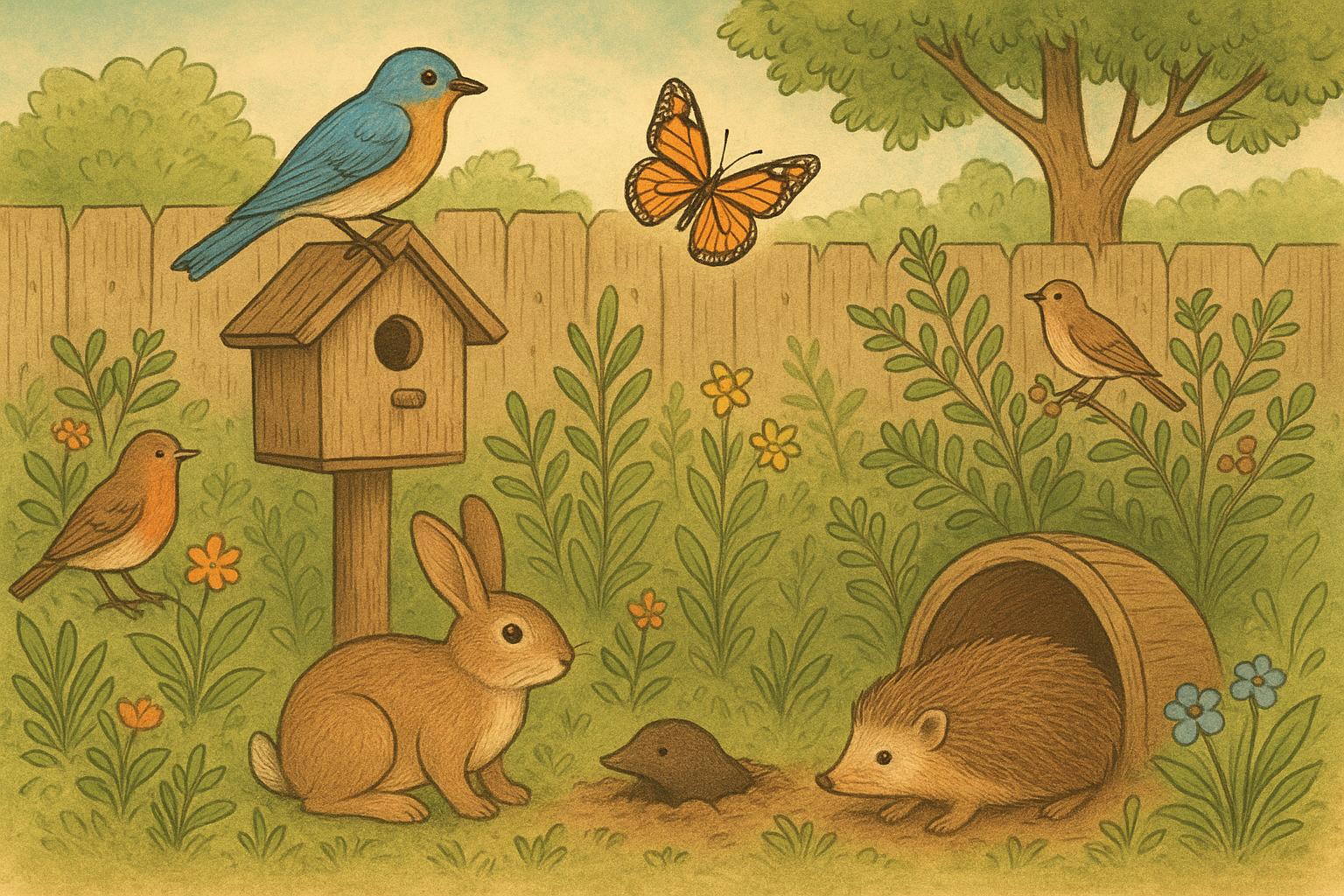
Enjoy the sleuthing; your yard is a small ecosystem with all the drama of a nature documentary, minus the narrator. When you act, do so thoughtfully: humane, legal, and aimed at coexistence whenever possible.






































Leave a Reply