
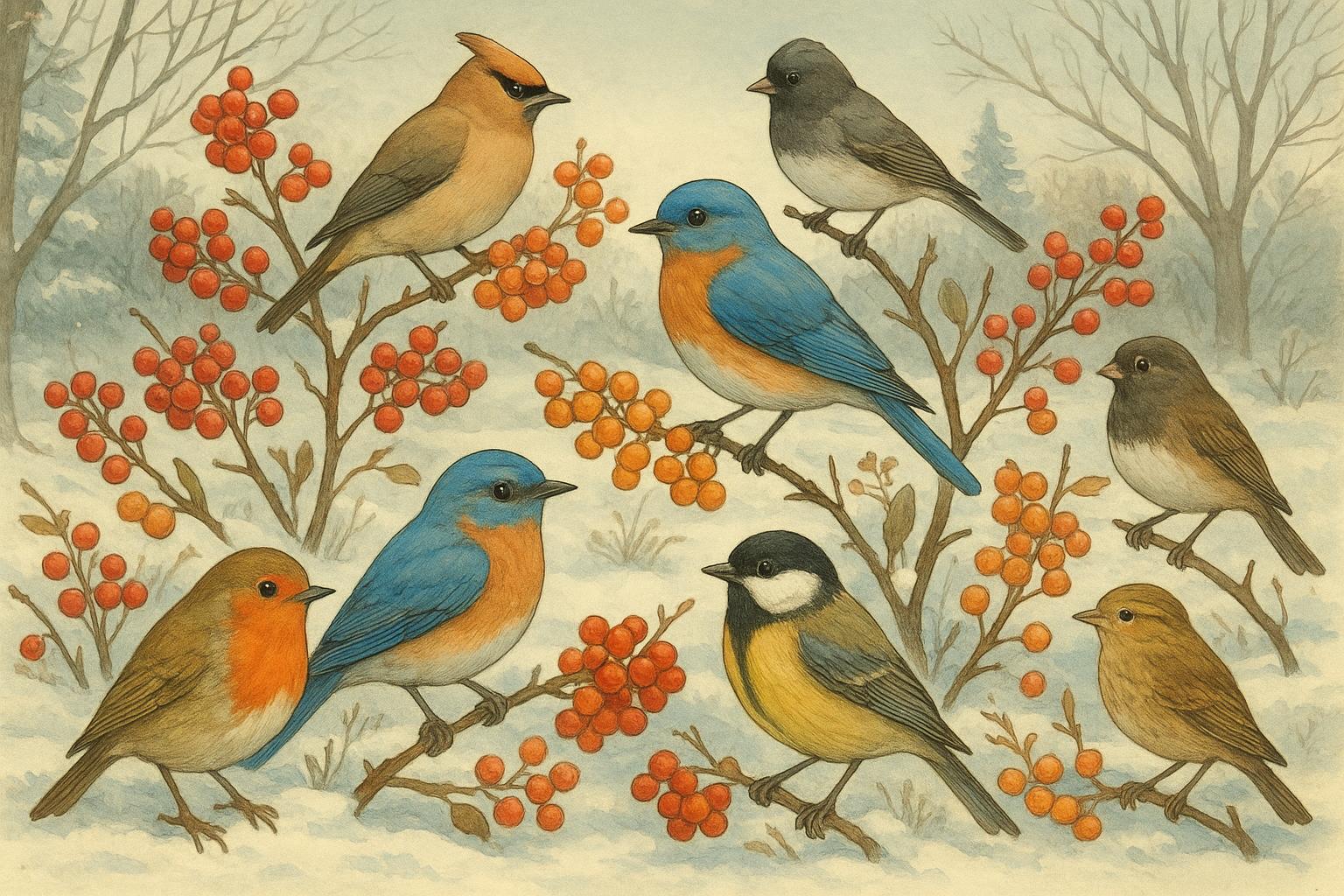
Winter months can feel quiet and grey, but if you design your yard with the right plants, it becomes a moving, chirping banquet—one that many birds will RSVP to long after the last leaf falls. Below you’ll find a friendly, practical guide to berry-producing shrubs that sustain birds through cold seasons, how to choose and place them, and a step-by-step remedy for installing a winter-friendly berry hedge that actually works.
## Winter Berries: Why They Matter For Birds
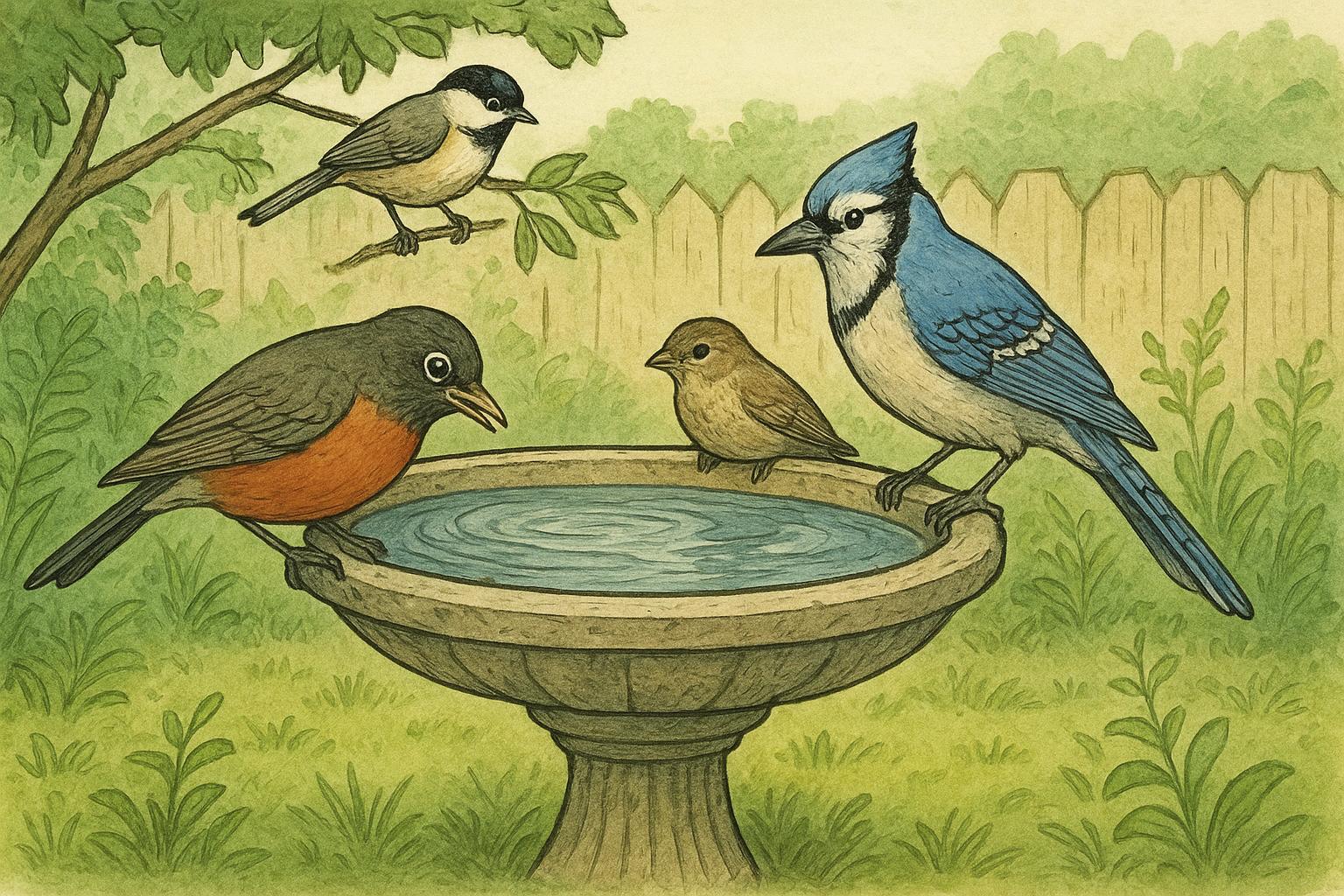
Berries are one of the easiest winter survival tools you can give wild birds. When insects are scarce and seed crops are buried under snow, fruit provides a high-energy food source that’s easy for birds to digest and quick to burn for flight warmth. Many species—from robins and thrushes to waxwings and cedar birds—depend heavily on persistent fruiting shrubs.
Winter berries also support the ecosystem in ways beyond direct nutrition. They attract insect-eating birds that help control early-spring pests, provide shelter with dense branching for roosting and nest-building later on, and help disperse seeds so the next generation of shrubs can establish in the wild. So, planting with birds in mind is genuinely a small act with outsized benefits.
## Best Shrubs To Provide Winter Berries
Not all berries are created equal. Some persist through harsh weather, some are especially visible against snowy backdrops, and some require both male and female plants to produce fruit. Here are top picks for different yard sizes and styles:
### Native Heavy-Hitters
– Winterberry (Ilex verticillata): A classic—bare branches studded with bright red berries. Note: dioecious, so plant male and female together.
– American Holly (Ilex opaca): Evergreen with persistent red fruit; great for structure and shelter.
– Red-Twig Dogwood (Cornus sericea): White berries that ripen in fall and persist; excellent for wet sites.
### Shrubs For Small Spaces Or Urban Yards
– Cotoneaster: Profuse orange-red berries that birds love; tolerant of urban stress.
– Pyracantha (Firethorn): Dense, thorny shrub with orange-red clusters—ideal for nesting protection and fruit supply.
### Multi-Season Value Choices
– Viburnum species: Many keep berries into winter and have attractive blooms earlier.
– Serviceberry (Amelanchier): Delicious for birds and people in early summer, with persistent fruit that feeds late-season migrants.
## Planting And Placement Tips For Maximum Bird Use
Think like a bird. They want easy access, cover, and visibility from perches. Place berry shrubs near evergreen shelter or hedgerows so birds can feed and spill into cover quickly if threatened. Stagger plantings to ensure overlapping fruiting times: some shrubs keep fruit into late winter, others are eaten faster—but a combination keeps a food corridor active.
Soil and sun needs matter. Many berry shrubs are tolerant of average garden soils, but some prefer wet ground (red-osier dogwood) while others like well-drained sunny spots (pyracantha). Group by water and light requirements to reduce maintenance headaches. Mulch and a deep watering in the first two seasons dramatically improves establishment and berry yields.
## The Pollination Note: Male And Female Plants
Some popular berry producers, like winterberry hollies, are dioecious—male and female flowers occur on separate plants. Female plants produce fruit only if a compatible male is nearby to provide pollen. When buying these shrubs, read tags carefully or ask your nursery to ensure you have at least one male for every 6–10 females, depending on variety and spacing.
## Timing, Pruning, And Wildlife-Friendly Maintenance
Trim at the right time. Many berry shrubs set buds for next year’s fruit in late summer or early fall. Pruning at the wrong moment can reduce berry crop dramatically. For species like winterberry, prune immediately after flowering in spring or late winter before spring growth. Avoid heavy winter pruning that removes fruiting wood.
Minimize pesticides. Broad-spectrum insecticides reduce insects that migrating and resident birds rely on. If you must manage a pest, use targeted methods and apply treatments in early morning or late evening when pollinators and birds are less active.
## How To Plant A Winter Berries Hedge For Birds (Remedy)
This is a practical, step-by-step remedy to create a continuous berry hedge that feeds and shelters birds through winter. The instructions below are formal and specific to ensure reliable establishment and maximum wildlife benefit.
#### Required Materials
– Berry shrubs (select species suited to your region; recommended: a mix of 70% female winterberry or viburnum and 30% male pollinators; 6–10 plants per 10 linear feet depending on mature spread)
– Compost-amended topsoil or well-rotted manure (enough to backfill planting holes)
– Mulch (2–3 inches of shredded bark or wood chips)
– Slow-release balanced shrub fertilizer (optional)
– Shovels and a soil knife or trowel
– Garden gloves and stakes (if needed for root ball support)
– Water source and hose or soaker hose
– Measuring tape and string for layout
– Soil pH test kit (recommended)
#### Step-By-Step Creation And Application
1. Site Selection and Layout:
– Select a planting line that receives at least partial sun and has appropriate drainage for chosen species.
– Measure and mark planting positions using string and stakes. Space shrubs at their mature spread—typically 3–6 feet apart for dense hedging.
2. Prepare The Soil:
– Test soil pH; adjust as necessary for the chosen species (e.g., hollies prefer slightly acidic soil).
– Dig planting holes twice the width of each root ball and no deeper than the root ball height. Loosen surrounding soil to encourage root expansion.
– Mix excavated soil with compost at roughly a 2:1 soil-to-compost ratio to improve fertility and moisture retention.
3. Planting:
– Remove the shrub from its container, teasing out circling roots gently. If roots are tightly bound, make a few vertical cuts on the sides to encourage outward growth.
– Set the plant so the top of the root ball is level with surrounding soil; backfill with amended soil, firming gently to remove air pockets.
– For dioecious species, ensure male plants are distributed evenly among females according to the recommended ratio.
4. Initial Watering And Mulching:
– Water each plant deeply immediately after planting, saturating the root zone.
– Apply a 2–3 inch layer of mulch, keeping it a few inches away from stems to avoid rot.
– Install a soaker hose or irrigation if available to maintain consistent moisture for the first two growing seasons.
5. Support And Protection:
– Stake plants if root balls are unstable or if you experience high winds.
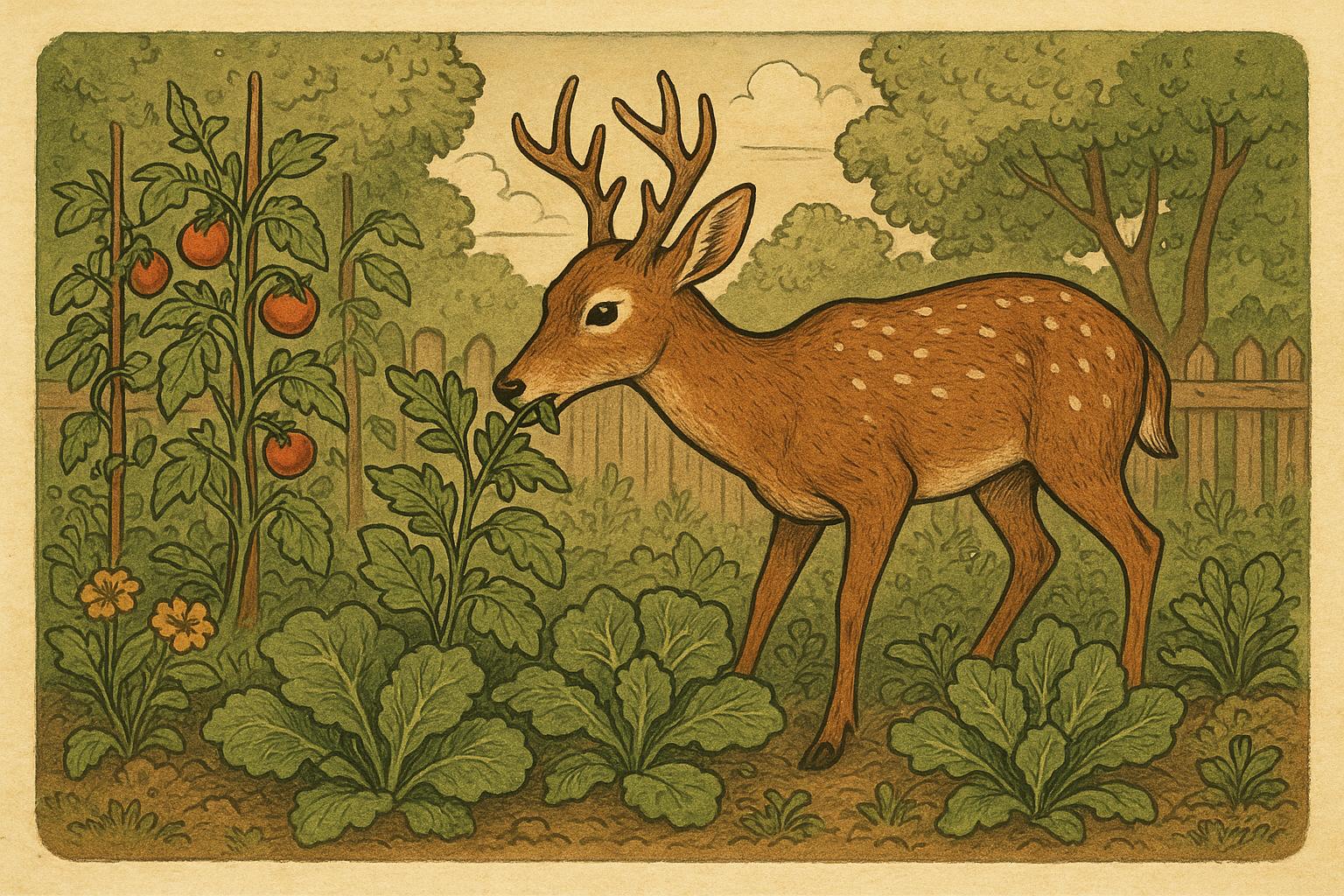
– If deer are a problem, temporary tree guards or fencing may be necessary until shrubs thicken.
6. Ongoing Care:
– Water weekly during dry periods for the first two years; reduce frequency once established.
– Apply a slow-release shrub fertilizer in early spring if growth is poor, following label rates.
– Prune for shape and health after flowering (or late winter for species that fruit on new wood), removing dead or crossing branches to maintain airflow.
7. Monitoring And Adjustment:
– Each fall, assess berry retention and adjust plant composition if fruiting is insufficient—add male pollinators if female plants are unproductive.
– Replace failed shrubs promptly to maintain the hedge’s food continuity.
Following these steps will give you a structurally sound, wildlife-friendly hedge that supplies winter berries reliably. Proper species choice and maintenance are the keys; a haphazard mix of plants often fails to provide continuous fruit or the shelter birds need.
## Watching Birds And Recording Success
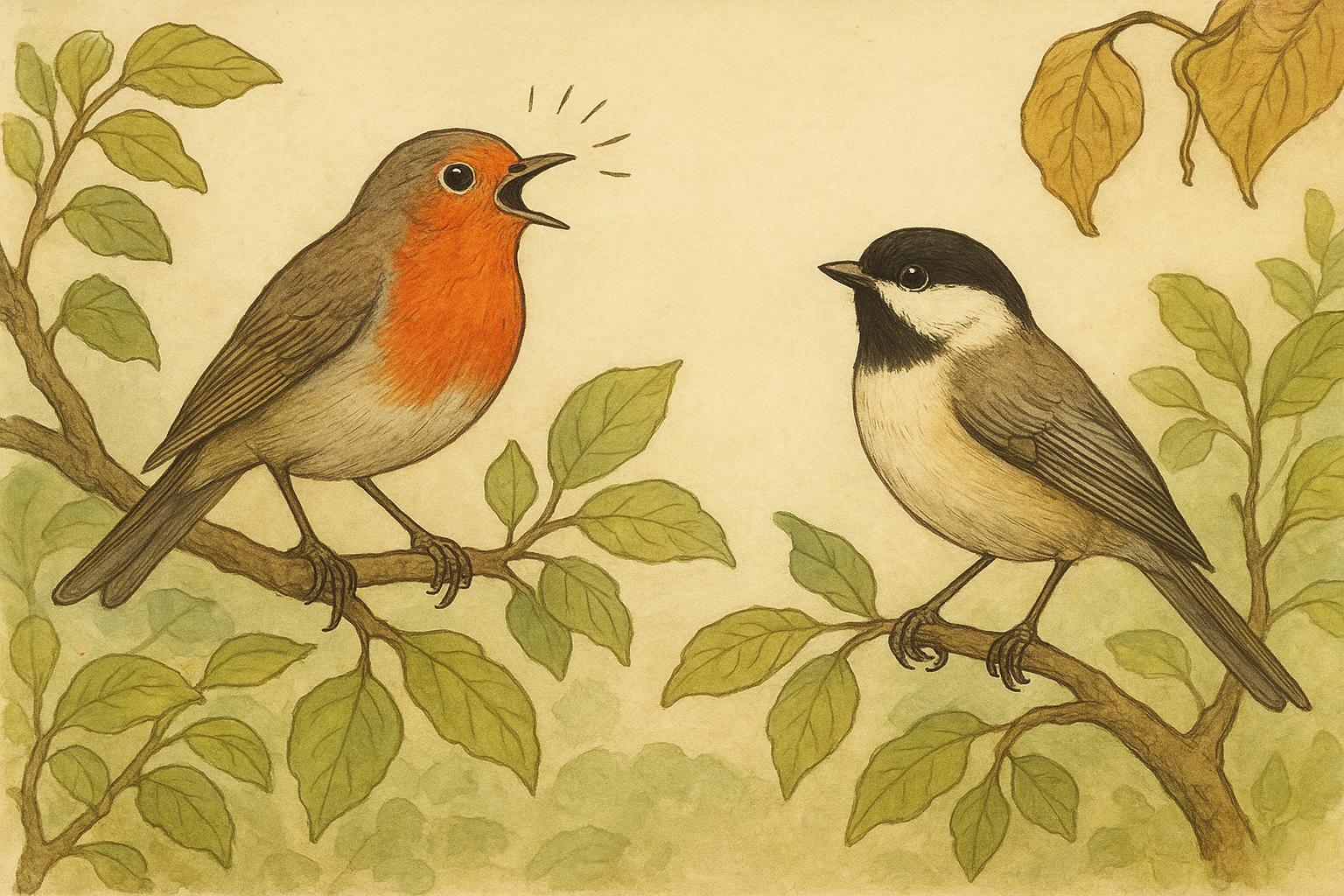
Keep a log of which species visit and when. Note which shrubs are heavily foraged and which retain fruit. Over a few seasons you’ll learn the preferences of local bird populations and can tweak plantings to better suit them. A simple notebook or a phone app for bird sightings works fine; the data is both personally rewarding and useful for adaptive planting.
### Common Birds Attracted By Winter Berries
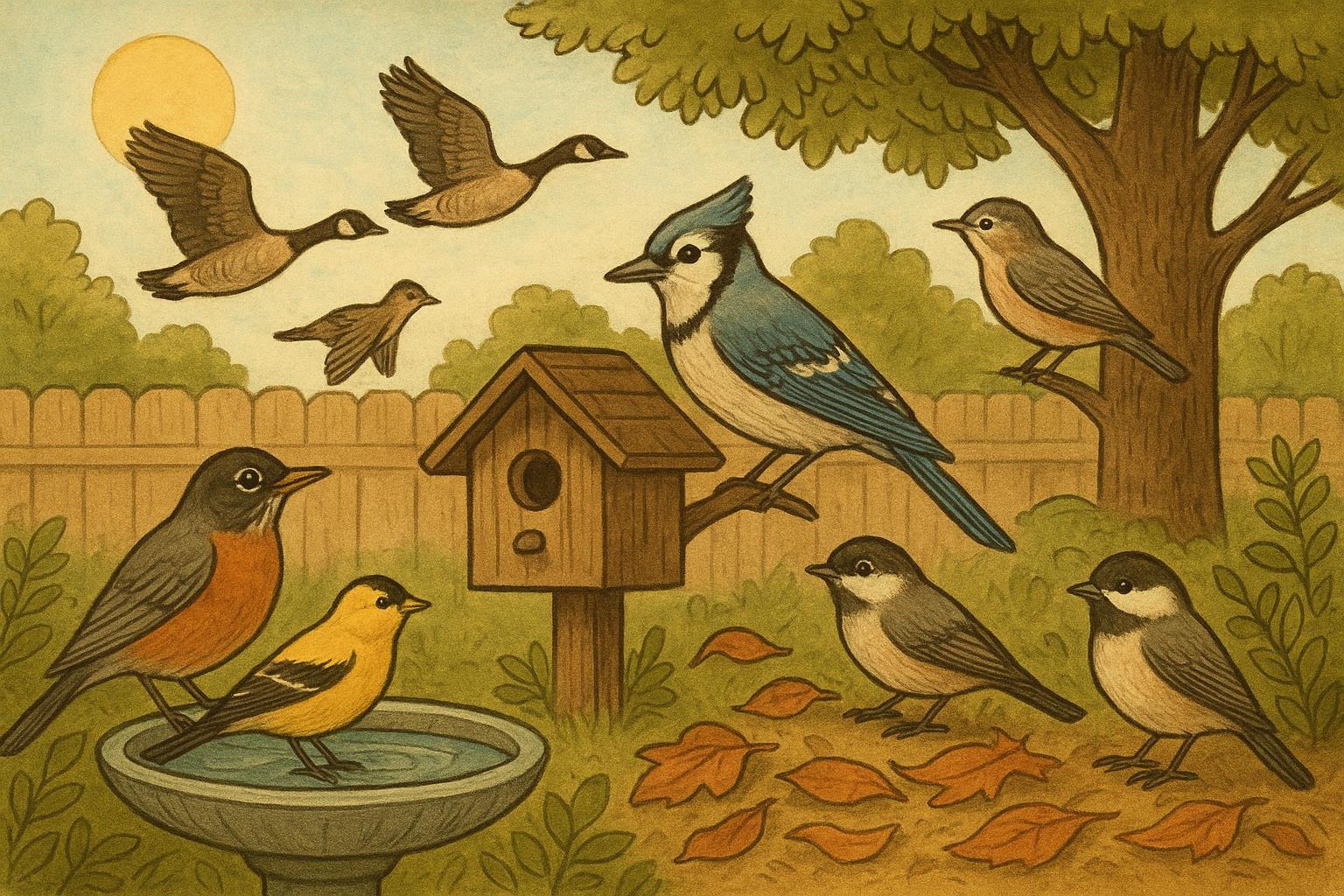
– Cedar Waxwings: Prefers berry crops and will clear a fruiting shrub fast if it’s tasty.
– American Robin and Thrushes: Eat a variety of berries and help disperse seeds.
– Northern Mockingbird and Catbirds: Opportunistic feeders on persistent fruit.
– Finches and Sparrows: Often visit small berry-bearing shrubs and seeds that accompany them.
## Dealing With Overeating Or Fruit Shortages
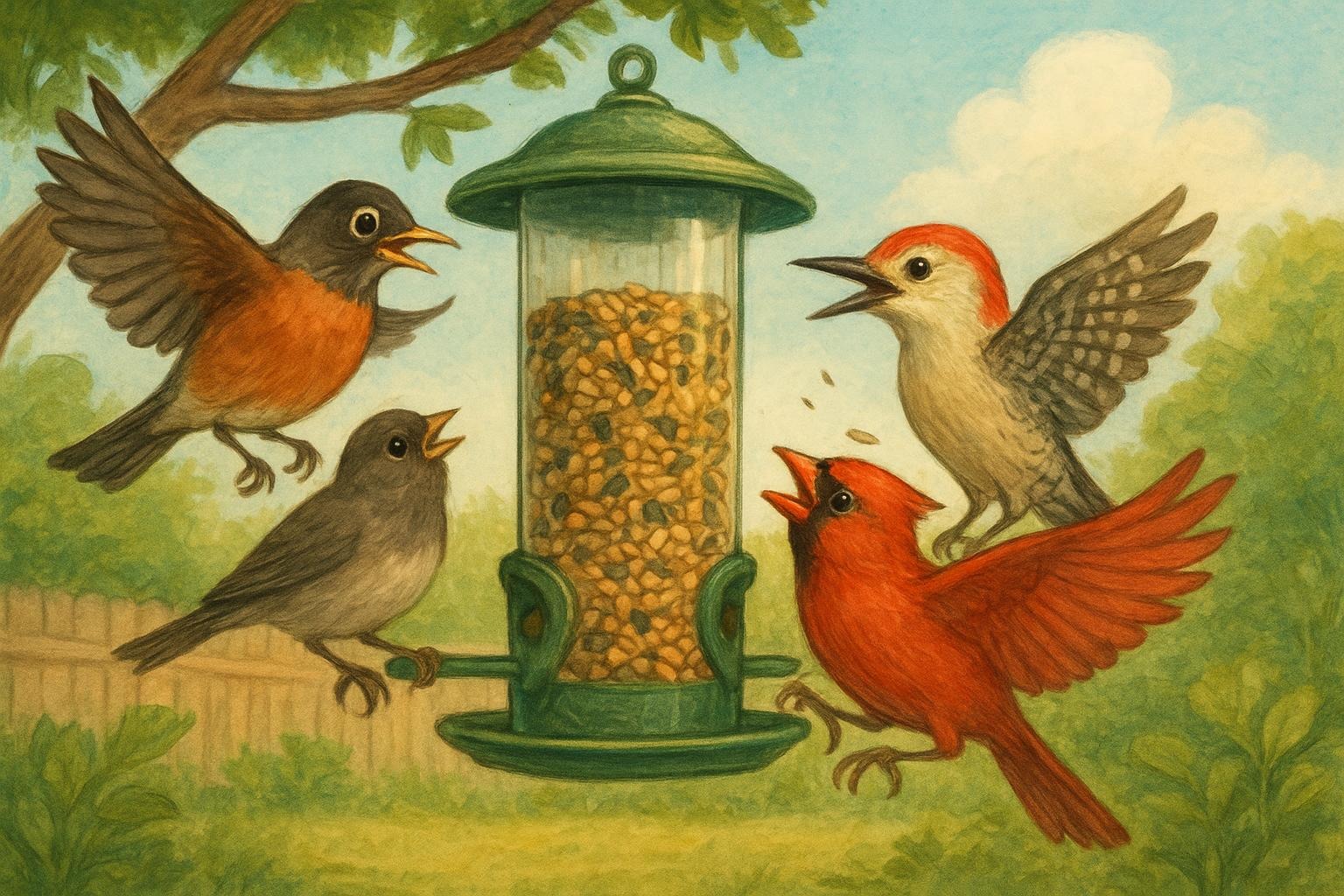
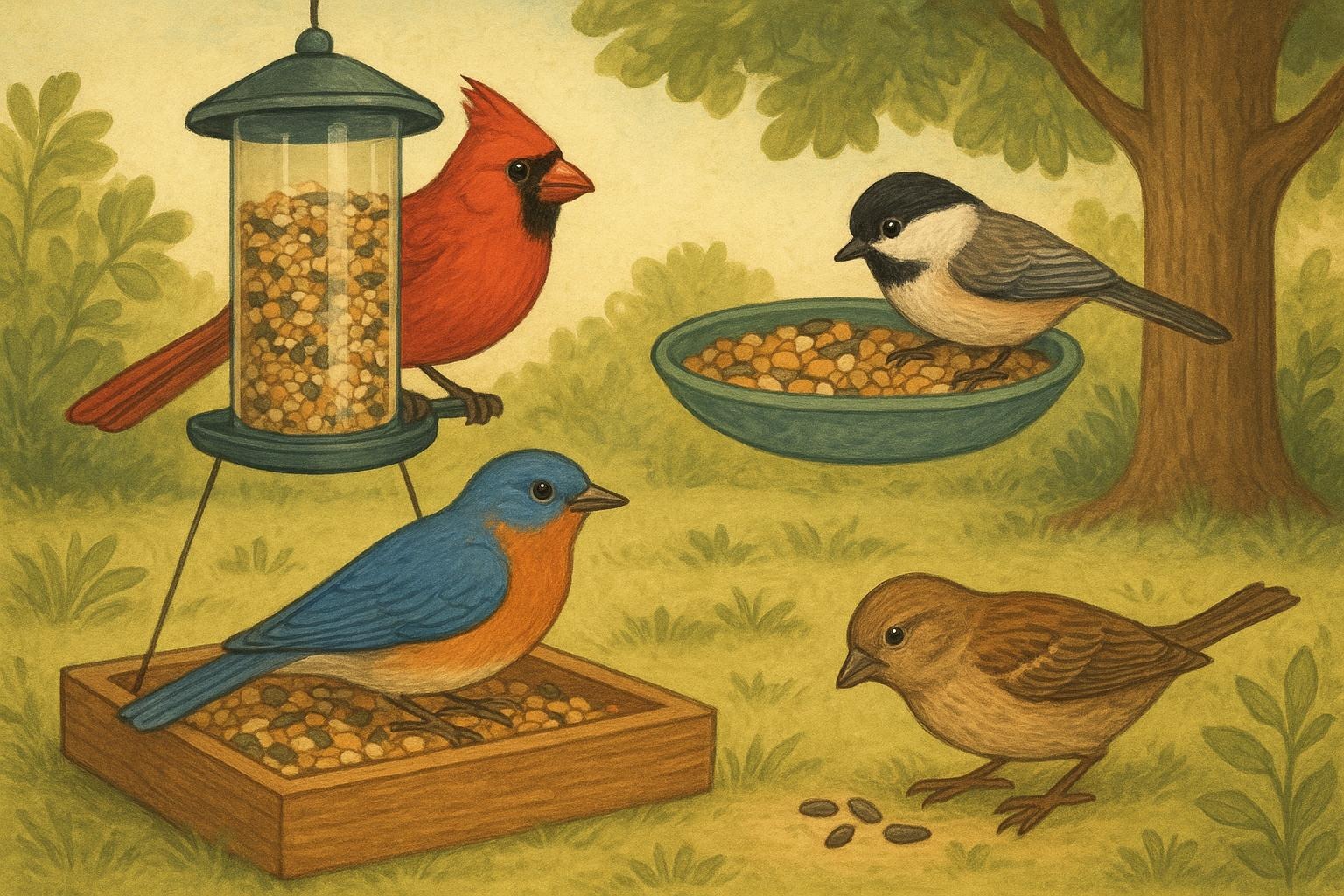
If birds clear berries too quickly or a harsh winter reduces available fruit, consider supplemental feeding stations with high-quality suet and fruit-based mixes. Place these near but not directly inside densest cover to reduce predation risk. Maintain hygiene by cleaning feeders regularly to prevent disease transmission.
## Legal And Safety Considerations
Some ornamental berry-producing species are toxic to people and pets (for example, yew) while perfectly safe for birds. Always confirm edibility and safety for children and pets before planting near play areas. Also check local invasive species lists—some attractive shrubs reproduce aggressively and can outcompete native flora, which undermines local bird ecology in the long run.
## Getting Started With Your Own Winter Berries Planting
Start small if you’re unsure—three to five well-chosen shrubs can create a reliable food source and teaching patch for local birds. Keep records, be patient with establishment, and enjoy the occasional frantic wake-up call from a flock of waxwings descending on your hedge. Your yard can be both a sanctuary and a salad bar, and birds will repay your efforts with color, song, and lively winter entertainment.


Leave a Reply