
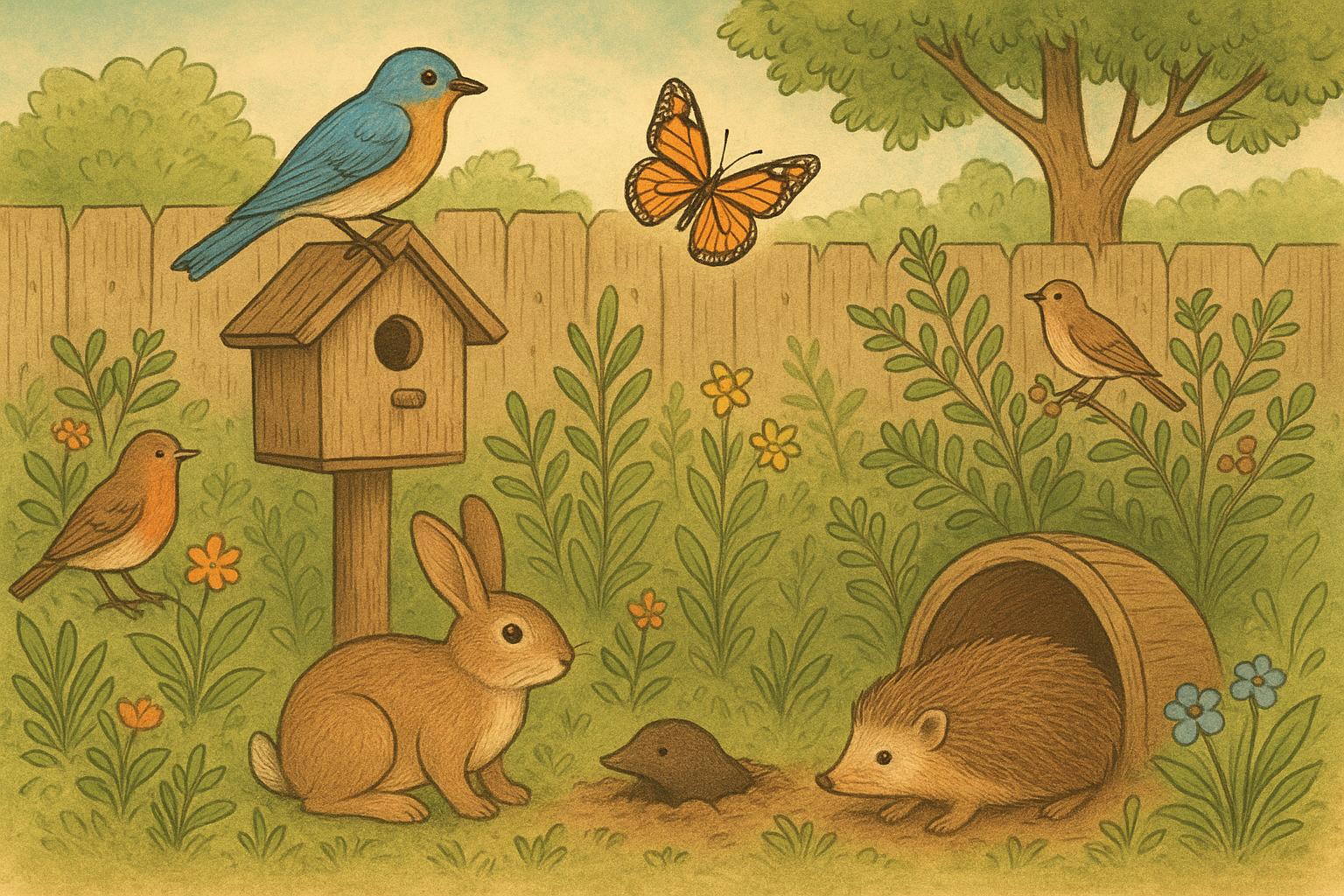
Welcome to a tiny-yard revolution: you don’t need acres to make your outdoor patch a lively, wildlife-friendly haven. Small spaces can be lush, buzzing, and full of life with the right habitat ideas—think of it as urban rewilding, but with better neighbors and less paperwork.
## Small Yard Habitat Ideas For Wildlife Friendly Design
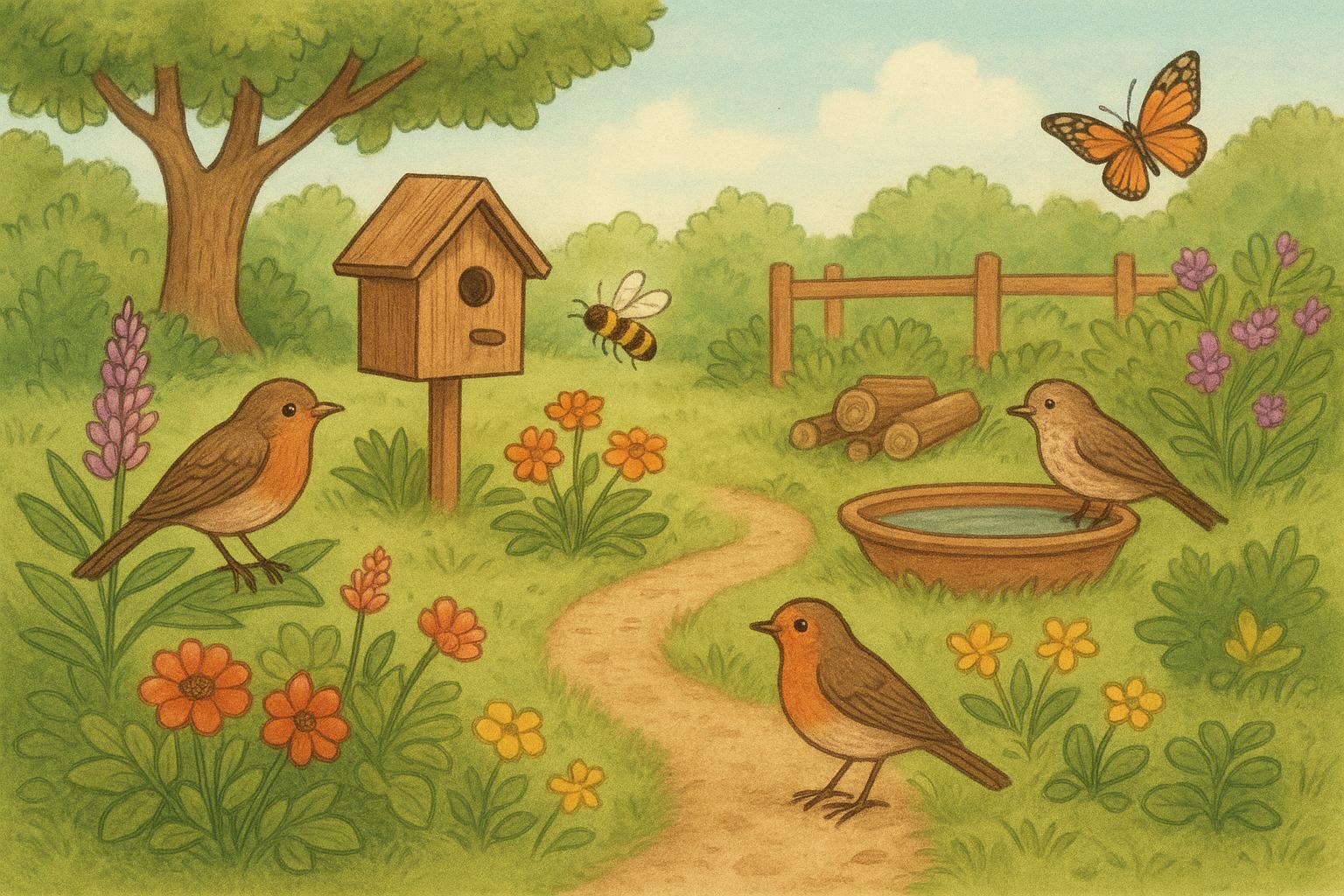
Whether you have a postage-stamp front yard, a narrow alley garden, or a balcony with a view of someone else’s laundry, these habitat ideas are practical, budget-friendly, and aimed at attracting birds, pollinators, beneficial insects, and small mammals. The key is layering resources—food, water, shelter, and safe travel routes—into compact features that look intentional, not cluttered.
### Design Principles For Compact Wildlife Spaces
Start with a plan. Even a rough sketch will help you visualize how sun, shade, and existing hardscape interact. Prioritize native plants—they support more local insects, which become food for birds and amphibians. Diversity matters: mix structural elements (shrubs, grasses, low groundcover) to create microhabitats.
Place water where it’s visible; birds use puddles and shallow basins that are open to the sky. If predators like neighborhood cats are an issue, situate perches and feeding areas near cover so birds can dart into safety. Use vertical space—trellises, stacked planters, and living walls—to increase habitat value without sacrificing ground area.
#### Light, Soil, And Microclimates
Match plants to microclimates. Sunny, south-facing walls can host drought-tolerant natives; shaded corners beneath eaves are perfect for ferns and woodland wildflowers. Improve compact soils with organic matter rather than heavy tilling; in small yards, amending a few inches of topsoil goes a long way.
### Plant Selection And Seasonal Food Sources
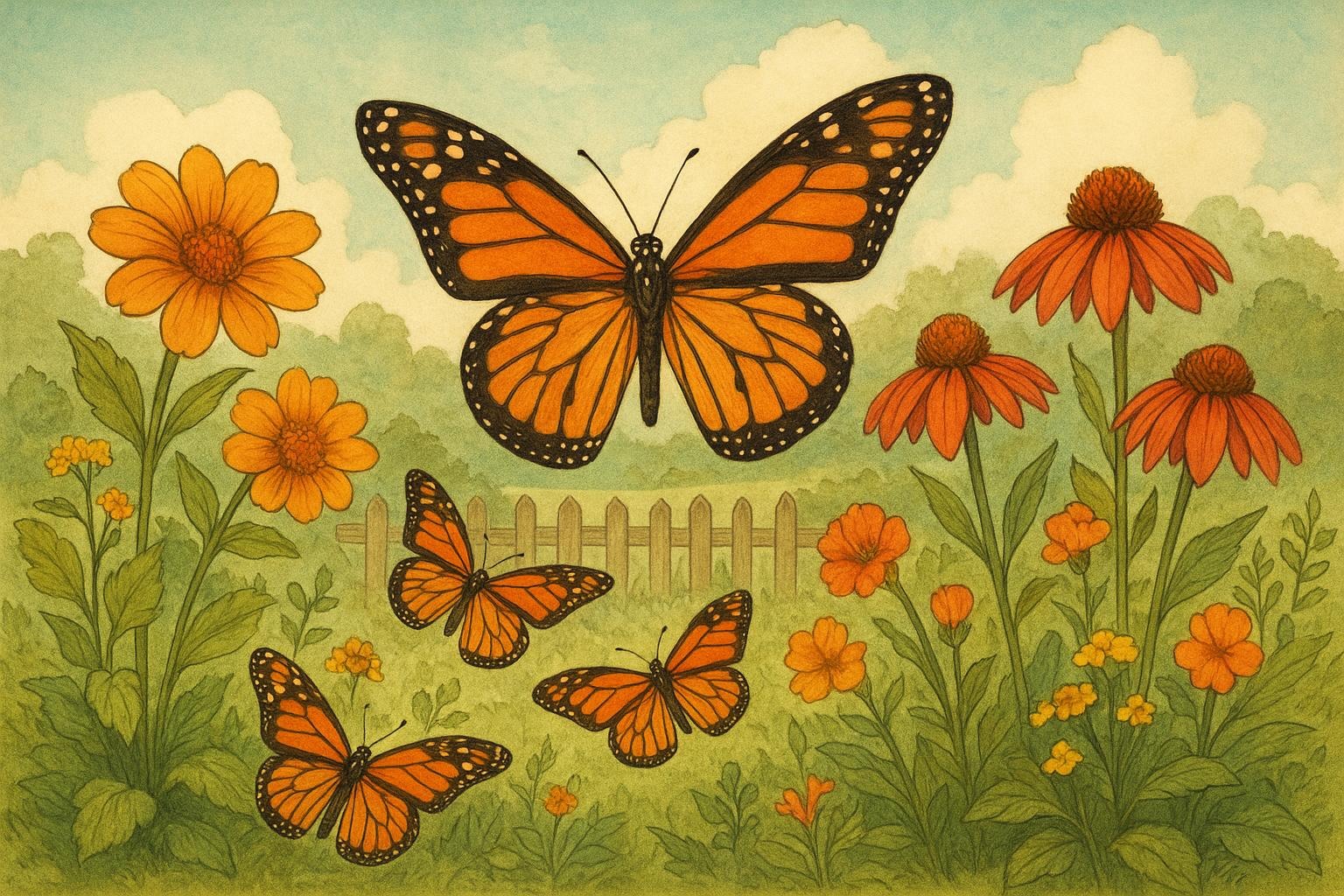
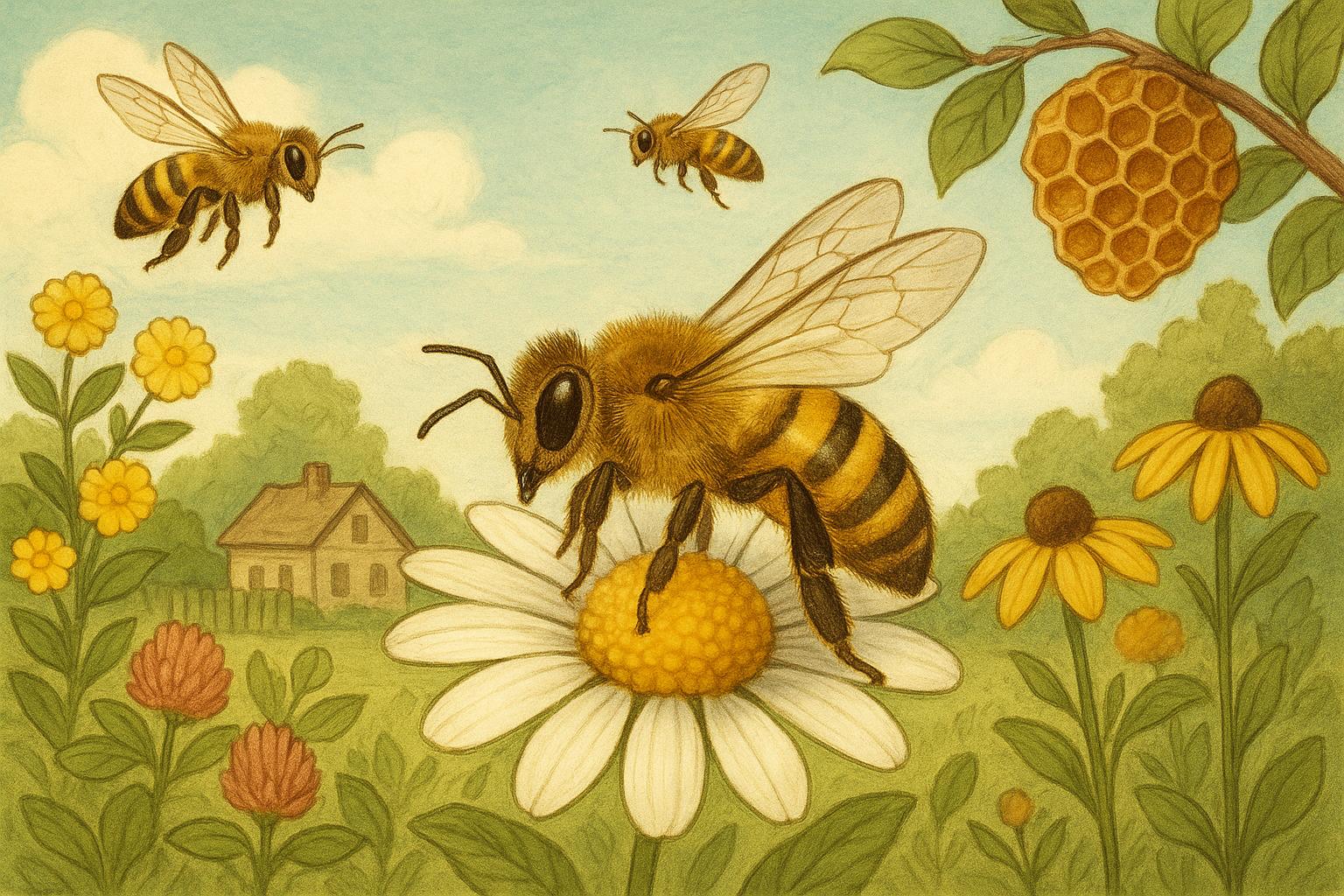
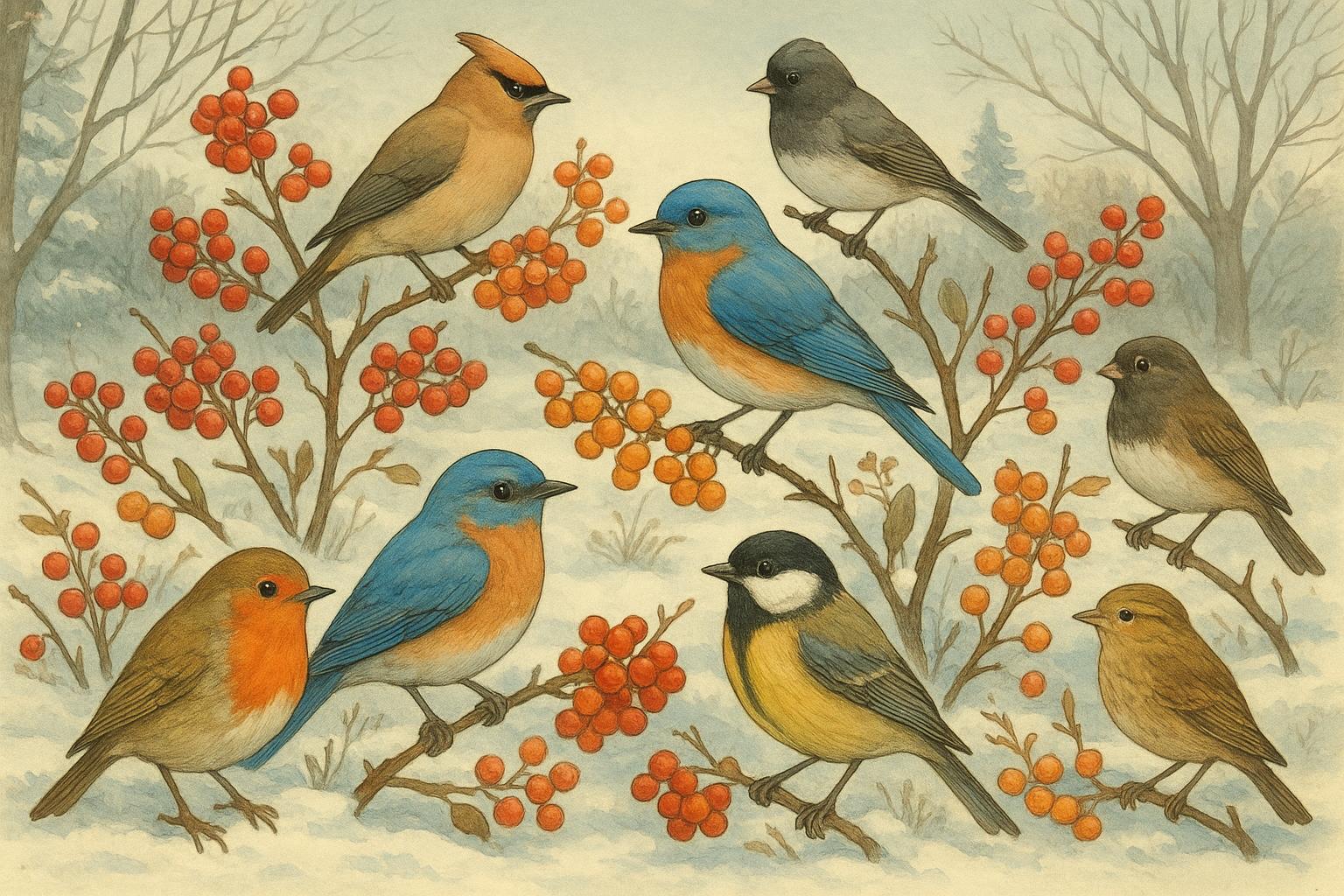
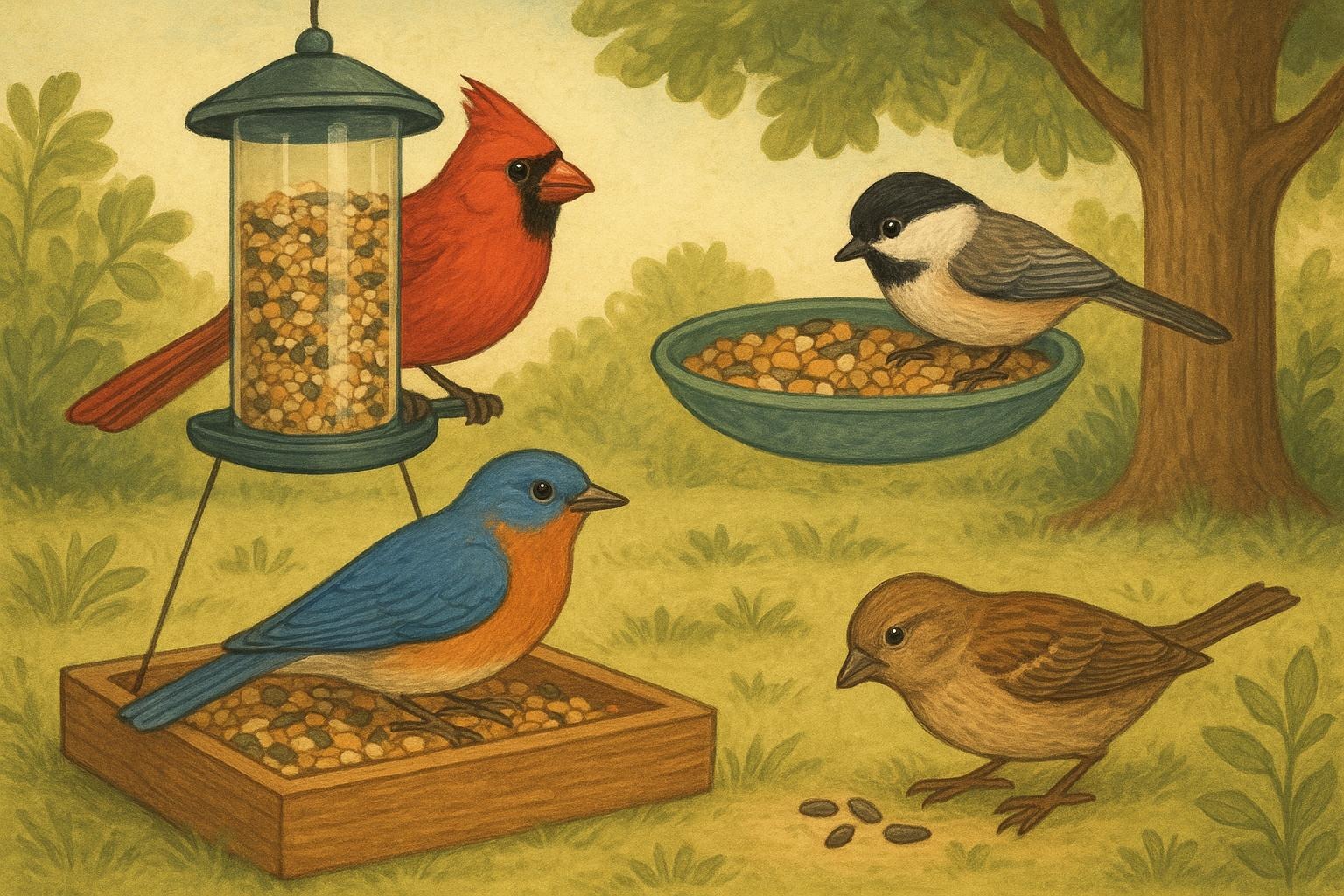
Choose a mix of native perennials, shrubs, and at least one small tree if possible. Aim for staggered bloom times so nectar and pollen are available across seasons. Include berry-bearing shrubs for fall and winter food, and seed-producing plants for winter-visiting birds. Even a single native milkweed or a cluster of asters can make your yard a magnet for pollinators.
#### Avoid Pesticides
The most effective single action you can take is to avoid pesticides. Even “safe” products can harm beneficial insects and break food chains. Instead, use hand removal, barriers, or targeted traps when pest pressure rises.
## 1. Native Plant Pocket Garden (Remedy)
This first remedy converts a small patch or container grouping into a dense resource hub for pollinators and small birds.
Materials Required:
– Selection of native perennials and a small native shrub or dwarf tree (consult local extension for species)
– Good-quality potting soil or amended garden soil (mix in compost)
– Mulch (shredded bark or leaf mulch)
– A 12–24 inch diameter container or a 3–4 square foot planting bed
– Optional: a drip emitter or small soaker hose for irrigation
Formal Instructions (creation and application):
1. Site Preparation: Choose a sunny to partly shaded location that matches your plant choices. Remove any turf or weeds to expose bare soil. If using a container, ensure it has drainage holes.
2. Soil Mix: For beds, loosen the top 6–8 inches and work in 2–3 inches of compost. For containers, use a well-draining potting mix and add a handful of slow-release organic fertilizer if desired.
3. Plant Selection and Placement: Place taller plants at the back or center, with lower-growing species around the edges. Include at least three species to provide varying bloom times.
4. Planting: Dig holes twice the width of root balls and set plants at the same depth as in their pots. Backfill firmly, water deeply to settle soil, and apply a 1–2 inch layer of mulch, keeping mulch a few inches from plant stems.
5. Watering Regime: Water thoroughly after planting and maintain consistent moisture for the first two months. Transition to deeper, less frequent watering once established.
6. Maintenance: Cut back dead stems in late winter, top up mulch annually, and replace one plant each year to refresh diversity and structure.
These native plant habitat ideas create concentrated food and cover in a small footprint and are intentionally low-maintenance once established.
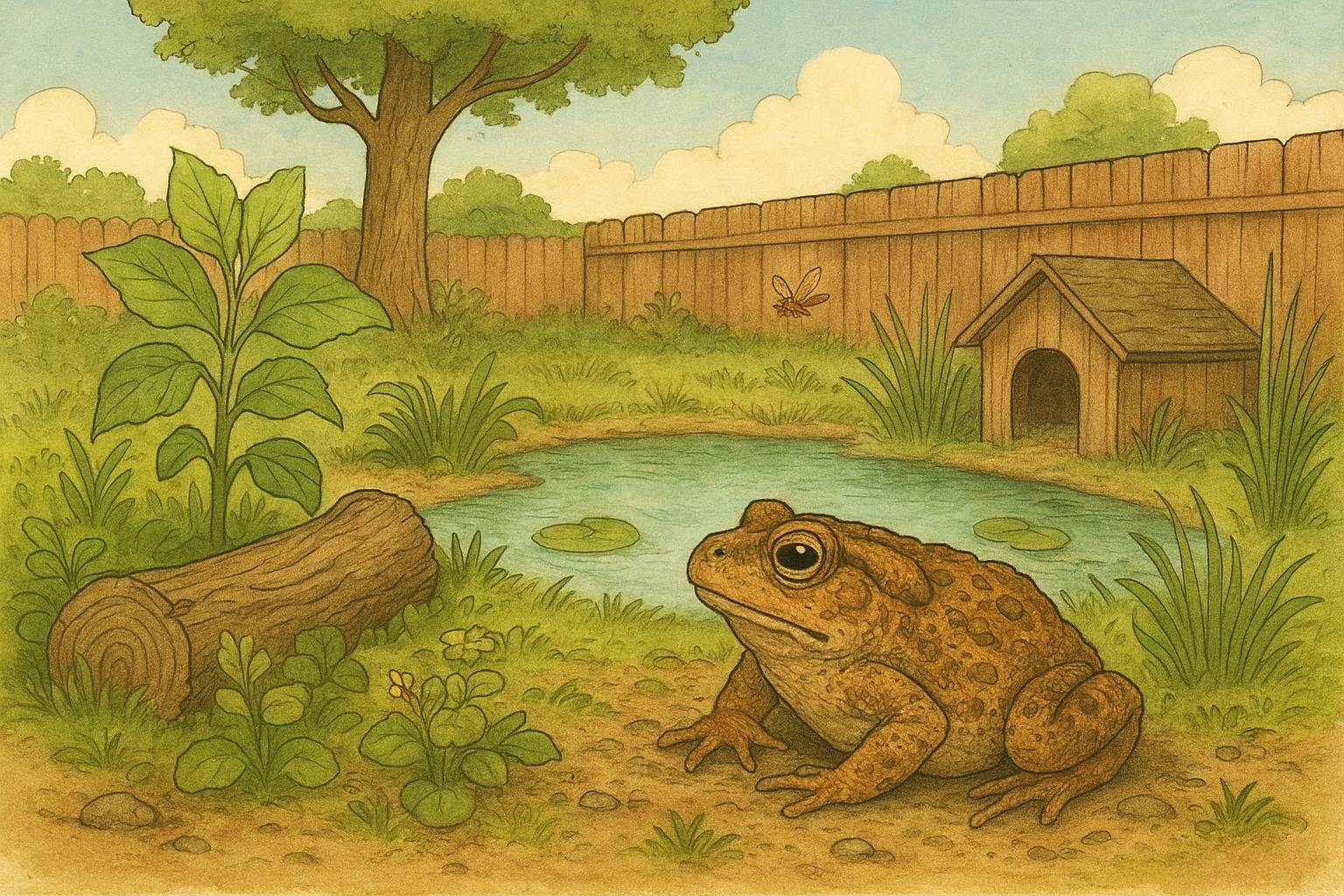
## 2. Mini Water Feature For Birds And Amphibians (Remedy)
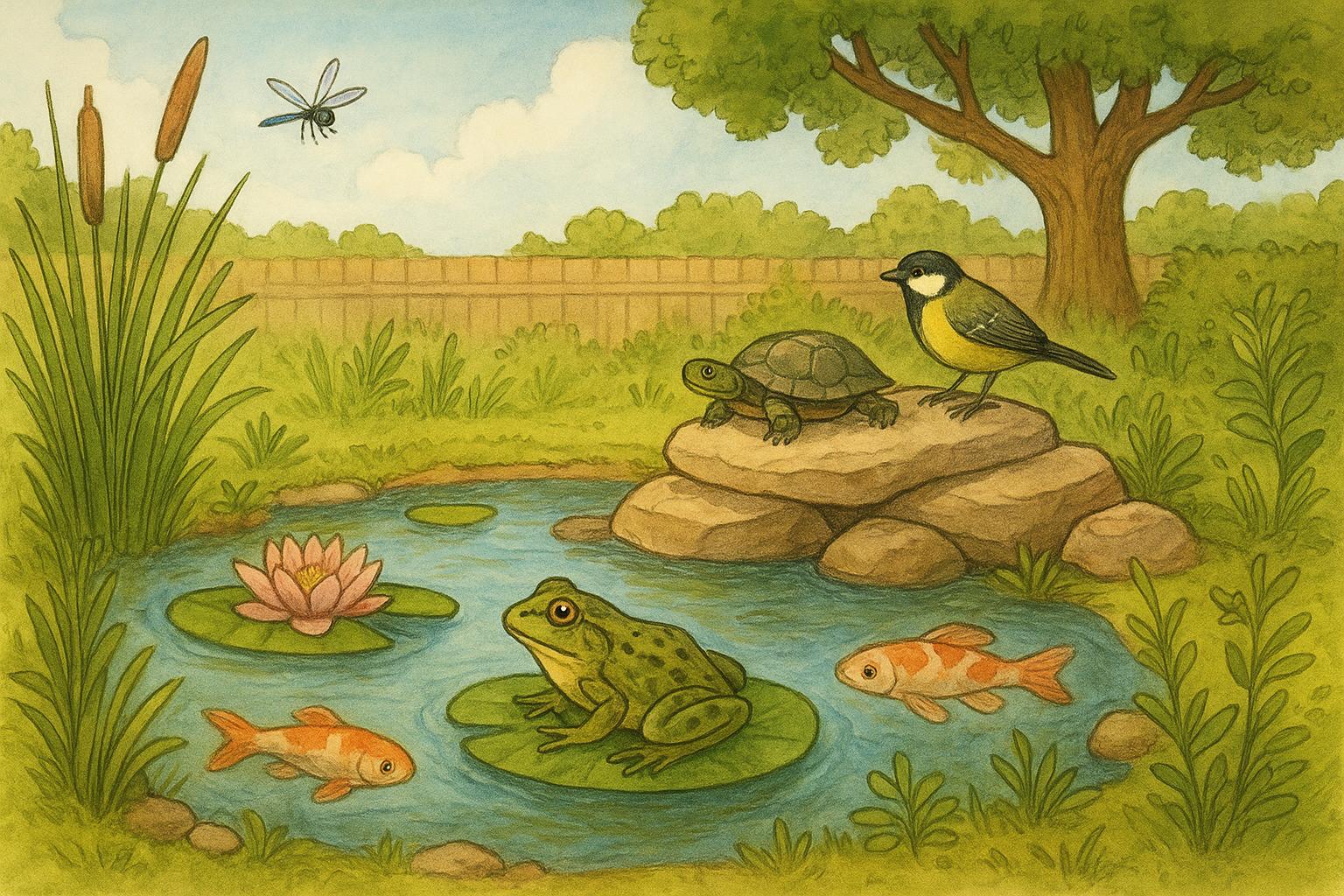
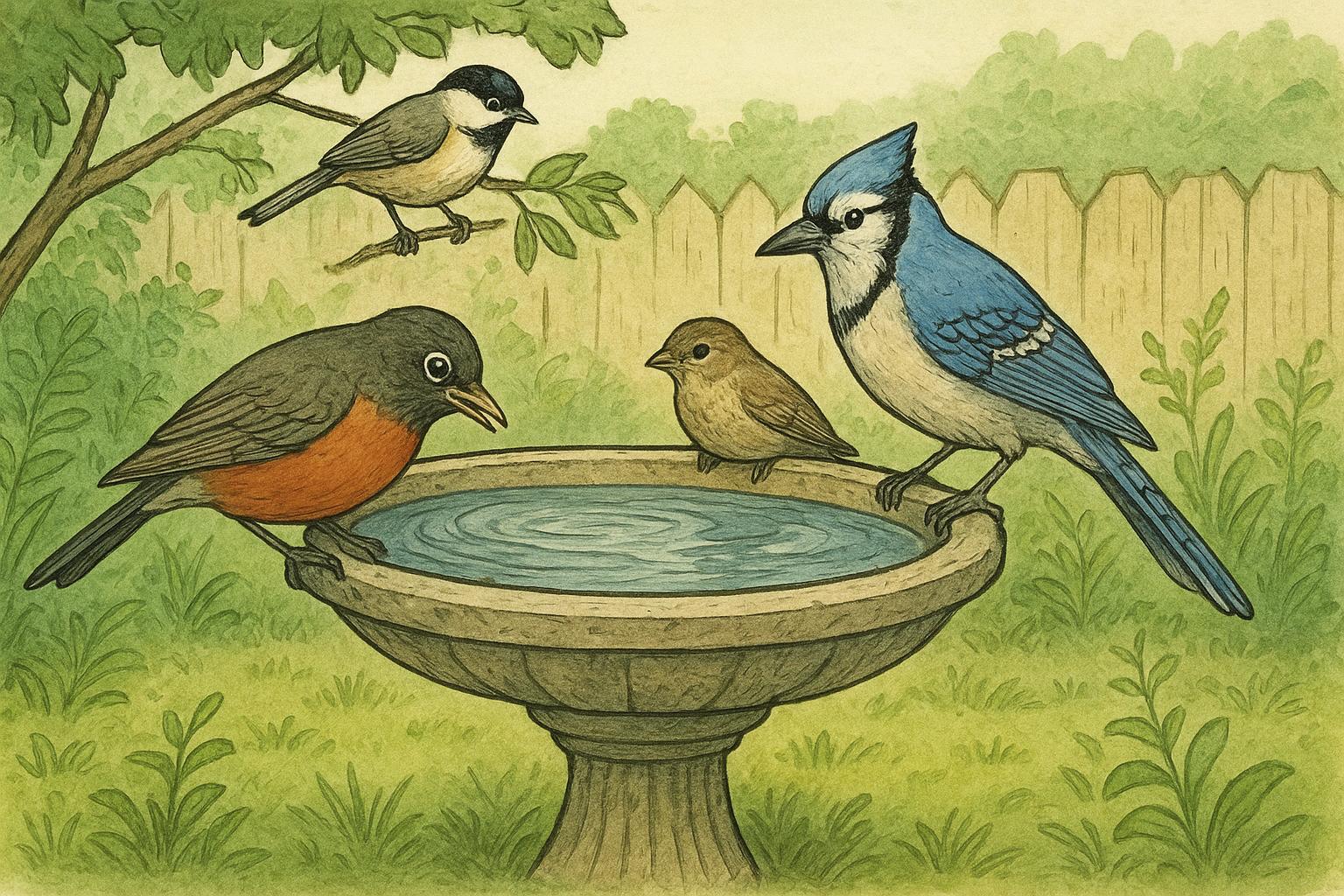
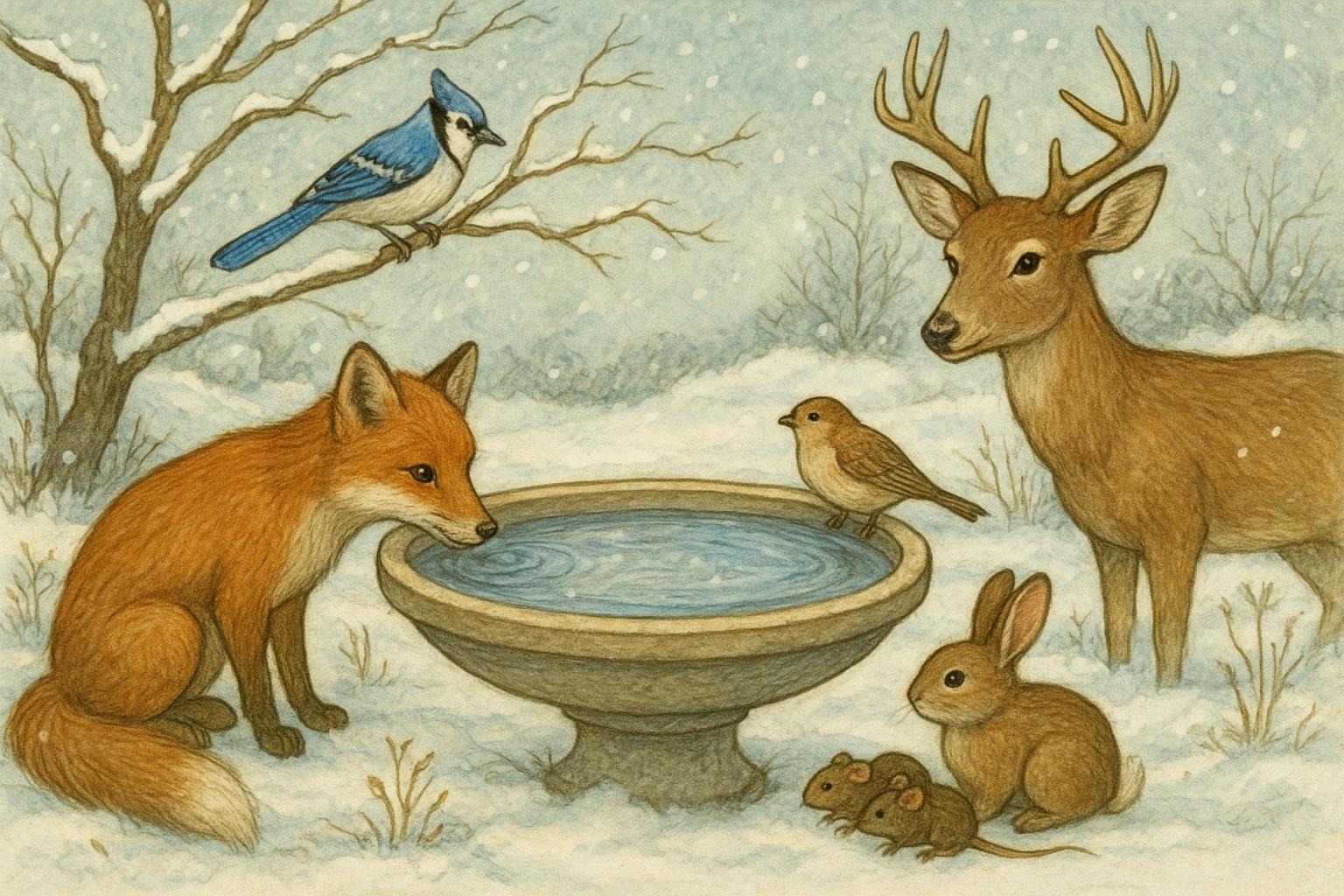
A small water source increases wildlife visits dramatically. This remedy outlines a low-risk, shallow basin design suitable for patios or balcony corners.
Materials Required:
– Shallow basin or container (concrete birdbath, large planter saucer, or half whiskey barrel)
– Flat stones or slates to provide shallow landing areas
– Aquarium-safe pump (optional for recirculating water)
– Gravel or pebbles for drainage and perches
– A few native aquatic plants in pots (optional) like iris or water plantain
– Water source and a small brush for cleaning
Formal Instructions (creation and application):
1. Choose Basin and Location: Select a basin 2–4 inches deep in most places with a gently sloped edge. Place it where birds can see predators approaching—near cover but not so close that predators can ambush.
2. Setup: Position flat stones inside the basin to create shallow shelves for birds and insects. Add a layer of gravel to one side to create a sloped, accessible entry for amphibians.
3. Optional Pump Installation: If using a pump, position it so water flows gently over stones, creating sound and movement that attract birds. Secure wiring safely and use a GFCI-protected outlet.
4. Fill and Seed: Fill the basin with dechlorinated water. Add potted marginal plants if desired, keeping them in pots to prevent the feature from becoming overgrown.
5. Maintenance: Clean and refill water weekly in hot weather to prevent mosquito larvae; scrub algae with a brush and refresh plants annually. Maintain a water depth that is safe for small wildlife (mostly shallow).
This approach provides safe drinking and bathing sites while minimizing maintenance and mosquito risk.
### Movement Corridors And Safe Passage
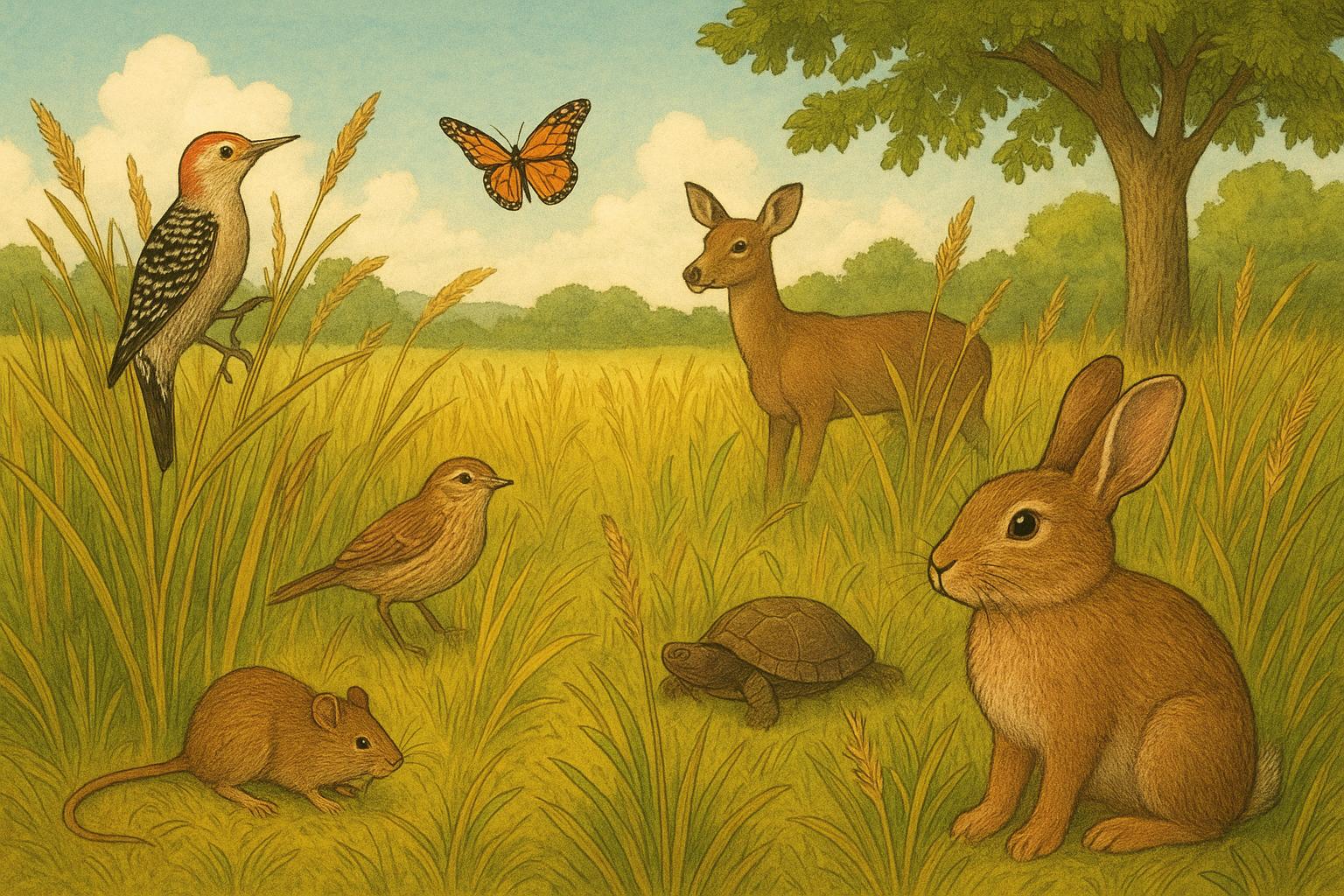
Even small yards benefit from “travel lanes.” A contiguous strip of shrubbery or a series of stepping-stone plantings helps hedgerow species move through urban areas. Use native vine-covered trellises to link vertical space and create aerial corridors for pollinators.
## 3. Brush Pile And Nesting Box Combo (Remedy)
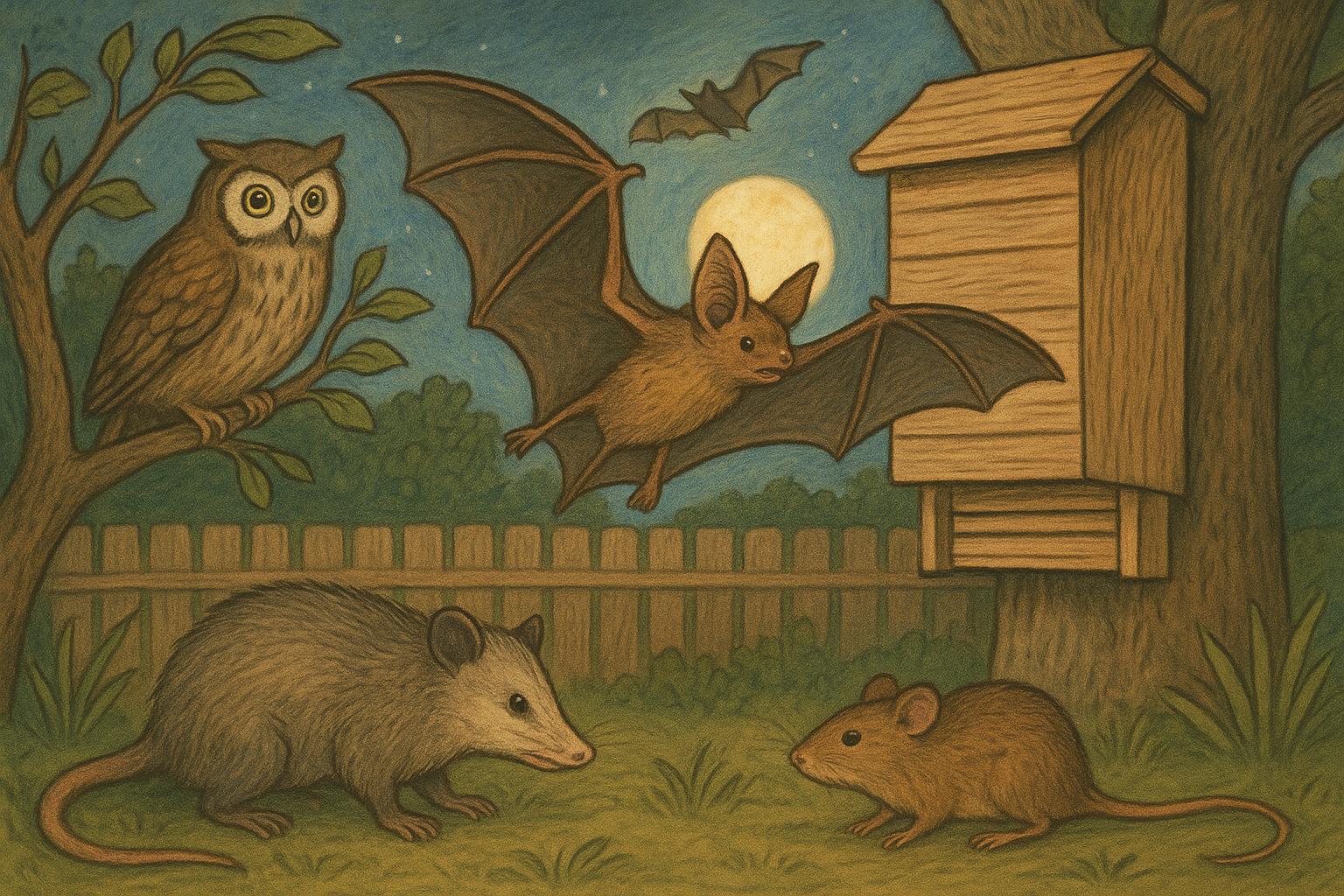
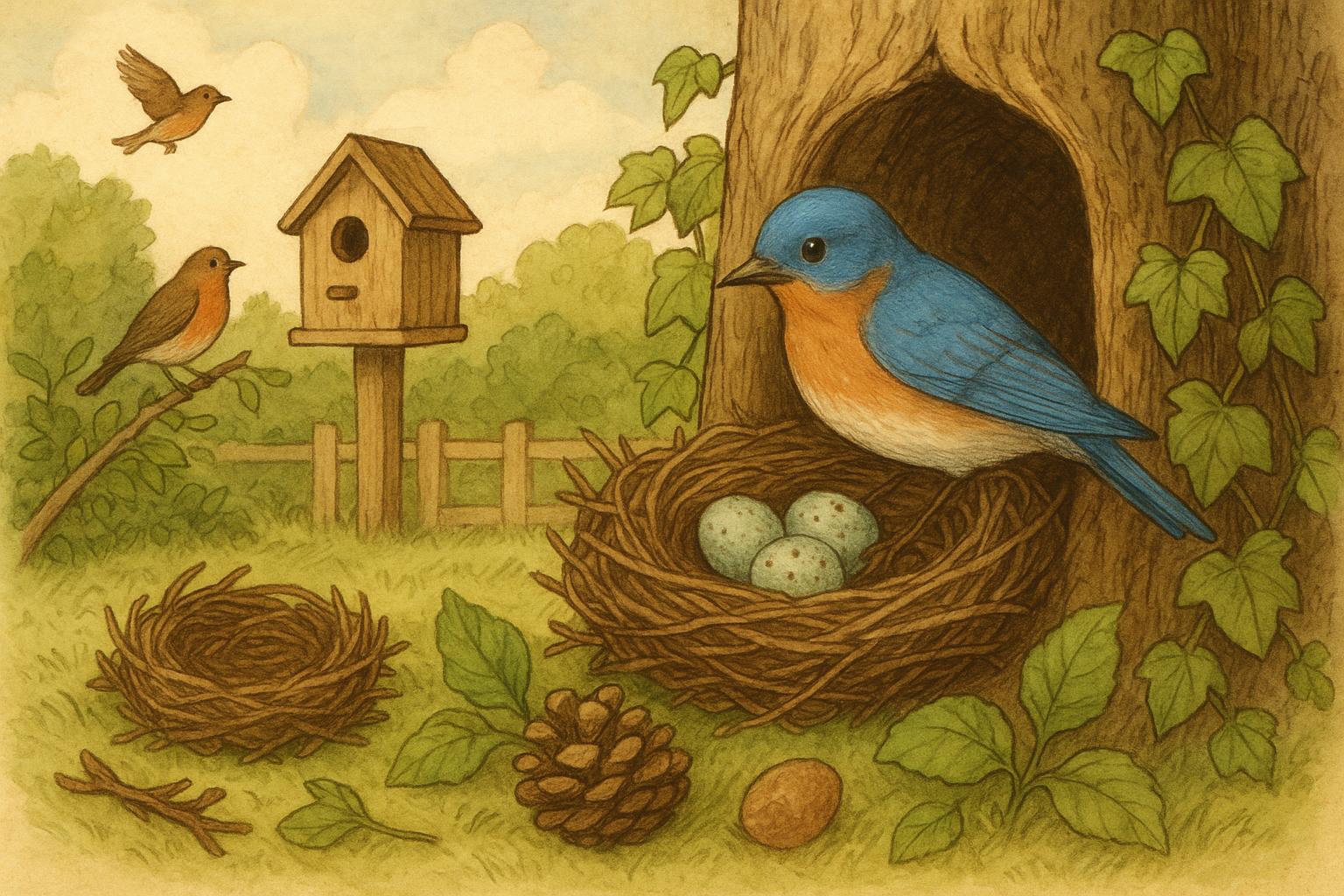
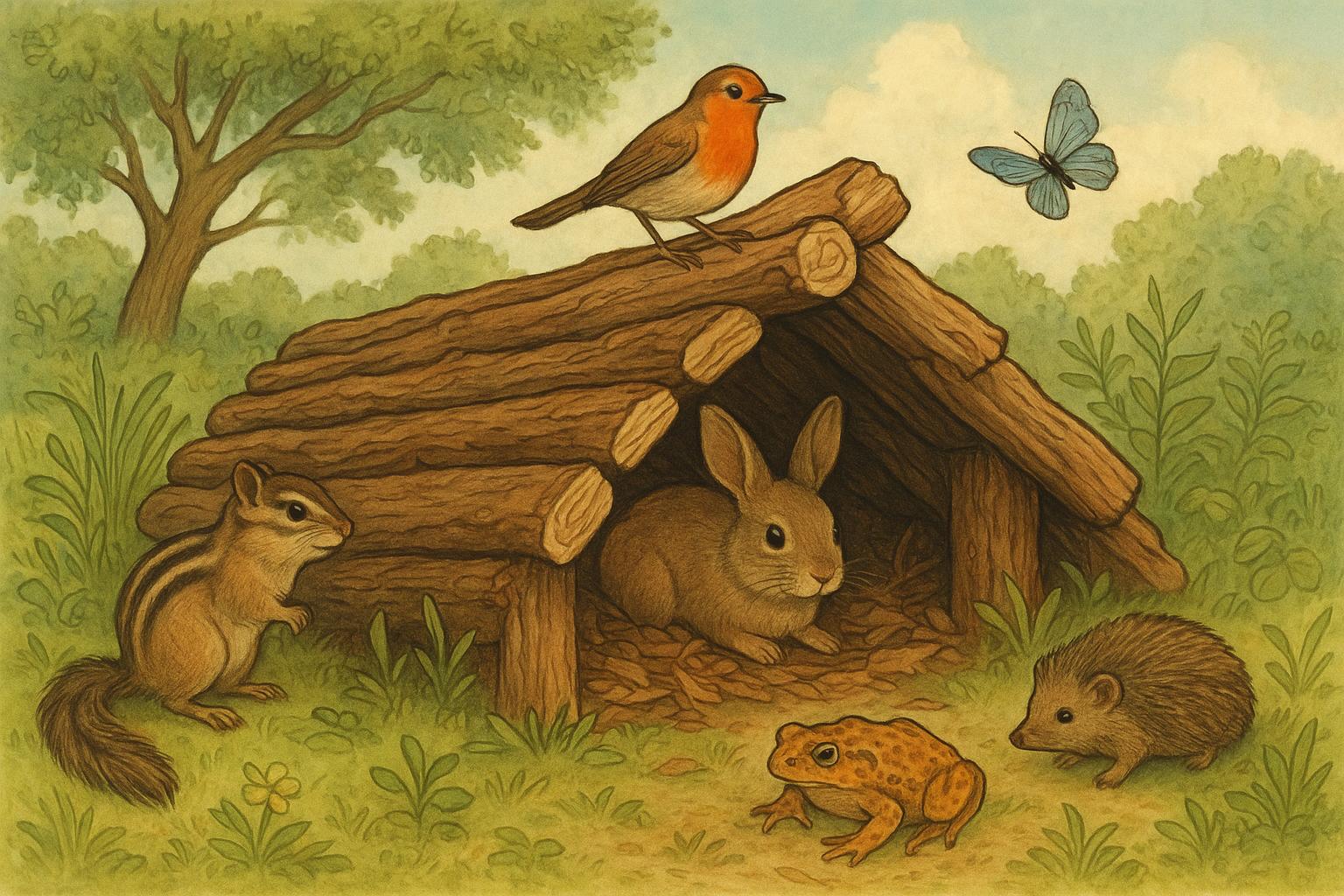
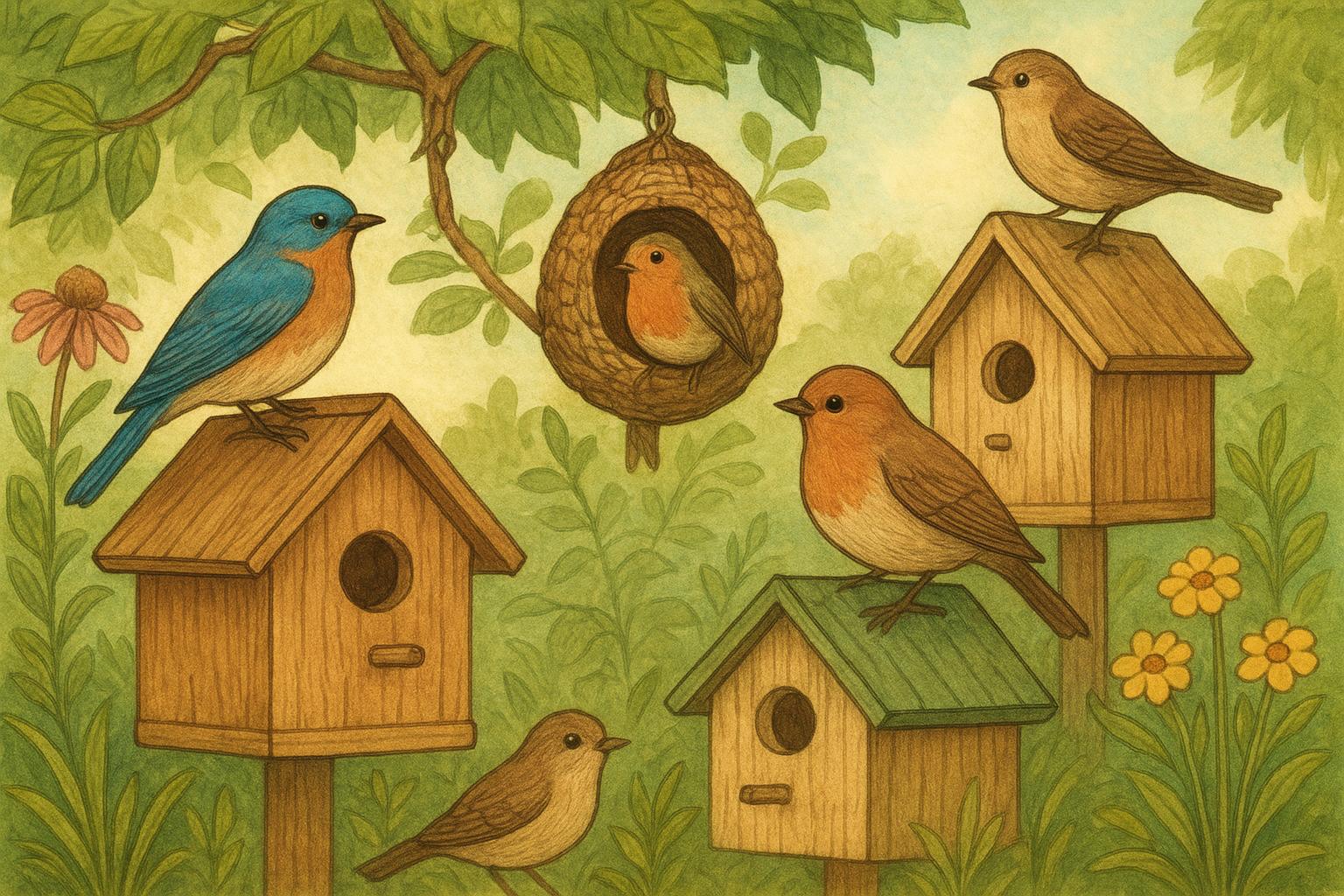
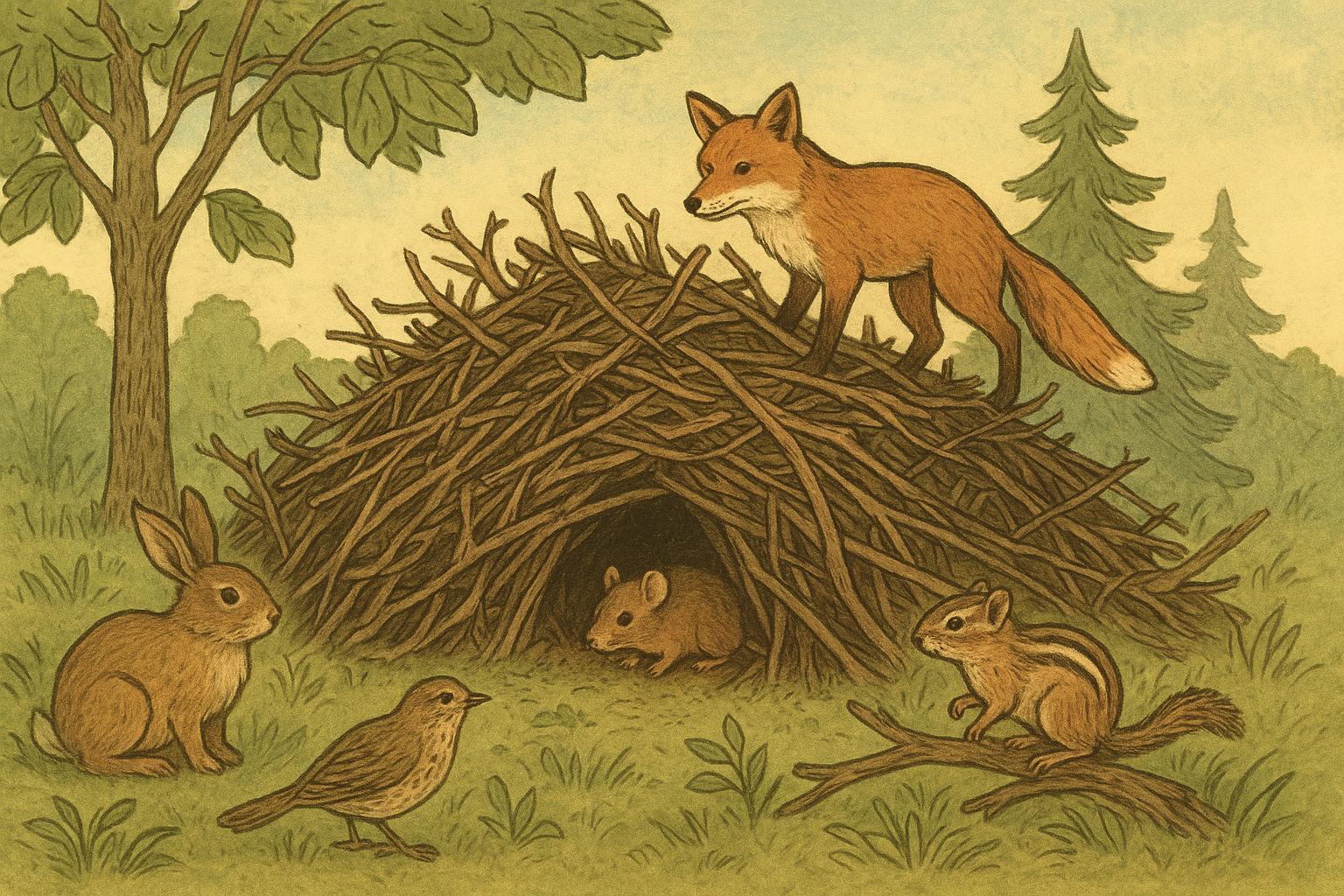
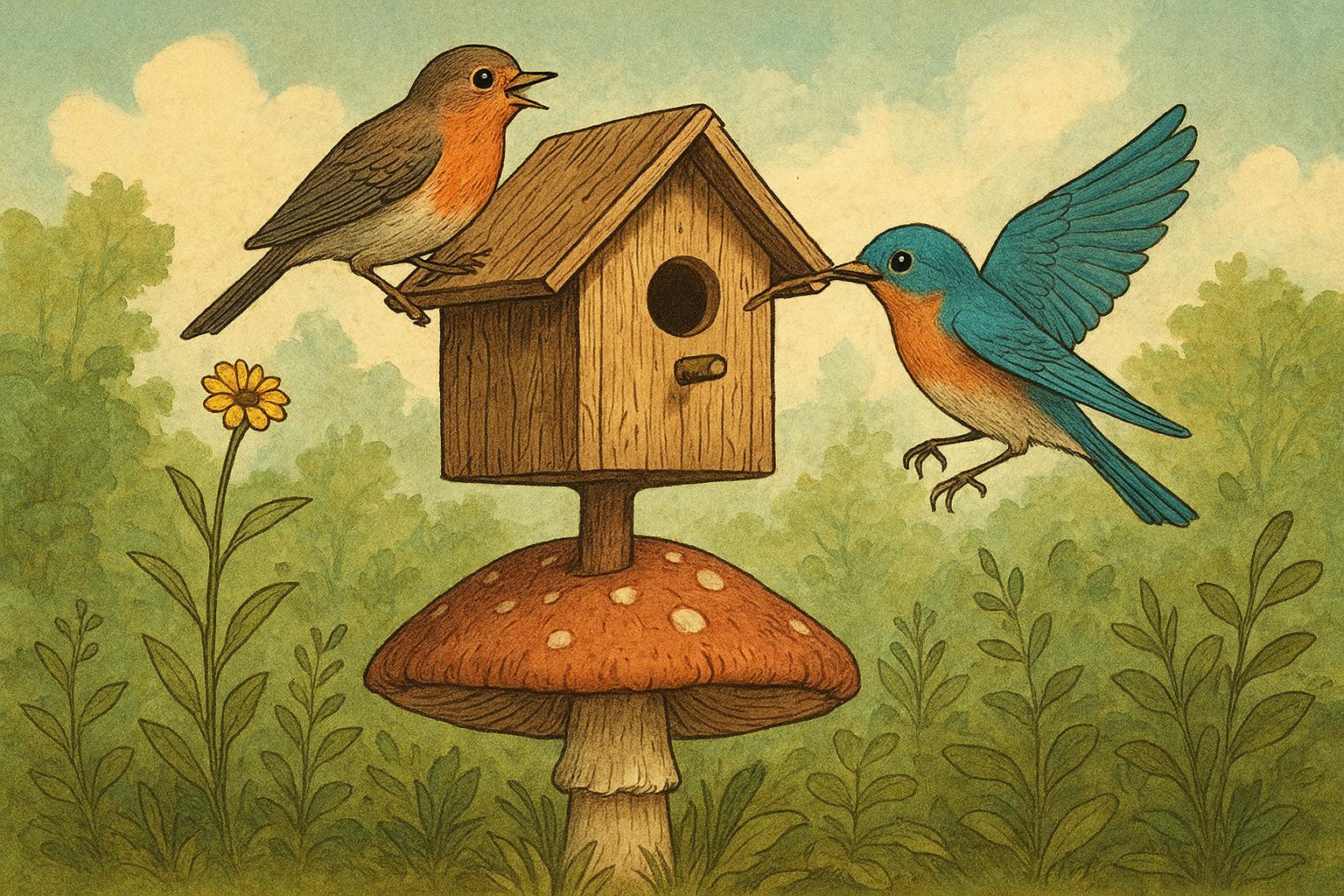
Shelter is as important as food and water. This remedy builds two small structural refuges: a brush pile for ground-dwelling creatures and a nesting box for cavity-nesting birds or bees.
Materials Required:
– Branches and twigs (for brush pile) or pre-cut logs
– A pallet or stones to raise the brush pile off the ground (optional)
– Nesting box (wooden, untreated) or a bee hotel made of bamboo tubes
– Galvanized screws, exterior-grade wood glue (for bird box)
– Drill and saw (basic tools)
– Mounting post or bracket if placing boxes off the ground
Formal Instructions (creation and application):
1. Brush Pile Construction:
a. Site Selection: Choose a semi-shaded, somewhat hidden corner of the yard against a fence or wall.
b. Base Layer: Lay a slightly elevated base using a pallet or stones to promote airflow and reduce rot.
c. Building Up: Stack larger branches first, then smaller twigs and leaf matter to create a mound roughly 2–3 feet high and wide. Leave internal voids for small mammals, amphibians, and insects.
d. Maintenance: Add fresh material annually and avoid disturbing during winter when wildlife may be sheltering.
2. Nesting Box / Bee Hotel Installation:
a. Species Targeting: Decide target species (e.g., bluebirds, chickadees, or solitary bees) and choose box dimensions accordingly. For solitary bees, 4–8 inch deep bamboo tubes of varying diameters work well.
b. Construction Standards: For bird boxes, provide a predator guard and proper entrance hole size. Use untreated wood, a sloped roof, and drainage holes.
c. Placement: Mount boxes 6–12 feet off the ground away from prevailing winds and direct afternoon sun. Bee hotels should be 3–6 feet high, facing south or southeast.
d. Cleaning and Management: Inspect and clean boxes every one to two years to prevent parasite buildup. Replace bee tubes periodically to limit disease transmission.
When installed with care, shelter features complement planting-based habitat ideas by providing immediate, tangible refuge.
### Friendly Neighborhood Tips
If neighbors are skeptical, invite them to a guided courtyard tour—free coffee and the promise of fewer mosquitos usually does wonders. Signage like “Pollinator Garden: Please Enjoy” can educate passersby and reduce well-meaning but harmful interventions.
Your small yard can be surprisingly big on wildlife value. With thoughtful plant choices, simple water features, and layered shelters, these habitat ideas make compact outdoor spaces function as lifelines for local species—no acre required, just a bit of intention and patience.


Leave a Reply