
## Pond Design Principles That Spark Joy
Turning a patch of backyard into a living, breathing waterscape doesn’t require a PhD in hydrology—just some planning, a dash of creativity, and respect for nature’s quirks. Good pond design starts with the basics: size, shape, site, and purpose. Are you after a reflective koi pond, a wildlife-friendly natural pond, or a low-maintenance container feature? The answers steer every decision that follows.
### Match Purpose To Scale
Think small pond, big impact. Small ponds can be hotspots for native frogs and beneficial insects; larger ponds support fish and more complex ecosystems. When planning, be realistic about maintenance time. Bigger ponds can be forgiving of mistakes but demand more consistent care and equipment.
### Flow And Depth: Secrets Most People Miss
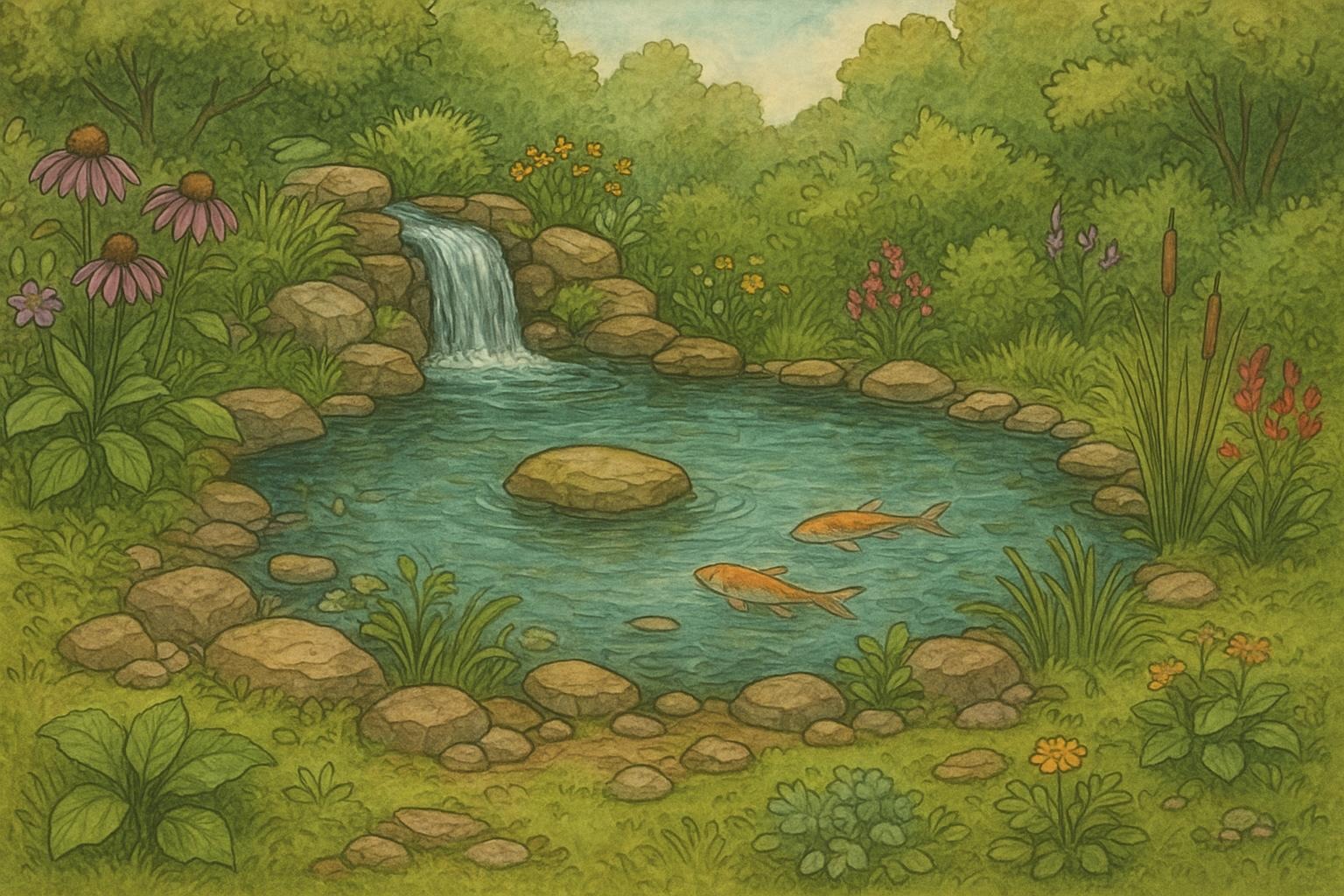
Depth creates stability. Summer temperature swings and winter freezes affect shallow water quickly. Aim for a varied depth profile: pockets of 18–24 inches for wildlife, deeper shelves for fish (3–4 feet for koi). Integrate a gentle flow: moving water oxygenates and reduces stagnation without turning the pond into a rapid river. Waterfalls and spillways can be elegant focal points and practical oxygenators.
#### Edge Design And Planting Zones
Edges are where the magic happens. A well-graded shore with shelves at multiple depths supports marginal plants and gives amphibians easy access. Use native marginal plants to stabilize banks and feed local pollinators. Hard edges like rockwork look dramatic but should be paired with planting pockets to soften the transition and provide habitat.
#### Sunlight, Shade, And Algae Management
Location matters. Too much sun equals algae trouble; too much shade can limit aquatic plant growth. Aim for morning sun and afternoon shade when possible. A few floating plants such as waterlilies or water lettuce are your allies; they shade the water, limit algae growth, and look lovely.
## Pond Design Materials And Practical Choices
Choosing materials is part aesthetics, part budget planning. Liners, pondless systems, natural clay, and preformed molds all have pros and cons. Liner ponds give flexibility in shape; preformed ponds are fast and simple. Stone and gravel edges look natural and help anchor plants. Sizing your pump and filtration system correctly is vital—oversized pumps waste energy; undersized ones lead to stagnation.
### Filtration Versus Natural Balance
There are two philosophies: mechanical/biological filtration and natural balance. Mechanical systems give crystal-clear water quickly but require power and maintenance. Natural, planted systems rely on vegetation and microbial colonies; they’re lower-energy but need careful planting and patience.
#### Lighting And Aesthetics
Subtle lighting extends enjoyment into the evening. Use low-voltage LEDs; illuminate waterfalls and under-plant shelves for a floating effect. Keep lights away from breeding areas to avoid disturbing nocturnal wildlife.
## Remedy 1: Restore Water Clarity (Algae Control)
When your pond looks like pea soup, it’s time for a systematic remedy. This section is presented formally and step-by-step to ensure you can apply it with confidence.
Materials Required:
– Pond water test kit (pH, ammonia, nitrite, nitrate)
– Fine mesh net and pond vacuum (optional)
– Beneficial bacteria additive (commercial)
– Barley straw or extract
– Aquatic-friendly phosphate remover (if tests show high phosphate)
– Pond brush
– Spare bucket and dechlorinator (if performing partial water changes)
– Protective gloves and eye protection
Step-By-Step Procedure:
1. Test Water Parameters: Use the test kit to measure pH, ammonia, nitrite, and nitrate. Record results. Algae blooms often correlate with high nutrients (nitrate, phosphate) or imbalanced pH.
2. Remove Debris: Use a fine mesh net to remove leaves and floating algae mats. For settled sludge, a pond vacuum will accelerate cleanup.
3. Mechanical Cleaning: Brush hard surfaces gently to break up biofilms, then collect loosened material with the net or vacuum. Avoid over-disturbing plant roots.
4. Apply Beneficial Bacteria: Dose the pond according to the manufacturer’s instructions to accelerate organic breakdown and restore biological balance.
5. Introduce Barley Straw or Extract: Place barley straw in a mesh bag and allow slow decomposition. Extracts are faster acting; follow directions strictly.
6. Treat High Phosphate (If Needed): If phosphate tests are elevated, apply an aquatic phosphate remover as directed. Phosphate often comes from runoff, excess fish feed, or decaying organic matter.
7. Adjust Plant Coverage: Install or increase floating plants (waterlilies, duckweed sparingly) to reduce sunlight penetration.
8. Partial Water Change: If necessary, replace up to 25% of pond water with dechlorinated fresh water to dilute nutrient concentrations.
9. Monitor And Maintain: Test weekly for two months and reapply bacteria monthly. Keep feeding fish modestly to avoid nutrient spikes.
Follow these steps methodically. In many cases, clarity improves within weeks, though full ecological balance may take a season.
## Remedy 2: Attract Wildlife And Build A Balanced Habitat
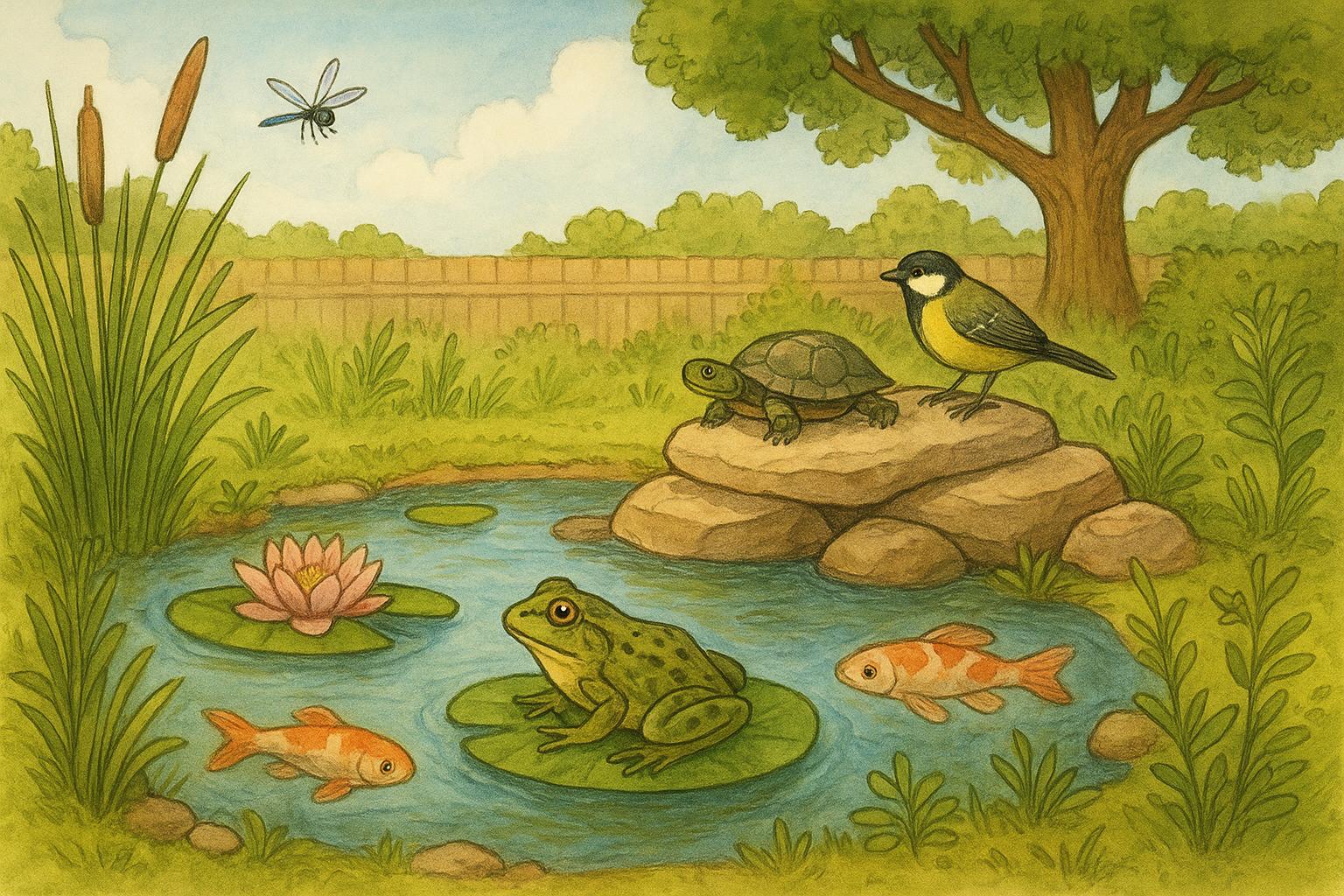
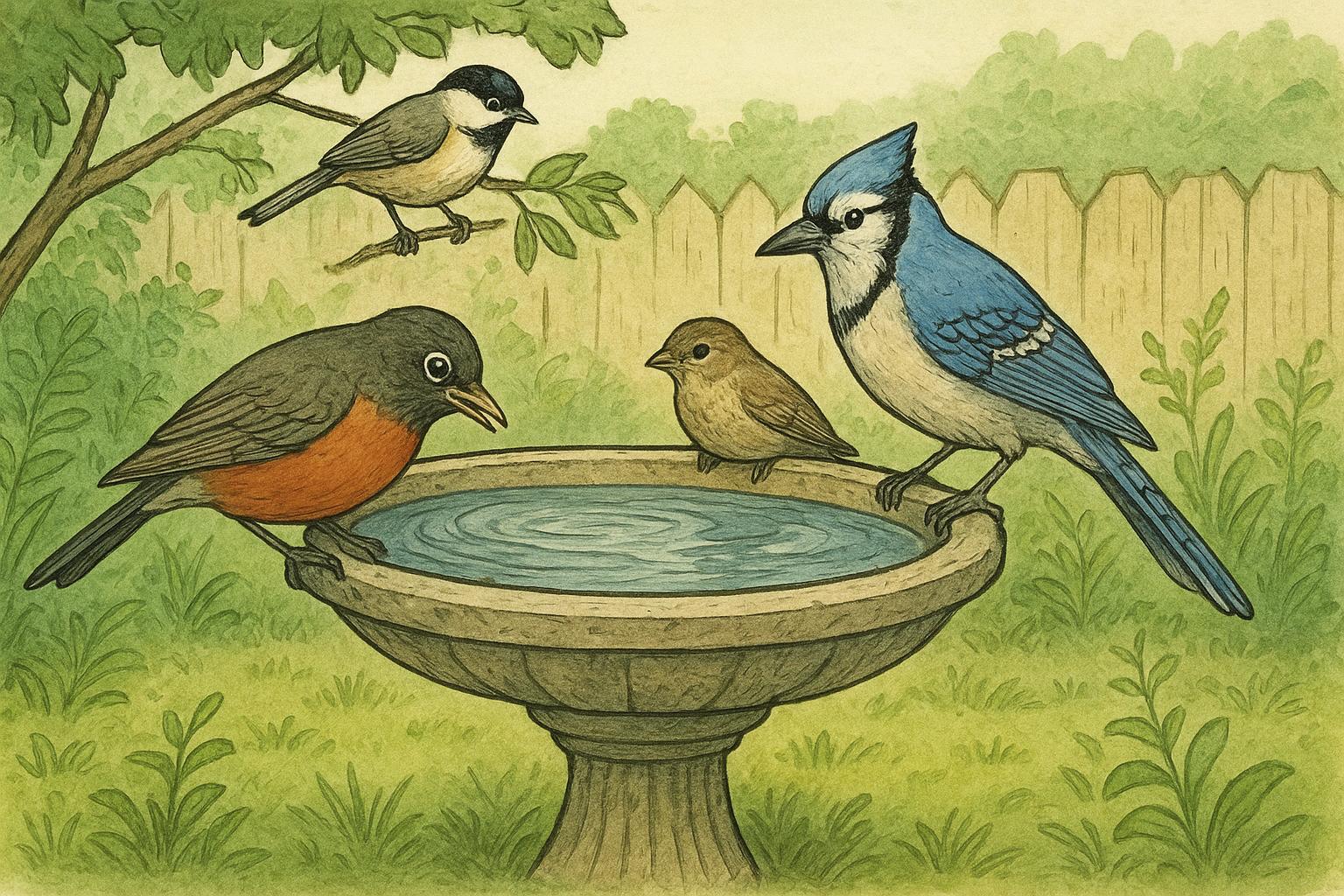
Welcoming birds, frogs, and beneficial insects is a common aim for backyard ponds. This remedy focuses on creating conditions that support diverse wildlife.
Materials Required:
– Native aquatic and marginal plants (list below)
– Logs, flat rocks, or terraced stones for basking and shelter
– Shallow gravel beaches for egg-laying and invertebrates
– Native plant plugs for surrounding landscape
– Small, quiet pump for aeration (optional)
– Mesh cover (temporarily, if predators are a concern)
Recommended Native Plants:
– Marginal: Pickerelweed, Blue Flag Iris, Soft Rush
– Floating: Waterlily (non-invasive species), Frogbit
– Submerged: Hornwort, Elodea
– Shoreline: Sedges, Native Grasses, Wildflowers for pollinators
Step-By-Step Procedure:
1. Plan Plant Zones: Map shelves and depths. Allocate marginal shelves for plants that like wet feet, deeper zones for submerged oxygenators, and open water for amphibian movement.
2. Source Natives: Purchase from reputable native plant suppliers. Avoid plants listed as invasive in your region.
3. Prepare Planting Pockets: Use aquatic planting baskets filled with low-nutrient aquatic soil. Cover with gravel to prevent runoff.
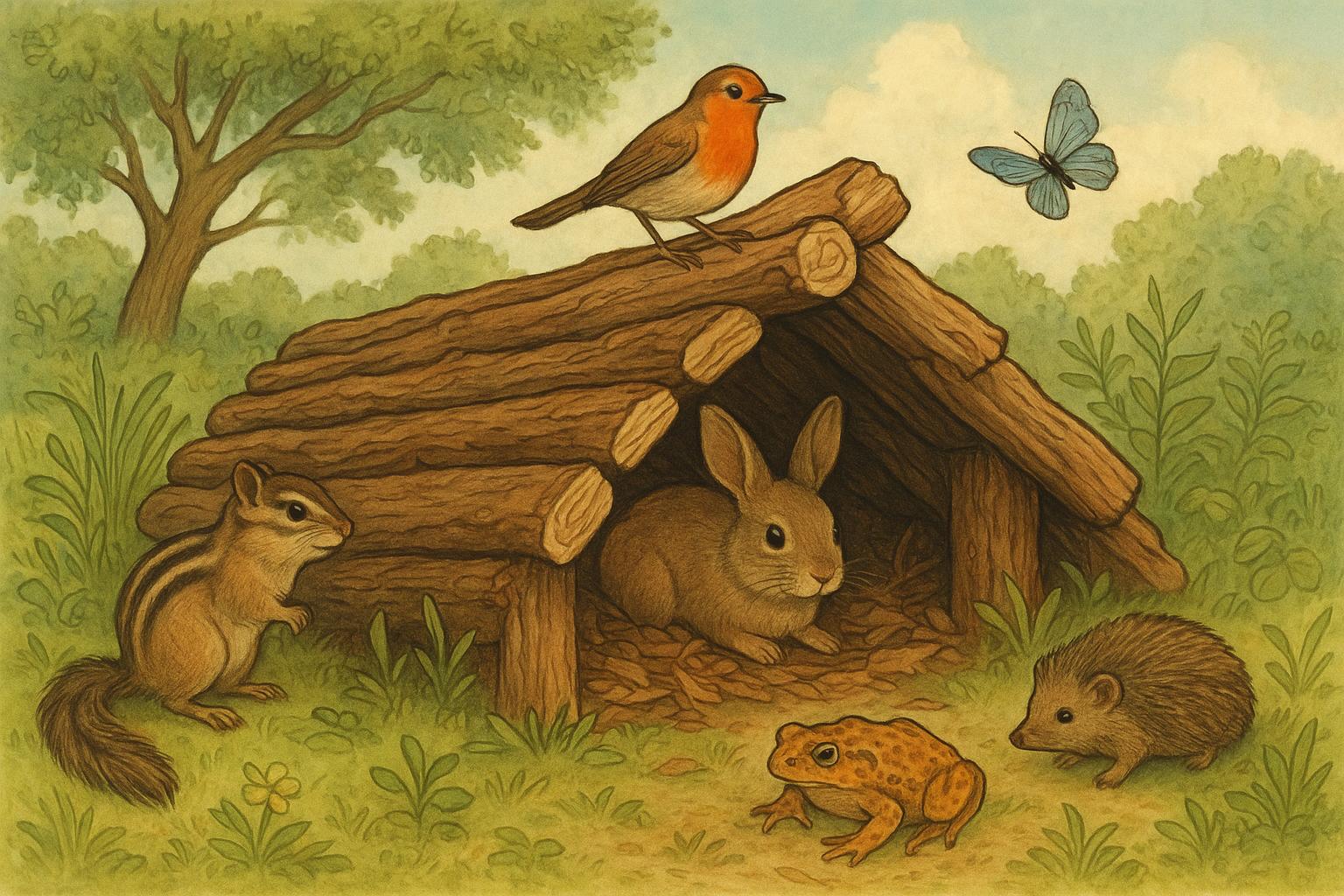
4. Install Structural Habitat: Place logs and flat stones at shallow edges to provide basking sites and escape routes. Create a gentle gravel beach for dragonfly and amphibian larvae.
5. Plant In Stages: Introduce submerged and marginal plants first, then floating plants. Allow time for each group to establish.
6. Minimize Disturbance: Avoid heavy maintenance during breeding seasons. Monitor predator activity and intercede with humane deterrents only if necessary.
7. Provide Water Access And Exit Points: Ensure gradual slopes or stones that allow wildlife to enter and exit the pond safely.
These measures require initial effort but yield a resilient, self-regulating habitat that reduces long-term maintenance.
### Designing For Safety And Longevity
Consider safety—especially if children or pets frequent the yard. Gentle slopes, secure covers, and visible edges help prevent accidents. Also plan for winter: fish need deeper refuges; pumps should have freeze protection or be removed and stored.
### Budgeting Smartly
Pond design doesn’t mean breaking the bank. Prioritize infrastructure—liner, basic pump, and filtration or planting shelves—then add decorative elements over time. Reclaimed stone and native plants are cost-effective and environmentally friendly picks.
#### Maintenance Rhythms
Routine chores keep a pond singing. Monthly checks include skimming debris, inspecting pumps and skimmers, and pruning plants. Seasonal tasks include partial dredging, winterizing equipment, and planting refreshes in spring.
## Light Touches That Make A Big Difference
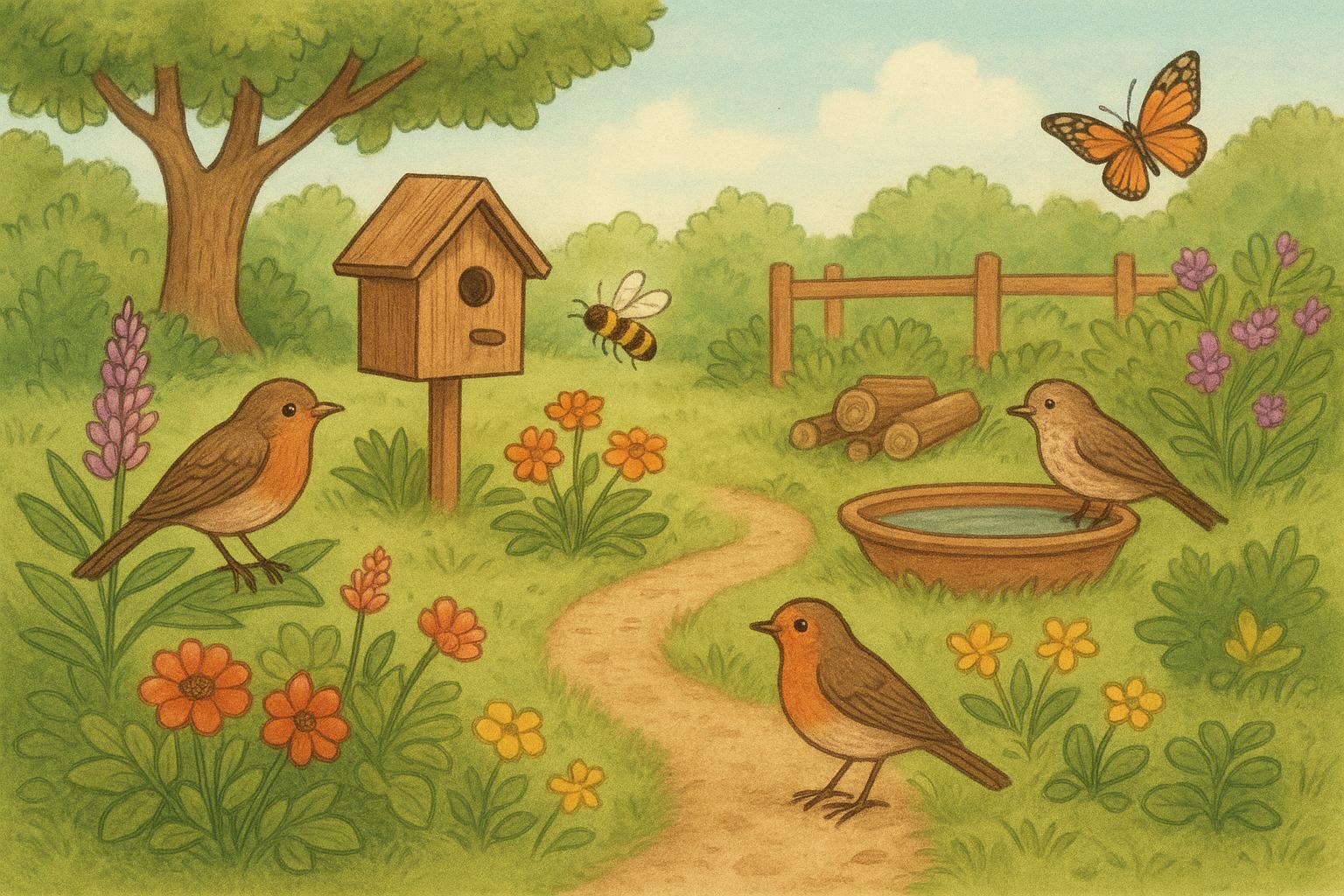
Small design decisions elevate a pond from “nice” to “memorable.” Consider a seating area that frames the best view, stepping stones for safe approach, and a gravel path lined with native wildflowers. Scent plays a role too—plant mint or lavender nearby for sensory delight (mind invasive tendencies).
### Integrating Into The Landscape
A pond should feel like it’s always belonged there. Use native shrubs and grasses to blend edges, and avoid stark artificial borders unless your style calls for formal geometry. Layer plant heights and textures to create visual depth.
## When To Call A Pro
Some tasks are DIY-friendly; others benefit from a pro. Consult an experienced pond contractor for large excavations, complex filtration installations, or if local regulations impact water use. A professional can also perform a design review to ensure your pond design is sustainable and compliant.
### Small Humor Note (Because We Like Smiles)
If you build it, the birds, frogs, and neighborhood cat will come—sometimes in that order. Expect curious visitors, and maybe a frog or two to claim your favorite patio chair.
## Practical Plant List For Common Climates
Choose plants native to your region. Here’s a general starter list that adapts to many temperate climates:
– Waterlily (Nymphaea spp.)
– Pickerelweed (Pontederia cordata)
– Blue Flag Iris (Iris versicolor)
– Hornwort (Ceratophyllum demersum)
– Soft Rush (Juncus effusus)
– Sedges (Carex spp.)
Use these to populate shelves, add oxygenation, and create shade that helps manage algae and stabilizes the ecosystem.
## Final Implementation Tips
Begin with a clear plan, invest in proper foundational components (liner, pump, filtration or biological plantings), and build complexity gradually. Monitor water chemistry, respond to changes promptly, and enjoy the process. Pond design is iterative—observe each season and let the pond evolve with your stewardship.


























Leave a Reply