
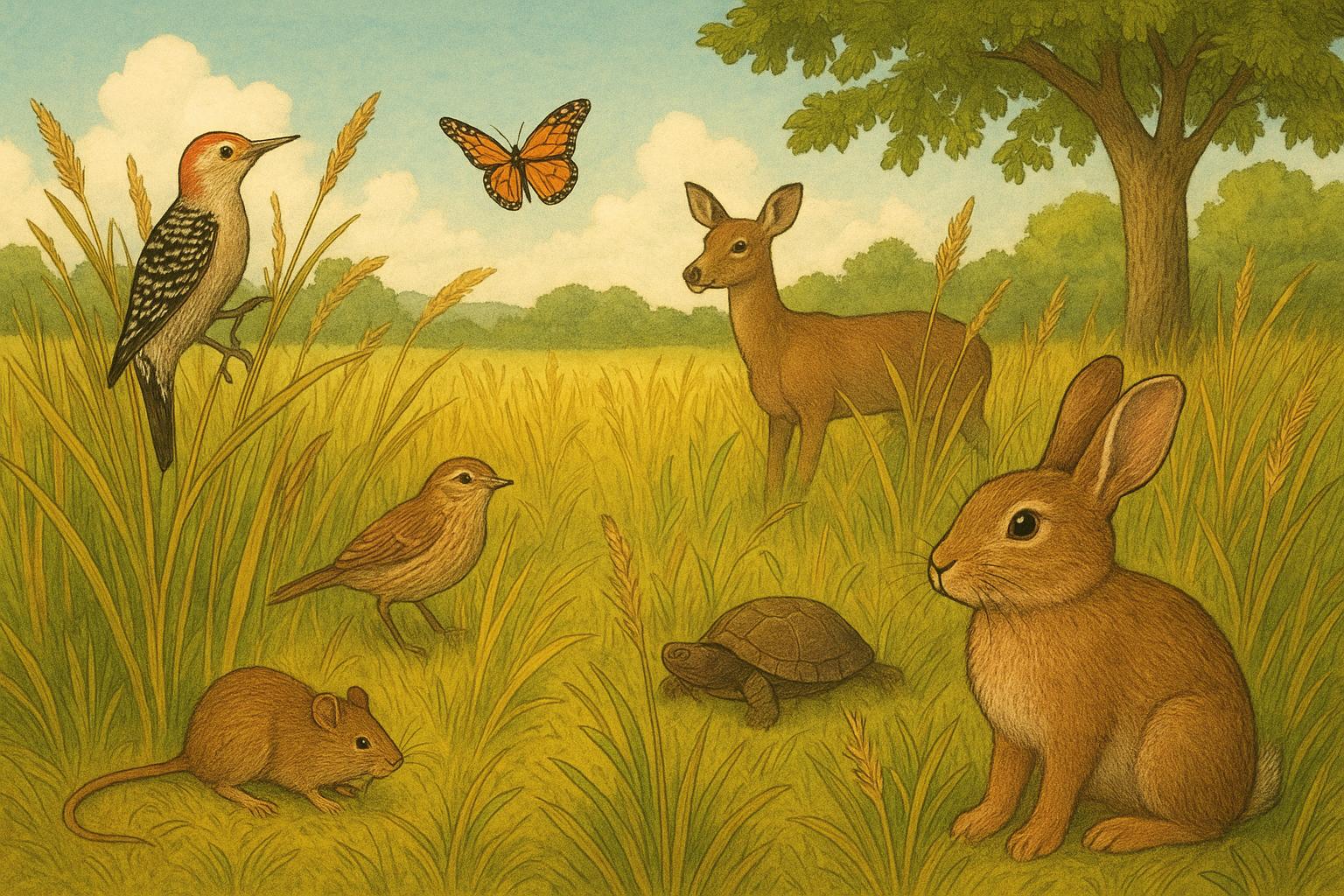
Native grasslands are the backstage crew of healthy ecosystems—quietly holding up the show while birds, bees, and beetles steal the spotlight. In smaller spaces like backyards and large restorations alike, these plants do far more than look pretty when the wind runs through them. They are keystone components that influence soil, water, insect populations, nesting opportunities, and the overall resilience of a habitat.
## Native Grasses For Wildlife Habitats
### What Makes Them Keystone Plants
A keystone species is one that has a disproportionately large effect on its environment relative to its abundance. native grasses fit that role by structuring habitat, cycling nutrients, and supporting food webs. Their deep roots stabilize soil and increase infiltration, which reduces runoff and helps nearby trees and shrubs access water during drought. Above ground, clumping forms, seed heads, and foliage layers provide foraging substrate, shelter, and nesting material for a surprising variety of wildlife.
### Ecosystem Services In Plain Sight
#### Soil Health And Water Management
Healthy stands of native grasses build soil organic matter through long-lived roots and seasonal dieback. This improves soil structure, promotes beneficial microbes, and stores carbon. More water soaks in instead of running off, so you get fewer puddles after storms and a healthier downstream environment.
#### Pollinators And Invertebrate Support
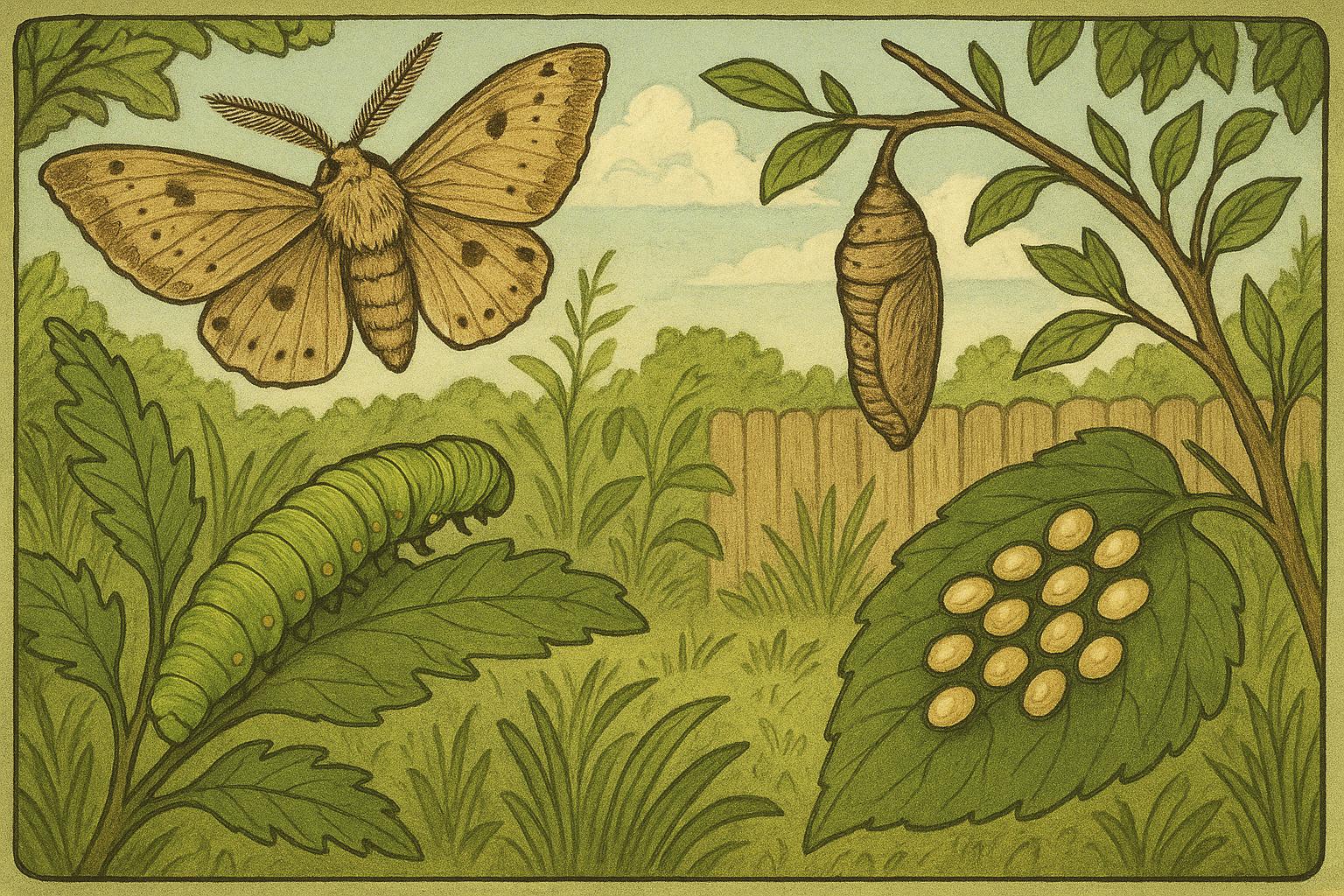
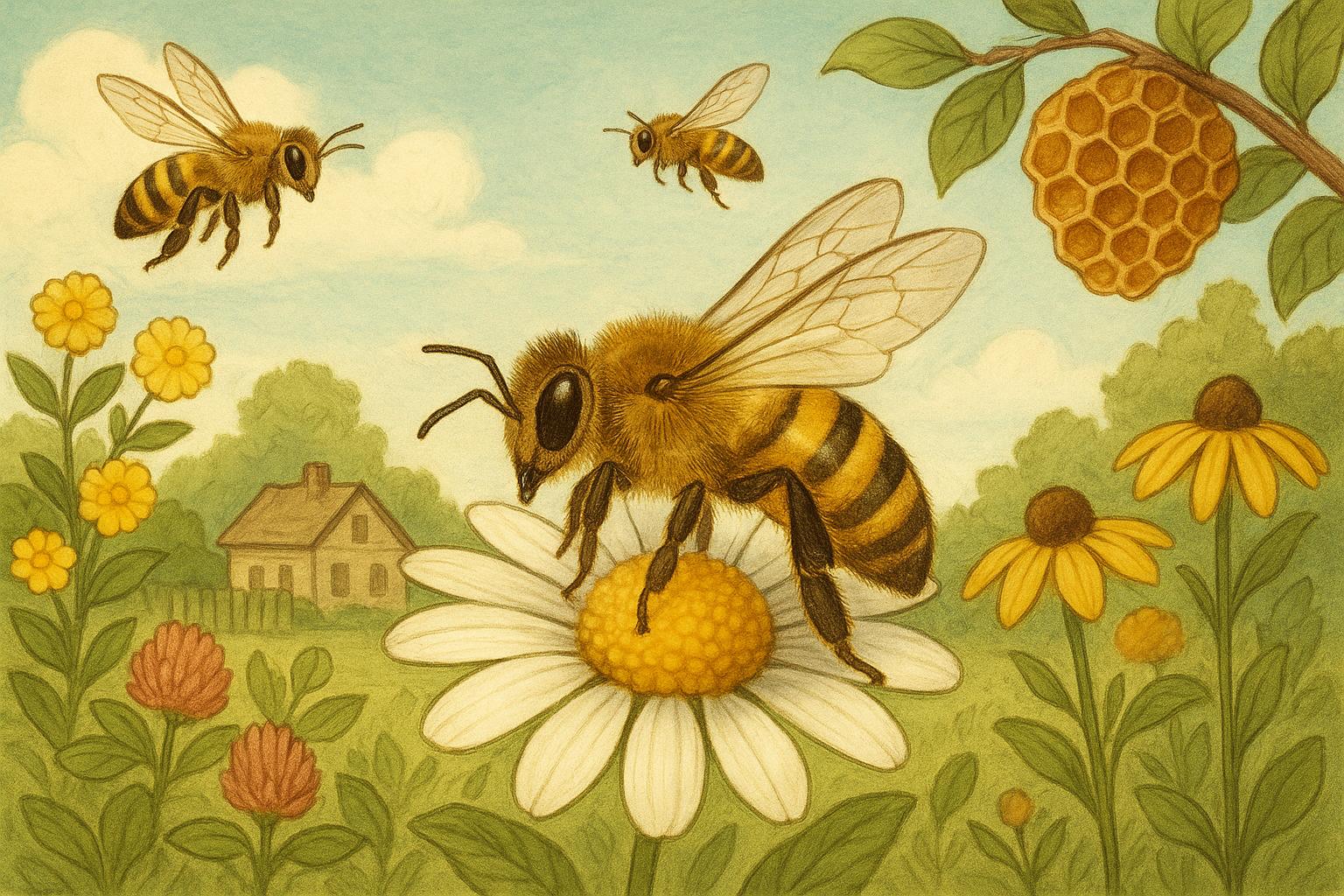
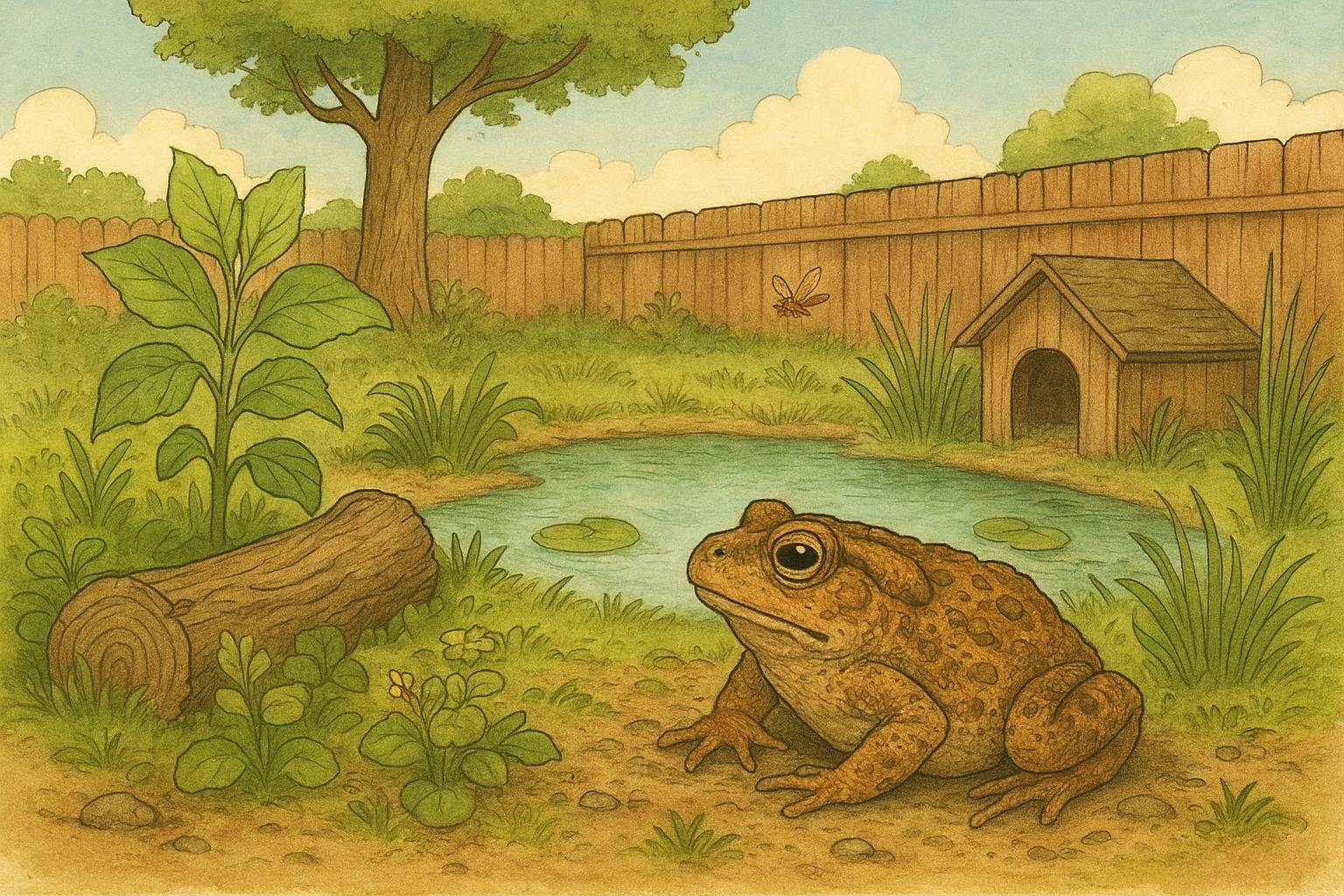
Although grasses are wind-pollinated and don’t offer nectar, their presence creates microhabitats for flowering forbs and supports insect life cycles. Many beetles, moths, and grass-feeding caterpillars rely on grass-dominated patches for food and overwintering sites. Those insects, in turn, feed birds, small mammals, and amphibians.
#### Bird And Mammal Uses
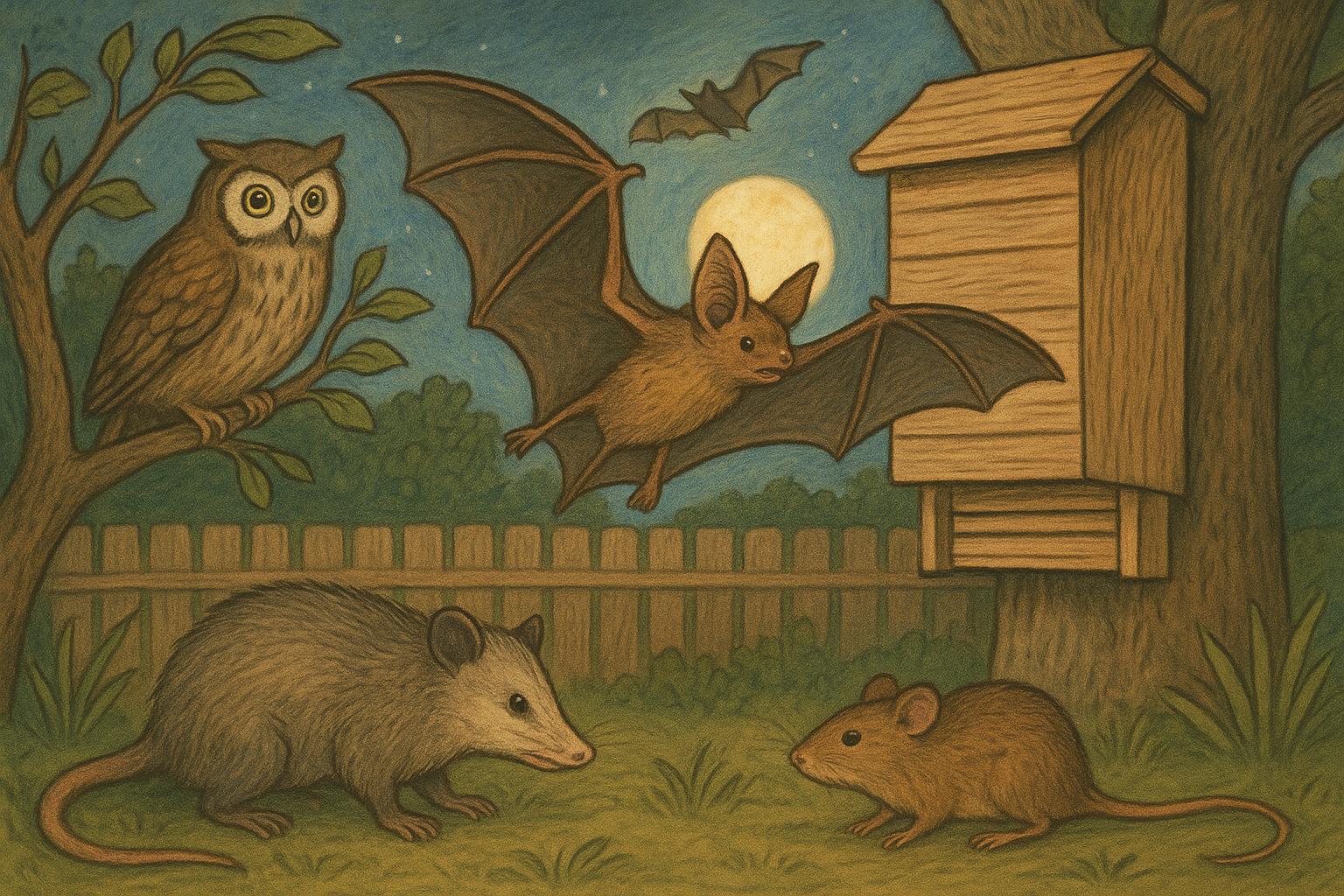
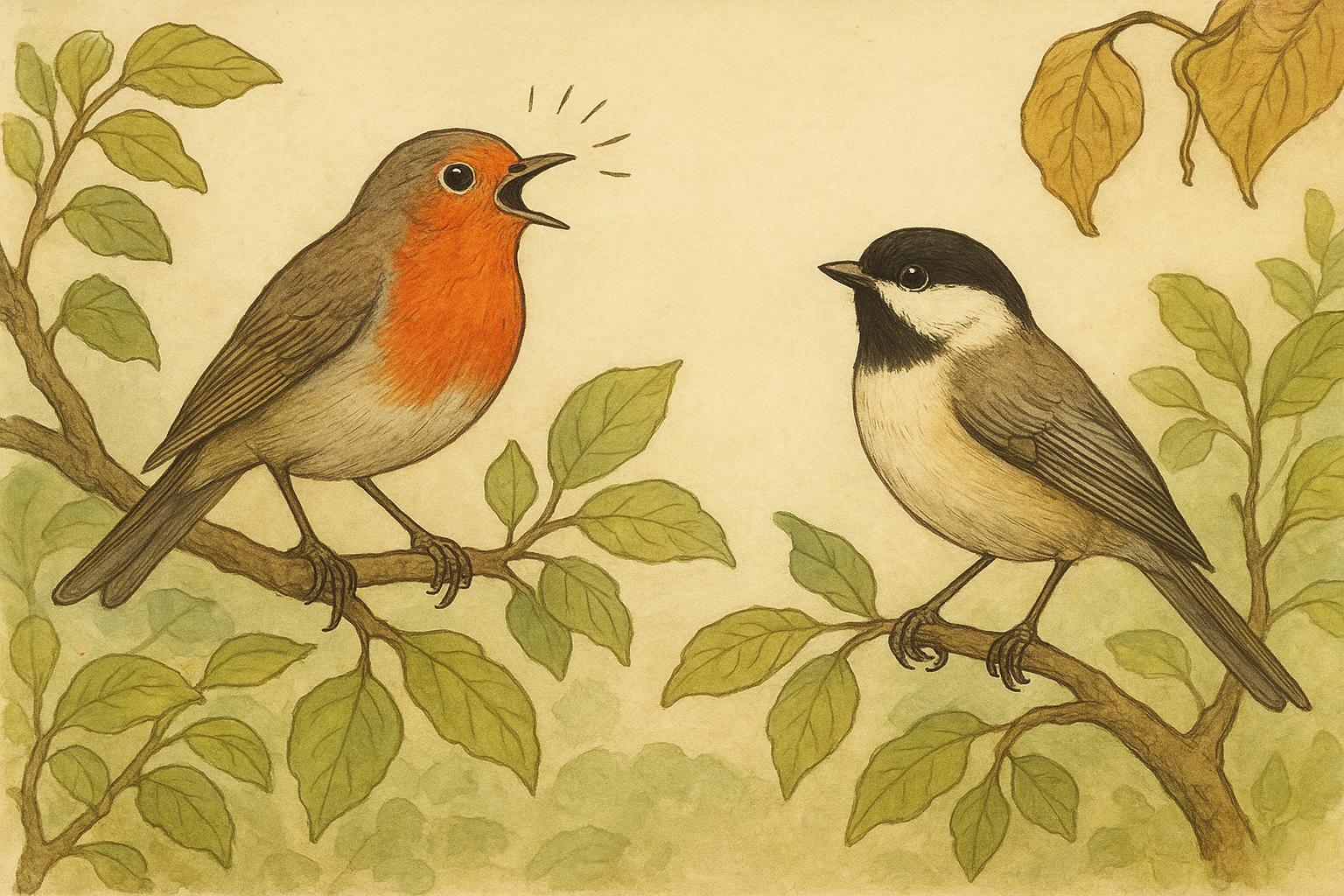
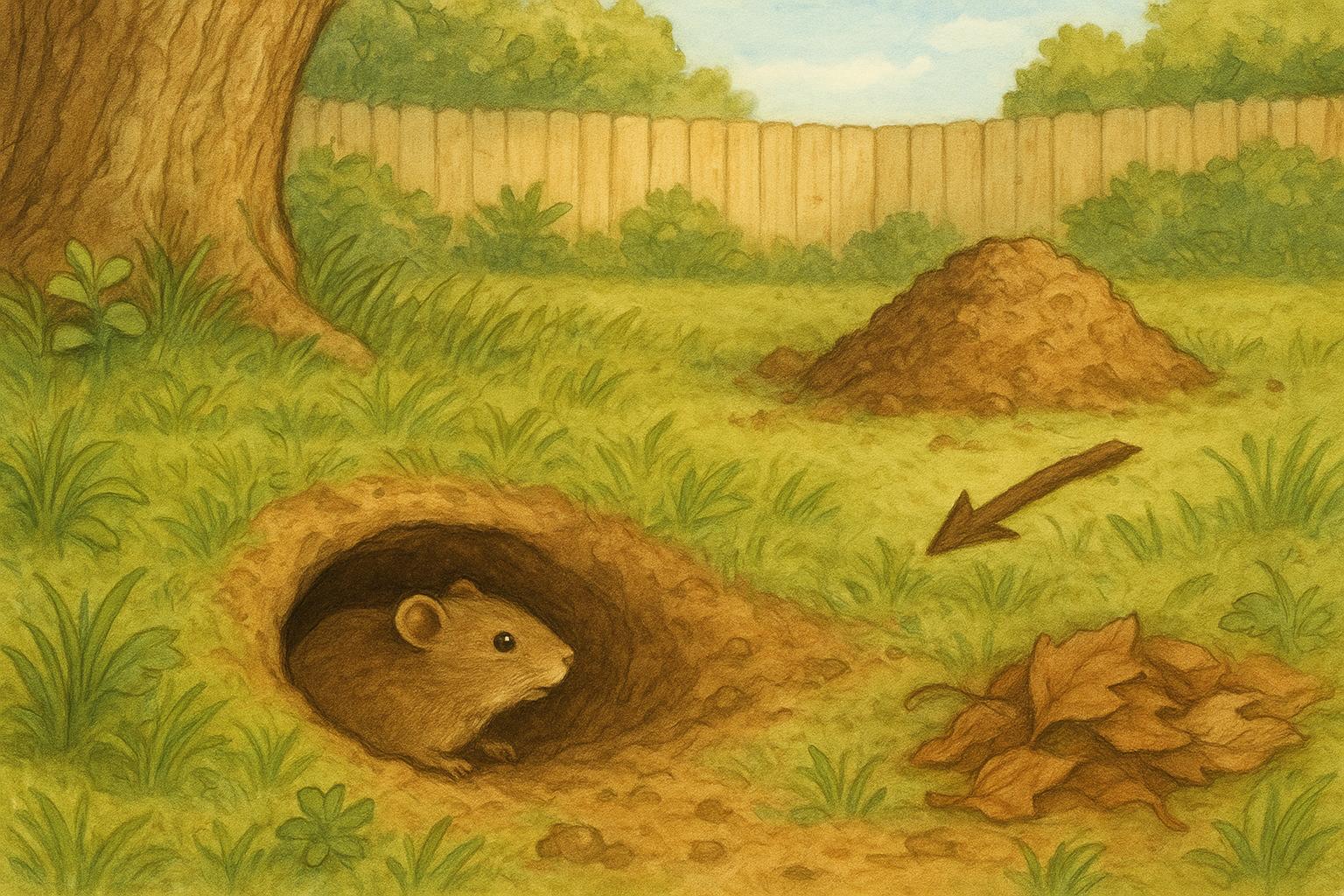
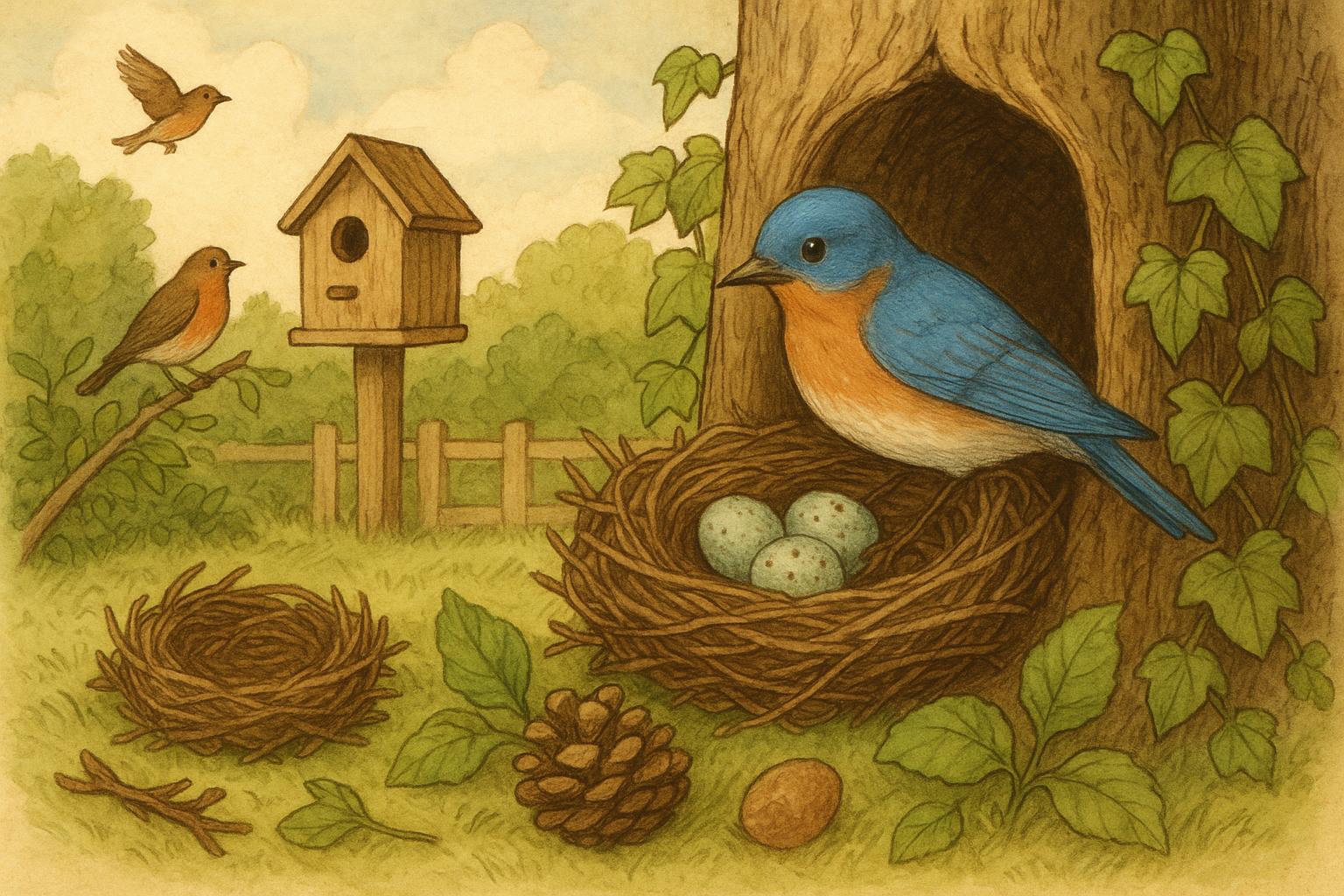
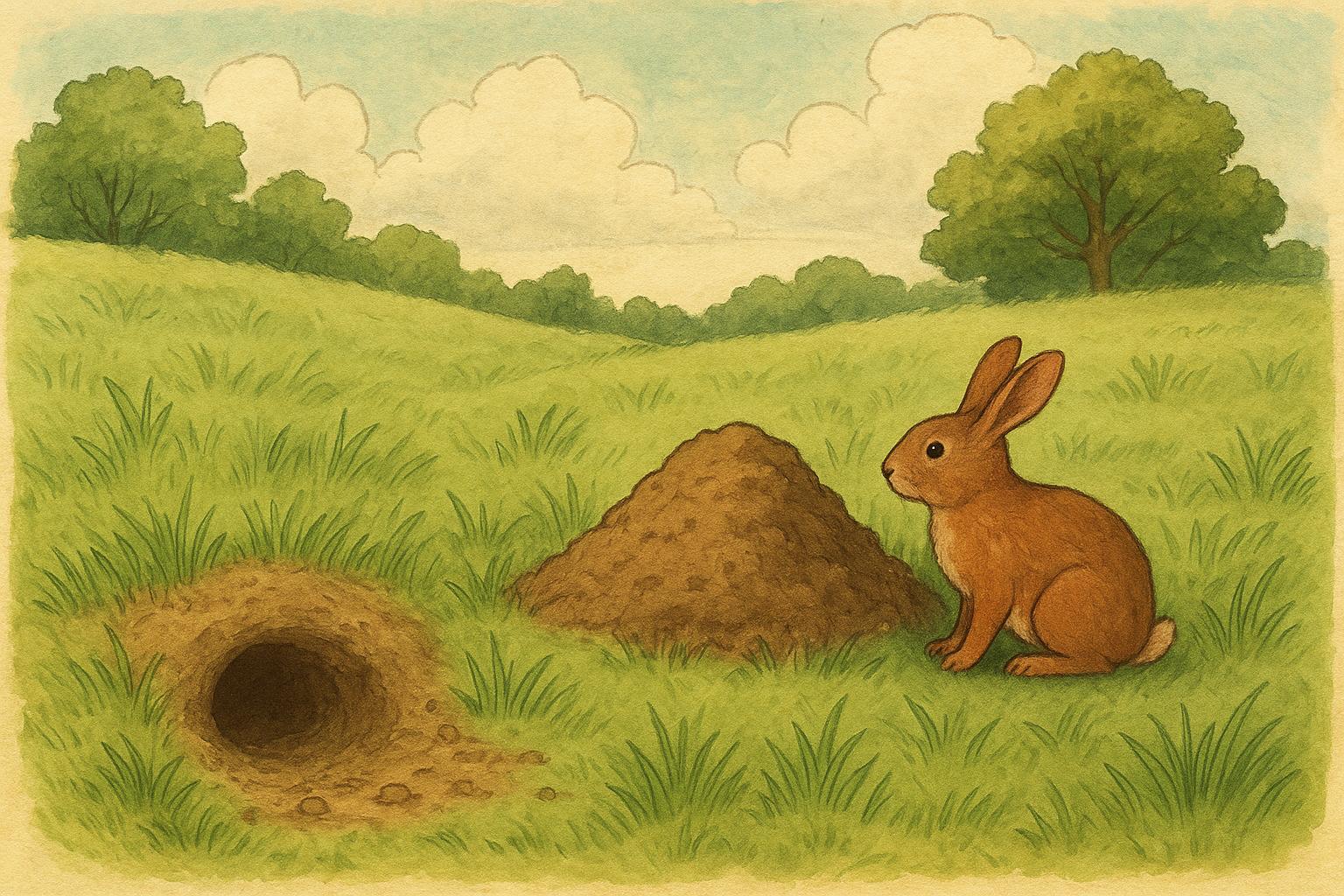
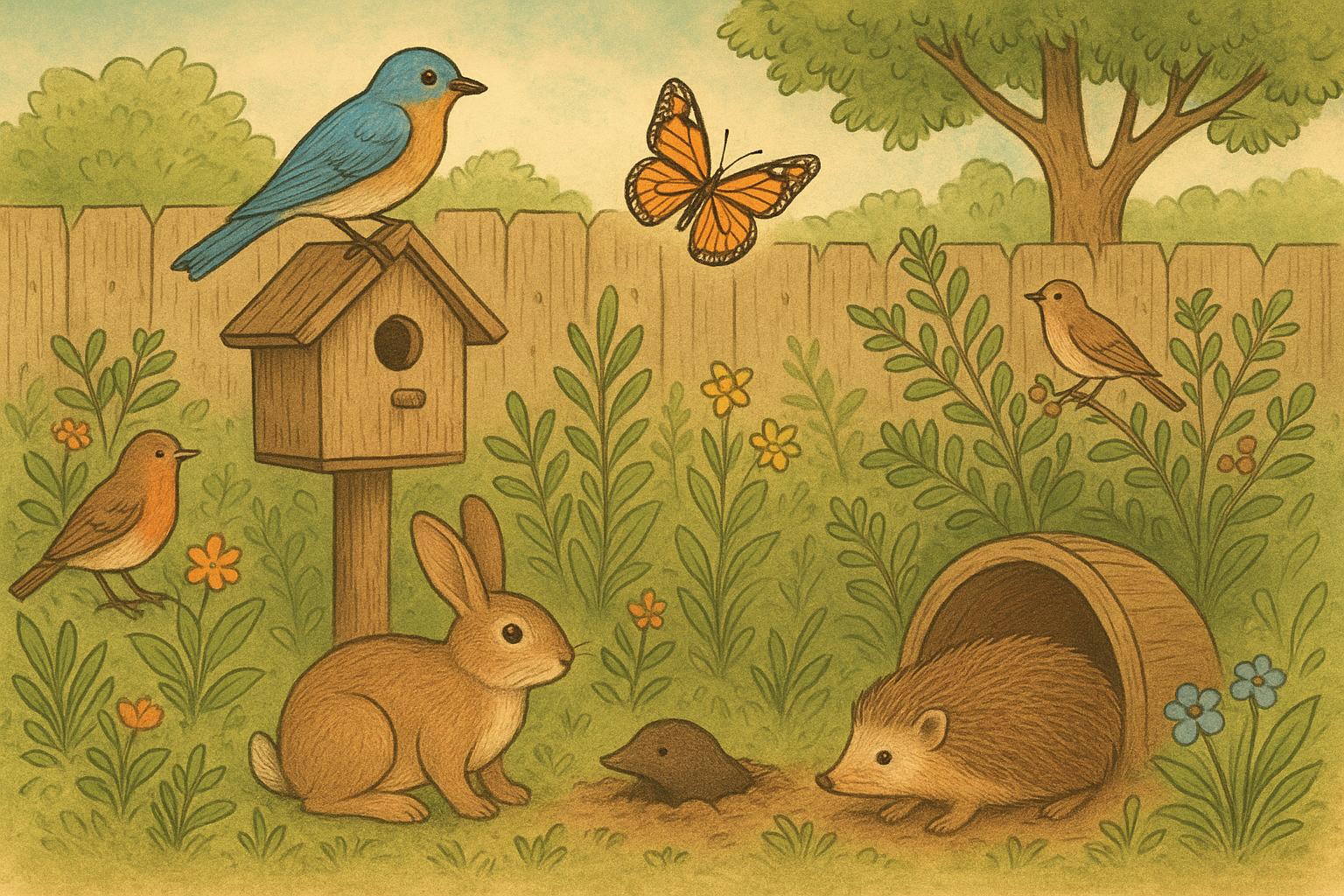
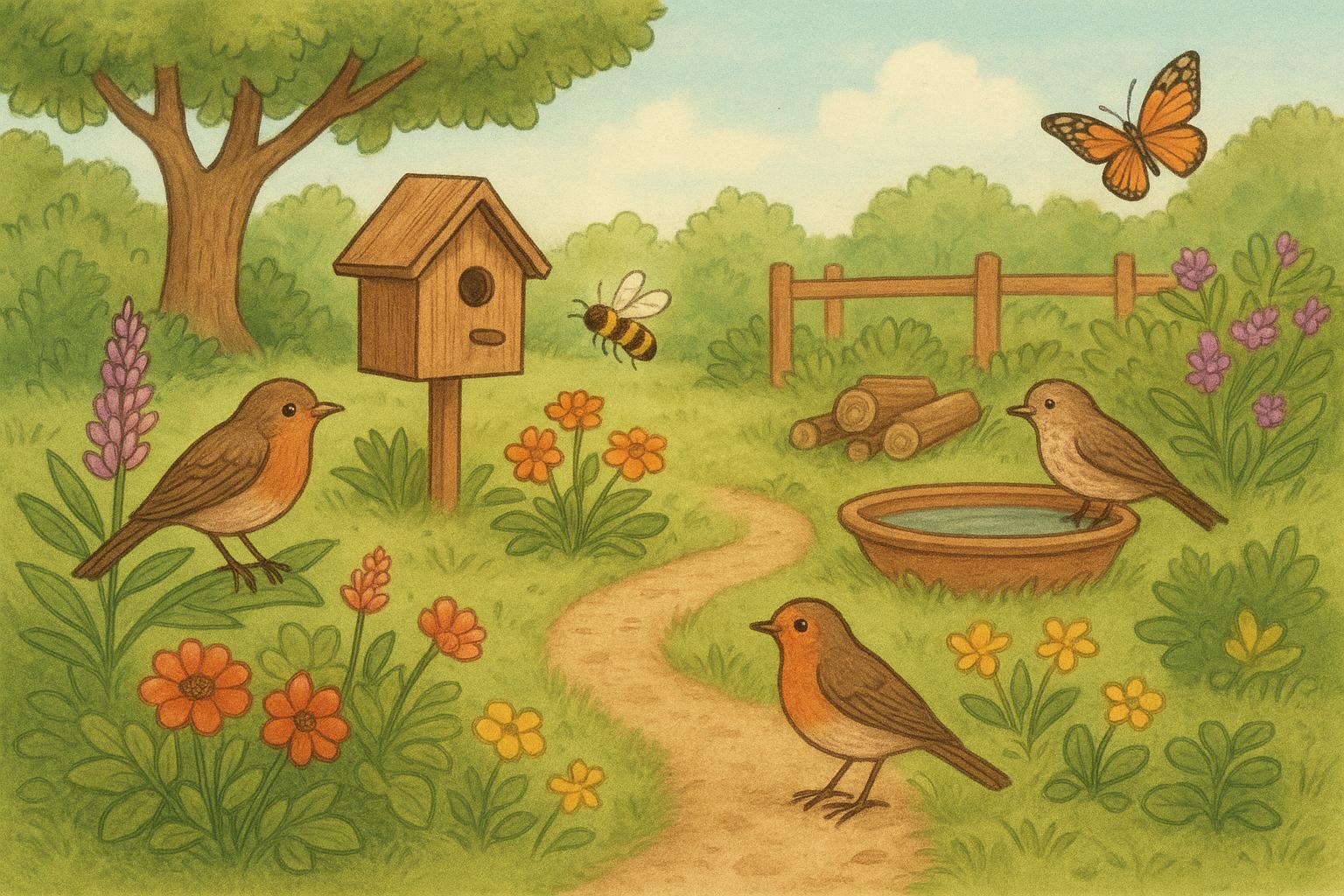
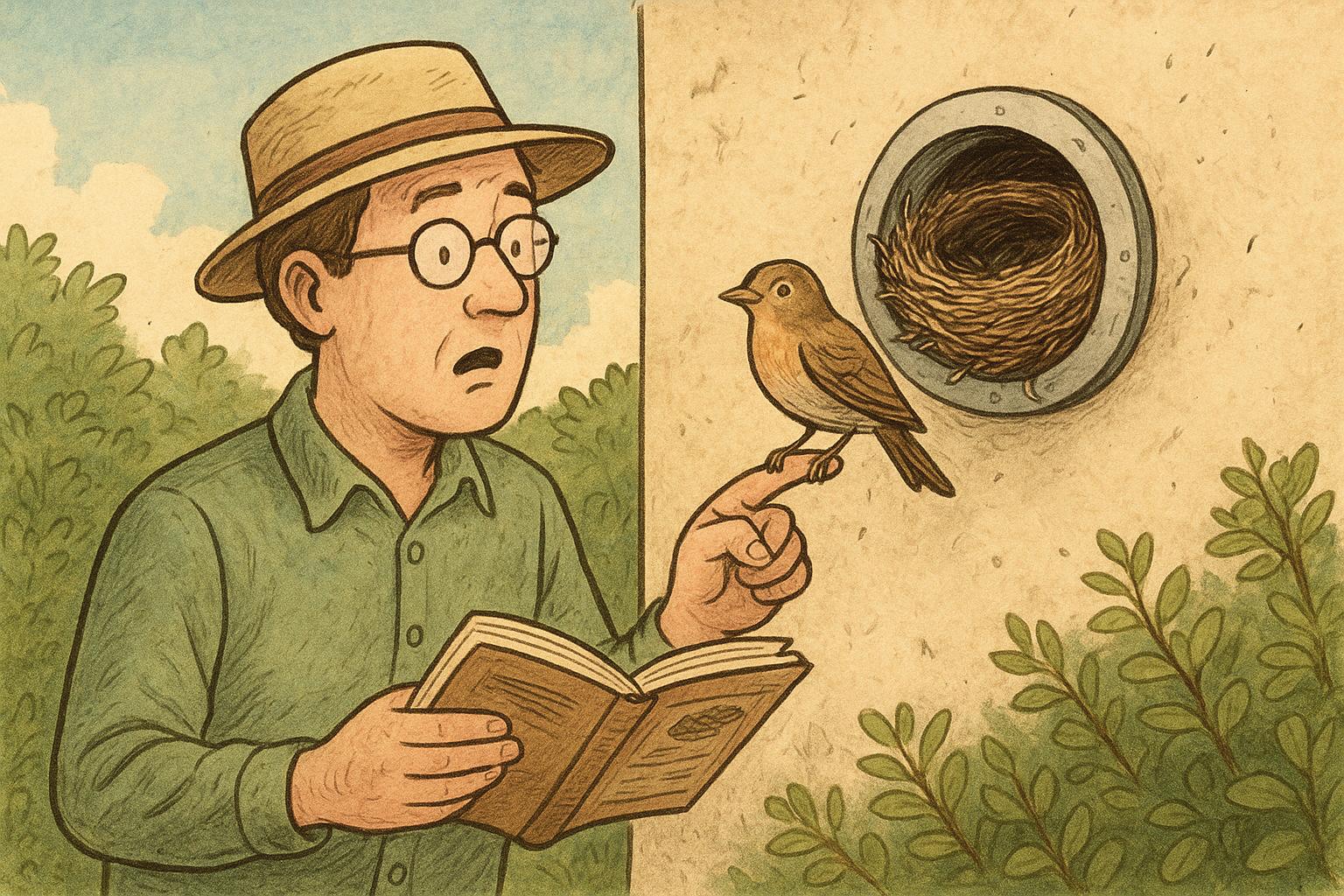
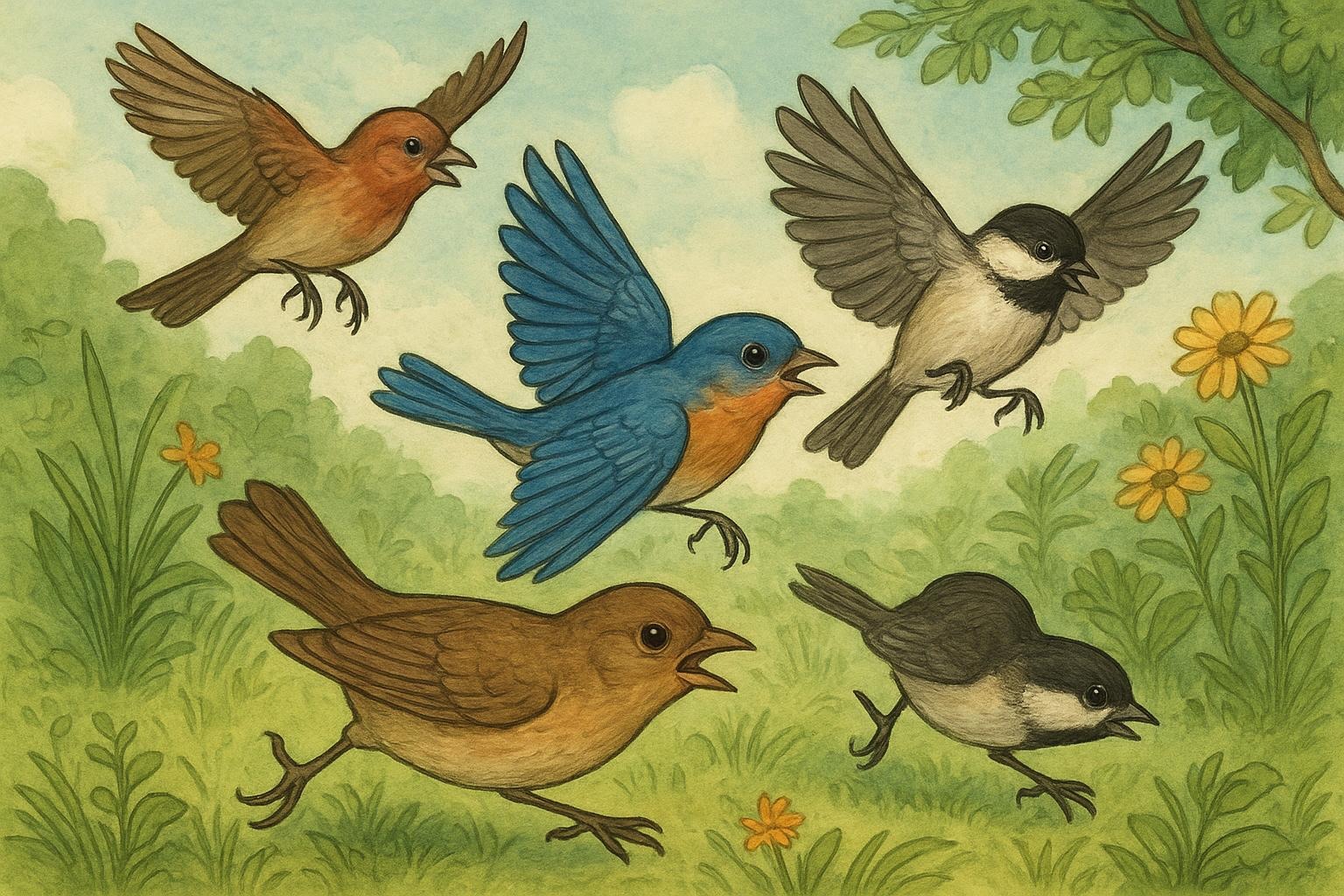
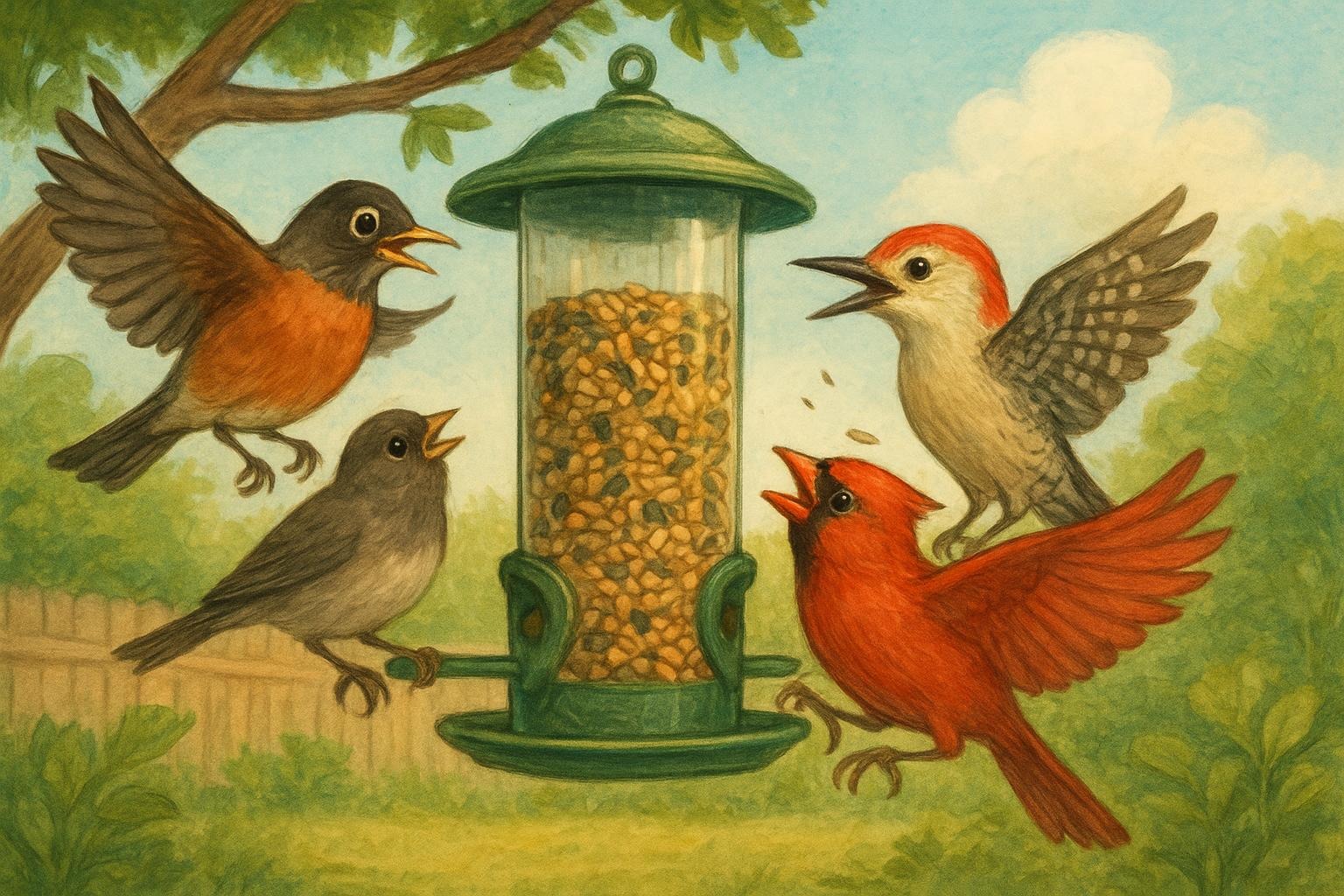
Seed-eating songbirds and ground-nesting species exploit dense grass for cover and breeding. Small mammals such as voles and rabbits use the thatch for nesting and evading predators. Raptors benefit indirectly by finding higher densities of prey in grass-dominant areas.
## How To Choose Appropriate Species
### Match Plants To Place, Not To Trend
Selecting species that historically belonged to your ecoregion leads to the best outcomes for wildlife. Different grasses suit different sites—dry, sandy soils favor warm-season bunchgrasses; mesic sites can handle cool-season species. Consider sunlight, soil texture, and moisture regime before you buy seed.
### Diversity Wins
A mix of bunchgrasses, sod-forming species, and a few regionally native sedges or rushes creates vertical structure and seasonal seed resources. Don’t be tempted to plant a single “pretty” grass across everything; diversity increases resilience against pests, disease, and weather extremes.
## Management Practices That Help Wildlife
### Timing And Mowing Considerations
Leave late-season seed heads standing through winter when possible; they feed birds and shelter insects. If mowing is required, do it in a mosaic pattern—leave some patches taller and cut others—to maintain refuges. Aim to mow after nesting season and avoid a hard cut that removes all protective cover at once.
### Fire, Grazing, And Mechanical Disturbance
Where safe and allowed, periodic prescribed fire or controlled grazing can renew vigor and reduce woody invasion. If these options aren’t practical, targeted mechanical thinning every few years can mimic natural disturbances. Whatever method you choose, prioritize wildlife timing and incremental disturbance to protect nests and overwintering insects.
## Remedy: Establishing A Native Grass Patch
When done right, creating a patch of native grasses can provide a wildlife magnet and a low-input landscape feature. The following is a formal, step-by-step implementation plan to establish a native grass patch in a backyard or restoration site.
#### Materials And Required Ingredients
– Regionally appropriate native grass seed mix (choose species adapted to your soil and climate)
– Native forb seed mix (optional but recommended for pollinators)
– Soil test kit or lab analysis report
– Mulch: straw (weed-free) or coir matting
– Garden rake, hoe, or gloved hands for small sites
– Wheelbarrow and shovel for larger beds
– Watering source (hose, soaker line, or watering can)
– Optional: biodegradable erosion control fabric and stakes
– Protective fencing or hardware cloth (to keep out rabbits or small herbivores during establishment)
– Gloves, safety glasses, and basic personal protective equipment
#### Site Preparation Steps
1. Test the soil for pH and basic nutrients. Amend only to the extent necessary to match the needs of your chosen local species—many native grasses prefer lean soils and do poorly when over-fertilized.
2. Mark out the planting area. For best wildlife benefit, aim for at least a few hundred square feet if possible; even small patches help.
3. Remove existing turf or aggressive weeds. For small areas, sod can be cut and removed. For larger ones, smothering with cardboard and mulch for several months or solarization can work. Avoid broad-spectrum herbicides when possible to protect nearby wildlife.
4. Lightly cultivate the surface to reduce compaction, creating a firm but friable seedbed about 1–2 inches deep. Do not over-tilth; too-fine a seedbed buries small seeds.
5. If erosion is a risk, install biodegradable erosion control fabric or contour barriers before seeding.
#### Planting Procedure
6. Calculate seed rates per package instructions and adjust for purity and germination percentage. Mix seed with sand for even broadcast in small areas.
7. Broadcast the native grass (and forb) seed evenly across the site. For furrow planting, shallowly rake or press seeds into the soil to ensure firm seed-soil contact; most grass seeds require surface or very shallow planting.
8. Lightly roll or tamp the seeded area to press seeds into contact with soil. Avoid burying seeds deeply.
9. Apply a thin layer of straw mulch or coir to reduce wind loss and retain moisture; avoid smothering with a thick blanket of mulch.
10. Install protective fencing if herbivory from rabbits or deer is a problem, especially during the first year.
11. Water regularly but sparingly to keep the surface moist until seedlings are established. Overwatering can encourage weeds; aim for consistent moisture, then taper as roots develop.
12. Monitor for invasive weeds. Hand-pull or spot-treat invasives early; do not cultivate, which can bring new weed seeds to the surface.
#### First Two Years Of Care
13. Year One: Expect slow growth. Keep the site moist during dry spells and control weed competition. Do not mow lower than 6–8 inches; letting stems stand provides habitat and helps plant establishment.
14. Year Two: Plants should fill in. Evaluate for supplemental seeding of bare patches in late fall or early spring. Transition to a maintenance regime of annual or biennial mowing/removal of thatch where needed to mimic natural disturbances.
## Monitoring And Adaptive Management
### Keep Records And Adjust
Track which species thrive and which don’t. If certain grasses struggle for multiple seasons, it may indicate a mismatch with micro-site conditions. Adjust species composition gradually rather than ripping out large areas.
### Wildlife Monitoring
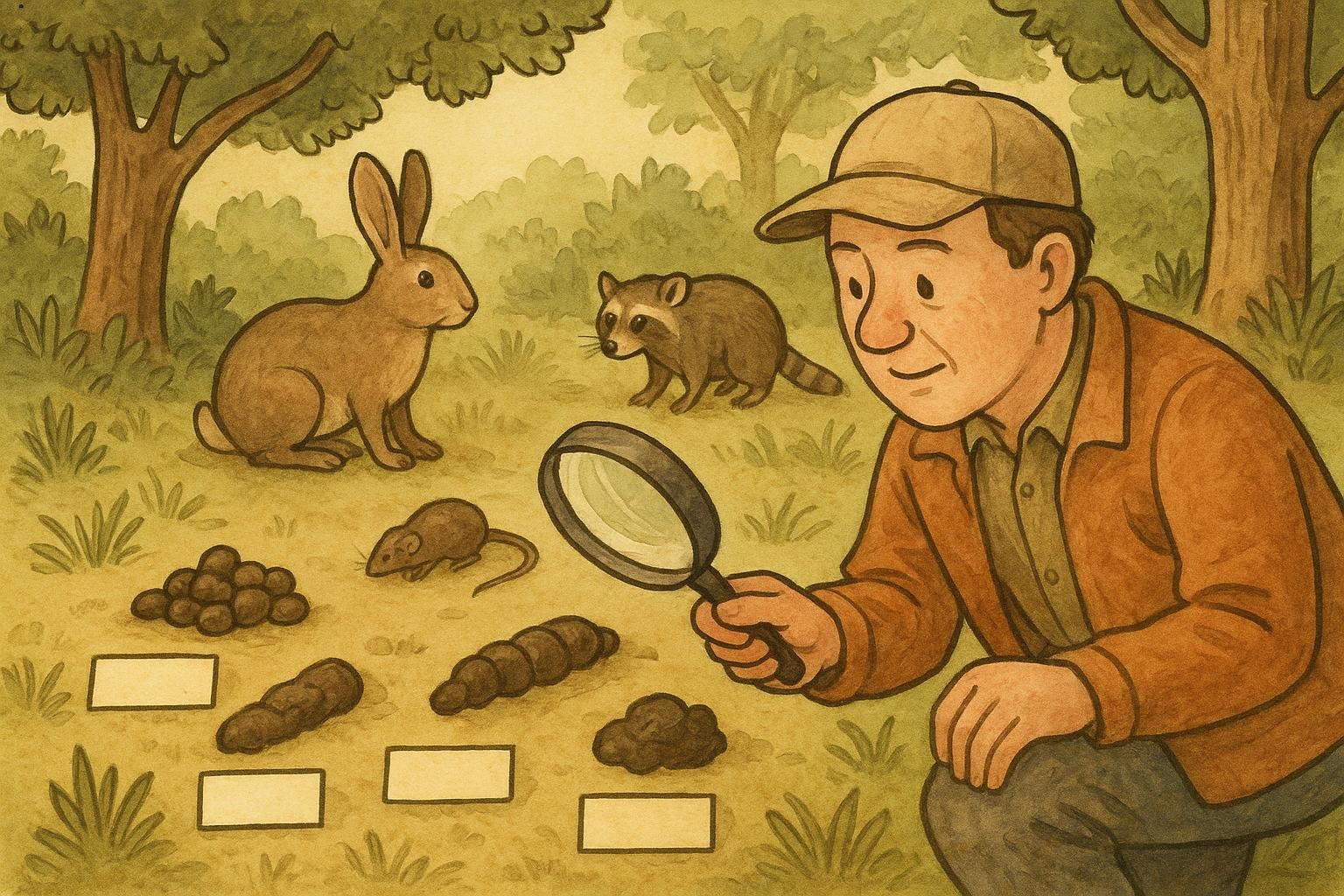
Simple monitoring—weekly bird lists, occasional photo points, and noting insect diversity—can inform management timing. Celebrate the first nesting meadowlark or the surge of native bees; these are metrics of success that spreadsheets can’t capture.
## Common Challenges And Practical Remedies
### Weed Pressure
Weeds are the main annoyance when establishing native patches. Prevention (clean seed, proper site prep) is the best cure. For persistent invaders, spot removal and repeated shallow cultivation during the initial year will reduce a weed seed bank over time. Chemical controls are a last resort and should be used carefully to avoid harming non-target plants and insects.
### Perception Of “Messy”
Some people think tall grasses look untidy. Communicate the ecological benefits to neighbors and use strategic edging or paths to give the area a designed feel. A little signage—“Native Habitat—Please Do Not Mow”—goes a long way and might earn you an appreciative nod.
### Browsing Animals
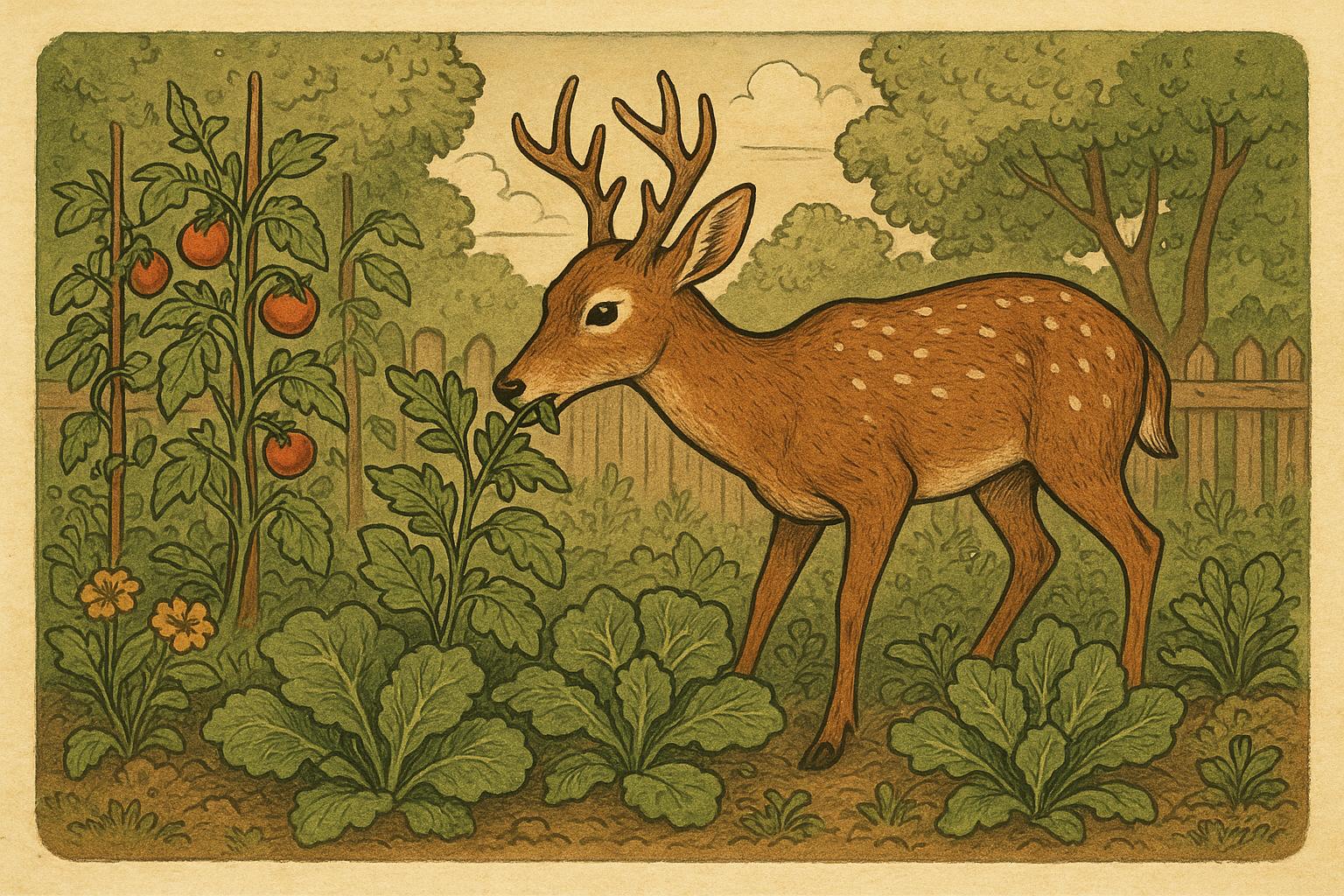
If deer or rabbits discover your seedlings, install temporary fencing or use excluding netting during the critical establishment period. If fencing isn’t feasible, target planting in less browse-prone microhabitats or interplant with browse-resistant species.
## Resources For Sourcing Seed And Expertise
### Trusted Suppliers And Local Programs
Work with native plant nurseries and state/native plant societies that provide regionally sourced seed. Local extension services often offer planting guides and workshops—take advantage of local knowledge rather than trying to transplant ideas from a different climate zone.
### Citizen Science And Community Networks
Joining local birding groups, native plant societies, or pollinator programs can provide support and practical tips. You’ll also get to swap stories about that one stubborn patch that looked like a dud until a chorus of crickets moved in—patience pays.
Remember: creating and managing native grass habitat is both a practical and rewarding way to support wildlife. By choosing appropriate species, following careful establishment steps, and adapting management to local conditions, you’ll provide shelter, food, and refuge for a surprising array of backyard wildlife—often with less water and maintenance than a conventional lawn.



Leave a Reply