
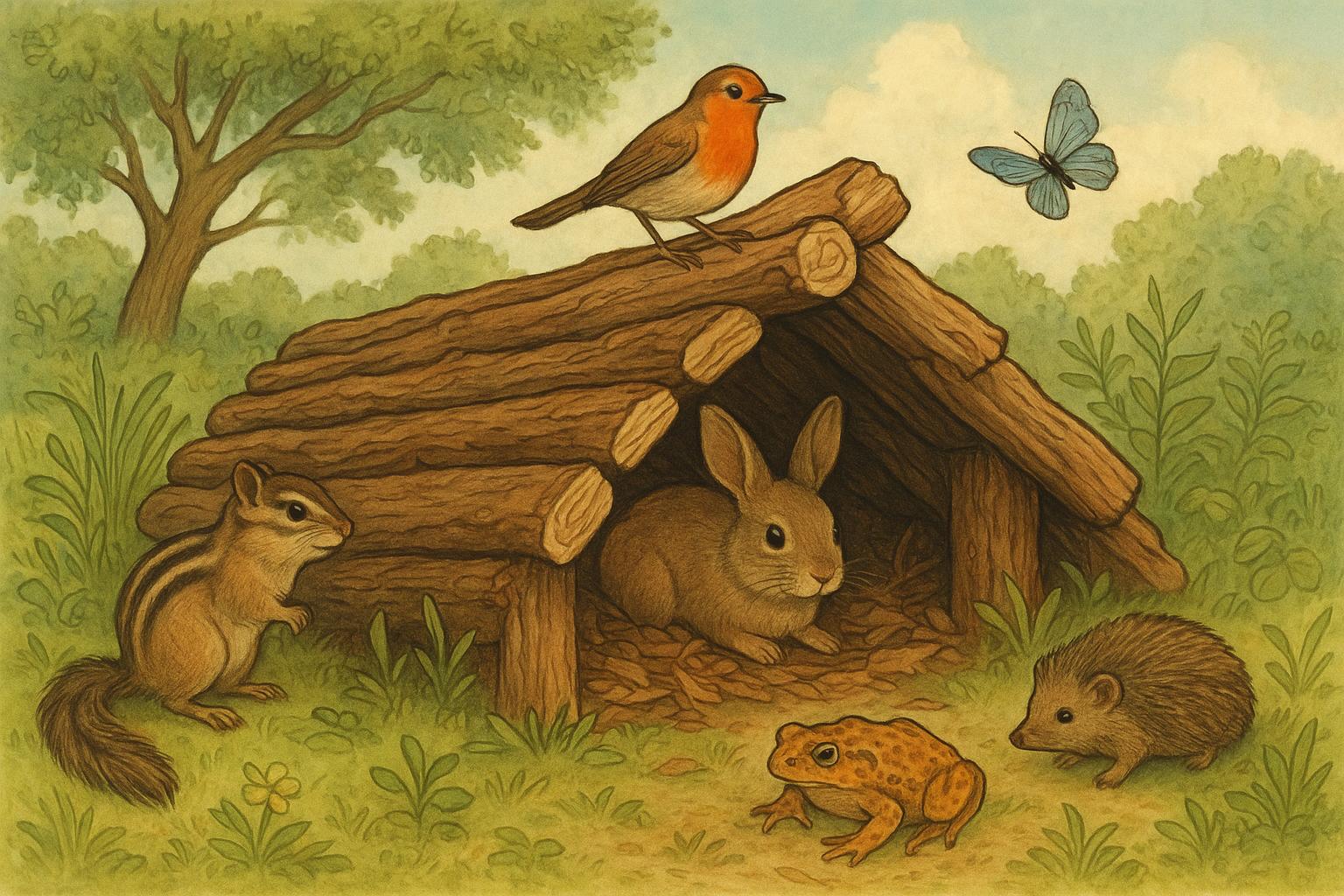
A backyard full of life doesn’t always need a fountain, a fancy bird feeder, or a subscription to “Wildlife Monthly.” Sometimes the secret is as simple as letting nature stack a few logs in the right place. A log shelter is low-effort, high-benefit, and quietly transformative: frogs, toads, beetles, solitary bees, small mammals, and fungi will all RSVP. Pull up a chair (but maybe not right on top of the log pile), and let’s explore how these humble structures can turn your yard into a year-round habitat.
## Why A Log Shelter Works
Nature doesn’t do elaborate blueprints; it uses layers, cover, moisture, and refuge. A log shelter mimics fallen wood in a natural forest: it provides insulation, moisture retention, hiding spaces, and a slow-release buffet of insects and fungi. In winter, logs buffer temperature swings; in summer, the shaded microclimate under and within logs stays cooler and damper than surrounding soil. That makes a log shelter especially attractive for amphibians seeking moist cool spots, insects laying eggs, and small mammals looking for nesting cavities.
Beyond the physical microclimate, decomposing wood becomes an ecological engine. Dead wood supports fungi, which break down lignin and cellulose, turning yesterday’s tree into tomorrow’s soil. In turn, invertebrates feed on the fungi and decaying material, and predators follow. In urban and suburban yards where fallen logs are often cleared away, intentionally creating a log shelter restores a missing piece of the food web.
### Wildlife That Love Log Shelters
You’ll be surprised how many species benefit:
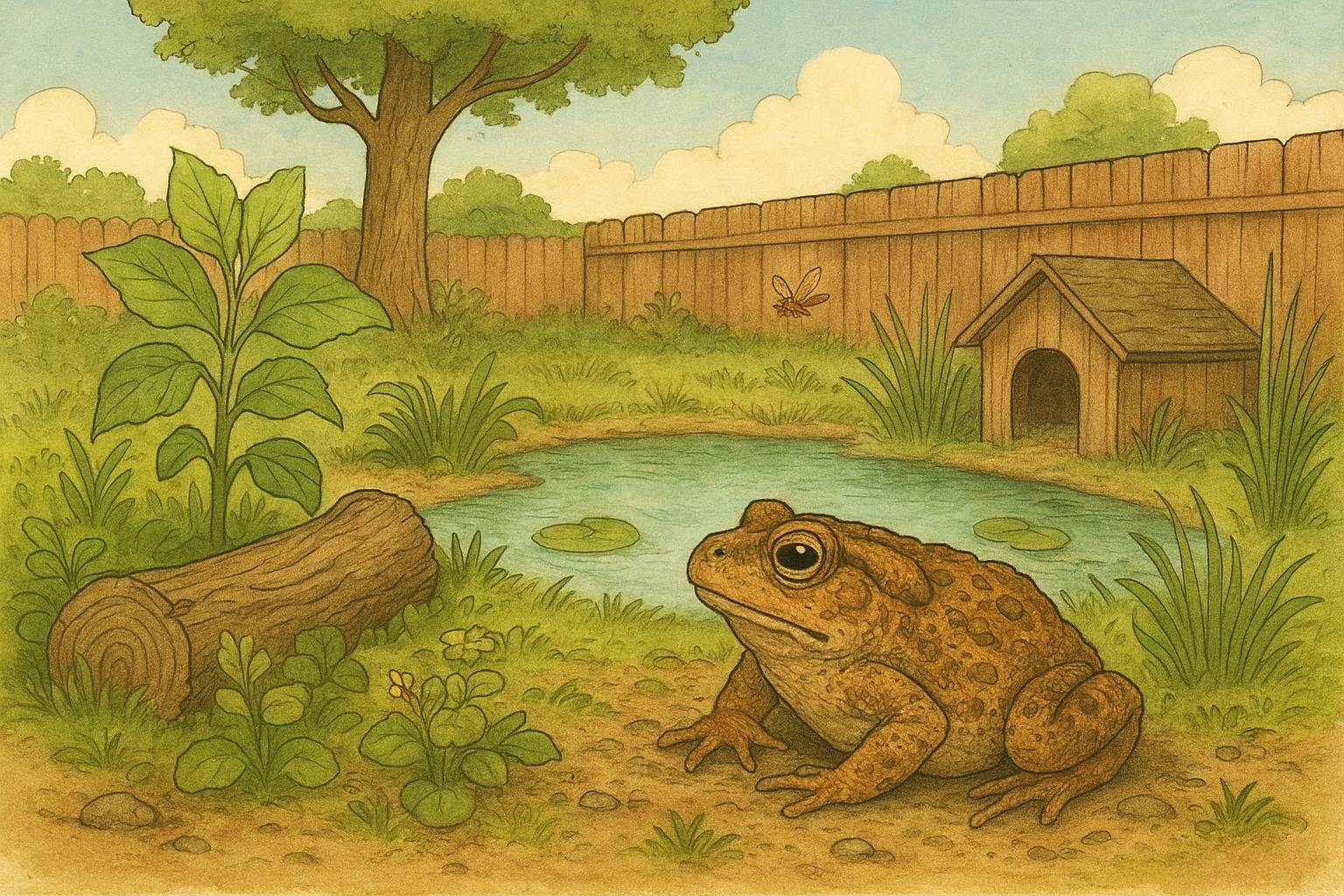
– Amphibians like salamanders and frogs.
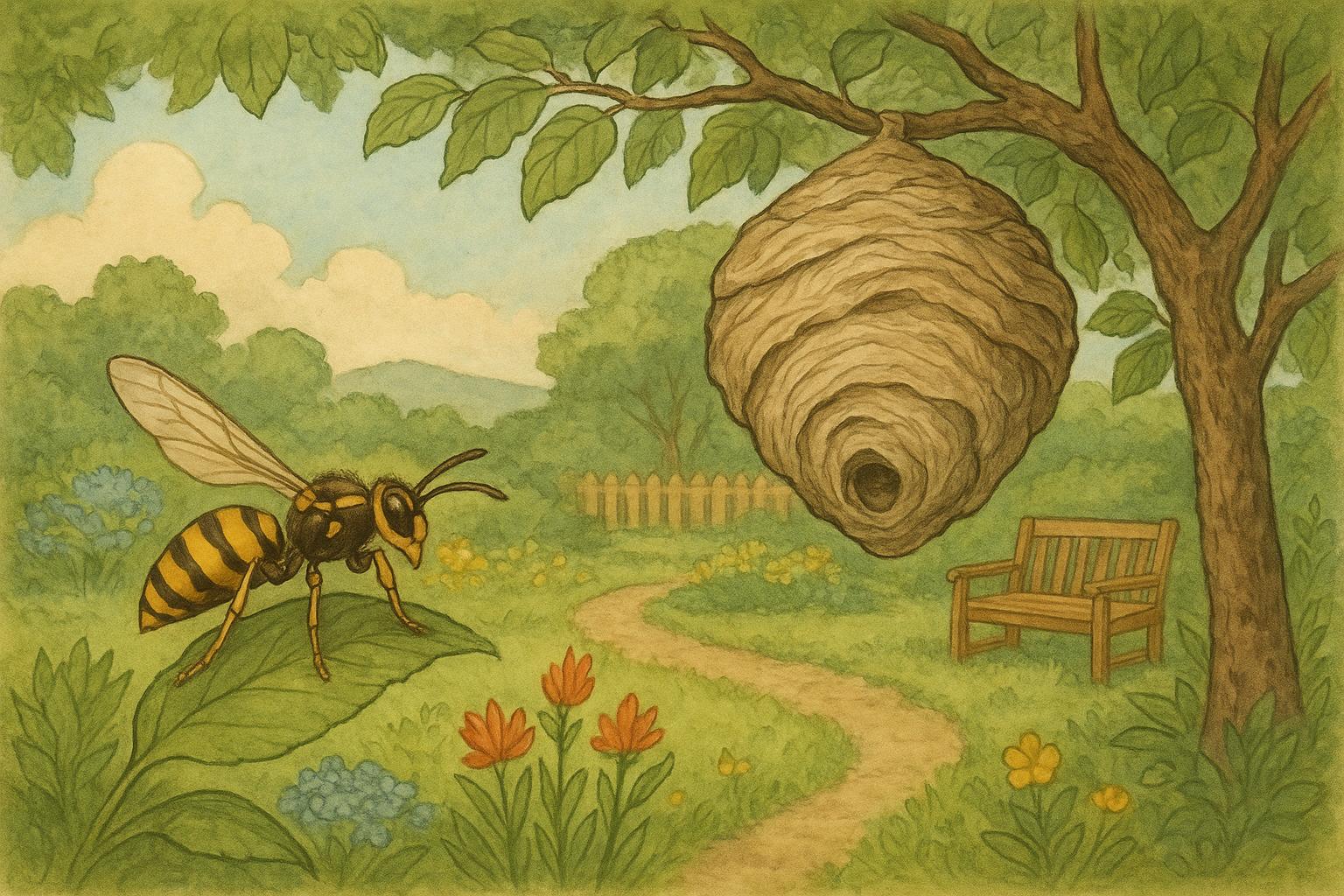
– Invertebrates such as ground beetles, rove beetles, wood-boring beetles, and many native bees.
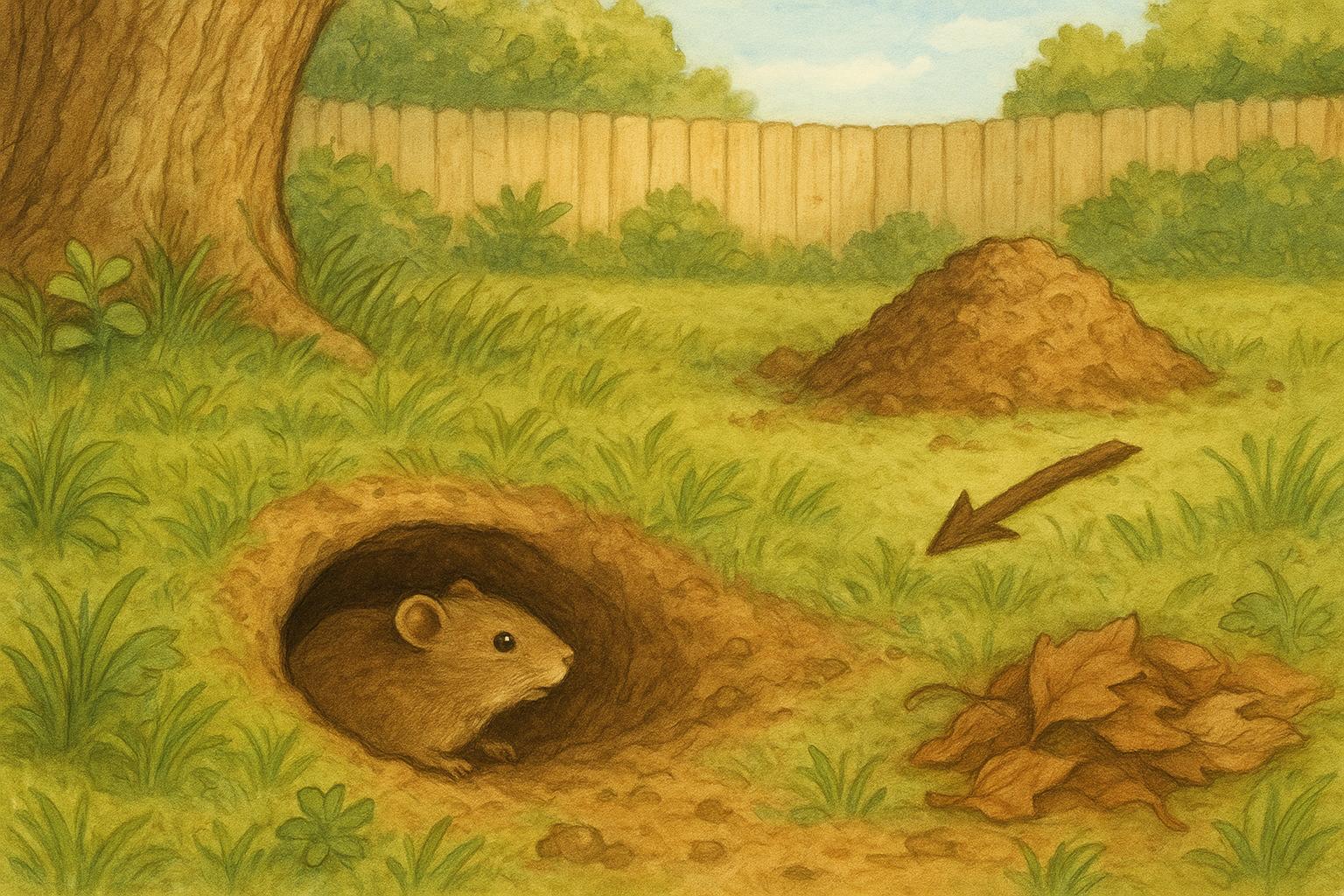
– Small mammals including shrews and mice.
– Reptiles that use logs for basking or shelter.
– Fungi and mosses that colonize the wood and improve soil over time.
### Log Selection And Natural Materials
Choose logs that are locally sourced and untreated. Hardwoods like oak and maple decompose more slowly and provide long-term structure; softwoods like pine decompose faster and are better where you want a quicker habitat turnover. Avoid pressure-treated wood or anything painted or stained—chemicals leach out and harm wildlife. Include a mixture of diameters and some broken branches and twigs to add structural variety.
## Remedy 1: Build A Simple Log Shelter For Small Critters
This remedy describes a basic, versatile log shelter that suits small gardens and is a great starter project for anyone wanting immediate ecological payoff.
### Materials And Tools
– 3–6 untreated logs, mixed diameters (6–12 inches preferred), varying lengths to fit your space.
– A few medium-sized branches or limbs for layering.
– A sheet of coarse bark, leaf litter, or brush (optional).
– Hand saw or pruning saw.
– Sturdy gloves.
– Wheelbarrow or tarp for transport (optional).
– A digging tool (garden fork or spade) for slight site prep, if needed.
### Step-By-Step Creation And Application
1. Select The Site: Choose a partly shaded spot near a garden bed, shrub edge, or water source. Prefer locations with some natural cover and out of heavy foot traffic.
2. Prepare The Base: Loosen the topsoil slightly and create a shallow depression about the size of the largest log to help anchor the base and trap moisture.
3. Place The Foundation Log: Lay the largest log lengthwise in the depression. Ensure it contacts the ground along most of its length to reduce rolling.
4. Add Structural Layers: Place the medium logs at an angle against the foundation to create sheltered cavities. Overlap and interlock the logs to form stable voids and tunnels.
5. Stuff With Small Wood And Leaf Litter: Insert smaller branches, loose bark, and leaf litter into gaps. This increases hiding spots and creates higher surface area for fungi and insects.
6. Optional Camouflage: Add a light layer of leaf litter or moss over parts of the shelter to help it blend and retain moisture. Do not bury the log shelter; leave some openings for wildlife access.
7. Monitor And Leave Alone: Check periodically to ensure no unintended hazards (trapping animals against hot surfaces or near human activity). Resist the urge to rearrange; wildlife needs time to discover and colonize.
When applied correctly, this log shelter will stabilize moisture regimes and provide immediate refuge. Documenting initial colonizers (photographs) can be rewarding: you may spot beetles, centipedes, or salamanders within weeks.
## Remedy 2: Build A Deadwood Stack For Beetles And Pollinators
This more structured option aims at creating long-term habitat specifically beneficial to saproxylic beetles (those that depend on rotten wood), solitary bees, and nesting invertebrates. This is a more formal construction and requires slightly larger materials.
### Materials And Tools
– 6–12 untreated logs of varying diameter and length, some with intact bark.
– A few large stumps or thick cross-sections for foundation.
– Drill with various bit sizes (6 mm to 20 mm) for creating bee holes.
– Chainsaw or handsaw for cutting logs into desired lengths.
– Metal stakes or rebar (for anchoring, if on slope).
– Heavy-duty gloves and eye protection.
– A tarp and straps to move heavy pieces.
### Step-By-Step Creation And Application
1. Choose A Protected Site: Select an area that is semi-shaded and sheltered from intense afternoon sun and prevailing winds. Proximity to flowering plants is advantageous.
2. Lay A Stable Foundation: Place two large stumps or heavy logs parallel to create a base that raises the stack slightly off the ground to prevent full saturation.
3. Stack Logs For Varied Decay Stages: Arrange logs with different bark conditions and sizes. Place some logs with exposed heartwood to encourage beetles that prefer dry rot, and others with intact bark for species needing moist microenvironments.
4. Create Nesting Holes For Solitary Bees: Using a drill, bore nesting tunnels of varied diameters (6–10 mm for small bees, 10–12 mm for larger) into some logs. Holes should be 80–150 mm deep and slightly angled upward to prevent water pooling.
5. Secure The Stack: Interlock logs and, if necessary, insert stakes or rebar through stacked points to prevent shifting. Ensure openings remain accessible and are not completely blocked by debris.
6. Add Surface Complexity: Top with twig piles and a scattering of leaf litter. A few larger flat stones can create warm basking surfaces for reptiles.
7. Leave A Mosaic Around The Shelter: Avoid heavy mowing nearby; maintain patches of native flowering plants and leaf litter to provide food and foraging habitat.
This deadwood stack is designed for long-term colonization. Over several seasons, fungal networks will establish, breaking down wood and attracting specialized beetles and other invertebrates. The drilled holes offer immediate nesting sites for solitary bees while the decomposing wood supports larvae of many beneficial species.
### Seasonal Management And Monitoring
– Spring: Look for insect emergence and nesting activity in drilled holes. Refill or replace nest tubes only if clearly abandoned or infested.
– Summer: Provide nearby shallow water sources (a shallow dish with stones) for amphibians and birds. Check for excessive drying; thin mulch or shading can help retain moisture.
– Fall/Winter: Do minimal disturbance. Many species overwinter in logs; a disturbed shelter can cause high mortality. Only perform heavy maintenance if there is a clear safety concern.
## Placement And Maintenance Tips
Keep log shelters at least a few feet away from home foundations to avoid creating habitat for unwanted pests like rodents close to living spaces. Position them near native shrubs, hedgerows, or flowering plants to create a connected habitat corridor. Routine maintenance should focus on safety and habitat quality:
– Avoid removing all dead wood each year; leave some logs to decay naturally.
– Replace or rotate logs every few years to maintain a variety of decay stages.
– Do not use chemical treatments or paints on logs.
– If you notice an invasive pest outbreak (e.g., signs of non-native wood-boring beetles), consult local extension services before taking action.
#### Safety And Neighbor Considerations
Make sure your log shelter doesn’t block drainage or create breeding sites for pests like mosquitoes; standing water should be managed separately. A polite conversation with neighbors explaining the ecological benefits and visual tidy-up can prevent misunderstandings—people often appreciate knowing their neighborhood is doing its bit for biodiversity.
#### Record-Keeping And Citizen Science
Consider joining local wildlife recording schemes. Noticing what visits your log shelter—beetles, bees, amphibians—adds valuable data for urban ecology and helps you refine designs for better results.
A log shelter is one of the easiest, most rewarding habitat investments you can make in your yard. It’s low-tech, low-cost, and high-return—both in wildlife value and the simple pleasure of watching life unfold in a quiet, unassuming pile of wood.




























Leave a Reply