
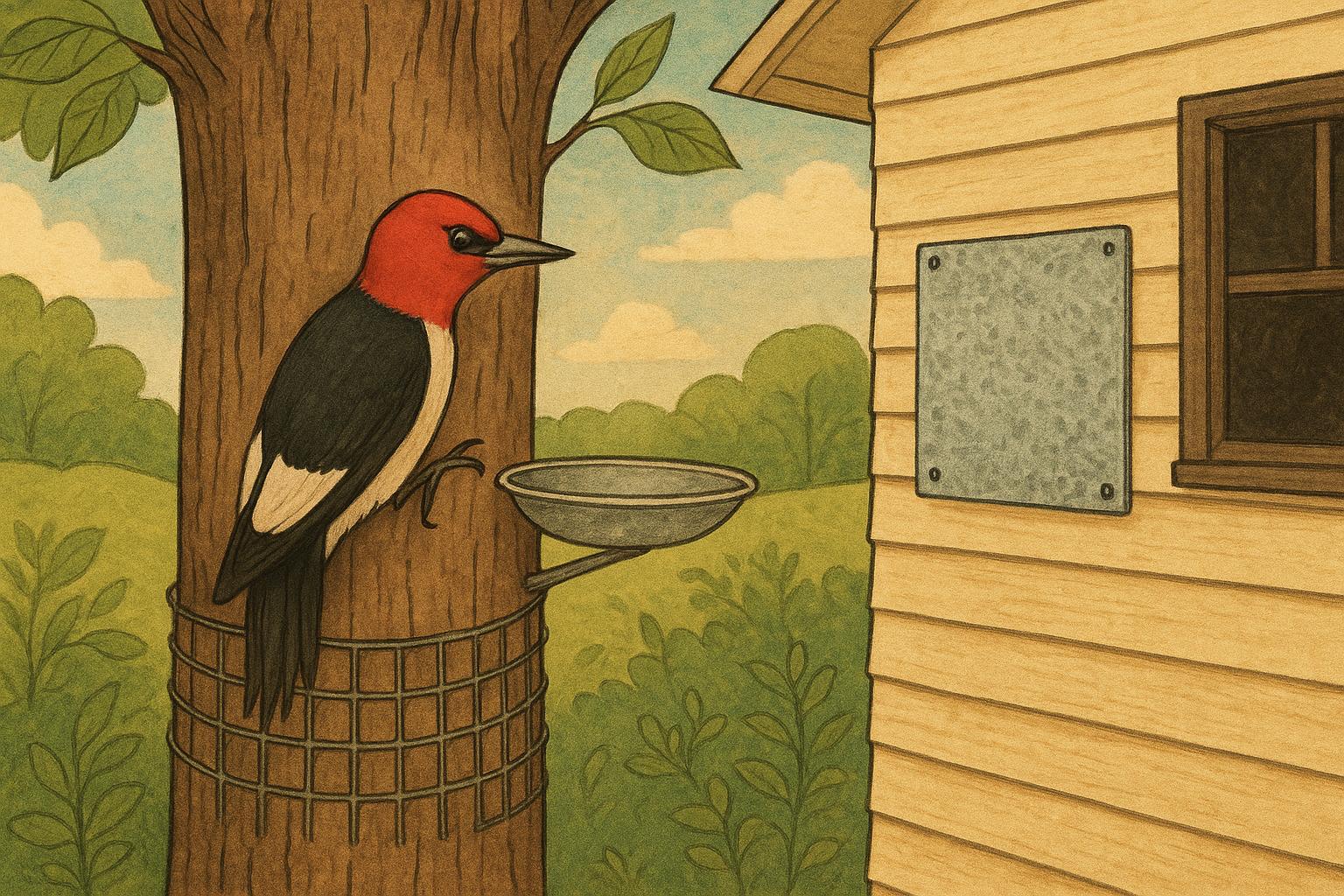
Hello there — glad you stopped by. If you’ve got rhythmic drumming coming from your yard at dawn (and it’s not your neighbor practicing the drums), you’re probably dealing with a woodpecker or two auditioning for “Nature’s Percussion.” This article walks through why they pick on trees and siding, practical behavior-aware tips, and three numbered remedies with clear materials lists and step-by-step instructions to help you with effective woodpecker prevention.
## Why Woodpeckers Target Your Trees And Siding
Woodpeckers aren’t out to ruin your day on purpose. They drum for food, to communicate territory, and sometimes to excavate nesting sites. Soft or insect-infested wood, loud echoes from siding, and exposed supports can all act like neon signs to a curious woodpecker. Understanding those motivations makes woodpecker prevention more about smart habitat management than about scaring birds away.
### What Attracts Them To Siding Versus Trees
Siding often reflects sound in a way that amplifies the drumming, which appears to be an attractive signal for territorial males. On trees, stress, rot, or bore beetle infestations present easy meals. If a feathered friend keeps pecking a particular spot on your house, it’s a mix of acoustic appeal and perceived digging opportunity.
### Signs Of Early Damage To Watch For
Look for small holes in bark, chipped paint, square or round holes in siding, and sawdust-like frass at the base of trees or near the foundation. Early detection makes woodpecker prevention cheaper and less invasive.
## Woodpecker Prevention: Practical Strategies
Before deploying deterrents, try low-effort habitat adjustments. Trim overhanging branches away from siding, remove exposed insect nests, and fix loose boards or siding that echo. These small changes can reduce the temptation and often give you immediate relief.
### Timing And Local Considerations
Be mindful of nesting seasons in your area. Many woodpeckers are protected species during nesting, and active nests should not be disturbed. Check local wildlife regulations and calendar windows before implementing remedies that might affect nesting birds.
## Remedy 1: Install Physical Barriers
Materials:
– 1x sheets of hardware cloth (1/4″ mesh) or metal flashing
– Galvanized screws and washers
– Drill and appropriate bits
– Zip ties (for temporary installations)
– Measuring tape and tin snips or metal shears
Step-By-Step Creation And Application:
1. Assess the area and measure the extent of damage or the zone you want to protect. For trees, measure a wrap height of at least 4–6 feet from the ground for persistent pecking.
2. Cut hardware cloth or flashing to size, ensuring edges overlap slightly for continuous coverage.
3. For siding protection, affix the metal barrier to the structural framing or fascia with galvanized screws and washers, leaving a small air gap if needed to avoid trapping moisture against wood.
4. For trees, loosely wrap the hardware cloth around the trunk and secure with zip ties or non-constricting straps; allow room for trunk growth (do not tighten).
5. Inspect monthly for loosening, corrosion, or potential nesting activity nearby. Replace corroded materials promptly.
This method is highly effective because it directly prevents the beak from reaching soft material while being durable and non-lethal. Use corrosion-resistant materials to extend the service life and avoid moisture-related tree issues.
## Remedy 2: Use Visual Deterrents
Materials:
– Reflective tape (1 inch wide or wider)
– Predator decoys (owl or hawk models) on stakes
– Bird netting (if covering specific structures)
– Cable ties or rope for mounting
Step-By-Step Creation And Application:
1. Identify the problem zones and install reflective tape in strips, spaced irregularly, to create sudden flashes of light as wind moves the tape. Attach to gutters, eaves, rails, and tree branches near the affected area.
2. Position predator decoys at vantage points with motion capability if possible. Secure decoys on stakes or mount them where they can be rotated by wind to mimic life-like behavior. Move decoys every few days to maintain effectiveness.
3. For concentrated trouble spots, such as a damaged section of siding, install bird netting to create a physical exclusion zone. Tension the netting to prevent sagging and secure all edges to prevent access.
4. Monitor for habituation and change patterns periodically. Visual deterrents are most effective when combined with other strategies.
When deploying visual deterrents, ensure installations are safe for children and pets and that they comply with homeowner association rules.
## Remedy 3: Acoustic Deterrents And Professional Options
Materials:
– Approved ultrasonic deterrent device or programmable sound emitter
– Wildlife-proof mounting hardware
– Professional inspection tools (for contractors) such as moisture meters and bark probes
– Contact information for certified bird-control professionals
Step-By-Step Creation And Application:
1. Choose an acoustic device that targets bird frequencies and is rated for outdoor use. Confirm the device’s legality and local regulations prior to installation.
2. Mount the device at a location that covers the affected zone, usually under eaves or on a pole, using weatherproof mounting hardware. Position to avoid disturbing neighbors where possible.
3. Program the device to vary sound patterns and intervals to prevent habituation. Combine with visual deterrents to increase efficacy.
4. If damage is extensive, hire a certified arborist or wildlife control professional. Request a formal inspection that includes pest assessment, structural evaluation of siding, and long-term prevention planning.
5. Follow professional recommendations for repairs, habitat modification, or permits for nest removal if a protected species is involved.
Acoustic deterrents can be effective but are often best used as part of an integrated approach and after consulting local wildlife statutes.
## Tree Care Tips To Reduce Attraction
Maintaining tree health reduces the food and shelter resources that attract woodpeckers. Prune dead or diseased branches, remove infested wood, and treat insect problems promptly. When you suspect insect infestation, consult an arborist for targeted pest control. Healthy bark is less attractive both nutritionally and structurally, making woodpecker prevention far simpler over time.
### Long-Term Maintenance Schedule
Create a seasonal checklist: inspect trees in spring for early larval infestations, treat or remove infested limbs in summer, and review siding and eaves in fall before winter when birds may search for roost sites. Documenting treatments and observations helps you spot patterns quickly.
## Siding-Specific Measures That Work
Siding material matters. Harder surfaces like fiber cement or metal are far less appealing to pecking birds than softer wood or vinyl that amplifies sound. If you’re frequently repairing the same spot, consider upgrading that siding section to a harder material.
### Repair Materials And Steps For Small Siding Holes
Materials:
– Exterior wood filler or epoxy for wood siding
– Primer and exterior-grade paint
– Backer material for larger holes (e.g., plywood patch)
– Caulk and weatherproof sealant
Step-By-Step Creation And Application:
1. Clean the damaged area thoroughly of loose chips and frass. Wear protective gear when sanding or scraping.
2. For small holes, apply exterior-grade wood filler or epoxy, allowing proper cure time per manufacturer instructions.
3. Sand smooth, prime, and paint with exterior-grade paint to match existing siding. For larger holes, install a backer patch, then apply filler and finish as above.
4. Seal all seams with quality exterior caulk to prevent moisture intrusion.
5. Consider applying a thin metal plate over the repaired area if repeated attacks occur; ensure the plate is anchored without compromising the underlying siding structure.
Using robust repair materials extends the life of the siding repair and reduces the likelihood of repeat pecking.
## When To Call In The Pros
If pecking persists after DIY attempts, or if you find active nests in immediate danger, contact local wildlife services or a certified pest control company experienced in bird management. Professionals can assess legal protections, provide long-term deterrent installations, and repair structural damage safely.
### Legal And Ethical Considerations
Many woodpecker species are covered under migratory bird protections. Disturbing active nests is often illegal. Professionals will know the local rules and can often obtain necessary permits or advise on acceptable timing for interventions.
## Everyday Habits That Help With Woodpecker Prevention
Simple human habits reduce attractants: clean up fallen fruit, maintain screens and soffits, avoid leaving exposed wood piles, and reduce outdoor insect-friendly lighting at night. These small changes decrease the resources and appealing acoustics that draw woodpeckers in the first place.
Keep experimenting with combinations of the above methods. With a bit of persistence and the right materials, most homeowners can reduce the drumming concerto to a more tolerable background track — or a distant solo act, far from your siding and prized trees.



















Leave a Reply