
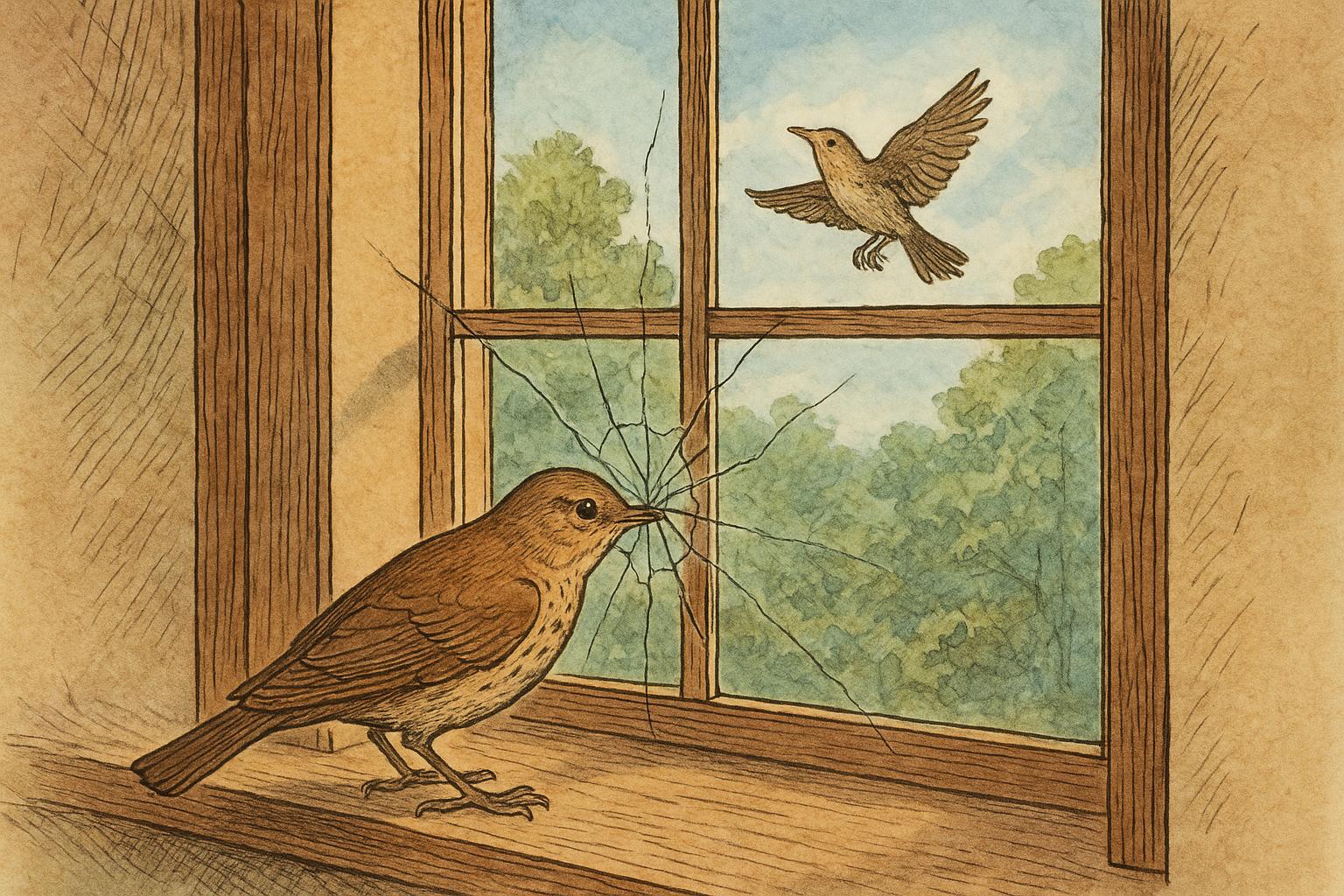
If you’ve been hearing a persistent tap-tap at your windows and your feathered neighbors are suddenly conducting what looks like a minor construction inspection, you’re not alone. Birds interacting with glass is a common and confusing behavior, and once you get a handle on the why, the how-to-fix becomes much easier (and less dramatic). Let’s take a light-hearted but practical stroll through the world of window behavior and what you can do about it.
## Window Behavior Revealed Why Birds Tap Windows Now
Birds tap or strike windows for a handful of reasons, and most of them boil down to miscommunication between what a bird sees and what the window actually is. In many cases, the bird thinks it’s seeing open habitat, a rival, or a safe flying corridor — and reacts accordingly. The good news: most of these interactions are preventable with some relatively simple, low-cost steps.
### Why Birds Tap Windows — The Science And The Signals
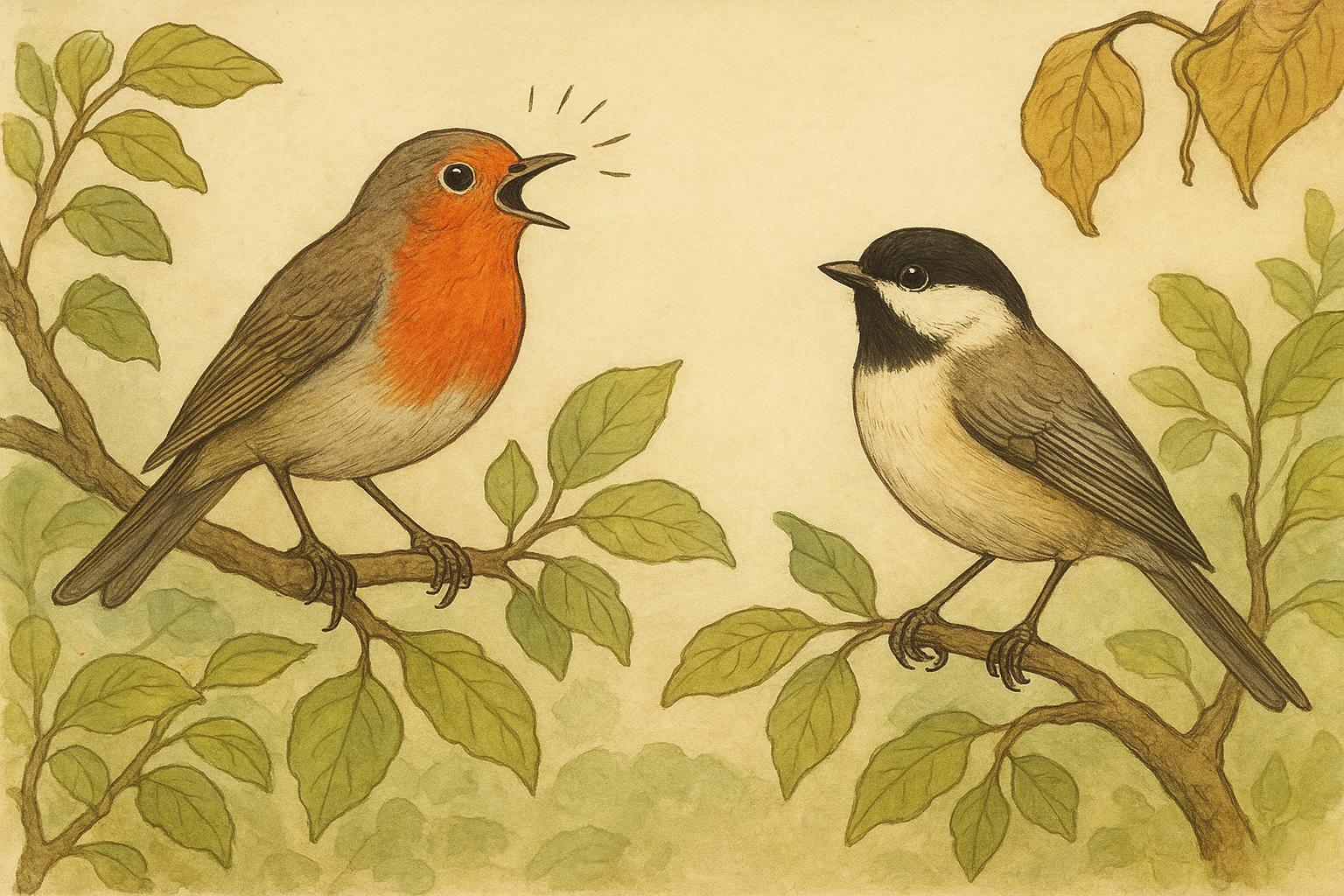
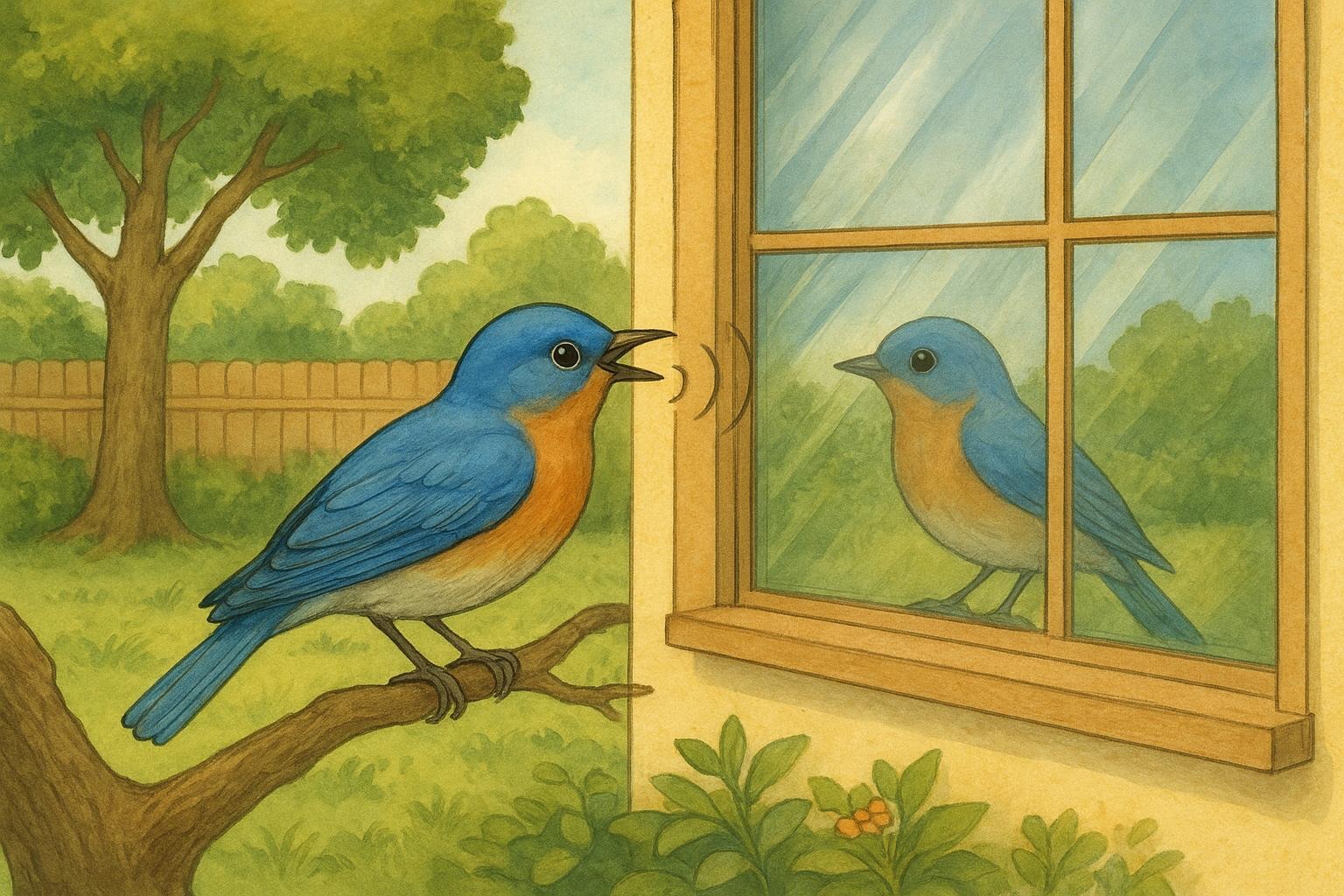
Glass is deceptively tricky. From a bird’s perspective, reflective or transparent glass can look like a continuation of the environment. Trees, sky, and plants reflected in a pane often appear to be part of the landscape, especially during breeding season when birds are extra territorial. A male bird that perceives its reflection as an intruder will repeatedly approach and peck at the “rival,” producing the tapping or banging we notice.
Transparency is another culprit. If you can see through the window to houseplants, a green room, or a backyard on the other side, birds often attempt to fly through, expecting an unobstructed passage. The tapping can also be a form of curiosity or exploration — birds are intelligent and opportunistic, and a shiny surface or an intriguing sound can draw investigation.
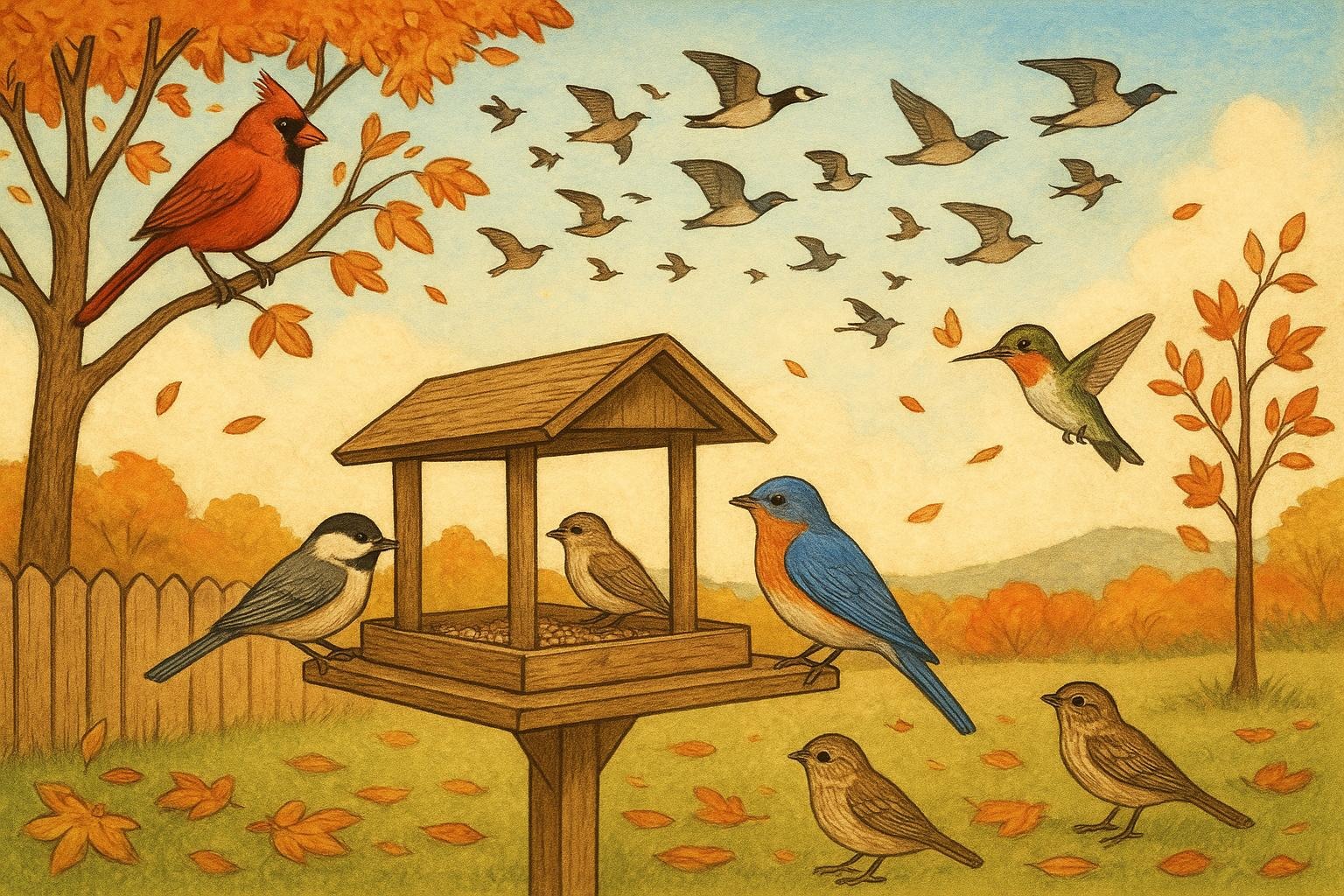
There are seasonal trends too. Spring and early summer bring territorial aggression and nesting behavior. Fall and spring migrations increase movement and disorientation. Nighttime lighting during migration seasons can attract and disorient nocturnal migrants, leading to collisions or sustained impacts.
### Window Behavior: Signals From The Bird’s Point Of View
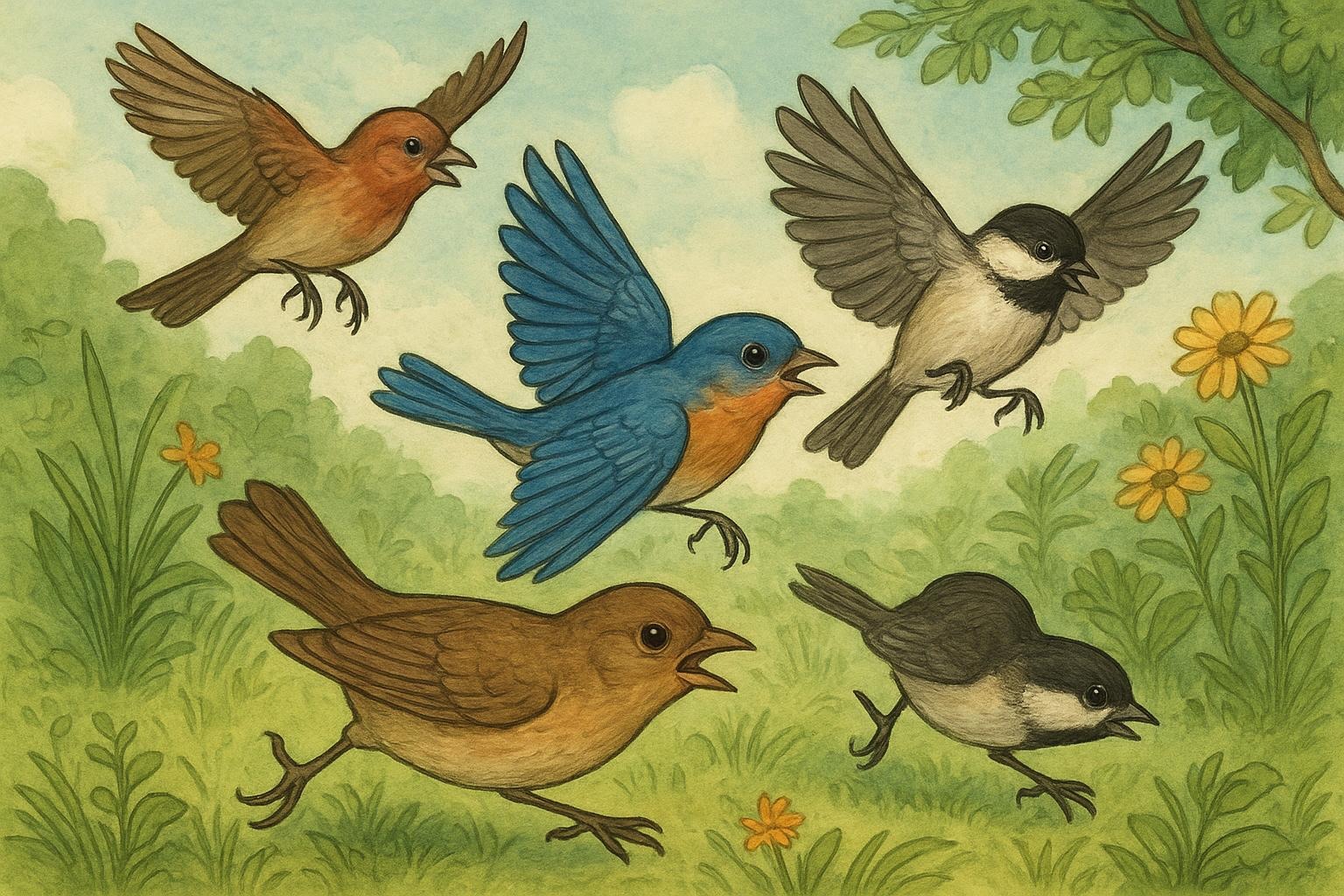
Think of the window as a two-way mirror from the bird’s perspective: sometimes it’s reflecting habitat, sometimes it offers a tempting vista to fly into, and sometimes it’s simply bright and interesting. The species matters as well—robins, sparrows, and cardinals are common offenders in residential areas because they’re territorial and abundant; hummingbirds may peck at bright reflections; larger birds like grackles or crows can cause loud, repeated tapping.
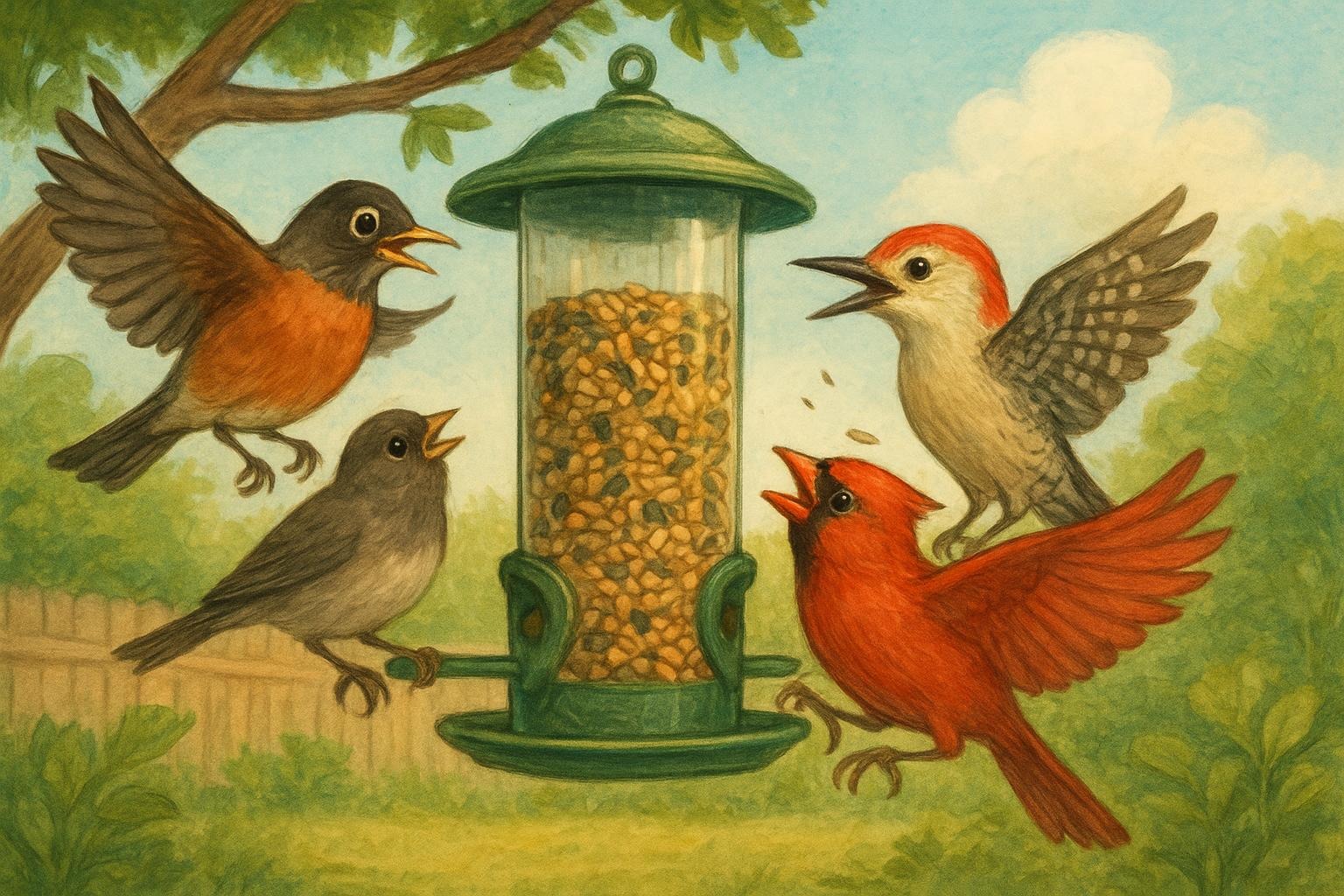
Environmental context influences behavior: leafy backyards, shrubs near windows, feeder placement, and indoor plants all change what the bird sees and how it reacts. Even glass tint, coatings, or architecture (angled panes, bay windows) alter the visual cues. That’s why a one-size-fits-all response rarely works — you match your remedy to the cause.
## 2 Practical Remedies To Reduce Window Collisions
Below are two proven approaches to reduce tapping and collisions. They’re presented with clear materials lists and step-by-step instructions so you can act confidently. Tone here is intentionally more formal: follow the steps carefully and consistently for best results.
### Remedy 1: Apply Visible Markers Or Films
Goal: Break up reflections and make glass visibly opaque to flying birds, without obstructing your view unnecessarily.
Materials Required
– UV-reflective or patterned window film (bird-safe product)
– Soft cloth and mild detergent
– Squeegee or flat plastic card
– Measuring tape and utility knife
– Ladder (if needed) and safety gloves
Step-by-Step Application
1. Clean the Exterior Surface: Using mild detergent and a soft cloth, thoroughly clean the exterior of the window. Remove all debris, dust, and residues that could interfere with adhesion.
2. Measure The Pane: Accurately measure the height and width of the glass pane to order correctly sized film, allowing 2–3 cm excess for trimming.
3. Prepare The Film: Lay the film on a clean surface and cut to size using a utility knife. If the film is patterned, align the pattern so it covers the area of the glass uniformly.
4. Wet Installation (If Applicable): Follow manufacturer instructions. Typically, you spray the glass lightly with a water-and-drop-of-soap solution to allow repositioning.
5. Apply The Film: Position the film on the wet surface from top to bottom. Smooth with a squeegee or flat card from center outward to eliminate air bubbles and excess solution.
6. Trim And Seal Edges: Using a sharp utility knife, trim the edges cleanly. Press the edges firmly to ensure adhesion and prevent peeling.
7. Pattern Density: Apply markers or film elements at a maximum spacing of 2–5 cm horizontally or vertically; the goal is to create a pattern birds can’t mistake for open air. If using decals, maintain consistent spacing obeying this general guideline.
8. Inspect Regularly: Recheck the film monthly for peeling or damage. Replace or repair promptly to maintain efficacy.
Notes: UV-reflective films are visible to many bird species while remaining subtle to human observers. Ensure products are labeled “bird-safe” and follow UV safety and installation recommendations.
### Remedy 2: Alter Lighting And Habitat Cues
Goal: Reduce attraction and disorientation by changing indoor and outdoor lighting, and adjust habitat features that draw birds toward glass.
Materials Required
– Timers for indoor and exterior lights
– Low-intensity, down-shielded exterior fixtures (if replacing)
– Nets or barriers (optional) for short-term habitat modification
– Window screens or exterior shading devices (optional)
Step-by-Step Implementation
1. Adjust Lighting Schedules: Install timers to turn off nonessential interior and exterior lights from dusk to dawn during migration seasons (typically March–May and August–October). Minimize upward-facing lights that create sky glow.
2. Use Downward-Facing Fixtures: Replace bright, exposed bulbs with down-shielded fixtures that direct light to the ground. This reduces background illumination that can disorient nocturnal migrants.
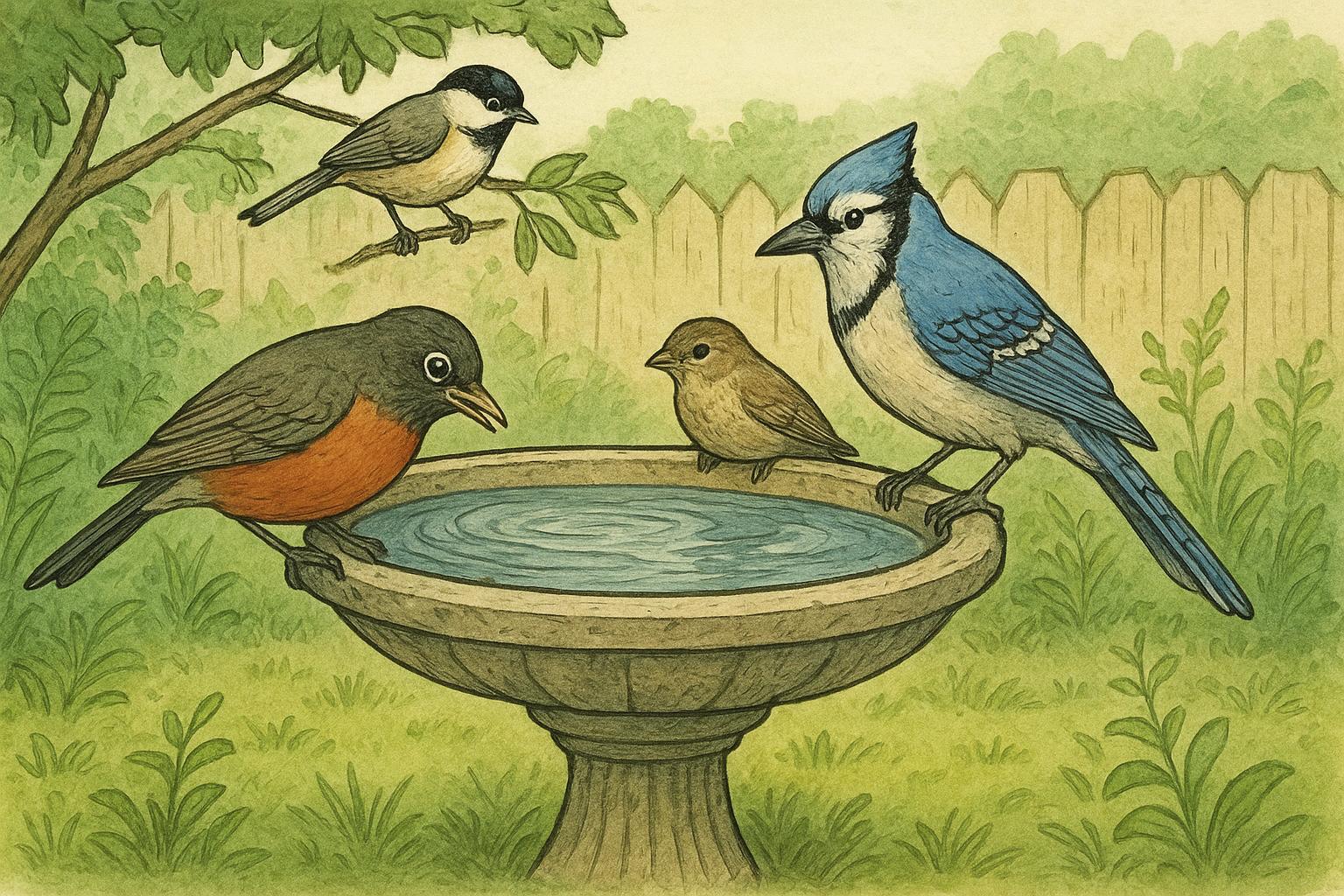
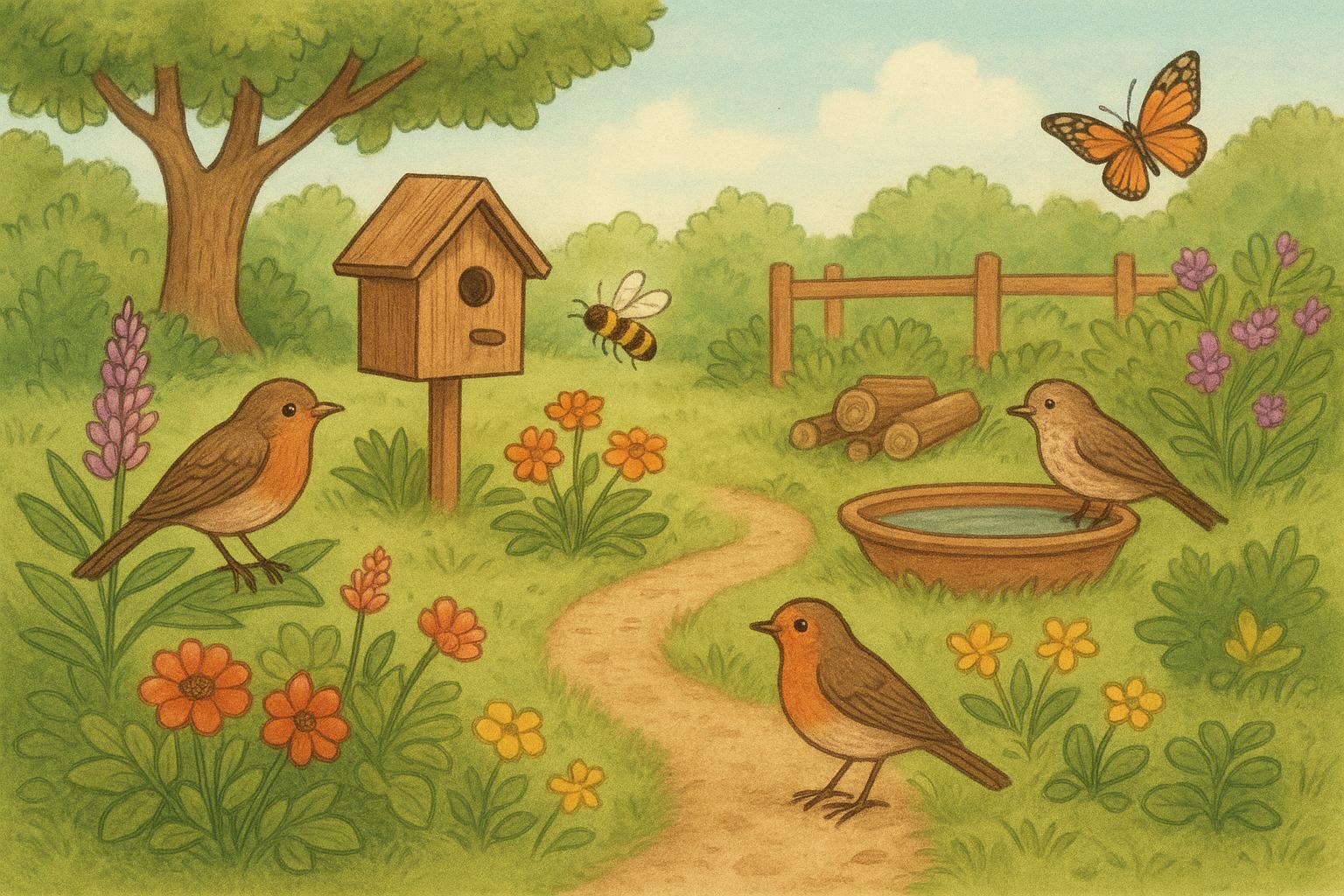
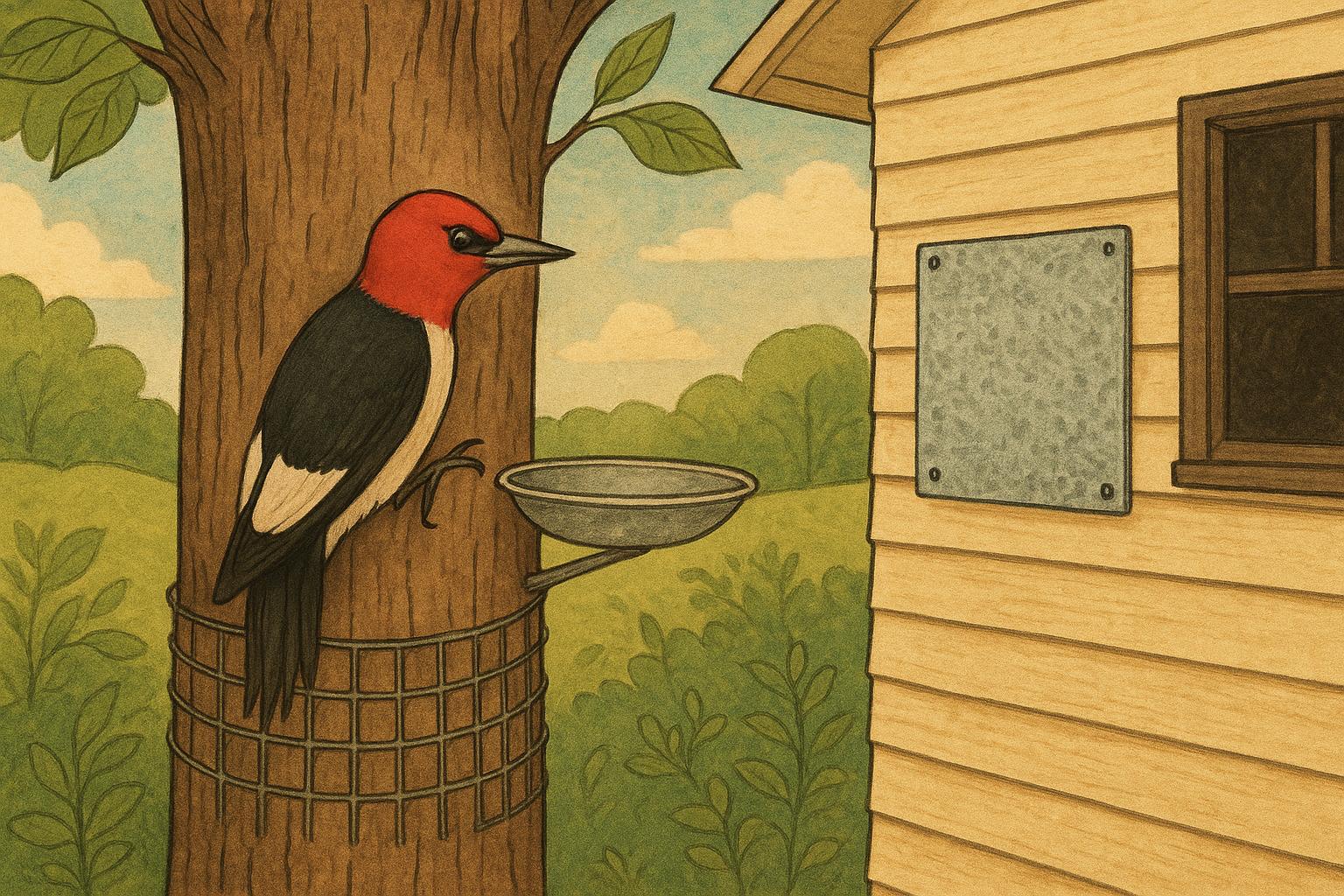
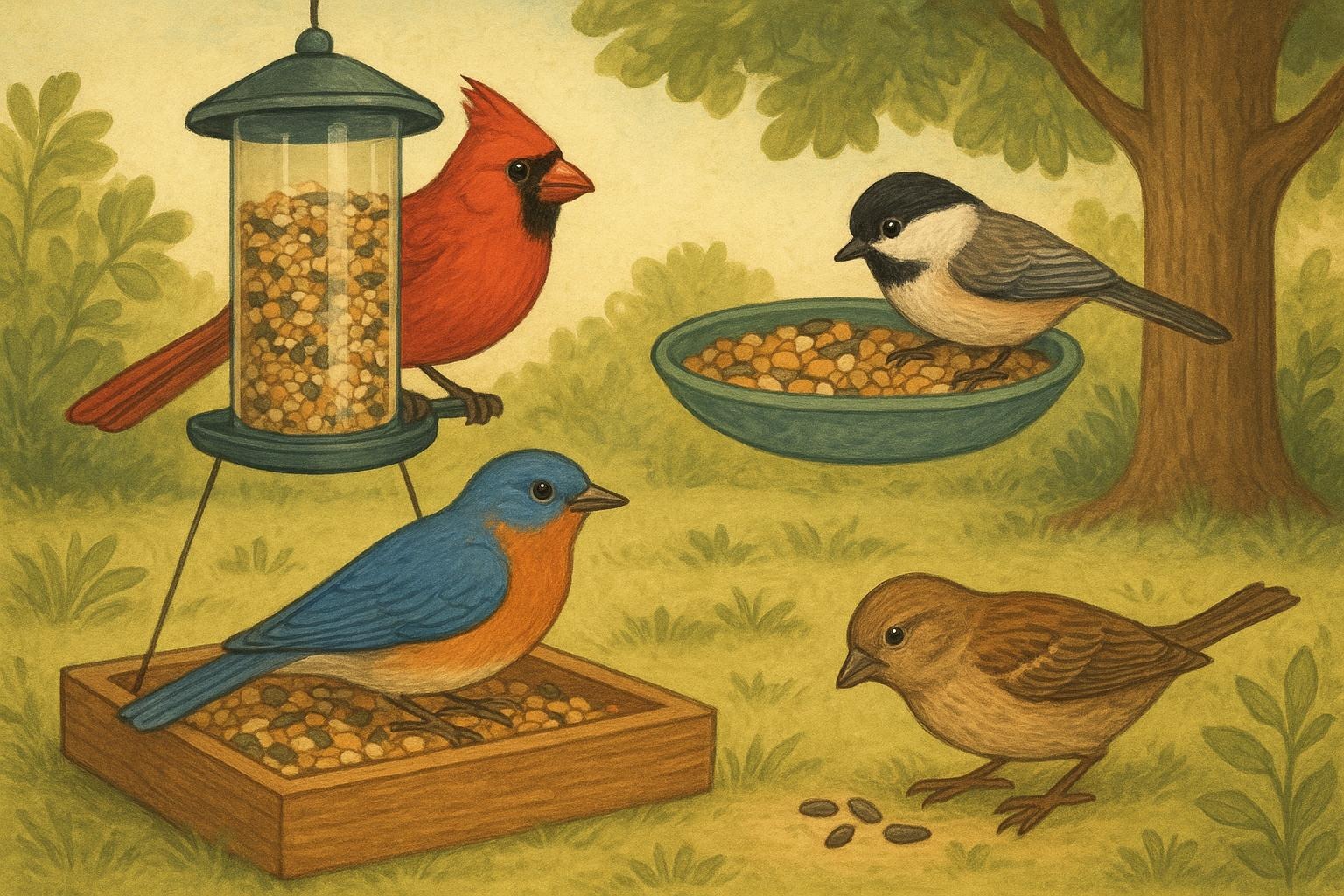
3. Move Attractants Away From Windows: Relocate feeders and birdbaths at least 10 meters (30 feet) away from windows, or place them within 1 meter of glass so birds will land and take off in slow motion (closer distances reduce collision speed and injury risk).
4. Install External Screens or Shades: Where feasible, apply external mesh screens or install awnings to break reflections. External solutions are more effective than interior ones because they alter the visual field before the bird reaches the glass.
5. Create Visual Barriers: Temporarily cover problem windows with sheer fabric, temporary screening, or netting during peak periods. Ensure materials are taut and visible, and remove them when no longer needed.
Notes: Lighting changes are particularly effective for migratory species. Coordinating with neighbors to dim lights during migration can multiply benefits in urban and suburban environments.
#### Optional: Window Screens Or External Shades
Materials Required
– Heavy-duty window screen mesh or commercial bird-screen kits
– Mounting hardware appropriate for your window frame
– Drill and screws, or adhesive mounting strips per kit instructions
Installation Steps
1. Measure and cut mesh to cover the entire window frame with a slight overlap.
2. Mount the mesh on a sturdy frame or using the kit hardware so that it sits at least a few centimeters from the glass.
3. Ensure mesh is visibly patterned and taut to be detected by birds.
4. Maintain screens by cleaning debris seasonally and checking tension.
### How To Monitor Success And What To Expect
After implementing remedies, monitor for changes systematically. Keep a simple log of incidents: date, time, species (if you can identify it), behavior (tapping, collision, circling), and weather conditions. Expect an immediate reduction in repeated tapping when reflections are interrupted, and a gradual decline in collisions as birds learn new cues.
If problems persist, reassess: are feeders still too close? Are neighboring windows or lights undermining your efforts? Sometimes a combination of remedies is required — films plus lighting adjustments plus temporary screens — especially in high-traffic migration corridors or yards with dense landscaping.
Keep in mind that behavioral change in wildlife can take a few weeks. Birds learn from experience and from each other; once a territory holder stops seeing a rival (because the reflection is gone), the behavior typically diminishes. Regular maintenance of applied materials is important to ensure long-term effectiveness.
A little patience and consistent action often turn the tap-tap into silence — and you’ll have fewer startled birds and a calmer household to boot. If you want help choosing specific products or figuring out placement for your windows, I can walk through your setup and recommend targeted options.


Leave a Reply