
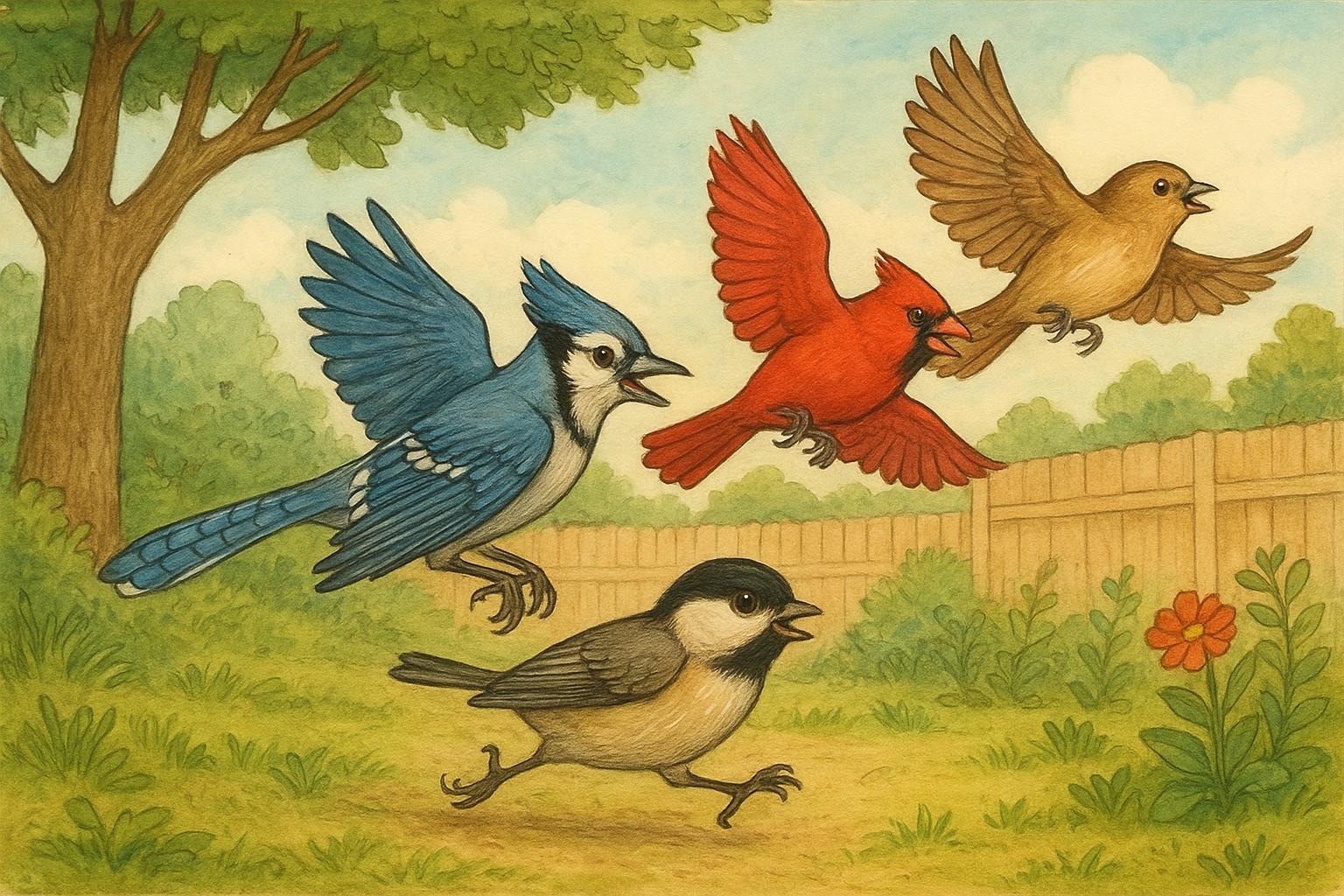
Backyard bird chases can look dramatic—wings flashing, frantic calls, and a confetti of feathers. It’s tempting to think your yard has turned into a tiny avian soap opera. Relax: most of the time it’s garden‑level drama with perfectly logical causes. Below I’ll unpack the usual reasons, how to tell them apart, and what you can do to reduce the commotion without ruining anyone’s breakfast.
## Why Birds Chase: Common Backyard Scenarios
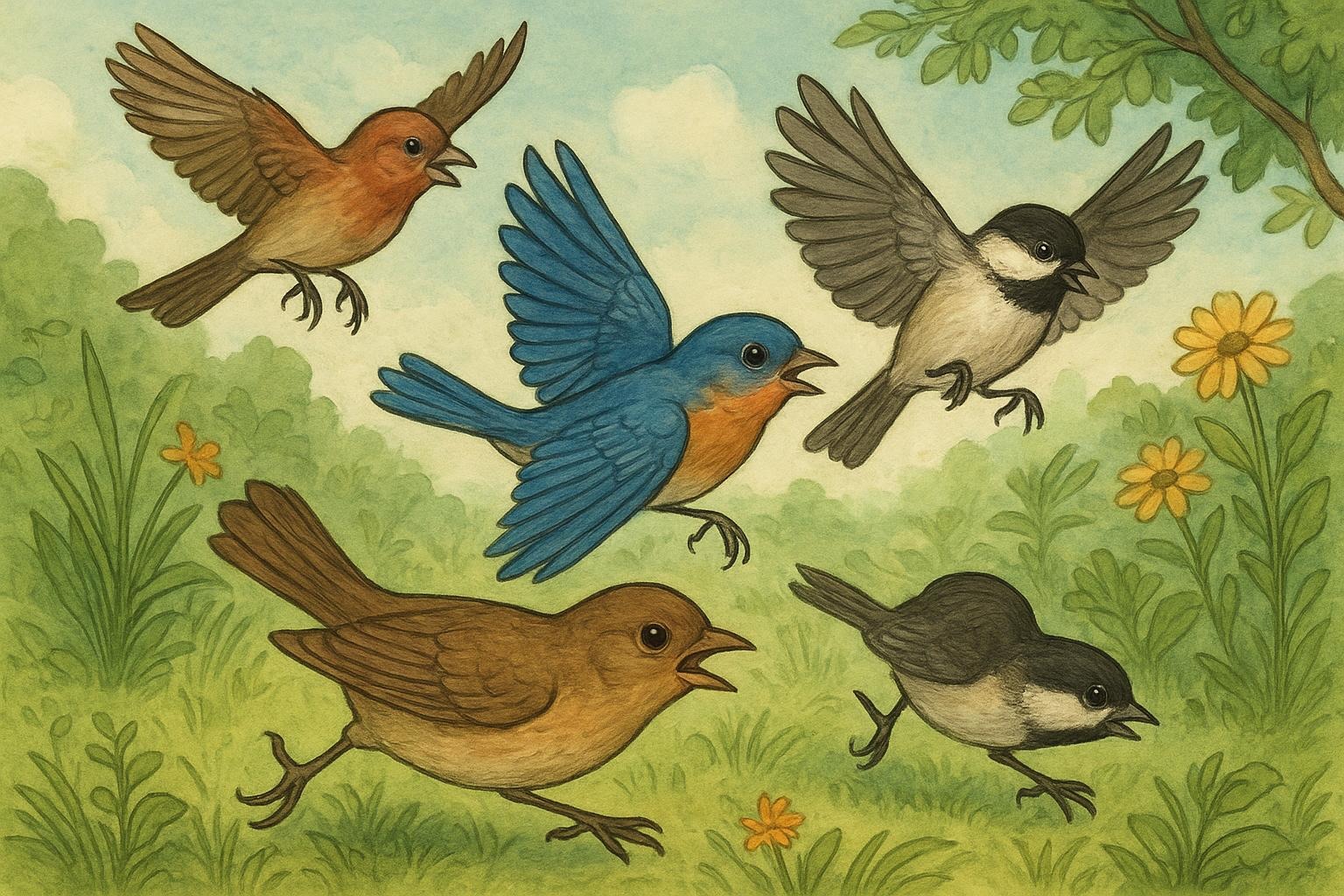
People often ask why birds chase one another, and the short answer is that birds have needs and instincts that sometimes collide in close quarters. If you’ve been wondering why birds chase in your own yard, the reasons are usually about territory, mates, food, or alarm. These are natural behaviors, not evidence of some avian feud club.
### Territorial Defense
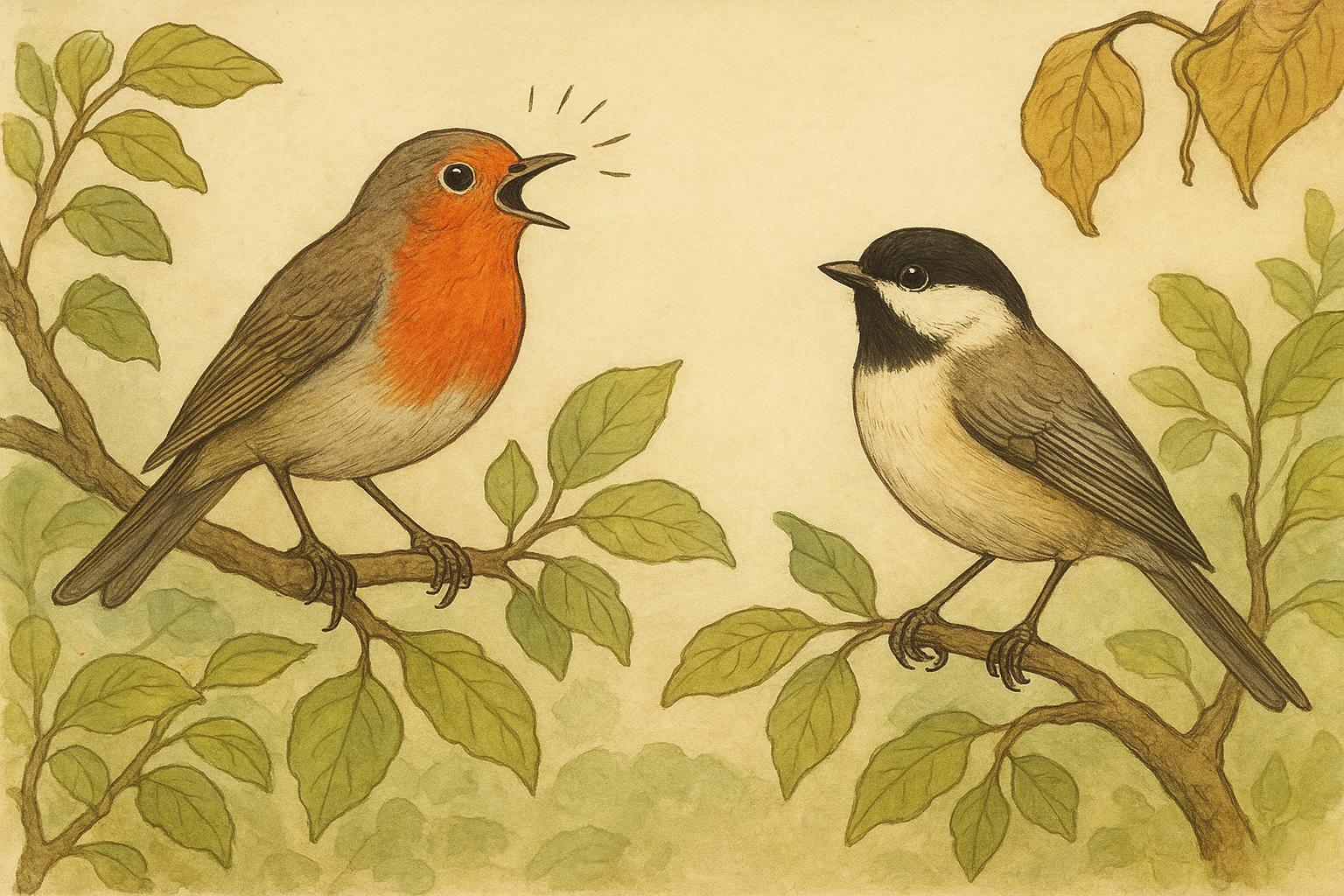
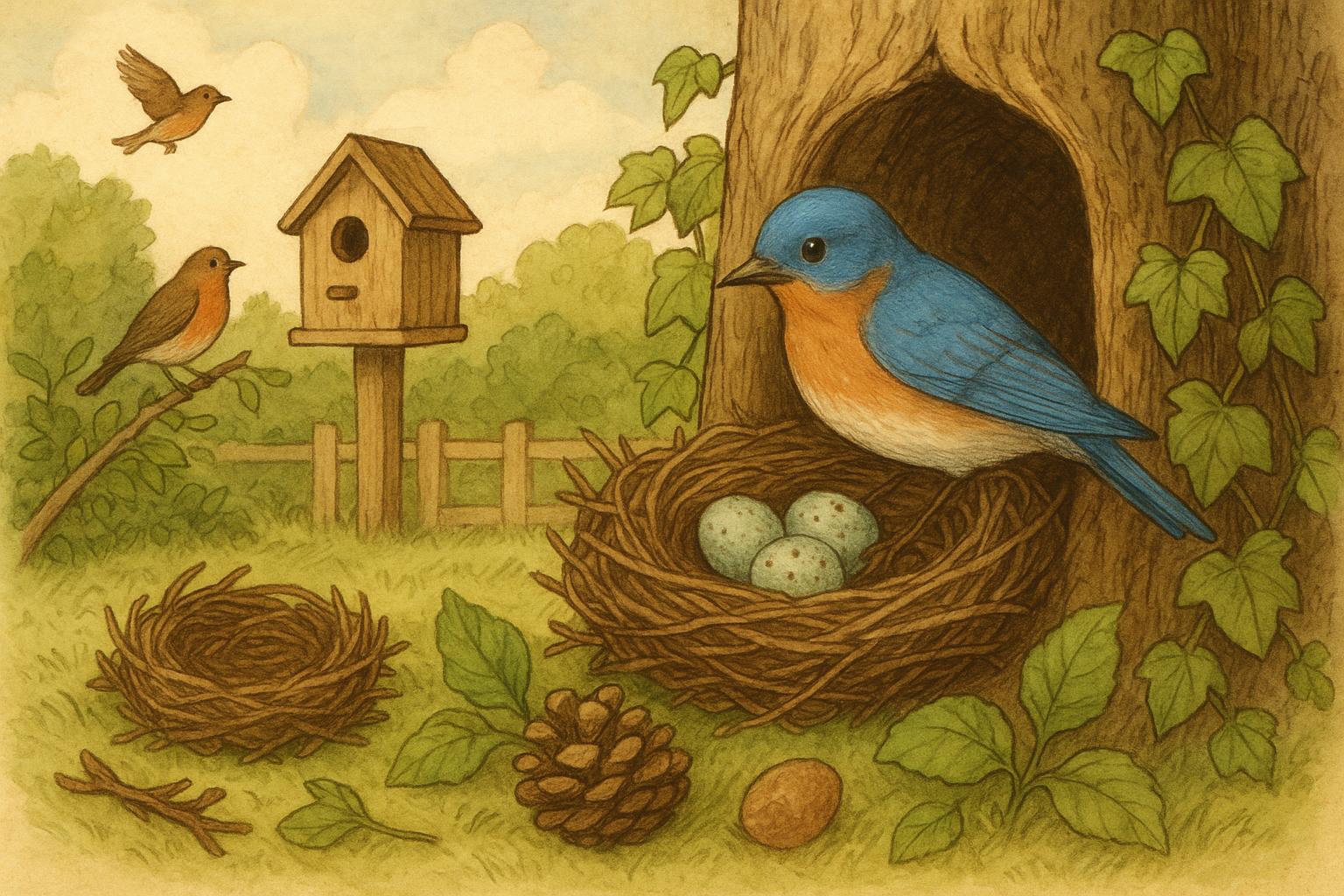
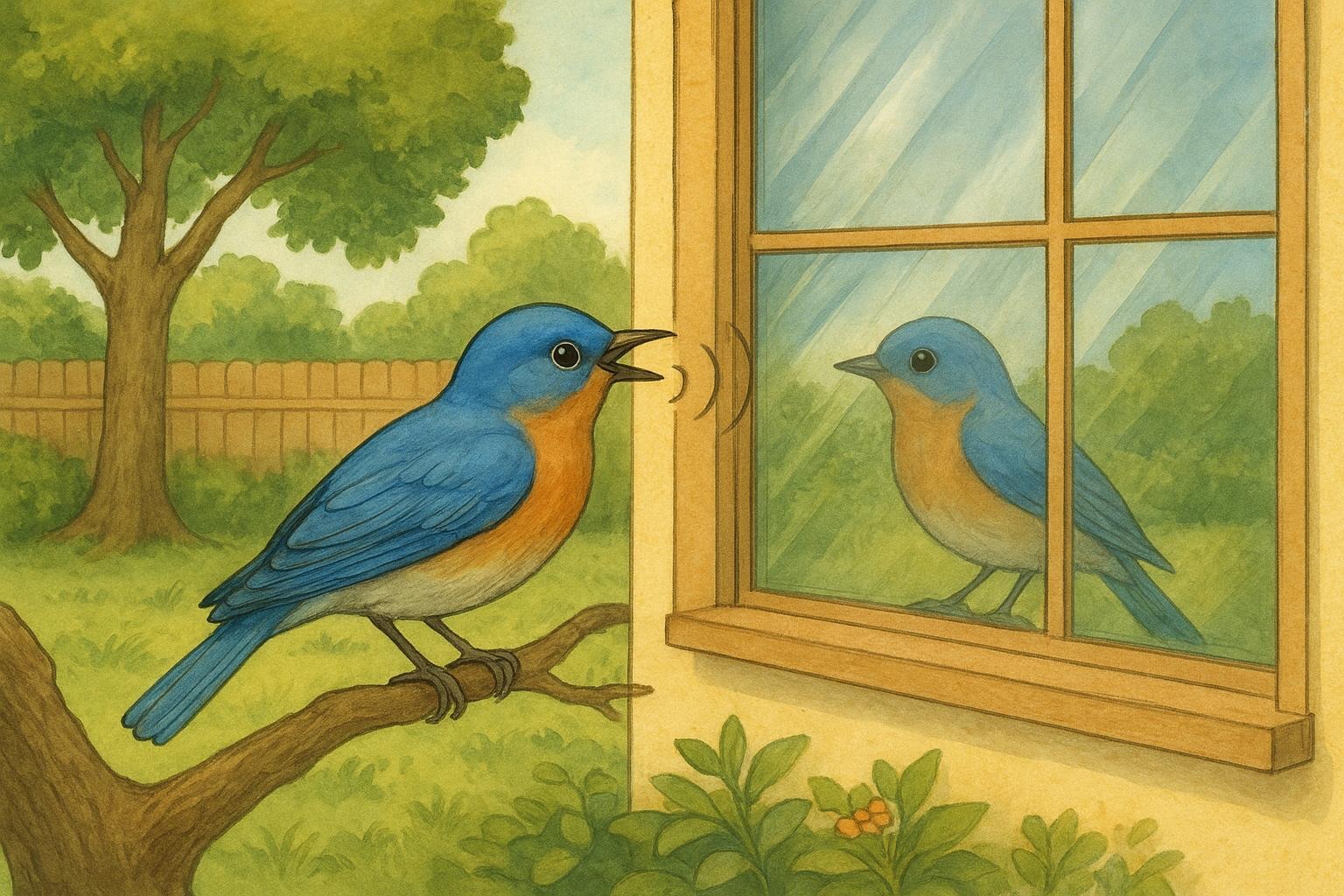
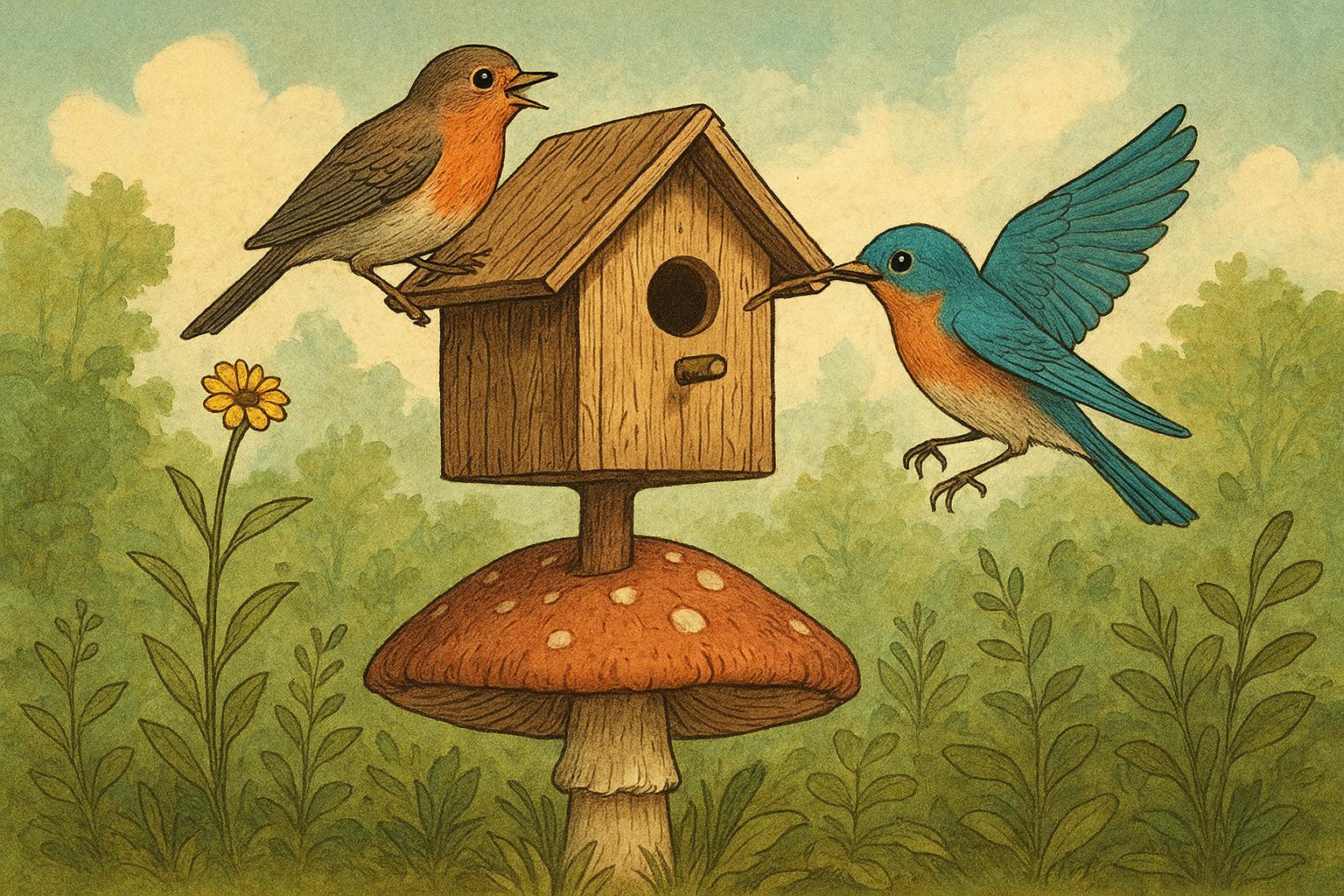
One of the most familiar scenes is a bird guarding a feeder, nesting site, or favorite perch. Male birds especially will pursue intruders to protect resources. When you see quick, targeted chases, you’re probably watching territory enforcement. If your backyard has concentrated resources, that increases the number of territorial disputes—another reason to think about spreading things out.
### Courtship And Mating Flights
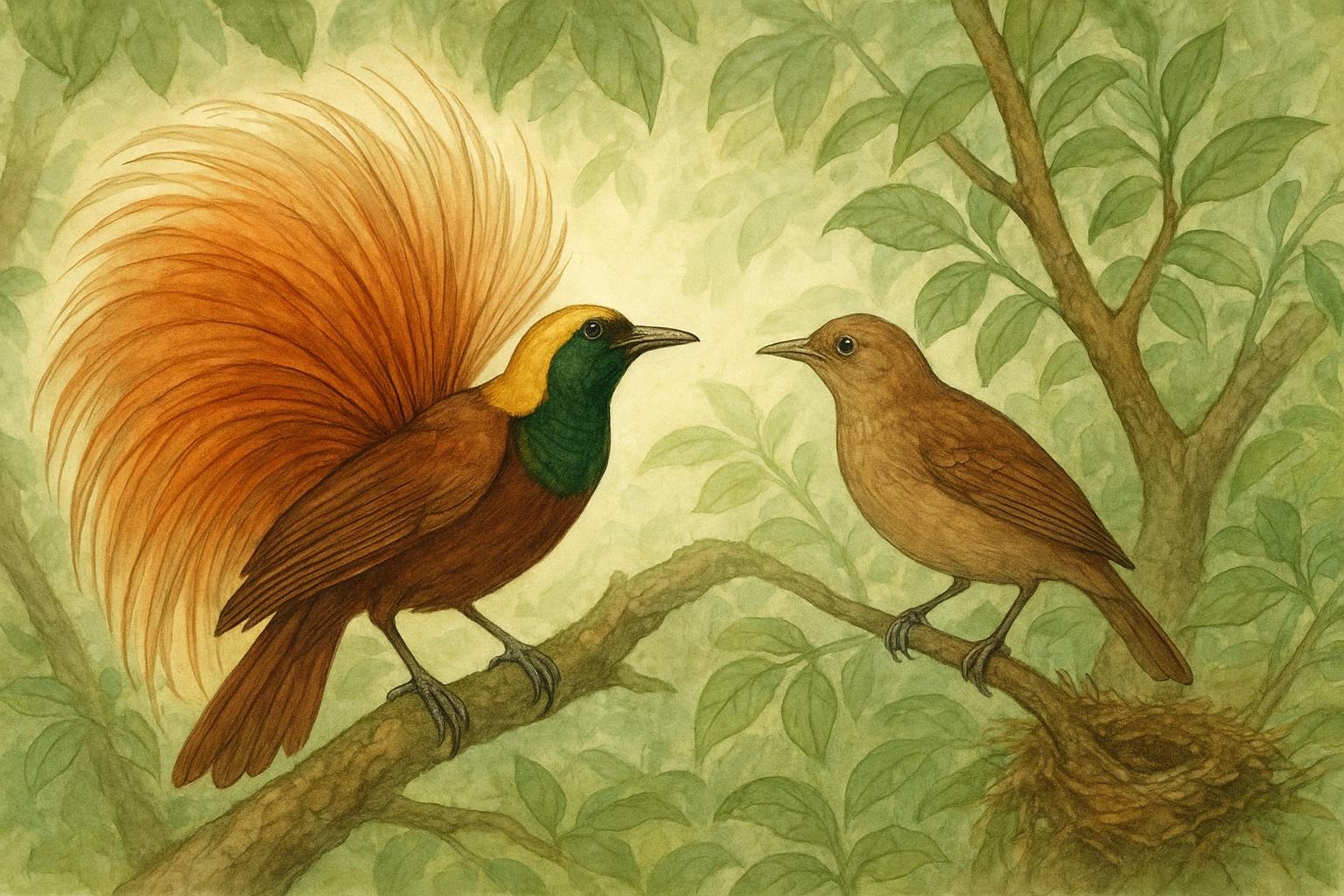
Sometimes those chases are less about a fight and more about romance—or the avian version of a Tinder date. Courtship chases can look aggressive, with males showing off flight skills or attempting to woo a female. Unlike territorial chases, courtship chases often include displays, singing, or coordinated flight patterns. If young males are involved, you might also be seeing practice duels as they develop competitive skills.
### Mobbing And Alarm Behavior
When a predator flies nearby—a hawk, owl, or even a curious cat—multiple birds might chase or harass it to drive it away. This communal defense is called mobbing. Mobbing chases are noisy and can involve several species working together. If you notice a sudden burst of coordinated activity with loud alarms, mobbing is a likely explanation.
### Food Competition
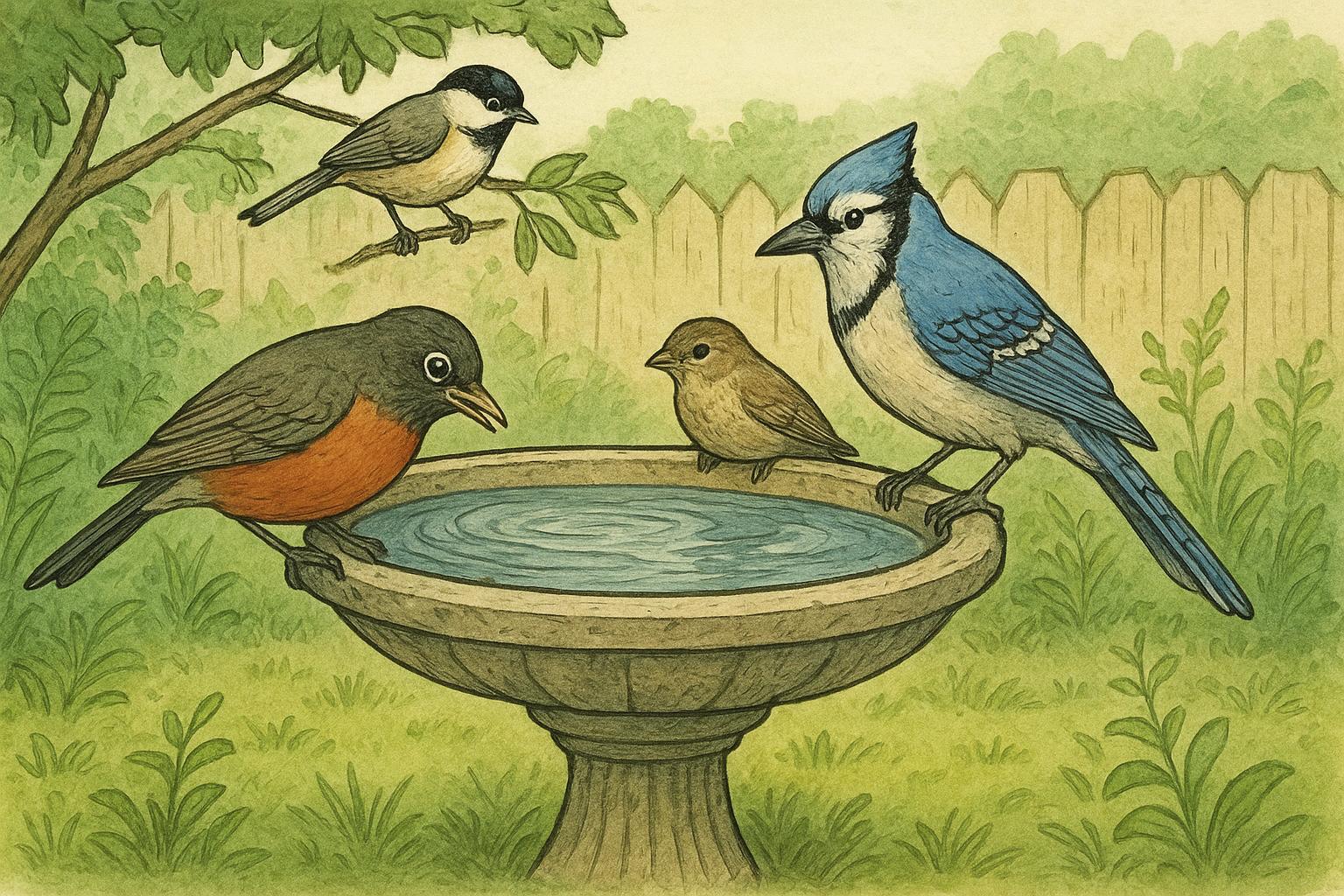
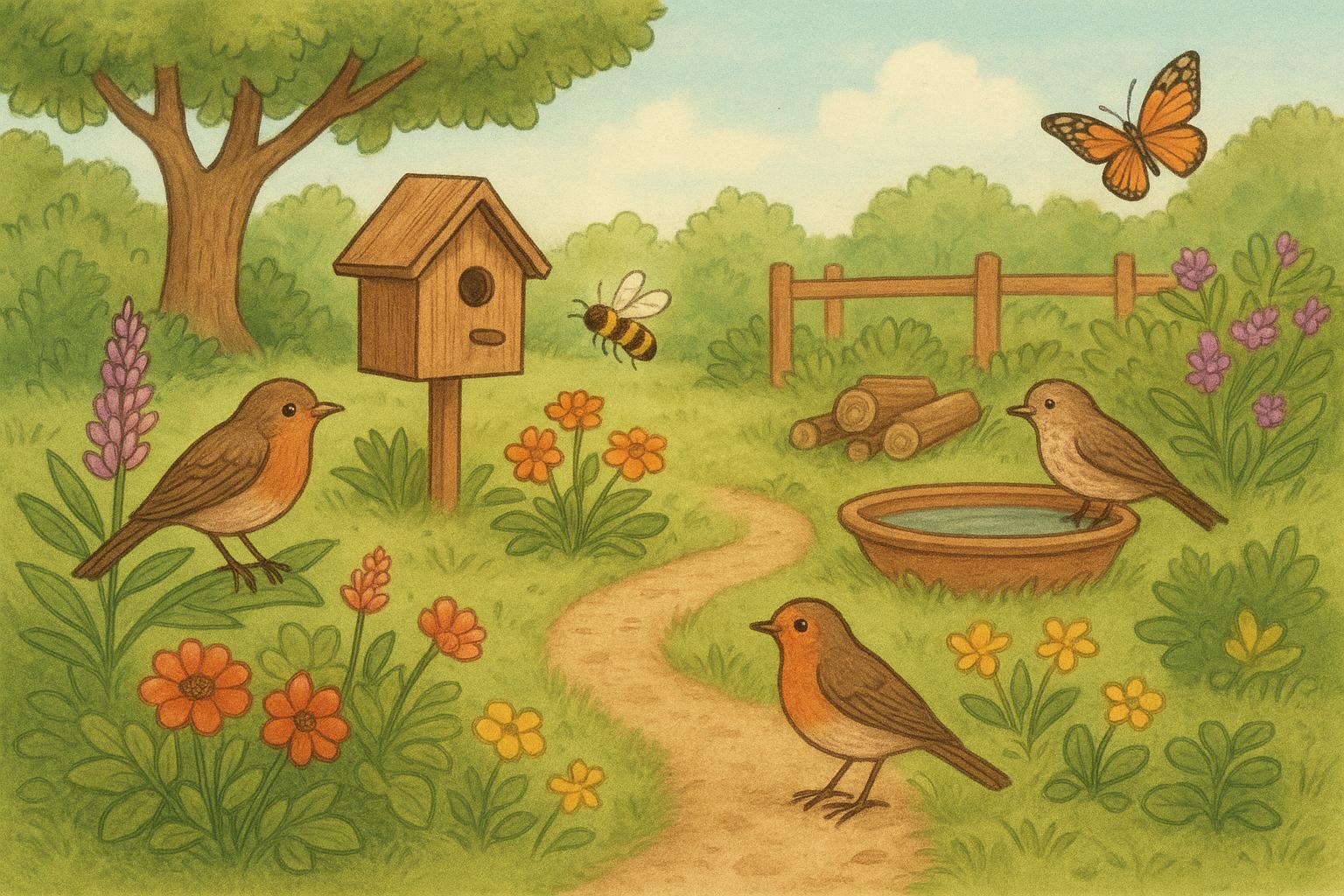
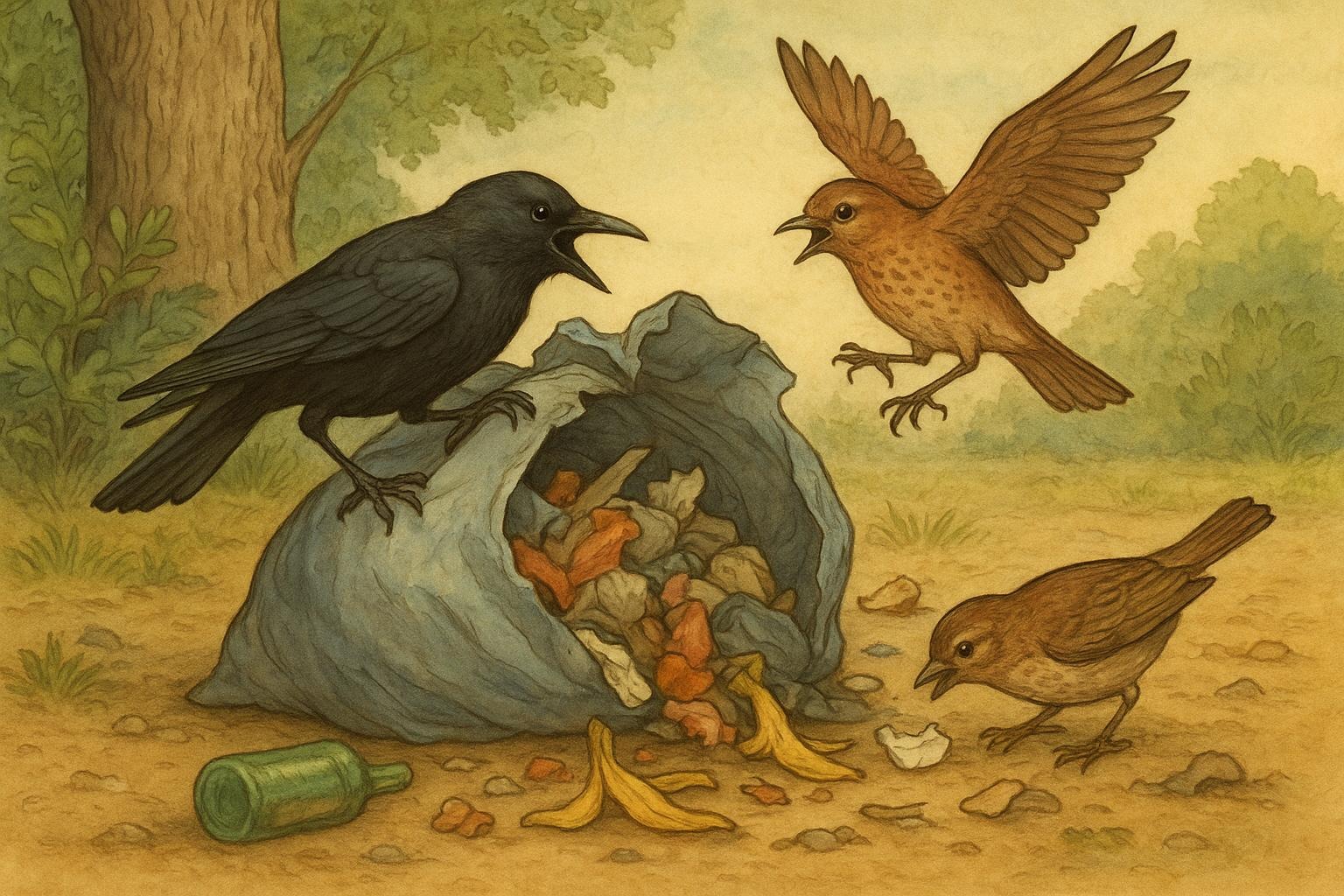
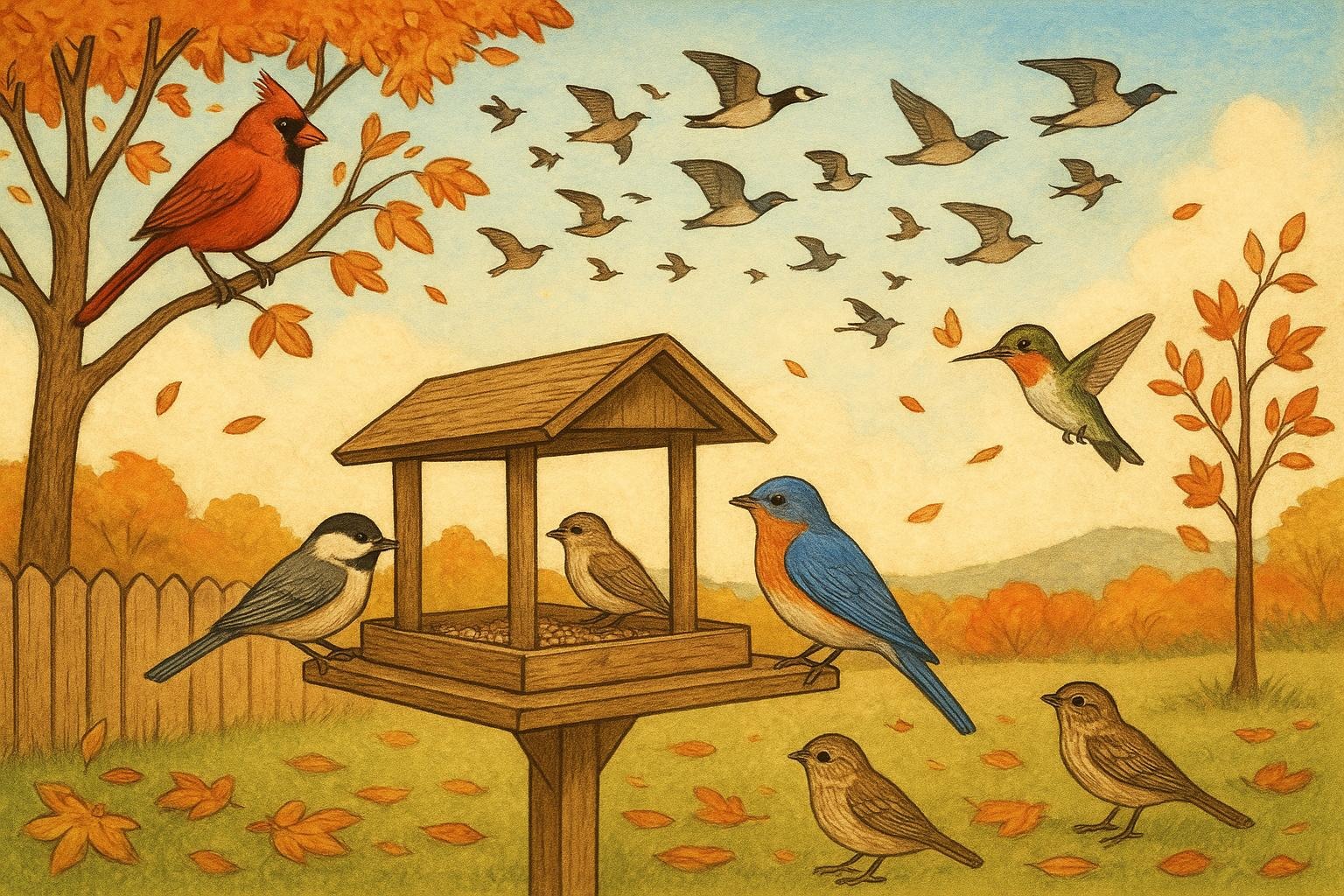
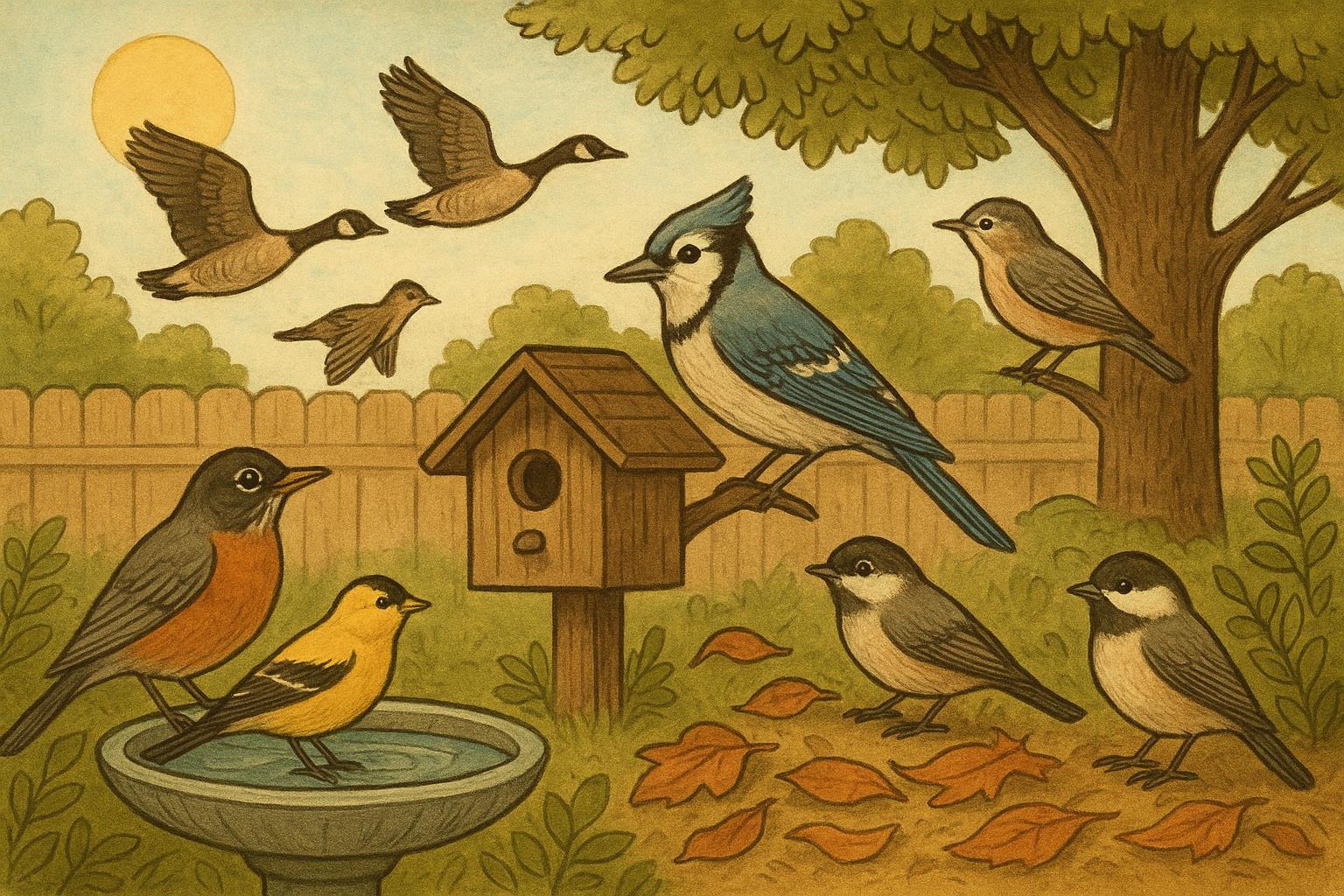
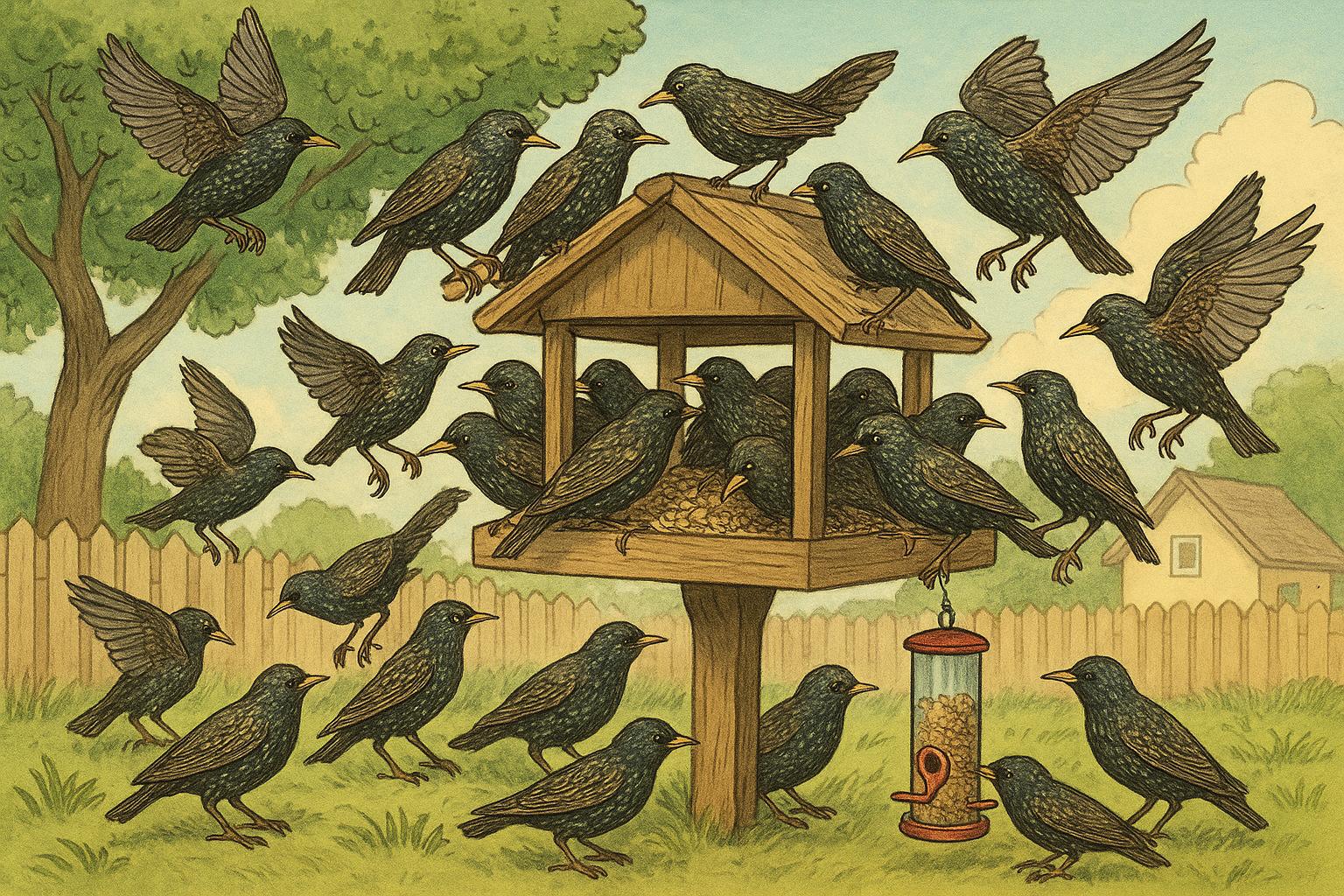
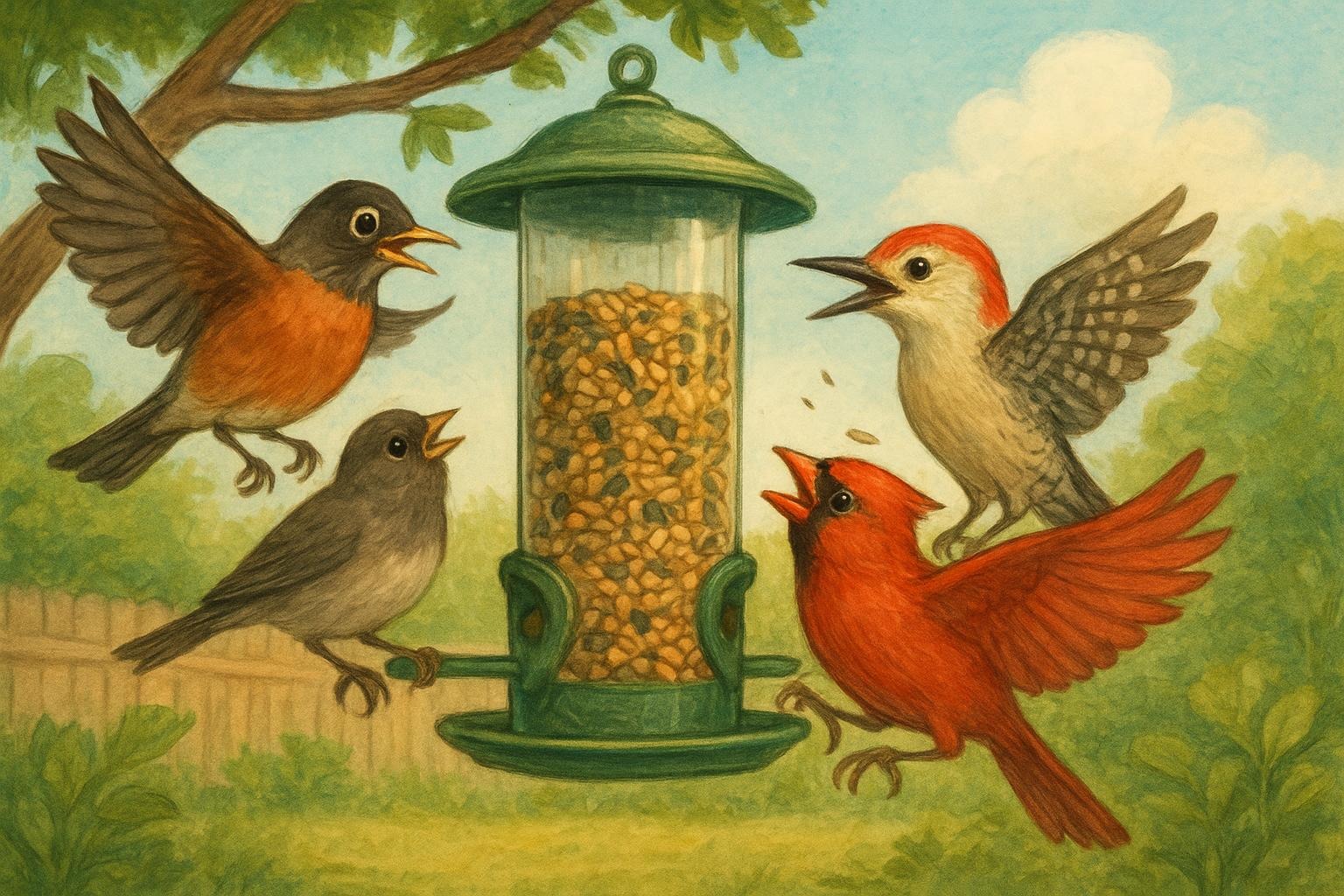
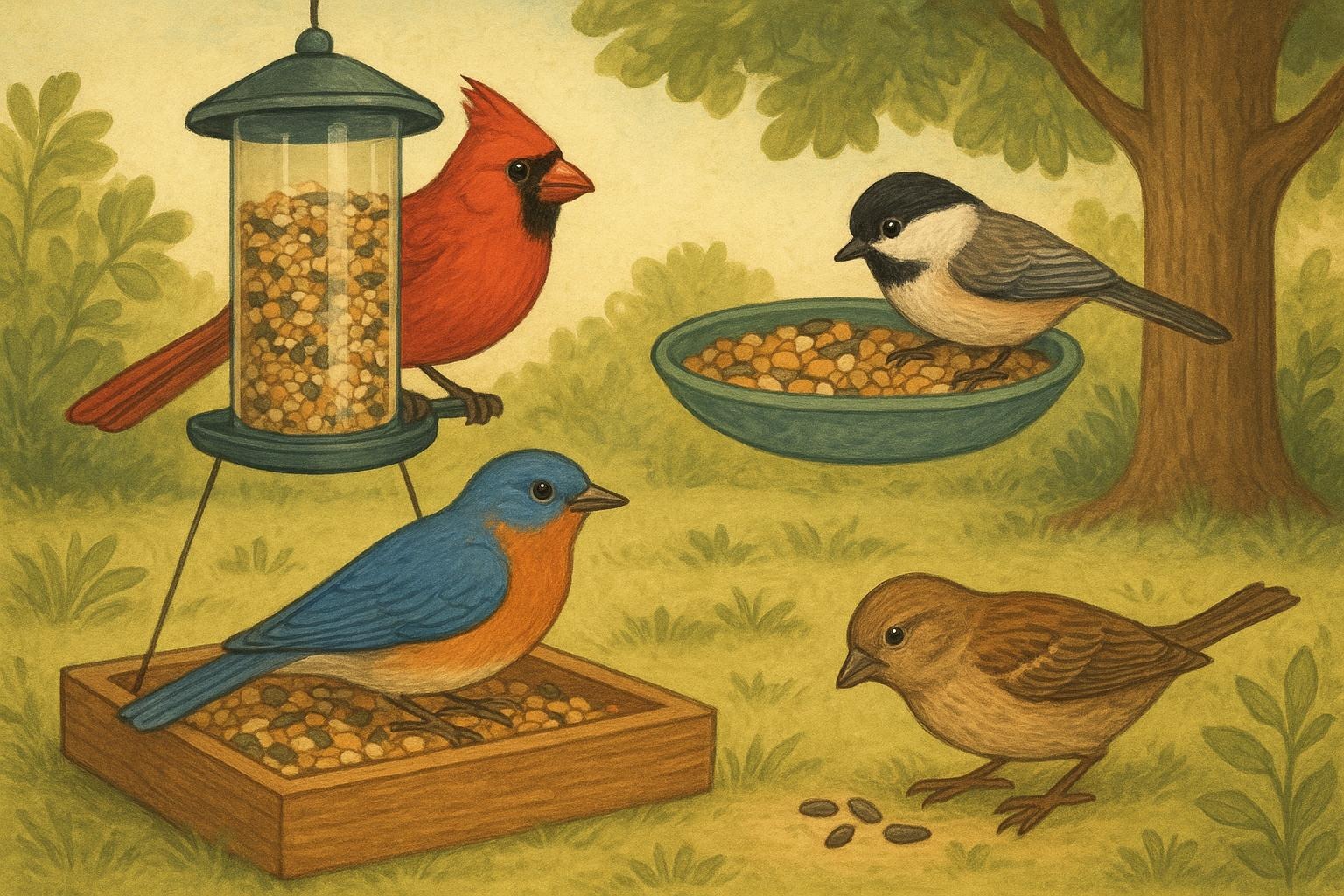
Feeders and bird baths can get crowded, and that scarcity leads to chasing. When a prized feeder is in use, dominant birds will chase smaller or less assertive ones away. If you’re asking why birds chase near feeders, think about competition: who’s getting access and who isn’t. Often the solution is simple—provide more or varied feeding opportunities so the value of a single spot diminishes.
### Young Birds Fledging
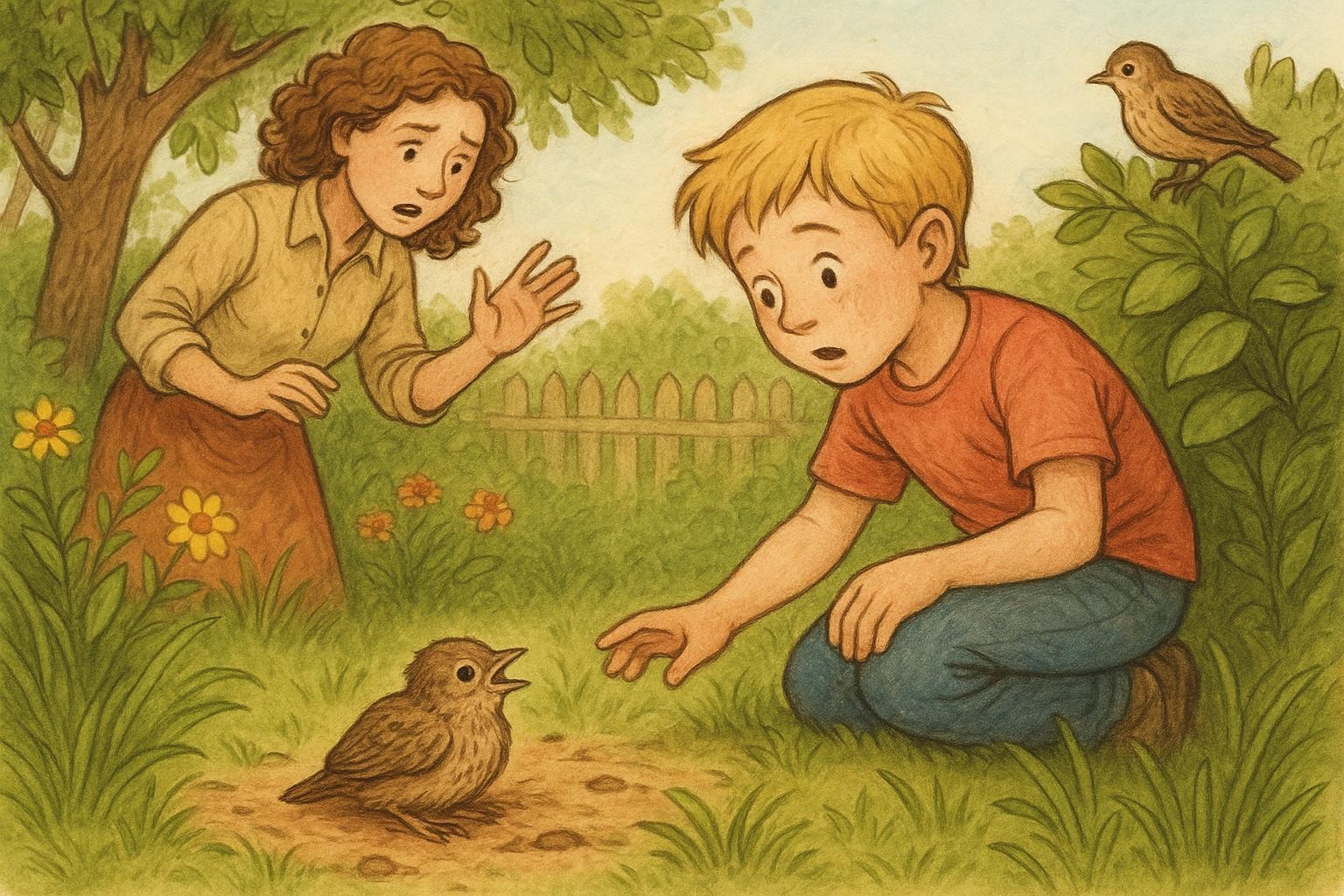
Fledglings learning to fly create a unique kind of chase. Parents may prod them to move, or older juveniles may scuffle playfully while honing flight and escape skills. These chases are often clumsier and less purposeful than adult territorial chases.
## The Role Of Habitat Design In Backyard Chases
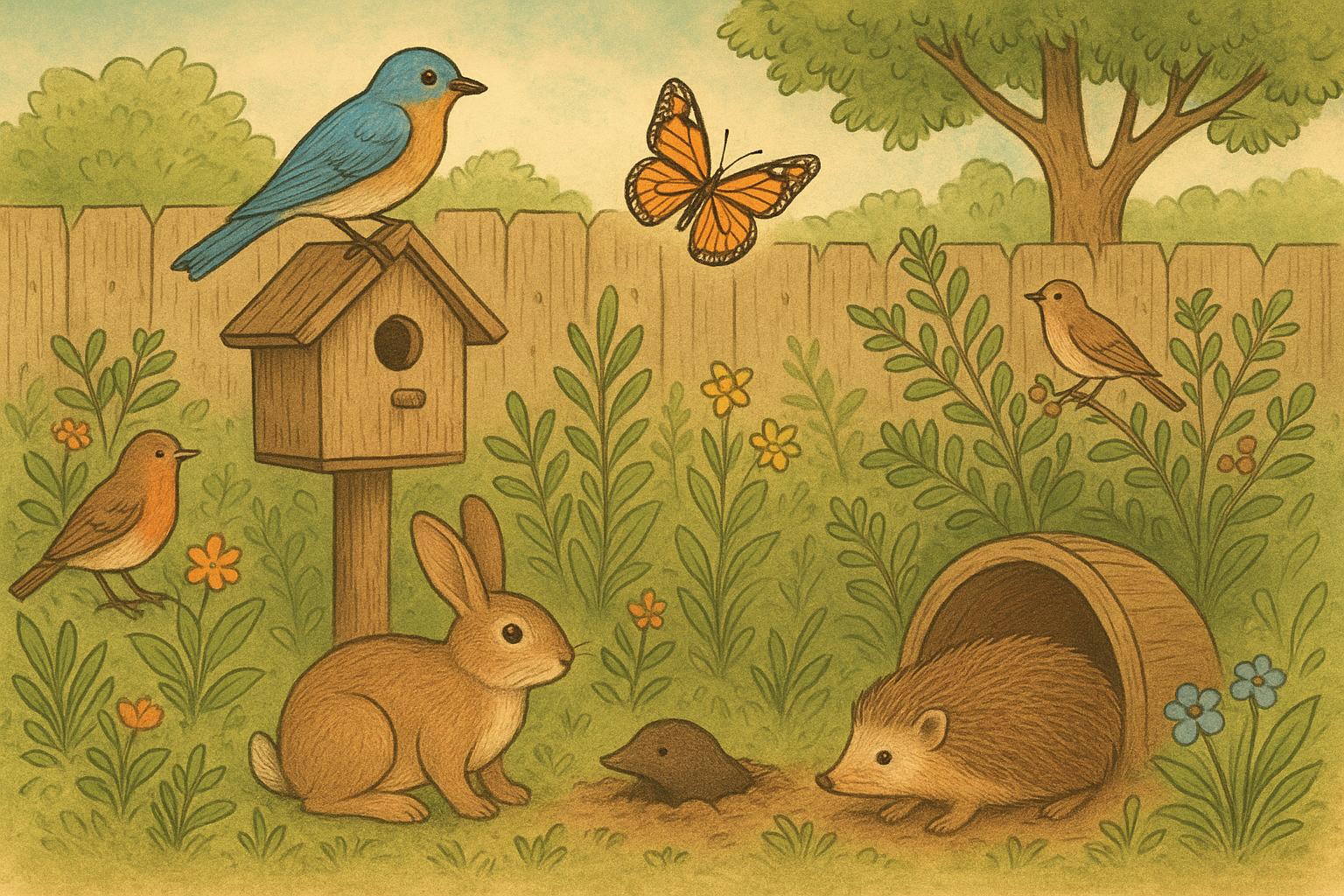
Your yard layout can unintentionally create hotspots for conflict. Birds value perches with good vantage points, sheltered nesting niches, and food sources. A single favored spot becomes a focal point for disputes. If you’re noticing persistent chasing in a particular area, that location might be a bottleneck—one spot offering multiple benefits that otherwise would be distributed. Thoughtful yard design can ease competition.
### Visual And Spatial Triggers
Bright colors, shiny objects, and specific plantings can draw birds to the same place. A lone large shrub or an exposed feeder under an open sky gives an occupant a clear field of view—great for defense, less great for sharing. Also, hard edges like fences and house walls create predictable flight paths, making chases more frequent and higher-energy.
### Seasonal Peaks In Chasing
Be aware that chasing ramps up at certain times of year. Spring brings breeding and territory establishment; late summer draws juvenile learning and food competition; migration can concentrate birds and thus conflicts. If you track patterns, you’ll notice cycles and can time interventions.
## 1. Reduce Competition At Feeders
When your feeders are the main stage for backyard dramas, practical changes can cut down chase frequency. The remedies below are written in a more formal, instructive style so you can implement them clearly.
### Materials
– Additional feeders (tube, platform, or suet)
– Sturdy shepherd hooks or hanging brackets
– Seed variety (mixed seed, nyjer, suet cakes)
– Platform feeder or ground scatter tray
– Optional: feeder baffles and squirrel guards
### Step‑By‑Step Creation And Application
1. Assess Current Setup: Note how many birds use the feeder simultaneously and which species dominate. Record times when chases are most frequent.
2. Increase Feeder Capacity: Add one feeder for every two to three dominant birds you regularly see. This reduces the value of any single station.
3. Vary Feeder Types: Use a combination of tube feeders for small birds and platform or tray feeders for larger species. This allows subordinate birds to access food they might otherwise be chased from.
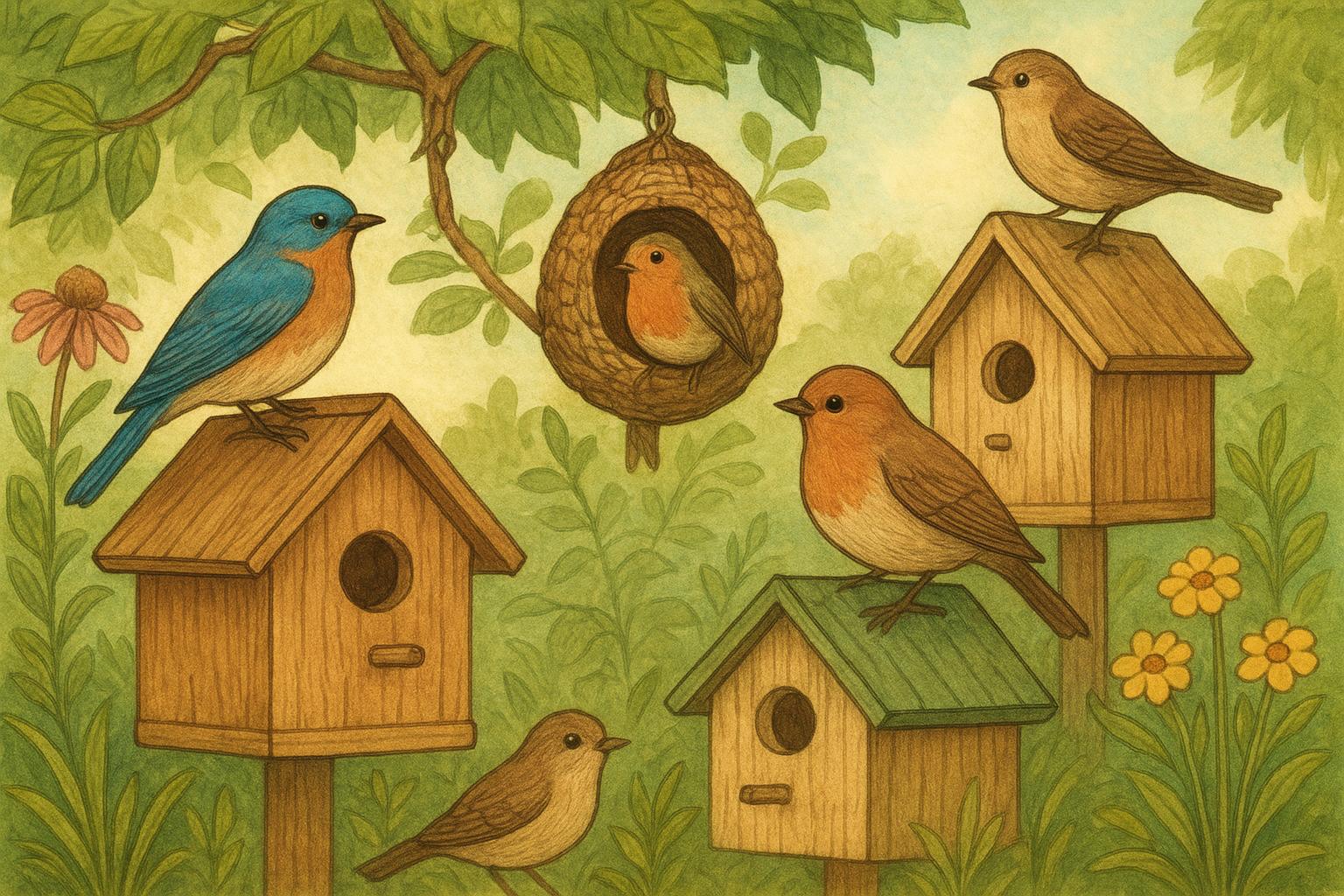
4. Spread Feeders Spatially: Position feeders at least 10–15 feet apart and at varying heights when possible. Spatial separation reduces direct confrontations.
5. Rotate Food Types: Offer nyjer in specialized feeders for goldfinches and seed mixes in other stations. When species have specialized feeds, overlap is reduced.
6. Monitor And Adapt: After changes, observe for a week. If a dominant bird monopolizes a new feeder, move it slightly or add another. Continued adjustments optimize sharing.
7. Maintenance: Keep feeders clean and filled. Empty feeders invite skirmishes as birds jockey for dwindling resources.
## 2. Provide Escape Routes And Visual Barriers
Chasing often escalates when birds have no safe escape or when they line up for a dramatic pursuit. Creating more cover and breaking sightlines reduces both the frequency and intensity of chases.
### Materials
– Native shrubs and small trees (multi‑layered planting)
– Branch cuttings or brush piles (where permissible)
– Trellis or lattice panels
– Window decals or film (to prevent collisions)
### Step‑By‑Step Creation And Application
1. Choose Plantings: Select a mix of dense shrubs and open perches. Native species are preferred for shelter and food. Plant shrubs in staggered groups rather than a single row.
2. Install Visual Breaks: Add trellis panels or lattice near feeders to create intermittent sightlines. This gives birds momentary cover to escape or rest.
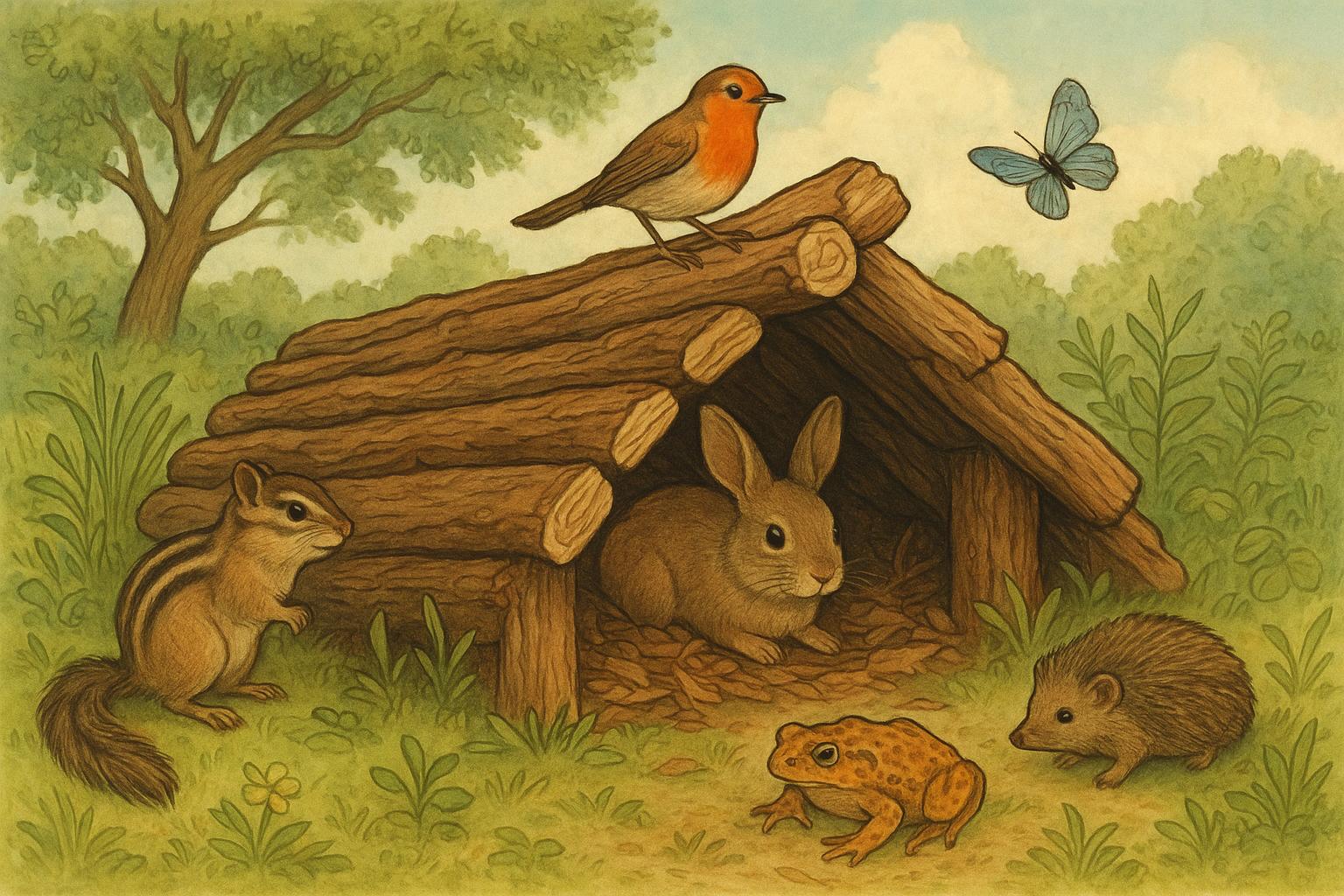
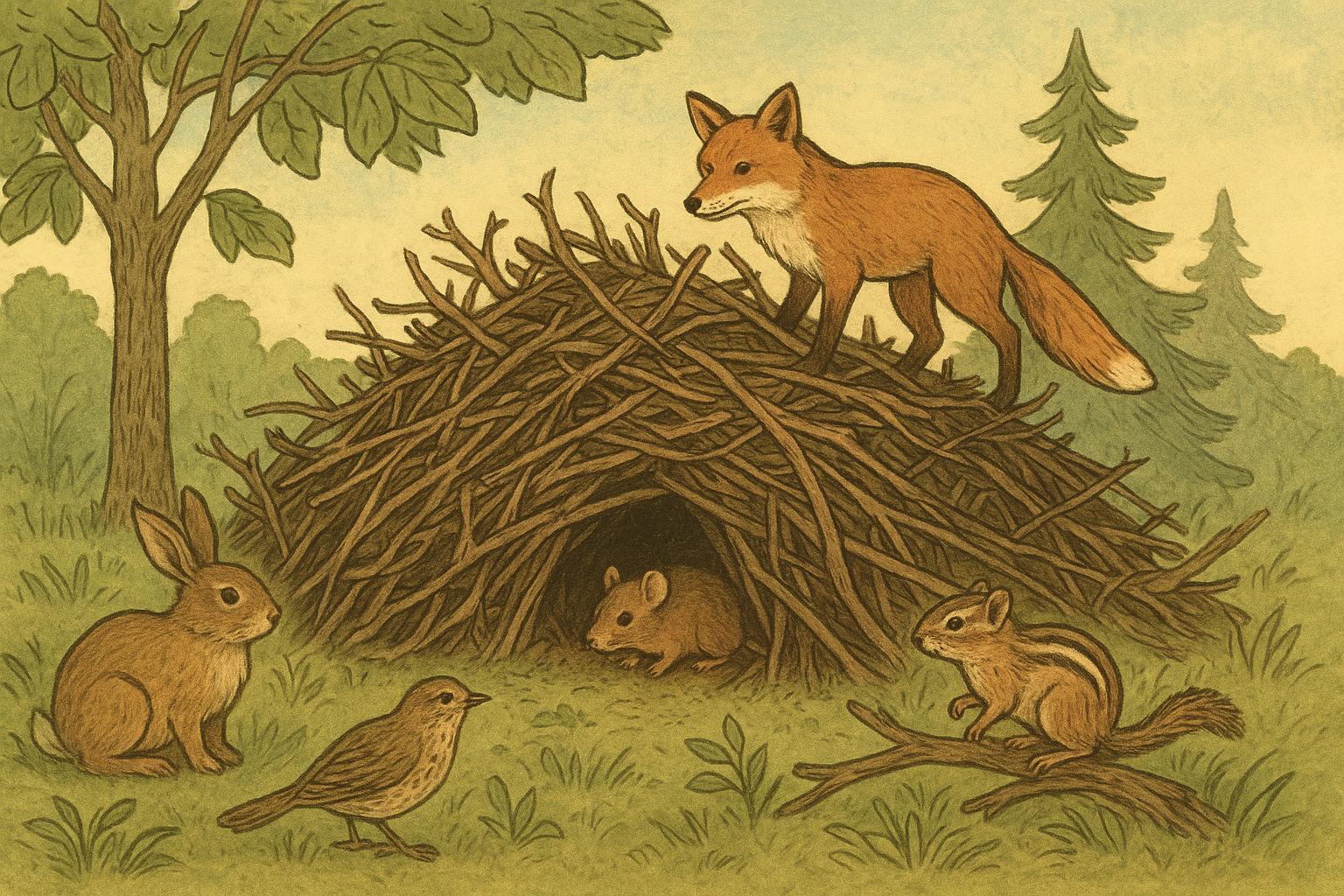
3. Provide Low Cover: Place small brush piles or stacked branches in discreet corners of the yard (check local ordinances). These act as quick refuges for chased birds.
4. Create Multiple Perches: Distribute perches at different heights and orientations. A bird being chased should have alternative landing options within a short distance.
5. Window Safety: Apply decals or film to large panes near bird activity to reduce collision risk during chases.
6. Monitor Predator Access: Trim lower branches that give predators concealment near feeding areas, while maintaining sufficient cover for smaller birds to hide.
### Formal Notes On Implementation
– Planting choices should favor local flora to support native birds and insects.
– When creating brush piles, ensure they’re placed away from structures to minimize pest concerns.
– Always check local regulations before installing permanent structures or altering protected habitat.
– In multi‑family yards or community spaces, coordinate with neighbors to ensure feeder placement and plantings are mutually beneficial.
## How To Observe Without Making It Worse
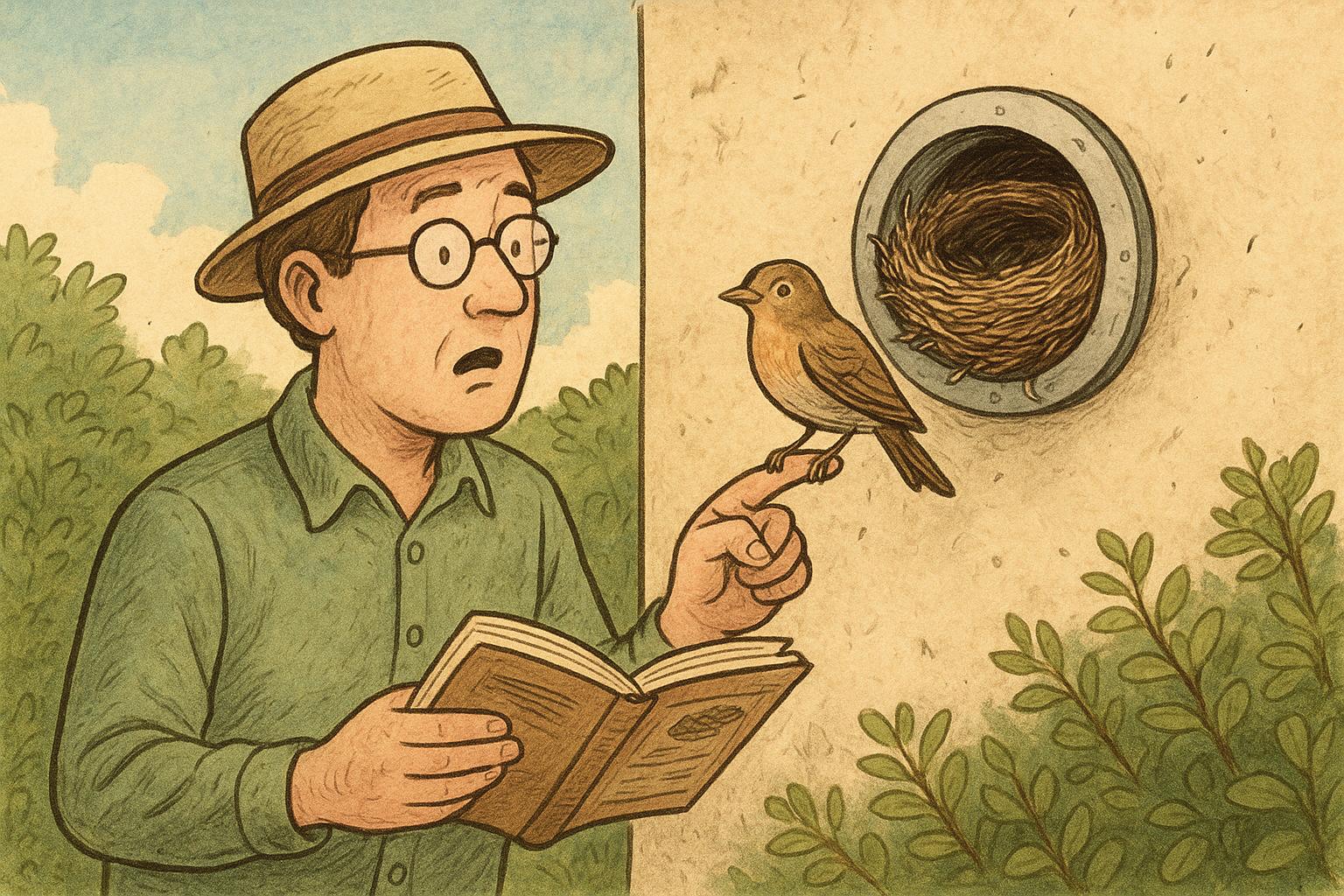
Watching is half the fun, and the best remedy often starts with information. Keep a simple notebook or use a phone app to log species, times, and types of chases. Quiet observation from a window or a hidden blind lets you learn patterns without introducing additional stressors. Remember, the question of why birds chase will be clearer when you have a few seasons of notes under your belt, and small, informed interventions usually work better than heavy‑handed attempts to “stop the fighting.”
(Do not include a formal conclusion; end of article content.)


Leave a Reply