
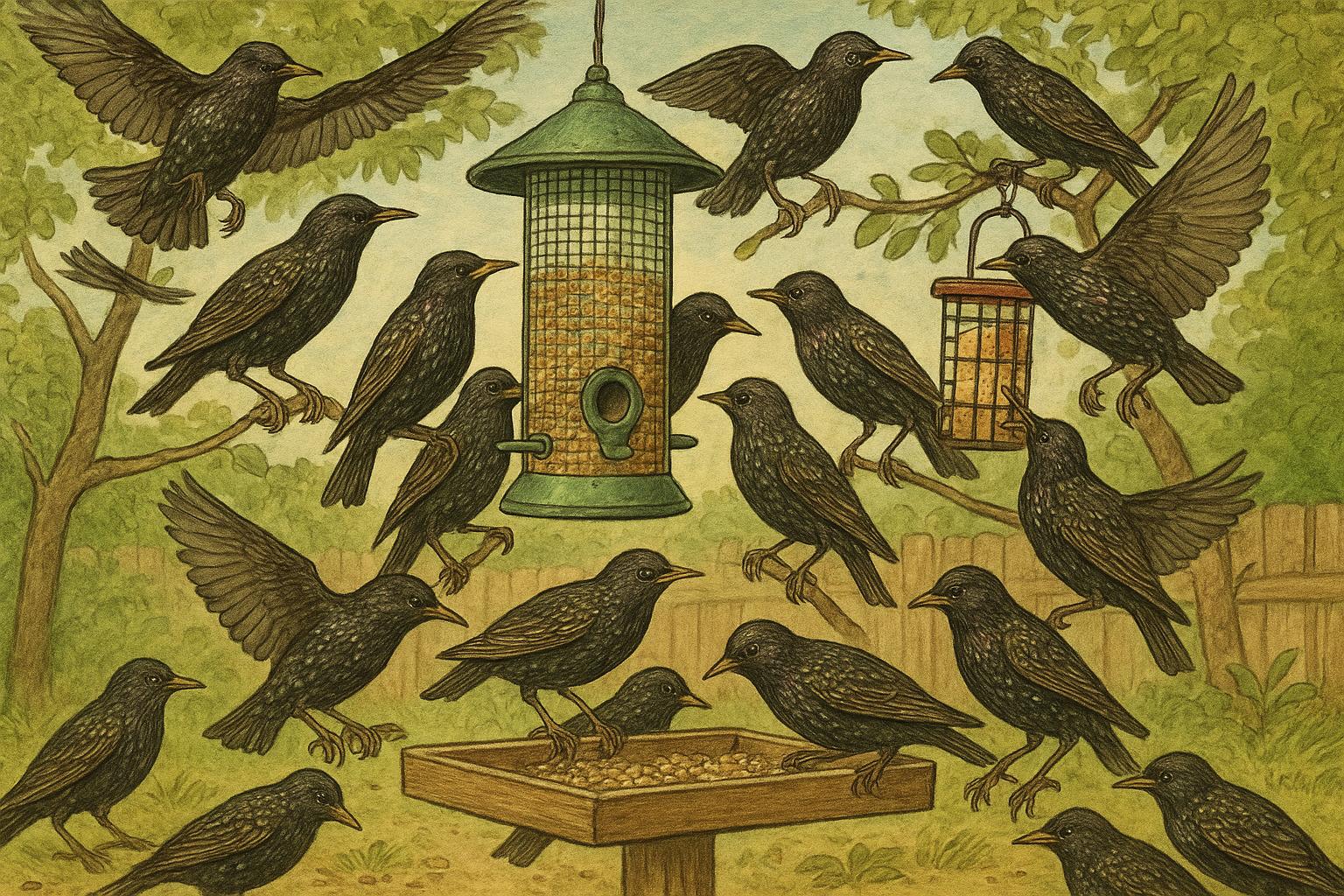
If your backyard feeder has turned into a chaotic, squeaky, gleaming-black party every afternoon, you’re likely staring at a classic starling problem. European starlings are charismatic in flocks but pushy at feeders, and a little understanding goes a long way in restoring the balance without turning your yard into a battleground.
## Starling Invasion: Why Feeders Are The Hotspot
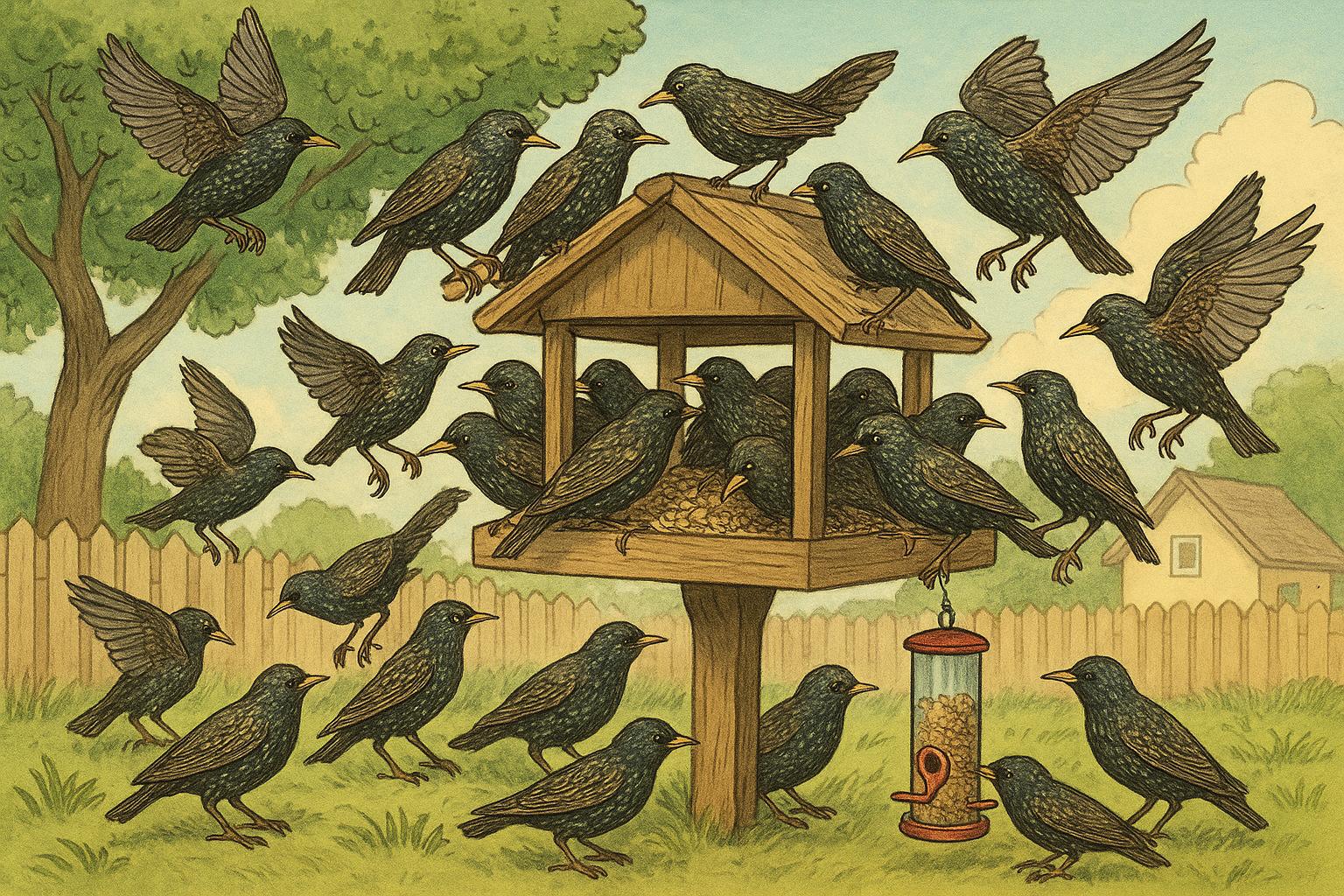
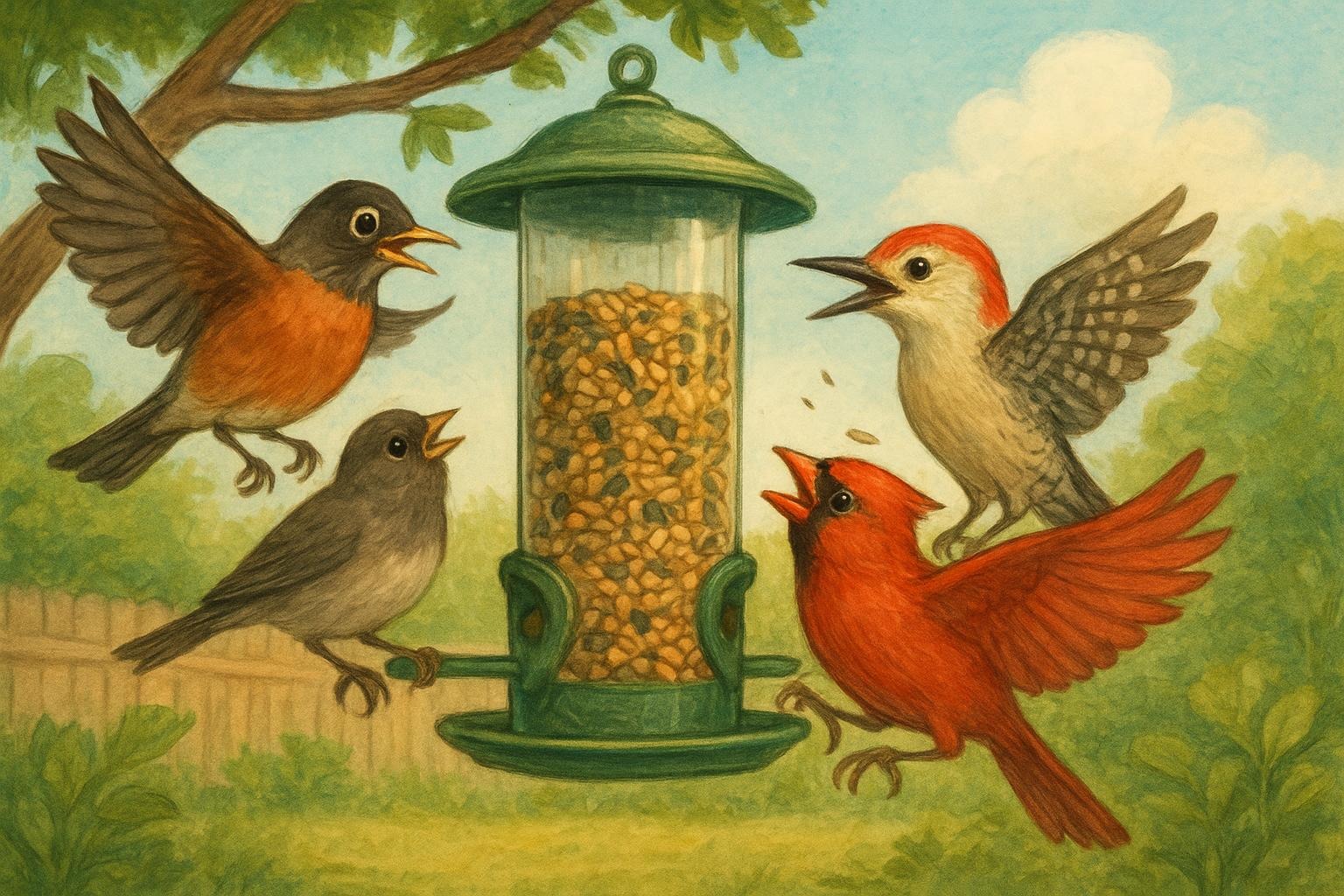
Starlings are social, bold, and opportunistic — the perfect recipe for a starling invasion at feeders. They favor high-calorie seeds, gobble food quickly, and use numbers to dominate spaces. Unlike many backyard songbirds that arrive in pairs or small groups, starlings come in flocks that can overwhelm feeders, scare off smaller species, and create messes with spilled seed and droppings. If you enjoy a variety of backyard birds, that tipping point is where intervention is sensible and humane.
### What Makes Starlings So Successful
Starlings are generalists. They eat a wide range of foods, nest in cavities, and tolerate human-altered environments. Their flight patterns, gregarious nature, and ability to find and monopolize food make them efficient at outcompeting many native species at feeders. Add an easy, year-round food source and some sheltered perching spots, and you’ve essentially posted an all-you-can-eat sign.
### Signs You Have A Starling Invasion
Look for these familiar clues:
– Groups of black, iridescent birds clinging to platform or tube feeders.
– Seed spillage and ground foraging beneath feeders.
– Loud chattering and a flurry of wingbeats when other birds approach.
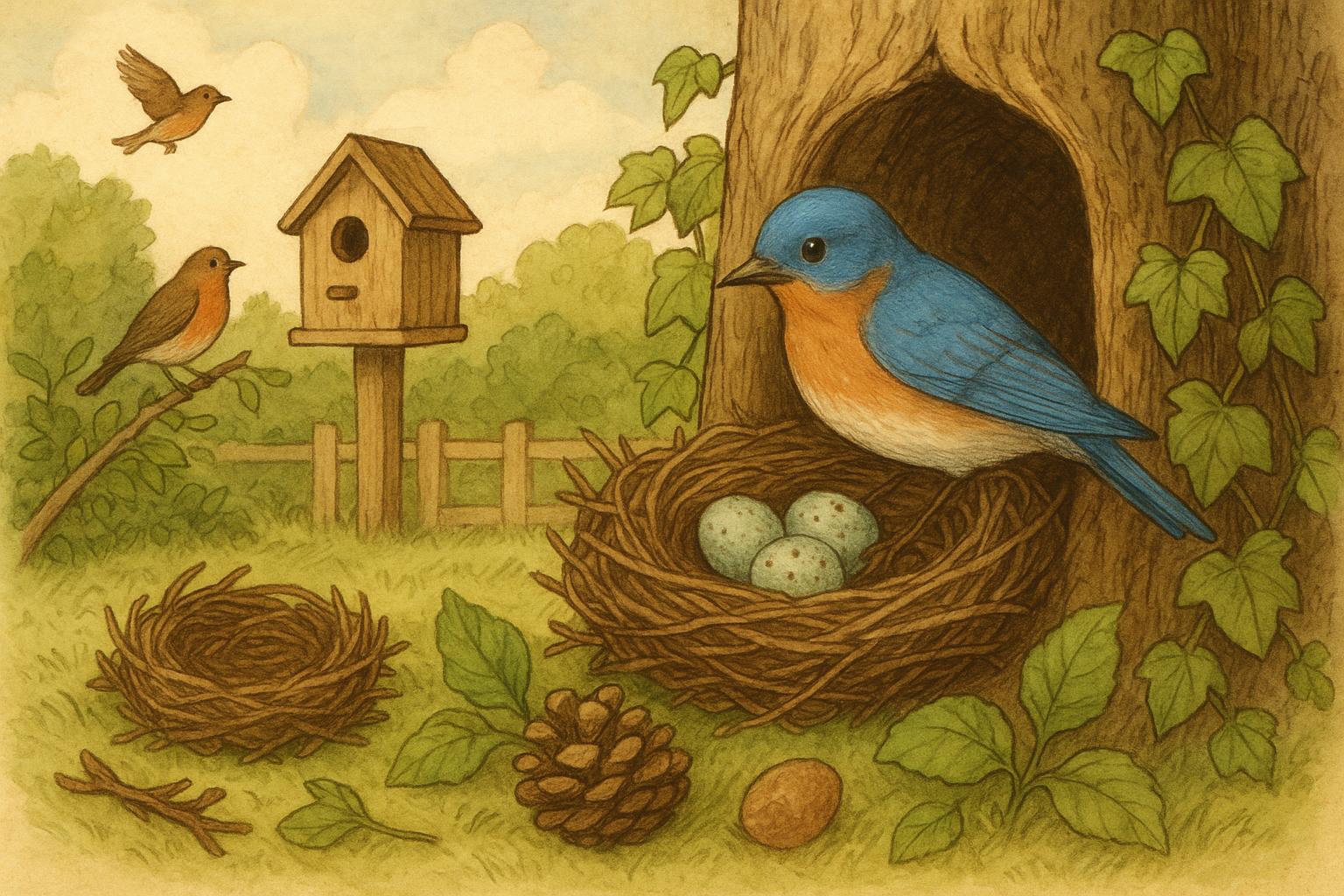
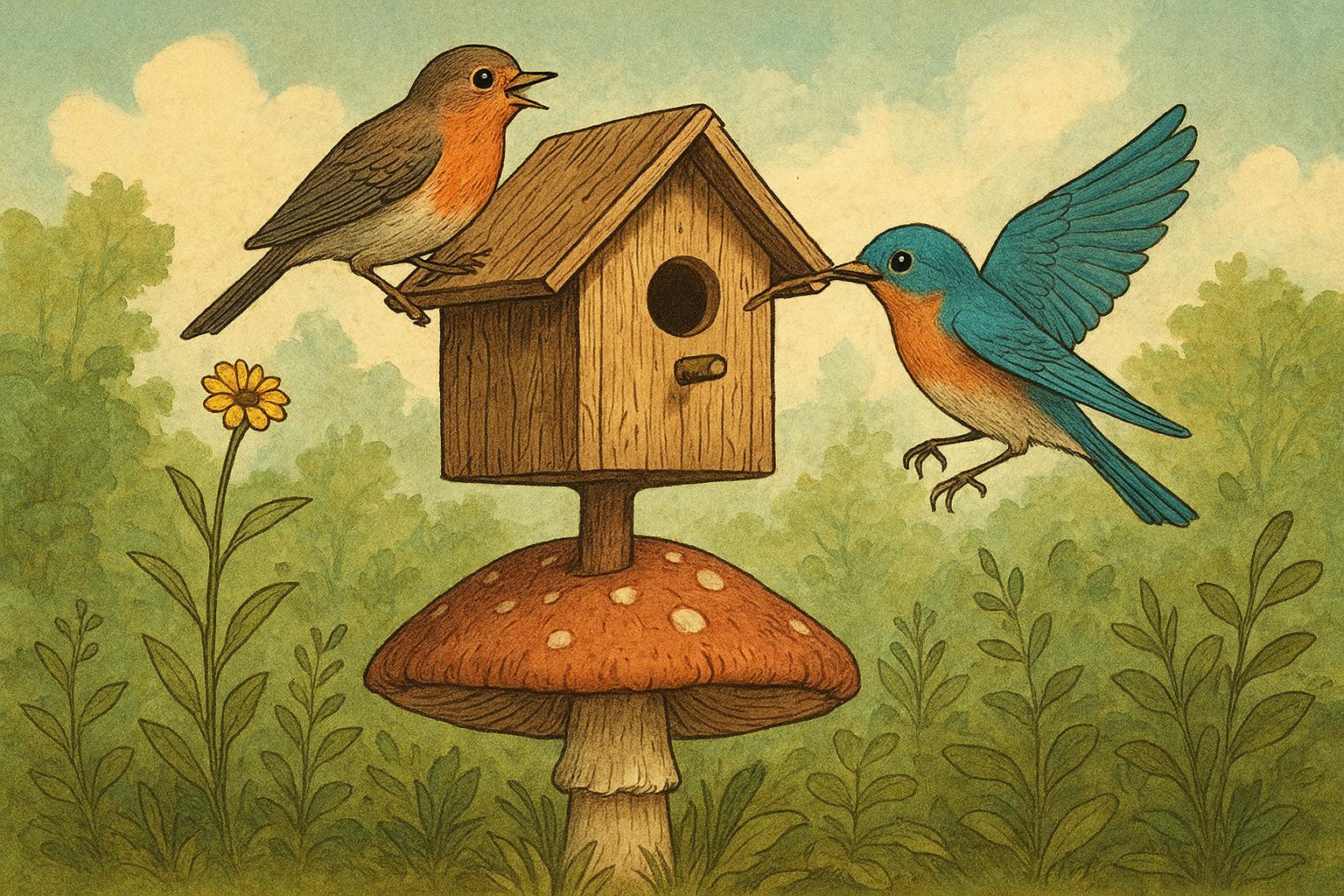
– Nesting in eaves, gutters, or nest boxes intended for bluebirds or titmice.
## Remedy 1: Modify Feeders To Favor Songbirds
When addressing a starling invasion, feeder modification is often the most effective long-term solution. The following instructions are practical, non-lethal, and designed to favor smaller, perching songbirds while discouraging starlings.
### Ingredients Or Required Materials
– Weight-sensitive tube feeders (or baffle-equipped feeders)
– Safflower seed (known to be less favored by starlings)
– Caged feeders with 1/2″ (12–13 mm) grid spacing
– Pole-mounted platform with predator baffle (optional)
– Measuring tape and basic tools for installation
### Step-By-Step Creation And Application
1. Select Appropriate Feeders: Choose tube feeders that close ports under the weight of larger birds, or select caged feeders with grid spacing of about 1/2″ to exclude larger-bodied starlings while allowing finches and chickadees access.
2. Choose Seed Wisely: Replace sunflower-heavy mixes with safflower seed or mixed small seeds. Safflower is palatable to many native songbirds but often ignored by starlings.
3. Install Properly: Mount feeders on poles with predator baffles at least 4–5 feet off the ground and away from jumping points (like fences or roofs) to reduce easy access for starlings.
4. Monitor And Adjust: Observe the feeder for a week. If starlings are still dominant, exchange to a caged feeder with tighter spacing or add additional baffling.
5. Maintain Cleanliness: Regularly sweep up spilled seed to reduce ground feeding opportunities that attract flocks.
Follow these installation specifics precisely; small changes in feeder choice and seed type can produce measurable reductions in starling presence.
## Remedy 2: Visual And Auditory Deterrents
When a starling invasion has already established routine feeding times, altering environmental cues can help retrain their habits without harm.
### Ingredients Or Required Materials
– Reflective tape or shiny pie plates
– Predator decoys (owl or hawk silhouettes)
– Wind chimes or motion-activated auditory devices
– Zip ties, twine, and mounting hardware
### Step-By-Step Creation And Application
1. Deploy Reflective Objects: Hang strips of reflective tape or lightweight metallic discs near feeders. Move them periodically (every few days) to maintain novelty; starlings habituate quickly.
2. Place Predator Decoys Strategically: Install a realistic owl or hawk decoy on a pole or tree branch within visual range of the feeder. Change the position weekly and clean the decoy to preserve effectiveness.
3. Use Motion-Activated Sounds Sparingly: Motion-activated devices that make predator calls or sudden noises can discourage starlings. Use them on an intermittent schedule to avoid conditioning the birds to ignore the sounds.
4. Rotate Tactics: Combine visual and auditory tools and rotate them so starlings don’t become accustomed.
5. Assess Impact: Record presence times and flock sizes before and after deployment to evaluate success.
These deterrents should be applied with careful monitoring; effectiveness is increased by variability and proper placement.
## Remedy 3: Habitat Adjustments And Alternative Feeding Stations
Altering the landscape and offering alternative attractions can diffuse a starling invasion without harm. This method focuses on ecological balance.
### Ingredients Or Required Materials
– Native plant seedlings or seed packets
– Ground-level tray feeders placed away from main feeders
– Shrubs or dense plantings to provide cover for small birds
– Gardening tools, mulch, and planting stakes
### Step-By-Step Creation And Application
1. Plant Native Berry And Seed Sources: Establish shrubs and plants that provide seasonal natural foods for target species; this reduces reliance on feeders and disperses feeding pressure.
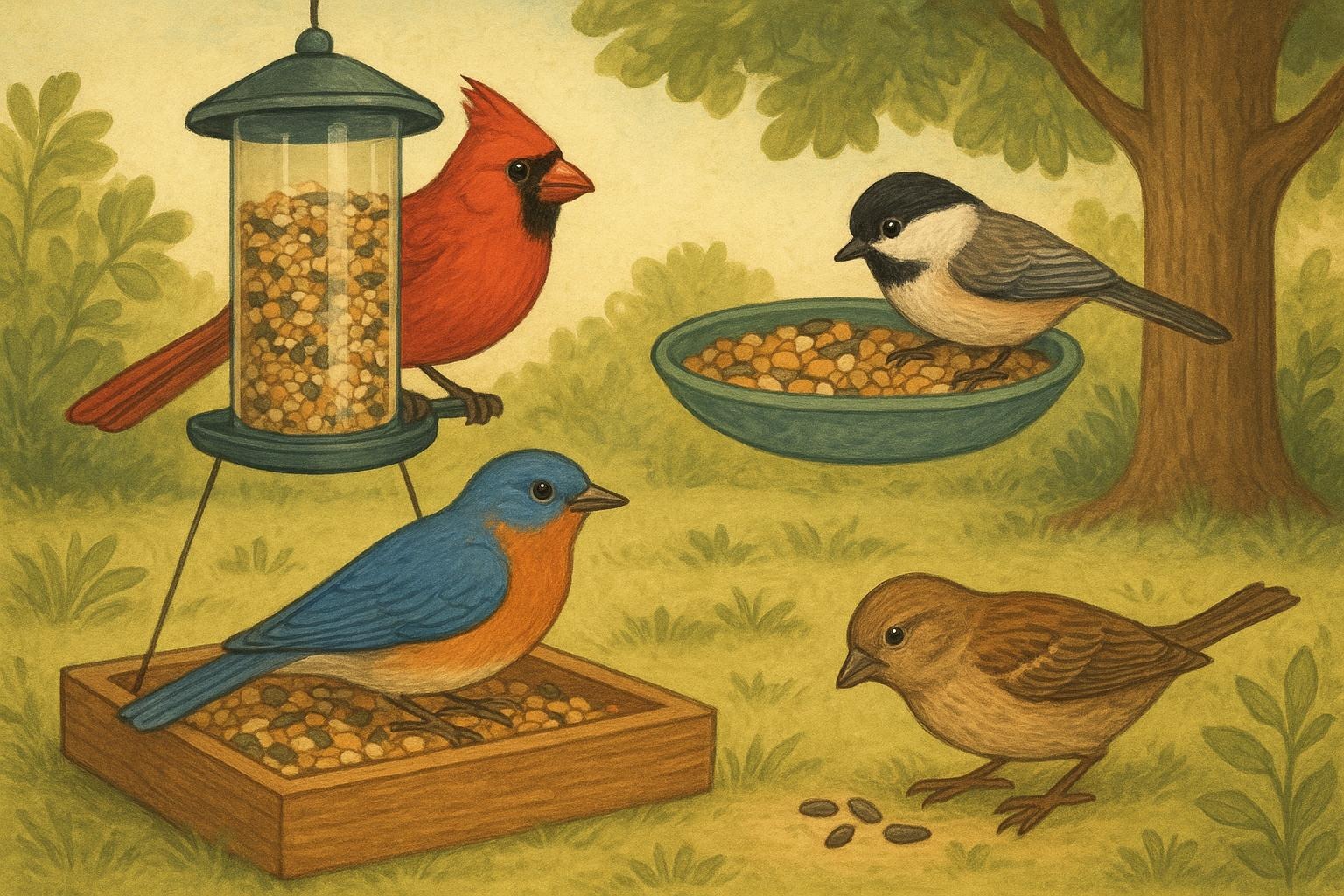
2. Set Up Alternate Feed Stations: Place a low tray feeder or ground feeding area stocked with cracked corn or mixed grains away from main feeders. This can lure starlings to a separate zone where they are less disruptive.
3. Create Protective Cover For Target Birds: Plant dense shrubs and small trees near primary feeders to offer quick escape routes for smaller birds returning to feed.
4. Stagger Feeding Times: Consider partial feeding schedules—remove feeders for short periods—to disrupt starling feeding routines while giving smaller birds windows of access.
5. Monitor Vegetation And Adjust: Maintain native plantings and adjust the placement of alternate feed stations seasonally based on activity.
By restructuring habitat and distribution of food, you reduce the point-source dominance that fuels a starling invasion.
## Ethical And Legal Considerations
Starlings are non-native in many regions and sometimes legally classified differently than native species, but humane treatment is essential. Lethal measures are unnecessary for most backyard scenarios and may be illegal or unsafe. Deterrence and exclusion are the recommended, ethical approaches. If you believe a situation requires intervention beyond what these methods offer, consult local wildlife professionals or your state wildlife agency for guidance and permits.
### Monitoring And Maintaining Balance
Track bird visits with simple observations or a notebook. Note species, flock sizes, and times of day. Successful reduction of a starling invasion often requires a combination of feeder choice, seed selection, deterrents, and habitat adjustments. Persistence and small, measurable changes are key: try one main change, observe for two weeks, then add another tactic if needed.
### When To Call In A Pro
If you’ve tried the remedies above for a month with little improvement, or if starlings are nesting in structures where they pose a health or structural risk, contact a licensed wildlife control professional or local bird conservation organization. They can advise on legal, effective next steps tailored to your locale.
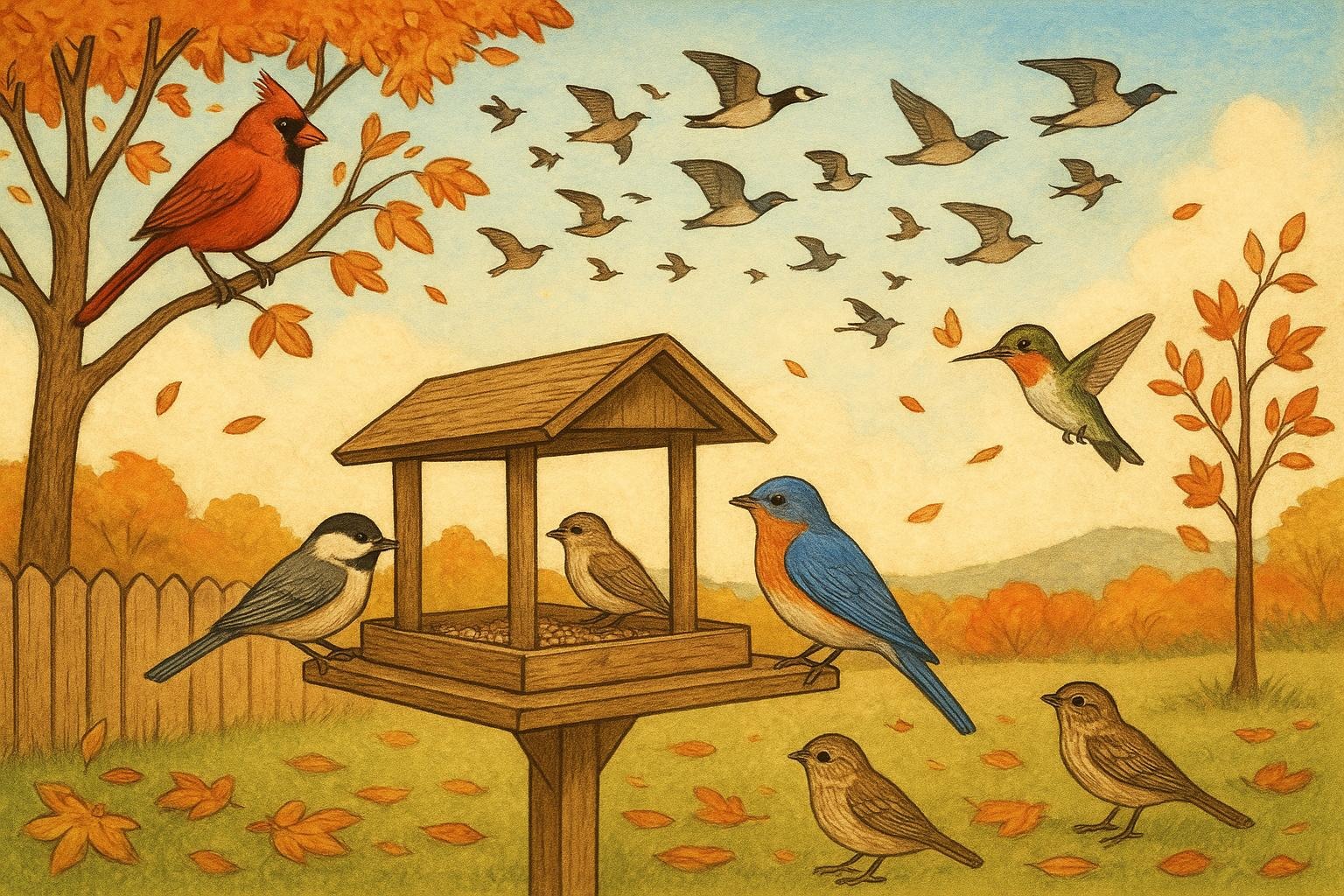
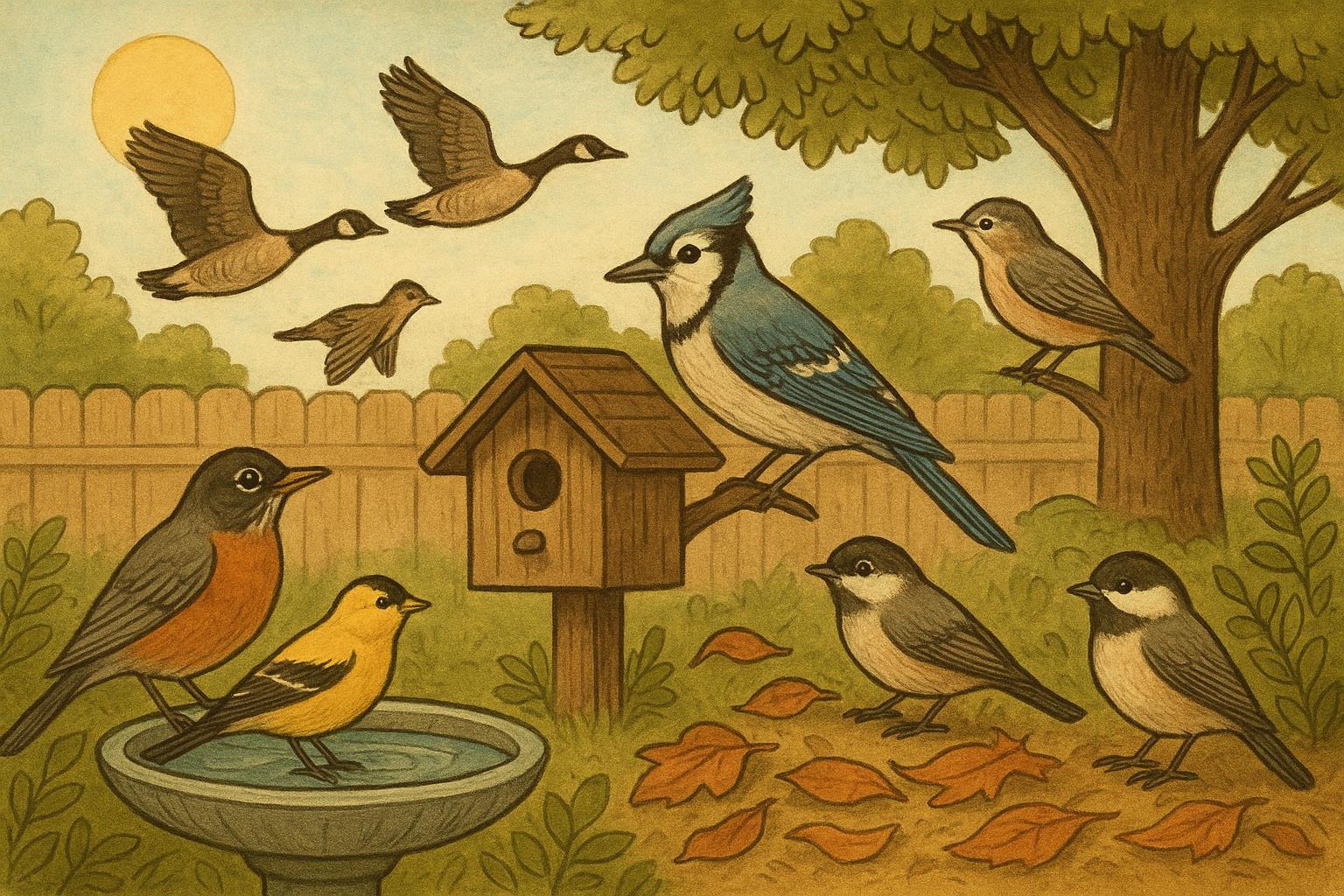
If your yard already hosts a mix of sparrows, finches, cardinals, and the occasional bold starling, remember you’re not alone. A smart combination of feeder design, seed choice, gentle deterrents, and habitat improvements will tilt the balance back in favor of the smaller songbirds you probably started feeding in the first place — and you’ll get to enjoy a richer, calmer avian community without staging a backyard coup d’état.













Leave a Reply