
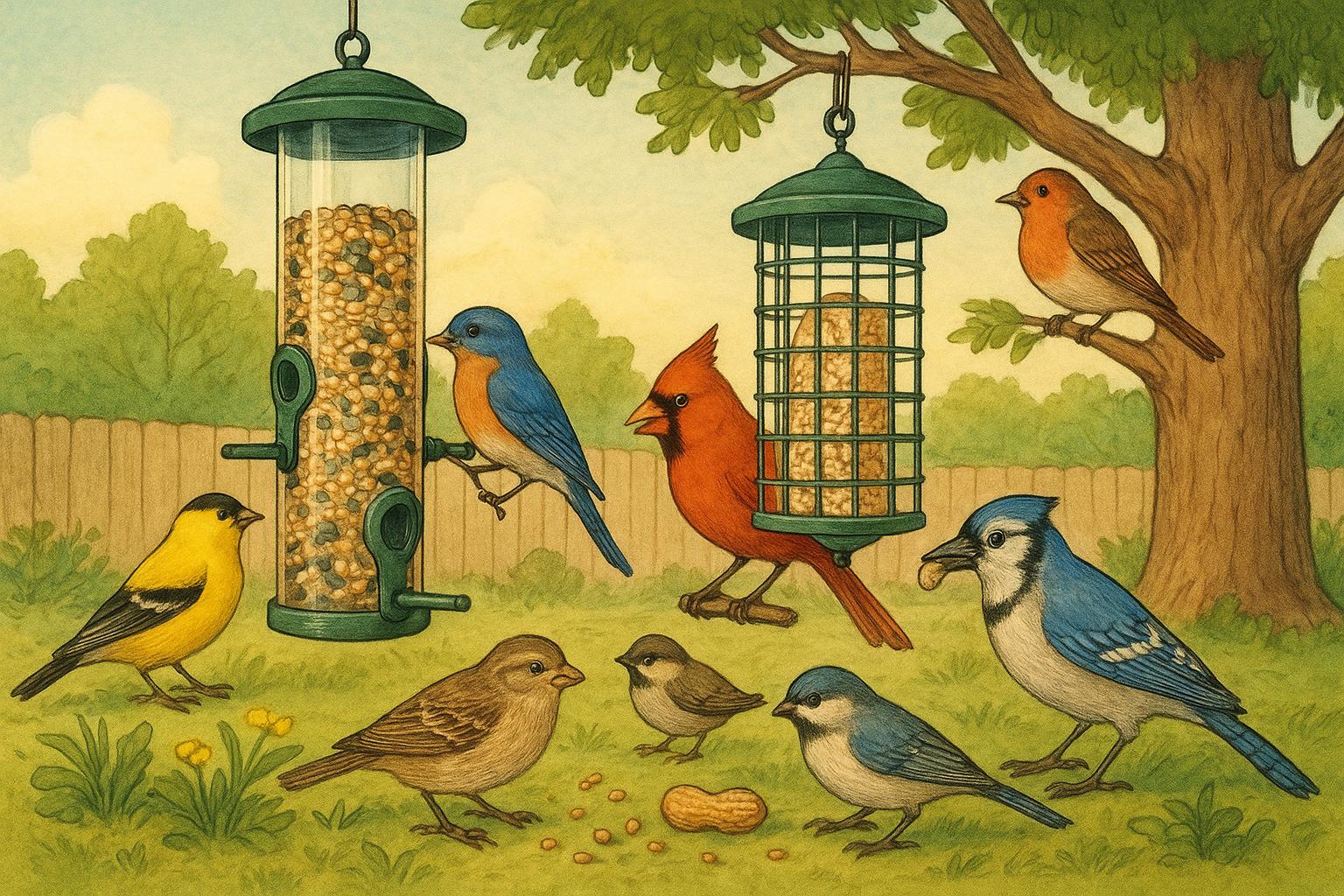
I’ll let you in on a secret: put the right feeder in your yard and your local birds will RSVP like it’s a block party. Whether you’re a weekend birder or someone who talks to cardinals like old friends, tube feeders are the small, elegant solution that turns an ordinary backyard into a lively avian hangout. Expect chirps, acrobatics, and more feathered drama than your neighborhood drama club.
## Why Tube Feeders Are Backyard Game-Changers
Tube feeders are the Swiss Army knife of bird feeding: compact, efficient, and wildly adaptable. They invite a wide variety of species without taking over your yard, and they make watching from the kitchen window a daily joy. The cylindrical design keeps seed dry and accessible, reduces waste, and gives birds multiple perches to jockey for position. Bonus: they look tidy and don’t scream “I’m an all-you-can-eat buffet” to squirrels (though resourceful squirrels may disagree).
### What Makes Tube Feeders So Appealing
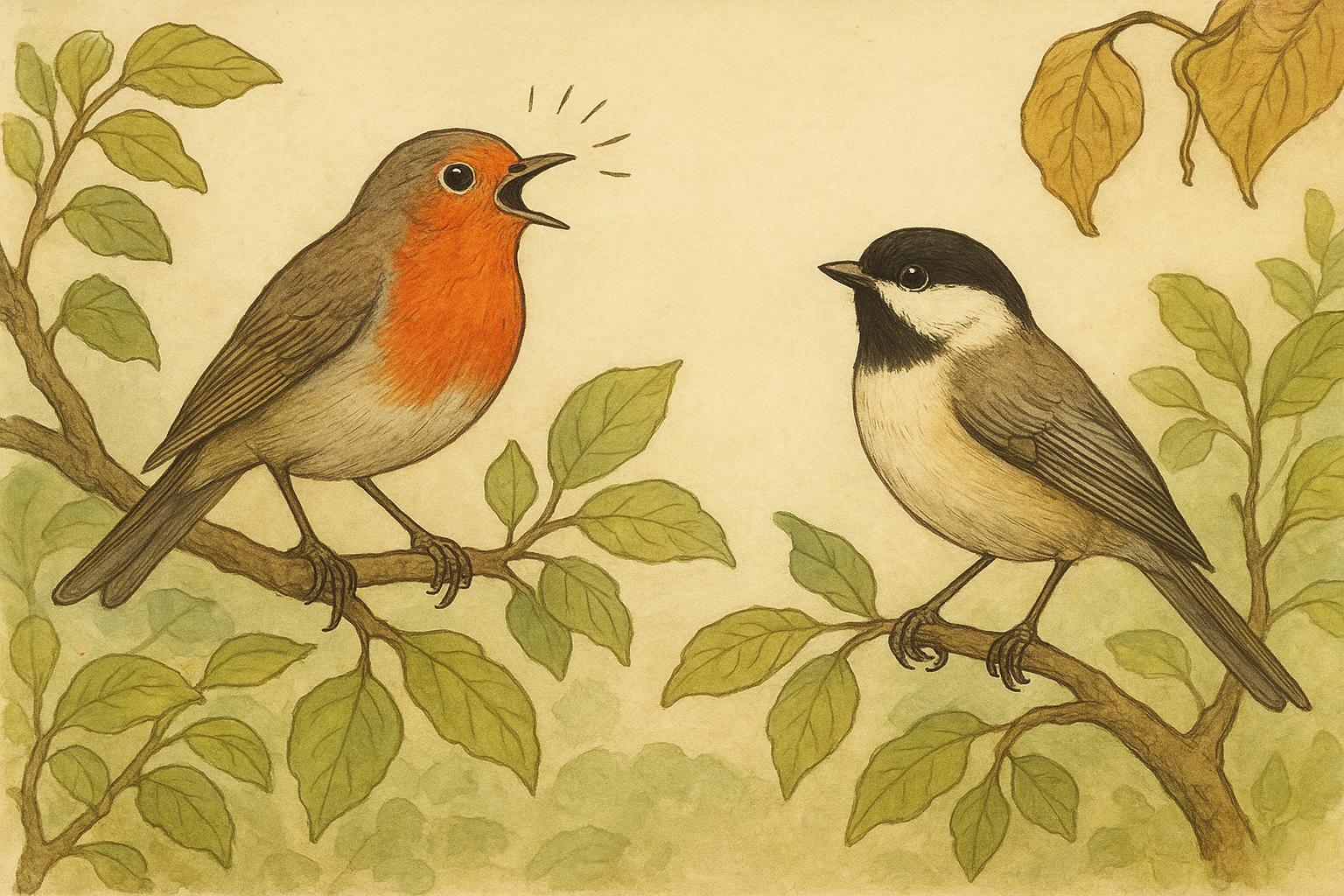
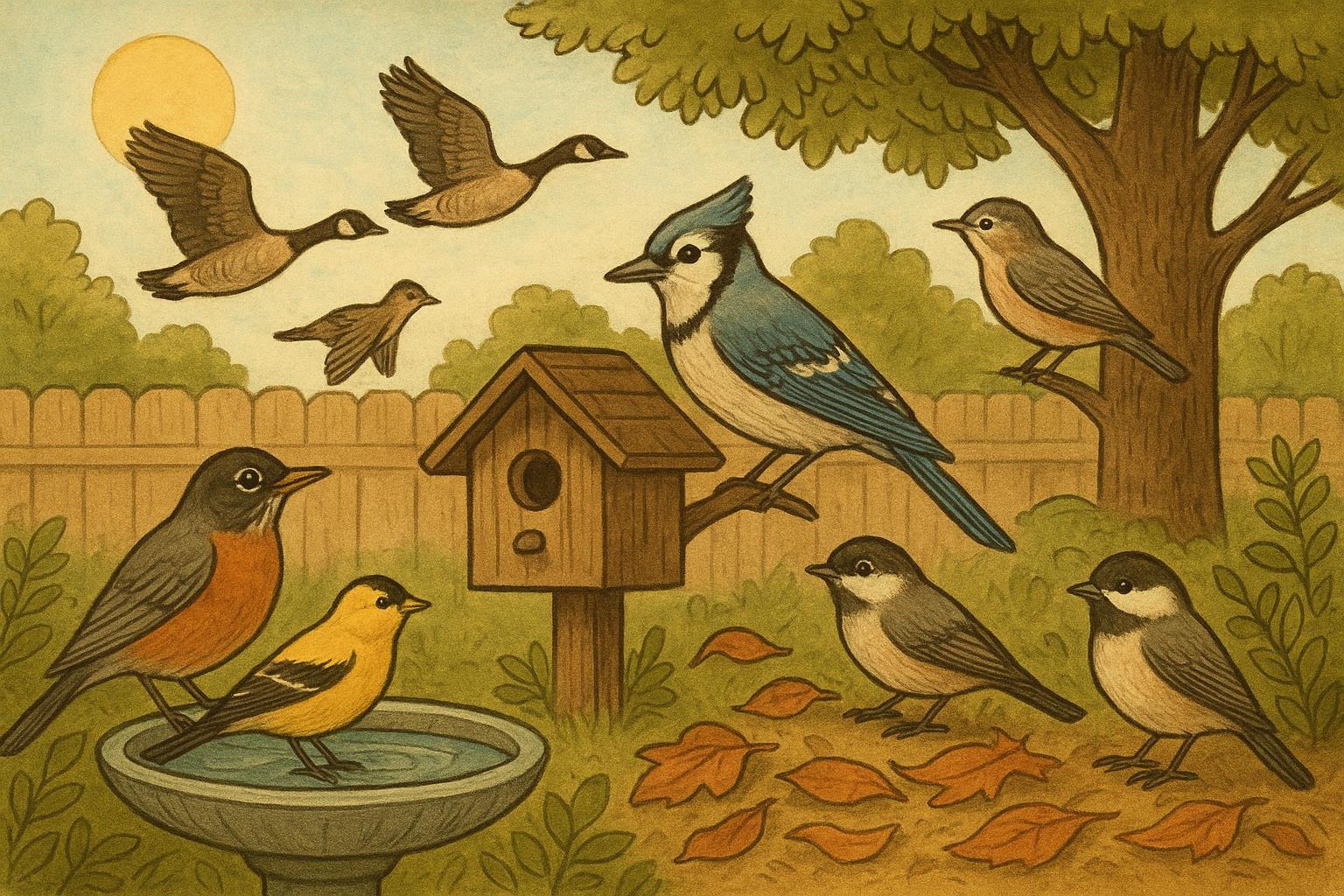
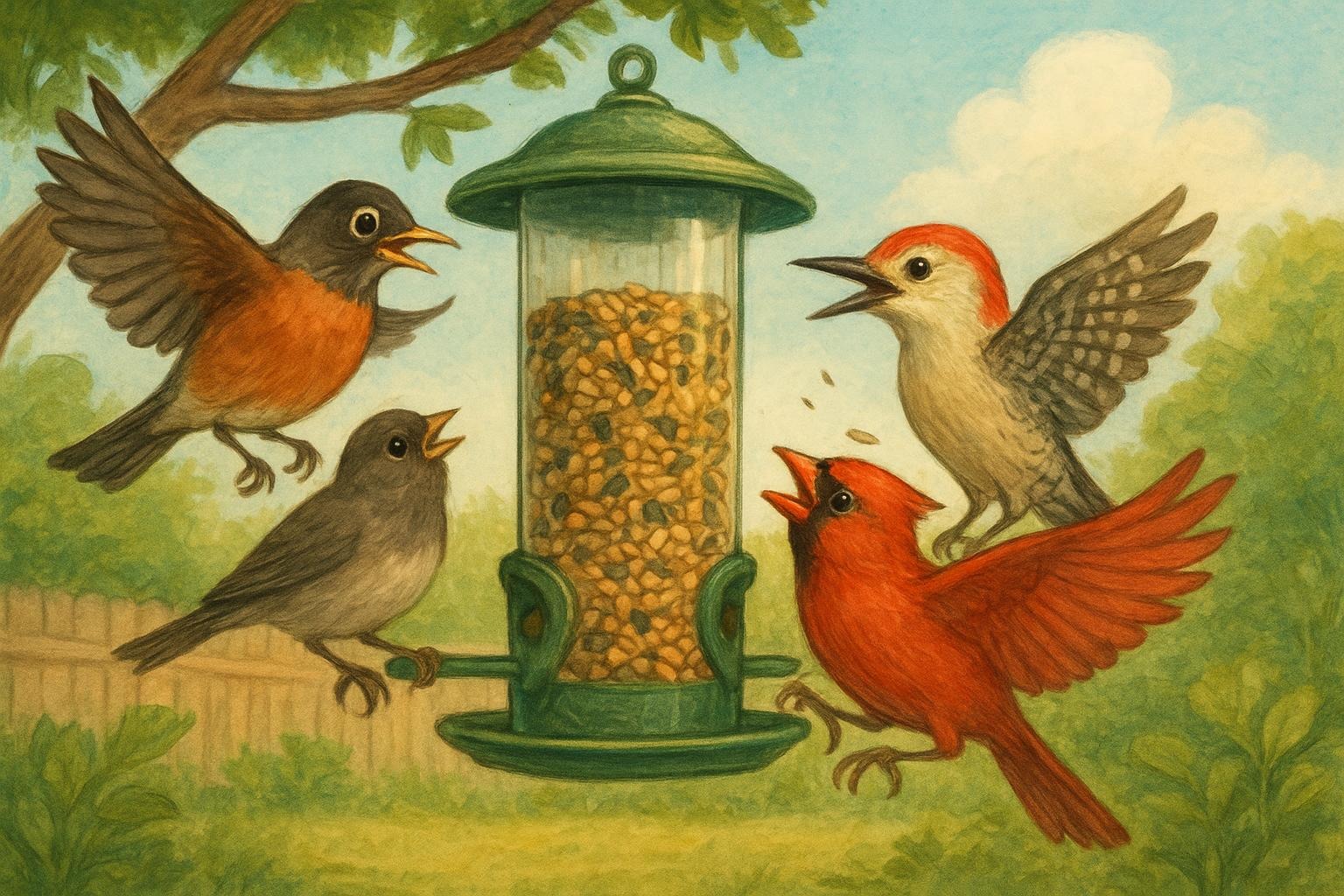
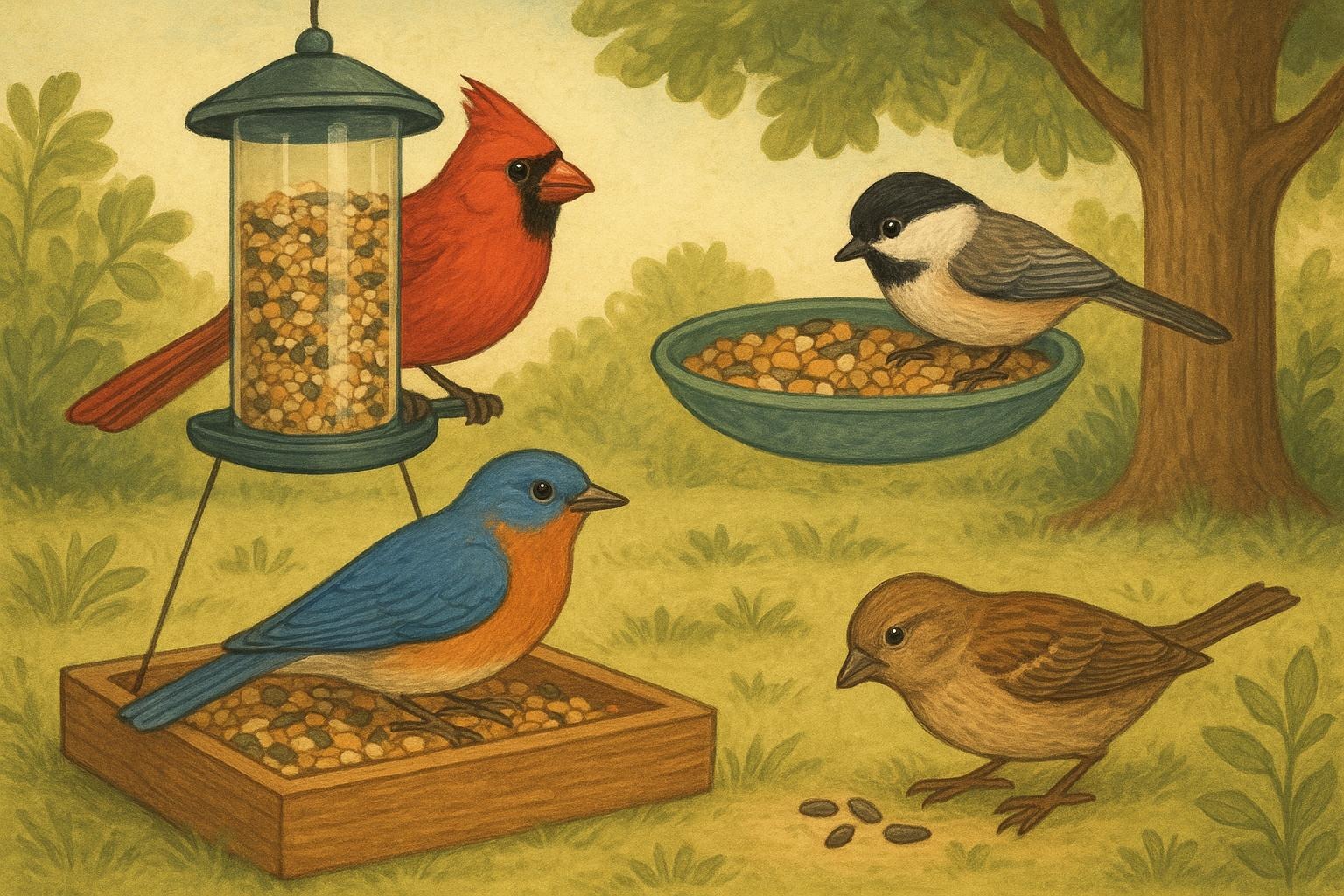
If you enjoy diversity, tube feeders deliver it. Finches, chickadees, nuthatches, titmice, and even some sparrows find them irresistible. The length and port arrangement allow several birds to feed simultaneously without the territorial spats common at platform feeders. For neighborhoods with limited yard space, tube feeders are a compact choice that maximizes birds-per-square-foot.
Another selling point is the variety of seed options: nyjer for finches, sunflower hearts for a mixed crowd, or blended mixes to attract a broader array. Plus, many models are easy to clean, and I say “easy” with the caveat that you’ll still need to set aside time for maintenance — birds prefer a tidy bistro.
#### Placement And Hang Tips For Success
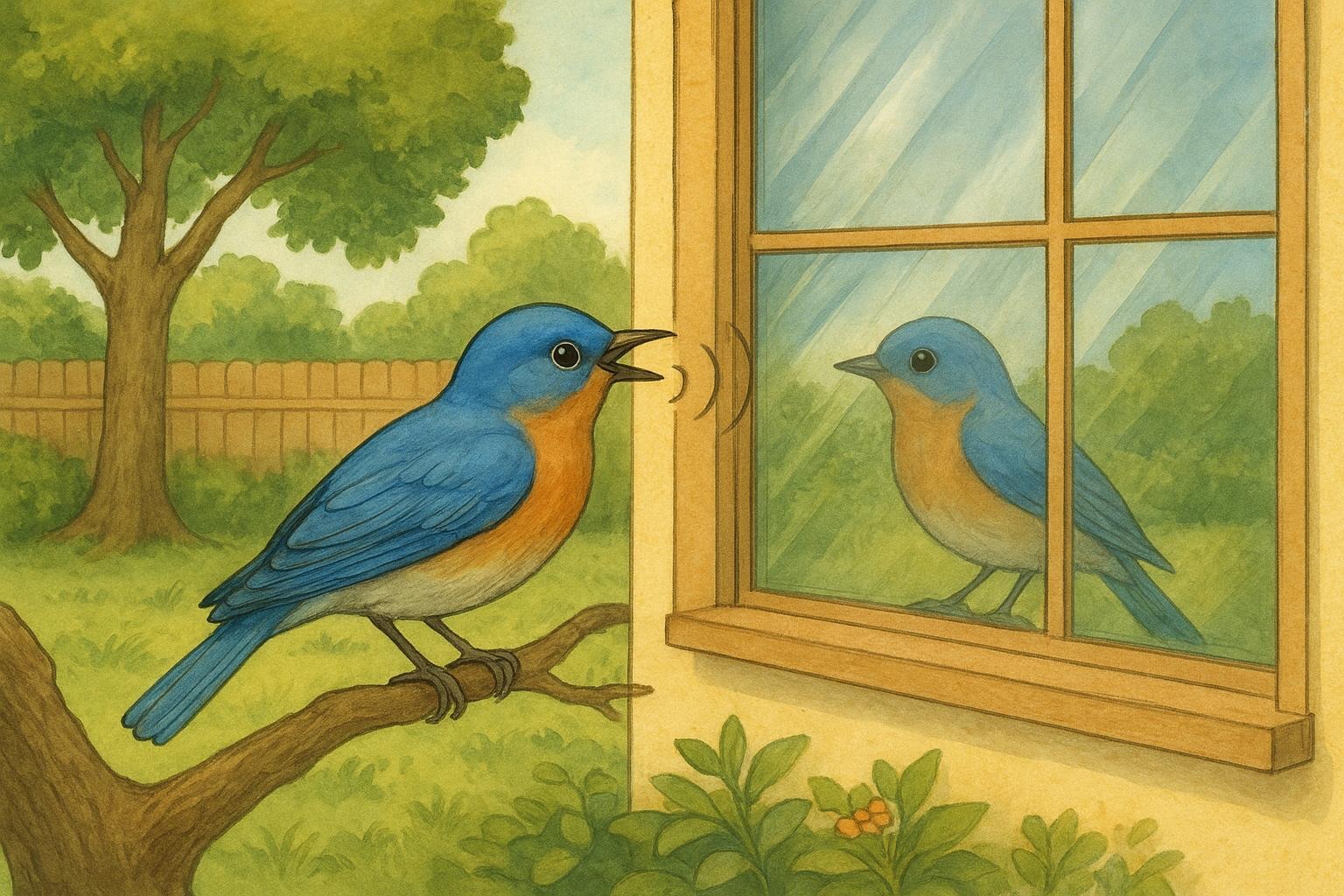
Where you hang a tube feeder matters almost as much as what you put in it. Aim for a spot with some cover nearby (shrubs or trees) so birds can dash to safety, but not so close that predators or squirrels have a clear runway to the feeder. An open landing zone of at least 6 feet helps wary birds feel secure. If you’re near a window, offset feeders slightly to reduce the risk of collisions — decals or angling the feeder can also help.
## 1. Build And Maintain A DIY Tube Feeder
If you like a weekend project, building a homemade feeder creates a custom option and brings the satisfaction of watching birds enjoy something you crafted. Below I outline a formal, step-by-step remedy-style build and the maintenance routine to keep the feeder safe and attractive for birds.
Ingredients / Materials
– One clear acrylic tube (1.5–2 inches diameter, 18–24 inches long) or a sturdy plastic tube
– Two end caps that snugly fit the tube
– Four feeding ports with perches (or pre-made ports from a local birding shop)
– Waterproof sealant or silicone
– Stainless steel hanging hardware (eye bolt, S-hook, chain)
– Drill with bits suitable for acrylic/plastic
– Fine-grit sandpaper
– Seed catcher tray (optional, metal or heavy-duty plastic)
– Quality birdseed appropriate for your target species
– Rubber washers (to waterproof around ports)
Step-by-Step Construction And Application
1. Plan Port Locations: Measure and mark four evenly spaced feeding port sites around the tube’s circumference, placing pairs opposite each other so birds can perch comfortably.
2. Drill Ports: Using the appropriate drill bit, carefully drill holes for the feeding ports. Start small and enlarge gradually to avoid cracking the tube. If using metal ports, ensure hole diameters match the hardware.
3. Smooth Edges: Use fine-grit sandpaper to remove burrs and create smooth edges around drilled holes to prevent injury to birds.
4. Install Ports And Perches: Insert the feeding ports and secure them with rubber washers and stainless steel fittings. Apply waterproof sealant sparingly to prevent seed leaks and moisture ingress.
5. Attach End Caps: Fit the end caps securely using sealant around the inside rim to prevent moisture. Ensure one cap is easily removable for cleaning and seed refills.
6. Mount Hanging Hardware: Fix an eye bolt through the top cap and attach a chain of suitable length. Test for balance so the tube hangs straight.
7. Add Seed Catcher (Optional): Attach a seed tray beneath the lowest port to collect spills, reducing waste and deterring rodents from accumulating seed on the ground.
8. Fill And Hang: Fill the tube with seed and hang it in the chosen location. Observe from a distance for the first few days to ensure birds find it and to check for any wobble or access issues.
9. Maintenance Schedule: Clean the feeder thoroughly every two weeks in warm soapy water, rinse well, and sanitize monthly with a mild bleach solution (1 part bleach to 9 parts water), followed by complete rinsing and drying. Replace cracked or worn parts immediately.
Be formal here: consistent maintenance and safe construction practices reduce disease transmission, prevent mold growth, and prolong feeder life. Use stainless steel or rust-resistant hardware to avoid contamination. Ensure ports are sized to minimize seed clogging, and never use seeds that have visible mold or pests.
### Seed Selection And Seasonal Adjustments
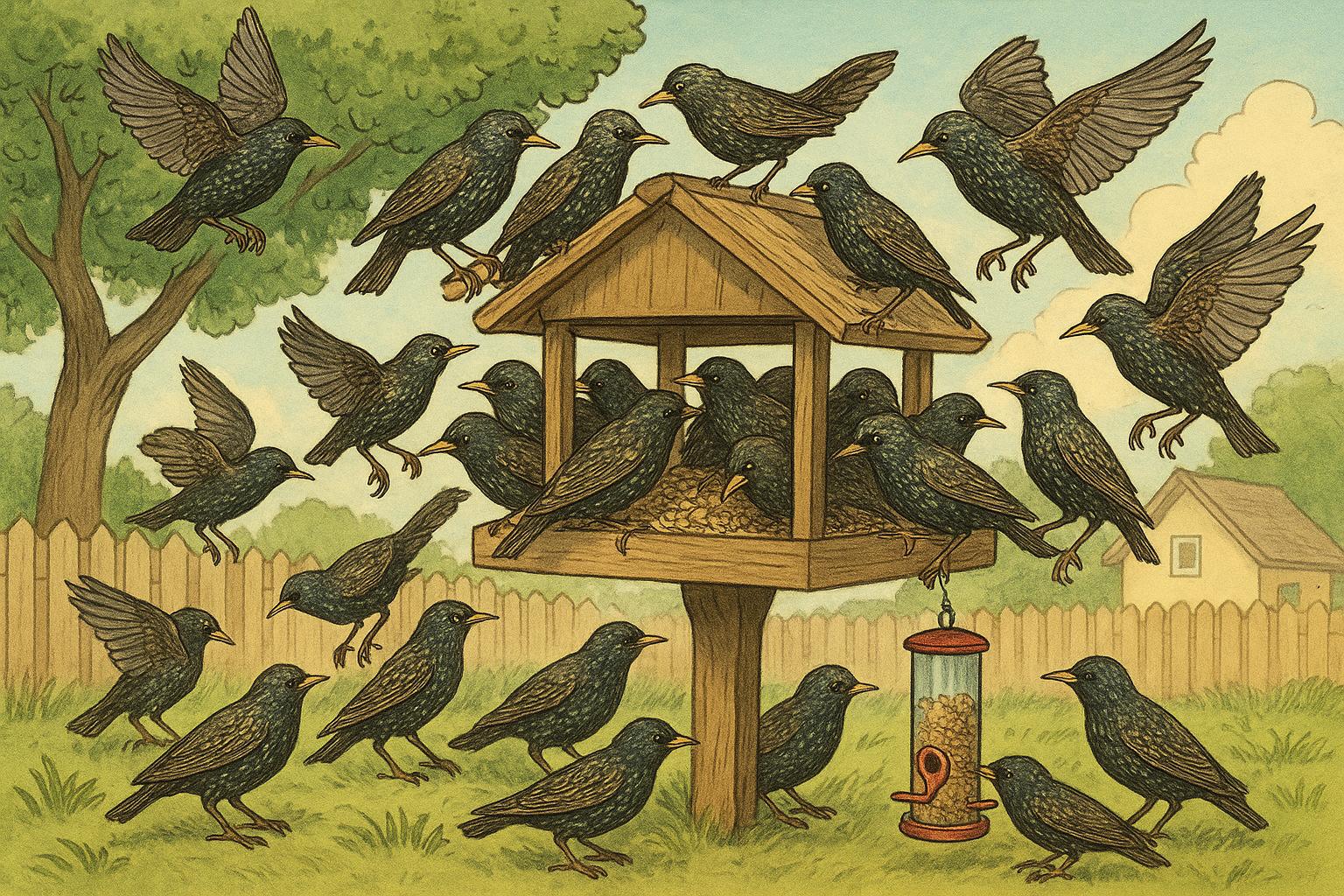
Different birds prefer different fare. Nyjer seed is tiny and beloved by finches but can clog larger ports; use a dedicated nyjer tube with appropriate narrow ports. Black oil sunflower is the universal crowd-pleaser that attracts many species and provides high energy for migration and winter survival. In summer, consider offering safflower to deter grackles and starlings, while in colder months, increase high-fat offerings like sunflower seeds and suet nearby.
Rotate seed types gradually; sudden changes can take birds by surprise (and make you the subject of sharp beak reviews). Also, store seed in cool, dry containers to prevent infestation and spoilage.
#### Predator And Pest Management
Squirrels will audition for an Olympic spot if you let them. Use baffles and weight-sensitive perches to discourage them. For aerial predators and neighborhood cats, position feeders near shrubs so birds have quick escape options, but not so close that the predators can launch an easy ambush.
If you notice increased rodent activity, reduce ground spillage by adjusting port angles or using a seed tray, and clean dropped seed promptly. Dispose of soiled seed far from feeding areas.
## Creative Tube Feeder Upgrades To Try
Once you’ve mastered the basics, try these upgrades to make your tube feeders more attractive and bird-friendly:
– Modular multi-seed tubes with separate compartments to offer different seed types simultaneously.
– Metal mesh around the tube to help finches cling comfortably.
– Perch variations (short vs. long) to accommodate different species’ feeding styles.
– Solar LED lights for gentle illumination during early morning or dusk watch sessions (ensure the light doesn’t attract nocturnal predators).
### Watching Behavior And Learning Patterns
Pay attention to which species arrive and when. Tube feeders can reveal migration timing, territorial behaviors, and even individual bird personalities if you stick with it. Keep a simple log of the most frequent visitors and any changes after you switch seeds or move the feeder — it’s useful data and a great way to feel connected to the living community in your yard.
#### Troubleshooting Common Issues
If birds aren’t using the feeder, try moving it 5–10 feet closer to cover or reducing the number of perches to limit larger birds’ dominance. If seed gets moldy, double-check that end caps seal properly and that the tube isn’t exposed to direct rain. For persistent clogging, adjust port size or angle so moisture runs out rather than into the seed chamber.
Keep the tone light when watching your feathered roommates, but be strict about hygiene and predator safety. Your combination of careful construction, choice seed, and regular cleaning will make your backyard more welcoming — and possibly the happiest street-side café for birds within a three-block radius.
(Note: No conclusion is included per the article guidelines, but you’ll be rewarded daily with winged visitors if you get these basics right.)





Leave a Reply