
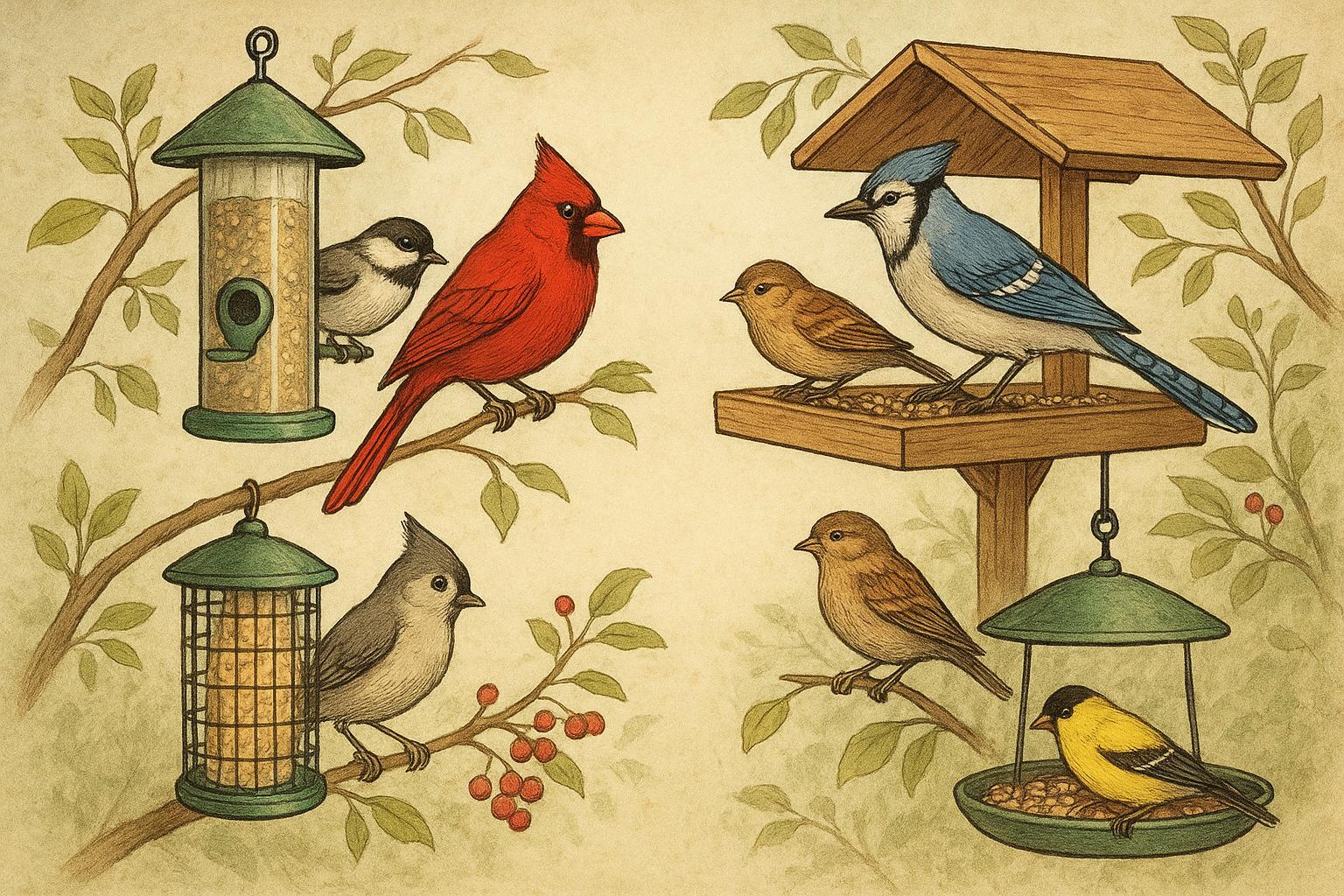
## Feeder Types: What They Are And Who Shows Up
If you’re picturing a backyard staging area for feathery drama, you’re on the right track. The phrase feeder types pops up a lot in birding chats because the kind of feeder you hang largely determines the guest list. Different feeder types cater to different feeding habits — think puffed-up finches, elegant cardinals, agile chickadees, and the occasional squirrel that thinks it paid for admission.
### Why Feeder Choice Matters
Pick the wrong feeder and you’ll either feed the ground squirrels or leave a buffet nobody likes. Choose well, and you’ll get steady visits from a mix of species that add color and music to your yard. Feeder types aren’t just about looks: they influence which birds can access the food, how much food is wasted, and how often you’ll need to clean or refill.
## Top Feeder Types And The Birds They Attract
Below are common feeders and the typical birds they draw. Think of it like a matchmaking service — with seed.
### Tube Feeders
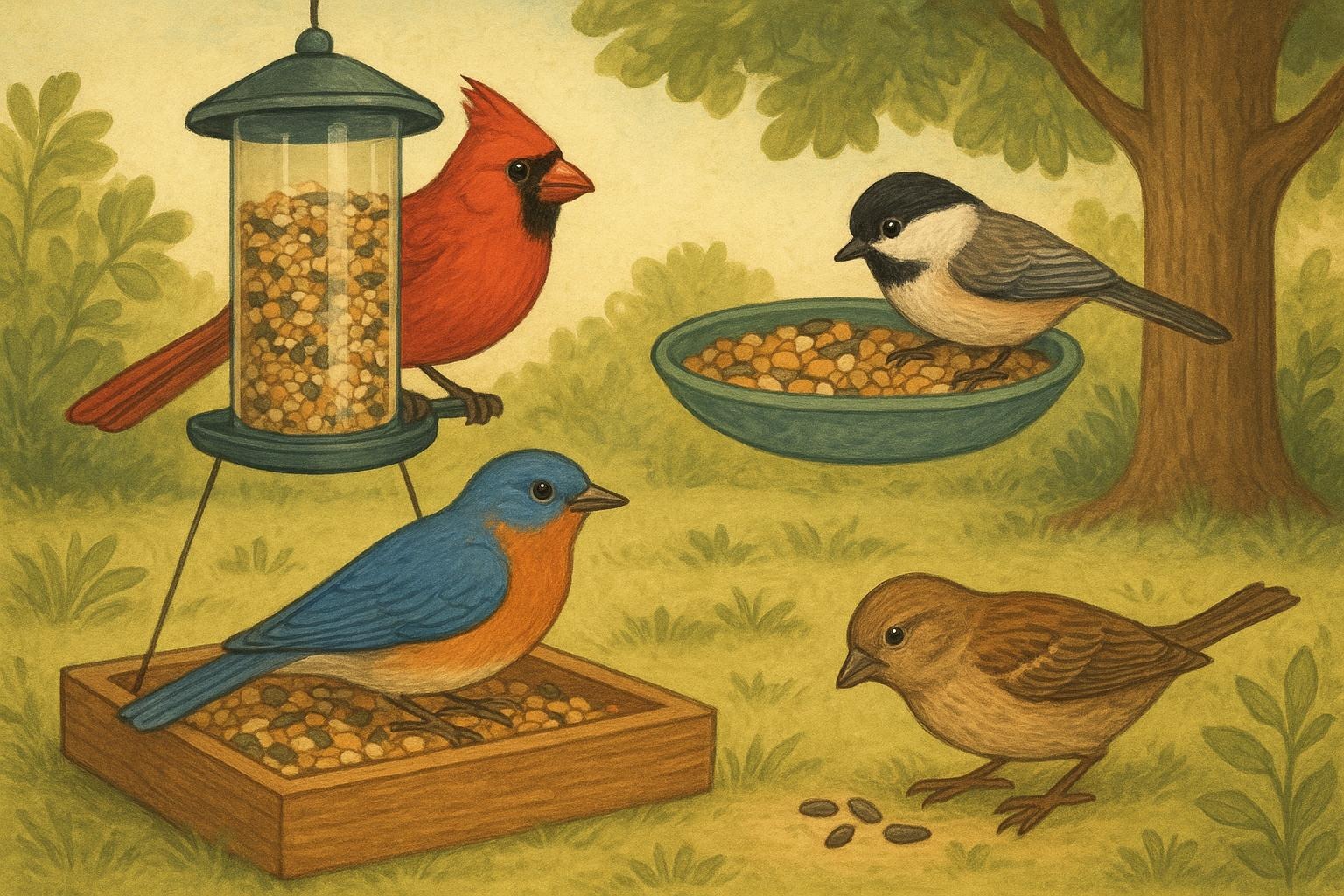
Tube feeders are long cylinders with multiple feeding ports. They’re perfect for small-seed mixes and are favorites of finches, titmice, and nuthatches. Some wide-port tube feeders take larger seeds like sunflower chips, broadening the guest list to include chickadees and small woodpeckers.
### Hopper Feeders
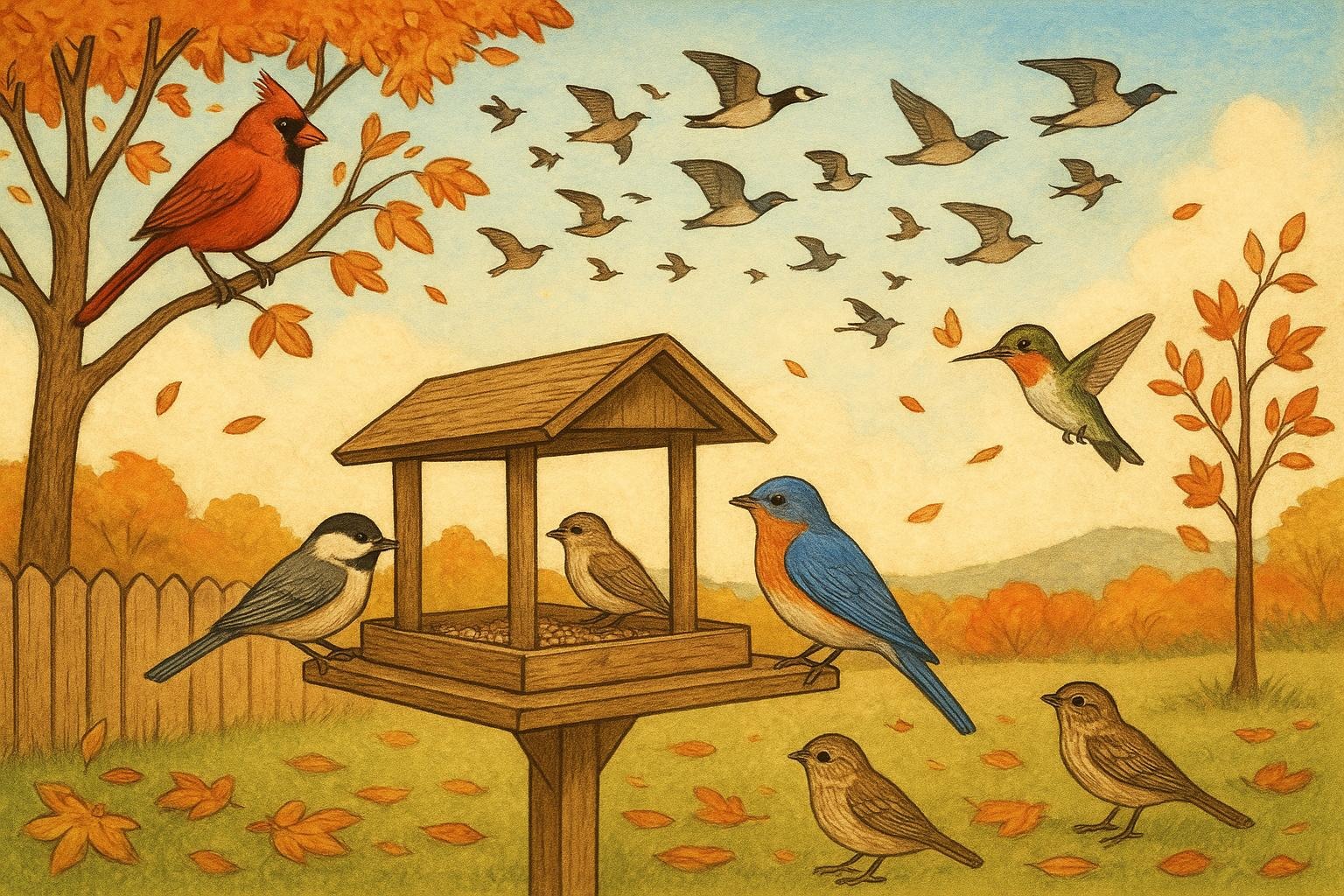
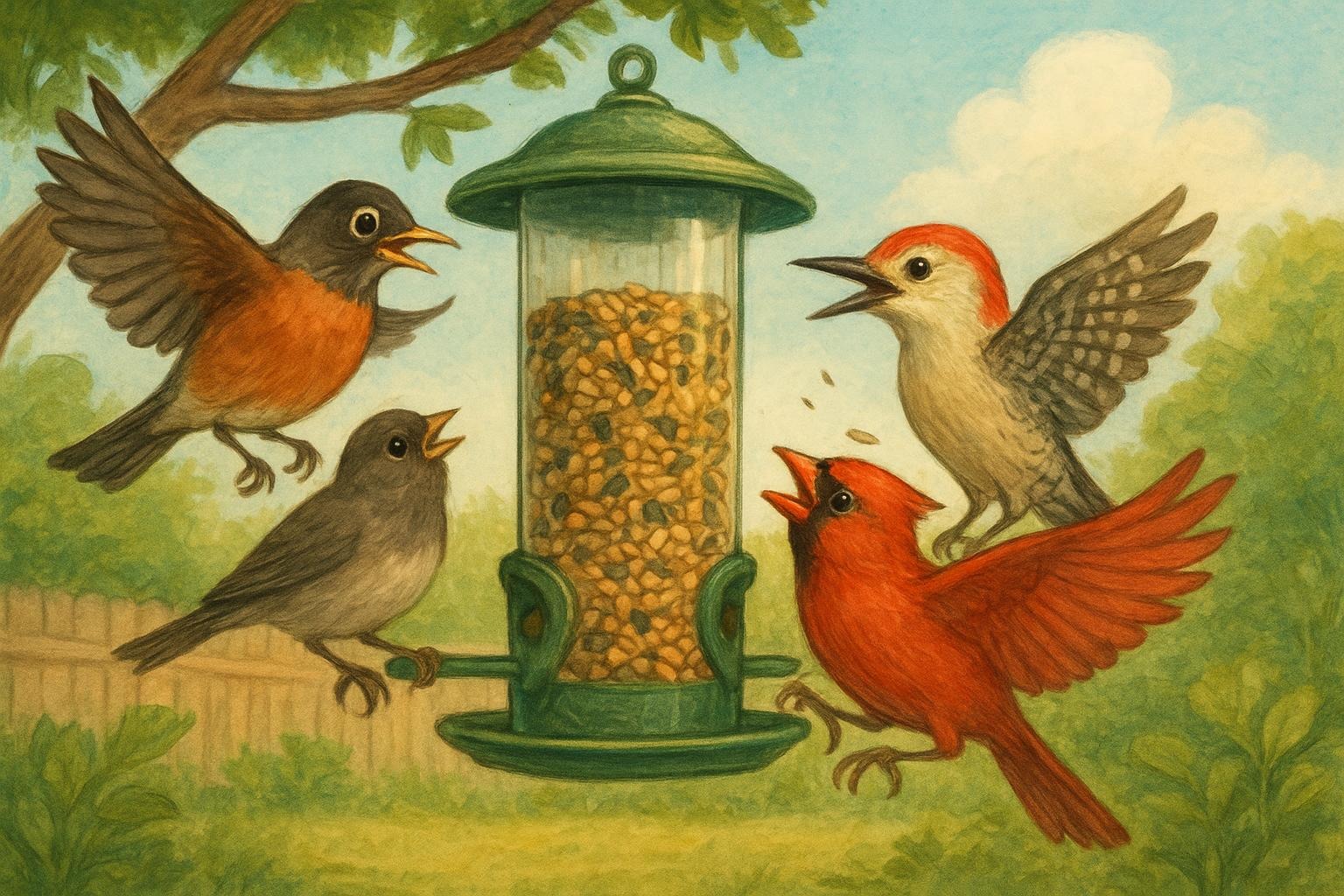
Hopper feeders look like tiny houses and hold a larger volume of seed. They attract moderate to large birds such as cardinals, grosbeaks, jays, and doves because of their sturdy landing perches and elevated platforms.
### Platform Feeders
Flat and simple, platform feeders give ground-feeding birds like juncos and sparrows easier access. They’re multi-purpose and versatile — you can put seed, suet, fruit, or mealworms on them. However, their open nature can invite squirrels and pigeons, so placement and baffles help.
### Suet And Cake Feeders
These feeders hold suet blocks or specialized energy cakes. Suet is a dream for woodpeckers, wrens, and nuthatches, especially in cold months when high-fat food is critical. Mesh suet cages and enclosed feeders both do the job.
### Nectar Feeders
Designed for hummingbirds, nectar feeders are bright and often red. They mimic flowers and provide sugar water that fuels hummingbirds’ rapid metabolism. Some nectar feeders include perches, but many hummingbirds feed while hovering.
### Nyjer And Thistle Feeders
Nyjer (thistle) feeders are small-port tube feeders with mesh or tiny holes to keep the tiny seeds from spilling. These attract goldfinches, siskins, and redpolls. Seed quality matters — stale nyjer is as appealing as stale popcorn.
### Window Feeders
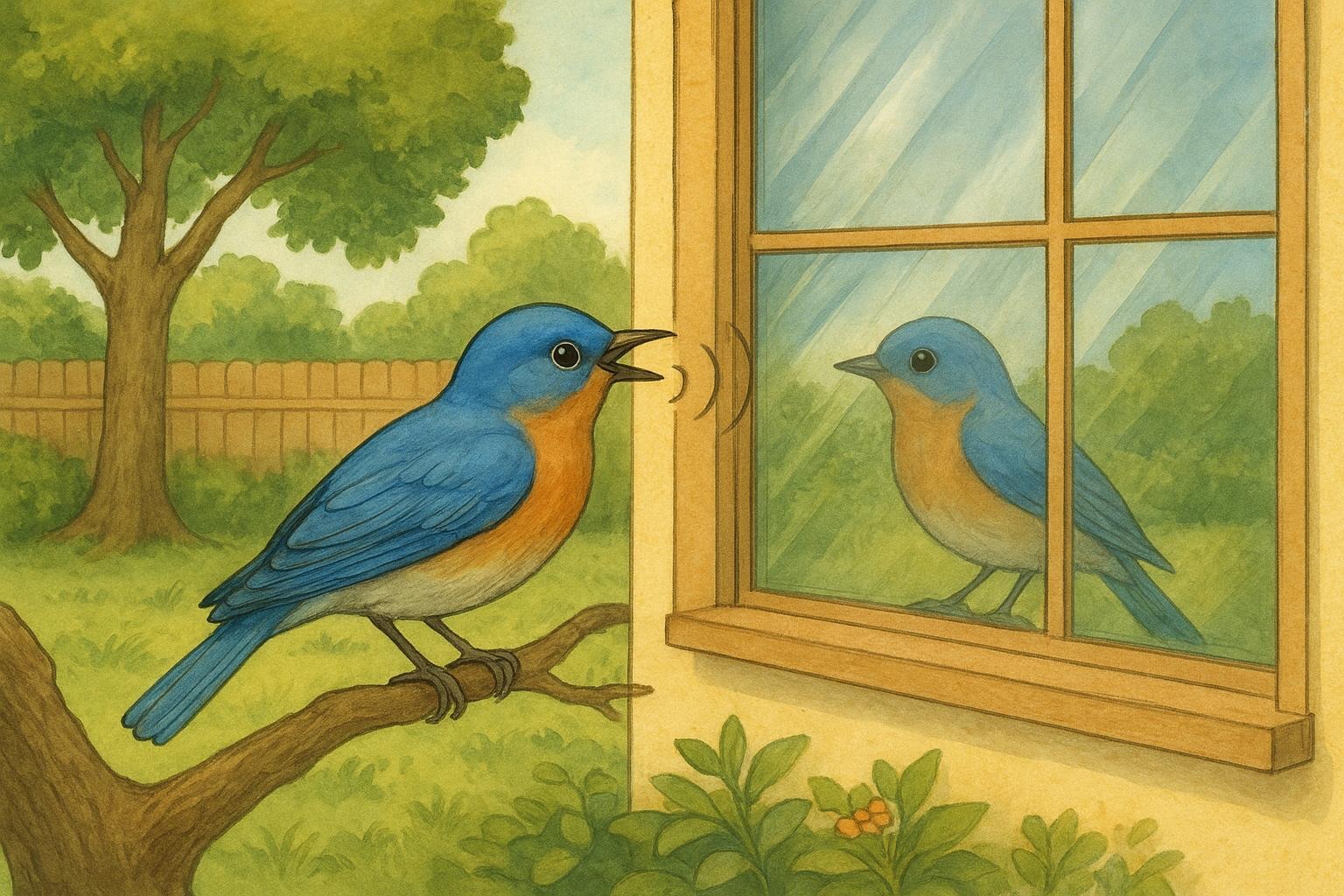
Window feeders attach directly to glass and offer close-up viewing. They can use various seed types depending on their design, but keep in mind windows bring their own risk of collisions for birds if placed incorrectly.
#### Which Birds Prefer Which Feeder Types
Finches love nyjer in tube feeders; cardinals gravitate to hopper feeders; titmice and chickadees will take seed from tube or platform feeders; woodpeckers and nuthatches adore suet; hummingbirds come for nectar feeders.
## Choosing The Right Feeder For Your Yard
Consider the size of your yard, the birds you want to attract, and the maintenance you’re willing to do. Small yards can get by with a multi-purpose platform or a couple of tube feeders. Large yards might accommodate multiple feeder types to create layered feeding stations — think ground, mid-air, and high-perch options.
Placement is key. Place feeders within 2–3 meters of cover (bushes or trees) so birds can shelter quickly, but not so close that predators can launch surprise attacks. Keep window feeders within 1–2 meters of a visible perch to reduce strike collisions. If you want a certain species, research its typical diet and feeder preferences — that’s the fastest route to success.
## Remedy 1: Build A Simple Platform Feeder (DIY)
If you prefer to make things with your own two hands — and save a few bucks — here’s a sturdy platform feeder anyone can build. This remedy is presented in a formal, step-by-step format for clarity.
Ingredients / Required Materials:
– One 12″ x 12″ piece of untreated cedar or pine (for feeder base)
– Four 1″ x 2″ wooden slats (for edges)
– One 18″ length of 12-gauge galvanized wire or sturdy cord (for hanging)
– Exterior wood screws (1-1/4″)
– Waterproof wood glue
– Sandpaper (medium grit)
– Non-toxic outdoor paint or sealant (optional)
– Drill and 1/8″ drill bit
– Small metal corner brackets (optional, for extra reinforcement)
Creation And Application Steps:
1. Sand the base piece and the wooden slats to remove rough edges.
2. Attach the slats along the four edges of the base using wood glue and screws to form a shallow tray (about 1″ high).
3. Drill a small pilot hole near each corner through the slat and into the base. Thread the galvanized wire or cord through these holes, twisting or knotting underneath to secure. Alternatively, use two opposite holes and create an X pattern for hanging.
4. If desired, apply a non-toxic outdoor sealant or paint to add weather protection. Allow to dry fully according to product instructions.
5. Attach optional corner brackets beneath the tray for added strength, especially if you expect heavier loads or prolonged exposure to moisture.
6. Hang the feeder from a sturdy branch or hook about 4–6 feet off the ground. Position it near natural cover but away from areas where predators can hide.
7. Fill the tray with mixed seed, suet pieces, or fruit. Refill regularly and clean according to the cleaning routine in Remedy 2.
This platform feeder is beginner-friendly, adaptable to many feeder types of food, and invites a broad range of species.
## Remedy 2: Safe Feeder Cleaning Routine (Number 2)
Clean feeders reduce disease spread and keep birds returning. This remedy is presented formally and precisely because health matters more than charm.
Ingredients / Required Materials:
– Rubber gloves
– Dish brush or old toothbrush
– Mild dish soap
– Household bleach
– Clean water source (hose or buckets)
– Paper towels or a clean rag, and a drying rack or sunny surface
– Small funnel (optional, for filling tube feeders)
Creation And Application Steps:
1. Disassemble the feeder, removing perches, ports, and any detachable parts.
2. Remove leftover seed and debris. Scrape away moldy or wet material.
3. Prepare a cleaning solution: one part household bleach to nine parts water (10% bleach solution) in a bucket.
4. Wash all parts thoroughly in warm, soapy water to remove oils and grime, using the brush for ports and crevices.
5. Rinse the feeder parts with clean water to remove soap residue.
6. Submerge parts in the 10% bleach solution for 10 minutes to disinfect. For porous wood parts, use caution; a milder dish-soap-only routine may be preferable to avoid degrading the wood.
7. Rinse all parts thoroughly with clean water until no bleach smell remains.
8. Air-dry completely in sun if possible (UV reduces microbes) before reassembling.
9. Refill with fresh seed and return to its place.
Frequency: Clean platform feeders weekly, tube feeders and suet cages every two weeks, and nectar feeders at least twice a week in hot weather. Always discard wet or moldy seed immediately.
## Maintenance Tips For Every Feeder
– Rotate seed types seasonally to attract different birds and provide nutritional variety.
– Use baffles and squirrel-proofing strategies on pole-mounted feeders.
– Replace perishable foods like fruit and nectar frequently.
– Inspect feeders monthly for cracks or wear that can harbor bacteria.
– Keep a log of which feeder types are most successful in your yard — you’ll refine your setup quickly.
### Troubleshooting Common Problems
If you notice low visitation, check food freshness, feeder placement, and competition from aggressive species. If disease signs appear (multiple dead birds or birds with abnormal behavior), remove feeders and birdbaths temporarily and clean thoroughly following Remedy 2. Contact local wildlife rehabilitators or state wildlife agency for reporting and further guidance.
#### Tips For Photographing Feeder Visitors
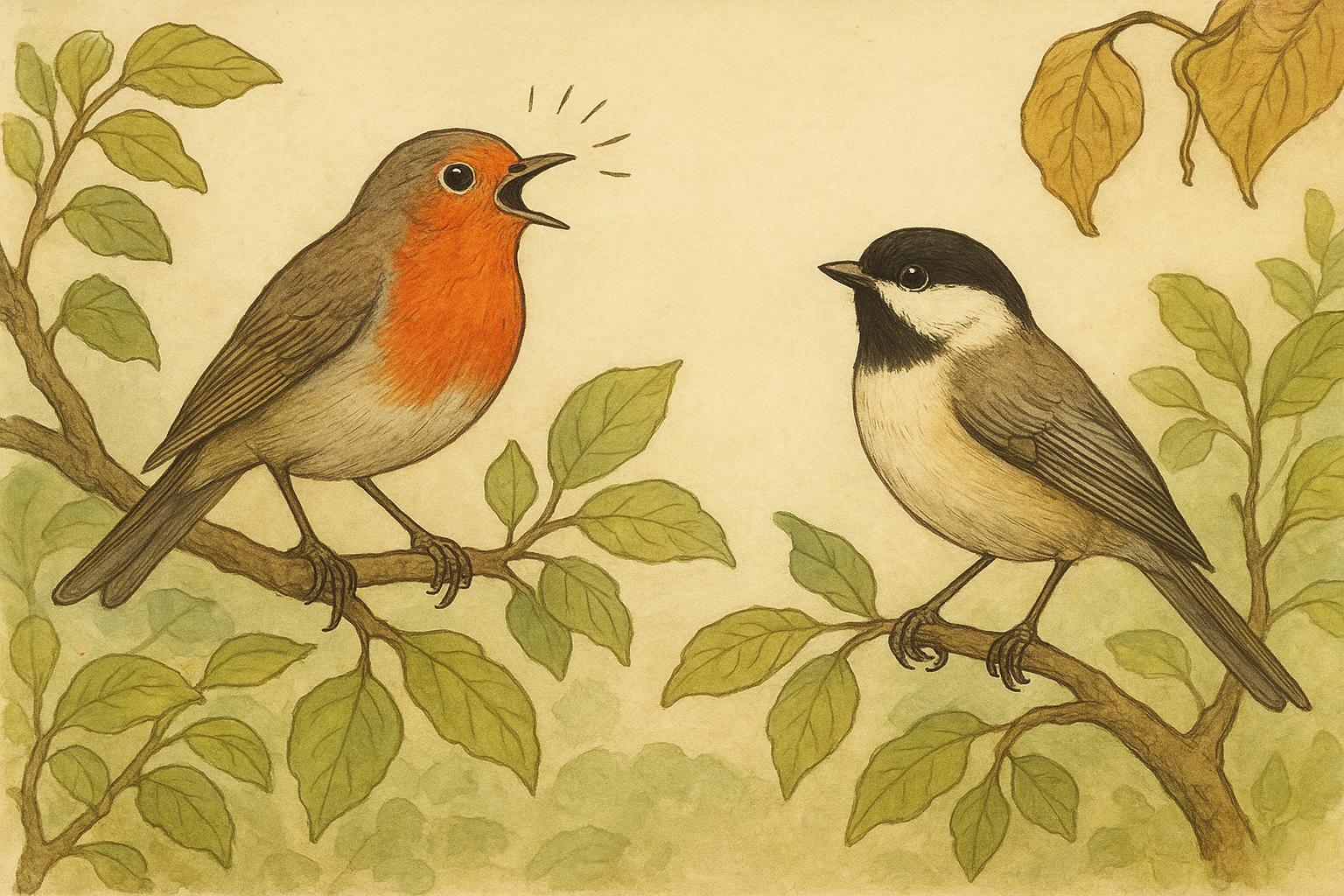
Use a background of leafy branches to create depth, set cameras at bird-eye level, and be patient. Birds are creatures of habit: once they trust your feeders, they’ll perform on cue.
Keep experimenting with feeder types, seed blends, and placement. With a bit of patience, you’ll assemble a charming, balanced backyard scene that benefits birds and delights watchers alike.





Leave a Reply