
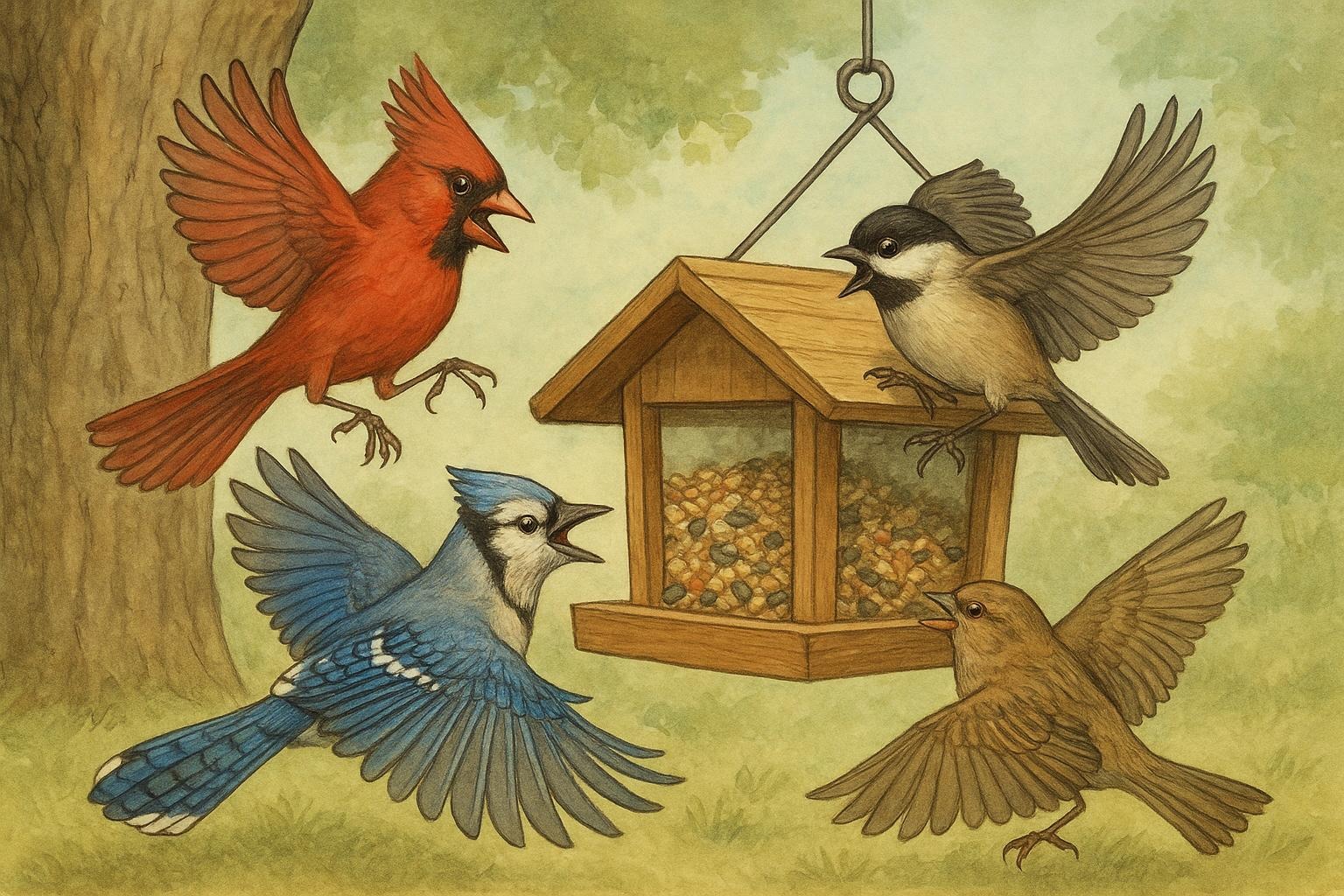
Backyard bird feeders can feel like miniature soap operas: a hush falls as a cardinal arrives, a sparrow attempts a stealthy grab, and before you know it an avian shouting match breaks out. These little theatrical moments are part of what makes feeding birds so entertaining — but when feeder drama turns into repeated aggression, it’s time to step in with a few practical adjustments.
## Feeder Fights: Why Birds Squabble
Feeder fights are usually less about malice and more about resources. In the wild, food is a commodity; when you concentrate seed or nectar in one easy-to-reach spot, you change normal foraging dynamics and create a high-value patch worth defending.
### Territorial Behavior And Dominance
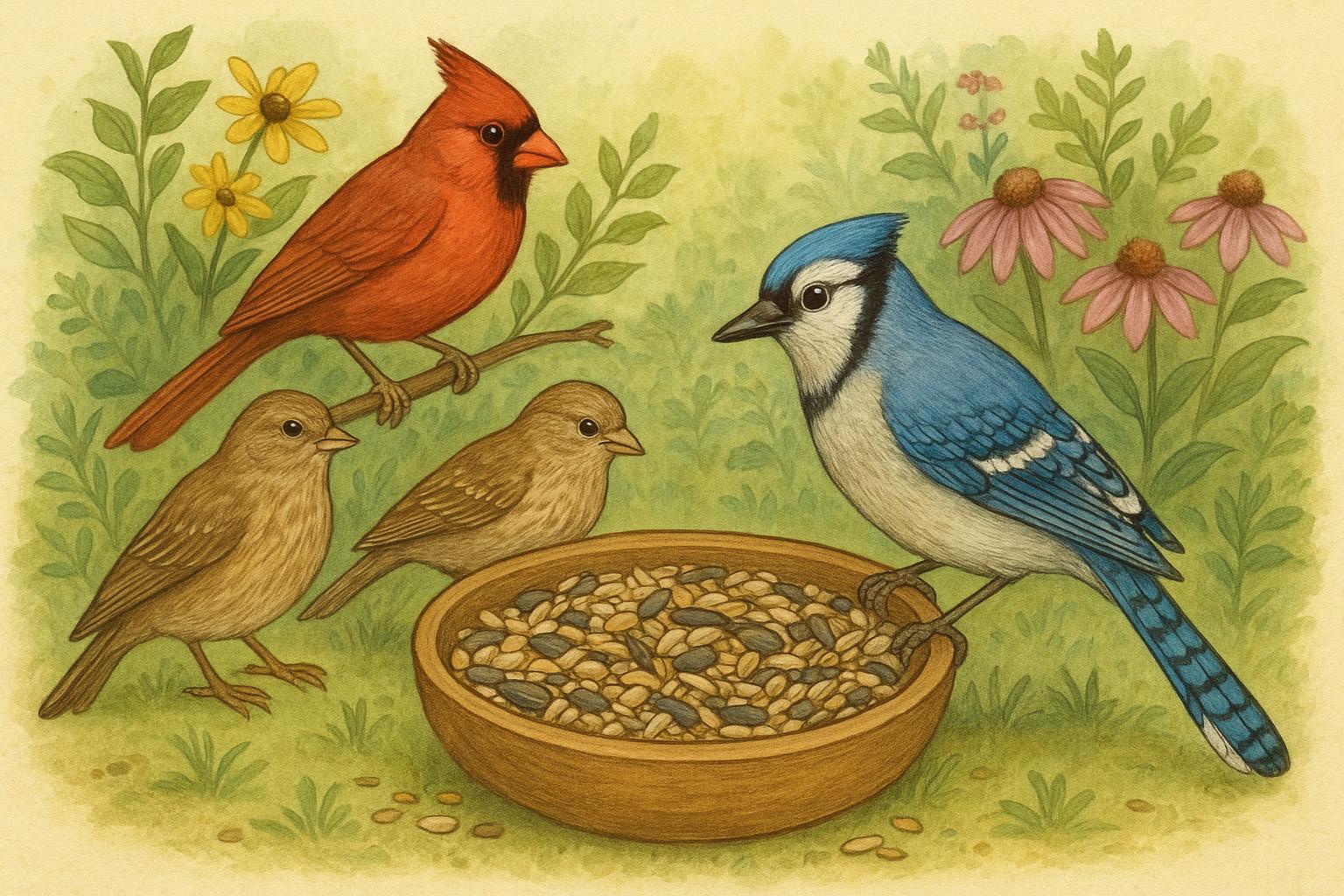
Some species are naturally territorial or hierarchical. Cardinals, juncos, and many finches will stake out a feeder and chase off others. Dominant individuals assert control to gain priority access to food, and smaller or less aggressive birds often avoid that feeder entirely.
### Seasonal And Environmental Triggers
Feeder fights ramp up in late winter and early spring when birds are energetically stressed or during breeding season when hormones heighten territorial instincts. Scarcity from poor natural food availability — drought, early snow, or habitat loss — also intensifies competition at feeders.
#### How Species Differences Influence Conflict
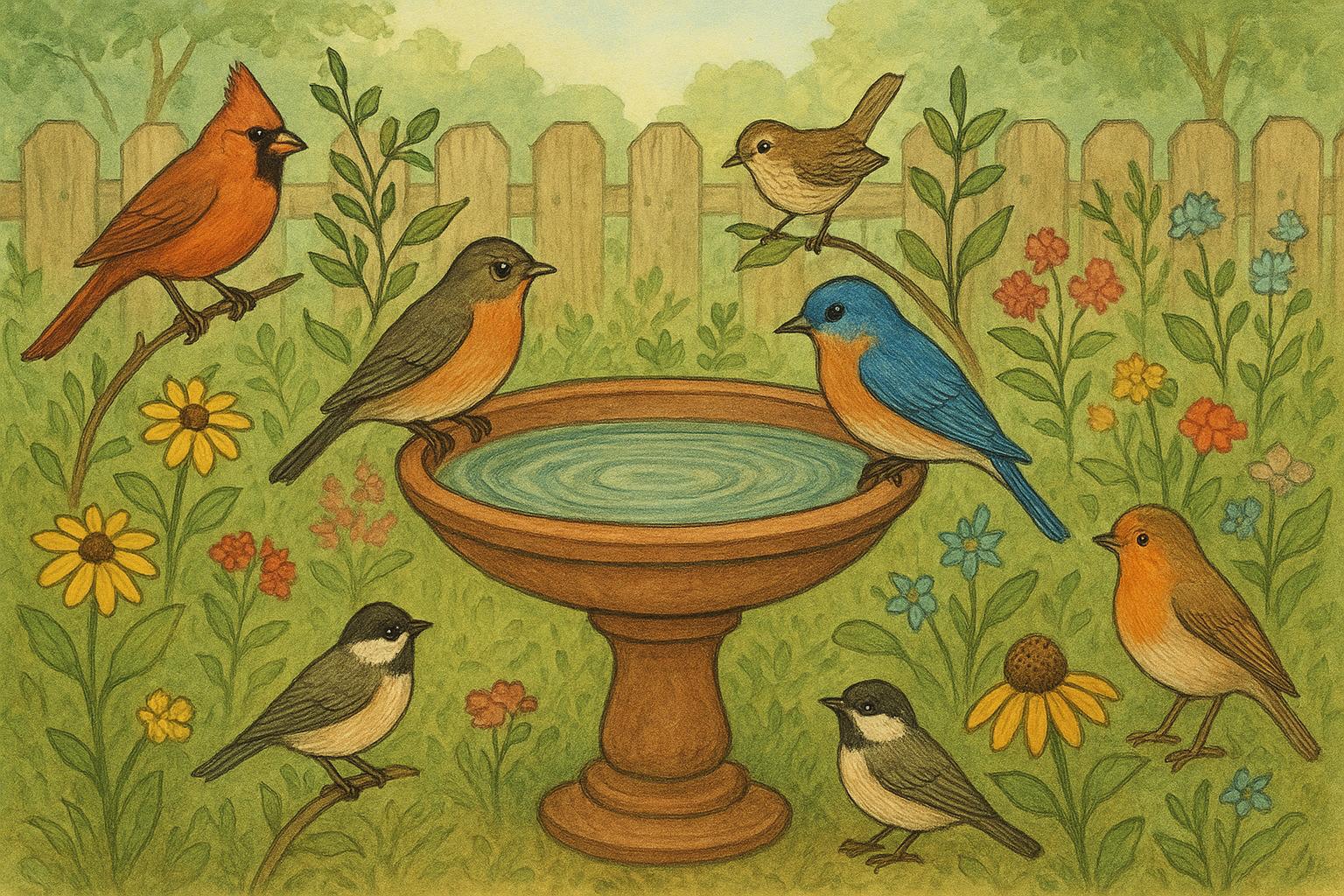
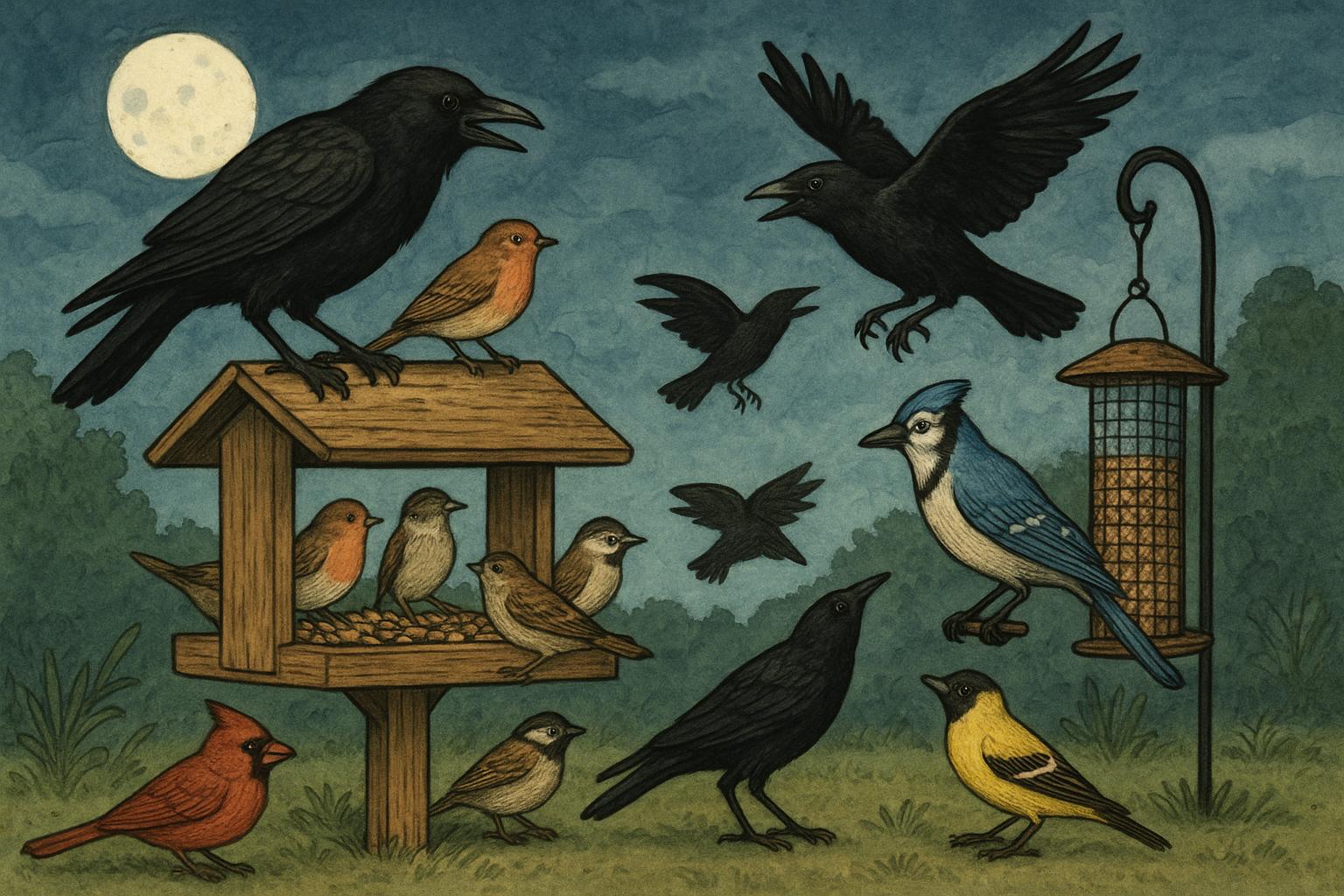
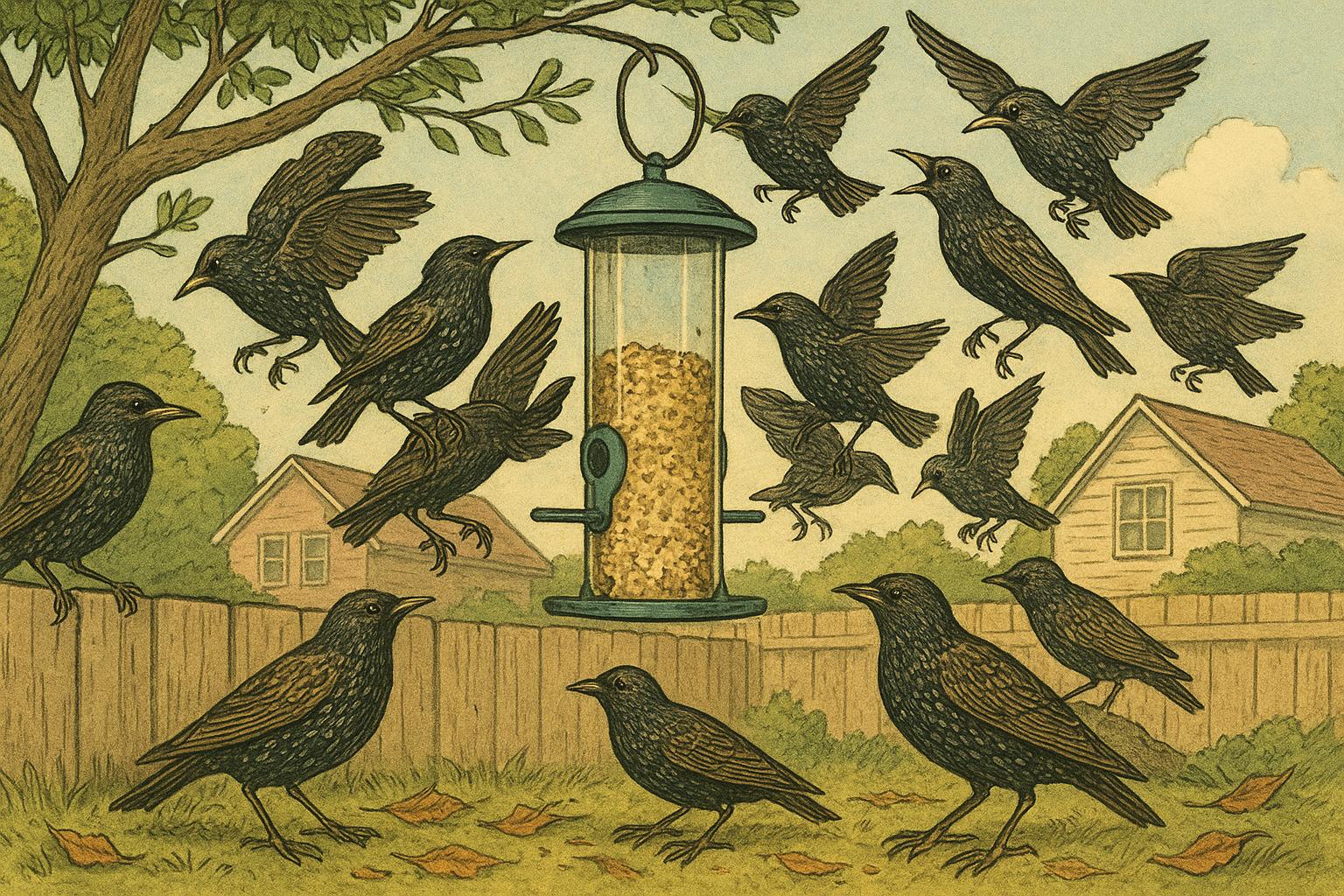
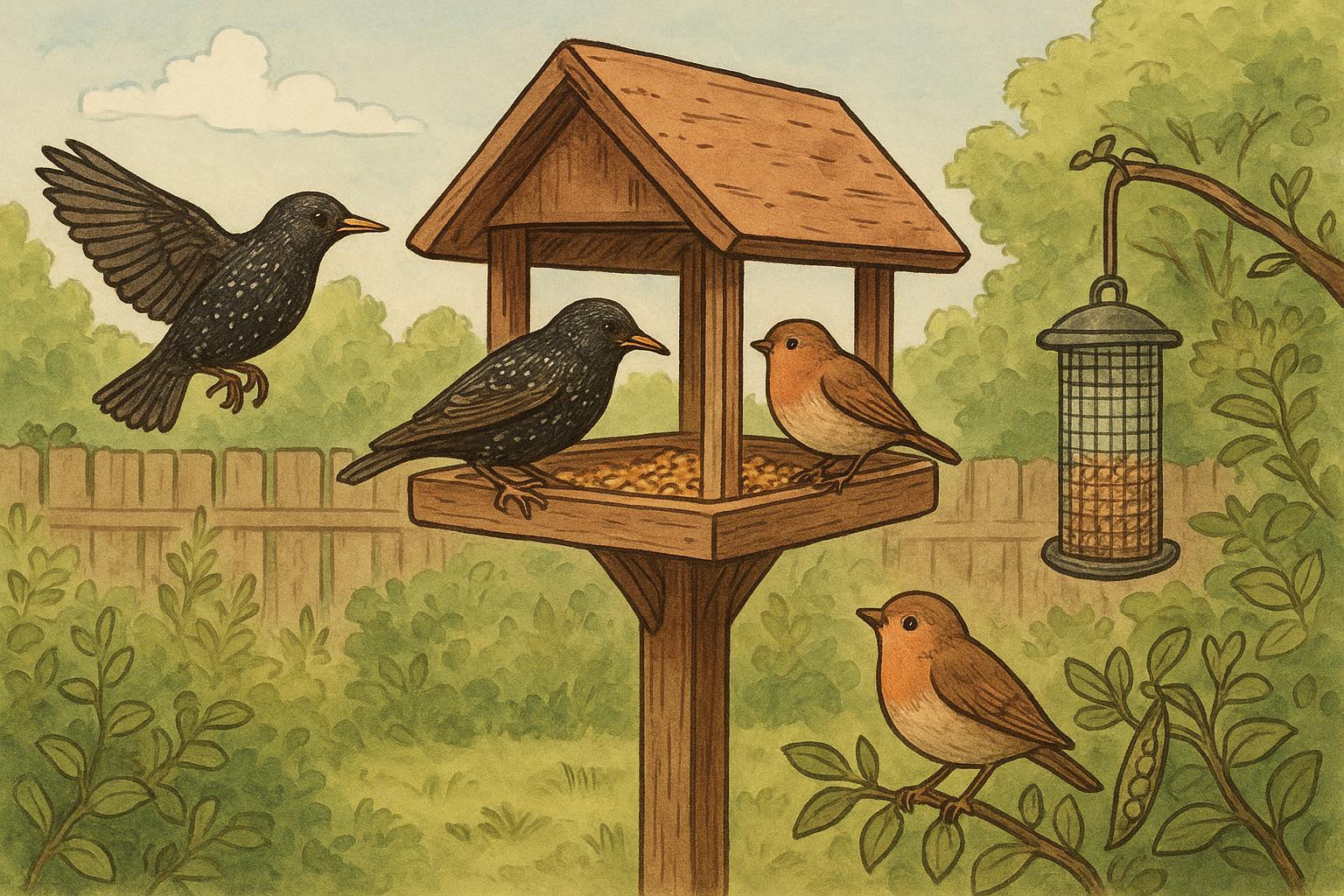
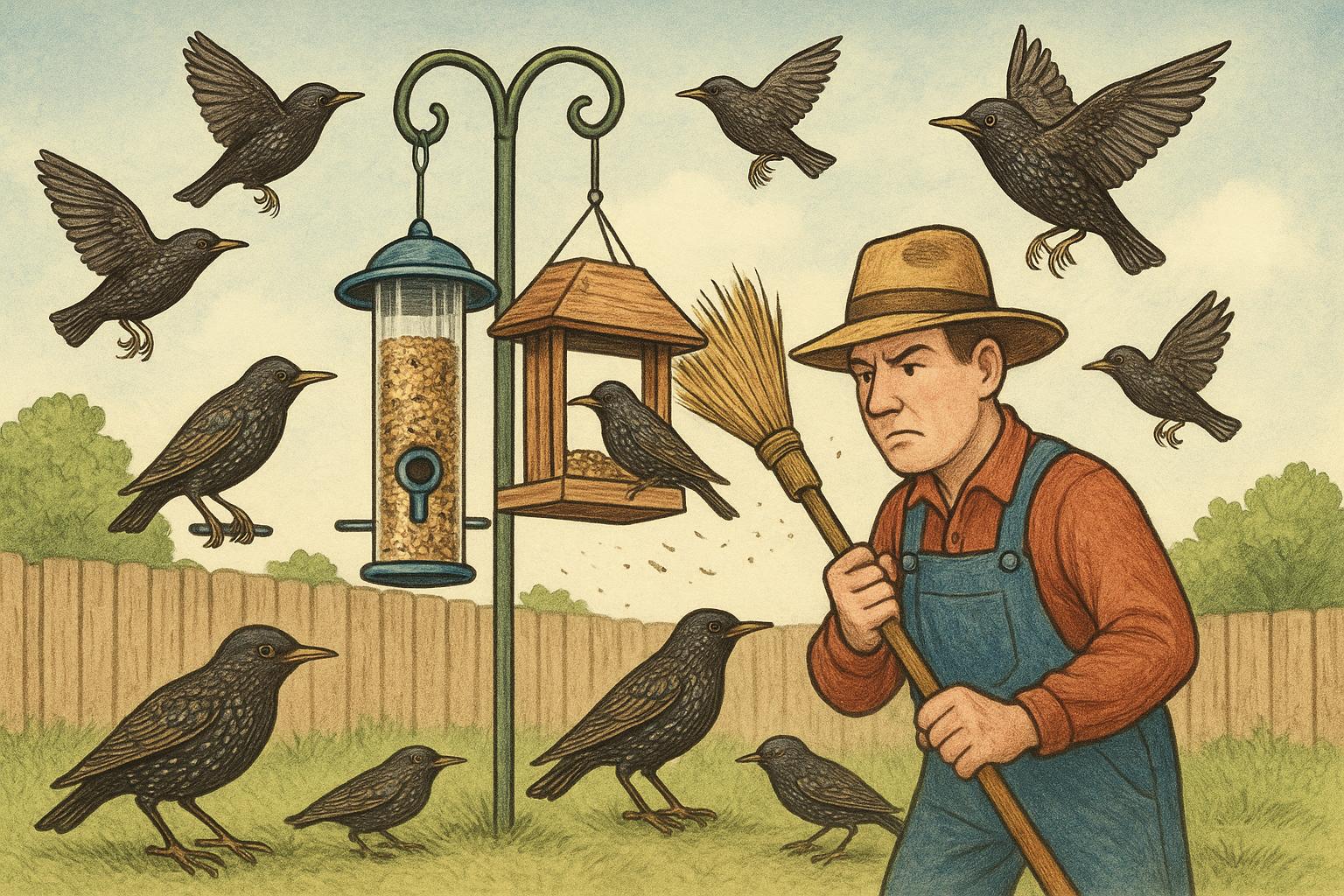
Not every bird plays fair. House sparrows and starlings are notorious for hogging feeders, while chickadees and titmice are quick and nimble, taking turn-based approaches. Understanding the local mix of species helps you predict which feeder fights might erupt and how often.
## Reading The Bird Body Language
Watching birds closely gives clues about when a scuffle is about to start — and what kind of mitigation might work best.
### Pre-Conflict Signals
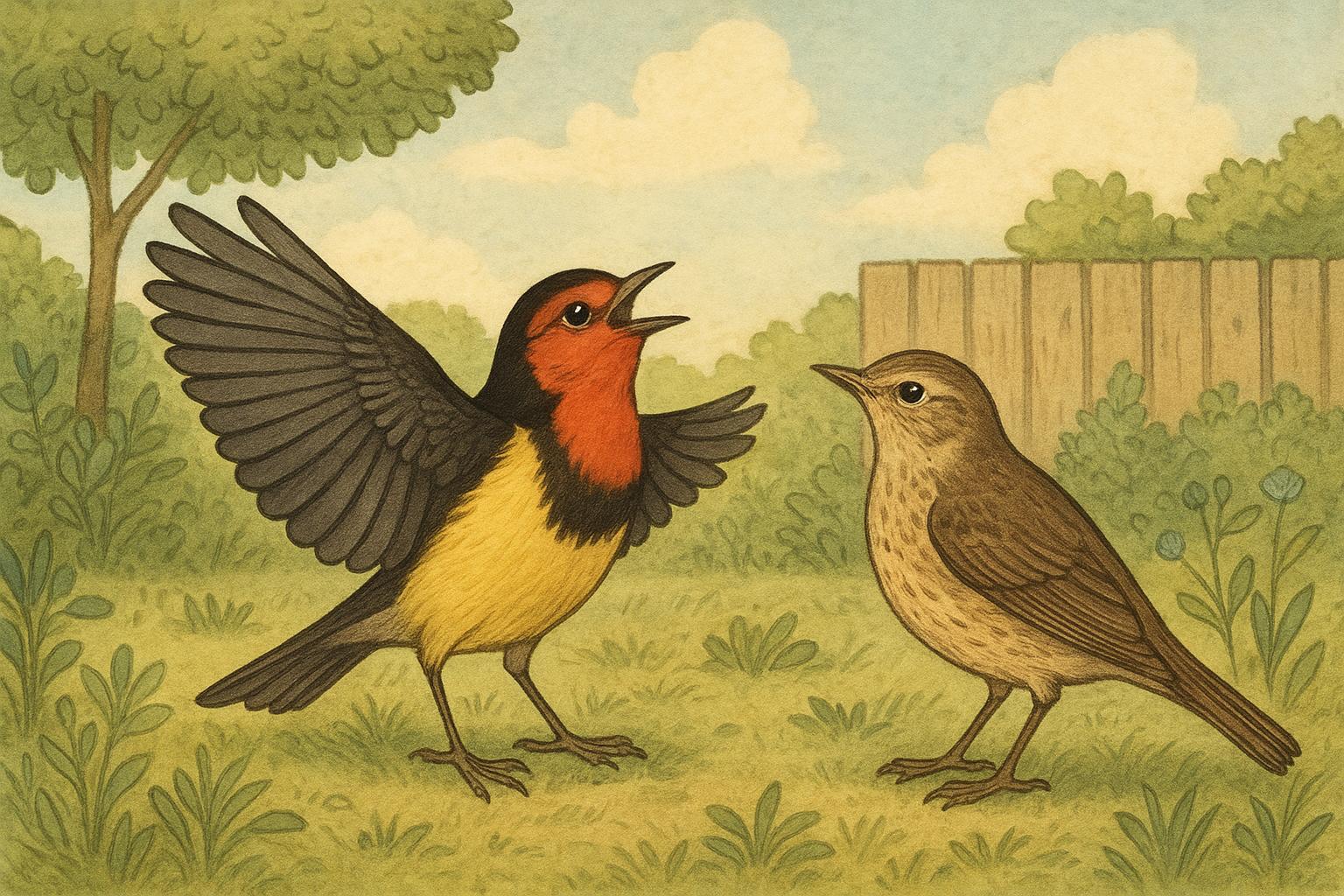
Feeder fights often begin with subtle signs: hair-ruffling (or feather-ruffling, in this case), rapid wing flicking, bill pointing, and short hops that look more like menacing stares than normal movement. When one bird freezes and another approaches with a stiff tail and raised crest, tension is building.
### Conflict Behaviors
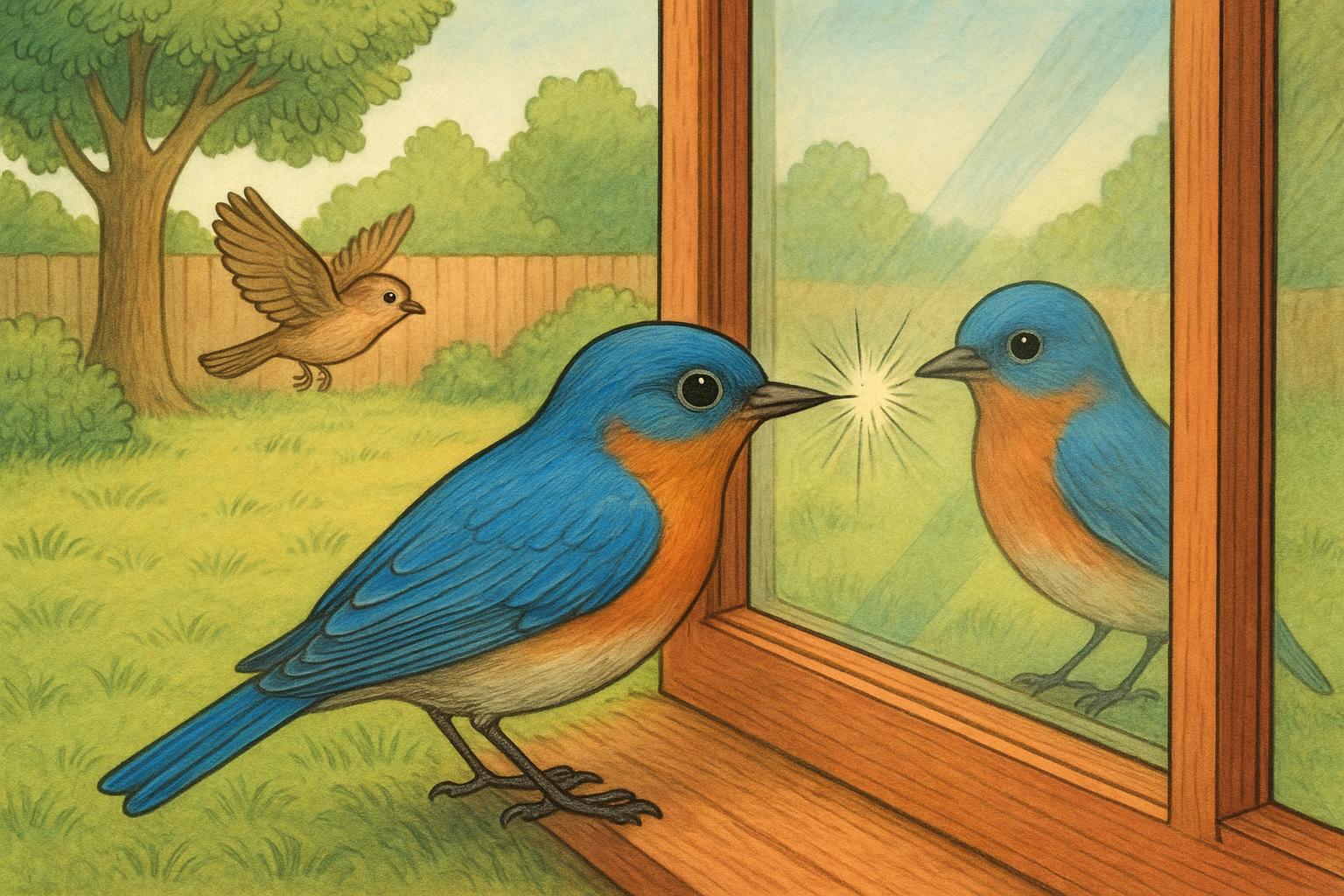
Once a fight starts, you’ll see chasing flights, aggressive pecking, and blocking behaviors where a larger bird spreads wings to create a physical barrier. Most conflicts are brief but can be chronic if the same individual returns repeatedly.
#### Post-Conflict Outcomes
Sometimes the defeated bird returns after a cool-off period and the routine continues. Other times, birds learn to avoid the contested feeder and seek alternate food sources — which is exactly what we can encourage as a management technique.
## 2 Practical Remedies To Reduce Feeder Fights
Below are two effective, evidence-based approaches that reduce conflict at feeders. These remedies include the materials you’ll need and step-by-step instructions for implementation. The tone here is more formal and prescriptive to make application straightforward.
### 1. Create Multiple Feeding Stations
Materials:
– Two to four additional feeders (tube, platform, or hopper style depending on species targeted)
– Extra hanging hardware (S-hooks, shepherd’s hooks, or poles)
– Seed bulk to fill multiple feeders (sunflower, mixed seed, or species-specific blends)
– Optional: small branches or perches to create natural perching spots
Step-by-Step Creation and Application:
1. Site Selection: Choose locations at least 10–20 feet apart to discourage a single dominant bird from patrolling multiple feeders. Stagger heights (3–8 feet above ground) and positions (near shrubs, on poles, or hanging from different supports).
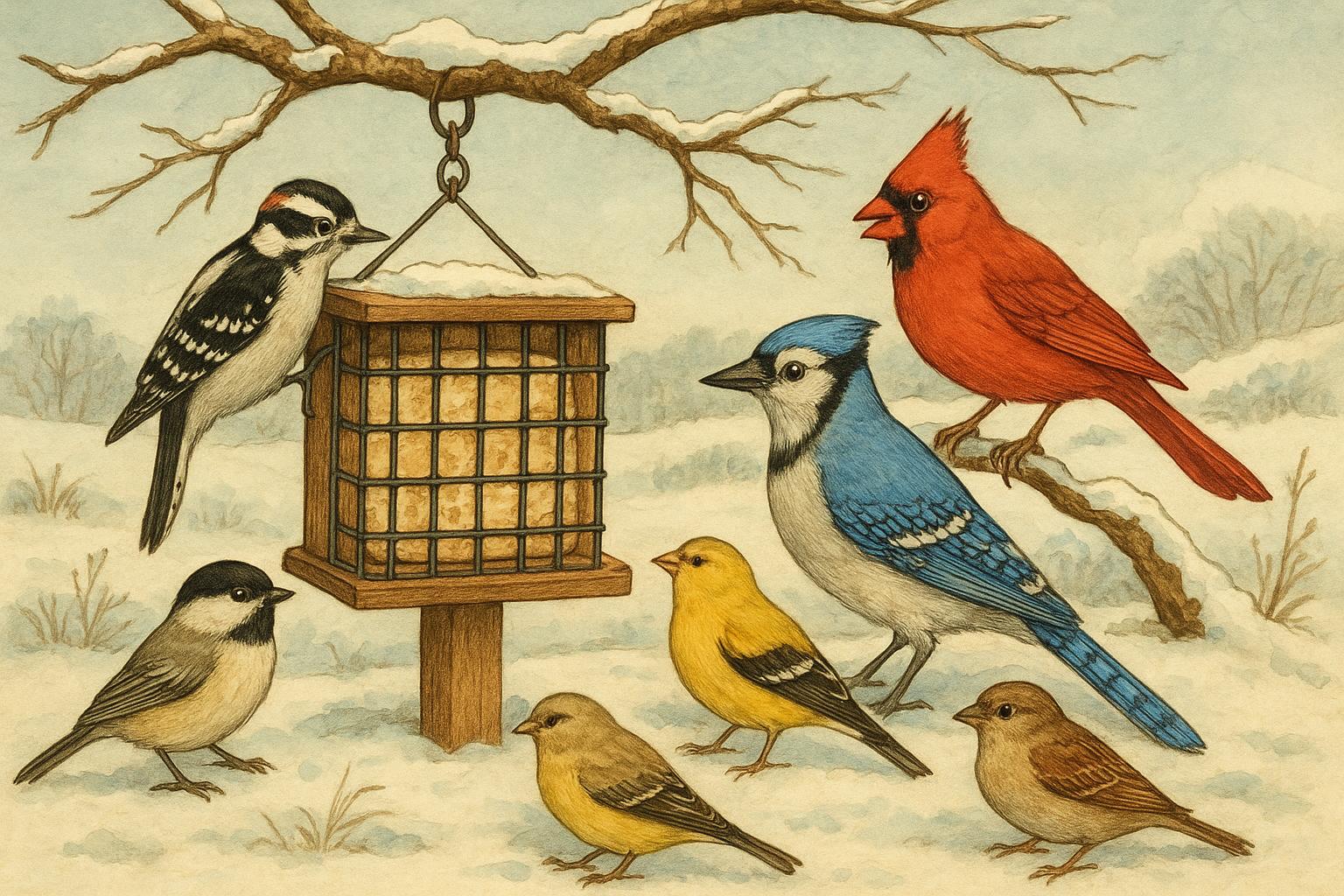
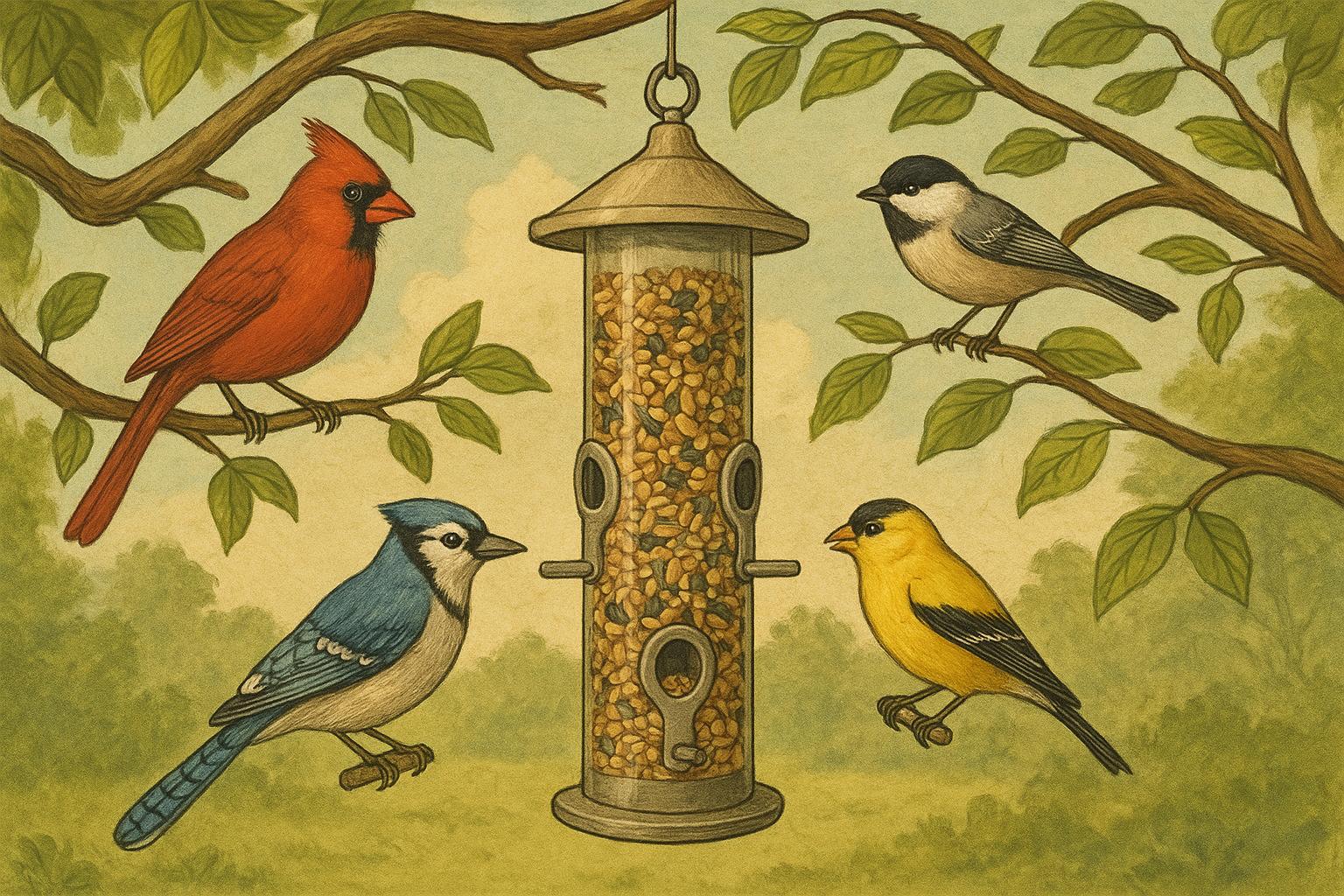
2. Match Feeders To Species: Use tube feeders for finches and chickadees, platform feeders for ground-feeders like doves and juncos, and suet cages where woodpeckers and nuthatches are present. This encourages natural partitioning of resources.
3. Fill And Balance: Distribute seed evenly across feeders so no single station becomes the obvious prize. Refill on a predictable schedule to reduce scramble behavior during low-supply periods.
4. Monitor And Adjust: Observe behavior for the first two weeks. If a dominant bird monopolizes one station, temporarily remove that feeder for a few days or relocate it farther away to break the territorial association.
5. Maintenance: Clean feeders regularly (every 1–2 weeks for seed feeders; more often for nectar) to prevent disease transmission which can compound stress and aggression.
Implementing multiple feeding stations spreads the resource value and reduces the intensity and frequency of feeder fights by allowing subordinate birds alternate access.
### 2. Design Strategic Feeders And Schedules
Materials:
– Selective feeder models (cage-covered feeders, weight-sensitive perches, or feeders with small port spacing)
– Nectar feeders with bee guards and multiple ports if hummingbirds are present
– Timer or motion-activated feeder covers (optional)
– Appropriate seed types and nectar solutions
Step-by-Step Creation and Application:
1. Choose Species-Specific Designs: Install feeders that physically limit access by larger or more aggressive species. For example, a caged feeder or one with small ports will exclude starlings and house sparrows while allowing finches to feed.
2. Employ Weight-Sensitive Technology: Use feeders with perches that fold under heavier weight to prevent larger birds from staying on the feeder. Calibrate or select models with appropriate weight thresholds for your local bird community.
3. Schedule Feeding Windows: If feasible, set a morning and late-afternoon feeding window when birds are most active. Using timers or manually covering feeders during lull periods reduces constant competition and encourages birds to establish a schedule rather than constantly guard a resource.
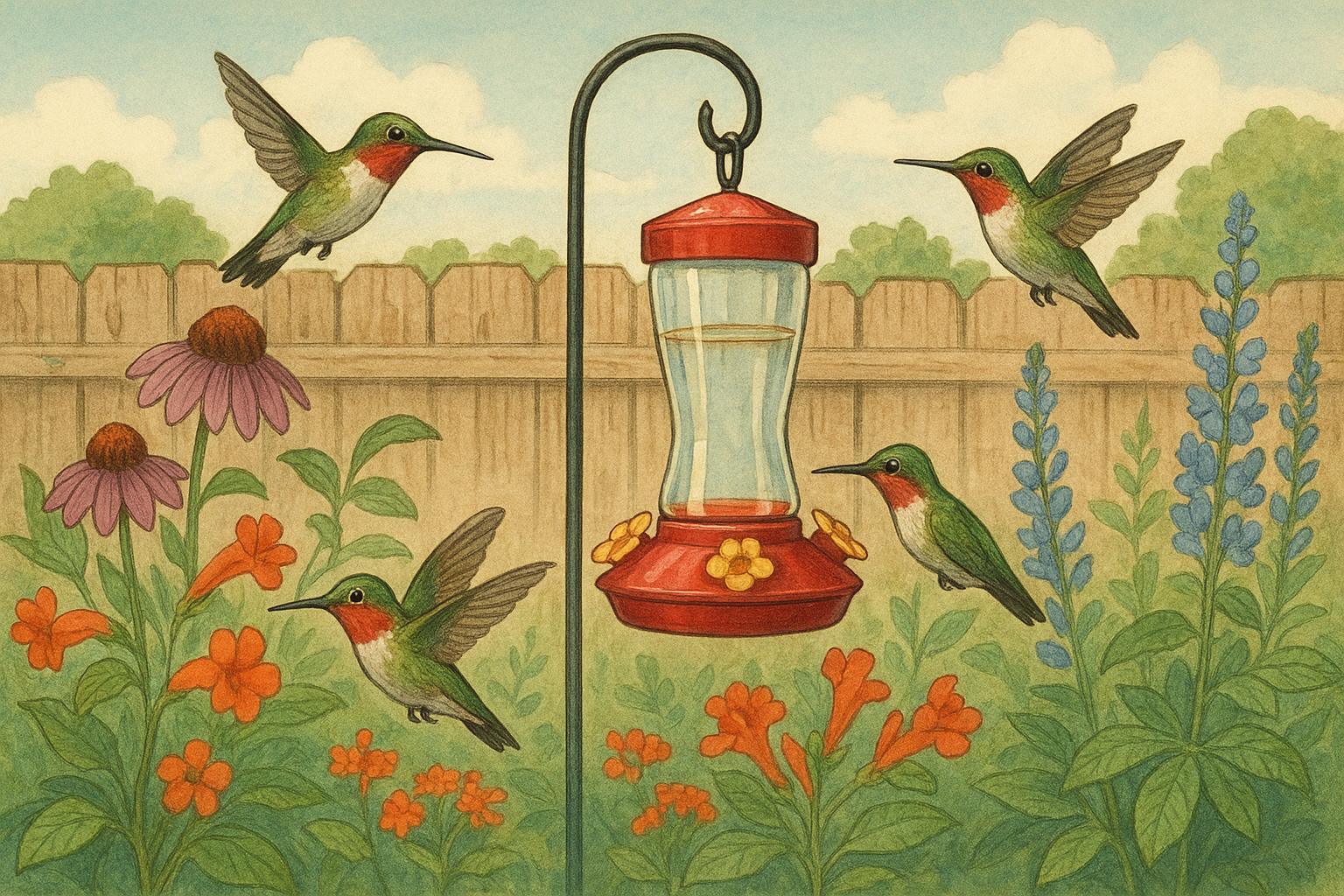
4. Design For Multiple Nectar Ports: For hummingbirds, use feeders with several ports spaced apart to allow multiple individuals concurrent access. Clean and refill regularly to maintain quality, which reduces aggressive defense of a single clean, sweet source.
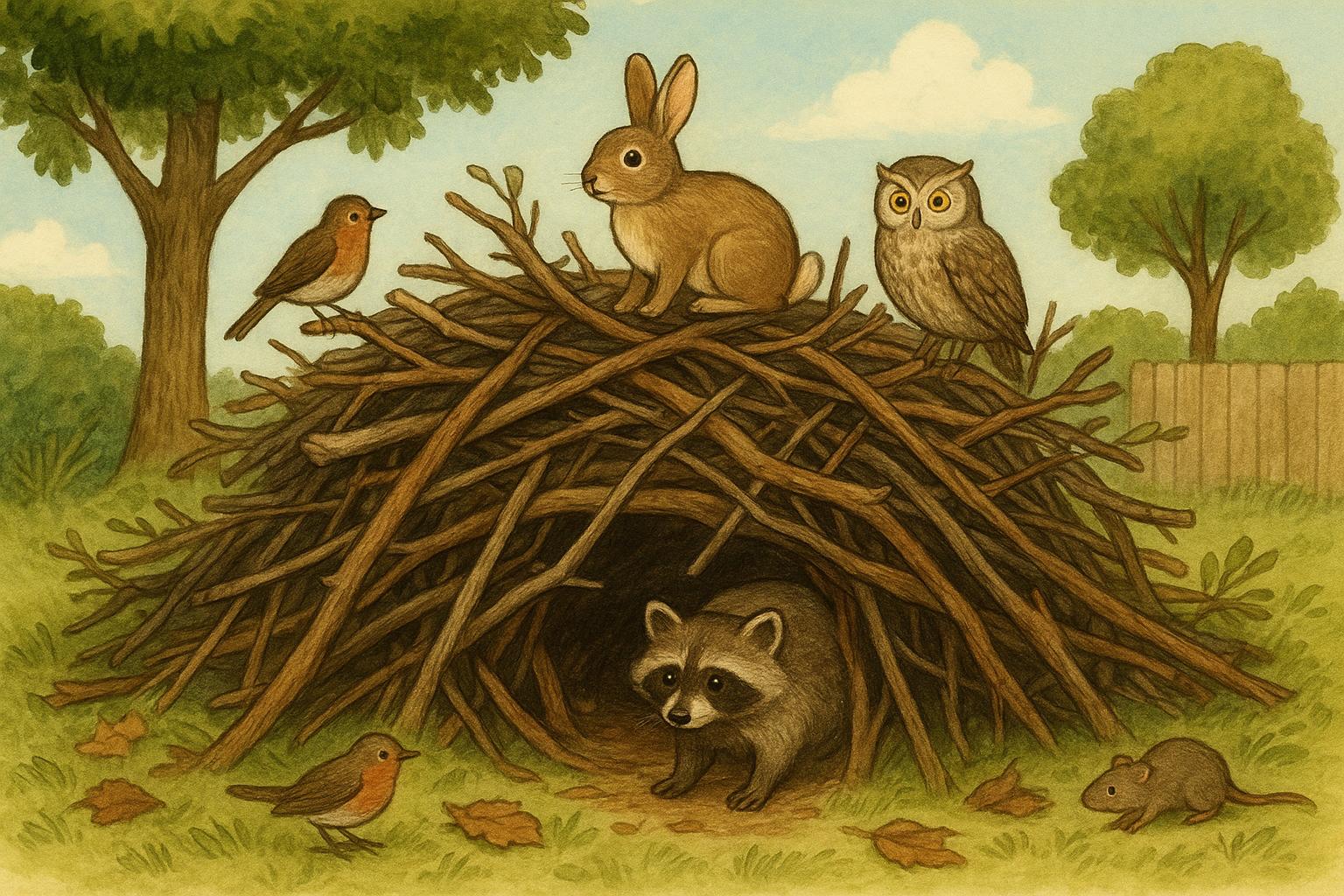
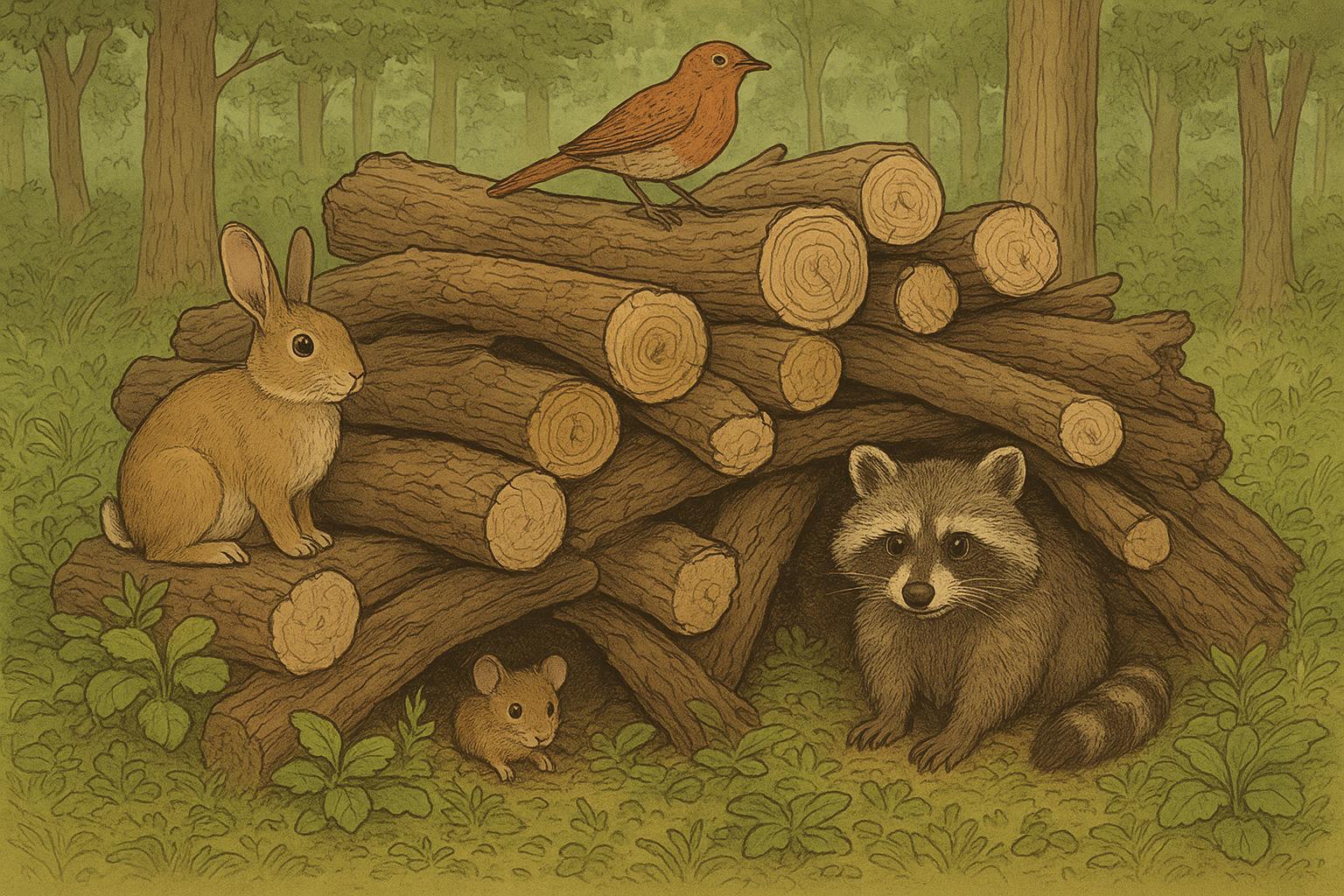
5. Combine With Habitat Enhancements: Provide nearby cover such as native shrubs or small brush piles so subordinate birds can feed with quick escape routes. This reduces the perceived risk and can lower aggressive displays.
6. Evaluate And Refine: Track changes in behavior after installation for at least a month. If a particular design is ineffective, switch to alternate models or combine measures (e.g., a caged platform plus staggered feeding times) to increase success.
These design and scheduling strategies are effective because they address both the physical means of access and the behavioral impulses that drive feeder fights.
## Managing Human Factors And Expectations
People often inadvertently encourage feeder fights without realizing it. Overfilling a single feeder, placing multiple feeders too close together, or using a single popular seed type can all create hotspots of competition. Rotate seed types occasionally to distribute interest and consider offering a mix: sunflower for larger birds, nyjer for finches, and smaller millet blends for sparrows.
### Ethical Considerations And Local Regulations
When deterring aggressive species, avoid harm. Use exclusionary feeders and habitat design rather than lethal control. Be mindful of local wildlife ordinances and guidelines for feeding wild birds, and follow best practices for sanitation to minimize disease outbreaks that can be exacerbated by dense feeding.
#### When To Call A Professional
If conflicts are severe and causing injury, or if invasive species dominate despite humane exclusion efforts, contact local wildlife rehabilitation or bird conservation groups. They can offer region-specific advice and, in some cases, assistance with design or removal options that comply with wildlife laws.
## Making It A Backyard Win-Win
Reducing feeder fights is about creating a balanced system: thoughtful feeder placement, appropriate feeder design, regular maintenance, and a touch of patience. Birds are adaptable; with consistent, well-designed interventions they’ll learn new patterns and your yard will become a calmer, more diverse feeding ground — and you’ll get to enjoy the natural theater without too many dramatic encore performances.






Leave a Reply