
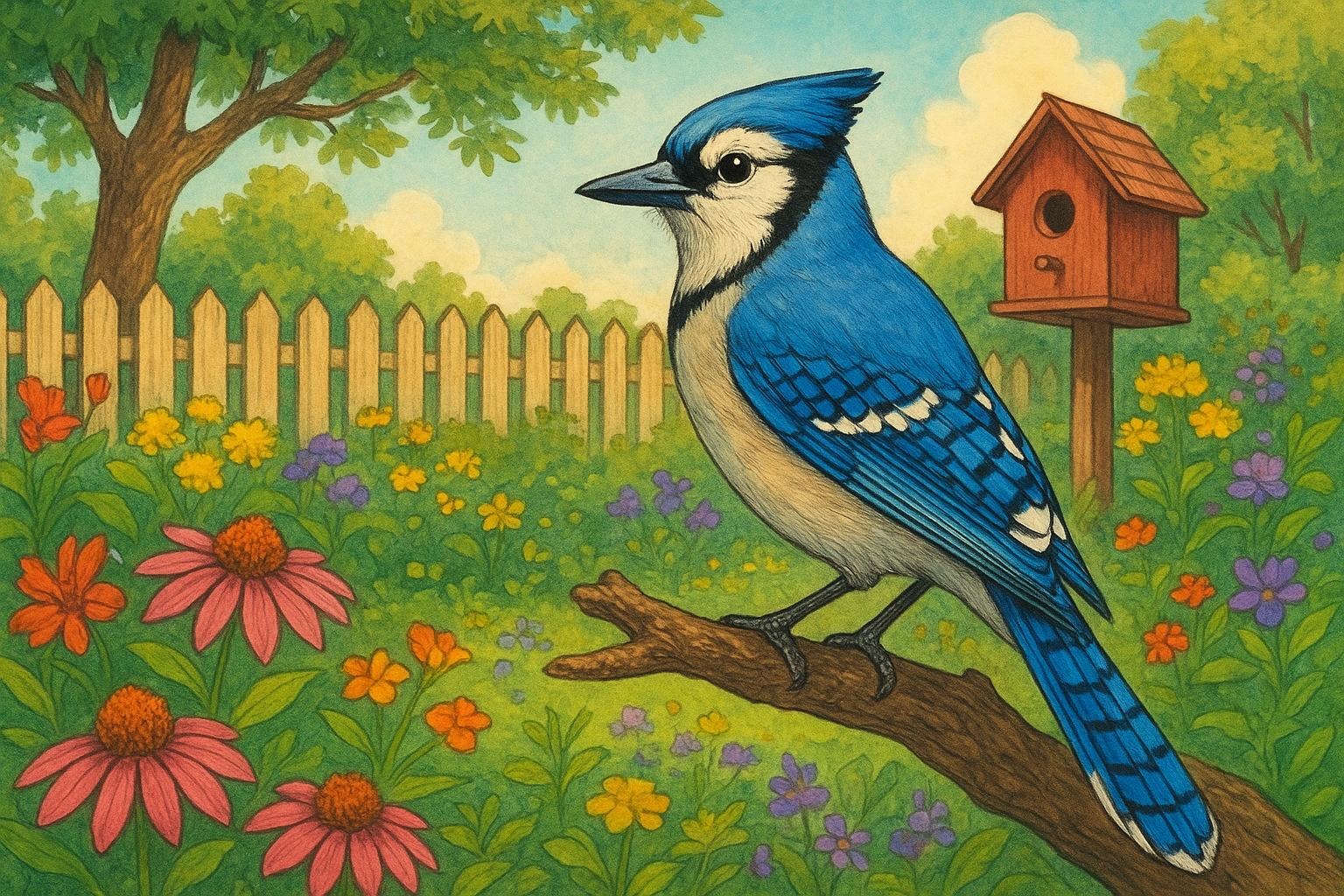
Blue Jay Brilliance A Colorful Backyard Spotlight Daily
## Blue Jay Behavior And Backyard Habits
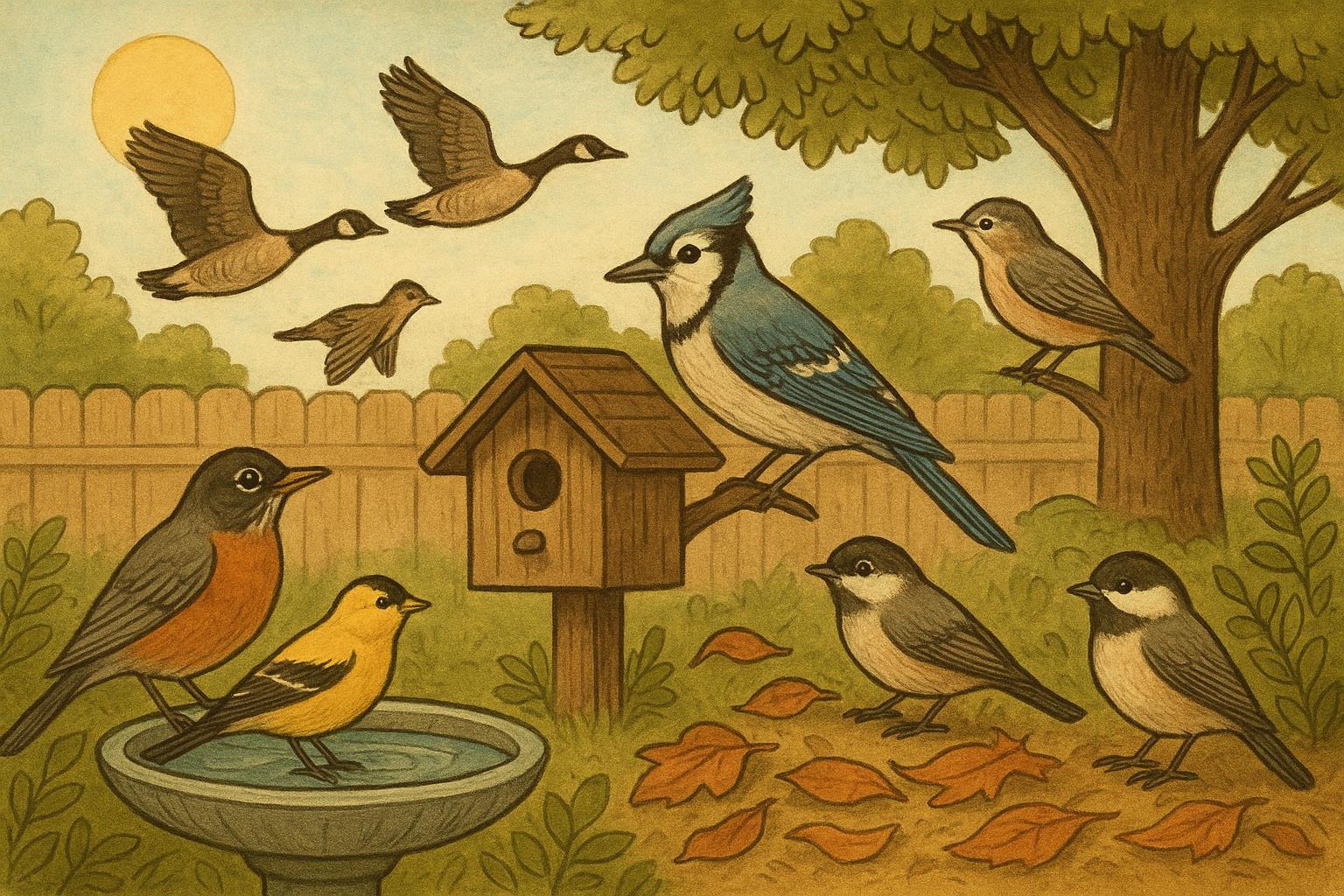
There’s something delightfully theatrical about a blue jay as it swoops in, announces itself with a series of sharp calls, inspects the feeder like a tiny feathered critic, and then departs with the air of a bird who knows it owns the place. The blue jay’s bold crest, brilliantly blue wings, and inquisitive personality make it a top star in suburban wildlife shows — and if you’re paying attention, your yard becomes front row.
### Recognizing The Calls And Colors
These birds aren’t shy about making themselves known. Their repertoire includes harsh jeers, flute-like notes, and occasional mimicry of hawks (a trick that can startle smaller visitors). Visually, the blue and white barring on the wings and tail, plus that expressive crest, make identification quick and satisfying even from the window with a cup of coffee in hand.
### Social Structure And Seasonal Movements
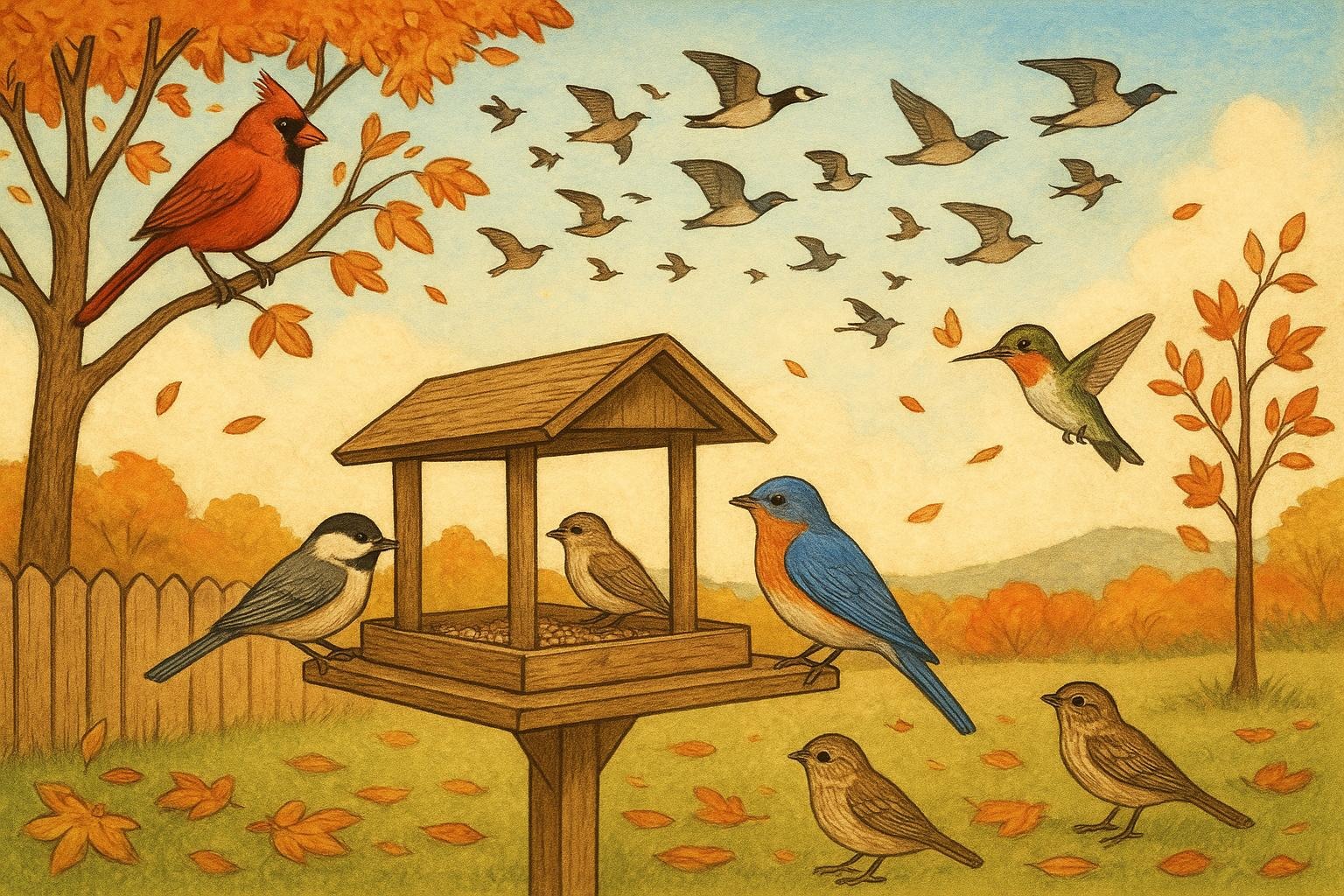
Blue jays often travel in small family groups or loose flocks, especially in autumn and winter. They can be territorial during breeding season but are surprisingly cooperative around reliable food sources. Understanding their social tendencies helps explain why one will sound the alarm and the others will follow — neighborhood watch, jay edition.
## Feeding, Nesting, And Neighborly Etiquette
If you want to host jay guests responsibly, think about food quality and habitat. They’re smart and discerning, and they reward consistency. A few small adjustments to your yard will encourage longer visits without turning your place into a full-time aviary.
### Favorite Foods And Feeding Tips
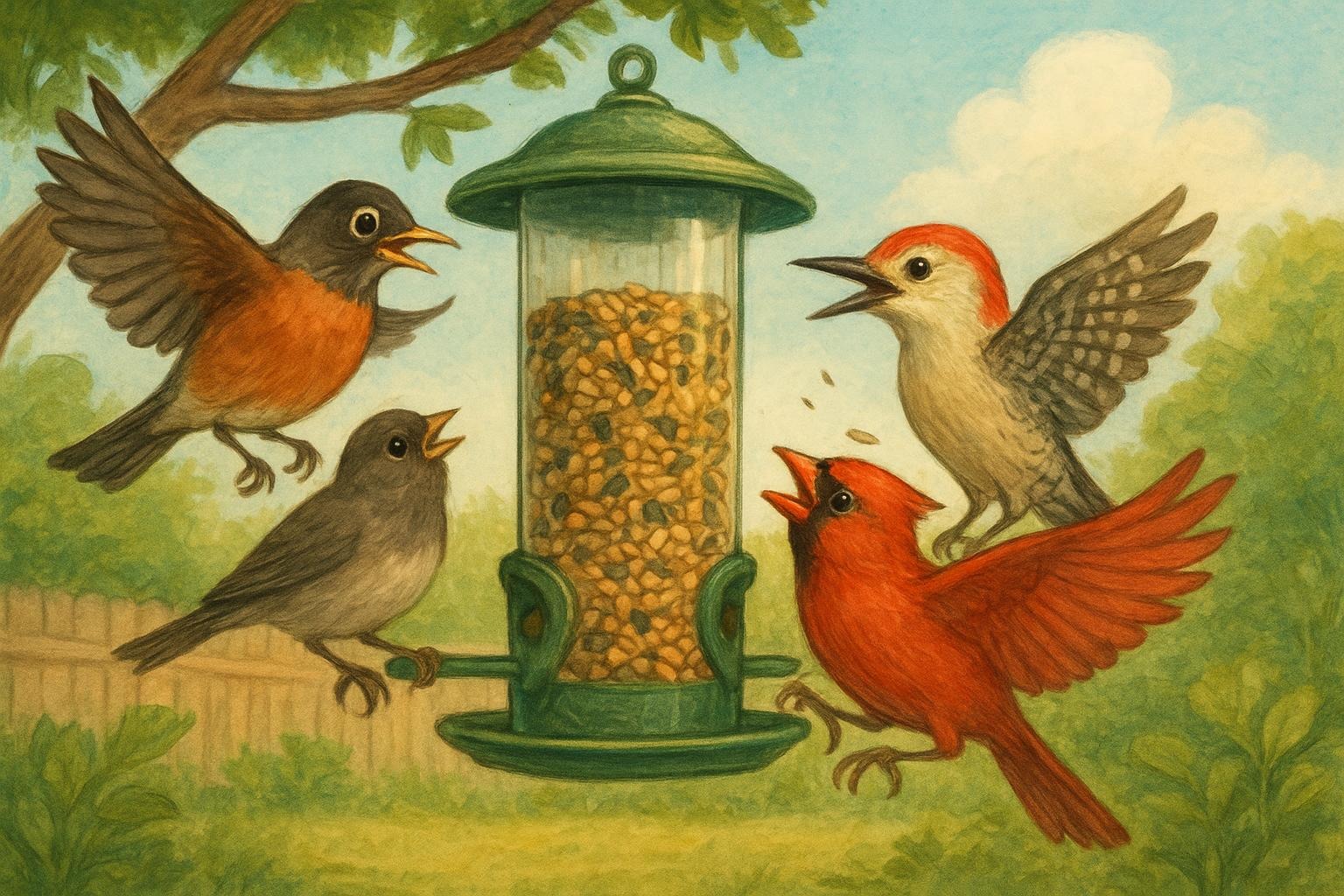
Blue jays enjoy nuts (especially shelled peanuts), seeds, suet, and sometimes small invertebrates. They can also be bold about pilfering from other feeders, so placing their preferred offerings on sturdy platform feeders or in squirrel-proof stations will reduce drama. Rotate offerings seasonally and keep feeders clean to prevent disease spread.
#### Feeders That Attract Bold Birds
Platform feeders, peanut feeders, and suet cages tend to work best. Avoid tiny tube feeders if you want to see more jay acrobatics; their size and beak favor open surfaces where they can clamber and examine food items.
## Backyard Benefits And The Jay’s Role In Ecology
Having these birds around isn’t just entertaining — they’re ecosystem helpers. Jays are noted for caching nuts and acorns, some of which are forgotten and eventually sprout into new trees. Their alarm calls alert other birds to predators, and their presence indicates a healthy, diverse yard. If you garden for biodiversity, they’re likely to be on the guest list.
### How To Live Peacefully With Other Birds
Because blue jays can dominate feeders, provide multiple feeding stations spaced apart to reduce competition. Maintain native plantings and nesting-friendly shrubs to support a variety of species. This gives shyer birds places to retreat while the jays patrol the yard.
## Remedy 1: How To Welcome Blue Jays To Your Yard
Below is a formal, practical plan to attract and support these birds. Follow the materials and step-by-step instructions carefully to create a safe and sustainable environment that benefits both you and the birds.
### Required Materials
– Platform feeder (sturdy, weatherproof)
– Peanut feeder or mesh peanut holder
– Suet cage (optional, for winter months)
– Unsalted, shelled peanuts and whole peanuts (in-shell), and high-quality suet
– Native shrubs or small trees for cover (e.g., serviceberry, oak saplings)
– Clean water source (birdbath with a shallow edge or dripper)
– Basic garden tools (shovel, pruning shears)
– Protective gloves for planting and feeder maintenance
### Step-By-Step Setup And Application
1. Site Selection: Choose a location for feeders that offers both open approach space (for perching and flight) and nearby cover (within 30–50 feet) so birds can retreat if threatened. Avoid placing feeders within easy reach of cat pathways or heavy window reflections.
2. Feeder Installation: Mount the platform feeder on a sturdy pole with a baffle to deter ground predators. Position the peanut feeder at a slightly higher level or on a separate pole to reduce crowding on the platform. Ensure feeders are securely fastened to prevent tipping in wind or by bold visitors.
3. Food Provisioning: Offer a mix of unsalted shelled peanuts and in-shell peanuts on the platform and in the peanut holder. Supplement with suet during cold months to provide high-energy fuel. Do not use salted or seasoned nuts; harmful additives can damage avian health.
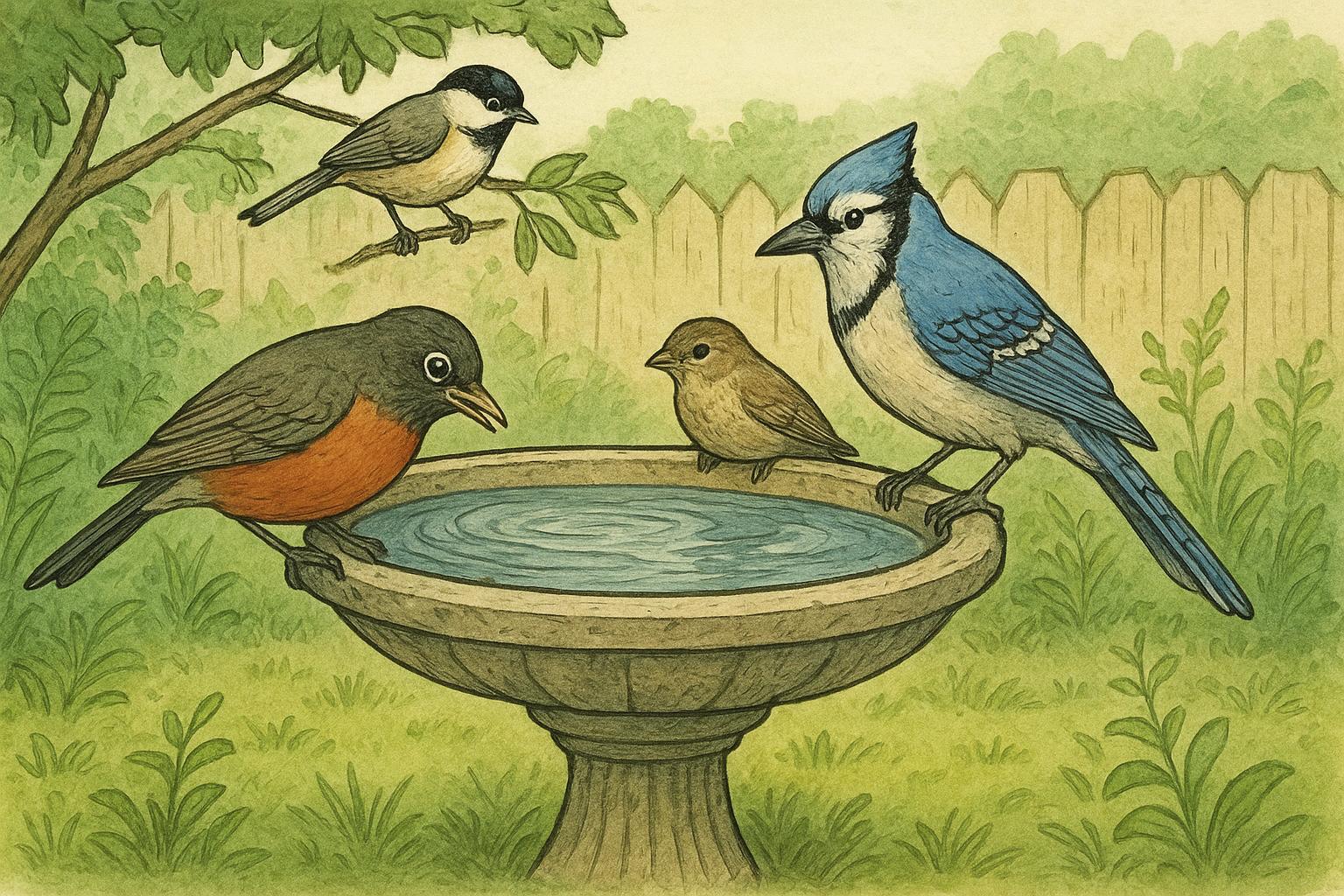
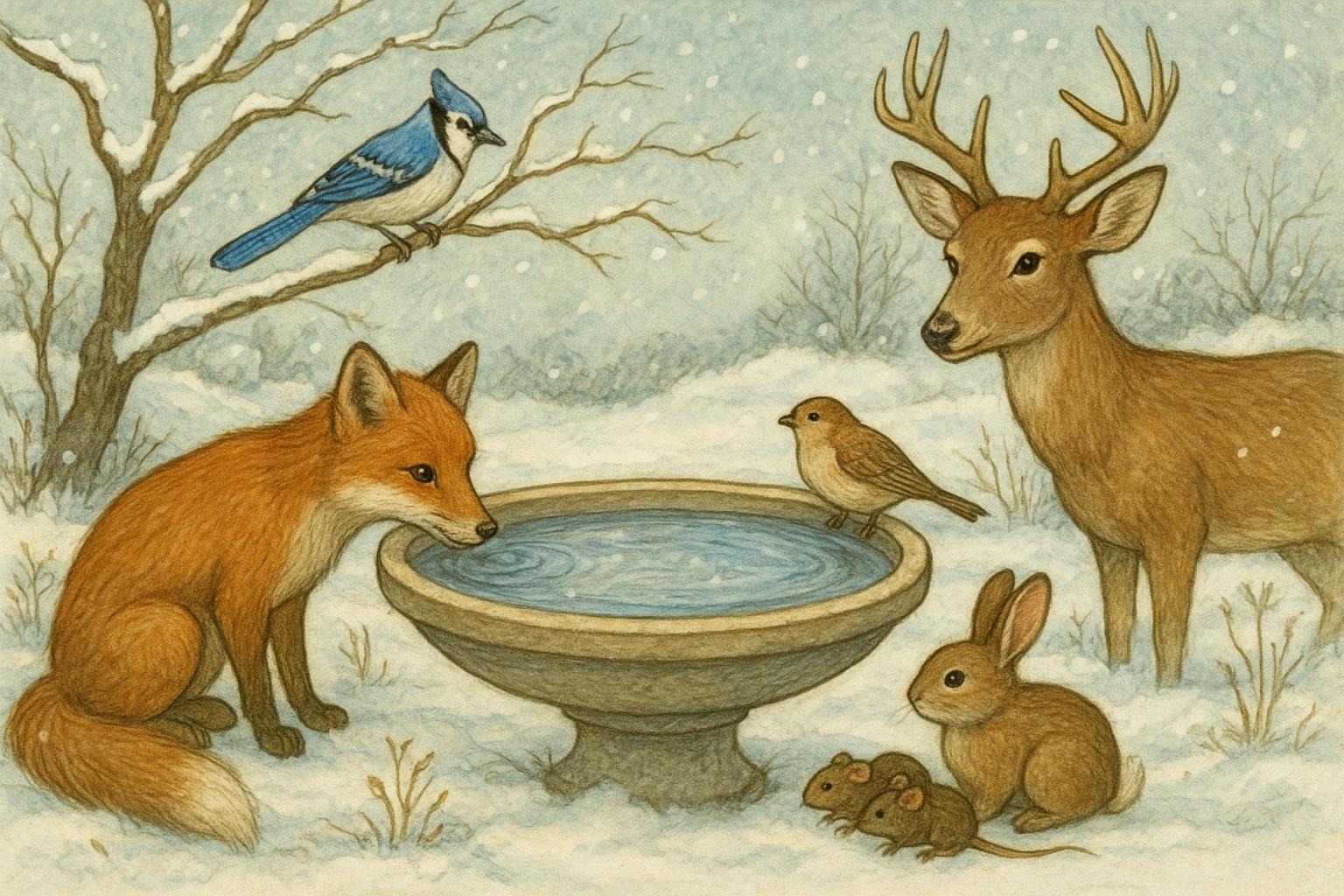
4. Water Source: Install a birdbath within sight of feeding stations but not directly beneath tree branches that drip heavy debris into it. Keep water fresh and replace or sanitize every few days to minimize disease risk.
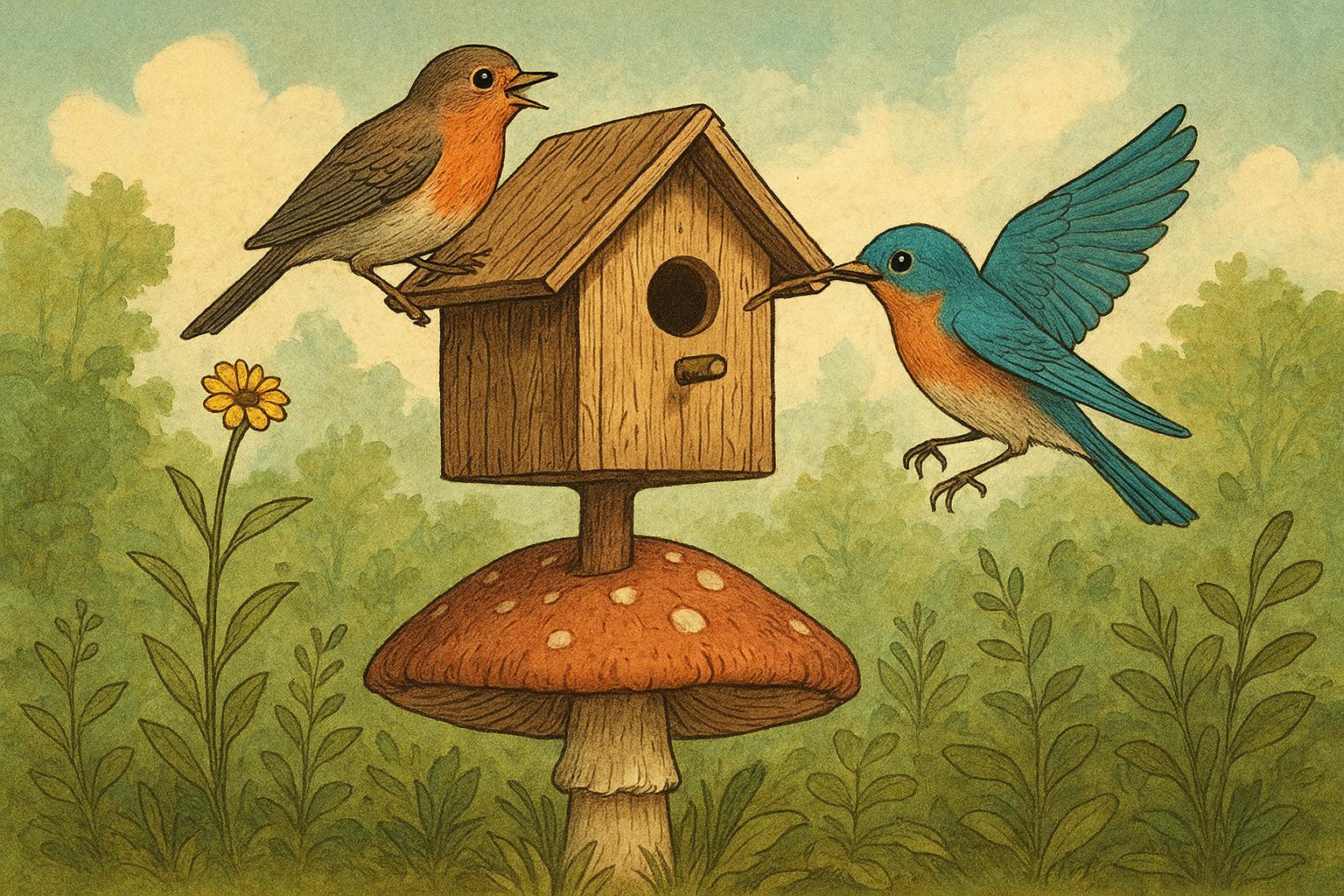
5. Habitat Enhancements: Plant a mix of native shrubs and small trees to provide nesting opportunities and foraging cover. If soil conditions are poor, amend as needed and water young plantings regularly until established. Leave snags or dead branches where safe, as insects and perching sites are valuable resources.
6. Maintenance Schedule: Inspect feeders weekly, clean out moldy or clumped food, and scrub feeders with a dilute bleach solution (1 part bleach to 9 parts water) once a month, rinsing thoroughly afterwards. Check water features daily during hot spells and freeze-thaw cycles.
7. Monitoring And Adaptive Management: Keep a log of visitor behavior and feeding preferences. If aggressive interactions increase, separate stations further or reduce quantities temporarily to reestablish balance. Avoid sudden changes; gradual adjustments cause less stress to the birds.
### Safety And Maintenance Notes
– Health Precautions: Regular cleaning prevents disease transmission like salmonella. Wear gloves during cleaning and wash hands afterwards.
– Seasonal Adjustments: Reduce high-fat foods in summer when natural insect prey is abundant. Increase suet and shelled nuts in late fall and winter to boost energy reserves.
– Predator Awareness: If you notice frequent predator visits (hawks, raccoons, or feral cats), increase cover distance and use predator guards on poles. Avoid placing feeders too close to dense shrubbery where many ground predators can hide.
## Common Questions From New Jay Hosts
People often ask whether jays will take over the yard or hoard all the food. Yes, they can be assertive, but with thoughtful placement and multiple feeding stations, a diverse backyard bird community can thrive. Jays are intelligent and resourceful, but they respond well to consistent, well-maintained resources.
### Dealing With Nuisance Behaviors
If theft of seed by other animals becomes a problem, consider timing feedings (morning and late afternoon) when human activity is less likely to disturb the jays but deters nighttime pilferers. Discourage unsafe behaviors by removing hazardous items (string, sticky feeders) and by keeping pet feeding areas separate from bird feeding stations.
#### When To Call A Professional
If you observe signs of disease in multiple birds (fluffed plumage, lethargy, abnormal droppings), contact a local wildlife rehabilitator or cooperative extension office for guidance. Do not attempt to treat wild birds at home; professional assessment ensures correct protocols are followed.
## Observing Behavior Without Disturbing It
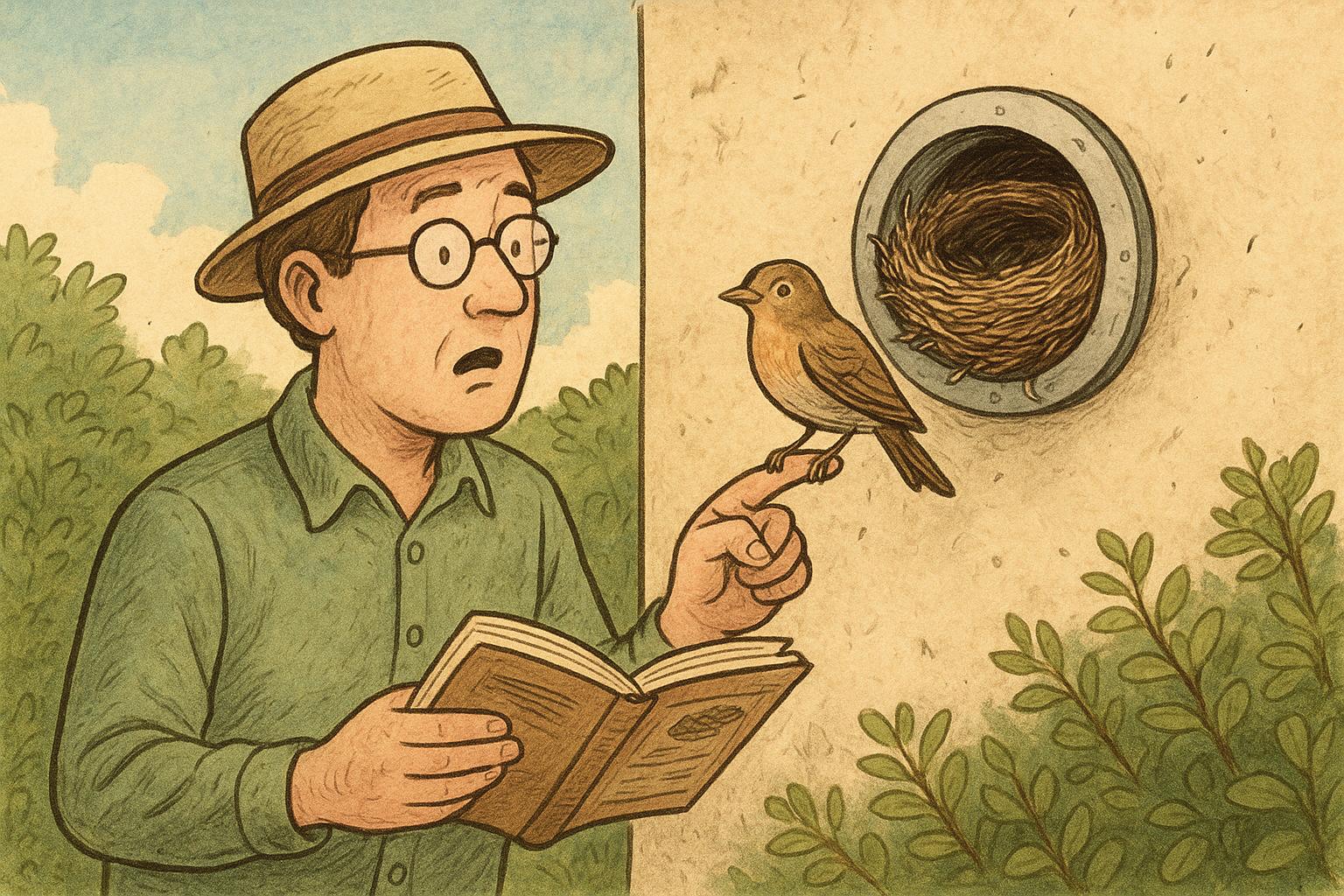
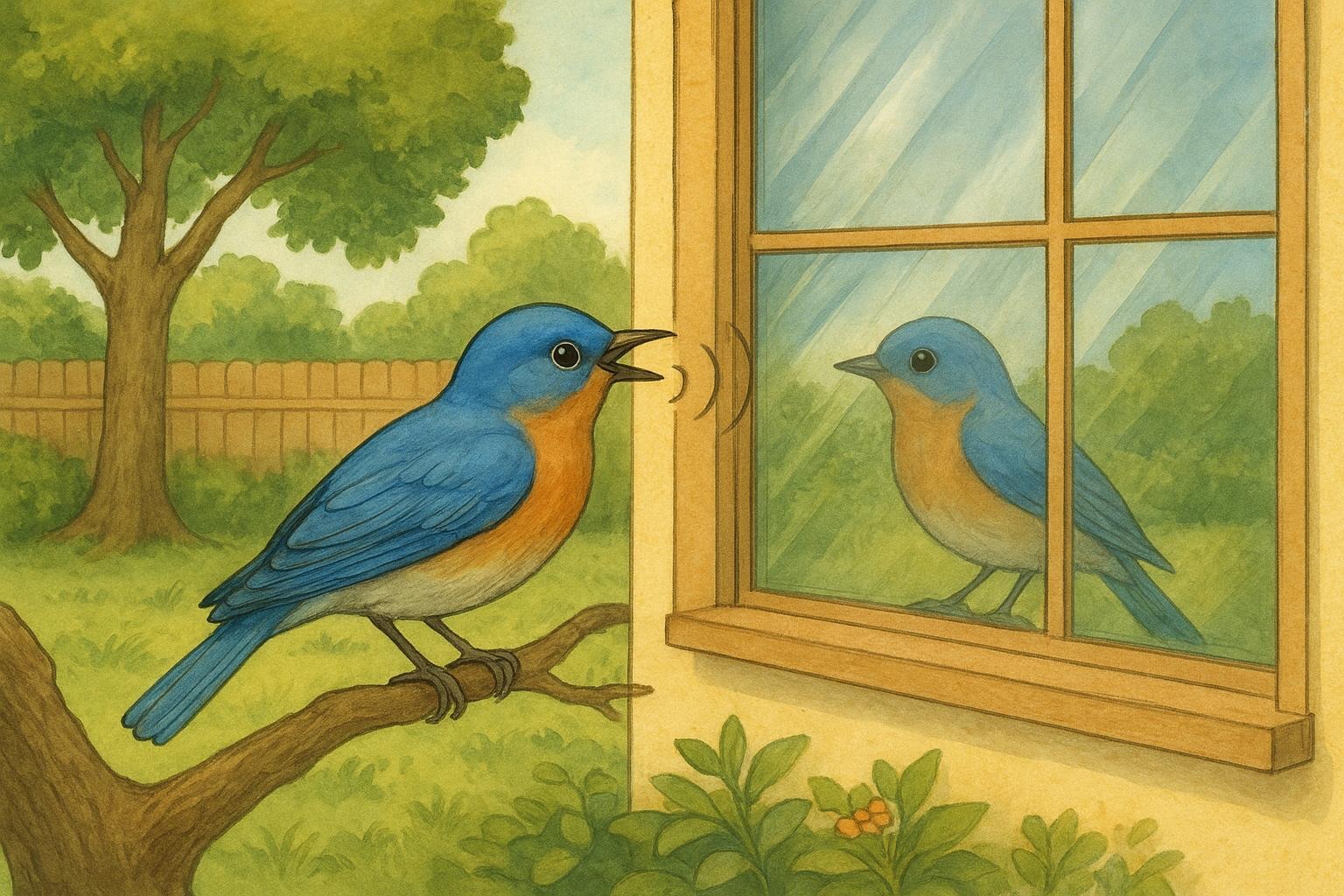
Part of the joy of hosting these birds is learning their quirks. Watch from a distance, keep windows marked to prevent collisions, and enjoy the little theater they provide. A pair of binoculars and a field guide can turn casual watching into a delightful hobby without stressing the cast.
### Notes On Ethical Birdwatching
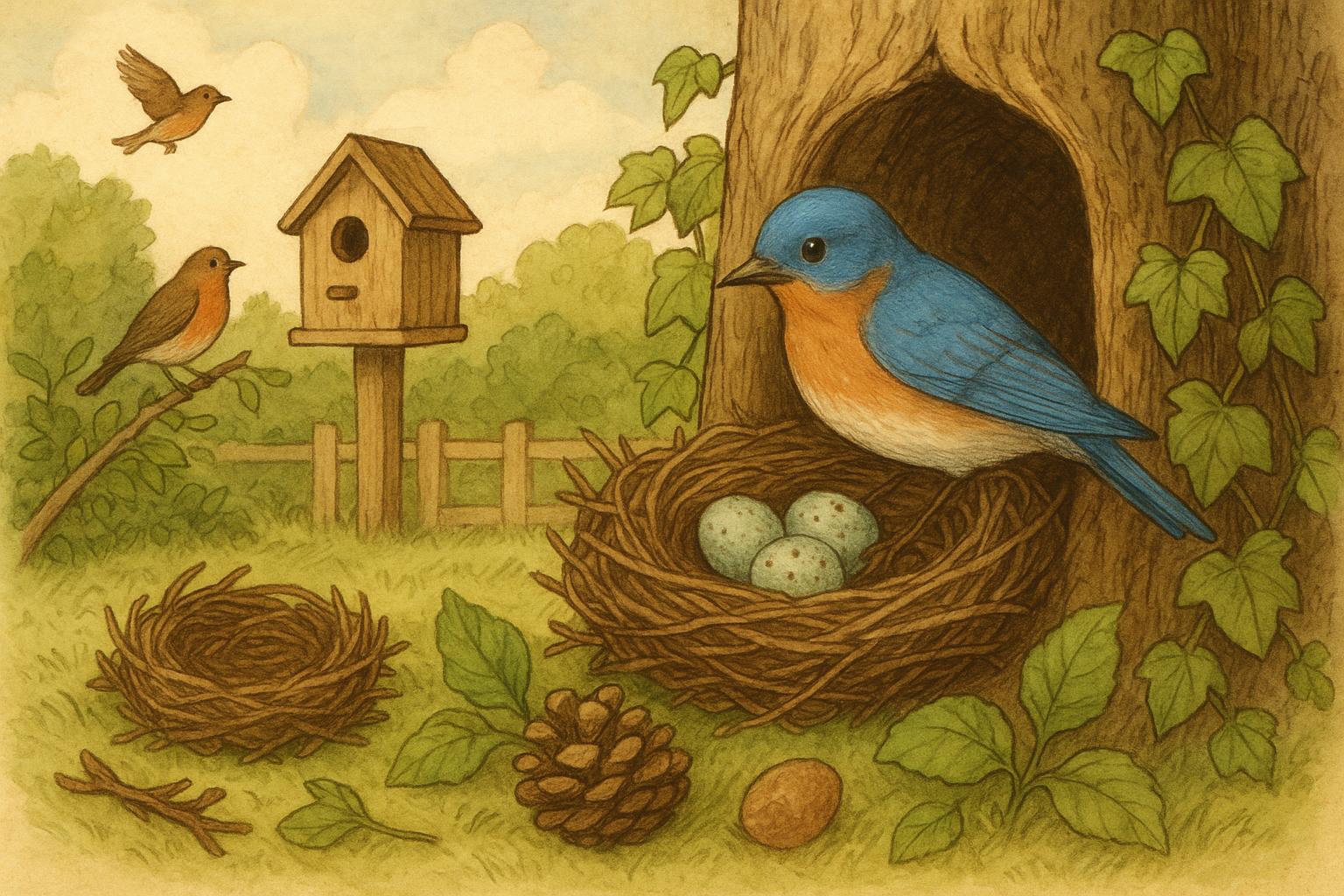
Respect nesting sites, especially during breeding season. Avoid using playback calls that can provoke territorial aggression or stress. Let the birds set the pace; your calm presence will often be repaid with familiar visits and curious inspection from a perched critic with a very particular taste in peanuts.




Leave a Reply