
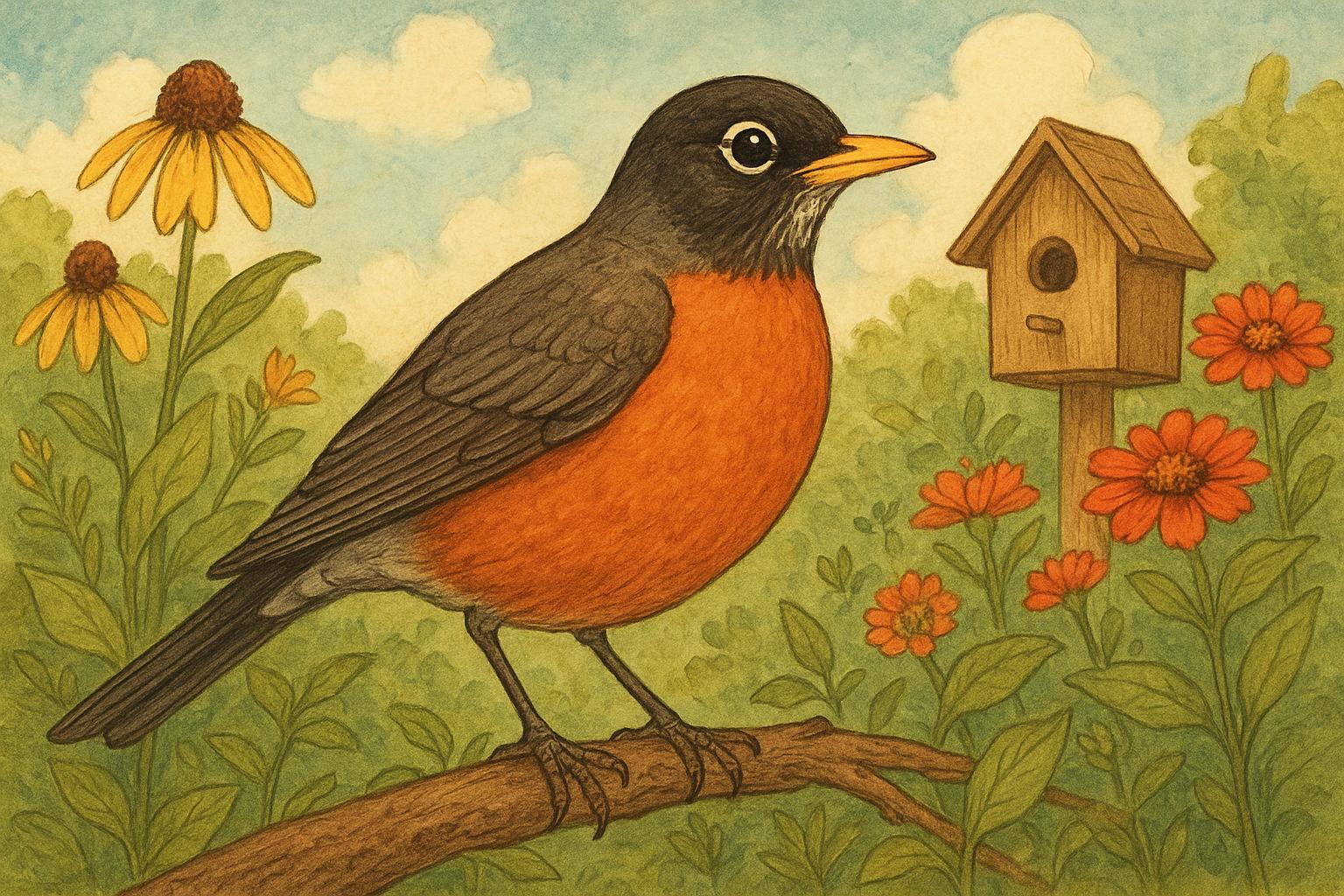
Spring has a way of turning ordinary yards into theater: daffodils take the stage, lawns get a green makeover, and the local bird cast shows up ready to perform. Among the headliners this season, one species is stealing scenes with its familiar posture, rust-orange belly, and penchant for dramatic worm extractions. You’ve probably already noticed the front-yard acrobat lovingly called the american robin.
## American Robin Ranks As Backyard Showstopper This Season
The american robin is the kind of bird that announces spring months before the calendar does. Whether it’s the upbeat early-morning song, the confident hops across the lawn, or the industrious nest-building in a nearby eave, robins make themselves seen (and heard). This season’s robin surge is being noticed from city yards to country plots, and many backyard birders are thrilled to learn more about these approachable, slightly theatrical neighbors.
## What Makes The American Robin A Backyard Star?
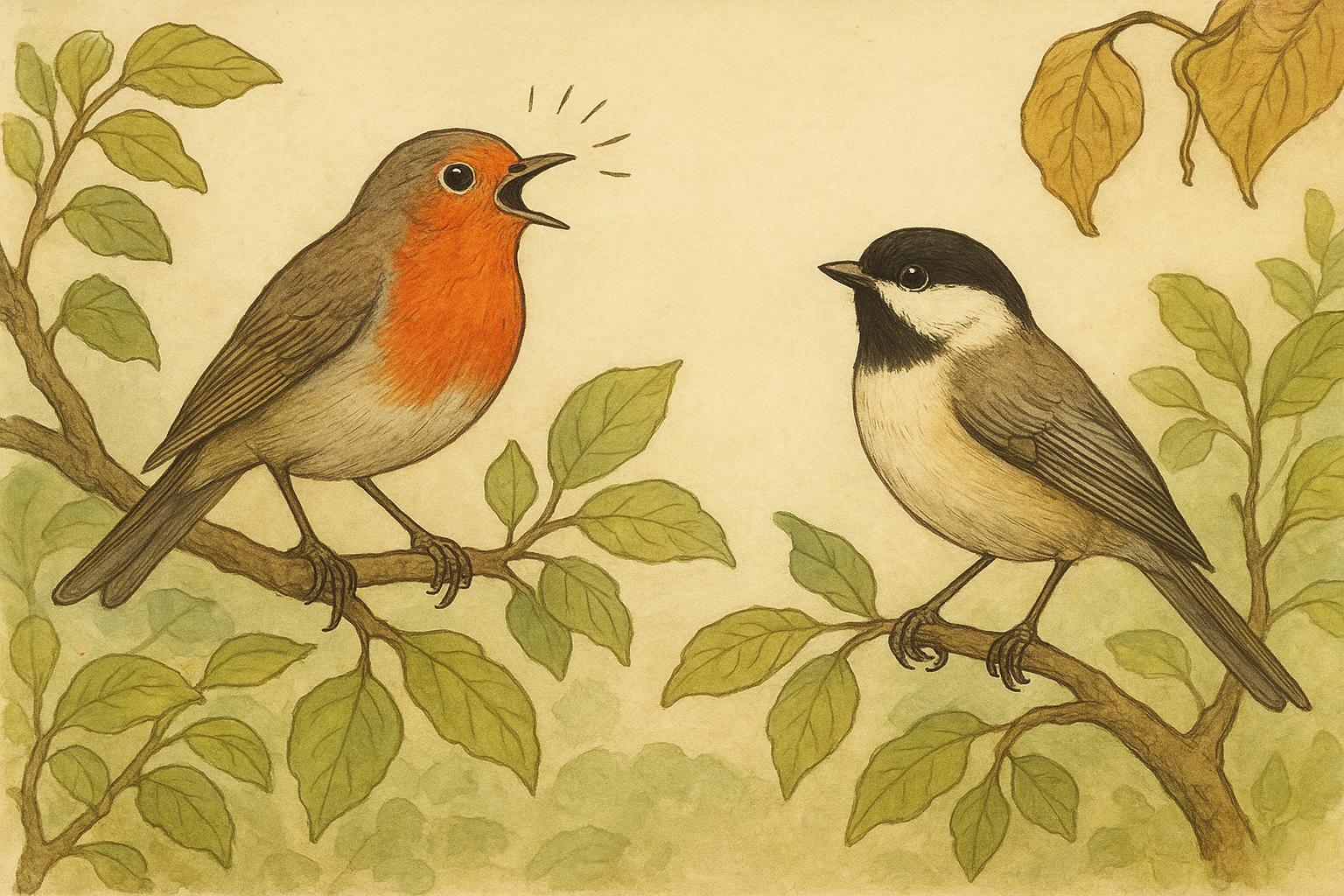
Robins are versatile. They thrive in suburban mosaics of lawns, trees, and gardens; they have a varied diet that includes earthworms, insects, and berries; and they tolerate — often welcome — human presence. That gives homeowners a front-row seat to robin behaviors that other species keep more discreet. The american robin’s bright throat and orange underparts are easy to spot, but it’s their behaviors that keep people watching: a rapid head-tilt, a purposeful hop, the classic cocked-head stare before a plunge into the turf.
### Behavior And Daily Routine
Robins are diurnal and most active at dawn and dusk. Males sing from high perches to stake out territory and attract mates; both sexes forage on the ground, especially after rain brings worms to the surface. Nesting begins early compared to many passerines, which is why you might see a flurry of activity when nest cups are being assembled and feathered passengers carried in.
### Seasonal Movements And Migration Patterns
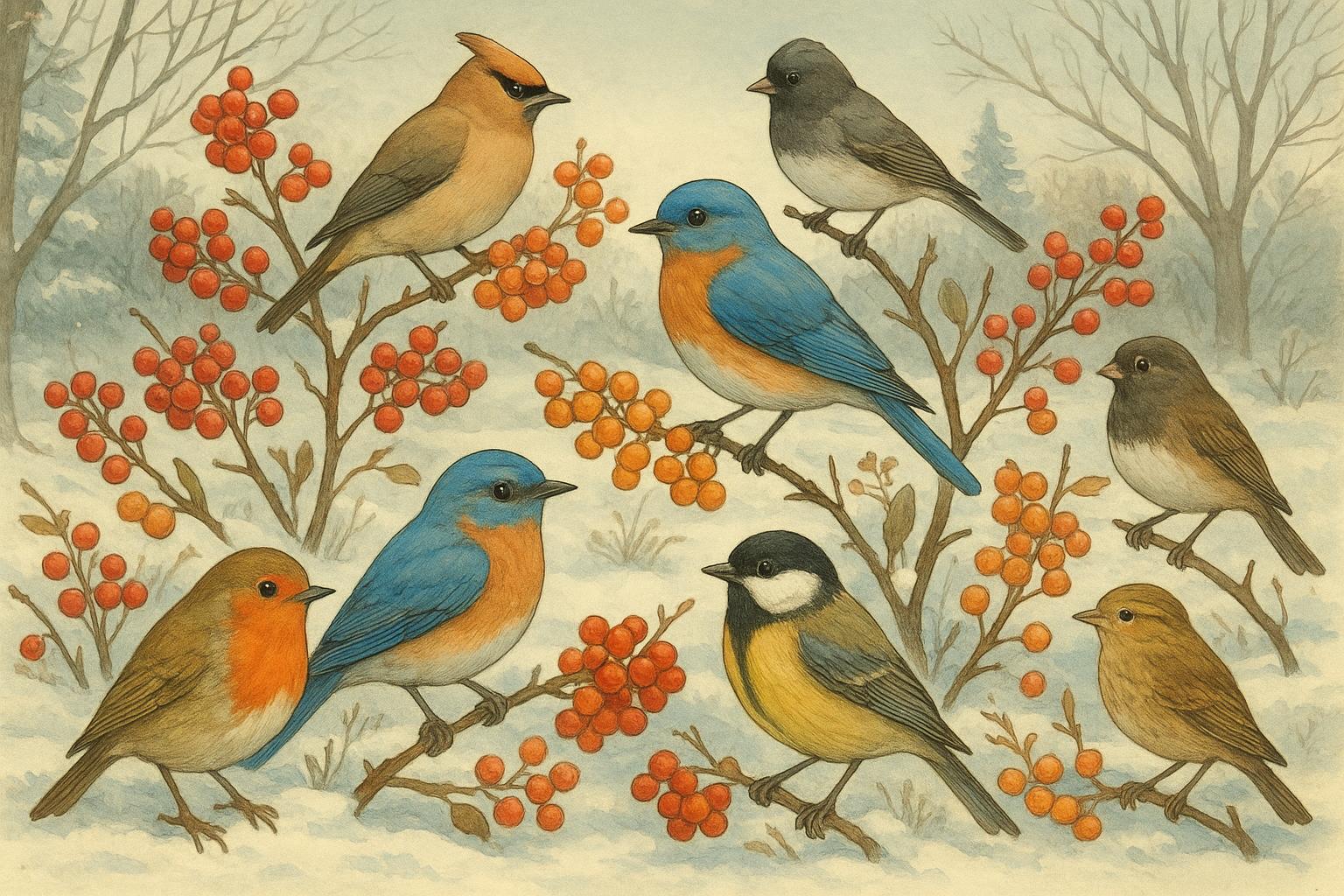
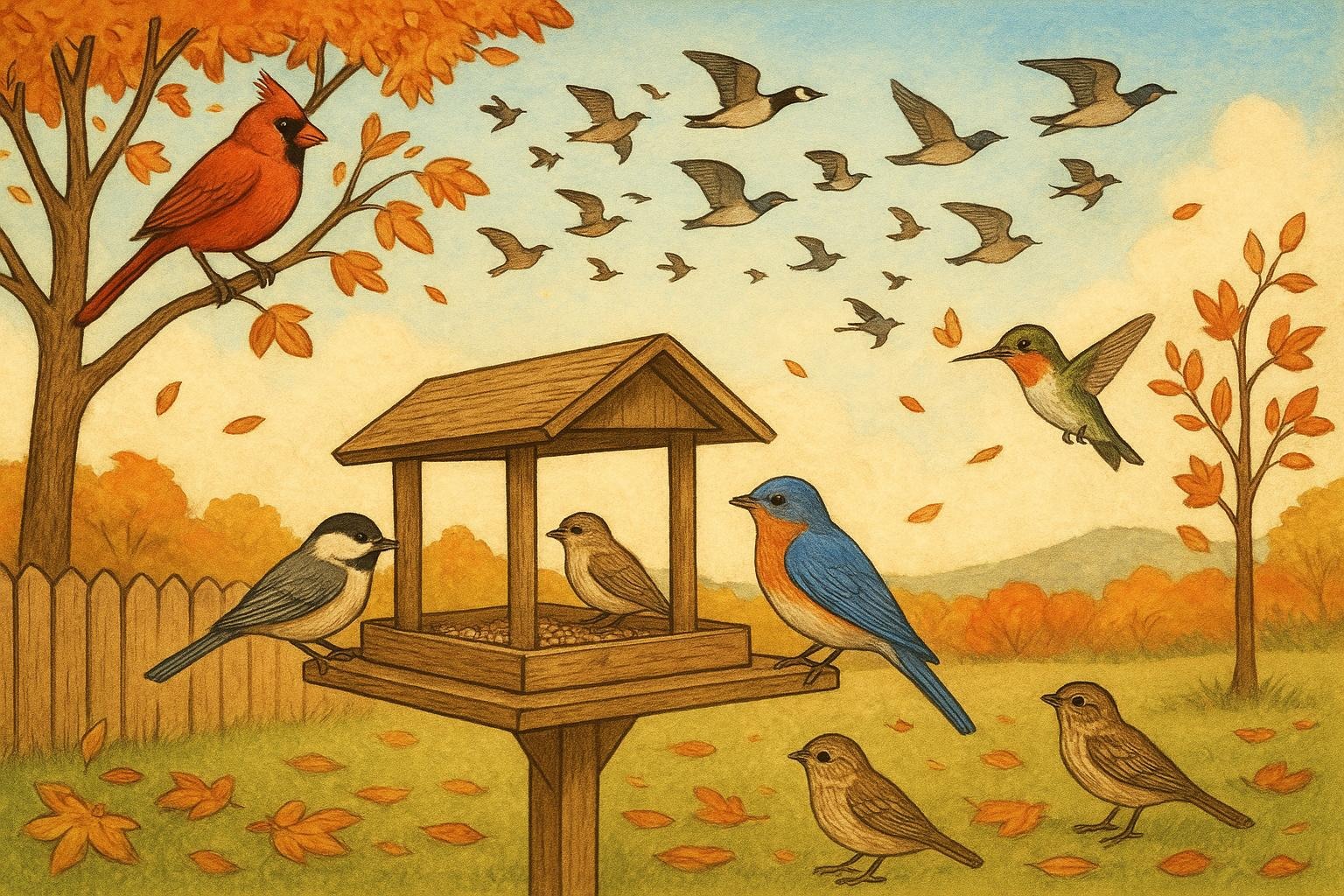
Not all robins migrate the same way. Populations in colder regions often head south in winter, while robins in mild climates may remain year-round. That variability is one reason you might suddenly notice more american robin activity in your neighborhood — a local shift in weather, food availability, or even suburban landscaping changes can concentrate birds where conditions look promising.
## How To Spot Health And Stress Signals (With A Light Touch Of Humor)
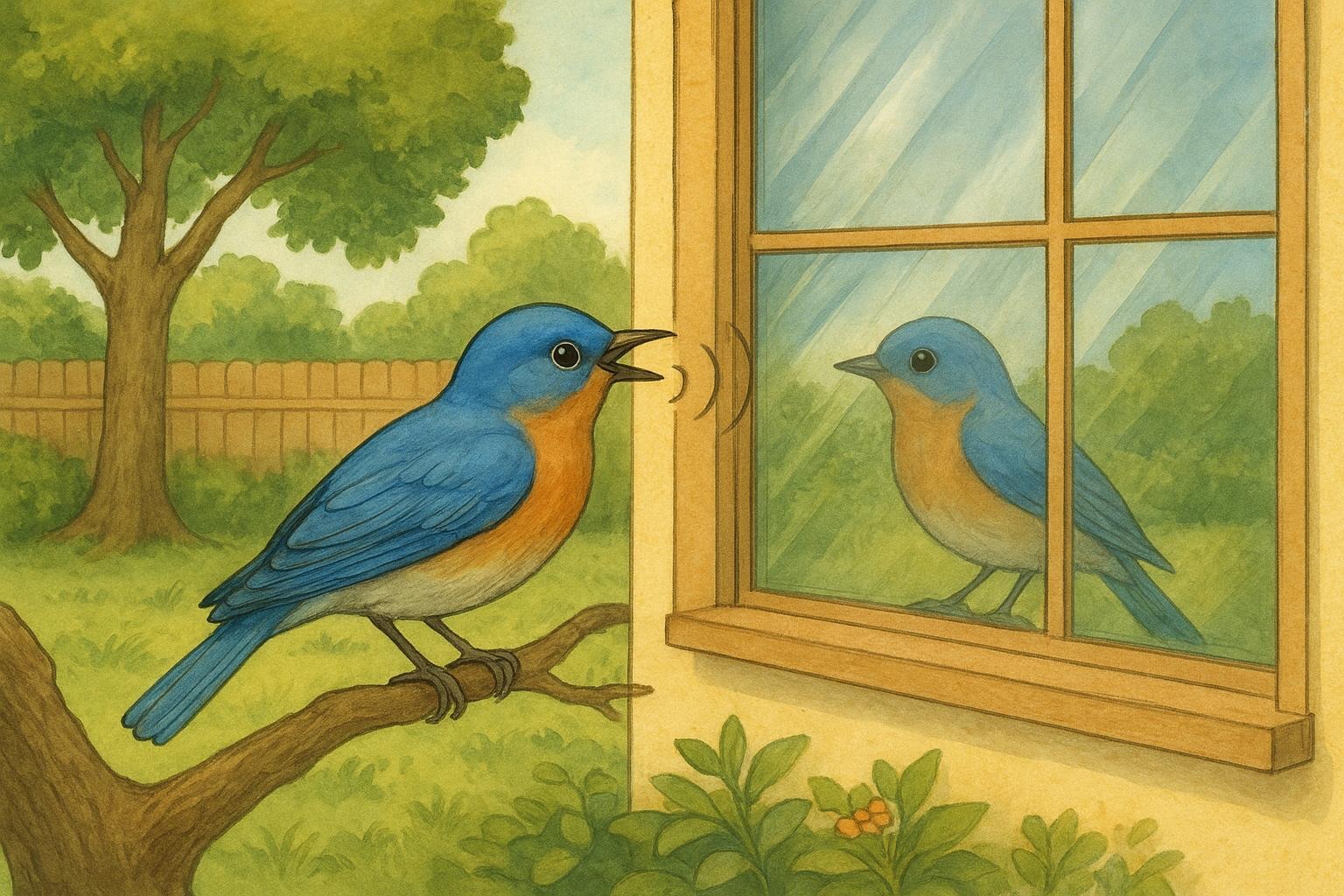
A robust robin is alert, active, and has smooth feathers. A sick robin tends to be fluffed, lethargic, or sitting low and hunched. If a robin looks like it’s auditioning for a role as a garden gnome, pay attention: it might need help or simply be conserving energy. Cats, window collisions, and predation at nests are realistic threats, but many homeowner-friendly actions can reduce risks without turning your yard into a fortress.
### Nesting Habits And Parental Duties
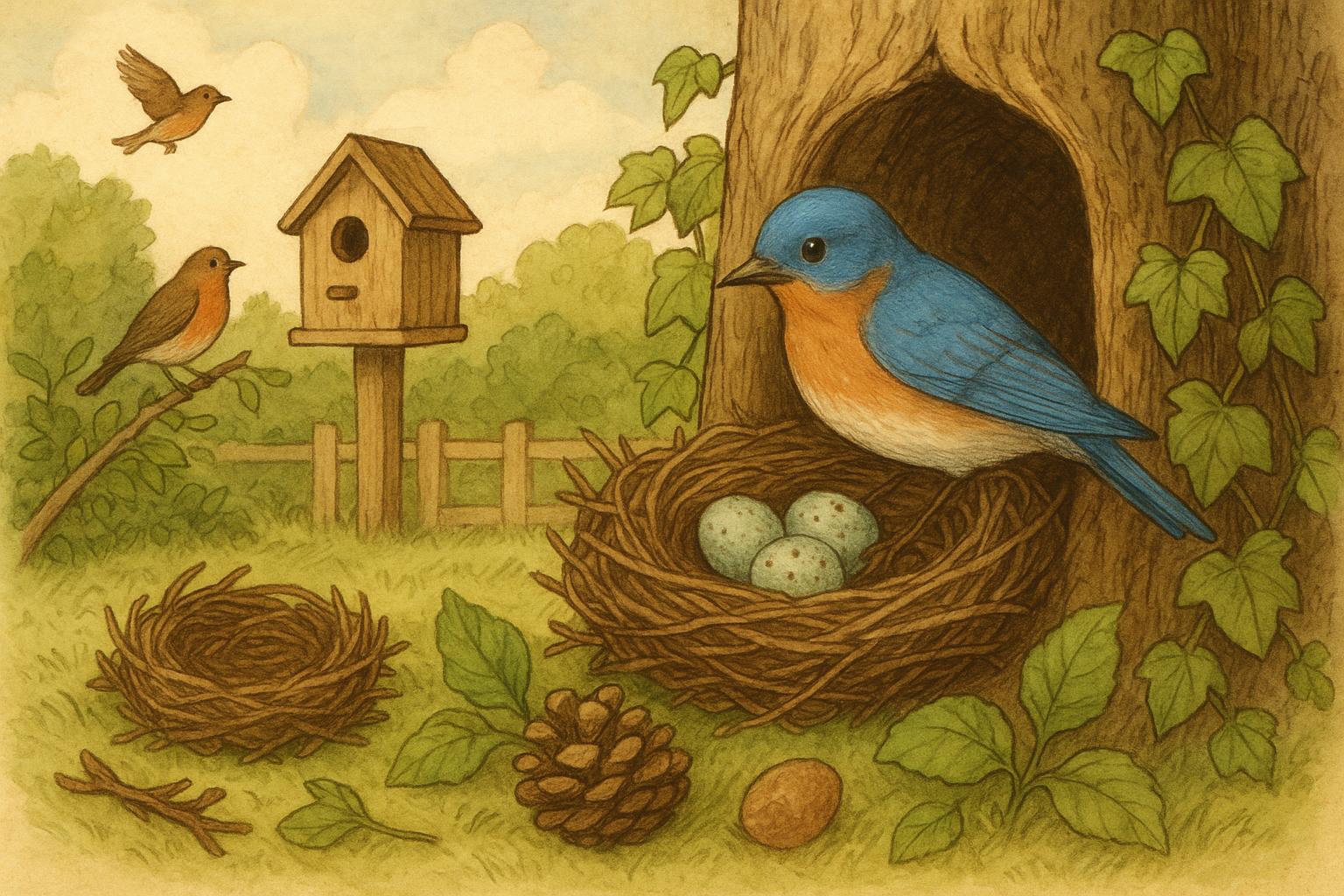
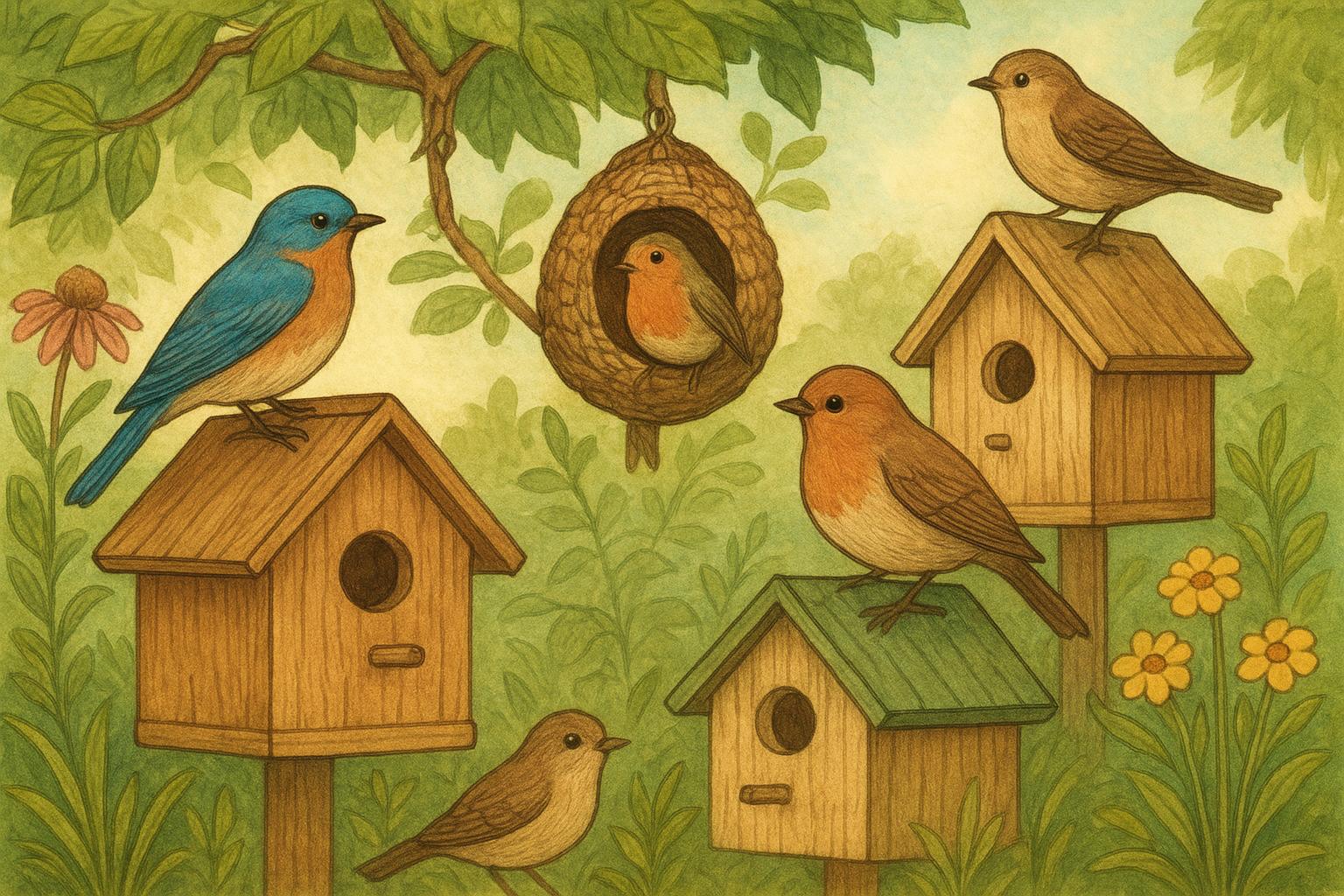
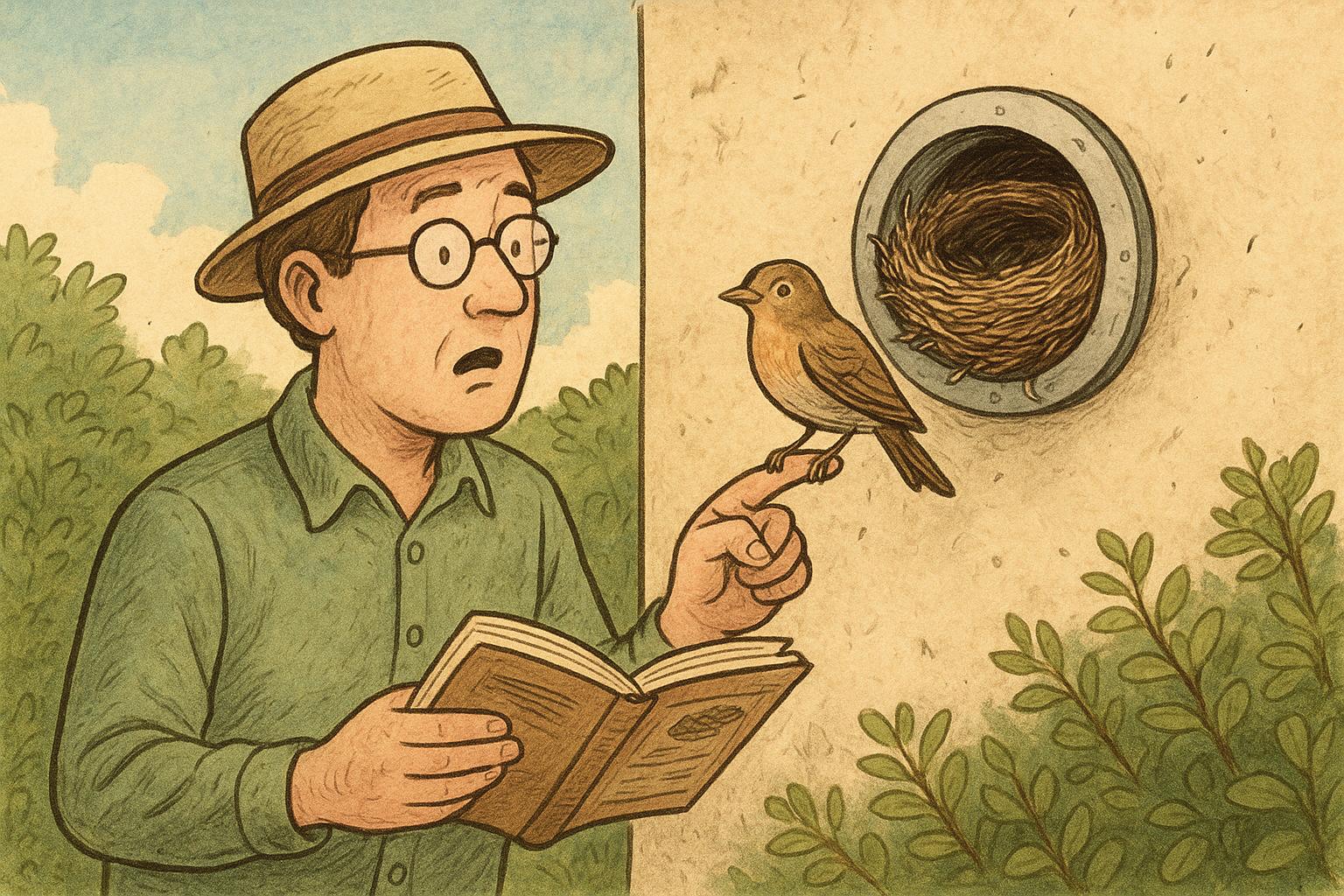
Robins build neat cup-shaped nests from grasses, mud, and twigs. They prefer ledges, tree branches, and sometimes human-made structures. Females do most of the nest construction; both parents feed the young. A classic robin family is a lively scene of beak-to-beak feeding and fledglings practicing maneuvers — the kind of backyard theater that’s both educational and heartwarming.
#### Robins And Your Garden: Friend Or Foe?
The american robin is often considered a gardener’s ally because it devours slugs and many insect pests. However, during berry season, robins can target fruit crops like cherries and blueberries, prompting gardeners to seek humane deterrence strategies. Before you wage war on the robins, remember that population dynamics and food availability are often temporary — a bit of toleration or mild deterrent goes a long way.
## Remedy 1: Attracting And Supporting Nesting Robins (Formal Instructions)
To encourage american robin residency and support successful nesting, follow these materials and steps. The instructions below are intended to be executed with consistency and consideration for local wildlife regulations.
Materials/Ingredients:
– Shallow birdbath or low-profile water feature
– Native berry-producing shrubs (e.g., serviceberry, elderberry, dogwood)
– Organic mulch and pesticide-free soil management supplies
– A small area of short lawn or a turf edge for foraging
– Optional: low, horizontal ledges or open nest platforms placed 6–15 feet high
Step-by-Step Creation and Application:
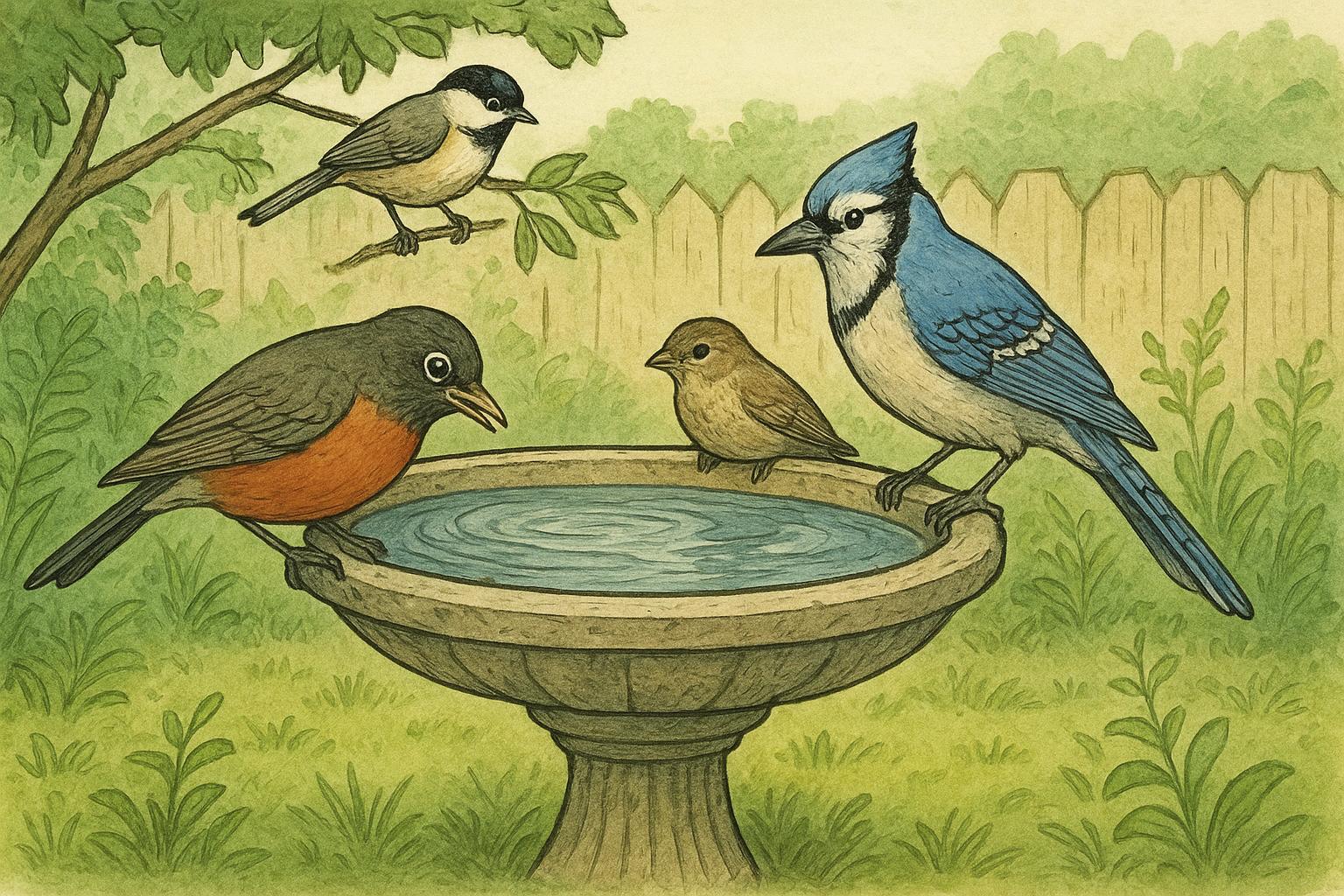
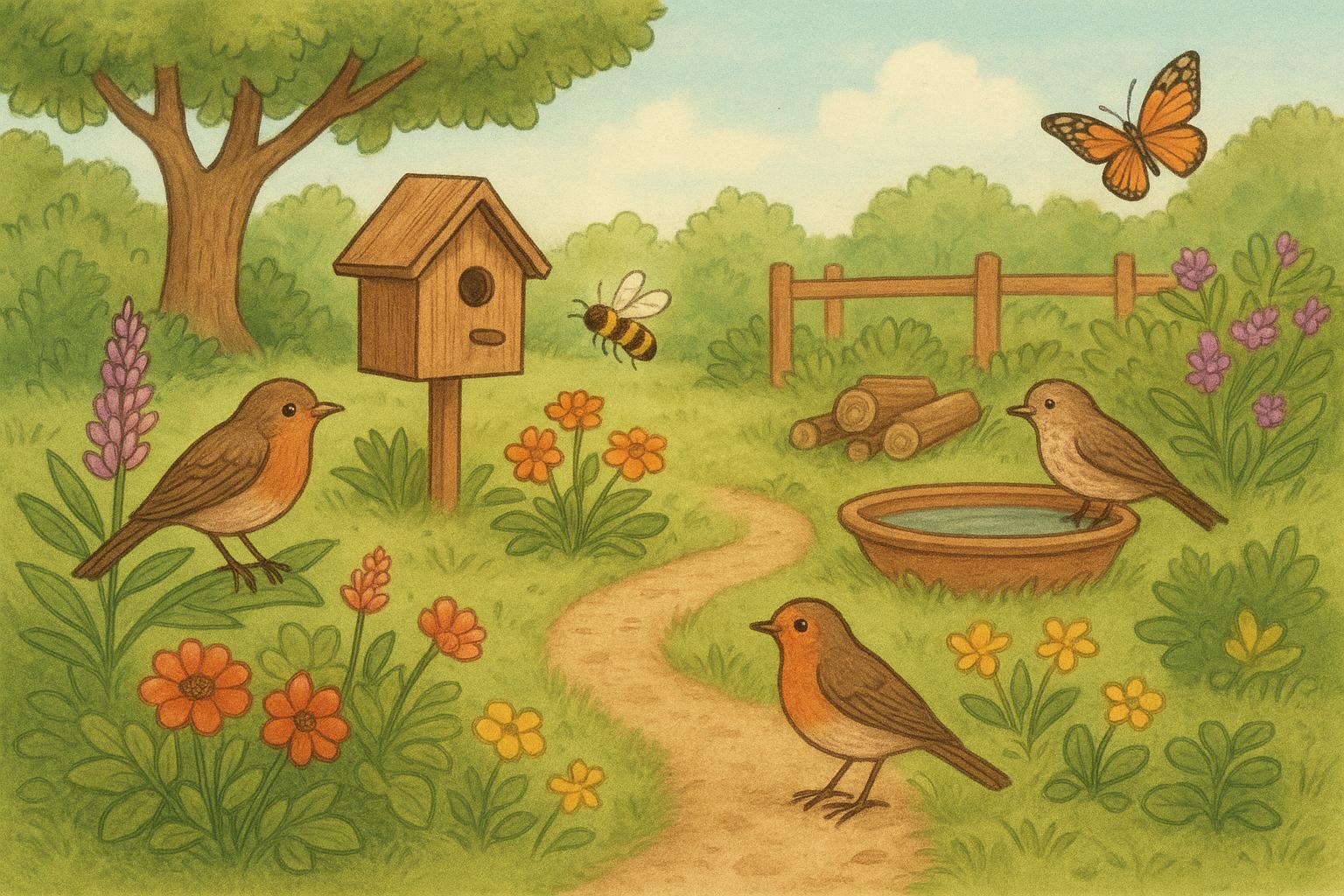
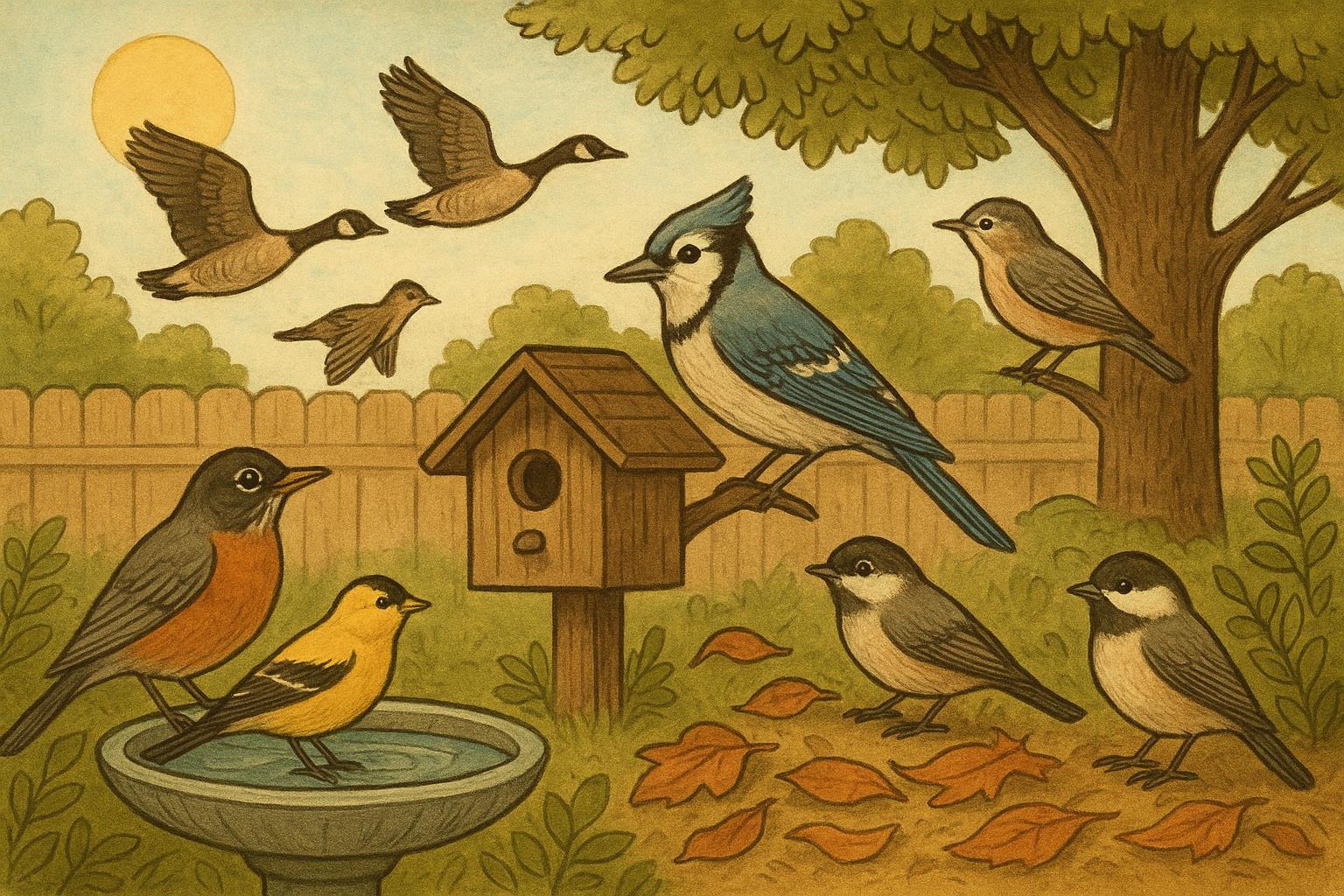
1. Install Water Source: Place a shallow, stable birdbath in a sheltered, visible area. Maintain clean water by refreshing it every 2–3 days; in colder weather, add a heated element if feasible to prevent freezing.
2. Plant Native Fruit Shrubs: Choose at least two types of native berry shrubs that fruit at different times to ensure extended food availability. Plant in groups to mimic natural patches and water until established.
3. Provide Foraging Habitat: Maintain a small, unobstructed lawn edge where robins can hunt for worms. Avoid frequent heavy pesticide applications; adopt organic pest management to preserve invertebrate prey.
4. Offer Nesting Opportunities: Provide open, horizontal ledges or proper nest platforms in partially sheltered locations. Secure any artificial ledges firmly; avoid placing nests against very exposed edges or too close to human traffic.
5. Monitor and Maintain: Inspect water sources and plantings weekly. Remove invasive species that reduce native berry production. If robins begin nesting, minimize disturbance within a 15–20 foot radius during active nesting.
## Remedy 2: Humane Deterrents For Fruit Damage (Formal Instructions)
If american robin feeding is causing significant fruit loss, humane deterrence can reduce damage while preserving local wildlife. The steps below provide non-lethal, effective options with clear materials and procedures.
Materials/Ingredients:
– Bird-netting sized appropriately for fruit trees/bushes
– Lightweight reflective tape or Mylar strips
– Garden stakes and clips for securing netting
– Masking tape or string for temporary visual deterrents
– Berry ripening schedule or harvest plan
Step-by-Step Creation and Application:
1. Install Netting: Cover fruit-bearing plants with bird-netting, ensuring edges are secured with stakes or clips so birds cannot slip underneath. Netting must be taut but not overly stretched; avoid contact that could entangle birds.
2. Add Visual Deterrents: Attach reflective tape or Mylar strips to branches around fruit. Place strips at varying heights and periodically move them to prevent habituation.
3. Apply Temporary Barriers: For small shrubs, use masking tape or bright string woven loosely through branches on a temporary basis while fruit is most vulnerable.
4. Coordinate Harvest Timing: Monitor fruit ripeness and harvest early-maturing varieties sooner to reduce the window of attractiveness. Consider staggered planting to distribute risk across the season.
5. Evaluate And Adjust: Review deterrent effectiveness weekly. Replace or relocate visual deterrents as birds become accustomed. Do not employ methods that harm birds (e.g., glue traps, poison).
### Citizen Science And Backyard Contribution
One of the joys of hosting robins is contributing to science. Reporting sightings to programs like eBird or local breeding bird surveys helps researchers understand trends. Record nesting dates, brood sizes, and timing of migrations; even casual observations are valuable when aggregated.
### Safety And Legal Notes
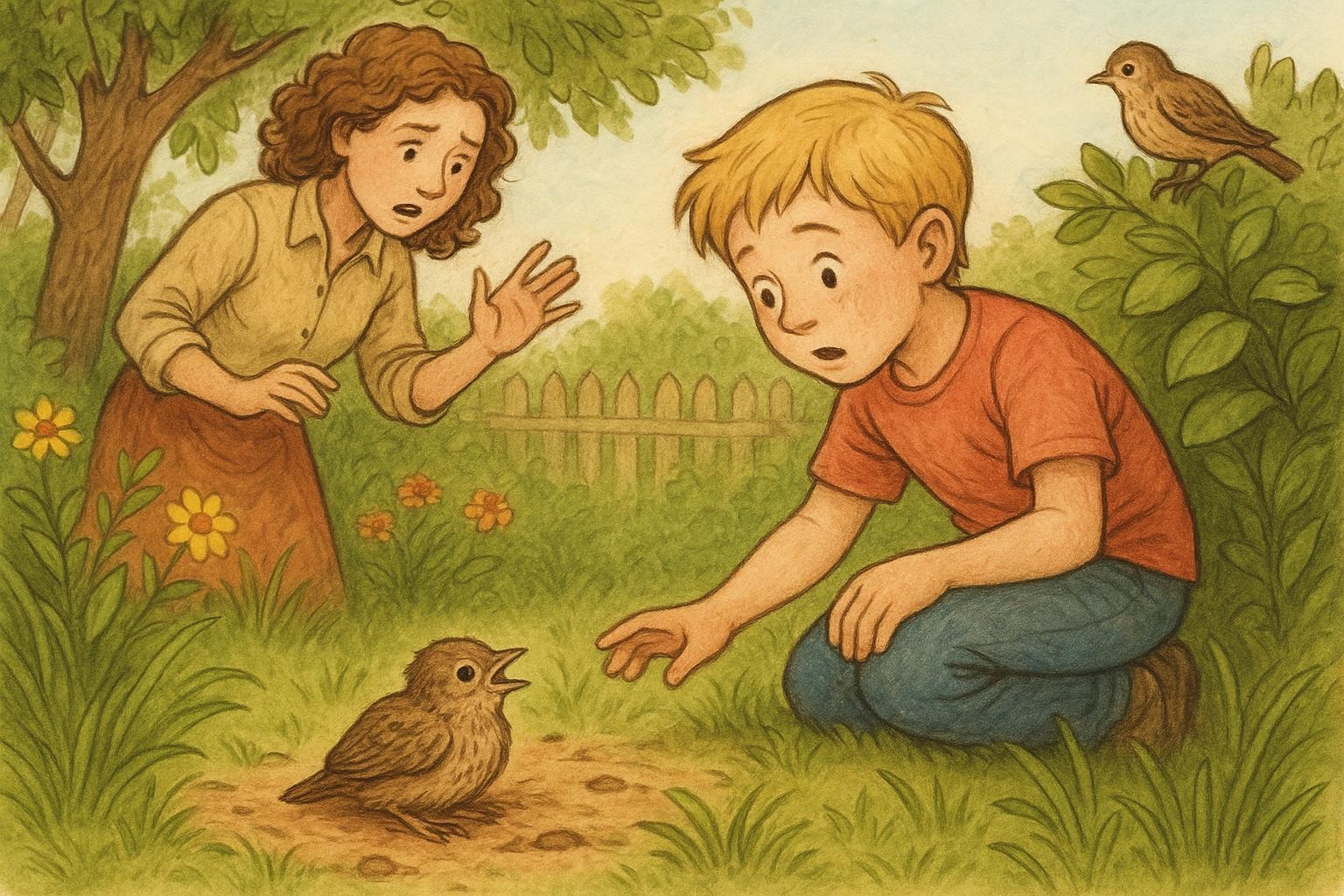
Robins are protected under the Migratory Bird Treaty Act in many regions; it is illegal to disturb active nests or harm the birds. Use only non-lethal management techniques and avoid nest removal during breeding season. If you encounter an injured robin, contact local wildlife rehabilitators rather than attempting home treatment.
## The Social Life Of Robins: A Little Neighborhood Drama
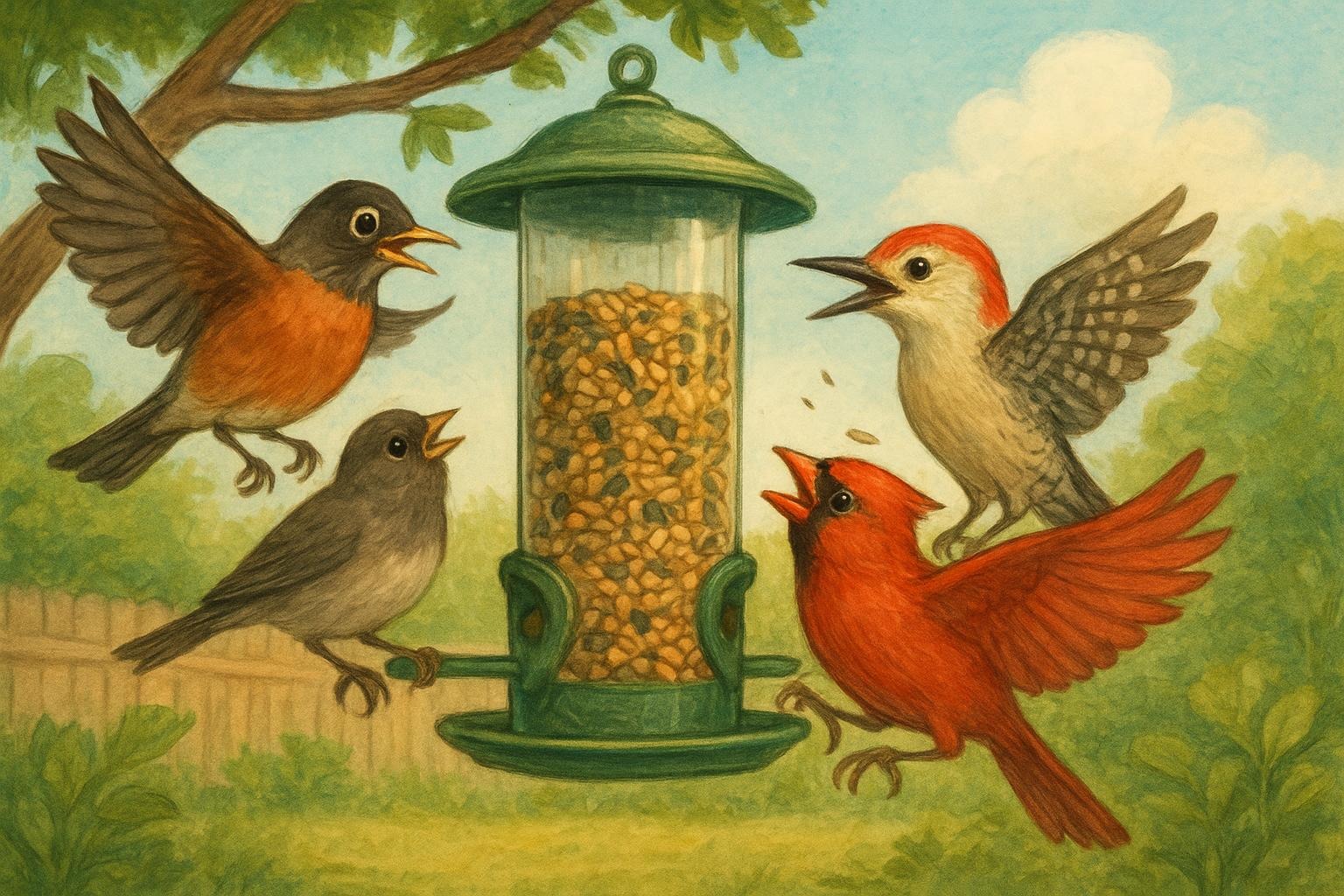
Robins are territorial during breeding season but can be surprisingly tolerant otherwise, forming loose flocks in winter. You might notice communal bathing or competitive shuffling at prime earthworm real estate. It’s theater with a hint of soap-opera rivalry — ideal for casual observation from your porch chair.
### Keeping Cats And Predators In Check
Domestic cats represent a significant threat to ground-foraging birds like robins. Simple measures reduce risk: keep cats indoors during peak bird activity (dawn and dusk), create high perching spaces that allow birds to escape, and install dense shrubbery where fledglings can hide. These steps protect both robins and beloved pets.
#### When To Call The Pros
If you observe multiple dead or injured robins, or suspect an outbreak of disease, notify your state wildlife agency or a licensed rehabilitator. For individual nest issues where legal protection applies, consult local wildlife officials before taking action.
With a little habitat thoughtfulness, a dash of patience, and a willingness to share some lawn space, the american robin can remain your backyard’s showstopper this season. Enjoy the music, the mud-cup artistry, and those worm-retrieval performances — and if you set up a camera, don’t be surprised when your neighbors start asking for front-row tickets.


Leave a Reply