

If a dark, sleek visitor slips between your hostas and compost pile, you don’t need to panic — you just need a friendly roadmap. This guide peels back the scales on common backyard slitherers so you can recognize, respect, and responsibly manage yard snakes without turning your lawn into a wildlife war zone.
## Yard Snakes Unmasked A Shocking Backyard Snakes Guide
Snakes in the yard can inspire anything from fascination to full-on theatrics. The truth is most snakes found in suburban and rural yards are harmless and play useful roles: they control rodents, frogs, and pesky insects. That said, identifying which species is which and knowing how to react are key. Below I’ll walk you through how to tell friend from foe, what attracts them, quick safety tips, and a practical, formal remedy for removing unwanted visitors from discrete areas of your property.
## Common Backyard Visitors And How To Identify Them
### Nonvenomous Species You’ll Thank
Many yard snakes are nonvenomous and easy to identify once you know the cues:
– Garter Snakes: Striped, slender, common near water.
– Rat Snakes: Patterned with blotches, great climbers, often found in barns and sheds.
– King Snakes: Bold banding or speckles, known for eating other snakes.
### Venomous Species To Watch For
Depending on your region you might encounter:
– Rattlesnakes: Distinctive rattle on the tail, triangular head, keeled scales.
– Copperheads: Hourglass-shaped bands across the body, coppery head.
– Cottonmouth/Water Moccasin: Often in or near water; thick-bodied with a blocky head.
### Quick Field Clues
Look for head shape, pupil shape (if you can observe safely), body pattern, and behavior. Size and habitat are also helpful. A shy, fast-moving, thin snake sunning on a rock is more likely to be benign than a coiled, rattling snake in tall grass.
## Why Yard Snakes Hang Around
### The All-You-Can-Eat Buffet Theory
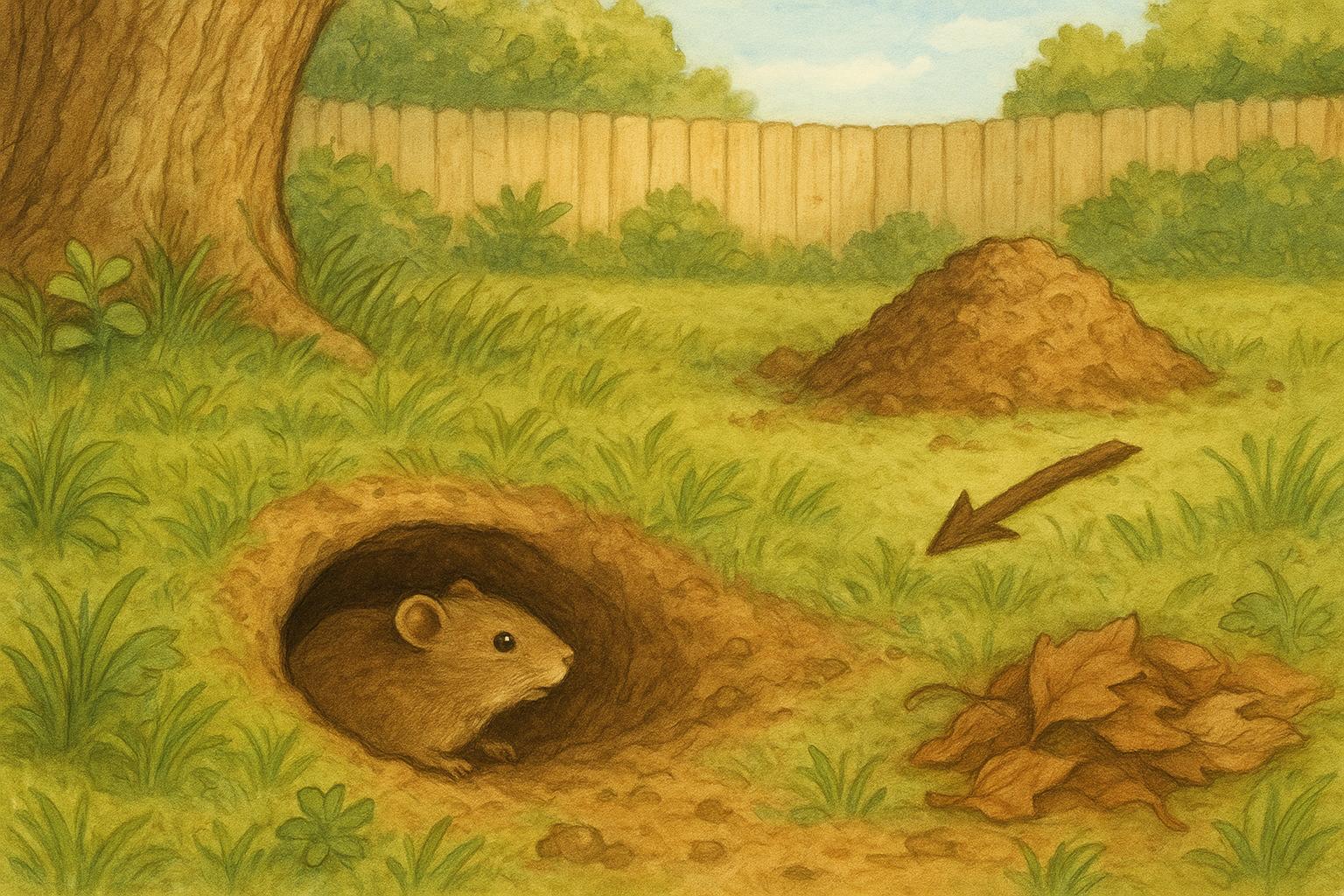
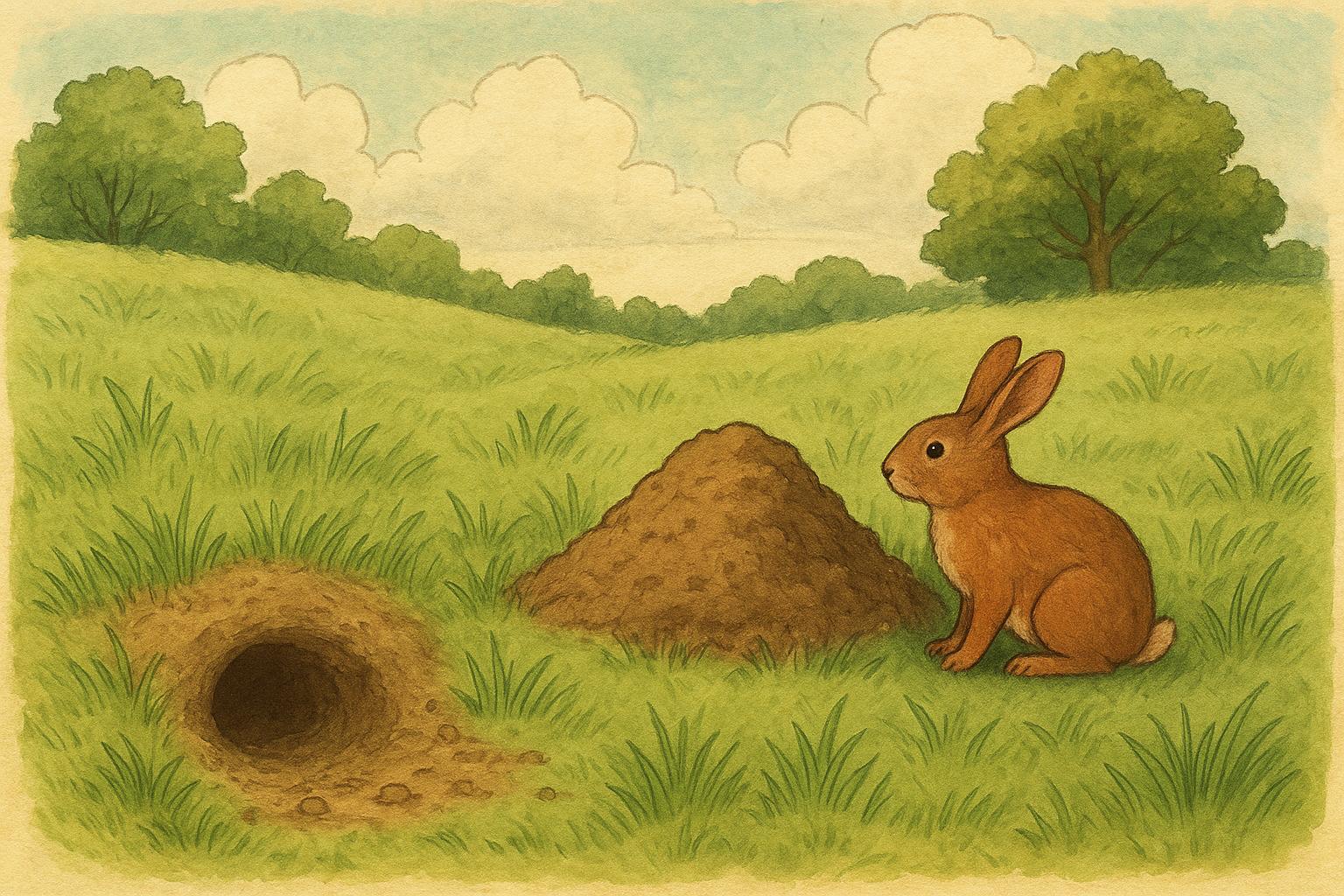
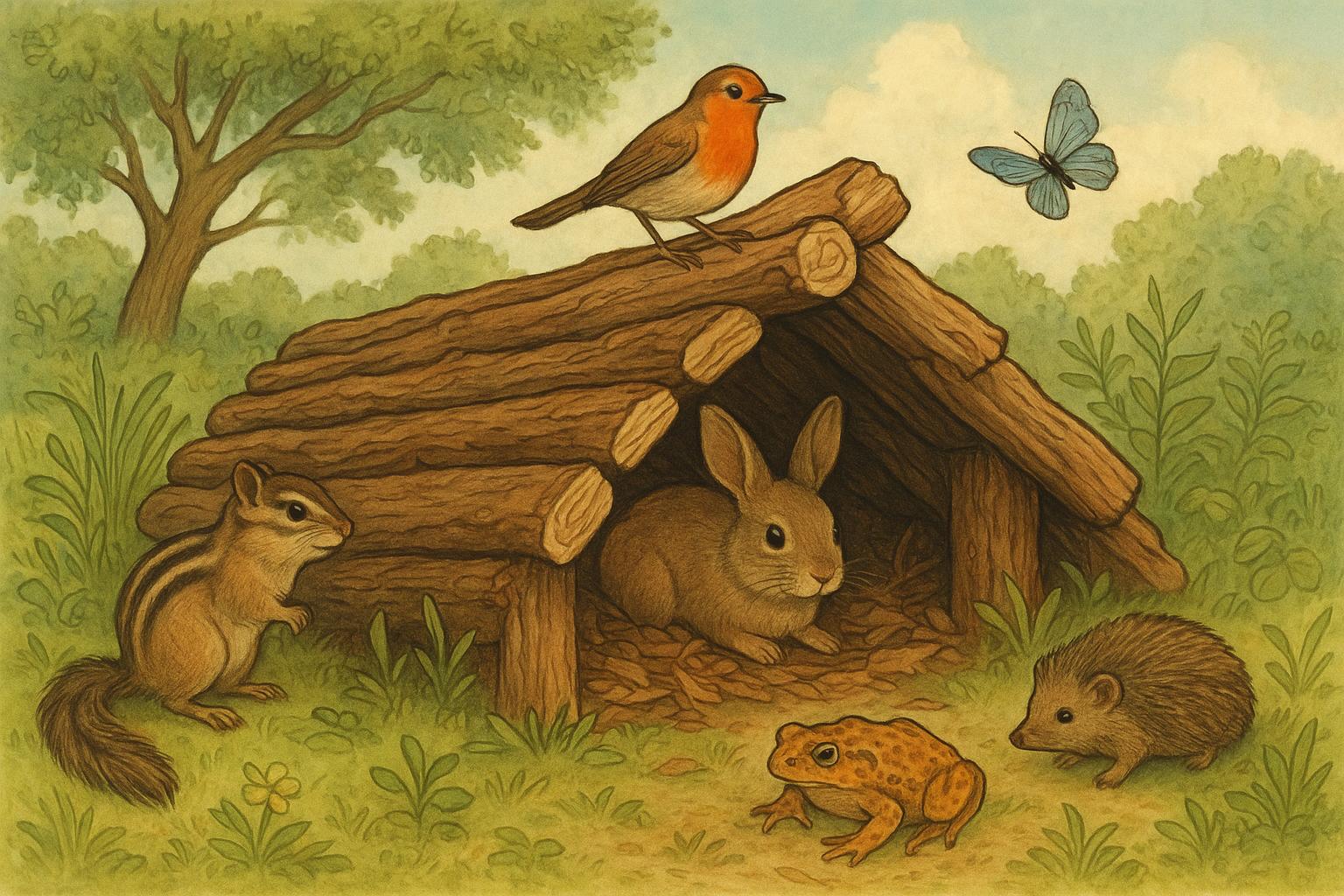
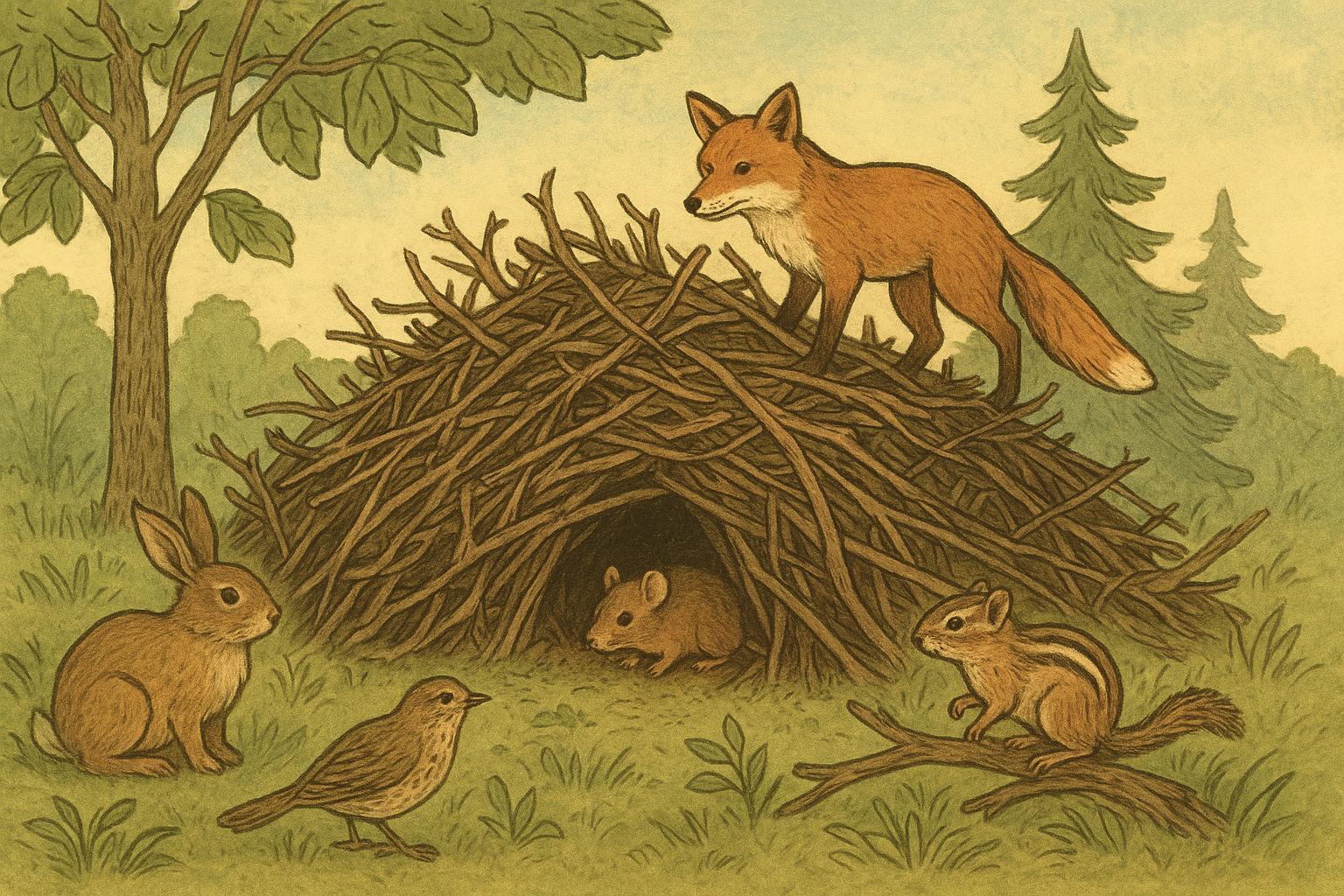
Yard snakes are attracted by food, shelter, and breeding opportunities. Rodents, amphibians, bird eggs, and abundant insect life act like a dinner bell. Stacks of wood, dense mulch, rock piles, and overgrown vegetation serve as shelter.
### Microhabitats That Make A Yard Tempting
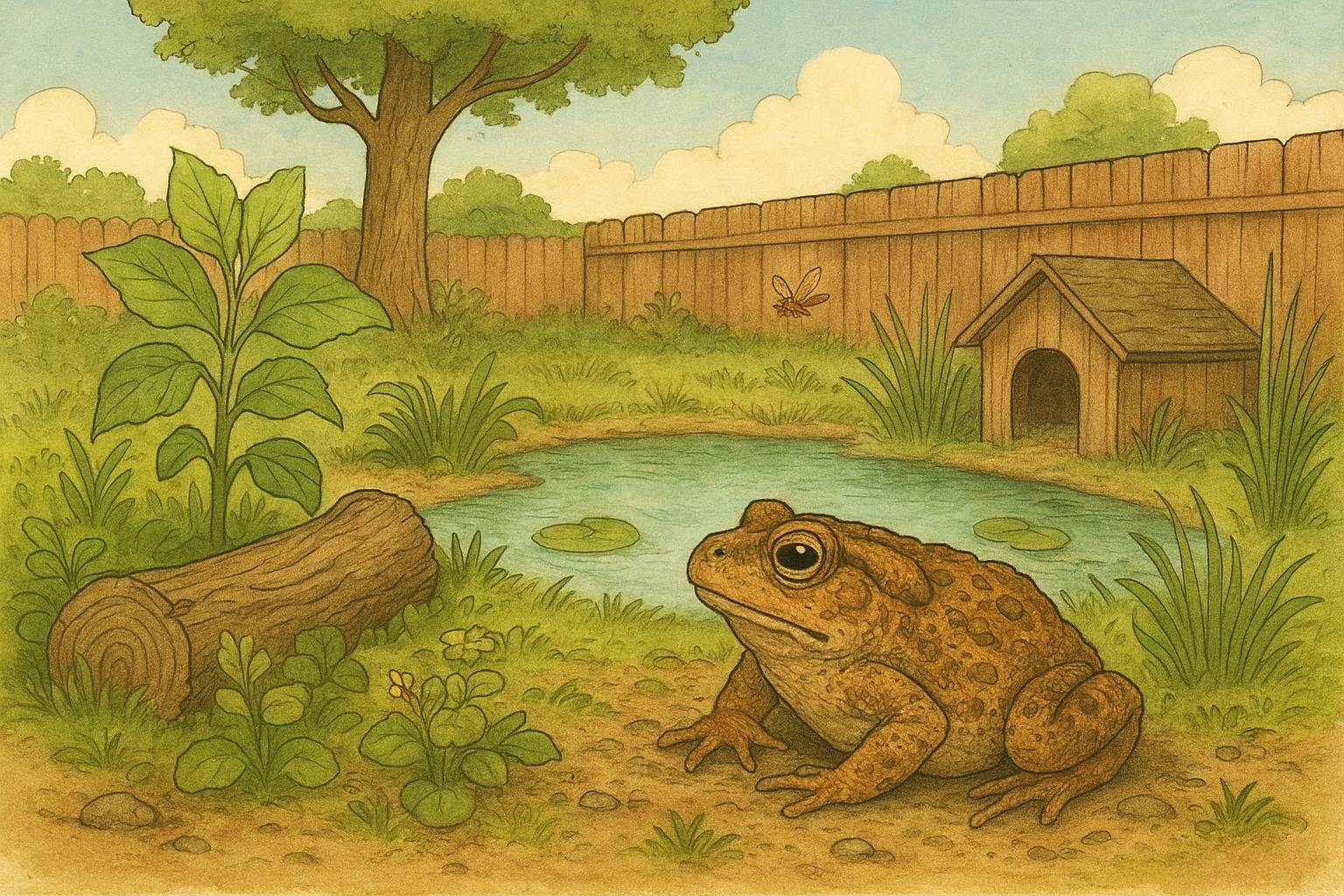
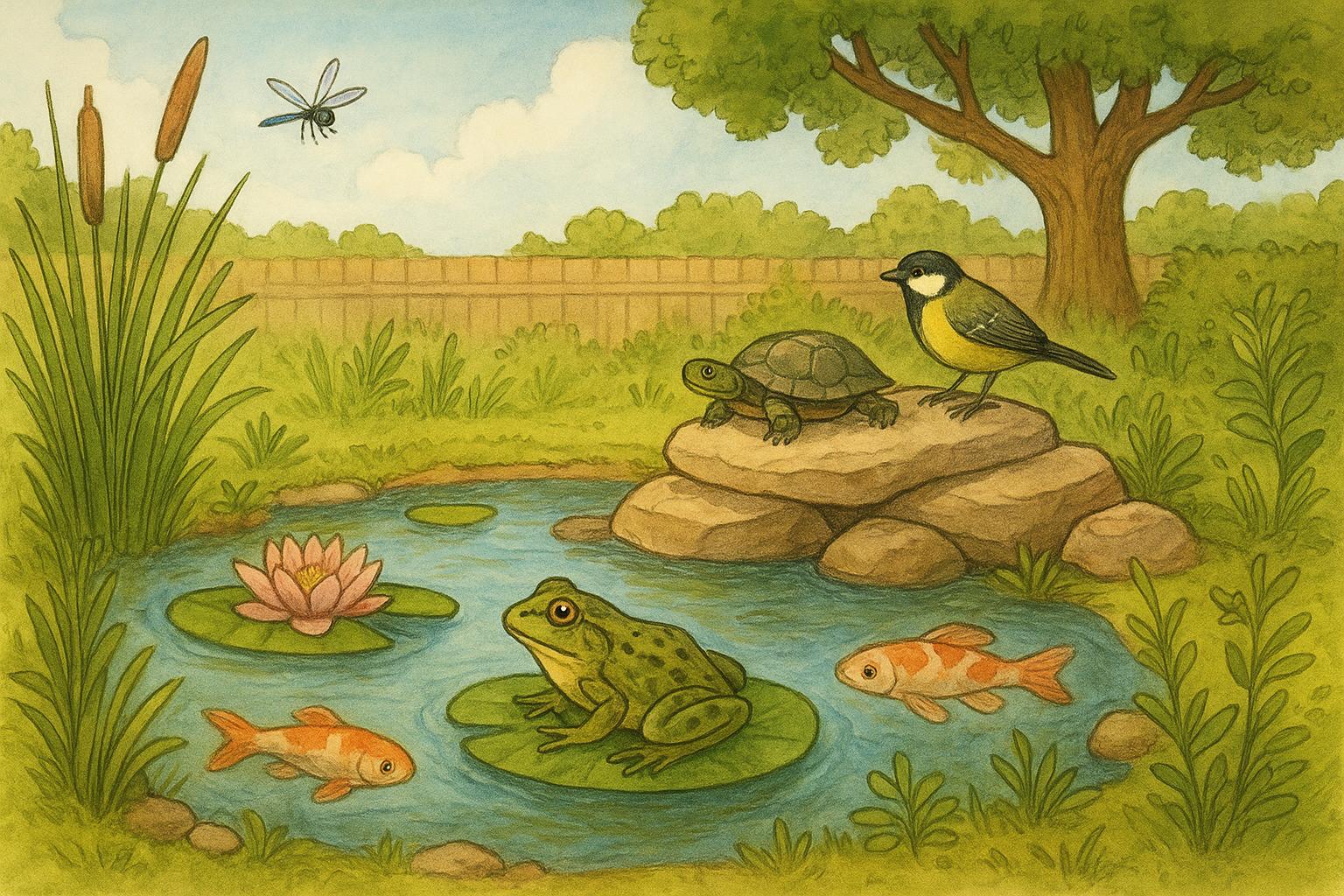
Moist areas, compost heaps, and water features are prime real estate for snakes. Even a neglected corner with tall grass becomes an excellent hunting ground and hiding spot.
## Safety First: What To Do When You See A Snake
– Keep calm and give it space. Most snakes prefer to avoid humans and will leave if allowed.
– If the snake is stationary or coiled, back up slowly and observe from a safe distance.
– Keep children and pets inside until the snake moves on.
– Photograph from a distance for identification if safe to do so; a clear image can help a local wildlife agency advise you.
## Yard Snakes: Safe Yard Snake Removal (A Formal Remedy)
When a snake is in a place where it poses a recurring risk — such as inside a frequently used shed, greenhouse, or under a deck — a systematic removal and exclusion approach is warranted. This remedy is intended for non-professionals who want to address a chronic issue without harm to the animal. If you suspect a venomous snake or are uncomfortable at any step, contact licensed wildlife control.
#### Materials Required
– Sturdy gloves (leather or cut-resistant)
– Long-handled snake hook or rake (commercial or sturdy garden tool with a hooked end)
– Snake grabber or snake tongs (optional but recommended)
– Thick plastic bins with secure lids (for temporary containment)
– Heavy gauge hardware cloth (mesh no larger than 1/4 inch)
– Galvanized screws and washers
– Weatherproof sealant or polyurethane caulk
– Shovel and landscape rake
– Exterior-grade door sweep and weatherstripping
– Flashlight or headlamp with strong beam
– Personal protective equipment: boots, long pants
#### Step-By-Step Removal And Exclusion Procedure
1. Assess And Observe: From a safe distance, note the snake’s location and behavior. If it’s venomous or if you’re unsure, stop and call a professional. If nonvenomous and accessible, proceed with caution.
2. Prepare Containment: Place the plastic bin nearby with the lid ready. Put on your gloves and protective clothing. Have your hook, tongs, and flashlight at hand.
3. Approach With Care: Using the rake or snake hook, gently encourage the snake into a corner or toward an open bin. Move slowly to reduce stress on the animal. Do not attempt to grab snakes barehanded.
4. Contain Without Harm: If the snake enters the bin, gently tip the lid on and secure it. If you use tongs, hold the snake near the mid-body — not the head — and guide it into the container.
5. Transport And Release: If local regulations allow, transport the snake to suitable habitat away from residential areas (a minimum of several miles from your property is often recommended; check local wildlife guidelines). Release during daylight in a safe, vegetated area. For venomous snakes, do not attempt relocation; contact authorities.
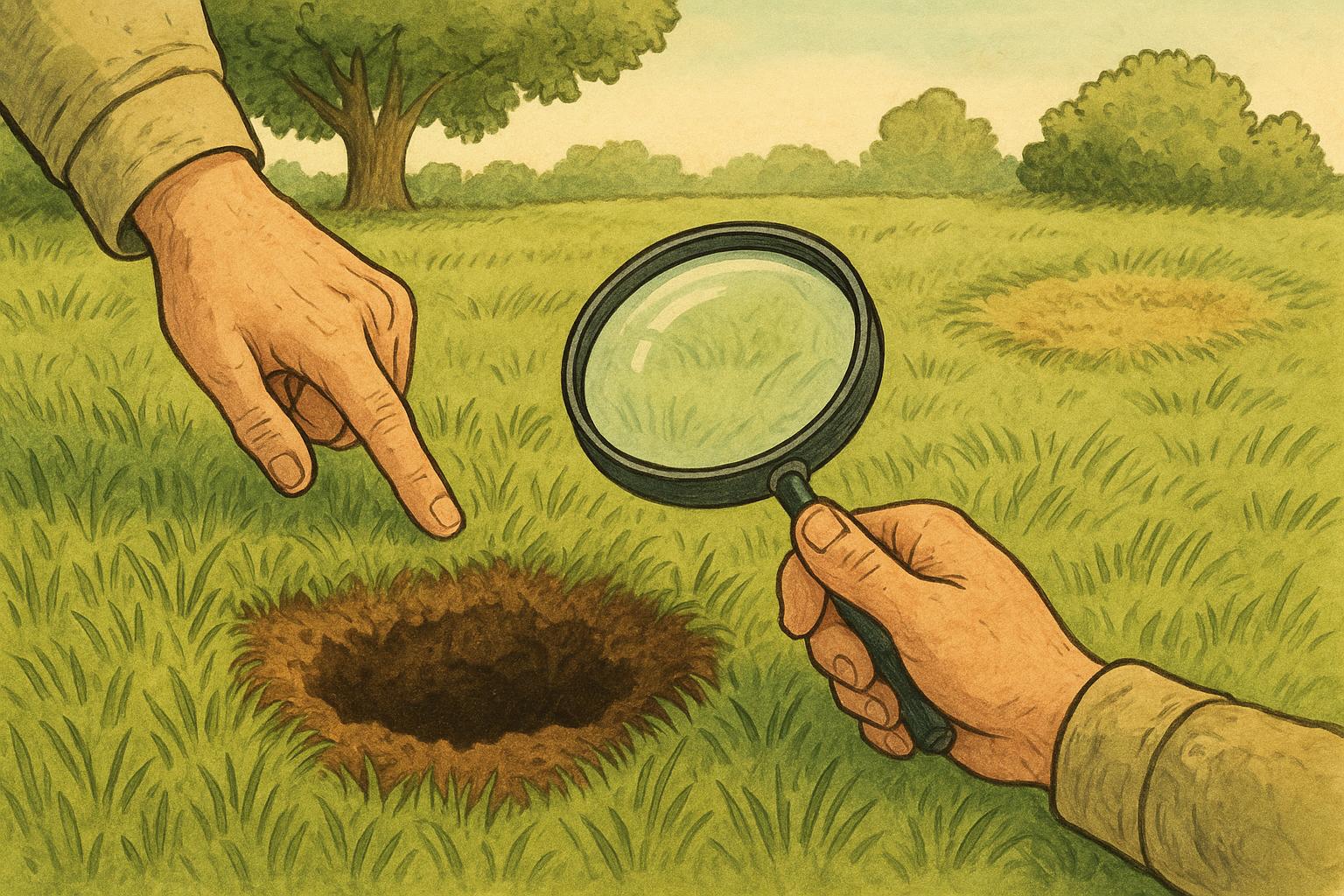
6. Inspect And Identify Entry Points: Walk your yard and structure perimeter. Look for gaps under doors, vents, holes in foundations, and loose siding.
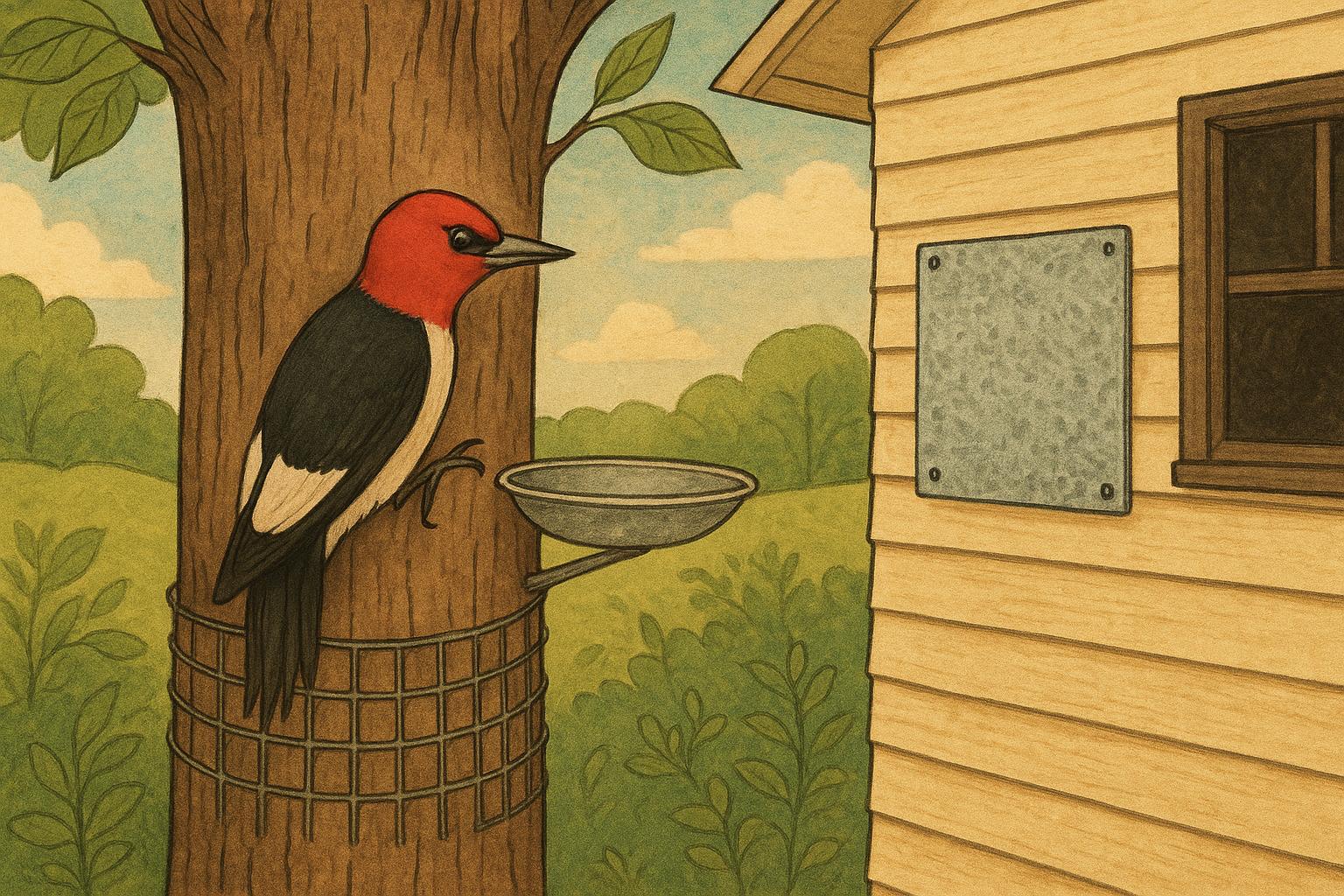
7. Seal And Repair: Use hardware cloth to cover holes and vents, fastening with screws and washers. Install door sweeps and apply sealant to small gaps. For larger openings under decks or porches, bury the bottom of the hardware cloth 4–6 inches into the soil to prevent burrowing entry.
8. Remove Attractants: Store firewood off the ground and away from the house. Keep compost bins sealed and maintain tidy, low vegetation near foundations. Eliminate rodent harborage by securing trash and cleaning up fallen fruit or seed.
9. Maintain And Monitor: Inspect repairs seasonally and after storms. If snakes continue to appear in the same spot, consider camera monitoring or consult a professional to assess for a den or ecological reason drawing them unusually close.
## Humane Yard Management Techniques
### Landscaping Choices That Help
Choose low groundcover near foundations, prune dense shrubs that create dark hiding spots, and keep grass trimmed. Rocks and stacked materials should be organized and elevated on racks. These small changes reduce the hiding spots that make your yard appealing to snakes.
### Pet Safety Practices
Keep pets supervised, especially in tall grass or near woodpiles. Train dogs to avoid snake-prone areas when possible and maintain clean feeding areas to avoid attracting rodents.
### When Repellents Are (And Aren’t) Useful
Commercial snake repellents vary in efficacy and can be environmentally damaging. Most experts recommend habitat modification and exclusion over chemical repellents. If you use any repellent, follow label instructions and prioritize products approved for safe use in residential settings.
## Myth-Busting For Backyard Peace Of Mind
### “All Snakes Are Aggressive”
False. Most snakes are shy and strike only when threatened. The “aggression” often seen is defensive behavior when they feel cornered.
### “You Can Tell Venomous Snakes By Color”
Not reliably. Coloration varies regionally and can be misleading. Use head shape, behavior, and professional identification instead.
### “Killing A Snake Solves The Problem”
Short-term it removes one animal, but it doesn’t address food sources or shelter that attracted it. Plus, many states have protections for native species.
## When To Call The Pros
If you encounter a den, a repeated presence of venomous snakes, or a situation beyond your comfort level, contact licensed wildlife control. Professionals can safely remove venomous species, perform exclusion work to code, and advise on long-term preventive measures tailored to your property.
## Keeping Your Garden Friendly For All
A yard that welcomes birds and butterflies can also become a thoughtful habitat for snakes — ideally in low-traffic zones where they do their good work. With clear identification, practical exclusion, and humane removal steps when necessary, you can coexist with the slithery neighbors while keeping your family safe and your lawn rodent-free.




























Leave a Reply