

There’s something about a grey blur zipping along a fence and performing aerial acrobatics on a bird feeder that keeps many of us entertained — or mildly exasperated. Whether you love them for their cheeky personalities or want them politely relocated from atop your prized deck planters, these little mammals are ubiquitous in backyards across the continent. Below are practical, friendly, and evidence-based squirrel facts to help you understand, appreciate, and manage the local squirrel population.
## Squirrel Facts You Should Know
Squirrels are more than just fur and frenetic energy. Here are the core squirrel facts that will change how you see those bushy tails:
– Most backyard visitors are tree squirrels (Sciuridae family), commonly the Eastern grey, Fox, or Red squirrel depending on your region. Their adaptability is one of the top squirrel facts — they thrive where there’s food, shelter, and safety from predators.
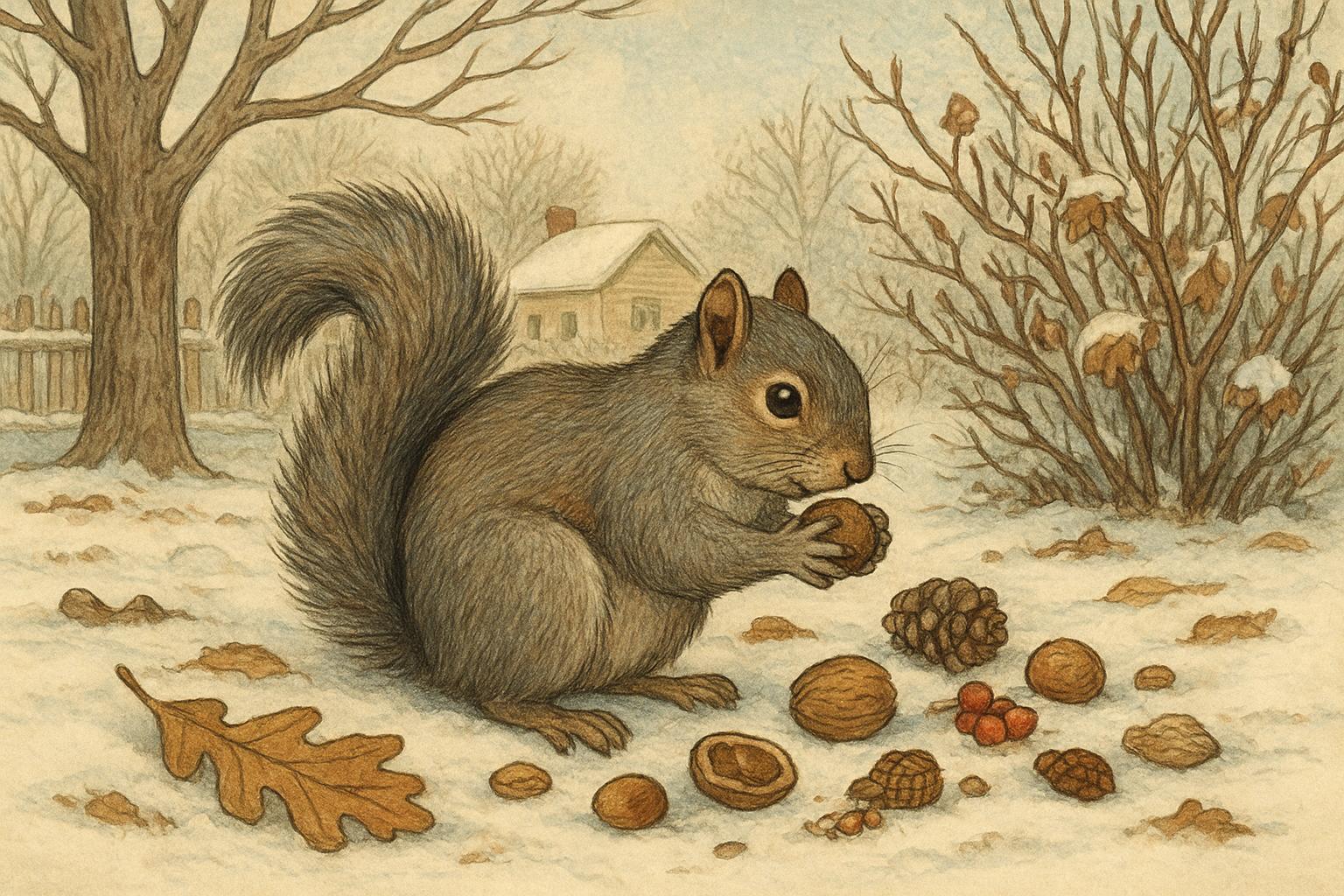
– Squirrels have remarkable spatial memory and use both memory and scent cues to find caches. A common squirrel fact: they forget many of their caches, which helps trees regenerate.
– Reproductive cycles vary by species and climate; many have two litters per year in temperate zones. Knowing this helps explain sudden population surges — another useful squirrel fact.
– Their teeth never stop growing, so they gnaw constantly on wood, hard-shelled seeds, or whatever’s handy to keep enamel in check — a classic squirrel fact that explains chewing damage.
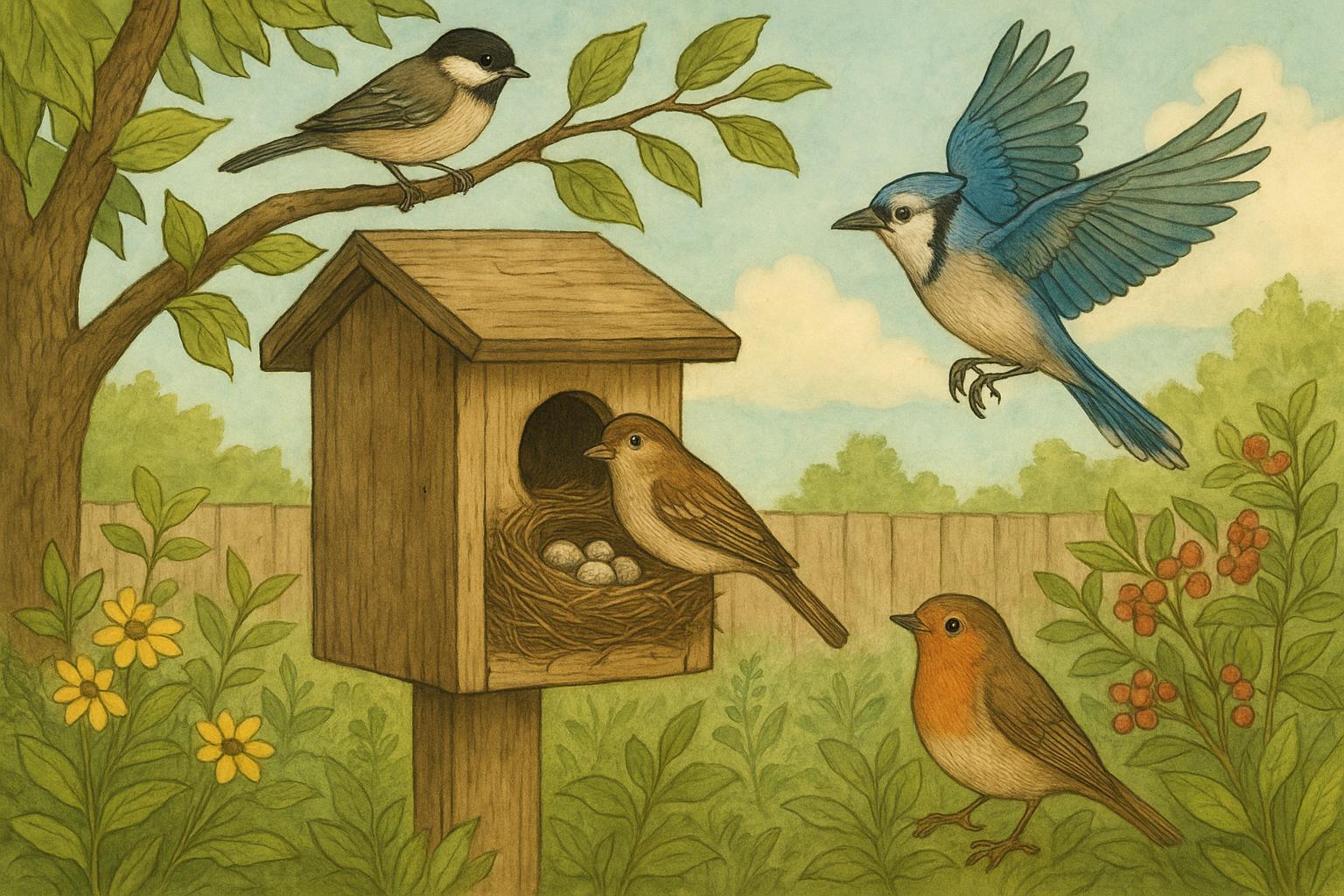
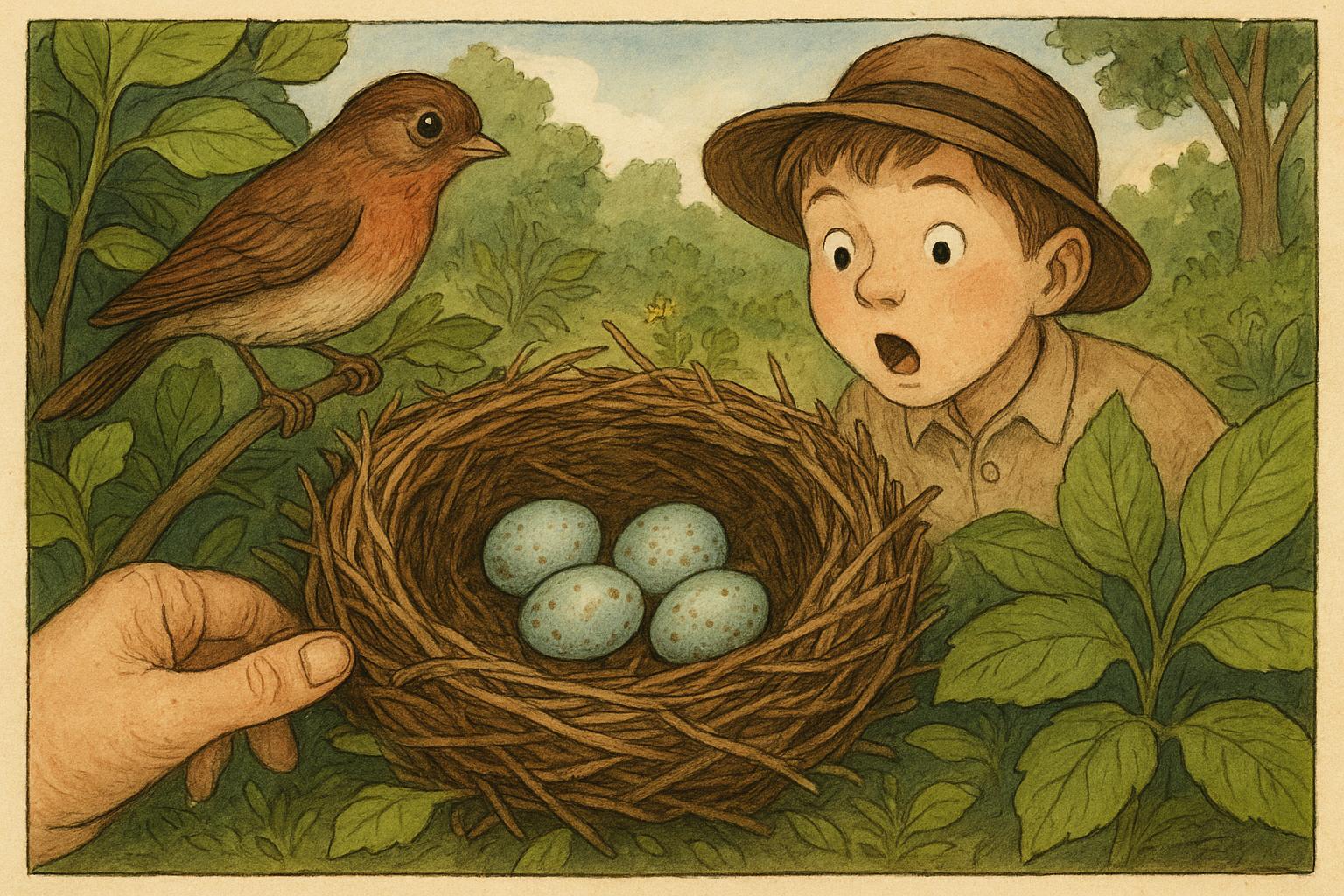
– Squirrels are opportunistic omnivores; while nuts and seeds are favorites, they’ll happily sample fruit, buds, insects, and occasionally bird eggs or nestlings.
## Identification And Behavior
Spotting which species is in your yard and interpreting their behaviors will make coexistence simpler and more enjoyable.
### Body Size And Coat
Eastern grey squirrels are generally larger and grey with white bellies; fox squirrels are rusty-orange and bulkier; red squirrels are smaller and have a more rufous coat. Color and ear tufts can be helpful identification markers.
### Vocalizations And Social Cues
Squirrels have an array of chatters, barks, and tail signals used to communicate danger or claim territory. A flicking tail can mean agitation; repeated alarm barks often signal a nearby predator.
### Habitat Choices
Squirrels choose nesting sites (dreys) in tree cavities or leaf nests high off the ground. They prefer mixed woodlands but adapt to urban parks and well-vegetated yards. These are all practical squirrel facts when planning habitat modifications.
## Feeding, Food Preferences And Risks
Feeding wildlife can be rewarding, but it also carries responsibilities. Here are important squirrel facts about diet and how to minimize problems.
– Preferred foods: acorns, walnuts, hickory nuts, sunflower seeds, corn, and some fruits. Squirrels also scavenge.
– Human food like bread, processed snacks, and salty items are poor nutrition and can attract unhealthy densities of animals.
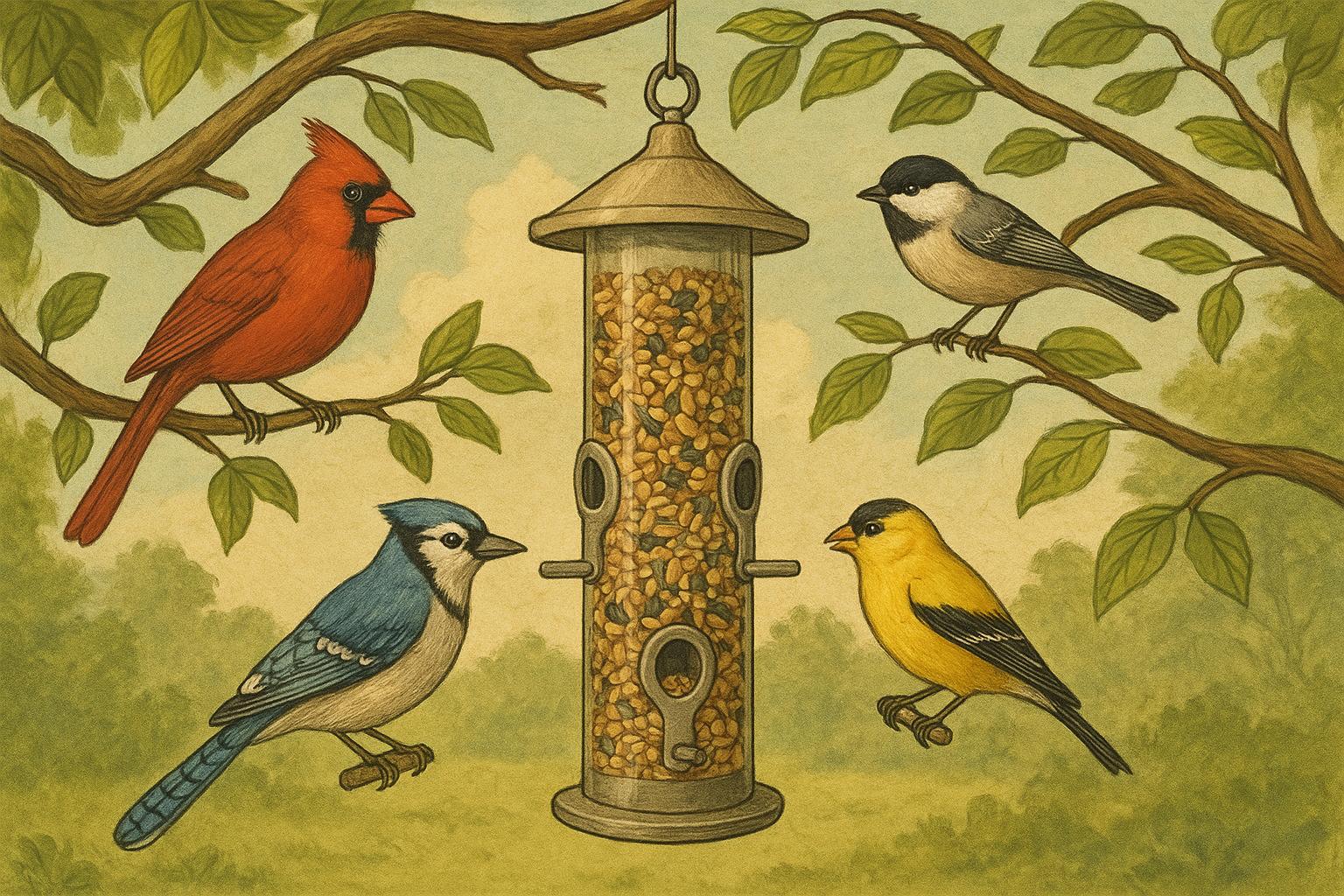
– Bird feeders easily become squirrel buffets. Understanding this is a pivotal squirrel fact when solving feeder raiding.
## Practical Solutions For Feeder Raiding And Property Damage
Managing squirrels humanely and effectively involves preventive measures, exclusion, and habitat adjustments. Below are two vetted remedies. The instructions are presented clearly and formally; follow them as written for best results.
### Remedy 1: Squirrel-Proof Bird Feeder (Numbered)
This remedy reduces squirrel access to bird seed while allowing birds to feed uninterrupted.
#### Materials
– Weight-activated bird feeder or a cage-style feeder (commercially available)
– Sturdy hanging pole with a baffle (metal or heavy-duty plastic)
– 3–4 foot smooth metal pole sleeve (optional for pole-mounted feeders)
– Cable ties and locking clips (for securing the feeder)
– Safety gloves and ladder (if installation requires height)
#### Steps
1. Select a weight-activated feeder designed to close ports under a squirrel’s weight, or choose a cage feeder with openings sized for songbirds only.
2. Mount the feeder on a pole at least 5–6 feet from launching points (trees, fences, roofs). For pole-mounted feeders use a smooth metal pole or add a metal sleeve to prevent climbing.
3. Install a baffle above or below the feeder according to manufacturer instructions. Ensure the baffle extends at least 18 inches in diameter to block access.
4. Secure the feeder and hardware with locking clips or cable ties to prevent clever chewers from dismantling components.
5. Monitor the feeder for two weeks. Adjust height and baffle position if squirrels still reach the feeder: increase distance from launch points and ensure no overhanging branches are within 8–10 feet.
6. Maintain clean feeding practices: remove spilled seed promptly and avoid filling feeders excessively to reduce attraction.
### Remedy 2: Repellent Planting And Habitat Modification (Numbered)
This remedy uses landscape design to discourage squirrels from specific areas without harming them.
#### Materials
– Native, unpalatable plant species (e.g., daffodils, alliums, fritillaria for bulbs)
– Hardware cloth or mesh (for bulb protection)
– Mulch and soil amendments
– Hand tools (trowel, gloves, shovel)
– Tree guards (spiral guards or metal flashing)
#### Steps
1. Identify high-priority zones (vegetable beds, bulb gardens, new plantings) and mark them for protection.
2. Plant bulbs that squirrels tend to avoid (daffodils, alliums) in places where you want visual appeal and reduced digging.
3. Install hardware cloth 3–4 inches below and around new plant beds to deter digging. Lay the cloth before backfilling and cut planting holes only where needed.
4. Use tree guards on young trees: wrap trunk guards starting 6–12 inches above ground, extending up 2–3 feet to prevent climbing and bark stripping.
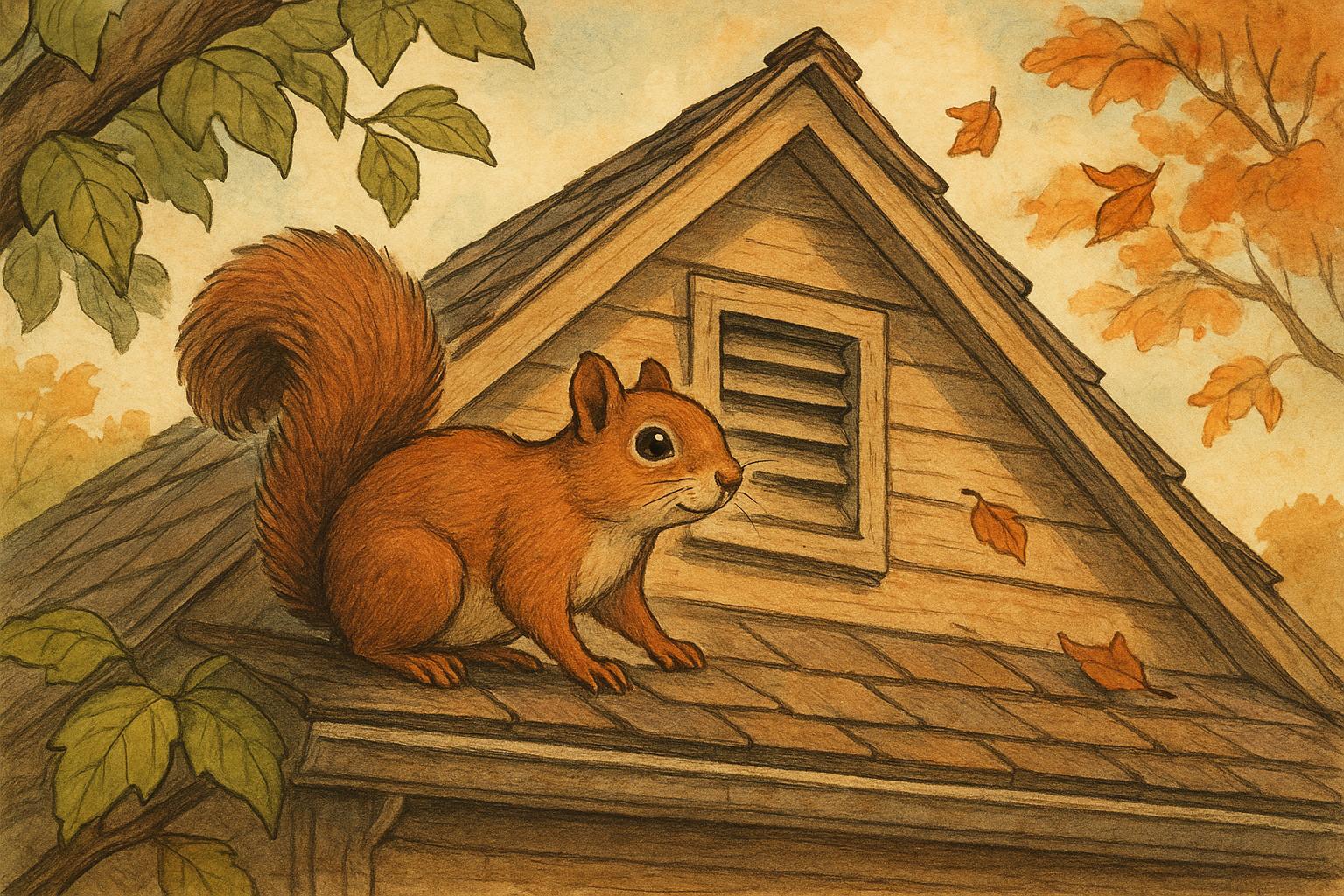
5. Reduce shelter and attraction by trimming lower branches, sealing attic or eave gaps, and storing pet food and compost in squirrel-proof containers.
6. Evaluate changes seasonally and adjust plantings and barriers as necessary.
## Health, Safety, And Legal Notes
Squirrels can carry fleas, ticks, and in rare cases, diseases transmissible to pets or humans. Handling live wildlife isn’t recommended for untrained individuals. Consult local wildlife control for relocation; many areas have specific regulations. These are critical squirrel facts for responsible stewardship of your yard.
### When To Call A Professional
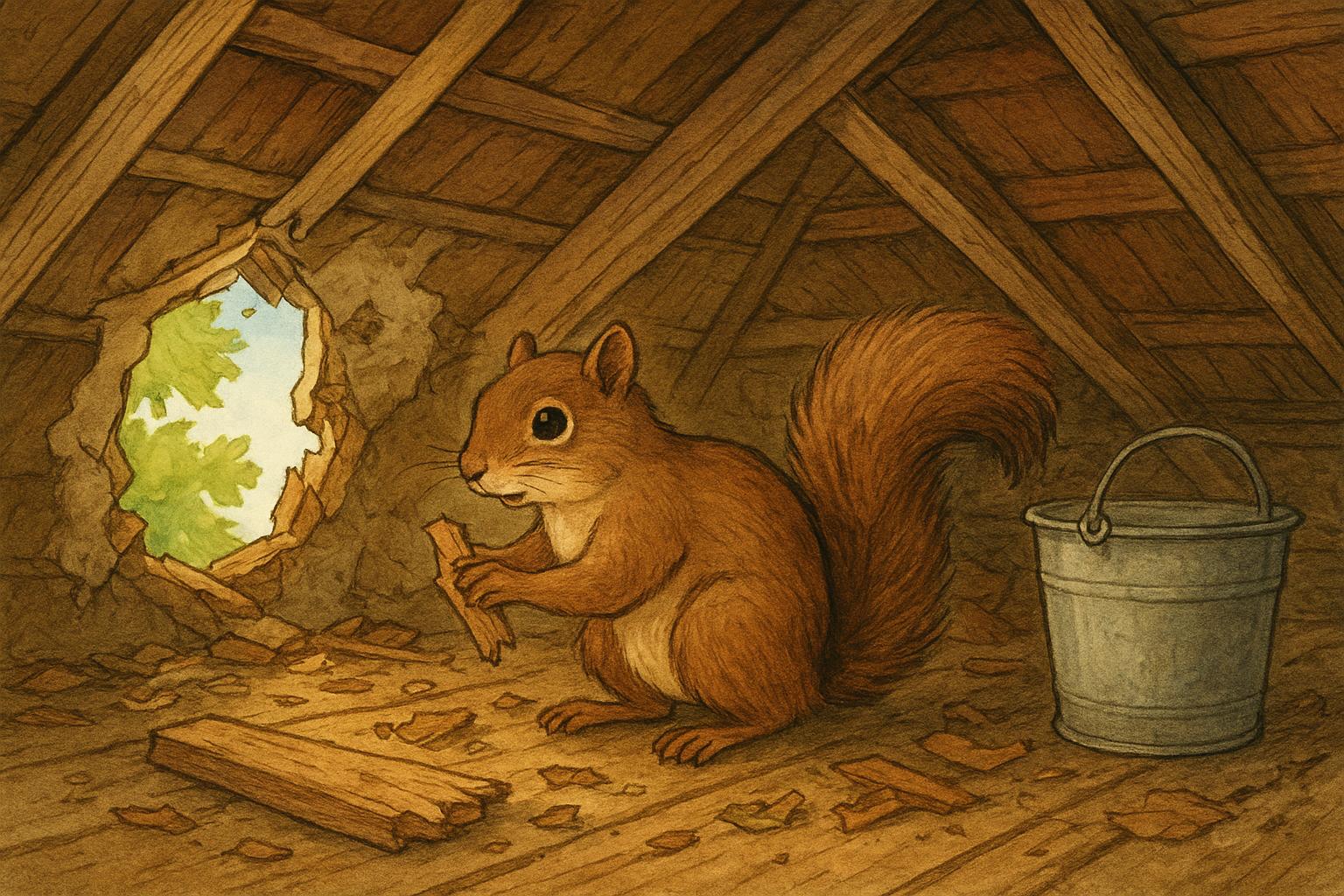
If squirrels are nesting in attics, causing structural damage, or showing signs of unusual behavior (disorientation, lack of fear), contact a licensed wildlife rehabilitator or pest control firm. Professionals can humanely evict animals, repair entry points, and advise on long-term prevention.
## Coexisting With Squirrels
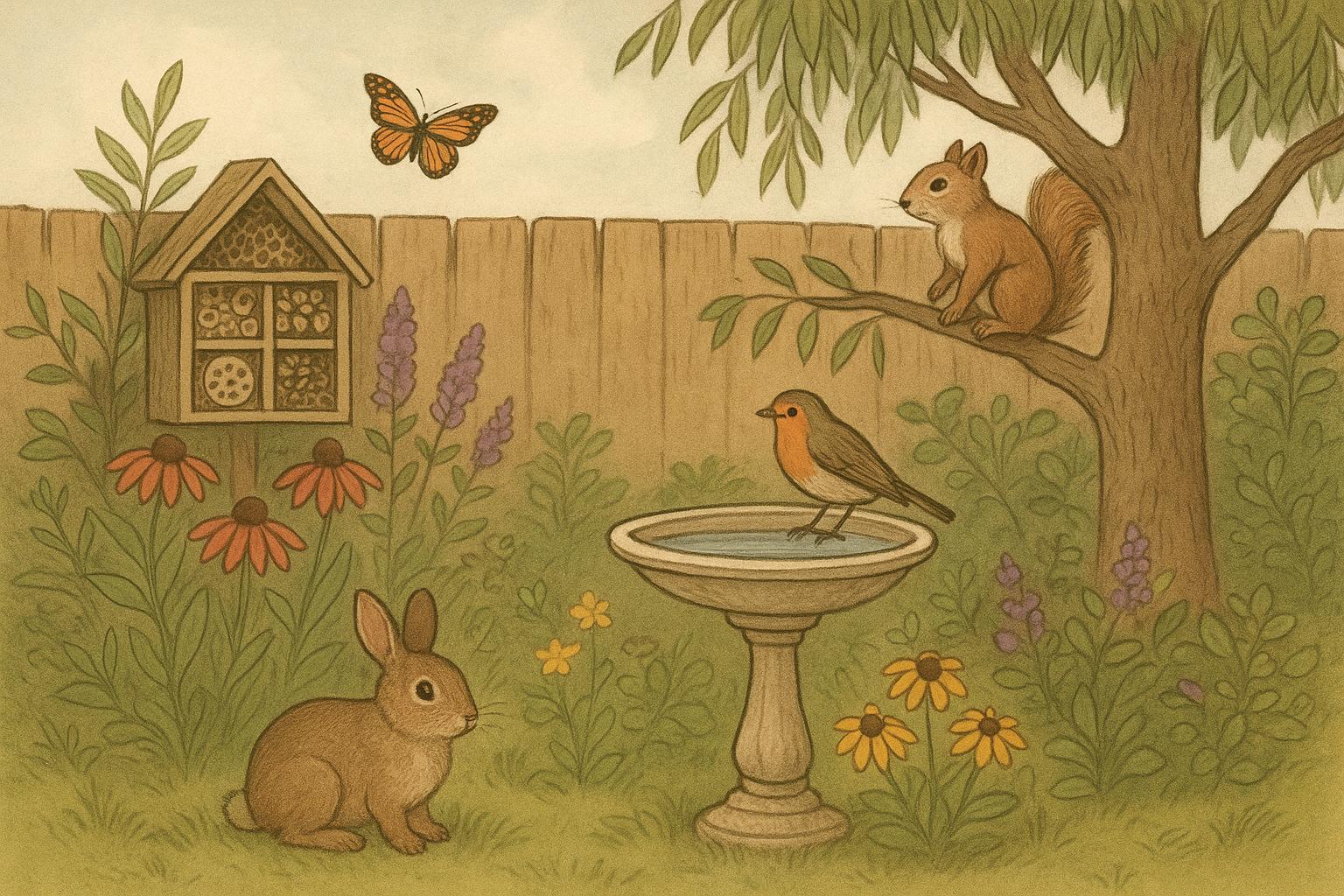
If you want to encourage squirrels at a distance, consider designating a specific feeding station away from sensitive work. Plant native mast-producing trees (oak, hickory, walnut) to provide natural food sources — this supports squirrels and local biodiversity while steering them away from feeders and gardens. Remember: creating alternative resources is one of the more subtle squirrel facts about managing wildlife populations.
## Interesting Behavior And Seasonal Patterns
Squirrels cache food in autumn and intensify foraging before winter. Their caching behavior (scatter hoarding) is both fascinating and ecologically valuable — many “forgotten” caches grow into new plants. Expect increased activity in spring when juveniles become independent; understanding seasonal trends is a helpful entry on any list of squirrel facts.
## Tools And Resources For Further Help
If you want to deepen your knowledge, check local extension services, nature centers, and wildlife rehabilitation groups. Field guides and reputable online portals can help with species identification and region-specific squirrel facts that affect how you manage your yard.
Enjoy the show, plan thoughtfully, and use humane, evidence-based methods when problems arise. If you’d like tailored advice for your property (species in your region, specific plantings, or feeder placement), tell me your location and main concerns and I’ll give targeted recommendations.



Leave a Reply