
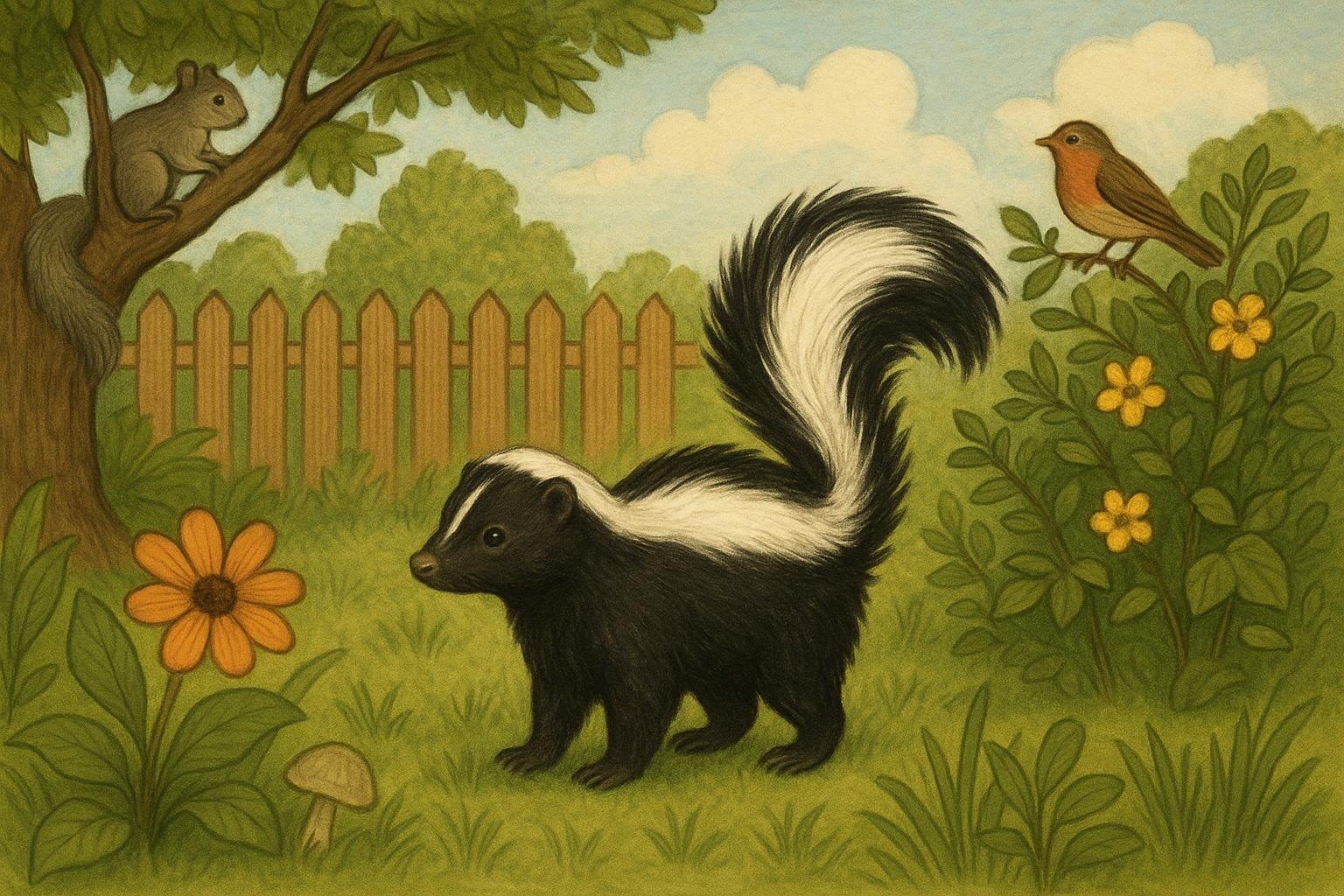
If a stripe-faced visitor has been rummaging through your trash, digging under your shed, or teaching your dog to sprint in circles at 3 a.m., you’re in the right place. This guide gathers practical skunk facts and backyard advice so you can coexist with these curious critters—or at least keep them from redecorating your yard.
## Skunk Facts Every Homeowner Should Know
Skunks are small to medium-sized mammals best known for their distinctive black-and-white coloring and, yes, their famously potent spray. Here are the skunk facts that matter most to people living with—or worried about—them:
– Skunks are primarily nocturnal omnivores. They feed on insects, grubs, small rodents, fruit, and occasionally pet food left outdoors.
– Most backyard skunks in North America are striped skunks (Mephitis mephitis). They are solitary for much of the year but may den communally in winter.
– Skunks will spray as a last resort. They give audible warnings first: stamping their feet, hissing, and raising the tail.
– A single spray can travel several meters and can be detected by humans and pets for days, especially if it soaks into fur or porous surfaces.
– Skunks can carry rabies; an aggressive or unusually tame skunk should be treated as a potential rabies risk.
These skunk facts help set expectations—skunks are not typically aggressive predators, but they are strongly defensive and can become household pests when attracted to easy food and shelter.
## How To Tell If You Have Skunks In Your Backyard
### Tracks And Droppings
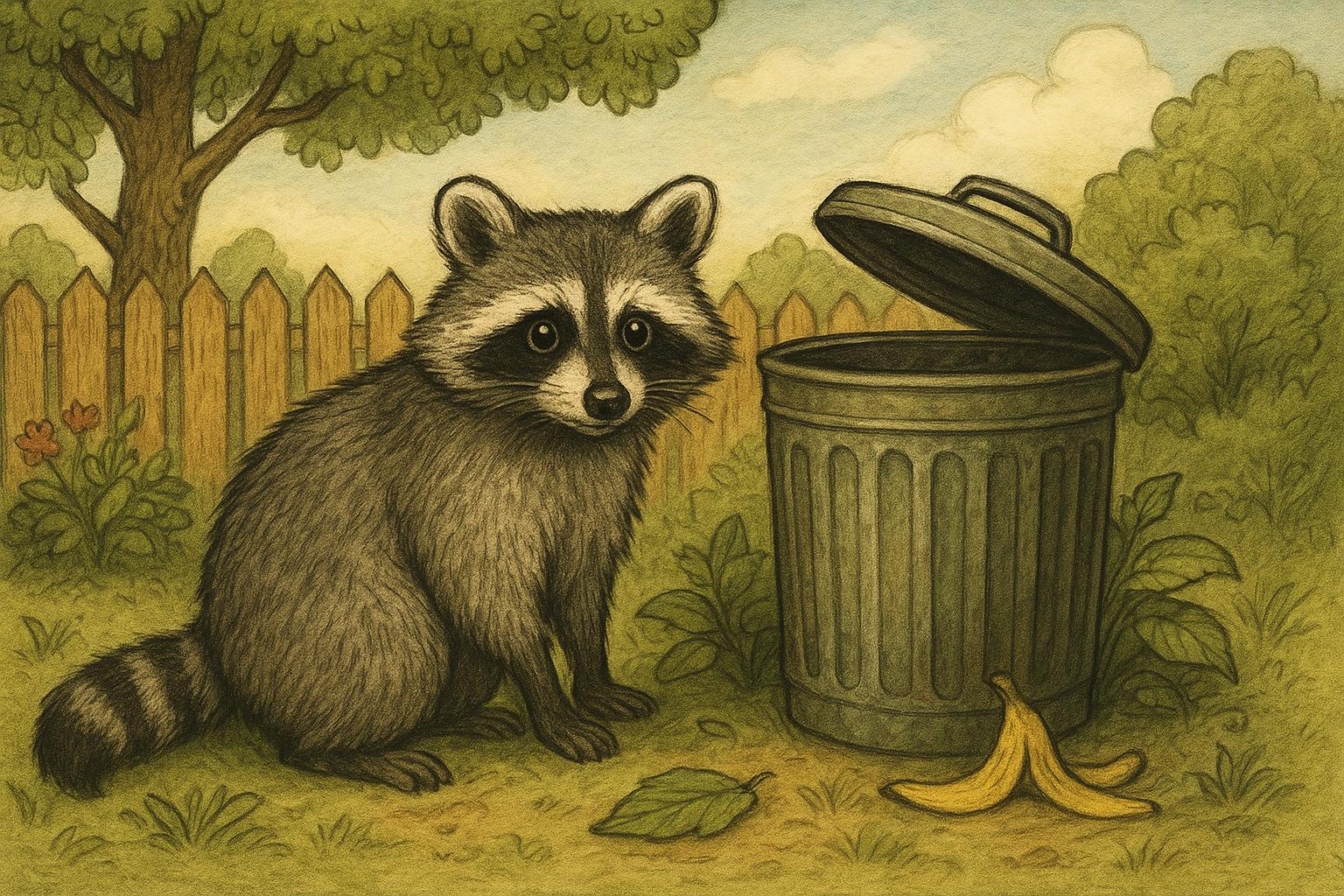
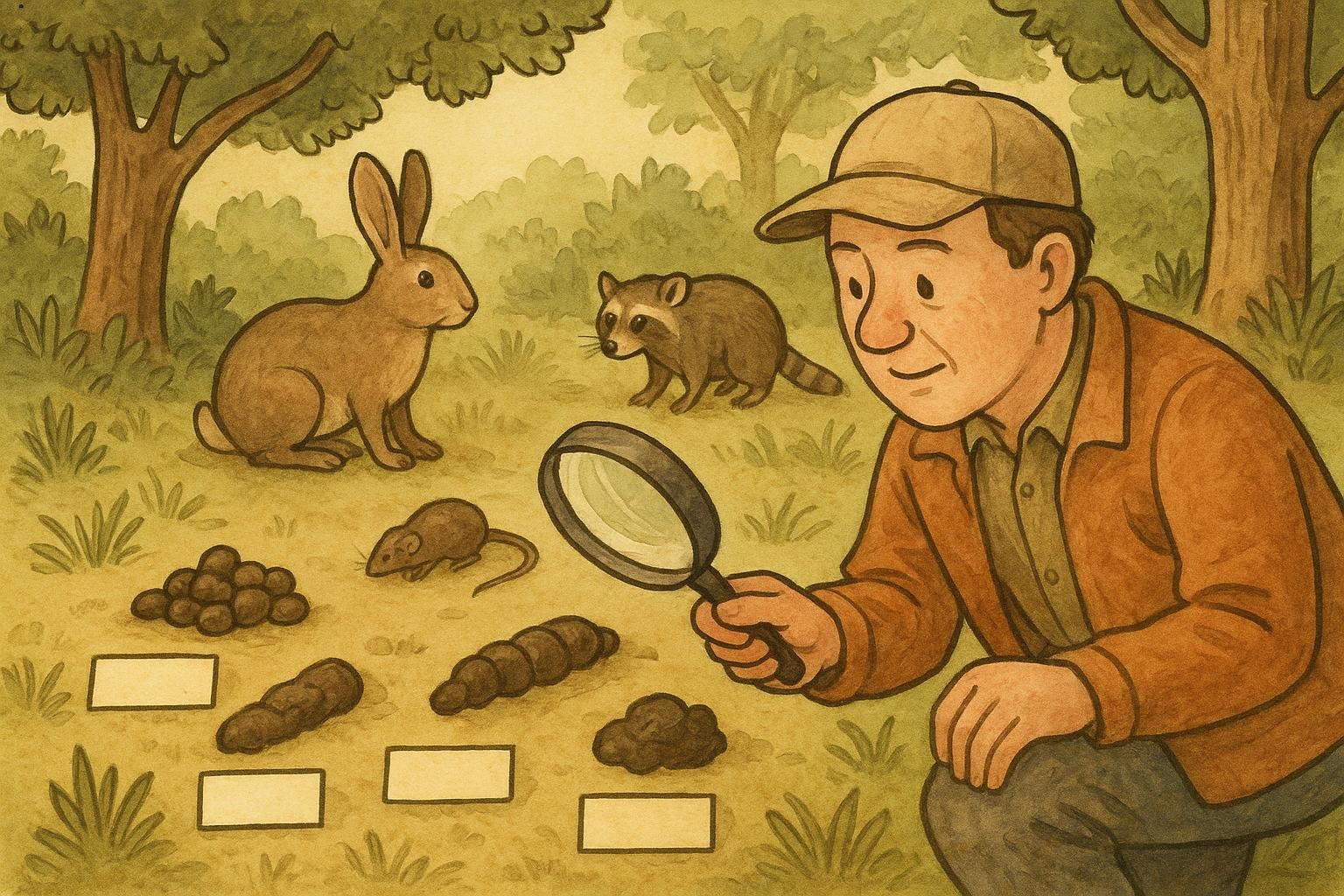
Skunk prints show five toes on both front and hind feet, but they are often hard to distinguish from raccoon or fox prints. Droppings vary with diet—white-ish bits from insect exoskeletons are common.
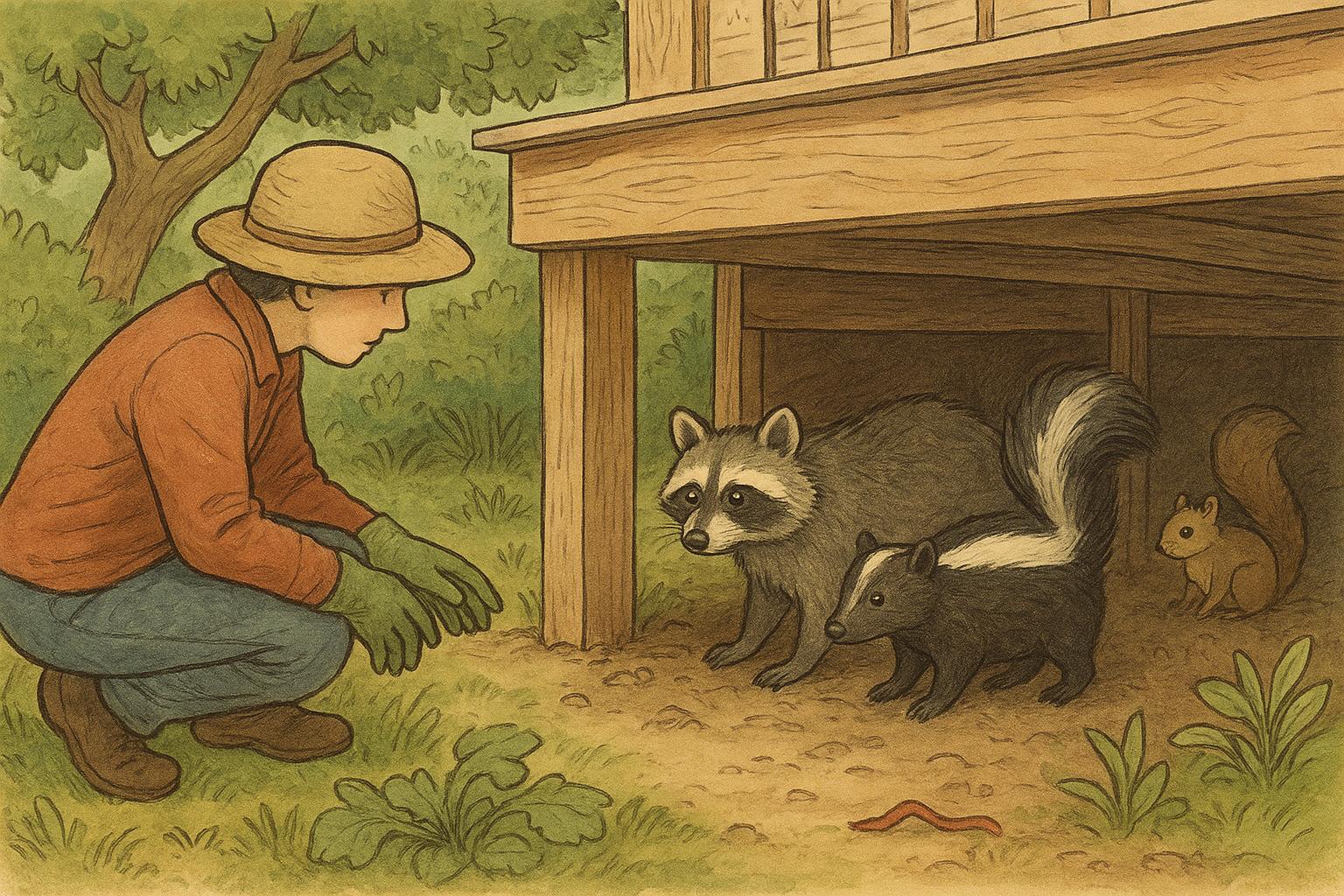
### Dens, Burrows, And Under-Structure Habitats
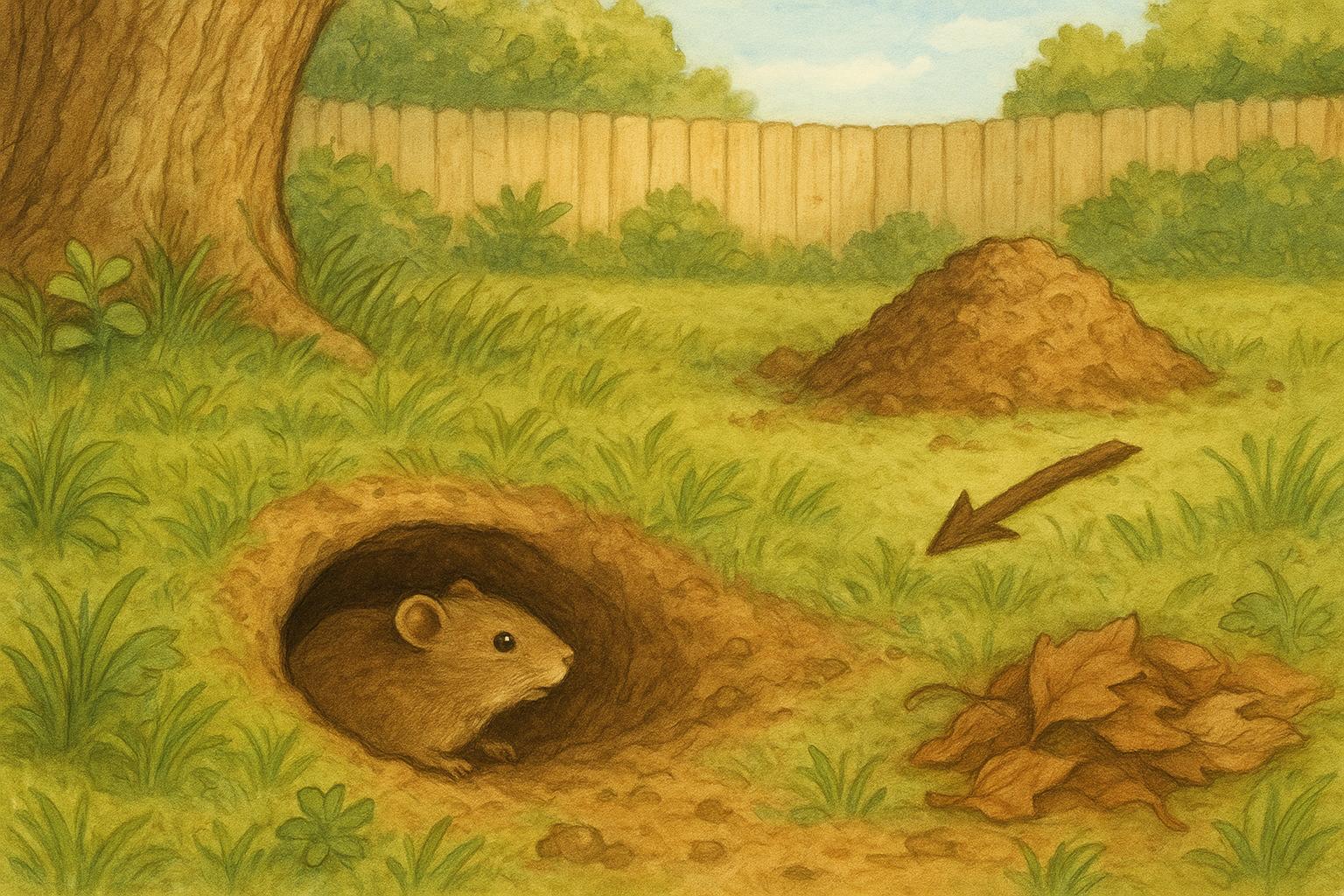
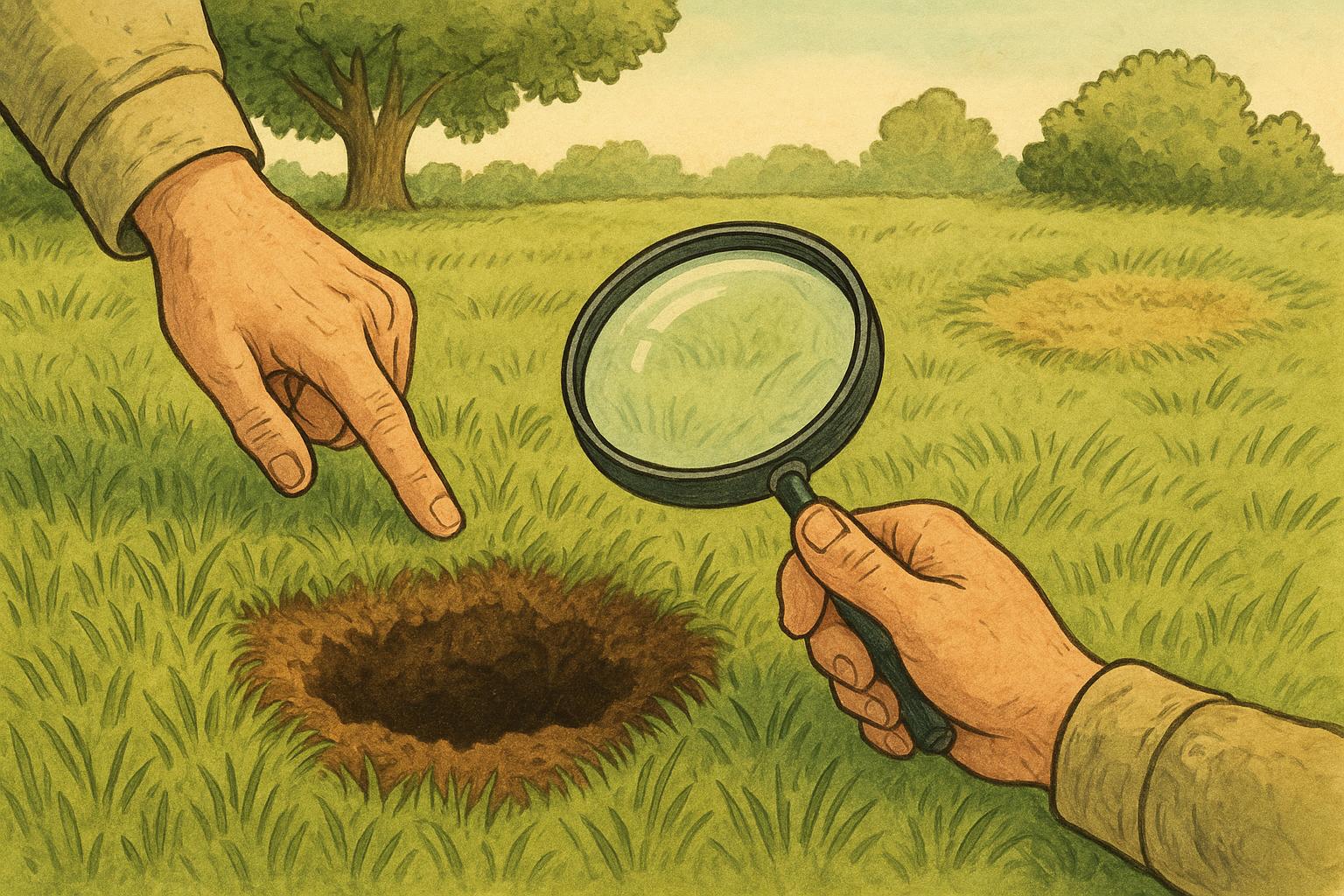
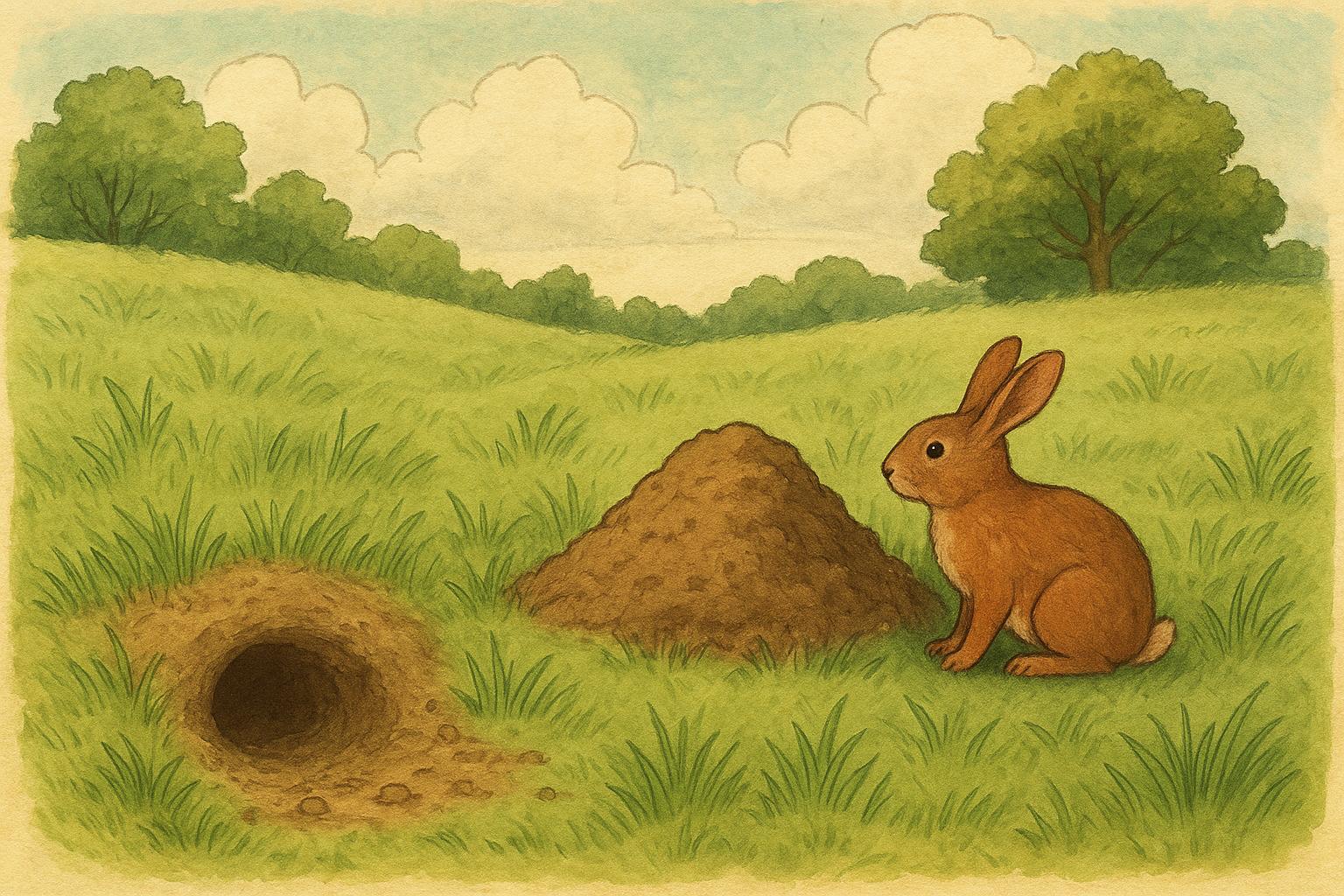
Skunks like shallow burrows under decks, porches, sheds, and wood piles. Look for flattened grass, fresh digging near foundations, and entrances about 3–6 inches wide.
### Sounds And Smells
Nighttime scratching or a musky odor are reliable signs. Remember that skunks spray as a defensive behavior, so a strong smell could indicate a recent encounter.
## 1. Remedy: Homemade Skunk Odor Neutralizer
Required Materials
– 1 quart (approx. 950 mL) 3% hydrogen peroxide
– 1/4 cup baking soda (sodium bicarbonate)
– 1 tsp liquid dish soap
– Plastic or glass mixing container (do not use metal)
– Measuring cups and spoons
– Sponge or spray bottle (plastic)
– Protective gloves and eye protection
Caution: This mixture is reactive—prepare it fresh each time and do not store it in a sealed container. Use gloves and eye protection. Do not mix with bleach or ammonia.
Step-By-Step Creation
1. In the plastic or glass container, pour 1 quart of 3% hydrogen peroxide.
2. Add 1/4 cup of baking soda to the peroxide.
3. Add 1 teaspoon of liquid dish soap.
4. Stir gently to dissolve; small fizzing is normal.
Application Instructions
1. Test a small, inconspicuous area of fabric or surface to check for discoloration.
2. For fur: wear gloves and apply solution sparingly to the affected area; work it into the fur without allowing the pet to ingest. Rinse thoroughly with water and repeat if odor remains. Consult a veterinarian if the animal is a pet and has been sprayed near eyes, nose, or mouth.
3. For porous surfaces (concrete, wooden decks): saturate the affected area and let sit for 5–10 minutes, then scrub and rinse. Repeat as needed.
4. For indoor fabrics: apply, let sit, then launder with regular detergent. Do not put fabrics in a sealed washer with the solution remaining.
5. Ventilate treated areas thoroughly.
This oxidizing formula is widely used by wildlife professionals and homeowners because it chemically alters skunk thiols (the sulfur compounds responsible for the smell) rather than just masking the odor.
## 2. Remedy: Exclusion And Habitat Modification
Required Materials
– Heavy-gauge hardware cloth or welded wire mesh (1/4″ to 1/2″ openings)
– U-shaped landscape staples or concrete nails and washers
– Sheet metal or flashing (for under-shed barriers)
– Motion-activated lights or sprinklers
– Trash can with tight-fitting lid and bungee straps
– Gloves and hand tools (shovel, wire cutters, staple gun)
Note on Ethics and Law: Exclusion should never involve poisoning, inhumane traps, or actions that may harm non-target wildlife. Consult local wildlife authorities for regulations. When in doubt, retain a licensed wildlife rehabilitator or pest wildlife professional.
Step-By-Step Exclusion And Application
1. Inspect the yard at dusk with a flashlight to identify entry points, burrows, and attractants (pet food, accessible trash).
2. Temporarily block active burrow mouths only if you have verified there are no dependent young inside. If young are suspected (spring/early summer), install a one-way exclusion door: fasten hardware cloth hinged at the top over the burrow entrance, allowing the adult to exit but preventing reentry. Leave in place for several nights to confirm exit; then seal permanently.
3. Secure foundation and structural gaps: fasten hardware cloth to the foundation wall and bury the bottom 6–12 inches horizontally to prevent digging under.
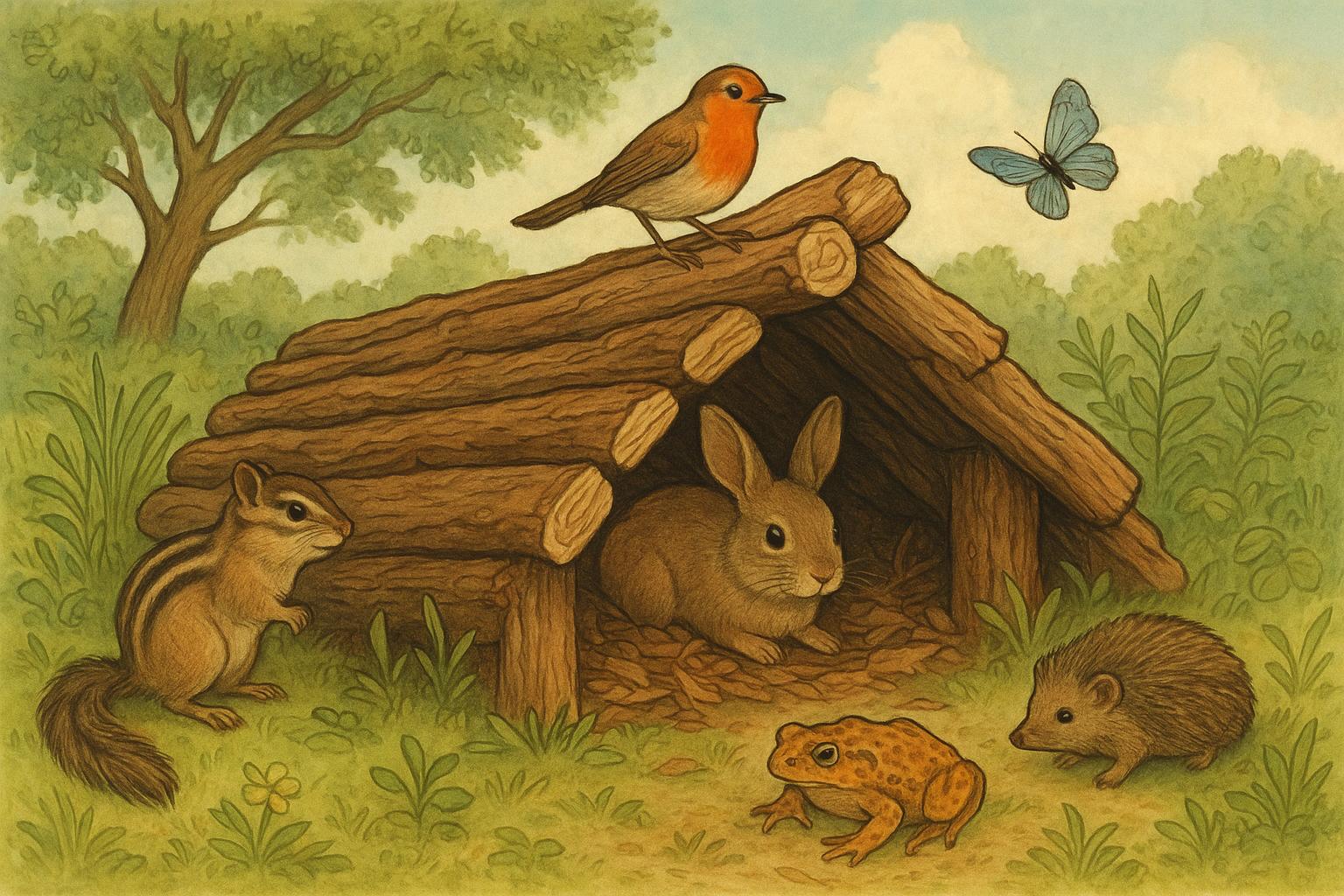
4. Remove wood piles, brush, and debris that provide cover. Store compost in closed containers; avoid meat scraps in compost.
5. Replace or secure trash cans with tight lids and bungee cords. Keep pet food indoors at night.
6. Use motion-activated lights or sprinklers at likely entry points to make the area less inviting.
7. If skunks are denning under a shed or deck, install sheet metal flashing around the perimeter and backfill any burrow after ensuring it is empty.
Follow-Up Monitoring
Regularly inspect treated areas for signs of re-entry. If a den removal is required or if rabies or other health concerns are suspected, contact animal control or a licensed wildlife removal professional.
### Additional Non-Lethal Deterrents
Ammonia-soaked rags or commercially available predator urine are sometimes used as deterrents. Use caution: these are temporary, may affect pets and children, and require frequent reapplication. Motion-activated devices and keeping attractants removed are more reliable long-term solutions.
## Preventative Practices And Legal Considerations
### Pet Safety And Rabies Awareness
If your pet has a fight with a skunk or has been sprayed, contact your veterinarian. Vaccinated pets generally handle skunk encounters better, but wounds can still get infected. If you observe strange behavior (daytime activity, disorientation, unusual aggression), report it to local animal control—these could be signs of rabies.
### Neighborhood Cooperation
Skunks don’t recognize property lines. Coordinate with neighbors to secure shared attractants like community compost piles or uncovered dumpsters. A whole-neighborhood approach is more effective than one yard alone.
### When To Call A Professional
Call a licensed wildlife control operator if you are uncomfortable performing exclusion work, if there are newborns involved, or if legal restrictions in your area require professional handling. Professionals know how to install one-way doors, perform humane relocations when permitted, and decontaminate sprayed areas safely.
Sprinklers, sealed trash cans, and sealing up entry points will prevent most skunk visits. Armed with these skunk facts and a calm game plan, you can protect your property and minimize the chance of becoming a skunk’s favorite buffet—or its comedy club.



















Leave a Reply