
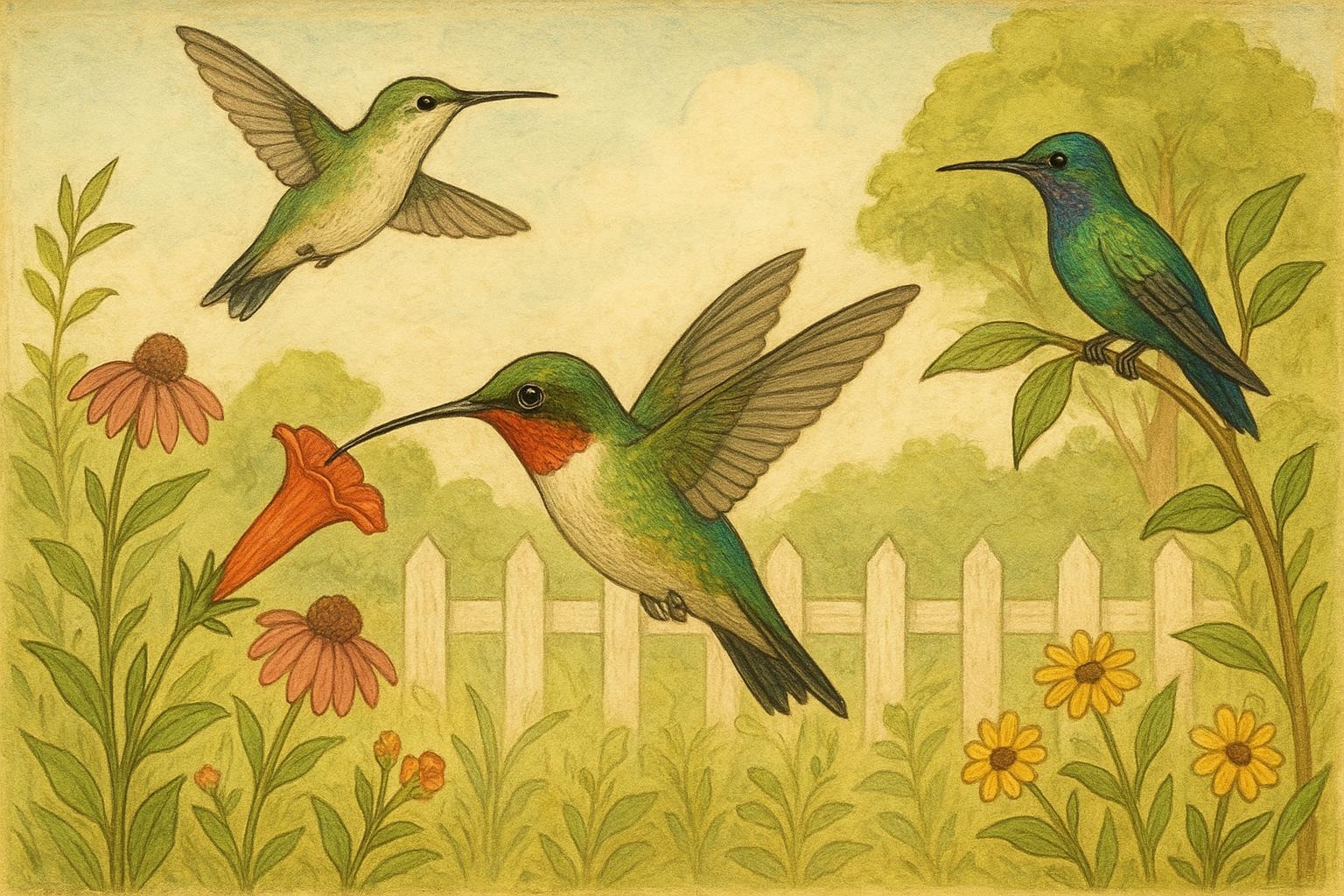
If you’ve ever sipped coffee on the back steps and watched a jeweled blur hover at a feeder, you’ve met hummingbirds. These tiny dynamos are equal parts circus performer and garden sass, and with a little knowledge you can invite them to stick around for a season—or become the neighborhood hotspot they argue over. Below is a friendly, practical field guide to identifying, attracting, and caring for these feathered speedsters.
## Hummingbirds: Tiny Dynamos In Your Backyard
Hummingbirds are a marvel of evolution: high metabolism, rapid wingbeats, and a memory for feeders that would shame the most efficient delivery service. While they’re small—often under 4 inches—they demand respect. Expect territorial shows, dramatic chases, and the occasional moment of zen as one perches like a tiny, glittering sentinel.
## Common Species And How To Tell Them Apart
### Rufous Versus Ruby-Throated: Quick ID Tips
In North America the most commonly encountered are the Ruby-throated and Rufous species, but others like the Anna’s and Black-chinned show up depending on region. Look for throat color (males often have iridescent gorgets), tail shape, and overall hue. Males are usually showier; females are subtler but more patient.
### Size, Shape, And Behavior Cues
Hummingbirds zip in quick, but if you watch their behavior you’ll learn a lot. Rufous individuals are famously territorial and aggressive—expect more aerial dogfights. Ruby-throated birds are often a bit more tolerant and may allow multiple individuals near a rich food source.
## Attracting Hummingbirds Without Trying Too Hard
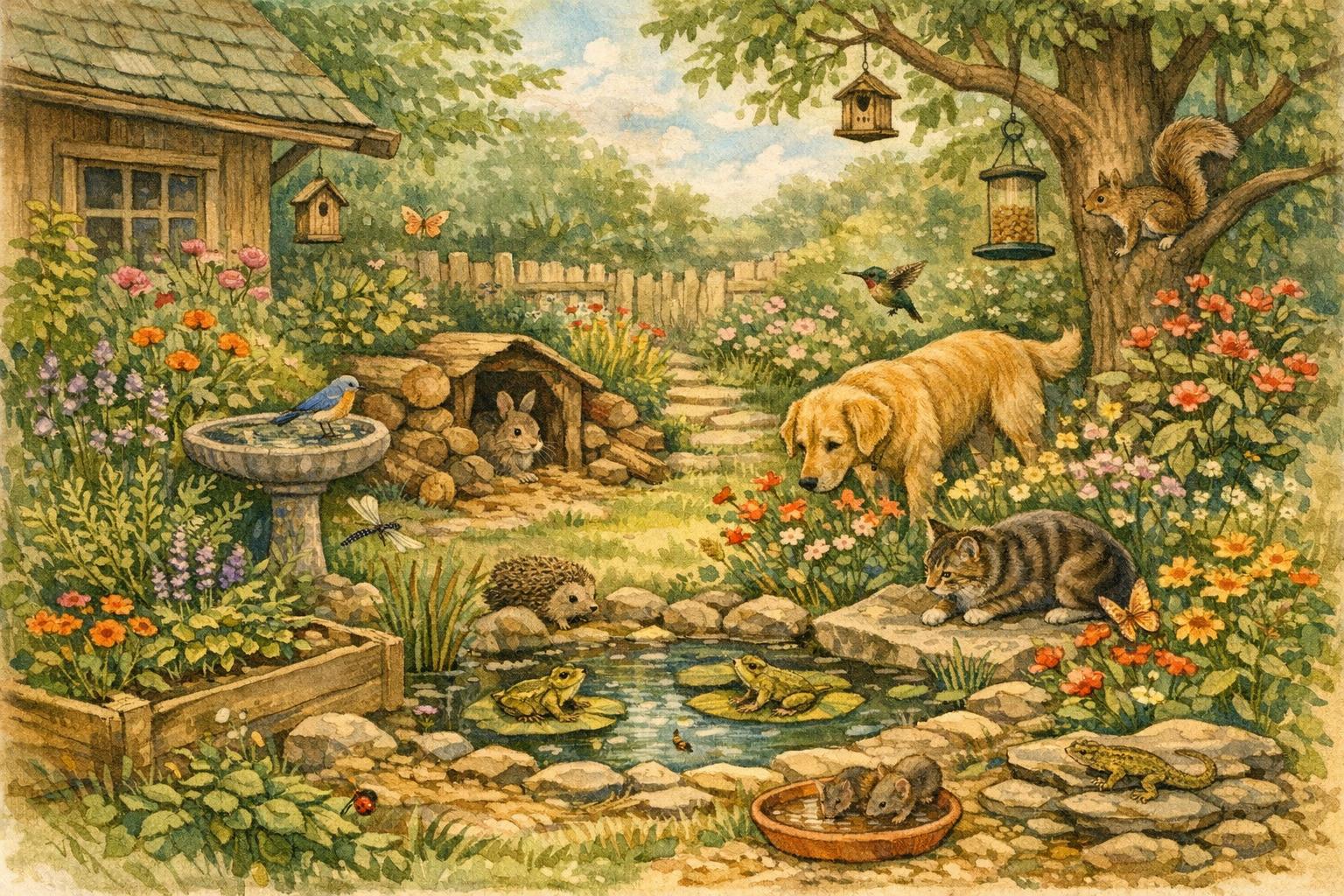
A few thoughtful elements in your yard will make you irresistible to hummingbirds. Key needs are nectar, perches, shelter, and insects. Aim to create a small ecosystem rather than rely solely on feeders.
### Plant Choices That Work
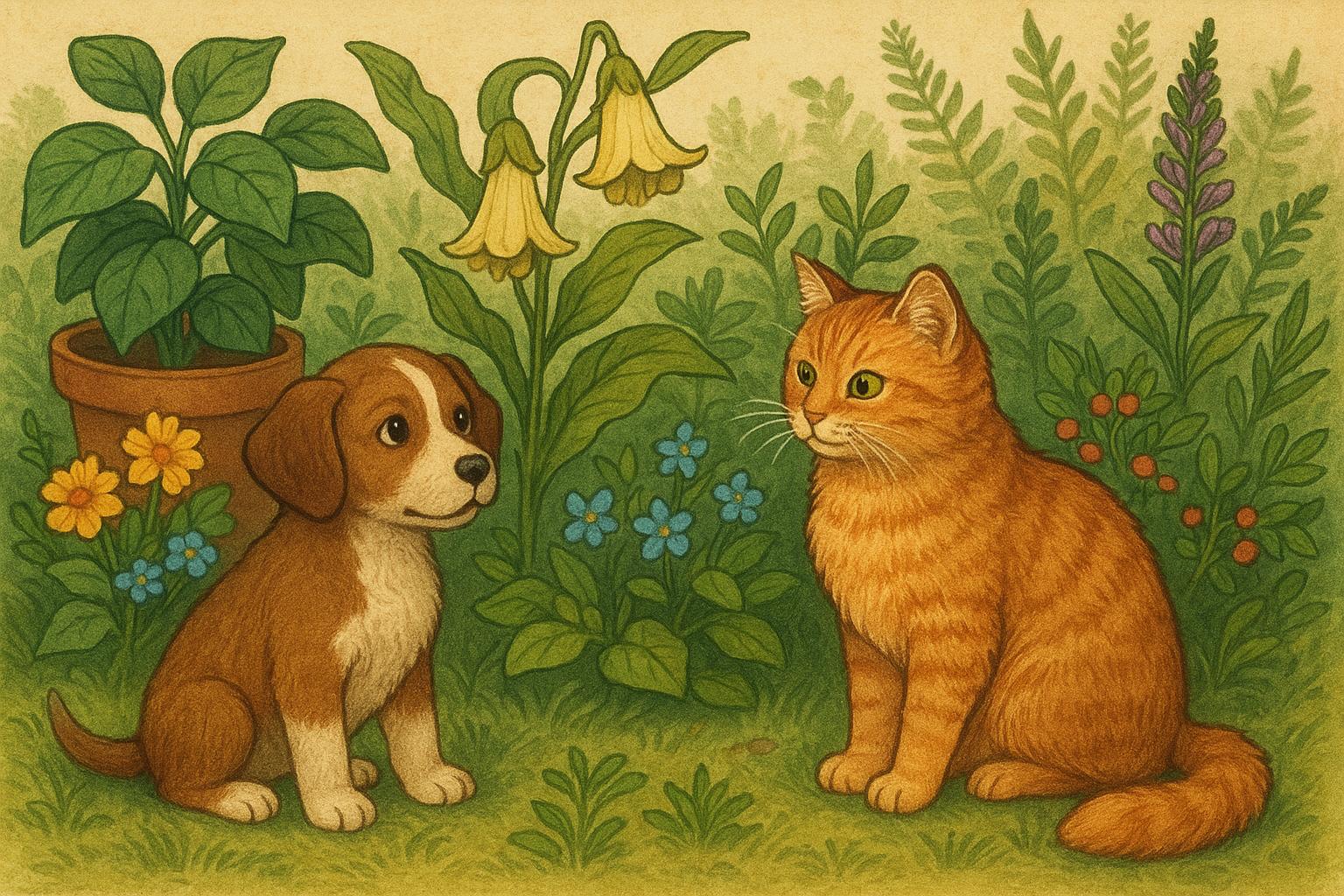
Native tubular flowers are the best investment. Consider columbine, bee balm, trumpet vine, salvia, and honeysuckle. Plant a succession of blooms across spring, summer, and fall to offer consistent nectar. Groupings of the same color and species are easier for hummingbirds to find than a scatter of single plants.
### Water And Perches
Hummingbirds will bathe and drink from shallow misters and foggers; moving water catches their eye. They also love small branches or dead twigs for perching while surveying their territory—provide a few quiet spots near feeding sources.
### Feeders And Nectar (Remedy 1: Homemade Nectar Recipe)
### Remedy 1: Homemade Nectar Recipe
To supplement floral nectar, a simple sugar solution is effective and economical. Use only these ingredients and steps to avoid harming birds.
Ingredients/Materials:
– Granulated white sugar (not honey, not brown sugar)
– Clean water (tap water boiled or filtered)
– Clean hummingbird feeder(s)
– Measuring cup and a clean pot
– Clean funnel (optional)
– Brush for cleaning feeders
Step-by-Step Creation And Application:
1. Measure: Mix one part granulated white sugar to four parts water (e.g., 1 cup sugar to 4 cups water). This creates a 20% sugar solution similar to natural nectar.
2. Dissolve: Heat the water to a gentle boil, add sugar, and stir until fully dissolved. Boiling helps inhibit mold and removes impurities from tap water.
3. Cool: Allow the solution to cool to room temperature before filling feeders.
4. Fill: Use a funnel to fill the hummingbird feeder to avoid spills and contamination.
5. Install: Hang the feeder in a shaded area to slow fermentation and extend the solution’s life. Place within view of plants and safe perching spots.
6. Maintain: Replace the nectar every 3–5 days in warm weather, and at least weekly in cooler climates. Clean the feeder thoroughly with hot water and a brush each time you change the nectar—avoid soaps which can leave residues.
Note: Do not add red dye. It is unnecessary and may be harmful. The feeder’s red parts are sufficient to attract hummingbirds.
## Feeder Maintenance And Placement (Remedy 2: Cleaning And Safety)
### Remedy 2: Feeder Cleaning And Placement Protocol
A feeder will only help if it’s safe and sanitary. Poor maintenance leads to mold and fermentation that can injure birds. Follow this formal protocol.
Materials Needed:
– Mild dish soap (or an unscented soap)
– Bottle brush or feeder brush set
– Clean water for rinsing
– White vinegar (optional, for deep cleaning)
– Gloves (optional)
– Replacement parts for feeders (rubber gaskets, perches) as needed
Step-by-Step Cleaning And Placement:
1. Disassemble: Remove the feeder from its hook and take apart removable parts.
2. Empty: Pour out any remaining nectar; do not pour it onto the ground near the feeder.
3. Wash: Use hot, soapy water and a brush to scrub all surfaces. For stubborn residue, use a 1:4 white vinegar-to-water solution and soak for 15–30 minutes, then scrub.
4. Rinse Thoroughly: Ensure no soap or vinegar residue remains—thorough rinsing is critical.
5. Dry And Reassemble: Air dry or dry with a clean cloth, then reassemble.
6. Refill And Rehang: Return the feeder to the same shaded location. Rotate feeders occasionally to reduce territorial conflicts and to provide choice of perches.
7. Inspect Regularly: Check daily for ant or bee activity, visible mold, or cloudiness in the nectar. Address issues immediately.
## Predator And Safety Considerations
### Protecting Hummingbirds From Cats And Other Predators
Domestic cats are a major threat. Keep feeders at least 10–15 feet from dense cover where a cat could hide and ambush. A clear line of sight between feeders and perches gives hummingbirds time to react. Consider motion-activated lights or deterrents for nocturnal predators.
### Avoiding Pesticides And Hazards
Minimize pesticide use; these chemicals reduce insect populations that hummingbirds rely on for protein, and exposure can harm the birds directly. Choose integrated pest management and organic options where possible. Keep windows visible with decals to prevent collisions.
#### Common Feeder Problems
– Fermented or cloudy nectar: Replace immediately; birds can be harmed by alcohol produced during fermentation.
– Ant trails: Use ant moats or place feeder hangers with ant guards above feeders.
– Bee and wasp occupation: Offer bee-proof feeders or move feeders to a less sun-exposed area where bees congregate less.
## Understanding Seasonal Needs And Migration
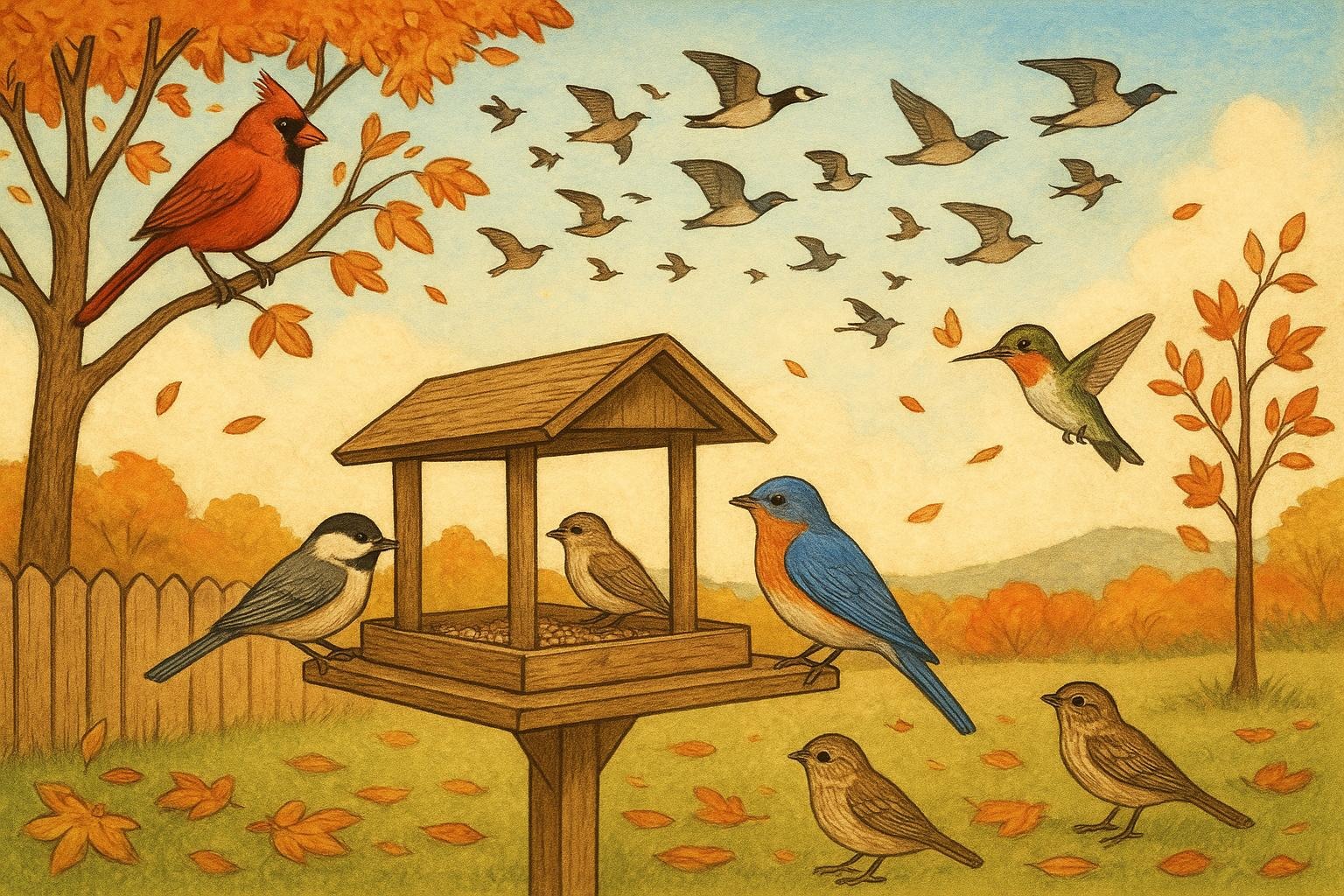
Hummingbirds are migratory in many regions. In temperate zones, their presence peaks between spring and fall with migration corridors in spring and autumn. Provide continuous nectar and insect habitat through the seasons; late-season blooms and feeders can support birds preparing for migration or lingering late migrants.
### Nesting Behavior And What To Watch For
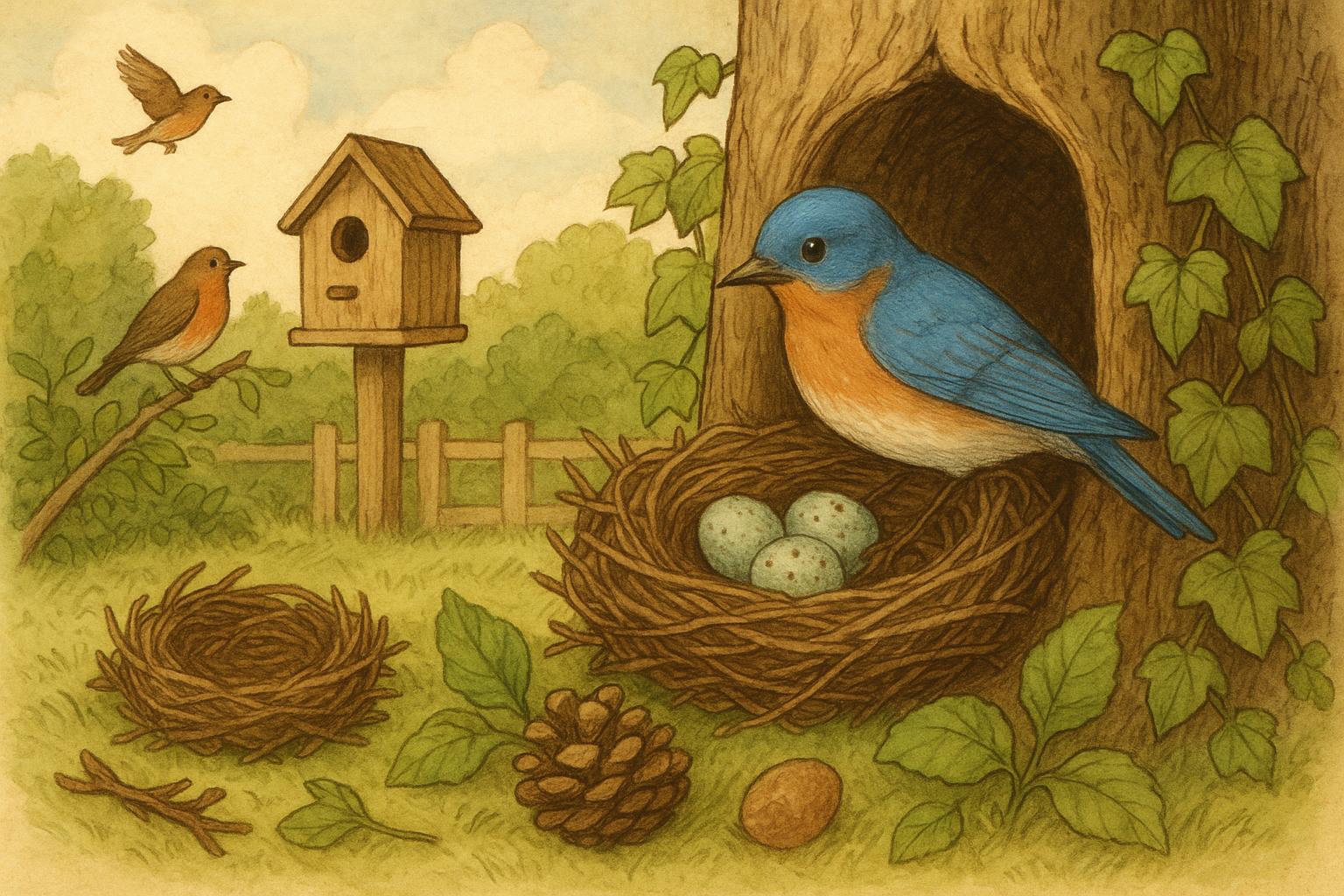
Females build tiny cup nests camouflaged with lichen and spider silk. Keep disturbance low near probable nesting sites (shrubs and sheltered branches). If you find a nest, observe from a distance; do not attempt to move or handle it.
## Citizen Science And Backyard Monitoring
Documenting local hummingbirds contributes to broader ecological knowledge. Local Audubon chapters and platforms like eBird welcome sightings. Record species, counts, behaviors, and dates—simple observations are valuable.
## When To Contact A Wildlife Rehabilitator
If you encounter an injured or immobile hummingbird, or one that personifies “not right” behavior such as inability to perch, visible wounds, or lethargy, seek a licensed wildlife rehabilitator immediately. Transport only when advised; keep the bird warm and dark during transit following the rehabilitator’s instructions.
Enjoy the show. Hummingbirds are tiny, high-energy neighbors with big personalities and a penchant for drama. With thoughtful plantings, clean feeders, and a little patience, your yard can become a hummingbird haven—no circus ticket required.


Leave a Reply