
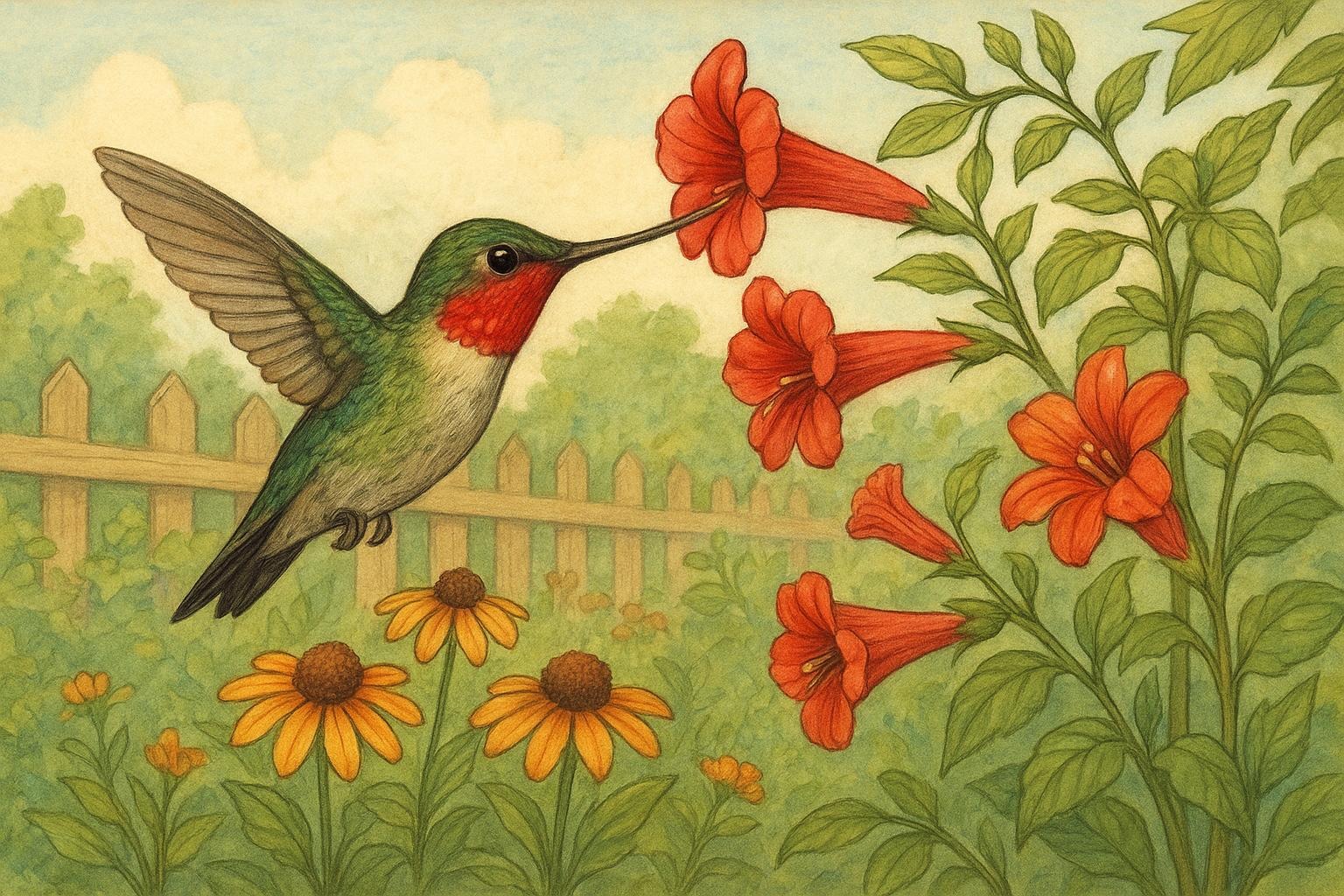
There’s something delightfully buzzy about a backyard hummingbird zipping by your shoulder, wingbeats a blur, tiny heart loud on the wing. If you’ve ever stood at your window with a mug in hand, mesmerized by the aerobatics of a flash of emerald and ruby, you already know why gardeners and bird lovers get a little obsessed. With a few thoughtful choices, hummingbird feeding in your garden can become a daily show — and one that helps these tiny travelers thrive.
## Hummingbird Feeding Basics
Hummingbirds are small but voracious. They require lots of nectar to fuel the metabolic furnace that keeps them hovering, darting, and defending territories. Understanding basic needs makes the difference between a fleeting visit and a backyard full of regulars. Hummingbird feeding is not just about putting out a feeder; it’s about creating a safe, predictable food source and habitat.
### Understanding Hummingbird Behavior
Hummingbirds are territorial by nature. A single dominant bird may patrol and chase intruders from a prized feeder and nearby flowers. That’s normal. Providing multiple feeding points and perches reduces squabbles and gives shy individuals access. Young birds and females often feed at different times than males, so patience pays. Hummingbirds remember reliable food sources and will return season after season if conditions are consistent.
### Choosing The Right Spot
Place feeders within sight of windows but offset to reduce collisions. Ideally, hang feeders near cover — small trees or shrubs where they can perch and hide from predators. Hummingbird feeding works best when feeders are visible from both the house (for your joy) and from perching spots (for their safety and comfort).
#### Avoiding Pesticides
Keep the area pesticide-free. Insects are a crucial protein source for hummingbirds, especially during breeding season when nestlings need high-protein diets. Avoid spraying insecticides on nearby plants and choose organic pest management options.
## Feeders, Flowers, And Habitat
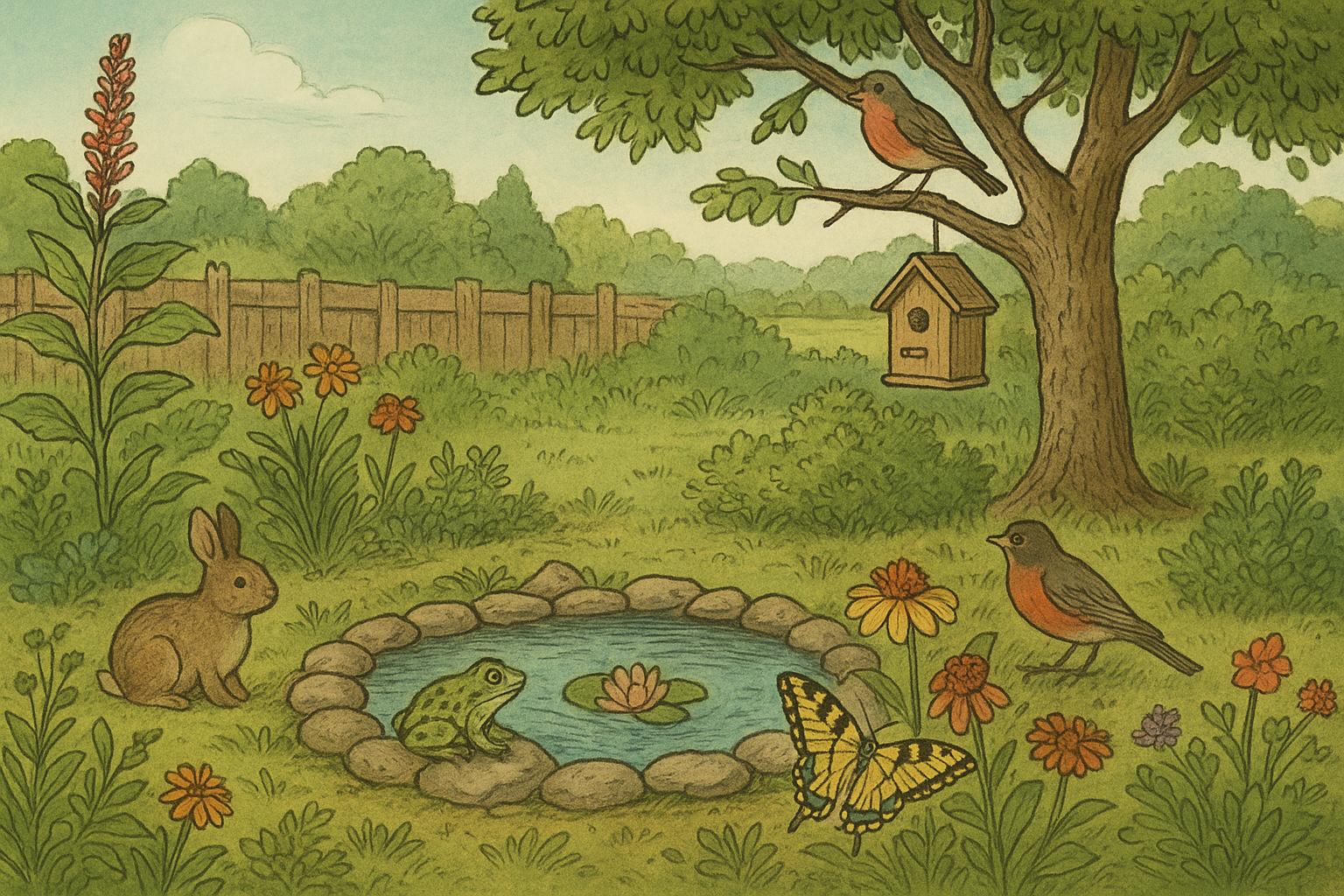
A hummingbird-friendly yard combines feeders with native nectar-rich plants, shelter, and water features. Relying solely on feeders isn’t necessary, but they’re invaluable when natural blooms are scarce.
### Feeder Types And Placement
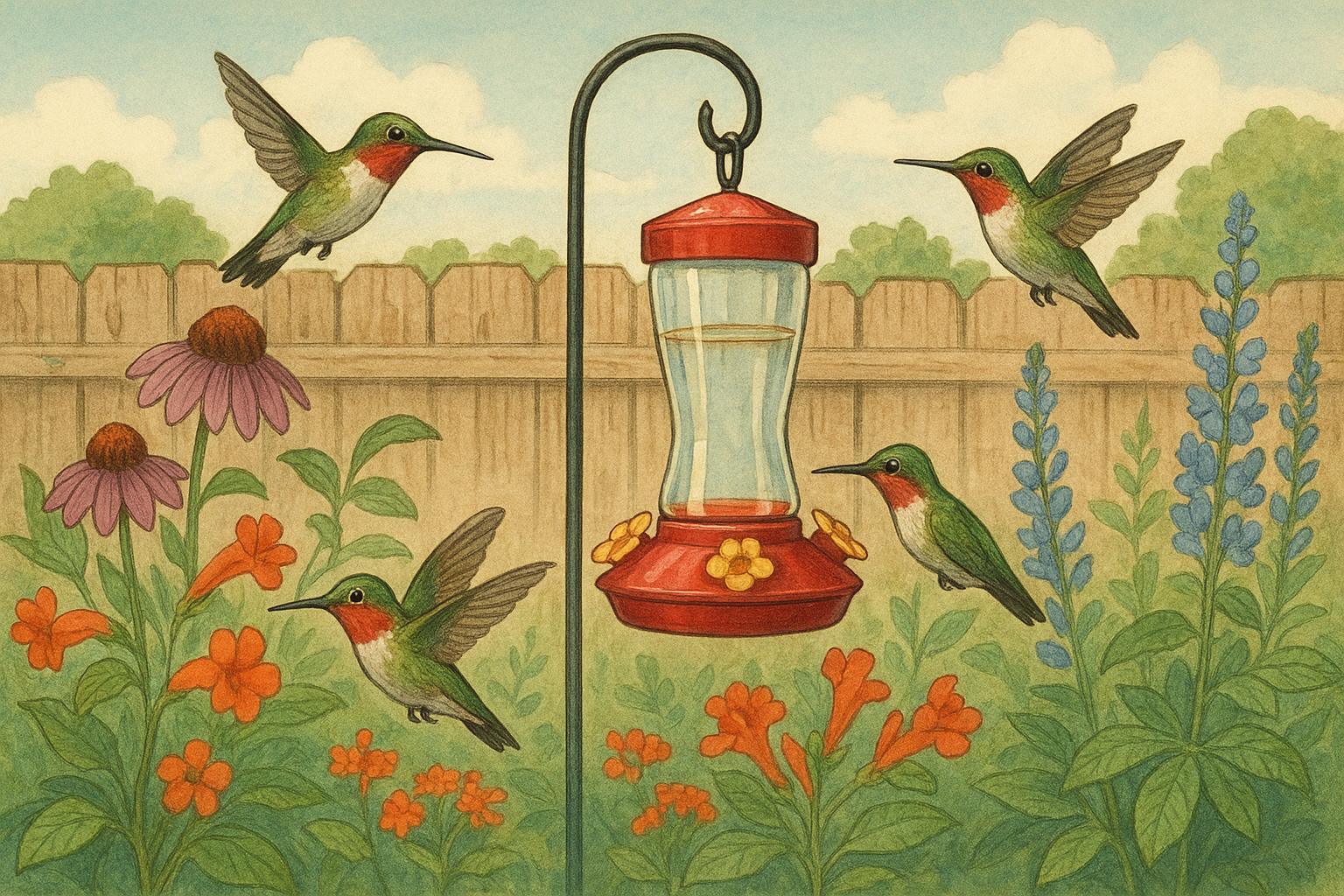
Choose simple feeders with few crevices where mold can hide. Clear plastic and glass designs with a few feeding ports are easiest to clean. Hang feeders at varying heights to reduce territory conflicts and to mimic the vertical structure of natural foraging. If you have squirrels, use baffles — not the vicious, overly complicated contraptions that make you question your life choices.
### Native Plants To Attract Hummers
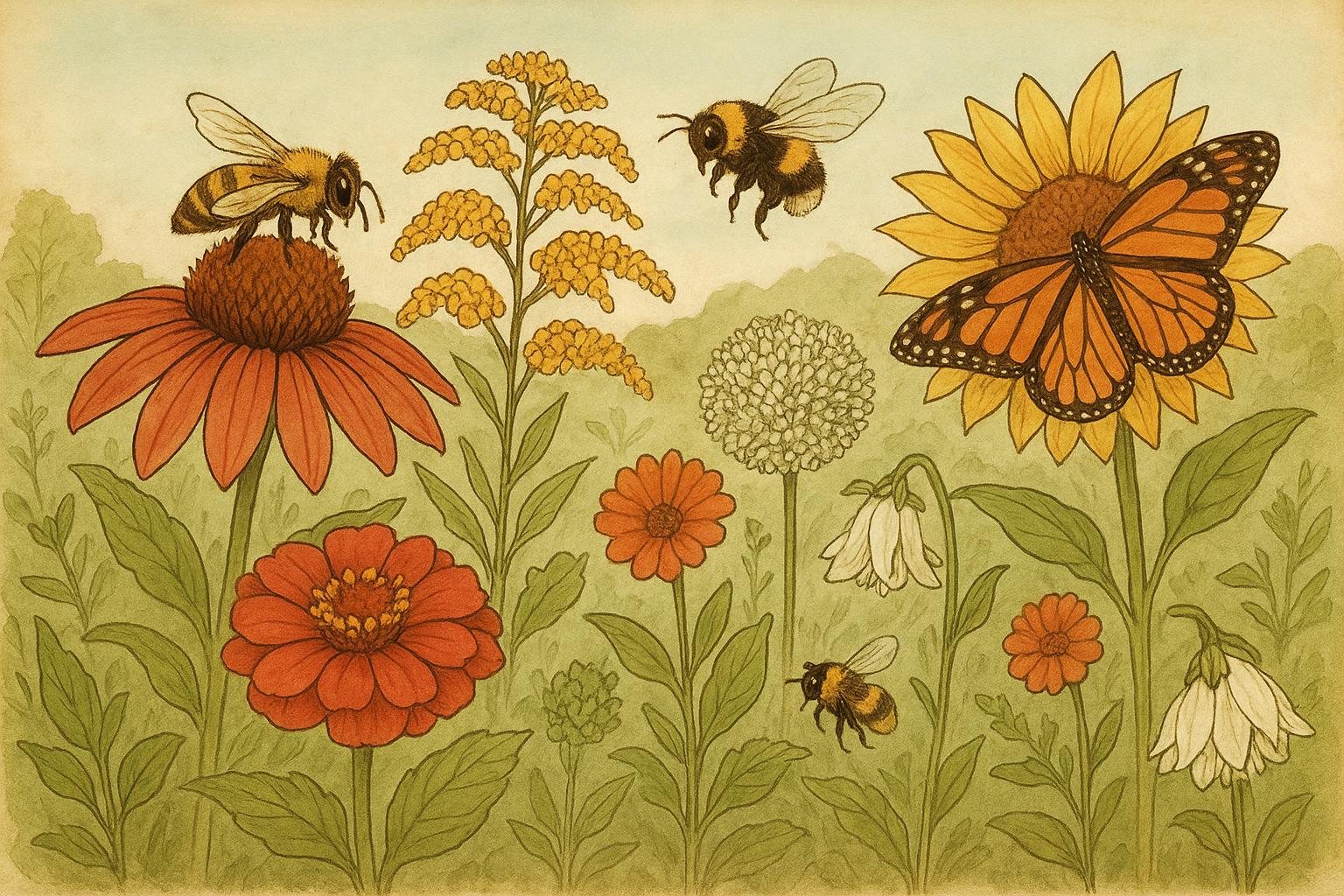
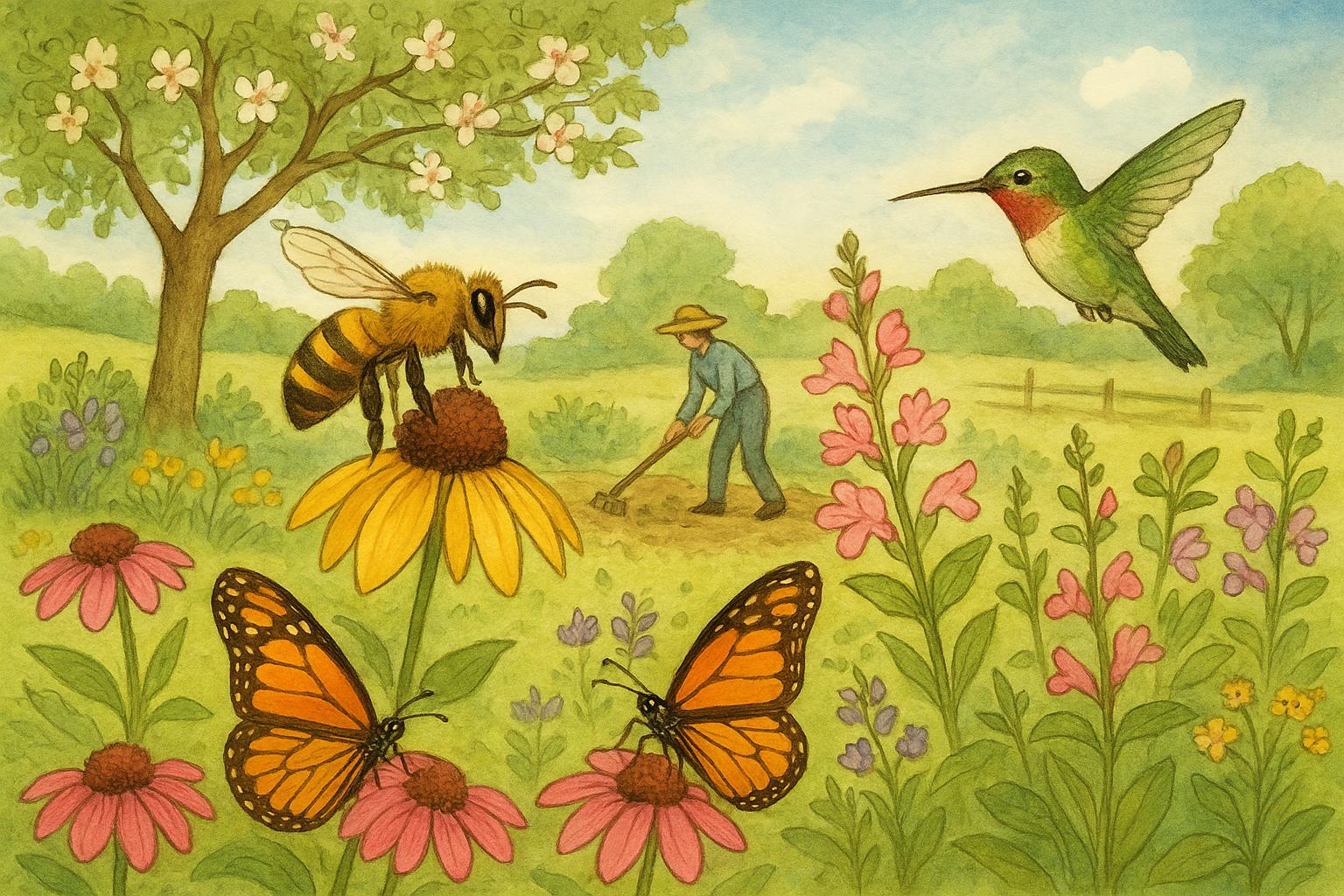
Planting native, tubular flowers gives hummingbirds natural alternatives to sugar water. Consider columbine, penstemon, honeysuckle, fuchsia, trumpet vine, and salvia. These plants provide varied bloom times and support insect life, giving hummingbirds both nectar and protein. Mixed plantings that offer continuous bloom from spring through fall will keep hummingbird feeding consistent without over-reliance on feeders.
#### Seasonal Flower Choices
Plan for staggered bloom: early-blooming species for spring migrants, summer bloomers for breeding birds, and late-season nectar sources to fatten up fall migrants. A succession of blooms keeps your garden lively and ensures you’re useful to birds at every stage of their annual cycle.
## Remedy 1: Homemade Nectar For Hummingbird Feeding
When discussing remedies or solutions, clarity and precision matter. Below is a formal, evidence-based recipe and application protocol for creating and maintaining safe hummingbird nectar. This remedy is intended to supplement natural nectar sources and should be prepared and handled in accordance with the following materials, ingredients, and procedural steps.
Ingredients / Required Materials:
– Granulated white cane or beet sugar (no honey, no brown sugar)
– Clean, potable water (tap water is acceptable in most areas)
– Clean feeders with removable parts (glass or durable plastic)
– Small saucepan or kettle for boiling water
– Measuring cups and spoons
– Clean storage container or bottle (optional)
– Refrigerator (optional for storage)
– Brush or soft bottle brush for cleaning feeders
Step-By-Step Creation And Application:
1. Measure: Combine one part granulated white sugar with four parts water (for example, 1 cup sugar to 4 cups water). This 1:4 ratio closely approximates the sugar concentration found in many flowering plants and is optimal for hummingbird energy needs.
2. Dissolve: Heat the water to a boil and add the sugar, stirring until completely dissolved. Bring to a brief boil (about one minute) to sterilize and ensure full dissolution. Boiling is recommended to reduce microbial load and mold spores.
3. Cool: Remove the mixture from heat and allow it to cool to room temperature before filling feeders. Do not add coloring or other additives; dye is unnecessary and can be harmful.
4. Fill: Pour the cooled nectar into clean feeders and hang them in predetermined feeding locations. Avoid overfilling; use an amount that will be consumed within a few days, especially in warm weather.
5. Store: If you prepare a larger batch, refrigerate unused nectar in a sealed container for up to one week. Discard if cloudy or fermented.
6. Replace: During warm weather (above about 70°F / 21°C), change the nectar every 2–3 days. In cooler conditions, every 4–7 days is generally acceptable. If you notice any cloudiness, bubbles, or fermentation, replace immediately.
7. Clean: Clean feeders thoroughly each time you change the nectar. Use hot water and a brush; a mild, unscented dish soap can be used sparingly if rinsed completely. Periodically disinfect feeders by soaking in a diluted bleach solution (1 part household bleach to 9 parts water) for one hour, then rinse multiple times and air dry before refilling.
Note: Honey promotes harmful microbial growth and can be toxic. Brown sugar and unrefined sugars contain trace minerals that encourage fermentation and mold. Using plain white sugar and following the hygiene steps above minimizes risk and supports bird health.
## Additional Practical Tips
– Multiple Feeders: Install two or three feeders spread across the yard to reduce territorial fights and accommodate more birds.
– Visibility: Add red flowers or red-colored feeder accents to attract hummers. Red is particularly visible to them, though avoid artificial dyes in nectar.
– Water: A mister or shallow dripper provides bathing opportunities and attracts birds with the sound of moving water.
– Predator Awareness: Keep cats indoors or provide unobstructed sightlines so birds can spot threats quickly.
– Monitoring: Keep a simple log of visits to note when nectar is consumed and adapt refill schedules accordingly.
### Watching And Recording Visitors
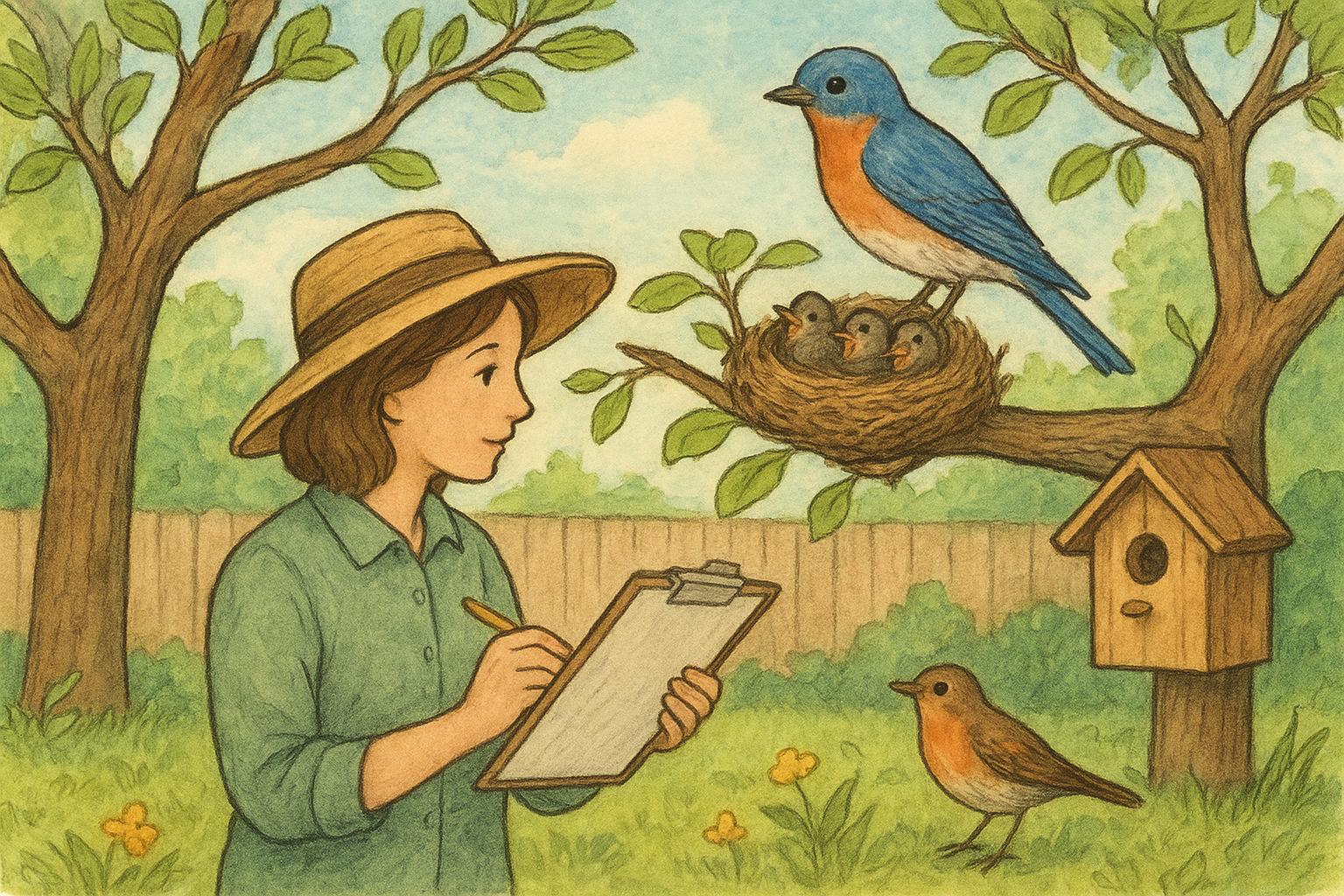
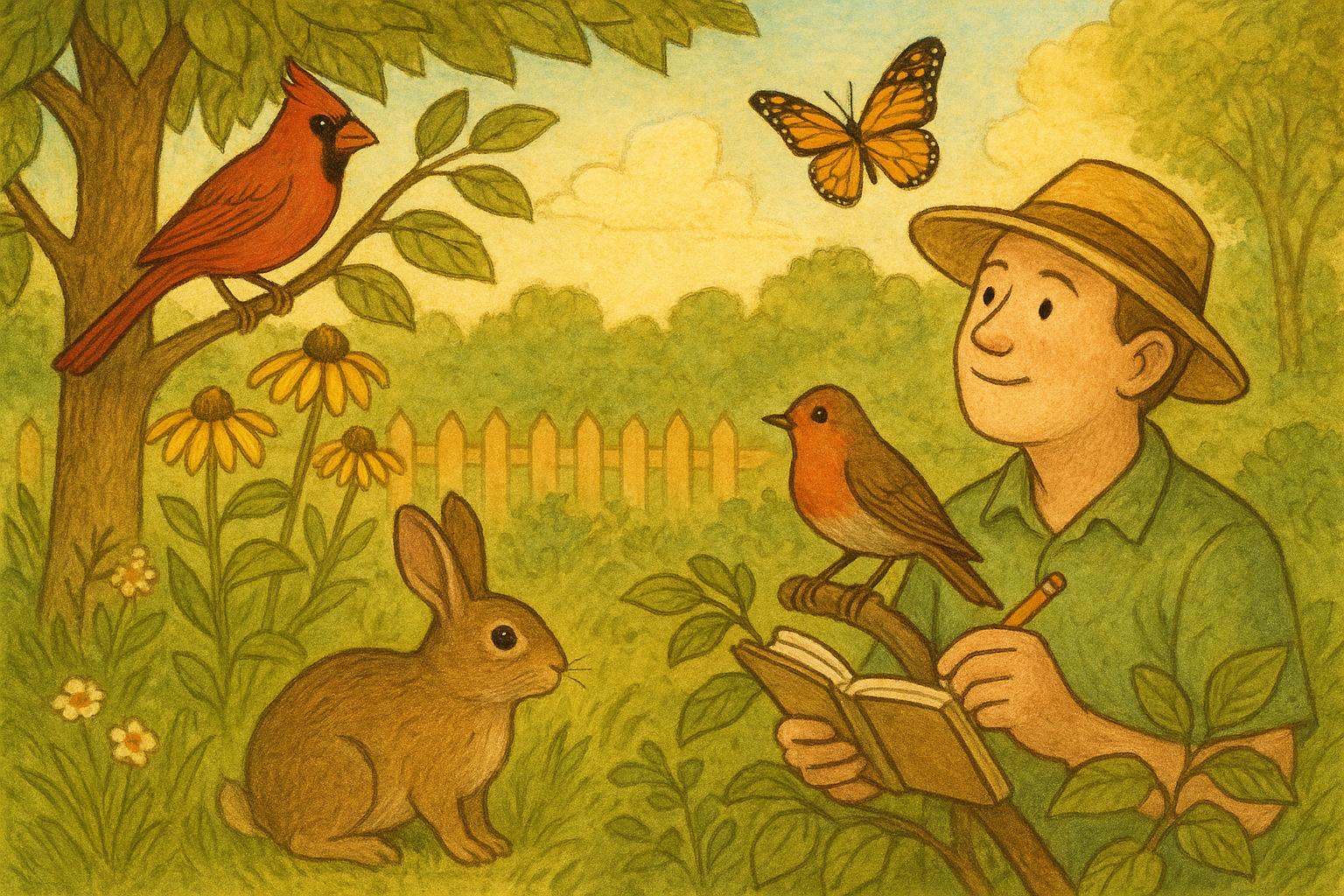
Observe discreetly. Binoculars and a notebook can turn your garden into a citizen science station. Note species, behaviors, and feeding times. This practice not only enhances your enjoyment but helps identify changes in patterns that may indicate local environmental shifts — and contributes to better hummingbird feeding and care in your neighborhood.
Relax, enjoy the show, and remember: helping hummingbirds is as much about creating habitat as it is about offering sugar water. The blend of carefully placed feeders, native plants, and routine hygiene makes your garden a hummingbird magnet, one tiny heartbeat at a time.

Leave a Reply