
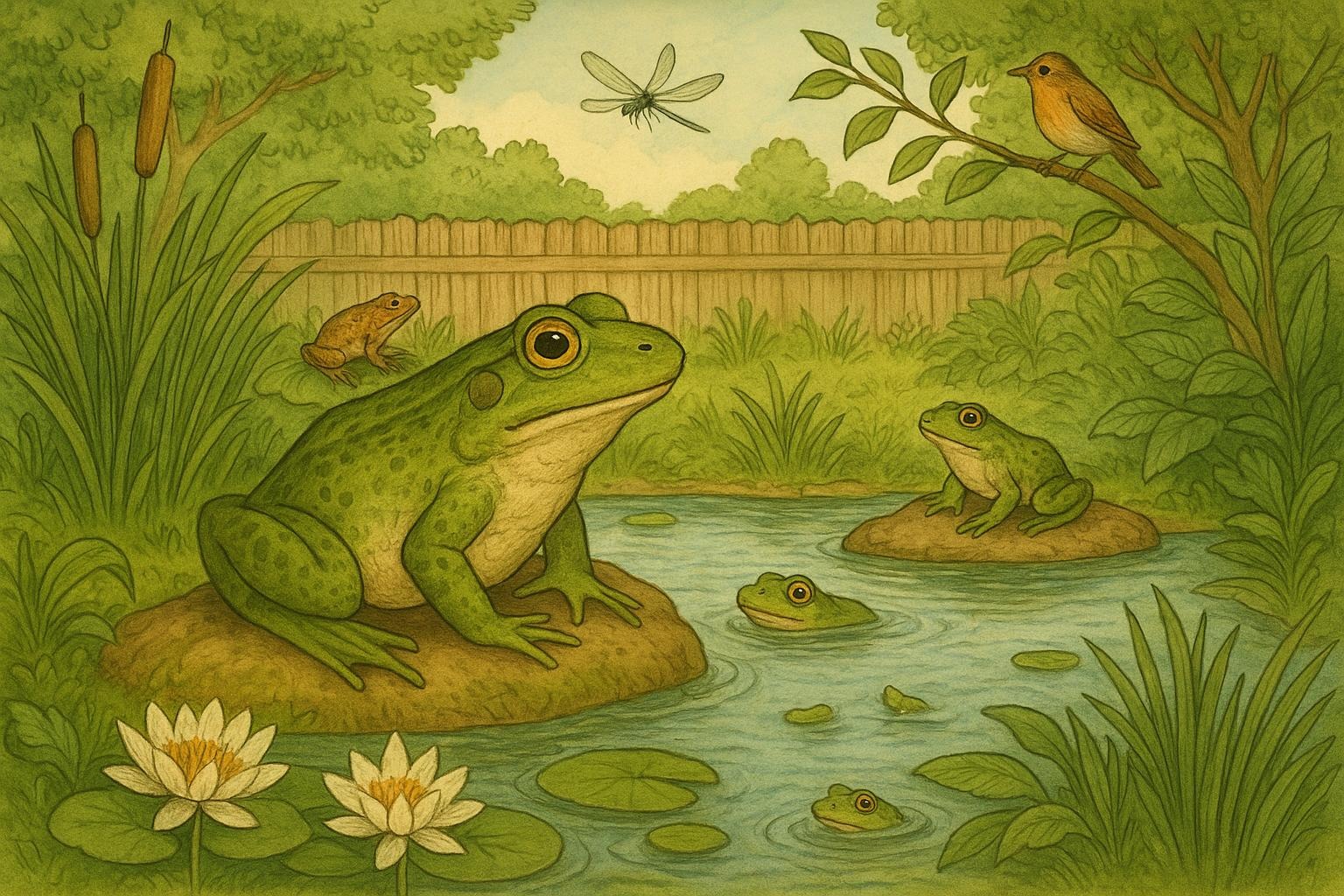
Welcome to your pondside classroom — grab a mug, maybe a towel, and let’s make your backyard a five-star amphibian resort. Frogs are low-effort neighbors with high entertainment value: chorus nights, natural pest control, and the occasional contortionist leap. With a few thoughtful adjustments, you can turn a plain pond into a thriving amphibian habitat. This article shares friendly, practical frog care tips that actually work.
## Frog Care Secrets That Transform Your Backyard Pond
### Know Who’s Moving In
Frog care starts with identification. Different species prefer different pond types. Bullfrogs and green frogs like larger, deeper waters with plenty of edge vegetation, while tree frogs favor shrubs and branches near the shore. Tadpoles of most species need calm, shallow areas to graze on algae and avoid fish predators. Learn which frogs are native to your region by checking a local field guide or an online herp database.
### Habitat Design Basics For Thriving Amphibians
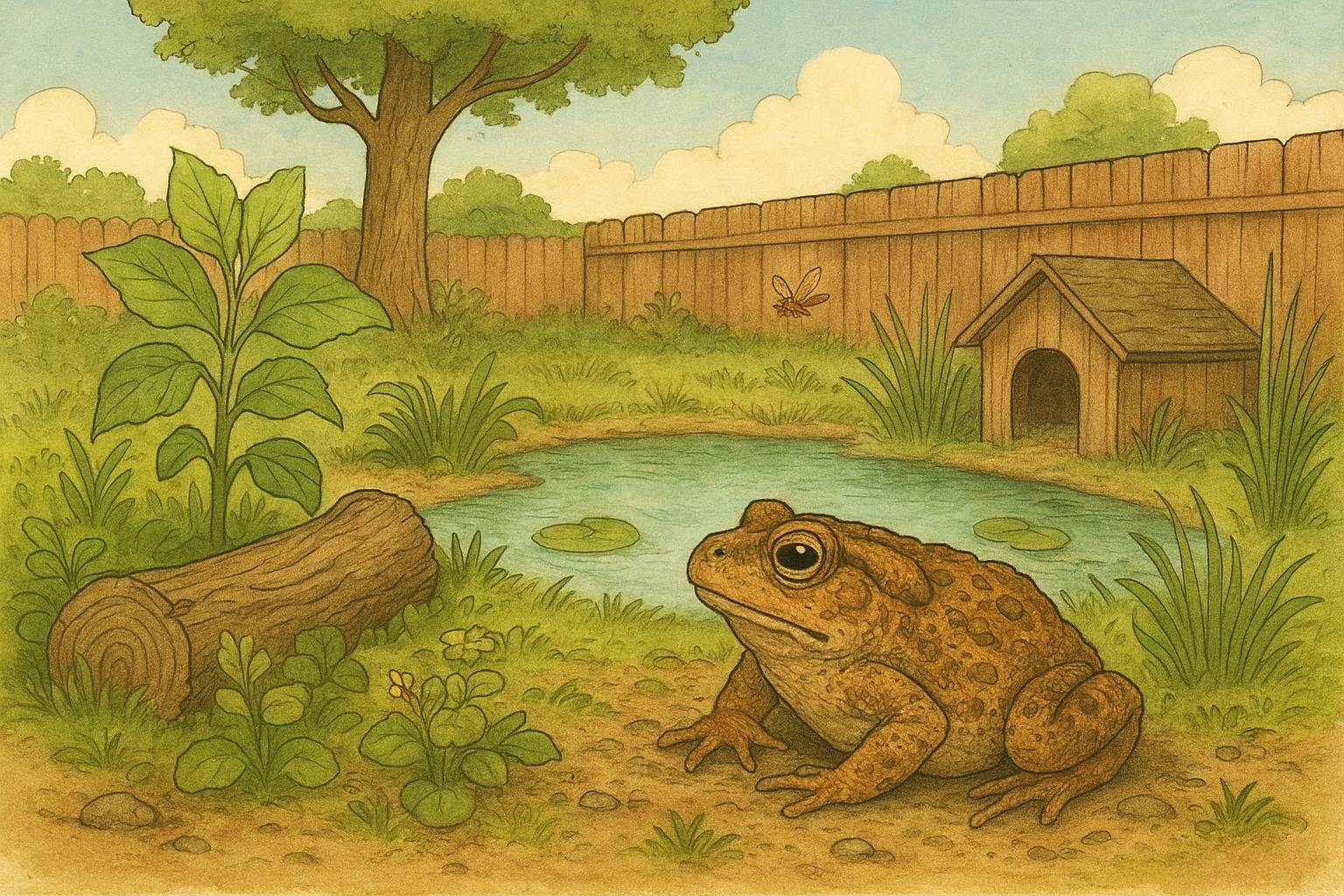
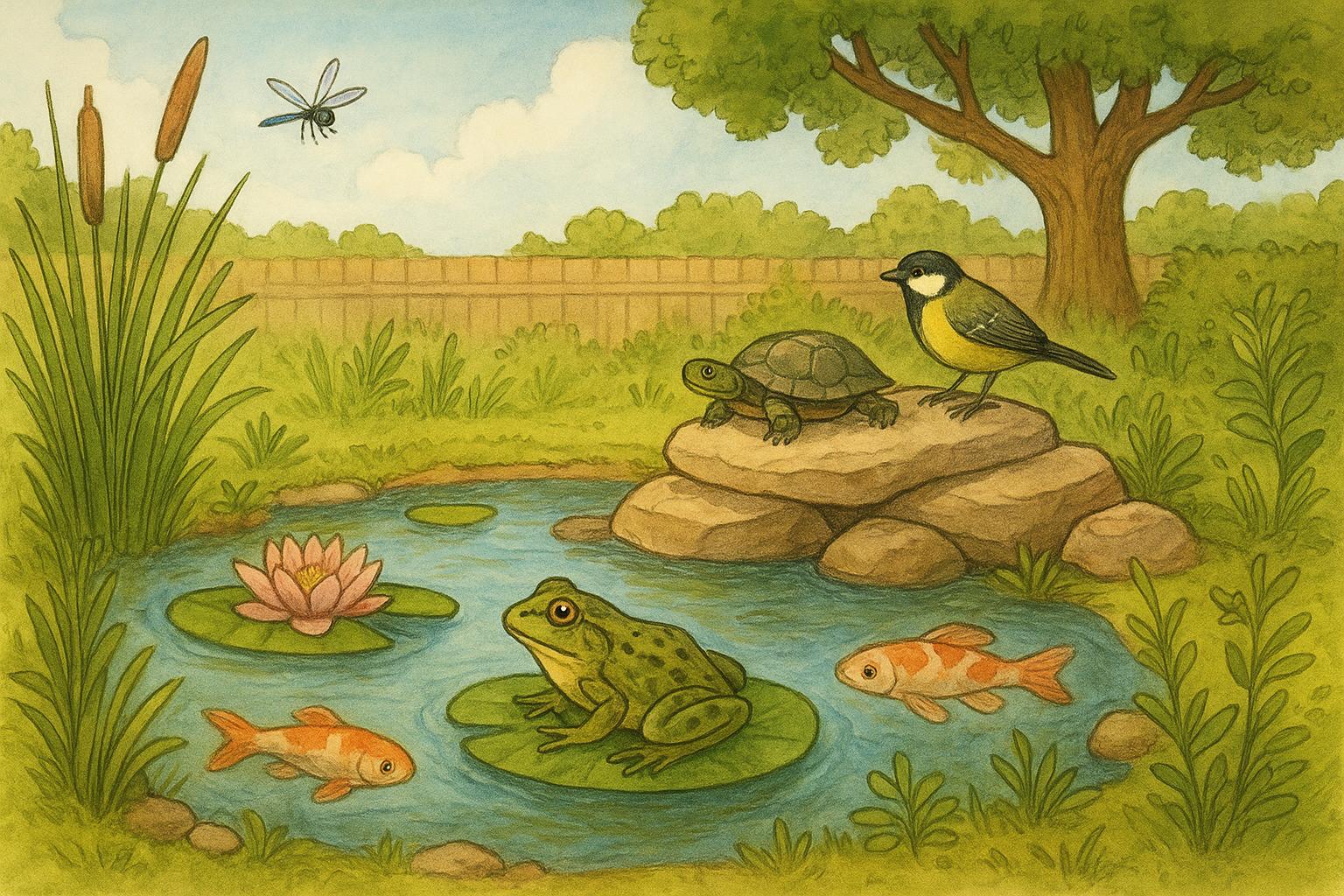
Good frog care is really habitat design: provide water, shelter, food sources, and safe travel corridors. Keep the pond shallow in parts (6–12 inches) with gradual slopes so juveniles can easily get in and out. Native plants both in and around the pond are essential — they stabilize banks, provide cover, and feed the insect populations frogs munch on.
#### Water Quality Is Non-Negotiable
For frogs, water quality isn’t just aesthetic; it’s survival. Avoid chlorinated tap water unless you dechlorinate it first. pH should be neutral to slightly acidic (roughly 6.5–7.5), and ammonia and nitrite must be kept near zero. Regular partial water changes and a healthy balance of plants are reliable ways to maintain this. If you use a pump, ensure any filters have smooth outlets and are properly screened so tadpoles aren’t drawn in.
#### Keep Predators In Check
Fish can be lovely, but many species will eat frog eggs and tadpoles. If you want both fish and frogs, create fish-free shallows or use dense planting and root tangles where tadpoles can hide. Keep outdoor cats from stalking the pond by installing low fencing or thorny planting; motion-activated lights or sprinklers also help deter nocturnal hunters.
### Feeding And Foraging: A Natural Approach
Frogs are primarily insectivores. The best frog care strategy regarding food is to foster an insect-rich environment: native flowering plants, a log pile for beetles, and a little leaf litter. Avoid feeding frogs human food or processed items. If you must supplement during times of scarcity, offer appropriately sized live invertebrates — but consult local wildlife guidelines, as in some places it’s best not to intervene.
## Remedy 1: Create A Shallow Shoreline For Tadpoles And Juveniles
#### Why This Remedy Works
A shallow shoreline protects eggs and tadpoles from deeper-water predators, provides a warm microclimate for development, and offers easy exits for metamorphs. Properly executed, this feature dramatically increases juvenile survival.
#### Materials Required
– Washed gravel (pea gravel, 1/8–3/8 inch)
– Native marginal plants (e.g., sedges, iris, water plantain)
– Coir matting or erosion-control fabric
– Flat stones for basking and micro-habitats
– Shovel and gloves
#### Step-By-Step Creation And Application
1. Assess the pond edge and choose a long, gradual slope area. Aim for a slope where 6–12 inches of depth extends 3–4 feet into the pond.
2. Excavate to create the desired slope if necessary, removing sharp edges and compacted soil that could trap water unnaturally.
3. Install coir matting over the slope to prevent erosion. Secure it with garden staples and cutouts for plants.
4. Place a 1–2 inch layer of washed pea gravel over the matting. Gravel provides texture for tadpoles to cling to and helps plant roots establish.
5. Plant native marginal species directly into the gravel and adjacent shallow water. Space them to form a patchwork of cover and open grazing areas.
6. Set flat stones at the waterline to create basking spots and gentle step-like transitions for small frogs leaving the water.
7. Monitor for the first breeding season: check that water still flows properly, plants are establishing, and no pockets of stagnant water form. Make minor adjustments to stone placement or planting density as needed.
By following this structured approach, you produce a durable shoreline that supports multiple life stages while remaining low-maintenance.
### Maintain Seasonal Care Routines
Frog populations are sensitive to seasonal changes. In spring, avoid heavy pruning near the pond during breeding season. During hot summers, maintain partial shade and deeper cool pockets by using emergent plants and adding floating vegetation. In autumn, leave leaf litter in sheltered areas — it becomes overwintering habitat and hibernacula for adults and juveniles alike.
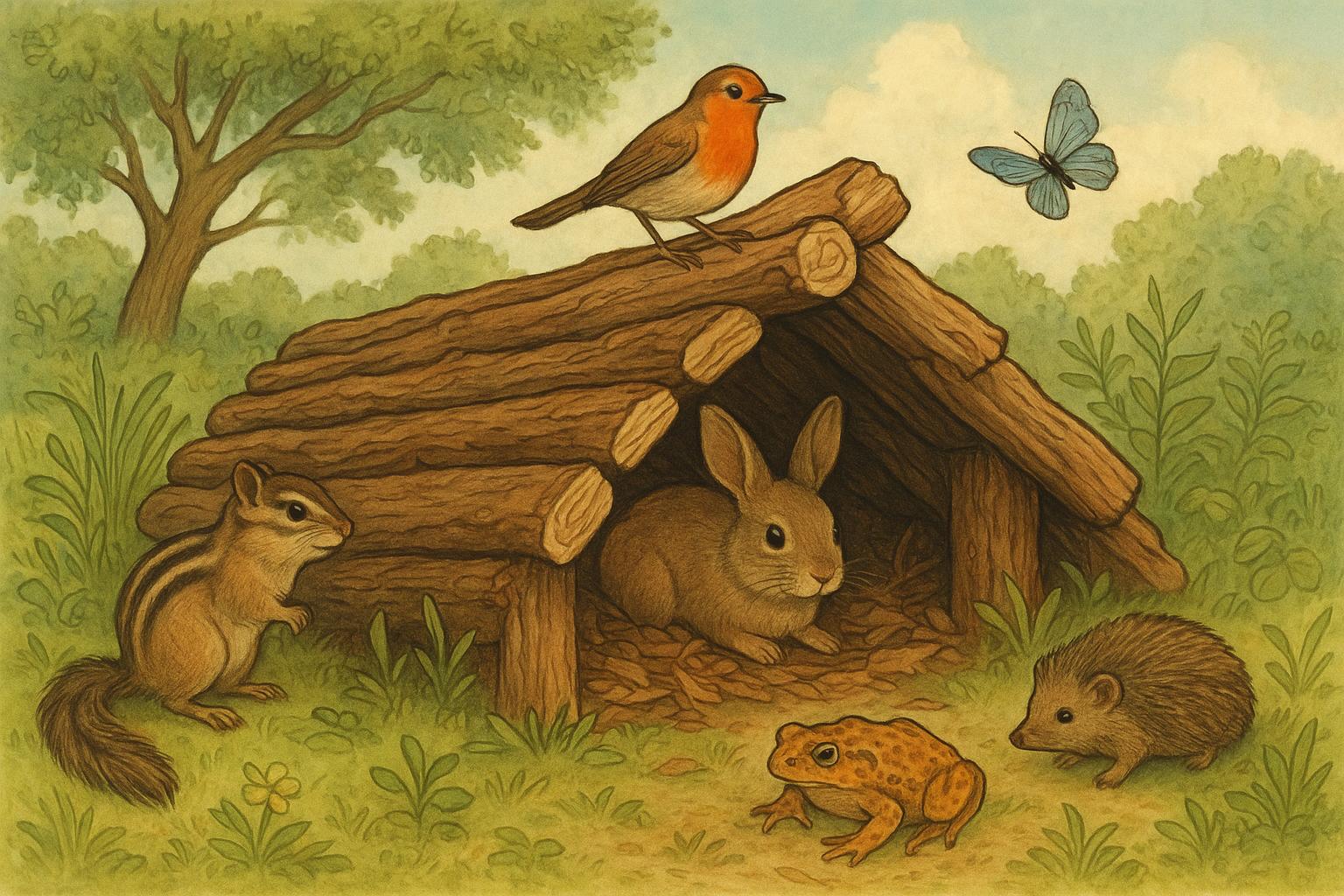
## Remedy 2: Build A Winter Hibernation Box (For Temperate Climates)
#### Why This Remedy Works
In cold climates, frogs need frost-free, moist refuges to survive winter. A hibernation box mimics natural burrows and gives amphibians a predictable, safe place to overwinter near the pond, increasing survival rates across seasons.
#### Materials Required
– Untreated wooden box (cedar or rough pine recommended), approximately 18 x 12 x 12 inches
– Shredded leaf litter and damp sphagnum moss
– Straw or hay (not treated with pesticides)
– Mesh or screened ventilation (small-gauge hardware cloth)
– Natural cover: flat stones, logs, and native mulch
– Optional: PVC pipe (4-inch) as an entrance tunnel
#### Step-By-Step Creation And Application
1. Choose a sheltered location within 20 feet of the pond, ideally partially shaded and protected from direct wind.
2. Construct or buy an untreated wooden box. Drill small ventilation holes near the top and cover openings with hardware cloth to keep predators out while allowing airflow.
3. Line the bottom with a 2–3 inch layer of damp sphagnum moss to maintain humidity. Add a thick layer of shredded leaf litter on top, topping it with straw for insulation.
4. If using a PVC entrance tube, bury one end into the ground and attach the other to the box entry to simulate a natural tunnel. Ensure the tube slopes slightly downward to prevent water pooling into the box.
5. Cover the exterior with a flat stone or a log to provide camouflage and additional insulation. Pile native mulch around the box to deter disturbance.
6. Do not seal the box tightly; moisture exchange is important. Check the box once a year in mild weather to replace degraded bedding and to ensure ventilation is clear.
7. Leave the box undisturbed during winter months. Only inspect during late autumn or early spring to avoid accidentally exposing hibernating animals to freezing temperatures.
This remedy should be applied according to local climate needs and species-specific behaviors; some frogs overwinter in the pond substrate itself and may not use boxes. Consult local wildlife resources if unsure.
### Water Feature Maintenance Without Chemicals
Many pond owners reach for algaecides and chemical clarifiers; avoid them if your aim is ethical frog care. Instead, use mechanical skimming, pond plants, and barley straw extracts as safer alternatives. Clean filters regularly and perform partial water changes (15–20%) monthly during peak growth seasons to reduce nutrient buildup. If you must treat water for specific issues, choose products labeled safe for amphibians and follow dosage directions precisely.
#### Managing Mosquitoes The Frog-Friendly Way
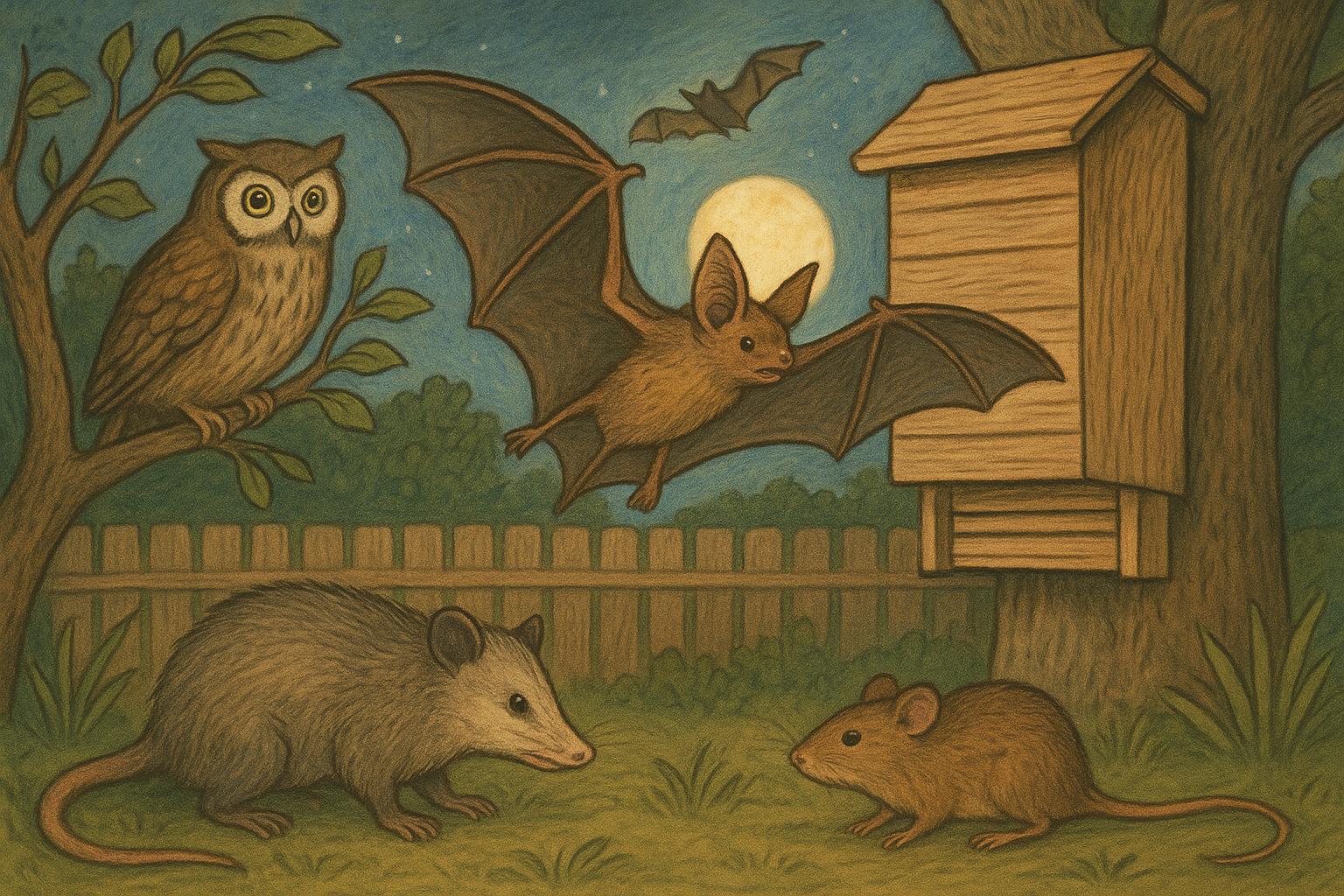
Frogs help reduce mosquito populations, but you can stack the odds in their favor. Encourage dragonflies by adding tall emergent plants; they prey on mosquitoes and their larvae. Install a few shallow, sunlit rocks where dragonfly nymphs can climb out. Avoid mosquito dunks if you have fish that prey on tadpoles — instead promote predators like bats and swallows nearby with bat boxes and perches.
### When To Intervene And When To Observe
Frog care balances helpful action with respectful restraint. Intervene when water quality is poor, invasive species are present, or habitat destruction threatens survival. Avoid unnecessary handling: human skin oils and salts can harm amphibians. If you find injured wildlife, contact a licensed wildlife rehabilitator; they have the training and permits to give proper care.
#### Record Keeping Is Helpful
A simple log of breeding activity, water tests, and observed species will help you fine-tune your frog care practices. Note dates of first chorus, tadpole sightings, and any unusual mortalities. Over a few seasons you’ll see patterns and can adjust habitat features or maintenance schedules accordingly.
### Legal And Ethical Considerations
Frogs are protected in some regions. Do not collect wild frogs or transport them between water bodies, as this spreads disease and invasive species. If you’re considering captive care beyond habitat enhancement, check local regulations and permits. Respecting legal frameworks is a part of responsible frog care.
Keep it simple, keep it local, and let nature do most of the work. Your pond will reward patience and thoughtful design with lively choruses, mosquito control, and the satisfaction of supporting wild neighbors that are as charming as they are useful.








Leave a Reply