
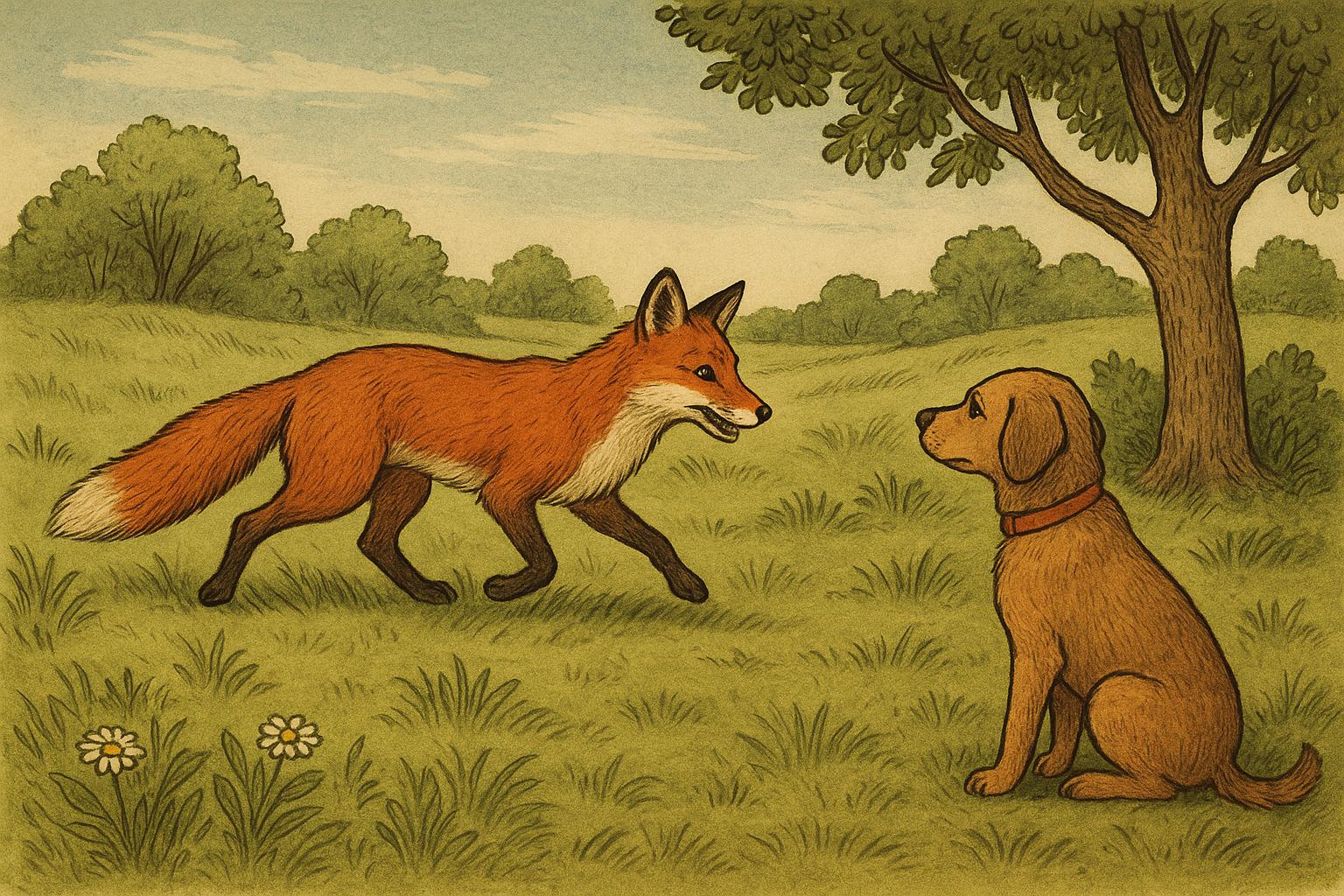
If you’ve noticed a fox in your neighborhood, it’s reasonable to wonder what that means for your pets and how to respond without overreacting. Fox activity can increase with seasonal changes, urban expansion, and food availability — understanding the causes and practical steps can keep animals safe while respecting wildlife.
## Fox Sightings In Your Area What They Mean For Pet Safety
Fox sightings in a yard or near a park are often a mix of curiosity, territorial movement, and opportunistic feeding. They are adaptable animals that survive well near humans when food and shelter are available. For pet owners, the primary concerns are predation of small animals, transmission of disease, and rare but possible habituation to people. Knowing how to interpret fox behavior and how to deter them safely will reduce risk without harming local wildlife.
### Understanding Fox Behavior And Seasonal Patterns
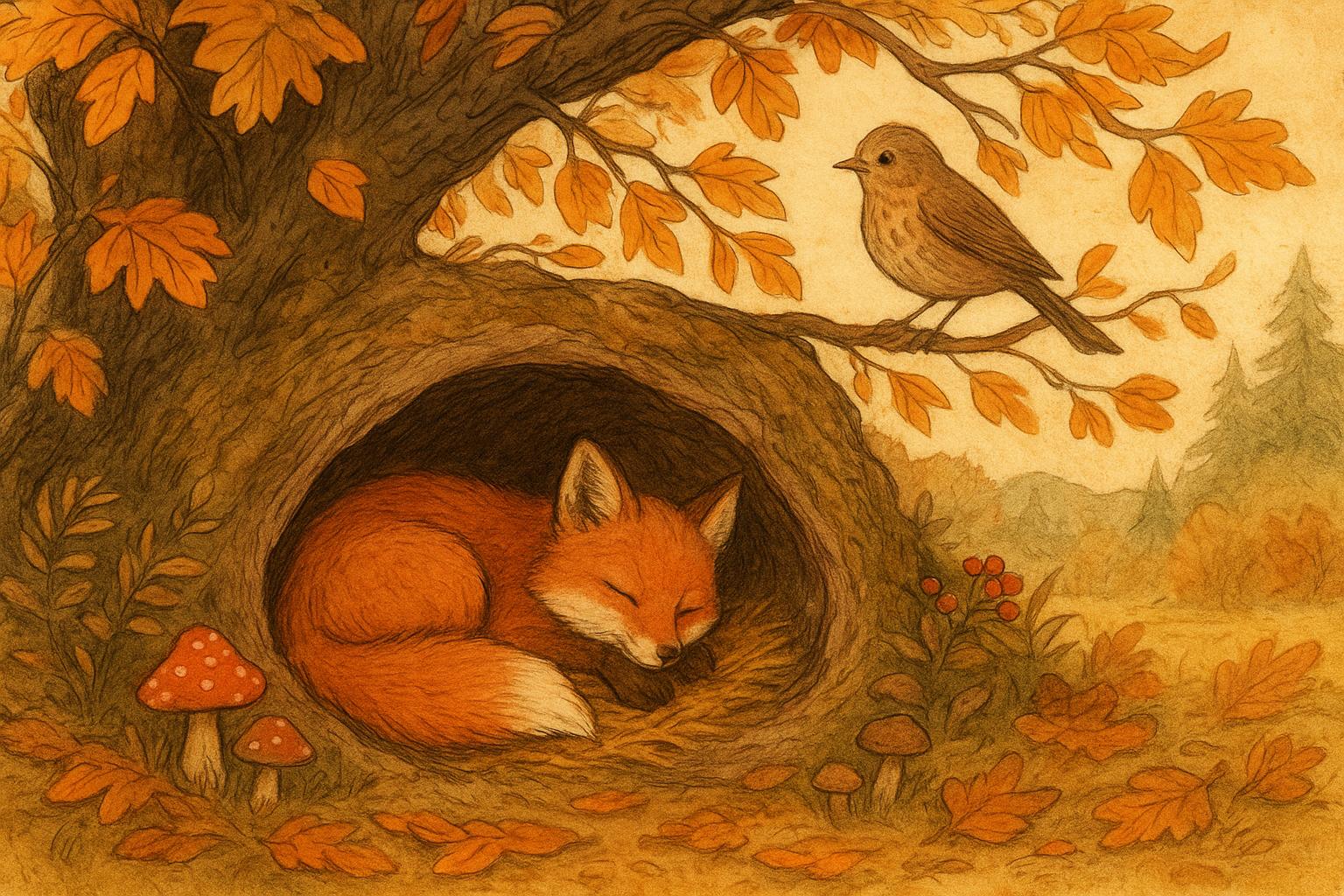
Foxes are generally crepuscular: most active at dawn and dusk, though they can be seen at any time. Increased fox sightings often occur during two predictable periods: late winter to spring (breeding and denning season) and late summer to fall (juvenile dispersal). During these times adults may be more visible while caring for kits, and young foxes may be exploring widely as they leave the den. Urban and suburban foxes adapt to human schedules and food sources, so predictable attractants like pet food, compost, and unsecured garbage can prolong their presence.
### How Fox Sightings Affect Different Pets
Small pets: Rabbits, guinea pigs, poultry, and small cats and dogs under 10–15 pounds are at greatest risk outdoors unattended. A fox may view them as prey if left unprotected.
Medium and large dogs: Adult foxes will generally avoid larger dogs. Most encounters are avoidance or posturing rather than physical confrontation. However, confrontations can be stressful for both animals and might result in injury.
Indoor pets: Cats and indoor-only small mammals are safer but can still be affected by disease transmission if owners bring materials from outdoors into the home. Keep vaccinations current.
Disease risk: Foxes can carry parasites (fleas, ticks), canine distemper, and, in some regions, rabies. Rabies incidents in foxes are rare in many developed areas, but any unusual behavior—approaching humans, aggression, or daytime disorientation—should be reported to local animal control.
### Signs Of Problematic Behavior During Fox Sightings
Look for:
– Loss of fear around humans or pets
– Active scavenging in daylight or aggressive attempts to access enclosures
– Unusual vocalizations (screeching, continuous yelping)
– Visible signs of disease (stumbling, drooling, lethargy)
If a fox displays these behaviors, keep pets inside and contact local wildlife authorities.
### 1. Homemade Fox Deterrent Spray (Remedy 1)
Ingredients / Materials:
– 2 cups distilled water
– 1/2 cup white vinegar
– 1 tablespoon liquid dish soap (pet-safe, fragrance-free)
– 1 teaspoon cayenne pepper or 10–15 drops of hot pepper oil
– Spray bottle (1-liter capacity recommended)
– Gloves and eye protection
Step-By-Step Creation:
1. Put on gloves and eye protection before handling cayenne or pepper oil.
2. In a clean container, mix the distilled water and white vinegar.
3. Add the dish soap and stir gently to avoid foaming.
4. Slowly add cayenne pepper or hot pepper oil, stirring until dispersed.
5. Pour the mixture into the spray bottle, label clearly, and store out of direct sunlight.
Application:
1. Test a small inconspicuous area of vegetation or surface to ensure no damage.
2. Lightly spray perimeter areas where foxes have been seen: fence lines, near compost piles, around pet enclosures.
3. Reapply after heavy rain or every 7–10 days during peak activity periods.
4. Use caution to avoid spraying directly on pets, food bowls, or surfaces where children play. The capsaicin component can irritate skin and eyes.
Note: This is a deterrent for scent aversion and is non-lethal. It discourages foxes by making an area unpleasant without causing lasting harm.
### 2. Secure Enclosure And Yard Fox-Proofing (Remedy 2)
Materials / Tools:
– Hardware cloth (1/2-inch mesh) or welded wire
– Treated lumber or metal posts
– Heavy-gauge fencing (6 feet recommended)
– Digging barrier (extra hardware cloth buried 12–18 inches)
– Latches that close away from small animals’ reach
– Motion-activated lighting and/or sprinkler (optional)
Step-By-Step Creation:
1. Evaluate vulnerable areas: poultry runs, rabbit hutches, and gaps under fences.
2. Install a tall fence (preferably 6 feet) using treated posts and strong mesh. Ensure the bottom is flush with the ground.
3. Bury a horizontal apron of hardware cloth 12–18 inches outward from the fence to prevent digging, or sink the mesh 12–18 inches below ground.
4. Reinforce gates and enclosures with latches and secondary barriers. Foxes are adept at slipping through small openings.
5. Add a roof or overhead mesh to protect aviaries and outdoor hutches.
6. Install motion-activated lights or sprinklers to startle nocturnal visitors and discourage habitual visits.
7. Keep enclosures well-maintained; repair any holes or gaps immediately.
Application Tips:
– Lock small pets inside at night when fox activity peaks.
– Use elevated enclosures for poultry at night and secure young animals indoors until fully grown and protected.
### Motion-Activated Systems And Other Nonchemical Deterrents
Motion-activated devices are a humane and effective response to recurring fox sightings. Options include sprinkler systems that deliver a sudden burst of water and lights that illuminate yards when motion is detected. Ultrasonic devices are marketed for wildlife deterrence but have mixed results. Combining visual, auditory, and water-based deterrents reduces habituation.
#### Materials For A Motion-Activated Sprinkler Setup
– Motion-activated sprinkler unit compatible with garden hose
– Timer or smart plug for scheduled operation (optional)
– Sturdy mount or stand
Steps:
1. Position the sprinkler to cover areas where foxes are commonly seen (near compost, under trees, around small-pet areas).
2. Adjust sensitivity so it activates for animals of fox size and does not trigger continuously from branches or small wildlife.
3. Test and fine-tune the aim and range at different times.
### Managing Attractants And Everyday Habits
Remove food sources that draw foxes close to homes. Secure garbage in animal-proof containers, feed pets indoors or remove outdoor bowls overnight, and maintain compost bins with tight lids. Trim dense ground cover and seal openings under decks where foxes might seek shelter. Store poultry feed in metal containers and bring it indoors at night.
### What To Do If Your Pet Encounters A Fox
If a fox approaches your pet:
– Call your pet indoors calmly; avoid chasing the fox, which can provoke a defensive response.
– If the encounter escalates, make loud noises, wave arms, and use an umbrella or broom to create distance—do not physically grab the fox.
– Inspect your pet for injuries and watch for bites or scratches. Even superficial wounds require cleaning and antimicrobial care; consult a veterinarian for any contact or suspected bite because of infection and rabies risk.
– Report repeated aggressive or unusual fox behavior to local animal control.
### When To Contact Professionals During Fox Sightings
Contact local wildlife authorities or animal control if:
– A fox is acting unusually tame or aggressive.
– An animal shows signs of illness (staggering, paralysis, excessive drooling).
– There are repeated instances of foxes attacking small pets despite reasonable deterrents.
– You need guidance on legal options for relocation or removal; many regions prohibit residents from trapping or relocating wildlife without permits.
### Vaccination, Prevention, And Responsible Pet Ownership
Keeping pets’ vaccinations current is crucial. Rabies and core vaccines for dogs and cats lower the risk of disease transmission following wildlife encounters. Microchipping and secure identification reduce stress and recovery time if a pet is chased or separates from home.
Regular supervision, especially for small pets, combined with practical fencing and attractant management, will address the risks associated with fox sightings while allowing wildlife coexistence. Humane deterrence, timely veterinary care, and collaboration with local authorities form a complete, responsible approach to protecting pets and neighborhoods.







































Leave a Reply