
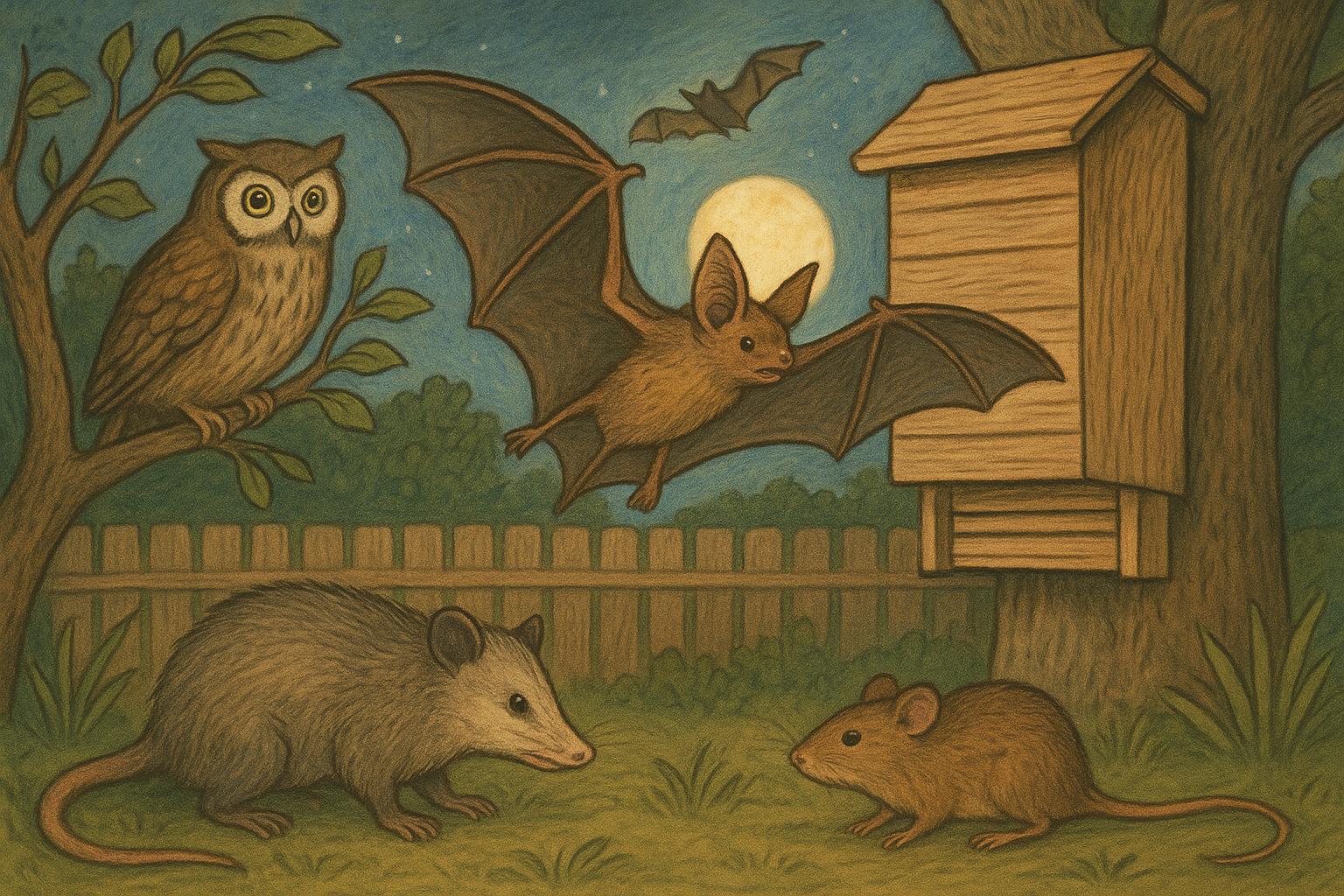
If your yard comes alive after sunset, you’re in good company. Bats are some of the most efficient and interesting nocturnal mammals you can share a backyard with — mosquito control included, no tipping required. This bat guide will help you recognize common behaviors, create hospitable habitat, deter bats when necessary, and handle encounters responsibly. Think of it as a friendly neighborhood orientation for the original night shift.
## Bat Guide: Who Lives In The Night?
Bats are incredibly diverse, but in many backyards you’ll see insectivorous species that hunt moths, beetles, and yes, the mosquitoes you probably swore to eradicate last summer. They navigate with echolocation, have varied roosting needs, and show up in summer evenings as tiny, efficient predators of flying insects. This bat guide explains habitat preferences, how to tell if bats are using your property, and what to do if you want to encourage or discourage them.
### Backyard Species And Habits
Different regions host different species, but the patterns are similar: small bats (often under 12 grams) roost in trees, attics, or bat boxes and emerge at dusk to forage. They fly in quick, agile patterns and can eat hundreds to thousands of insects in a single night. Maternity colonies form in spring and summer; females gather to raise pups, and these colonies can be the loudest, most noticeable bat activity you’ll observe.
#### Identifying Local Bat Species
If you want to be more precise, note size, flight behavior, and roosting spots. Pipistrelles and little brown bats are common in many North American residential areas; other locales have their own favorites. Local wildlife agencies or university extension services can help with species-level identification if you provide photos or descriptions.
## Signs Of Bats In Your Backyard
Bats are stealthy, but they leave clues. Look for these signs before jumping to conclusions.
– Nighttime silhouettes and quick darting flights around lights or trees.
– Roosting evidence: small dark stains and guano (bat droppings) under potential roost sites like eaves, chimneys, or tree cavities.
– Chirps at dusk; some species produce audible social calls.
– Increased insect activity in illuminated areas that attract bats.
### Guano And Droppings: What To Know
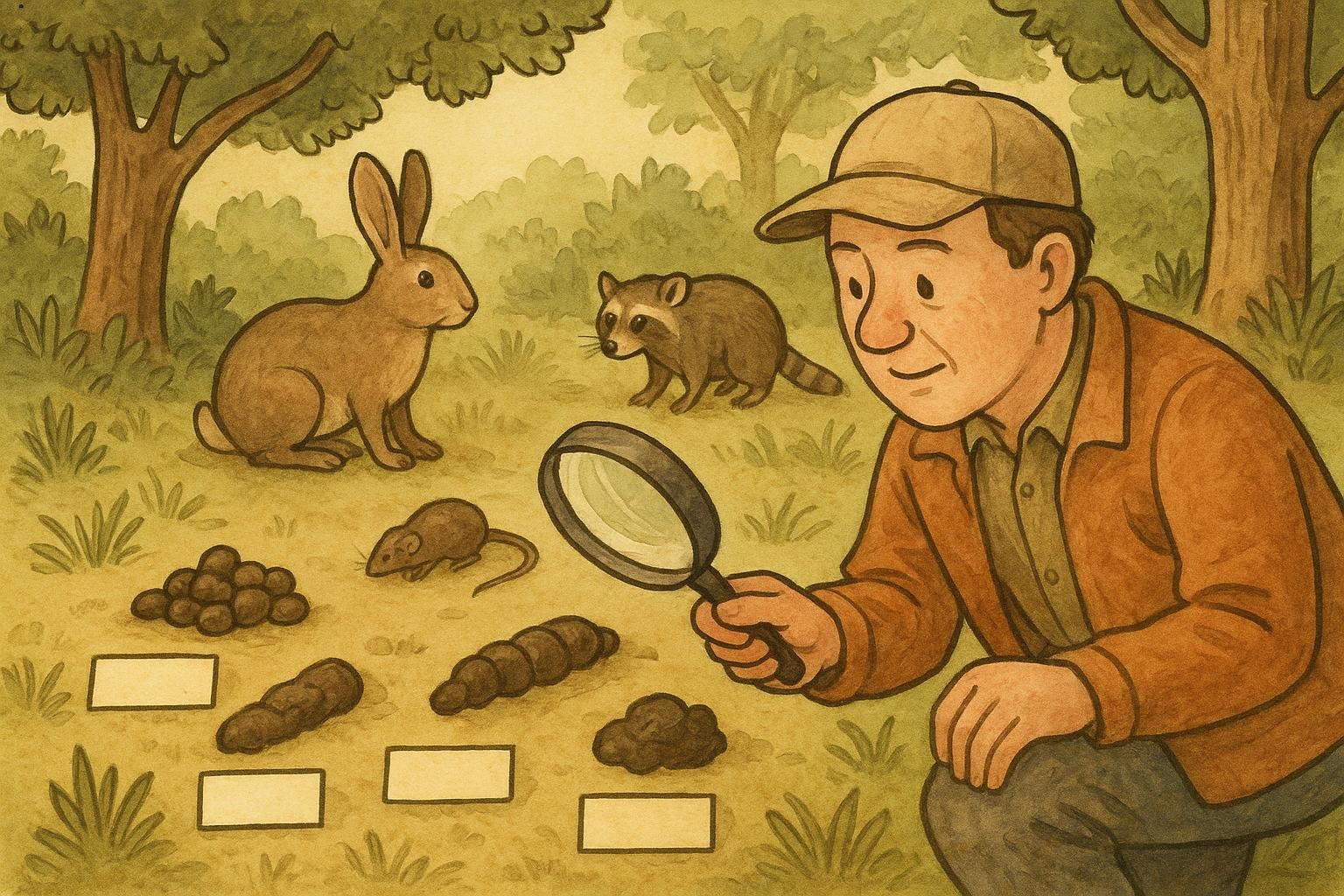
Bat guano resembles rodent droppings but tends to crumble to powder. It’s an important indicator but handle discoveries with caution: guano can harbor histoplasmosis spores. If you suspect a significant accumulation, avoid disturbing it and consult a professional for safe removal.
#### Preventing Guano Risks
Minimize access to roost sites you want to manage. Keep children and pets away. When cleaning is required, use masks, gloves, and wet-cleaning methods to reduce dust. For larger accumulations, hire trained abatement services.
## 1. Remedy: Build A Bat House (To Encourage Bats)
If you want more bats to help control pests and support local biodiversity, a bat house is a humane, effective tool. Follow these materials and steps to build and mount a durable bat home.
Materials Required
– Exterior-grade plywood (3/4″ for back, 1/2″ for partitions)
– Exterior wood screws and waterproof wood glue
– Dark, non-toxic, exterior paint or stain (black or dark brown recommended in cooler climates)
– Hardware cloth (for internal landing textures)
– Silicone caulk or roofing adhesive (weatherproof)
– Mounting hardware: lag screws, mounting plate, or sturdy pole
– Optional: predator guard and rain drip edge
Step-By-Step Construction And Installation
1. Cut the back board to your desired height (24–36 inches recommended). Mark internal chambers about 3/4″ to 1″ tall; bats prefer narrow crevices.
2. Construct three or four internal partitions from plywood to form chambers. Attach partitions to the backboard with waterproof glue and screws, leaving about 3/8″–1/2″ gap at the base for entry.
3. Cover internal landing surfaces with hardware cloth or roughen with non-toxic textured paint to give bats grip.
4. Attach a sloped roof with an overhang to shed water. Seal joints with silicone caulk to prevent leaks.
5. Paint exterior with two coats of dark, non-toxic exterior paint; allow full drying. Do not paint the interior surfaces where bats land.
6. Mount the house at least 12–15 feet high on a building or pole, in a spot that receives 6–8 hours of sun daily (south- or southeast-facing in temperate zones).
7. Monitor from a distance at dusk to confirm occupancy. If vacant after a season, consider relocating the box to a sunnier spot.
When implementing this remedy, ensure compliance with local wildlife regulations. Do not install during maternity season if you plan to later exclude bats from a structure.
## 2. Remedy: Humane Exclusion And Problem Mitigation (If Bats Are In Your House)
When bats take up residence in walls, attics, or chimneys, humane exclusion is the recommended solution. This remedy requires precision and timing to avoid harming pups and to comply with wildlife protections.
Materials Required
– One-way exclusion netting or exclusion tubes (widely available)
– Durable caulk and sealant
– Weatherproof mesh for vents and chimney caps
– Flashlight and inspection camera (optional but helpful)
– Ladder, safety gear, and gloves
– Professional wildlife exclusion service contact info (recommended)
Step-By-Step Exclusion Procedure
1. Inspect at dusk and dawn to identify primary exit points. Observe where bats exit to determine all access routes.
2. Do not seal entry points during maternity season (spring–early fall in many regions) because pups will be trapped. Exclusions should occur when no dependent young are present, or under professional supervision.
3. Install a one-way exclusion device over the main exit(s). These allow bats to leave but not re-enter. Secure devices per manufacturer instructions and ensure all other holes remain closed temporarily.
4. After 3–5 nights with no observed re-entry, permanently seal all gaps with durable caulk, steel mesh, or flashing. Common entry points include gaps under eaves, missing soffit panels, chimneys, and roofline cracks.
5. Install chimney caps and vent covers to prevent future access. Inspect attic insulation and repair any structural damage.
6. If multiple access points exist or the colony is large, consult a licensed wildlife control professional. They can perform a thorough inspection, ensure timing is appropriate, and complete exclusion safely.
This remedy should be executed with legal and humane considerations foremost. Many regions protect bat species or restrict disturbance during breeding seasons.
### Landscaping And Lighting Tips To Manage Activity
If you’re adjusting your yard to be more bat-friendly or less inviting, consider these landscaping and lighting strategies. Use warm-colored, low-intensity lights to reduce insect attraction near doors and windows. Plant native flowering plants to support insect diversity, which in turn supports bat foraging. Keep water sources like birdbaths away from primary living areas if you want to minimize nighttime activity nearby.
#### Minimizing Human-Bat Conflicts
Keep exterior doors and windows screened. Avoid handling bats directly; a grounded or found bat that appears sick should be reported to local wildlife or animal control for safe removal and possible rabies testing. Vaccinated professionals should handle any direct contact situations.
## Coexisting With Backyard Bats
Bats provide ecological services that are easy to appreciate when you peek out at dusk and see them on patrol. Use this bat guide to make informed decisions about attracting, managing, or excluding bats. Be mindful of timing, legal protections, and hygiene when dealing with roosts or guano. With a bit of planning and the right materials, most backyard bat situations can be handled humanely and effectively — and you’ll sleep a little easier knowing the mosquito population just took a hit.














Leave a Reply