
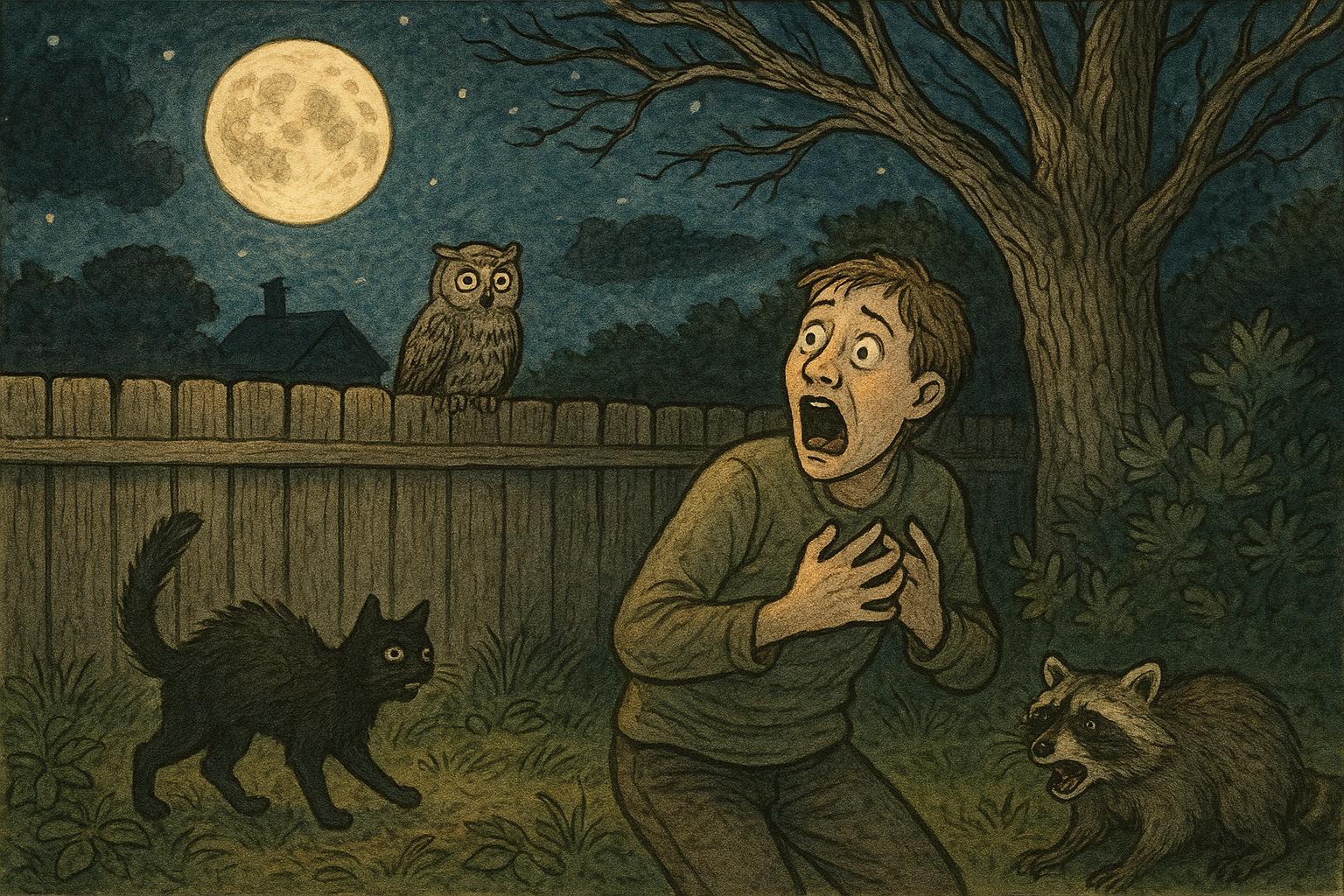
## Nocturnal Scream Sources In The Backyard: What They Usually Are
You hear a sharp, human-like cry outside at 2 a.m., and every plausible explanation races away. Start with this: most of what people call nocturnal screams are ordinary animals or mechanical hiccups. The phrase nocturnal scream sources in the backyard catches attention because that sound feels urgent, but urgency doesn’t equal mystery.
When you hunt for nocturnal scream sources in the backyard, listen for pattern, pitch, and repeatability. Is it a single long wail or a volley of short yips? Does it climb in pitch like a child’s shout, or is it thin and insectile? Those details point you toward different culprits. Backyard night noises that feel alarming often have perfectly logical origins once you know what to listen for.
### Common Animal Culprits For Nighttime Yells
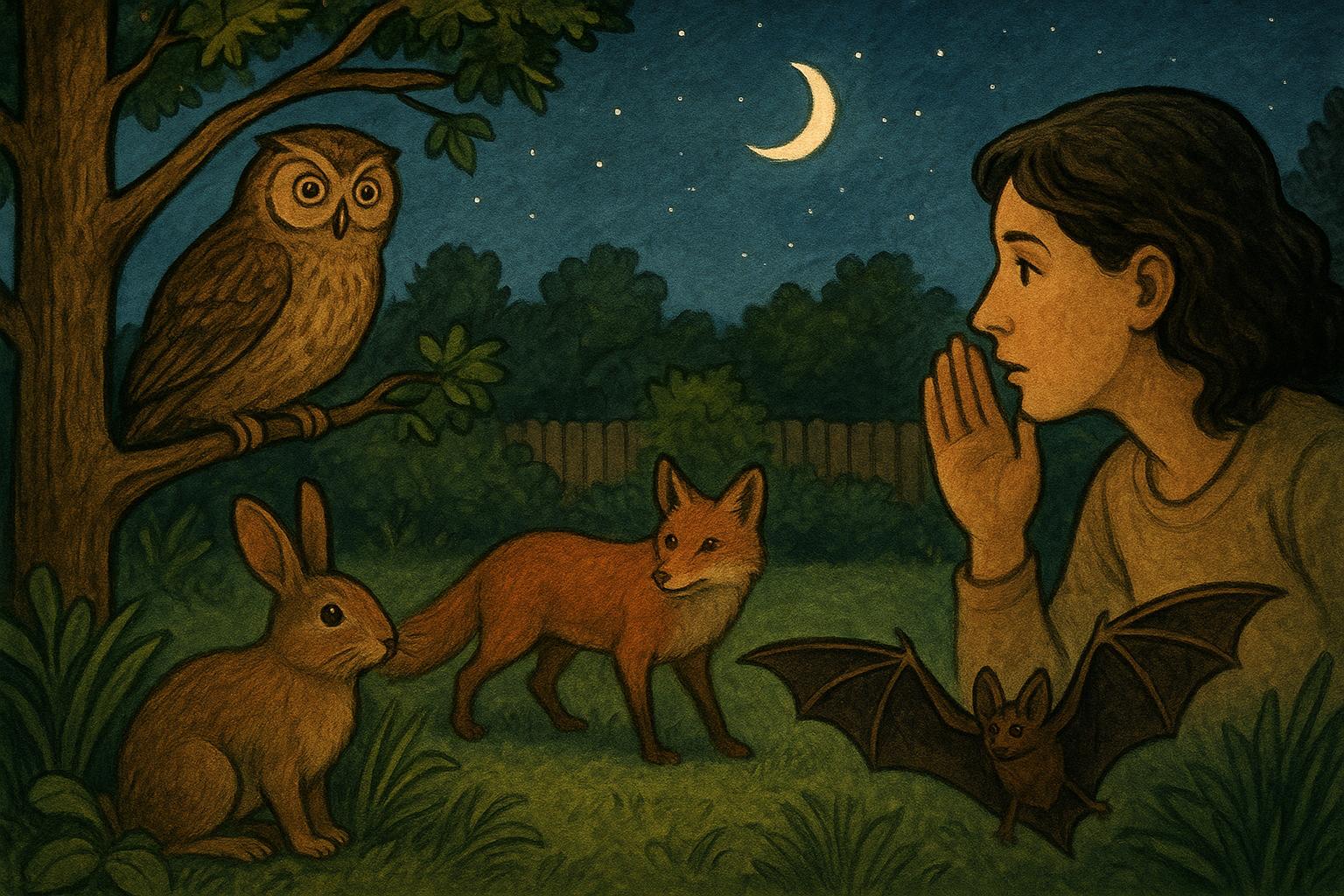
Owls, foxes, cats, and coyotes are at the top of the list. Each has a distinct signature if you pay attention.
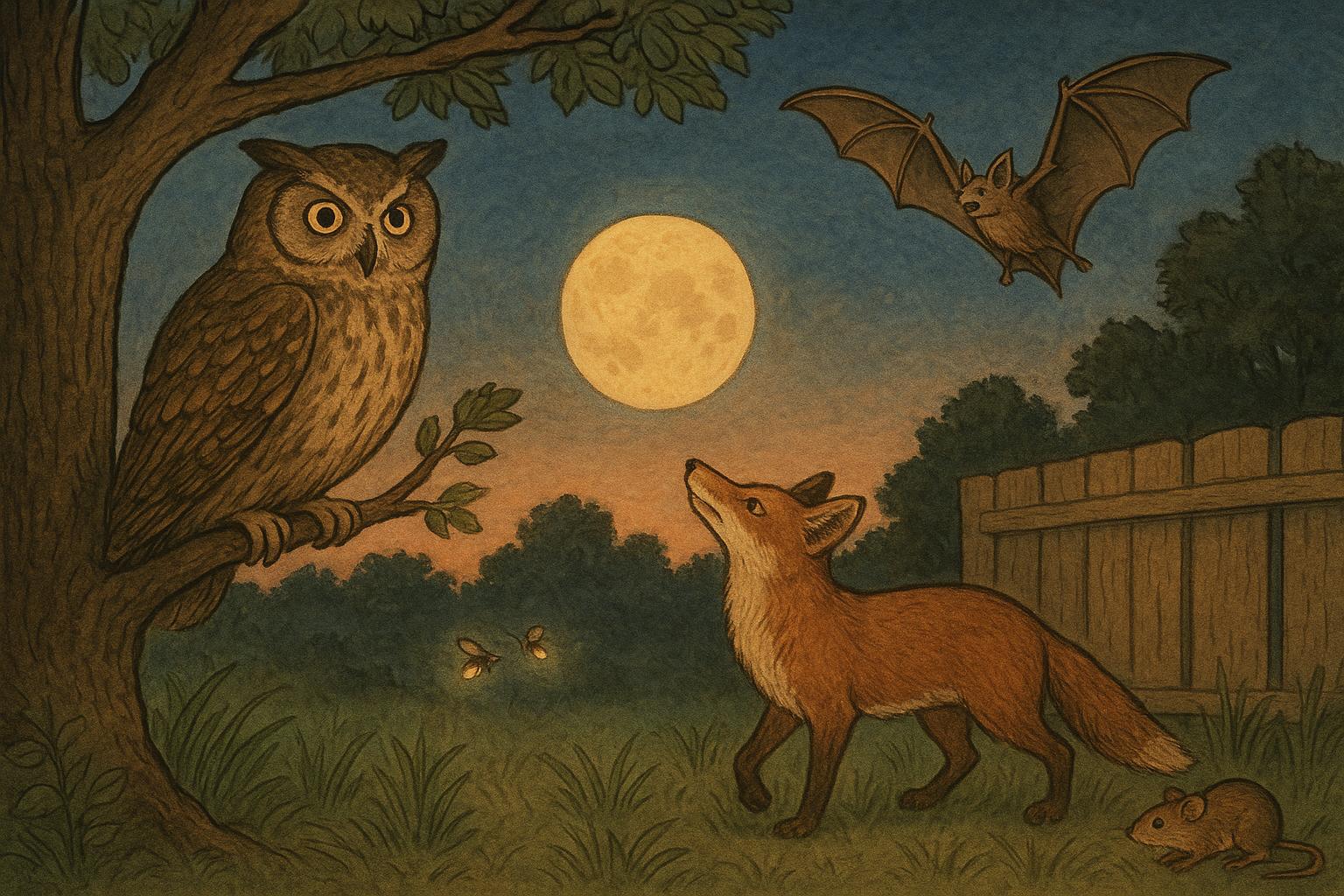
Owls: The “scream” many people hear is a barred owl or great horned owl. Their calls can be loud and dramatic, a drawn-out, haunting hoot that easily gets described as a scream. If you catch a pattern of hoots or a single long, hollow call, think owl first.
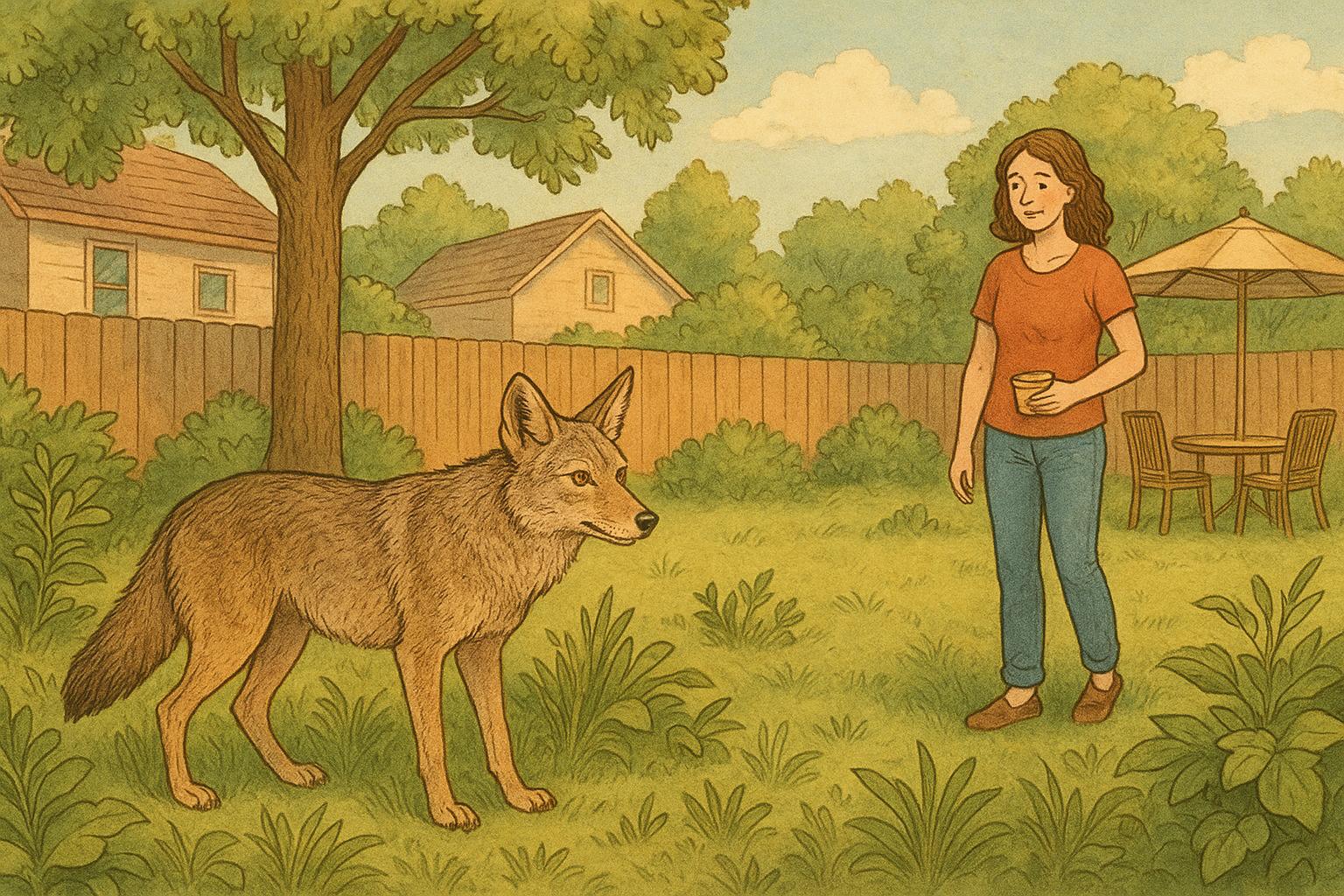
Coyotes: Coyotes produce a range of vocalizations—howls, yips, group choruses. A lone coyote’s high, wavering yelp can be mistaken for a person in distress. When the sound travels and echoes across yards, it becomes more unsettling than it is.
Foxes: Red foxes often make sharp, squeaky screams with a high throatiness. It can sound eerily human at close range. Typically, these sounds are short and repeated rather than sustained like an owl.
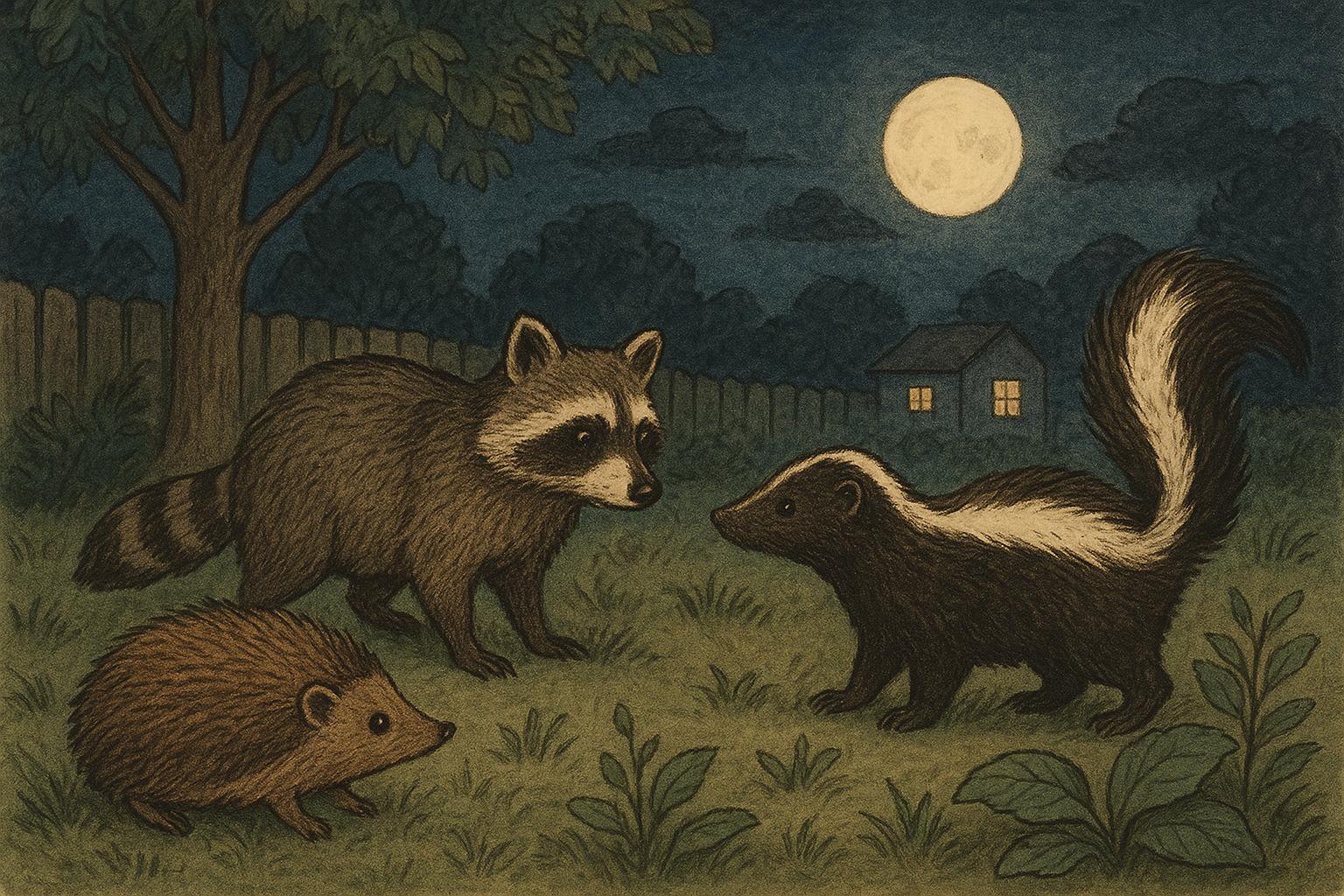
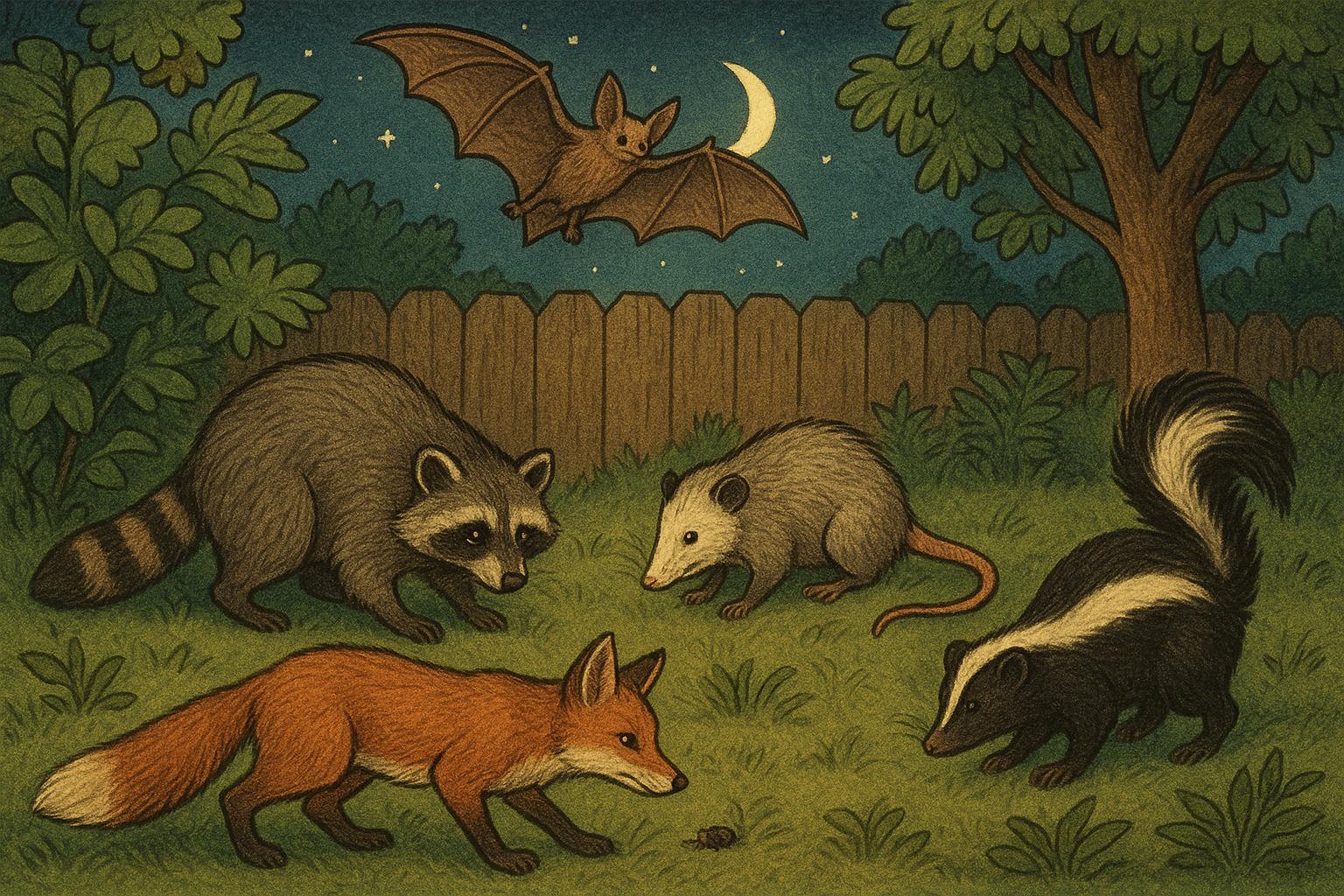
Raccoons and Opossums: These guys fight and squabble. Their screams are less melodic and more ragged, a mix of hisses and shrieks during territorial disputes. If the sound accompanies visible movement through the trees, these are likely suspects.
Bats and Birds: Some night birds besides owls—like nightjars—have strange calls. Bats aren’t vocal in a way humans hear except during collisions or distress; still, small bird-like cries sometimes get mistaken for something bigger.
Cat Families: Feral cats and neighborhood pets fighting or calling can produce sharp, piercing screams. They’ll often come with visible prowling or light reflection from eyes when you point a flashlight.
### How To Differentiate Animals From Mechanical Or Human Sources
Timing and repetition are your best tools. Animals repeat calls in patterns; machines hum or click on schedules. Humans produce irregular sounds with conversation flow.
If the noise is a single incident that doesn’t repeat, consider mechanical failures—loose HVAC vents, a garage door cable snapping, or a car alarm bouncing between sensors. If it happens nightly at the same time, it could be a neighbor’s routine—late-night parties, ill-fitted speakers, or teenagers playing pranks.
To test, step outside and listen from different positions. Sound behaves strangely at night; one yard might amplify while another muffles it. Record the sound on your phone; replay it near a window and in different rooms. Often, what sounds scream-like when distant resolves into identifiable electronics or human voices on playback.
### Signs Of Wildlife Versus Human Disturbance
Animals tend to have a musical or rhythmic quality: repeated yips, hoots, or patterns. Human screams are often more varied and are followed by movement or additional speech.
If you can see the animal—eye reflection in the beam of a flashlight, a silhouette moving along the fence—that’s a strong indicator of wildlife. If you see lights, hear footsteps, or detect spoken words, you’re probably dealing with a human origin. Dogs barking in alarm should also be noted; they often precede or follow wildlife calls and can help localize the source.
#### Listen For Clues In the Sound’s Pitch And Duration
High, thin, repeated screeches often point to foxes or birds. Long, low wails suggest owls. Intermittent short yaps that escalate into a chorus are usually coyotes. Mechanical shrieks tend to be constant at a single pitch, often accompanied by vibration you can feel near a fence or wall.
### Tools That Help Identify Backyard Night Noises
You don’t need a PhD in bioacoustics to figure this out. A recorded sample, a flashlight, and some patient observation take you far.
Record With Your Phone: Most phones capture usable audio. If the noise is repeatable, record several samples from different positions. On replay, slow the audio down slightly—you’ll hear harmonics and structure that reveal whether it’s an animal voice or something mechanical.
Bring A Binocular Or A Lightweight Camera: Night vision helps but isn’t necessary. Even a camera with a zoom lens used from the window can catch reflective eyes or movement along branches.
Use A Decent Flashlight: Focused beam, not your phone’s dim light. It helps spot animals without startling them immediately into flight. Don’t flood the area with light; you want to observe behavior, not chase.
Take Notes: Time, direction, weather, and whether other animals responded—these are all valuable. For instance, raccoon screams often follow the sound of rustling trash, while owls respond to long calls with a precise echo-like hoot.
### Neighborhood And Human Causes Behind Backyard Screams
Not all backyard screams are wild. People scream for many reasons: parties, alarms, motorcycles, or fights. Noise can also travel from far away—urban canyons and open fields carry sound differently.
Late-night parties: Bass and altered voices through speakers distort vocals and can sound like shrieks at a distance. Teen pranks: You’d be surprised how often kids mimic animal sounds to spook neighbors. Car alarms and sirens: I’ve heard faulty alarms emit irregular wails that sound much like an animal in pain.
Patrol The Perimeter When Safe: If you feel comfortable, look for evidence—light pools on faces, parked cars with music on, or an open gate. Be careful about confronting people directly; record and report if it feels threatening.
### Seasonal Patterns And Why Timing Matters
Different species have different calling seasons. Spring and fall bring more vocal activity as animals mate or establish territories. Summer nights full of insects create a constant background that masks or modifies other sounds.
During nesting season, owls and hawks can become more vocal at dusk and dawn. Fall brings coyote packs moving through neighborhoods, increasing chorus events. Winter makes sound carry farther over snow and empty trees, making any distant noise seem nearer and more dramatic.
### When To Call Professionals Or Authorities
If the noise seems to indicate a trapped or injured animal—constant loud distress calls from one spot—contact animal control or a wildlife rehabilitator. If there are signs of a break-in or a human in danger, call emergency services immediately.
Document: Record audio, note direction and timing, and provide detail to the dispatcher. They’ll ask useful questions: continuous screaming, repeated calls, any visible movement? Your answers speed response.
#### Wildlife Rescue vs. Pest Control
If the source is an injured opossum or raccoon, a wildlife rehabilitator is the right call. For suspected rabid animals (disoriented, unafraid of humans, foaming), leave distance and call professionals. For persistent backyard pests tearing up gardens and trash, local animal control or a humane trapper can advise.
### Practical Nighttime Practices To Reduce Anxiety
You don’t need to be a sound sleuth every night. Small changes calm nerves and reduce the frequency of startling backyard screams.
Keep Outdoor Lights On Timers: Motion lights may stop predators from entering or alert you when something moves. But avoid constant bright lights—some wildlife becomes more active in lit zones.
Secure Trash: Remove attractants. Raccoons and opossums fight over garbage, which generates squabbling screams.
Fence And Landscaping: Dense hedges give animals cover. A clear boundary reduces close encounters. If possible, trim branches that provide jump paths between your roof and trees.
Train Pets To Alert: Well-trained dogs can localize and deter animals without creating panic. If your dog is a bark-happy neighbor, work on recall and controlled barking so you can better judge when something is genuinely concerning.
### How To Make Sense Of A Single Night’s Freak-out
If you have one especially loud night, don’t let it warp your perception. Most scream episodes are transient. A pregnant fox, a band of coyotes, an owl nesting nearby—any of these cause a spike in backyard screams for a few nights or weeks and then they subside.
Record everything and be methodical. Map sound direction across nights. Patterns will appear: same hour, same patch of sky, same side of the house. That’s your clue.
When people obsess, they hear more. Try to remain observational. When I stopped assuming the worst and began cataloging the sounds, I realized a lot of terrifying-sounding yard screams were just foxes yapping at each other over a raccoon in a trash can. It was noisy. It was not sinister. It also meant I could fix the trash can and sleep better.
## Quick Identification Cheatsheet For Backyard Screams
Use this as a mental checklist when you step outside:
– Pitch and length: High and short (fox/bird), long and hollow (owl), variable and loud (coyote).
– Repetition: Rhythmic repeat = animal territory or mating call; random = human/party or mechanical fault.
– Response: Do other animals answer? Dogs, raccoons, and birds often respond; human shouts usually do not get a structured wildlife reply.
– Movement: Visible silhouettes point to wildlife; lights and voices point to people.
#### Recording Tip: Slow Down The Audio Slightly
Many phones let you slow recordings. A slowed clip reveals formants and harmonics that distinguish a human voice from an animal call. This trick helped me tell apart a high-voiced fox and a neighbor’s teen trying to be funny from across the street. It’s a little geeky but effective.
## What To Do When You Can’t Figure It Out Tonight
If you still can’t identify your nocturnal scream sources in the backyard after a few nights, keep collecting recordings, note weather patterns, and ask neighbors. Someone else might have seen the animal. Neighborhood groups or local wildlife forums often recognize calls and can point you to likely species.
Don’t let rare, startling backyard night noises push you into worst-case thinking. Gather evidence, stay safe, and use the tools above. Once you start to recognize the various wails and yips, the night becomes less hostile and more just loud. And if you ever hear a sound that’s clearly someone in trouble, act fast—call for help. Otherwise, breathe, lock the doors, and try to sleep through the next round of nocturnal orchestra that the wildlife or the neighborhood will inevitably produce, because silence at night is rarer than you think and sometimes the strange sound is just another part of living outside the city limits, a chorus of backyard screams that are finally explained. Definately less spooky when explained.


























Leave a Reply