
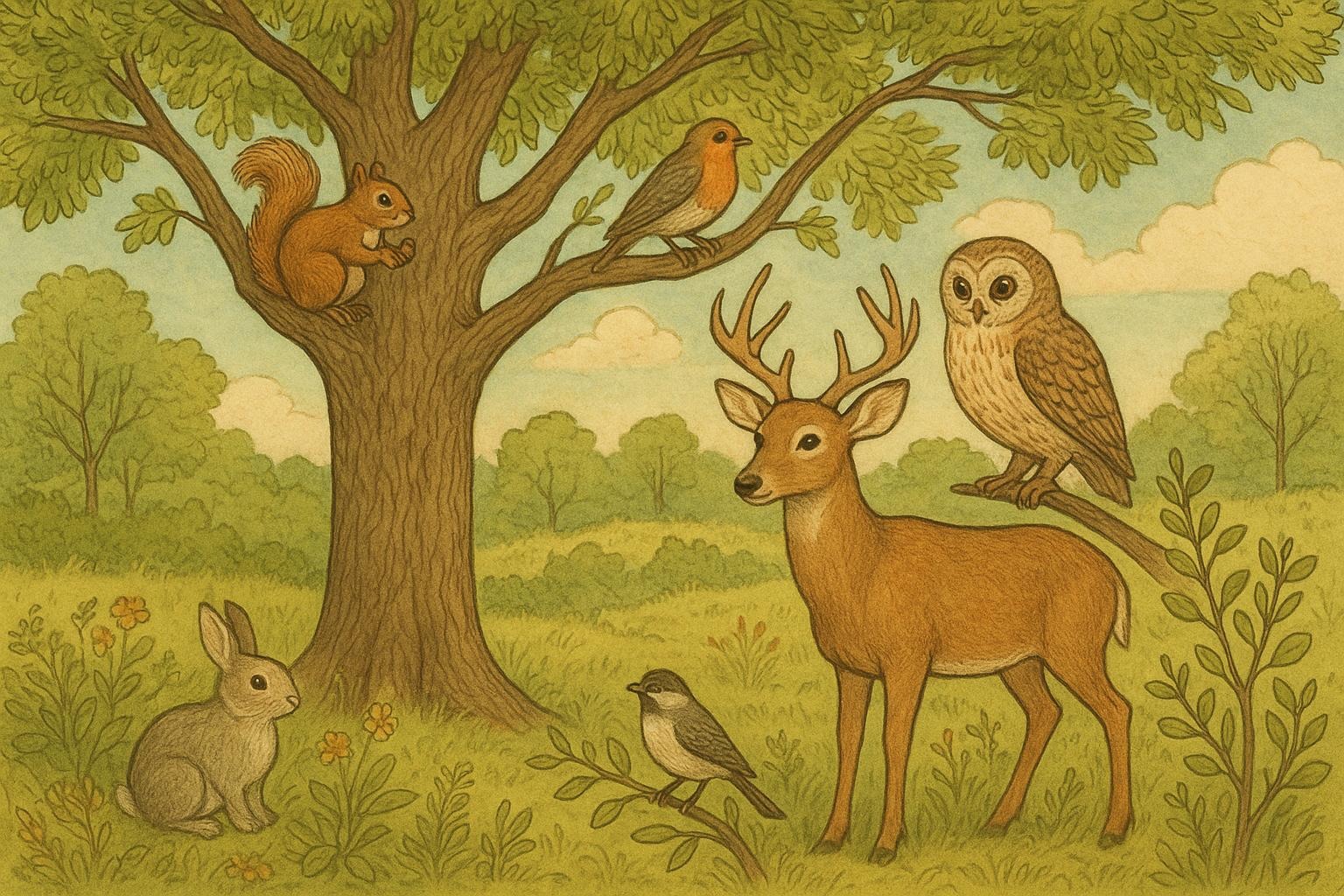
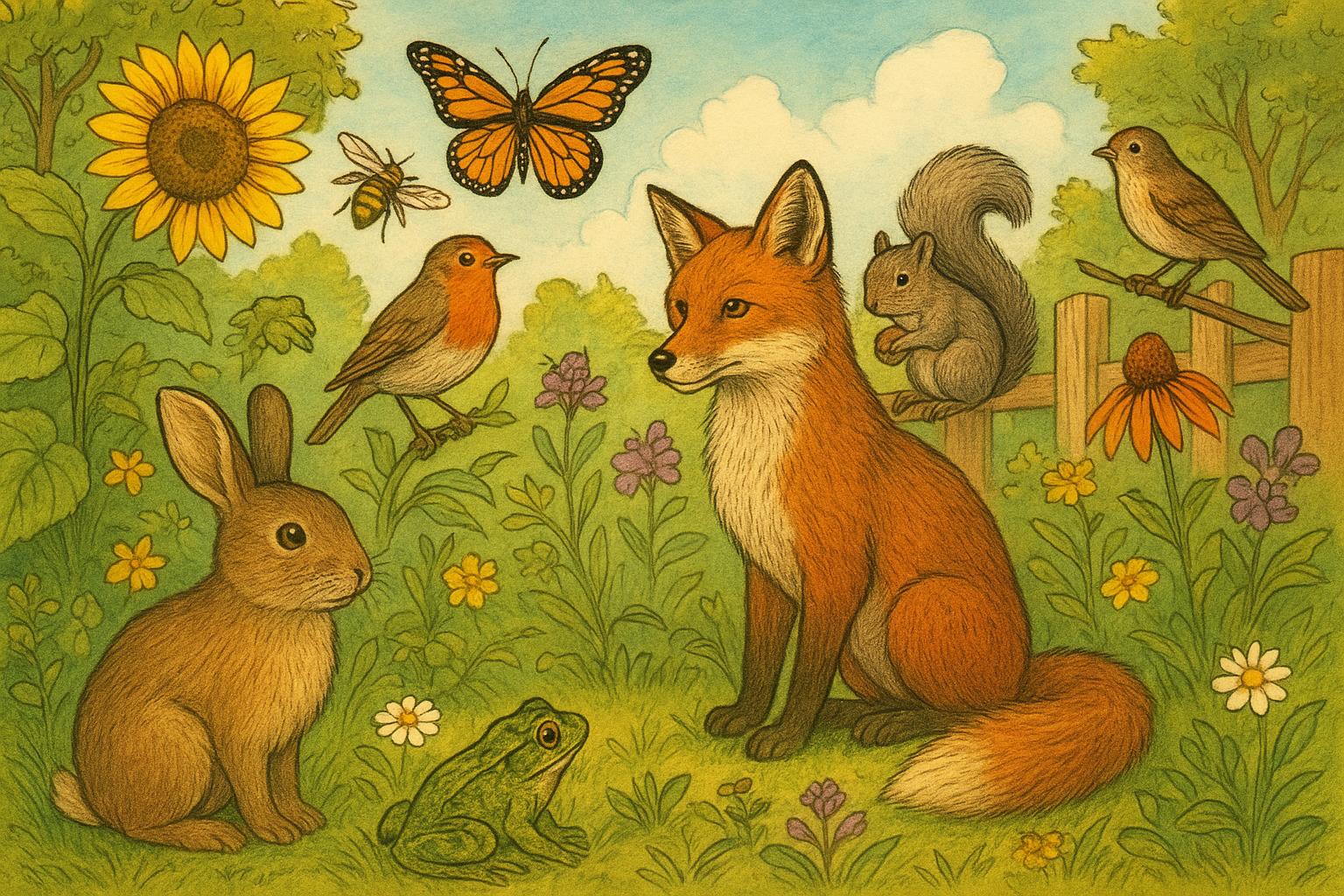
If you like the idea of your yard doubling as a tiny nature reserve — with birds, bees, butterflies and maybe a nosy raccoon guest appearance — you’re in the right place. This guide mixes a friendly neighborhood chat with practical, accurate guidance on planting trees that truly help wildlife thrive. Expect a little charm, a little science, and a clear, formal plan when it comes to doing the work.
## Trees For Wildlife A Formal Guide To Native Landscaping
Native gardeners often ask one simple question: which trees will give the best return on investment for local wildlife? The short answer: prioritize native species that provide food, shelter, and breeding habitat. The longer answer requires thinking about seasonal needs, native plant communities, and how your property connects to the broader landscape.
### Why Native Trees Matter
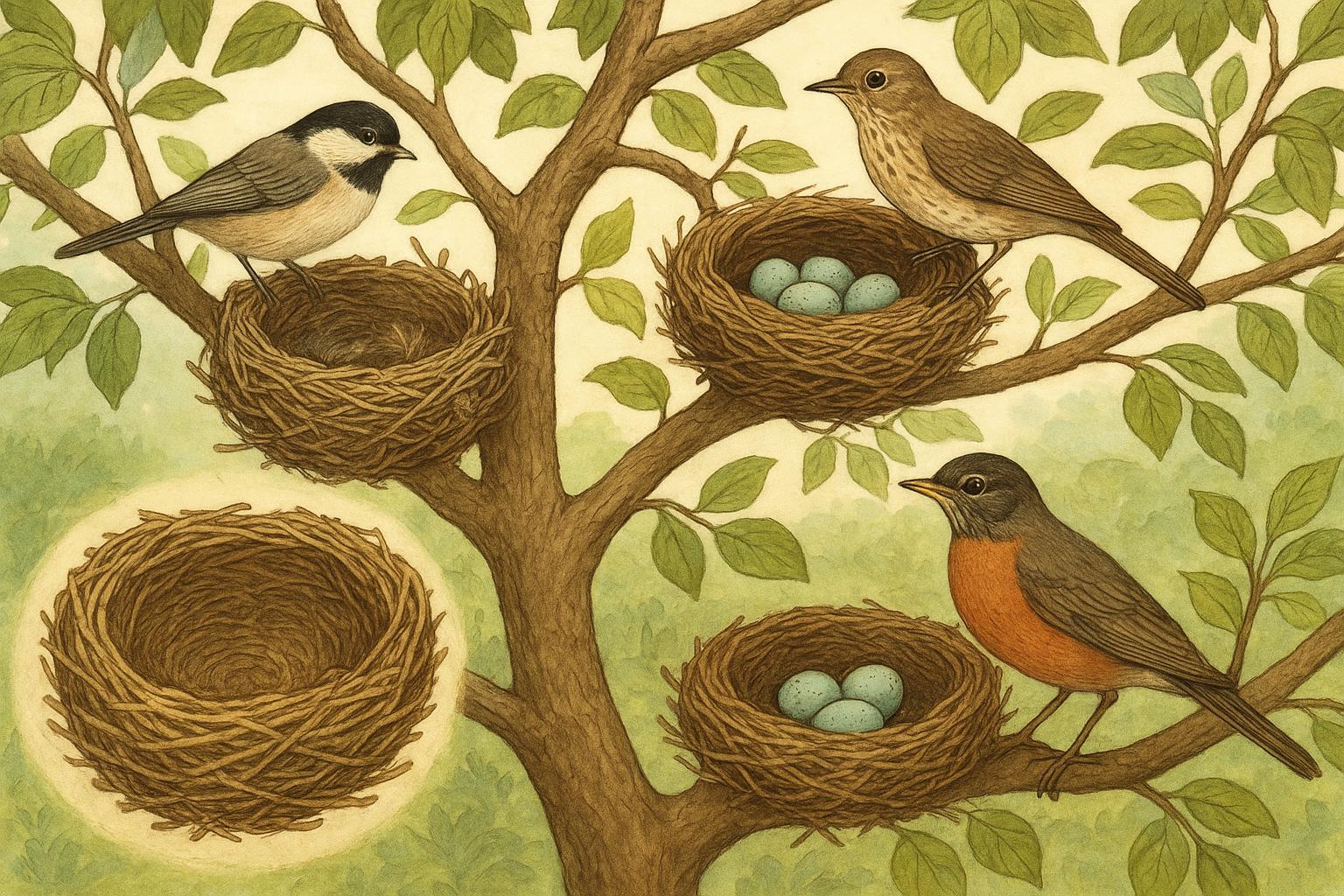
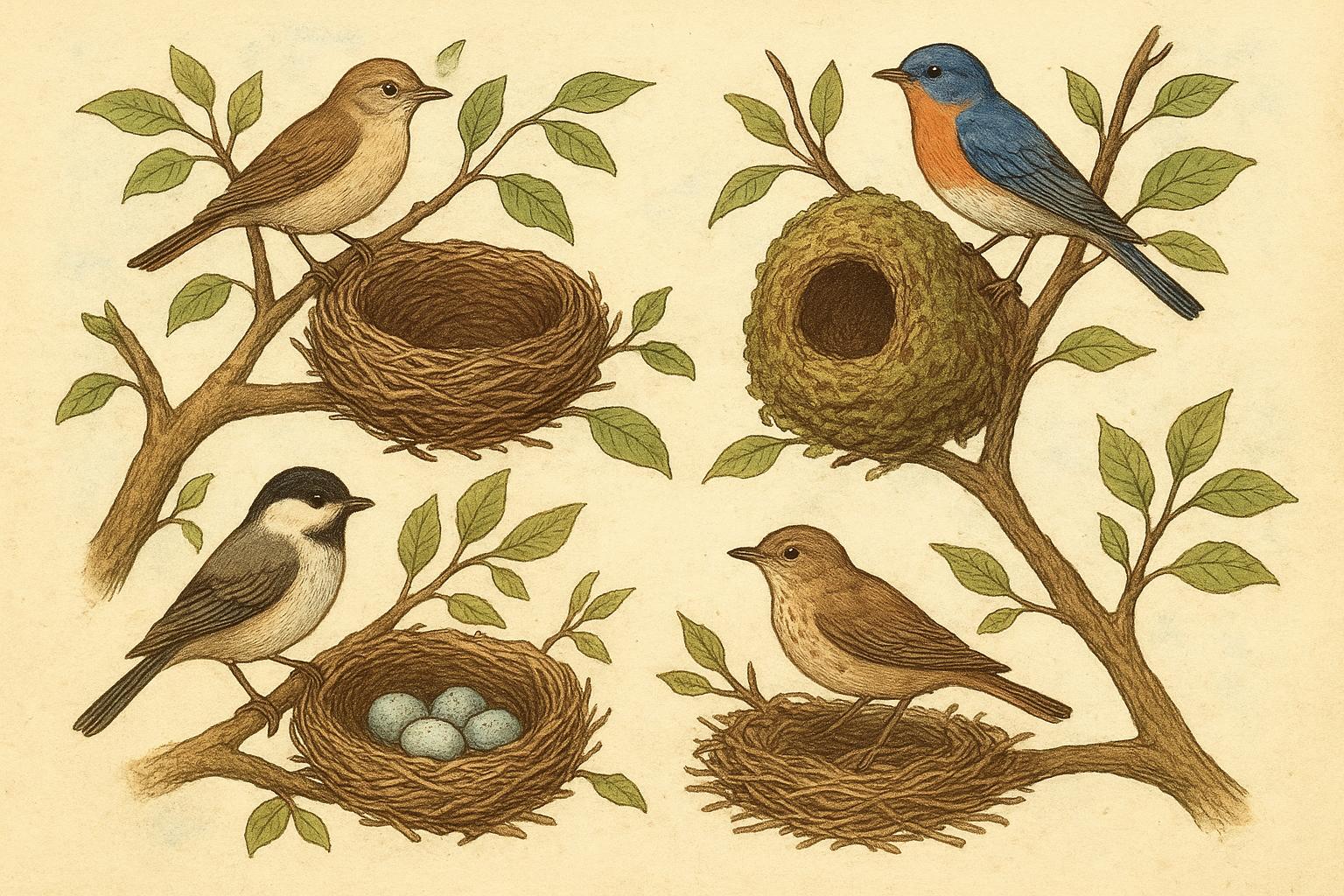
Native trees evolved alongside local insects, birds, and mammals. When you plant trees for wildlife, you aren’t just putting out snacks — you’re rebuilding ecological relationships. A single native oak might support hundreds of caterpillar species, which in turn feed nesting birds. Non-native ornamental trees often look pretty but typically support far fewer insects and fewer food chains.
### The Core Functions Of Wildlife Trees
In plain terms, wildlife trees do three big things:
– Provide food: fruits, nuts, seeds, buds, nectar.
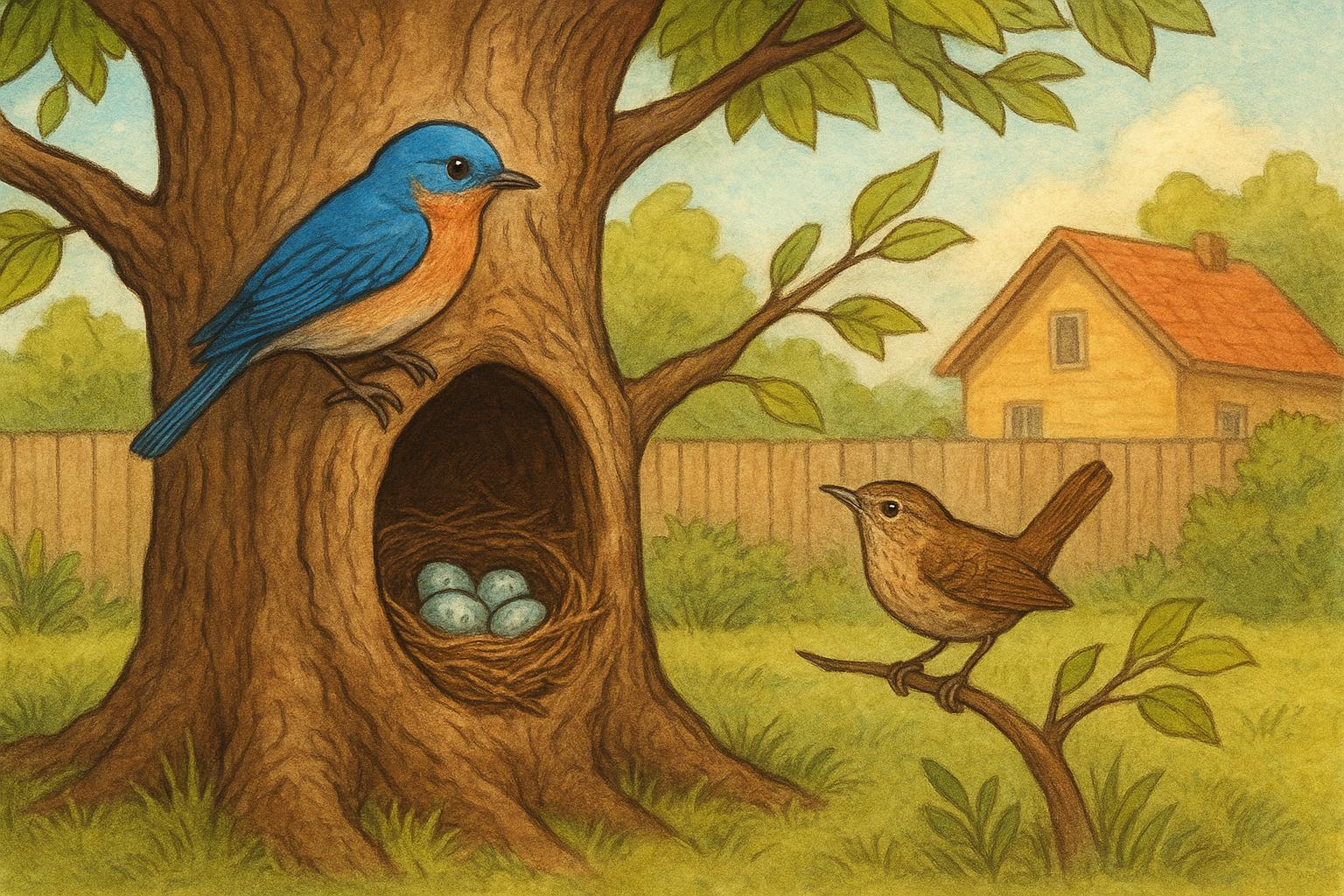
– Offer shelter: nesting cavities, dense branches, leaf litter beneath drip lines.
– Support life cycles: host plants for insect larvae and sites for mating or overwintering.
When selecting trees for wildlife, think about these functions across seasons. A tree that fruits in late summer complements one that buds early in spring, so food availability is staggered and dependable.
### Selecting Trees For Wildlife By Region And Function
Match trees to your hardiness zone, soil type, and local wildlife. Here’s a practical approach that still keeps things light:
– For birds that eat insects, choose trees with high caterpillar abundance — oaks, willows, and birches are classics.
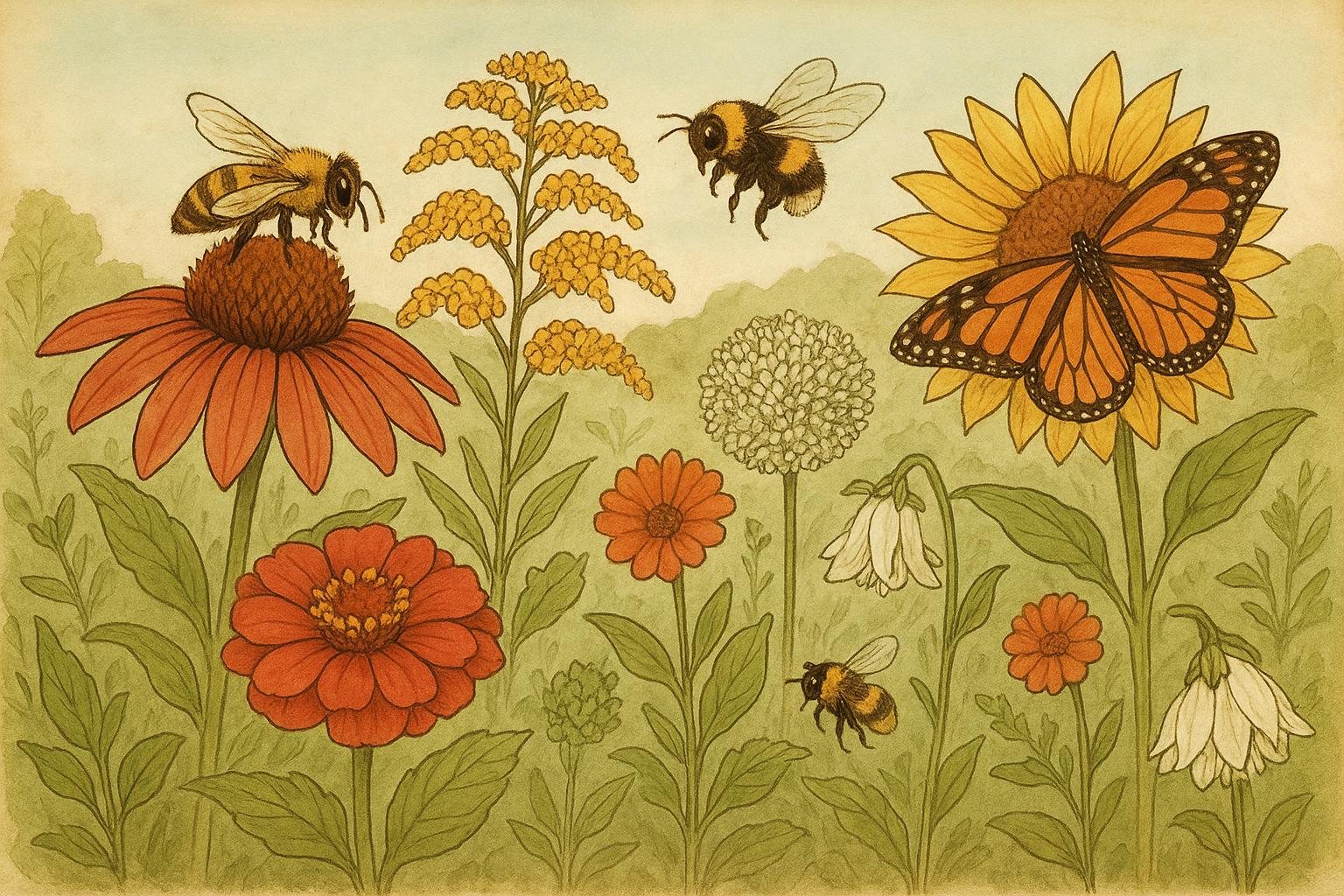
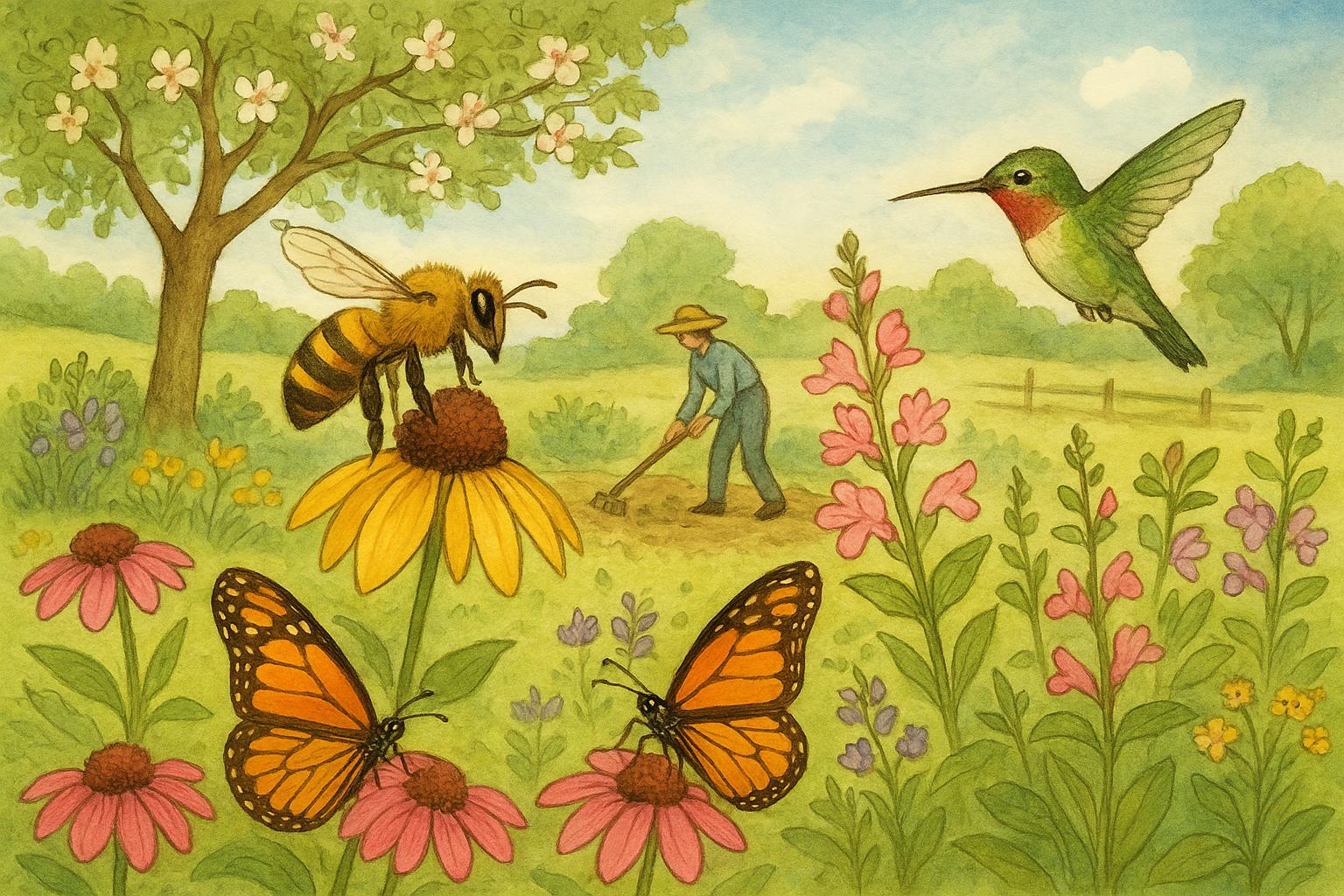
– For pollinators, include native flowering trees like redbud or serviceberry.
– For mast (nut/seed) producers that support mammals and game birds, plant oaks, hickories, and chestnuts where appropriate.
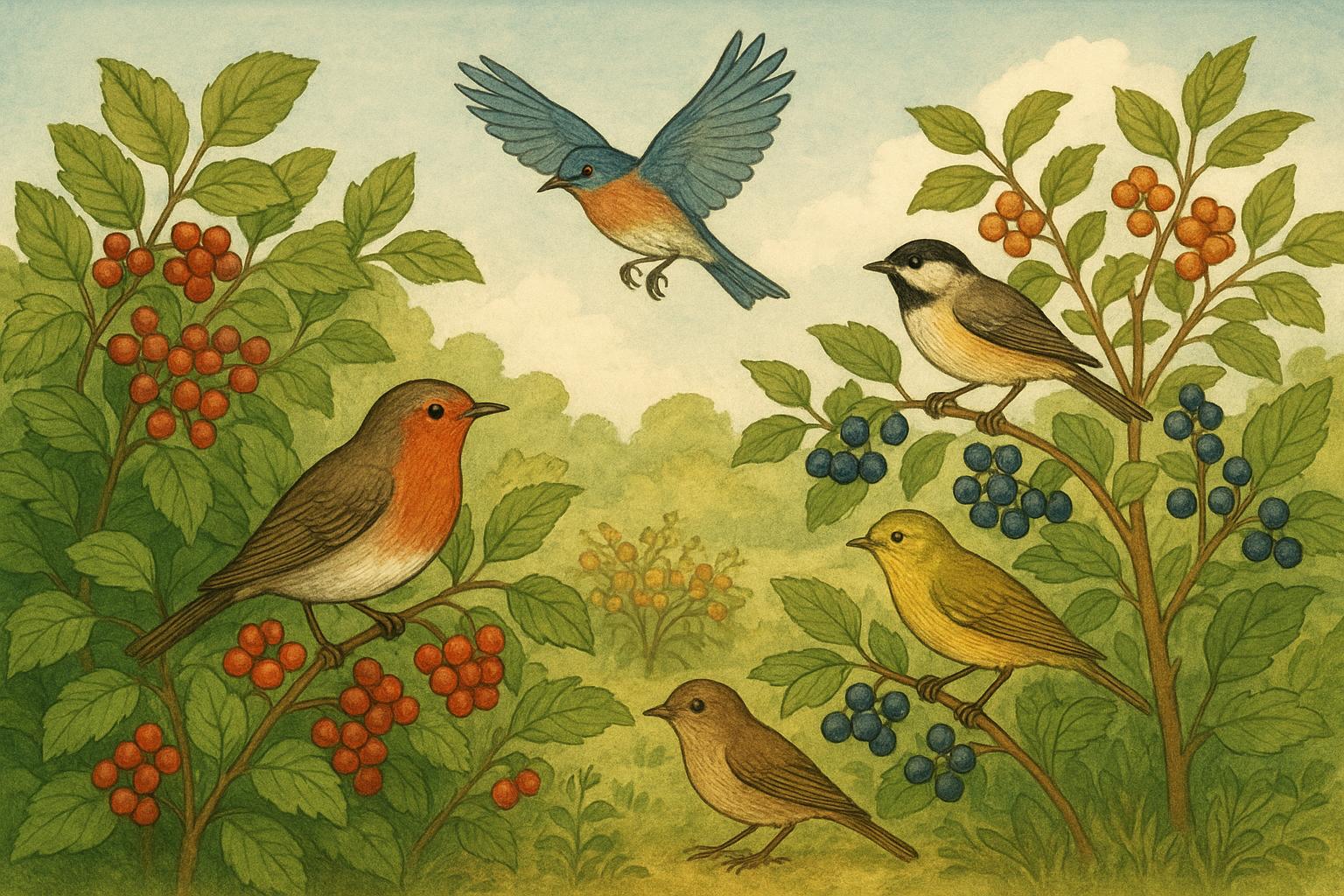
– For berry-bearing food, elder, hawthorn, and hollies are excellent.
Remember: diversity trumps quantity. A mix of several species creates complex habitat that supports more kinds of wildlife than a monoculture of one “favorite.”
### Site Design Principles For Wildlife-Friendly Plantings
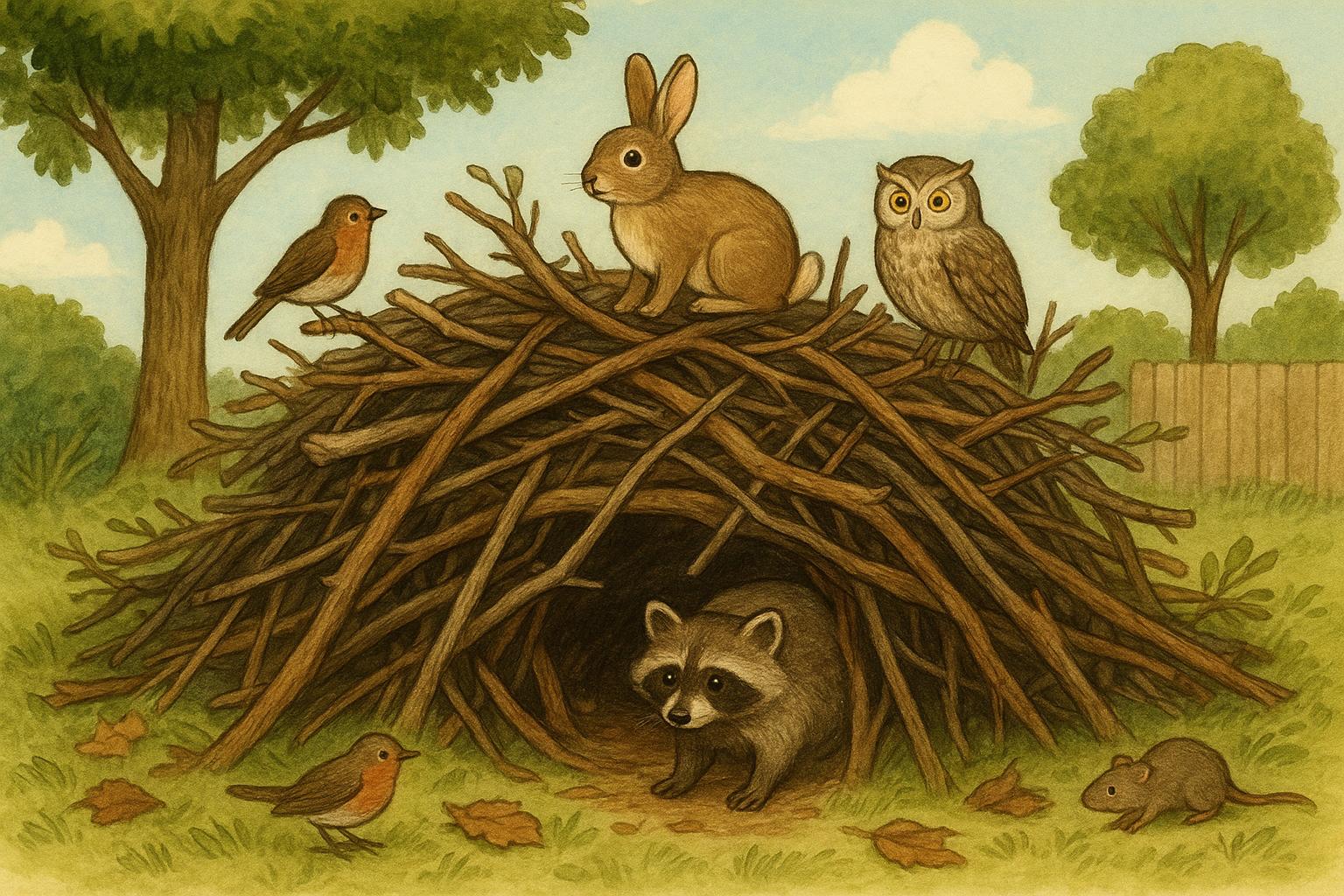
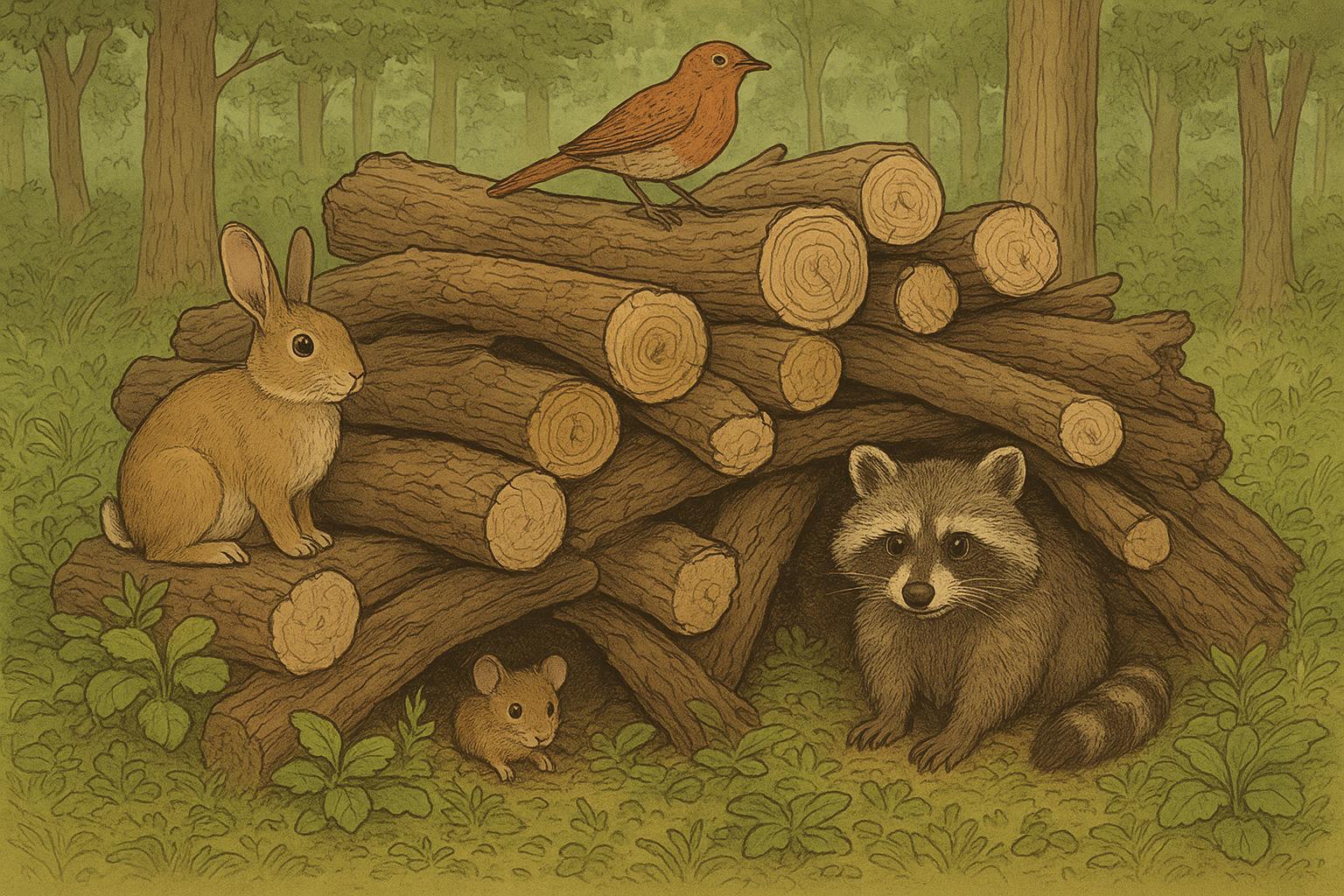
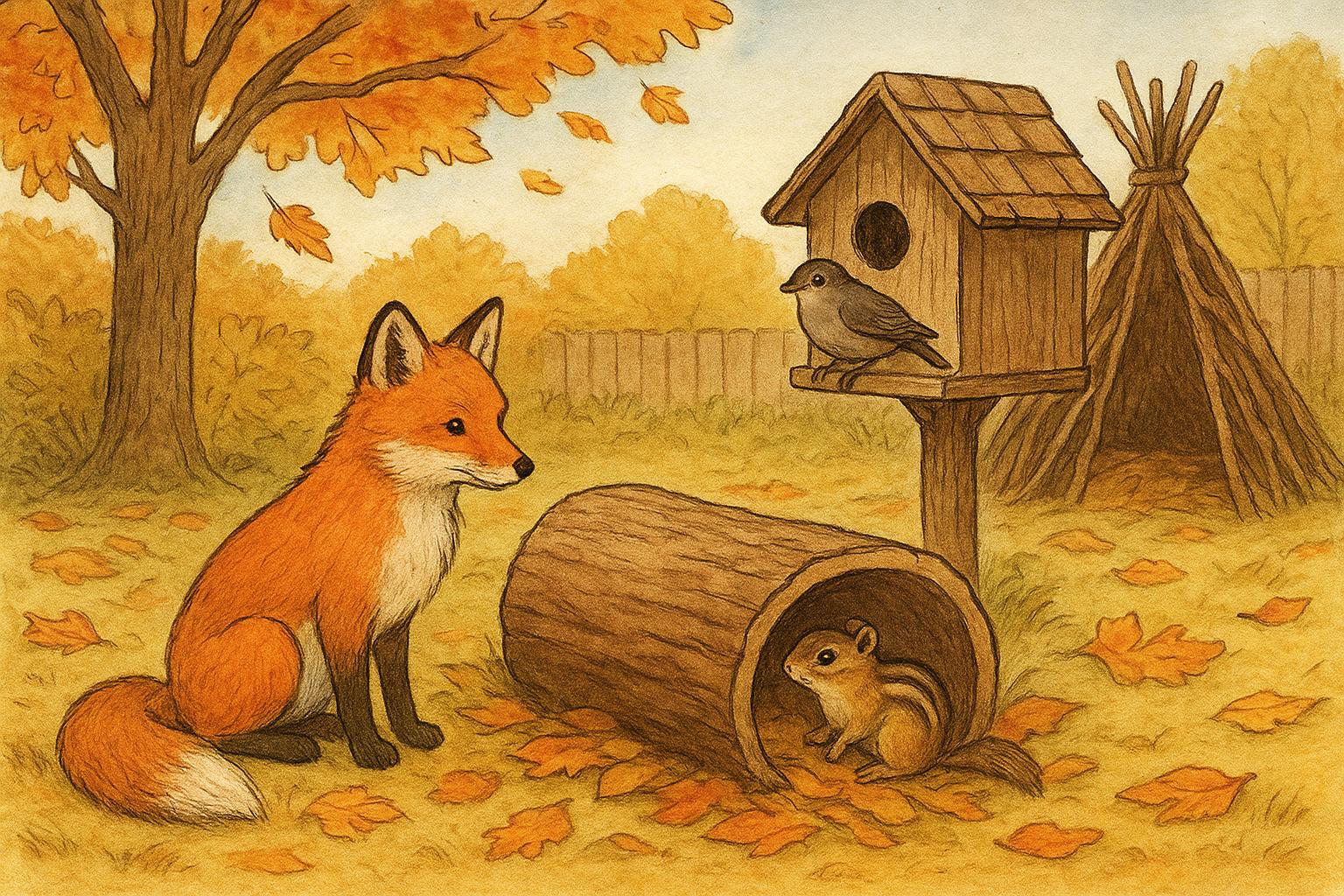
Think layering. A natural woodland has canopy trees, understory trees and shrubs, and groundcover. Replicating that structure in your yard increases habitat value. Leave some dead wood when safe to do so — snags and fallen logs are life-support systems for many species.
Avoid tucking trees into tidy, isolated pots. Trees for wildlife are most beneficial when they form corridors or patches that connect to other green spaces, even if those spaces are just street trees or a neighbor’s hedge.
### Planting Remedy 1: How To Create A Wildlife Tree Pocket (Materials And Steps)
This is the formal, practical part — the “how-to” you can follow step by step. A wildlife tree pocket is a small, dense planting that mimics a natural patch and is ideal for yards with limited space.
Materials Required:
1. One to three native tree saplings (species chosen for your region — see local nursery recommendations).
2. Two to six native shrubs (for understory; species that produce berries or dense cover).
3. Native mulch (shredded bark or leaf compost).
4. Soil amendment (compost or well-aged manure) if your soil is poor.
5. Hand tools: shovel, spade, garden fork, gloves.
6. Stakes and soft tree ties (if saplings require support).
7. Water source: hose or watering can.
Step-By-Step Creation And Application:
1. Site Selection: Choose a spot that receives appropriate sunlight for the chosen species and is within reach of a water source. Ensure the location won’t interfere with foundations, underground utilities, or overhead wires as the trees grow.
2. Prepare The Footprint: Mark a circular or oval area approximately 2–4 meters wide (larger if space allows). Remove turf and weeds to reduce competition for the establishing trees.
3. Soil Preparation: Loosen the soil to a depth of 12–18 inches. If the existing soil is heavily compacted or nutrient-poor, mix in compost at a ratio of about 20–30% to native soil to improve structure and nutrients.
4. Dig Planting Pits: For each tree, dig a hole two to three times the width of the root ball but no deeper than the root depth. For shrubs, use smaller holes spaced to create a dense understory (generally half the mature width apart).
5. Plant Trees And Shrubs: Place each tree at the same depth it was growing in its container. Backfill gently, tamping lightly to remove air pockets. Position shrubs to form staggered layers beneath and around the trees.
6. Mulch Application: Apply a 2–3 inch layer of native mulch in the planting pocket, keeping mulch 2–3 inches away from the trunk to prevent rot. Mulch reduces weeds and retains moisture, which benefits fauna that forage at ground level.
7. Initial Watering And Establishment: Water deeply immediately after planting, ensuring the root zone is fully moistened. For the first two growing seasons, irrigate during dry spells to help establishment — typically once a week for the first month, then every 1–2 weeks depending on rainfall.
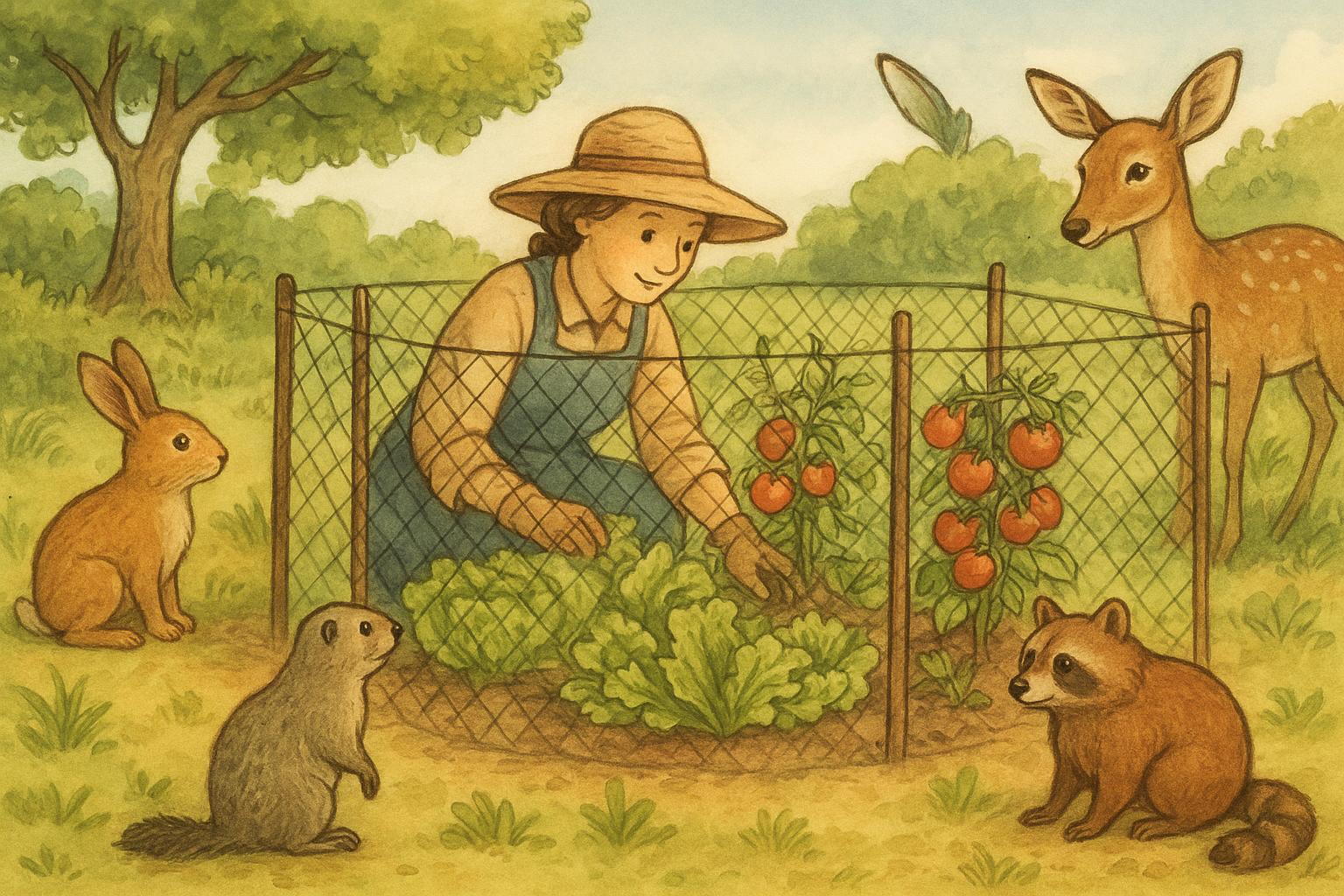
8. Protection And Maintenance: If deer or rodents are a problem, install a simple fence or tree guards. Prune minimally to remove deadwood and shape the young canopy, but avoid excessive pruning that reduces habitat structure. Allow some leaf litter to remain beneath the trees for ground-dwelling insects and amphibians.
9. Long-Term Care: After establishment, reduce supplemental watering. Observe seasonal fruiting and bud timing and take note of visiting wildlife. Add companion native plants over time to increase diversity.
### Encouraging Native Wildlife Beyond Planting
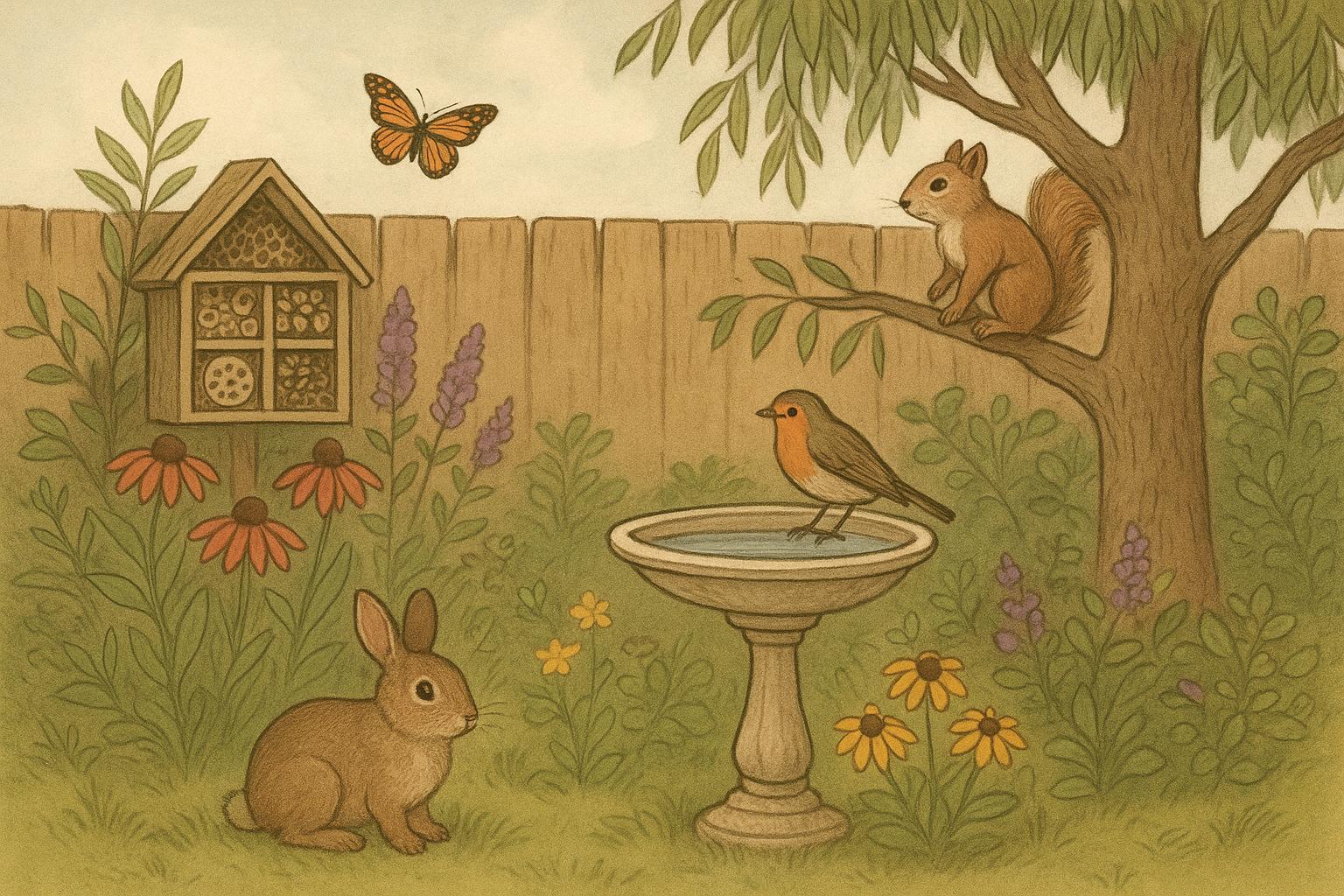
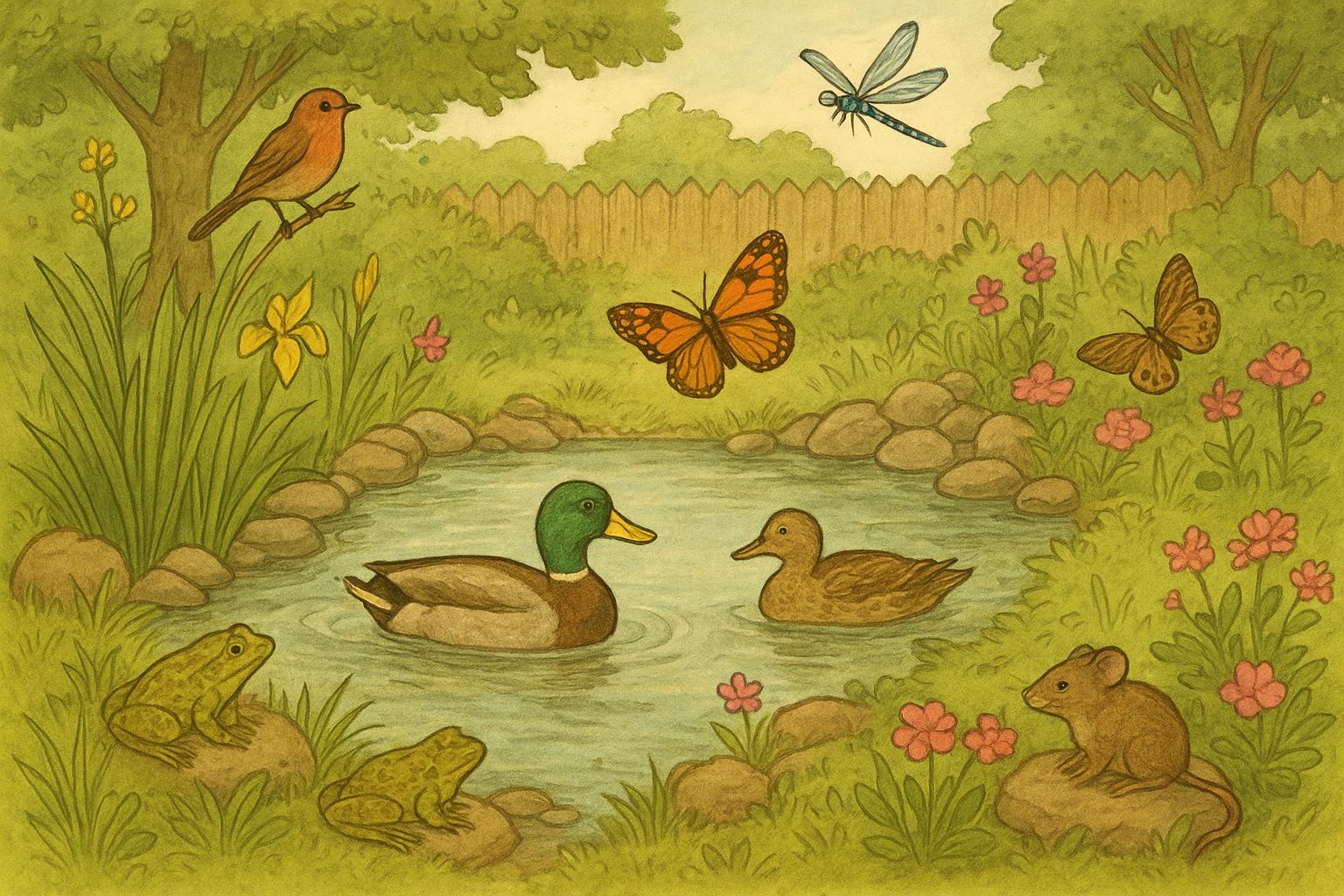
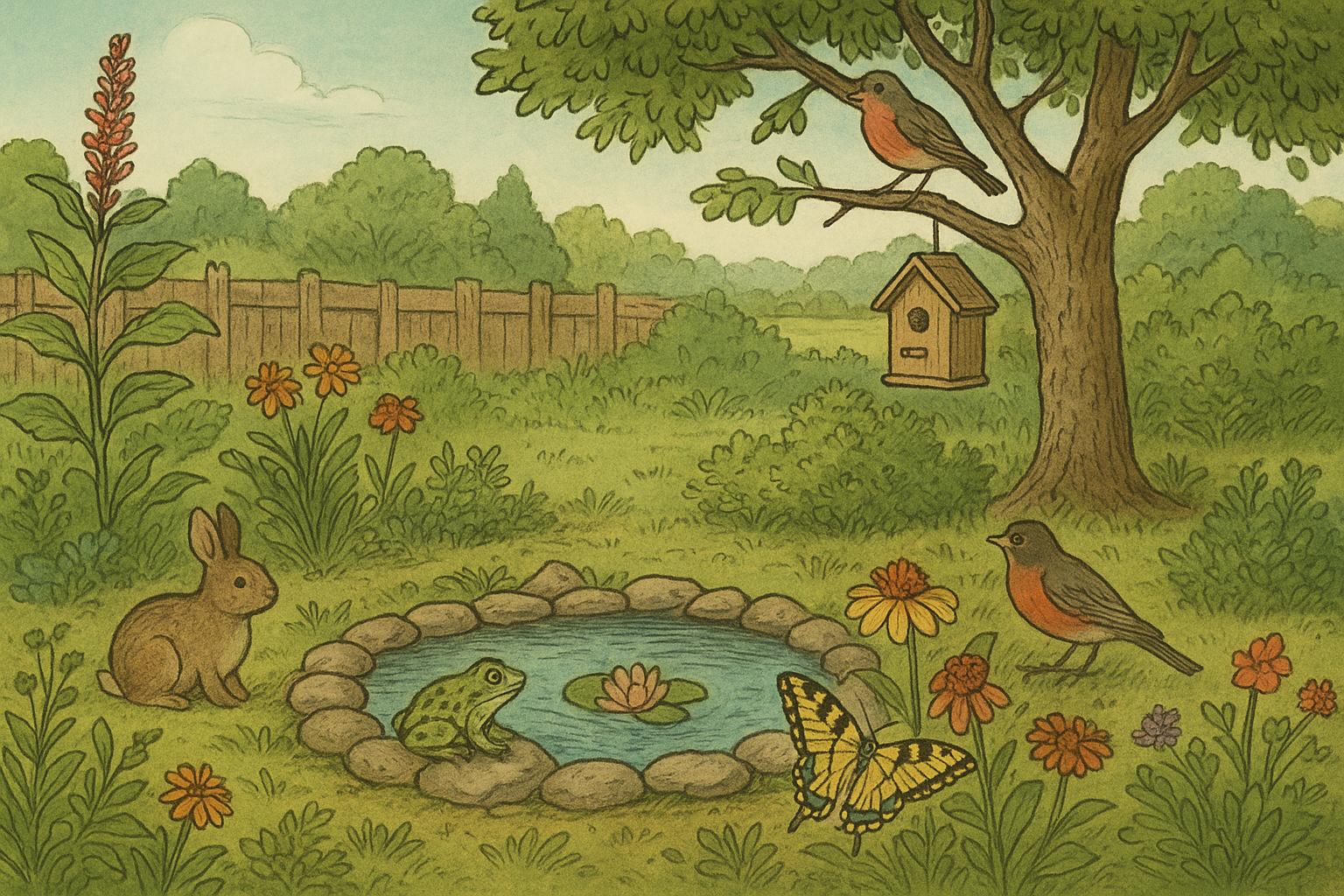
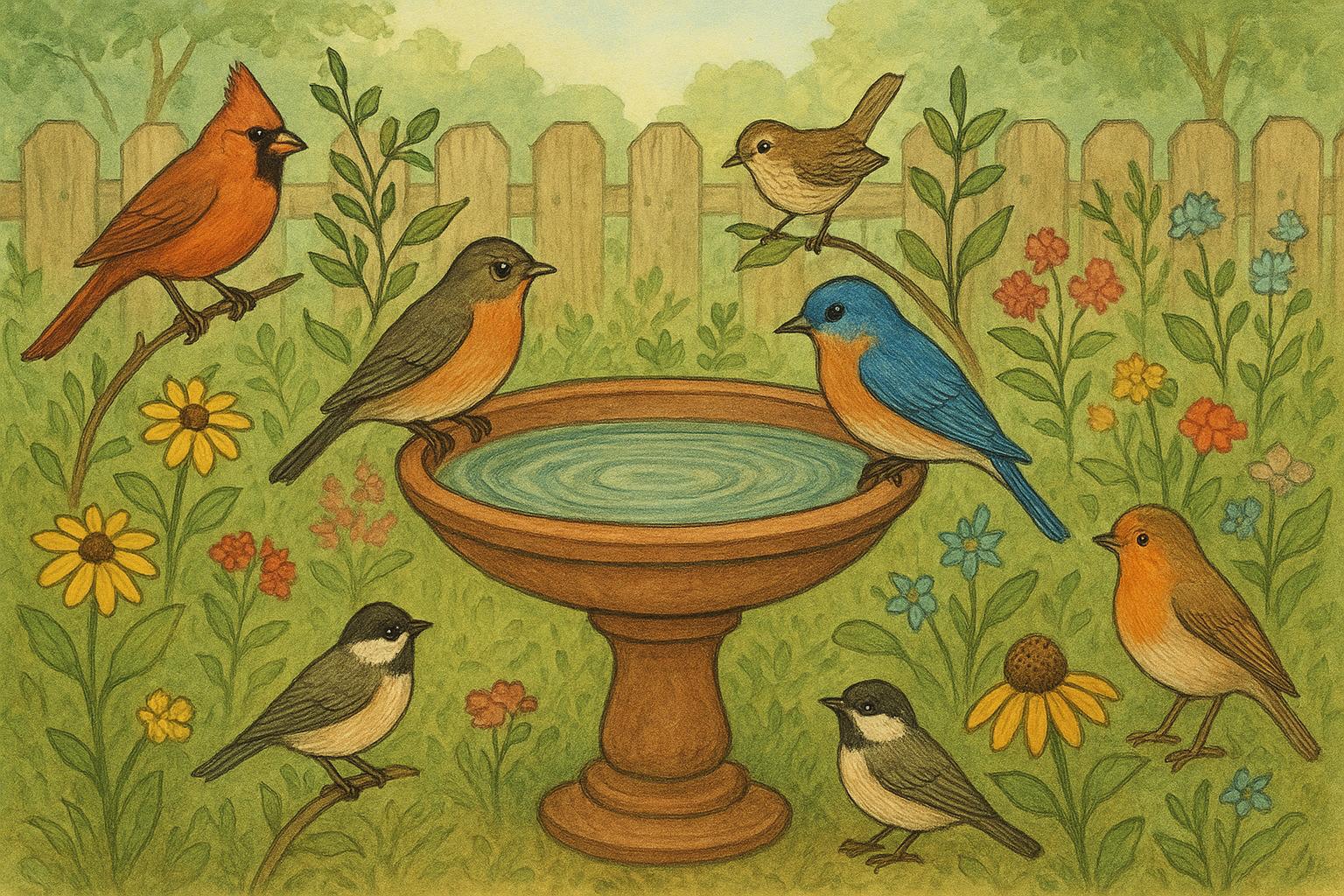
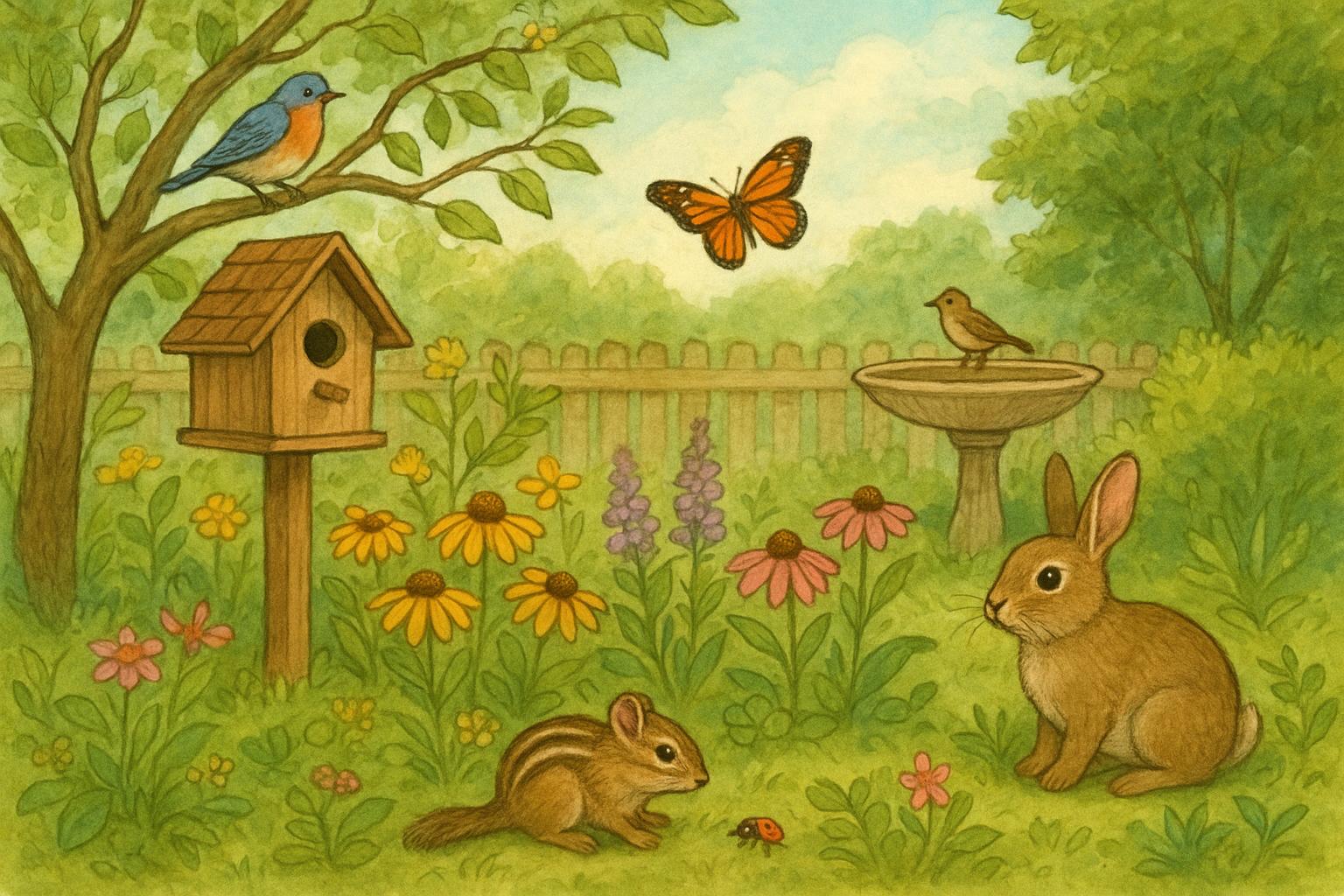
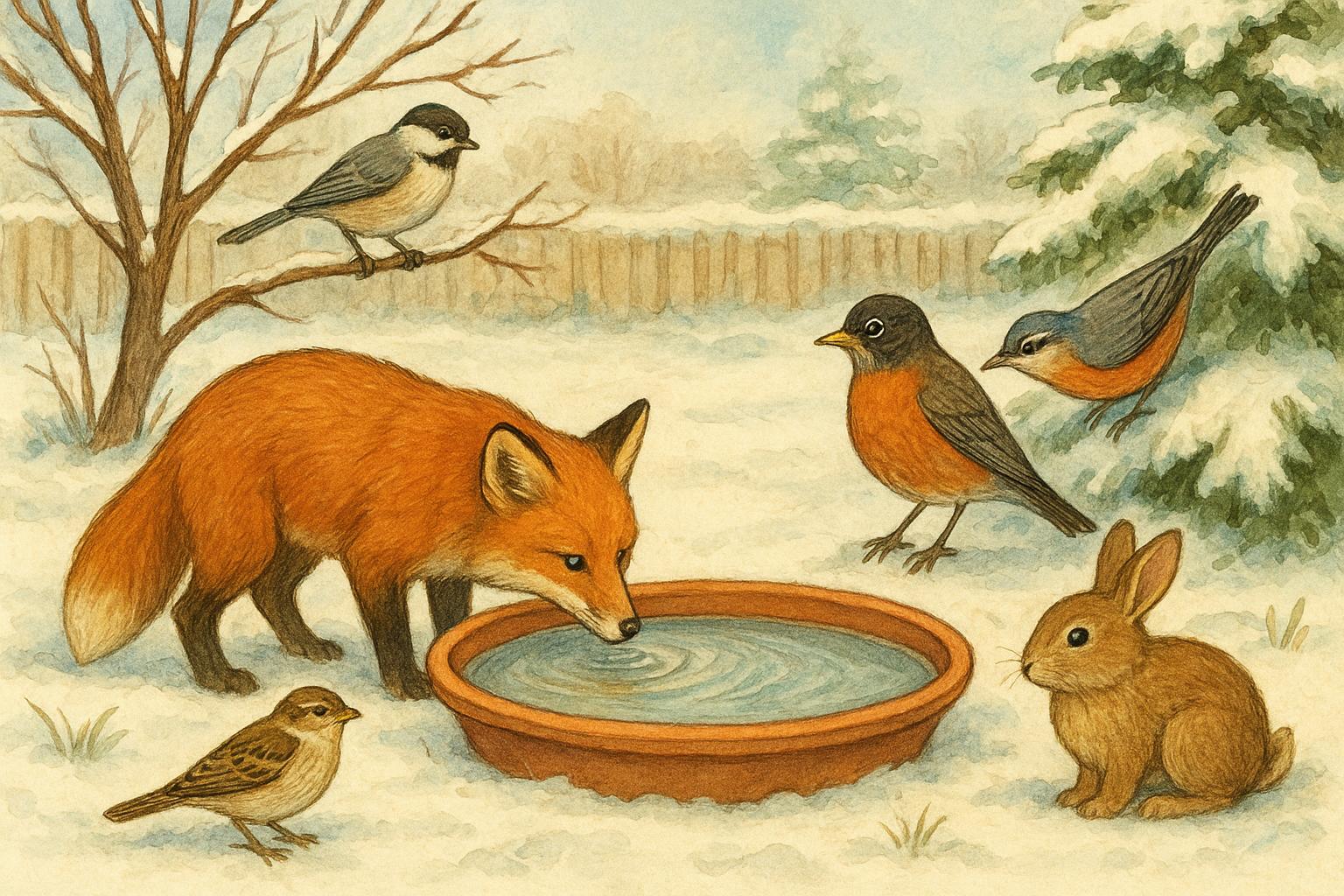
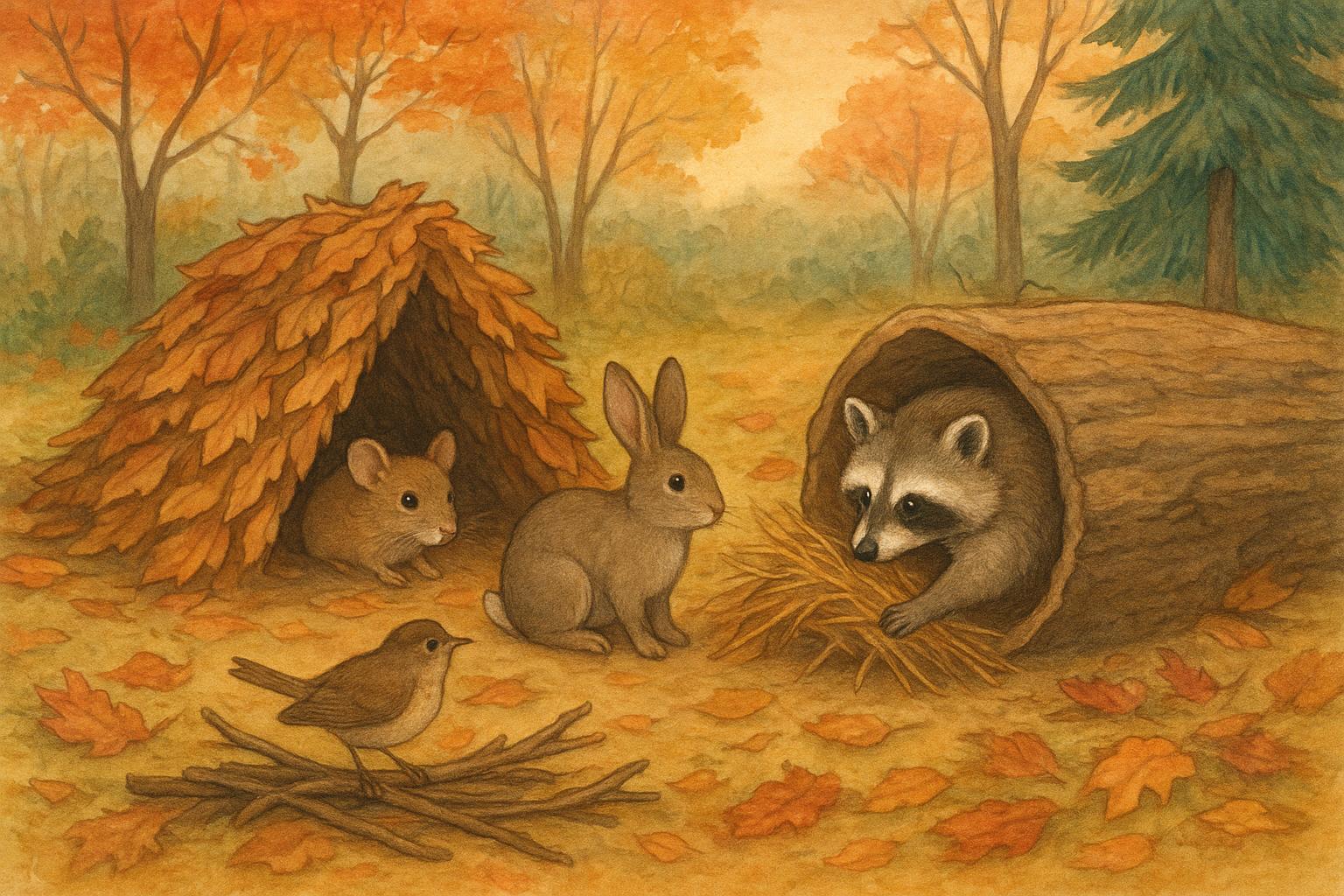
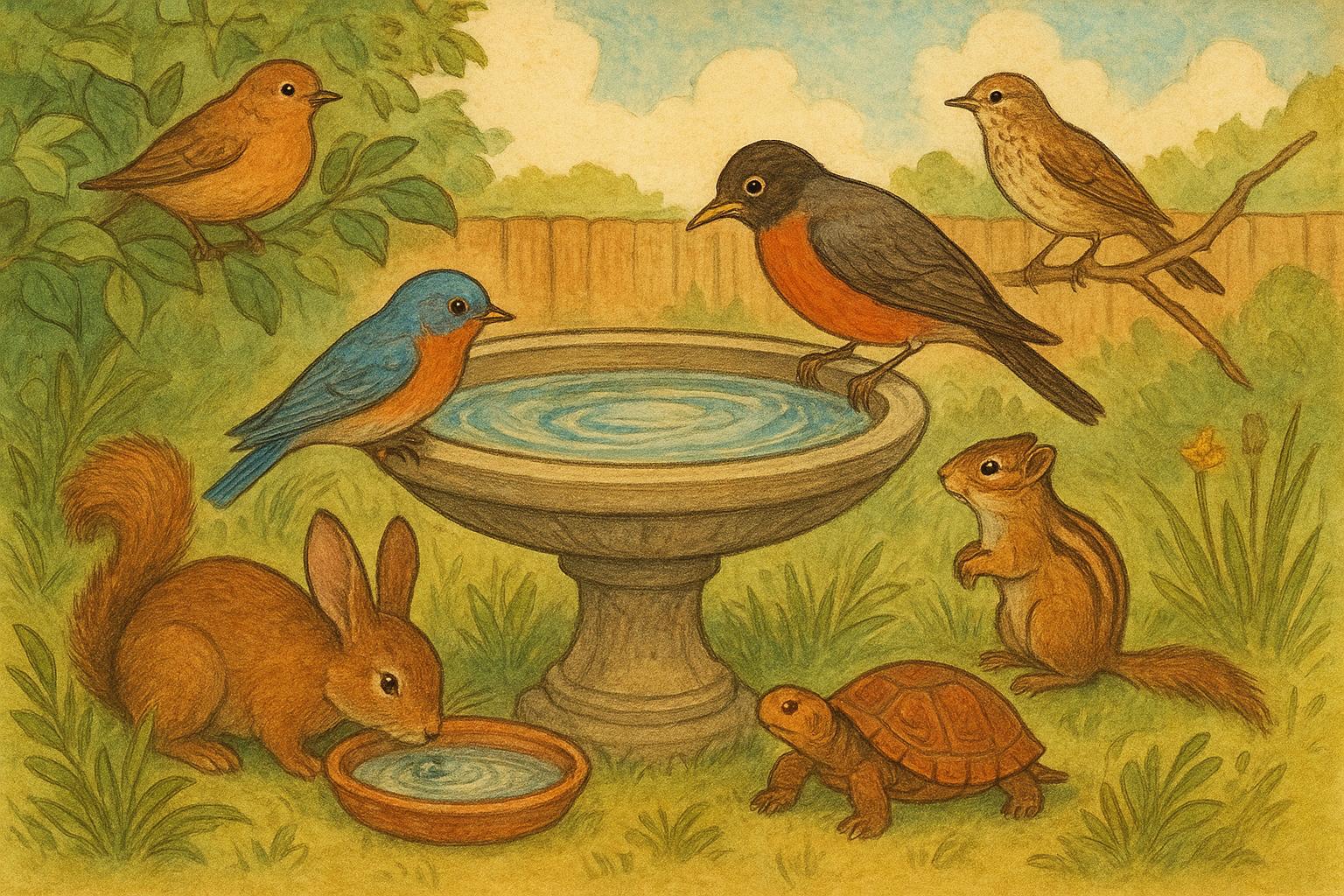
Planting trees for wildlife is most effective when paired with other practices. Avoid broad-spectrum pesticides; they harm the very insects that feed birds and pollinators. Consider installing a shallow water feature like a birdbath or small pond, which increases habitat value dramatically. Leave some leaf litter and fallen branches in semi-hidden corners so amphibians and insects have shelter.
### Managing Common Concerns (Pests, Mess, And Safety)
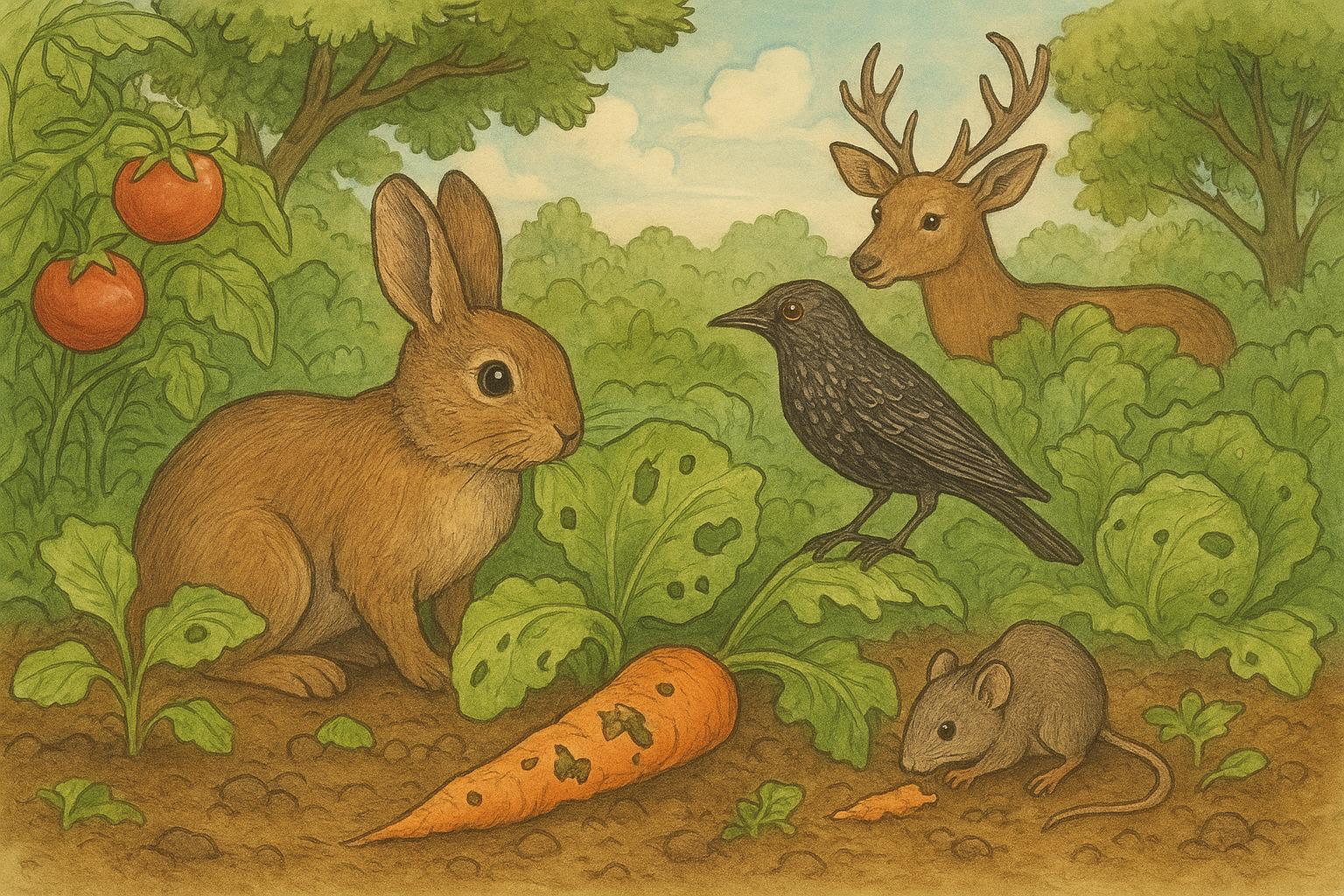
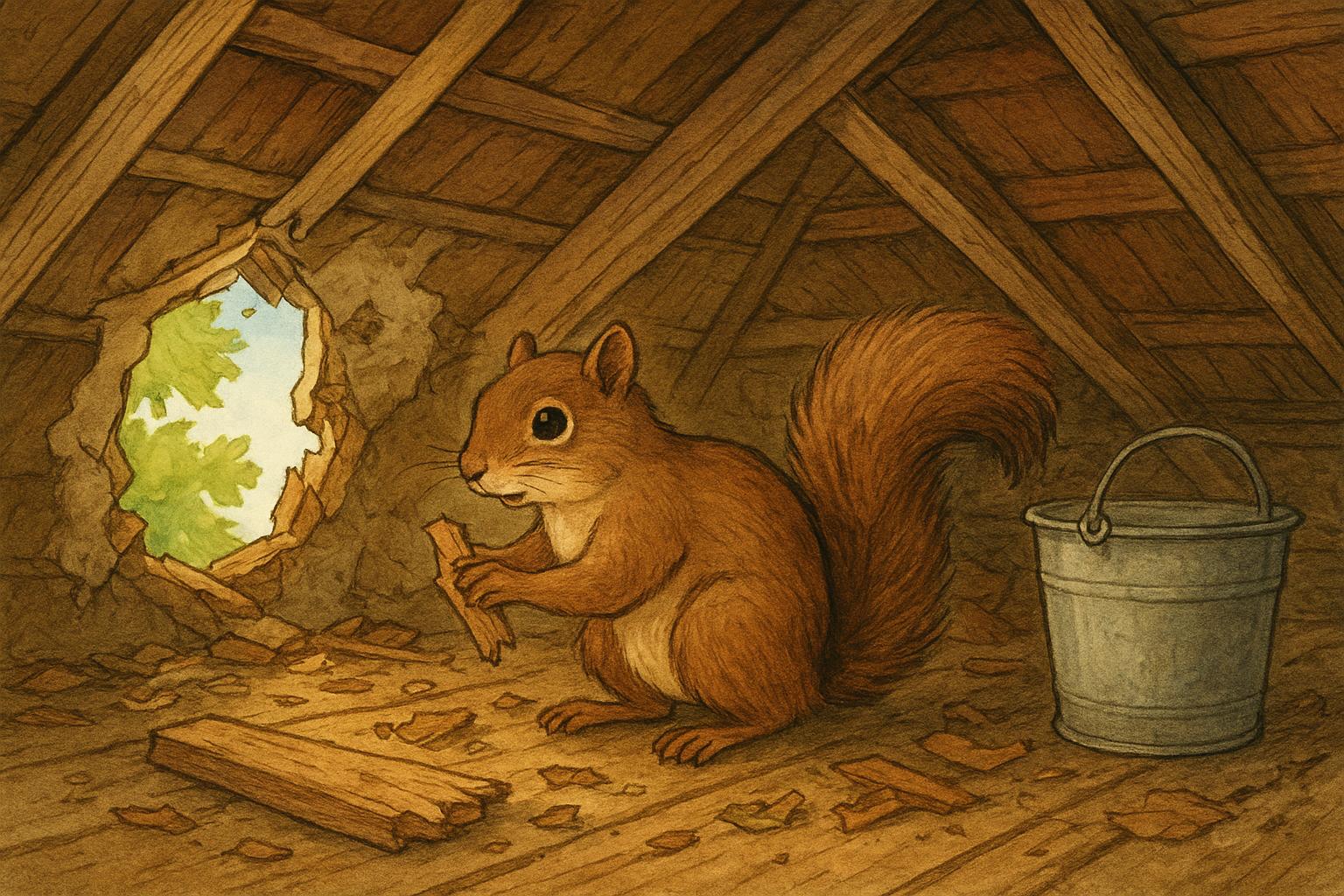
It’s normal to worry about fruit drop, leaf litter, or attracting “unwanted” animals. Here are pragmatic responses:
– Fruit mess: Choose species with smaller, less messy fruits for areas near walkways. Plant messier species away from patios.
– Pests: Healthy native trees are more resilient. If pest outbreaks occur, use targeted, least-toxic controls and consult local extension resources.
– Safety: Dead branches can be hazardous. Regularly inspect trees and responsibly remove hazardous limbs while retaining as much wildlife habitat as safe.
#### Legal And Neighborhood Considerations
Check local ordinances about planting near sidewalks and utilities. Communicate with neighbors if your new plantings might affect shared spaces. Often, people appreciate increased birdlife and pollinators once they see the benefits.
### Measuring Success And Next Steps
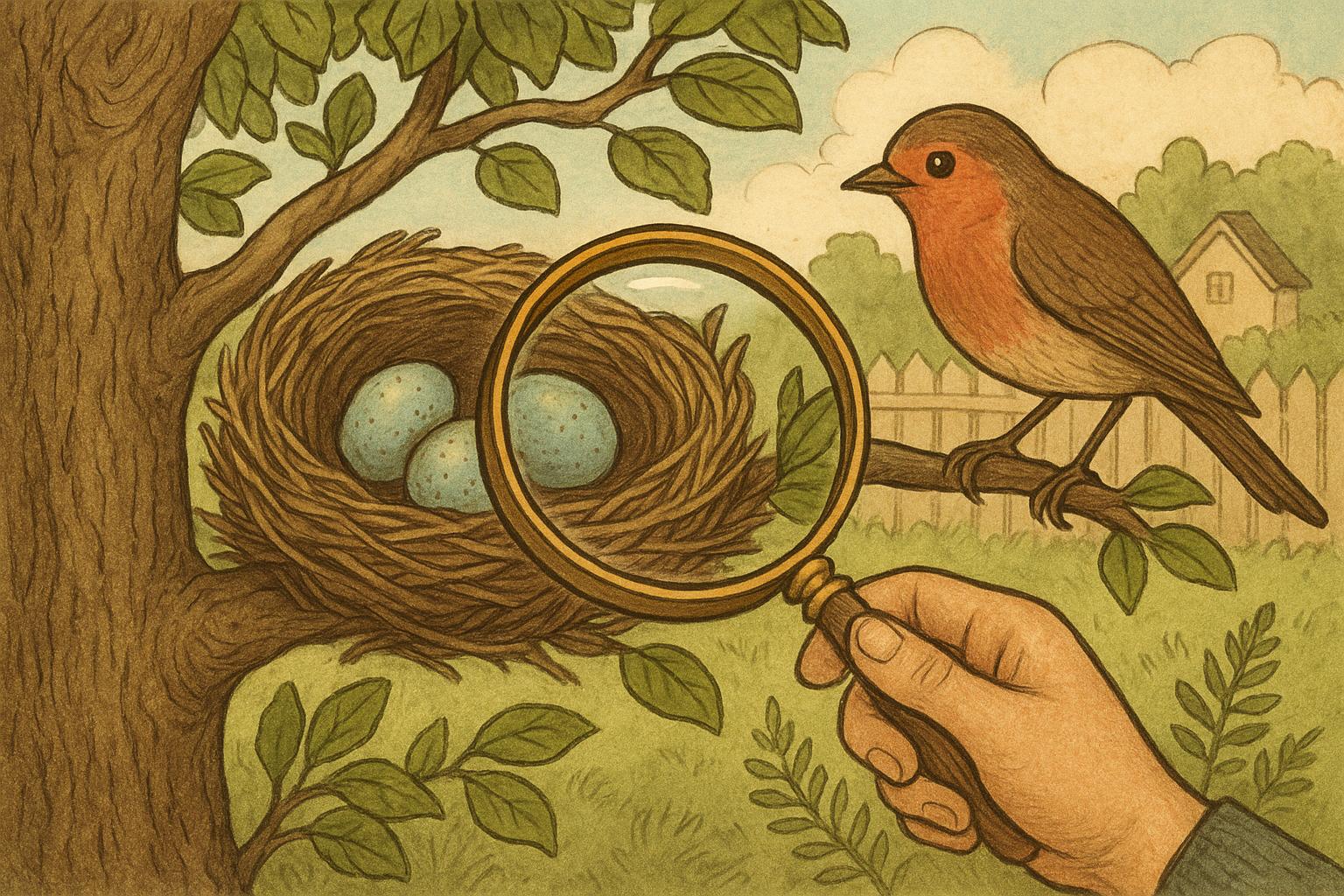
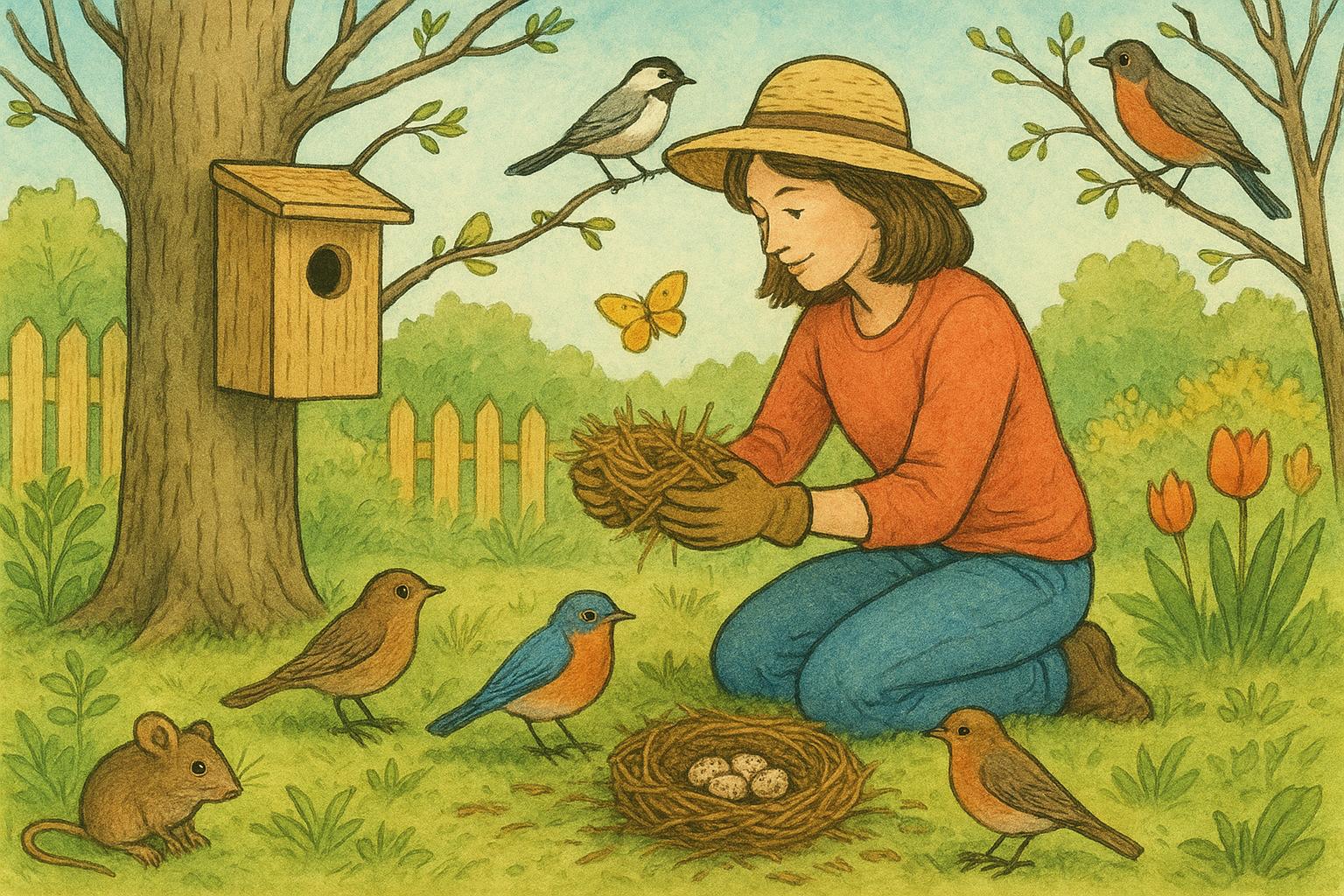
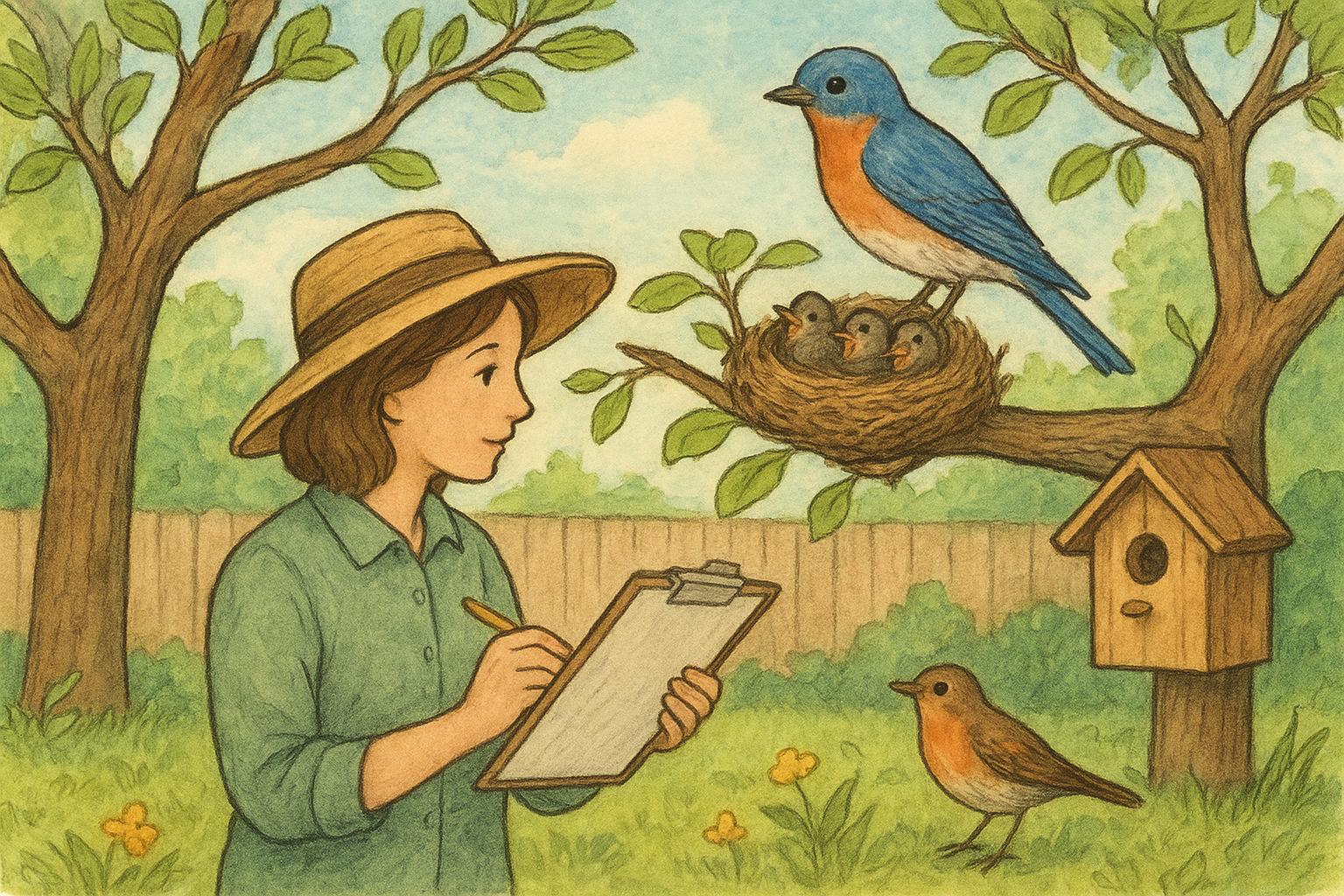
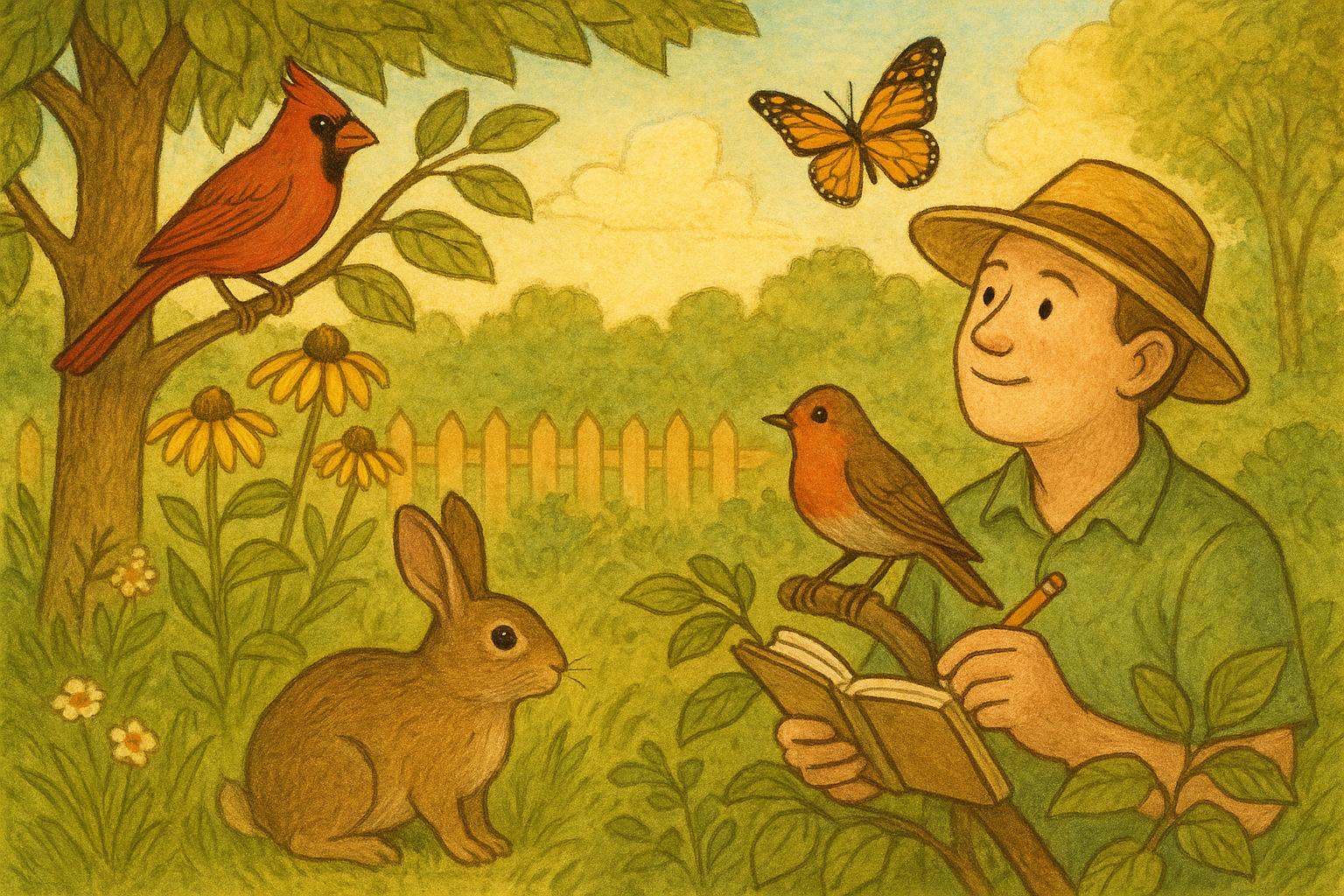
Success isn’t just a planted tree — it’s the first robin building a nest, the increase in pollinator visits, or the noisy chorus of spring insects. Keep a simple journal or take photos through the seasons to track wildlife use. Over time, expand your plant palette and link pockets into a rolling habitat corridor.
Planting trees for wildlife is a long-game investment in local ecology and in the pleasure of watching nature move back into the spaces we inhabit. You’ll gain shade, property value, and the quiet satisfaction of knowing your yard is doing real conservation work.


Leave a Reply