
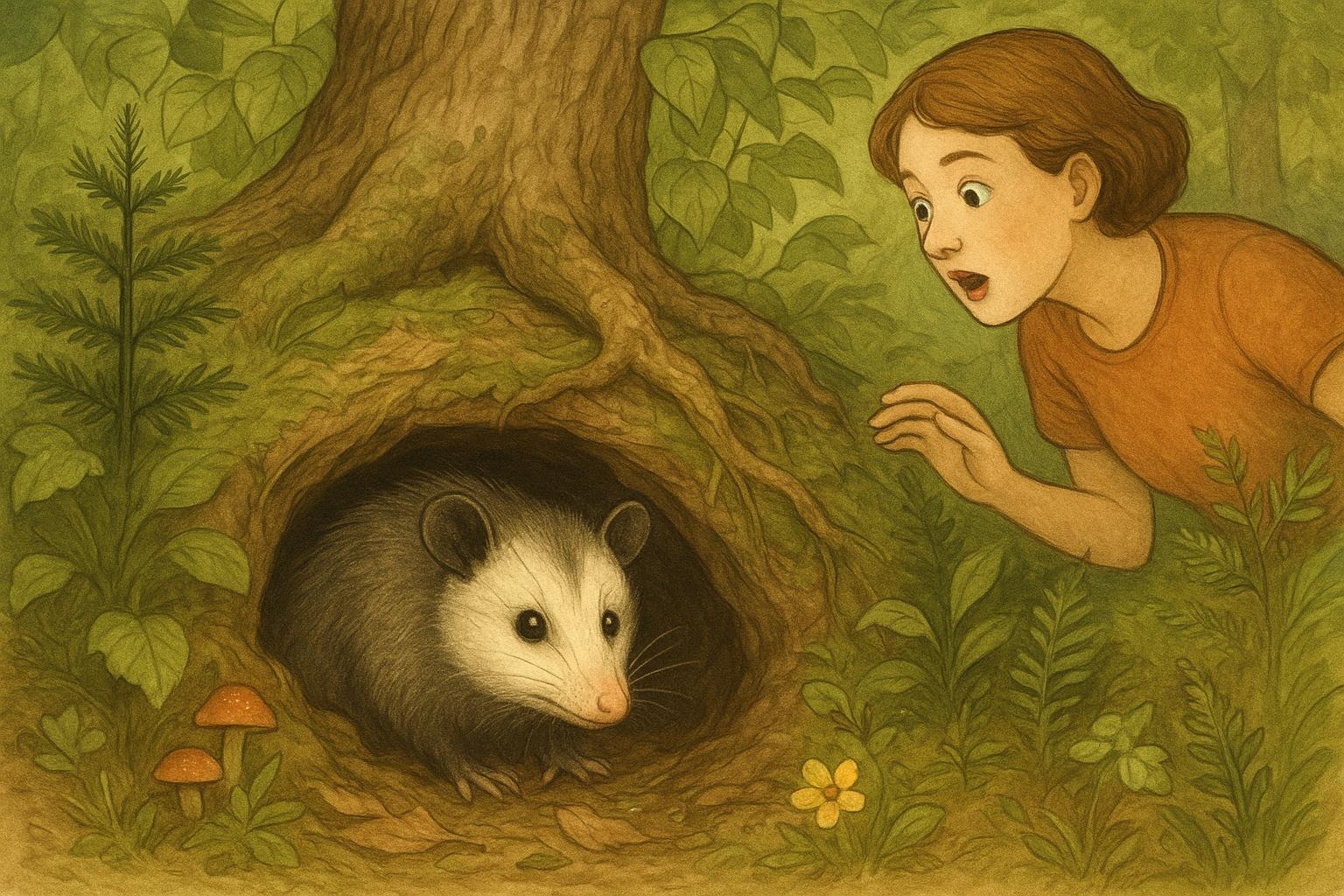
You might already know opossums as the little nocturnal scavengers that play dead when startled. But what many backyard hosts don’t realize is how adaptable and sneaky an opossum habitat can be. They’ll tuck into places you’d never suspect, and once you notice the signs, you’ll start seeing their subtle fingerprints all over your yard—like nature’s messy roommates who pay rent in eggshells and slug shells.
## Opossum Habitat Secrets For Backyards
Opossums aren’t picky. The phrase opossum habitat covers a surprising array of environments: brush piles, abandoned burrows, shed undersides, compost piles, and even crawlspaces. These critters will take up residence wherever food, water, and shelter overlap, and they have a knack for exploiting small openings and neglected corners. If you’ve got warm nooks, steady snacks, and low human activity at night, congratulations—you’re hosting a very polite, very quiet tenant.
### Why They Pick Your Yard
A few everyday features make your yard irresistible:
– Easy food: pet food left outside, unsecured trash, fallen fruit, and uncovered compost are opossum magnets.
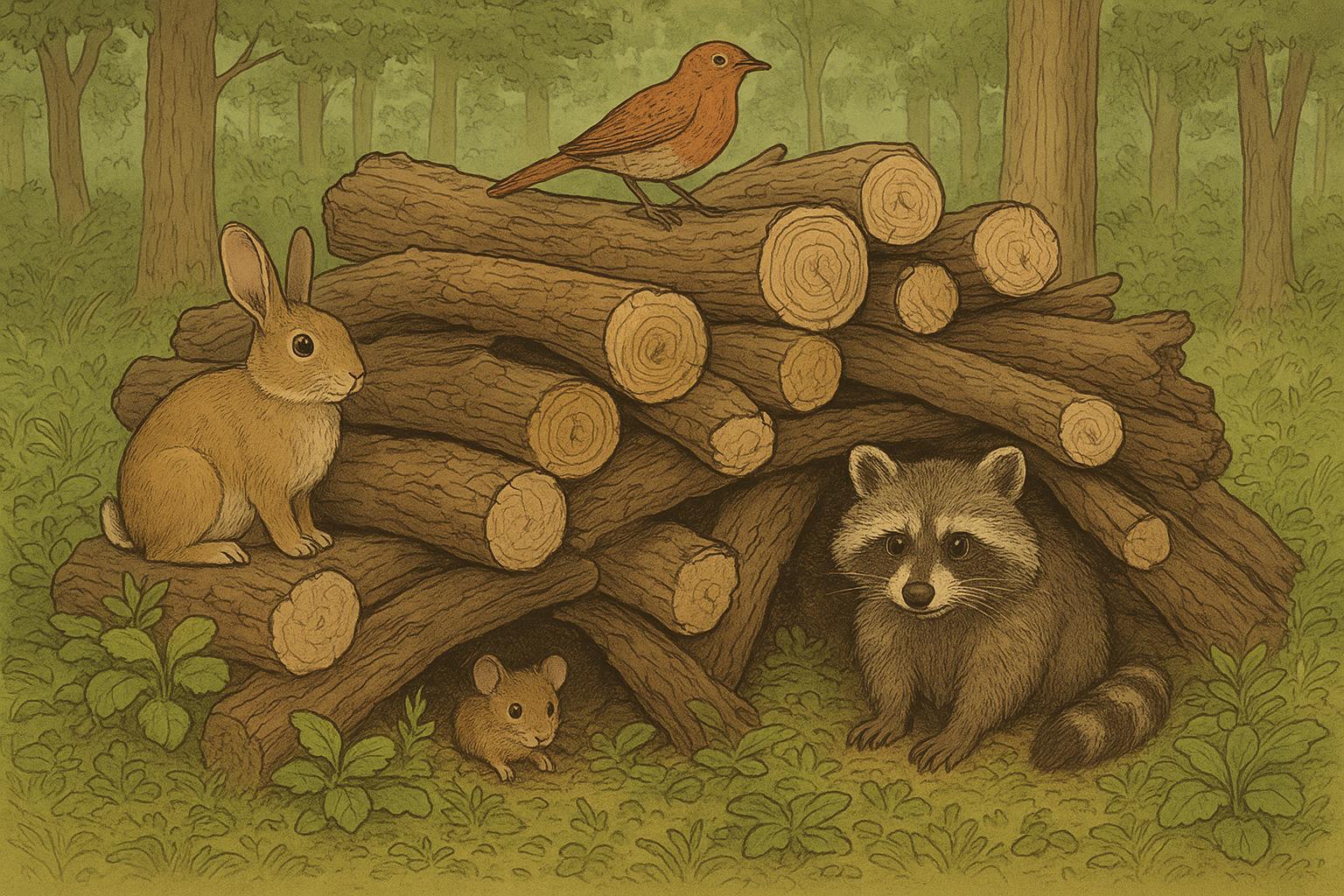
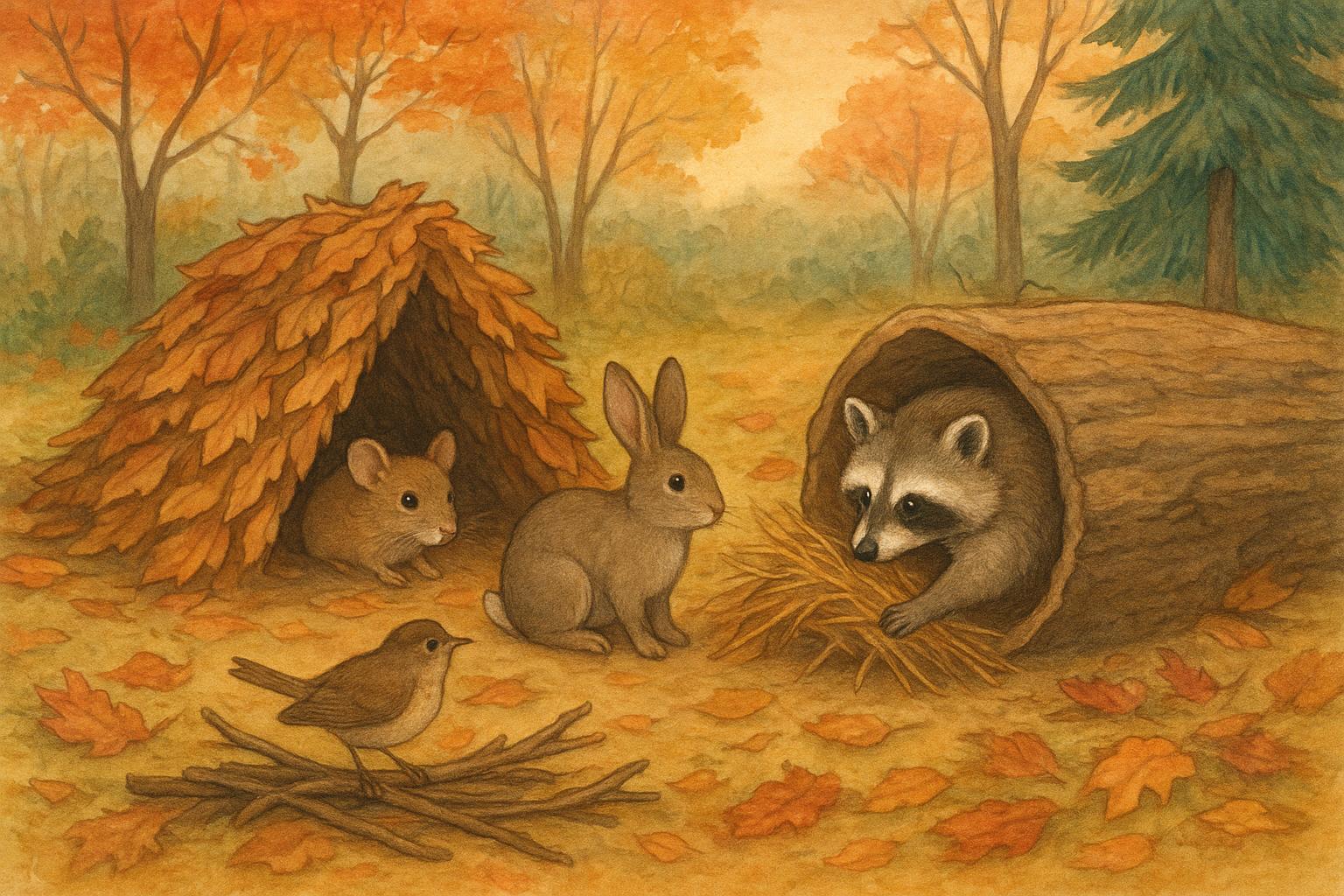
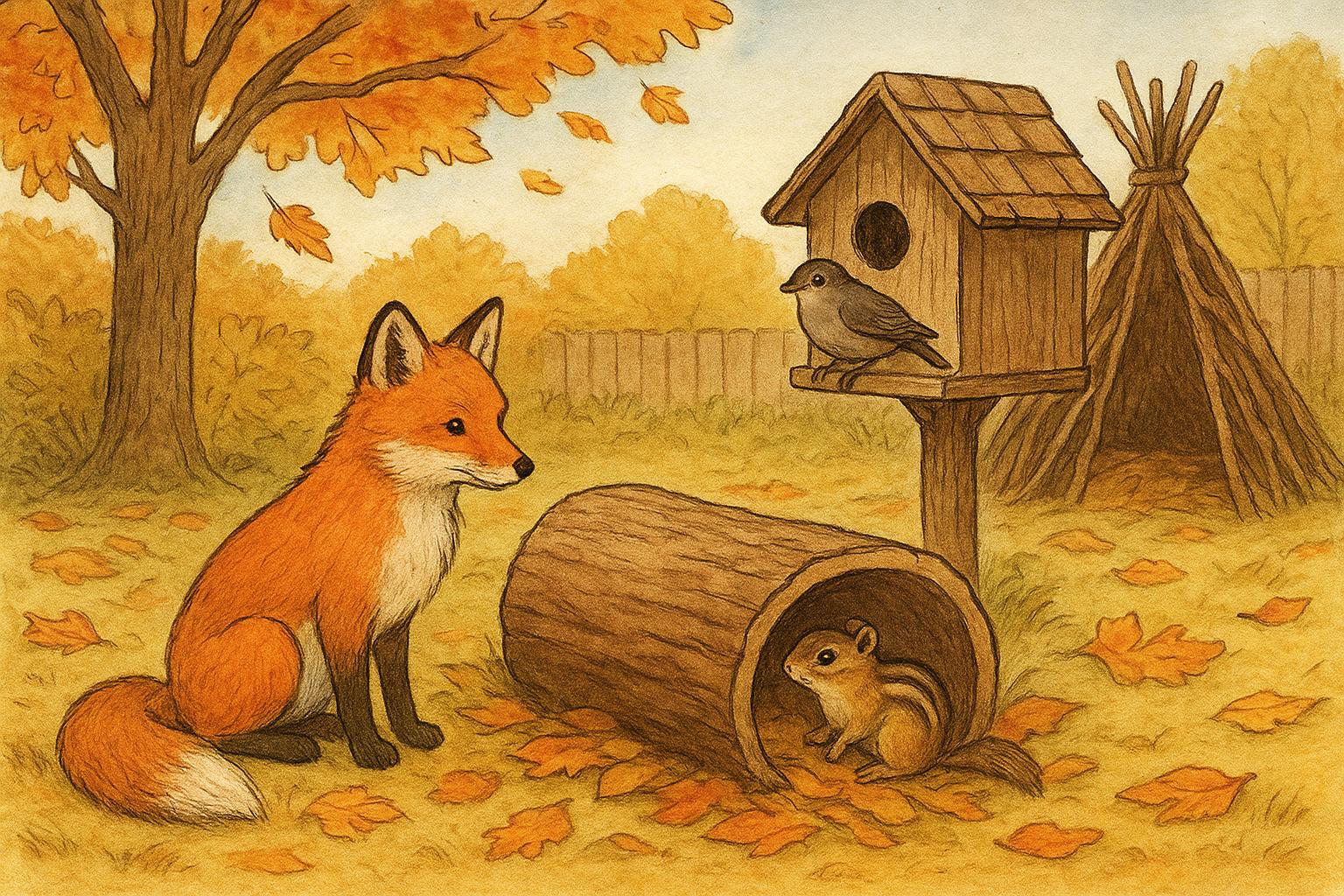
– Quiet cover: dense shrubs, stacked firewood, and brush piles provide safe daytime hiding spots.
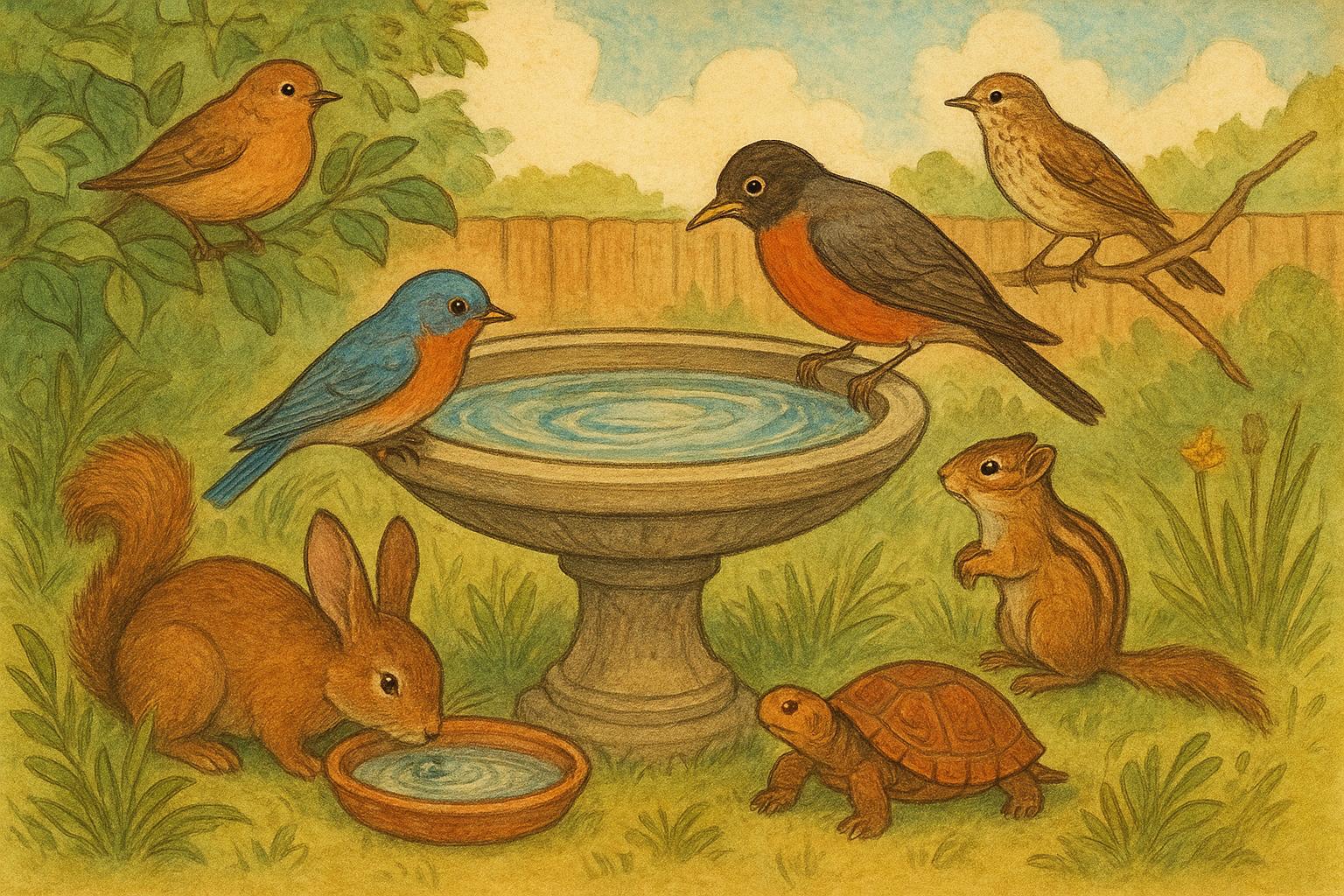
– Water sources: pet bowls, birdbaths, and leaky hoses are as appealing to opossums as they are to us on a hot day.
– Warmth and structure: sheds, crawlspaces, and porches offer sheltered dens, especially in colder months.
These general preferences form the backbone of any opossum habitat—simple needs filled by typical suburban landscaping choices.
#### Nighttime Rituals You Didn’t Expect
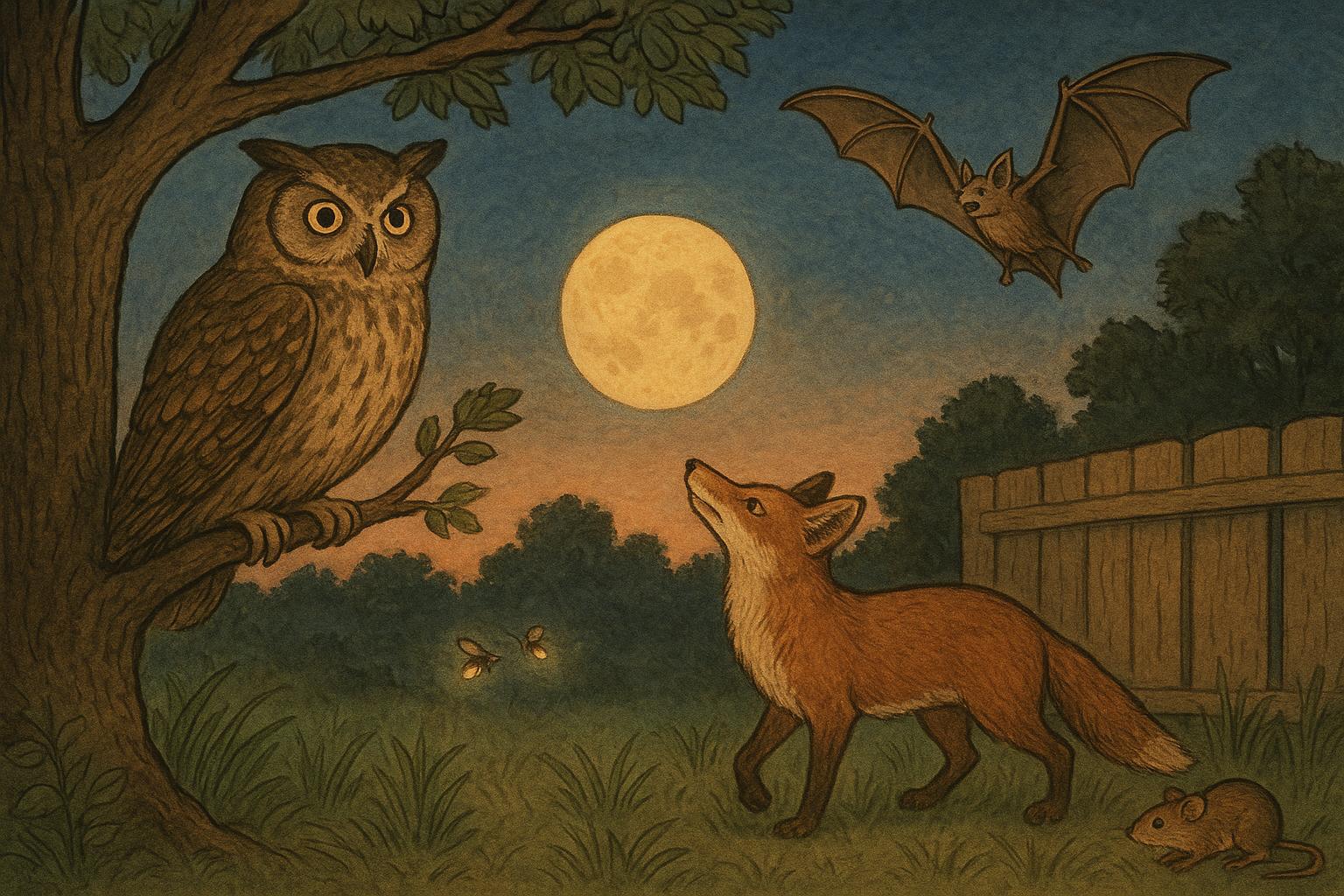
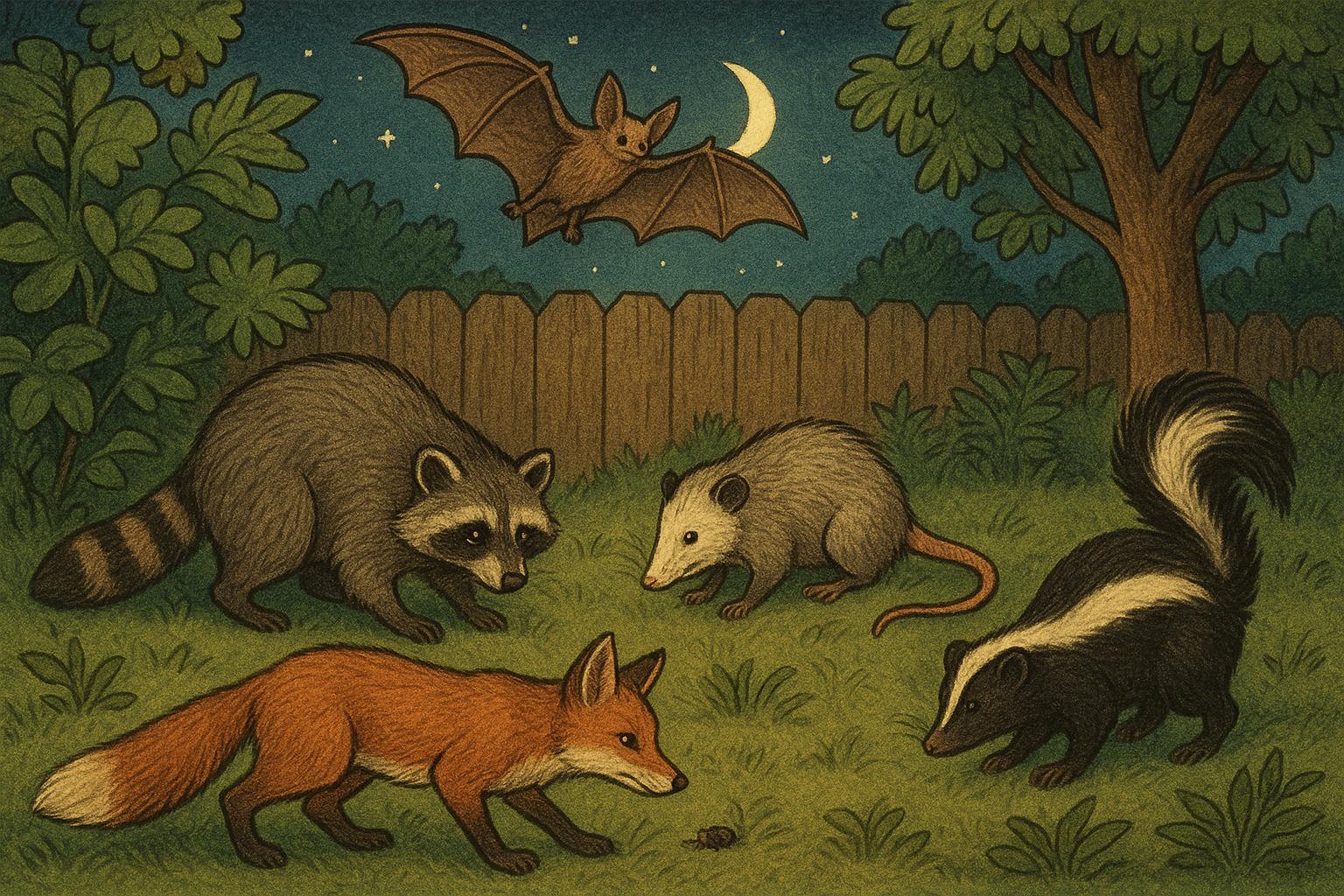
If you ever hear the soft shuffling and a faint snuffling just after dusk, it’s probably an opossum on patrol. They forage slowly, often rotate through the same routes night after night, and can be surprisingly tidy when searching for grubs and snails. They also climb when necessary; don’t assume fences are a full-proof barrier. Unlike raccoons, opossums aren’t great climbers, but they can easily clamber up low branches and slanted fences.
### Signs You’ve Got An Opossum Habitat On Your Property
Look for these subtle indicators:
– Half-eaten snails, slugs, and insect casings near flower beds.
– Droppings that are tapered and contain bits of insect and seed matter.
– Tracks that show five toes and a hallux (opposable thumb) on the hind feet.
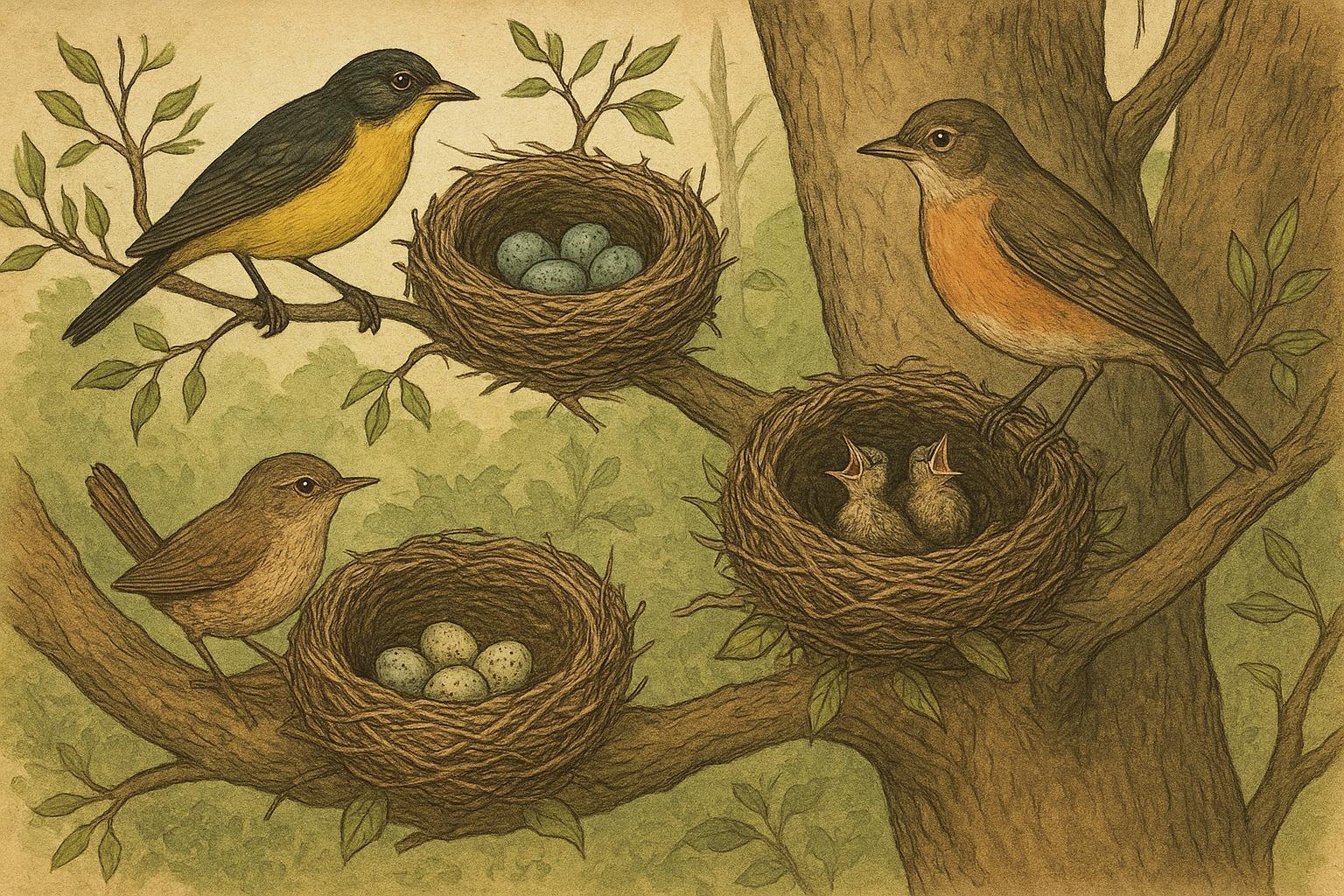
– Nesting materials tucked into sheltered areas (leaves, shredded paper, cloth).
– Disturbed compost or tipped-over trash cans.
Spotting these signs early helps manage an opossum habitat before a full-time resident moves in.
## Safety And Coexistence Tips
For most folks, opossums are more helpful than harmful. They eat ticks, cockroaches, and rodents, and they rarely show aggression. That said, coexistence requires common-sense measures: don’t handle wild animals, supervise pets, and avoid cornering an opossum. If one is living under a porch or in a crawlspace, remove attractants first and then use humane exclusion methods. If you believe an animal is injured or rabid—rapid, uncoordinated movement, drooling, or daytime aggression—contact local wildlife authorities or a licensed rehabilitator immediately.
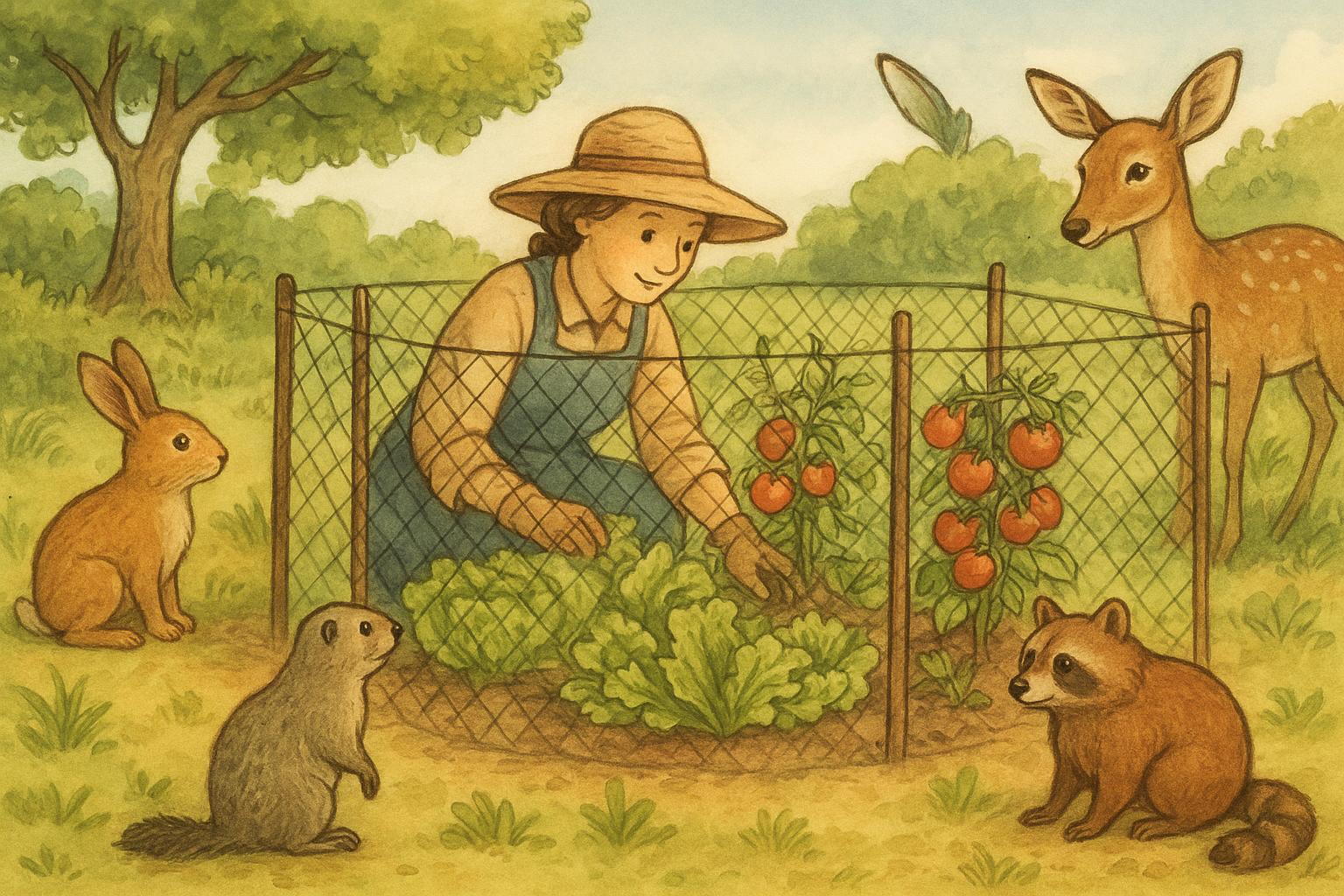
### 1. Exclusion Barrier To Keep Opossums Out
Materials:
– 4-foot-high galvanized hardware cloth or welded wire mesh (small gauge, 1/2 to 1-inch openings)
– Landscape staples or galvanized fencing staples
– Gravel or small rocks (for a footer)
– Heavy-duty zip ties or galvanized screws and washers
– Gloves and safety glasses
– Tape measure, wire cutters, and a mallet
Procedure:
1. Assessment: Identify entry points around the area you want to protect (beneath porches, around sheds, under decks). Measure lengths and heights required for fencing.
2. Prepare a footer: Dig a shallow trench approximately 6–8 inches deep along the perimeter where the fence will sit. This prevents digging under the barrier.
3. Install mesh: Unroll the hardware cloth and position it so the bottom extends into the trench. When placing vertically, ensure the mesh is at least 3 feet above grade (4 feet is better for general deterrence). Wrap mesh around corners tightly.
4. Secure the bottom: Backfill the trench with gravel or soil to anchor the mesh in place. Compact firmly to remove loose gaps.
5. Fasten the mesh: Use landscape staples to secure the mesh along the top and sides, and use galvanized screws with washers where attaching to wood posts or building foundations.
6. Add an outward-facing apron: For stubborn diggers, lay a horizontal skirt (apron) of mesh extending outward 12–18 inches from the base and pin it down with staples; this prevents animals from excavating at the fence base.
7. Final inspection: Check for gaps, sharp edges, or places the mesh may separate from structures. Trim any loose wire and staple or screw all loose ends.
Precautions: Hardware cloth installed flush to structures and buried appropriately is a long-term solution. Avoid using chicken wire—it’s too flimsy. Exclusion must be verified at night: observe to ensure the animal isn’t trapped inside. If an opossum is present within the area to be enclosed, allow it to leave on its own or contact wildlife control for humane removal; under no circumstances should you seal an occupied den.
### 2. Habitat Modification And Deterrents
Materials:
– Sturdy trash cans with tight-fitting lids
– Motion-activated lights or sprinklers
– Heavy-duty bungee straps or metal bins for pet food
– Mulch management tools (rake, tarp)
– Native, dense groundcover or thorny shrubs (optional landscaping)
Procedure:
1. Eliminate food sources: Store trash in sealed containers and secure lids with bungee straps if necessary. Bring pet food indoors overnight. Clear fallen fruit daily during fruiting season.
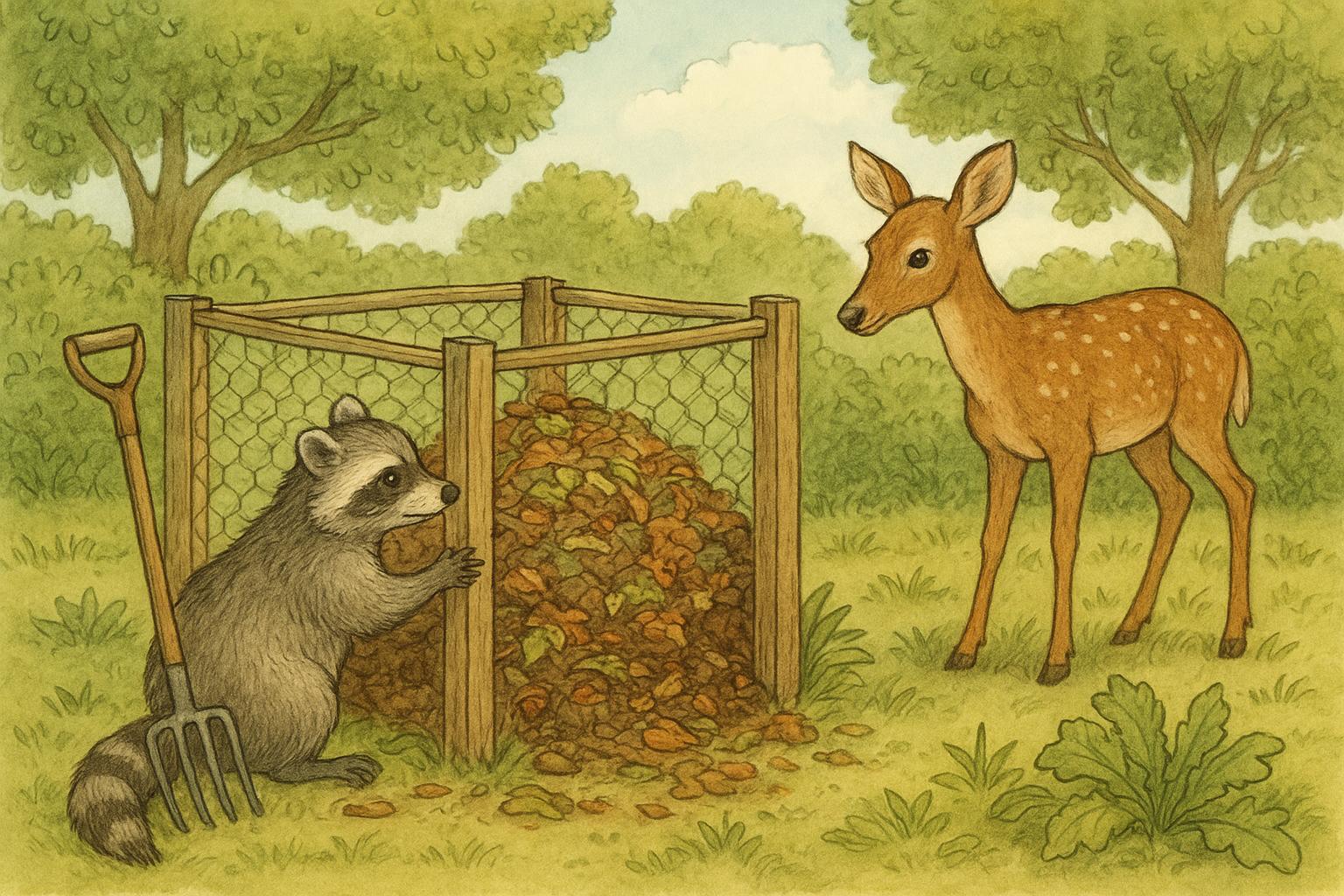
2. Modify shelter options: Remove brush piles, rock piles, and unnecessary wood stacks. Replace loose, open compost piles with closed composters that have secure lids and predator-resistant designs.
3. Install deterrents: Place motion-activated lights or sprinklers near common approach routes. Opossums are nocturnal and prefer dark, quiet spaces, so sudden light or water disturbances discourage routine use of an area.
4. Manage water: Fix leaks, remove standing water, and bring pet bowls indoors at night.
5. Adjust landscaping: If you want a long-term strategy, plant low-maintenance, dense native species that discourage digging and do not provide easy cover for nocturnal animals. Thorny shrubs along foundation perimeters make for a low-tech barrier.
6. Monitor and adapt: After changes, observe nightly activity where possible. Because opossums are creatures of habit, many will abandon a site within a few nights when their food and shelter have been altered.
When applying habitat modification, consistency is key. Partial measures—like moving the food but leaving shelter—often fail. A coordinated approach that removes attractants while making alternative shelter options less available is the most effective way to reduce opossum presence without harming the animals.
#### Handling Special Cases: Dependents And Denning Season
If you encounter a female with young in a den, extra care is required. Opossums have a short gestation and carry young on their back or inside a pouch-imitating den. Disturbing a den in spring or summer can leave young vulnerable. If you must intervene, contact your regional wildlife rehabilitator or animal control. They can determine whether relocation, temporary exclusion, or in-place coexistence is the safest option for both the animals and humans involved.
### Legal And Ethical Considerations
Local ordinances vary. In many places, relocating wildlife without a permit is illegal. Trapping and moving opossums can cause stress, reduce survival rates, and disrupt local ecosystems. Always check local regulations and use licensed, humane services when required.
There you go—your backyard may be hosting an unexpected opossum habitat, but with observation and the right steps, you can live alongside these helpful scavengers or guide them to more suitable quarters.










Leave a Reply