
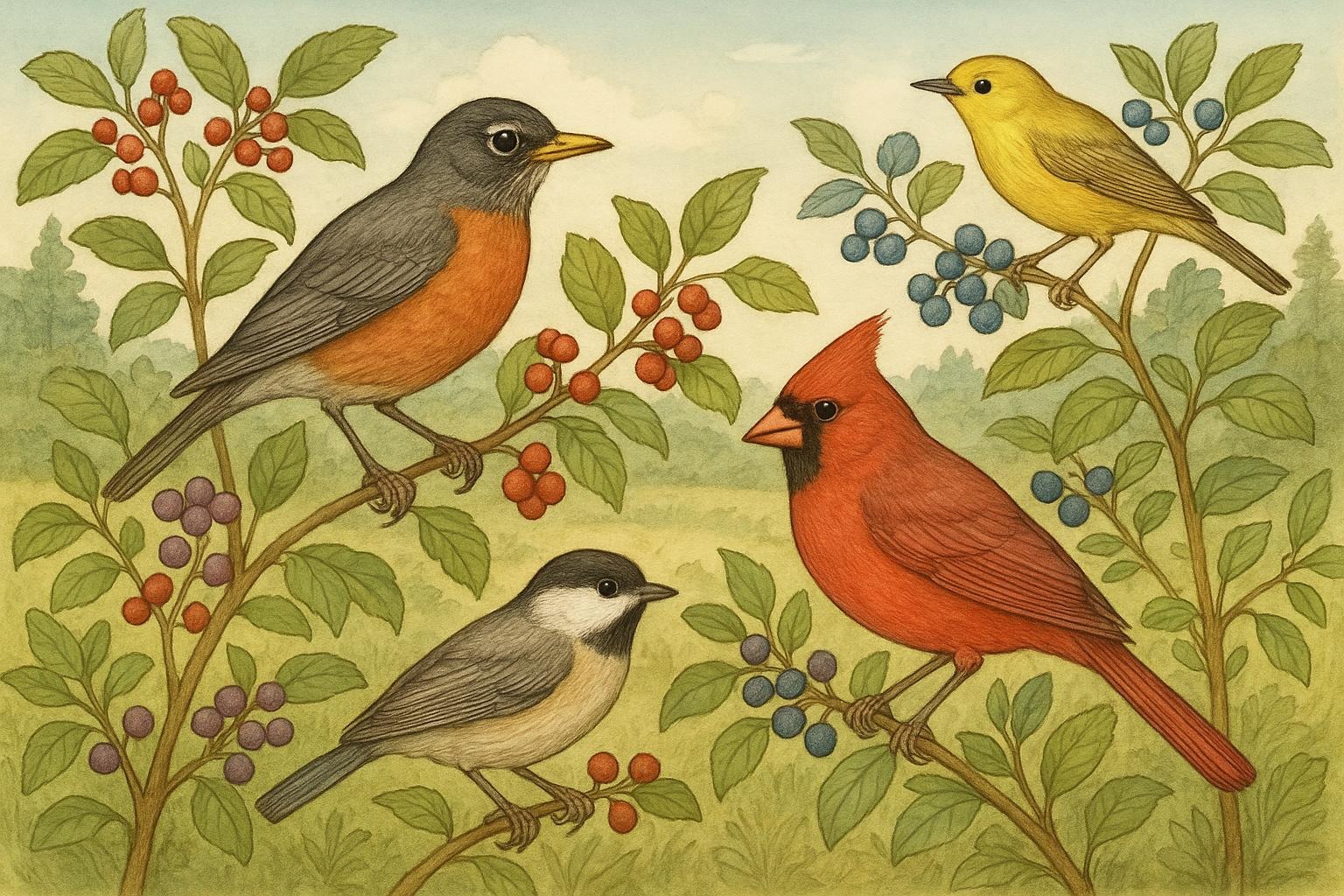
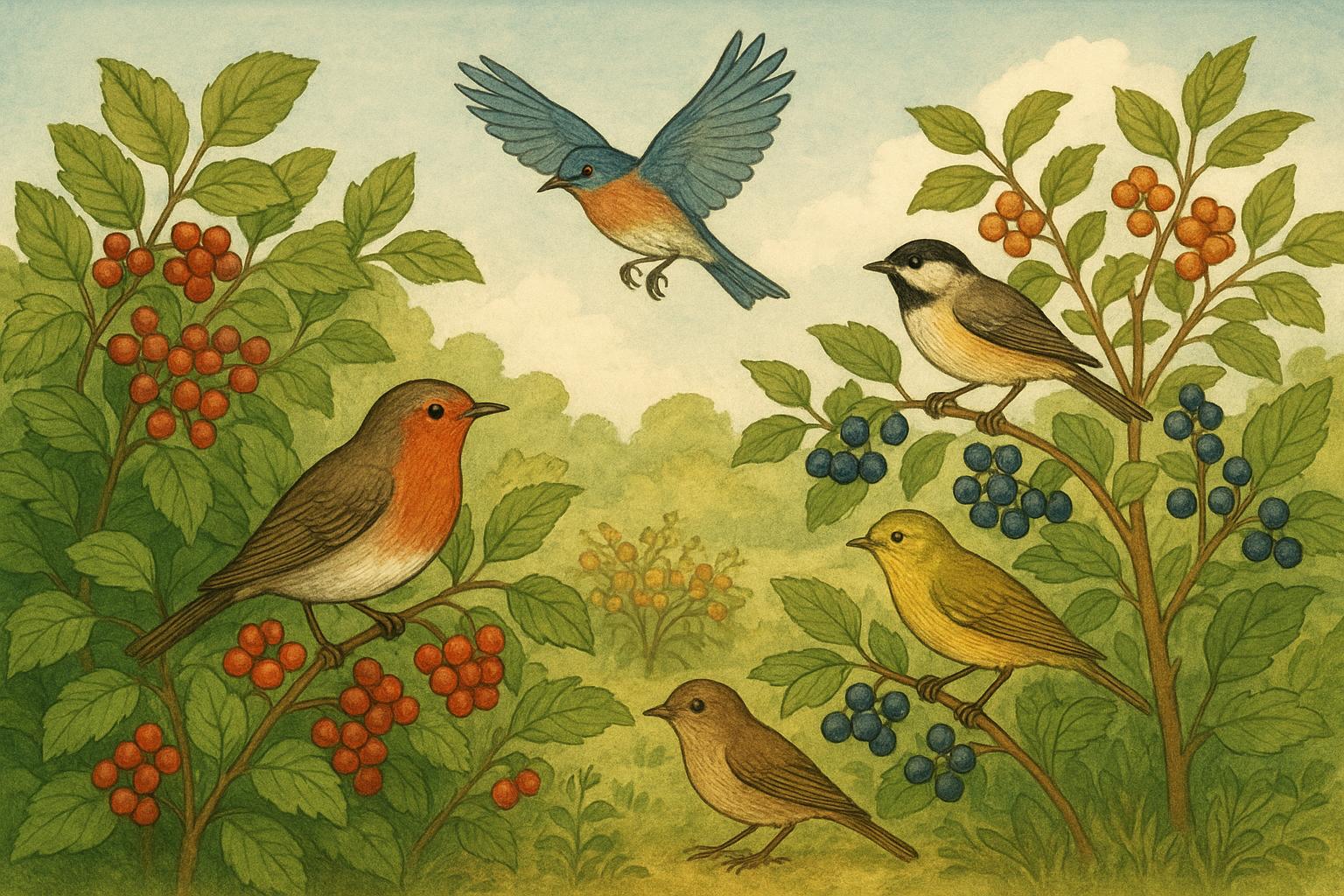
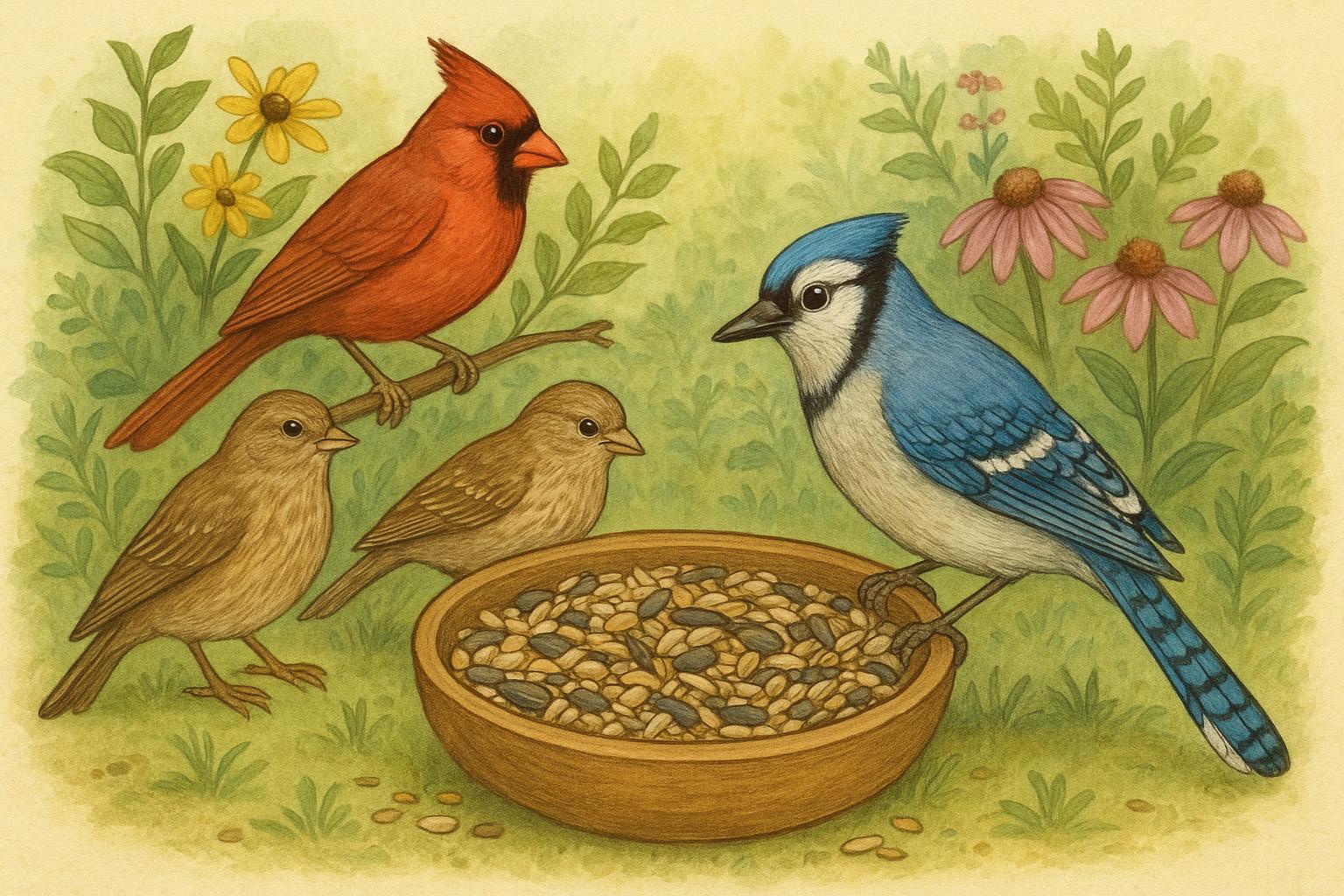
If you love seeing a steady parade of finches, thrushes, and waxwings in your yard, planting for birds is nearly therapeutic. Choosing native berry shrubs gives year‑round interest and reliable food for wildlife, with the occasional dramatic avian soap opera to keep you entertained.
## Why Berry Shrubs Matter For Birds
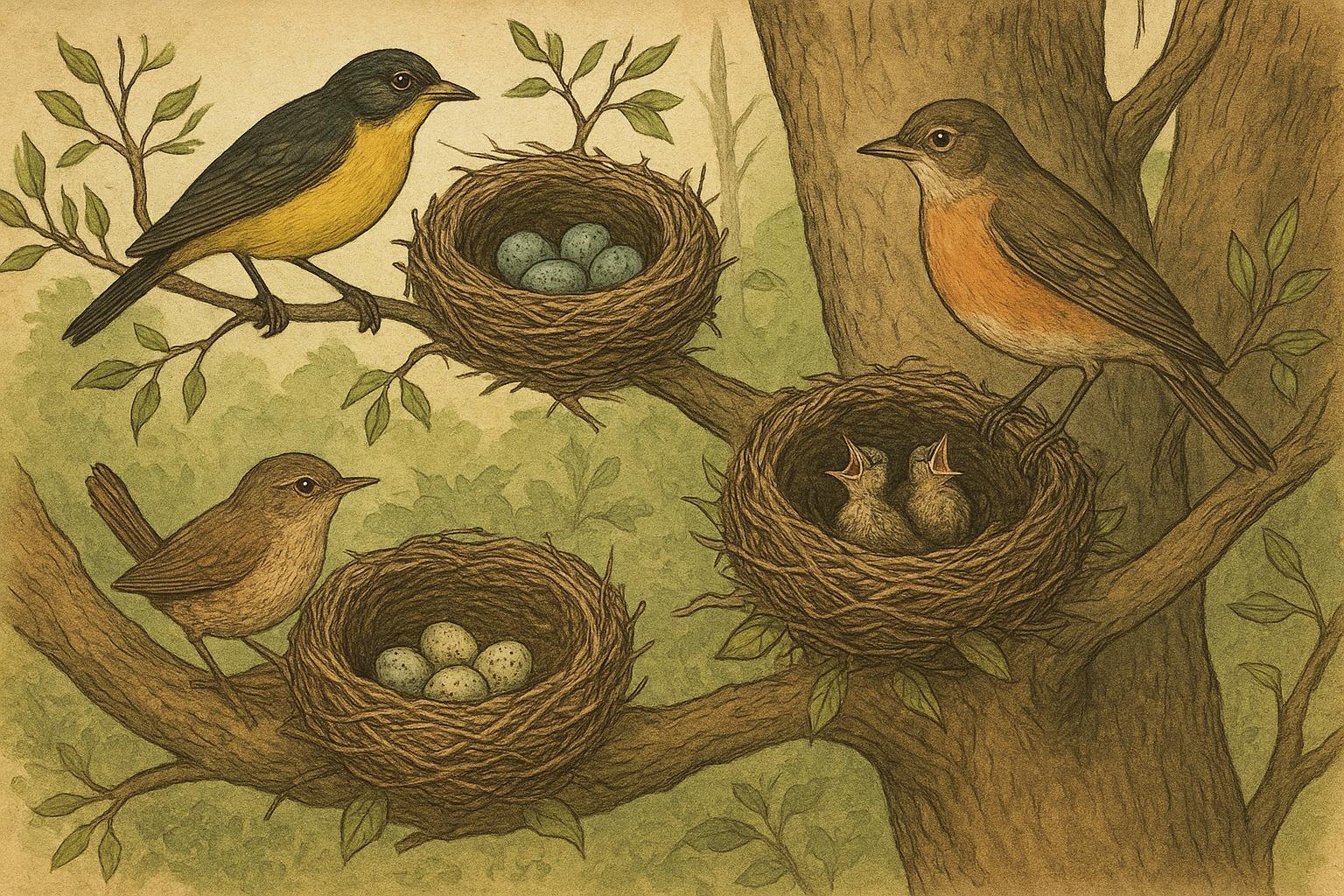
Berry shrubs do three crucial things for backyard birds: they feed them, hide them, and help them raise young. Native species evolved with local bird populations, so their fruit timing, size, and nutritional profile often match what local species need. Unlike some flashy ornamentals, berry shrubs tend to hold fruit into cold snaps, offering critical calories when insects are scarce and temperatures drop.
## How Native Berry Shrubs Support Ecosystems
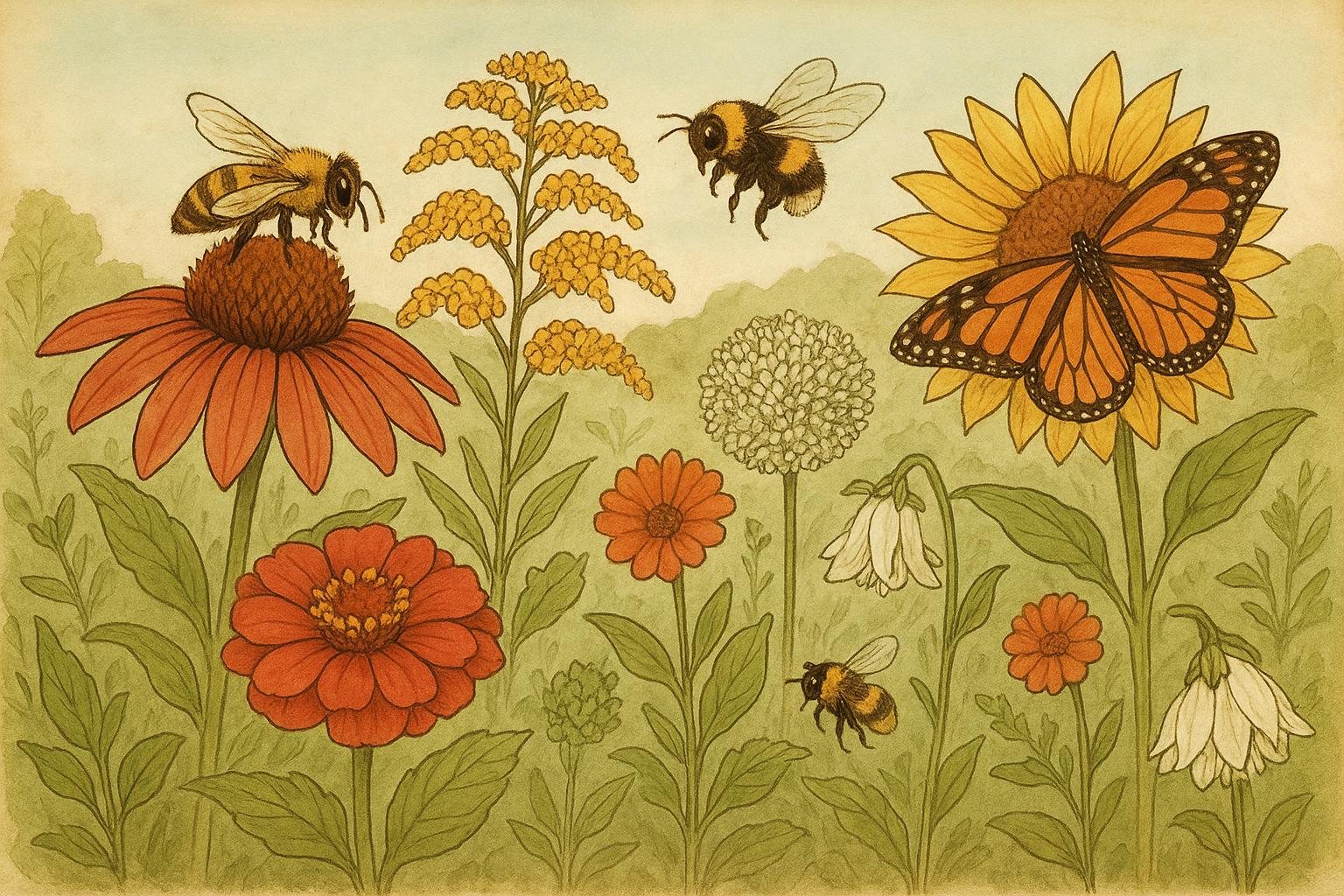
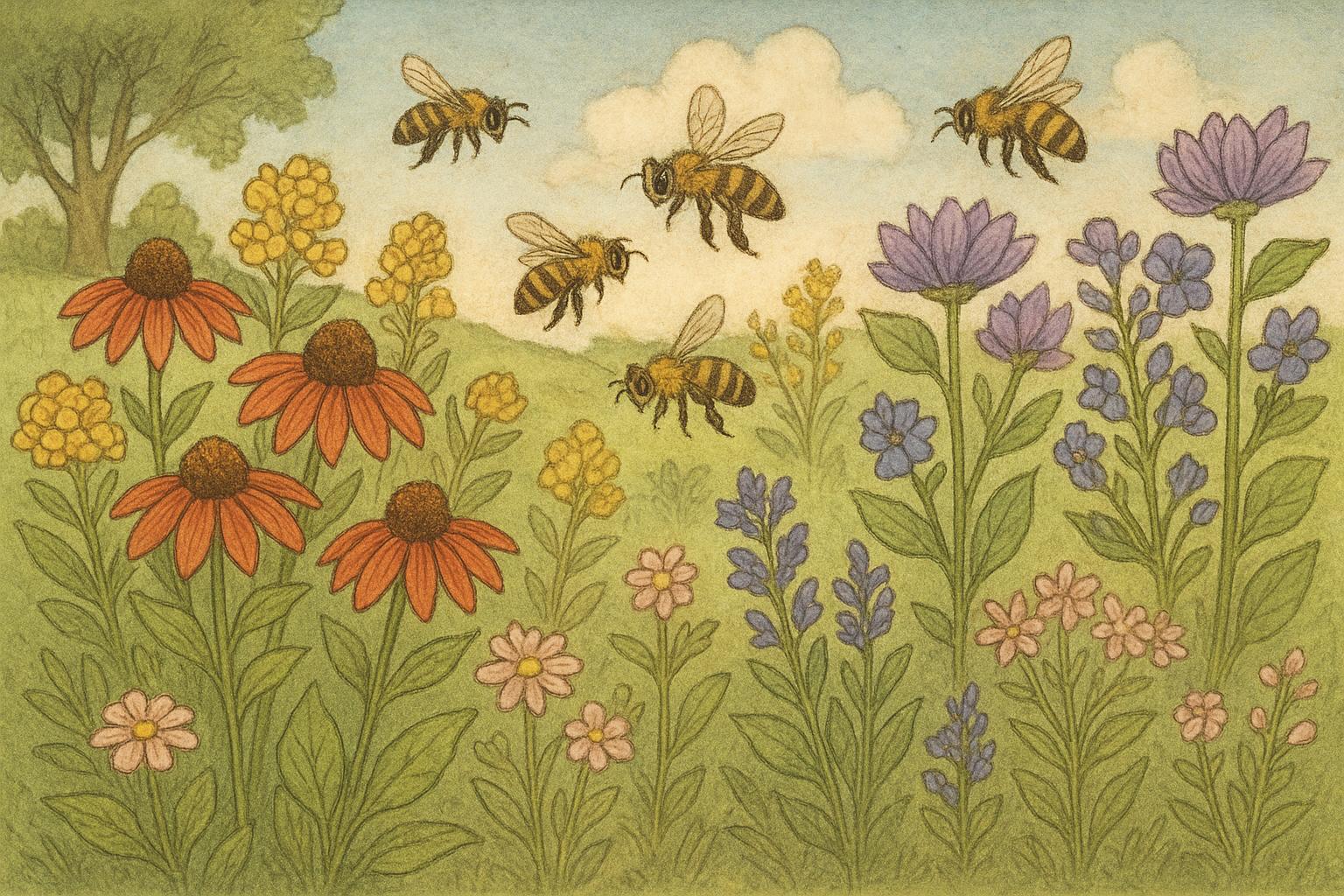
The value of berry shrubs isn’t just snackable fruit. Their flowers support pollinators in spring, foliage shelters nest sites, and their branches provide perches and cover from predators. A well-planned planting can cascade benefits: more insects for insectivores, more seeds for granivores, and even more soil life thanks to leaf drop and root interactions.
### Top Native Berry Shrubs To Consider
Here are widely recommended natives that perform well in many North American landscapes. Matching species to your local ecoregion is best, so check with a native plant society or extension service before buying.
– Serviceberry (Amelanchier spp.) — Early flowers, summer berries loved by thrushes and robins.
– Viburnum (Viburnum spp.) — Several species produce fruit through late fall for wintering birds.
– Autumn Olive (Elaeagnus umbellata) — Fruit is popular with birds, but check invasiveness in your area.
– Elderberry (Sambucus spp.) — Large clusters of fruit that attract many species.
– Holly (Ilex spp.) — Provides berries often into winter and excellent dense cover.
Planting a mix of these berry shrubs across layers—canopy, understory, and edge—creates a continuous supply of food and shelter across seasons.
### Seasonal Benefits And Wildlife
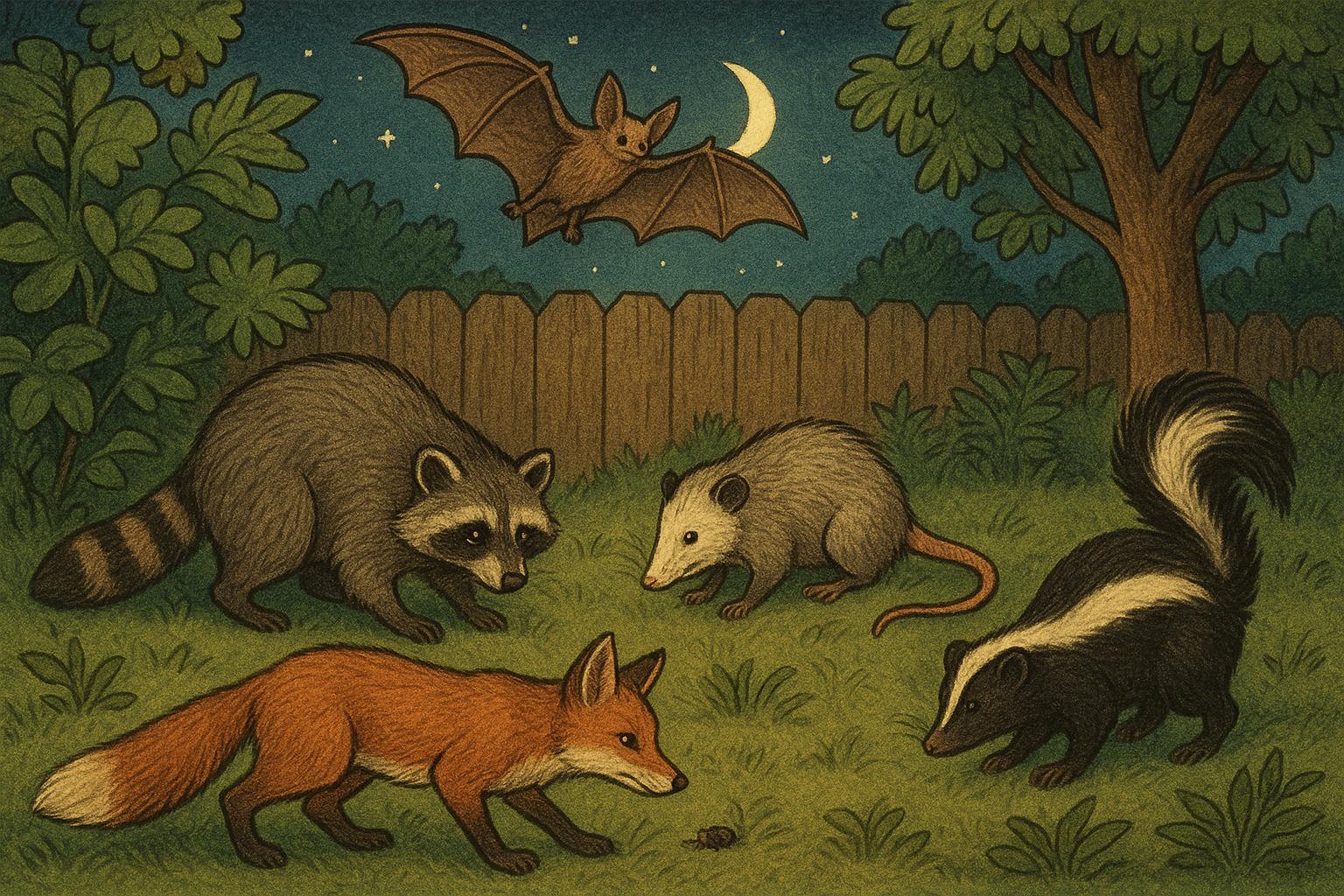
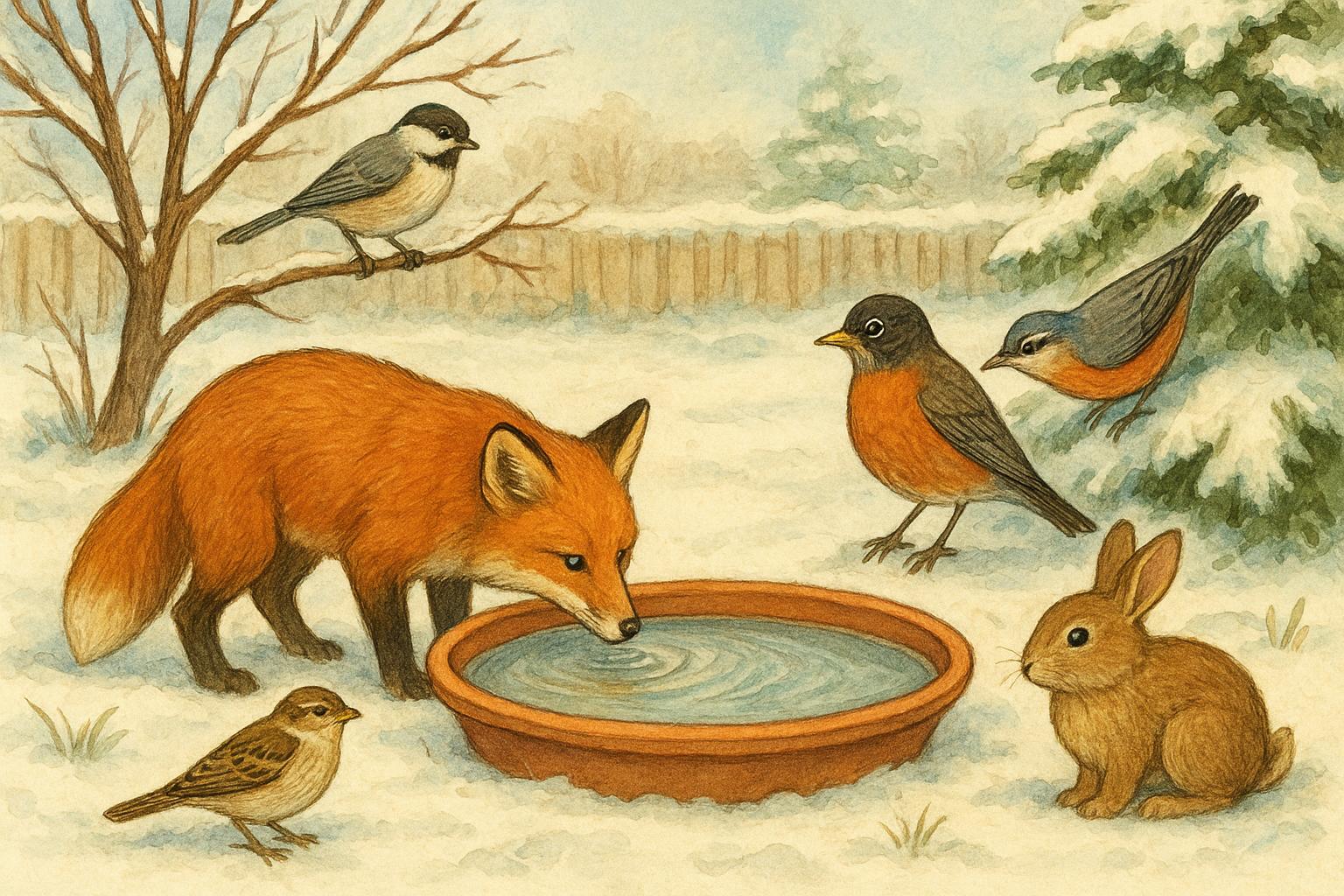
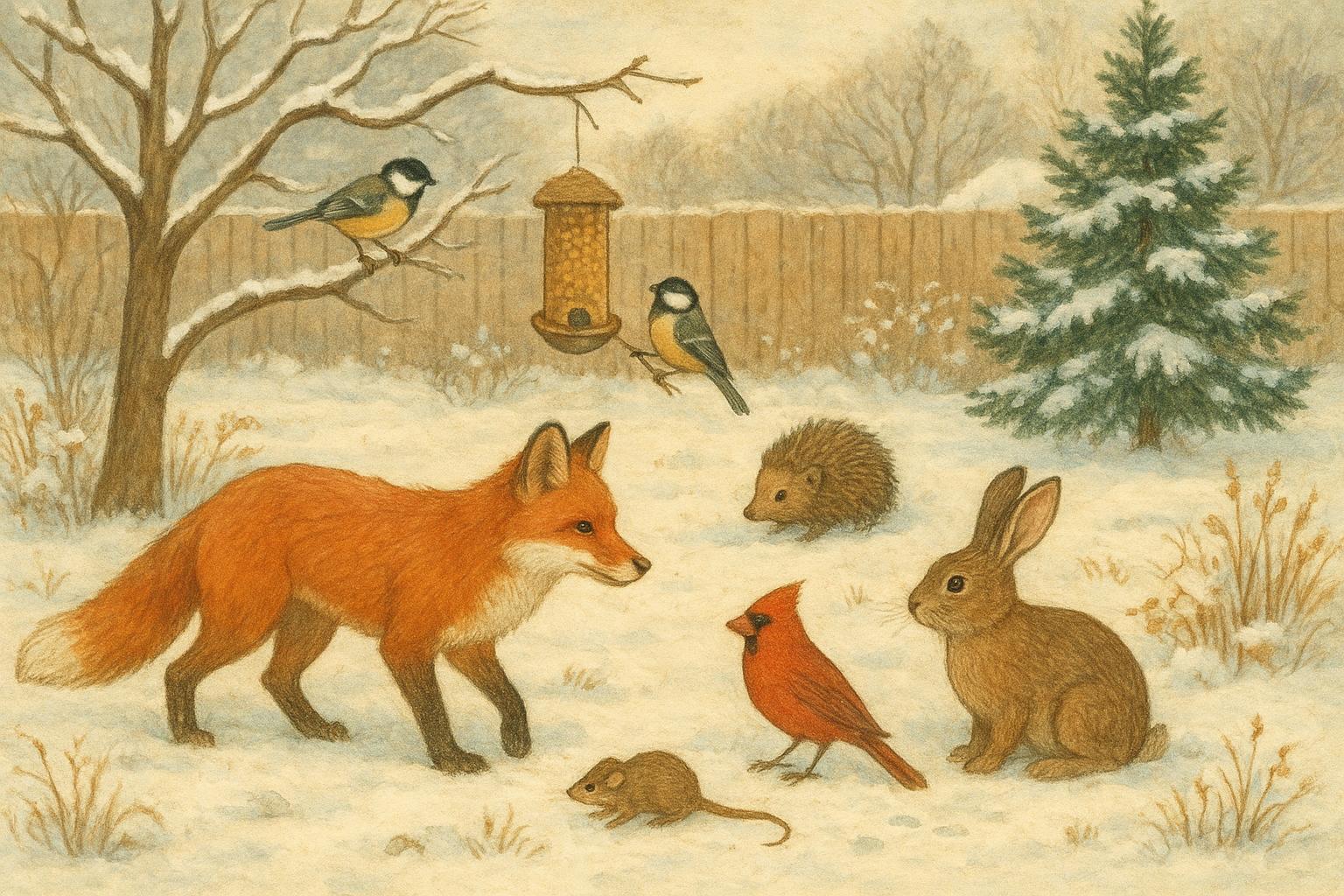
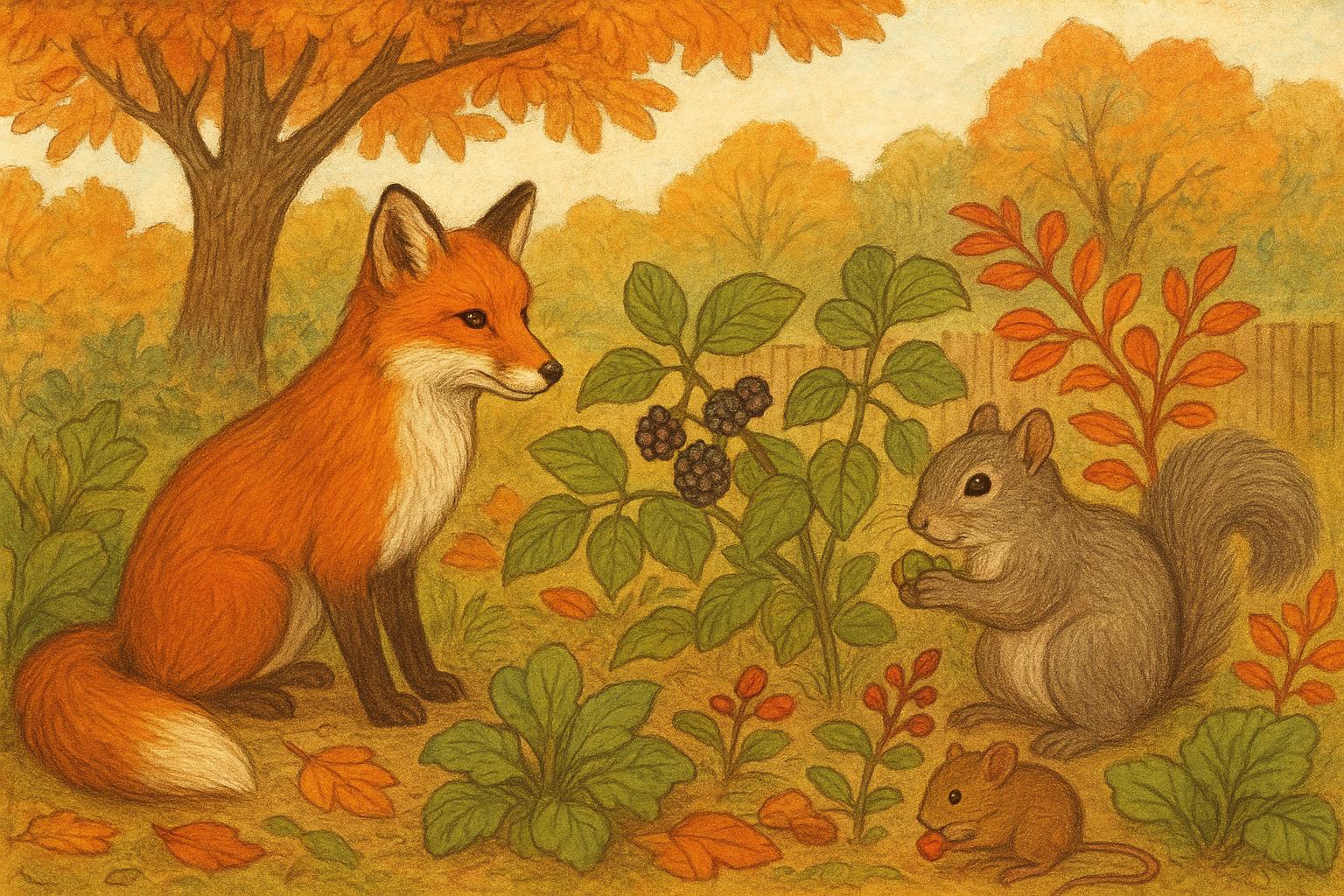
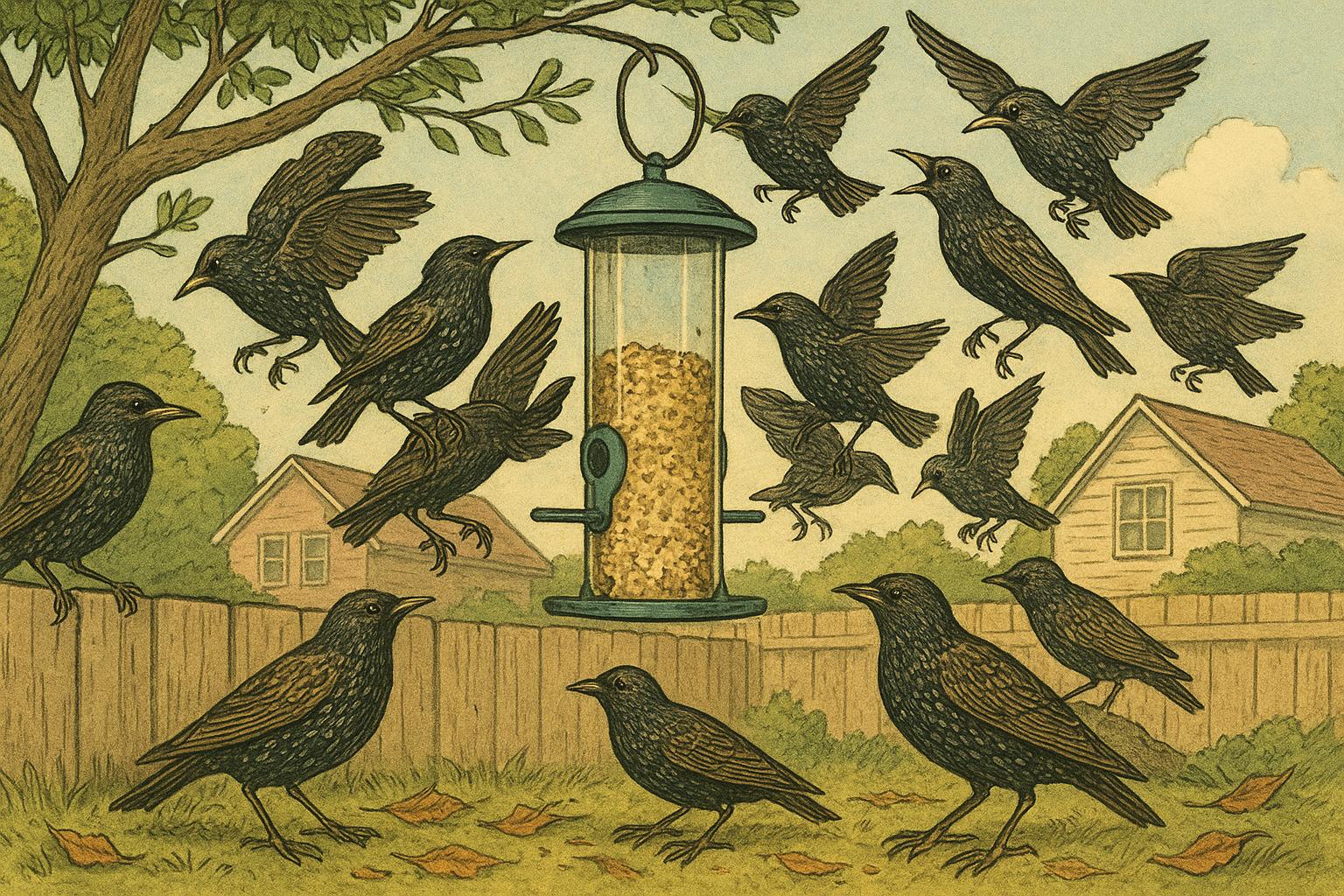
Timing matters. Early fruiters help migrating birds refuel; late fruit retainers are lifesavers in winter. Shrubs that hold fruit late also concentrate birds, which can be wonderful to watch but raises disease transmission risk—so diversity and spacing help. Berry shrubs also support mammals like squirrels and foxes, and of course, insects and pollinators that benefit the wider garden.
### Designing Your Native Landscape With Berry Shrubs
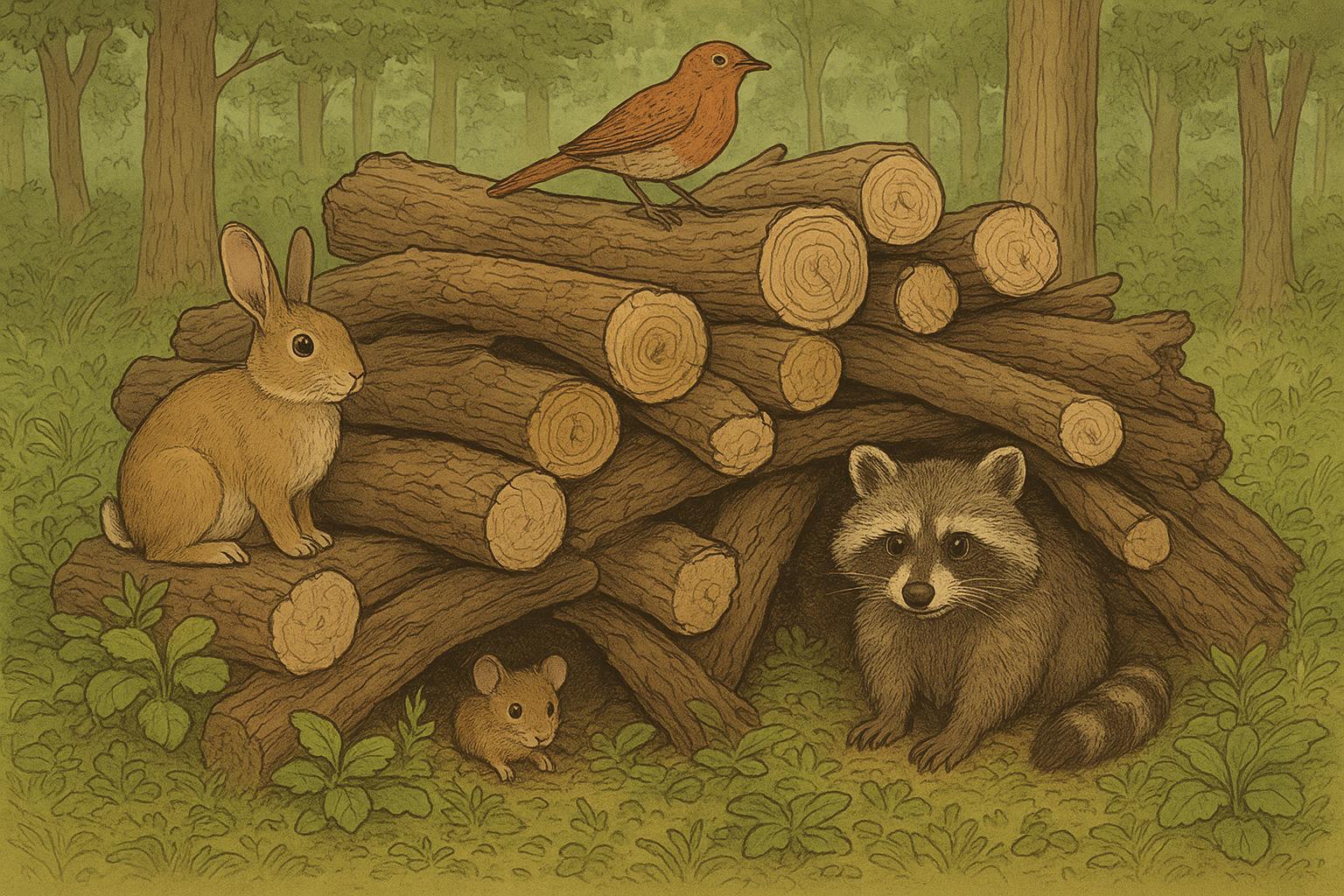
Think in terms of layers and movement. Place taller berry shrubs toward the back of beds or along property lines, intermediate shrubs in mid‑garden, and smaller fruiting shrubs closer to paths where you can enjoy their activity. Leave nearby dead wood or dense ground cover if you can—birds use it for nesting material and insect foraging. Avoid massing a single species into huge blocks unless you’re restoring a specific habitat; diversity equals resilience.
#### Spacing And Layering
Spacing berry shrubs correctly reduces disease and pest pressure and allows understory plants to thrive. Generally, follow nursery spacing recommendations, then add a buffer for mature crown width. Incorporate native grasses and perennials between shrubs to make the landscape multifunctional for birds and pollinators.
#### Planting Near Water And Feeders
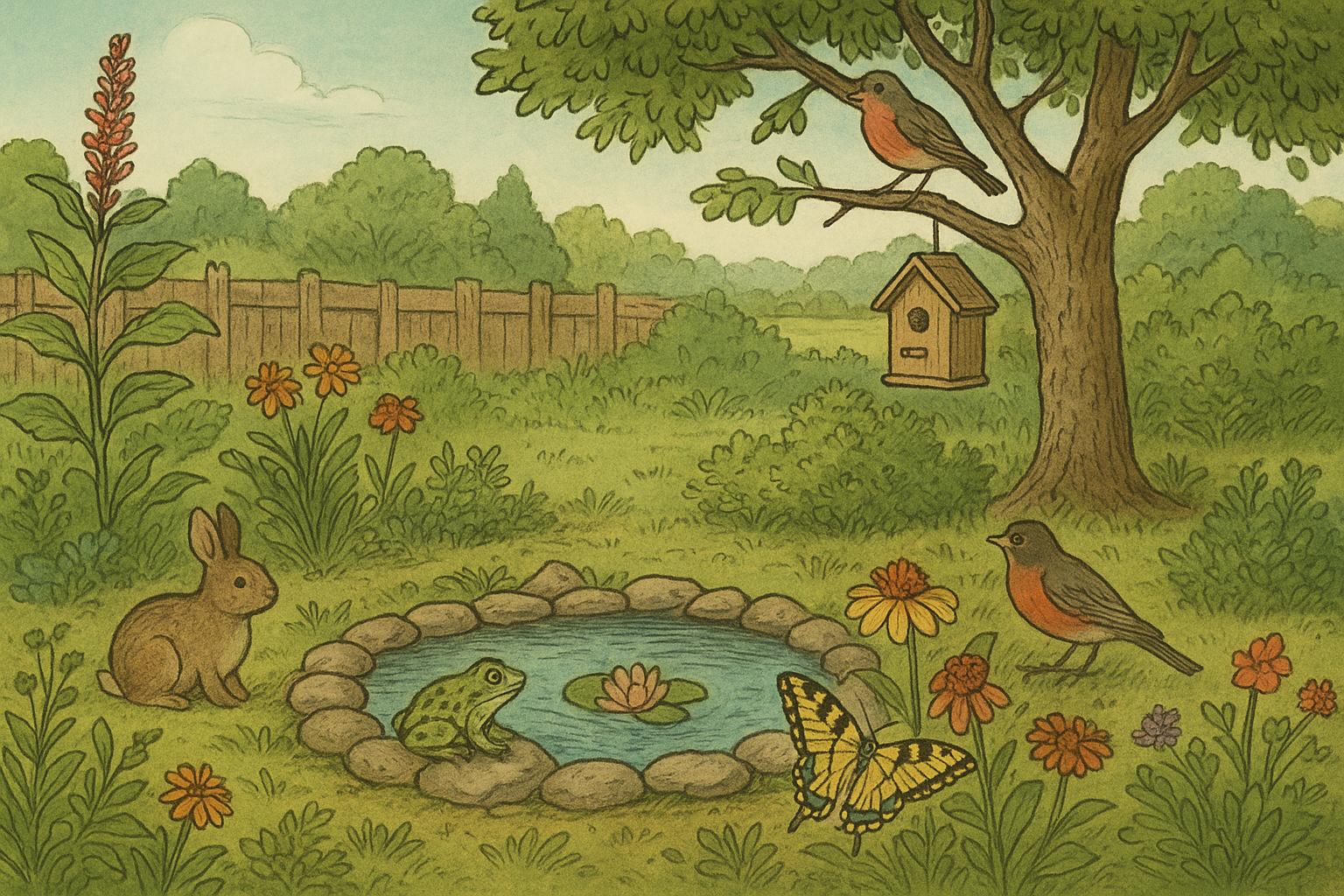
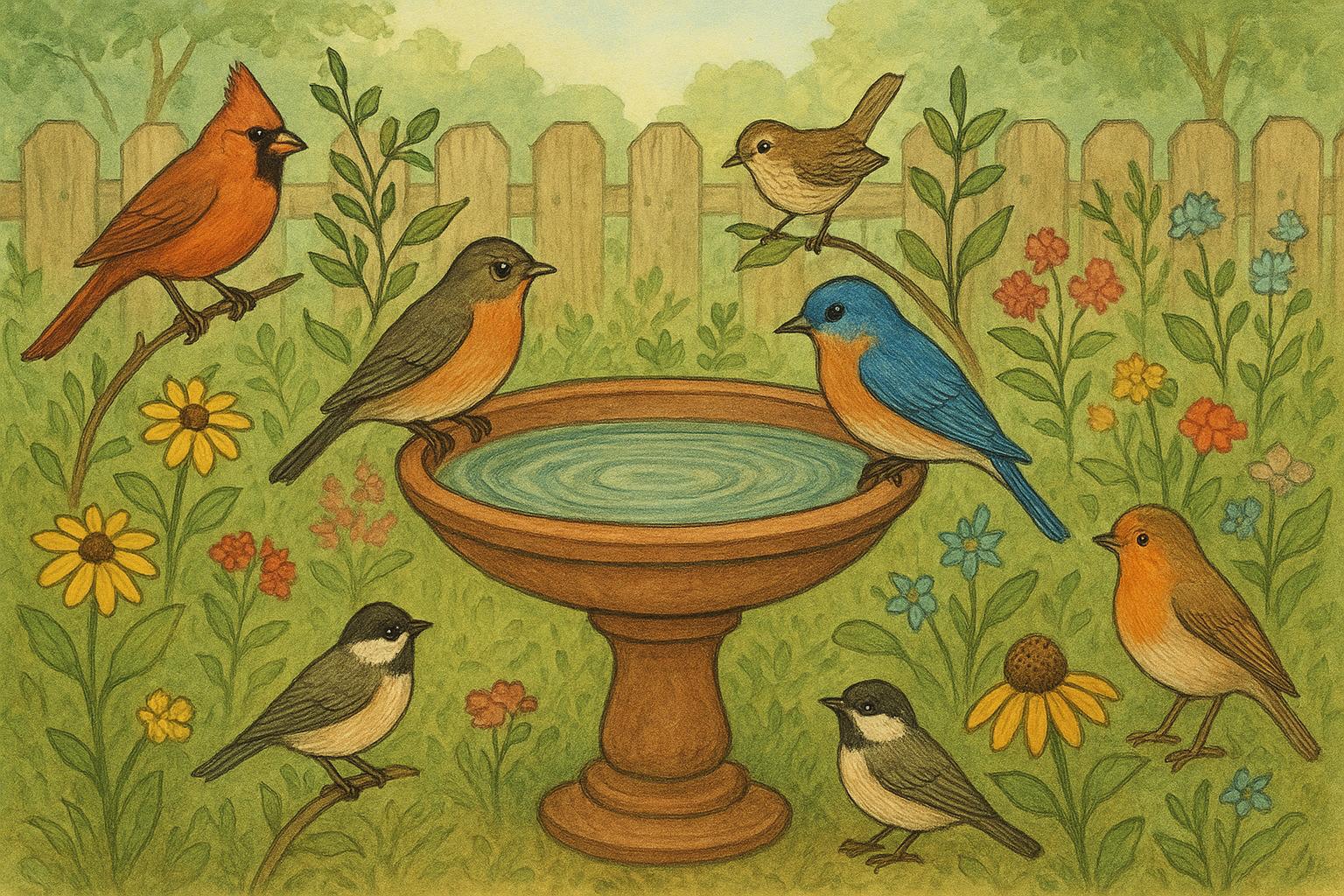
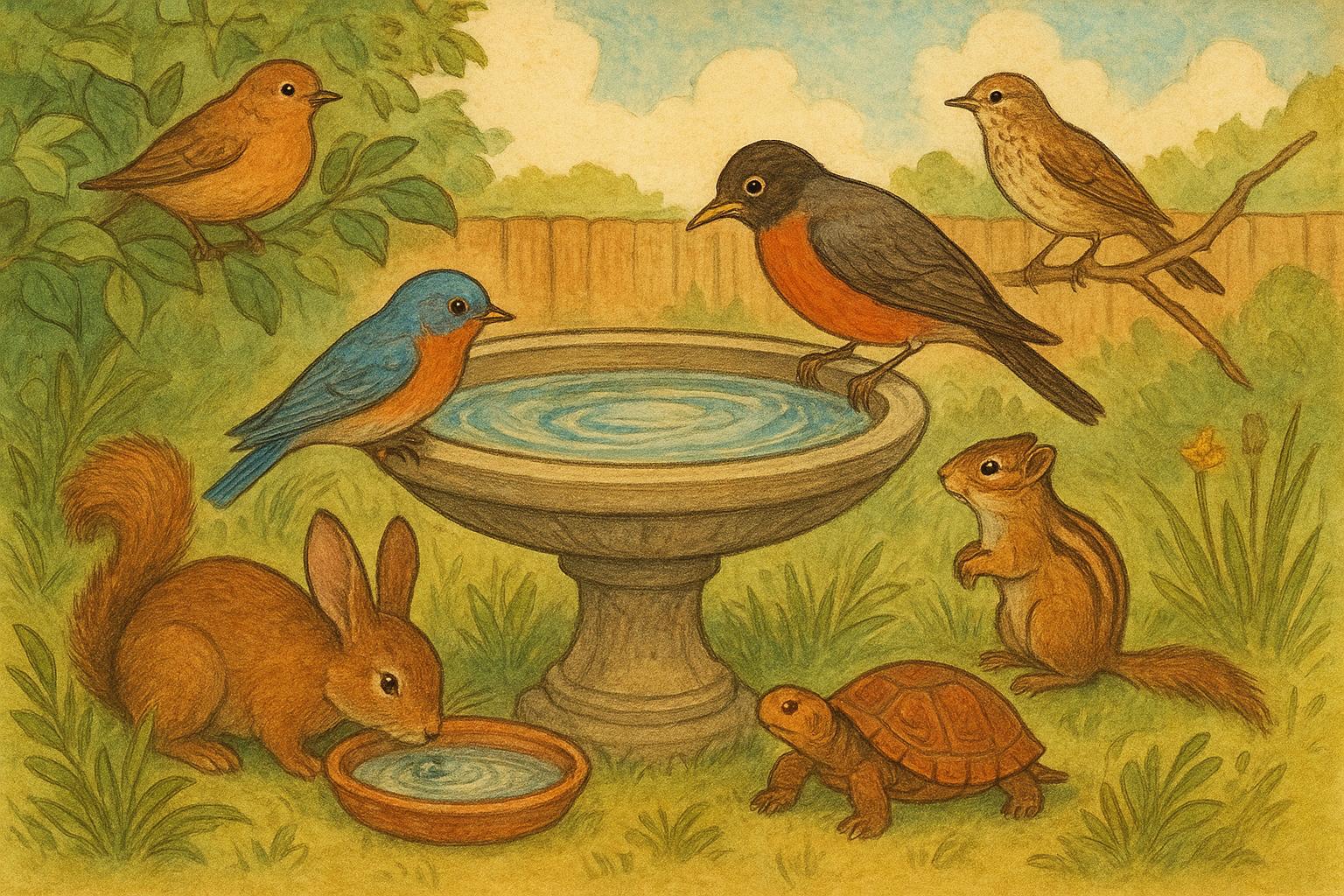
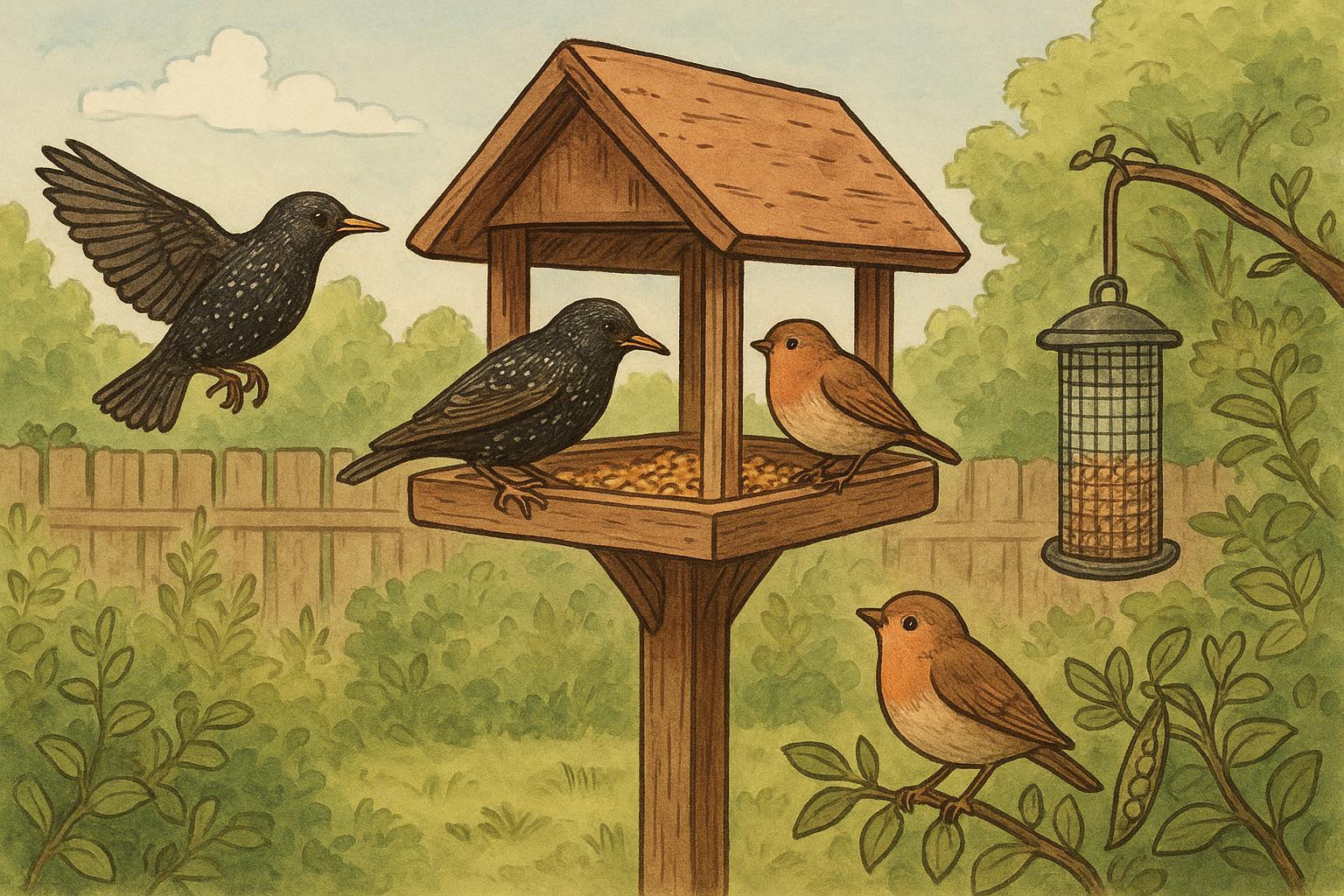
Birds appreciate close water sources. If you add a small birdbath or a shallow fountain, position it so shrubs offer quick escape cover nearby. Keep feeders a modest distance from dense shrubs to deter predators from ambushing birds using feeders.
## How To Plant Berry Shrubs For Maximum Bird Benefit
Below is a formal, practical guide to planting berry shrubs so they establish well and start supporting wildlife quickly. Follow these steps for best results.
### Materials Required
– Native berry shrub plants (1–3 year‑old specimens recommended)
– Shovel or digging tool
– Compost or well‑aged organic matter (2–3 cubic feet per planting)
– Mulch (shredded hardwood or bark)
– Slow‑release, balanced organic fertilizer (optional, site dependent)
– Soil pH test kit (optional, for species with strict pH needs)
– Watering hose or soaker hose and water source
– Stakes and soft ties (for taller specimens in windy sites)
– Gloves and protective eyewear
### Step‑By‑Step Planting Procedure (Formal Instruction)
1. Site Selection: Choose a planting location compatible with your species’ light and moisture needs. Many berry shrubs prefer full sun to partial shade; some tolerate wetter soils. Confirm local soil pH if species like blueberries are planned (they require acidic soils).
2. Timing: Plant in early spring after frost or in early fall at least six weeks before the first expected hard freeze. This timing allows root establishment with minimal leaf stress.
3. Hole Preparation: Dig a planting hole twice as wide as the root ball and of equal depth. Loosen surrounding soil to encourage root penetration.
4. Soil Amendment: Mix native soil with 20–30% compost or well‑aged organic matter. Do not over‑amend with high proportions of fresh compost—this can create a nutrient imbalance. Backfill the hole with the amended mix.
5. Planting: Remove the plant from its container gently, tease any circling roots, and set it so the top of the root ball is level with the surrounding soil surface. Backfill carefully, firming soil around roots to eliminate air pockets.
6. Initial Watering: Water thoroughly immediately after planting to settle soil around roots. For the first growing season, maintain consistent moisture—deep soaking once or twice a week is preferable to shallow daily watering.
7. Mulch Application: Apply a 2–3 inch layer of mulch, keeping it a few inches away from the stem to prevent collar rot. Mulch conserves moisture, moderates soil temperature, and reduces weed competition.
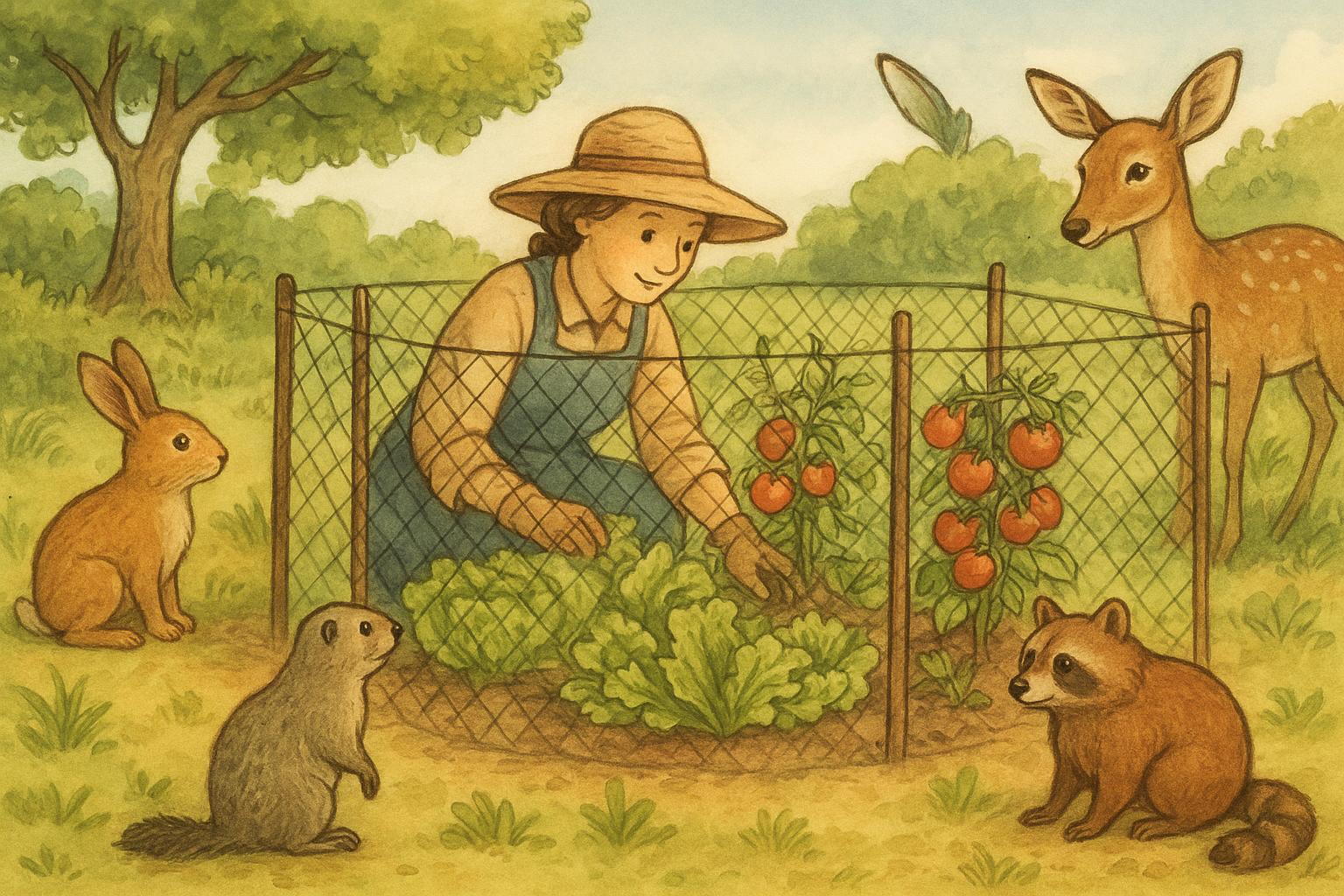
8. Support And Protection: Stake taller shrubs in windy sites using soft ties to avoid bark damage. If deer browse is a concern, install temporary protective fencing until shrubs are established.
9. Monitoring And Adjustments: Monitor for signs of stress (wilting, yellowing) and adjust watering. Refrain from heavy fertilization in the first year; if needed, apply a slow‑release, balanced organic fertilizer in early spring of year two.
#### Aftercare For Berry Shrubs
Establishment care is straightforward but important. Water deeply through the first two summers; once established, many natives tolerate periodic dry spells. Prune minimally in the first two years—only to remove dead or crossing branches. For birds, leaving some structural complexity (a mix of twiggy growth and open branches) provides both perching and cover. If disease or pests appear, identify the issue precisely before treatment; many problems respond to cultural fixes (improved air circulation, adjusted watering) rather than chemical applications.
## Habitat Considerations And Responsible Planting
While berry shrubs offer fantastic benefits, planting choices should be responsible. Avoid known invasive berry producers in your region even if birds eat the fruit—the long‑term ecological harm outweighs short‑term backyard appeal. Prioritize locally native cultivars when available. If you’re restoring a corridor or creating a wildlife hedge, plan for genetic diversity by sourcing from multiple local ecotype suppliers.
### Encouraging Bird Use Without Causing Harm
To minimize disease spread among birds: avoid overcrowding identical shrubs, replace spent fruit in feeders with natural sources, and clean any nearby birdbaths regularly. Keep cats indoors during peak bird activity times and provide escape routes (dense shrubs and perches) so small birds can evade predators.
#### Managing Fruit Drop And Human Use
Berry shrubs will inevitably drop fruit. If you prefer a tidy yard, locate fruiting shrubs away from patios and pathways. If you enjoy foraging, many of these species produce edible fruit—just be certain of species identification and local advisories before consuming.
## Planting Layout Ideas With Berry Shrubs
Create either a mixed native hedge that serves as a property boundary and wildlife corridor, or a series of discrete clusters that act as “stepping stones” for migrating birds. Put denser, thornier species at the perimeter to discourage human disturbance and place showier, accessible shrubs closer to observation points. Small groupings of three to five individual shrubs encourage social feeding behavior in flocks and provide a higher fruit yield per square foot than isolated single specimens.
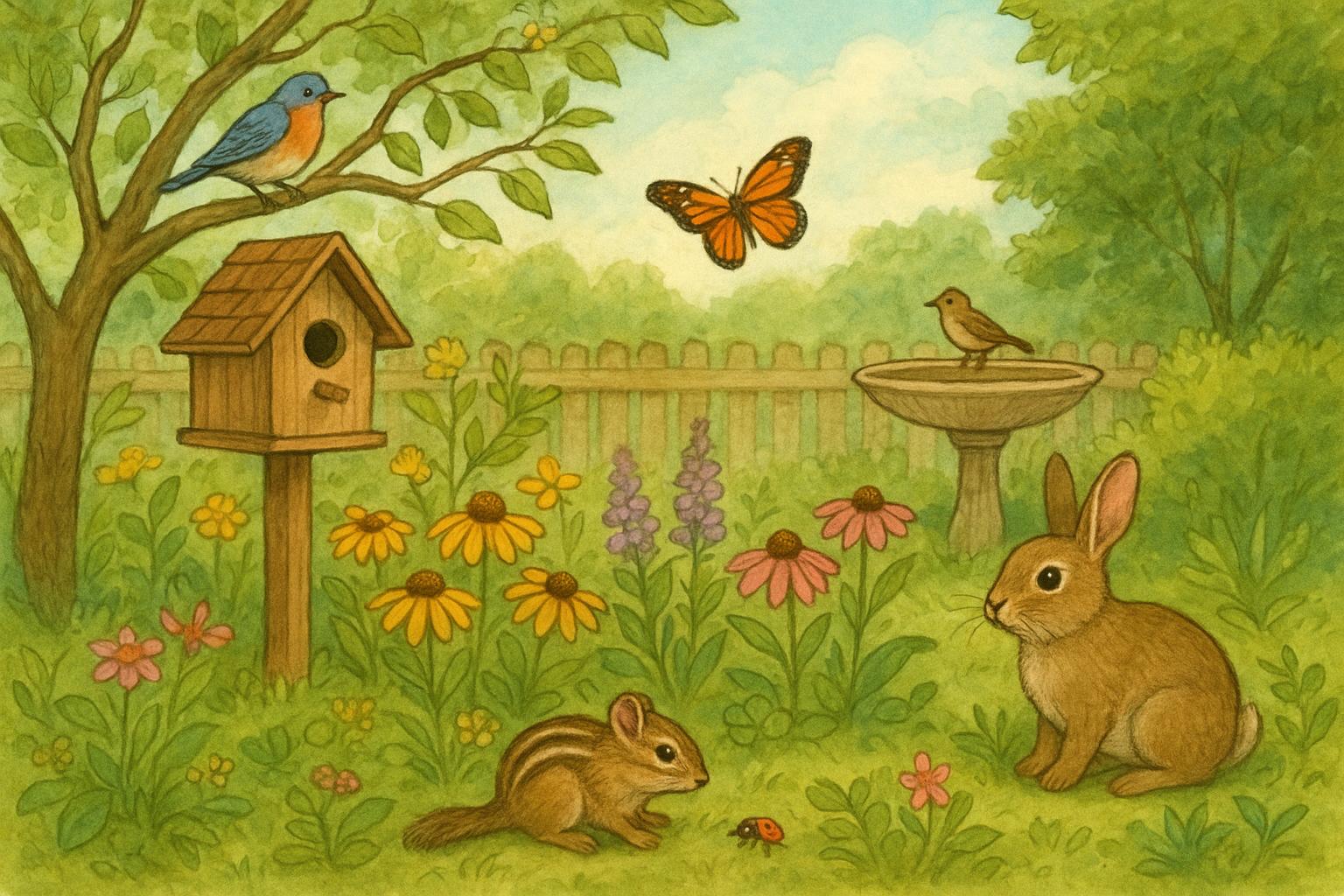
Enjoy watching the results: proper placement and care of berry shrubs will attract a delightful variety of birds, add seasonal interest, and support local biodiversity—no birdseed required.
Leave a Reply