
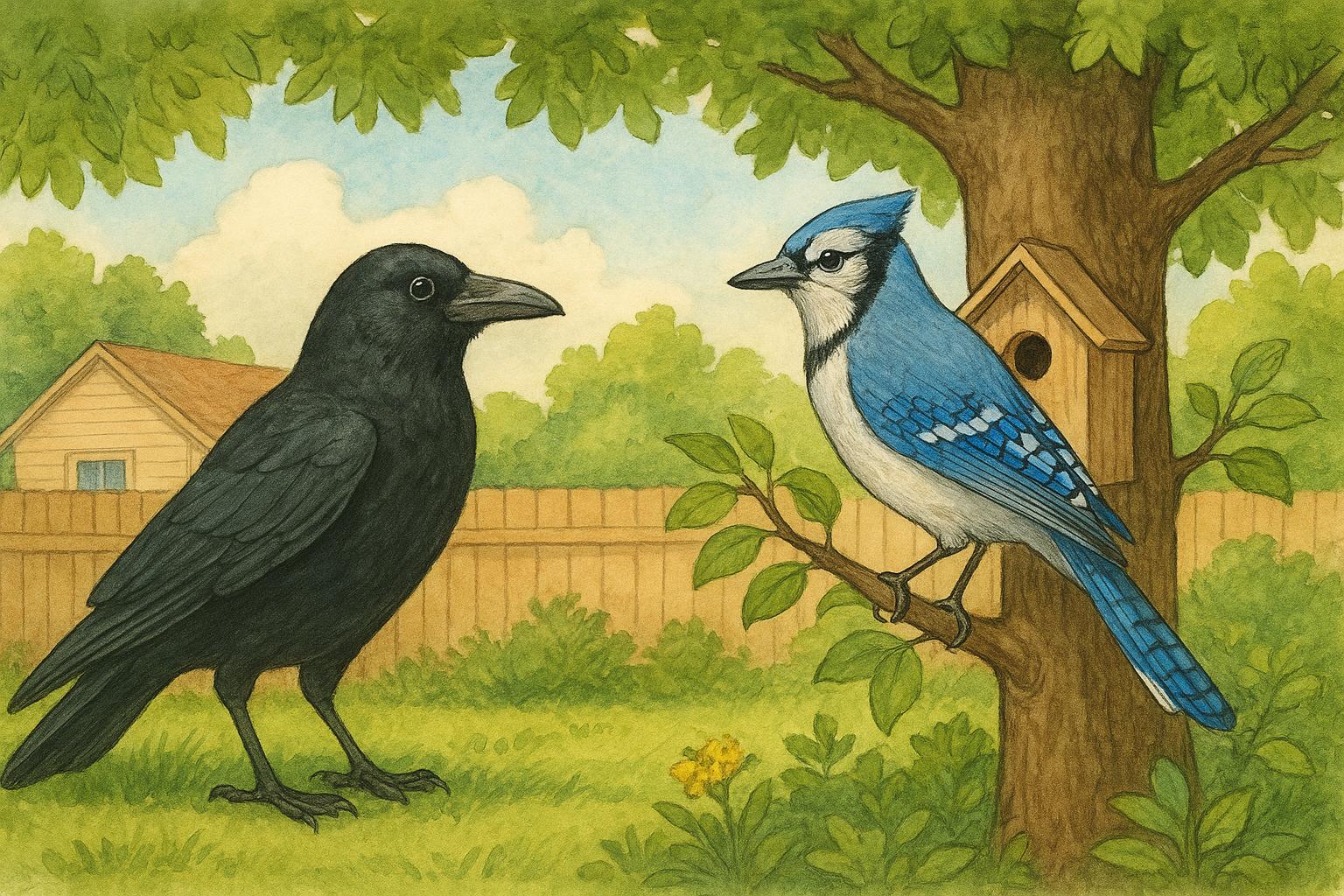
If you enjoy backyard birdwatching, you’ve probably noticed that some feathered neighbors come with a lot more personality than others. A couple of clever scratchings here, an impish caw there, and suddenly your yard feels like the set of a tiny avian sitcom. That’s often the work of crows and jays — smart, social, and occasionally dramatic members of the backyard community. This guide will help you understand them, live alongside them, and apply practical, humane solutions when they become too bold.
## Identifying The Usual Suspects
### Size Shape And Plumage
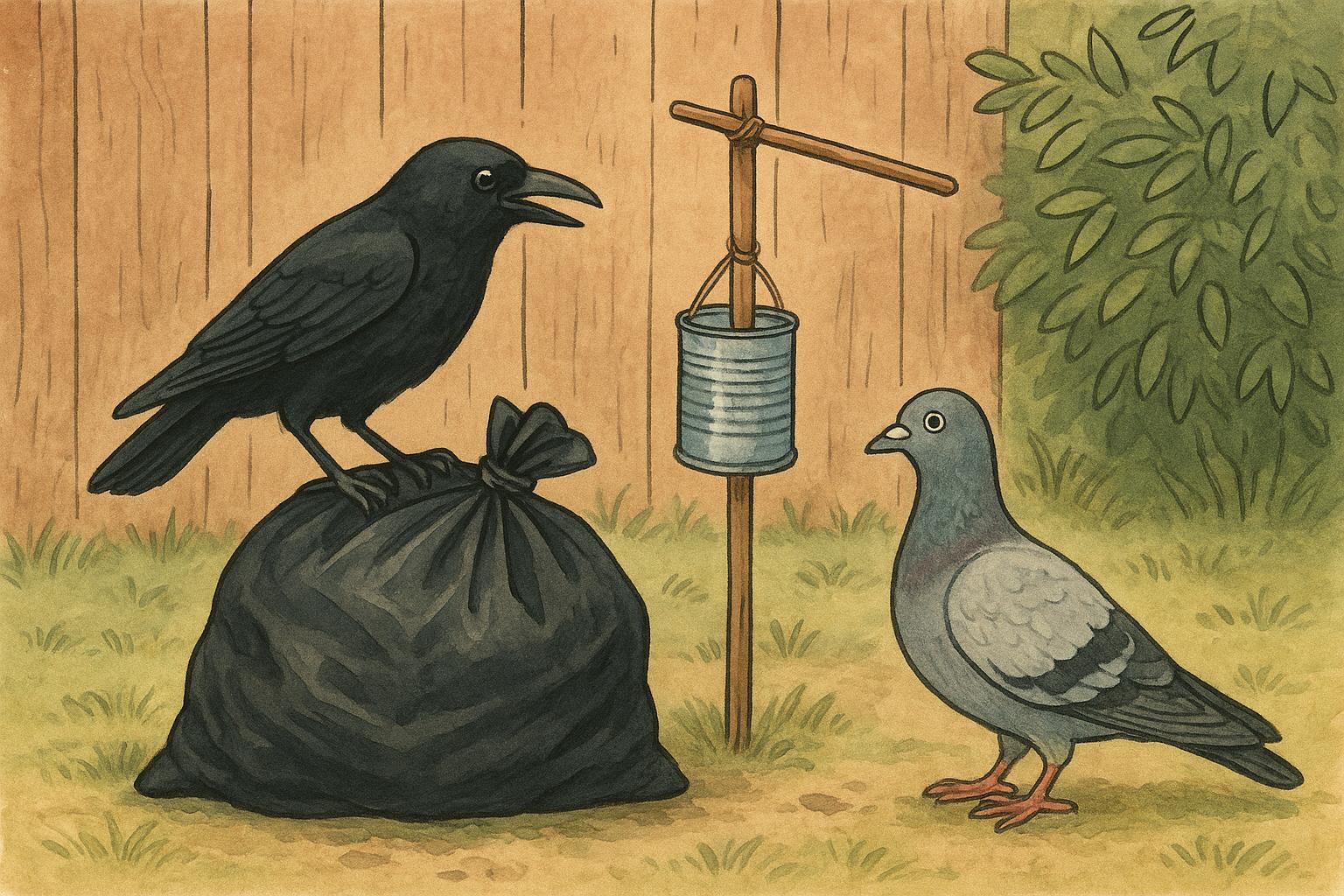
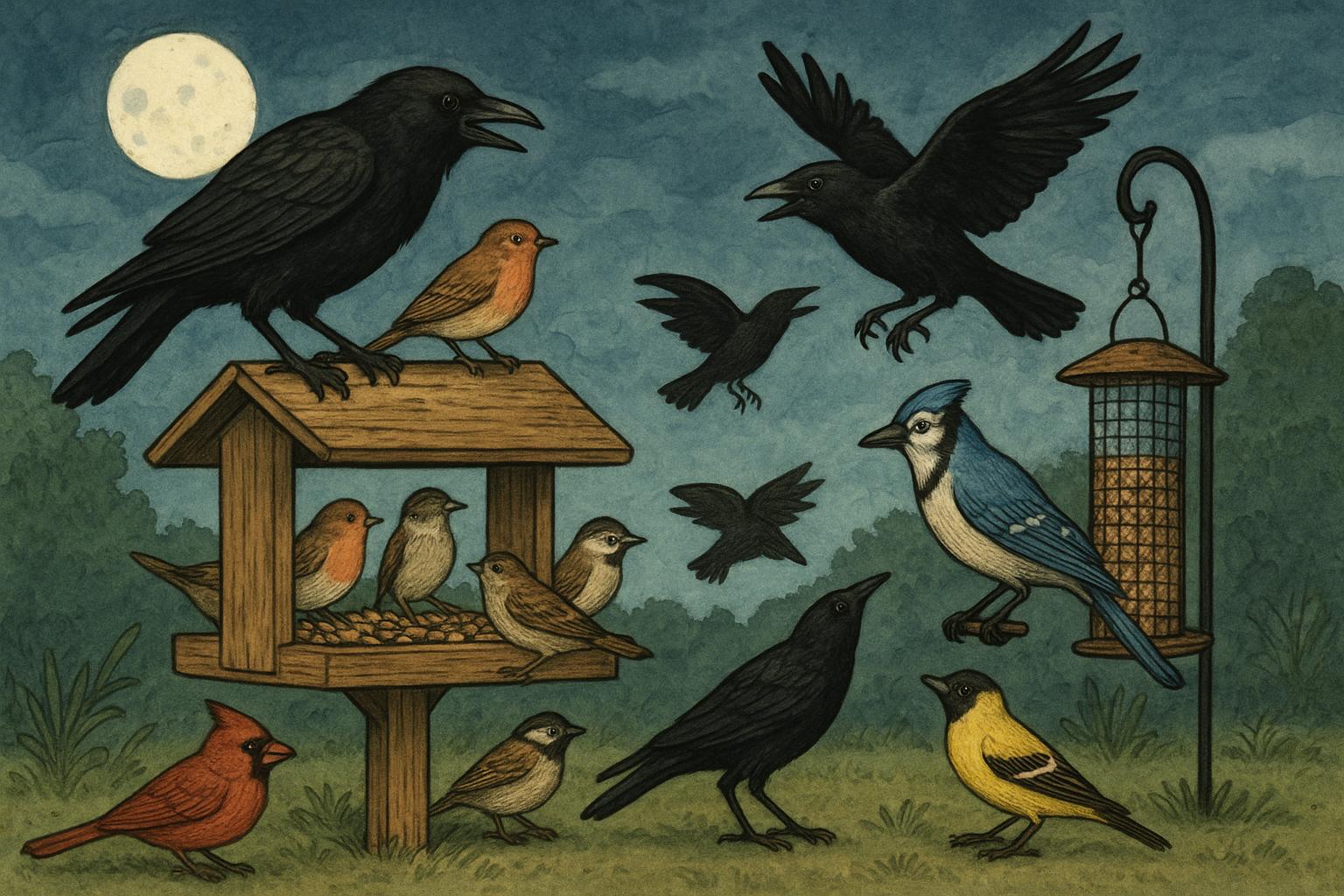
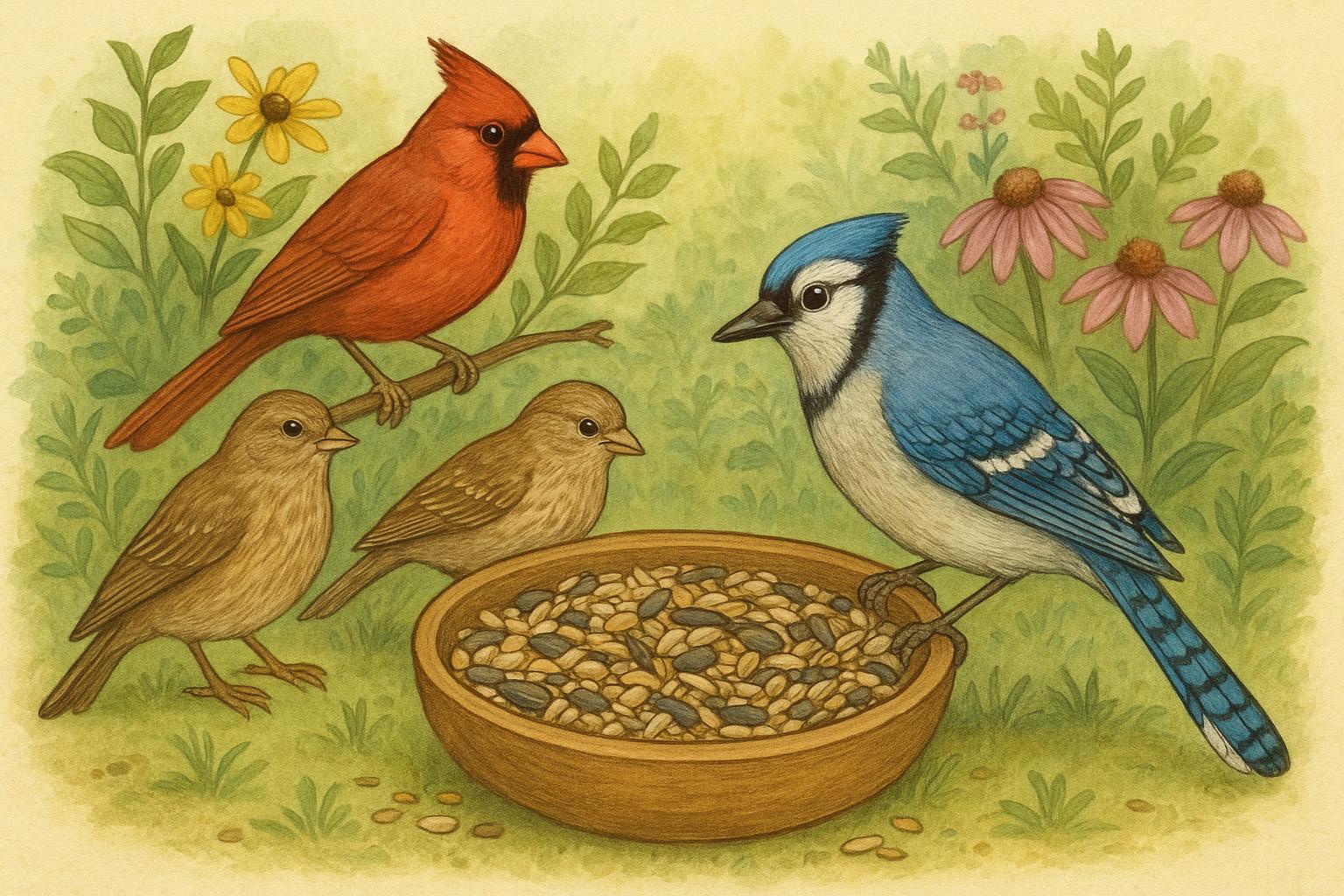
Crows are generally larger, solid dark, and have a sleek, heavy-billed silhouette. Jays tend to be stockier with bold patterns — depending on your region you may see blue, Steller’s, or scrub jays with vibrant patches or striking crests.
### Vocalizations And Behavior
Both are very vocal, but crows often give loud, rolling caws in groups, while jays produce a mix of harsh squawks and mimicking sounds. Their calls can tell you a lot: alarm calls, food calls, and conversational chatter are common.
### Intelligence And Social Structure
These birds are unusually bright. They use tools, remember faces, and develop traditions. They travel in family groups or loose flocks. If you’re trying to understand why they come and stay, remember: intelligence plus social learning equals backyard persistence.
## Why They Visit Your Yard
Crows and jays are opportunists. They come for:
– Easy food sources (uncovered trash, pet food, spilled birdseed).
– Perches for watching and staging (telephone poles, tall trees).
– Nesting materials and safe roosting spots.
– Social interaction — they communicate and teach each other.
A little habitat encouragement can keep them nearby, or a few changes can gently encourage them to find their meals elsewhere.
## Living With Bold Backyard Birds
### Benefits Of Having Them Around
They control insects, disperse seeds, and are endlessly entertaining. Watching a jay cache acorns is like seeing a miniature storage economy in action. Plus, their curiosity frequently yields delightful surprises — clever problem-solving, tool use, and family dynamics that make morning coffee more interesting.
### Things To Watch Out For
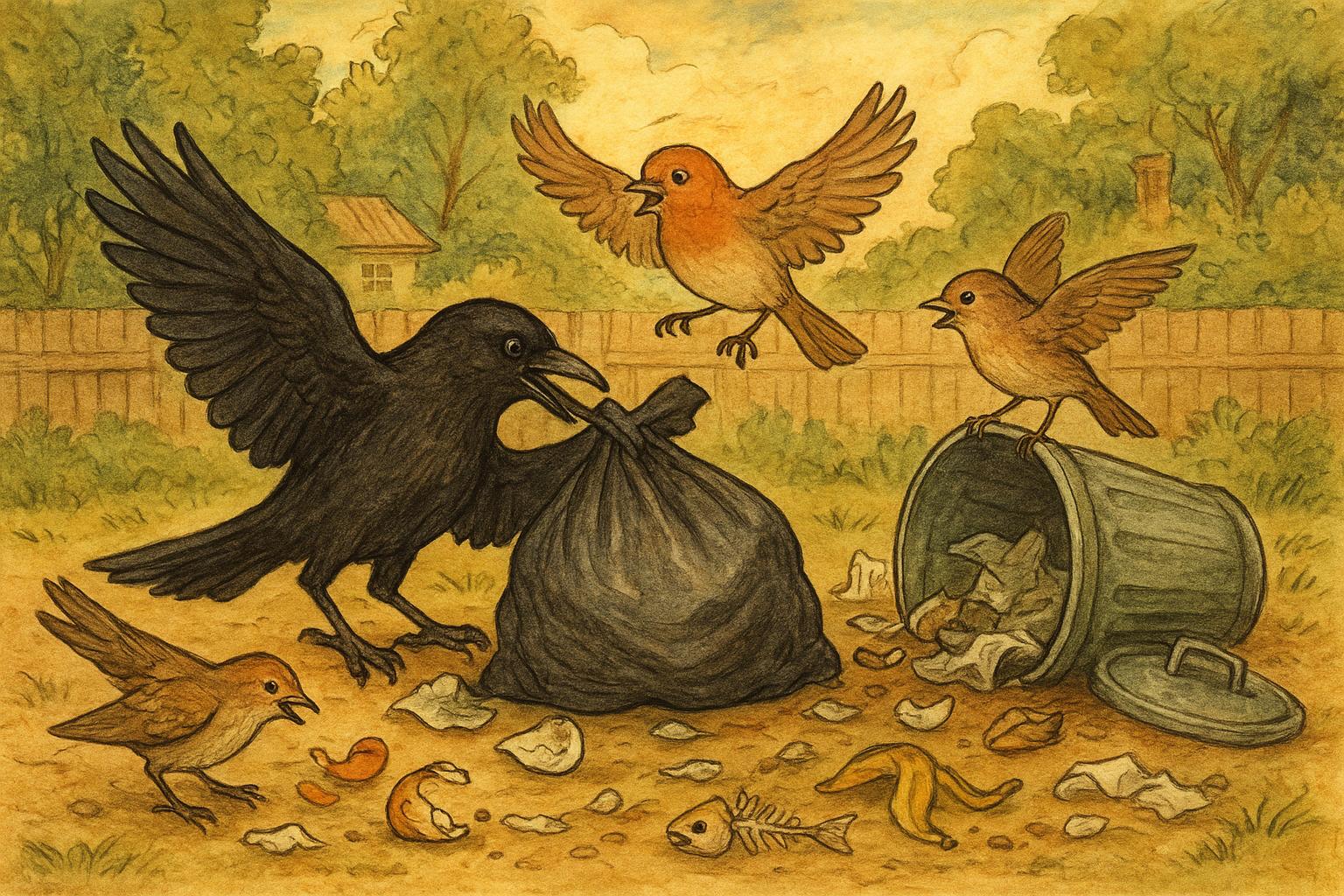
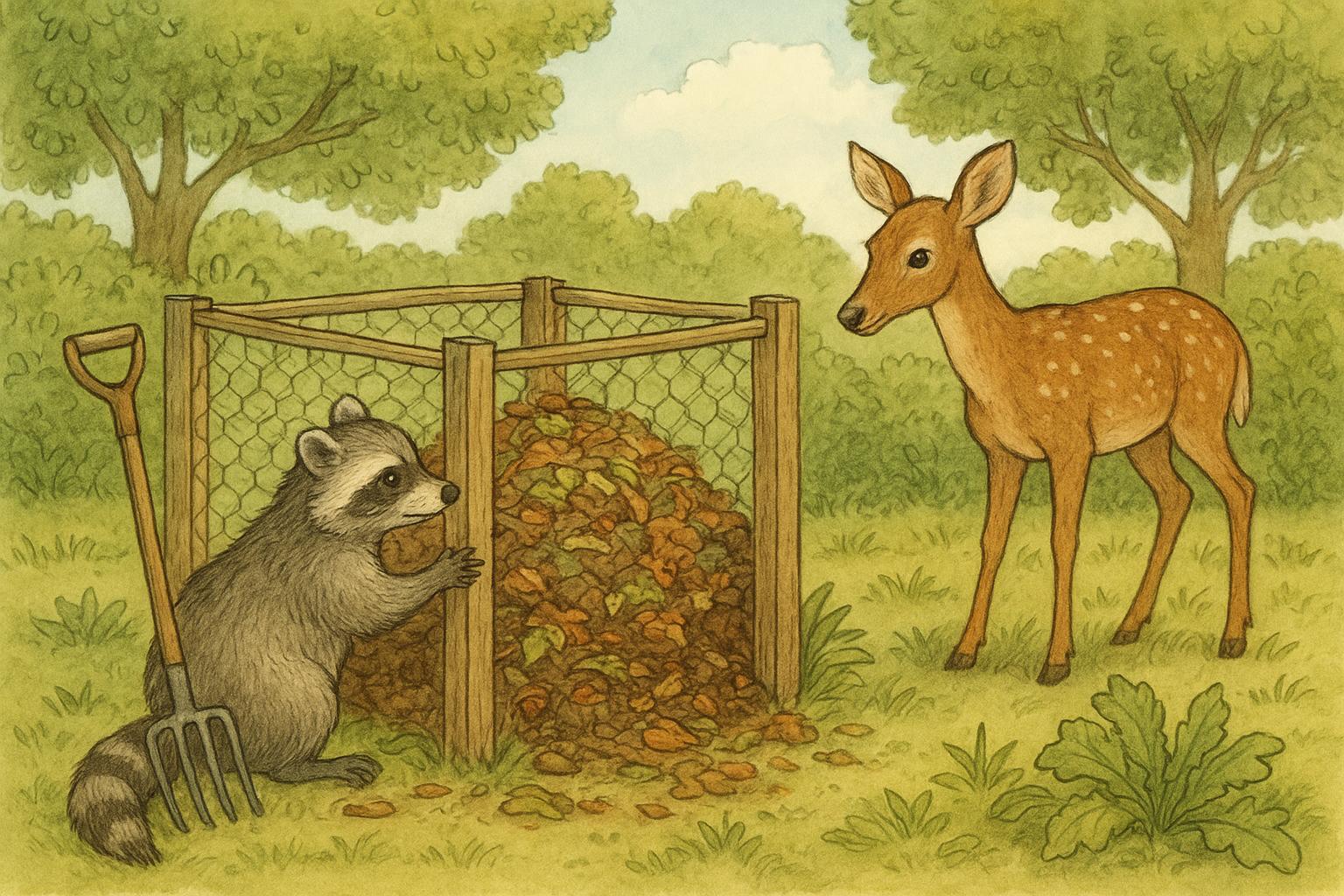
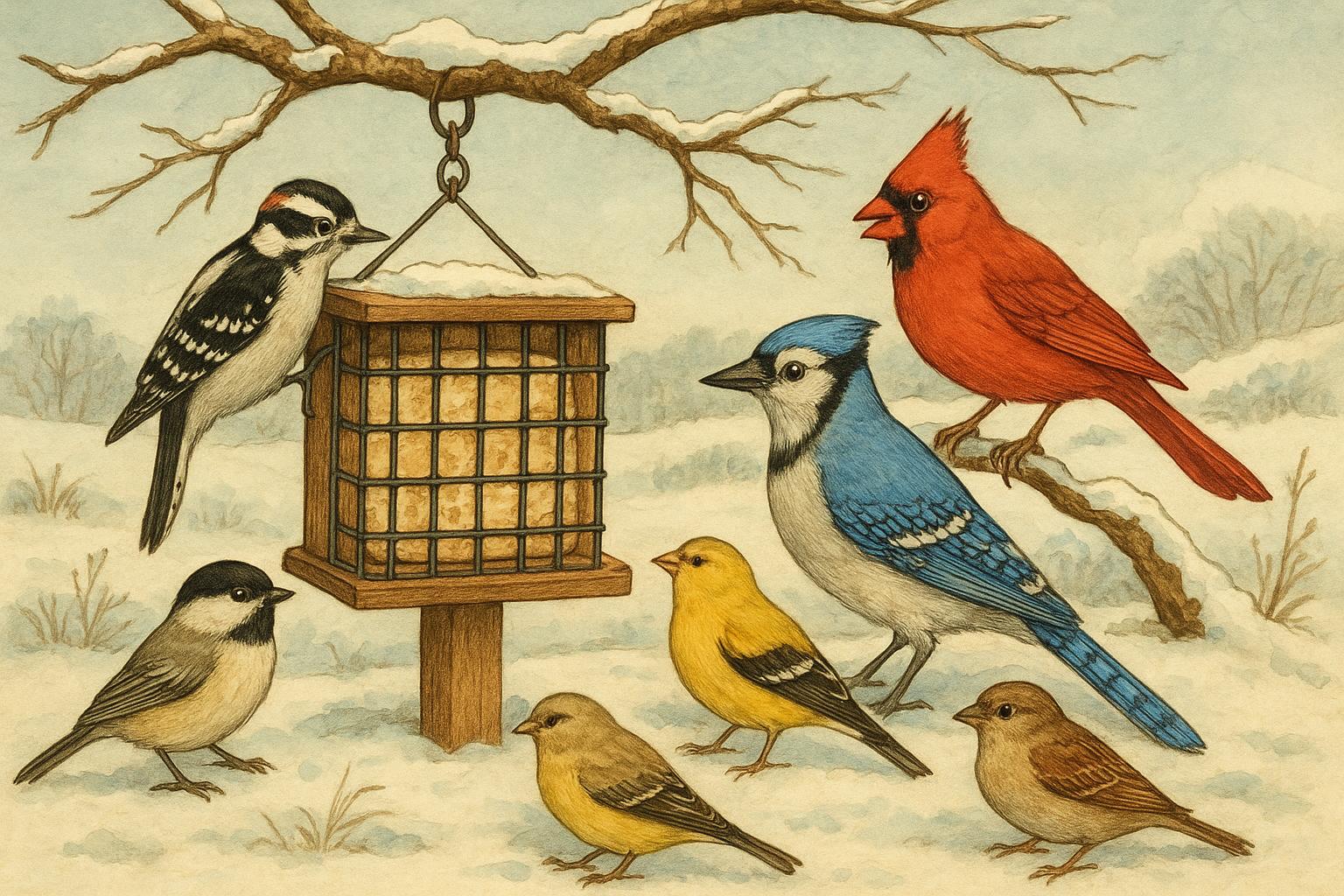
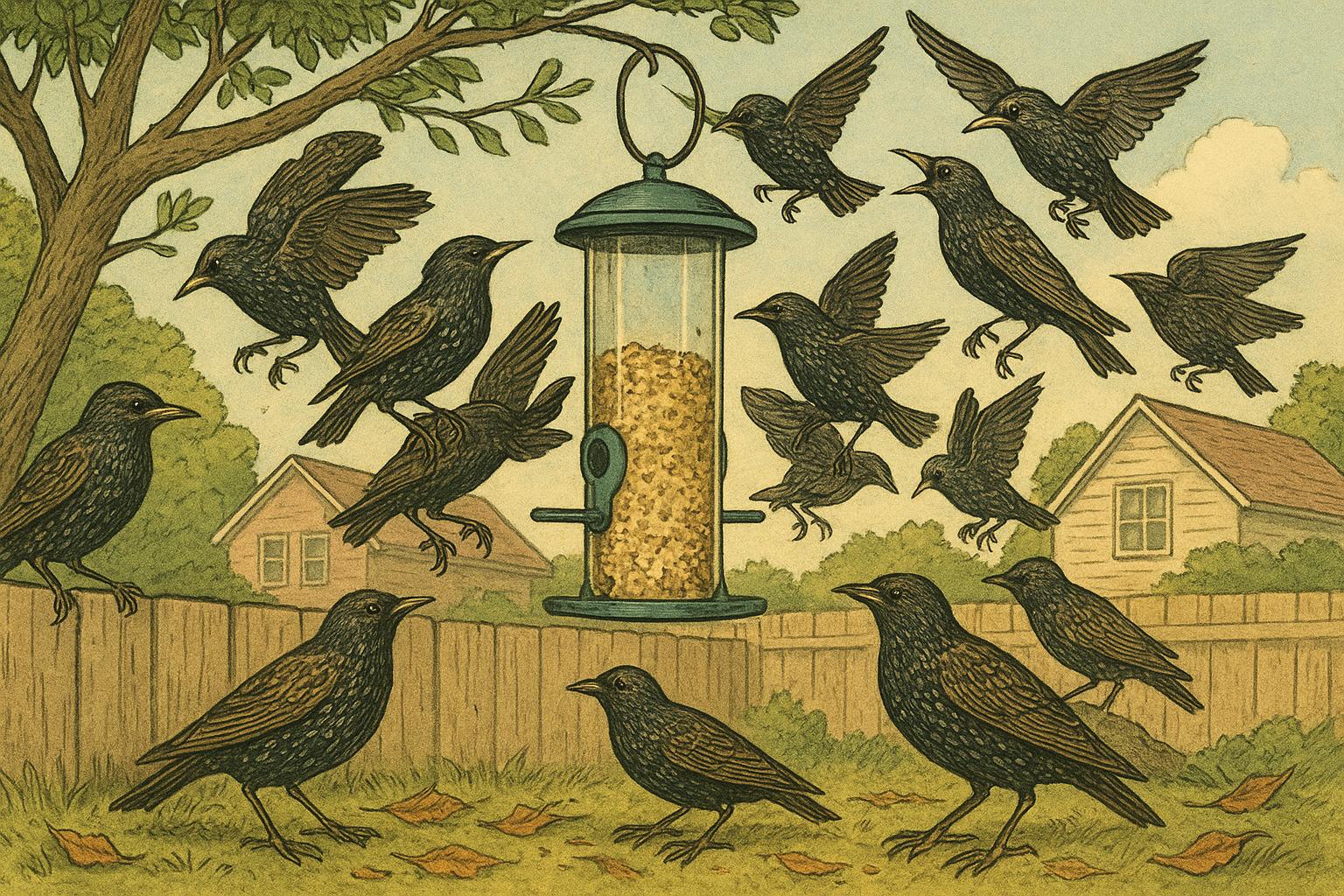
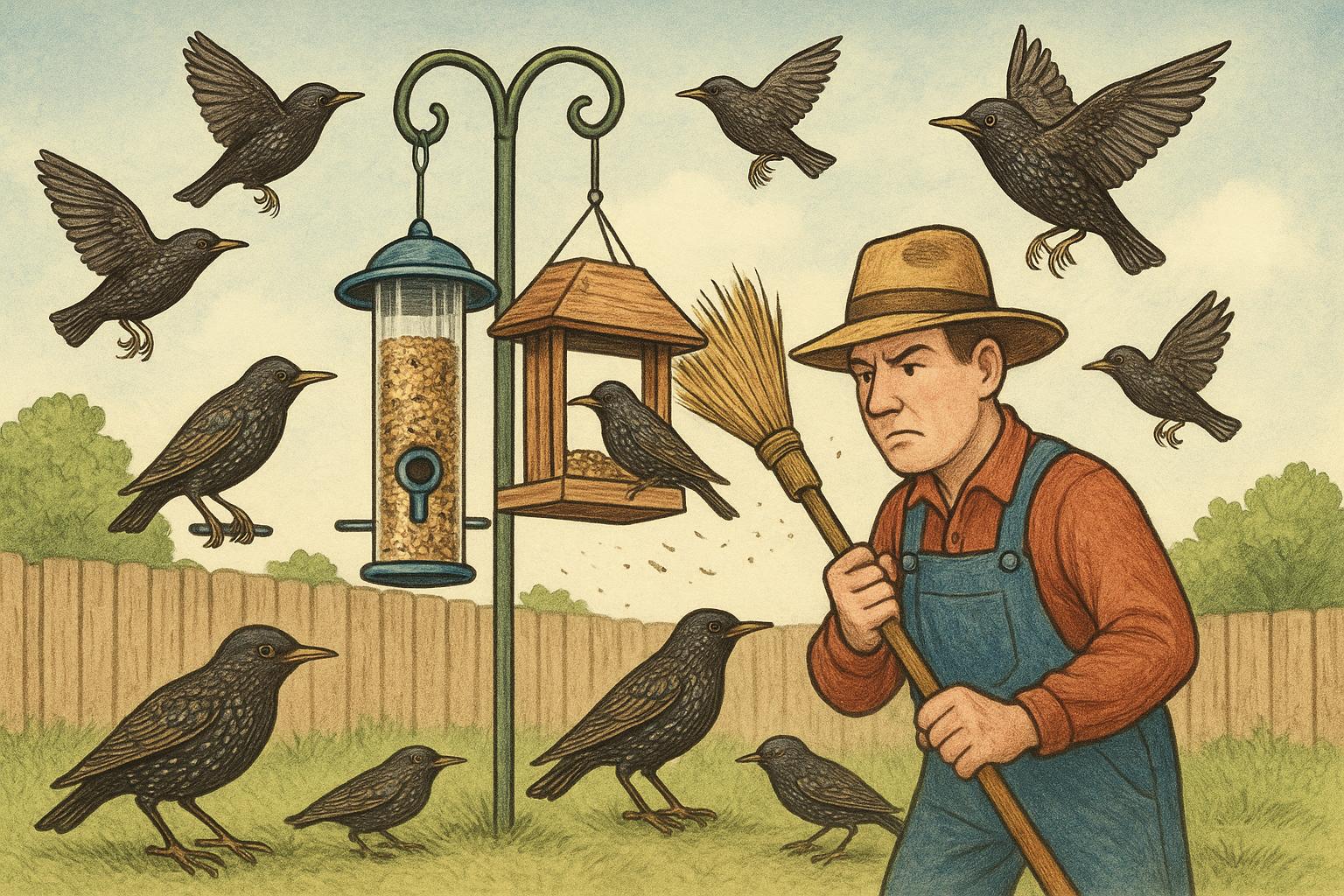
They can raid suet, scare smaller birds, and get bold around unsecured trash or compost. If you’re losing garden produce or wildlife feeders, a measured response is smart: reduce attractants first, then consider deterrents.
#### Quick Yard Audit Tips
– Secure trash and compost lids.
– Use feeders designed to deter larger birds.
– Clean up fallen fruit and pet food promptly.
## Remedy 1: Humane Deterrents For Problem Behavior
When crows or jays become a nuisance — raiding feeders or getting into trash — use humane, non-lethal methods first. The following remedy is designed to reduce attractants and increase discomfort without harm.
### Materials Required
– Heavy-duty zip-tie or cable ties (for securing lids)
– Bird-resistant feeders (with small ports or weight-sensitive perches)
– Motion-activated sprinkler or light (optional)
– Reflective tape strips or Mylar ribbons
– Secure compost or trash containers with locking mechanisms
– Binoculars and notebook (for monitoring results)
### Step-By-Step Application
1. Assessment: Spend three days observing patterns — what time do the birds arrive, which sources they use, and whether they’re alone or in groups. Record observations to confirm cause-effect after changes.
2. Remove Immediate Attractants: Secure pet food indoors, pick up fallen fruit, and immediately clean spilled seed beneath feeders. Replace open-top trash cans with ones that have lids you can lock or clamp. Secure compost with a tight lid.
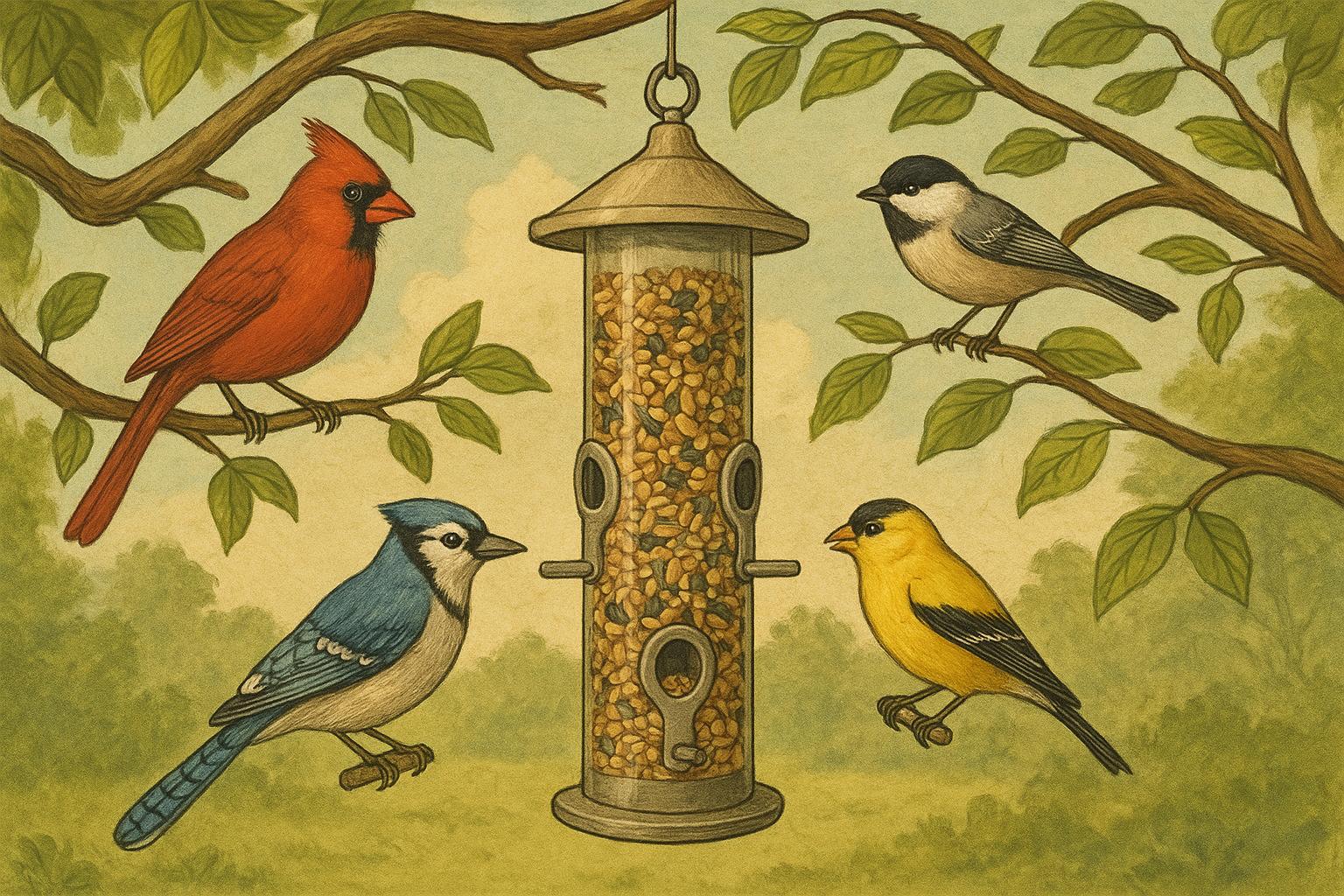
3. Modify Feeders: Replace open tray feeders with tube feeders that have small perches or weight-sensitive mechanisms. Situate feeders closer to cover (within 5–10 feet of shrubbery) to provide small birds an escape route but reduce long, unobstructed perches for larger birds.
4. Install Motion-Activated Devices: Position a motion-activated sprinkler to cover problem areas like compost piles or garden beds. Configure sensitivity to minimize false triggers but ensure it deters birds. If sprinklers aren’t feasible, low-intensity strobe or directional lights can startle and discourage repeated visits.
5. Add Visual Deterrents: Hang strips of reflective tape or Mylar at varying heights. Replace them every few months as they degrade. Rotate locations periodically so birds don’t habituate quickly.
6. Monitor And Adjust: Continue observing for two weeks, noting any changes. If birds shift to a new area of the yard, repeat the audit and apply the same measures there. Patience is critical: these methods aim to change behavior, not eliminate species.
## Remedy 2: Attracting And Managing Crows And Jays
If you prefer to enjoy these birds rather than discourage them, this remedy helps you attract them responsibly while minimizing conflicts with neighbors and other wildlife.
### Materials Required
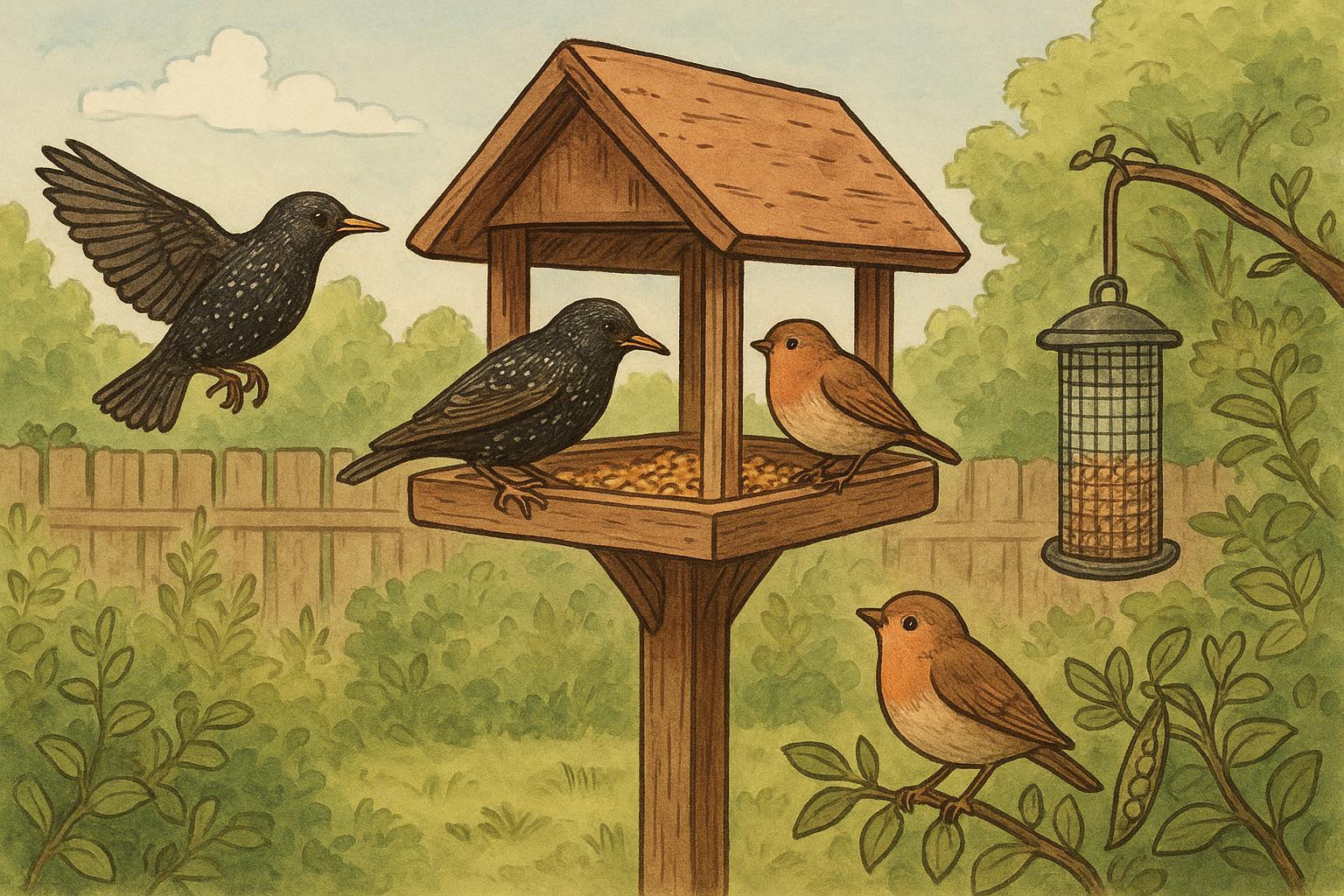
– Platform or large tray feeder (sturdy)
– Suet cages (with adjustable openings)
– Nuts (unsalted peanuts in shell, walnuts)
– Fruit offerings (apple slices, grapes)
– Clean water source (shallow birdbath or saucer)
– Quiet observation spot (bench or window perch)
– Note-taking supplies (to track visits and behavior)
### Step-By-Step Creation And Application
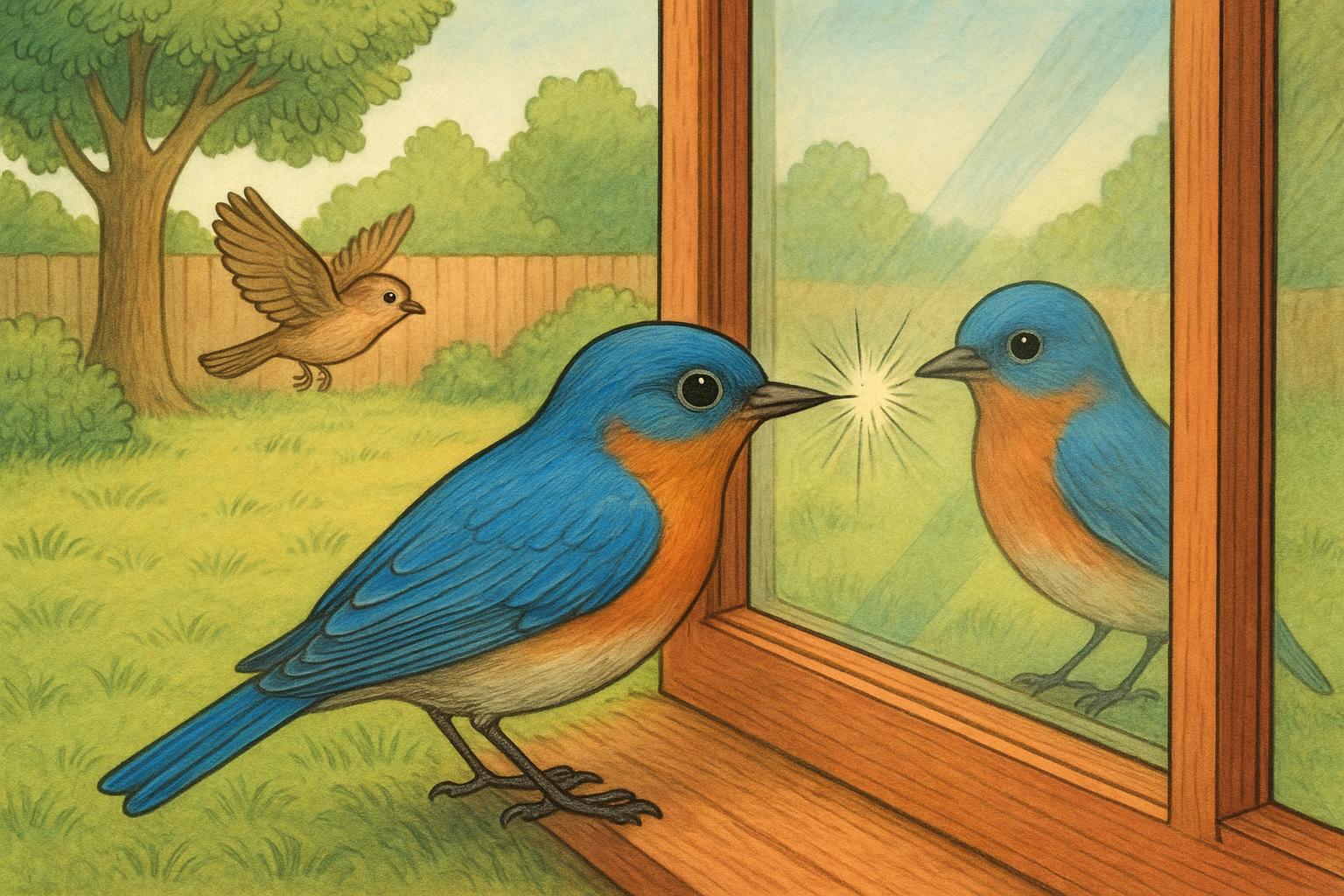
1. Choose A Dedicated Feeding Spot: Place a large, sturdy platform feeder 20–30 feet from fragile garden beds and 10–15 feet from house windows to prevent collisions. Position near a tall tree for perching but not directly over vegetable gardens.
2. Offer Appropriate Foods: Provide unsalted peanuts in the shell, whole walnuts, and occasional suet. These are high-calorie items that jays and crows enjoy and that won’t quickly spoil. Rotate fruit offerings weekly.
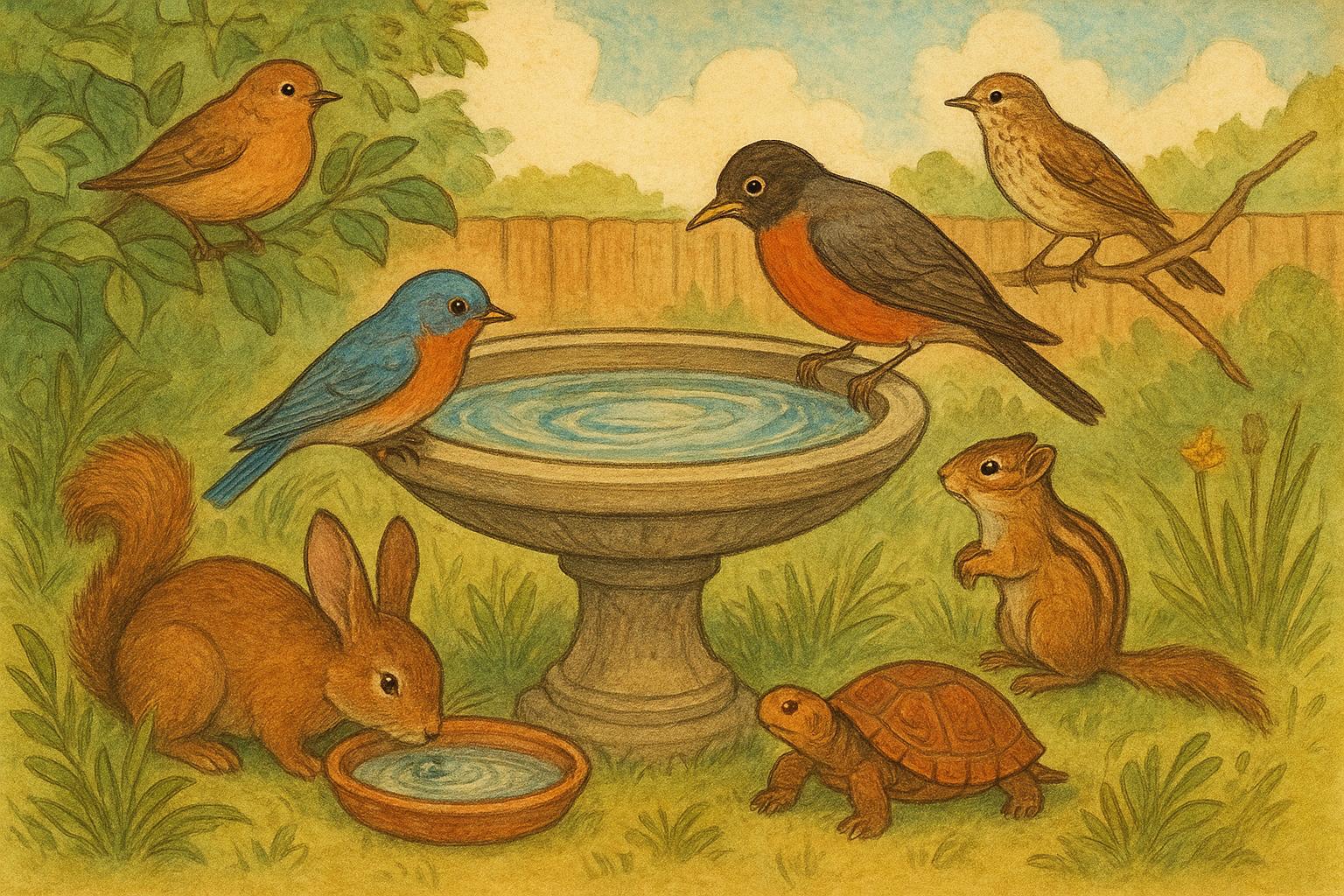
3. Provide Water: A clean, shallow birdbath encourages regular visits. Maintain water quality by changing it every 2–3 days in warm weather and every 5–7 days in cooler weather.
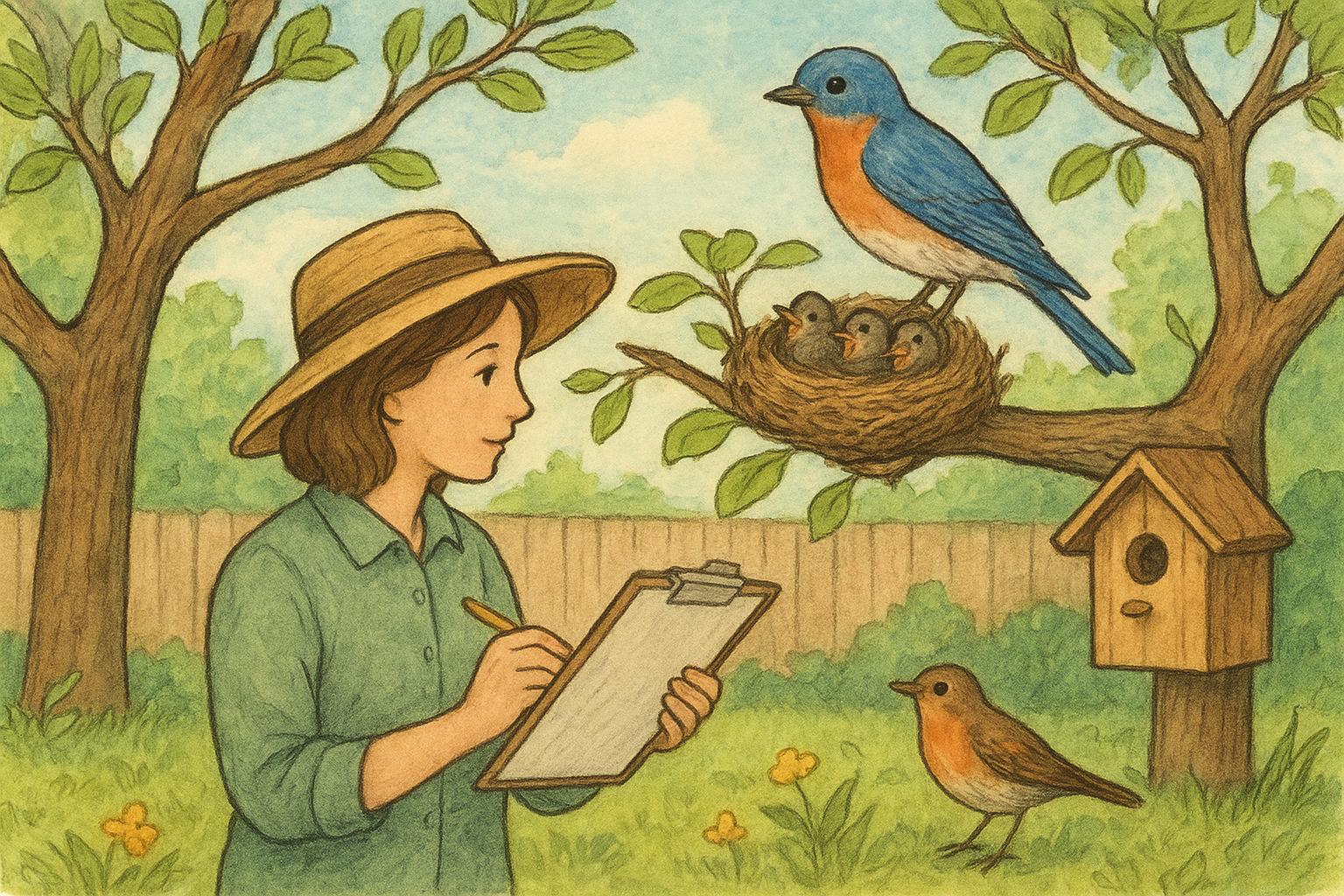
4. Observe Respectfully: Use binoculars and keep quiet. Document who shows up, time of day, and any interactions with other species. If you notice aggression toward smaller birds, reduce the quantity of high-energy foods and provide separate, smaller feeders for songbirds.
5. Manage Waste And Conflict: Keep surrounding areas free of leftover shells and food debris. Regularly rake and clean beneath feeders to prevent rat or mouse attraction.
6. Educate And Share: If neighbors are affected, explain your setup and ask for feedback. Compromise might include limiting feeding times (morning only) or moving feeders to a neutral spot.
## Working With Local Regulations And Wildlife Ethics
### Legal Considerations
Many regions protect native birds; lethal control is often illegal. Check your local wildlife regulations before taking any action. If a bird is injured or acting unusually, contact a licensed wildlife rehabilitator.
### Ethical Guidelines
Aim for coexistence. Use non-lethal deterrents first, and apply attraction methods in ways that don’t create larger community problems. If you feed, do so selectively and responsibly.
#### When To Call A Professional
– If large numbers of birds create health or safety hazards.
– If a protected species nests on your property and requires relocation (legal permits needed).
– For persistent behavior that you can’t mitigate through habitat modifications.
A few final practical tips: avoid hand-feeding, rotate deterrents to prevent habituation, and remember that these birds are smarter than you think — they learn fast and pass that knowledge to others. Respectful management keeps your yard lively without letting it become a sitcom that runs off the rails.

Leave a Reply