

## Animals Under Deck: Why They Come
If you’ve ever heard a rustle, a scuffle, or mysterious late-night plumbing sounds coming from below your porch, you’re not alone. Neighborhoods are magnets for critters, and one particularly popular address is, believe it or not, animals under deck spaces. Those shadowy, sheltered pockets offer warmth, protection from predators, and easy access to food and water — so they make terrific real estate for wildlife that’s a little too familiar with human neighborhoods.
### Signs Of Animals Under Deck
Spotting the tenants early helps prevent bigger headaches. Common signs include:
– Scratching or pawing noises at dusk or dawn.
– Droppings and urine smells concentrated in one area.
– Tracks or fur caught on latticework or support beams.
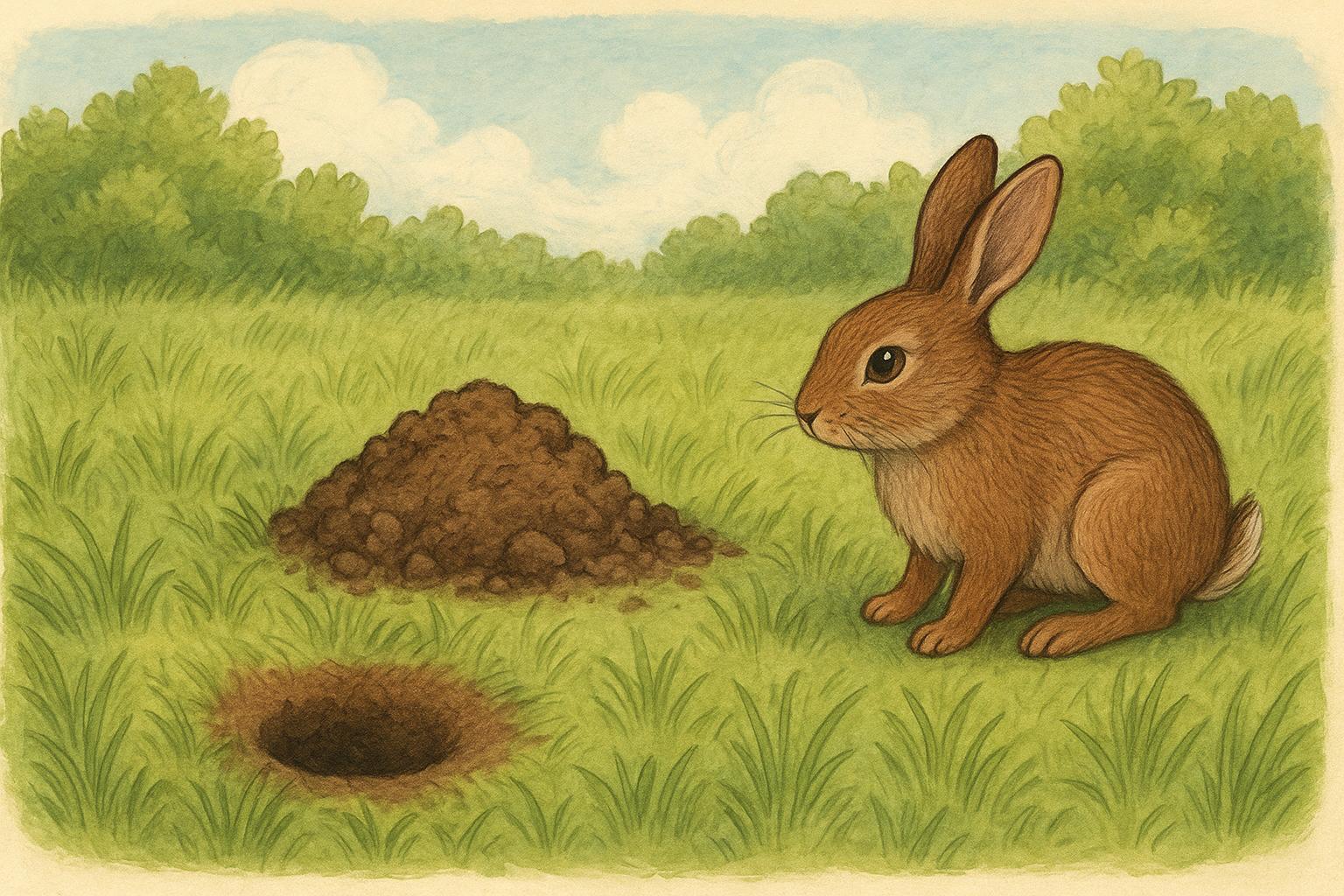
– Burrows or disturbed soil at entry points.
– Chewed wiring, insulation, or stored items.
If you see any of these, there’s a good chance animals under deck are already using the space as shelter. Don’t ignore subtle signs — early action saves time and money.
### Common Species You’ll Find
Neighborhoods tend to host a predictable roster: raccoons, opossums, skunks, rats and mice, feral cats, and sometimes stray dogs. In some regions you may also see ground-nesting birds, snakes, or even armadillos. Each species has slightly different habits — raccoons like climbing and nesting in cavities, while rodents dig and stash food. Identifying the species helps pick the safest and most effective remedy.
## The Problems They Create
Once established, animals under deck can cause structural damage, create health hazards, and trigger neighbor conflicts. Droppings can harbor parasites and bacteria, gnawing rodents can expose wires and cause fire risks, and larger animals can damage joists or stored items. Beyond the physical damage, unexpected noises and smells lower the sense of comfort in your yard and can stir up complaints in homeowner associations. Addressing these issues is both a practical and a community-minded step.
## Remedy 1: Exclusion Barrier
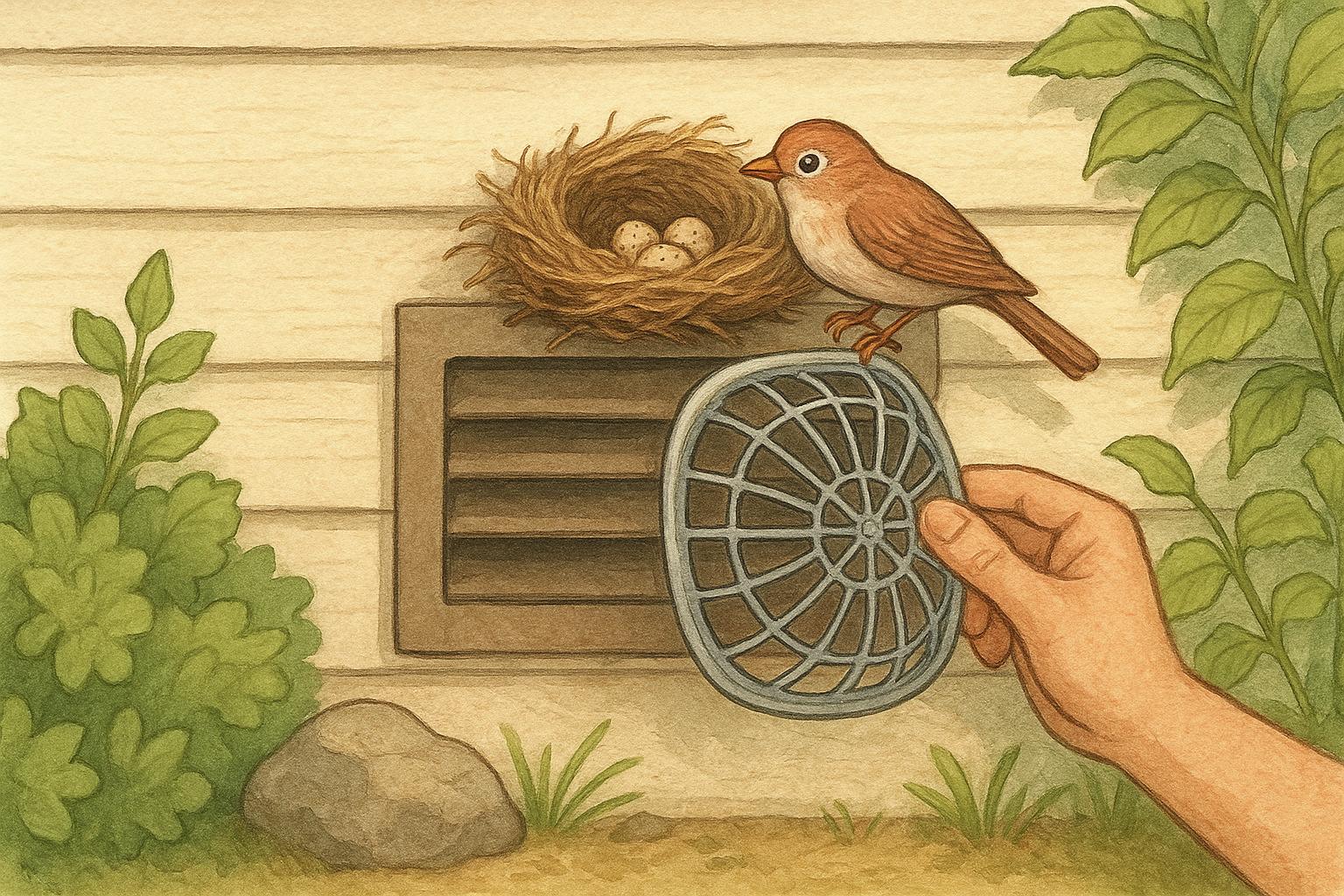
When dealing with animals under deck, exclusion is often the most humane and lasting solution. The goal is to deny access while preserving ventilation and aesthetics.
#### Materials Required
– 1/4-inch galvanized hardware cloth or welded wire mesh (durable, rust-resistant)
– Pressure-treated lumber or metal furring strips (for framing)
– Exterior-grade screws and washers
– Landscape fabric (optional, for ground-level burrowing)
– Concrete anchors or ground stakes (if securing to soil)
– Wire cutters, drill, staple gun, and gloves
#### Step-By-Step Installation
1. Conduct A Thorough Inspection: Walk the perimeter and identify all entry points, including gaps, loose boards, and spaces around posts. Pay attention to the underside and any landscaping that hides openings.
2. Prepare The Area: Remove debris, old nesting material, and vegetation that’s touching the deck. This reduces hiding spots and ensures a clean surface for attachment.
3. Cut And Frame Mesh Panels: Measure sections and cut hardware cloth slightly larger than the opening. Attach it to a wooden or metal frame when spanning larger gaps to prevent sagging.
4. Secure Mesh To Structure: Fasten the mesh to joists, posts, and beams using screws and washers. Ensure the mesh overlaps at seams by at least 4 inches and is tightly anchored to prevent push-through.
5. Bury The Bottom Edge: For burrowers, dig a shallow trench (4–6 inches) and bury the bottom of the mesh into the soil, angling it outward if possible to deter digging. Fill the trench and tamp soil firmly.
6. Maintain Ventilation: Leave slats or screened vents where needed to maintain airflow. Proper ventilation prevents moisture buildup and wood rot.
7. Inspect Regularly: Check for damage, rust, or push-throughs seasonally and after storms. Prompt repairs keep the exclusion effective.
Be formal and methodical during installation: proper tools, corrosion-resistant materials, and precise fastening are critical for longevity and safety.
## Remedy 2: Habitat Modification For Animals Under Deck
If exclusion is the structural remedy, habitat modification addresses the attractions that drew wildlife in the first place. This is a more strategic, formal approach that focuses on removing food, water, and shelter incentives.
#### Materials Required
– Heavy-duty trash containers with tight-fitting lids
– Motion-activated lights and sprinklers (deterrence devices)
– Commercial-grade lime or enzyme-based odor neutralizer
– Steel or reinforced storage bins (for items under deck)
– Sealant for small gaps and foam backer rods for larger voids
#### Step-By-Step Habitat Modification
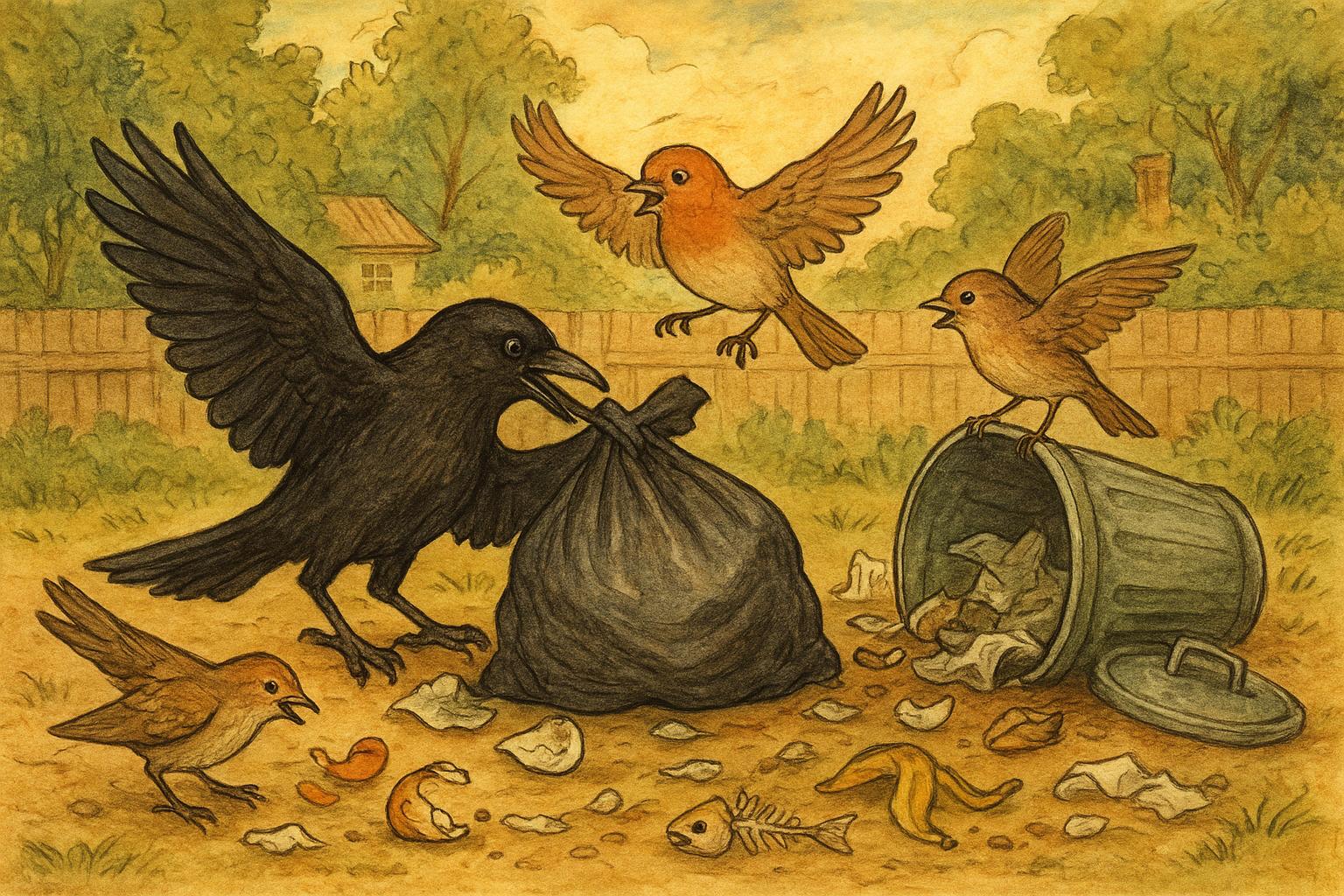
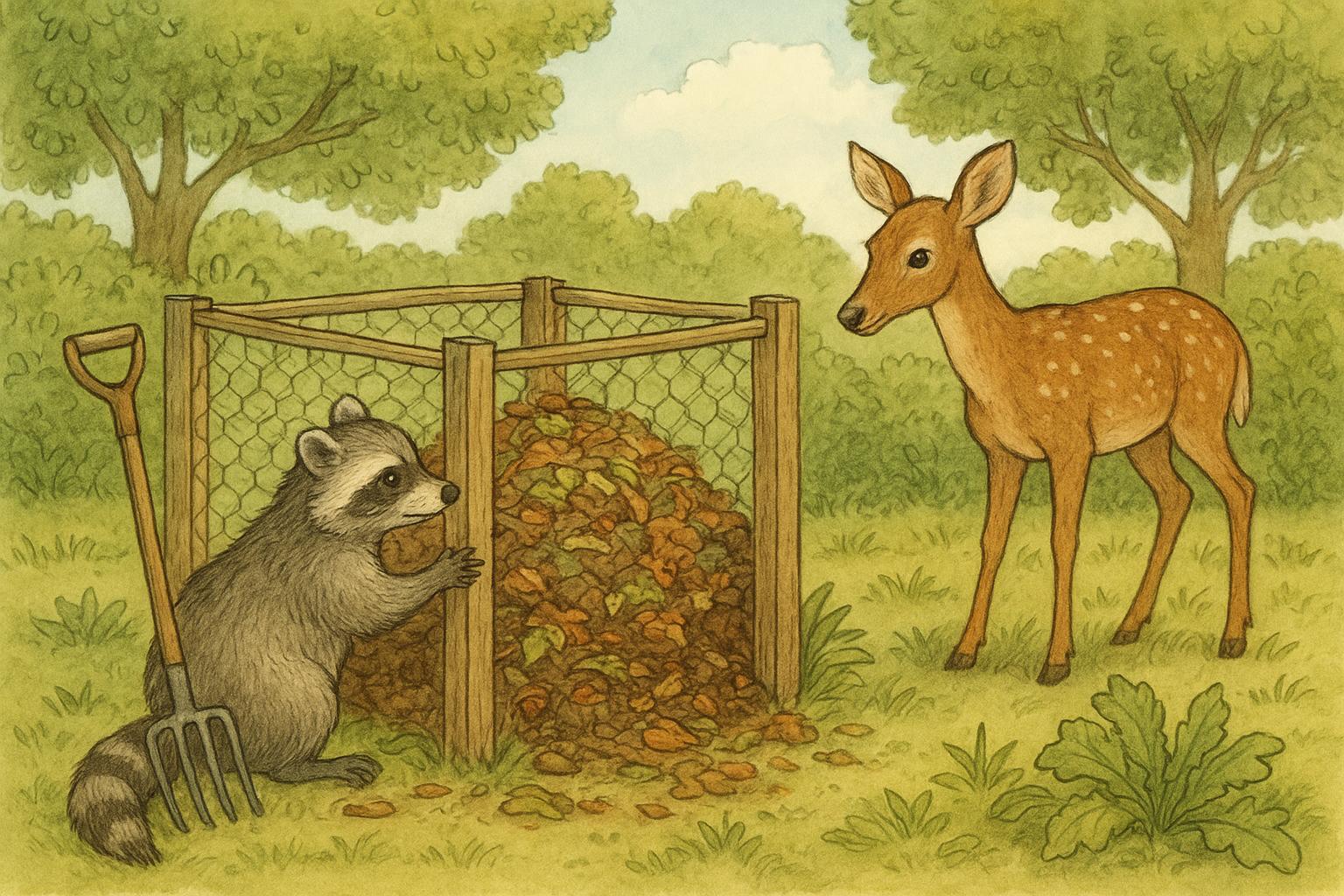
1. Eliminate Food Sources: Store pet food indoors and secure garbage in lidded containers. Clean grills, compost bins, and bird feeders regularly to remove crumbs and residues.
2. Remove Water Sources: Fix leaky hoses, clear clogged gutters, and eliminate standing water. Animals are less likely to shelter where water is scarce.
3. Secure Stored Items: Move cardboard boxes and other soft materials off the ground and onto sealed shelves or into plastic bins. Animals under deck particularly like nesting in cardboard and fabric.
4. Neutralize Scents: Apply enzyme-based cleaners to areas with urine or droppings. Avoid ammonia- or bleach-based cleaners that can harm plants. These products remove scent markers that attract repeat visitors.
5. Adjust Lighting And Motion Deterrents: Install motion-activated lights or sprinklers to make the space feel exposed. These are humane, non-lethal deterrents that encourage animals to relocate.
6. Seal Small Gaps: Use appropriate sealants and backer rods to close gaps smaller than 2 inches. Larger openings should be handled via framed mesh (see Remedy 1).
7. Monitor And Adapt: After implementation, check for renewed activity. Animals are persistent; if signs reappear, reassess food, water, and shelter points.
When applying habitat modifications, be precise about sanitation and storage; the most durable solutions are the ones that remove the animals’ reasons for being there, not just their means of access.
### When To Consider Professional Help
If you find large litters, aggressive animals, evidence of rabies, or persistent re-entry despite your best efforts, contact a licensed wildlife removal specialist. Professionals are trained in local regulations, humane capture, and disease risk management. They can also perform safe removal and repair work that might be beyond DIY skill levels.
### Neighborhood Etiquette And Communication
Managing animals under deck is often a shared concern. Keep neighbors informed if you’re undertaking exclusion work that might affect shared fences or common areas. Discuss practices like secure trash storage and pet feeding schedules. A friendly, cooperative approach reduces conflict and builds a healthier local ecosystem for people and wildlife alike.
#### Legal And Ethical Considerations
Local laws govern wildlife removal and relocation. Some species are protected, and relocation can be illegal or harmful to both the animal and the receiving environment. Before trapping or relocating, check municipal ordinances and state wildlife regulations. Ethical practice favors exclusion and habitat modification over lethal methods, unless there’s an immediate public safety risk.
### Long-Term Maintenance Tips
Check your barriers and deterrents at least twice a year and after major weather events. Trim vegetation away from the deck to reduce cover, re-treat odors as needed, and ensure vents remain clear. Keep a simple log of inspections and findings — a small habit that pays off by catching problems early.
## Practical Safety Notes For Homeowners
When dealing with animals under deck, don’t reach into dark cavities or attempt to move animals on your own. Wear gloves, avoid direct contact with droppings, and use masks when cleaning heavily soiled areas. If contamination is extensive, hire a professional cleanup service to avoid exposure to pathogens like leptospira, hantavirus, or parasites.
If you follow these steps — thoughtful inspection, solid exclusion, careful habitat modification, and sensible neighborhood cooperation — you’ll reduce the chances that animals under deck will become a recurring neighborhood story. And when they do pop up, you’ll be ready to handle them safely, humanely, and with a minimum of midnight drama.




























Leave a Reply