
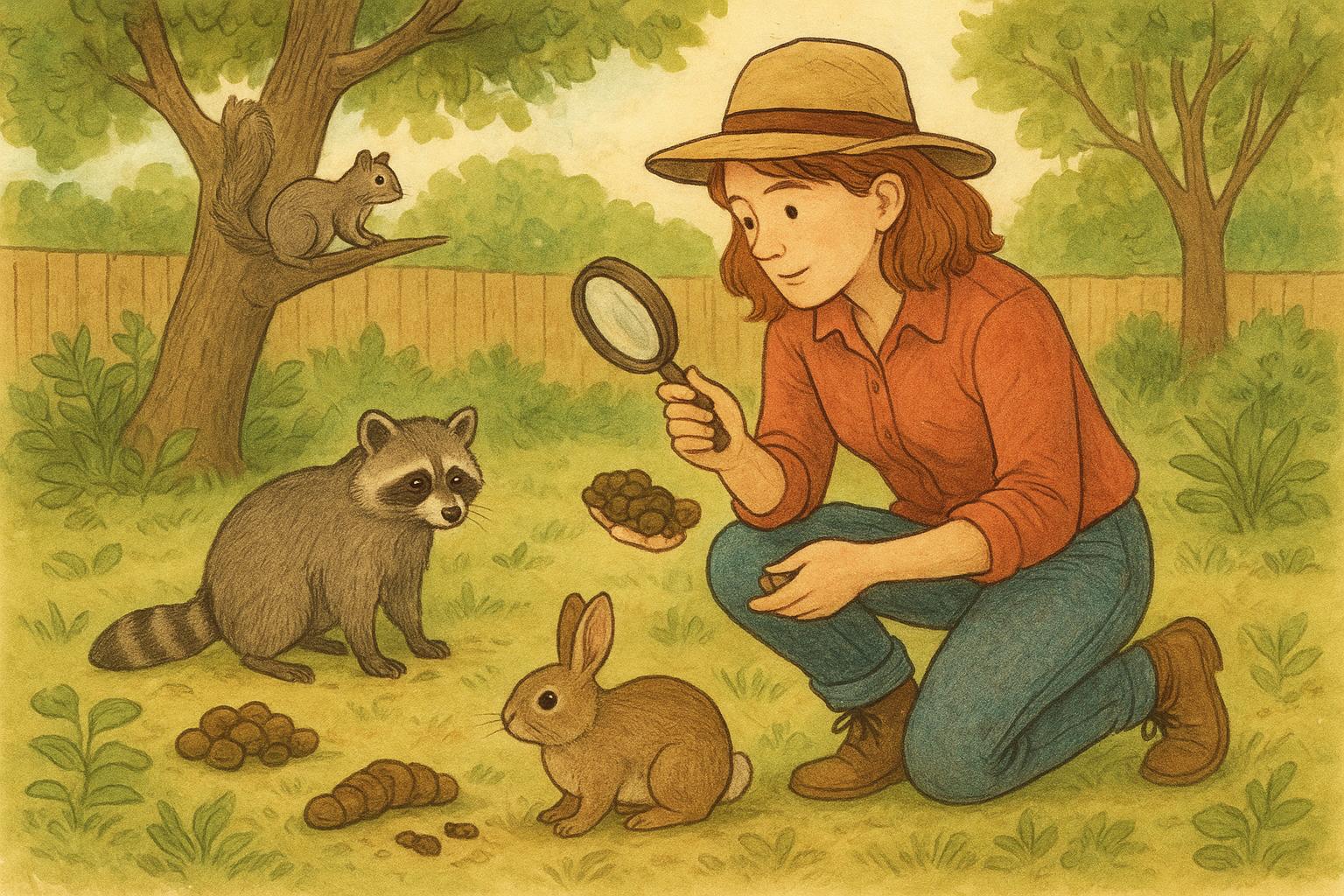
Welcome to a friendly primer on one of the least glamorous — but most informative — parts of backyard wildlife watching. If you like clues, puzzles, and learning more about nocturnal neighbors without inviting them in for coffee, fecal evidence can be surprisingly revealing. We’ll keep it approachable, a little witty, and useful for anyone who enjoys a stroll through their yard with a flashlight and a curious mind.
## Mammal Scat Clues For Your Backyard Wildlife Guide
Scat is like nature’s CSI: compact, low-budget, and full of evidence. When you find mammal scat on a trail or near your garden, you’re looking at a direct record of what an animal ate, how big it might be, and sometimes even when it was active. Learning a few basic patterns helps you translate those dark little logs into useful backyard intelligence.
### Why Scat Is A Handy Clue
Mammal scat can reveal diet (fruit, seeds, insects, meat), lifestyle (territorial marking versus casual dropping), and health (parasite load, undigested bits). Tracks and scat together create a stronger guess about who’s been calling your yard home. For example, elongated stools with fur and small bones likely point to a carnivore; round, segmented pellets full of seeds suggest a small herbivore.
#### What Scat Can Tell You
– Size and shape hint at species size.
– Contents show diet and seasonal food use.
– Placement (on logs, at trail intersections, on rocks) can indicate marking behavior versus simple deposition.
– Relative freshness (moisture, sheen) helps estimate recent activity.
## Mammal Scat Identification Basics
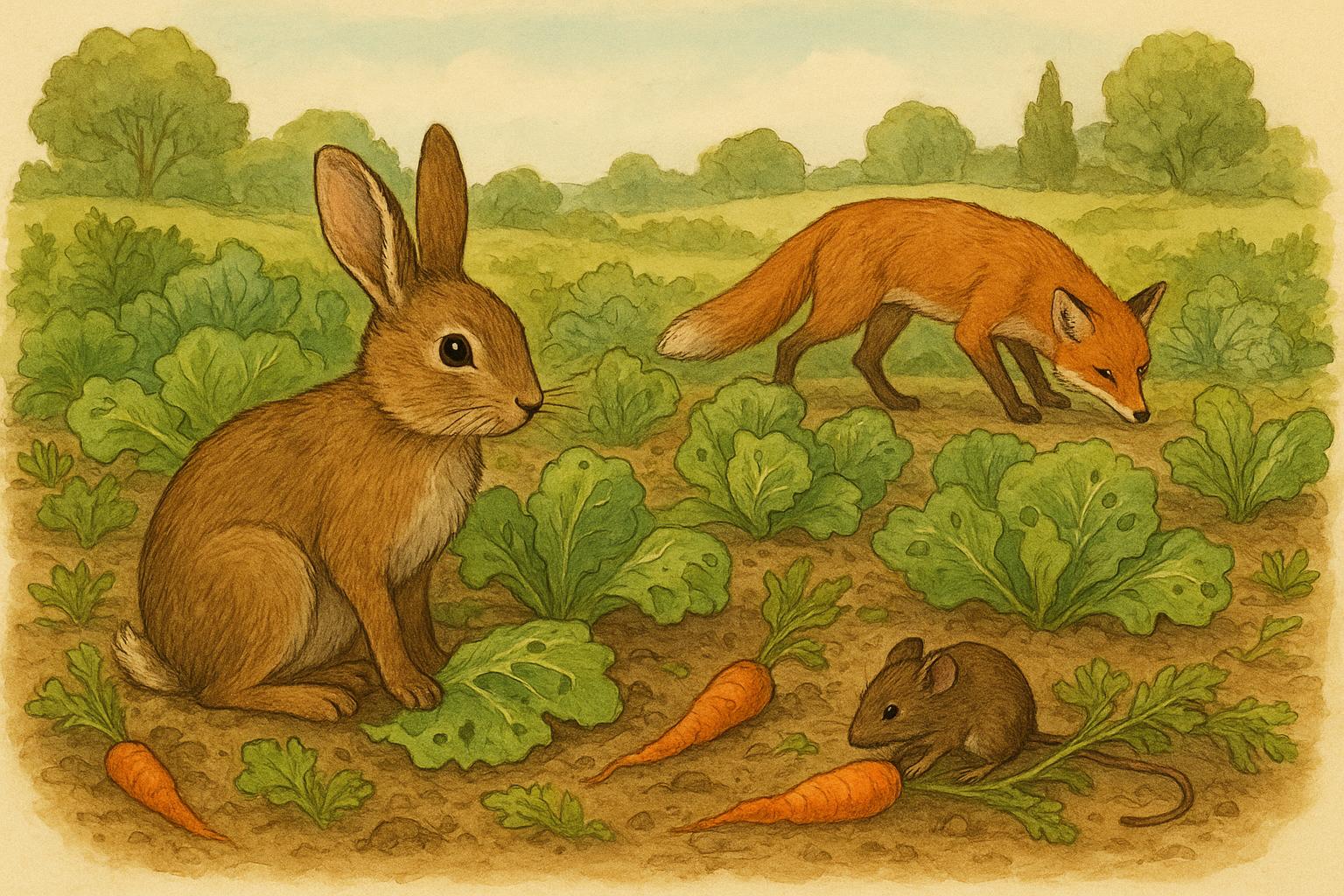
Identifying mammal scat is a mix of art and science. Focus on these measurable features: length, diameter, shape (tapered, segmented, tubular), smell, and content. Carry a small field notebook or take photos from several angles (don’t touch) with a coin or twig for scale. Over time your backyard will tell a story: one trail of fox pellets in winter, berry-rich droppings in late summer, or a scatter of rodent droppings near a compost heap.
### Shape, Size, And Texture
Small, pellet-like droppings (think pea-sized to a half-inch) with rounded ends usually mean rodents or lagomorphs. Tubular, tapered droppings two to three inches long often indicate medium-sized carnivores or omnivores. Segmented, fibrous scat with visible plant material tends toward herbivores. Texture varies with hydration and diet — wetter after heavy fruit seasons, dryer in drought.
#### Fecal Contents: Seeds, Fur, Bones, Insects
A quick visual inspection can be revealing. Seeds suggest fruit eaters or seed predators; fur and bones point to carnivory; insect parts signal an insectivorous diet. Remember that scat containing seeds is a vector for plant spread — your yard’s plants and your wildlife communicate in very literal ways.
## Health And Safety When Handling Scat
If curiosity nudges you toward closer inspection, prioritize safety. Scat can carry pathogens and parasites. Do not pick it up with bare hands. Instead, use tools and gloves, photograph from a distance, and, if you must collect for analysis, follow strict biosecurity steps.
### Safe Observation Practices
– Wear disposable gloves and a mask if getting within a foot of fresh scat.
– Use a stick or trowel to carefully move small samples into a sealed container.
– Wash hands thoroughly afterward with soap and hot water.
– Avoid inhaling dust from dry, old scat that may contain fungal spores.
#### When To Call A Professional
If you suspect the scat is from a rabies-prone animal and there has been contact with pets or people, contact local wildlife control or public health officials. For samples needed for wildlife research or disease testing, coordinate with local wildlife agencies to ensure safe handling and proper chain of custody.
## 1. Remove Attractants And Seal Entry Points
This remedy is practical and essential — reduce what draws mammals into conflict-prone spots in your yard, and you’ll reduce visits (and scat) as a result. The following materials and steps are formal and specific for effective implementation.
Materials Required:
– Heavy-duty trash cans with tight-fitting lids (metal recommended)
– Sturdy compost bin with wildlife-proof latch
– Hardware cloth (1/2-inch mesh) and metal flashing
– Caulk or expanding foam for small gaps
– Thick gloves, eye protection, utility knife, wire cutters, staple gun or screws
Step-by-Step Creation And Application:
1. Inspect your property at dusk and dawn to locate food sources and likely entry points (sheds, under decks, crawlspaces).
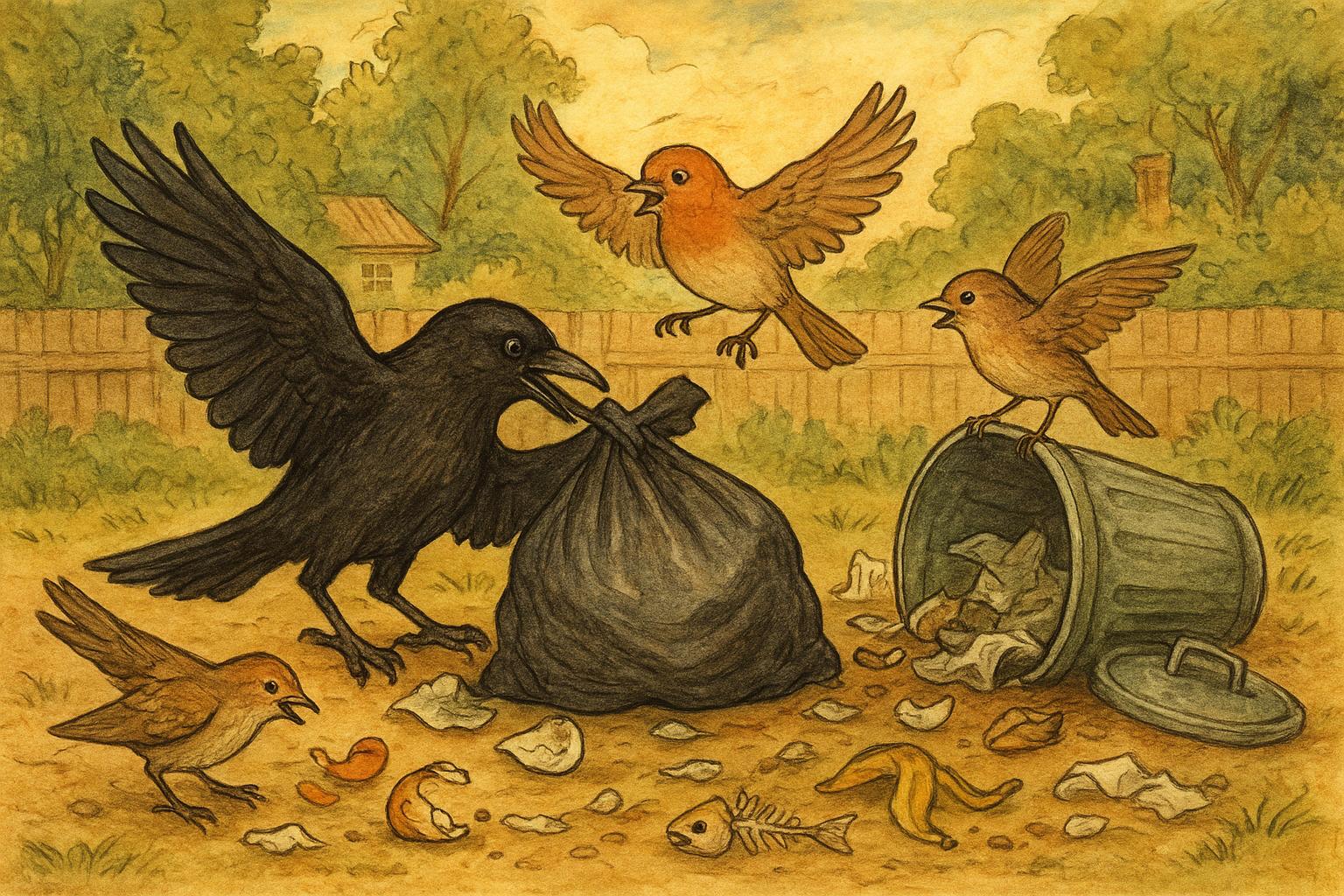
2. Secure all garbage in heavy-duty cans with tight lids; place cans on a raised platform secured to the ground if local mammals tip them.
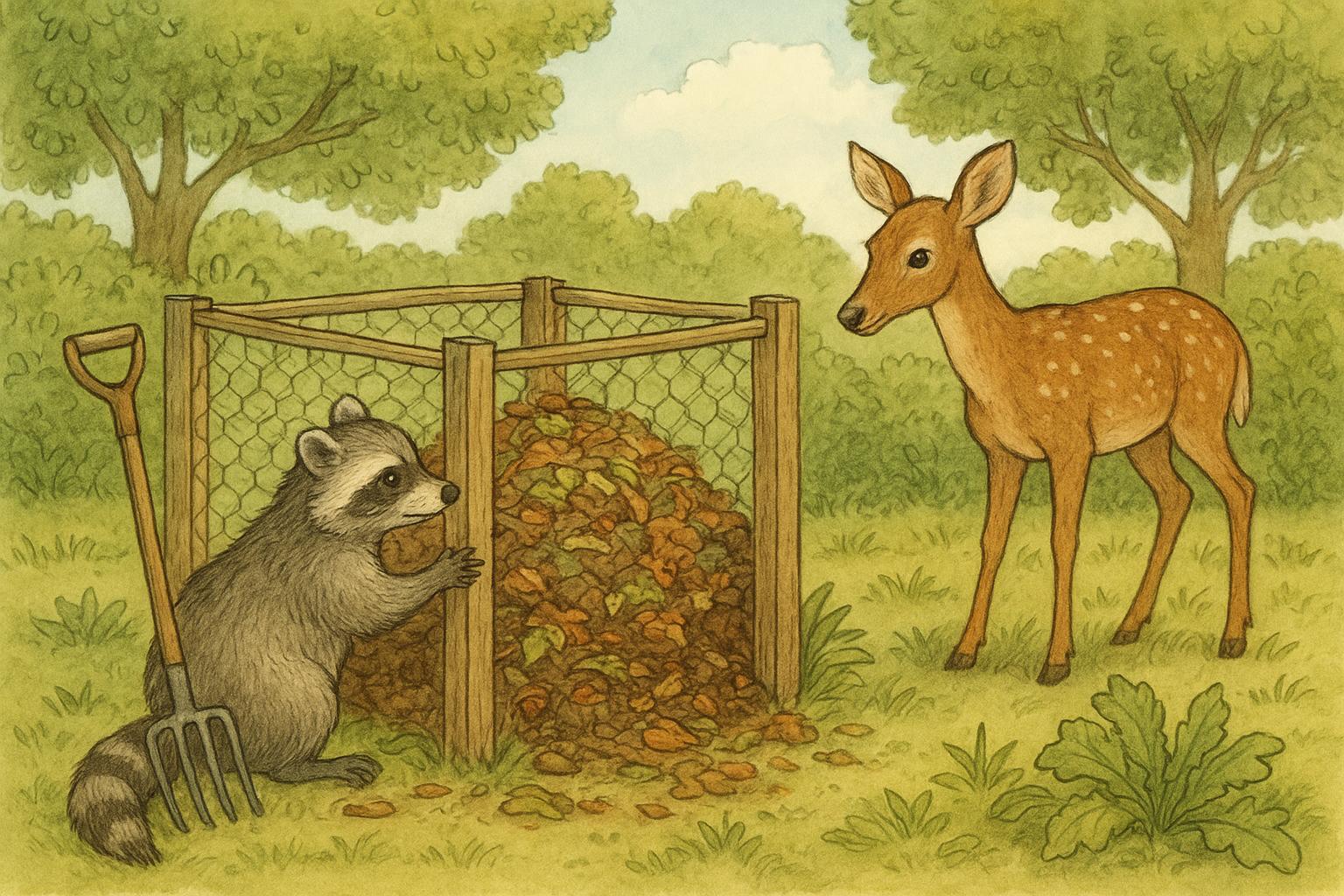
3. Convert open compost piles to a sealed compost bin with a wildlife-proof latch; avoid meat, oily foods, and dairy in compost.
4. Install hardware cloth and flashing around potential den sites under sheds and porches. Cut cloth to fit, attach with screws or heavy staples, and bury the bottom 6–12 inches to prevent digging underneath.
5. Seal small gaps and holes with caulk or expanding foam; for larger breaches, use more substantial wood or metal patches.
6. Maintain the area: clear fallen fruit promptly, store pet food indoors, and clean grills after use.
This approach reduces the attractants that create habitual visits. It’s preventative, low-risk, and often enough to change wildlife behavior without harm.
## 2. Humane Scent-Based Deterrent For Small Mammals
When exclusion and attractant removal aren’t sufficient, a targeted, humane deterrent can encourage mammals to move on. The following mixture is designed for small foragers like raccoons, skunks, and rodents. Use it responsibly and avoid overapplication near water sources or vegetable beds to prevent unintended plant damage.
Ingredients/Materials:
– 1 cup strong-smelling bitter oil (neem oil or garlic oil concentrate)
– 1 tablespoon cayenne pepper or powdered hot pepper
– 1 quart water
– 1 tablespoon unscented liquid soap (surfactant)
– Spray bottle (1 quart capacity)
– Gloves and eye protection
Step-by-Step Creation:
1. In a well-ventilated area and wearing gloves, combine the oil concentrate and hot pepper in a mixing container.
2. Add the unscented liquid soap and stir gently to emulsify (the soap helps the oil mix with water).
3. Slowly add the quart of water while stirring to create a consistent solution.
4. Pour the mixture into a labeled spray bottle using a funnel to avoid spills.
Application:
1. Test a small patch of non-edible plants or hardscape to ensure there’s no phytotoxic reaction. Wait 24 hours and observe.
2. Spray perimeter areas where scat or animal activity is frequent: around compost lids, along the foundation, and on likely entry points. Avoid direct application to vegetable plants, fruit trees, or water sources.
3. Reapply after heavy rain and every 7–10 days during active periods. Monitor for animal behavior changes and reduce use if non-target wildlife or pets show sensitivity.
This scent-based deterrent is non-lethal and designed to create an unpleasant olfactory environment that encourages mammals to forage elsewhere.
### Monitoring And Recording Scat
Keep a simple log to document scat finds: date, time, location, species guess, and a quick photo. This helps you see patterns — which nights are busiest, which parts of the yard are repeatedly used, and whether your deterrent measures correlate with fewer visits. Over weeks, your notes will help refine strategies with less guesswork and more confidence.
#### Respectful Curiosity
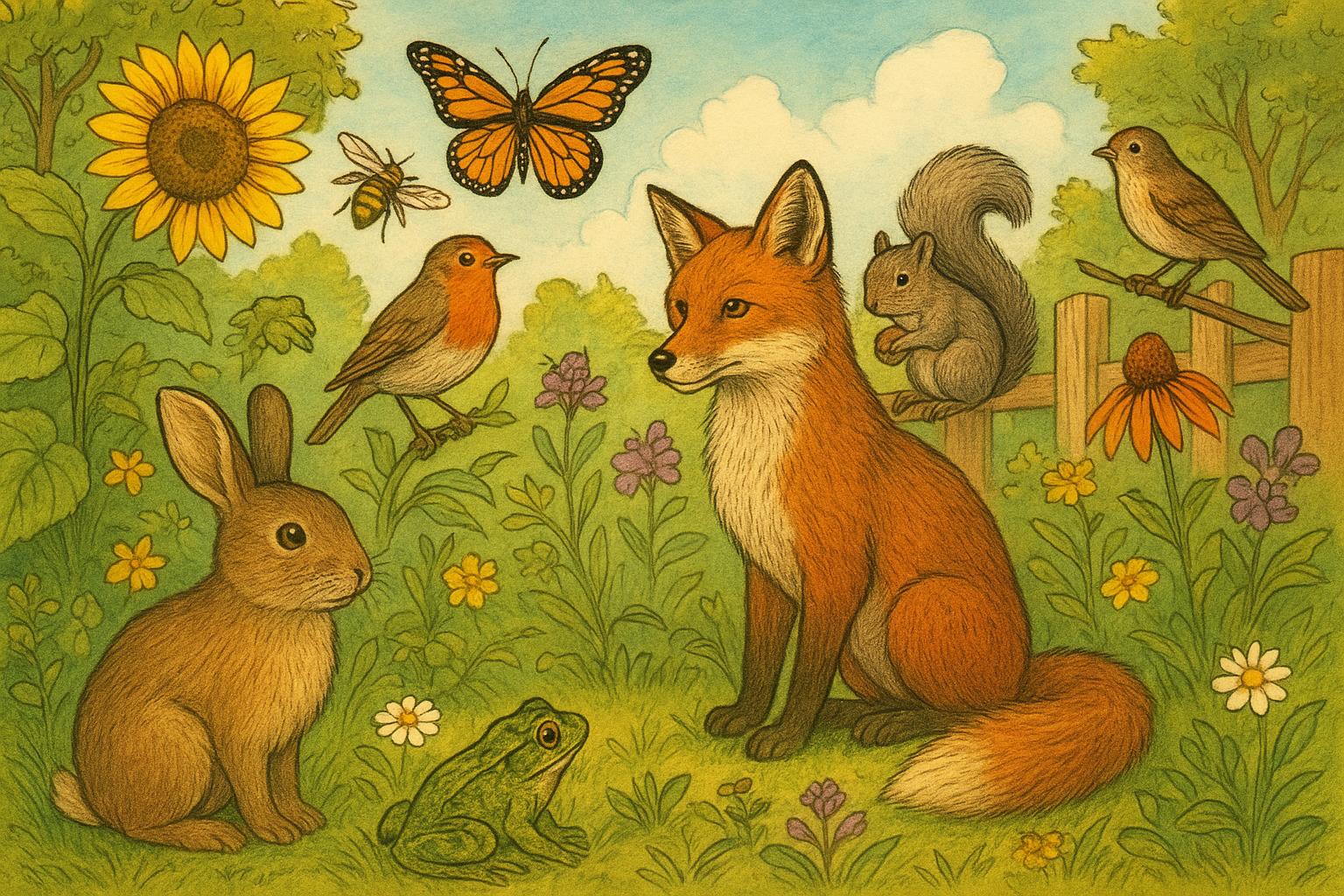
Remember: we’re sharing space with animals that are trying to survive. Use scat as a clue, not as an invitation to harm. With careful observation, proper hygiene, and humane management, your backyard can be a place for coexistence — informative, alive, and, yes, a little messy at times.




























Leave a Reply