
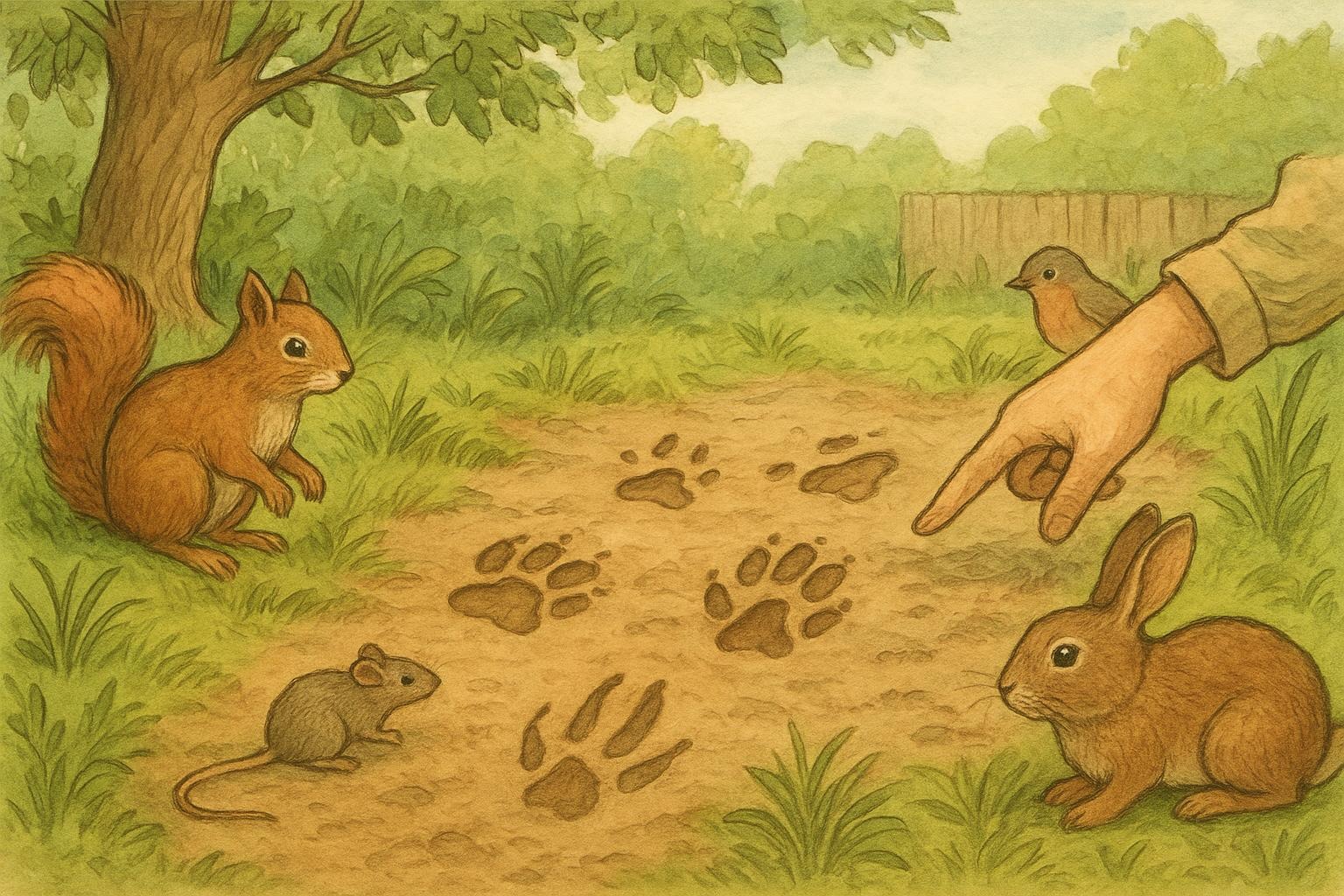
You step outside after a rainy night and see tiny impressions in the flowerbed. Nice! Or suspicious. Or both. Those muddy postcards tell stories if you know how to read them. Below you’ll find friendly, practical help for recognizing the most common backyard suspects by their mud tracks and what to do about repeat visits.
## Spotting Mud Tracks: The First Clue
Mud tracks are the easiest kind of sign to read because they capture detail—toe number, claw marks, pad shape, and stride. A fresh impression can show if the animal was walking slowly, running, or stopping to sniff (and perhaps eat your prized petunias). When you first approach a track, note how soft the edges are. Crisp edges mean recent activity; smudged edges mean time, rain, or other critters stepped over them.
### Measuring Like A Pro (Without A Tape Measure Drama)
– Use a ruler, a coin, or a twig to get a rough size. Place it next to the print and take a photo.
– Measure length from heel pad to tip of longest toe and width across the widest part.
– Record stride (distance between prints on the same side) and gait (pattern of left-right movement). These numbers help separate similar prints.
### What Freshness Can Tell You
If a track glistens or the mud is still soft, you’ve got recent activity. Dry, cracked prints may be days old. Overlapping prints complicate things—good news for detectives, less good news for gardeners.
## Small Critters: Squirrel, Mouse, And Rat Tracks
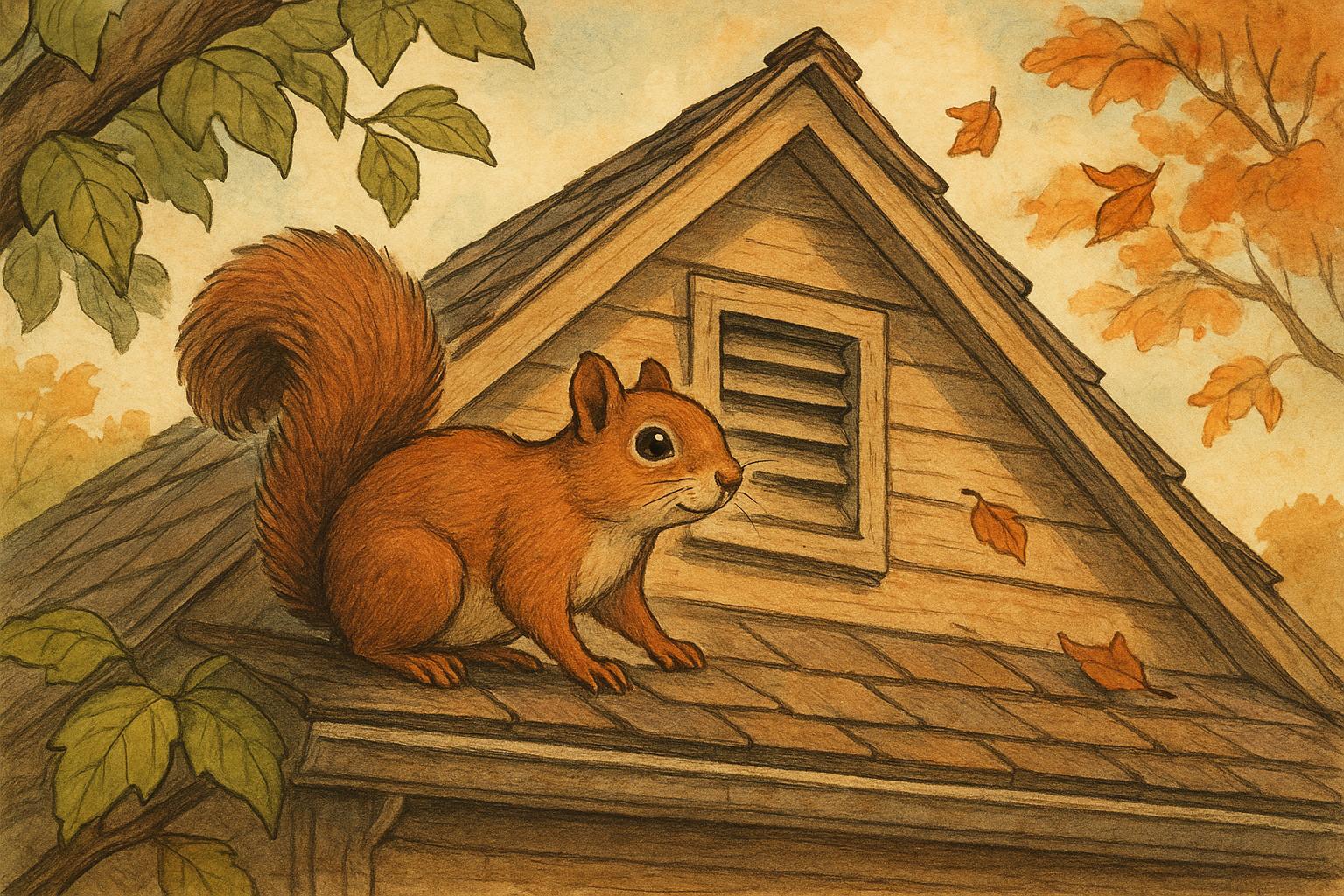
Squirrels leave small, delicate prints with four toes on the front feet and five on the hind feet. In mud, you’ll often see a longer hind print with tiny toe marks and a longer stride if they were scampering. Mice and rats make a paired pattern with tiny paw prints and often show tail drag marks—like a punctuation mark trailing the letters.
### How To Differentiate Squirrel From Rodent
Squirrel hind feet are noticeably longer and may show a central pad. Rodents show much smaller prints and regular, tight gait patterns. If you see little hand-like prints leading to a tree base, congratulations: you’ve found a squirrel highway.
## Feline And Canine Prints: Cats, Dogs, And Coyotes
Domestic dogs and wild canids differ. Dog prints generally show heel pads with two lobes at the bottom; claw marks may or may not be visible depending on terrain. Coyotes and foxes show narrower, compact prints, often in a trot pattern with a straight line of prints.
### Cat-Specific Clues
Cats retract claws, so a cat print usually lacks claw marks and shows a rounder pad with four toes. If you see asymmetrical pads and no claws, it’s probably a cat. Indoor-outdoor cats often make neat, purposeful mud tracks that stop abruptly at the porch.
#### Size Guide For Reference
– Small Cat: 1–1.5 inches across
– Medium Dog: 2–3 inches across
– Coyote: 2.5–3.5 inches across
## Raccoons, Opossums, And The Handsy Critters
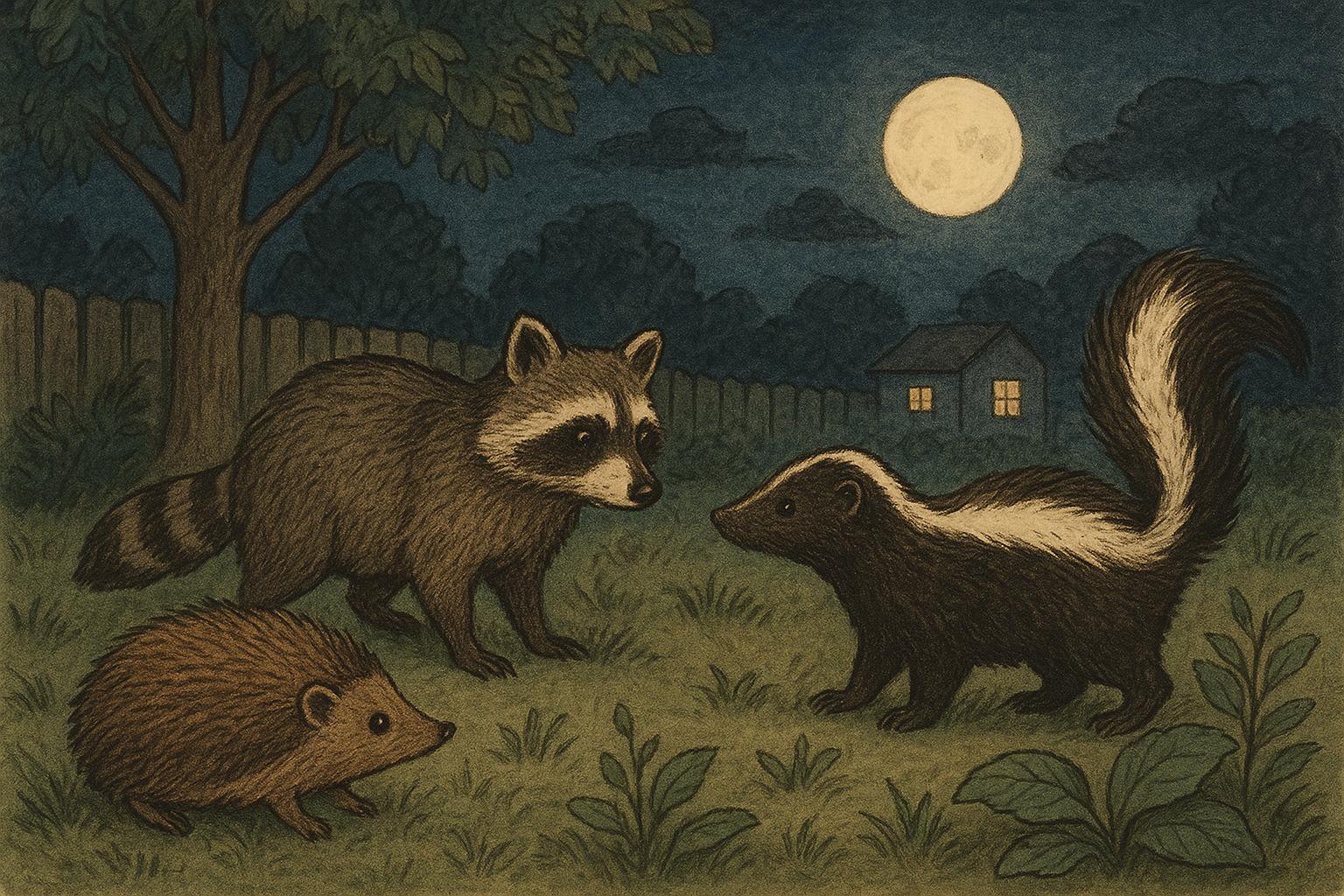
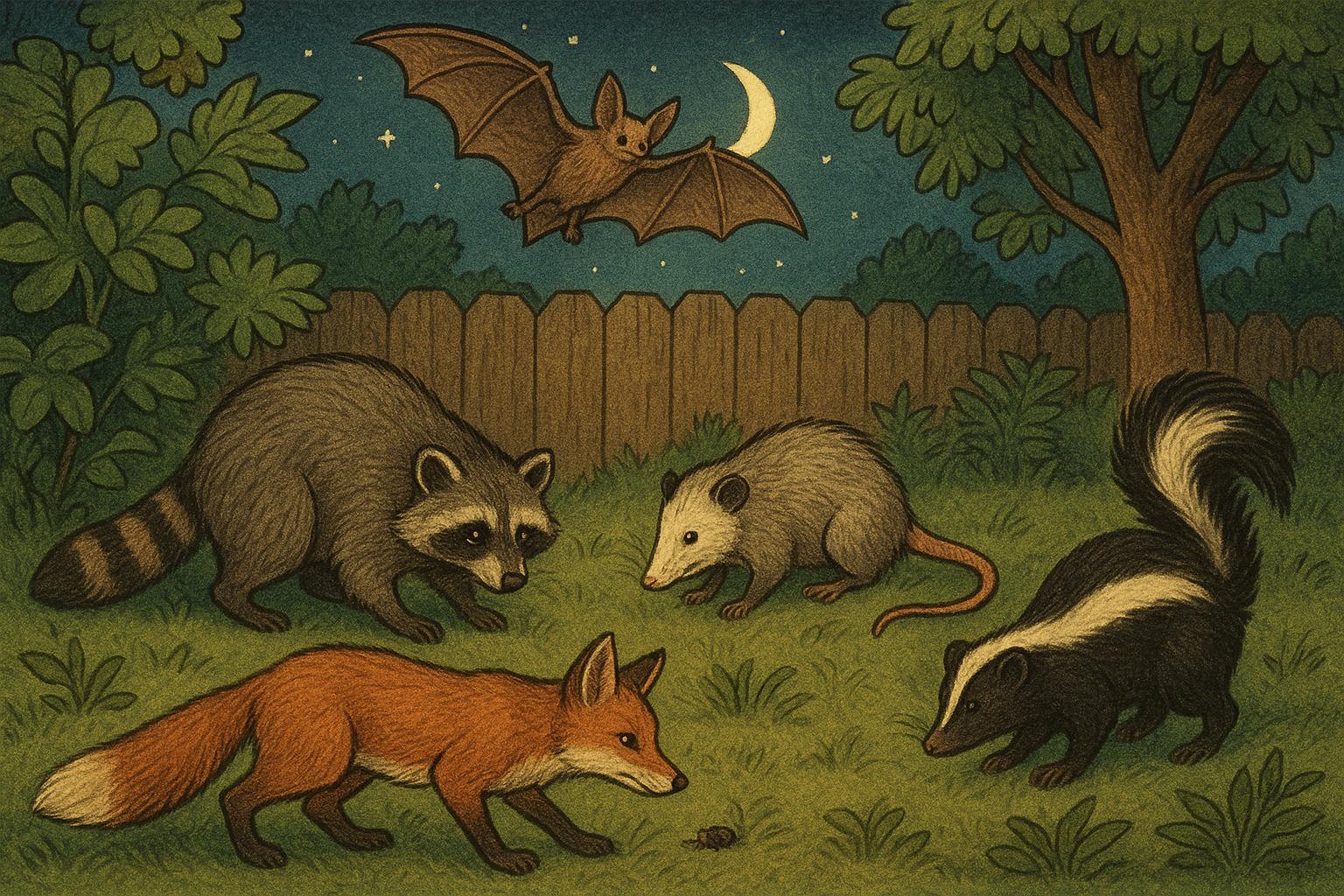
Raccoons look like miniature human hands—five long toes with visible claws and a central pad. Opossums show similar five-toed prints but often with a thumb-like opposable toe on the hind feet, orientated differently. Both animals are nocturnal and prefer soft, damp ground near water or compost piles.
### Distinguishing Raccoon Vs. Opossum
Raccoon fronts are often narrower and more dexterous-looking. Opossum hind prints may show the small opposable “thumb.” Both can leave drag marks from tails; raccoons sometimes leave tail impressions that parallel the tracks.
## Deer And Other Ungulates
Deer tracks are cloven hooves: two teardrop-shaped halves that point forward. In mud they can appear as a single heart-shaped impression if the halves pressed together. Size and spacing tell you if it’s a fawn, yearling, or adult. Deer tend to walk with an easy gait and often follow the same path, creating a distinct tunnel of tracks.
### When You’re Pretty Sure It’s Deer
Look for paired hoof prints spaced evenly, often all pointing the same direction. Deer will also leave a single line of prints through your lawn if they’re trotting by on the way to cover.
## Bird Tracks And Overnight Guests
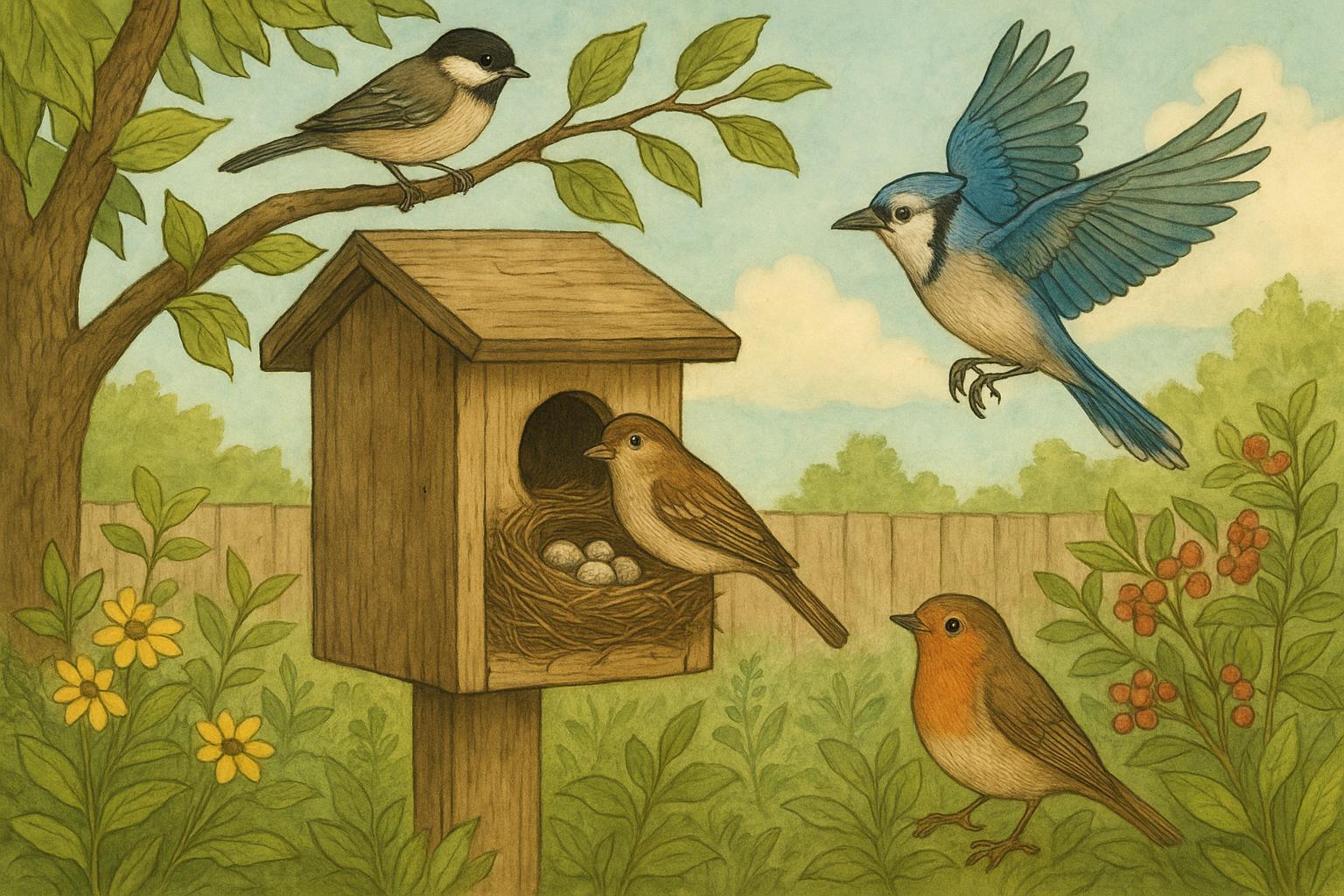
Birds leave three-toed patterns (forward) with a rear toe in many species. Larger birds like turkeys have big, strong impressions with visible nail marks; small songbirds create delicate tracks around feeders and puddles.
### Track Patterns To Watch For
Ground-foraging birds show random, scattered prints; waterfowl leave neat, webbed impressions. If you see a neat row of alternating tracks, you may have turkey visitors strutting through.
## Interpreting Behavior From Mud Tracks
Tracks tell more than identity. Spacing and depth indicate speed and weight. Disturbed areas or prints circling a spot usually mean behavioral interest—digging, feeding, or searching. Grouped tracks can indicate family groups or flocks. Multiple overlapping prints suggest a busy wildlife thoroughfare.
## How To Record Mud Tracks For Later Identification
Take clear photos with a scale object included. Note location, time, weather, and accompanying signs (scat, fur, feathers). Use a notebook or phone app to catalog entries. This helps you spot patterns and decide whether management is needed.
## Remedy 1: Create A Dry Pathway To Reduce New Mud Tracks
When animals are leaving mud tracks, often they’re using the easiest, wettest route. A solid pathway redirects traffic and makes mud less attractive. The following is a practical, formal step-by-step guide to constructing a durable pathway.
Ingredients/Materials:
– Landscape fabric (enough to cover the path area)
– 2–3 inches of crushed stone or gravel (washed)
– Pavers or stepping stones (optional)
– Edging material (plastic, metal, or timber)
– Shovel, rake, tamper, wheelbarrow
– Gloves, safety glasses
Step-By-Step Creation And Application:
1. Plan the route: Walk the usual animal path and mark it with spray paint or flagging. Keep bends gentle and avoid steep grades.
2. Dig and level: Remove topsoil to a depth of 2–3 inches across the planned path. Ensure the base is level and slightly sloped away from buildings for drainage.
3. Lay landscape fabric: Cut and position fabric along the base, overlapping seams by 6 inches. Secure with landscape stakes.
4. Install edging: Place edging along both sides to contain the gravel and prevent spread into flowerbeds.
5. Add gravel base: Spread crushed stone evenly to a depth of 2–3 inches. Use a rake to level.
6. Compact surface: Tamp down the gravel with a hand tamper or plate compactor for a firm walking surface. Add another light layer and compact again if needed.
7. Optional pavers: Set stepping stones into the gravel for a neater look and additional stability.
8. Inspect and adjust: Monitor for settled spots and top up gravel seasonally. This pathway discourages animals from making soft impressions and keeps your yard tidy.
## Remedy 2: Install Motion-Activated Deterrents And Minor Barriers
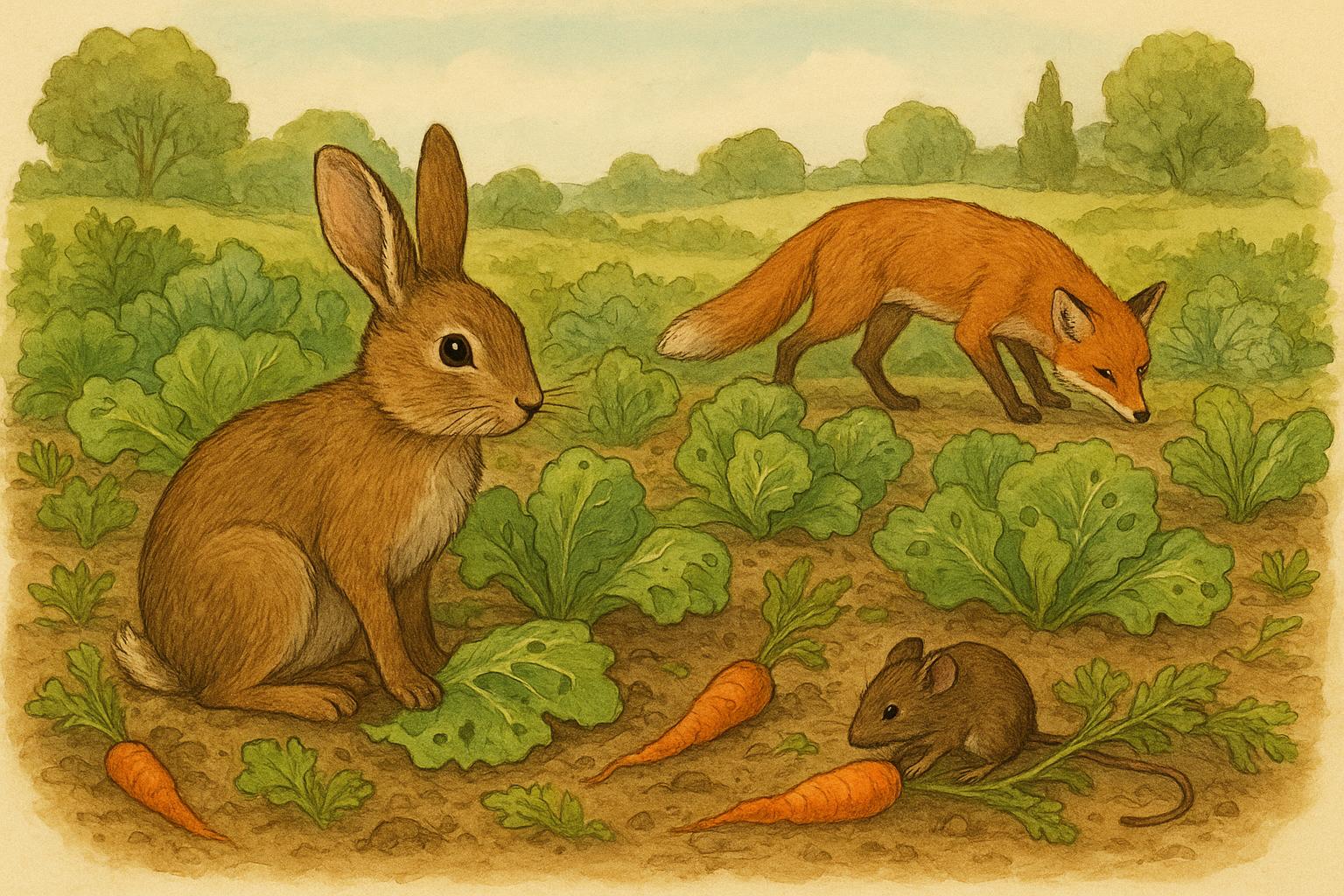
For persistent nighttime visitors that leave mud tracks near sensitive areas (like compost or vegetable beds), a combination of motion-activated sprinklers and light barriers works well. This remedy is presented formally to ensure effectiveness and safety.
Ingredients/Materials:
– Motion-activated sprinkler unit (weatherproof)
– Low garden fencing or temporary wire mesh (2–3 feet high)
– Ground anchors or stakes for fence
– Solar or low-voltage pathway lights (optional)
– Zip ties and scissors
– Basic tools (post driver or hammer, pliers)
Step-By-Step Creation And Application:
1. Position the sprinkler: Install the motion-activated sprinkler to cover the area where tracks originate. Ensure it has a clear line of sight and is protected from shrubs that could trigger false activations.
2. Calibrate sensitivity: Test and adjust the sensor range and duration. Set to brief bursts to startle but not harm animals.
3. Erect minor barriers: Install a low fence around sensitive beds. Use sturdy stakes and secure mesh to prevent animals from stepping directly into the mud without creating an eyesore.
4. Integrate lighting (optional): Place pathway lights to make the area less tempting for nocturnal creatures by increasing perceived risk.
5. Monitor and adapt: Check frequently for gaps and for animals learning new routes. Adjust sprinkler placement or fence alignment as needed.
6. Maintain equipment: Empty and clean sprinkler nozzles and check batteries or solar panels seasonally to ensure reliability.
## When To Call A Professional Tracker Or Wildlife Control
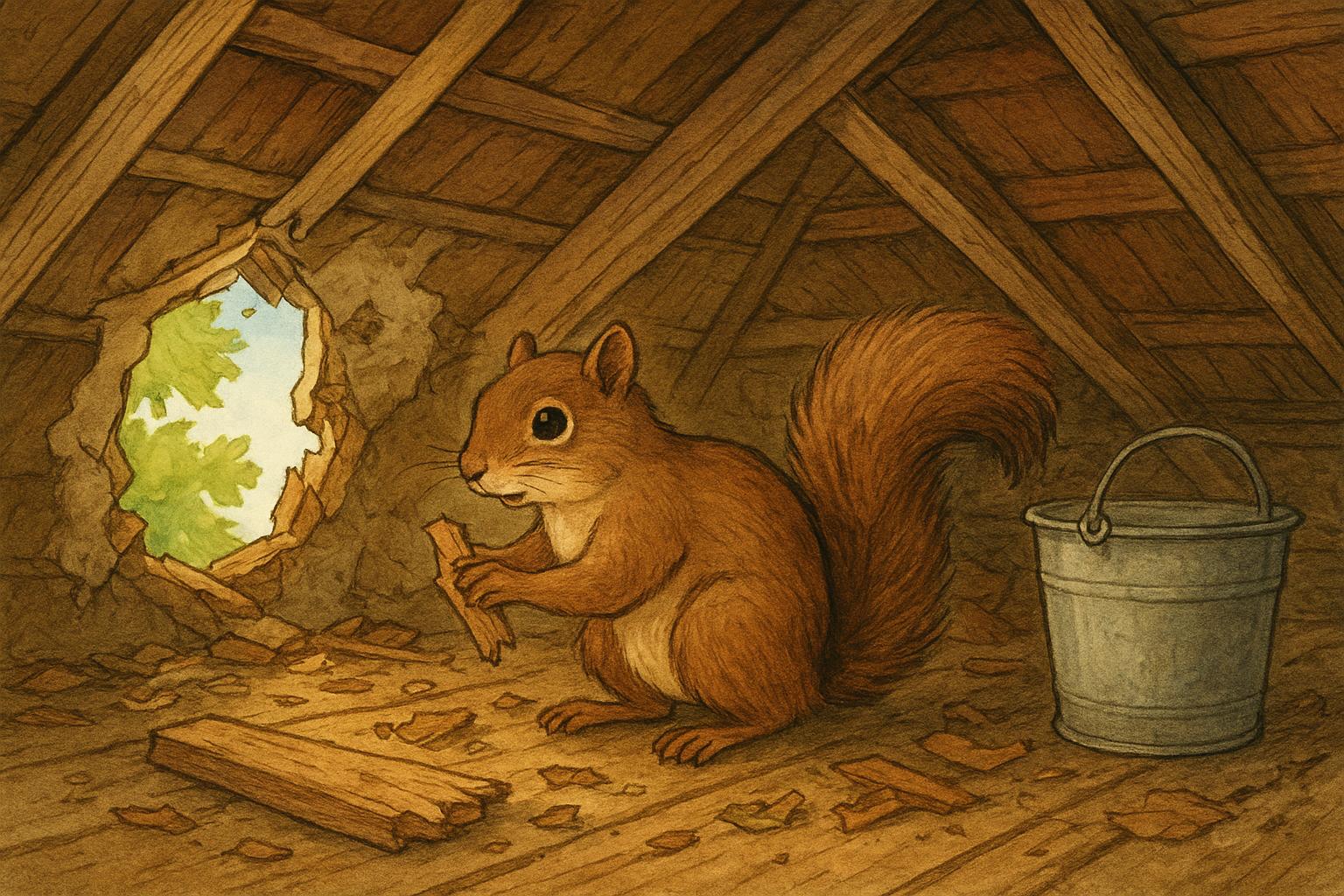
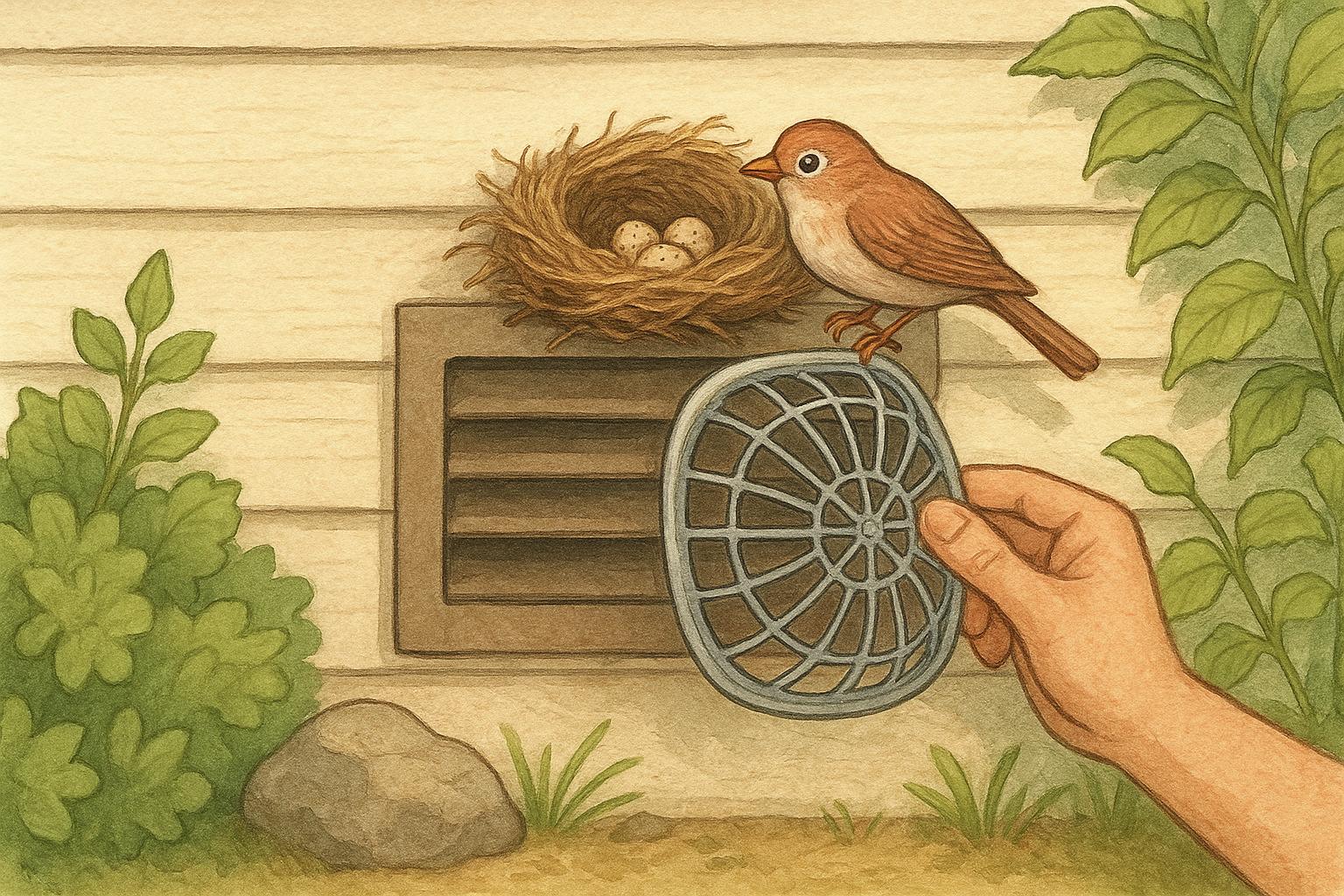
If you’re detecting large numbers of visitors, evidence of disease, or animals causing structural damage (digging under foundations or nesting in attics), contact professionals. A licensed wildlife removal service or local extension office can provide humane, legal solutions tailored to local species and regulations. They’ll also help interpret complex mud tracks that might indicate a larger problem.
Take a deep breath; most mud tracks are just nature’s graffiti, charming and occasionally inconvenient. With a little detective work and the right remedy, you can keep your yard accessible to you and less attractive to the midnight marauders leaving muddy messages on your hydrangeas.










Leave a Reply