
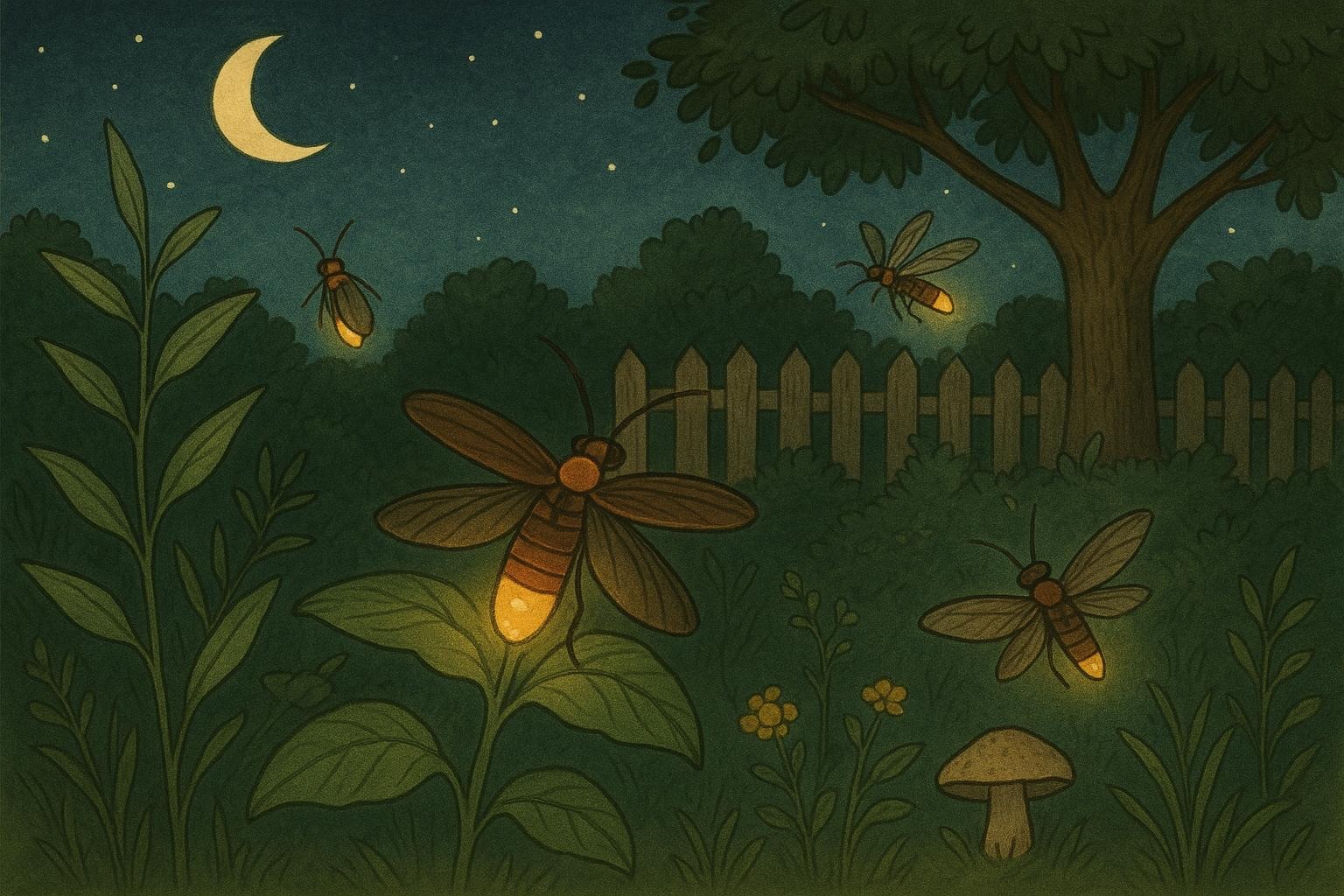
## Fireflies In The Backyard: A Quick Overview
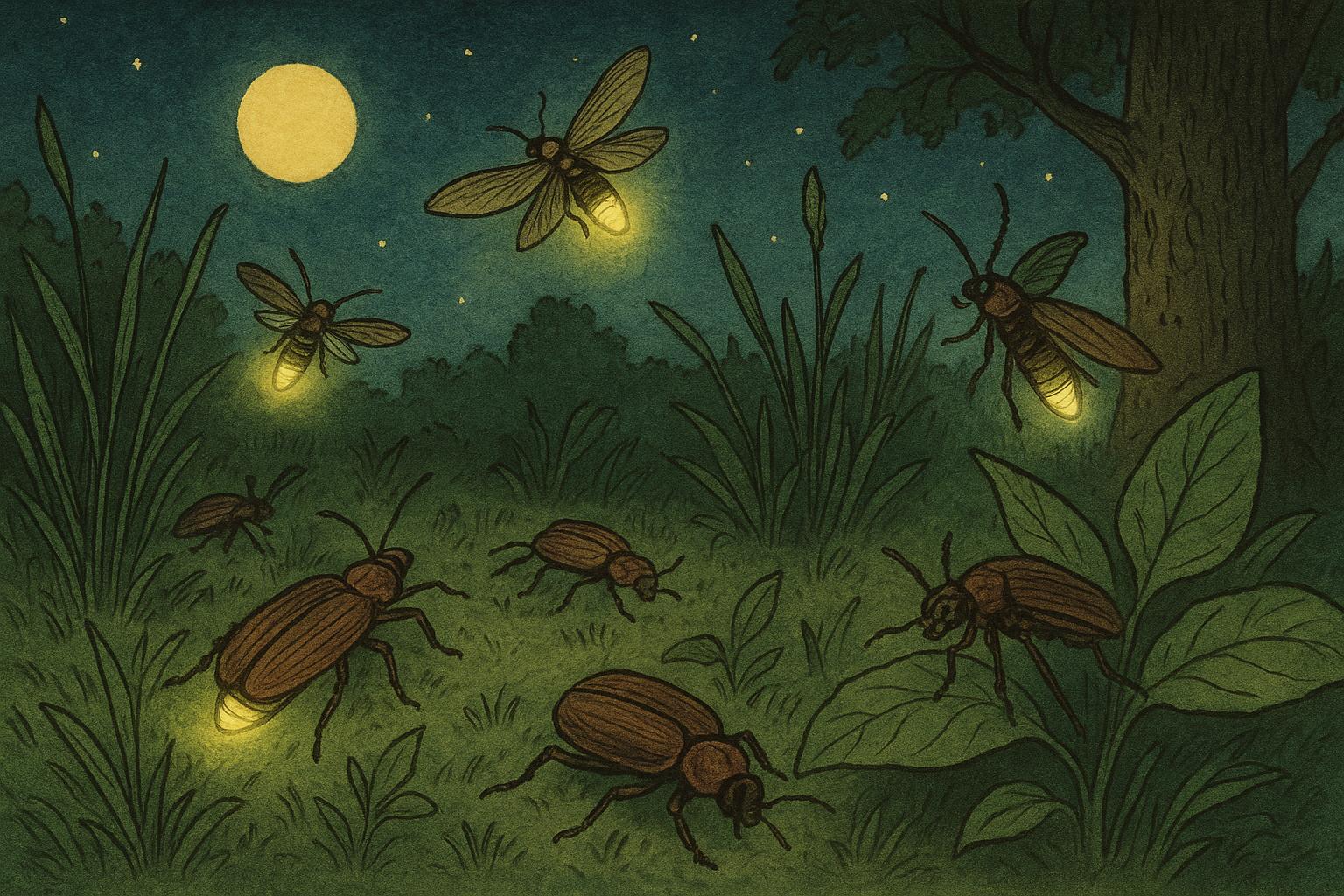
Fireflies are those tiny light-bulbing ambassadors of warm evenings, and if you’ve ever stood in your yard waiting for the first blink, you know they’re worth a little attention. The term “fireflies” actually describes a family of beetles (Lampyridae) that use bioluminescence to communicate, find mates, and sometimes to warn predators. Their presence is a good indicator of a healthy backyard ecosystem: moderate moisture, low artificial light, and lots of small invertebrates for larvae to eat.
### How Fireflies Fit Into A Backyard Food Web
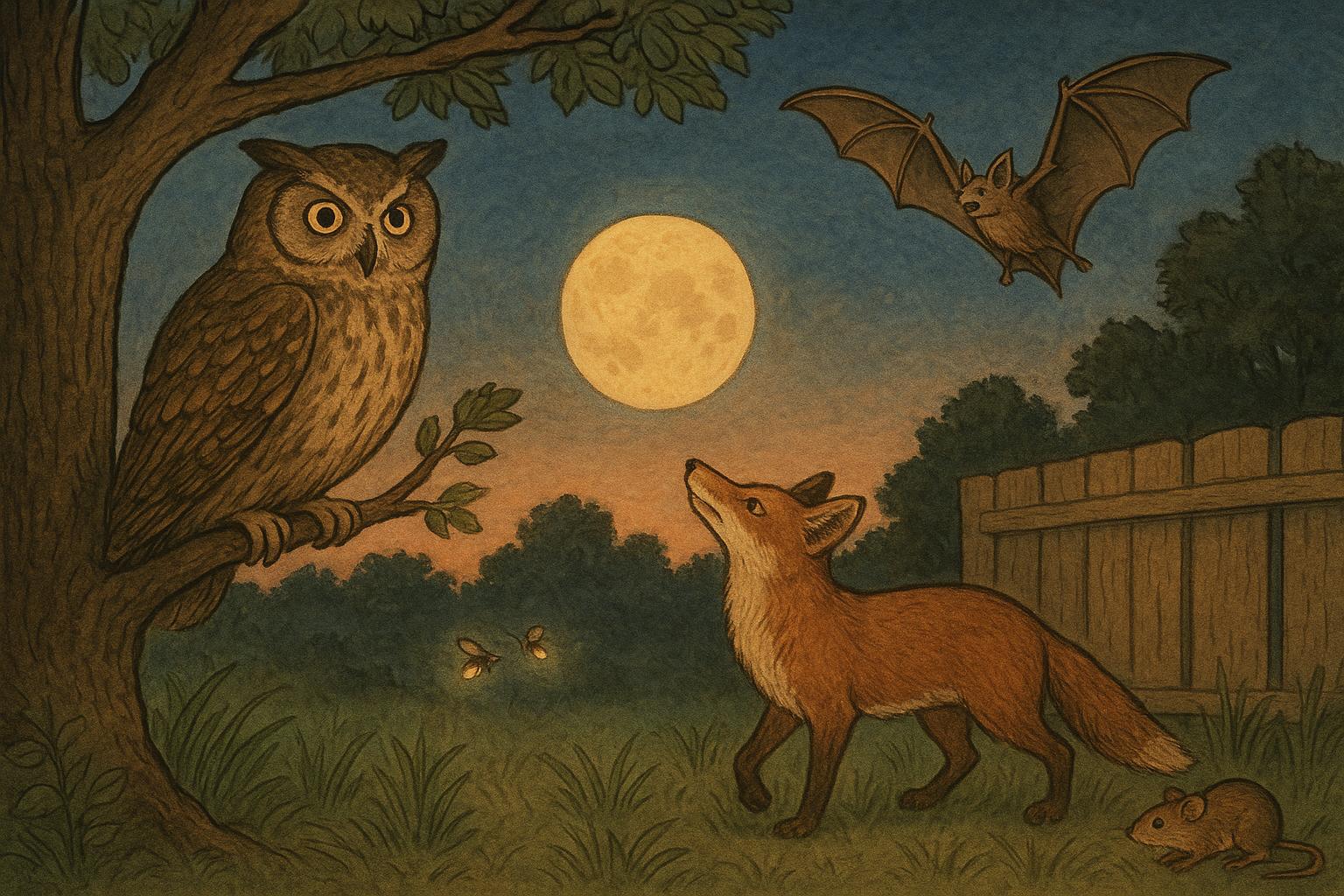
Fireflies occupy several roles. Adults are often pollinators or feed on nectar, though many species don’t feed at all. Larvae tend to be predators that eat soft-bodied creatures like snails, slugs, and earthworms. Because of their diet, having a steady, unmanaged leaf litter and moist microhabitats is beneficial. Predators such as birds and frogs will occasionally take fireflies, but the beetles’ glow and/or chemical defenses make them less palatable than they appear.
#### Larvae And Adult Differences
Larvae are elongated, armored, and often unnoticed under logs and stones. They glow faintly, a warning light signaling bad taste. Adults may flash in species-specific patterns; some glow steadily, some use short bursts. Learning those patterns in your yard can become a satisfying hobby.
## Remedy 1: Attracting Fireflies To Your Yard (Numbered Solution)
This section gives a formal, actionable remedy for increasing the number of fireflies in your backyard. Follow the materials list and step-by-step instructions precisely to create inviting conditions.
Materials / Required Ingredients:
– Native, perennial plants (list of suggestions below)
– Mulch (leaf mulch preferred) or small log piles
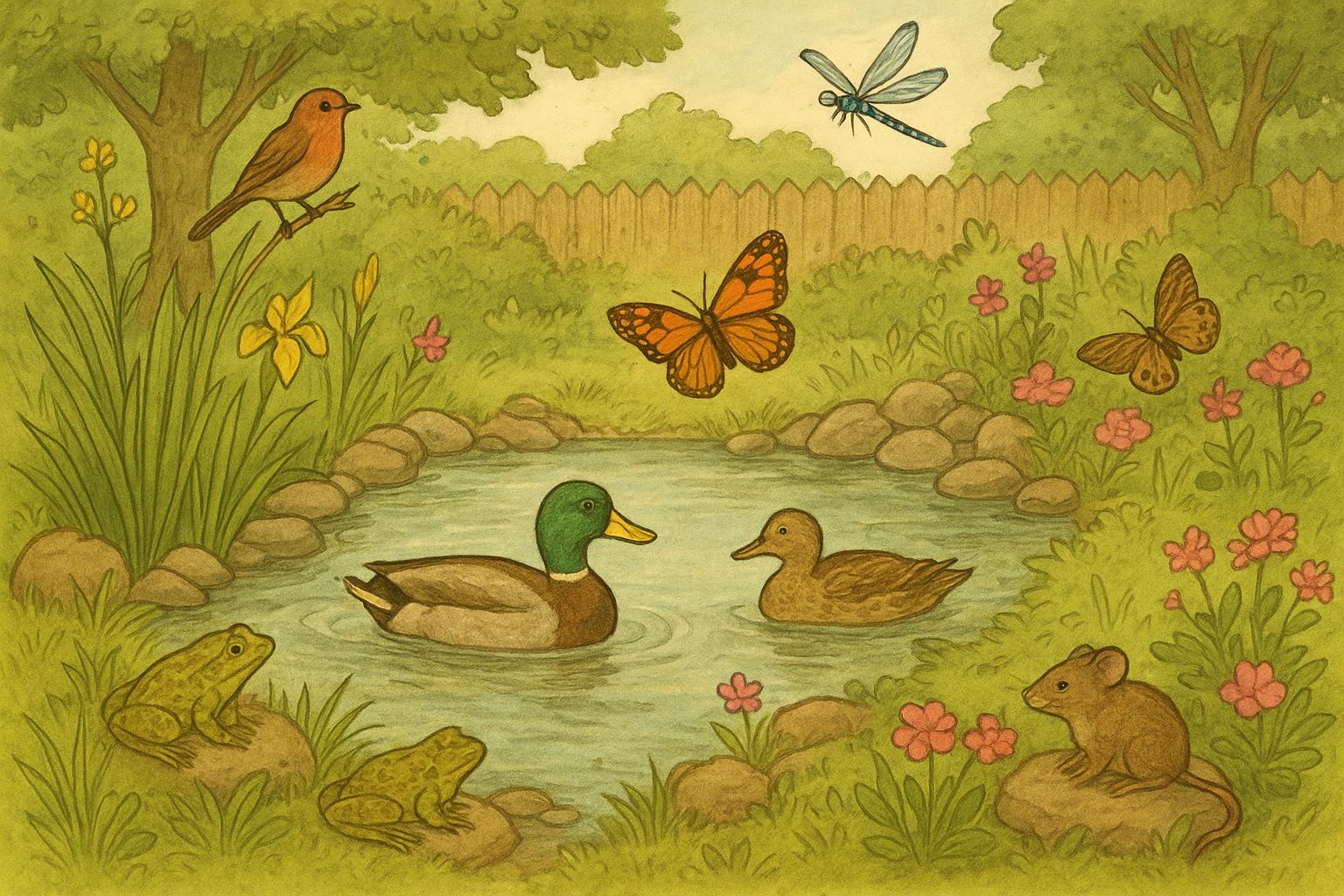
– A shallow water feature (small pond, saucer, or bog garden)
– Low-intensity, red-shaded outdoor lights or motion-activated lights
– Organic compost or topsoil for creating moist microhabitats
– Optional: native grass seed and small shrubs
Step-by-Step Creation And Application:
1. Site Selection: Choose a low-traffic, partially shaded area with good soil drainage and some moisture retention. Fireflies are most active near lawn edges, hedgerows, and water.
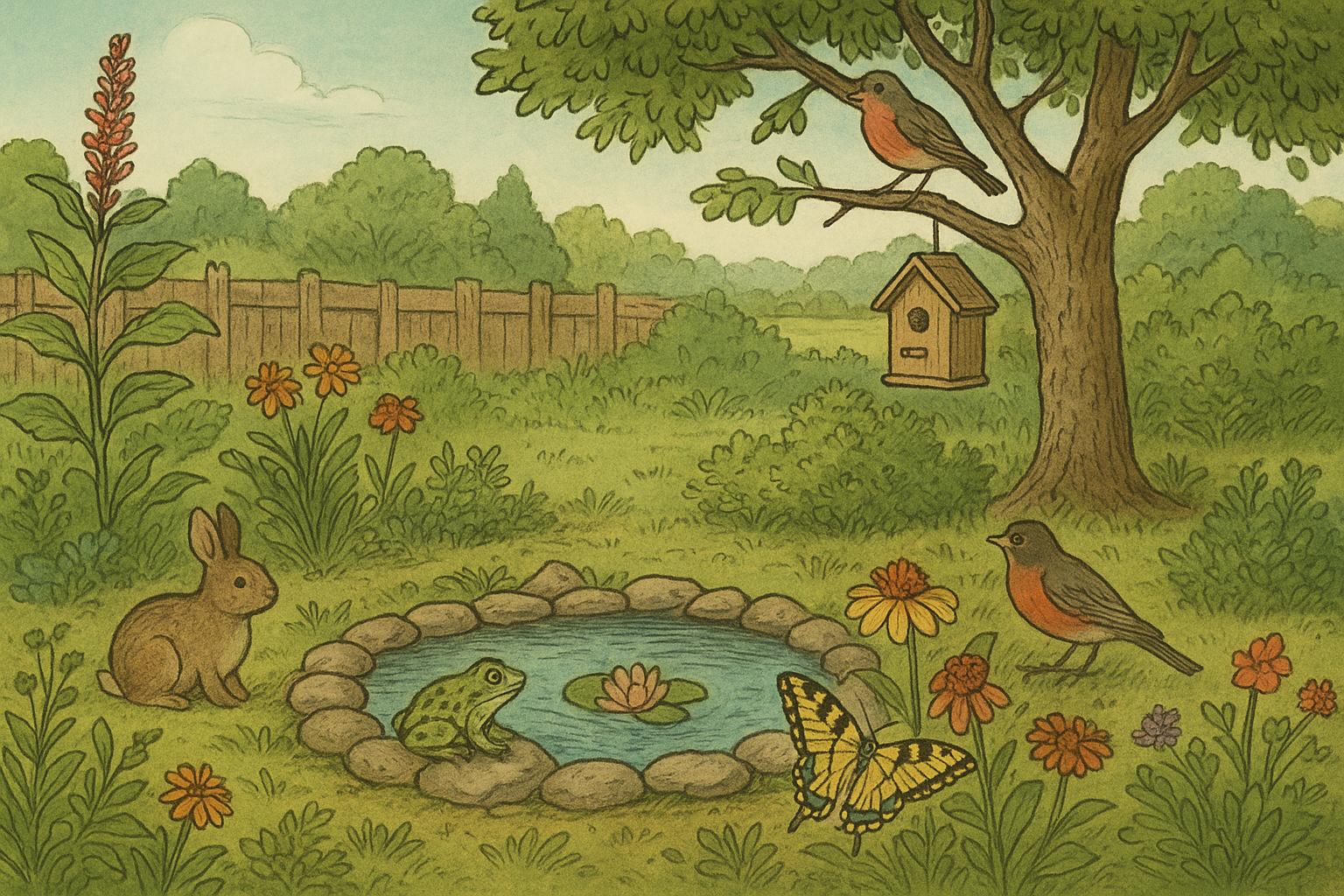
2. Establish Moist Microhabitat: Create a small, shallow water feature (a pond, bog garden, or even a shallow saucer) and maintain a damp, but not flooded, perimeter. Refill as needed to provide consistent moisture during dry spells.
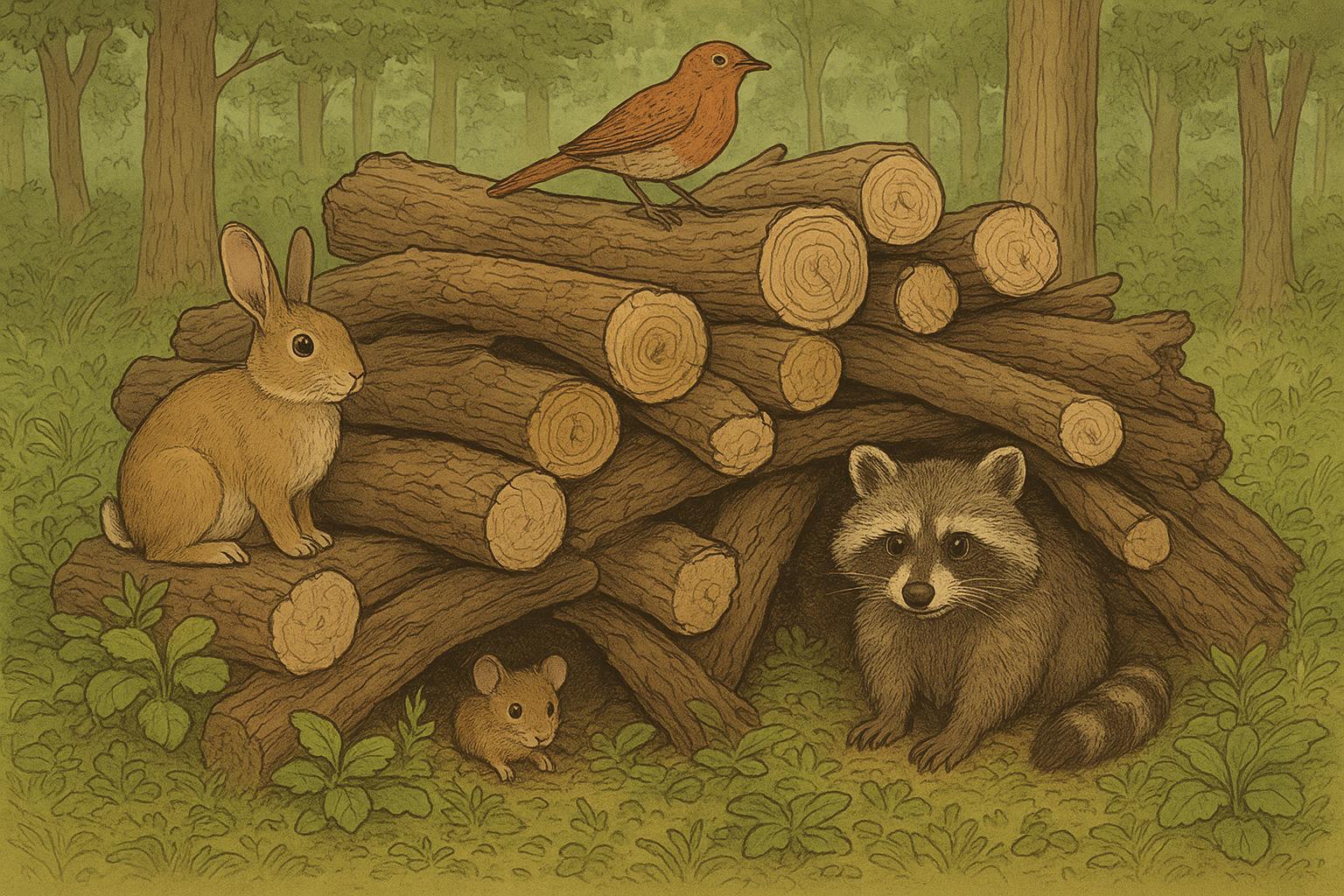
3. Build Refugia: Pile leaf mulch 3–4 inches deep in patches beneath shrubs and between ornamental planting beds. Add a few small log piles or stacked stones for larvae to hide under.
4. Plant Native Perennials: Install native plants that hold moisture and attract small invertebrates—examples: swamp milkweed, native sedges, Joe-Pye weed, and cardinal flower. These plants support prey species for larvae and provide sheltered adult resting spots.
5. Minimize Artificial Light: Replace bright white yard lights with low-intensity, red-shaded bulbs and switch to motion-activated fixtures. Keep lights off near the habitat during peak firefly activity (dusk to late evening).
6. Avoid Chemicals: Stop using insecticides, herbicides, and slug pellets in the targeted areas. If pest control is necessary, use integrated pest management (IPM) techniques focused on physical removal and traps.
7. Monitor And Record: During the season, make weekly observations at dusk for flash patterns and numbers. Note increases or declines and adjust moisture and vegetation accordingly.
Notes On Effectiveness:
– Expect a lag of one to three seasons for noticeable increases, since larvae require time to mature.
– Consistent moisture and low light are the two most critical factors for success.
### Timing And Placement
Plant and create habitats in early spring or fall for best establishment. Place plantings along natural edges and close to existing woodlots or hedgerows to connect habitats and allow for natural dispersal.
## Remedy 2: Creating A Firefly-Friendly Habitat (Numbered Solution)
This second remedy focuses on habitat permanence and landscape management: how to convert portions of a typical suburban yard into long-term firefly sanctuaries.
Materials / Required Ingredients:
– Native shrub and groundcover plugs
– Coarse, untreated wood for brush piles
– Leaf mulch and compost
– Drip irrigation or soaker hoses (optional)
– Signs to inform family/guests about light reduction and pesticide-free zones
Step-By-Step Creation And Application:
1. Map Your Yard: Identify areas that are naturally damp or low-lying and mark corridors to connect to other habitats (neighboring gardens, park edges).
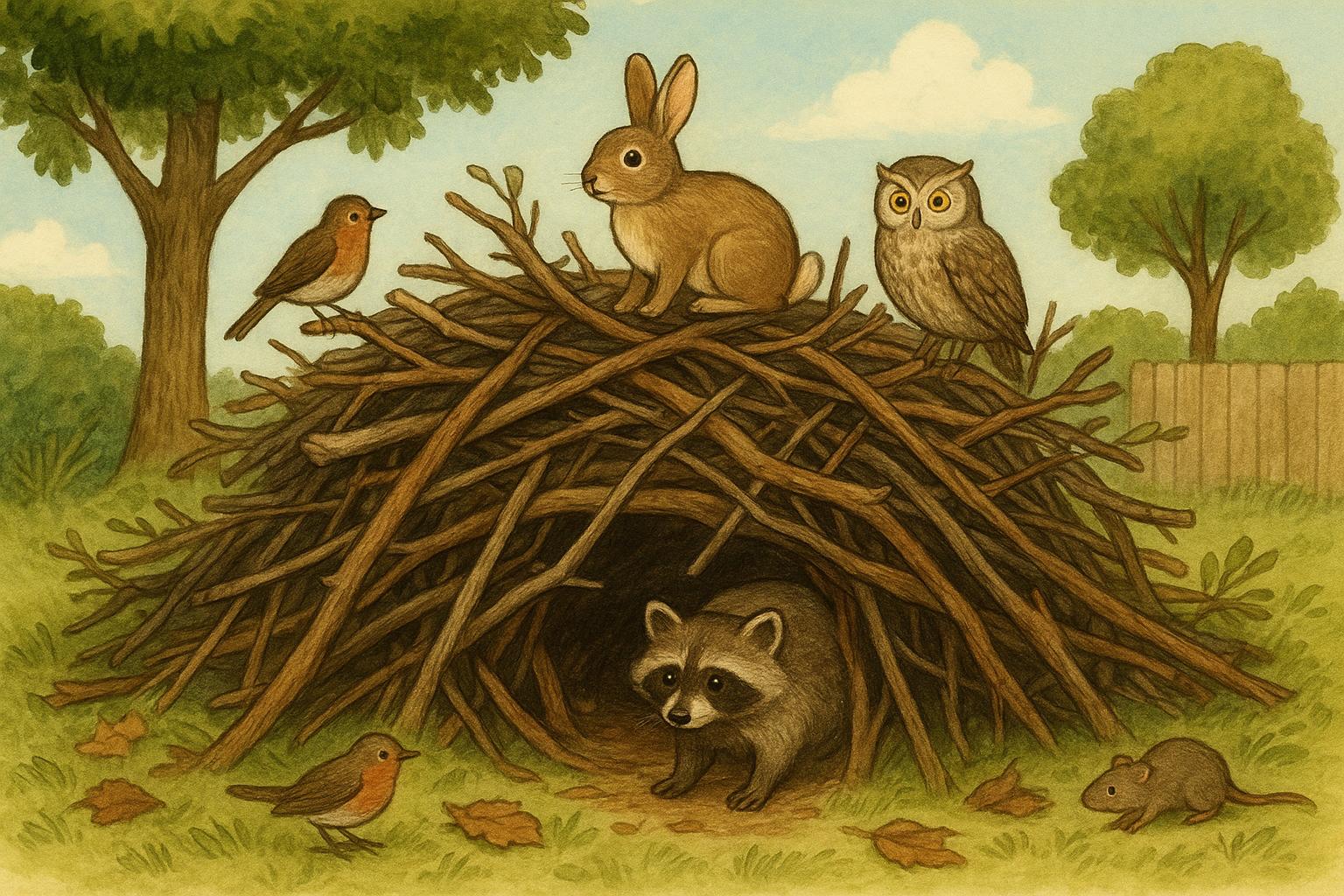
2. Install Structural Features: Place coarse wood and brush piles in shaded corners. Stack logs loosely to create cavities and microclimates favored by larvae.
3. Sow Groundcovers And Shrubs: Plant native groundcovers and shrubs in clusters to provide shelter and reduce lawn area. Use local species to match soil and moisture conditions; consult a regional native plant guide for selection.
4. Mulch Strategically: Apply leaf mulch to planting areas and under shrubs rather than using clean, decorative rock. Leaf litter supports the invertebrates that larvae feed on.
5. Water Economically: Use drip irrigation or soaker hoses to maintain soil moisture during dry periods. The goal is to keep soil damp at night without creating standing water.
6. Fence And Educate: If pets or garden equipment disturb the site, use unobtrusive fencing or signage to keep the habitat intact. Educate household members about the importance of reduced lighting and chemical-free management.
7. Maintain Long-Term: Conduct annual checks in early spring to replenish mulch, clear debris only where necessary, and ensure low-light conditions remain enforced.
### Legal And Neighborhood Considerations
Check local ordinances for water features and open burning rules (if you’re removing debris). Inform neighbors about your pesticide-free goals—encouraging adjacent yards to do the same increases your collective success.
## Backyard Behavior And Seasonal Timing
Fireflies are most visible from late spring through midsummer in temperate regions. Peak flashing is typically at dusk for 30–90 minutes; some species continue intermittently throughout the night. Males tend to fly and flash while females often remain perched in vegetation, answering from the ground or low leaves. Recognizing these active windows helps with monitoring and reduces disturbance from yard lights and noisy evening activities.
### Common Misconceptions
– Myth: You Can Attract Fireflies With Sugar Water. Fact: Sweet traps may harm beetles and other insects; they rely on habitat quality more than bait. Avoid sticky traps or chemical attractants.
– Myth: Collecting Fireflies Helps Spread Them Around. Fact: Capturing and relocating adults is stressful and usually ineffective. Habitat creation is far more beneficial.
– Myth: All Glowing Insects Are Fireflies. Fact: Many insects and even some caterpillars glow; identification by pattern (flash sequence and habitat) is more reliable.
#### Safety And Pet Concerns
While fireflies are non-aggressive, some species contain defensive chemicals that can upset pets if ingested. Keep pets from eating large numbers of beetles and avoid attracting animals to areas where chemical-free management is critical.
## Observing And Enjoying Fireflies Without Disturbance
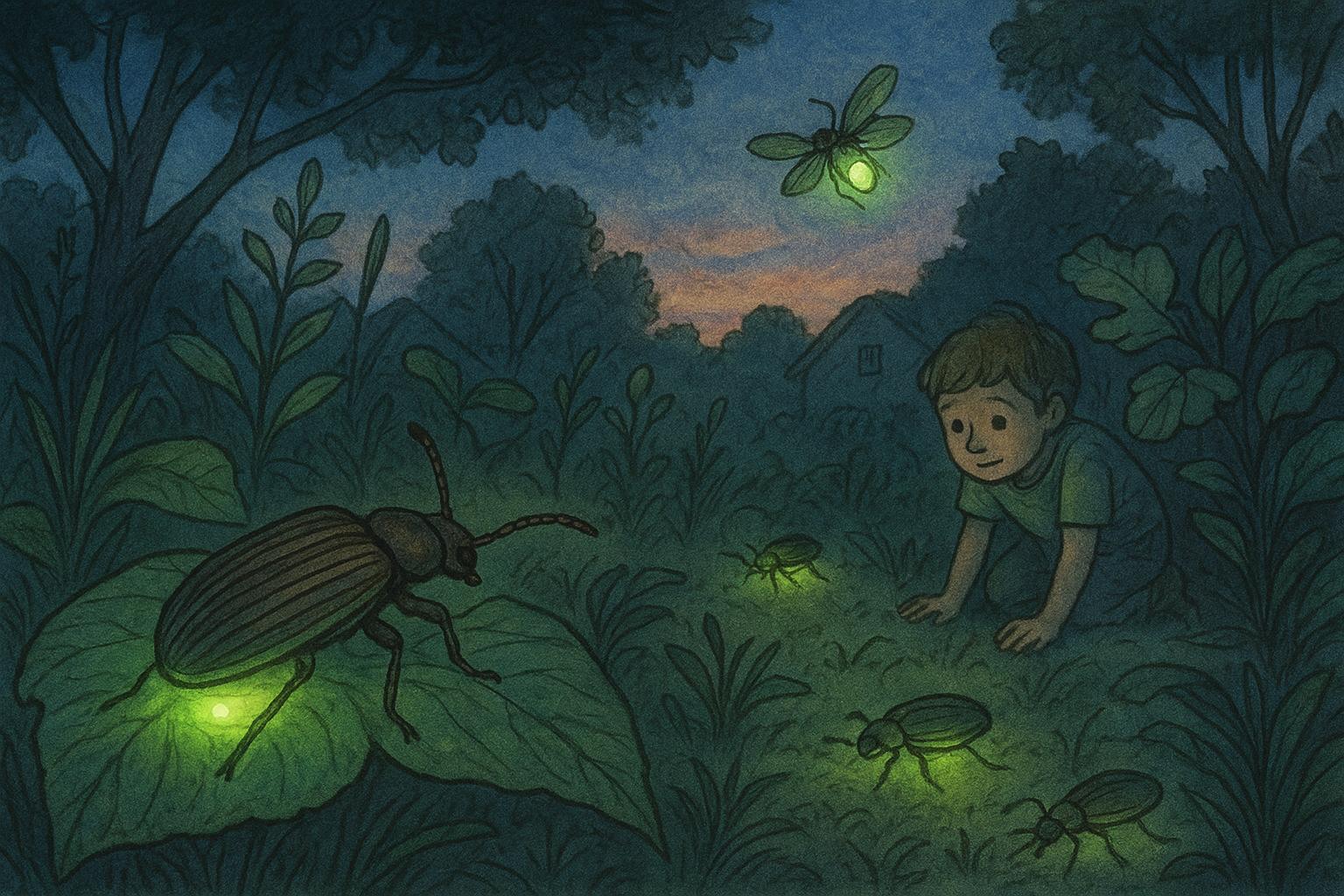
Enjoy them responsibly. Set a routine of quiet dusk sit-outs, use a dim red flashlight to read the yard, and resist the urge to net or jar them. If you’re taking photos, avoid flash photography; long-exposure handheld work or a tripod with low-light settings is best. Sharing a nightly viewing habit can inspire neighbors to follow suit and collectively increase local populations.
### Citizen Science And Recording
Consider joining a local or national firefly monitoring program. Recording dates, counts, and flash patterns can contribute to regional data on population trends. Simple entries—location, date, time of peak flashing, and estimated number—are valuable.
## Encouraging Neighbors And Building A Backyard Network
Fireflies don’t respect property lines; they flourish with connected, chemical-free corridors. Host an informal “firefly night” to share tips and request neighbors reduce porch lighting. Collective action is often the fastest route to a sustained population increase.
Note: If you follow the remedies above, you’re acting on the best-available practices for supporting these luminous beetles. Implement the steps as prescribed, monitor progress, and adapt to your local conditions.











Leave a Reply