
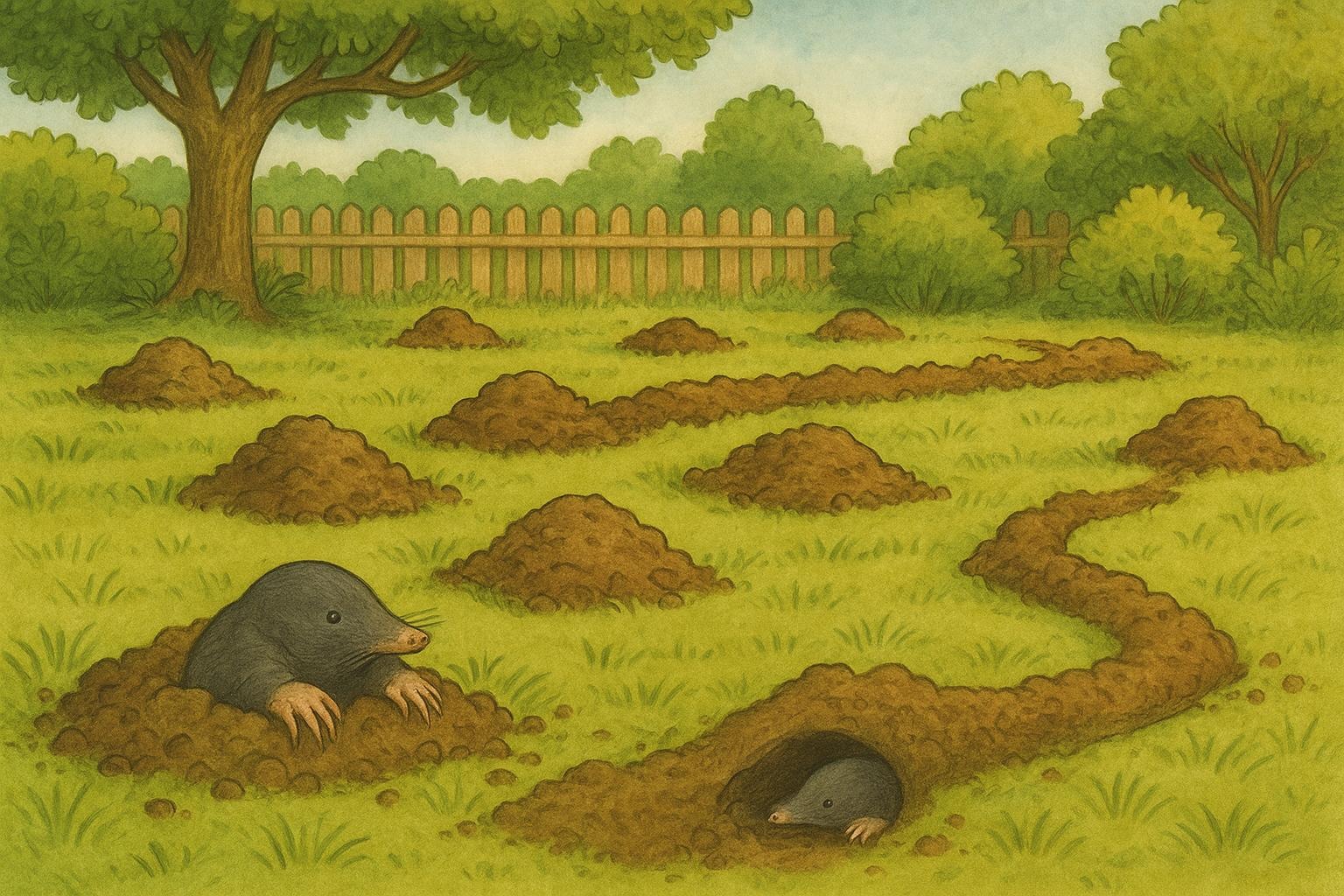
You walk out to your lawn with coffee in hand, ready to admire your handiwork, and instead you find a network of raised ridges and open craters. Ah yes—nature’s little landscaping committee has been busy. Relax: this guide will help you identify what’s going on, why it matters, and how to handle mole burrows without losing your mind or your sense of humor.
## Mole Burrows In Your Lawn: What They Mean
Mole burrows are the signature of small subterranean diggers. These tunnels can create unsightly ridges, uproot plants, and make mowing a treacherous game of “find the shredder blade.” Moles aren’t trying to wreck your yard out of spite — they’re hunting insects, especially grubs and earthworms, and creating tunnels is how they eat and navigate.
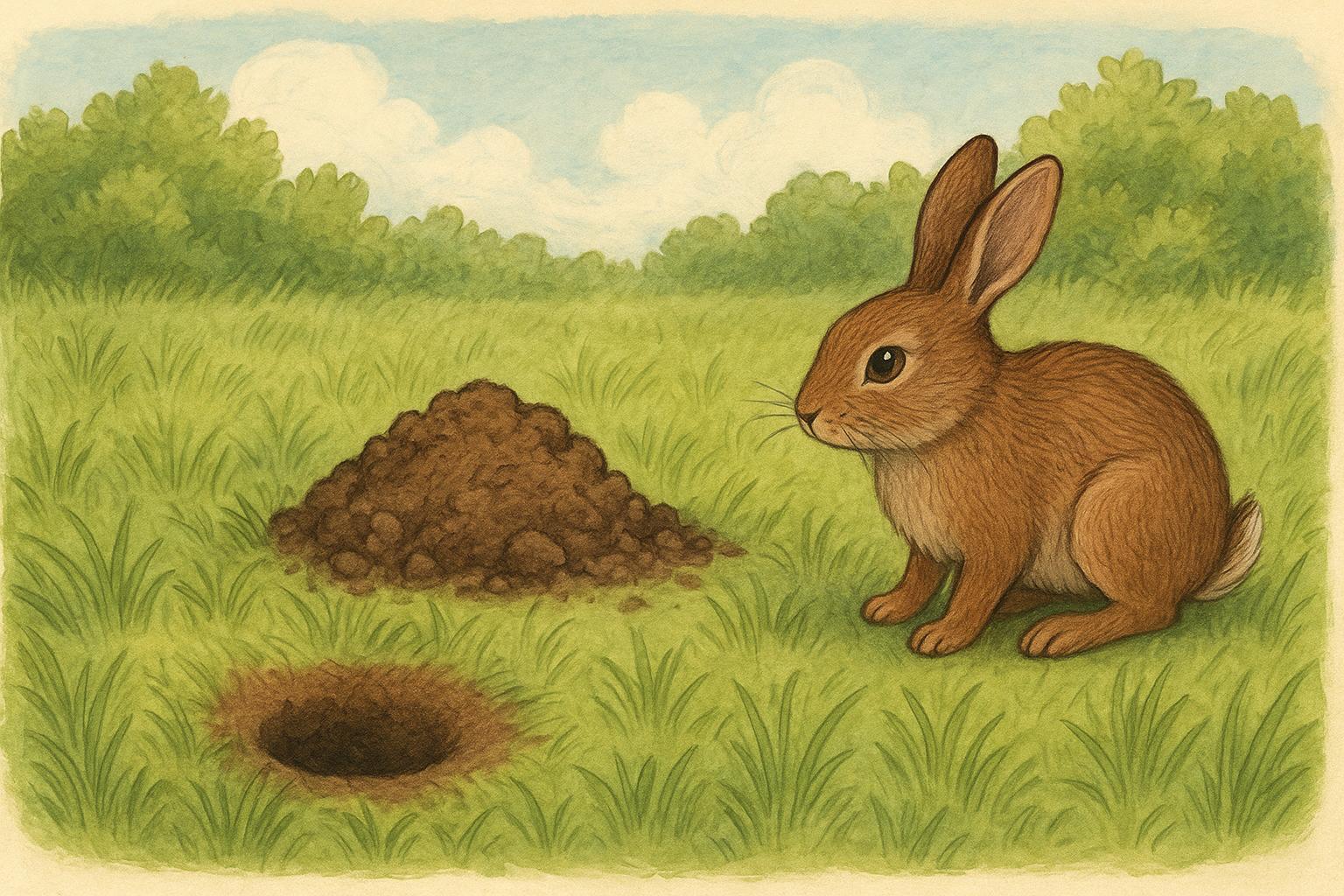
Moles are solitary and territorial; a healthy lawn might show a few active runs or a seasonal flurry of new tunnels. If you see fresh, soft soil pushed into a ridge, that’s an active run. The classic round hills (molehills) are a sign of newer digging. Older, flattened or crusty ridges can mean the mole has moved on or the run is inactive.
### Why Moles Dig
Moles dig to find food and create protective travel lanes. Their bodies are perfectly adapted: short, powerful forelimbs for digging and a high metabolism that requires frequent feeding. When your lawn is rich in grubs and worms, it’s like opening a 24/7 buffet, and mole activity increases. Sometimes a wetter spring or an abundance of insect pests will attract them even if you haven’t noticed lawn damage before.
### Is It A Mole Or Vole?
It’s easy to confuse mole damage with that caused by voles or gophers. Moles create ridges and molehills; voles make surface runways through the grass and gnaw plant stems; gophers leave fan-shaped soil mounds and larger underground chambers. If you want a quick check: push on a ridge — if it collapses into a hollow tunnel, it’s probably a mole run.
#### How To Tell The Difference
Look at the hole shape and the mound. Moles: tunnels with minimal soil expelled except for circular molehills. Voles: flattened surface trails and small entrances. Gophers: crescent-shaped mounds with holes on the side. Knowing who you’re dealing with is half the battle.
## Should You Worry About Mole Burrows?
Mole burrows can be mostly cosmetic, but they’re not always harmless. Problems include uprooted seedlings, tripping hazards for kids and lawn equipment, and secondary damage where other animals use the tunnels. On the flip side, moles can actually help aerate compacted soil and eat grubs, which is beneficial. Your action depends on how severe the damage is and your tolerance for a rustic lawn aesthetic.
### When To Act
If mole burrows are few and sparsely distributed, consider tolerance and monitoring. If the tunnels are dense, causing plant loss, lawn instability, or safety hazards, then take coordinated action. Also consider timing: moles are most active in spring and fall; interventions are often most effective when activity is detectable and before extensive damage occurs.
## Remedy 1: Dealing With Mole Burrows Through Trapping (For Persistent Problems)
This remedy is direct and typically the most reliable when humane live-capture isn’t preferred or practical. The steps below are procedural and intended to be followed carefully for safety and effectiveness. Check local wildlife regulations before trapping; some areas have restrictions.
Materials/Ingredients:
– Quality scissor- or harpoon-style mole traps (2–4, depending on infestation)
– Work gloves
– Small garden trowel or probe
– Marker flags or stakes
– A flashlight (for checking tunnels)
– A sturdy box or bag for disposing of captured animals (in accordance with local laws)
– Optional: sand or soil to temporarily collapse sections of the tunnel for locating active runs
Step-by-Step Procedure:
1. Locate Active Tunnels: In the morning or after rain, probe the ridges to find hollow sections. Active runs feel soft or hollow; inactive ones are firm. Mark active spots with flags.
2. Prepare the Trap Site: Clear excess soil from the area around the tunnel to expose an unobstructed run. Create an opening in the run about 2–4 inches wide for trap placement.
3. Set the Trap: Follow the manufacturer’s instructions exactly. Place the trap into the tunnel with the trigger oriented properly. Make sure the trap is stable and centered so the mole will strike correctly.
4. Camouflage and Protect: Gently replace soil around the trap so the mole doesn’t detect the disturbance, but leave the trigger accessible. Some people cover the opening with a board to prevent light or rain from entering.
5. Monitor Regularly: Check traps daily. Reset any that have sprung without a catch and dispose of captured animals per local laws swiftly and humanely.
6. Reassess and Repeat: If captures occur, continue checking nearby runs and set additional traps as needed until activity ceases. After a few days without catches, collapse and fill the tunnels to discourage re-use.
Safety and Best Practices: Always wear gloves to avoid scent transfer and protect against bites. Use caution when setting metal traps to avoid injury. If you’re uncomfortable with lethal methods, consider calling a licensed pest professional.
## Remedy 2: Preventing Mole Burrows Through Habitat Modification (Non-Lethal)
This approach reduces the attractiveness of your lawn to moles by addressing their food source and making tunneling less convenient. This section is presented in a formal, informational tone to ensure clarity and proper execution.
Materials/Ingredients:
– Insecticide or biological grub control (e.g., beneficial nematodes) OR soil amendment equipment
– Aerator or tine rake
– Garden soil or compost (optional)
– Barrier materials (hardware cloth or buried mesh)
– Mulch and plant selection plan
Step-by-Step Procedure:
1. Reduce Food Sources: Treat grub infestations promptly. For chemical control, apply labeled insecticides according to manufacturer directions. For a more eco-friendly option, apply beneficial nematodes to soil; they parasitize grubs and reduce mole foraging. Timing matters—apply when soil temperatures support nematode activity.
2. Improve Soil Health and Drainage: Compacted, moist soils are inviting to worms and grubs. Aerate compacted areas and amend with organic matter to balance moisture retention. Avoid overwatering, which boosts prey populations and mole activity.
3. Install Physical Barriers: For high-value beds or small lawns, bury hardware cloth (with 1/2-inch openings) to a depth of at least 18–24 inches around sensitive plantings. This prevents tunneling directly beneath root zones.
4. Adjust Landscaping Choices: Use plants that are less attractive to voles and other rodents near susceptible areas. Avoid excessive mulch depth in spots where tunneling is frequent; reduce hiding cover for predators that might indirectly affect mole behavior.
5. Monitor and Maintain: After interventions, monitor for a couple of seasons. Maintain grub treatments and soil health practices annually as needed.
### Natural Deterrents That Work Sometimes
Castor oil-based repellents can temporarily alter soil taste and smell and may reduce mole activity for a season if properly applied following label instructions. Ultrasonic spikes and vibrating devices have mixed scientific support; they might work in small, enclosed areas but are unreliable across whole yards.
## When To Call A Professional
If mole burrows persist despite your efforts, or if you prefer not to handle traps or chemicals, a licensed wildlife control or pest professional can perform targeted treatments, set traps safely, or design exclusion strategies. Professionals can also help diagnose whether another species is responsible and advise on local regulations.
### Safety, Ethics, And Local Laws
Always check local ordinances and wildlife protection laws before taking lethal action. Consider humane and ecological impacts: removing moles may temporarily reduce grub predation, meaning insect populations could rise unless you’ve simultaneously addressed food sources. If you opt for lethal control, follow legal disposal and reporting requirements.
#### A Gentle Note On Coexistence
Some homeowners learn to live with a light network of mole burrows as part of a more natural lawn ecosystem—especially in large yards or gardens where a few tunnels don’t pose a major problem. If your tolerance level and landscape goals allow it, moles can be part of a beneficial soil-ecosystem dynamic.
## Spotting The Signs Early
Early detection is the simplest way to prevent a full-blown tunnel network. Inspect your lawn weekly during peak seasons. Look for fresh ridges, slightly raised soil lines, and small molehills. Quick action — either trapping or habitat management — when activity first appears will save time and effort later.
Go ahead, take a deep breath and a second look at that ridge. With a little patience, the right measures, and the occasional dash of good humor, you can get your lawn back to calm and mostly flat — or, if you’re feeling charitable, accept a few winding tunnels as part of your backyard’s personality.





















Leave a Reply