
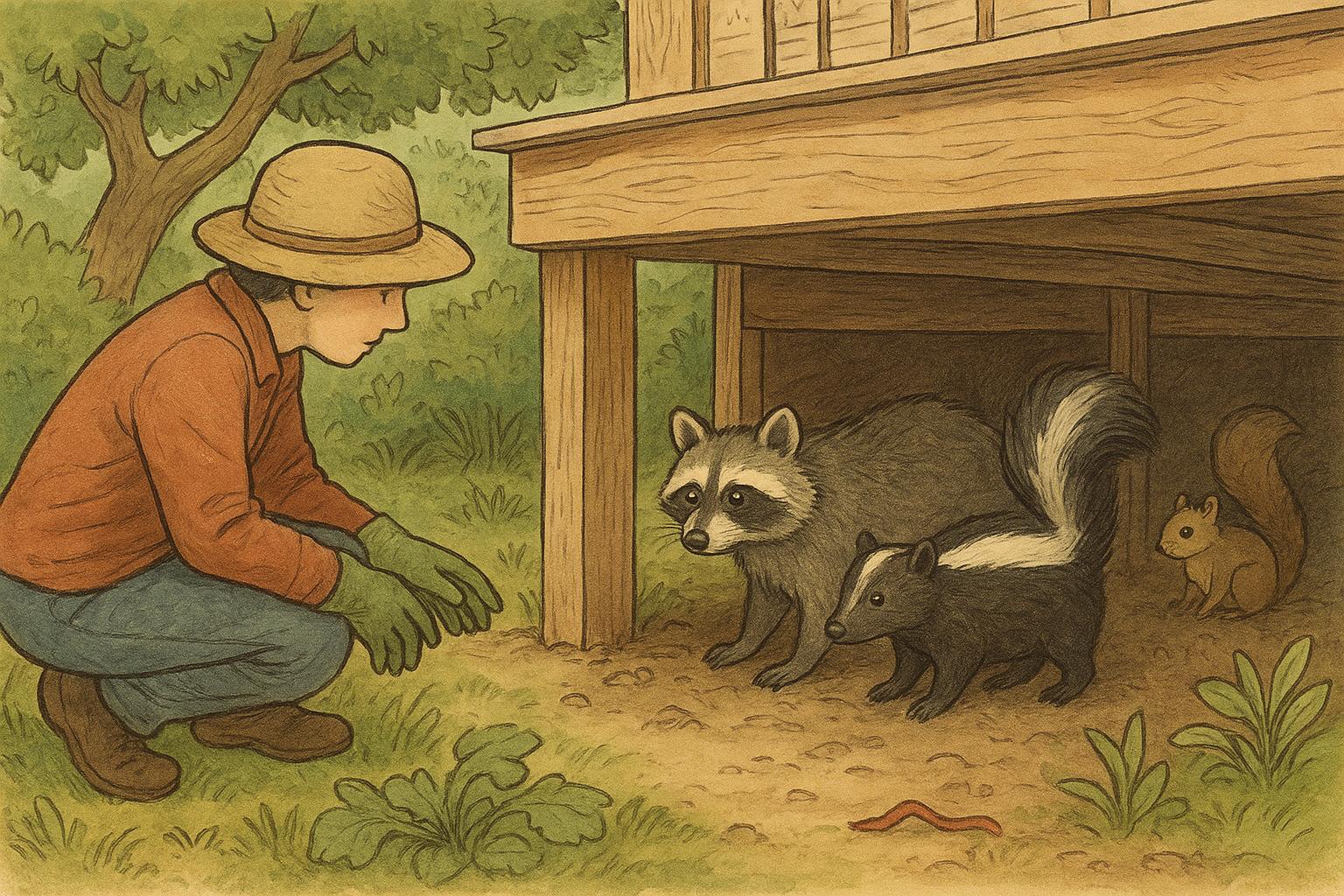
## Why Animals Under Decks Are A Common Sight
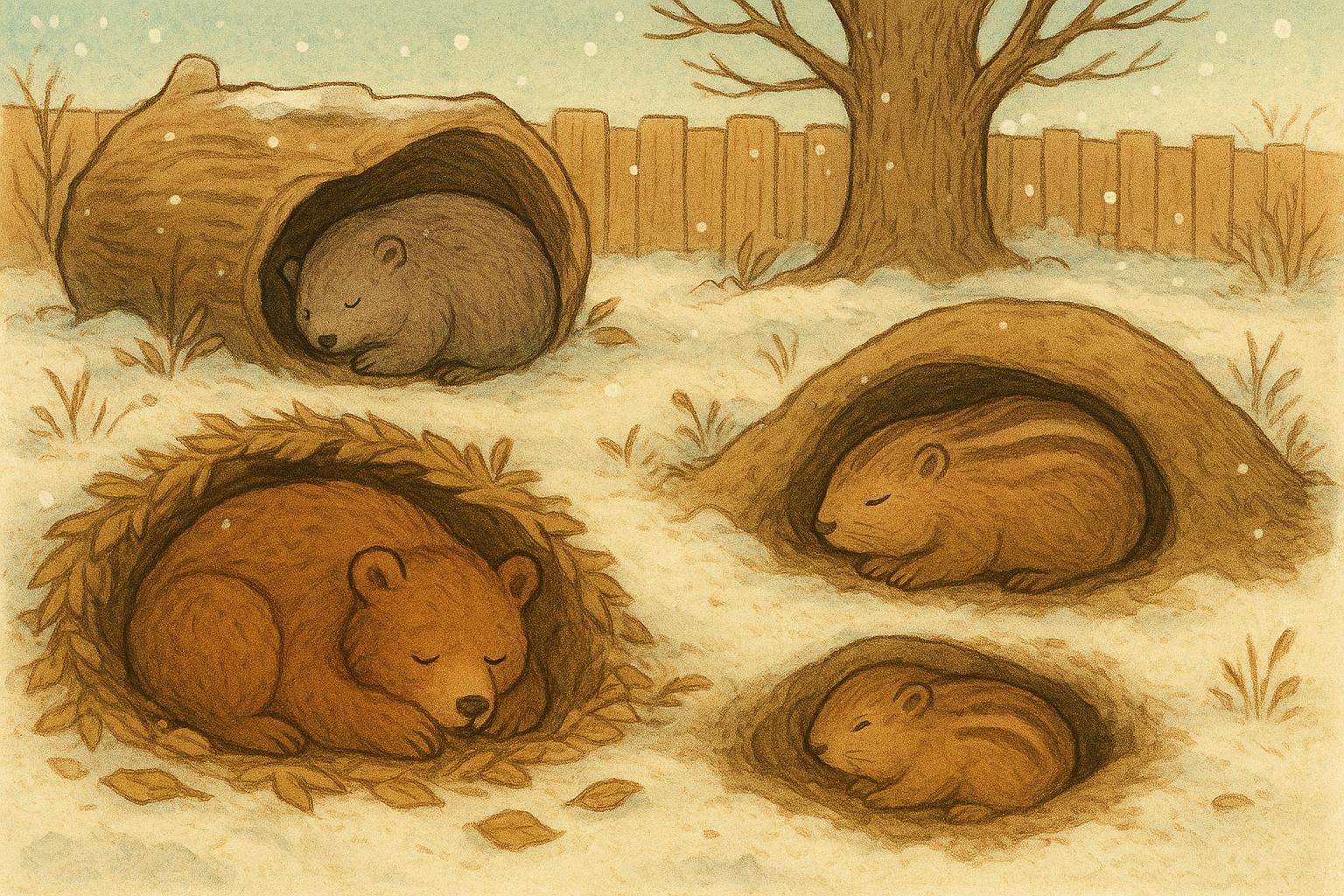
If you’ve ever heard the shuffle of tiny feet (or big feet) beneath your deck at night, you’re not alone. Animals under decks are attractive to a surprising variety of wildlife because the space is sheltered, close to food sources, and often out of sight of predators. Think of the underside of your deck as real estate that offers weatherproofing, privacy, and a cozy spot for raising young — all qualities that make a good den.
Most homeowners find this arrangement unfortunate rather than charming. Left unchecked, critters can create noise, leave droppings, chew wiring, damage insulation, or invite parasites and odors. The good news: with some patience and common-sense measures you can discourage occupants without resorting to anything cruel.
### The Usual Suspects
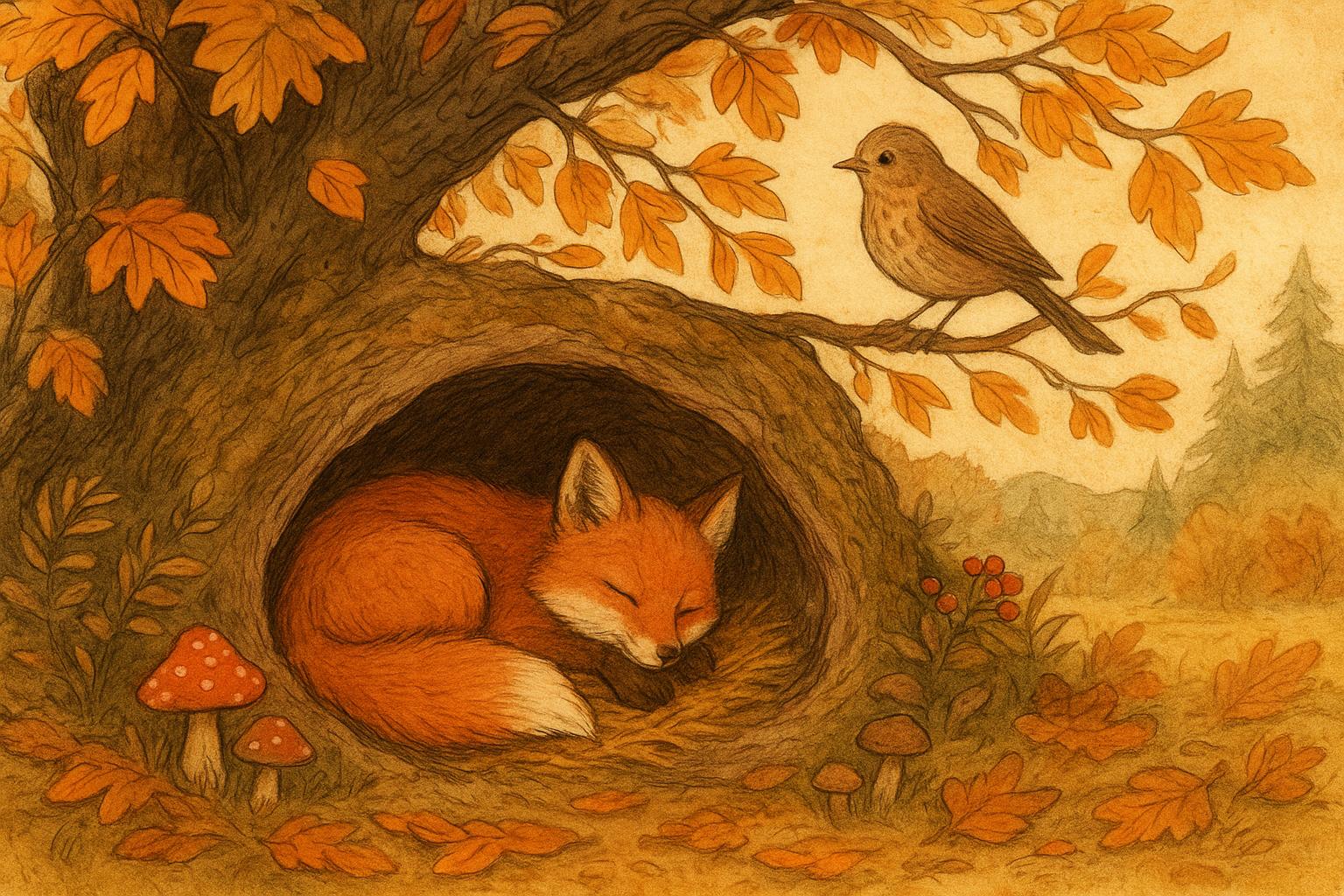
Raccoons, skunks, opossums, rats, feral cats, and sometimes even foxes or ground-nesting birds are frequent residents. Each species behaves a little differently: raccoons may stash food and raise kits, skunks can’t be reasoned with if cornered, and rodents reproduce rapidly. Identifying the tenant will guide the best, safest approach to eviction and prevention.
### Signs You Have A Tenant
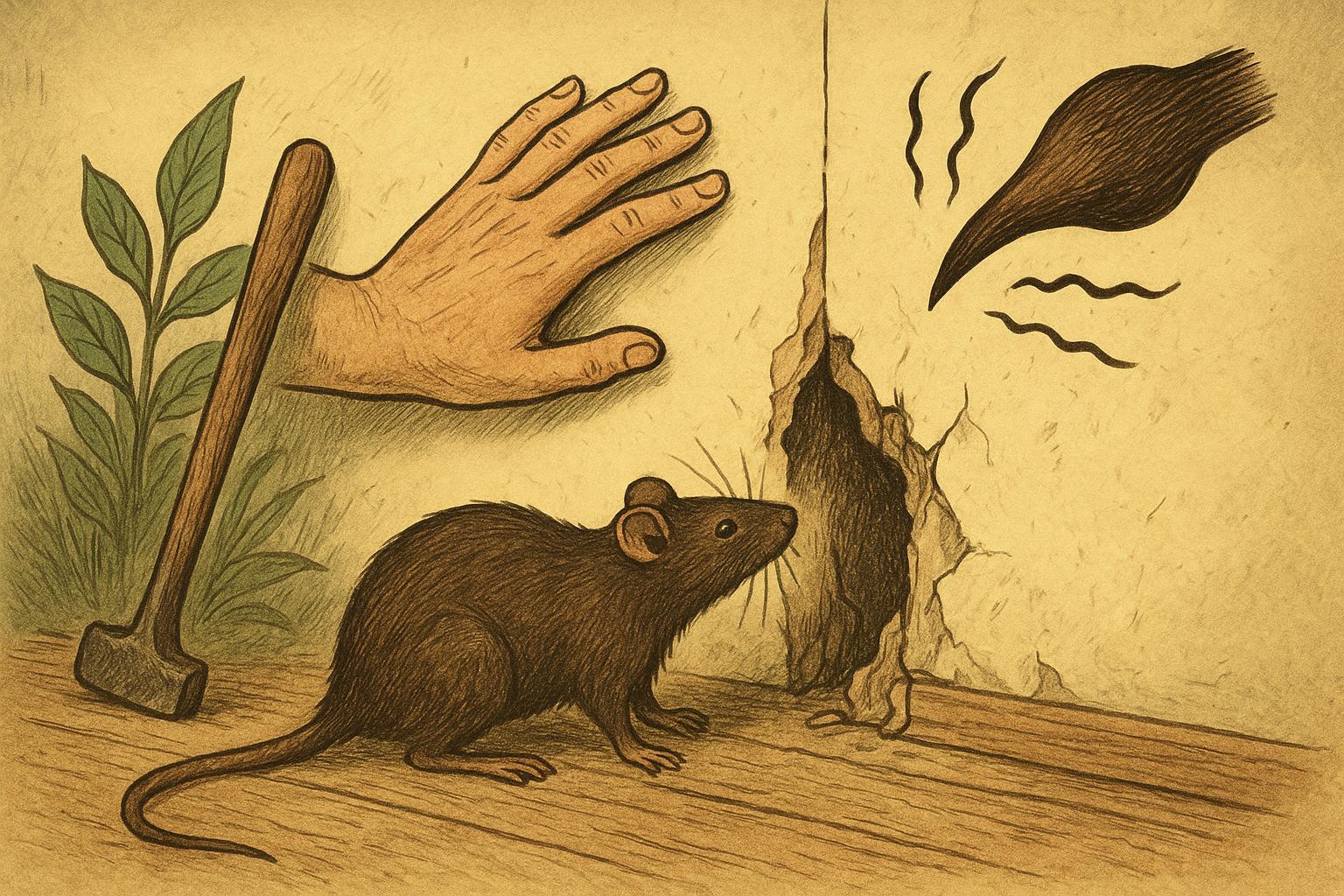
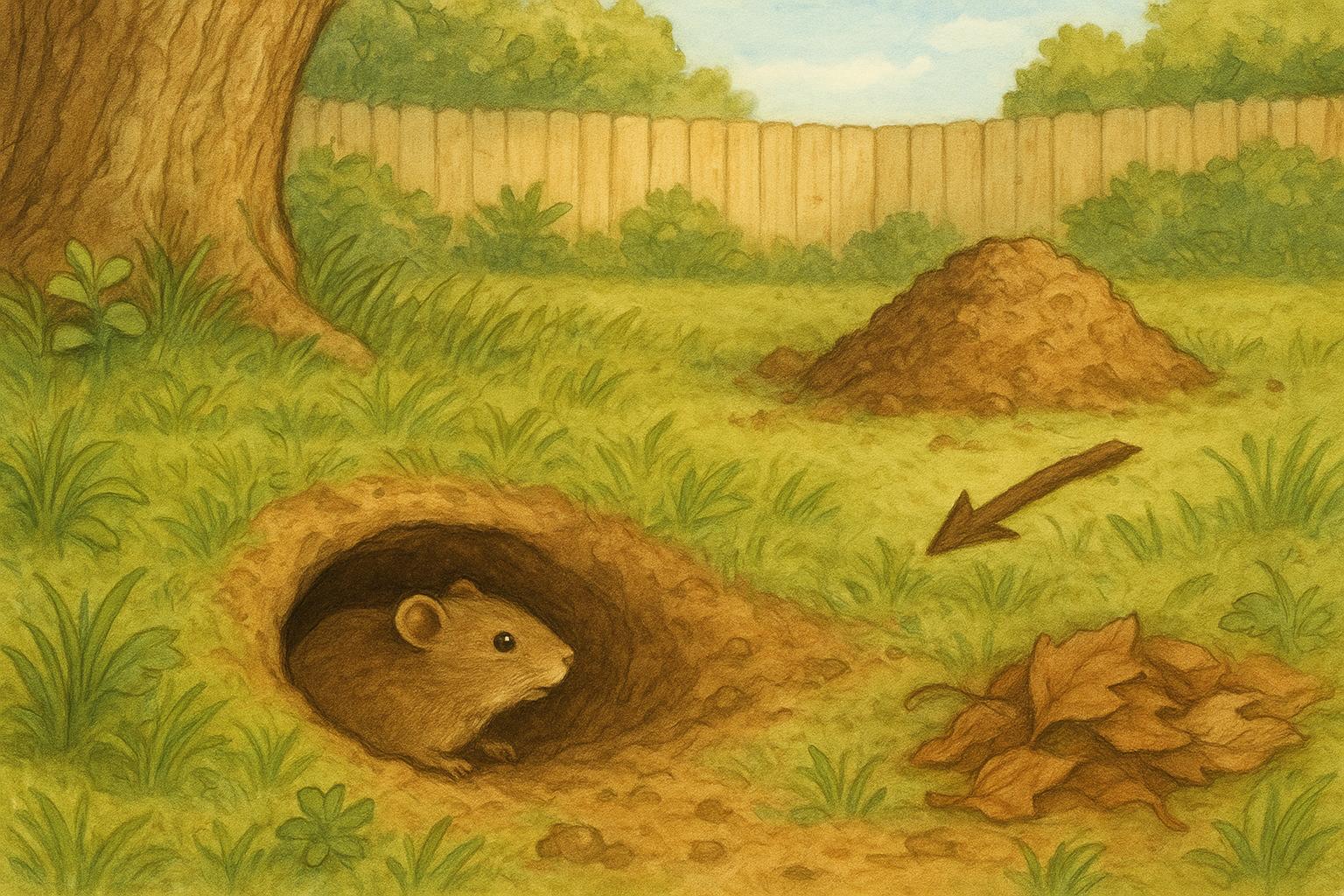
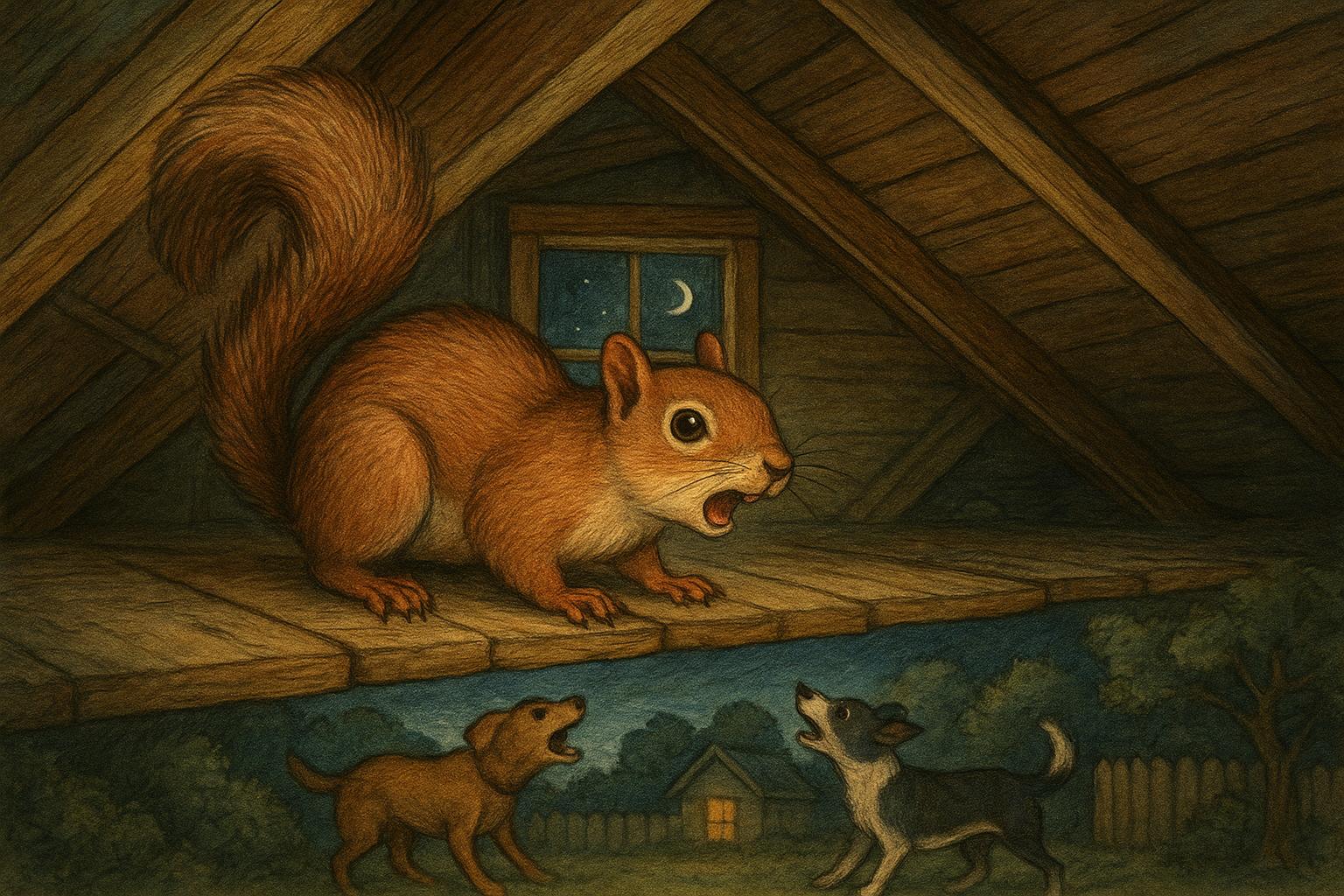
You don’t need to play hide-and-seek with wildlife to know someone’s living under there. Look for tracks, droppings, nesting material, grease marks on skirting, disturbed soil, or the unmistakable soundtrack of chewing and movement at dawn or dusk. If you see young animals, proceed cautiously — parents may be nearby and defensive.
## 1. Exclusion Barrier For Animals Under Decks
When humane, long-term exclusion is the goal, building a physical barrier is often the most effective option. This remedy creates a border that prevents re-entry while preserving ventilation and drainage.
### Materials Needed
– 1/2″ galvanized hardware cloth or welded wire mesh (heavy gauge recommended)
– Pressure-treated lumber (for framing), if required
– Deck screws and washers
– Concrete anchors or ground stakes
– Heavy-duty zip ties or hog rings (if attaching mesh)
– Work gloves, safety glasses, wire cutters, drill, and staple gun
– Gravel or soil (for burying mesh)
– Optional: rigid lattice or perforated vinyl skirting (if aesthetic cover is desired)
#### Recommended Materials
Choose galvanized or stainless steel mesh to avoid rust. A 1/2″ grid is small enough to block small mammals; for rats and mice consider 1/4″ hardware cloth.
### Step-By-Step Installation
1. Inspect and Measure: Walk around the deck to find access points and measure lengths and heights of gaps.
2. Prepare the Perimeter: Clear plants and debris. Cut back vines and trim low branches that could provide bridges.
3. Cut Mesh to Size: Wearing gloves and eye protection, cut hardware cloth to span the gap with a few inches overlap.
4. Create a Frame (If Needed): For larger spans, build a simple frame from pressure-treated lumber to attach the mesh to, ensuring it sits flush to the ground.
5. Bury the Mesh: Dig a shallow trench (4–6 inches) around the edge where the mesh will sit. Place the bottom edge of the mesh into the trench and bend it outward at a 90-degree angle away from the deck to deter digging. Backfill with soil or gravel to secure.
6. Fasten Securely: Attach mesh to posts, joists, or frames with screws and washers. Use hog rings or heavy-duty zip ties where necessary. Ensure there are no gaps larger than 1/2″.
7. Seal Corners and Gaps: Pay close attention to corners, utility lines, and pipes. Use smaller mesh or metal flashing to close any voids.
8. Add Aesthetic Covering (Optional): Install lattice or skirting over the mesh if you prefer a neat appearance while still allowing ventilation.
Be methodical and thorough: incomplete sealing is the most common reason exclusion fails. This method is formal, durable, and effective when properly executed.
## 2. Habitat Modification To Discourage Animals Under Decks
Altering the environment around your deck reduces its attractiveness. This is often the least confrontational and most preventive of the remedies.
### Materials Needed
– Sturdy trash containers with locking lids
– Bird-proof feeders or removal of feeders
– Motion-activated lights or sprinklers
– Pruning tools and landscape fabric
– Mulch that is less attractive (e.g., pea gravel)
– Enzyme-based pet waste cleaners
### Step-By-Step Application
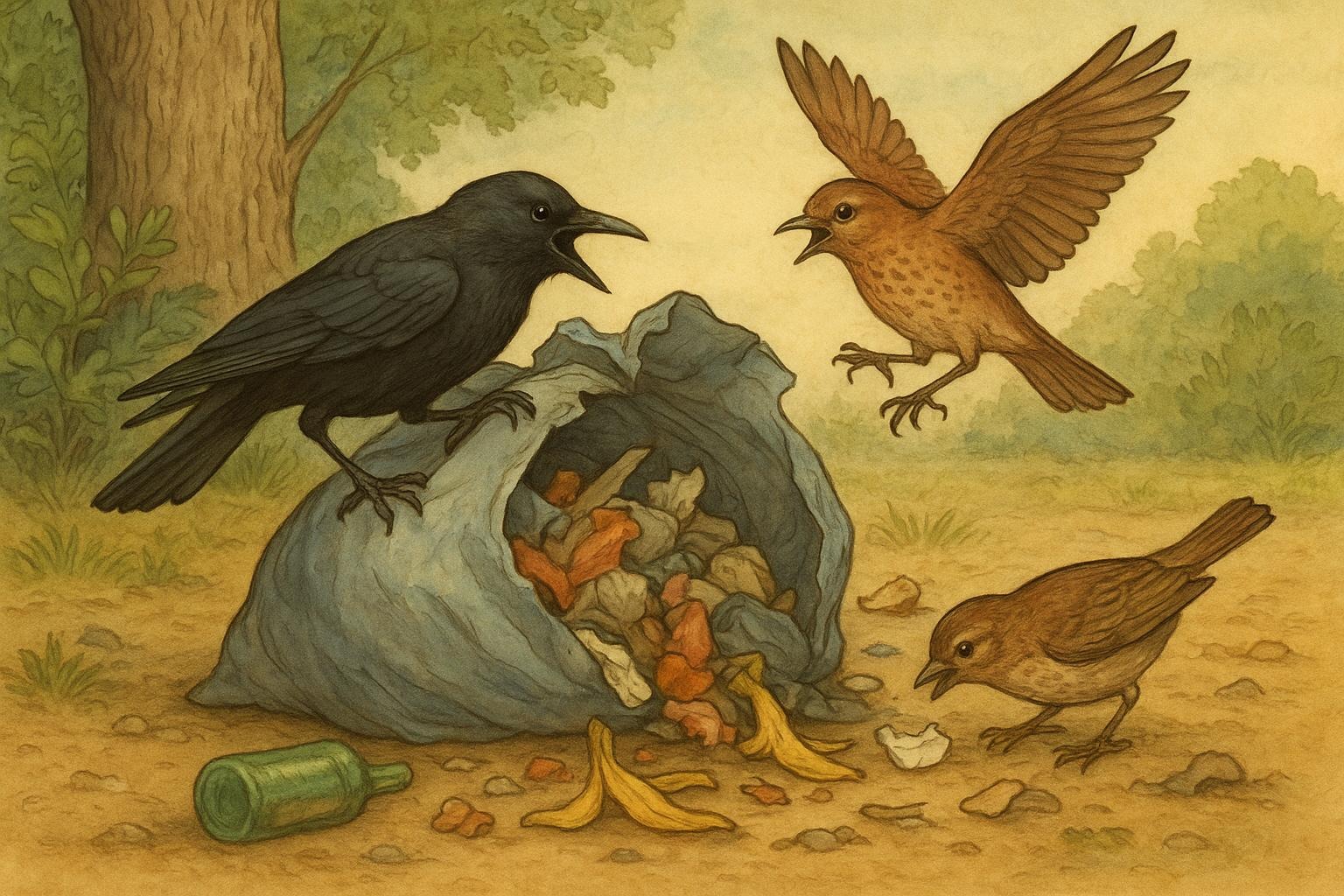
1. Sanitation First: Remove attractants. Secure trash, compost, and pet food. Clean up fallen fruit and close chicken coops properly.
2. Remove Shelter Opportunities: Stack firewood away from the deck and elevate it off the ground. Store building materials in a shed or on pallets.
3. Adjust Landscaping: Trim shrubs and remove dense groundcover that connects to the deck. Replace attractive mulch with coarse gravel in a two- to three-foot perimeter to make digging and travel less comfortable.
4. Install Deterrents: Add motion-activated lights or sprinklers near access points. These devices are non-lethal and can condition animals to avoid the area.
5. Address Food Sources: If bird feeders are attracting rodents or raccoons, either switch to less-spill designs or remove feeders during vulnerable times (e.g., spring).
These measures are pragmatic and require regular maintenance; they reduce the likelihood of re-infestation when combined with exclusion.
## 3. Humane Eviction For Animals Under Decks: One-Way Door
If an animal has nested under your deck and is otherwise healthy, a one-way exclusion device can allow it to leave but prevent re-entry. This must be used legally and ethically — never trap a mother away from dependent young.
### Materials Needed
– One-way exclusion door (purchase a commercial unit or make from hardware cloth and a wooden frame)
– Temporary fencing or netting
– Pliers, screws, and drill
– Flashlight and gloves
– Inspection mirror (optional)
### Step-By-Step Creation And Use
1. Confirm No Young Are Present: Watch from a distance to determine activity patterns and check for signs of nursing or dens with young. If young animals are present and immobile, do not use a one-way door.
2. Build Or Buy The Device: Construct a frame to fit a primary exit path and attach mesh that allows outward movement only (angled flap). Commercial models may be preferable for effectiveness and durability.
3. Identify Exit Routes: Position the device at the most used opening. This may involve temporarily enlarging a small exit so the animal naturally uses that route.
4. Install Securely: Attach the one-way door so that it is snug and cannot be pushed inward. Seal other potential exits with temporary fencing or materials.
5. Monitor Remotely: Observe from a distance for several days to ensure the animal leaves. Use night-vision camera if available.
6. Remove And Seal: Once vacated, remove the device and permanently seal the gap with hardware cloth or skirting as in Remedy 1.
7. If The Animal Persists: Do not force entry or block exits while an animal is inside. Contact local wildlife rehabilitators or animal control for assistance.
This solution is humane when applied correctly and is governed by local wildlife regulations; always check laws before acting.
### When To Call A Professional
If you encounter aggressive animals, large infestations (e.g., rats in numbers), evidence of disease (rabies-like symptoms), or you’re unsure about young animals, call a licensed wildlife removal professional. Professionals can inspect structural hazards, use approved control methods, and advise on legal considerations.
#### Legal And Safety Considerations
Local and state laws often protect certain wildlife species; relocating or killing wildlife without permits may be illegal. Additionally, handling animals can expose you to bites, scratches, parasites, and zoonotic diseases. Use personal protective equipment and follow public health guidelines when dealing with droppings or nesting material.
### Preventing Future Visits
Make impermeable exclusion your default maintenance plan. Periodically inspect the deck skirt, maintain cleanliness, and keep vegetation trimmed. Repair screens and vents to prevent small animals from exploiting weaknesses. With consistent effort, animals under decks will become a rare story to tell over your next backyard barbecue — preferably one with less surprise raccoon guest appearances.






























Leave a Reply