
## Bird Excrement: What Droppings Can Tell You
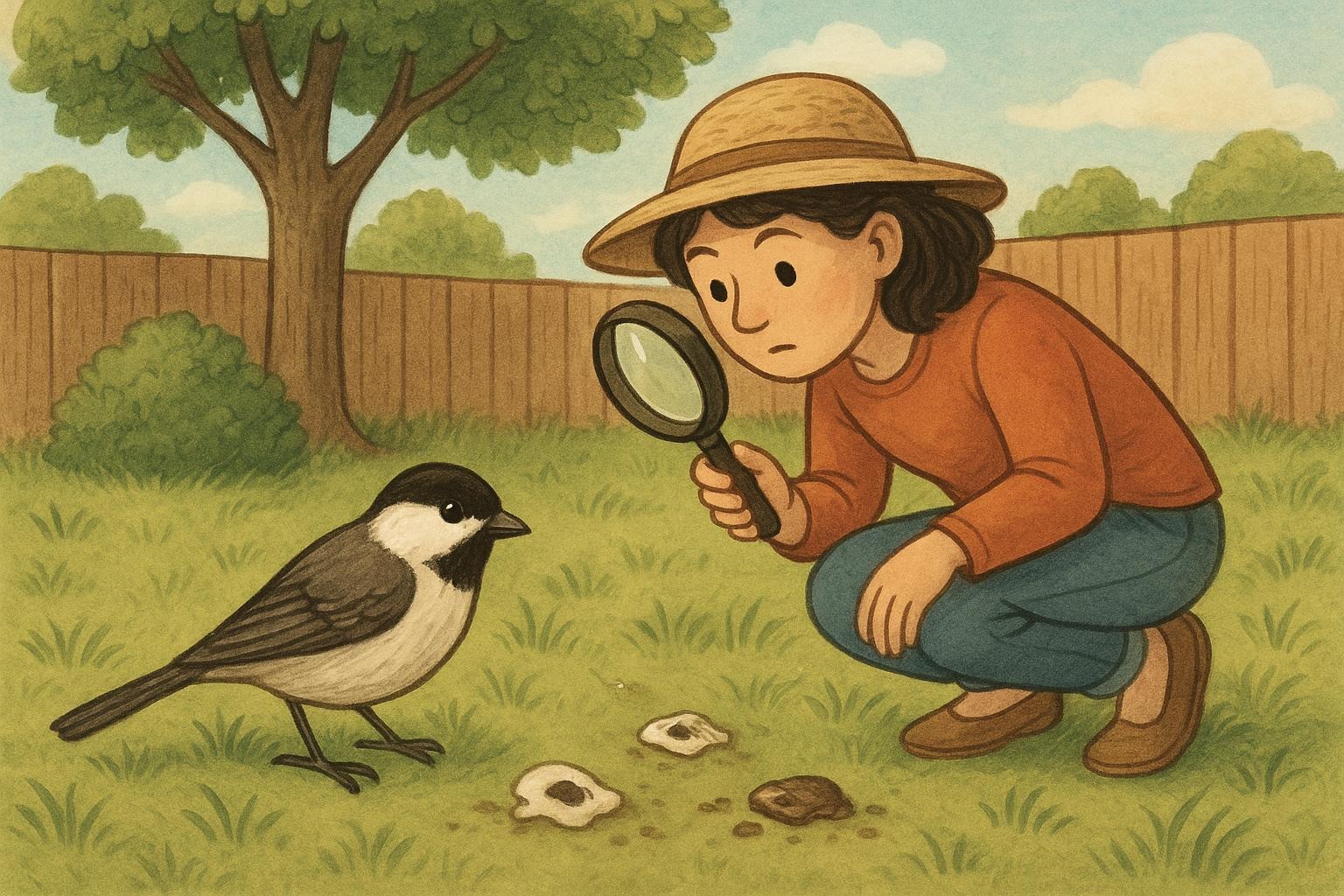
If you’re the type who notices the small things (and who among us hasn’t stared down at a suspicious splatter on the porch and wondered which feathered friend left it?), backyard droppings can be a surprisingly informative clue. Bird excrement isn’t just an annoyance on cars and patio furniture — it’s a blend of diet, physiology, and behavior that can help identify who’s been visiting your yard. Read on to become a droppings detective without needing a PhD in ornithology.
### Understanding Dropping Anatomy
Most bird waste is a two-part affair: a dark, fecal portion and a white, uric acid portion. The mix varies by species, diet, and hydration. The white bit is not pee in the way mammals do; it’s how birds expel nitrogenous waste. Knowing that gives you a leg up when comparing samples: a very liquid or uniformly dark dropping suggests a water-rich diet, while a thick, pasty white dominance could indicate a high-protein intake.
Notice: fresh droppings are usually bright and defined, whereas older ones dry and crack. The texture and smell — if you must sniff — can also hint at recent diet changes or illness.
### Size, Shape And Location Clues
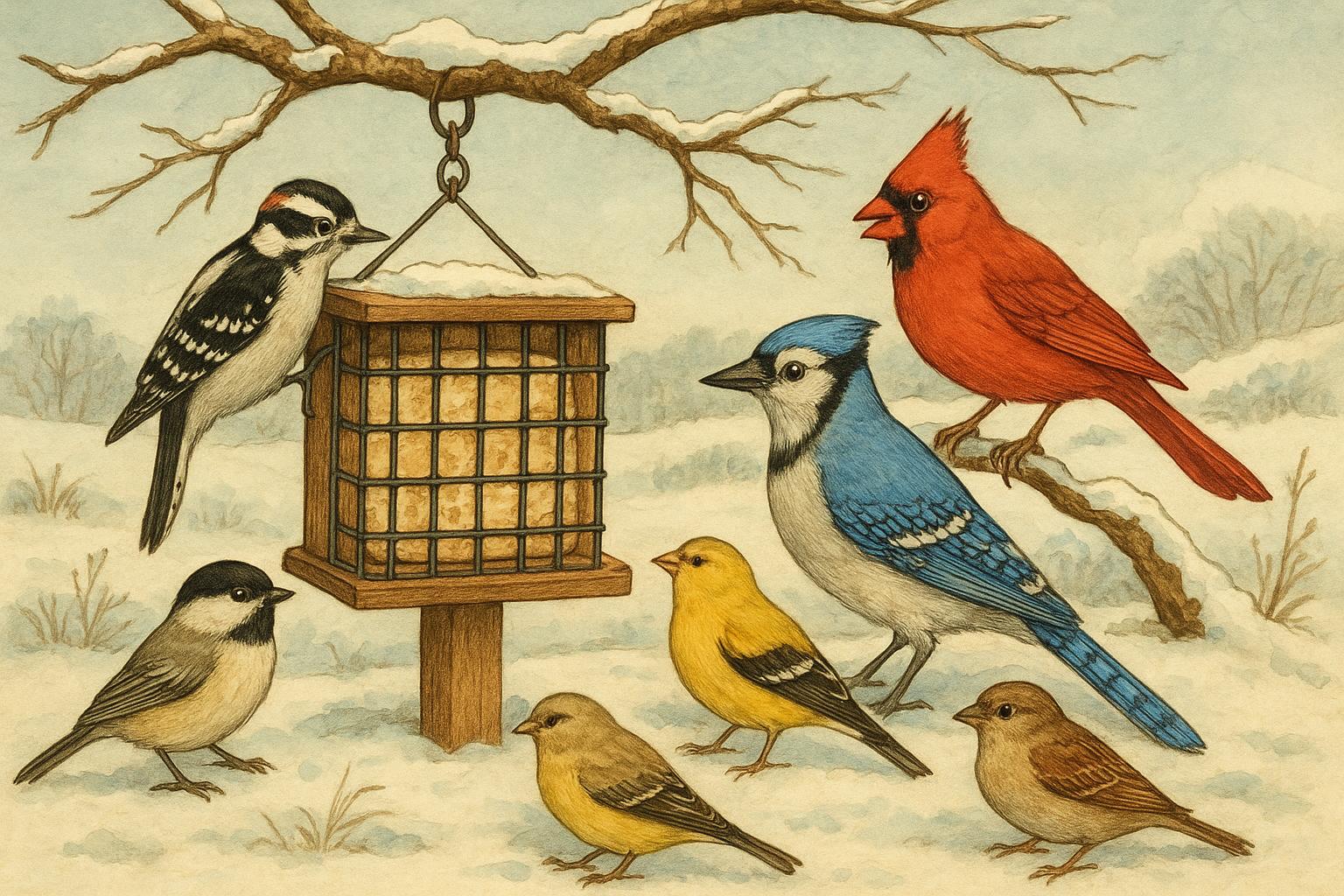
Look beyond just the splatter. Size and shape can be telling. Large, tubular droppings perched on a railing may come from pigeons or doves. Long, ribbon-like streaks that catch the wind might point to gulls or crows. Small, pea-sized splats under feeders? Think sparrows, finches, or titmice. The location matters: droppings under a suet feeder suggest insectivores or woodpeckers; on the lawn, it’s more likely ground-foragers like robins.
If you find repeated deposits in a particular spot, you’re probably looking at a favored perch or roost site. Birds often leave territorial marks in consistent places — which is helpful if you want to predict future arrivals (or, ahem, plan your cleaning).
### Color And Consistency: Diet Tells A Story
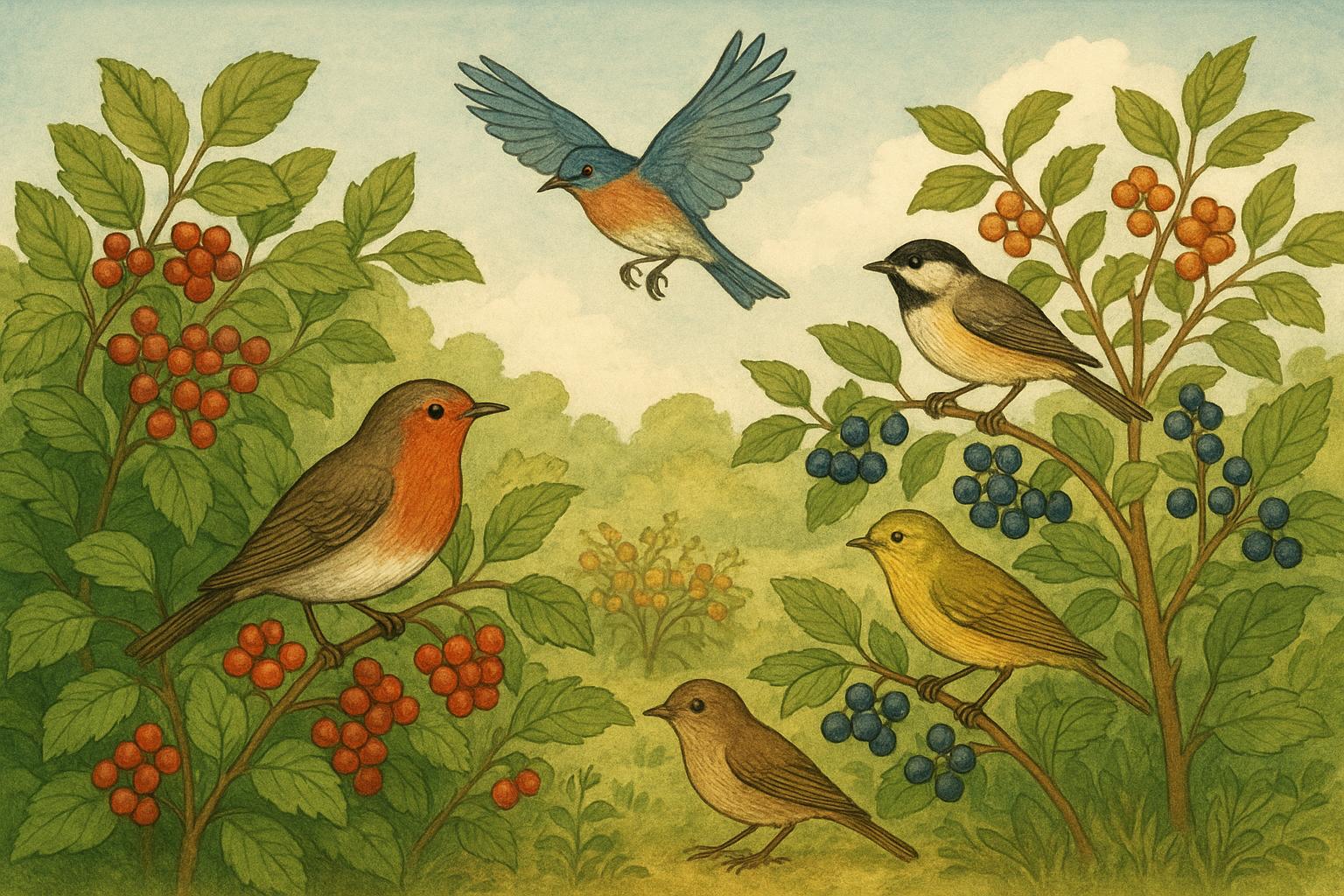
Color can be dramatic. Berry-eating birds produce reddish-purple stains; insect-eaters often yield darker, more granular waste. Seeds and grains tend to create paler, dryer excrement, while nectar feeders (hummingbirds, lorikeets) may leave very watery, translucent residues. Sudden changes in color or consistency can signal a diet shift, but they can also be an early warning sign of disease. If you see persistent, unusual, or bloody droppings, consider the health implications for local bird populations and avoid direct contact.
## Common Backyard Birds And Their Droppings
Different species have characteristic habits, and their waste often reflects that. Below are some common backyard visitors and the clues their droppings typically leave:
### Pigeon And Dove
Pigeons and doves are frequent offenders when it comes to large, conspicuous deposits. Their droppings tend to be a combination of substantial fecal material and white urates, often forming clumps or streaks on horizontal surfaces. If you see a pattern high on a beam or on a rooftop ledge, pigeons might be the primary culprits.
### Sparrows, Finches And Small Songbirds
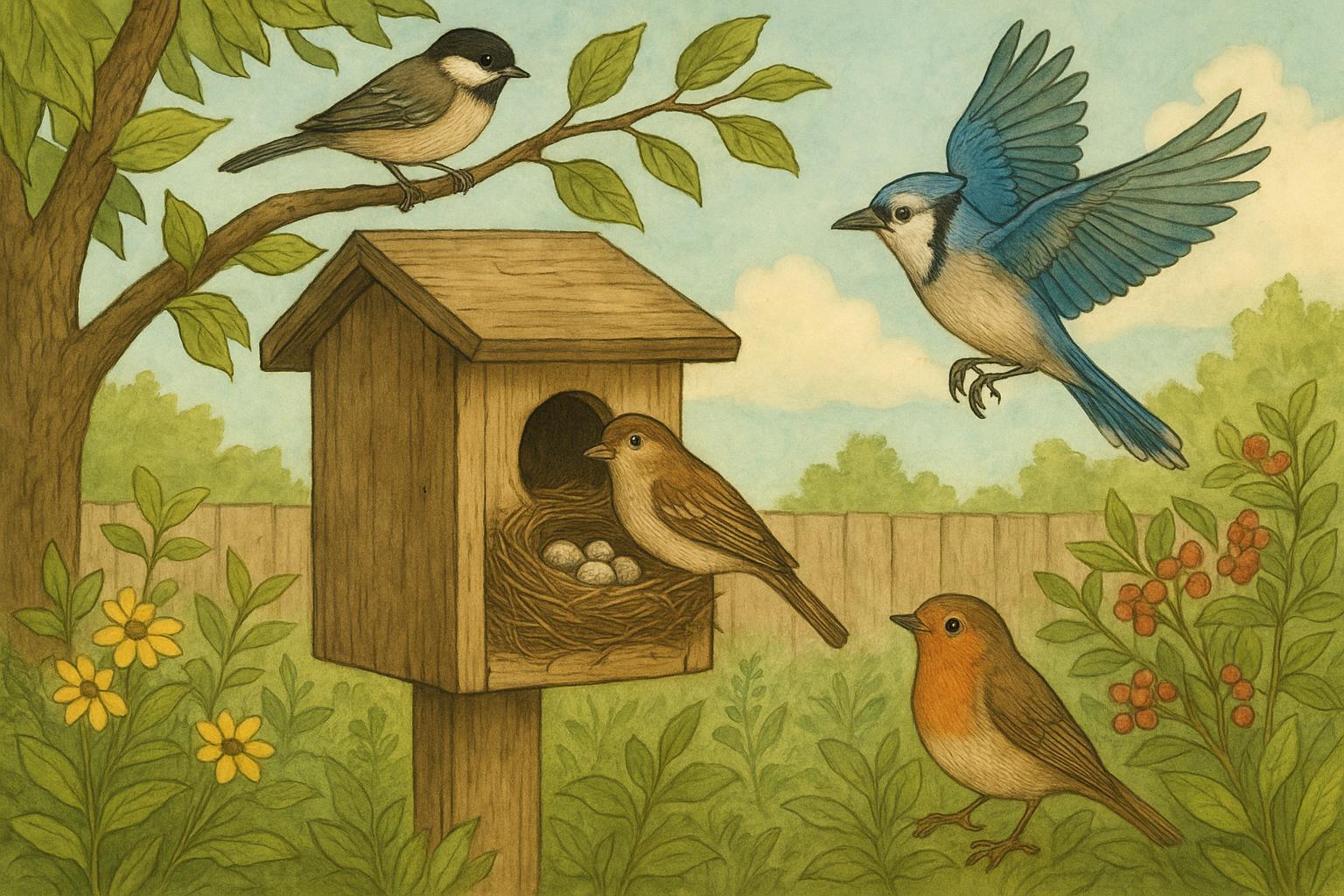
These smaller birds produce tiny, discrete droppings, often found scattered beneath feeders. The pellets are usually compact and may include bits of seed hulls. A cluster on a single bush indicates a comfortable perch spot.
### Woodpeckers And Insectivores
Want to know who’s hunting insects in your trees? Look for droppings near trunk-feeding spots or under suet feeders. These droppings may be darker with visible insect parts and often show higher moisture content during active feeding seasons.
### Hummingbirds And Nectar Feeders
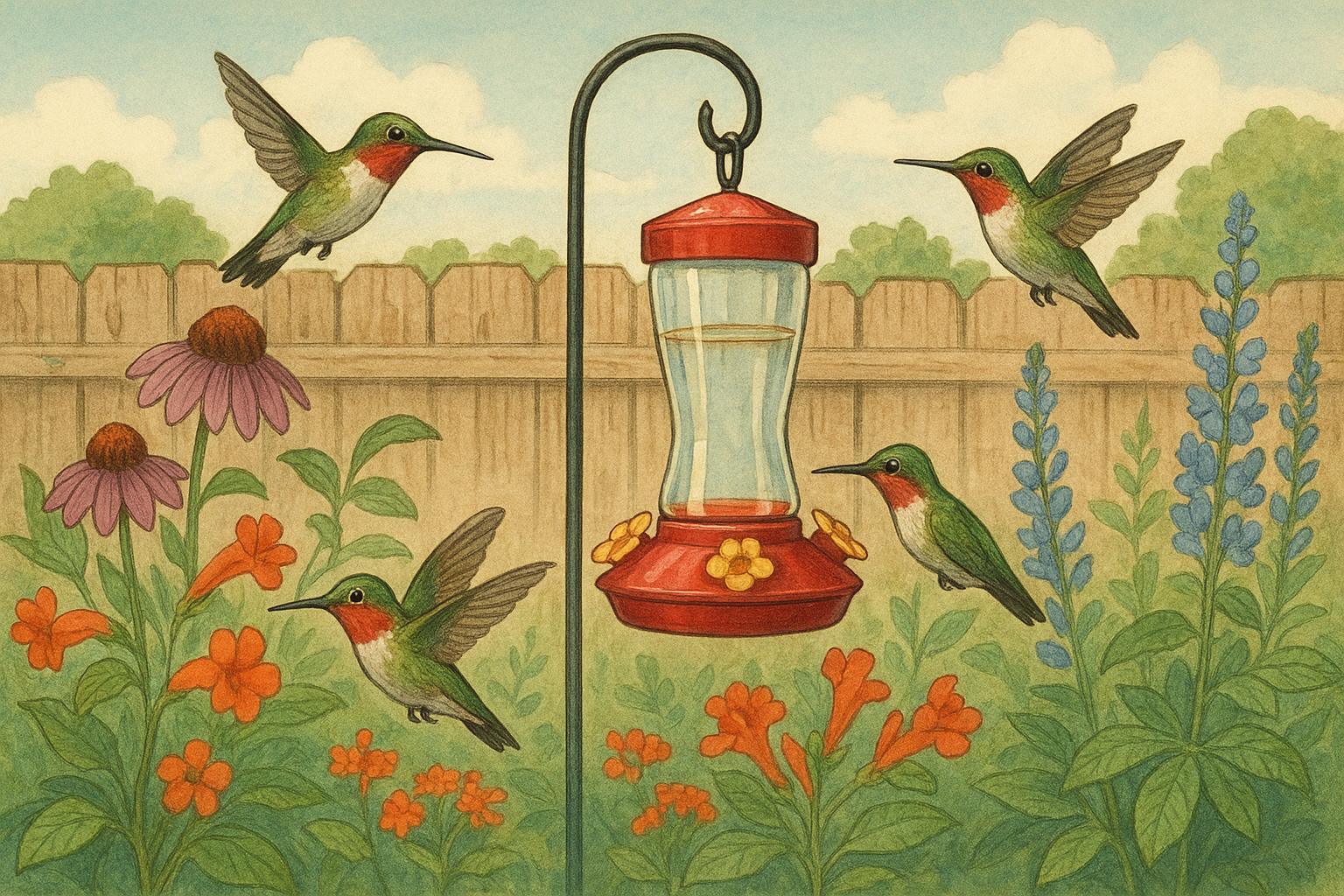
Hummingbird waste is often very liquid and inconspicuous, but when concentrated on a fence post or feeder it can produce faint white streaks. Because nectar is mostly sugar and water, their droppings don’t leave the chunky residue seen with seed-eaters.
## Finding Clues Without Getting Grossed Out
You can gather a lot of information without touching anything. Photograph spots, note repeated locations and sizes, and compare to reference images online. Keep a simple log: date, location, approximate size, color, and any nearby food sources. Over time patterns will emerge and you’ll be able to tell whether you’ve got a regular resident or a passing visitor.
## Remedy 1: Safe Cleaning Of Bird Excrement
When it’s time to clean, do so safely and responsibly. The steps below are written in a formal, precise manner to ensure effective removal while minimizing health risks.
### Materials Required
– Rubber gloves (nitrile preferred)
– Protective eyewear and mask (N95 or equivalent)
– Stiff plastic scraper or putty knife
– Paper towels or disposable rags
– Bucket with warm water
– Mild detergent (dish soap)
– Disinfectant (dilute bleach solution: 1 part household bleach to 9 parts water) or a commercially approved avian-safe disinfectant
– Spray bottle
– Plastic bags for disposal
– Optional: garden hose with spray nozzle for large surfaces
### Step-By-Step Cleaning And Application
1. Prepare: Don protective gloves, eyewear, and mask. Ensure pets and family members are not in the immediate area. Ventilate enclosed spaces before beginning.
2. Soften the Residue: Spray the affected area with warm, soapy water and allow it to sit for several minutes to loosen dried material.
3. Remove Bulk Material: Use a stiff plastic scraper to lift off the softened droppings. Avoid metal tools that can etch surfaces. Collect the waste on paper towels or disposable rags and place them in a plastic bag.
4. Clean Surface: Apply a mild detergent solution and scrub the area with a disposable rag or brush. Rinse with clean water (hose or bucket) and wipe dry.
5. Disinfect: Apply the dilute bleach solution or approved disinfectant to the cleaned surface. Allow the contact time recommended by the disinfectant manufacturer (typically 5–10 minutes) to ensure microbial kill.
6. Rinse And Dispose: Rinse the area thoroughly if required (especially for areas that come into contact with food or children). Seal waste materials in plastic bags and discard in accordance with local waste regulations.
7. Sanitize Yourself: Remove gloves and dispose of them safely. Wash hands and any exposed skin thoroughly with soap and water.
For porous surfaces like brick or wood, you may need longer soaking times or repeat treatments. Avoid pressure washers on delicate structures, which can drive material deeper into crevices.
## Remedy 2: Humane Deterrents To Reduce Bird Excrement
If droppings are frequent and concentrated in an area where people gather, preventing perching and roosting is the most effective long-term strategy. These methods are to be implemented responsibly and non-lethally.
### Materials Required
– Bird spikes (stainless steel or plastic)
– Tensioned bird wire or monofilament line
– Reflective strips or bird scare tape
– Decoy predators (owl or hawk models) — move periodically to maintain effectiveness
– Solar-powered ultrasonic deterrent (optional)
– Wire cutters, zip ties, and fasteners appropriate to the installation surface
– Measuring tape and safety gear for installation at height
### Step-By-Step Installation And Application
1. Survey The Area: Identify exact perching spots by observing where droppings accumulate. Measure the length and width of those ledges or beams.
2. Choose The Deterrent: For roosting ledges, install bird spikes or tensioned wire. For open yards, use reflective tape or decoys. Select materials rated for outdoor use and appropriate for the species (spikes are effective for pigeons; tape and decoys work well on smaller birds).
3. Install Securely: Follow manufacturer instructions. When mounting spikes or wire on ledges, ensure anchors and fasteners are corrosion-resistant and don’t compromise the structural surface. Install in a way that leaves no gaps where birds can nest.
4. Monitor And Adjust: Check effectiveness weekly for the first month. Move decoys periodically to prevent habituation. Replace damaged materials promptly.
5. Combine With Habitat Modification: Reduce easy food and water sources near affected areas: secure trash, clean up spilled birdseed, and relocate feeders away from problem zones. Trim branches that provide direct access to favored perches.
6. Legal And Ethical Considerations: Avoid lethal measures and check local ordinances regarding protected species. Consult wildlife control professionals for persistent or large-scale issues.
## Health And Legal Considerations
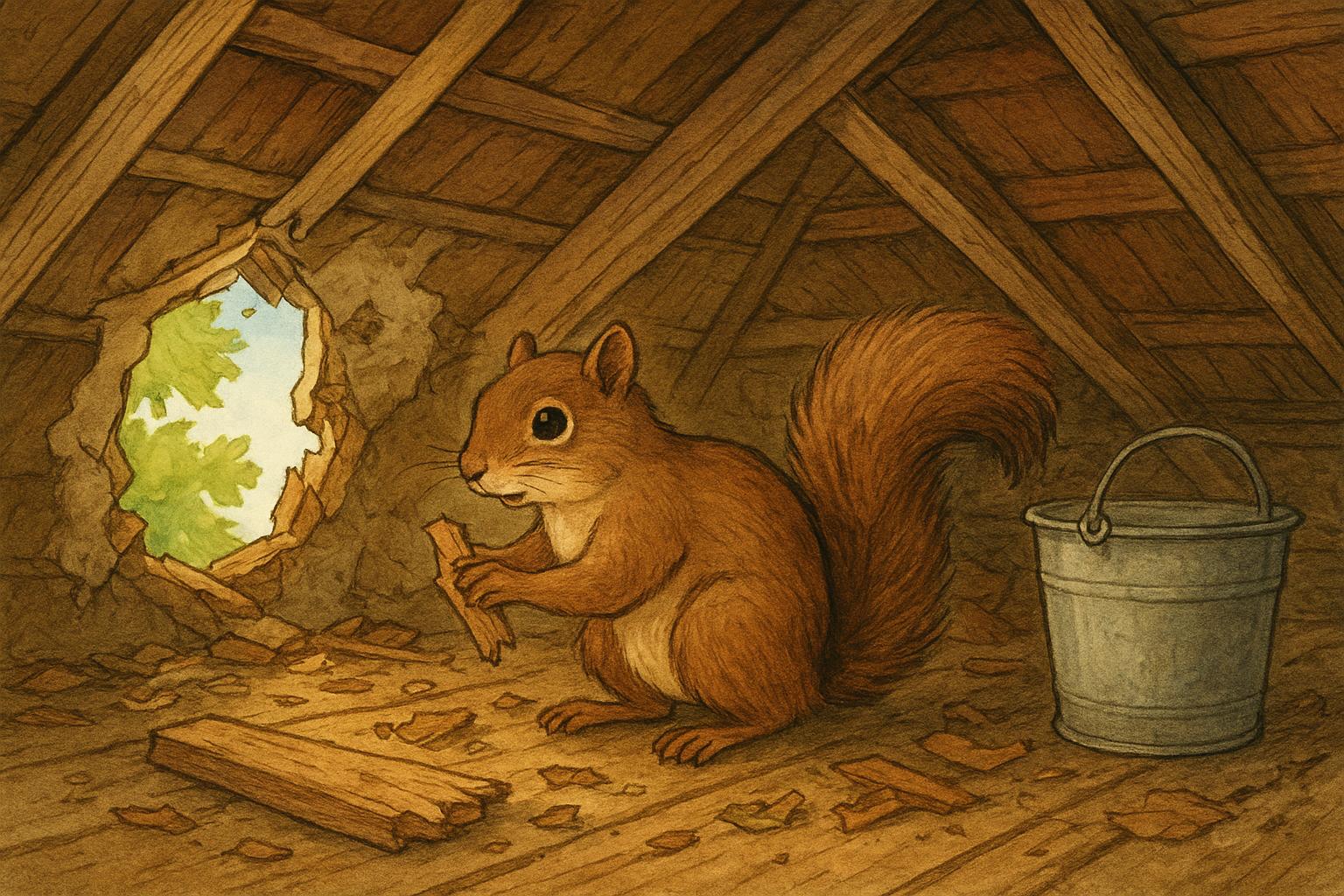
Bird droppings can carry pathogens such as histoplasma, psittacosis, and cryptococcus, especially in large, long-standing accumulations. Always handle waste with protective gear and follow disinfection guidelines after removal. If droppings are found inside attics or under long-term roosts, consider professional removal; accumulated guano can damage structures and pose significant health risks.
If you suspect a sick or injured bird (weak, fluffed, or with unusual droppings nearby), contact a local wildlife rehabilitator rather than trying to treat the bird yourself. Many species have legal protections; relocating or harming them can result in fines.
### When To Call A Professional
If droppings are widespread, contain visible blood, or are associated with a large roost, call a licensed wildlife control or sanitation company. Professionals have the equipment and protocols to handle heavy contamination safely and can advise on long-term mitigation.
Now that you’ve got the basics, your backyard can be both bird-friendly and relatively free of artistic splatters. Keep your sense of humor intact — birds will keep being birds — but use these clues and remedies to maintain a clean, healthy space for both humans and feathered neighbors.



Leave a Reply