
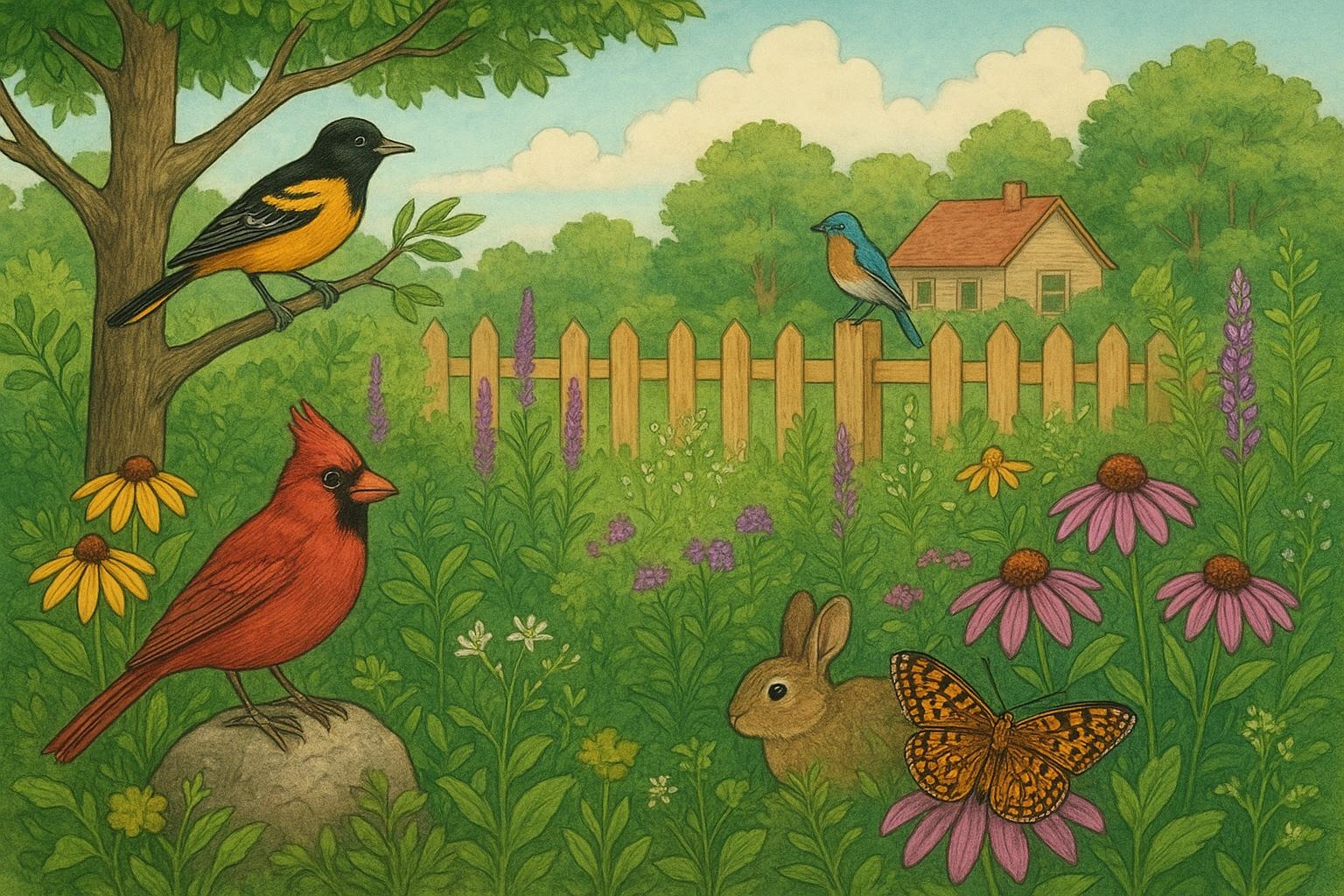
If you want a backyard that hums with life, delivers color through the seasons, and requires less fuss than a high-maintenance ornamental lawn, welcome aboard. Planting with intention — favoring species local to your region — invites birds, bees, butterflies, and beneficial insects to stick around. The secret? Native wildlife plants. They’re the local cuisine, the real estate, and the neighborhood charm rolled into one tidy planting bed.
## Why Native Wildlife Plants Matter
Native wildlife plants evolved with local pollinators, birds, and soil microbes. That means they provide the right nectar, pollen, seeds, nesting materials, and shelter at the right times. Non-native ornamentals can be beautiful, but many offer little nutritional value to native insects or they bloom at times that don’t sync with local life cycles. Choosing native species creates a balanced backyard ecosystem that’s resilient to local pests, drought patterns, and seasonal shifts.
### Benefits For Pollinators And Birds
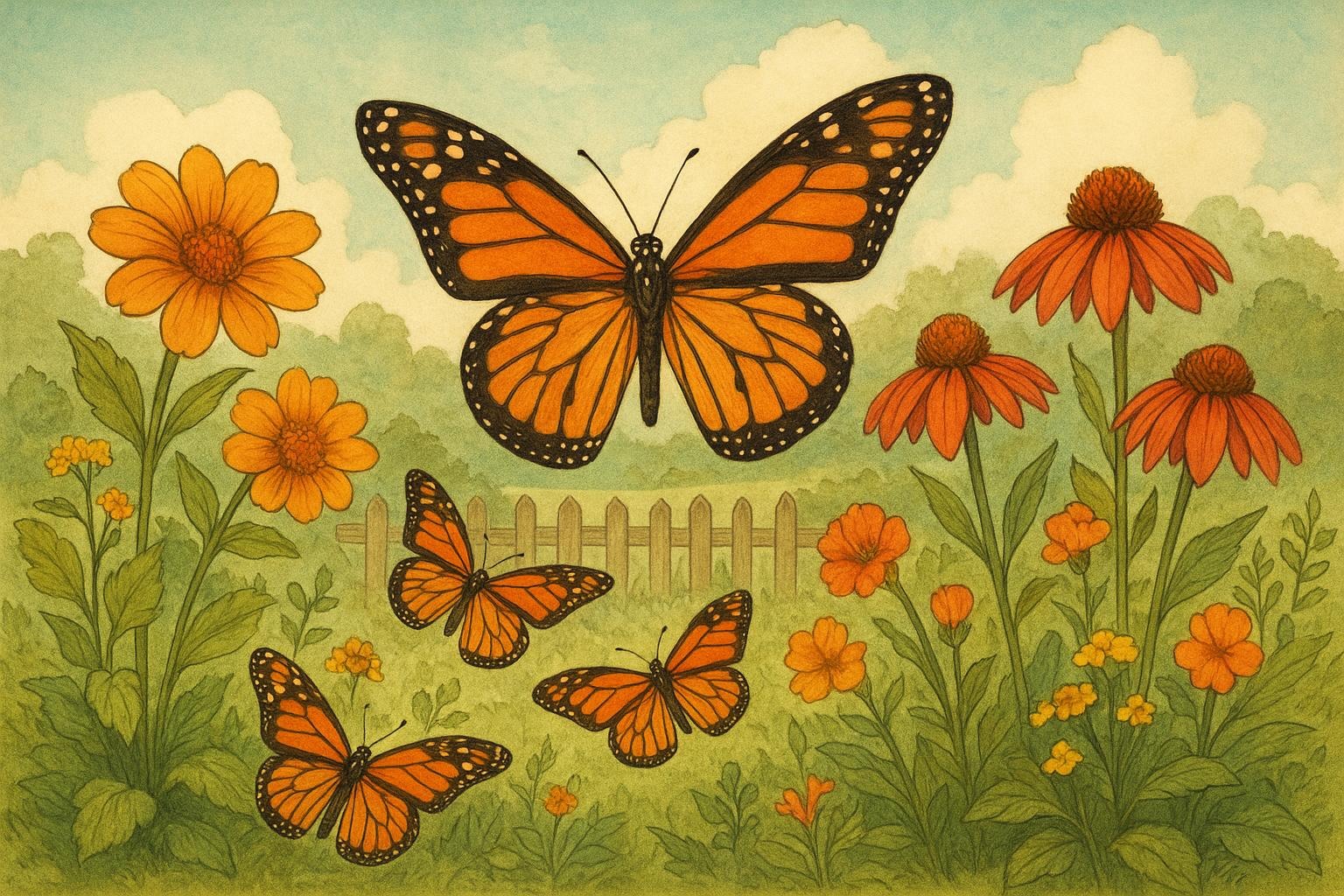
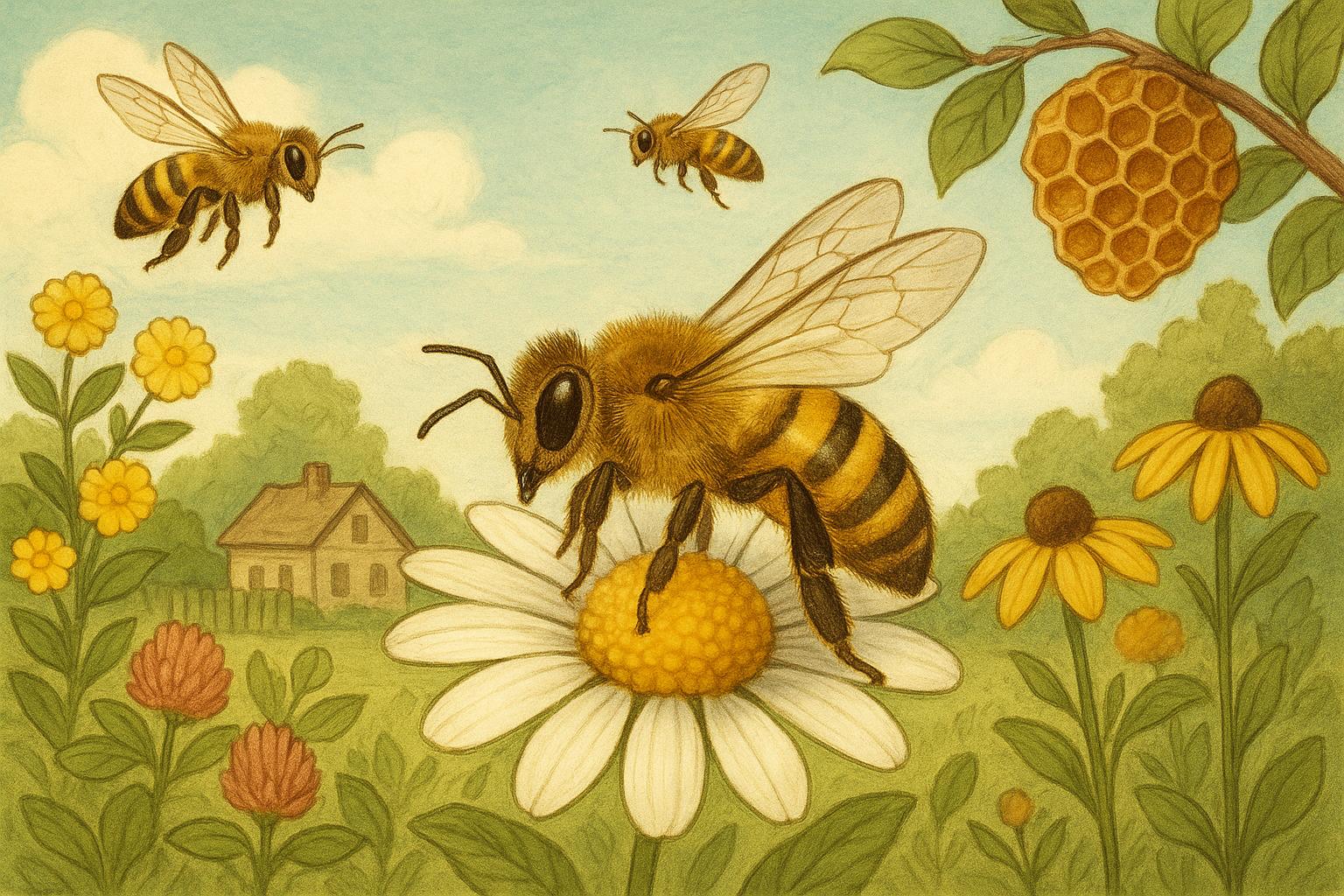
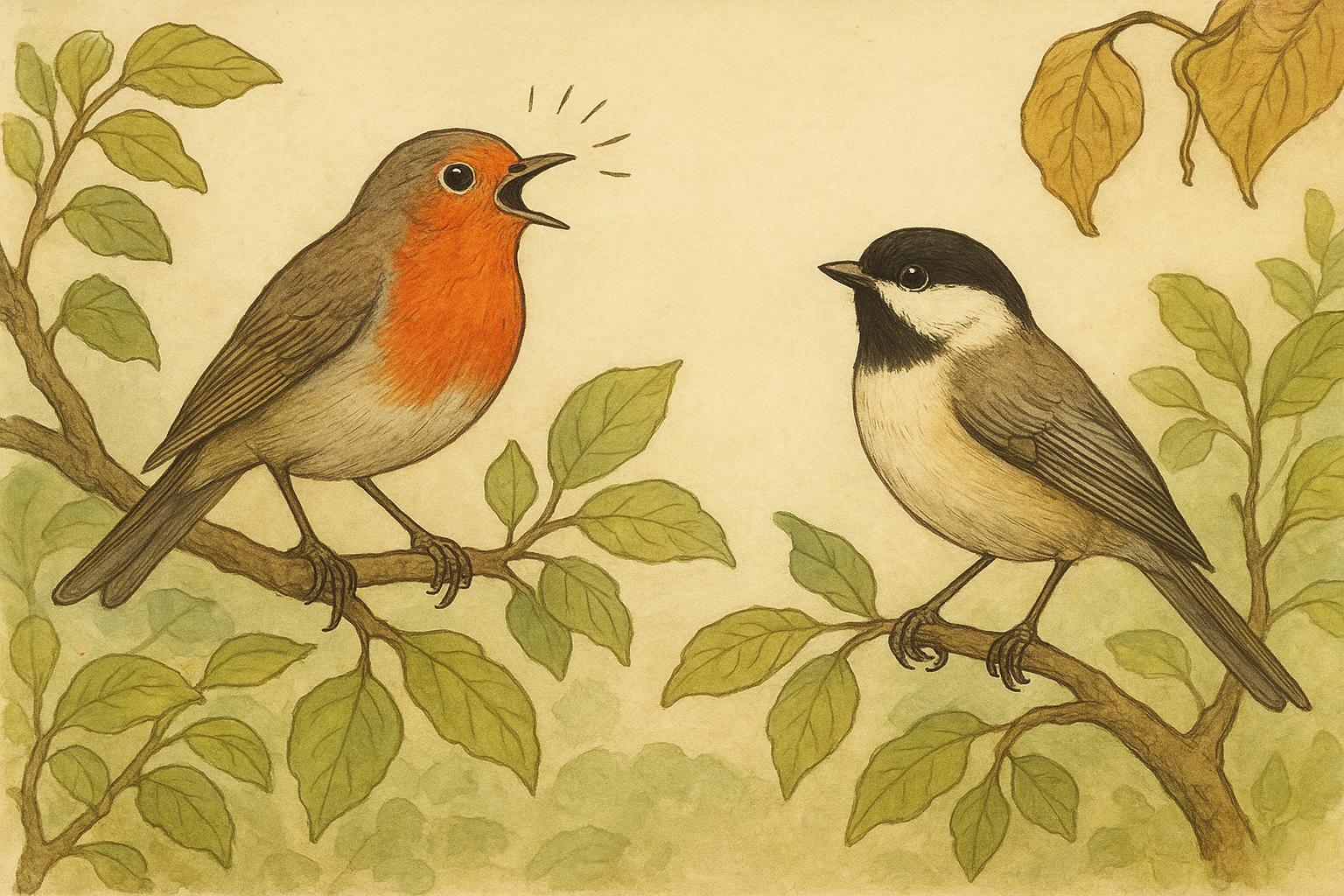
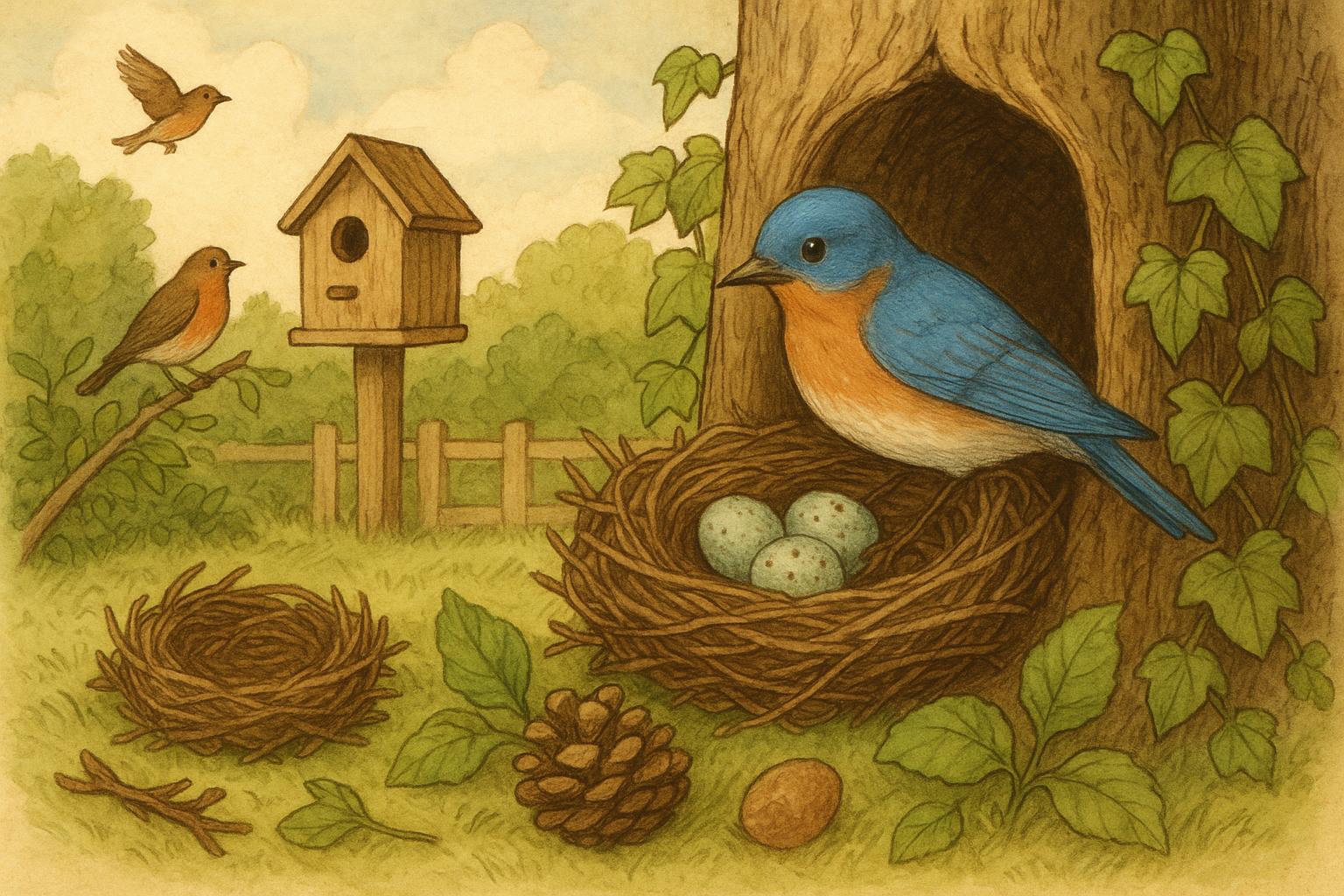
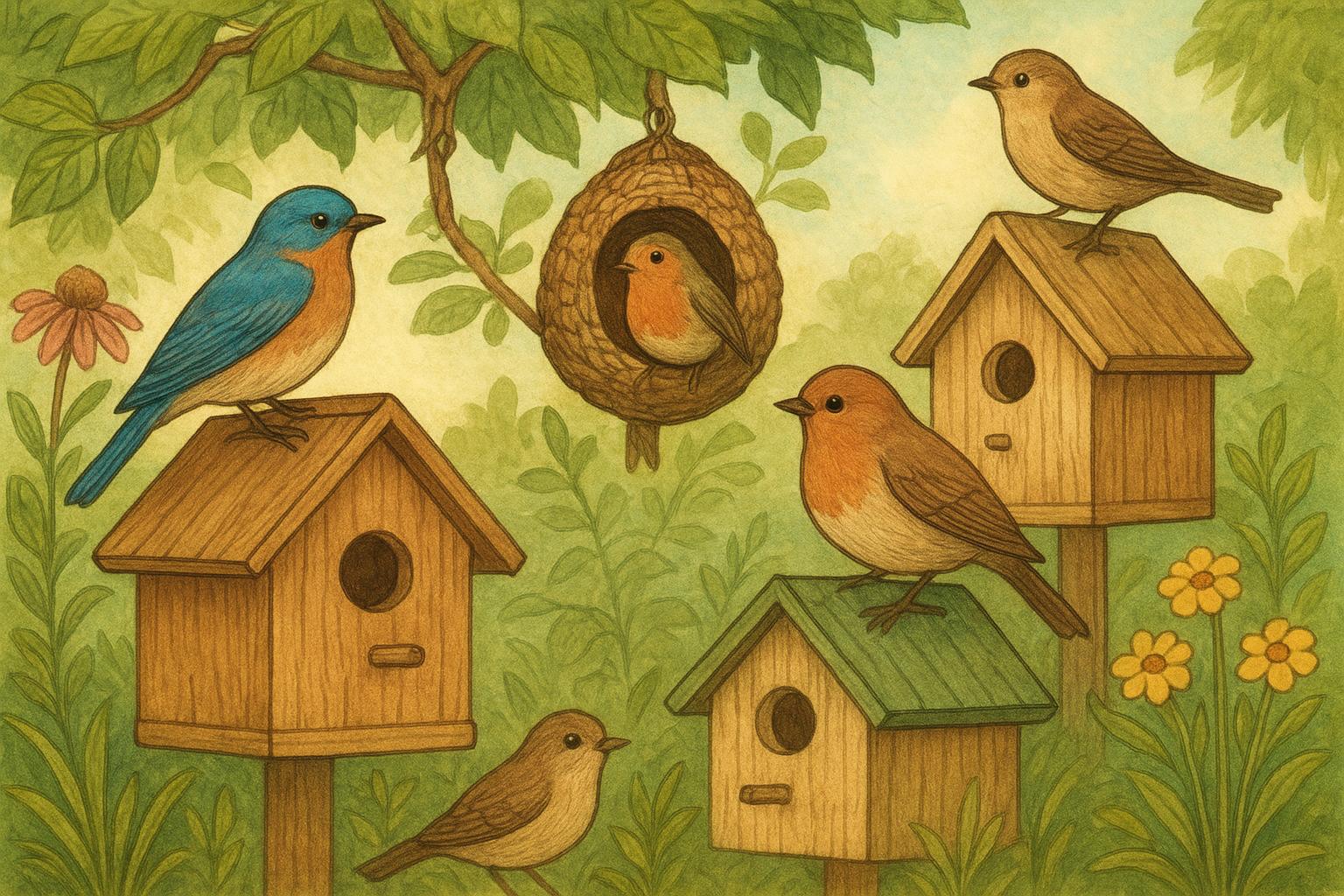
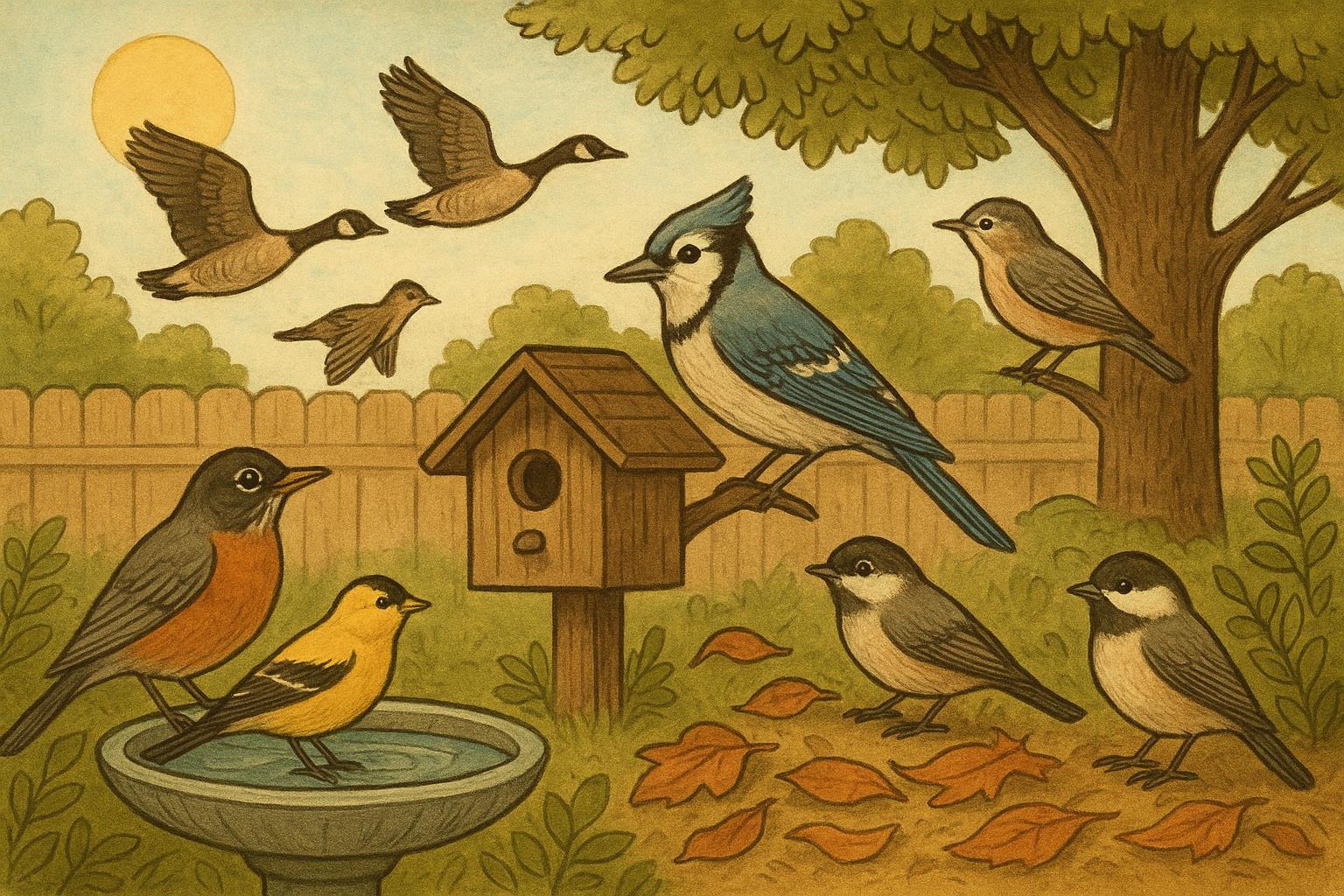
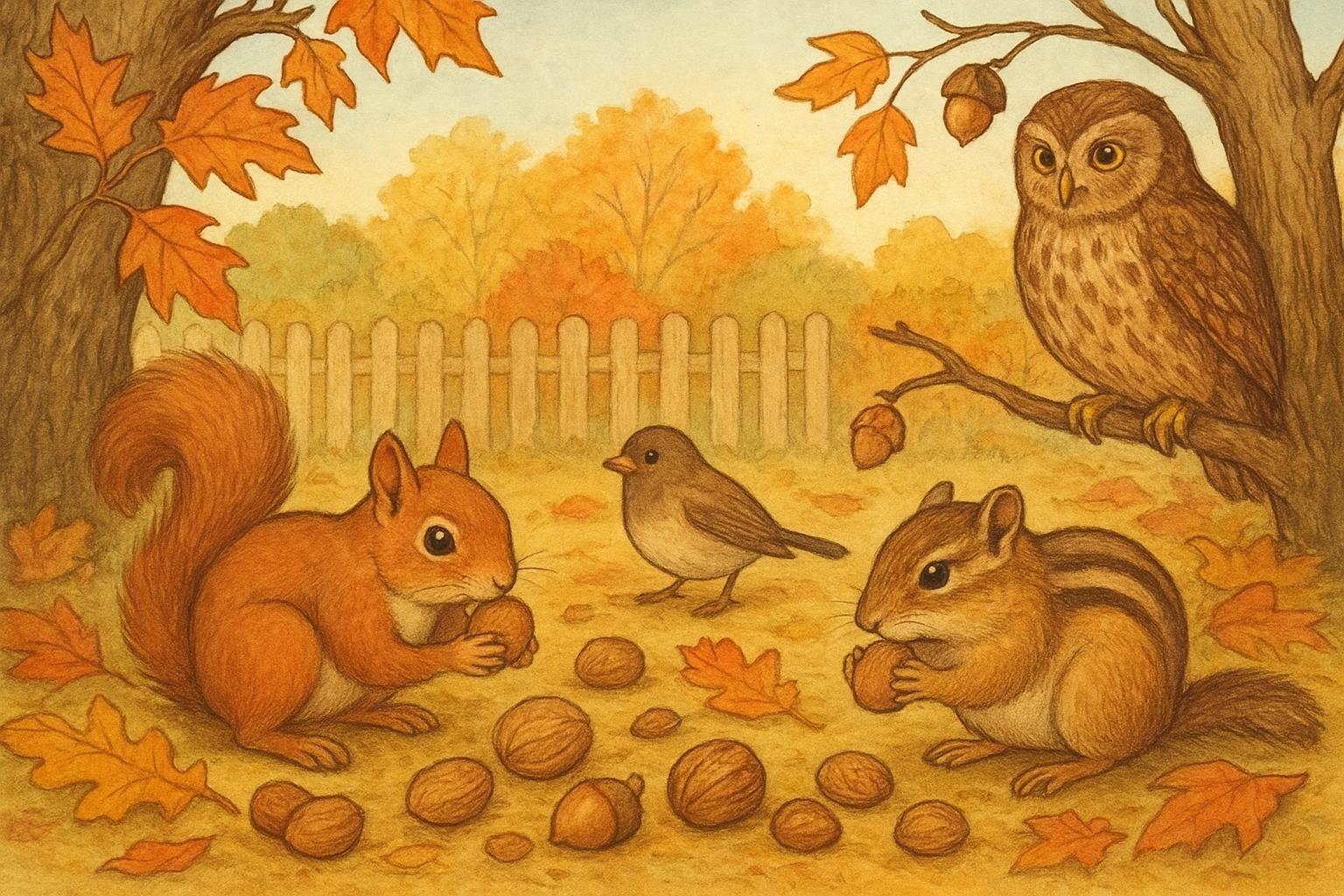
Native flowers are timed to native pollinators. Bees, butterflies, and hummingbirds have life cycles tuned to specific bloom schedules — and native wildlife plants meet those schedules. Native trees and shrubs also produce seeds and fruits that birds recognize and can digest, which helps local songbird populations thrive.
### Ecological And Soil Advantages
Native plants tend to have deeper, more extensive root systems than many exotic turfgrasses or annuals. Those roots reduce erosion, improve soil structure, and boost water infiltration. Over time, a garden that favors native species requires less fertilizer, fewer pesticides, and less supplemental watering.
### Curb Appeal And Low Maintenance
Let’s be honest: well-chosen native plantings can look intentionally curated, not “we stopped mowing.” They offer seasonal color and structural interest, and once established, they generally need less mowing, pruning, and irrigation than high-input landscapes. That’s good for your schedule and the planet.
## How To Choose The Right Native Plants For Your Yard
Selecting native wildlife plants isn’t only about picking pretty flowers. Consider your site conditions: soil type, sun exposure, moisture levels, and microclimates. Then think about vertical layers — canopy trees, understory shrubs, herbaceous perennials, and groundcovers. A diverse mix supports the widest range of wildlife.
### Match Plants To Conditions
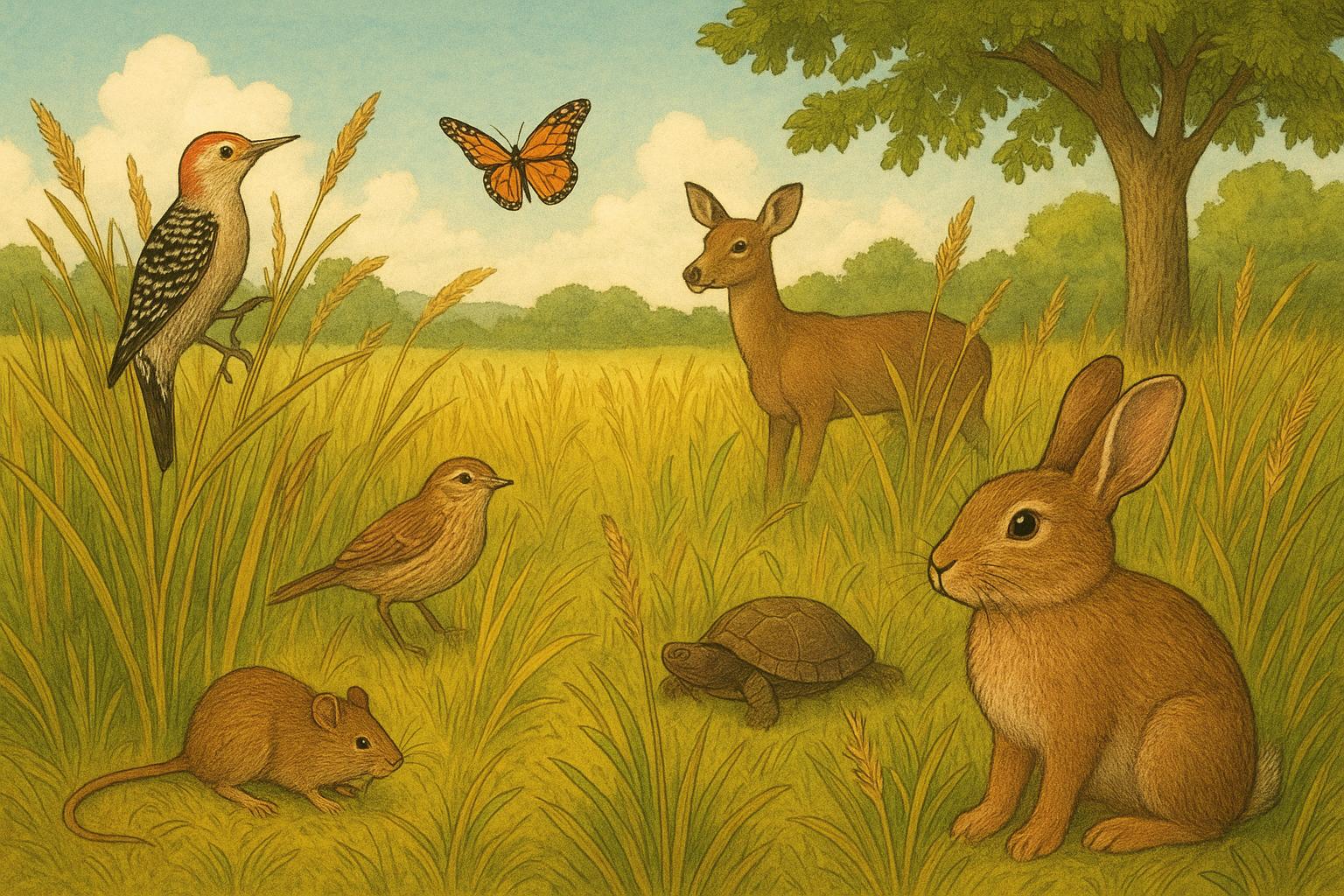
Full sun? Look for prairie or meadow natives. Shady, moist spots under mature trees? Choose woodland understory species. Clay soil? Some native plants thrive in heavy soils; others prefer sandier textures. Local extension services, native plant societies, and reputable native plant nurseries can provide region-specific lists.
### Prioritize Diversity And Seasonal Blooming
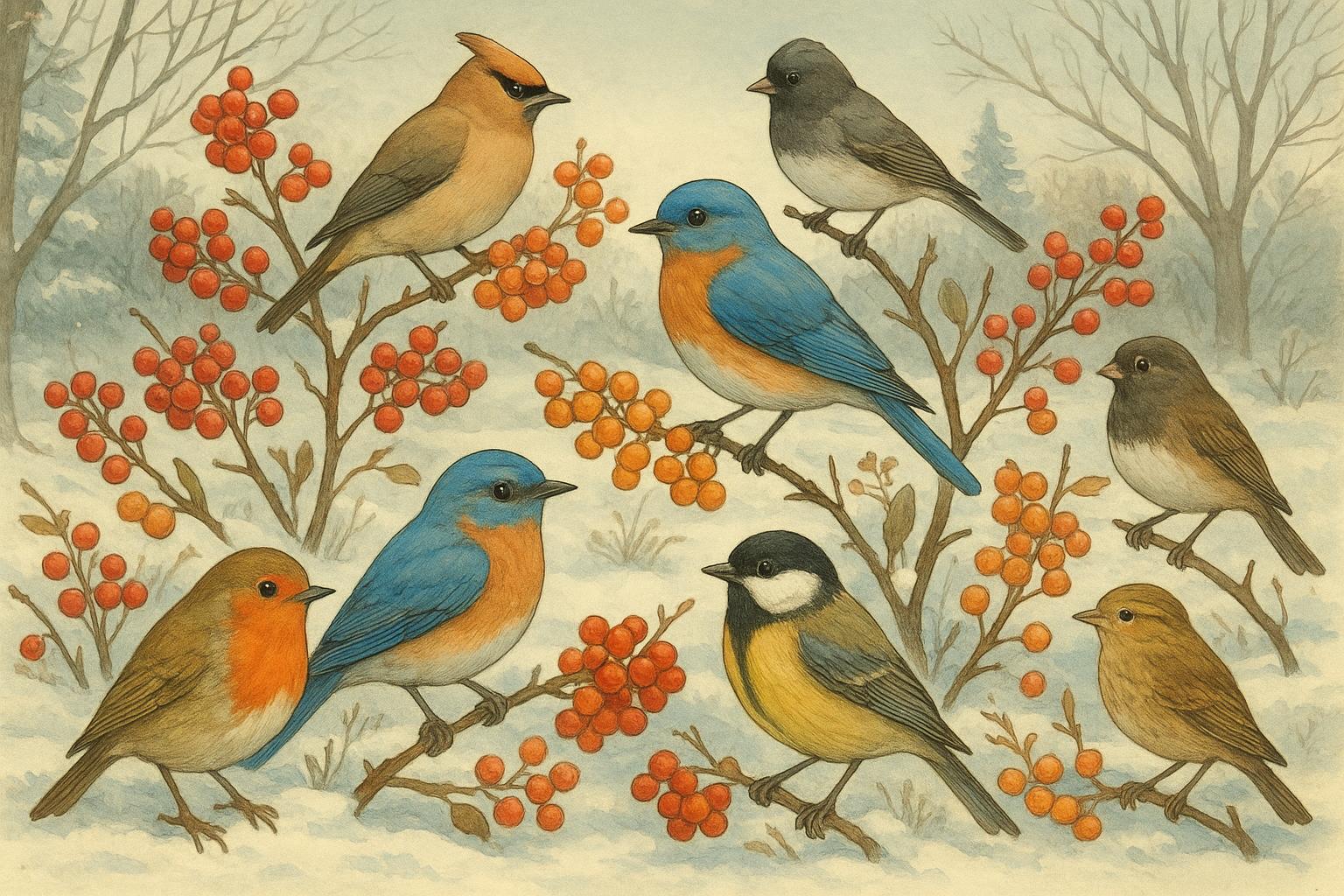
Include early-, mid-, and late-season bloomers to keep nectar and pollen available throughout the growing season. Add berry- and seed-producing shrubs for fall and winter food sources. Diversity reduces pest outbreaks and increases overall resilience.
## 1. Create A Native Pollinator Patch (Remedy)
When implemented correctly, a dedicated pollinator patch will reliably increase insect visitation, which translates into better pollination for vegetables and ornamentals and a happier backyard chorus. Below is a formal, step-by-step method for creating a small but effective native pollinator patch.
#### Ingredients / Required Materials
– A site receiving at least 4–6 hours of sun daily (more if possible)
– Soil test kit (optional but recommended)
– Native perennial and annual seeds and/or starter plants (choose 6–10 species: early, mid, late bloomers)
– Mulch (shredded leaf mulch or coarse wood mulch)
– Garden trowel or shovel
– Watering can or hose with gentle spray
– Stakes and twine (for temporary marking)
– Landscape fabric (optional; use sparingly)
– Hand-weeder or hoe for maintenance
– Local native plant guide or species list
#### Step-By-Step Creation And Application
1. Site Selection and Preparation: Choose a sunny spot. Remove sod and persistent weeds by solarization (cover with clear plastic for 6–8 weeks) or by hand digging. Test soil and amend only if necessary — many native wildflowers prefer lean soils.
2. Design Layout: Sketch a simple layout prioritizing groupings of the same species (three to seven plants together). Place taller species toward the back or center and shorter ones at the edges.
3. Plant Selection: Source local ecotype seeds or nursery-grown native plants. Mix annuals for quick bloom with perennials for long-term structure. Ensure at least one early-blooming species, two midsummer species, and one late-season species.
4. Planting: For seeds, follow packet instructions for depth and spacing. Lightly tamp soil over seeds to ensure contact. For plugs, dig a hole twice the root ball width, set the plant at the same depth it grew in the pot, and backfill gently.
5. Mulching: Apply a thin layer of leaf mulch (1–2 inches). Avoid heavy commercial mulch that can smother seedlings.
6. Watering: Keep soil consistently moist until plants are established (typically 4–8 weeks for plugs; variable for seeds). After establishment, reduce supplemental watering; many natives tolerate dry spells.
7. Maintenance: Remove aggressive weeds by hand. Avoid broad-spectrum insecticides and herbicides. Leave some plant stems standing through winter for insect overwintering and seed-eating birds.
8. Monitoring: Note which plants attract the most pollinators and expand those plantings in subsequent seasons.
## 2. Install A Native Shrub Corridor (Remedy)
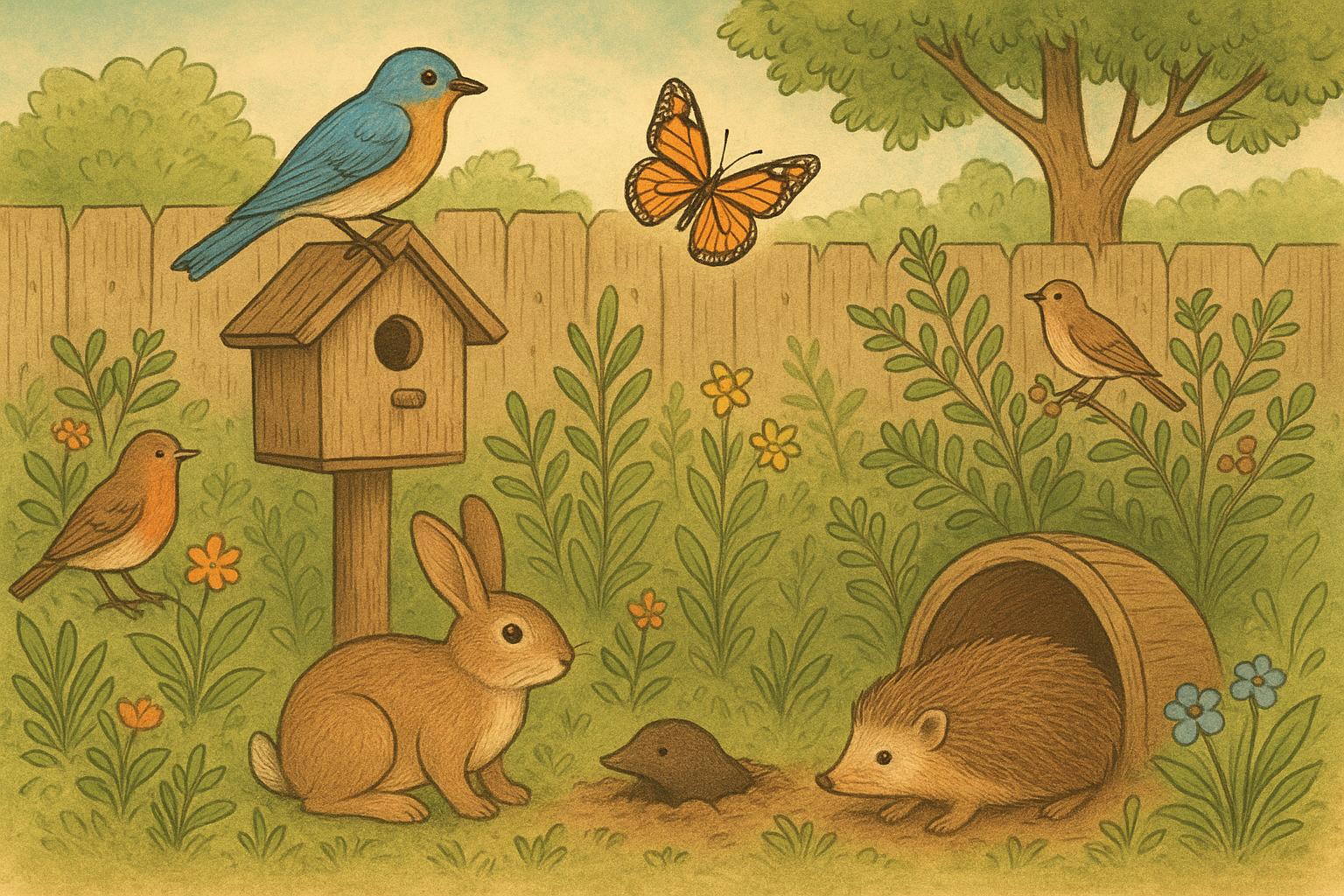
Shrub corridors create shelter, travel corridors for wildlife, and seasonal food. This remedy is slightly larger in scale and benefits nesting birds and small mammals. The steps below are formal and methodical to ensure success.
#### Ingredients / Required Materials
– A linear planting zone (e.g., along a fence or property line) at least 6–10 feet wide
– Soil test kit (optional)
– Native shrubs (3–6 species) appropriate to site conditions and sized to reach mature heights that provide layered habitat
– Native understory perennials and groundcovers
– Mulch (leaf mulch or shredded bark)
– Shovels and planting bars
– Stakes and tree ties (for taller specimens)
– Irrigation tubing or soaker hose (optional for establishment)
– Tree shelters or mulch rings for young shrubs (optional)
– Local shrub selection guide
#### Step-By-Step Creation And Application
1. Planning and Spacing: Measure the corridor length and plan groups of mixed shrubs spaced according to mature width (avoid straight lines; use staggered, clustered groupings). Include gaps for access and pathways.
2. Soil Preparation: Decompact soil where necessary. Amend lightly based on soil test recommendations; many shrubs prefer native, well-draining soil.
3. Species Selection: Choose a mix of evergreen and deciduous shrubs, and include species that flower and fruit across seasons. Native berry- and nut-producing shrubs are high value for birds.
4. Planting Procedure: Dig holes twice the width of the root ball and of equal depth. Place shrubs so the root flare is slightly above soil grade. Backfill and firm the soil to remove air pockets.
5. Mulch And Protection: Mulch around plants to conserve moisture and suppress weeds, leaving space around stems to prevent rot. Install tree shelters or guard against rodent damage where needed.
6. Establishment Watering: Water deeply at planting and weekly (or as needed) through the first growing season. Use soaker hoses to ensure deep watering without runoff.
7. Understory Planting: Interplant pollinator-friendly perennials and groundcovers beneath shrubs to provide continuous forage and to reduce weed pressure.
8. Long-Term Care: Prune minimal amounts to shape or remove dead wood; allow natural structure for wildlife. Avoid heavy pruning that removes berry or flower production.
### Practical Tips For Success
– Source Plants Responsibly: Buy from nurseries that specialize in native species and can confirm local provenance when possible. Avoid wild-collected plants that deplete natural populations.
– Avoid Sterile Cultivars: Some cultivars bred for aesthetics have reduced nectar or pollen; choose species or forms that retain ecological value.
– Go Gradual: You don’t need to replant the entire yard at once. Start with a patch or a corridor and expand year by year.
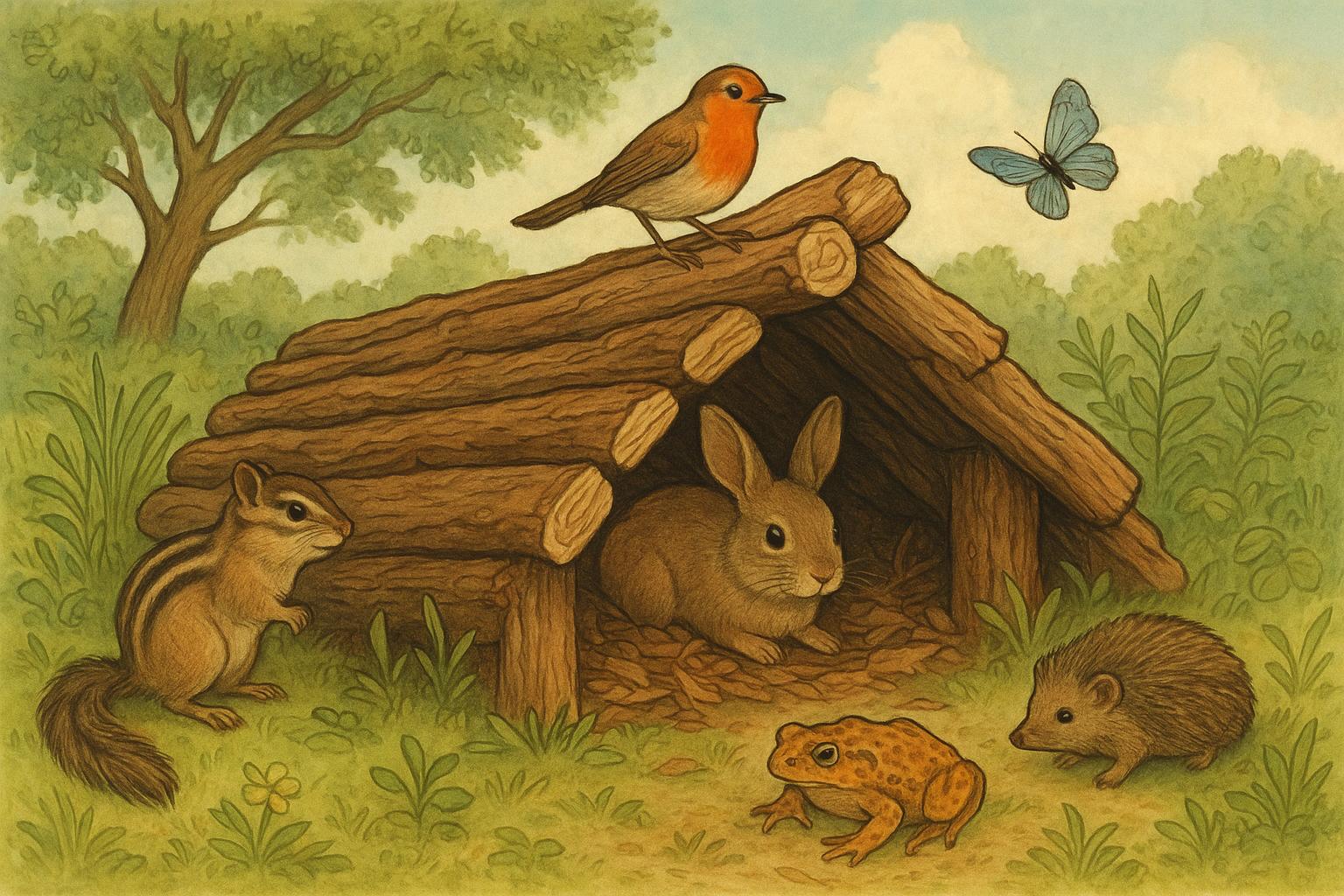
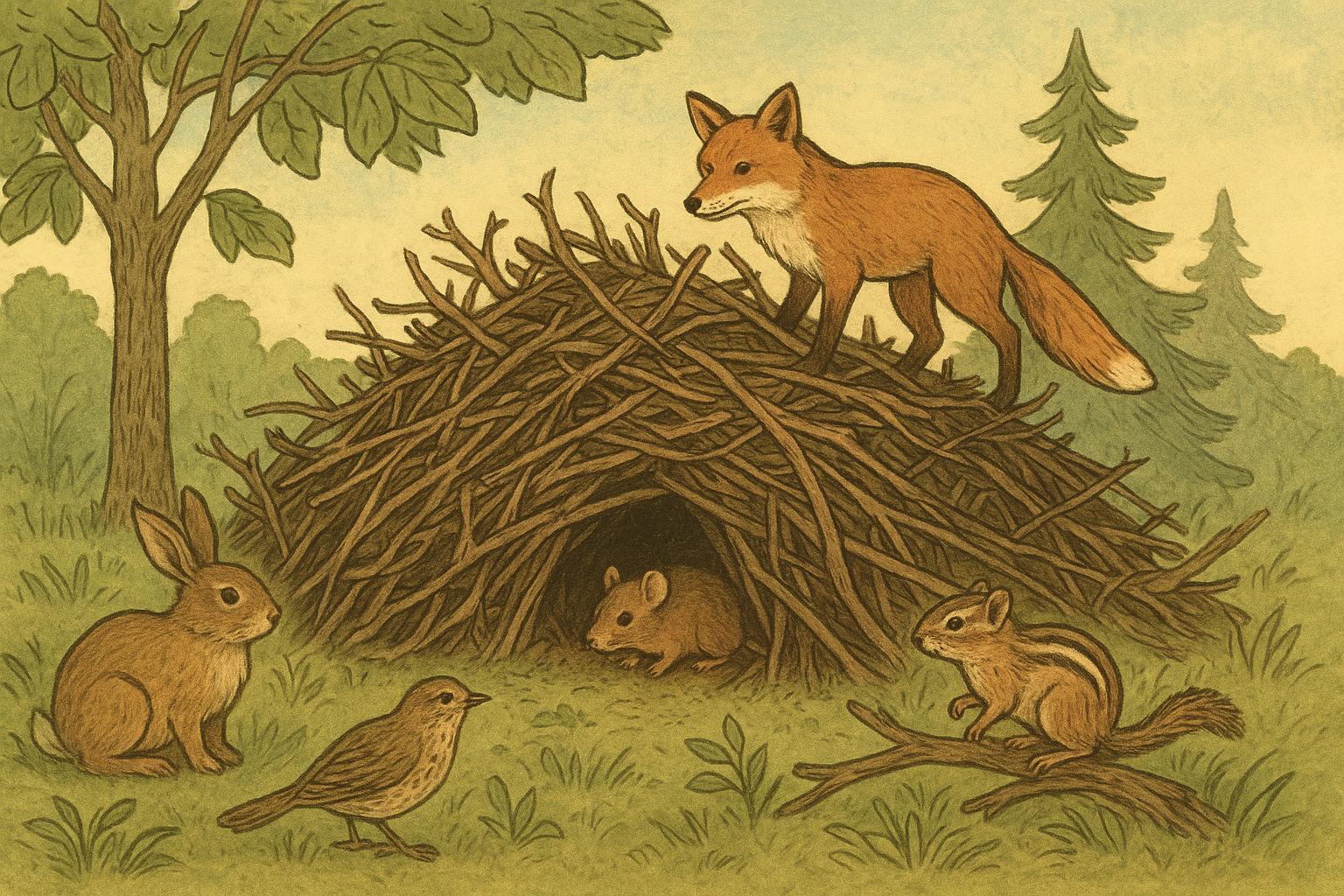
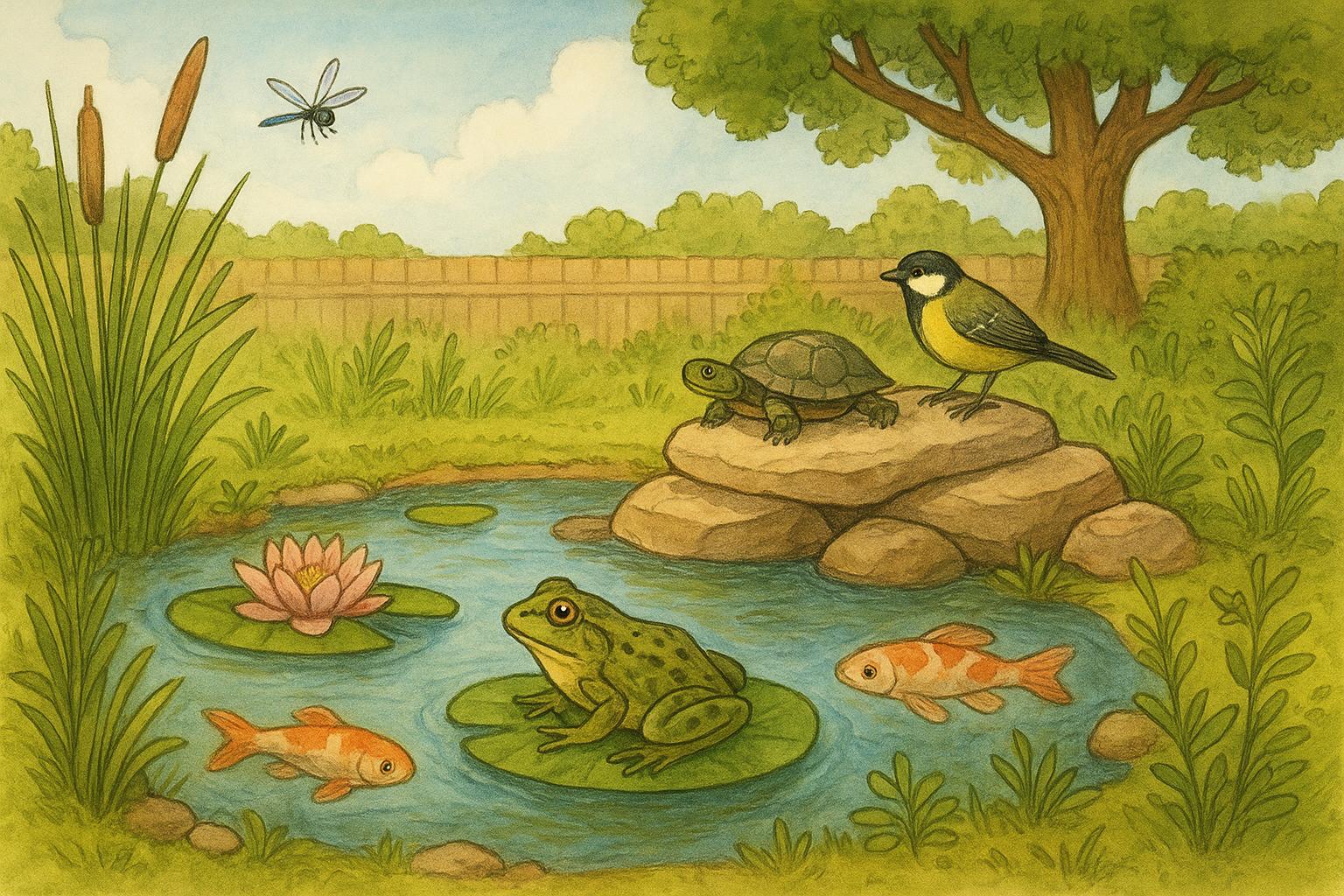
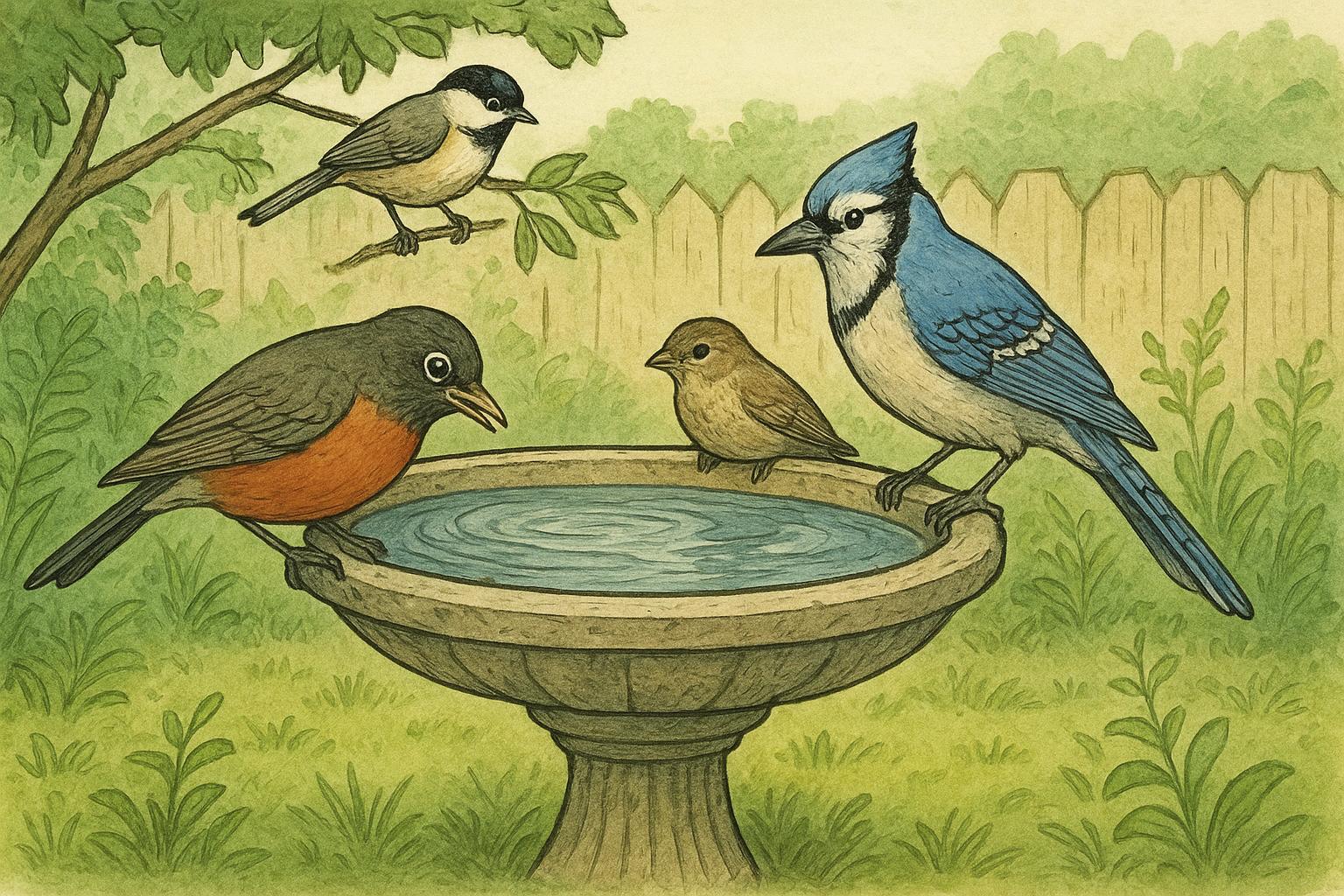
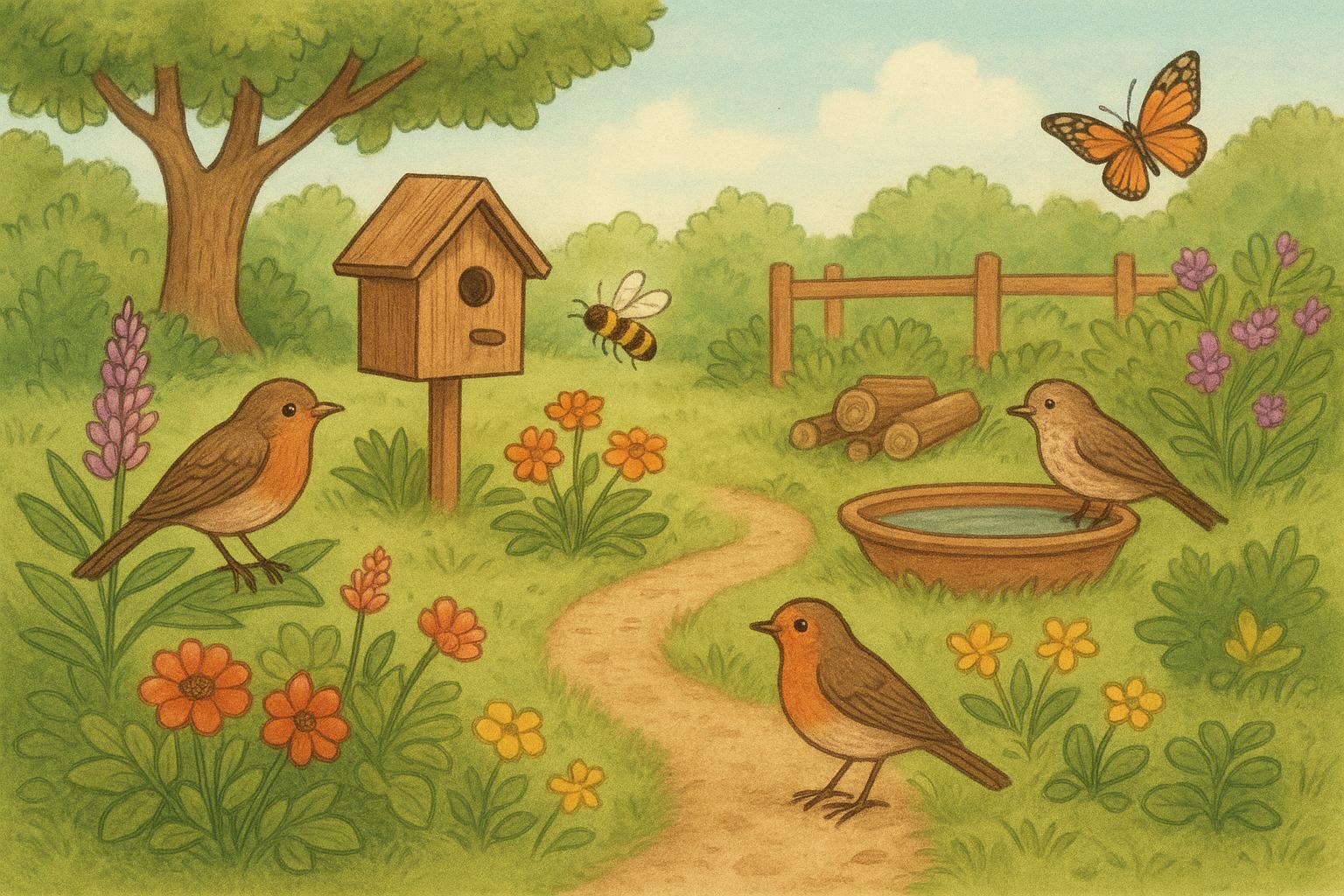
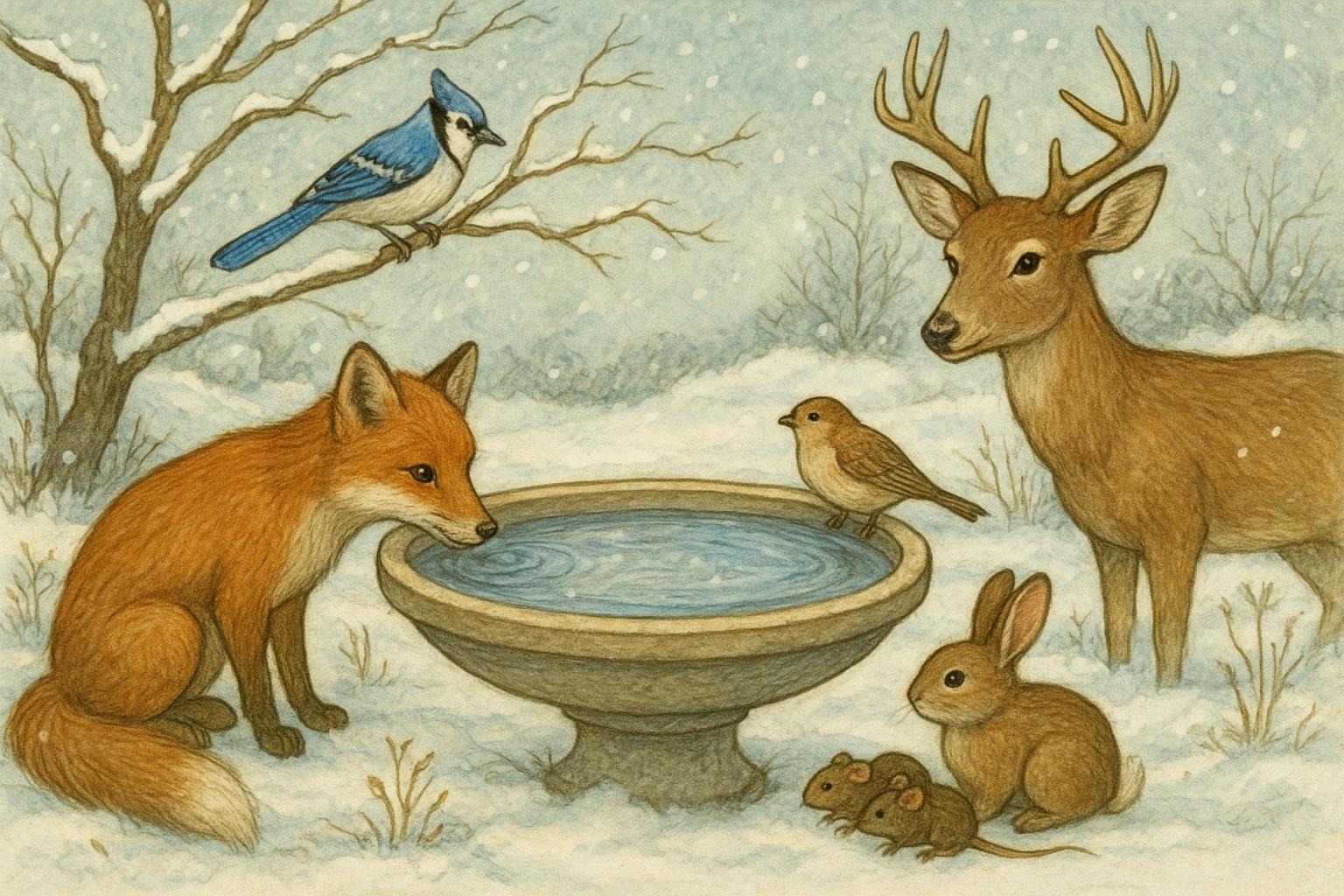
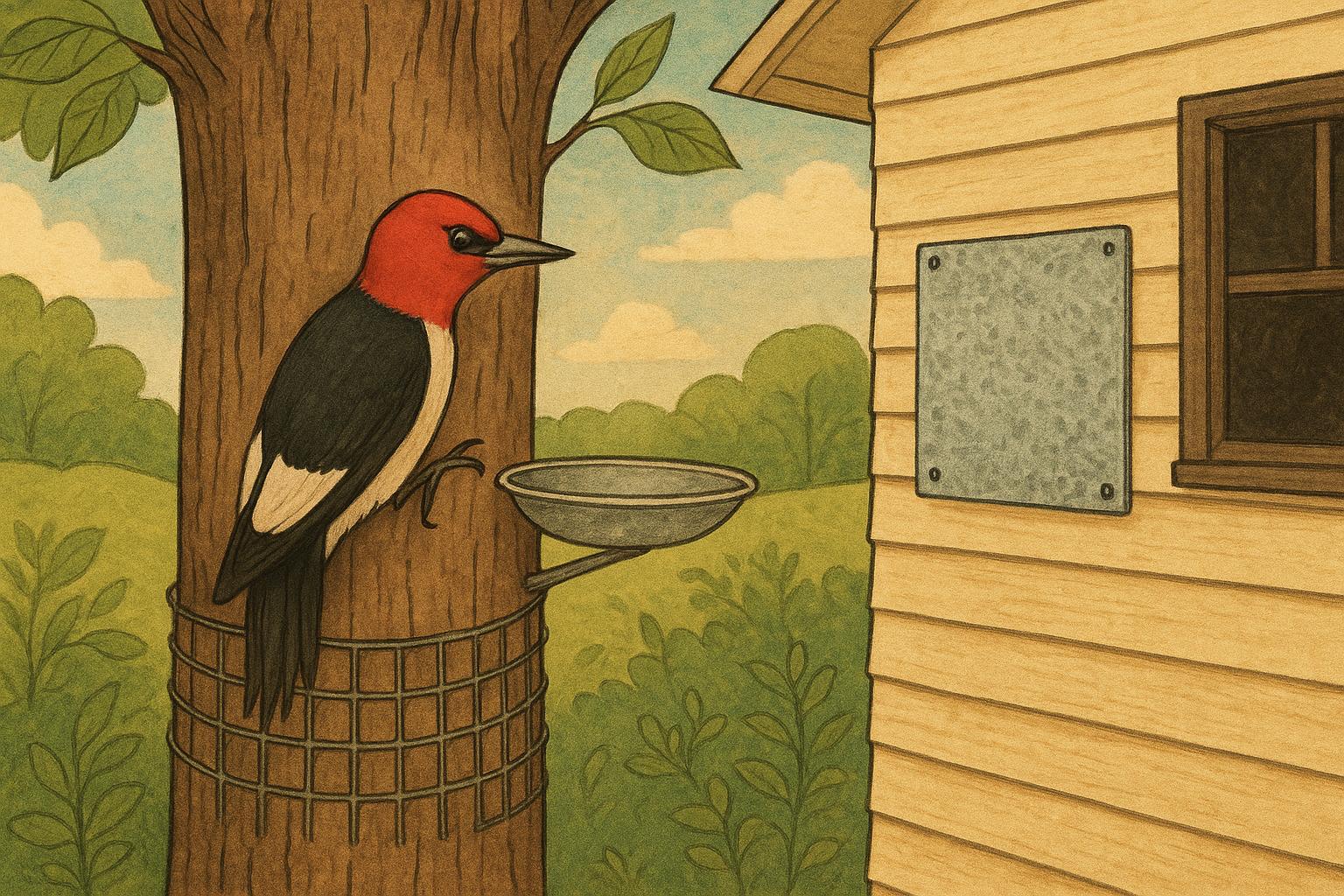
– Encourage Natural Allies: Set out a shallow water dish for birds and butterflies. Provide brush piles or deadwood in tucked-away corners for shelter and insect habitat.
– Be Patient: Native plantings often take a season or two to reach their stride. Your persistence will be rewarded with increasing biodiversity.
### Troubleshooting Common Issues
Pest problems are rare in diverse native plantings but can occur when a single species dominates. If you see localized outbreaks, remove affected tissue and promote beneficial predators by avoiding pesticides. If a plant struggles, reassess light, soil moisture, and planting depth — many issues trace back to poor siting or planting technique.
Sprinkle a little humor here: think of native wildlife plants as the neighborhood diner that knows everyone’s favorite order — serve the right food at the right time and you’ll have regulars for life. But unlike a diner, they don’t charge rent.
## How To Keep Neighbors Happy And HOA-Friendly
If you’re worried about homeowner associations or tidiness-minded neighbors, design your native plantings with defined edges, a mowed buffer strip, and a clear maintenance plan. Raised beds, decorative gravel paths, or low ornamental fencing can keep things looking intentionally designed rather than “renegade prairie.”
## Citizen Science And Community Benefits
Planting native wildlife plants contributes to broader conservation goals. Join local citizen science projects (butterfly counts, bird atlases, pollinator monitoring) to track impacts and learn from neighbors. Your small yard, multiplied across a neighborhood, becomes a corridor that supports migrating species and urban wildlife.
Take these steps and your backyard will change from a manicured monoculture into a layered, lively landscape. The birds will sing louder, the pollinators will arrive on schedule, and you’ll find yourself explaining to friends why you let a few stems stand through winter — because habitat building looks a little messy sometimes, and that’s a good thing.


Leave a Reply