
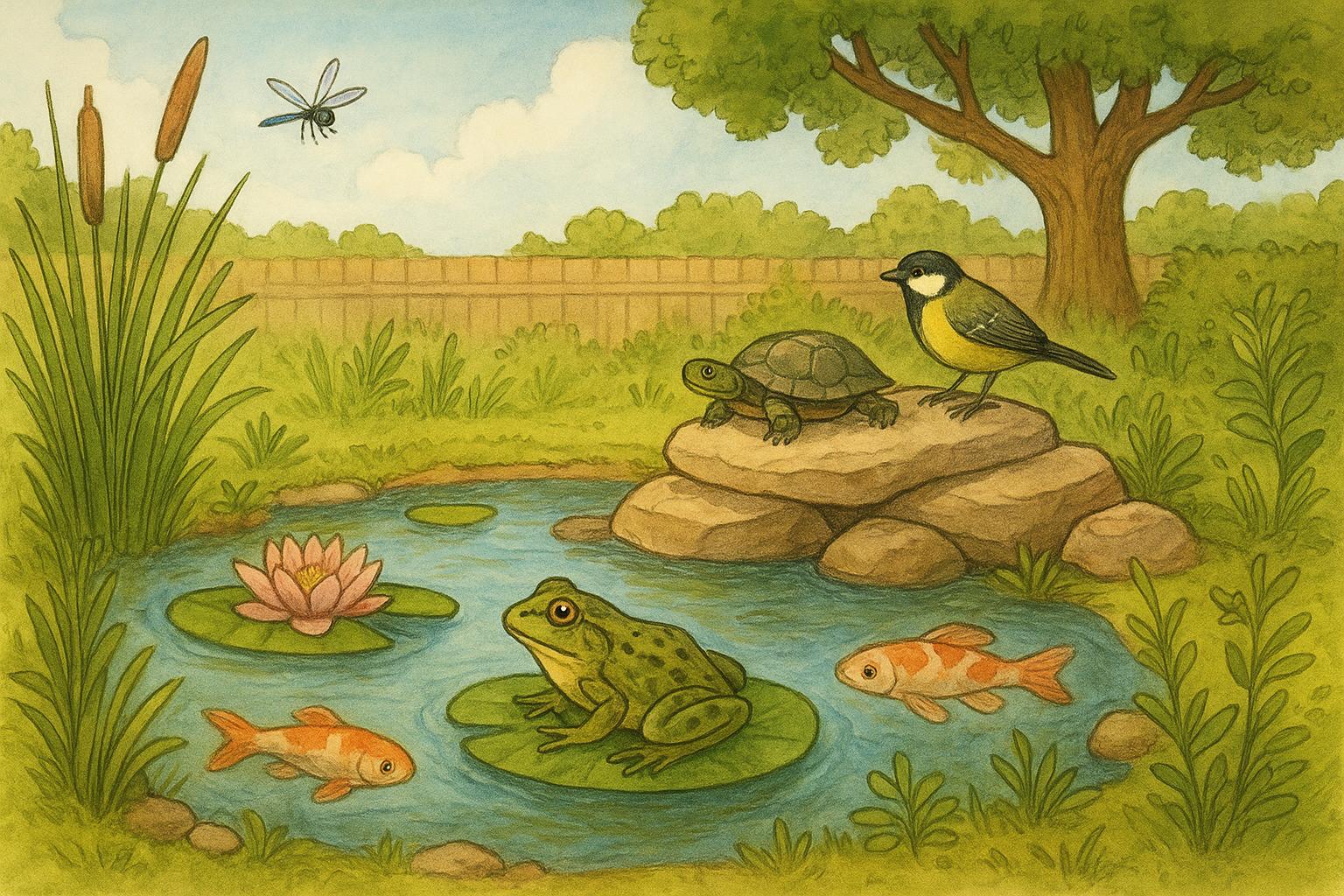
Welcome to a relaxed stroll around your backyard water feature — where dragonflies are the winged comedians, frogs are the occasional night crooners, and every ripple is a small ecosystem doing its thing. Creating and maintaining healthy pond life is part science, part art, and a little bit of gardening therapy. Below are practical, friendly, and occasionally witty pointers to help your pond flourish.
## Pond Life: Key Components
Healthy pond life depends on a few simple components working together: stable water chemistry, oxygenation, plant balance, protective habitat, and a functioning bacterial community. Think of your pond as a tiny neighborhood where every resident — from the tiniest bacterium to the proudest koi — has a role. If one element falters, the balance shifts and algae or pests may gatecrash the party.
### Plants And Oxygen
Plants are the backbone of pond life. They oxygenate the water, provide shade to moderate temperature, and offer food or refuge for insects and frogs. Include a mix of oxygenating submerged plants (like hornwort), floating plants (such as water lettuce or water hyacinth where permitted), and marginal/native emergent plants (irises, cattails, pickerelweed). Diversity in plant types reduces the likelihood of a single species dominating and keeps nutrients tied up where you want them.
### Beneficial Bacteria And Microbes
Beneficial bacteria break down organic waste and convert toxic ammonia and nitrites into less harmful nitrates. Establishing a robust bacterial colony is vital for long-term pond life health. Avoid over-cleaning filters or replacing all substrate at once, as these actions can wipe out those useful microbes. Instead, support them by providing a biofilter, maintaining gentle water flow, and avoiding overstocking with fish.
#### Substrate And Microhabitats
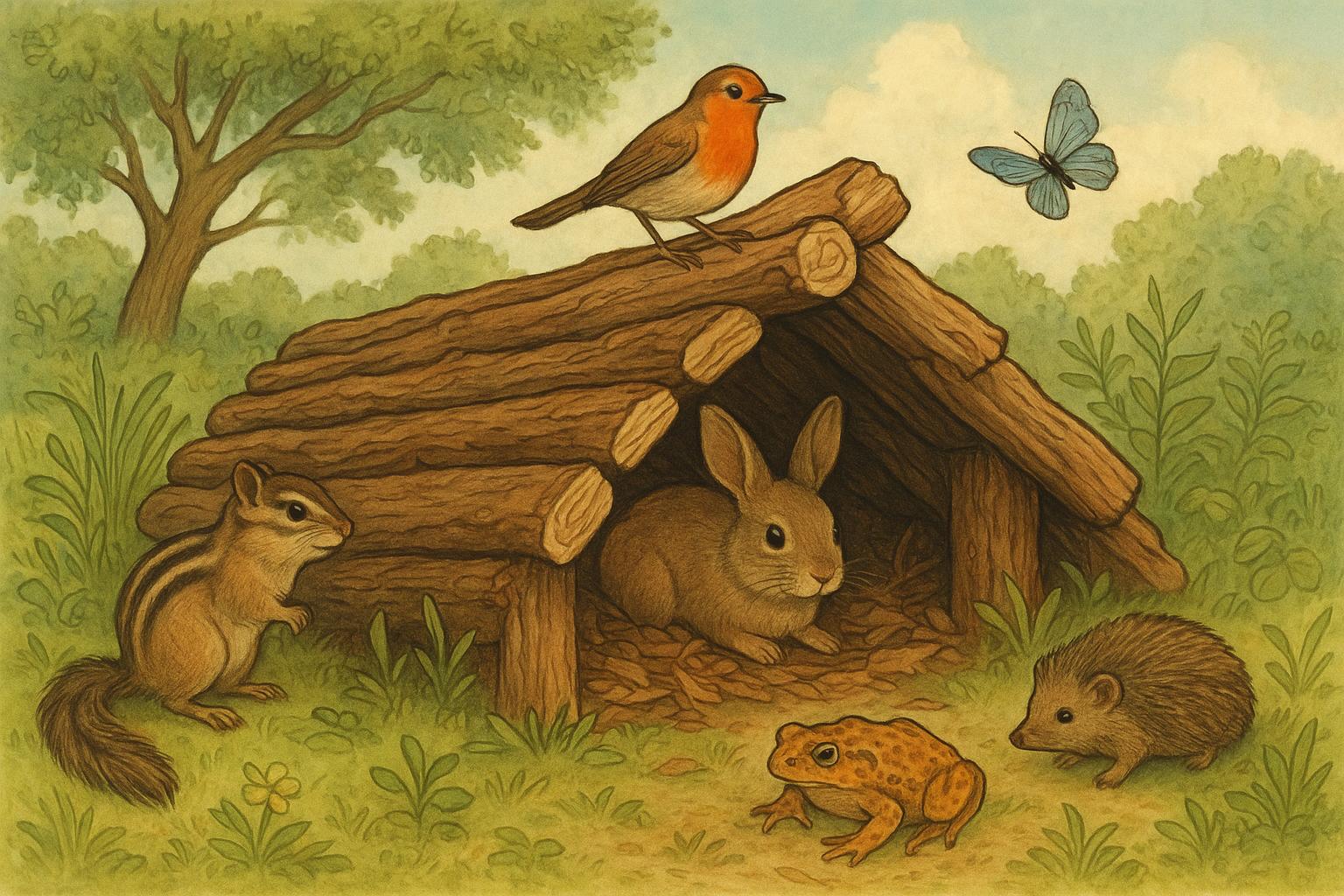
Gravel, rocks, and woody debris create microhabitats for insect larvae, snails, and bacteria. Varied depths and structure mean more niches for different species, which increases biodiversity. Leave some areas a bit wild — a log or two, a shallow gravel shelf — and you’ll be rewarded with more wildlife visitors and a healthier food web.
## Wildlife Residents And Their Needs
A thriving pond becomes a magnet for birds, amphibians, insects, and small mammals. Catering to their needs increases the richness of your pond life and helps create a resilient ecosystem.
### Amphibians And Fish
Amphibians need shallow, vegetated margins for egg-laying and deeper areas for summer refuges. If you stock fish, be mindful of species and numbers; overstocking stresses the whole system and can reduce amphibian survival. Native fish generally integrate better with local wildlife than exotic species. Provide shaded spots and hiding places to reduce predator pressure and thermal stress.
### Insects And Macroinvertebrates
Dragonflies, beetles, and a host of macroinvertebrates are both indicators of pond health and a food source for larger animals. Avoid broad-spectrum insecticides near the pond; these chemicals decimate the tiny workforce that helps keep pest populations in check. Encourage a balanced insect community with emergent plants and gentle margin slopes.
## Maintaining Water Quality Without Drama
You don’t need to become a full-time chemist, but regular water monitoring and gentle management go a long way to support pond life. A little attention prevents big problems.
### Testing And Parameters To Watch
Test your pond water monthly for ammonia, nitrite, nitrate, and pH. Ideal ranges depend on your inhabitants, but generally:
– Ammonia and nitrite: undetectable
– Nitrate: low to moderate
– pH: stable and appropriate to local conditions
Temperature and dissolved oxygen are seasonal checks; oxygen tends to drop when temperatures rise, so plan aeration for hot months.
### Seasonal Care Tips
Winter and summer present opposite challenges. In summer, watch for algal blooms and drop in oxygen; in winter, keep at least a small open area if fish are present to allow gas exchange. Remove excessive decaying leaves in fall and avoid large-scale water changes unless necessary — slow, partial changes are safer for pond life.
## Remedy 1: DIY Biofilter For Thriving Pond Life
When biological filtration is weak, pond life suffers. The following remedy provides a formal, step-by-step method to build a reliable biofilter that enhances beneficial bacterial colonies, reduces ammonia and nitrite levels, and stabilizes your pond environment.
### Materials Required
– A plastic barrel or large container (55-gallon drum or similar), preferably food-grade
– Submersible pump sized appropriately for your pond volume (flow rate 2–4 times pond volume per hour recommended)
– Filter media: coarse lava rock or ceramic bio-balls (enough to fill ~60% of container)
– Coarse sponge pre-filter (for pump intake)
– PVC piping, elbows, and fittings to form inlet and outlet
– Bulkhead fittings or sealed connectors for watertight plumbing
– Mesh or perforated plate to keep media from clogging outlet
– Hose clamps, silicone sealant, and basic tools (drill, saw, screwdriver)
### Step-By-Step Construction And Maintenance
1. Select Location: Place the biofilter on solid, level ground near the pond to minimize plumbing runs. If burying partially for aesthetics, ensure easy access for maintenance.
2. Prepare Container: Drill holes and install bulkhead fittings for inlet and outlet. Position inlet near the top and outlet near the bottom to promote top-down flow through media. Seal fittings with silicone and allow to cure.
3. Install Media Retention: Insert a mesh or perforated plate above the outlet area to prevent media particles from escaping into the pond. Ensure plate sits securely and allows water passage.
4. Add Filter Media: Fill container with coarse lava rock or ceramic bio-balls up to approximately 60–70% capacity, leaving headspace for water movement. Media surface area is where bacteria will colonize.
5. Configure Pump And Pre-Filter: Attach the coarse sponge pre-filter to the pump intake to reduce debris entering the biofilter. Connect pump to inlet plumbing, ensuring a secure and leak-free connection.
6. Set Flow Rate: Aim for a flow that cycles pond water through the biofilter 2–4 times per hour, adjusting pump selection or using valves to tune flow. Too fast a flow reduces contact time; too slow limits oxygen delivery to bacteria.
7. Prime And Start: Fill the biofilter with pond water and start the pump. Check for leaks and ensure water flows from top to bottom through the media and returns to the pond cleanly.
8. Initial Cycling And Bacterial Inoculation: To establish beneficial bacteria, add commercial nitrifying bacteria starter according to manufacturer instructions, or introduce mature filter media from an established pond if available. Monitor ammonia and nitrite daily until levels stabilize.
9. Routine Maintenance: Inspect pre-filter(s) weekly and rinse sponges in pond water (not tap water) to preserve bacteria. Every 3–6 months, perform a gentle backwash or remove accumulated debris from the top of the media; do not sterilize media. Replace worn sponges as needed.
10. Long-Term Monitoring: Track ammonia, nitrite, and nitrate. If spikes occur after maintenance, reduce cleaning frequency and consider seeding with bacterial supplements to quickly restore biological function.
This biofilter design is scalable: increase media volume for larger ponds and select pump flow accordingly. Properly constructed and maintained, it supports a stable bacterial community that underpins healthy pond life.
#### Initial Cycling And Bacterial Inoculation
Formal Note: During the initial cycling period, expect a transient rise in nitrite as ammonia-oxidizing bacteria establish before nitrite-oxidizing bacteria catch up. Maintain partial water changes only if ammonia reaches harmful levels. Avoid introducing significant bioload (fish, large numbers of invertebrates) until ammonia and nitrite are consistently undetectable.
## Creating Habitat Complexity That Attracts Pond Life
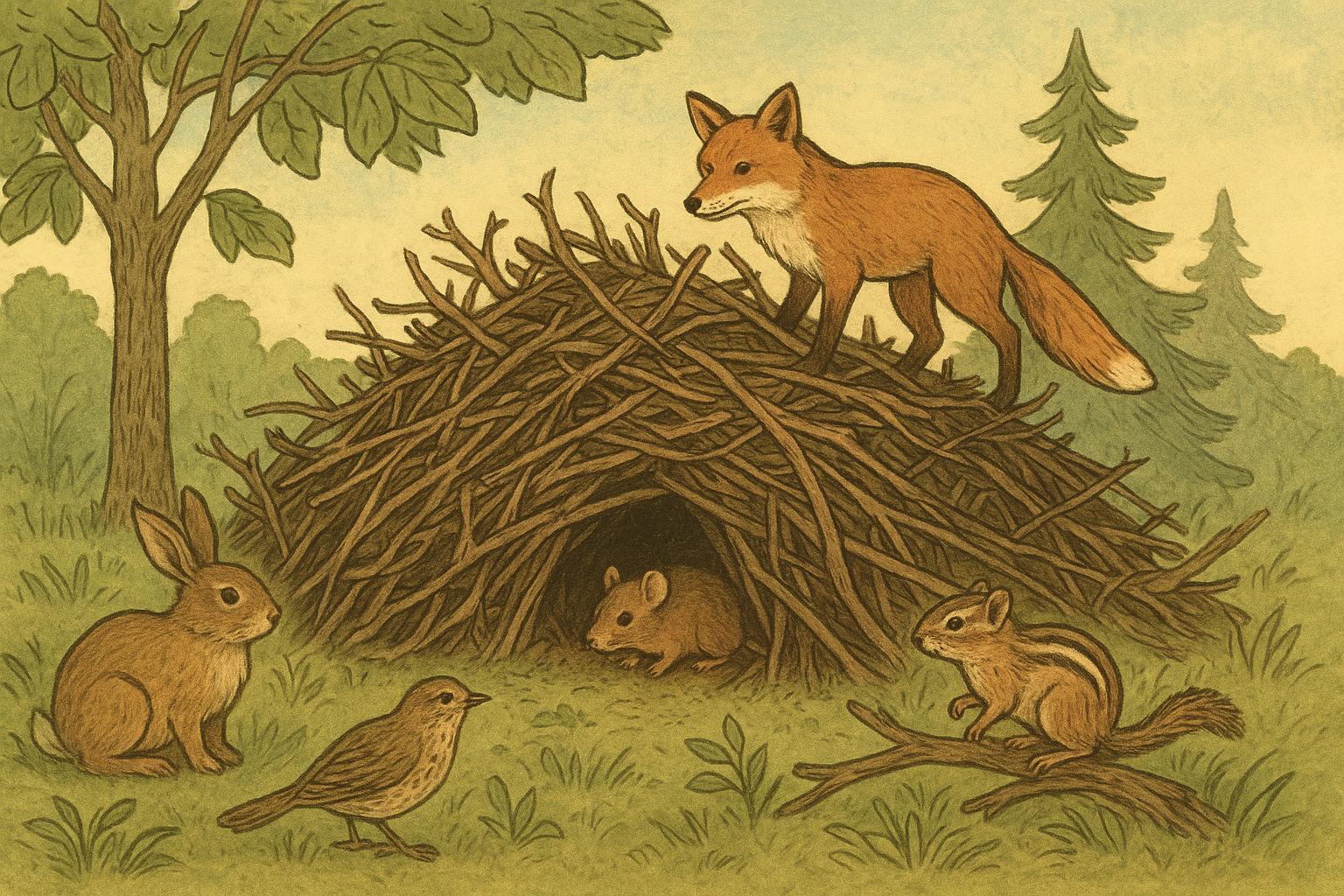
A pond that offers varied depth, vegetative complexity, and shelter will attract and support more diverse pond life. Design margins with gradual slopes for easy access by frogs and small mammals, incorporate rock piles or submerged branches for hiding, and plant native species in clusters to offer both cover and foraging spots.
### Shelters, Shallow Margins, And Native Plants
Shallow shelves heat quickly and support emergent plants that stabilize banks and provide egg-laying sites. Deeper areas offer refuge during heat or freezing periods. Use native plants wherever possible — they support local insect communities better than ornamental exotics. Add a few purposefully placed flat rocks or logs as basking spots for dragonflies and amphibians.
Throughout the process, remember that pond life thrives on balance. Slow, informed adjustments win over dramatic interventions. Keep a light touch, observe patiently, and let nature do the rest (with a little human help now and then).














Leave a Reply