
## How To Design A Wildlife-Friendly Small Yard Step-By-Step
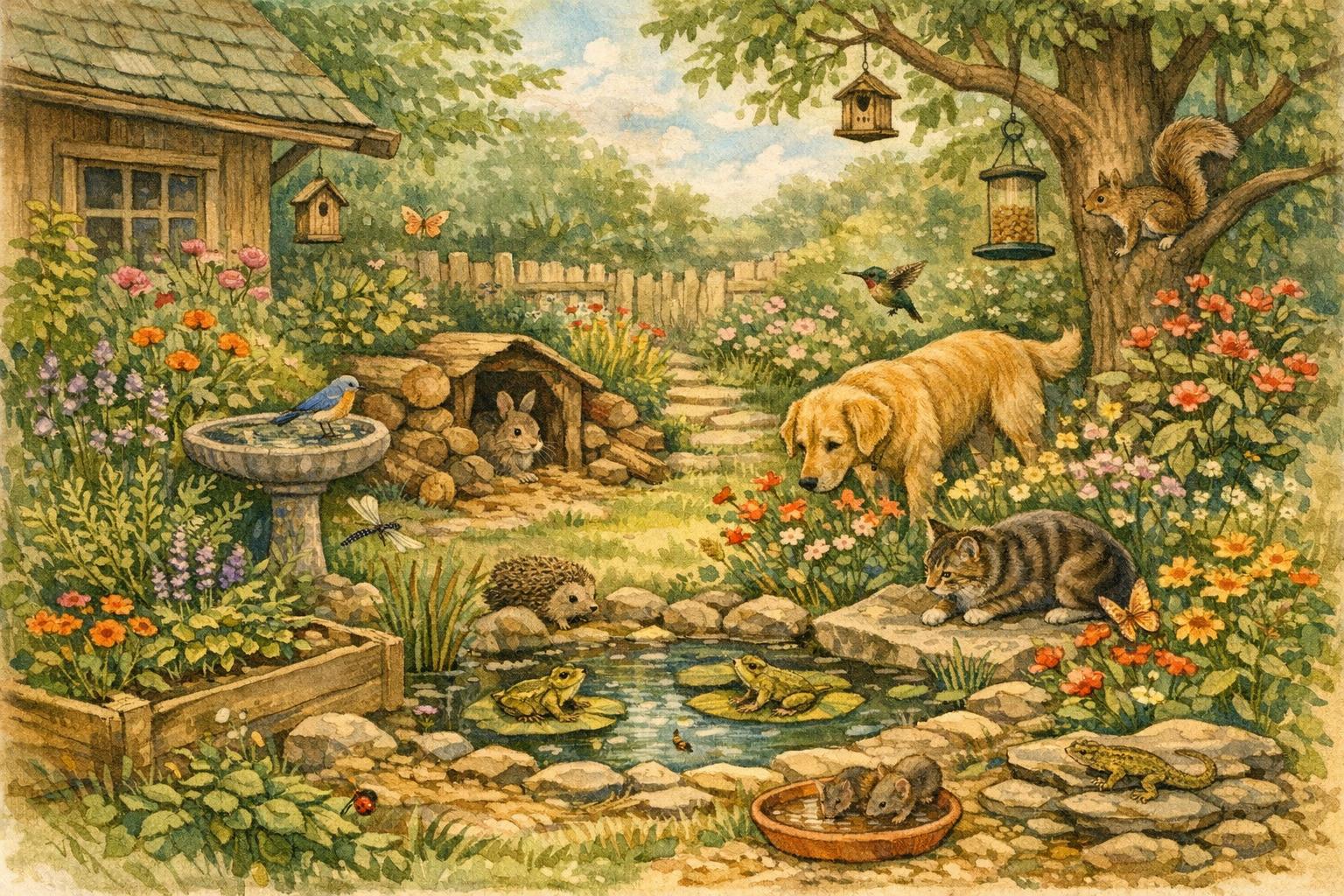
Designing a balanced outdoor space requires deliberate planning: how to design a wildlife-friendly small yard means creating layered habitat that supports birds, pollinators, small mammals and amphibians while keeping resident pets safe and happy. In compact yards every square foot matters, so use structure, native plants and water to multiply the ecological benefits of each element.
### Assess Site Conditions And Microhabitats
Begin by observing light, soil type, drainage and prevailing winds. Mapping sunny and shady patches, high-traffic pet routes, and existing resources (mature trees, fences, compost) lets you place wildlife-supporting features where they will thrive. Consider seasonal variation: some areas may flood in spring, offering amphibian habitat, while others become arid in summer and need drought-tolerant species.
#### Soil And Sun Analysis
Test soil texture and pH, and note how many hours of direct sun each zone receives. Native plant choices and the placement of water features hinge on accurate site assessment.
### Prioritize Native Plants And Layered Vegetation
Native plants provide the highest ecological value because local insects and birds recognize and rely on them. Aim for vertical structure: canopy trees (or tall shrubs), understory shrubs, a herbaceous layer and groundcover. Even in small yards, a single native shrub can host caterpillars, nectar and fruit.
#### Recommended Planting Palette For Small Spaces
Select plants with staggered blooming and fruiting times to provide continuous food. Mix evergreen and deciduous shrubs for year-round shelter. For a true pet friendly yard, avoid toxic species; consult local lists for both native suitability and pet safety.
### Create Water And Shelter In Compact Footprints
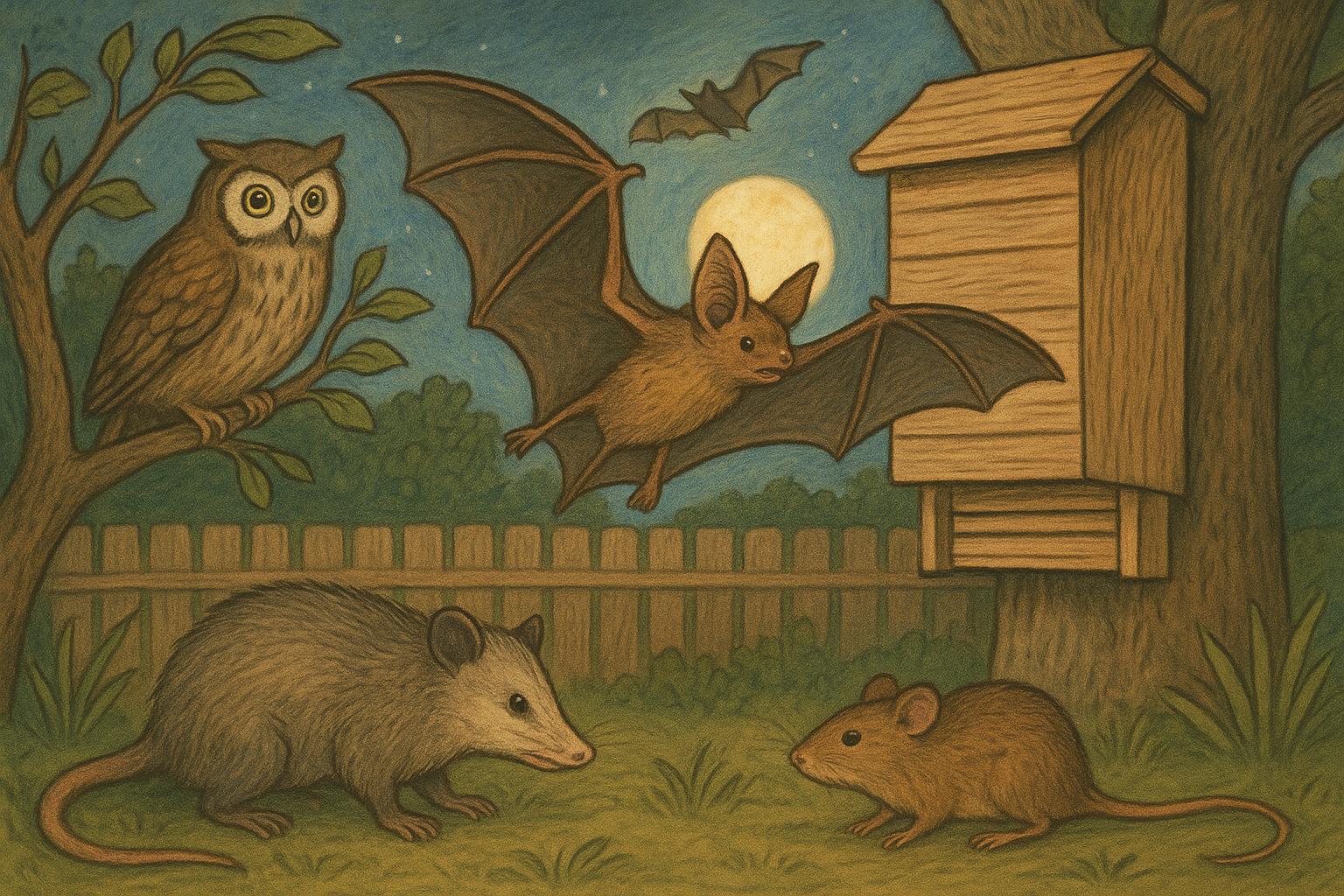
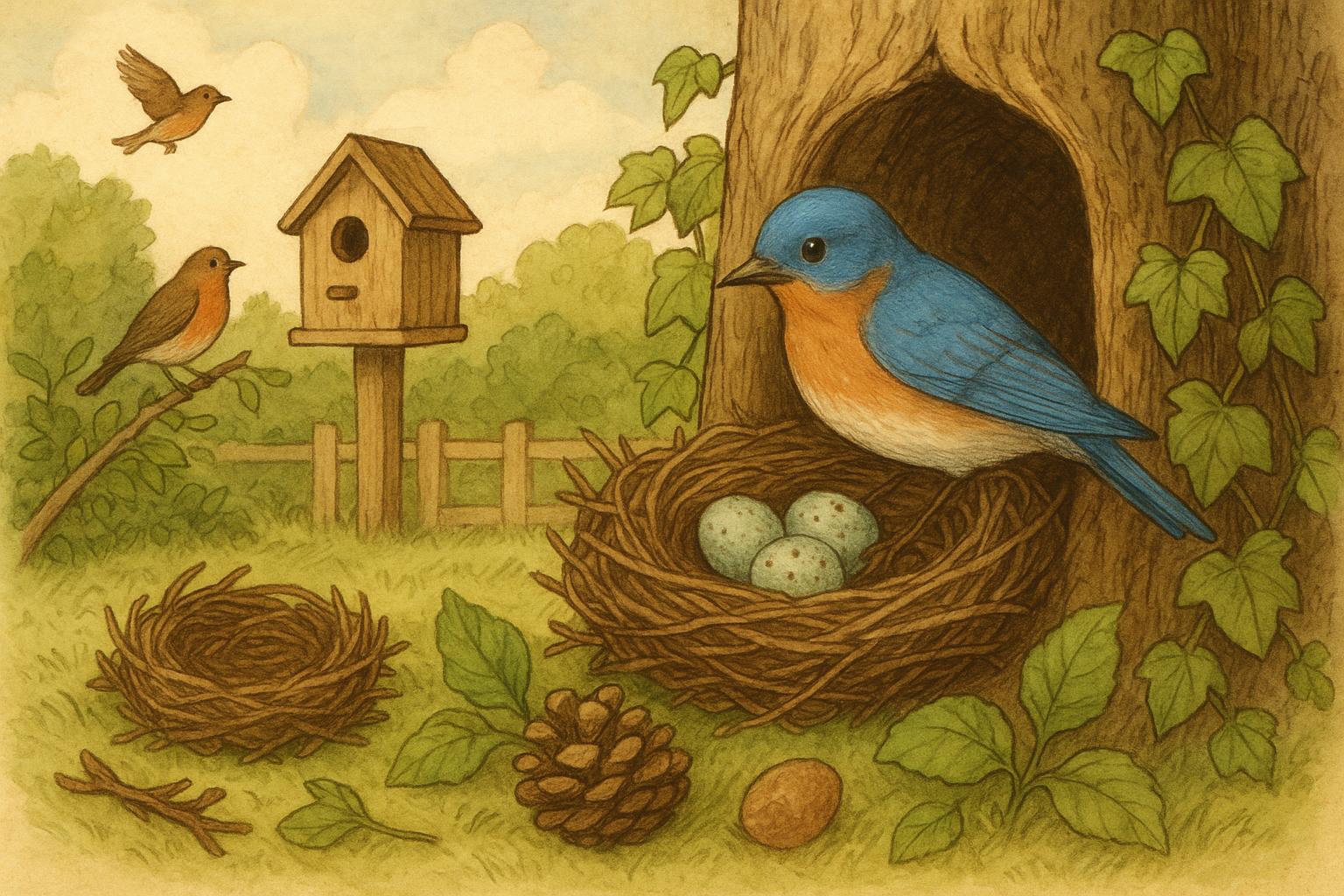
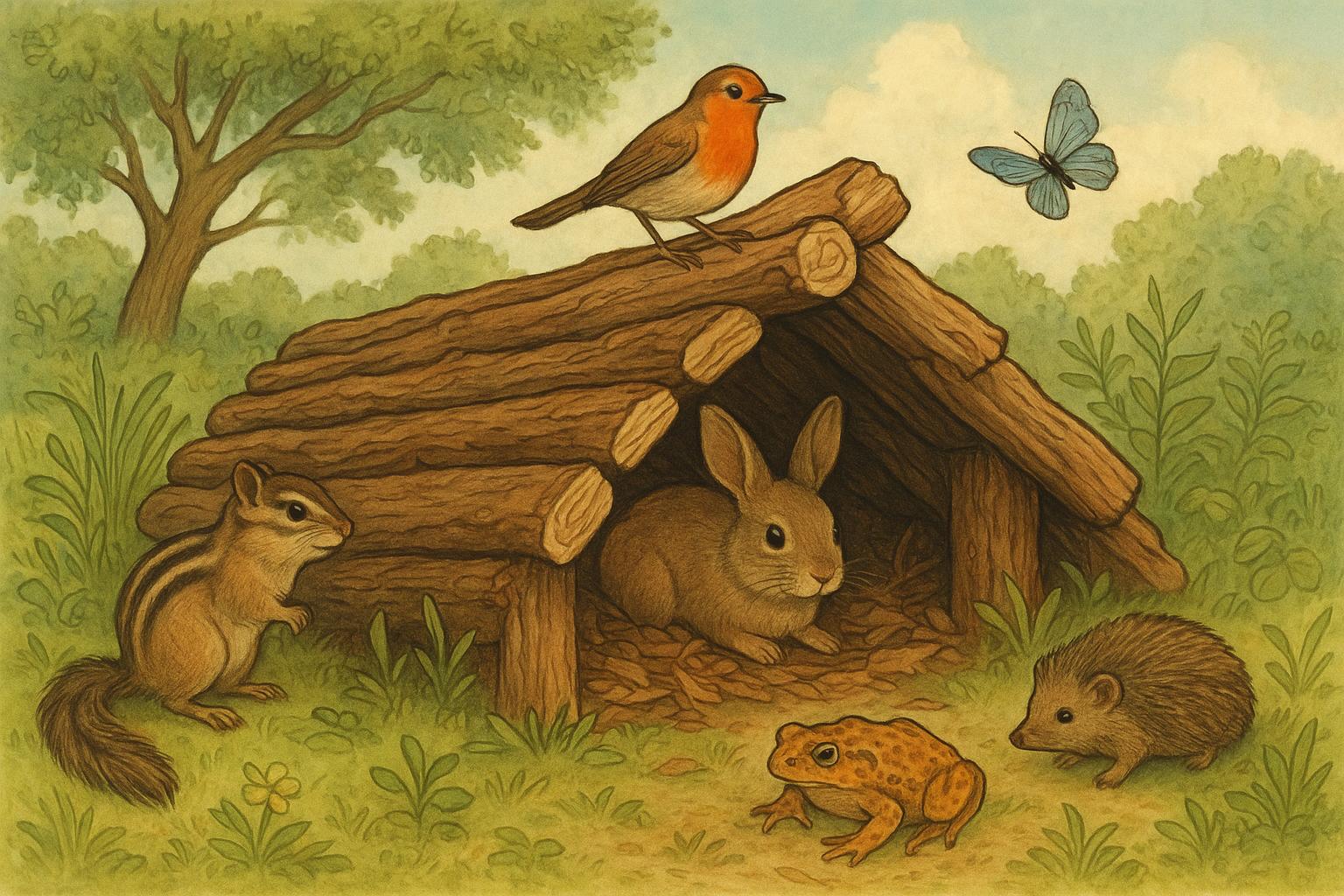
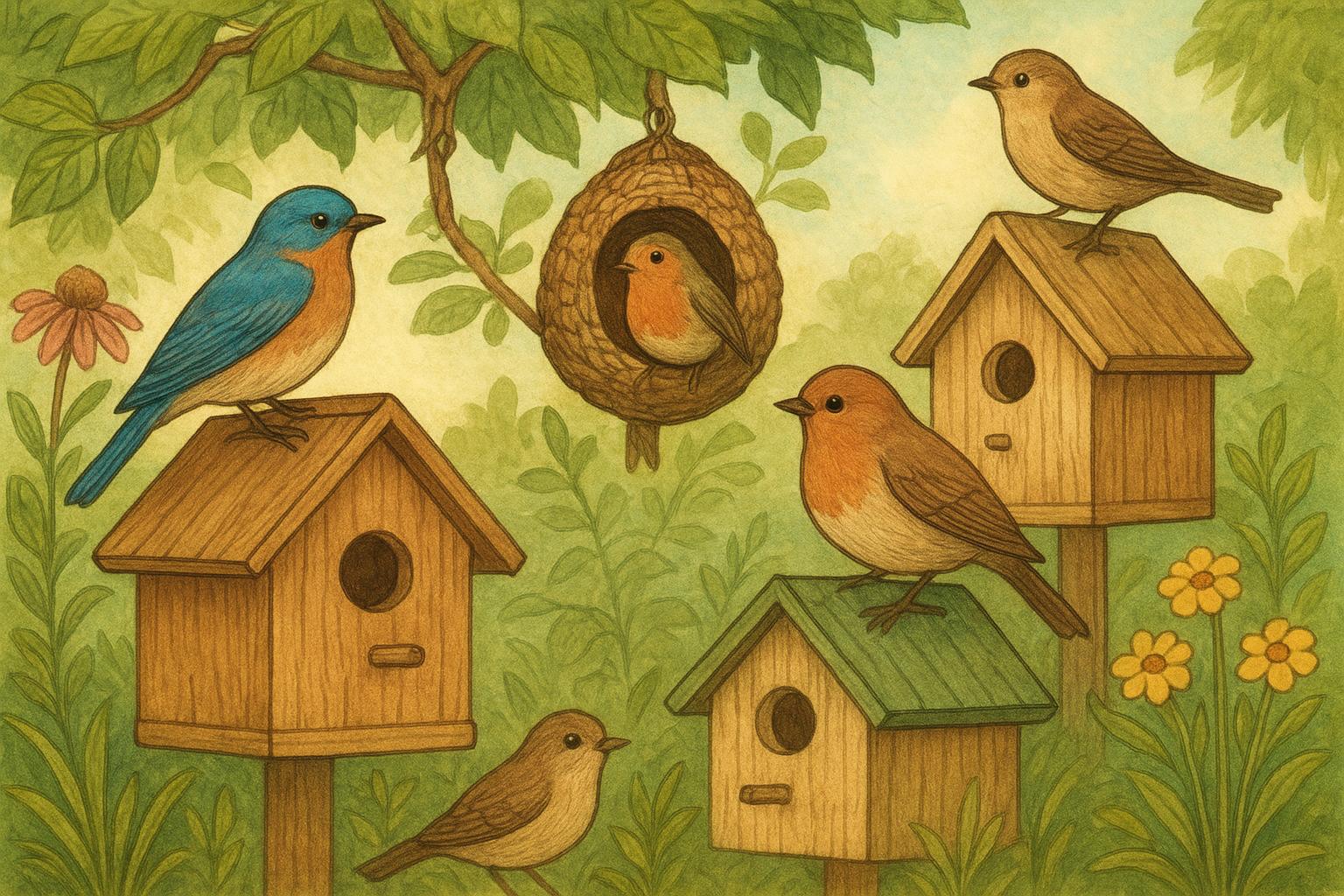
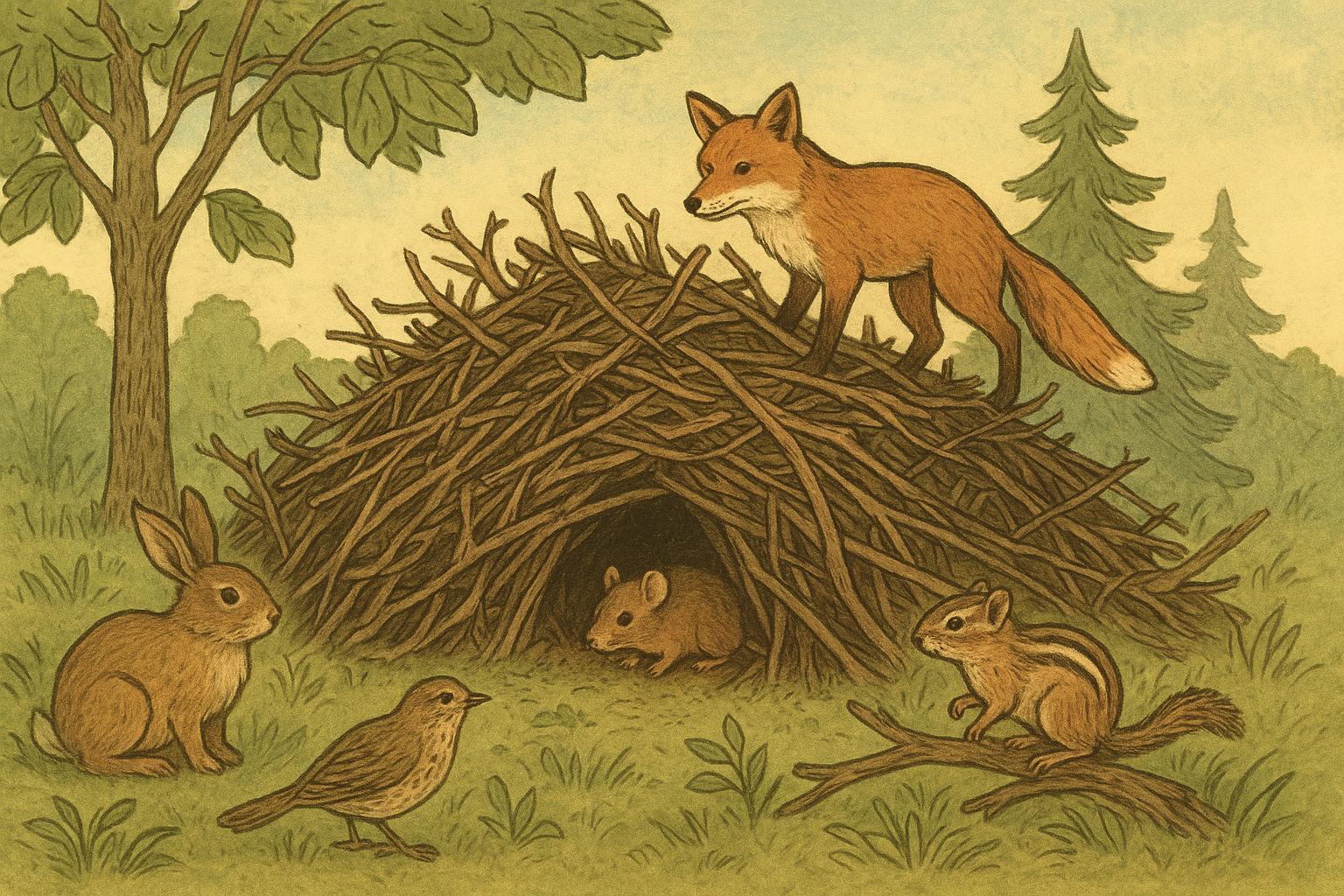
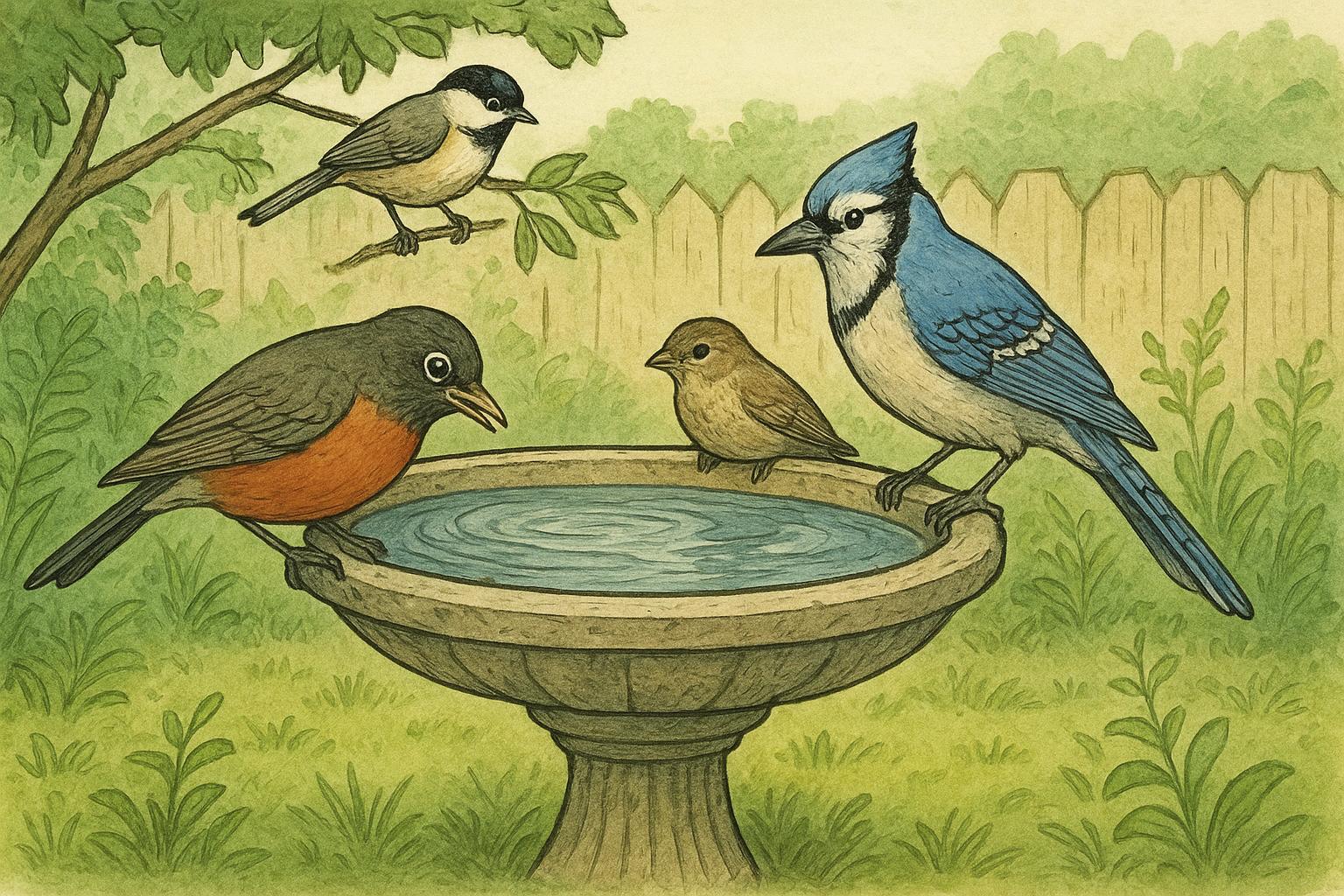
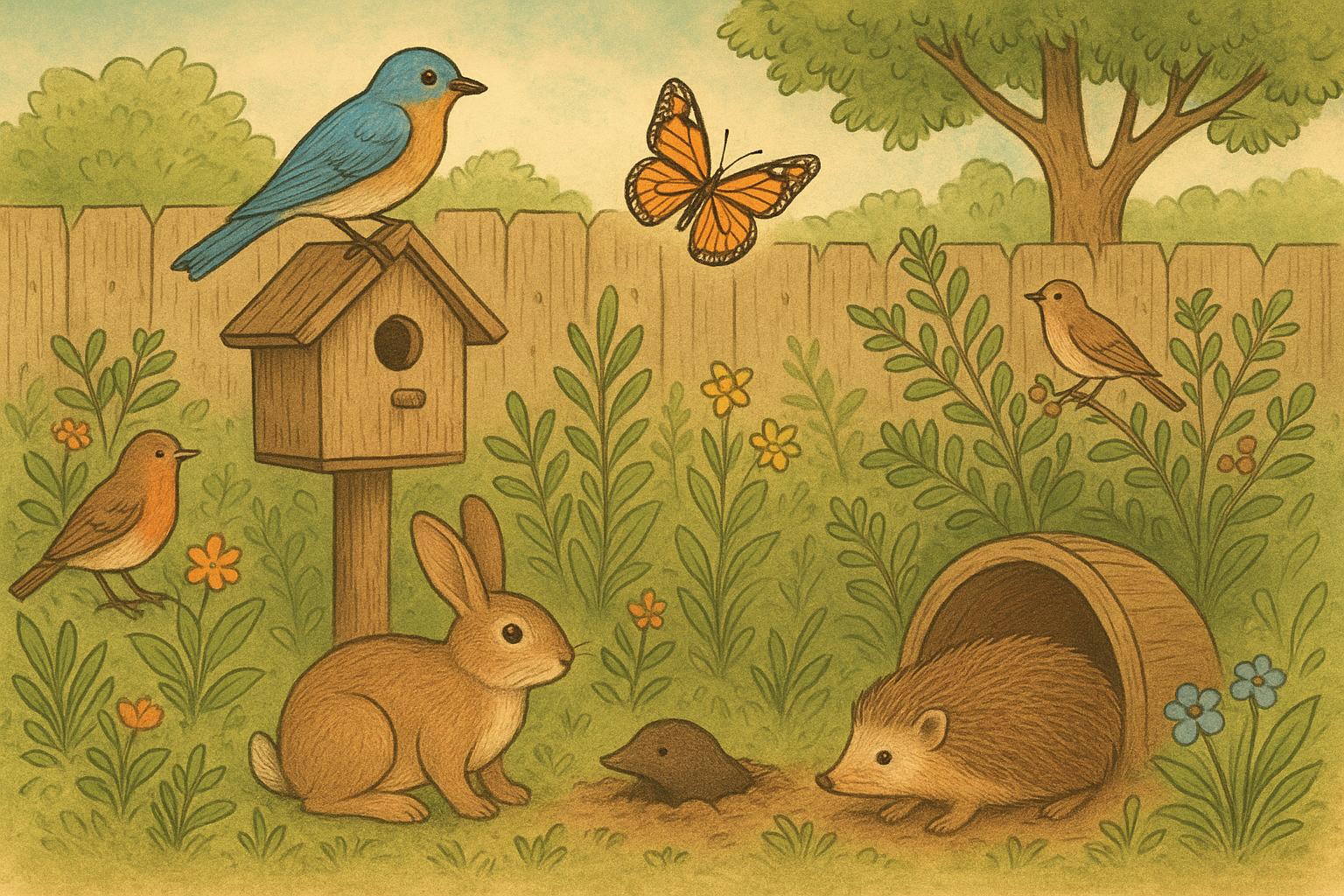
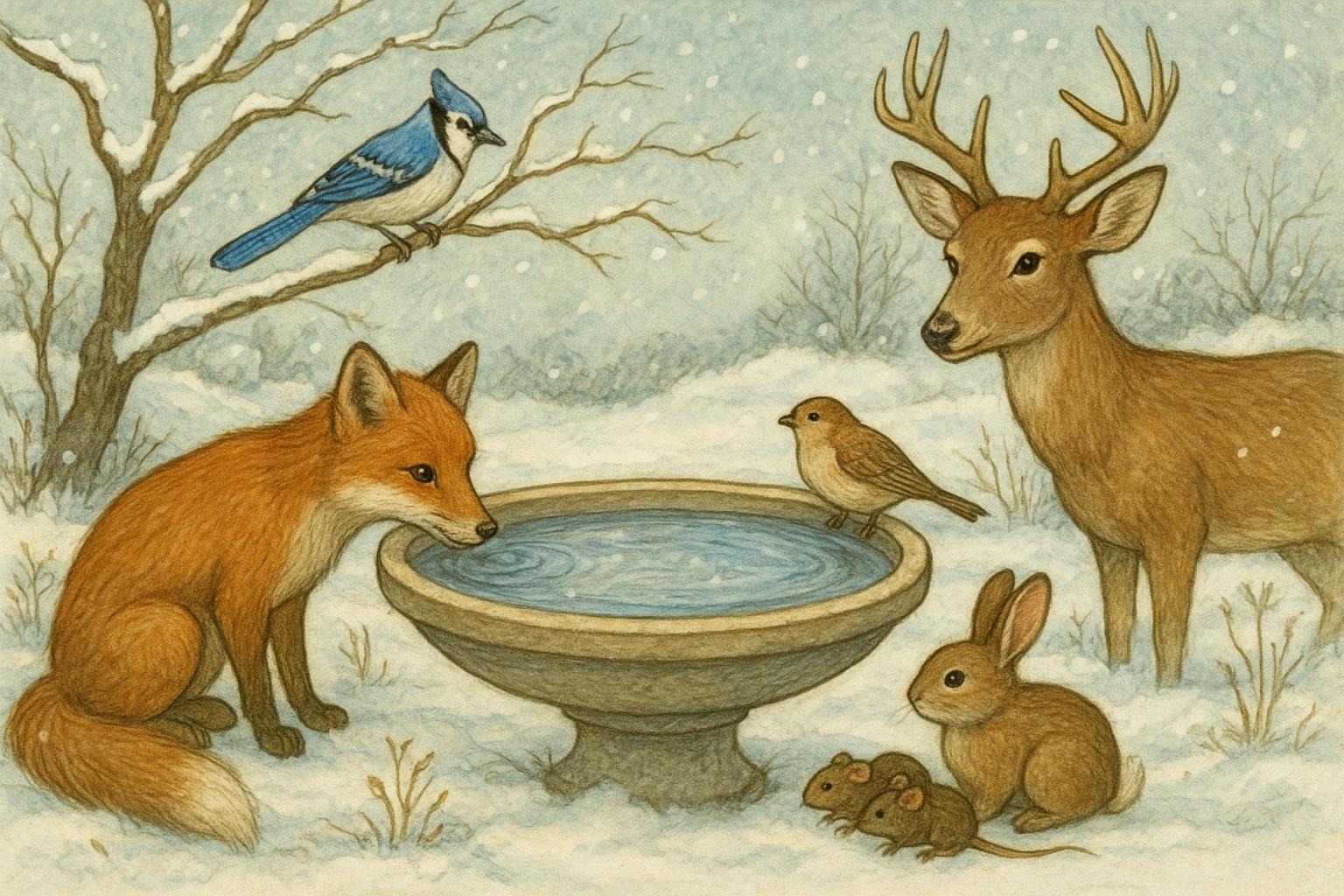
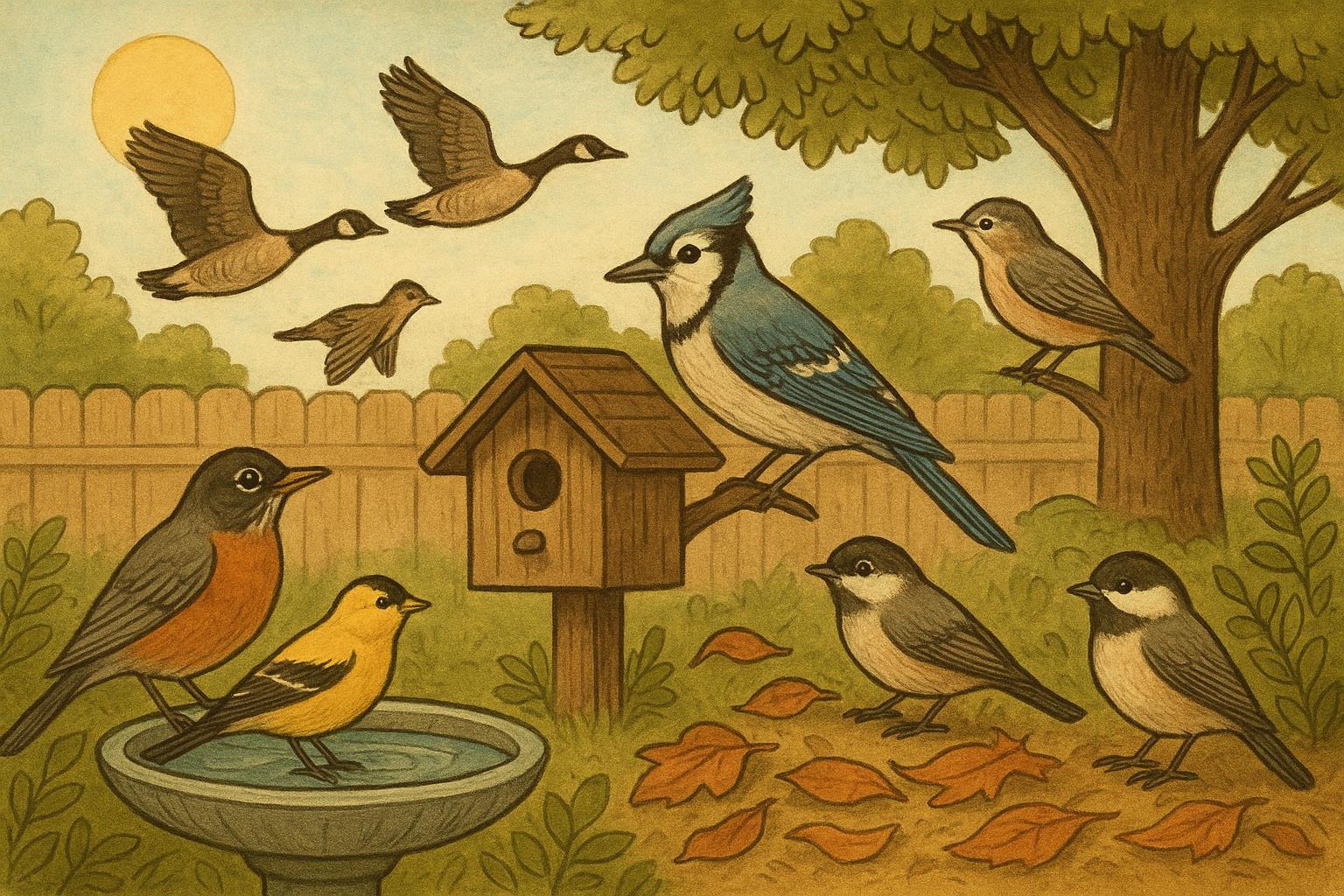
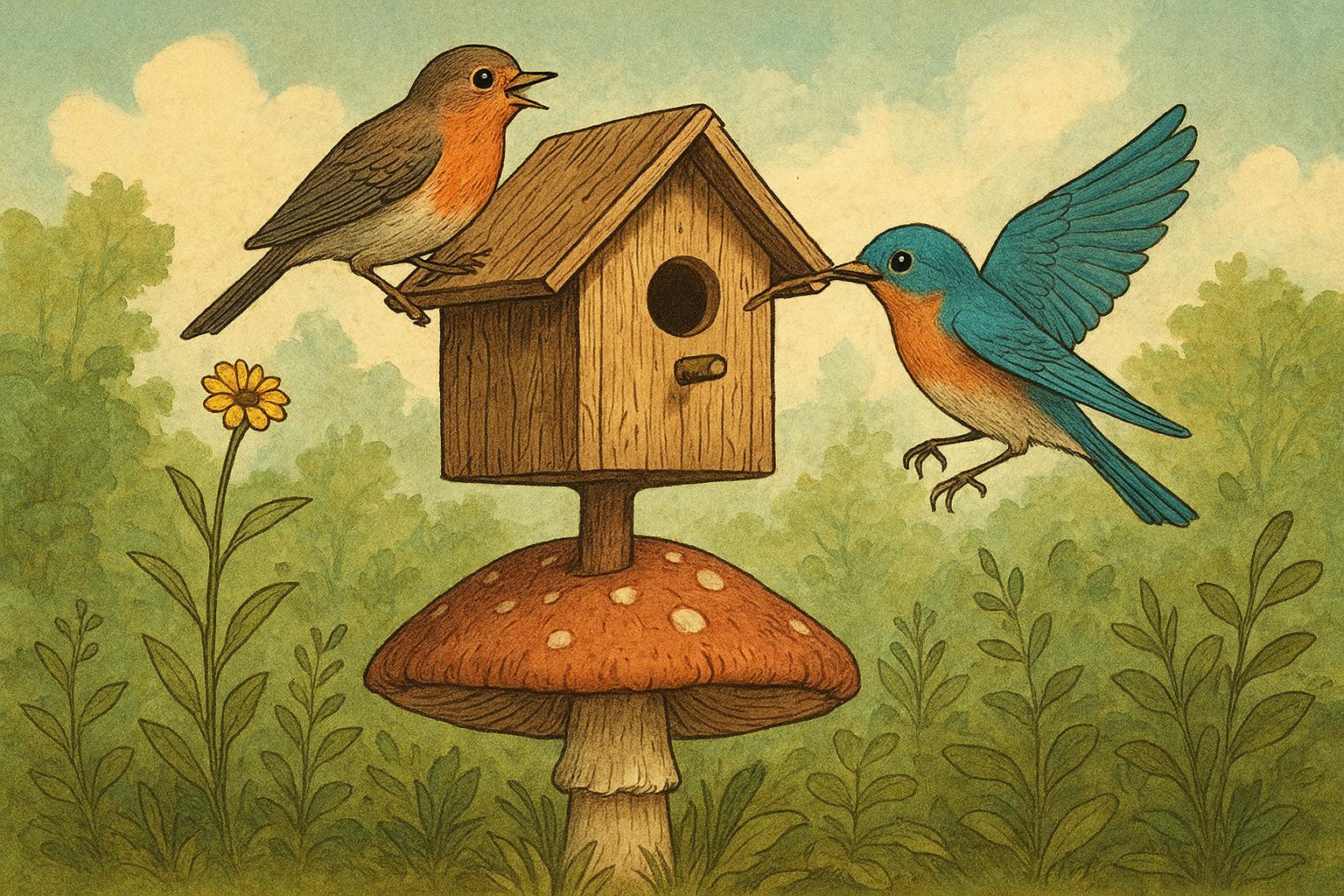
Water is a limiting resource for wildlife in urban settings. A shallow, well-sited bird bath or a small recirculating fountain attracts birds and pollinators. Provide shelter with brush piles, hollow logs, nesting boxes and dense shrubs. These elements make wildlife design resilient without occupying large areas.
#### Water Placement And Pet Safety
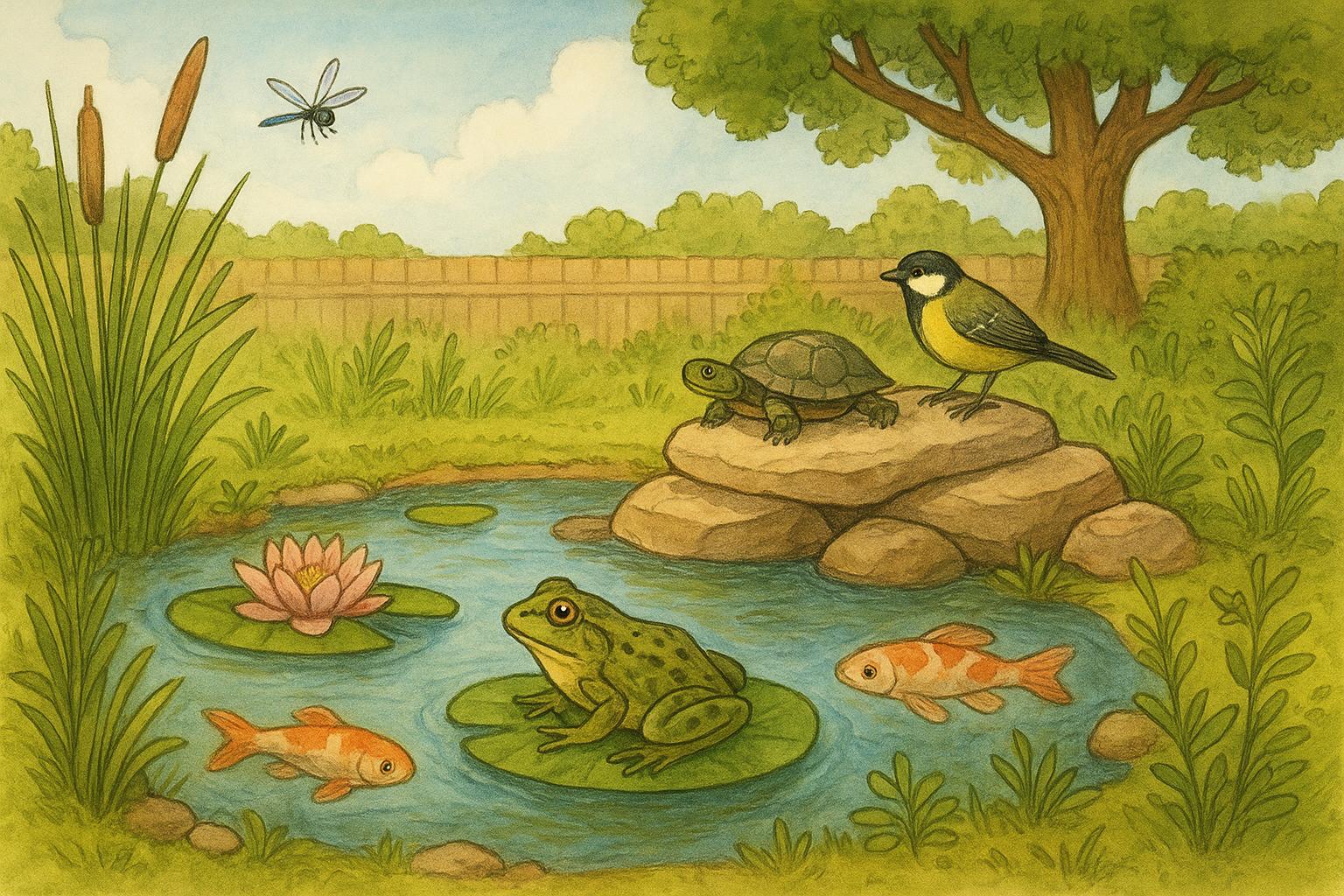
Place water features where they are visible to wildlife but not directly in high-traffic pet zones. Elevating bird baths or adding escape slopes in ponds prevents pets from getting stuck. Use non-toxic liners and design for easy cleaning to limit disease risks.
## 2 Remedies: DIY Wildlife Water Feature And Brush Shelter
### 1. Shallow Wildlife Water Bowl (Formal Remedy)
Ingredients / Required Materials:
1. A shallow basin or wide ceramic planter (6–10 inches deep)
2. Flat stones for perches
3. A small submersible pump (optional for recirculating fountain)
4. Pond liner or waterproof sealant (if modifying a container)
5. Water treatment: dilute hydrogen peroxide (1 part 3% H2O2 to 10 parts water) for occasional cleaning OR garden-safe algaecide approved for wildlife use
6. Gravel or coarse sand for substrate
Creation And Application (Step-By-Step):
1. Site Selection: Choose a level area with partial shade to minimize evaporation and algae growth. Ensure visibility for wildlife but safe distance from pet play zones.
2. Prepare Basin: Clean the basin thoroughly. If modifying a container, seal any leaks with waterproof sealant and allow curing per manufacturer instructions.
3. Add Substrate: Place a 1–2 inch layer of gravel or coarse sand in the bottom to provide microhabitats for aquatic invertebrates and to aid drainage.
4. Add Perches: Arrange flat stones at different heights so small birds and insects can land safely. Ensure one stone reaches the water surface to allow amphibian escape.
5. Install Pump (Optional): If using a pump, position it at the deepest part and hide tubing under stones for aesthetics. Test water flow to create a gentle ripple; avoid strong currents.
6. Fill With Water: Use dechlorinated water if possible. Fill to a depth that keeps the perches partially submerged.
7. Maintenance Schedule: Weekly skim of debris; monthly drain and clean. For cleaning, use the dilute hydrogen peroxide solution to disinfect; rinse thoroughly before refilling. Replace partial water every two weeks in hot weather.
8. Pet Management: Train pets with boundary cues and consider a low decorative barrier like a short boxwood hedge to discourage access.
This formal approach provides a low-maintenance source of hydration for wildlife while minimizing hazards to pets.
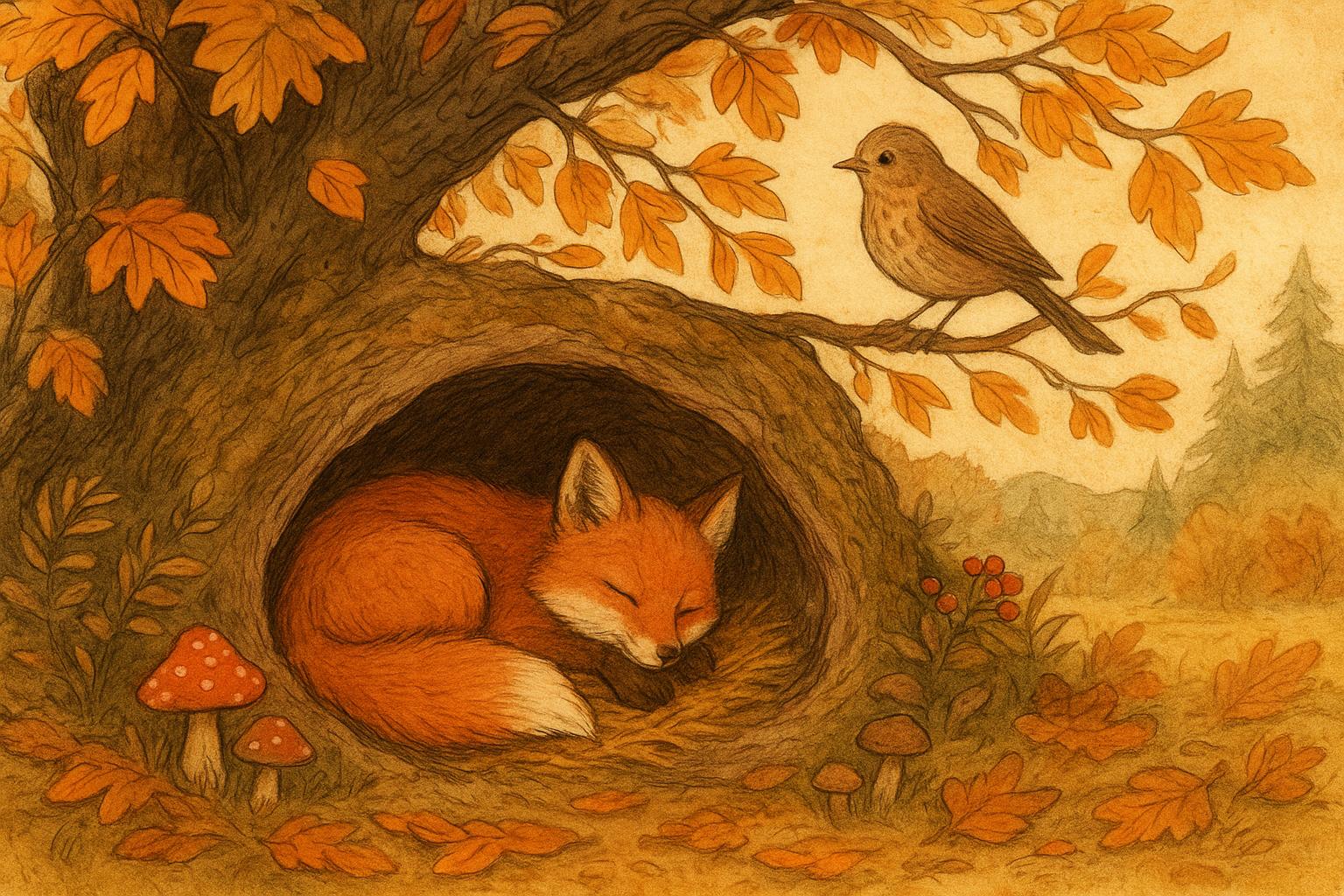
### 2. Brush Pile Shelter For Small Birds And Mammals (Formal Remedy)
Ingredients / Required Materials:
1. Pruned branches and twigs (2–4 inches diameter)
2. Leaf litter and pine needles
3. Dead stems from native perennials
4. Stakes or rebar to create a support frame (optional)
5. Burlap or chicken wire (optional, for initial containment)
Creation And Application (Step-By-Step):
1. Location: Choose a quiet corner with partial cover and close to shrubbery to encourage use by birds and small mammals. Avoid placing directly against fences where pets can reach easily.
2. Base Layer: Lay larger branches in a crisscross pattern to create a stable foundation. Leave voids and cavities to provide microhabitats.
3. Build Up Structure: Continue layering smaller branches, interspersing dead stems and leaf litter to create insulating chambers. Aim for a pile at least 3 feet wide and 2 feet high for meaningful shelter.
4. Stabilize (If Needed): Insert stakes or rebar through the center for stability in windy locales. Wrap the base with burlap or chicken wire temporarily until the pile settles; remove any sharp wire that could harm wildlife or pets.
5. Finish Surface: Add a final layer of leaves and pine needles to enhance insulation and to attract invertebrates that provide food.
6. Monitoring And Maintenance: Allow natural decomposition; refresh materials every 2–3 years. Check regularly for access by pets and reposition if pets display excessive interest.
This brush shelter integrates seamlessly into wildlife design, offering immediate refuge and improving soil health as it decomposes.
### Integrate Pet Safety Measures Into Wildlife Design
Balancing a wildlife design with a healthy pet friendly yard requires physical and behavioral strategies. Use low hedges, decorative boulders or planters to create sightlines and boundaries rather than high opaque fencing that restricts wildlife movement. Pathways of compacted mulch or stepping stones reduce mud and discourage pets from trampling sensitive plantings.
#### Avoiding Hazards
Do not use rodenticides, neonicotinoids or broad-spectrum insecticides; these chemicals harm beneficial wildlife and can poison pets. Instead, employ integrated pest management: encourage predatory birds by providing perches and avoid monocultures that invite pest outbreaks.
### Seed, Fruit And Nectar: Food Provisioning Without Dependency
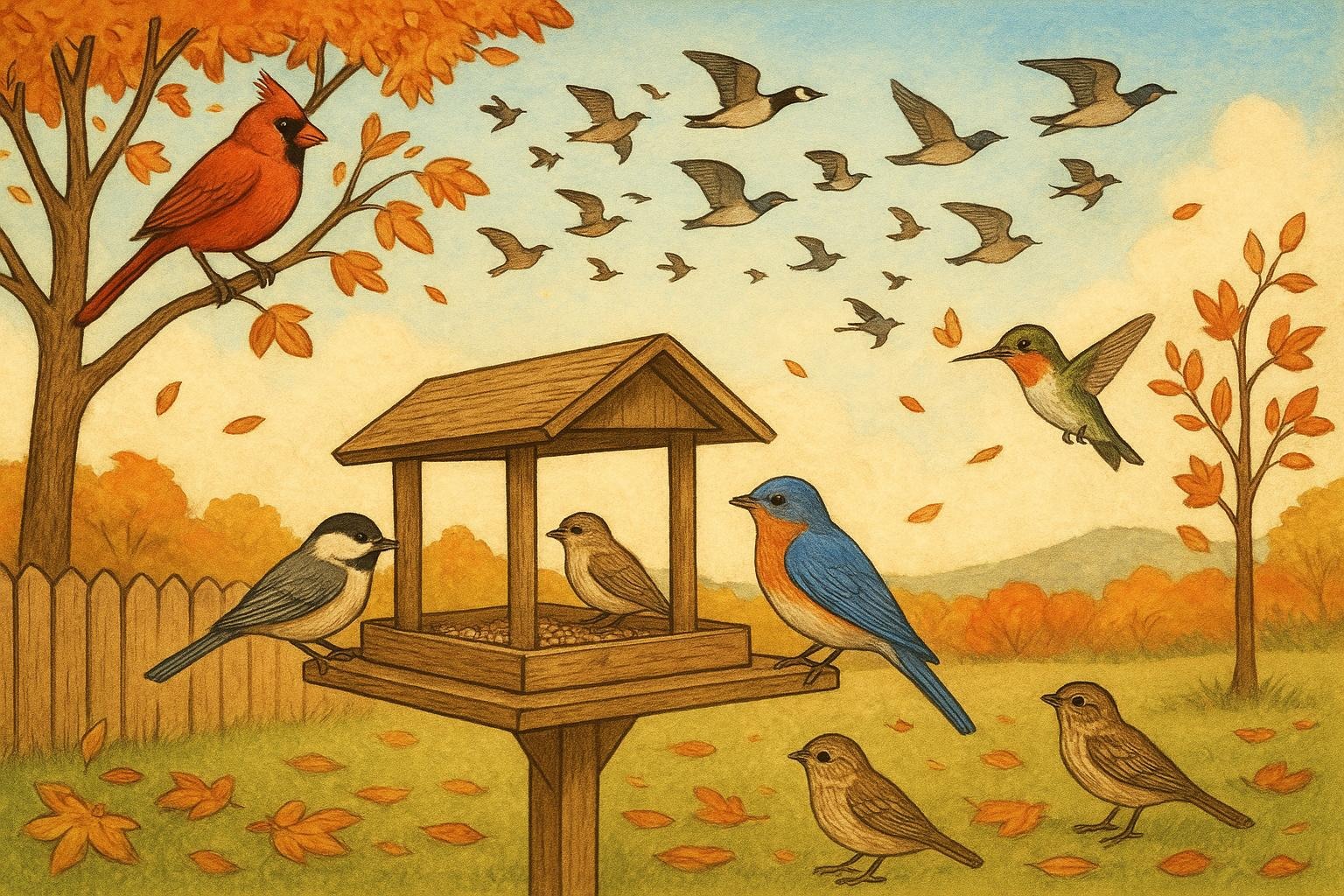
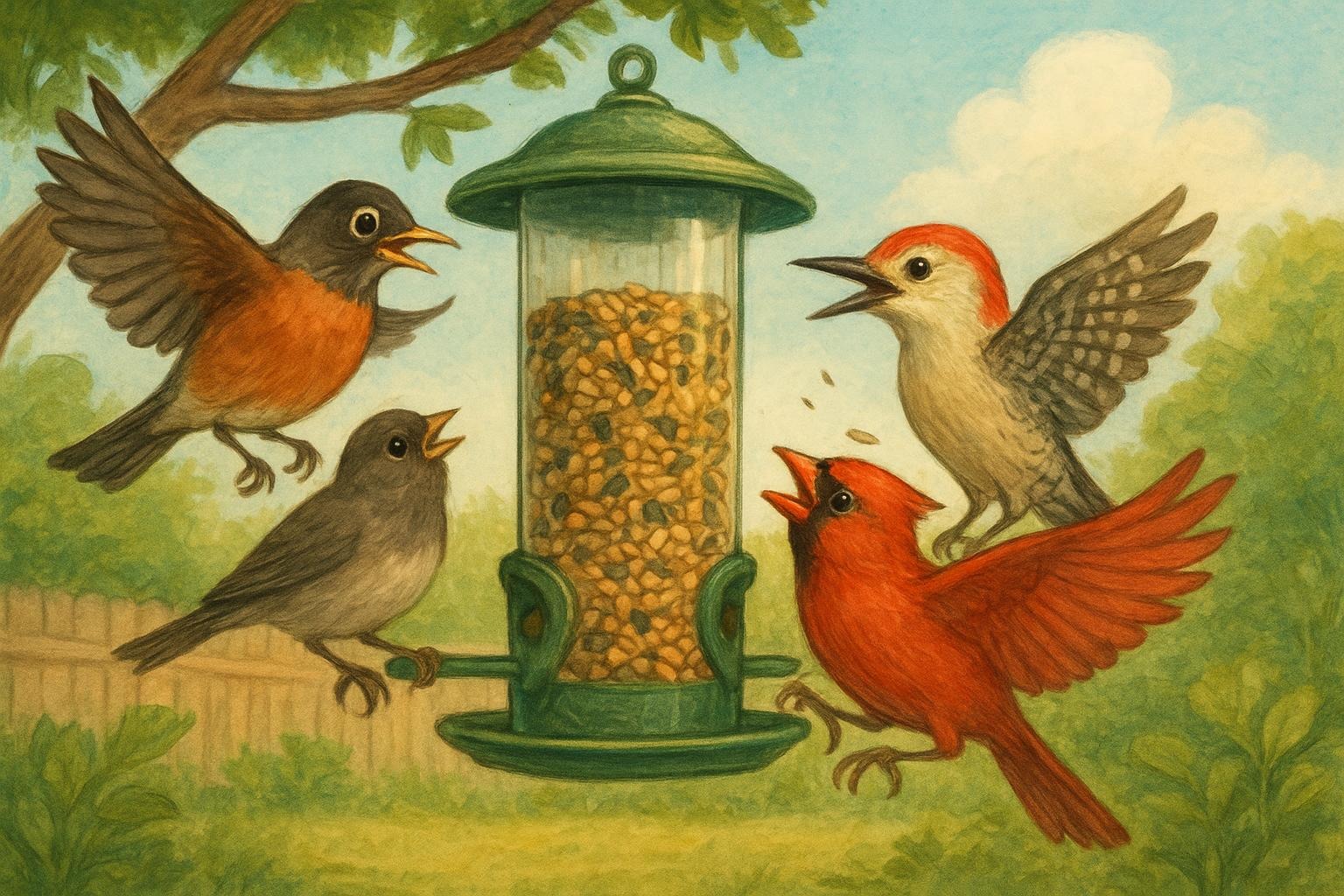
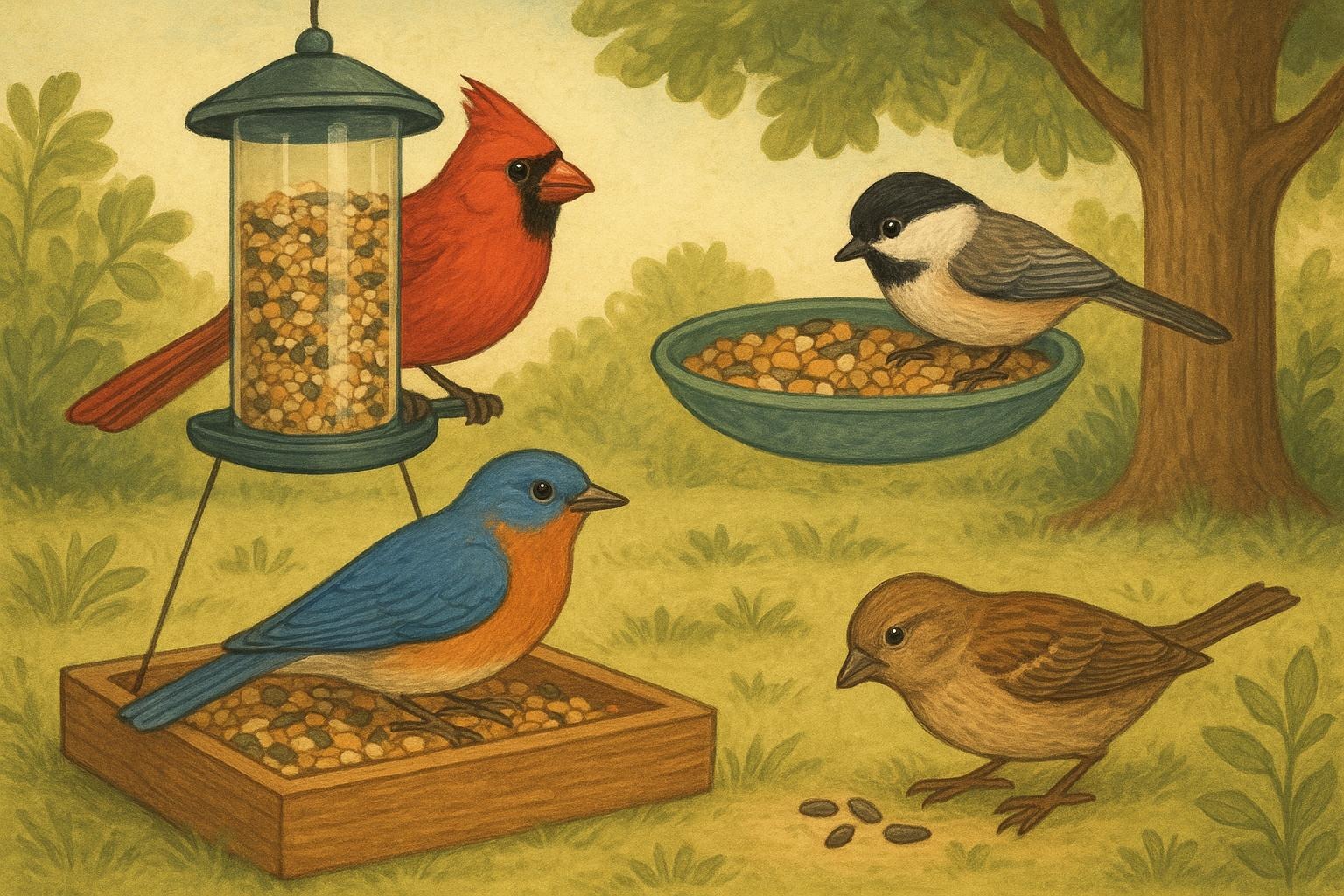
Supplemental food can help wildlife but avoid creating dependency or attracting predators. Instead of constant feeders, plant a succession of native species that produce seeds, berries and nectar throughout the year. When you supplement with feeders, place them strategically: elevated feeders for birds, platform feeders near cover, and squirrel-proof designs if necessary.
#### Plant Suggestions For Continuous Food Supply
Incorporate small native trees, berry-producing shrubs, and late-season bloomers. Select non-toxic choices to maintain a pet friendly yard; research species for both wildlife value and pet safety.
### Maintainability And Seasonal Care
Design for resilience. Mulch to conserve moisture, install drip irrigation to reduce water waste, and schedule seasonal pruning that avoids nesting season. Regularly inspect structures such as houses and water features for wear. Document microhabitats and note wildlife use to adapt your design over time.
#### Community And Neighborhood Scale Considerations
Even a small yard contributes to broader urban biodiversity when many neighbors adopt similar principles. Share plant lists and tips with neighbors to expand habitat corridors and reduce the need for risky chemicals across blocks.
### Monitoring Success And Adapting The Plan
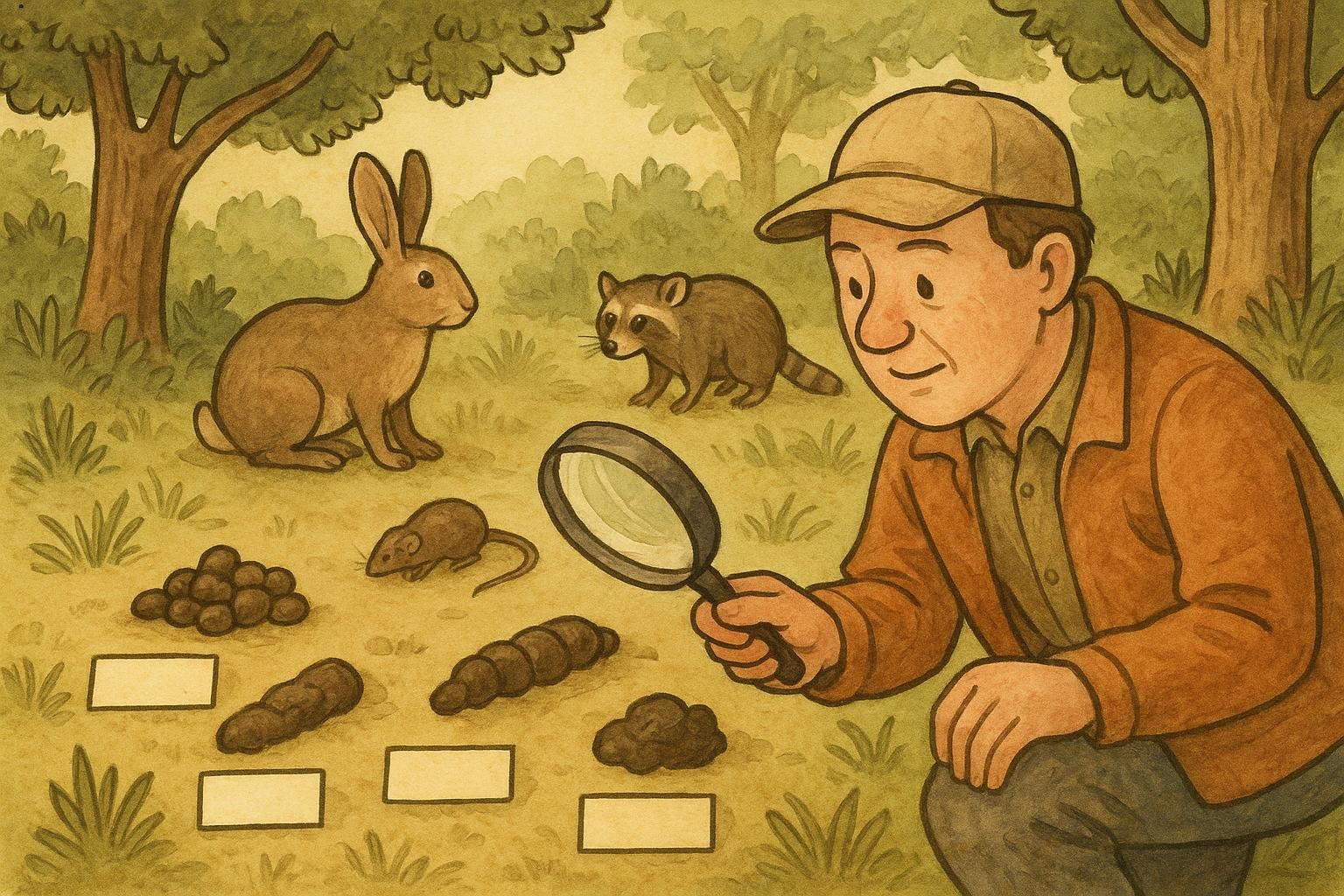
Keep a simple log of species observed, bloom times and pet interactions. Use this data to adjust plant selection, move water features and refine pet boundaries. Adaptive management is the hallmark of effective wildlife design and ensures the yard remains both a pet friendly yard and a vibrant refuge for native creatures.




Leave a Reply