
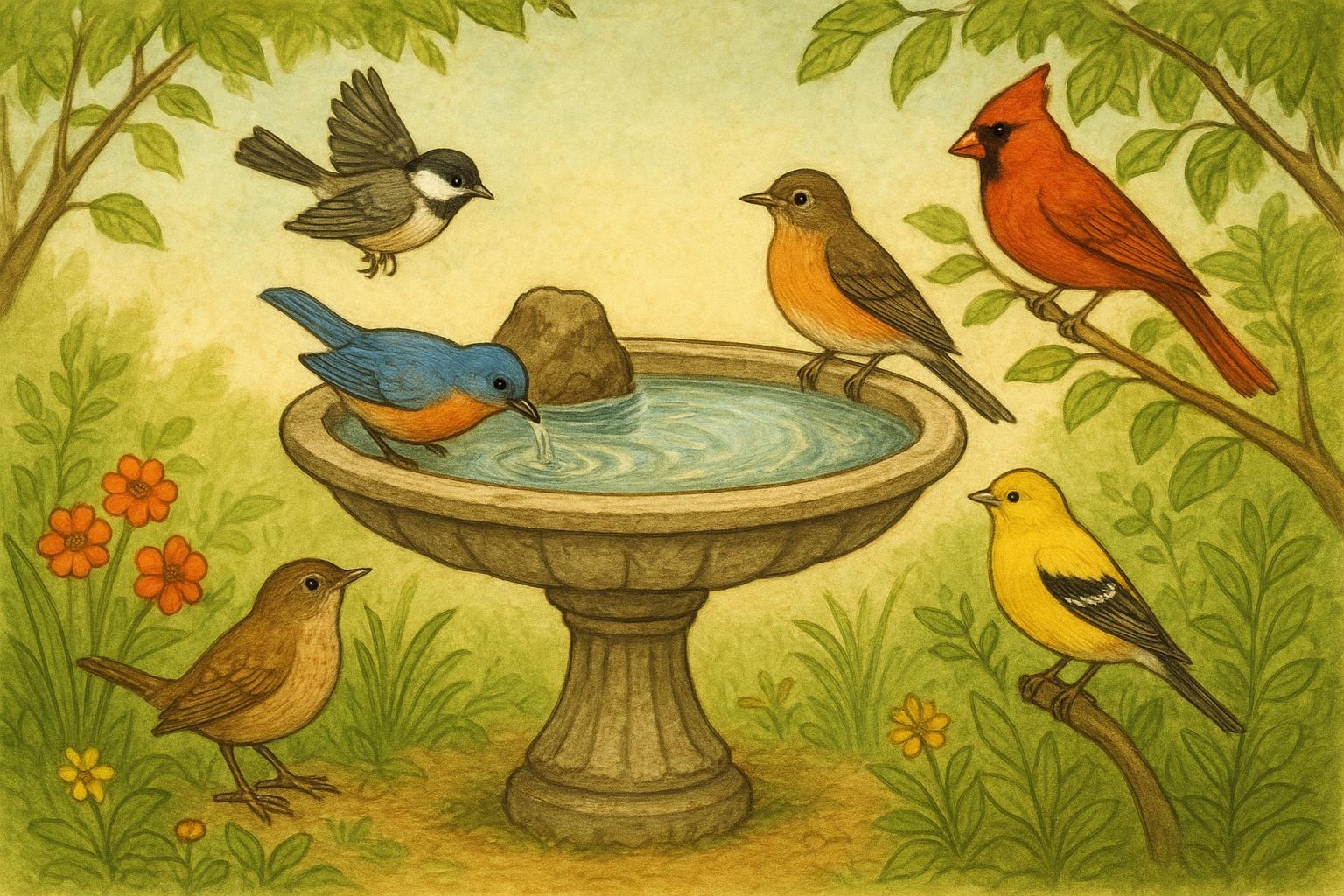
## Bird Fountain Oasis For A Lively Backyard Birdbath
There’s something special about the sound of water in a backyard. A gentle trickle, a soft splash — it’s basically bird karaoke, and the guest list is all feathered. If you’ve been thinking about upgrading that old concrete birdbath to something that sings a little louder, a bird fountain can turn your yard into an avian magnet, a therapeutic soundscape, and a tiny wetland for neighborhood birds all in one. Below I’ll walk you through why moving water matters, design ideas that don’t require a landscape degree, and a clear, formal remedy to build a safe and attractive bird fountain that both you and your backyard denizens will appreciate.
## Why Moving Water Draws Birds Like Magnets
Birds rely on sound and motion to find water, especially in suburban landscapes where resources are patchy. A shallow basin with rippling water is easier for them to spot from a distance than a static pool, and moving water tends to be cleaner (less mosquito-friendly) than stagnant water. In short: a bird fountain doesn’t just look pretty — it helps birds find hydration and a place to bathe, improving their hygiene and helping them preen effectively.
### The Behavioral Science Behind The Splash
Water movement mimics natural streams and puddles, which many species associate with safety. The sound of flowing water reduces the perceived risk of predators for some birds. Bathing behavior also stimulates foraging instincts; a wet bird is often a happier, more active bird. Offer a moving water source and you’ll likely see more species, and more lively behavior, than with a neglected, algae-green basin.
### Which Birds Are Most Likely To Visit
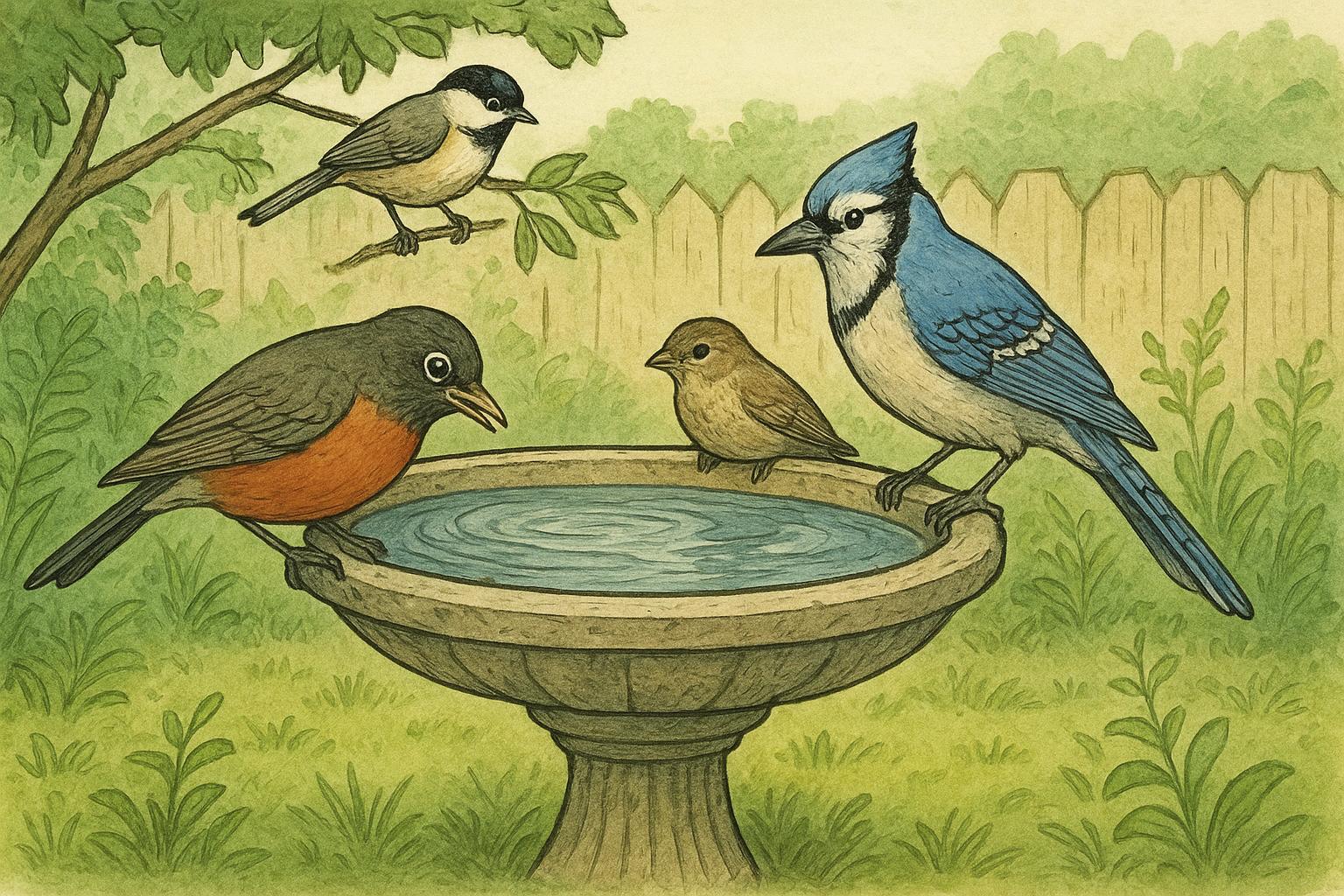
Songbirds such as finches, sparrows, and warblers are frequent visitors. Thrushes and robins favor shallow running water for bathing, while hummingbirds will sometimes sip from a fountain’s overflow if it’s slow and accessible. Larger birds like jays or doves use fountains for drinking and preening. The species mix will depend on your region, but the common denominator is motion — the fountain.
## Placement And Design Tips For Maximum Appeal
Placement matters. Situate your bird fountain where it’s visible but offers quick escape routes — near shrubs or trees but not so close that predators can hide directly above the bowl. Aim for partial shade; sun-warmed water attracts insects and speeds evaporation, while full shade can encourage algae. Keep the fountain height appropriate for the species you hope to attract: ground-level basins for robins, slightly elevated bowls for smaller songbirds.
### Materials And Style Choices That Work Best
Natural textures attract more birds than shiny metal in many cases. Stone, ceramic, and weathered terracotta feel familiar to birds. If you choose solar-powered pumps, ensure the site gets adequate sun. Submersible pumps are quieter and easier to conceal. Avoid overly elaborate perches that could harbor predators or make birds feel exposed.
#### Safety Considerations For Bird Health
– Depth: 1–2 inches at the edges, up to 3–4 inches in the center gives many species a safe bathing depth.
– Surface texture: rough or irregular bottoms help birds grip with their toes.
– Edges: rounded edges prevent injured feet and make entering/exiting easier.
### Maintenance And Seasonal Considerations
Regular cleaning keeps disease risk low. Change water every few days in hot weather and scrub the basin weekly with a stiff brush. In freezing climates, consider a small bird-safe heater or splash-resistant solar heater to keep a shallow area liquid through cold snaps. Mosquito prevention is handled naturally by moving water, but you should still clean regularly to prevent larvae in any calm pockets.
## How To Build A Simple Bird Fountain (Remedy)
Below is a practical, formal step-by-step remedy to create a reliable bird fountain that’s safe and attractive. Follow the materials and steps carefully to ensure proper function and bird safety.
### Materials And Tools Required
– A shallow basin or large ceramic birdbath bowl (minimum 24 inches diameter recommended)
– Submersible water pump suitable for small fountains (flow rate ~100–400 L/h)
– Flexible tubing (to fit pump outlet)
– Decorative rocks or gravel (clean, non-toxic)
– Flat paving stone or sturdy pedestal to elevate bowl
– Power source: outdoor-rated extension cord and GFCI outlet (or a solar pump)
– Silicone sealant (outdoor-rated)
– Small decorative spill stone, fountain head, or river stone for bubble effect (optional)
– A clean bucket and stiff-bristle brush for cleaning
– Water (preferably dechlorinated or left to stand for 24 hours)
### Step-By-Step Construction And Installation
1. Choose Location: Pick a spot with partial shade and nearby cover (shrubs/trees) about 5–10 feet away. Ensure access to power or consistent sunlight for solar units.
2. Prepare Base: Place the paving stone or pedestal level on the ground. Verify it’s stable and will support the filled basin.
3. Position Basin: Sit the birdbath bowl on the pedestal. Check for level again; instability will shorten pump life and frustrate visiting birds.
4. Install Pump: Place the submersible pump in the center of the basin. If the basin has a center well, position the pump there. Attach the flexible tubing to the pump outlet, routing it discreetly to the fountain head or spill stone.
5. Conceal Tubing: Use decorative rocks or gravel to conceal the pump and tubing, leaving the pump intake clear so it doesn’t clog. Ensure at least two inches of water over the pump intake according to pump instructions.
6. Seal Connections: Apply silicone sealant around any gaps where tubing exits the basin rim or meets the decorative outlet to prevent leaks.
7. Test Flow: Fill the basin with water and plug in the pump (or orient the solar panel for sunlight). Adjust the tubing and fountain head for a gentle ripple or a soft bubble — avoid strong jets that can deter small birds.
8. Final Adjustments: Tweak water depth to maintain shallow edges and a slightly deeper center. Add a few flat stones at the edge to create easy perches for birds.
9. Safety Check: Ensure the electrical cord is protected, not creating a tripping hazard, and the pump is rated for continuous outdoor use.
10. Ongoing Care: Replace the water every 2–4 days in summer, scrub the basin and clean the pump strainer weekly, and winterize by removing the pump if freezing persists.
Follow these steps precisely; improper installation or lack of maintenance can lead to pump failure or unhealthy conditions for visiting birds.
## Enhancements And Seasonal Modifications
Small tweaks can make a big difference. A solar-powered fountain reduces wiring and works well in sunny spots, but test it on cloudy days to ensure reliability. Add a drip edge or small weir to create sound variations that appeal to different species. In spring, position the fountain near fresh berry-producing shrubs to encourage foraging birds to stop by.
### Plants That Complement A Bird Fountain
Native plants support insects and provide shelter. Consider planting native grasses, serviceberry, or elderberry nearby. These give birds cover while they fly to and from the fountain. Low groundcovers create a natural-looking wetland edge without obstructing sightlines for birdwatching.
#### Avoid These Common Mistakes
– Too Deep: A deep basin is unusable by many small species.
– No Perches: Birds need places to hop and preen.
– Overly High Flow: Strong jets can frighten small birds away.
– Ignoring Cleanliness: Neglect leads to disease and algae build-up.
## Encouraging A Variety Of Visitors
Once your bird fountain is humming, be patient. Birds will discover it in their own time; songbirds often scout water sources slowly. Keep feeders in the vicinity to help birds transition to the new water source without causing competition or crowding. Rotate perches and clean regularly to maintain a healthy, welcoming oasis.
### Monitoring And Citizen Science Opportunities
Record what species visit and when — you’ll be amazed how a small fountain becomes a local biodiversity hotspot. Contribute sightings to apps or local bird clubs; it’s rewarding and helps track migration timing in your area.
Now that you’re equipped with practical design tips, safety guidelines, and a formal build remedy, your yard is ready to become the neighborhood’s favorite spa for feathered friends. Time to plug in the pump, sprinkle some seeds of hospitality, and enjoy the show.

















































Leave a Reply